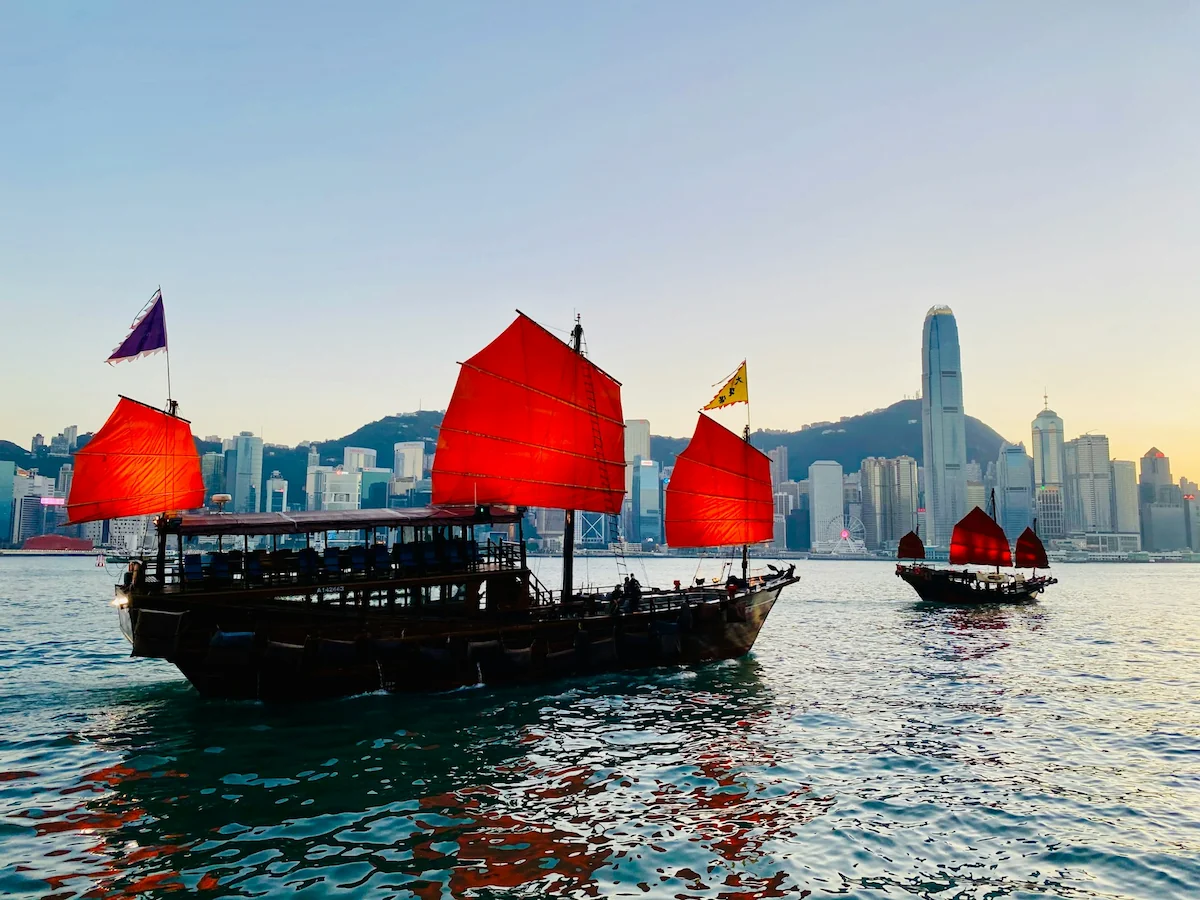
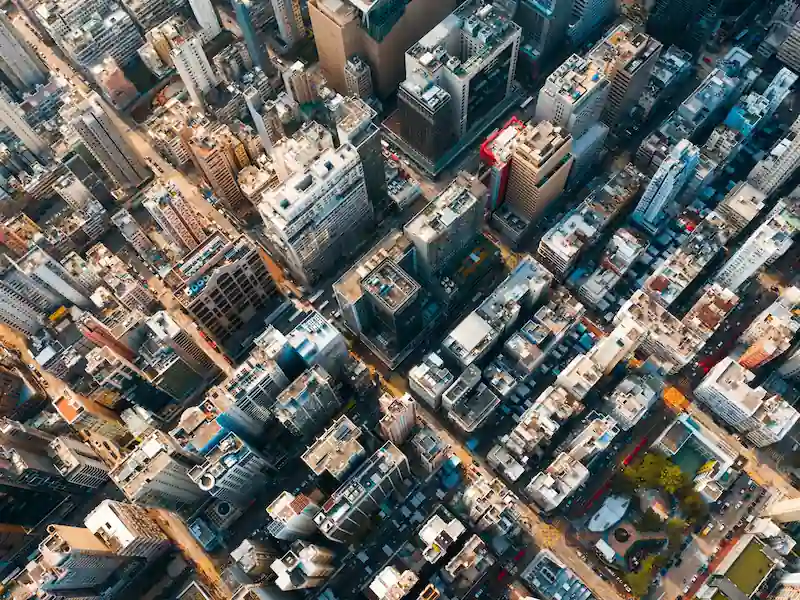
Discover the best things to do in Hong Kong, from skyline-defining classics and harbor crossings to temples, museums, markets, food-led neighborhoods, island escapes, hikes, family attractions, rainy-day ideas and day trips. This guide is built for selection rather than sightseeing overload: what is genuinely worth doing, what can wait, and how to shape a Hong Kong stay that balances views, street life, culture, food and time outside the dense urban core.
Best time
October to March is the easiest window for long walks, Peak views, harbor crossings, hikes, markets and day trips without oppressive heat or heavy rain. April, May and September can still work if you build more indoor and flexible plans around humidity and showers.
Ideal trip length
3 full days is the sweet spot for Hong Kong’s essentials; 4 to 5 days lets you add West Kowloon museums, Lantau, one outlying island or coastal hike, and a more local food-and-neighborhood rhythm.
Continue planning your Hong Kong trip
Use this page to choose what deserves your time, then connect it with the broader Hong Kong city guide, where to stay logic, and your itinerary structure. That is where the trip becomes coherent rather than just busy: the what-to-do choices, the best area to stay, and the day-by-day flow should support each other.
What to do in Hong Kong first
Ride the Peak Tram and walk Victoria Peak – Area: Central / The Peak · Best for: first-time skyline payoff · Time needed: 2 to 3 hours · Worth it: Still the clearest single introduction to Hong Kong’s scale, especially if you add Lugard Road or another short Peak walk instead of only doing the observation deck. · Book ahead: Yes for weekends, holidays and sunset slots.
Cross the harbor on the Star Ferry – Area: Central - Tsim Sha Tsui · Best for: classic low-cost icon · Time needed: 30 to 45 minutes · Worth it: High value for almost no effort. It is short, atmospheric and works best as part of a wider harbor-front sequence with Central, Tsim Sha Tsui or an evening skyline walk. · Book ahead: No.
See the skyline from Tsim Sha Tsui Promenade – Area: Tsim Sha Tsui · Best for: night views and first orientation · Time needed: 1 to 2 hours · Worth it: One of the city’s easiest visual rewards. Best paired with the ferry, Avenue of Stars, West Kowloon or a harbor cruise rather than treated as a single quick photo stop. · Book ahead: No.
Take Ngong Ping 360 to the Big Buddha and Po Lin Monastery – Area: Lantau Island · Best for: big-ticket half-day outing · Time needed: 4 to 6 hours · Worth it: A strong contrast to the urban core and one of the few Hong Kong experiences that feels both monumental and spacious. Add Tai O only if you can give Lantau a fuller day. · Book ahead: Yes for weekends, holidays and school breaks.
Visit M+ or the Hong Kong Palace Museum – Area: West Kowloon · Best for: culture in a compact format · Time needed: 2 to 3 hours · Worth it: This is where Hong Kong feels current rather than nostalgic. Choose one museum well, then use the waterfront and sunset views to turn it into a broader West Kowloon plan. · Book ahead: Recommended for special exhibitions.
Eat your way through Kowloon markets and local dining rooms – Area: Mong Kok / Yau Ma Tei / Jordan / Sham Shui Po · Best for: food-first travelers · Time needed: 2 to 4 hours · Worth it: Essential if you want the city to feel lived rather than viewed. The payoff is in density, contrast, snacks, cha chaan tengs, roast meats, noodles and small repeated stops. · Book ahead: No, unless joining a food tour.
Ride the Ding Ding tram across Hong Kong Island – Area: Sheung Wan to Causeway Bay · Best for: cheap local texture · Time needed: 1 to 1.5 hours · Worth it: Not a tourist gimmick if you treat it as a moving city read. It is one of the best low-cost ways to understand the island corridor from older blocks to retail districts. · Book ahead: No.
Explore Central, SoHo, Sheung Wan, PMQ and Tai Kwun on foot – Area: Central / SoHo / Sheung Wan · Best for: design, heritage, food and urban atmosphere · Time needed: 3 to 4 hours · Worth it: A smart first-day area if you want Hong Kong beyond postcard views: layered streets, escalators, temples, galleries, heritage compounds and easy food stops. · Book ahead: No, except for specific exhibitions or restaurants.
Add Chi Lin Nunnery and Nan Lian Garden for a calmer cultural stop – Area: Diamond Hill · Best for: temple architecture and quiet contrast · Time needed: 1.5 to 2.5 hours · Worth it: One of the best non-skyline experiences in Hong Kong because it gives architectural order, gardens and a quieter rhythm without requiring a full day out of the city. · Book ahead: No.
Choose one outdoor contrast: Dragon’s Back, Sai Kung, Lamma or Cheung Chau – Area: Hong Kong Island / New Territories / Outlying Islands · Best for: nature, hiking and repeat visits · Time needed: half day to full day · Worth it: Hong Kong is more than towers and ferries. One coastal hike, island day or Sai Kung outing can make the trip feel broader and less city-bound. · Book ahead: No for self-guided plans; yes for boat or Geopark tours.
How to choose well in Hong Kong
Hong Kong rewards selection more than box-ticking. The city’s best experiences come from combining one headline sight with a clear district, food, museum, harbor or outdoor rhythm rather than racing between disconnected stops. A strong plan balances vertical views, street-level density, cultural depth, and at least one outing beyond the central city.
Do not stack all the icons in one day; Hong Kong works better when you combine one major sight with one neighborhood, one food anchor and one transport experience.
Treat harbor crossings, trams, escalators, ferries and MTR transfers as part of the experience, not only as logistics between attractions.
Victoria Peak, Ngong Ping, harbor cruises, theme parks and major museums deserve timing strategy because queues, visibility and weather can change the value of the day.
Kowloon markets, Jordan, Yau Ma Tei and Sham Shui Po are best late afternoon into evening, when food stops and street energy make more sense.
Add one calm counterweight if you have 3 days or more: Chi Lin and Nan Lian, Lamma, Cheung Chau, Sai Kung, Dragon’s Back or a slower waterfront plan.
Keep rainy-day flexibility: M+, the Palace Museum, Tai Kwun, malls, trams, food stops and covered commercial districts are safer than Peak or open-water plans in poor visibility.
Theme parks are worth it only if they are part of the trip’s purpose; they are full-day or near-full-day allocations, not casual add-ons.
If you only have a short stay, prioritize skyline logic, a ferry crossing, one museum or temple cluster, and one strong food district rather than chasing every famous district.
Hong Kong essentials that earn their place
Hong Kong’s headline experiences are not all equal. The best ones do more than give you a photo: they explain the city’s vertical geography, harbor logic, and split personality between mountain, water, and density. Start here if this is your first trip or if you want the highest-return experiences before anything more niche.
Peak Tram, Sky Terrace, and a short Peak walk – The classic Peak experience is worth doing, but it works best when you go beyond the platform. Ride up, take in the skyline, then add a short section of Lugard Road or another Peak path for a fuller sense of Hong Kong’s cliff-edge geography. (First-time essential · Best for: first-time visitors with limited time)Find tours & experiences
Star Ferry and the harbor-front pairing – The Star Ferry is short, cheap and still one of the city’s most satisfying transitions. Pair it with Central Pier, Tsim Sha Tsui Promenade, Avenue of Stars or an evening skyline sequence rather than treating it as a standalone attraction. (High payoff · Best for: short stays and budget-conscious first trips)
Big Buddha, Po Lin Monastery, and Ngong Ping 360 – This is one of Hong Kong’s strongest half-day or longer excursions within the city region. The cable car adds scale and anticipation, while the monastery and giant seated Buddha shift the mood away from the urban core. (Worth it · Best for: travelers wanting contrast beyond central Hong Kong)Find tours & experiences
Victoria Harbour at dusk – Hong Kong makes most sense when the light starts to drop and the skyline becomes spatial rather than abstract. A harbor-front walk is enough, but a well-timed cruise turns the view into a full evening experience. (Best in the evening · Best for: couples and first-night plans)Find tours & experiences
Avenue of Stars and Tsim Sha Tsui waterfront – This is less about the film-themed details than the position on the water. It is one of the easiest places to understand the island-versus-Kowloon composition and works especially well at golden hour or after dark. (Best for: easy evening orientation)
Symphony of Lights only as part of a bigger harbor evening – The light show is often overvalued as a standalone event, but it can work well if you are already on the Tsim Sha Tsui waterfront, taking the ferry after dark, or building a low-effort first-night skyline plan. (Easy add-on · Best for: first-night orientation and low-effort evenings)
Ride the Ding Ding tram across the island corridor – Hong Kong Tramways is one of the city’s most useful low-cost experiences. Sit upstairs, stay on longer than you think, and use it to read street transitions from old commercial blocks to brighter retail strips. (Cheap classic · Best for: urban explorers and repeat visitors)
A full Central to Mid-Levels urban climb – The Mid-Levels Escalator system is not a sight in itself; it becomes worthwhile when you walk the side streets, stairs, cafés, galleries and small lanes around it. This is one of the city’s best compressed reads of topography and pace. (Best for: travelers who prefer walking the city over queueing for attractions)
Sky100 or a high-view bar when the weather is clear – Sky100 and high-view bars are not mandatory if you already do the Peak, but they are useful alternatives on short stays, rainy-but-clear evenings, or trips where you want a controlled indoor skyline view. (Weather-dependent · Best for: travelers who want an indoor skyline fallback)Find tours & experiences
Hong Kong Observation Wheel and Central harbourfront – This is not one of the city’s deepest experiences, but it can be a useful low-friction add-on around Central Pier, the Star Ferry, IFC, evening walks or family plans where a simple harborfront activity helps the day flow. (Optional add-on · Best for: families and easy Central waterfront plans)
Museums, heritage, and the city’s sharper cultural stops
Hong Kong’s cultural side is strongest when it feels specific rather than dutiful. You do not need to overdo museum time here, but choosing one or two well can deepen the trip dramatically: contemporary visual culture in West Kowloon, temple architecture, or compact heritage layers embedded in active neighborhoods.
Choose M+ for contemporary visual culture – M+ is the museum to prioritize if you want Hong Kong to feel current, regional and visually ambitious. It is broad enough to reward a first visit without demanding a full day, and the West Kowloon setting adds harbor views before or after the galleries. (Best museum pick · Best for: design, architecture and modern culture)Find tours & experiences
Visit the Hong Kong Palace Museum if you want one strong curated block – This works well for travelers who prefer a focused cultural visit over a broad museum crawl. It adds gravitas and refinement without pulling you into an overly academic day, especially when paired with the West Kowloon waterfront. (Best for: art and curated exhibition lovers)Find tours & experiences
See Man Mo Temple within a Sheung Wan heritage walk – Man Mo Temple is compact, atmospheric and best folded into a wider district walk rather than treated as a major standalone site. It gives you ritual texture and older street fabric within easy reach of Central. (Best for: short heritage stops with strong atmosphere)
Use Tai Kwun as a heritage-meets-contemporary pause – Tai Kwun succeeds because it is not only preserved architecture. The compound mixes history, exhibitions, cafés, courtyards and a central location, making it an easy and intelligent stop in a Central or SoHo day. (Easy add-on · Best for: travelers who want culture without a heavy museum commitment)
Add Wong Tai Sin Temple only if you want active devotional energy – This is more crowded and less subtle than Man Mo, but that is partly the point. Go if you want movement, color, fortune-telling culture and living ritual rather than a quiet heritage atmosphere. (Only if it fits · Best for: travelers interested in active temple culture)
Pair Chi Lin Nunnery with Nan Lian Garden – This is one of the best cultural contrasts in Hong Kong: quiet timber architecture, landscaped gardens and a slower rhythm within easy MTR reach. It is especially useful when you want a temple experience that feels calmer and more spatial than the central districts. (Calm contrast · Best for: temple architecture, gardens and slower cultural time)
Use PMQ for design, small shops and creative Hong Kong – PMQ works best as part of a Central, SoHo or Sheung Wan walk. It is not a major attraction on its own, but it adds local design, small studios, pop-ups and a softer creative layer between food and heritage stops. (Easy add-on · Best for: design-minded travelers and short urban walks)
Consider the Hong Kong Museum of History only if exhibitions fit your timing – This can be valuable for context, but it should not displace M+, the Palace Museum or a strong district walk on a short trip. Use it as a targeted cultural stop when the current exhibitions match your interests. (Selective · Best for: travelers who want historical context)
Street-level Hong Kong: neighborhoods, markets, and city texture
Hong Kong is often over-read through its skyline. The better local experiences happen closer to the pavement: old shopfronts, transit rhythm, stacked signage, public markets, tea stops, and dense district transitions. This is the bucket that prevents the trip from becoming only viewpoints and ticketed attractions.
Walk Sheung Wan through old trades, temples and coffee-era reinvention – Sheung Wan rewards slow observation. It still holds older commercial traces, dried seafood shops, temples and steep lanes, but the interest comes from how traditional storefronts and newer design-minded addresses sit beside each other. (Best for: repeat visitors and neighborhood walkers)
Do Mong Kok after dark for pure urban overload – This is one of the city’s densest sensory zones, especially once signs light up and the streets fill. Go for the compression, side streets, shopping intensity and snacking, not for a single attraction. (Best in the evening · Best for: travelers who want energy over polish)
Explore Sham Shui Po for markets, fabric, electronics and everyday density – Sham Shui Po is one of the best districts for understanding daily Hong Kong commerce beyond the postcard core. It feels more grounded, more improvised and often more memorable than heavily curated areas. (Local favorite · Best for: street photography and local-life texture)
Use Yau Ma Tei and Jordan for a food-and-market evening – This corridor is useful when you want Kowloon energy without making Mong Kok the whole plan. Build it around Temple Street, casual dining rooms, fruit markets, jade-market atmosphere and a sequence of small food stops. (Evening texture · Best for: market wandering and casual food plans)Find tours & experiences
Take the tram and hop off through Wan Chai and Causeway Bay – This works best as a moving, modular activity. Stay flexible, jump off when the street looks interesting, and use the tram to connect business towers, wet markets, older lanes and retail zones without over-planning. (Best for: lightly structured exploration days)
Add Blue House and Wan Chai heritage if you want old-neighborhood detail – Wan Chai is easy to reduce to nightlife or convention traffic, but its heritage pockets give a more layered read of Hong Kong Island. Blue House works best as a compact stop within a wider tram-led route. (Small but useful · Best for: heritage walkers and repeat visitors)
Spend a slower half day on Lamma Island – Lamma is valuable because it changes the trip’s tempo. Ferries, coastal air, seafood lunches, low-rise village logic and light walking offer a different Hong Kong without requiring a full logistical production. (Only if you have time · Best for: travelers staying 4 days or more)
Use Cheung Chau for a livelier island day – Cheung Chau is better than Lamma if you want more bustle, snacks, beaches, short walks and a stronger local day-out feeling. It is a useful island alternative for travelers who want an easy ferry escape without going quiet too quickly. (Island escape · Best for: casual island wandering and snacks)
Go south to Stanley and Repulse Bay for a softer coastal Hong Kong – Stanley Market and Repulse Bay are not essential for a short first trip, but they add beach air, colonial-era edges, promenade time and a gentler side of Hong Kong Island if you have already covered the core. (Optional coastal add-on · Best for: families, slower trips and warm-weather afternoons)
Hike Dragon’s Back to see Hong Kong’s outdoor side – Dragon’s Back is one of the most useful half-day nature experiences because it proves how quickly Hong Kong shifts from dense urban life to ridgelines, sea views and beaches. Do it in mild weather and avoid the hottest, wettest parts of the year. (Best outdoor contrast · Best for: active travelers and 3-day-plus stays)Find tours & experiences
Consider Sai Kung for seafood, boats and sharper nature contrast – Sai Kung takes more effort than the central districts, but it is one of the better answers if you want seafood, coastal scenery, beaches, boat trips or access to Hong Kong’s more dramatic geological landscapes. (More effort, high contrast · Best for: nature-focused travelers and repeat visitors)Find tours & experiences
What to do in Hong Kong if food is part of the plan
Hong Kong is one of those cities where eating is not a break from sightseeing; it is one of the main reasons to be there. The best food experiences are rarely about a single famous address. They come from using districts well, knowing when to sit down, when to snack, and when a guided food format actually helps.
Build one strong dim sum meal into the trip – A proper dim sum stop is still one of the clearest Hong Kong food rituals. Do it earlier in the day, give it time, and choose quality over a rushed checklist of famous dishes. (Essential taste · Best for: first-time food priorities)
Use Central and SoHo for layered eating rather than one headline booking – This is where Hong Kong’s international and local currents meet most visibly. The area works best when you graze across cafés, bakeries, cocktail bars and one more serious dinner stop. (Best for: couples and short stylish stays)Find tours & experiences
Go to Sham Shui Po, Jordan or Yau Ma Tei for a grounded food crawl – These districts are better if you want a less polished, more repetition-based eating sequence. Think noodles, roast meats, milk tea, egg tarts, claypot rice, dai pai dong-style meals and constant small decisions rather than a single destination meal. (High payoff · Best for: street-food-minded travelers)Find tours & experiences
Do a dai pai dong-style or cha chaan teng stop for city texture – Part of the point is the pace, the table turnover and the everydayness. These meals are usually more valuable as atmosphere than as singular gourmet highlights, especially if you keep expectations simple. (Best for: travelers who want local dining culture)
Add roast goose, wonton noodles or claypot rice as anchor dishes – Hong Kong food planning becomes easier when you think in anchor dishes rather than only famous restaurants. Build one meal around roast meats, one around noodles or congee, and one around a shared claypot or casual evening table. (Food strategy · Best for: travelers who plan by dishes, not only neighborhoods)
Use bakeries, milk tea and egg tarts as small stops between sights – Some of the best Hong Kong food moments do not need a reservation or a full meal. Bakery stops, pineapple buns, egg tarts and milk tea help connect districts without turning every food plan into a major sit-down event. (Easy snack layer · Best for: families, short stays and walking days)
Pair an island or coastal outing with seafood only if the timing works – Seafood lunches on Lamma, Cheung Chau, Sai Kung or Lei Yue Mun can be memorable, but they are best when they support the day’s route. Do not cross the city just for a single meal unless food is the main purpose. (Route-dependent · Best for: island days and seafood-focused travelers)
Pair a harbor evening with drinks instead of overcommitting dinner logistics – If your day already includes a sunset viewpoint or cruise, a lighter drinks-and-small-plates plan often works better than racing across the city for a formal reservation. Hong Kong nights reward flow. (Smart evening choice · Best for: short stays and skyline nights)
Best things to do in Hong Kong for first-time visitors
For a first trip, Hong Kong is easiest to get right when you focus on city-defining contrasts: height, harbor, street life, culture, food and one outward-looking excursion. You do not need to cover everything to feel that you have seen the city properly.
Start with Victoria Peak, the Star Ferry and one harbor-front evening; that trio gives you Hong Kong’s basic visual logic fast.
Add either Ngong Ping and the Big Buddha or West Kowloon museums depending on whether you want landscape contrast or cultural depth.
Use Central, Sheung Wan and Tsim Sha Tsui as your first anchor districts before branching into Mong Kok, Sham Shui Po, Yau Ma Tei or outlying islands.
Do one proper neighborhood walk on foot instead of treating the city only as a set of viewpoints.
Build at least one food plan into Kowloon or Central/SoHo; eating is not a secondary activity in Hong Kong.
If you only have 48 hours, skip theme parks, long island detours and Sai Kung unless they are core priorities.
Priority
Best for
Why
Do first
Most first trips
Victoria Peak, Star Ferry, Tsim Sha Tsui waterfront, Central/Sheung Wan walk
Add next
3-day stays
West Kowloon museum, Kowloon food district, Ngong Ping or Chi Lin/Nan Lian
Only with more time
4 days+
Lamma, Cheung Chau, Stanley, Sai Kung, Dragon’s Back, Disneyland, Ocean Park
Free things to do in Hong Kong that are actually worth your time
Free in Hong Kong does not have to mean filler. Some of the city’s strongest experiences are walks, viewpoints, harbor edges, temple stops, gardens and neighborhoods that reward attention more than tickets.
Walk the Tsim Sha Tsui waterfront from the ferry piers through Avenue of Stars for skyline views at almost any time of day.
Explore Central to Mid-Levels on foot, using the escalator system and side streets as your route rather than a destination list.
Visit Man Mo Temple as part of a Sheung Wan walk.
Browse PMQ and Tai Kwun even if you do not enter every exhibition space.
Pair Chi Lin Nunnery and Nan Lian Garden for one of the city’s best free cultural-and-garden experiences.
Do a market-and-street circuit in Mong Kok, Yau Ma Tei or Sham Shui Po where the value comes from density and observation.
Walk West Kowloon’s harbor edge before or after a museum, even if you skip paid exhibitions.
Take a harbor-front evening walk instead of paying for a cruise if budget matters more than the on-water angle.
Free activity
Best for
Time needed
Tsim Sha Tsui Promenade
Skyline views
45 to 90 minutes
Central to Mid-Levels walk
Urban texture
1.5 to 3 hours
Man Mo Temple + Sheung Wan
Heritage atmosphere
1 to 2 hours
Chi Lin Nunnery + Nan Lian Garden
Calm cultural contrast
1.5 to 2.5 hours
Sham Shui Po / Yau Ma Tei street circuit
Local density and markets
2 to 3 hours
Unique things to do in Hong Kong beyond the obvious icons
Hong Kong’s more distinctive experiences usually come from juxtapositions rather than obscure attractions. The city becomes memorable when you combine infrastructure, topography, food culture, temple life, outlying islands and district contrast in ways that feel specific to this place.
Ride the upper deck of the Ding Ding tram for a long cross-section of island life rather than using it for one stop only.
Pair Tai Kwun and SoHo to move from colonial-era architecture to contemporary food and nightlife in a short radius.
Do an evening food crawl in Sham Shui Po, Jordan or Yau Ma Tei instead of defaulting to only Tsim Sha Tsui or Central.
Take the ferry to Lamma or Cheung Chau for a looser, lower-rise Hong Kong that still feels connected to daily local life.
Use West Kowloon for a museum plus harbor-edge sequence rather than as a pure museum stop.
Add Chi Lin Nunnery and Nan Lian Garden when you want a quieter cultural experience that is not just another temple checklist stop.
Hike Dragon’s Back or plan Sai Kung if you want the surprising outdoor version of Hong Kong, not only the skyline version.
Use wet markets, bakeries, trams and ferries as low-cost micro-experiences between bigger sights.
Unique experience
Best for
Why it feels specific
Ding Ding tram long ride
Urban cross-section
Old transport, dense streets and changing island neighborhoods
Chi Lin + Nan Lian
Calm contrast
Temple architecture and gardens within the wider urban fabric
Sham Shui Po food and market circuit
Local texture
Everyday commerce, snacks, fabric, electronics and dense street life
Dragon’s Back or Sai Kung
Outdoor contrast
Fast shift from city density to ridges, sea views and coastal landscapes
Things to do in Hong Kong at night
Hong Kong improves after dark. The skyline becomes legible, Kowloon gains momentum, and evening transport across the harbor starts to feel like part of the show rather than a practical transfer.
Watch the skyline from Tsim Sha Tsui Promenade, West Kowloon or a harbor cruise.
Take the Star Ferry after dusk for one of the city’s easiest and most atmospheric night experiences.
Do Mong Kok, Yau Ma Tei, Jordan or Temple Street-style evening wandering for neon, crowds, food and street-level energy.
Have drinks in Central, SoHo, Tsim Sha Tsui or a high-view bar after a Peak, museum or harbor sequence rather than building the night around a single reservation.
Use Symphony of Lights as an add-on if you are already on the waterfront, not as the entire evening plan.
Choose a rooftop or high-view bar only if the weather is clear enough to justify the premium.
Keep late-night plans geographically tight; crossing the city repeatedly after dinner often weakens the flow.
Night plan
Best for
Style
Harbor views
First trip
Scenic and easy
Star Ferry after dark
Classic low-cost night moment
Short, atmospheric and flexible
Mong Kok / Yau Ma Tei / Jordan streets
Urban energy and casual food
Dense and informal
Central / SoHo bars
Late evening social plan
More polished
High-view bar or Sky100
Clear weather skyline plan
Premium and view-led
Things to do in Hong Kong with kids
Hong Kong works surprisingly well for families if you choose clearly. The best family plans mix one major attraction with one low-friction ride, open-air harbor time, simple food stops or an indoor backup rather than overloading the day.
Hong Kong Disneyland is the simplest full-day family commitment if the trip already includes at least three nights.
Ocean Park works better for families who want rides plus animal exhibits and are comfortable with a more terrain-heavy layout.
Ngong Ping 360 and the Big Buddha can work well with older kids who enjoy cable cars and big open views.
The Star Ferry, Ding Ding tram and Hong Kong Observation Wheel are easy wins for younger children because the transport or ride itself feels like part of the activity.
West Kowloon museums, M+ and the Palace Museum can be useful family rainy-day options when energy is lower and outdoor plans fall apart.
Stanley, Repulse Bay, Lamma or Cheung Chau can work well when the family needs air, space and a slower pace.
Food plans should be modular: bakeries, egg tarts, milk tea, noodles and casual restaurants usually work better than long tasting-menu logistics.
Option
Best age fit
Weather fit
Disneyland
Young kids to tweens
Best in dry weather
Ocean Park
Older kids and teens
Better in mild weather
Star Ferry + waterfront
All ages
Flexible and easy
Ngong Ping 360
Older kids
Best with clear skies and moderate heat
Stanley / Repulse Bay
All ages
Good in warm but not stormy weather
What to do in Hong Kong when it rains
Rain does not ruin Hong Kong, but it changes what is worth attempting. On wet days, switch from big-view ambitions to museums, trams, indoor food plans, covered commercial districts and short-hop neighborhoods where flexibility carries the day.
Choose M+ or the Hong Kong Palace Museum for a proper indoor anchor rather than trying to salvage an all-weather walking plan.
Use Hong Kong Tramways as a moving indoor city read when you still want to see urban life without a full soaking.
Lean into Central, Causeway Bay, Tsim Sha Tsui or large commercial districts where cafés, shops, galleries and malls let you build a flexible sequence.
Keep food-led exploration in Kowloon on the table, but shorten the walking gaps and focus on seated stops.
Use Tai Kwun, PMQ, cafés and galleries for a lighter rainy-day Central sequence.
Skip the Peak, Dragon’s Back, Sai Kung, open harbor plans and island day trips if visibility or storms are poor; these experiences depend heavily on weather.
Keep a museum or food tour as a backup if traveling during humid or wetter shoulder months.
Rainy Day move
Best for
Why it works
M+ / Palace Museum
Structured indoor plan
High-quality cultural time
Ding Ding tram ride
Low-cost city feel
Sheltered but still visual
Food crawl with short hops
Keeping the day lively
Indoor rhythm and flexibility
Tai Kwun + PMQ + cafés
Central without big views
Short transitions and mixed indoor/outdoor spaces
Causeway Bay / Tsim Sha Tsui malls
Families and low-energy days
Easy shelter, food and transport
Things to do in Hong Kong by area
Central and SoHo
Best for a first urban read of Hong Kong Island. This is where business towers, steep streets, escalators, galleries, heritage compounds and polished food options compress into one highly walkable zone.
Mid-Levels Escalator walk
Tai Kwun
PMQ
SoHo cafés, bakeries and evening bars
easy links to the Peak, ferries and tram corridor
Sheung Wan
A stronger choice than Central if you want older commercial layers and quieter street texture. It rewards browsing, observation and slower walking rather than headline attraction-hopping.
Man Mo Temple
old shopfront corridors
dried seafood streets and steep lanes
design stores and coffee stops
traditional-meets-new Hong Kong atmosphere
Tsim Sha Tsui
This is Hong Kong at its most legible for short stays: water, skyline, museums nearby, ferry links and easy evening payoff. It is one of the best zones for first-night orientation.
Avenue of Stars
harbor promenade
Star Ferry connections
sunset and night skyline views
easy access to Kowloon dining and West Kowloon
West Kowloon
Go here for the city’s strongest museum concentration and a more contemporary waterfront feel. This area makes sense when you want one clean cultural block rather than scattered stops.
M+
Hong Kong Palace Museum
harbor-edge walks
modern architecture and open views
good rainy-day or hot-day cultural anchor
Mong Kok
Best when you want density, signage, motion and unfiltered Kowloon energy. It is not subtle, but that intensity is the reason to go.
night wandering
busy commercial streets
sneaker and shopping streets
snacking between stops
easy pairing with Jordan or Yau Ma Tei
Yau Ma Tei and Jordan
A useful Kowloon corridor for evening food, Temple Street atmosphere, older streets and market texture. Choose it when you want something more grounded than a pure waterfront night.
Temple Street area
casual local restaurants
fruit and jade-market atmosphere
claypot rice and noodle stops
easy link between Tsim Sha Tsui and Mong Kok
Sham Shui Po
One of the strongest areas for local texture, practical shopping and everyday food culture. Choose it if you want a Hong Kong experience that feels less staged and more lived.
market streets
fabric and electronics lanes
casual local food
street photography
great district for repeat visitors
Wan Chai and Causeway Bay
Best explored with the tram rather than as a checklist. This corridor mixes older pockets, nightlife, wet markets, shopping, dense food options and modern retail intensity.
Ding Ding tram stops
Blue House and heritage streets
wet-market atmosphere
Causeway Bay shopping
easy food and café breaks
Diamond Hill and Wong Tai Sin
This area works when you want temple culture without staying inside the central tourist circuit. It is strongest if you pair Chi Lin Nunnery, Nan Lian Garden and, if it fits your interests, Wong Tai Sin Temple.
Chi Lin Nunnery
Nan Lian Garden
Wong Tai Sin Temple
calmer cultural contrast
good half-day alternative to another museum
Lantau Island
This is where Hong Kong opens out. Use it for the Big Buddha, cable car views, monastery grounds, Tai O or a separate family day if Disneyland is part of the trip.
Ngong Ping 360
Big Buddha
Po Lin Monastery
Tai O fishing village
Disneyland
broader landscape contrast
Stanley and Repulse Bay
A softer coastal counterpoint to the dense central city. It is not essential on very short stays, but it works well for families, warm afternoons and travelers who want beach air without a full island day.
Stanley Market
Repulse Bay
coastal promenades
easy lunch stops
slower Hong Kong Island rhythm
Sai Kung and the eastern New Territories
Best for travelers who want Hong Kong’s nature, seafood and coastal geography to be part of the trip. It takes more effort than inner-city districts, so save it for longer stays or repeat visits.
seafood waterfront
boat trips
beaches and hiking access
Hong Kong UNESCO Global Geopark landscapes
strong nature contrast
What to prioritize based on your trip length
Hong Kong improves when you cut cleanly. The city offers enough range to fill a week, but shorter stays need sharper editing around skyline, harbor, food, culture and one contrast experience.
Profile
Prioritize
Skip
Structure
Half day
Star Ferry, Tsim Sha Tsui waterfront, one Central or Sheung Wan walk
Big Buddha, theme parks, Sai Kung, island day trips, long museum blocks
Keep it harbor-focused and choose one side of the city to explore properly.
1 day
Victoria Peak, ferry crossing, Central/SoHo or Tsim Sha Tsui, plus one strong meal sequence
Trying to do both major museums and Lantau, or adding an island detour
Morning icon, afternoon district, evening harbor.
2 days
Peak, ferry, one Kowloon district, one museum or Ngong Ping outing, one clear food plan
Both theme parks unless that is the whole purpose of the trip
One city-core day and one contrast day.
3 days
Core icons, one West Kowloon cultural block, one deeper food or market district, Lantau or Chi Lin/Nan Lian, one flexible evening
Overpacked attraction hopping and backtracking across the harbor multiple times per day
Build around three distinct moods: skyline, street life, and cultural or outdoor contrast.
4 to 5 days
Add Lamma, Cheung Chau, Dragon’s Back, Stanley, Sai Kung, deeper Kowloon or a slower tram-led island day
Repeating only skyline viewpoints unless weather or photography is the goal
Let the trip breathe with one island/coastal/outdoor day and one lower-pressure local day.
First trip
Skyline logic, harbor, one hilltop view, one temple or museum, one serious food district
Too many niche neighborhoods too early
Get the city’s major contrasts first, then add detail.
Repeat visit
Sham Shui Po, Yau Ma Tei, Sheung Wan, Chi Lin/Nan Lian, Lamma, Cheung Chau, Sai Kung, tram-led exploration
Re-doing every classic unless you genuinely want it
Use transport, neighborhoods, food and outdoor contrast as the experience.
Families
Star Ferry, tram, Observation Wheel, Disneyland or Ocean Park, Ngong Ping if kids handle longer outings, West Kowloon if rain hits
Long market crawls, repeated transfers and overly late restaurant plans
One big anchor per day plus simple transport, food and waterfront add-ons.
Rainy day
M+, Palace Museum, Tai Kwun, PMQ, tram rides, food stops, Causeway Bay or Tsim Sha Tsui indoor sequences
Peak, Dragon’s Back, Sai Kung boat plans and open harbor cruises in poor visibility
Choose one indoor anchor, then build short-hop food and transport around it.
Best day trips from Hong Kong
Day trips make sense from Hong Kong when they add a clear contrast: islands, coastal rhythm, hiking, fishing villages, geological landscapes or major cultural sights beyond the immediate core. They should enhance the stay, not replace the city’s main harbor, skyline and district logic.
Excursion
Best for
Time needed
First trip?
Transport
Book ahead
Lamma Island
a lower-key island escape without much planning
half day to full day
Better from day 4 onward
ferry
No
Cheung Chau
livelier island wandering, snacks, beaches and casual seafood
half day to full day
Optional from day 3 or 4
ferry
No
Macau
travelers curious about the cross-estuary contrast, heritage core and casino-resort scale
full day
Only if you have at least 4 full days in the region
a half-day hike with sea views and a beach-side finish
half day
Good on a 3-day trip if you want outdoor contrast
MTR plus bus/taxi
No for self-guided; yes for guided hikes Check options
Stanley and Repulse Bay
an easier coastal Hong Kong Island outing with market, beach and lunch options
half day
Optional if you have 3 days or are traveling with kids
bus, taxi or guided island tour
No
Peng Chau
a quieter small-island alternative when Lamma or Cheung Chau feel too obvious
half day
Repeat-visit or slow-trip choice
ferry
No
Smart combinations that work especially well
These are not itineraries. They are clean pairings that make logistical and editorial sense if you want the day to flow well.
Peak + Central descent + SoHo dinner – This is one of the cleanest first-day combinations in Hong Kong. You get the city in panorama first, then re-enter it at street level, ending with food and nightlife in an area that does not require extra transport gymnastics.
Star Ferry + Tsim Sha Tsui waterfront + Kowloon food crawl – This works best from late afternoon onward. The harbor gives you orientation, the promenade handles the skyline payoff, and Kowloon takes over once you are ready to shift from views to appetite.
M+ or Palace Museum + West Kowloon sunset walk – A strong answer for rainy or hot days that still need a memorable finish. You get a focused indoor block first, then let the harbor and evening light open the day back up.
Ngong Ping 360 + Big Buddha + Tai O if you have a full day – This is a high-contrast day: cable car, monastery calm, mountain scale and fishing-village texture. Add Tai O only when you can avoid rushing the return to the city.
Sheung Wan heritage walk + Tai Kwun + drinks in Central – One of the smartest combinations for travelers who prefer city texture over big-ticket attractions. It moves from older commercial layers into a refined evening without wasting time crossing town.
Chi Lin Nunnery + Nan Lian Garden + Kowloon evening food – This pairing works because it gives you a calm cultural block first and then returns you to the density of Kowloon for dinner. It is a good alternative to another skyline or shopping-heavy day.
Ding Ding tram + Wan Chai heritage + Causeway Bay food stop – Use the tram as the structure and let the neighborhood stops do the work. This is ideal for a lightly planned day when you want movement, street life and easy food breaks.
Dragon’s Back + Shek O or coastal lunch – This is the best way to make Hong Kong feel outdoorsy without committing to a remote expedition. Keep it for mild, clear weather and avoid stacking it with a heavy evening transfer plan.
Lamma or Cheung Chau + simple harbor night – After an island day, avoid over-programming the evening. A ferry return, easy dinner and harbor walk often feel more natural than racing toward another major attraction.
What to book ahead in Hong Kong
Hong Kong is not a city where everything needs advance planning, but the wrong assumptions can cost you time. Reserve the experiences where timing, queues, weather or capacity shape the quality of the visit; keep flexible where spontaneity is part of the appeal.
Start early; treat it as a full-day commitment rather than a quick side stop
Often useful if you want transport and highlights handled in one day
Star Ferry, trams, temples, neighborhoods and most island ferries
No
Use them flexibly around weather, energy and meal timing
No, these are strongest when self-paced unless you want a food or heritage guide
FAQ: what to do in Hong Kong
These are the questions travelers usually ask when trying to decide what is genuinely worth doing in Hong Kong, how much time each experience deserves, and how to avoid building a trip that is too crowded, too weather-dependent or too focused on only one side of the city.
What are the best things to do in Hong Kong for a first trip?
Start with Victoria Peak, the Star Ferry, the Tsim Sha Tsui waterfront, one Central or Sheung Wan walk, one Kowloon food district and either Ngong Ping or one West Kowloon museum. That gives you the city’s main visual, cultural and food contrasts without spreading yourself too thin.
How many days do you need for Hong Kong?
Three full days is the practical minimum for doing Hong Kong well. Two days can cover the core icons, but 4 to 5 days is where the city starts to feel richer, with space for better food sequences, museums, Lantau, an island, a hike or a deeper Kowloon district.
Is Victoria Peak worth it?
Yes, especially on a first trip and especially in clear weather. The mistake is doing only the queue-and-platform version; the experience improves when you add Lugard Road or another short walk once you are up there.
Is the Peak better by day or at night?
Late afternoon into early evening is usually the best compromise because you can see the city in daylight, watch the light change and stay for the skyline after dark. In poor visibility, it is better to keep the plan flexible rather than force the Peak just because it is famous.
Is the Star Ferry still worth doing?
Yes. It is short and inexpensive, but it remains one of Hong Kong’s clearest experiences because it turns the harbor into part of the trip. It works best when paired with Central, Tsim Sha Tsui, Avenue of Stars or an evening waterfront walk.
What should I book ahead in Hong Kong?
Book Peak Tram slots, Ngong Ping 360, harbor cruises, theme-park tickets, Macau day trips, guided hikes or boat tours, and major museum exhibitions if dates are fixed. Ferry rides, trams, most neighborhood walks, temples and many market stops can stay spontaneous.
What are the best free things to do in Hong Kong?
The Tsim Sha Tsui Promenade, Star Ferry terminals and harbor edges, Central-to-Mid-Levels walks, Sheung Wan street wandering, PMQ, Tai Kwun courtyards, Man Mo Temple, Chi Lin Nunnery, Nan Lian Garden and Kowloon market circuits are among the strongest free or nearly free experiences.
What are the best things to do in Hong Kong at night?
The strongest night plans are harbor views, a Star Ferry crossing after dark, Tsim Sha Tsui Promenade, a harbor cruise, Mong Kok or Yau Ma Tei street wandering, Temple Street-style food plans and drinks in Central or SoHo. Pick one scenic night and one street-energy night rather than repeating the same skyline formula.
Is Symphony of Lights worth planning around?
It is worth seeing if you are already on the Tsim Sha Tsui waterfront or building a harbor evening, but it should not be the only reason for the night. Treat it as an add-on to the ferry, promenade, dinner or drinks.
What can you do in Hong Kong when it rains?
Switch to M+, the Hong Kong Palace Museum, Tai Kwun, PMQ, tram rides, food-focused district hopping, cafés, malls and covered commercial areas. Rain matters most for the Peak, Dragon’s Back, Sai Kung, island plans and open harbor cruises, where visibility or storms can collapse the value.
Is Hong Kong good with kids?
Yes, if you choose clearly. Disneyland, Ocean Park, ferry rides, trams, waterfront walks, the Observation Wheel, Ngong Ping 360, Stanley, Repulse Bay and museums can all work well, but families usually do better with one big anchor activity per day rather than overloading the schedule.
Should I choose Disneyland or Ocean Park in Hong Kong?
Choose Disneyland for a cleaner full-day family theme-park experience, especially with younger children or Disney fans. Choose Ocean Park if you want rides, animals, sea views and a more terrain-heavy local institution. Do not try to do both unless theme parks are a major purpose of the trip.
Is Ngong Ping 360 and the Big Buddha worth it?
Yes if you can give it at least a half day and the weather is reasonable. It is one of the best contrasts to central Hong Kong. Add Tai O only when you can make Lantau a fuller day rather than rushing the cable car, Buddha and village in one compressed sequence.
What are the best museums in Hong Kong?
For most visitors, M+ is the strongest first museum choice because it feels current, visual and connected to West Kowloon. The Hong Kong Palace Museum is better if you want a focused art and heritage block. Tai Kwun, PMQ and smaller heritage stops can add culture without turning the day into a museum crawl.
What are the best temples to visit in Hong Kong?
Man Mo Temple is the easiest atmospheric temple stop within a Sheung Wan walk. Chi Lin Nunnery and Nan Lian Garden are better for a calmer architectural and garden experience. Wong Tai Sin Temple is more active and colorful, useful if you want devotional energy rather than quiet heritage.
Where should food-focused travelers go in Hong Kong?
Build one proper dim sum meal into the trip, then use Kowloon districts such as Sham Shui Po, Jordan, Yau Ma Tei and Mong Kok for noodles, roast meats, milk tea, egg tarts, casual dining rooms and market texture. Central and SoHo are better for polished evenings, cocktails and international-local overlap.
What are the best local neighborhoods to explore in Hong Kong?
Sheung Wan, Sham Shui Po, Yau Ma Tei, Jordan, Mong Kok, Wan Chai and parts of Sai Ying Pun or Kennedy Town are stronger for street-level texture than for single checklist sights. Choose one or two and slow down rather than trying to sample every district.
Are Hong Kong markets worth visiting?
Yes if you treat them as part of a district walk rather than a shopping mission. Temple Street, Mong Kok streets, Sham Shui Po markets and Yau Ma Tei/Jordan corridors are useful for atmosphere, food and density, but they work best in the late afternoon or evening.
What are the best outdoor things to do in Hong Kong?
Dragon’s Back is the easiest classic hike for many visitors, while Sai Kung offers stronger coastal and geological contrast if you have more time. Lamma, Cheung Chau, Stanley and Repulse Bay are softer outdoor options for travelers who want air, ferries or waterfront time without a demanding hike.
Are day trips from Hong Kong worth it?
They are worth it once the city itself has had enough room. Lamma, Cheung Chau, Tai O, Sai Kung, Dragon’s Back, Stanley and Macau can all add contrast, but they should usually come after you have already covered Hong Kong’s core harbor, skyline and district experiences.
Is Macau worth a day trip from Hong Kong?
Macau can be worth it if you have at least 4 full days in the region and want a different heritage-and-resort contrast. It is not the best use of time on a 2-day Hong Kong trip, because the city itself still has too much essential ground to cover.
Which island should I visit from Hong Kong: Lamma or Cheung Chau?
Choose Lamma for a slower, quieter, low-rise island rhythm with coastal walking and seafood. Choose Cheung Chau for a livelier local day out with snacks, beaches, short walks and more bustle. Both are better when you are not trying to squeeze them into an already packed first visit.
Is Sai Kung worth it for first-time visitors?
Sai Kung is worth it if nature, seafood, beaches or boat trips are a priority, but it requires more time and logistics than central Hong Kong. For a first trip, it usually fits best from day 4 onward unless outdoor scenery is central to your travel style.
What should I skip in Hong Kong on a short stay?
On a 1- or 2-day stay, skip theme parks unless they are the point of the trip, skip Macau, avoid long island detours, and do not stack multiple skyline viewpoints in poor weather. Focus instead on Peak, harbor, one strong district walk, one food sequence and one cultural or temple stop.
What is overrated in Hong Kong?
Nothing is automatically overrated, but several experiences are weak if planned badly: the Peak in poor visibility, Symphony of Lights as a standalone night, markets as pure shopping stops, and theme parks as casual add-ons. The value usually depends on timing, pairing and trip length.
How do you structure 3 days in Hong Kong?
Use one day for Peak, Central, Sheung Wan and a harbor evening; one day for Kowloon, West Kowloon or a museum plus food; and one day for Ngong Ping, Chi Lin/Nan Lian, Dragon’s Back or an island depending on your style. That gives the trip three distinct moods.
Can you do Hong Kong without many paid attractions?
Yes. Hong Kong is excellent for low-cost travel if you use ferries, trams, waterfront walks, temples, gardens, markets and food stops well. Paid attractions are most useful when they unlock a specific experience: Peak Tram, Ngong Ping cable car, museums, theme parks or a harbor cruise.
What is the best area for things to do in Hong Kong?
There is no single best area. Central and Sheung Wan are best for first urban walks, Tsim Sha Tsui for skyline and harbor, West Kowloon for museums, Mong Kok and Sham Shui Po for density and food, and Lantau or the outlying islands for contrast beyond the city core.
The best Hong Kong trip is not the one with the most stops; it is the one with the clearest choices: skyline, harbor, street life, culture, food and one meaningful contrast beyond the core.
Find the best places to stay, how to get there, and move around with ease.
Build a smarter trip base
Turn the right experiences into the right itinerary
Once you know what you want to do in Hong Kong, the next step is turning those ideas into a trip that actually works day by day. Use the planner to organize the right mix of highlights, neighborhoods, and pace into a route that feels coherent, not crowded.