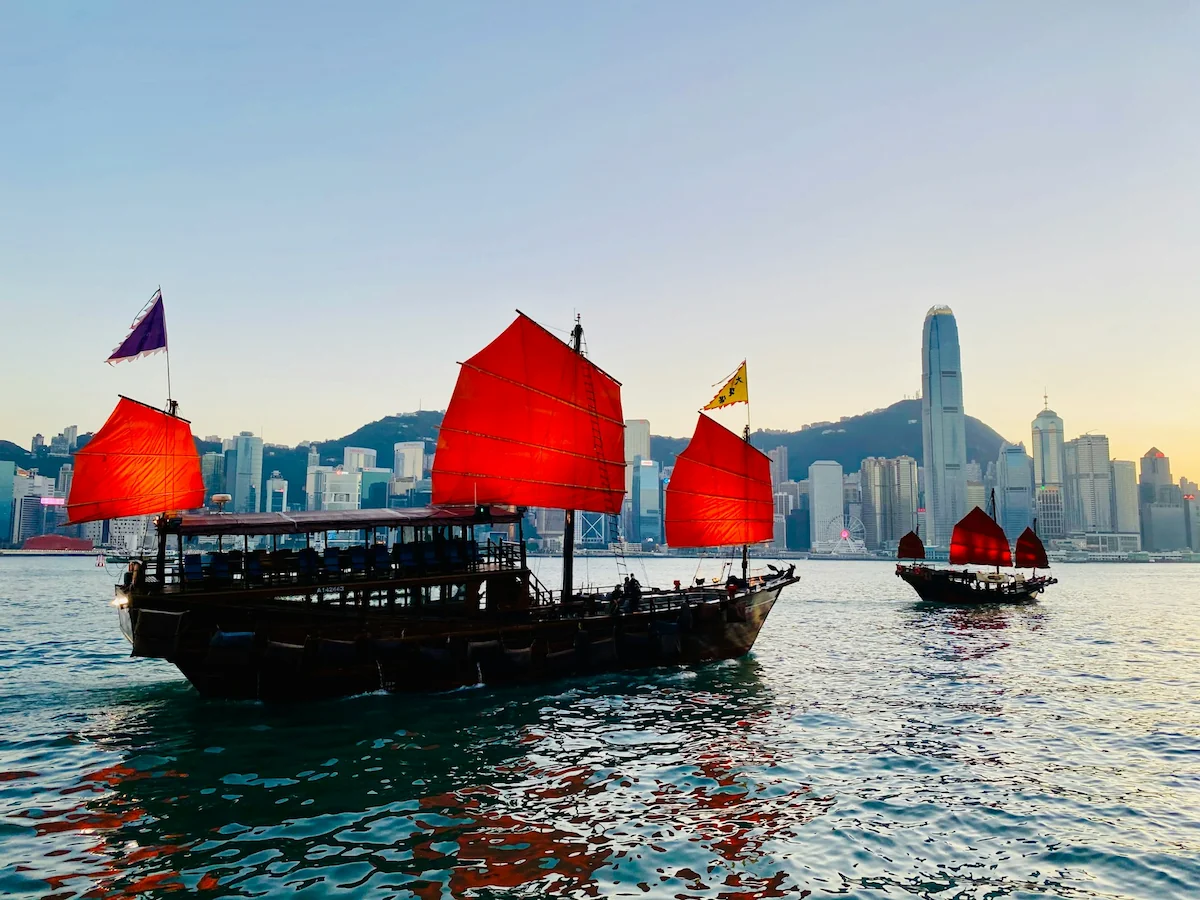
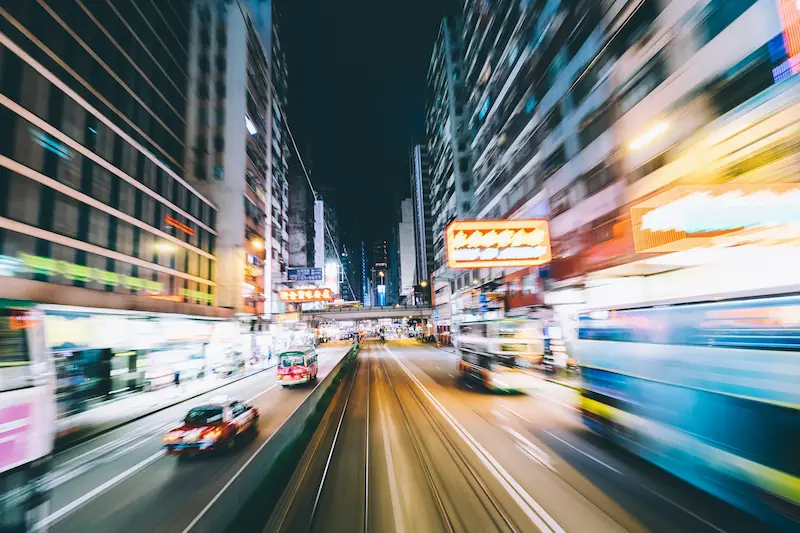
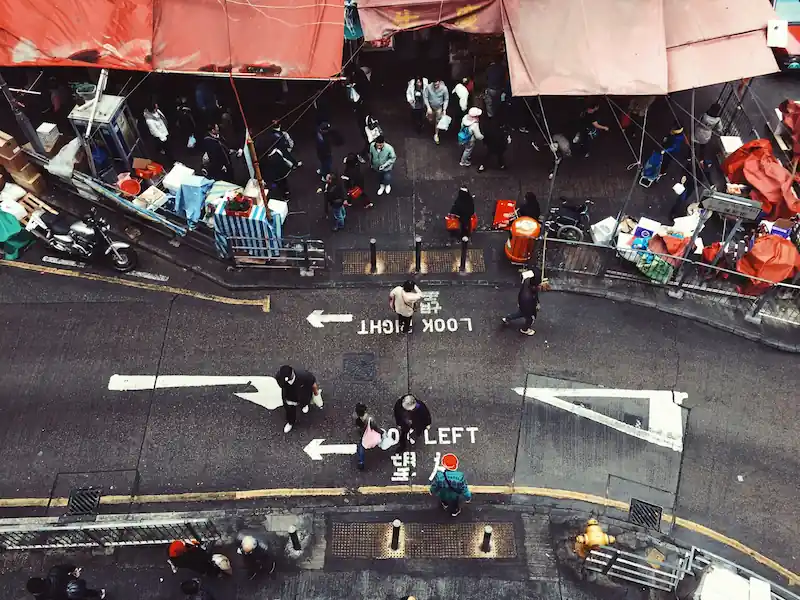
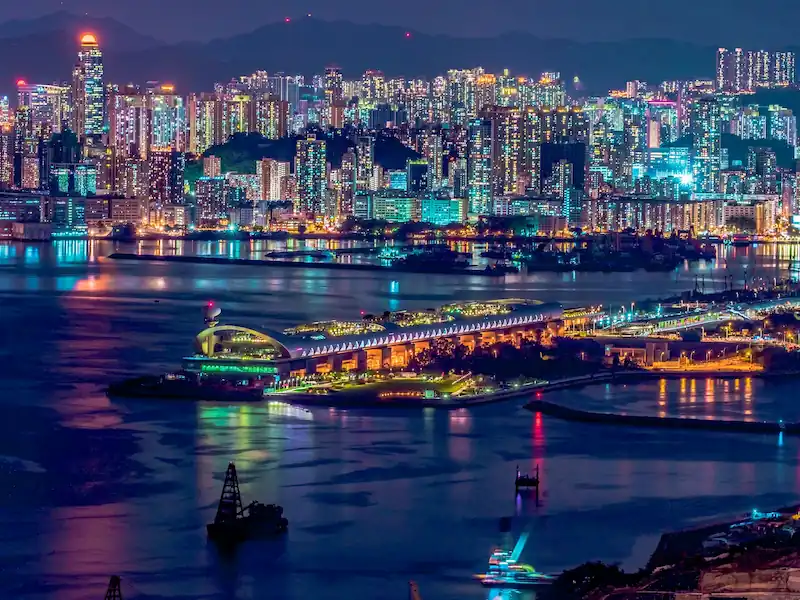
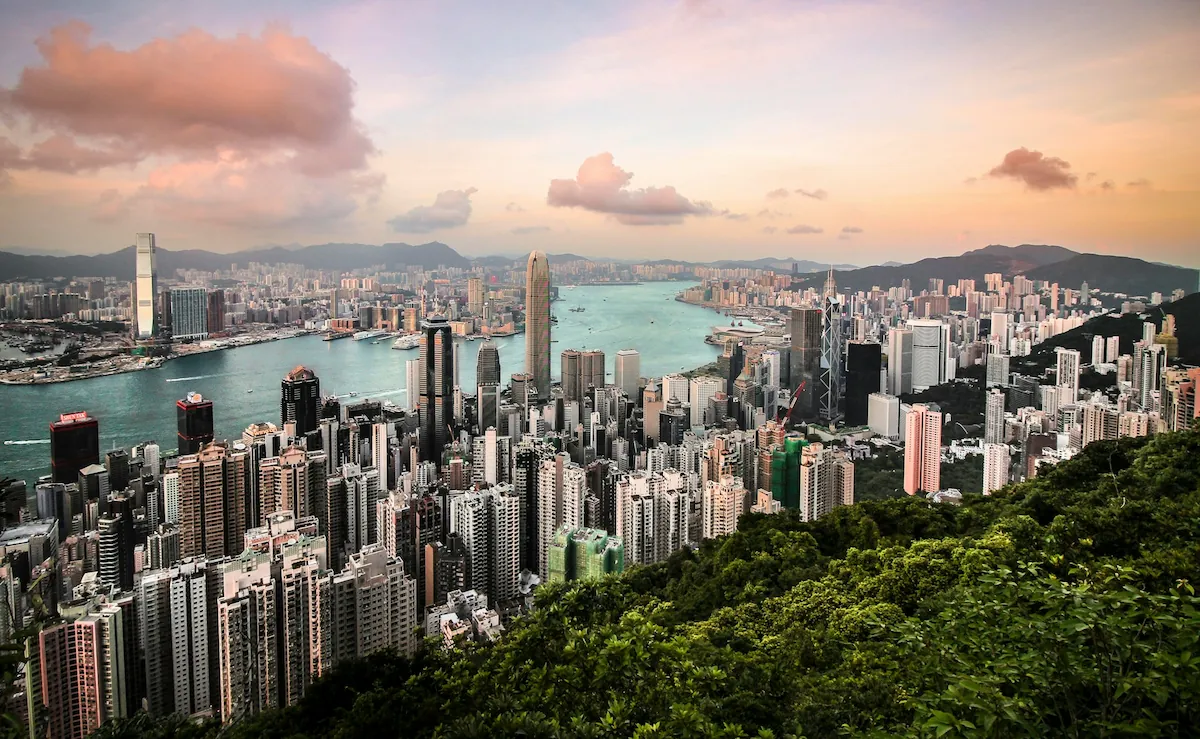
Find the best areas to stay in Hong Kong according to how you want the trip to work: fast first-time sightseeing, skyline access, food-led Kowloon evenings, island-side convenience, family logistics, airport timing, Disney plans, or a slower split stay. Hong Kong rewards precise positioning more than almost any other city in Asia because the wrong base can add daily cross-harbor moves, uphill walks, weak evening returns, or expensive rooms that solve the wrong problem.
Best areas
Central is best for first-time efficiency, Sheung Wan for island convenience with more texture, Tsim Sha Tsui for skyline access and hotel choice, Wan Chai for balanced value, Causeway Bay for shopping and practical energy, West Kowloon/Jordan for museums and Kowloon food, Mong Kok/Yau Ma Tei for budget and markets, and Lantau for airport, Disney, or nature-led stays.
Booking timing
Book early if you need a specific micro-location, family room, harbor view, Disneyland stay, airport overnight, or hotel close to the right MTR exit; in Hong Kong, the exact station walk often matters as much as the district name.
Best areas to stay in Hong Kong at a glance
Central – Best for: first-time trips, short stays, and premium efficiency · Vibe: dense, vertical, polished, and transport-driven · Stay here if: you want the fastest access to the Airport Express, Peak Tram, ferries, Central piers, Soho, and business addresses · Avoid if: you want larger rooms, lower prices, a quieter evening rhythm, or a less corporate feel
Sheung Wan – Best for: smart island stays with more local texture · Vibe: creative, compact, old-meets-new, and still highly connected · Stay here if: you want Hong Kong Island convenience without sleeping in the most expensive business core · Avoid if: you need big-name luxury hotels, harborfront views, or a resort-style room product
Tsim Sha Tsui – Best for: harbor views, classic sightseeing, families, and broad hotel choice · Vibe: busy, commercial, walkable, visitor-friendly, and skyline-focused · Stay here if: you want Star Ferry access, museums, Kowloon dining, shopping, and the easiest frontal view of Hong Kong Island · Avoid if: you dislike crowds, shopping-heavy streets, or a more tourist-facing version of the city
Wan Chai – Best for: balanced island stays, nightlife, business, and value · Vibe: mixed-use, energetic, practical, and uneven block by block · Stay here if: you want good MTR access and a base that works for both Hong Kong Island and cross-harbor movement · Avoid if: you want a uniformly polished area or a fully quiet neighborhood feel
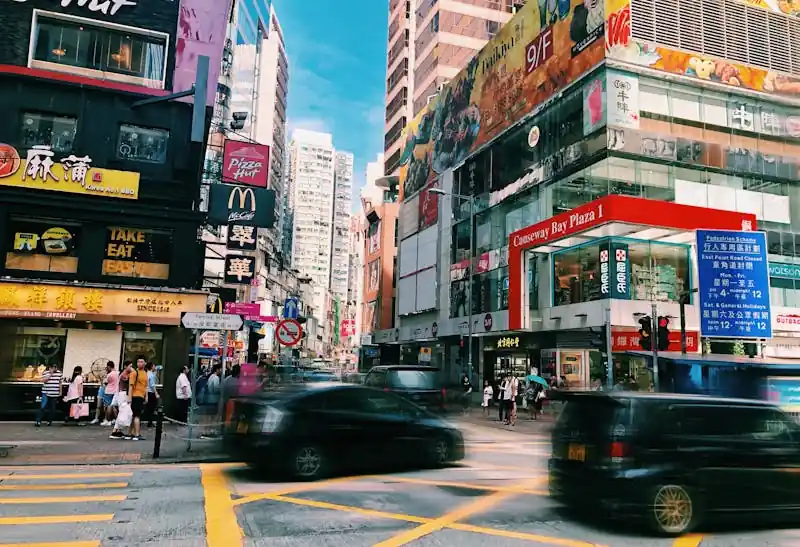
Causeway Bay – Best for: shopping, practical family stays, and energetic island convenience · Vibe: bright, dense, commercial, food-friendly, and highly functional · Stay here if: you want easy meals, malls, MTR access, Victoria Park, and better value than Central · Avoid if: you want heritage atmosphere, calm evenings, or immediate harborfront drama
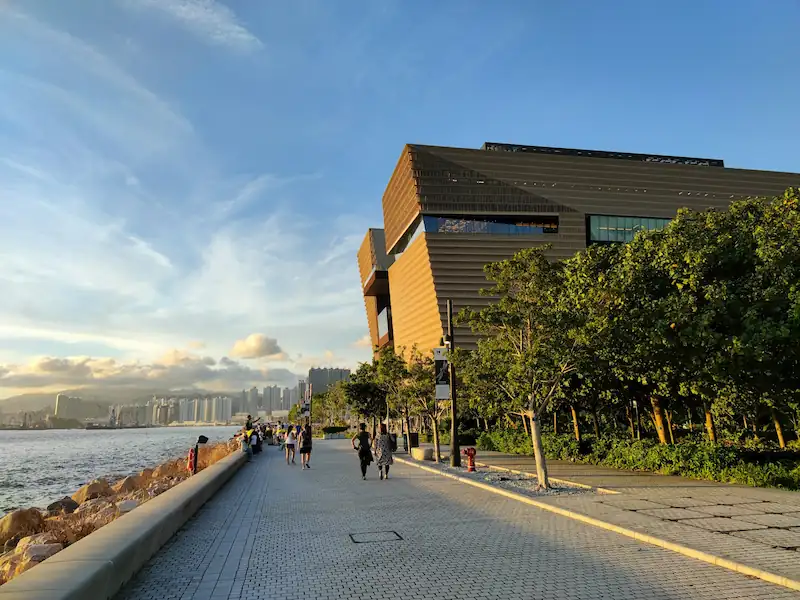
West Kowloon and Jordan – Best for: museums, rail access, Kowloon food, and value near the core · Vibe: cultural, transport-led, food-friendly, and more strategic than scenic · Stay here if: you want M+, Hong Kong Palace Museum, West Kowloon Station, Jordan dining, and quick access to Tsim Sha Tsui · Avoid if: you want an obvious neighborhood feel directly outside the hotel or classic waterfront romance
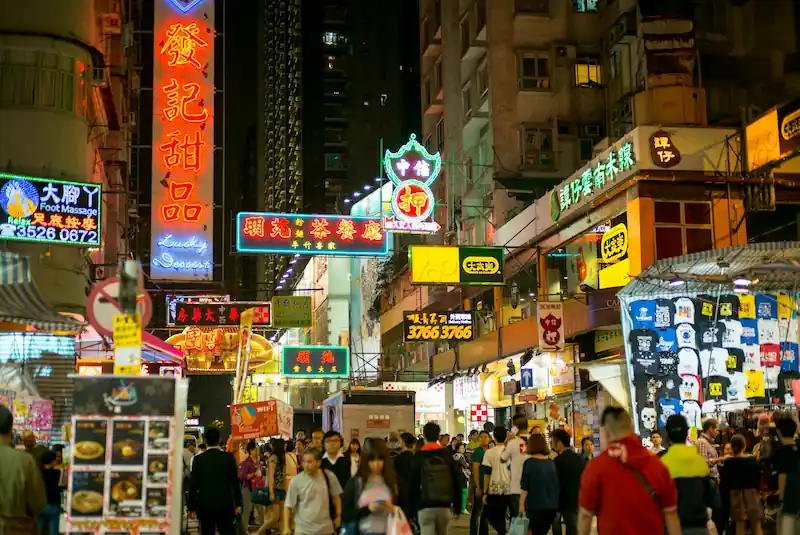
Mong Kok and Yau Ma Tei – Best for: budget stays, markets, street food, and intense Kowloon energy · Vibe: dense, noisy, local, commercial, and sensory · Stay here if: you want cheaper rooms, markets, Temple Street access, food streets, and a lived-in Kowloon base · Avoid if: you want calm, luxury polish, larger rooms, or a relaxed family environment
Lantau Island – Best for: airport overnights, Disney, hiking, and slower split stays · Vibe: spacious, functional, resort-led, and less urban · Stay here if: you have an early flight, Disney plans, or want hiking, sea air, and a lower-intensity segment · Avoid if: your priority is daily city sightseeing, nightlife, or dense urban wandering
How to choose the right area in Hong Kong
In Hong Kong, choosing where to stay is less about finding the single best neighborhood and more about avoiding the wrong daily movement pattern. The city is compact but vertical, split by the harbor, shaped by MTR exits, footbridges, slopes, ferry piers, and hotel micro-locations. A famous district can still be frustrating if the hotel sits uphill, far from the useful exit, on a noisy nightlife block, or in a part of the city that forces the same transfer twice a day.
For 2 or 3 nights, choose Central, Tsim Sha Tsui, or Sheung Wan unless you have a specific reason not to.
Pick Hong Kong Island if you want Central, Soho, trams, business access, and efficient first-time logistics.
Pick Kowloon if you want skyline views, broader hotel choice, markets, food streets, and a more street-level visitor rhythm.
Do not treat West Kowloon, Jordan, Mong Kok, and Yau Ma Tei as interchangeable; they solve different hotel problems.
Book Lantau only when airport, Disney, hiking, or a deliberate split stay is part of the trip logic.
Check the exact MTR exit, station walk, slope, luggage path, and evening food options before booking.
Harbor views are memorable, but many travelers get better overall value from a better micro-location than from a partial view.
For families, room format and easy meals matter more than prestige; for couples, evening walkability and noise control matter more than district name.
How Hong Kong works geographically from a stay perspective
Hong Kong looks compact on a map, but the stay logic is shaped by the harbor split, steep island streets, Kowloon density, MTR exits, ferry piers, and whether your hotel is in a real evening zone or only a transit zone. The main decision is not simply Hong Kong Island versus Kowloon; it is which side reduces the number of daily resets your trip requires.
Hong Kong Island works best for Central, Soho, trams, business access, premium hotels, and efficient short stays.
Kowloon works best for skyline views, broader hotel choice, museums, markets, late dining, and a more visitor-facing rhythm.
Cross-harbor travel is easy, but repeated cross-harbor travel still erodes short trips.
On the island side, elevation can matter as much as distance, especially with luggage, heat, rain, or children.
In Kowloon, horizontal movement is easier, but crowd pressure and commercial density are heavier.
West Kowloon is strong for museums and rail logistics, but not every hotel there gives a neighborhood feel.
Mong Kok and Yau Ma Tei are strong for value and markets, but they are not calm alternatives to Tsim Sha Tsui.
Lantau is geographically logical for airport, Disney, Tung Chung, Ngong Ping, and nature, not for daily classic sightseeing.
Hyper-central island cluster – Central and nearby blocks offer the strongest short-stay transport efficiency, premium hotels, and business-plus-leisure positioning.
Textured west-of-core island cluster – Sheung Wan gives you island-side convenience with more local rhythm, old trade streets, design pockets, and often softer pricing.
Balanced island east cluster – Wan Chai and Causeway Bay create a practical corridor for nightlife, shopping, tram rides, MTR access, and better mid-range value.
Classic Kowloon harbor cluster – Tsim Sha Tsui is the easiest Kowloon base for skyline views, ferries, museums, shopping, and broad hotel inventory.
Cultural and food-led Kowloon cluster – West Kowloon, Jordan, Yau Ma Tei, and Mong Kok cover museums, rail access, markets, food streets, and better-value stays.
Functional edge-of-city cluster – Lantau makes sense for airport logistics, Disneyland, Tung Chung, Ngong Ping, Discovery Bay, hiking, and split stays.
Best areas to stay in Hong Kong
These are the Hong Kong areas that make the most practical sense for travelers. They do not all serve the same purpose: some are first-time bases, some are value plays, some are hotel-inventory zones, and some only make sense for specific trip formats. The goal is not to stay in the most famous district, but to choose the base that makes your version of Hong Kong easier.
Central
Central is the highest-efficiency base in Hong Kong and the safest default for a short first trip. You are sleeping inside the city’s financial core, but the stay is not only corporate: the Peak Tram, Airport Express, IFC, ferries, Soho, Lan Kwai Fong, Hong Kong Park, heritage lanes, elevated walkways, and steep Mid-Levels streets all sit within a tight radius. It is expensive and sometimes less atmospheric after office hours, yet few areas reduce daily friction as clearly.
Why stay here: Stay here if you want Hong Kong to feel immediately legible, especially on a 2- or 3-night trip. Central is the strongest base for travelers who value transport efficiency, premium hotels, direct airport access, quick harbor movement, and easy evening returns after dinner or drinks.
Best for: first-time visitors, short stays, premium trips, business extensions, nightlife access, and travelers who want maximum efficiency
Pros
Best overall transport setup for Airport Express, ferries, trams, MTR links, and taxis
Excellent for first-time visitors and short stays where every transfer matters
Fast access to the Peak Tram, Hong Kong Park, Soho, Lan Kwai Fong, and Central piers
Strongest concentration of polished upscale and luxury hotels
Easy to combine business, sightseeing, dining, and nightlife without changing base
Cons
High room rates and often smaller rooms for the price
Some office-heavy blocks feel quiet or impersonal at night
Steep streets and elevated walkways can be tiring with luggage or young children
Not the best value area if you have four or five nights and more flexibility
Nearby highlights
Peak Tram and Victoria Peak access
Airport Express at Hong Kong Station
Central piers for ferries and island connections
Soho, Lan Kwai Fong, PMQ, and Tai Kwun
Hong Kong Park and the business-core skyline
Easy Star Ferry and Tsim Sha Tsui links
Luxury shopping and dining around IFC and Landmark
Budget
Mini Central – Tiny, very central rooms for travelers who want location above comfort. Best for solo travelers and short stays where price control matters more than space. Why we recommend: One of the few ways to sleep in Central without paying a full Central premium. Check availability
Bishop Lei International House – Simple, established rooms above the core, with more calm than the most intense blocks below. The uphill position is the trade-off. Why we recommend: A practical value choice when you want Central access but do not need to be on the most expensive streets. Check availability
Butterfly on Wellington, Central – Compact boutique-style rooms close to Central, Soho, and Lan Kwai Fong. Works well for travelers planning to move mostly on foot. Why we recommend: It gets you into one of Central’s best practical micro-locations without a luxury-hotel price jump. Check availability
Mid
Butterfly on LKF, Central – A sharp mid-range option near dining and nightlife. Best for travelers who actively want Central energy built into the stay. Why we recommend: Its location is stronger than many similarly priced island hotels if late evenings matter. Check availability
Lan Kwai Fong Hotel - Kau U Fong – Characterful rooms near Soho and Sheung Wan’s edge, with more neighborhood texture than the pure office core. Why we recommend: It gives Central convenience with more atmosphere than a generic tower hotel. Check availability
Ovolo Central – Stylish, compact, and well positioned for restaurants, bars, and quick movement around the core. Why we recommend: A strong pick for travelers who want a smaller design-led stay in a very functional location. Check availability
Upscale
The Pottinger Hong Kong – A polished boutique luxury stay on one of Central’s historic streets, close to transport and dining but more rooted than many glossy towers. Why we recommend: It feels distinctive while staying extremely practical for a first premium Hong Kong base. Check availability
Mandarin Oriental, Hong Kong – Classic top-end Hong Kong luxury in a prime Central position, suited to travelers who want seamless service and prestige. Why we recommend: It remains one of the safest high-end choices for a first luxury stay in Hong Kong. Check availability
Four Seasons Hotel Hong Kong – Harbor-facing luxury linked to IFC and the Airport Express, with an unusually smooth arrival-and-departure setup. Why we recommend: Few hotels combine top-tier comfort, harbor presence, and transport convenience this well. Check availability
Sheung Wan
Sheung Wan is the smartest island-side compromise for many travelers: close enough to Central to stay efficient, but more textured, local, and livable. Dried seafood shops, Hollywood Road, Man Mo Temple, design stores, coffee bars, serviced apartments, small hotels, and tram stops create a base that feels less corporate without becoming inconvenient. It is not a skyline-front district, but it often makes Hong Kong easier to enjoy for more than two nights.
Why stay here: Stay here if you want Hong Kong Island convenience with better atmosphere and often better value than Central. It is especially strong for repeat visitors, food-and-walking travelers, and first-timers who want a more grounded base without giving up transport logic.
Best for: repeat visitors, design-conscious travelers, food-led stays, smarter first trips, and travelers wanting island convenience with more character
Pros
Excellent balance of connectivity, value, and local texture
Walkable to Central and Soho while feeling less corporate
Strong café, casual dining, temple, and heritage-street access
Good MTR, tram, ferry, and Macau ferry terminal positioning
Often better room value than Central for longer urban stays
Cons
Luxury inventory is thinner than in Central or Tsim Sha Tsui
Some blocks feel utilitarian rather than scenic
Not ideal if harbor views or big-hotel facilities are priorities
Western-side hotel positions can add small daily walking friction
Nearby highlights
Man Mo Temple and Hollywood Road
PMQ, Tai Kwun, and Soho within walking reach
Tram rides along the north shore of Hong Kong Island
Macau ferry terminal and Central piers nearby
Old trade streets, coffee stops, and small galleries
Easy MTR access to Central, Admiralty, Wan Chai, and Kennedy Town
Calmer evening rhythm than the most corporate parts of Central
Budget
ibis Hong Kong Central & Sheung Wan – Reliable chain comfort with efficient rooms and one of the area's best value-to-location ratios. Why we recommend: A dependable budget-minded base that does not sacrifice connectivity. Check availability
iclub Sheung Wan Hotel – Simple modern rooms in a central Sheung Wan position. Best for travelers who want function over atmosphere. Why we recommend: It keeps you well placed on foot and on transit without overcomplicating the stay. Check availability
Y Hotel Hong Kong – Contemporary rooms with a cleaner, newer feel than many budget options nearby. Why we recommend: Room quality feels sharper than average for its price band in this part of the city. Check availability
Mid
Dash Living on Hollywood – A practical lifestyle stay near Hollywood Road, useful for travelers who want neighborhood character outside the door. Why we recommend: The micro-location is better than many generic mid-range options. Check availability
iclub AMTD Sheung Wan Hotel – A newer 4-star option with straightforward rooms and strong transit practicality on the western side of the district. Why we recommend: It works well when you want modern basics and a cleaner build than older stock. Check availability
Motto by Hilton Hong Kong Soho – Compact but polished, with excellent station access and an efficient setup for short urban stays. Why we recommend: A very smart pick for travelers who value design, location, and brand consistency. Check availability
Upscale
The Mercer – Stylish serviced-hotel feel with larger layouts than many nearby competitors. Good for longer city stays. Why we recommend: It offers unusual space and practical comfort for this part of Hong Kong Island. Check availability
99 Bonham – Suite-style rooms in a polished Sheung Wan address, well suited to travelers who want room to spread out. Why we recommend: The larger-format accommodation is a real differentiator in a district of tighter rooms. Check availability
AKVO Hotel – A refined small hotel with a more residential-feeling pace than the main Central luxury cluster. Why we recommend: It is one of the better boutique-style upgrades when you want Sheung Wan rather than Central. Check availability
Tsim Sha Tsui
Tsim Sha Tsui is the most classic Kowloon base and one of the easiest choices for a first trip. You get broad hotel inventory, the Star Ferry, harborfront walks, Avenue of Stars, Kowloon Park, museums, K11 Musea, Nathan Road, late dining, and direct cross-harbor movement in one dense district. It is busy, commercial, and visitor-facing, but that is also why it works: Hong Kong feels immediately accessible from here.
Why stay here: Stay here if you want a straightforward sightseeing base with strong hotel choice and immediate skyline access. Tsim Sha Tsui is especially useful for travelers who want Kowloon energy, easy evenings, museums, ferries, and a visible sense of the harbor every day.
Best for: first-time visitors, hotel choice, harbor views, families, classic sightseeing, and travelers who prefer a lively Kowloon base
Pros
Huge hotel range across price bands
Best base for classic skyline views from Kowloon
Excellent Star Ferry, MTR, museum, shopping, and harborfront access
Strong food and evening density without needing long transfers
Very easy for first-time visitors to understand
Cons
Crowded, commercial, and sometimes aggressively tourist-facing
Lower-end hotel quality varies sharply
Harborfront luxury commands a major premium
Some streets feel more like shopping corridors than neighborhoods
Nearby highlights
Star Ferry and Tsim Sha Tsui Promenade
Avenue of Stars and Victoria Harbour views
Kowloon Park and Nathan Road
K11 Musea and waterfront cultural stops
M+ and West Kowloon within easy reach
Late food options around Tsim Sha Tsui, Jordan, and Yau Ma Tei
Fast MTR and ferry access to Hong Kong Island
Budget
The Salisbury - YMCA of Hong Kong – A long-running, practical stay near the waterfront with strong value for its location. Rooms vary, but the position is hard to beat. Why we recommend: One of the best budget-to-location plays near the Tsim Sha Tsui waterfront. Check availability
B P International – A pragmatic, well-located option near Jordan and Kowloon Park, strong for transit-first city breaks. Why we recommend: Its location does more work than many similarly priced hotels in Kowloon. Check availability
Stanford Hillview Hotel Hong Kong – A hillside Tsim Sha Tsui option with simple rooms and good access to Knutsford Terrace, Nathan Road, and Kowloon Park. Why we recommend: A useful value choice if you want Tsim Sha Tsui without being directly on the busiest blocks. Check availability
Mid
Park Hotel Hong Kong – Solid, straightforward rooms in a useful Tsim Sha Tsui position close to transit and dining. Why we recommend: A reliable mid-budget stay with less compromise on location than many cheaper alternatives. Check availability
The Royal Garden Tsim Sha Tsui – A large, well-serviced hotel on Mody Road, convenient for East Tsim Sha Tsui and the harborfront. Why we recommend: It often delivers stronger overall comfort than surrounding hotels at similar pricing. Check availability
Hotel ICON – A modern, design-conscious hotel with strong facilities and a slightly more relaxed feel than the busiest core blocks. Why we recommend: It delivers better design character and room quality than much of the district’s mid-range stock. Check availability
Upscale
The Langham Hong Kong – Refined service and polished rooms in one of the district’s most practical luxury-adjacent locations. Why we recommend: The combination of service level, shopping access, and transport convenience is hard to beat here. Check availability
Regent Hong Kong – A flagship harborfront luxury stay with direct skyline drama and a restored sense of occasion on the Tsim Sha Tsui waterfront. Why we recommend: One of the strongest choices when the view is genuinely part of the trip. Check availability
Rosewood Hong Kong – One of the city’s defining luxury hotels, with an exceptional waterfront position and a strong sense of occasion. Why we recommend: It is among the few hotels in Hong Kong where address, views, design, and service can justify the premium. Check availability
Wan Chai
Wan Chai is the practical middle ground on Hong Kong Island: cheaper than Central, more connected than many outer neighborhoods, and more mixed in texture than the polished business core. It combines MTR access, trams, convention traffic, older side streets, bars, casual dining, and waterfront links. The area is uneven block by block, but that is exactly why micro-location matters here more than the district label alone.
Why stay here: Stay here if you want an island-side base that handles business, nightlife, sightseeing, and value without the full Central premium. It is a strong compromise for travelers who want functional convenience and do not need the most polished setting.
Best for: balanced stays, business trips, nightlife access, convention travel, and travelers wanting practical island value
Pros
Good balance between Central access and room value
Strong MTR, tram, taxi, and convention-center positioning
Useful for both Hong Kong Island and cross-harbor movement
Lively food and nightlife options within walking distance
Better value than Central for many mid-range travelers
Cons
Street quality varies significantly within a few blocks
Some parts feel functional rather than beautiful
Nightlife areas can be noisy depending on exact hotel position
Not as simple for first-time orientation as Central or Tsim Sha Tsui
Nearby highlights
Hong Kong Convention and Exhibition Centre
Tram corridor across Hong Kong Island
Quick MTR access to Central, Admiralty, Causeway Bay, and Quarry Bay
Wan Chai heritage pockets and market streets
Harborfront and ferry connections nearby
Dining and nightlife without needing a long return transfer
Better mid-range value than the most central luxury zones
Budget
Burlington Hotel – Efficient, no-nonsense rooms in a very practical Wan Chai position. Best for travelers who care most about location. Why we recommend: It is one of the cleaner budget-friendly ways to stay right in Wan Chai. Check availability
Wharney Hotel – An older but convenient option close to the MTR and nightlife streets, with solid functional value. Why we recommend: The location remains the main advantage, especially for short energetic stays. Check availability
iclub Wan Chai Hotel – Modern basic rooms with strong transit access and an efficient footprint for city-first travelers. Why we recommend: A practical choice when you want Wan Chai convenience without paying for extras you will not use. Check availability
Mid
South Pacific Hotel – A dependable mid-range address on the Wan Chai-Causeway Bay side, useful for travelers splitting time across both areas. Why we recommend: It often makes more spatial sense than hotels marketed as more central. Check availability
Novotel Century Hong Kong – A well-established full-service hotel that works particularly well for practical city stays and business-led trips. Why we recommend: It is a reliable middle-ground option with fewer surprises than trendier competitors. Check availability
Dorsett Wanchai, Hong Kong – A polished, transport-reliant stay on the edge of Wan Chai, better for value-minded travelers than for pure on-foot convenience. Why we recommend: It gives you a stronger room product than many similarly priced inner-district hotels. Check availability
Upscale
The Fleming Hong Kong – A compact design hotel with a strong identity and a very usable Wan Chai location near transport and dining. Why we recommend: It has more personality than most upscale options in this price band. Check availability
The Hari Hong Kong – A refined contemporary hotel positioned between Wan Chai and Causeway Bay, good for polished leisure or mixed-use stays. Why we recommend: The design and room atmosphere feel notably more considered than standard business hotels nearby. Check availability
Grand Hyatt Hong Kong – A major waterfront luxury address connected to the convention side of Wan Chai, with high service and strong harbour views. Why we recommend: It is the right splurge if your trip values space, facilities, and harbour-facing prestige. Check availability
Causeway Bay
Causeway Bay is the strongest hotel area to add if shopping, easy eating, late street energy, and broad island-side convenience matter more than postcard heritage. It is dense, bright, commercial, and extremely practical, with the MTR, Victoria Park, department stores, malls, casual restaurants, and tram access all close together. It is not the calmest or most romantic Hong Kong base, but it works very well for travelers who want the city active around them.
Why stay here: Stay here if you want a lively island-side base with strong hotel inventory, shopping, dining, and transport, often at better value than Central. It is especially useful for repeat visitors, families with older children, and travelers who prefer a commercial but highly functional area.
Best for: shopping, families with older kids, repeat visitors, practical island stays, and travelers who want energy and convenience
Pros
Excellent shopping, casual dining, and late-evening convenience
Strong MTR and tram access on Hong Kong Island
Often better value than Central while remaining highly connected
Good family practicality thanks to malls, food courts, parks, and transit
Works well for repeat visitors who do not need to sleep in the classic sightseeing core
Cons
Crowded, commercial, and less atmospheric than Sheung Wan
Not ideal for travelers seeking quiet evenings
Harbor and heritage access are weaker than in Central or Tsim Sha Tsui
Some hotels sit in very busy micro-locations
Nearby highlights
Victoria Park and the Causeway Bay shopping core
Times Square, Hysan Place, Lee Garden, and SOGO
Tram access toward Wan Chai, Central, and North Point
Quick MTR links across Hong Kong Island
Easy casual dining and late snacks
Tai Hang and Tin Hau nearby for a more local rhythm
Good alternative to Central when price and practicality matter
Budget
Mini Hotel Causeway Bay – Compact, design-minded rooms in a very practical Causeway Bay location. Best for travelers who prioritize area over space. Why we recommend: A useful low-cost way to stay close to Causeway Bay’s core without moving far out. Check availability
Rosedale Hotel Hong Kong – An established high-rise hotel near Victoria Park with straightforward rooms and practical access to the eastern side of Causeway Bay. Why we recommend: A dependable value option when you want Causeway Bay convenience without chasing design credentials. Check availability
Holiday Inn Express Hong Kong Causeway Bay – Simple chain reliability near Times Square and the MTR, useful for travelers who want predictable basics. Why we recommend: The location is the main advantage, especially for short, shopping-heavy stays. Check availability
Mid
Butterfly on Morrison Boutique Hotel Causeway Bay – Compact rooms between Wan Chai and Causeway Bay, useful for travelers splitting time across both areas. Why we recommend: A smart choice if you want island-side access and better value than the most central blocks. Check availability
Mira Moon Hong Kong – A stylish boutique hotel between Wan Chai and Causeway Bay with a stronger design identity than standard business hotels. Why we recommend: It works well for travelers who want personality without losing practical island access. Check availability
TUVE Hotel – A minimalist design hotel in Tin Hau, close enough to Causeway Bay for practical use but calmer at night. Why we recommend: A good fit if you want a more refined, less mall-driven version of the Causeway Bay area. Check availability
Upscale
Lanson Place Causeway Bay, Hong Kong – A polished, residence-style upscale stay with more calm and room comfort than many hotels in the retail core. Why we recommend: One of the best choices if you want Causeway Bay practicality with a softer, more residential feel. Check availability
Crowne Plaza Hong Kong Causeway Bay – A full-service upscale hotel near Times Square and Happy Valley, convenient for shopping, business, and evenings out. Why we recommend: It offers stronger facilities and room comfort than many purely location-driven Causeway Bay hotels. Check availability
The Park Lane Hong Kong, a Pullman Hotel – Large upscale hotel facing Victoria Park, with strong access to shopping, transport, and the eastern island corridor. Why we recommend: Its scale, park-side position, and facilities make it one of the safer upscale picks in Causeway Bay. Check availability
West Kowloon and Jordan
West Kowloon and Jordan are best understood as a practical Kowloon extension rather than a single classic neighborhood. West Kowloon brings museums, high-speed rail, K11 Musea-adjacent luxury, harborfront space, and major new cultural infrastructure, while Jordan adds food streets, night-market access, MTR practicality, and better-value hotels. Together they make sense for travelers who want Kowloon convenience without staying directly in the busiest Tsim Sha Tsui blocks.
Why stay here: Stay here if M+, the Hong Kong Palace Museum, West Kowloon Station, Jordan food, Temple Street, or Kowloon-side hotel value matter. It is a strong strategic base for culture-led trips, rail arrivals, and travelers who want quick access to both Tsim Sha Tsui and deeper Kowloon.
Best for: museum-led trips, Kowloon value, food-focused stays, rail arrivals, and travelers who want to avoid the busiest Tsim Sha Tsui core
Pros
Excellent for West Kowloon museums, harborfront walks, and cultural planning
Useful for high-speed rail arrivals and departures
Better value and food access around Jordan than waterfront Tsim Sha Tsui
Easy movement to Tsim Sha Tsui, Yau Ma Tei, Mong Kok, and Central
Good compromise between cultural infrastructure and local dining
Cons
West Kowloon itself can feel less neighborhood-like after museum hours
Jordan micro-locations vary in polish, noise, and street feel
Not as instantly scenic as the Tsim Sha Tsui waterfront unless you pay for it
Some hotels marketed as West Kowloon are actually more transport-led than atmospheric
Nearby highlights
M+ and Hong Kong Palace Museum
West Kowloon Cultural District and harborfront walks
West Kowloon Station for high-speed rail
Jordan dining streets and Temple Street nearby
Easy access to Tsim Sha Tsui without sleeping in its busiest streets
Kowloon Park and Austin/Jordan MTR links
Good base for combining museums, markets, and harbor views
Budget
Page148, Page Hotels – A polished, compact hotel near Jordan with a sharper design feel than many lower-priced Kowloon options. Why we recommend: A strong value pick if you want Jordan practicality with better style than the average budget hotel. Check availability
Travelodge Kowloon – Simple rooms near Jordan and Yau Ma Tei, best for travelers prioritizing transport and price over atmosphere. Why we recommend: A practical base for guests who want Kowloon access without paying Tsim Sha Tsui waterfront rates. Check availability
Hotel Madera Hong Kong – A compact Jordan hotel with more character than many budget-to-mid options in the area. Why we recommend: It works well for travelers who want Jordan food access and a more distinctive room product. Check availability
Mid
Hotel Stage – A well-regarded design-led hotel in Jordan, close to food streets and Yau Ma Tei cultural texture. Why we recommend: One of the smartest mid-range choices for a Kowloon stay that feels less generic. Check availability
Eaton HK – A lively, design-forward hotel near Jordan and Temple Street, with strong food, culture, and social energy. Why we recommend: It is one of the best hotels for travelers who want Kowloon texture without sacrificing comfort. Check availability
The Royal Pacific Hotel & Towers – A large practical hotel near Canton Road, China Ferry Terminal, and Tsim Sha Tsui’s western side. Why we recommend: A useful pick when you want Kowloon convenience and broad facilities without top luxury pricing. Check availability
Upscale
W Hong Kong – A high-design hotel above Kowloon Station, strong for rail, Airport Express connections, and a more polished West Kowloon stay. Why we recommend: The best fit when West Kowloon logistics and contemporary luxury both matter. Check availability
The Ritz-Carlton Hong Kong – A sky-high luxury hotel in ICC above Kowloon Station, built around views, service, and a full sense of occasion. Why we recommend: The strongest splurge if you want West Kowloon as a luxury viewpoint and transport hub. Check availability
The Olympian Hong Kong – A quieter upscale hotel in West Kowloon / Tai Kok Tsui with larger rooms than many central competitors. Why we recommend: A good choice if room space matters more than being directly in the tourist core. Check availability
Mong Kok and Yau Ma Tei
Mong Kok and Yau Ma Tei are the right base only if you actively want Kowloon density, markets, food streets, MTR access, and a less polished version of Hong Kong outside the hotel door. This is where the city feels loudest and most everyday: neon, clinics, sports shops, street food, malls, older buildings, Temple Street, and constant pedestrian flow. It is not the most elegant stay, but it can be one of the most memorable and cost-effective.
Why stay here: Stay here if you want energy, value, markets, local food, and fast Kowloon movement. It is best for return visitors, budget-conscious travelers, food-led trips, and people who prefer street life over polished harborfront settings.
Best for: budget stays, repeat visitors, food-focused travelers, night-market access, and visitors who want energetic Kowloon
Pros
Strong value compared with Central and Tsim Sha Tsui
Excellent MTR access through Kowloon’s core
Immediate markets, food streets, shopping, and night energy
Good for travelers who want a less staged Hong Kong experience
Easy access north to Sham Shui Po and south to Jordan / Tsim Sha Tsui
Cons
Very dense and not restful
Lower-end hotel quality can be uneven
Not ideal for luxury, quiet, or romantic trips
Street noise and crowds can be tiring after long sightseeing days
Nearby highlights
Temple Street and Yau Ma Tei evening circuits
Mong Kok markets, sneaker streets, malls, and food stops
Easy MTR links to Tsim Sha Tsui, Central, and Sham Shui Po
Jordan and Kowloon food corridors nearby
Local shopping and casual dining at almost any hour
Good base for exploring a more lived-in version of Kowloon
Lower accommodation prices than the prime harborfront areas
Budget
The Cityview – A practical Yau Ma Tei hotel with excellent MTR access and straightforward rooms. Why we recommend: One of the safest value choices if transport matters more than luxury. Check availability
Hotel Ease Mong Kok – Compact, modern rooms near Yau Ma Tei and Mong Kok, useful for budget-minded short stays. Why we recommend: A good fit if you want clean basics in a strong Kowloon transit position. Check availability
Stanford Hotel Hong Kong – A straightforward Mong Kok hotel close to shopping streets and local food. Why we recommend: It works well for travelers who want Mong Kok energy without paying for design or facilities. Check availability
Mid
Hilton Garden Inn Hong Kong Mongkok – A reliable branded option in Mong Kok with more predictable comfort than many local mid-range hotels. Why we recommend: Good for travelers who want Kowloon energy with a more standard hotel experience. Check availability
Lodgewood by Nina Hospitality Mong Kok – A modern, practical hotel near Mong Kok with a calmer feel than the busiest street-level surroundings. Why we recommend: A smart mid-range option if you want local Kowloon without going too basic. Check availability
Tung Nam Lou Art Hotel – A small art-led stay in Yau Ma Tei with more personality than most hotels in the area. Why we recommend: A strong pick for travelers who want neighborhood texture and a more distinctive hotel story. Check availability
Upscale
Cordis, Hong Kong – A large upscale hotel connected to Langham Place in Mong Kok, with strong facilities and immediate district energy. Why we recommend: The safest upscale choice if you actively want to stay in Mong Kok. Check availability
Royal Plaza Hotel – A large, family-friendly hotel by MOKO and Mong Kok East, useful for space, shopping, and transport. Why we recommend: One of the better Kowloon choices for families who want more room and direct mall convenience. Check availability
Hotel 1936 – A heritage-inspired boutique hotel in Mong Kok / Prince Edward with more character than many nearby competitors. Why we recommend: A good upgrade if you want Kowloon personality rather than a conventional business hotel. Check availability
Lantau Island
Lantau Island is not a default Hong Kong base; it is a strategic choice for specific trips. Stay here for the airport, Disneyland, late arrivals, early flights, Tung Chung, Ngong Ping, Tai O, Discovery Bay, hiking, beaches, or a split stay that deliberately separates city intensity from slower island space. Used well, it reduces stress. Used as a cheap city base, it usually creates daily friction.
Why stay here: Stay here if the airport, Hong Kong Disneyland, Lantau nature, or a slower first or final night is central to the trip. It is best as a functional or family-led base, not as the main base for classic urban sightseeing.
Best for: airport stays, Disney trips, families, nature-led stays, stopovers, and split itineraries
Pros
Best area for airport overnights and early flights
Ideal for Disney stays and family-focused resort time
More space, sea air, and lower intensity than urban Hong Kong
Good access to Tung Chung, Ngong Ping, Tai O, Discovery Bay, and some hikes
Works well as a split-stay segment before or after the city core
Cons
Weak choice for daily urban sightseeing if used for the whole trip
Evening dining and city atmosphere are much thinner
Daily transfers to Central, Tsim Sha Tsui, or Wan Chai can become tiring
Some hotels are purely logistical rather than atmospheric
Nearby highlights
Hong Kong International Airport and AsiaWorld-Expo
Hong Kong Disneyland hotels and park access
Tung Chung and Citygate Outlets
Ngong Ping 360, Big Buddha, and Po Lin Monastery
Tai O fishing village and Lantau hiking routes
Discovery Bay and south Lantau beaches
Lower-stress arrival and departure logistics
Budget
City Oasis Guesthouse – A small, more personal stay near Tung Chung's outskirts, better suited to travelers who value calm over hotel facilities. Why we recommend: It offers a very different, quieter Lantau experience from the airport-hotel corridor. Check availability
Espace Elastique B&B with contactless check-in – A niche countryside-style stay for travelers leaning toward hikes, village atmosphere, and a more unconventional Lantau base. Why we recommend: It is one of the rare options that makes sense if nature matters more than urban convenience. Check availability
Regala Skycity Hotel by Regal Hotels – A functional airport-corridor hotel near AsiaWorld-Expo, best for logistics-led stays and short stopovers. Why we recommend: It is one of the easiest Lantau choices when airport access drives the stay. Check availability
Mid
Novotel Citygate Hong Kong – A proven Tung Chung choice with direct outlet access and good airport practicality. Works well for short family or transit stays. Why we recommend: Few Lantau hotels balance airport convenience and usable local amenities this well. Check availability
Auberge Discovery Bay Hong Kong – A resort-style escape with sea views and a much slower atmosphere than the city. Better for downtime than daily commuting. Why we recommend: It is the best Lantau option when you want the island to feel restorative rather than purely functional. Check availability
The Silveri Hotel Hong Kong - MGallery Collection – An upper-mid to upscale Tung Chung hotel with a more refined feel than standard airport-adjacent properties. Why we recommend: It upgrades the airport-area stay meaningfully without pushing into full luxury pricing. Check availability
Upscale
Sheraton Hong Kong Tung Chung Hotel – A polished full-service base near the airport side of Lantau, with stronger facilities than most transit-focused competitors. Why we recommend: It is the best pick when you want airport practicality without a purely stopover feel. Check availability
Disney's Hollywood Hotel – A polished Disney resort stay that works especially well for families or park-focused itineraries. Why we recommend: It keeps Disney logistics easy while delivering a stronger resort feel than many city family hotels. Check availability
Hong Kong Disneyland Hotel – A full Disney flagship resort with more space, theming, and family appeal than urban Hong Kong hotels can usually provide. Why we recommend: It is the right choice when Disneyland is a core part of the trip rather than a side outing. Check availability
Where to stay in Hong Kong for first-time visitors
For a first trip, the best base is the one that makes the city readable immediately. You want quick orientation, easy evening returns, and a simple structure for Peak, ferry, harbor, food, museum, and market days.
Choose Central if you want the fastest and most efficient first-time base, especially for 2 or 3 nights.
Choose Tsim Sha Tsui if you want skyline views, Star Ferry access, museums, broad hotel choice, and a more obvious visitor setup.
Choose Sheung Wan if you want island convenience with more local texture and slightly better value than Central.
Choose West Kowloon/Jordan if museums, rail access, Kowloon food, or a less tourist-facing Kowloon stay matter.
Avoid Mong Kok/Yau Ma Tei on a very first trip unless you actively want intensity and markets outside the door.
Avoid Lantau as your only base unless Disney, the airport, or nature is the main purpose.
Scenario
Best area
Why
Fastest first trip
Central
Best overall transport logic and shortest learning curve
Classic sightseeing base
Tsim Sha Tsui
Waterfront, Star Ferry, museums, hotel choice, and easy skyline orientation
Smarter island value
Sheung Wan
Close to Central but more textured and usually better value
Culture-led Kowloon stay
West Kowloon and Jordan
Museums, rail, Jordan food, and quick access to Tsim Sha Tsui
Budget and markets
Mong Kok and Yau Ma Tei
Better value and street energy, but more intensity
Where to stay in Hong Kong with family
Families should choose Hong Kong accommodation by room format, transport ease, meal access, and daily fatigue control. The city is safe and efficient, but steep streets, crowds, humidity, and tight rooms can wear children down quickly.
Choose Tsim Sha Tsui for the best family balance of hotel choice, waterfront walks, ferries, food, and sightseeing simplicity.
Choose Lantau if Disney, the airport, or a lower-intensity resort segment is central to the trip.
Choose Causeway Bay if older children, shopping, malls, casual meals, and MTR convenience matter.
Choose Central only if budget allows better room formats or if the stay is very short and efficiency matters most.
Choose Sheung Wan for older kids and families who want a calmer island base, but check slopes and station walks.
Avoid Mong Kok/Yau Ma Tei with young children unless your hotel has excellent access and you are comfortable with crowds.
Scenario
Best area
Why
Classic family city break
Tsim Sha Tsui
Broad hotel choice, ferry/waterfront access, easy food, and simple sightseeing
Disney-focused trip
Lantau Island
Best logistics and less urban fatigue
Shopping + practical meals
Causeway Bay
Malls, Victoria Park, transit, and easy dining
Older kids, smarter island stay
Sheung Wan
More character and less crowd pressure than prime Kowloon
Where to stay in Hong Kong for nightlife
Nightlife in Hong Kong is not only about bars. The right base depends on whether you want polished cocktails, Soho dining, Lan Kwai Fong energy, Wan Chai variety, Kowloon night markets, or late food streets.
Stay in Central if Soho, Lan Kwai Fong, cocktail bars, and walk-back convenience are priorities.
Stay in Wan Chai if you want nightlife access with broader hotel value and a less polished mix.
Stay in Tsim Sha Tsui if you prefer harbor views, late dining, and a more skyline-led evening rhythm.
Stay in Mong Kok or Yau Ma Tei if night markets, food streets, and Kowloon energy matter more than bar polish.
Stay in Sheung Wan if you want dining and bars with a slightly more local, design-conscious feel.
Check whether your hotel is directly on a nightlife block or simply near the area; one block can change sleep quality.
Style
Best area
Trade Off
Bars and polished nights out
Central
Higher prices and smaller rooms
Mixed nightlife and practical city stay
Wan Chai
Street quality and noise vary more block to block
Skyline evenings and late dining
Tsim Sha Tsui
More commercial and crowded
Markets and street-food nights
Mong Kok and Yau Ma Tei
Dense, noisy, and less restful
Where to stay in Hong Kong on a budget
Budget in Hong Kong is usually about controlling compromises rather than finding a genuinely cheap central area. The best value comes from choosing a strong MTR-adjacent micro-location and accepting smaller rooms before moving too far away from the city you came to see.
Sheung Wan is one of the smartest budget-conscious areas because it keeps island-side convenience.
Wan Chai often works well when you want useful access without Central prices.
Mong Kok and Yau Ma Tei offer stronger budget value if you can handle crowds and street intensity.
Tsim Sha Tsui has broad inventory, but lower-end quality is uneven and tourist-facing blocks can disappoint.
Causeway Bay can be good value when shopping, easy meals, and island MTR access matter.
Do not choose Lantau to save money unless your trip is already built around the airport, Disney, or nature.
Goal
Best area
Watch out for
Best island value
Sheung Wan
Less scenic blocks and compact rooms
Central-adjacent savings
Wan Chai
Noise and uneven micro-locations
Cheapest practical Kowloon energy
Mong Kok and Yau Ma Tei
Crowds, noise, and weaker hotel quality
Broadest low-to-mid inventory
Tsim Sha Tsui
Tourist-facing streets and small rooms
Shopping + value
Causeway Bay
Busy commercial surroundings
Where to stay depending on your trip format
The best Hong Kong base changes quickly by trip length and travel style. A brilliant 2-night base can feel overpriced on a week-long stay, while a great local-value district can be too much work for a first 48 hours.
Label
Stay
Avoid
Why
1 night / stopover
Central if you want city impact; Lantau if airport timing dominates
Outer Kowloon or value-led areas that add transfers
A very short stay needs either maximum urban payoff or minimum airport friction.
2 nights
Central or Tsim Sha Tsui
Lantau unless airport or Disney is the point
On a very short trip, location matters more than saving on the room.
3 days
Central, Sheung Wan, or Tsim Sha Tsui
Mong Kok unless you actively want intensity
This is the classic city-break length where orientation and evening returns shape the trip.
4 to 5 days
Sheung Wan, Wan Chai, Causeway Bay, Tsim Sha Tsui, or West Kowloon/Jordan
Paying a full Central premium if you do not need it
With more time, value, food access, and neighborhood rhythm become more important.
1 week
Sheung Wan, Wan Chai, Causeway Bay, or a split stay with Lantau
Staying in the busiest tourist blocks the entire time
Longer trips benefit from livability and a base that does not feel relentlessly intense.
First trip
Central, Tsim Sha Tsui, or Sheung Wan
Over-optimizing for room price at the expense of orientation
First trips reward clarity, transport, and obvious sightseeing access.
Return trip
Sheung Wan, Wan Chai, Causeway Bay, West Kowloon/Jordan, or Mong Kok/Yau Ma Tei
Defaulting again to the most tourist-facing area
Repeat visitors often get more from food, markets, and neighborhood texture than from repeating the same base.
Family trip
Tsim Sha Tsui, Causeway Bay, or Lantau for Disney
Tiny central rooms and noisy nightlife blocks
Room size, easy meals, and low-friction returns matter more than prestige.
How to choose the right hotel once the area is selected
In Hong Kong, the district gets you close; the hotel micro-location decides whether the stay actually works. Small mistakes matter because rooms can be compact, streets can be steep, and a short-looking walk may involve footbridges, stairs, humidity, rain, or crowds.
Topic
WhatToDo
WhatToAvoid
WhyItMatters
Micro-location inside the district
Check the exact walk to the nearest useful MTR exit, ferry pier, tram stop, or evening dining street.
Assuming any hotel in a good district is automatically well placed.
A weak micro-location can erase the advantage of choosing the right area.
Station exit and luggage path
Look at whether the hotel walk involves stairs, bridges, steep roads, or confusing multi-level circulation.
Judging the location only by straight-line distance to the station.
Arrivals and tired returns are where Hong Kong’s verticality becomes most noticeable.
Steep streets on the island side
Check whether the hotel sits uphill from Central, Sheung Wan, Soho, or Mid-Levels routes.
Booking a scenic-sounding address without checking daily access.
Slope and heat can make a short walk feel much longer.
Room size expectations
Prioritize layout, storage, bathroom function, and luggage space if staying more than two nights.
Comparing Hong Kong room sizes with Bangkok, Singapore, Seoul, or Tokyo without checking square footage.
A slightly larger room can materially improve a Hong Kong stay.
Noise management
Use map position and reviews to distinguish lively access from direct nightlife or market-street exposure.
Booking directly on a noisy nightlife block if you are a light sleeper.
One block can be the difference between useful energy and poor sleep.
Transit vs harbor premium
Pay for a harbor-front stay only if the view is genuinely part of the trip.
Choosing a partial view over better transport convenience by default.
Many travelers get more trip value from a better location than from a view glimpsed briefly.
Family and longer stays
Favor hotels with bigger rooms, easy breakfast, nearby casual meals, and smooth station access.
Optimizing only for a prestigious district name.
Families and longer stays feel daily inconvenience faster than short solo trips.
Airport or Disney plans
Use Lantau deliberately for airport, Disney, or a split stay.
Using Lantau as a vague budget compromise for city sightseeing.
It works extremely well for the right trip logic and poorly for the wrong one.
Frequently asked questions about where to stay in Hong Kong
These are the accommodation questions travelers most often need answered before booking Hong Kong.
What is the best area to stay in Hong Kong for first-time visitors?
Central is usually the best first-time base if you want maximum efficiency, especially for a short trip. Tsim Sha Tsui is the strongest alternative if you want harbor views, museums, broad hotel choice, and a more obvious visitor setup. Sheung Wan is the smarter textured alternative if you want island convenience without sleeping in the most corporate core.
Should I stay on Hong Kong Island or in Kowloon?
Choose Hong Kong Island for Central, Soho, trams, business access, premium hotels, and efficient short-stay logistics. Choose Kowloon if you want skyline views, broader hotel choice, museums, markets, food streets, and a more street-level visitor rhythm. Neither side is automatically better; the right answer depends on how your days and evenings are structured.
Is Central the best area to stay in Hong Kong?
Central is the strongest all-round choice for short first trips, premium stays, business extensions, and transport efficiency. It is not the best value area, and it can feel corporate, so travelers with four or five nights may prefer Sheung Wan, Wan Chai, Causeway Bay, or Tsim Sha Tsui depending on style.
Is Tsim Sha Tsui a good area to stay in Hong Kong?
Yes. Tsim Sha Tsui is one of the easiest areas for first-time visitors because it offers harbor views, the Star Ferry, museums, shopping, late dining, and a huge range of hotels. The trade-off is that it can feel crowded, commercial, and tourist-facing.
Where should I stay in Hong Kong for 2 nights?
For 2 nights, stay in Central if you want the fastest and cleanest logistics, or Tsim Sha Tsui if you want classic harbor views and easy sightseeing. Avoid saving money by moving too far out, because transfers will cost more in time than the room saving is worth.
Where should I stay in Hong Kong for 3 days?
For 3 days, Central, Sheung Wan, or Tsim Sha Tsui are the safest choices. Central maximizes speed, Sheung Wan adds texture and value, and Tsim Sha Tsui gives the most straightforward Kowloon sightseeing base.
Where should I stay in Hong Kong for 4 or 5 days?
With 4 or 5 days, you can move beyond the most obvious bases. Sheung Wan, Wan Chai, Causeway Bay, Tsim Sha Tsui, and West Kowloon/Jordan all make sense depending on whether you prioritize food, museums, value, shopping, or transport.
What is the best area to stay in Hong Kong with family?
Tsim Sha Tsui is usually the best family base for a classic city trip because it has broad hotel choice, waterfront walks, ferries, food, parks, and easy sightseeing. Lantau is best if Disney or airport logistics dominate, while Causeway Bay works well for older children because malls, meals, MTR access, and Victoria Park are close.
Where should I stay in Hong Kong for Disneyland?
Stay on Lantau if Disneyland is a core part of the trip, especially with young children or if you want resort-style simplicity. If Disneyland is only one day within a broader city trip, stay in Tsim Sha Tsui, Central, or Sheung Wan and treat Disney as a day outing.
Where should I stay in Hong Kong near the airport?
Lantau Island, especially Tung Chung or the airport corridor, is the best choice for early flights, late arrivals, AsiaWorld-Expo, and short stopovers. It is not the best choice for daily city sightseeing unless the stay is deliberately split.
What is the best budget area to stay in Hong Kong?
Sheung Wan and Wan Chai are strong budget-conscious choices on Hong Kong Island, while Mong Kok and Yau Ma Tei often offer better Kowloon value if you can handle crowds and a more intense street environment. Tsim Sha Tsui has many hotels, but low-end quality is uneven.
Is Mong Kok a good place to stay in Hong Kong?
Mong Kok is good if you want markets, street food, shopping, MTR access, and strong budget value. It is not ideal if you want quiet, luxury polish, easy family calm, or a relaxed first-trip base.
Is Yau Ma Tei a good area to stay?
Yau Ma Tei can be a smart value area for travelers who want Temple Street, Jordan food access, MTR convenience, and a more local Kowloon atmosphere. It is better for food-led and repeat visitors than for travelers seeking a polished or calm hotel setting.
Is West Kowloon a good area to stay in Hong Kong?
West Kowloon is useful if your trip includes M+, the Hong Kong Palace Museum, high-speed rail, luxury hotels around Kowloon Station, or Jordan food nearby. It is strategic rather than cozy: some micro-locations feel more transport-led than neighborhood-led.
Is Causeway Bay a good place to stay?
Causeway Bay is a strong base for shopping, practical meals, families with older children, and repeat visitors who want island-side convenience without Central prices. It is dense and commercial, so it is less suited to travelers seeking calm or heritage atmosphere.
Is Sheung Wan better than Central?
Sheung Wan is better if you want local texture, cafés, old trade streets, and better value while staying close to Central. Central is better if you want maximum efficiency, luxury hotels, business access, and the shortest learning curve.
Is Wan Chai a good area to stay in Hong Kong?
Wan Chai is a good compromise area for island-side value, nightlife access, business, and transport. The key is choosing the right block, because the area changes quickly from polished to functional to noisy.
Where should couples stay in Hong Kong?
Couples who want polish and nightlife should choose Central or Sheung Wan. Couples who want harbor views should look at Tsim Sha Tsui or waterfront luxury in West Kowloon. Couples who prioritize food and texture over glamour can do very well in Sheung Wan, Jordan, or Yau Ma Tei.
Where should I stay in Hong Kong for nightlife?
Central is best for Soho, Lan Kwai Fong, and polished bars. Wan Chai is better for a broader nightlife mix and value. Tsim Sha Tsui is stronger for skyline evenings and late dining, while Mong Kok/Yau Ma Tei are better for markets and street energy.
Where should I stay for food in Hong Kong?
For food-led stays, Sheung Wan, Central/Soho, Jordan, Yau Ma Tei, Mong Kok, and Sham Shui Po access are all strong. Since Sham Shui Po has thinner hotel inventory, many travelers stay in Mong Kok, Yau Ma Tei, Jordan, or Tsim Sha Tsui and visit Sham Shui Po for food and markets.
Should I stay in Sham Shui Po?
Sham Shui Po is excellent for markets, local food, fabric, electronics, and everyday Kowloon texture, but it is not one of the strongest hotel areas for most visitors. It is usually better to stay in Mong Kok, Yau Ma Tei, Jordan, or Tsim Sha Tsui and visit Sham Shui Po as a district experience.
Is Lantau a good place to stay in Hong Kong?
Lantau is a good place to stay only when it matches the trip: airport stopovers, Disney, hiking, Ngong Ping, Tai O, Discovery Bay, or a slower split stay. It is not the best base for a classic first Hong Kong city break centered on daily urban sightseeing.
Should I split my stay in Hong Kong?
A split stay can work if one part of the trip is clearly city-focused and another is airport, Disney, Lantau, or nature-focused. For most 3-night trips, avoid splitting because the transfer friction outweighs the benefit. For 5 to 7 nights, a final Lantau night can make sense.
What area should I avoid staying in Hong Kong?
There is no single area everyone should avoid, but you should avoid mismatched bases: Lantau for daily city sightseeing, Mong Kok for quiet luxury, Central for budget room size, or a hotel far from the useful MTR exit just because the district name looks good.
In Hong Kong, the best area is the one that reduces daily friction while matching the kind of trip you actually want to have.
Continue planning your Hong Kong trip
Once you have chosen the right base, connect it with the full Hong Kong city guide, the best things to do page, and itinerary ideas. In Hong Kong, where you stay only becomes powerful when it supports the way you plan to move through the city.
Find the best places to stay, how to get there, and move around with ease.
Build a smarter trip base
Turn the right neighborhood into the right itinerary
Once you know where to stay in Hong Kong, the next step is structuring the rest of your trip around that base. Use the planner to build a route that fits your pace, priorities, and how you actually want your days to unfold.