Best things to do in Dubai, from icons to real depth
Discover the best things to do in Dubai, from Burj Khalifa, Dubai Creek and the desert to beaches, museums, food neighborhoods, family attractions and new-generation experiences. Dubai rewards travelers who choose by contrast rather than by record count: combine one major skyline experience with old Dubai, one cultural or food-led sequence, and either the desert, coast or a nearby emirate. This guide helps you decide what is genuinely worth your time, what works best together, what needs advance booking and what can remain flexible.
Best time
November to March is the easiest period for outdoor sightseeing, beaches, desert trips and long walks. Dubai remains highly visitable in summer when you structure days around early mornings, pools and strong indoor attractions.
Ideal trip length
3 full days covers Dubai’s essential old-new contrast; 4 to 5 days allows the desert, beach or Abu Dhabi; a week supports family attractions, Hatta, Expo City and a slower food-led pace.
Keep planning your Dubai trip
Once you know which Dubai experiences deserve your time, use the city guide to understand the city’s clusters, the where-to-stay guide to choose the most practical base, and the itinerary pages to turn these choices into realistic days.
What to do in Dubai first
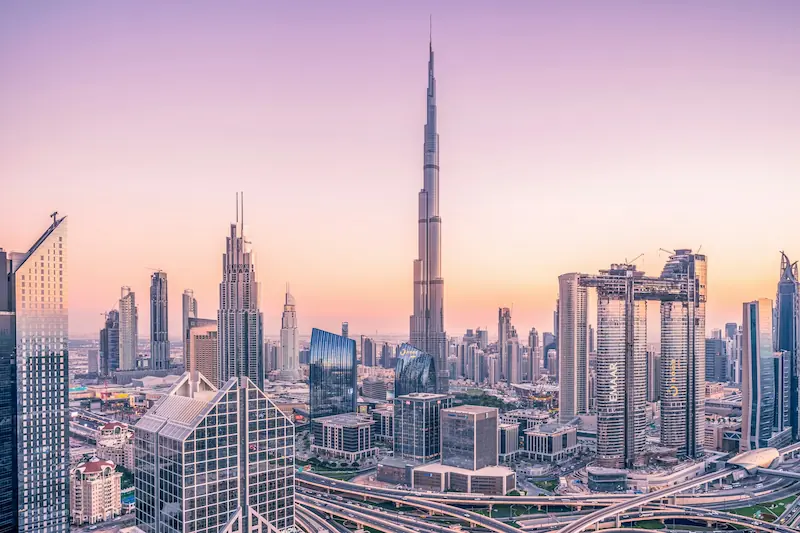
Burj Khalifa, Downtown and Dubai Fountain – Area: Downtown Dubai · Best for: first-time skyline impact and a classic evening sequence · Time needed: 3 to 5 hours · Worth it: Yes on a first visit, but the strongest experience is the full Downtown sequence rather than the tower alone. · Book ahead: Yes for Burj Khalifa sunset, premium levels and peak-season evenings.
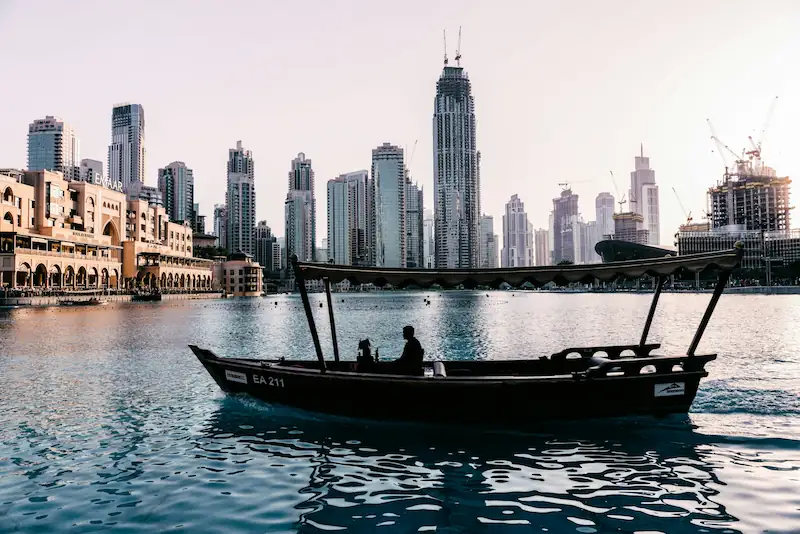
Al Fahidi, Dubai Creek, an abra and Deira souks – Area: Bur Dubai and Deira · Best for: understanding the trading city beneath modern Dubai · Time needed: Half day · Worth it: Essential for a balanced first trip and one of the best-value experiences in the city. · Book ahead: No, unless you want a guided heritage or food walk.
Al Shindagha Museum and the Creek heritage district – Area: Al Shindagha · Best for: Dubai history, maritime trade and Emirati culture · Time needed: 2 to 4 hours · Worth it: One of the best choices if you want deeper context than a brief old-town walk can provide. · Book ahead: Recommended if you want a guided visit; general entry is usually easier to manage.
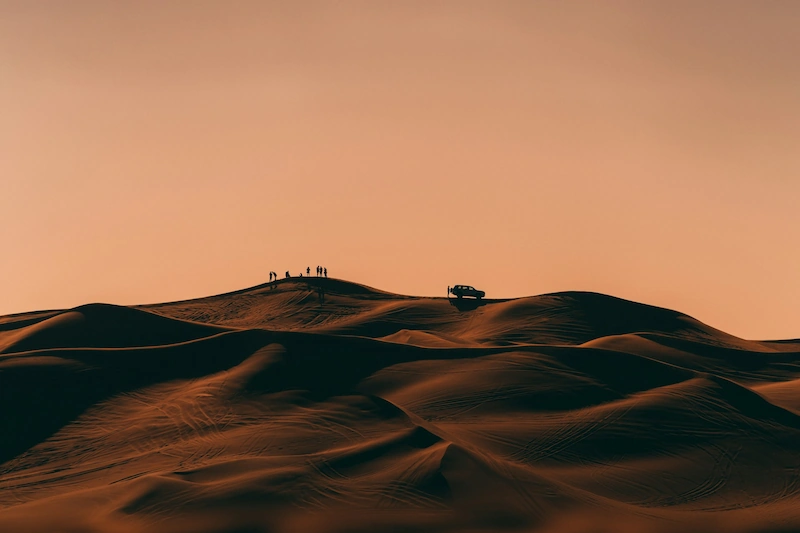
A high-quality desert safari or conservation experience – Area: Dubai desert and Al Marmoom · Best for: landscape contrast, wildlife, sunset and outdoor adventure · Time needed: 5 to 8 hours · Worth it: Yes, provided you choose the operator and format carefully rather than defaulting to the cheapest mass-market package. · Book ahead: Yes, especially for private, small-group or conservation-led departures.
Museum of the Future – Area: Trade Centre · Best for: future-facing architecture, immersive exhibits and indoor time · Time needed: 2 to 3 hours · Worth it: Strong for design, technology and families with older children, though the architecture is part of the appeal. · Book ahead: Yes; timed tickets frequently sell out.
Dubai Frame and Zabeel Park – Area: Zabeel · Best for: a quick old-new skyline comparison · Time needed: 1.5 to 3 hours · Worth it: One of the better-value viewpoints and more useful than adding another expensive observation deck. · Book ahead: Helpful at weekends and during cooler-season evenings.
Jumeirah Mosque, Etihad Museum and the coast – Area: Jumeirah · Best for: UAE context, architecture and a balanced cultural half day · Time needed: 3 to 5 hours · Worth it: A strong counterweight to Dubai’s malls, resorts and observation decks. · Book ahead: Check official mosque visit times before building the day.
The View at The Palm or Ain Dubai – Area: Palm Jumeirah or Bluewaters · Best for: engineered coastline and panoramic city views · Time needed: 1.5 to 3 hours · Worth it: Choose one according to your route; both work best when paired with a wider Palm, Marina or Bluewaters plan. · Book ahead: Yes for sunset, weekends and premium cabins or levels.
Dubai Marina, JBR and Bluewaters after dark – Area: Dubai Marina · Best for: waterfront walking, casual dining and evening atmosphere · Time needed: 3 to 5 hours · Worth it: Yes if you want an easy night plan; less essential if your stay is already resort- and waterfront-heavy. · Book ahead: Only for popular restaurants, Ain Dubai or cruises.
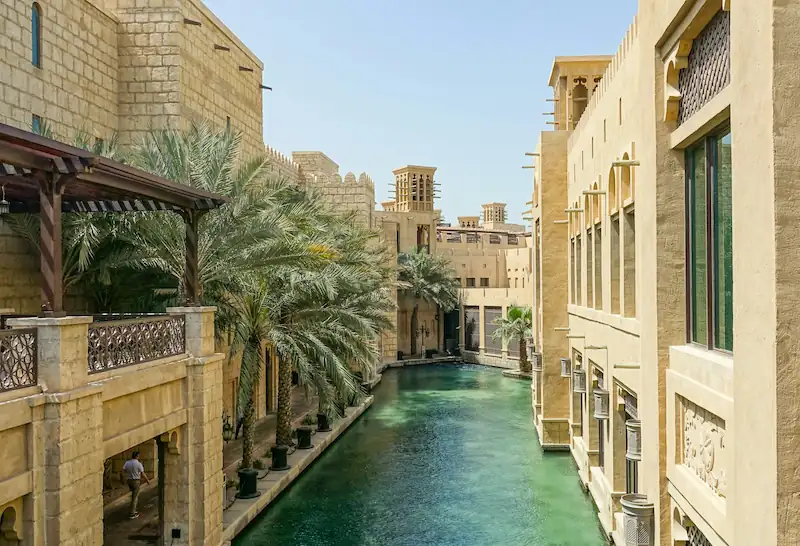
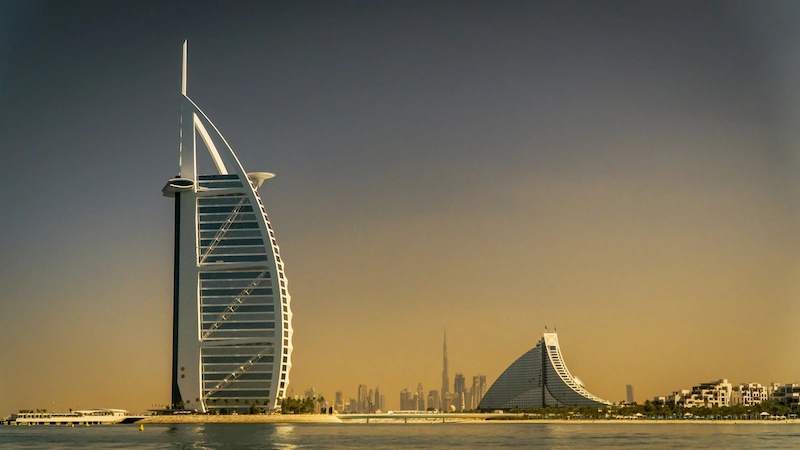
Madinat Jumeirah and Inside Burj Al Arab – Area: Umm Suqeim · Best for: resort architecture, Burj Al Arab views and a premium experience · Time needed: 2 to 4 hours · Worth it: Madinat works as a scenic free-to-enter stop; the Burj Al Arab tour is for travelers who want the hotel itself as an attraction. · Book ahead: Yes for Inside Burj Al Arab, afternoon tea or destination dining.
Aquaventure, a public beach or a carefully chosen beach club – Area: Palm Jumeirah and Jumeirah coast · Best for: waterparks, family days or coastal downtime · Time needed: Half day to full day · Worth it: Choose one beach format that matches your trip rather than repeating similar resort days. · Book ahead: Yes for Aquaventure and popular beach clubs; no for most public beaches.
Expo City Dubai – Area: Dubai South · Best for: architecture, sustainability, mobility and families · Time needed: Half day · Worth it: High value for repeat visitors, architecture travelers and families who want more than the central attraction circuit. · Book ahead: Check pavilion and event schedules; the public realm can remain flexible.
Global Village or Miracle Garden in season – Area: Dubailand · Best for: family evenings, seasonal spectacle and casual food · Time needed: 3 to 5 hours · Worth it: Both are worthwhile when open, but they serve different moods: Global Village is lively and food-led; Miracle Garden is visual and daytime-oriented. · Book ahead: Check current seasonal dates and opening hours before planning.
Alserkal Avenue and Al Quoz – Area: Al Quoz · Best for: contemporary art, independent cinema and design · Time needed: 2 to 4 hours · Worth it: One of Dubai’s strongest non-landmark cultural additions when exhibitions and events are active. · Book ahead: Usually no, but check individual gallery, cinema and event schedules.
A major family or indoor attraction chosen by age – Area: Across Dubai · Best for: summer, rain, younger travelers and attraction-led days · Time needed: 2 hours to full day · Worth it: Dubai has excellent family infrastructure, but value comes from choosing one age-appropriate anchor rather than stacking tickets. · Book ahead: Yes for major theme parks, Ski Dubai, AYA Universe and high-demand holiday periods.
How to choose what is actually worth doing in Dubai
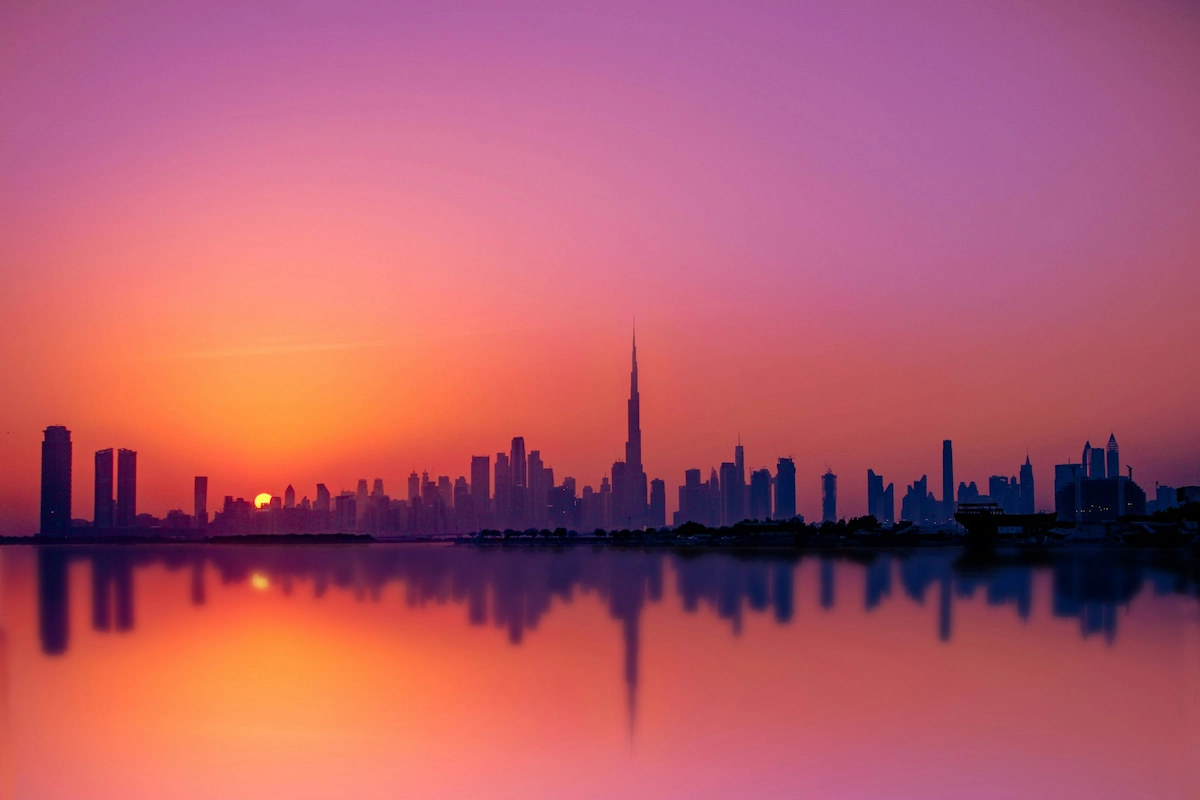
Dubai is built around distinct clusters, and many attractions are designed to consume several hours on their own. The smartest plan uses one major anchor per half day, adds nearby experiences with the same geography, and protects outdoor time from peak heat. The city becomes far more interesting when skyline spectacle is balanced by the Creek, Emirati history, migrant food cultures, desert ecology and public coastline.
Choose one main observation experience on a short trip: Burj Khalifa, Dubai Frame, Sky Views, The View at The Palm or Ain Dubai.
Give old Dubai enough time for Al Fahidi, the Creek, an abra, Al Shindagha and Deira rather than treating it as a one-hour photo stop.
Use November to March for longer outdoor days; in hotter months, move beaches and heritage walks to early morning or evening.
Book the experiences where availability, operator quality or timing changes the result: Museum of the Future, Burj Khalifa sunset, premium desert trips, shows, waterparks and major family attractions.
Do not combine Downtown, old Dubai, the Marina, the Palm and the desert in one day simply because each looks close on a map.
Treat malls as infrastructure for cooling, dining and specific attractions—not as the automatic centre of every day.
For families, choose attractions by age and energy level; a waterpark, theme park and late-night attraction on consecutive days can become exhausting.
For a first extra day, the desert or Abu Dhabi usually adds more contrast than another beach club, mall or viewpoint.
Check seasonal operations for Global Village, Miracle Garden, outdoor markets and selected desert or garden experiences.
Leave room for restaurants and neighborhoods: Dubai’s cultural complexity is often clearest through Deira, Satwa, Karama, Jumeirah and Al Quoz.
Iconic Dubai attractions that justify the time
Dubai’s signature attractions are strongest when they explain the city’s scale, ambition, engineered geography or transformation. Choose experiences that give different perspectives rather than repeating the same skyline from several platforms. For most first trips, one Downtown anchor, one coastline or Palm perspective, old Dubai and the desert create the most complete visual story.
Time Burj Khalifa around the experience you actually want – Sunset creates the most dramatic transition but also the highest prices and crowds. Clear daytime slots are better for reading the desert, coastline and road grid, while night focuses the view on illuminated urban clusters. Pair the tower with Downtown rather than crossing the city only for the elevator ride. (First-time essential · Best for: first-trip orientation and skyline scale)Find tours & experiences
See the upgraded Dubai Fountain as part of a Downtown evening – The fountain is free, brief and most effective when combined with Burj Lake, Souk Al Bahar and the illuminated Burj Khalifa. Arrive before the busiest show wave or use the boardwalk or lake ride if proximity matters. Do not let waiting for repeated shows consume the whole evening. (Best after dark · Best for: free spectacle and easy evening structure)Find tours & experiences
Use Dubai Frame for the clearest old-new city comparison – The Frame works because its position gives two different city readings: older Dubai and the Creek on one side, Sheikh Zayed Road and the modern skyline on the other. The visit is compact, reasonably priced and easy to combine with Zabeel Park or old Dubai. (High value · Best for: quick orientation and families)Find tours & experiences
Choose Sky Views for a more active Downtown viewpoint – Sky Views combines a high observation deck with optional glass and edge experiences, making it better for travelers who want some adrenaline rather than another conventional tower visit. It overlaps visually with Burj Khalifa, so most short trips should choose one premium Downtown viewpoint. (Best for: views with an adventure element)Find tours & experiences
Understand Palm Jumeirah from The View before going down to resort level – The View at The Palm makes the island’s shape, fronds and relationship with Dubai Marina immediately legible. Ground-level stops then make more sense, whether you continue to Palm West Beach, Atlantis, a resort restaurant or a beach club. (Best for: urban engineering and panoramic views)Find tours & experiences
Ride Ain Dubai when Bluewaters and Marina already fit the evening – Ain Dubai adds a slower panoramic experience over Bluewaters, JBR, the Marina and the coast. It is most efficient as part of a Bluewaters and Marina evening rather than a standalone cross-city journey, and it offers a different perspective from Downtown observation decks. (Best for: coastal panorama, couples and families)Find tours & experiences
Experience Dubai Marina, JBR and Bluewaters after sunset – This is Dubai’s easiest large-scale waterfront sequence: Marina towers, JBR’s beach-facing activity and Bluewaters’ open views. Walk selected sections rather than trying to complete every promenade, then use dinner, Ain Dubai or a boat trip as the anchor. (Best in the evening · Best for: waterfront walking and casual nightlife)Find tours & experiences
Tour Inside Burj Al Arab only if landmark hospitality interests you – The guided tour turns the hotel from a distant photo into an architecture and hospitality experience. It is deliberately theatrical and premium, so it suits travelers interested in iconic hotels more than those simply seeking the best Burj Al Arab view. (Premium choice · Best for: luxury design and landmark-hotel access)Find tours & experiences
Choose one major waterpark or resort day – Aquaventure is the largest-scale choice, Wild Wadi is convenient for Jumeirah stays, and resort or beach-club days suit travelers who want less structured downtime. On a short trip, one full water-led day is usually enough unless the holiday is intentionally resort-focused. (Best for: families, thrill-seekers and beach-led stays)Find tours & experiences
Dubai’s best cultural and historical experiences
Dubai’s cultural depth comes from the Creek, maritime trade, Emirati history, archaeology, religious understanding and a contemporary arts scene shaped by a global population. The strongest cultural day follows a geographic or historical thread rather than collecting isolated museums. Old Dubai deserves at least half a day, and travelers with more time should add Al Shindagha, Etihad Museum, Alserkal or Expo City.
Walk Al Fahidi as the opening chapter of old Dubai – The restored lanes, courtyards, wind towers and cultural spaces provide a human-scaled introduction to the city before the Creek and souks. Go early, pause for an Emirati breakfast or cultural programme, and continue west or east instead of ending the visit after a few photographs. (First cultural priority · Best for: heritage architecture and first-time context)Find tours & experiences
Give Al Shindagha Museum enough time to explain the Creek – This museum district is one of the best places to understand how maritime trade, family life, perfume, leadership and the Creek shaped Dubai. Its multiple houses and multimedia displays justify more time than a single small museum stop. (Best history museum · Best for: Dubai history and Emirati heritage)Find tours & experiences
Cross Dubai Creek by abra and continue into Deira – The short wooden-boat crossing remains one of the city’s most direct and affordable experiences. It links heritage areas and trading streets while keeping the working Creek visible, and it is far more meaningful when followed by the markets and a meal. (Best for: everyday movement and low-cost atmosphere)
Read the Gold, Spice and Textile Souks as working markets – The markets are active commercial districts rather than pristine heritage displays. Go for the trading rhythm, scents, shopfronts and negotiation culture, keep expectations realistic, and use a guide if you want historical and food context or dislike persistent sales approaches. (Best for: markets, photography and trade history)Find tours & experiences
Visit Jumeirah Mosque through the official cultural programme – The organized visit provides respectful access and a clearer introduction to Islamic practice and Emirati culture than an exterior photo stop. Check the current schedule, dress guidance and arrival requirements before planning the surrounding Jumeirah day. (Best for: religious understanding and cultural orientation)
Use Etihad Museum to understand the formation of the UAE – The museum focuses on the political and civic story of federation and works especially well with Jumeirah Mosque, the coastline or Al Shindagha. It is calm, visually clear and useful when you want context beyond Dubai’s tourism development. (Best for: modern UAE history and indoor culture)
Add Saruq Al-Hadid Museum for archaeology and deeper history – The collection reveals Iron Age metalworking and archaeological finds from the wider region, extending Dubai’s story far beyond the oil era and modern skyline. It is a specialist but rewarding addition for history-focused travelers already spending time near the Creek. (For history lovers · Best for: archaeology and pre-modern regional history)
Spend a focused art block at Alserkal Avenue – Dubai’s main contemporary arts district brings galleries, design, performance, independent cinema and cafés into a warehouse setting. Check what is actually open, then combine two or three spaces rather than expecting a conventional museum campus. (Best for: contemporary art, cinema and design)
Use Expo City for architecture, innovation and the Expo legacy – Al Wasl Plaza, Terra, Alif and the wider public realm show a different side of Dubai’s future-facing ambition. The district is especially useful for families, architecture travelers and repeat visitors, and direct metro access makes it easier than its distance suggests. (Best for: architecture, sustainability and family learning)Find tours & experiences
Local-feeling, outdoor and adventure experiences in Dubai
Dubai’s less formal side appears in public beaches, neighborhood food streets, early-morning exercise, desert reserves, cycling tracks and cultural districts where people live and work. These experiences are not presented as secret alternatives to the landmarks; they make the city feel less enclosed, less mall-dependent and more connected to its climate and communities.
Start the day at Kite Beach, JBR or another public beach – Public beaches give you the Gulf, running paths, swimming and skyline views without committing to a resort or beach-club day. Kite Beach suits an active morning, JBR is more urban and serviced, and quieter stretches work when simple sea time matters most. (Free outdoor priority · Best for: morning walks, swimming and families)
Explore Satwa and Karama through restaurants and everyday shops – These neighborhoods make Dubai’s migrant communities visible through South Asian, Filipino, Iranian, Arab and East African food, tailoring, groceries, bakeries and street-level commerce. Go with a few specific food ideas and an openness to ordinary urban rhythm. (High food value · Best for: everyday Dubai and affordable eating)Find tours & experiences
See a less commercial desert at Al Marmoom – Al Marmoom offers desert landscapes, lakes, cycling routes, wildlife possibilities and heritage events without the standard safari-camp format. It suits independent travelers and repeat visitors, but transport, heat and the specific activity need more planning. (Beyond the standard safari · Best for: nature, cycling and repeat visits)Find tours & experiences
Choose an adrenaline experience that uses Dubai’s setting – Skydive Dubai, XLine over the Marina, Deep Dive Dubai, dune activities and watersports all turn the city’s scale into an active experience. Choose one that genuinely matches your risk tolerance and budget; these are memorable but logistics-heavy anchors. (Adventure choice · Best for: adrenaline travelers and special occasions)Find tours & experiences
Use Dubai Design District or Al Quoz for a creative half day – Design, galleries, cafés, studios and events provide a more contemporary urban rhythm than the visitor-heavy waterfronts. The value depends on the event calendar, so this works best for repeat visitors or travelers who actively enjoy creative districts. (Best for: design, cafés and event-led exploration)
Visit Global Village as a full seasonal evening – Global Village combines country pavilions, food stalls, retail, rides and live entertainment on a scale that is deliberately busy and theatrical. Arrive with enough time to browse and eat, and check the current season rather than assuming year-round operation. (Seasonal evening · Best for: families, casual food and lively crowds)Find tours & experiences
See Miracle Garden when the seasonal display is at its best – The garden is an intensely visual attraction built around floral installations rather than botanical depth. It works for families, photography and visitors who enjoy large-scale themed displays, especially when paired with another Dubailand stop. (Seasonal · Best for: families and photography)Find tours & experiences
Dubai food experiences worth building a day around
Dubai’s food identity comes from Emirati traditions, Gulf trade, South Asian migration, Iranian and Arab communities, East African connections and a powerful luxury-hospitality industry. The best meals reveal this range. Use food to complete the neighborhood you are already exploring, and balance one destination restaurant with everyday places where the city’s communities actually eat.
Turn the Creek and Deira into a food-led route – After Al Fahidi, an abra and the souks, continue with Iranian kebabs, Yemeni mandi, Indian or Pakistani dishes, Iraqi food, sweets or seafood. A guided food walk can help decode the area, but independent eating works when you arrive with a few specific targets. (Essential food layer · Best for: old Dubai context and culinary range)Find tours & experiences
Try a proper Emirati breakfast or traditional meal – Look for balaleet, chebab, regag, khameer, machboos, harees, salona and luqaimat rather than settling for a generic Middle Eastern platter. The experience fits naturally with Al Fahidi, Jumeirah or a cultural programme. (Best for: local culinary context)Find tours & experiences
Use Satwa or Karama for affordable South Asian and Filipino depth – Biryani, thali, chaat, dosa, grills, parotta, Filipino comfort food, bakeries and sweets make these districts ideal for a less formal meal crawl. Choose a cuisine or dish theme rather than walking without a plan. (Best value · Best for: budget travelers and repeat visitors)
Explore Jumeirah’s cafés and regional restaurants – Jumeirah and Al Wasl combine Emirati concepts, Gulf and Levantine food, independent cafés, bakeries and polished neighborhood restaurants. This is one of the easiest areas to build a slower breakfast, lunch or café-led afternoon away from the largest malls. (Best for: cafés, couples and neighborhood dining)
Book one destination restaurant for a specific reason – Choose the meal for the cuisine, chef, view, beach setting or hotel access—not simply because Dubai is known for luxury. One memorable premium meal creates contrast; making every meal a high-end reservation often separates you from the city’s broader food culture. (Premium anchor · Best for: celebrations and culinary travelers)
Treat hotel brunch as a half-day social event – Dubai brunch can involve extensive food, drinks, entertainment and pool or beach access. It suits groups, celebrations and weekend-focused stays, but the cost and time commitment make it a poor automatic choice on a short sightseeing trip. (Only if it fits · Best for: groups, celebrations and weekend stays)
Try a desert meal only when the setting and operator are strong – Dinner in the desert can range from mass buffet camps to private conservation-led meals. The best versions use the landscape, hospitality and storytelling well; the weakest rely on rushed entertainment and generic food. (Best for: special occasions and desert evenings)Find tours & experiences
Visit markets and food halls selectively – Waterfront markets, seasonal food events and polished food halls can be useful for groups with different tastes, but they should not replace neighborhood eating. Use them for seafood, variety or convenience rather than assuming they represent the city’s full food identity. (Best for: groups and flexible meals)
Best things to do in Dubai for first-time visitors
A first Dubai trip should establish the city’s main contrasts rather than chase every famous attraction: Downtown scale, Creek history, the desert or coast, and one cultural or food-led layer.
Start with Burj Khalifa, Downtown and Dubai Fountain, but choose only one main observation experience if time is limited.
Give Al Fahidi, Al Shindagha, Dubai Creek, an abra and Deira at least half a day.
Choose the desert as the strongest half-day contrast if you have three or more days.
Add Museum of the Future for futurism, Dubai Frame for efficient orientation, or Etihad Museum for civic context.
Use one evening for Marina–JBR–Bluewaters or Madinat Jumeirah rather than crossing between both.
Choose either Palm Jumeirah, a beach or a waterpark according to your interest instead of treating all three as mandatory.
Do not let Dubai Mall absorb a day unless shopping or its ticketed attractions are a genuine priority.
With four or five days, add Abu Dhabi, Expo City, Alserkal, a family attraction or a slower beach day.
Priority
BestChoices
Why
Essential contrast
Downtown, old Dubai and the Creek, one desert or coastal experience
Together they explain the city’s modern scale, trading roots and physical setting.
Choose one
Museum of the Future, Dubai Frame, Sky Views, The View or Ain Dubai
Each adds a perspective, but several become repetitive on a short trip.
Profile-led
Waterpark, theme park, Expo City, art district, beach club or premium hotel tour
These are excellent only when they match your interests.
Usually skip first
Repeated malls, multiple viewpoints and several resort days
They consume time without adding enough contrast.
Free things to do in Dubai
Dubai can be expensive, but its strongest free or very low-cost experiences include waterfronts, beaches, heritage streets, markets and public architecture. Timing them around heat matters more than price.
Watch Dubai Fountain and the Burj Khalifa light sequence as part of a Downtown evening.
Walk Al Fahidi, Al Seef and selected Creek-side stretches.
Cross Dubai Creek by abra for a low-cost experience rather than a free one.
Browse the Gold, Spice and Textile Souks without feeling obliged to buy.
Walk Kite Beach, JBR, Palm West Beach or another public-access shoreline early or late.
Explore Dubai Marina, Bluewaters and selected JBR promenades after sunset.
Walk the public areas of Madinat Jumeirah for waterways and Burj Al Arab views.
Visit Alserkal Avenue when galleries and exhibitions are open.
Explore Expo City’s public realm and Al Wasl Plaza, paying only for the pavilions you choose.
Walk Dubai Water Canal, Al Safa or a section of Jumeirah at golden hour.
Visit Ras Al Khor viewpoints when conditions, access and wildlife timing are suitable.
Use public beaches and parks instead of assuming every coastal experience requires a beach-club pass.
FreeIdea
BestTime
BestFor
Al Fahidi, Al Seef and Creek walking
Morning or late afternoon
Heritage, photography and atmosphere
Dubai Fountain and Downtown waterfront
Evening
First-time spectacle
Kite Beach or JBR
Early morning or sunset
Sea, exercise and family space
Dubai Marina and Bluewaters
After dark
Waterfront scale and dining options
Alserkal Avenue
During gallery opening hours
Contemporary art and design
Expo City public realm
Late afternoon and event evenings
Architecture and families
Unique and unusual things to do in Dubai
Dubai’s most distinctive experiences use the city’s scale, climate, desert, engineered coastline or global population in ways that are hard to reproduce elsewhere. Novelty is worthwhile only when the setting adds meaning.
Cross Dubai Creek by abra and continue through working markets and food streets.
Visit Al Shindagha Museum, including its heritage houses and perfume-focused interpretation.
See Palm Jumeirah from The View, then experience it at ground level.
Ride Ain Dubai as part of a Bluewaters and Marina evening.
Book a conservation-led desert experience or visit Al Marmoom instead of defaulting to a mass camp.
Tour Inside Burj Al Arab if landmark hospitality and design interest you.
Try XLine over Dubai Marina, Skydive Dubai or Deep Dive Dubai for a setting-specific adventure.
Visit Expo City and Al Wasl Plaza for the legacy of Expo 2020.
Explore Alserkal Avenue and independent cinema in a warehouse district.
Ski indoors at Ski Dubai when the climate contrast itself appeals.
Visit AYA Universe for immersive digital art rather than a conventional museum.
See Miracle Garden or Global Village during their operating seasons.
Pair Jumeirah Mosque with Etihad Museum for a deeper civic and cultural reading.
Explore Satwa or Karama through food tied to Dubai’s migrant communities.
Things to do in Dubai at night
Dubai’s outdoor city often works best after sunset, when waterfronts, desert camps, seasonal attractions and open-air dining become more comfortable. Night plans should remain geographically coherent.
Combine Burj Khalifa, Dubai Fountain and a focused Downtown dinner.
Walk Marina, JBR and Bluewaters, with Ain Dubai or a cruise only if it adds something specific.
Use Madinat Jumeirah for waterways, Burj Al Arab views and an easy polished evening.
Visit Global Village during its operating season.
Book a quality desert sunset and evening experience.
Choose La Perle, Dubai Opera or another current show when you want a ticketed evening.
Go to a rooftop or observation deck only if the view differs from what you have already seen.
Explore Al Seef and the Creek after the heat drops, while keeping market opening hours in mind.
Use Palm West Beach for a more social resort-side sunset and dinner.
Check current light, projection, fountain and event programmes at Expo City or Dubai Festival City.
NightOption
BestFor
TimeFit
Downtown and Dubai Fountain
First-trip spectacle
2 to 4 hours
Marina, JBR and Bluewaters
Walking, water views and casual dining
3 to 5 hours
Desert sunset and evening
Landscape contrast and atmosphere
5 to 7 hours
Madinat Jumeirah
Polished resort-side evening
2 to 4 hours
Global Village
Families, food and seasonal energy
3 to 5 hours
Show or performance
Indoor entertainment
2 to 3 hours
Things to do in Dubai with kids
Dubai is exceptionally well equipped for families, but the best choice depends on age, height restrictions, heat tolerance and whether the children prefer animals, water, rides, technology or open space.
Choose Aquaventure, Wild Wadi or Legoland Water Park according to age and where you are staying.
Use Dubai Aquarium for a compact Downtown family stop and The Lost World Aquarium for an Atlantis-focused day.
Choose Museum of the Future for older children who enjoy ideas and immersive displays.
Use The Green Planet, Dubai Safari Park or Dubai Crocodile Park for animal-focused visits.
Choose Ski Dubai for indoor snow play and a strong summer option.
Visit AYA Universe for immersive light and digital environments.
Use Dubai Frame as a shorter, easier viewpoint for mixed-age families.
Choose Motiongate, Real Madrid World, Legoland or IMG Worlds only when rides are a true priority.
Visit Global Village, Miracle Garden or Butterfly Garden in season.
Use Expo City’s Terra and Alif pavilions for learning-led family time.
Keep Kite Beach, parks, hotel pools and low-cost open space in the plan to offset ticket-heavy days.
Avoid combining a full waterpark, late-night attraction and early sightseeing start without recovery time.
Activity
BestAgeFit
WeatherFit
Dubai Aquarium or The Lost World Aquarium
Most ages
Excellent indoor option
Aquaventure or Wild Wadi
School-age children and teens
Best outside the harshest heat
The Green Planet or Dubai Safari Park
Young children to early teens
Green Planet indoors; Safari Park seasonal and outdoor
Museum of the Future or Expo City
Older children and teens
Strong indoor or mixed option
Ski Dubai or AYA Universe
Mixed ages depending on activity
Excellent summer option
Global Village or Miracle Garden
Mixed ages
Cooler-season and evening-friendly
Things to do in Dubai when it rains or is extremely hot
Rain is occasional, but extreme heat shapes many more trips. Dubai’s indoor attractions are extensive; the challenge is choosing purposeful experiences rather than spending every disrupted day inside the same mall.
Book Museum of the Future as a structured indoor anchor.
Use Dubai Mall for Dubai Aquarium, shopping, dining and direct Burj Khalifa access.
Visit AYA Universe for immersive digital environments.
Choose The Green Planet for an indoor rainforest and animal-focused visit.
Ski or play in the snow at Ski Dubai.
Visit Etihad Museum, Al Shindagha Museum or another history museum for cultural depth.
Explore Alserkal Avenue galleries and Cinema Akil when programmes are active.
Use IMG Worlds of Adventure or another indoor theme park for a full family day.
Book La Perle, Dubai Opera, theatre, cinema or another indoor performance.
Choose a spa, hammam, hotel pool or long lunch for a lower-intensity recovery day.
Visit Expo City pavilions if transit and weather conditions remain practical.
Do not force desert, beach, outdoor garden or long souk plans during lightning, flooding or severe heat.
IndoorChoice
BestFor
TimeNeeded
Museum of the Future
Architecture, ideas and older children
2 to 3 hours
AYA Universe
Immersive digital visuals
1.5 to 2.5 hours
The Green Planet
Families and indoor nature
1.5 to 2.5 hours
Ski Dubai
Snow play and summer contrast
2 to 4 hours
Al Shindagha or Etihad Museum
Dubai and UAE history
2 to 4 hours
IMG Worlds of Adventure
Full family attraction day
Half day to full day
Things to do in Dubai by area
Downtown Dubai and DIFC
Use Downtown for Burj Khalifa, the fountain, Dubai Mall and one major viewpoint; add DIFC only when art, architecture or destination dining is a real interest.
Burj Khalifa timed entry
Dubai Fountain and Burj Lake
Dubai Aquarium or a specific mall attraction
Sky Views as an alternative active viewpoint
Dubai Opera or a current performance
DIFC galleries, architecture and restaurants
Bur Dubai, Al Fahidi and Al Shindagha
This is Dubai’s strongest heritage sequence and deserves at least half a day. Start early, follow the Creek west or east, and use museums and food to deepen the walk.
Al Fahidi Historical Neighbourhood
Al Shindagha Museum and Perfume House
Textile Souk and Creek waterfront
Sheikh Mohammed Centre cultural experiences
Emirati breakfast or lunch
Al Seef as a more polished Creek extension
Deira and the north Creek
Deira is best for markets, trading history, food and a denser everyday city rhythm. It is more rewarding when connected to Bur Dubai by abra rather than reached only by taxi.
Gold and Spice Souks
Abra crossing
Waterfront and dhow activity
Food in Deira and nearby neighborhoods
Waterfront Market for a modern market contrast
Guided food or heritage route
Jumeirah, Umm Suqeim and Al Wasl
This corridor combines mosque, museum, beaches, cafés, resort architecture and the Burj Al Arab without the concentration of Downtown.
Jumeirah Mosque official visit
Etihad Museum
Kite Beach and public coastline
Madinat Jumeirah
Inside Burj Al Arab
City Walk and The Green Planet
Dubai Marina, JBR and Bluewaters
This is Dubai’s strongest night-first waterfront zone. Choose selected promenade sections, then add a meal, Ain Dubai, beach time or a water experience.
Dubai Marina Walk
JBR and The Beach
Bluewaters Island and Ain Dubai
XLine Dubai Marina
Cruise or yacht experience
Evening restaurants and skyline photography
Palm Jumeirah
The Palm works best when you understand its shape first and then choose one resort, waterpark, aquarium, beach or dining experience rather than moving randomly between hotels.
The View at The Palm
Palm monorail
Palm West Beach
Aquaventure World
The Lost World Aquarium
Resort, beach-club or destination-dining experience
Al Quoz and Dubai Design District
These creative districts work for contemporary art, design, independent cinema, cafés and events. Check the calendar before going because the value depends on what is open.
Alserkal Avenue galleries
Cinema Akil
Design and performance events
Creative cafés and shops
Dubai Design District architecture
Neighborhood dinner after the cultural block
Zabeel, Oud Metha and Wafi
This central inland cluster is useful for one efficient viewpoint, immersive indoor attractions and family-friendly stops.
Dubai Frame and Zabeel Park
AYA Universe at Wafi City
Dubai Garden Glow when operating
Dubai Dolphinarium only if it matches your family priorities
Easy connection toward old Dubai
Indoor backup in hot weather
Dubailand and outer family attractions
These attractions are spread out and should be treated as deliberate half-day or full-day anchors, not quick add-ons.
Global Village in season
Miracle Garden and Butterfly Garden in season
IMG Worlds of Adventure
Dubai Safari Park
Dubai Parks and Resorts
Family attraction days chosen by age
Expo City and Dubai South
Expo City is a future-facing architecture and learning district with direct metro access, while Dubai South attractions require more deliberate routing.
Al Wasl Plaza
Terra Sustainability Pavilion
Alif Mobility Pavilion
Garden in the Sky and public spaces
Events and projection programmes
Dubai Parks and Resorts farther south
Desert, Al Marmoom and Hatta routes
Outdoor experiences beyond the city vary from commercial safaris to conservation, cycling, lakes and mountain activities. Choose the landscape and activity before choosing the operator.
Desert safari or private conservation experience
Al Marmoom reserve and cycling
Camel, wildlife and sunset experiences
Hatta kayaking and mountain activities
Stargazing or premium desert dinner
Seasonal outdoor conditions and early starts
What to prioritize in Dubai by trip length
Dubai rewards decisive selection. Use trip length to add contrast, not more versions of the same tower, mall or resort experience.
Profile
Prioritize
Skip
Structure
Half day
Choose one compact cluster: Downtown, old Dubai and the Creek, Jumeirah culture and beach, or Marina–Bluewaters.
Do not cross between Downtown, the Palm and Deira.
One geographic area, one paid anchor at most, and a meal or walk nearby.
1 day
Combine old Dubai in the morning with Downtown later, or build the entire day around one family, desert or beach priority.
Avoid the Palm, Marina, desert and Creek in one compressed route.
Use old-new contrast only when transport and opening hours remain realistic.
2 days
Cover Downtown and old Dubai, then use the second day for Jumeirah, Marina–Palm, desert or a family anchor.
Multiple expensive viewpoints and malls.
One central day and one profile-led day.
3 days
Add a desert experience, Museum of the Future, Jumeirah culture, a beach morning or Marina evening.
A distant day trip unless it is a major personal priority.
Icons, heritage and one strong landscape or leisure contrast.
4 to 5 days
Add Abu Dhabi, Expo City, Alserkal, Palm attractions, a waterpark or a slower food route.
Filling every flexible block with shopping.
Alternate high-energy ticketed days with neighborhoods, coast or culture.
1 week
Include Hatta, seasonal attractions, deeper museums, family parks, food districts and actual hotel or beach downtime.
Changing areas constantly without recovery time.
Use themed days and allow one lower-pressure day.
Summer trip
Early beach or heritage time, indoor attractions, hotel pools, evening waterfronts and shows.
Long midday outdoor walks and poorly shaded attraction queues.
Outdoor early, indoor midday, rest, then evening activity.
Repeat visit
Al Shindagha, Alserkal, Expo City, Satwa, Karama, Al Marmoom, cultural events and new restaurants.
Repeating every first-trip observation deck.
Use neighborhoods, events, food and specialist interests as anchors.
Best day trips and excursions from Dubai
The best excursions add a landscape, architectural, cultural or ecological contrast that Dubai cannot provide on its own. The desert remains the easiest half-day choice; Abu Dhabi is the strongest full-day extension; Hatta and other emirates suit longer or interest-led stays.
Excursion
Best for
Time needed
First trip?
Transport
Book ahead
Desert safari or Dubai Desert Conservation Reserve experience
Dunes, wildlife, sunset and the clearest landscape contrast
5 to 8 hours
Yes, when operator quality is strong
Pickup tour or private vehicle
Yes, especially for private and conservation-led formats Check options
Abu Dhabi and Sheikh Zayed Grand Mosque
Architecture, museums, civic scale and wider UAE context
Yes; verify passport, visa and border requirements Check options
Smart activity combinations that work well together
These are not full itineraries. They are practical pairings that reduce wasted movement and make Dubai feel more coherent.
Al Fahidi + Al Shindagha + abra + Deira food – Start early in Al Fahidi, continue along the Creek to Al Shindagha or cross by abra, then use Deira’s markets and restaurants to complete a coherent history-and-trade day.
Burj Khalifa + Dubai Fountain + Downtown dinner – Book one late-afternoon viewpoint, use the fountain and Burj Lake after dark, then finish with a restaurant chosen for either food or view rather than wandering through the mall.
Museum of the Future + Dubai Frame + old Dubai edge – This combination works when you want futurism and a concise old-new skyline comparison. Keep the museum timed and use the Frame as the shorter second anchor.
Jumeirah Mosque + Etihad Museum + Kite Beach – Cultural orientation, federation history and public coastline fit into one corridor without repeated cross-city travel.
Madinat Jumeirah + Inside Burj Al Arab or beach time – Use Madinat as the scenic public-space base, then choose either the premium hotel tour, a meal, or a coastal stop—not all three unless this is the main half-day.
The View at The Palm + Palm West Beach or Atlantis – Understand the island from above first, then continue to a resort, aquarium, waterpark, beach or dinner according to your profile.
Marina + JBR + Bluewaters + Ain Dubai – This is a strong evening sequence when you walk selected waterfront sections and use Ain Dubai, dinner or a cruise as the single ticketed anchor.
Alserkal Avenue + Al Quoz dinner – Check exhibitions and cinema times, then remain in the broader area for a restaurant or café rather than returning immediately to a mall district.
Expo City + Dubai Parks and Resorts – This pairing works only for a full southern-Dubai day and usually for families or repeat visitors; choose one or two Expo pavilions before the theme-park block.
Miracle Garden + Global Village – During the cooler operating season, use the garden in late afternoon and Global Village after dark, allowing substantial transfer and entry time.
Desert safari + quiet morning – Keep the first half of the day light before an afternoon and evening safari. A beach, pool, café or museum morning works better than another major attraction.
What to book ahead in Dubai
Dubai is not equally reservation-sensitive everywhere. Book timed, high-demand or logistics-heavy experiences early, but leave markets, beaches, Creek walks and some neighborhood food stops flexible.
Reserve transport and key tickets before finalizing the day.
Often yes for a multi-stop day or when driving is undesirable.
Souks, beaches, Marina walks, Al Fahidi and Alserkal Check options
No
Keep flexible around weather, exhibitions, appetite and energy.
Guides help mainly for heritage, food and market context.
Frequently asked questions about things to do in Dubai
These answers cover the decisions that most affect a Dubai itinerary: what is essential, how long to stay, what to book, how to handle heat, and which attractions suit different traveler profiles.
What are the best things to do in Dubai for a first visit?
Prioritize Downtown and Burj Khalifa, Al Fahidi and Dubai Creek, an abra and Deira, one desert or coastal experience, and one cultural anchor such as Al Shindagha Museum, Museum of the Future or Etihad Museum. Add Marina, the Palm or a family attraction according to your interests.
How many days do you need in Dubai?
Three full days covers the essential old-new contrast and one desert or coastal experience. Four to five days allows Abu Dhabi, a waterpark, Expo City, a beach day or deeper cultural and food exploration. A week suits families and slower resort stays.
Can you see Dubai in one day?
One day can cover either a focused Downtown stopover or an old-Dubai-plus-Downtown contrast. It cannot realistically include the Palm, Marina, desert, Creek and major ticketed attractions without spending much of the day in transit.
Is Burj Khalifa worth visiting?
Yes for most first-time visitors. Sunset is dramatic but expensive and busy; a clear daytime slot can be better for understanding the coastline, desert and city layout. Skip it only if observation decks are not important to you or you prefer a different viewpoint.
Which Dubai observation deck is best?
Burj Khalifa is the iconic first-time choice, Dubai Frame gives the clearest old-new contrast, Sky Views adds adventure, The View explains Palm Jumeirah, and Ain Dubai provides a slower coastal panorama. Most short trips need only one or two.
Is Dubai Fountain running again?
The fountain reopened after its major renovation, with further improvements announced as part of the upgrade programme. Check the current official show schedule shortly before visiting because timings and maintenance can change.
Is Museum of the Future worth it?
It is strongest for architecture, immersive design, technology themes and older children. Travelers expecting a traditional collection-based museum may prefer Al Shindagha, Etihad Museum or another historical institution.
What is the best way to explore old Dubai?
Start in Al Fahidi, continue toward the Creek or Al Shindagha, cross by abra, then explore Deira’s souks and eat nearby. Allow at least half a day so the area feels like a coherent trading and heritage district rather than a quick photo stop.
Which museum is best for Dubai history?
Al Shindagha Museum is the strongest broad choice for the Creek, maritime trade, Emirati life and Dubai’s development. Etihad Museum explains the formation of the UAE, while Saruq Al-Hadid is best for archaeology and deeper regional history.
Is a Dubai desert safari worth it?
Yes when the landscape, group size, wildlife, activities and camp format match your expectations. Premium conservation-led or private experiences are calmer; inexpensive mass-market safaris can be lively but crowded and standardized.
What should you book ahead in Dubai?
Book Burj Khalifa sunset, Museum of the Future, quality desert trips, Inside Burj Al Arab, major observation attractions at peak times, waterparks, theme parks, shows, and organized day trips. Keep beaches, souks, Al Fahidi and most waterfront walks flexible.
What are the best free things to do in Dubai?
Walk Al Fahidi and Al Seef, watch Dubai Fountain, browse the souks, visit public beaches, walk Marina and Bluewaters, explore Madinat Jumeirah’s public areas, visit Alserkal galleries and explore Expo City’s public realm. An abra ride is extremely inexpensive rather than free.
What are the best things to do in Dubai at night?
Downtown and Dubai Fountain, Marina–JBR–Bluewaters, Madinat Jumeirah, Global Village in season, a desert sunset, a show, Palm West Beach and selected rooftops are the strongest evening choices. Keep each night concentrated in one area.
What are the best things to do in Dubai with kids?
Choose according to age: Dubai Aquarium and The Green Planet for younger children; Aquaventure, Wild Wadi, theme parks and Ski Dubai for active families; Museum of the Future, Expo City and AYA Universe for older or visually curious children.
What can you do in Dubai in summer?
Plan early beach or heritage walks, spend midday at museums, AYA Universe, Ski Dubai, The Green Planet, aquariums or indoor parks, use hotel pools and rest, then return outdoors for evening waterfronts, shows and dining.
What can you do in Dubai when it rains?
Use Museum of the Future, AYA Universe, The Green Planet, Ski Dubai, aquariums, Alserkal Avenue, Al Shindagha or Etihad Museum, indoor theme parks and performances. Avoid desert drives and flood-prone routes during severe weather.
What are the best beaches in Dubai?
Kite Beach suits active mornings and Burj Al Arab views, JBR offers a highly serviced urban beach, Palm West Beach combines walking and restaurants, and quieter public beaches suit simple swimming. Resort beaches and beach clubs are worthwhile when facilities matter.
Is Palm Jumeirah worth visiting if you are not staying there?
Yes if you choose a clear purpose: The View, Aquaventure, The Lost World Aquarium, Palm West Beach, a monorail ride, resort dining or a beach club. Driving along the Palm without an anchor rarely justifies the time.
Is Ain Dubai worth it?
It is worthwhile for a relaxed coastal panorama and works best with Bluewaters, JBR or Marina. Travelers already doing several observation decks may find it repetitive, so choose it for the route and slower wheel experience.
Is Inside Burj Al Arab worth the price?
It suits travelers interested in landmark hotels, interiors, design and Dubai’s luxury-hospitality story. For a simple view of the building, Madinat Jumeirah or nearby coastline is enough.
Is Global Village worth visiting?
Yes for families, food grazing, shopping, rides and energetic evening entertainment during its operating season. It is crowded and highly commercial, so it is less suitable for travelers seeking calm or deep cultural interpretation.
Is Dubai Miracle Garden worth visiting?
It is best for families, photography and visitors who enjoy large-scale floral installations. It is seasonal and more theatrical than botanical, so check operating dates and combine it with another outer-Dubai attraction if practical.
Is Expo City Dubai worth visiting?
Expo City is strong for architecture, sustainability, mobility, Al Wasl Plaza and family learning. It is particularly worthwhile for repeat visitors and architecture-focused travelers, and direct metro access reduces the logistical burden.
What are the best adventure activities in Dubai?
Options include Skydive Dubai, XLine Dubai Marina, Deep Dive Dubai, dune activities, watersports, indoor skiing, Jebel Jais excursions and Hatta kayaking. Choose one major activity and check health, age, weight and weather restrictions before booking.
Where can you experience local culture in Dubai?
Spend time in Al Fahidi, Al Shindagha, Deira, the Creek, Jumeirah Mosque and Etihad Museum; eat in Satwa, Karama and Deira; and look for official cultural programmes, Emirati meals and heritage events.
What food should you try in Dubai?
Try Emirati dishes such as machboos, balaleet, chebab, regag and luqaimat, then explore the city’s Indian, Pakistani, Iranian, Yemeni, Iraqi, Levantine, Filipino and East African food. Dubai’s migrant cuisines are central to its identity.
What is the best day trip from Dubai?
The desert is the easiest half-day excursion and strongest landscape contrast. Abu Dhabi is the best full-day cultural and architectural extension, while Hatta suits mountains and activity, Sharjah suits museums, and Ras Al Khaimah suits adventure.
Is Abu Dhabi worth a day trip from Dubai?
Yes with at least four days in the region. Sheikh Zayed Grand Mosque, major museums and the city’s different civic scale add substantial context, but a rushed multi-stop tour can feel superficial.
Is Hatta worth visiting from Dubai?
Hatta is worthwhile for mountains, kayaking, hiking and a break from the urban coastline. It is weather-sensitive and best treated as a full active day, particularly in cooler months.
What should you skip in Dubai?
Skip repeated viewpoints, malls without a specific purpose, distant attractions that do not match your interests, and cheap packages chosen only by price. Also avoid overfilling days across multiple far-apart districts.
Is Dubai good for couples?
Yes. Couples can combine skyline views, desert sunsets, boutique hotels, beach time, Jumeirah dining, Alserkal, spa experiences, dhow or yacht trips and a destination meal. Choose atmosphere and route rather than defaulting to the most expensive package.
Are Dubai attraction passes worth it?
They can be worthwhile when the included attractions match a tightly planned itinerary and you would buy them anyway. Compare reservation rules, peak-time supplements, transport and the realistic number of attractions you can use before purchasing.
Dubai is most rewarding when landmark ambition, Creek history, desert or coastline, cultural context and the city’s global food communities all have room in the trip.
Find the best places to stay, how to get there, and move around with ease.
Build a smarter trip base
Turn the right experiences into the right itinerary
Once you know what you want to do in Dubai, the next step is turning those ideas into a trip that actually works day by day. Use the planner to organize the right mix of highlights, neighborhoods, and pace into a route that feels coherent, not crowded.