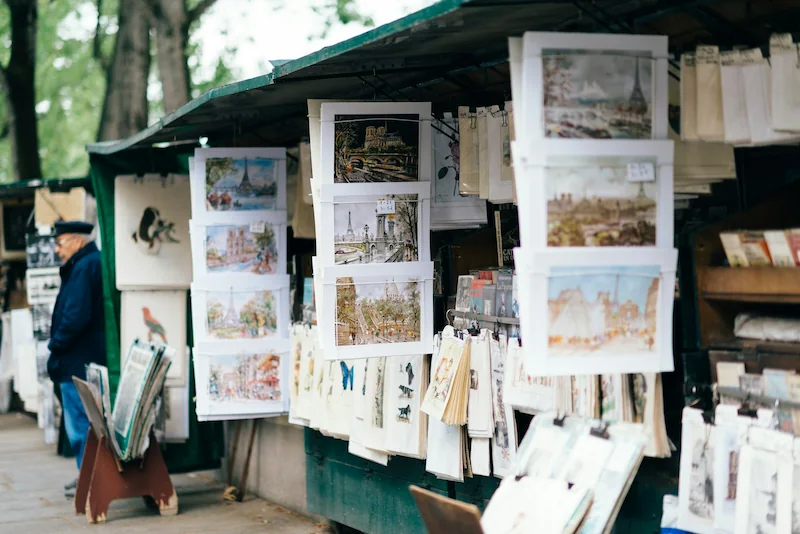
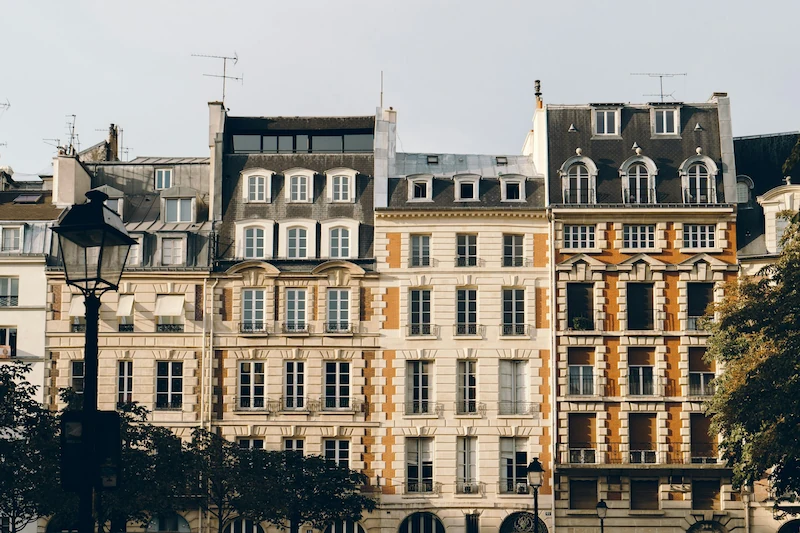
Discover the best things to do in Paris, from iconic landmarks and world-class museums to food-led neighborhoods, romantic evening plans, family-friendly ideas, rainy-day fallbacks, seasonal experiences and day trips that are actually worth the time. Paris is not a city to cover by brute force. The strongest visits combine a few non-negotiable classics with the right museum choice, a river or viewpoint moment, a lived neighborhood session and enough flexibility for food, weather and fatigue to shape the day intelligently.
Best time
April to June and September to October are usually best for walking, museums, terraces and outdoor sightseeing; winter is strong for culture, dining and lower crowd pressure; December adds Christmas lights and festive windows.
Ideal trip length
3 to 4 days covers the main Paris essentials; 5 days gives room for museums, food neighborhoods and Versailles; 6 to 7 days lets you add hidden gems, seasonal experiences and slower local life.
Continue planning your Paris trip
Use the main Paris guide for trip structure, the where-to-stay guide for neighborhood decisions, and itinerary pages once you know which experiences matter most.
The top things to do in Paris first
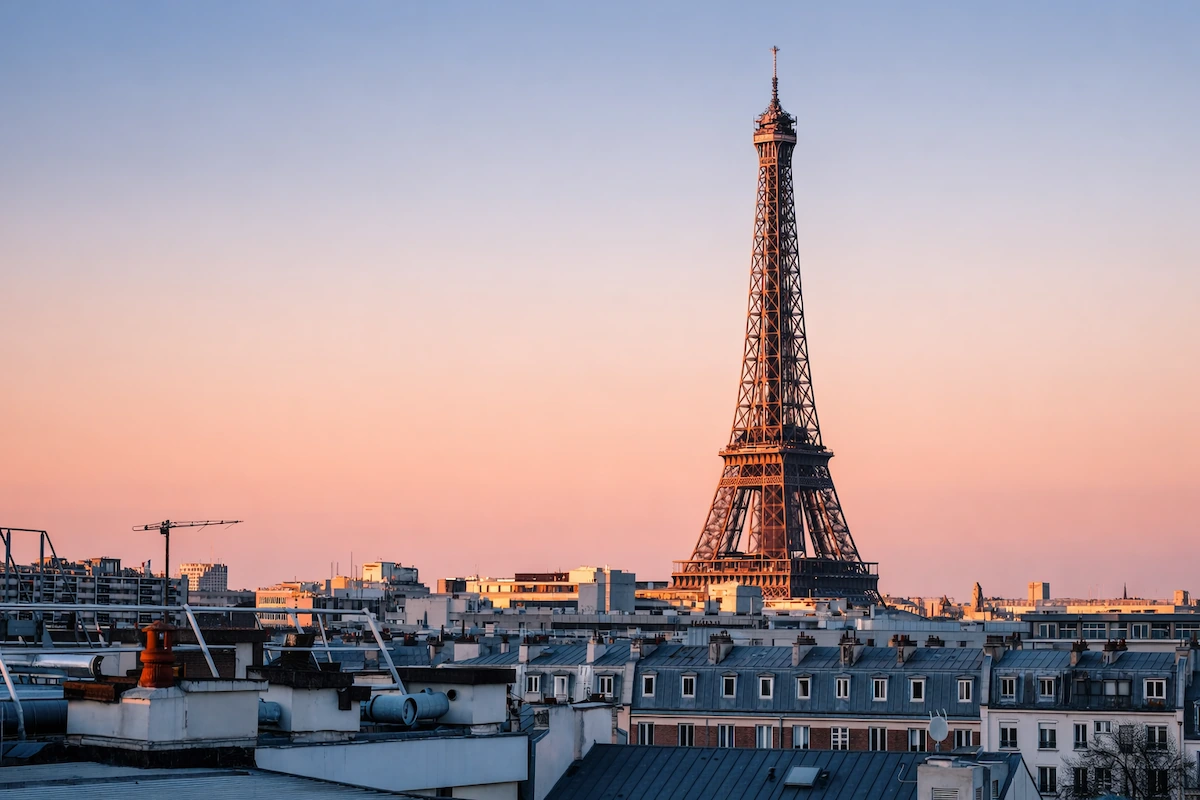
Go up the Eiffel Tower – Area: 7th arrondissement · Best for: first-time visitors who want the defining Paris view · Time needed: 1.5 to 2.5 hours · Worth it: Yes, especially if it is your first trip or you want a true skyline moment rather than only a photo from below. · Book ahead: Yes, strongly recommended.
Visit the Louvre with a focused plan – Area: 1st arrondissement · Best for: first-time visitors and art-minded travelers · Time needed: 2 to 4 hours · Worth it: Yes, but only with a shortlist; trying to see everything is the fastest way to make it feel exhausting. · Book ahead: Yes, essential.
Walk the Seine, bridges and Île de la Cité – Area: Central Paris · Best for: orientation and classic city atmosphere · Time needed: 1.5 to 3 hours · Worth it: Absolutely; this is one of the highest-payoff ways to understand Paris quickly. · Book ahead: No.
Choose one major art museum beyond the Louvre – Area: Central / Left Bank / Right Bank · Best for: culture-first trips · Time needed: 2 to 3 hours · Worth it: Yes; Orsay, Orangerie, Rodin, Invalides, Carnavalet, Bourse de Commerce or a current Pompidou Constellation exhibition can add more depth than another landmark sprint. · Book ahead: Usually yes for top museums.
Spend time in Montmartre beyond Sacré-Cœur – Area: 18th arrondissement · Best for: first trips, walkers and scenic city texture · Time needed: 2 to 4 hours · Worth it: Yes, if you arrive early or late enough to avoid the worst crowd pressure. · Book ahead: No.
Climb the Arc de Triomphe – Area: 8th arrondissement · Best for: urban views and short stays · Time needed: 1 to 1.5 hours · Worth it: Yes, especially if you want a major city view with less operational weight than the Eiffel Tower. · Book ahead: Recommended.
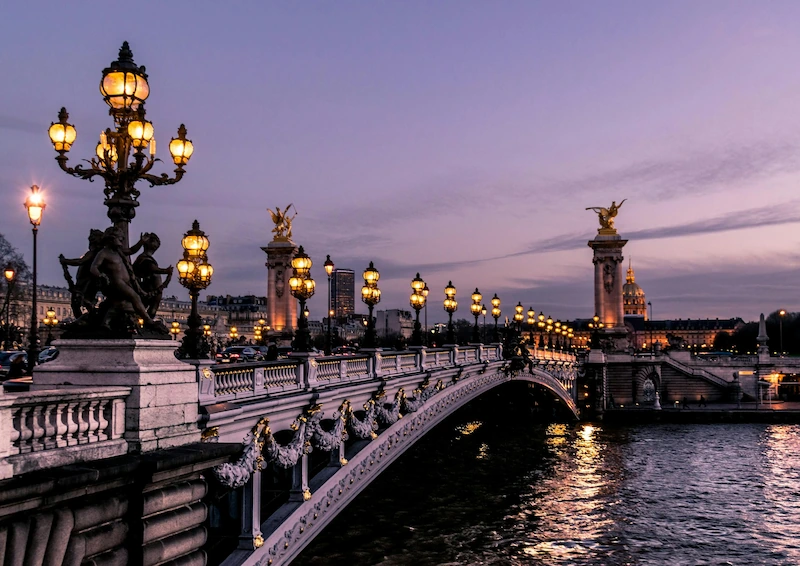
Take a Seine cruise at the right time of day – Area: Seine river · Best for: couples, first-timers and short stays · Time needed: 1 to 1.5 hours · Worth it: Usually yes; strongest at golden hour or after dark, not as a rushed midday filler. · Book ahead: Recommended in busy periods.
Visit Sainte-Chapelle – Area: Île de la Cité · Best for: short stays and architecture lovers · Time needed: 45 minutes to 1 hour · Worth it: Yes, one of Paris’s clearest high-impact, low-time experiences. · Book ahead: Yes, recommended.
Pick one food-led neighborhood session – Area: Le Marais / Saint-Germain / Rue Montorgueil / Bastille-Aligre · Best for: travelers who do not want Paris to feel like a museum circuit · Time needed: 2 to 3 hours · Worth it: Yes; food and market rhythm are what make Paris feel lived rather than checked off. · Book ahead: No unless you want a tour or special table.
Take a day trip to Versailles if you have enough time – Area: Outside Paris · Best for: 3-day-plus stays and royal history · Time needed: half day to full day · Worth it: Yes, but not at the expense of your core Paris time on a very short stay. · Book ahead: Yes, strongly recommended.
How to choose the right Paris experiences
Paris is easy to overcrowd with famous names and surprisingly easy to do badly. The smartest trips separate non-negotiable classics from optional extras, respect geography, and leave room for a museum, a neighborhood, a meal and a strong evening plan to breathe. This guide is deliberately broad, but each experience is included because it helps shape a better itinerary rather than simply adding another name to the list.
Do not stack Eiffel Tower, Louvre, Versailles and a major night activity into the same 24 hours; Paris rewards pacing more than brute coverage.
Prioritize one marquee museum per half day, not two, unless your trip is explicitly art-first and tightly structured.
Use neighborhoods to balance the trip: a heavy monument slot works better when paired with a walk, market, garden or café-led area afterward.
Treat views, bridges and river moments as part of the city experience, not as filler between attractions.
Book timed-entry sights early, then leave markets, cafés, gardens and neighborhood walks flexible around them.
Choose seasonal layers intentionally: winter favors museums and interiors, summer favors early starts and late river time, December favors lights and festive windows.
Skip attractions that are famous only in photos if they do not match your trip style; Paris has too many better uses of time.
Book the Eiffel Tower, Louvre, Sainte-Chapelle, Catacombs, Versailles, popular Seine cruises, major shows and high-demand restaurants in advance.
Seine walks, bridges, Montmartre streets, gardens, covered passages, market streets, churches and neighborhood wandering are the strongest free Paris experiences.
Iconic Paris experiences worth your time
These are the major Paris essentials, but not all deserve equal weight on every trip. The best iconic experiences reveal scale, urban beauty, civic drama or the city’s relationship with the river. Think iron skyline, stone embankments, cathedral light, royal axes and viewpoints that make Paris legible.
Go up the Eiffel Tower rather than just photographing it – The Eiffel Tower remains worth doing because the structure itself still shapes the city’s visual logic once you are on it. If it matters to your trip, commit to it properly with a timed ticket rather than settling for a rushed ground-level stop and later wishing you had gone up. (First-time essential · Best for: first trips and skyline views)Find tours & experiences
Visit the Louvre with a shortlist, not an exhaustion plan – The Louvre is one of the best things to do in Paris, but only if you enter with real selectivity. Choose a route or a theme, accept that you will not see everything, and focus on the experience of being inside one of the world’s great museums rather than performing museum endurance. (High payoff · Best for: art-minded first-time visitors)Find tours & experiences
Walk the Seine from the Louvre toward Notre-Dame – For pure urban payoff, this is one of the most efficient things to do in Paris. Bridges, facades, river light and the slow reveal of Île de la Cité explain the city better than many formal attractions do, especially on a first visit. (Worth it · Best for: first-day orientation)
See Sainte-Chapelle for concentrated visual impact – Sainte-Chapelle is one of Paris’s strongest short-format visits: high visual return, modest time investment, and a very different emotional register from the city’s bigger museums. It works especially well on a compact first trip or a rainy day. (High payoff · Best for: short stays and architecture lovers)Find tours & experiences
Climb or overlook Montmartre with timing in mind – Montmartre still earns its place on a first trip, but the point is not only Sacré-Cœur. The real value comes from the hill itself, the descending streets and the alternating quiet and crowd pressure you feel depending on the hour. (Best for: scenic walking and first trips)Find tours & experiences
Take a Seine cruise at dusk or after dark – A Seine cruise is easy to dismiss as obvious, but in Paris it often works because the river organizes so many of the city’s best facades and monuments in one continuous line. It is most worth it as an evening experience, not a midday filler. (Best in the evening · Best for: first trips and couples)Find tours & experiences
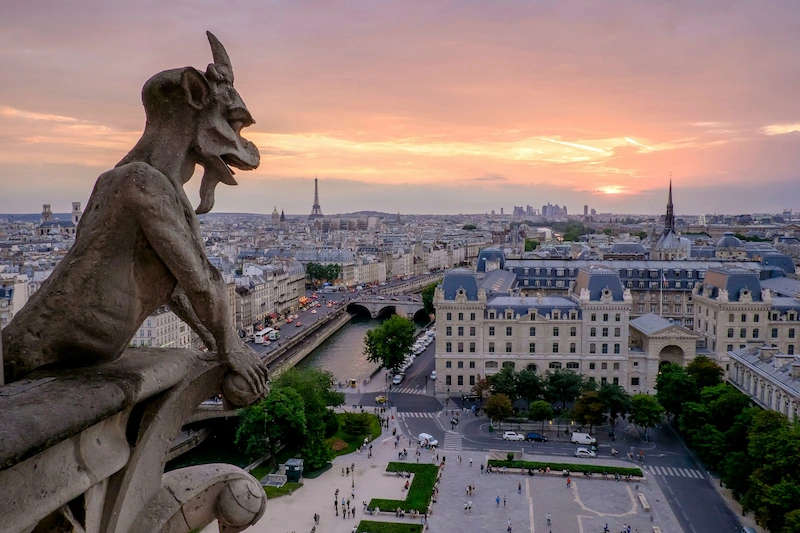
See Notre-Dame and the Île de la Cité context together – Notre-Dame is again one of the most important Paris anchors, but the larger value is the setting: island geometry, river crossings, medieval density and civic power concentrated around the city’s original core. Treat it as part of a central walk, not just a photo stop. (Essential context · Best for: first-time city reading)
Climb the Arc de Triomphe for one of Paris’s strongest city views – The Arc de Triomphe delivers one of the clearest urban readings of Paris because the radiating avenues, Haussmannian order and long western axis all make instant sense from above. It is one of the city’s most useful iconic experiences if you want a major view without repeating the Eiffel logic. (High payoff · Best for: first trips and shorter stays)Find tours & experiences
Use Palais Garnier as both monument and interior experience – Palais Garnier works because it gives Parisian theatrical grandeur without demanding half a day. It is one of the city’s most rewarding interior landmarks and a strong option on mixed-weather, architecture-led or Opéra-area days. (Best for: architecture lovers and rainy days)Find tours & experiences
Walk the Tuileries, Place de la Concorde and Champs-Élysées axis selectively – This formal westward axis is essential to understanding ceremonial Paris, but it should not become a shopping trudge. Use it for urban scale, garden geometry, the Concorde perspective and connection toward the Arc de Triomphe, then leave before the day becomes all boulevard. (Strategic classic · Best for: first trips and urban structure)
Visit the Catacombs for Paris’s darker underground layer – The Catacombs are one of the strongest unusual things to do in Paris because the experience changes the city’s mood completely: ordered bones, underground corridors and a sharp contrast with the elegant surface city. It is not for everyone, but it has real atmospheric value. (Unique · Best for: teenagers, repeat visitors, dark history)Find tours & experiences
Use Versailles as the major royal day trip, not a casual add-on – Versailles can be extraordinary, but only when treated as a real time commitment. It adds royal scale, gardens, court politics and a different kind of French grandeur, but it should not cannibalize core Paris on a very short stay. (Day trip essential · Best for: 3-day-plus stays and history)Find tours & experiences
The best cultural things to do in Paris
Paris can flatten into a prestige museum checklist if you are not careful. The better cultural approach is to choose institutions that show different faces of the city: grand national collections, Impressionism, modernity, sculpture, military history, city history, contemporary art and performance.
Choose Musée d’Orsay if you want beauty without Louvre overload – Musée d’Orsay is one of the smartest Paris museum choices because it feels manageable, coherent and immediately rewarding. If you want a major cultural stop without the Louvre’s scale and friction, this is often the better decision. (Worth it · Best for: first-time visitors who want one major museum)Find tours & experiences
Follow Centre Pompidou’s Constellation programme while the main building is closed – The Centre Pompidou building is closed for renovation until 2030, but its collections and programming continue through the Constellation programme across partner venues. Treat it as a current-events cultural option rather than a normal Beaubourg museum visit. (Current closure · Best for: modern and contemporary art during the renovation period)
Use the Musée Picasso when you want depth over scale – The Picasso Museum works well for travelers who want a concentrated cultural experience in the middle of a neighborhood day. It is rarely the first museum you need in Paris, but it can be very satisfying once the basics are covered. (Only if you have time · Best for: repeat visits and focused art interests)
Pair the Panthéon with the Latin Quarter – The Panthéon is one of the best cultural landmarks in Paris when you want architecture, national memory and a neighborhood context that still feels intellectually alive. It works particularly well in a half day built around the Left Bank. (Best for: history, architecture and quieter major stops)
Do a focused literary or intellectual Paris session – Not every cultural plan in Paris needs to be a museum. A Left Bank route through historic cafés, bookish streets and places tied to the city’s intellectual tradition can be more memorable than forcing in one more collection. (Best for: repeat visits and slower trips)
Choose the Musée de l’Orangerie for concentrated Monet – The Orangerie is one of the smartest Paris museum choices when you want real artistic value without committing to a huge institution. It works especially well on shorter trips or paired with the Tuileries and western central Paris. (High payoff · Best for: short stays and impressionist art)Find tours & experiences
Visit the Rodin Museum when you want sculpture, gardens and calm – The Rodin Museum gives one of Paris’s best quiet cultural experiences because the sculpture, mansion setting and garden environment work together unusually well. It is strong when you want a major museum feeling without heavy crowd logic. (Best for: calmer culture-first trips)Find tours & experiences
Use Carnavalet for city history embedded in Le Marais – Carnavalet works particularly well if you want a museum that deepens your understanding of Paris itself rather than adding another general art institution. It is best used as part of a Marais day rather than an isolated destination. (Best for: history-aware travelers and slower days)
Visit Les Invalides for Napoleon, military history and monumental architecture – Les Invalides is a major Paris cultural stop for travelers interested in Napoleon, military history, ceremonial architecture and the city’s relationship with national memory. It is a strong alternative when you want history with more edge than another art museum. (Strong niche · Best for: history, Napoleon, architecture)Find tours & experiences
Use Bourse de Commerce for contemporary art in a historic shell – The Bourse de Commerce adds a useful contemporary layer to central Paris: architecture, collecting culture and modern exhibition energy inside a rotunda that feels very different from the classic museum circuit. (Contemporary layer · Best for: repeat visitors and contemporary art)
Consider Fondation Louis Vuitton when architecture and exhibitions justify the detour – Fondation Louis Vuitton can be very worthwhile, but it is not a casual central add-on. Go when the exhibition, architecture or Bois de Boulogne-side setting clearly matches your trip, especially on longer stays. (Only if it fits · Best for: architecture and modern art)Find tours & experiences
Choose a performance night: opera, ballet, classical concert or jazz – A performance can be one of the highest-return Paris evenings when it matches your taste. Palais Garnier, Philharmonie, church concerts and jazz clubs all give different versions of cultural Paris after dark. (Evening culture · Best for: culture-first nights)Find tours & experiences
Local, unusual and lower-friction Paris experiences
Paris is not only a sequence of monuments. Some of the most worthwhile things to do are quieter: markets, canal walks, covered passages, parks, cemeteries, street art and neighborhood sessions where the day loosens and the city stops feeling performed.
Spend a late morning in Le Marais beyond the obvious – Le Marais remains worth your time when used for street texture, small shops, courtyards, museums and food stops rather than rushed landmark consumption. It works best when you let the neighborhood dictate pace for a while. (Worth it · Best for: walkers and first repeat visits)
Walk Canal Saint-Martin when you need a less ceremonial Paris – Canal Saint-Martin gives you a flatter, more contemporary, more lived version of the city. It is a smart choice when you want local texture, younger energy and a break from the central monument belt without leaving Paris behind. (Best for: repeat visits and slower afternoons)
Browse one market with an actual purpose – A market visit becomes worthwhile when tied to lunch, picnic supplies or a neighborhood route. Used this way, it adds local rhythm and appetite to the day instead of becoming another generic sightseeing insert. (Best for: food-led travelers and mornings)
Explore the covered passages for a short weather-proof detour – The passages are one of the most useful unusual things to do in Paris because they combine architecture, retail history and practical shelter. They are especially effective on rainy days or compact central itineraries. (Rainy-day useful · Best for: rainy weather and short central walks)
Claim one purposeful café or terrace hour – This is not filler. A well-placed café pause is part of how Paris is experienced, especially when it breaks up a museum-heavy day or gives a neighborhood time to settle around you. The mistake is doing it accidentally instead of choosing the moment. (Best for: slower trips and city texture)
Use the Luxembourg Gardens as a real Paris experience – The Luxembourg Gardens are worth treating as part of the city’s cultural and local life rather than only a pause between attractions. The scale, chairs, tree lines and Left Bank atmosphere make this one of the strongest slow-Paris experiences on a multi-day trip. (Best for: slower afternoons and Left Bank pacing)
Walk the Latin Quarter as street-level intellectual Paris – The Latin Quarter works best as a full neighborhood reading rather than a corridor between monuments. Smaller streets, bookish identity, student life and church-to-café continuity make it one of the city’s most useful urban texture zones. (Best for: walkers and repeat first-timers)
Use Palais-Royal as a compact central detour – Palais-Royal is one of the smartest short-format Paris experiences because it combines symmetry, quiet courtyard atmosphere and strong central placement. It works when you want a pause that still feels architecturally precise and distinctly Parisian. (Best for: compact central days)
Go to Père Lachaise for a more introspective Paris – Père Lachaise offers a different register from the ceremonial center: quieter, greener, reflective and tied to cultural memory. It is one of the best unusual Paris experiences when you want atmosphere without spectacle. (Unique · Best for: slower trips and repeat visits)
Use Saint-Ouen flea market for an eccentric Paris half day – The flea market works best for travelers who want vintage culture, browsing and a less polished, more idiosyncratic Paris. It is not essential on a first short trip, but it adds real range on longer stays or second visits. (Only if you have time · Best for: repeat visits and design-minded travelers)
Walk the Promenade Plantée for elevated local Paris – The Promenade Plantée gives a quieter elevated green corridor and a useful east-side perspective on how Paris repurposes infrastructure. It is strongest on longer stays, especially if you want something local without leaving the city. (Hidden-gem layer · Best for: repeat visitors and walkers)
Use Parc des Buttes-Chaumont for dramatic local park energy – Buttes-Chaumont is one of the best parks in Paris for travelers who want a less formal, more topographic and local-feeling green space. It offers cliffs, paths, views and a different rhythm from the central gardens. (Local park · Best for: parks, picnics, repeat visitors)
Explore Belleville for street art, viewpoints and contemporary Paris – Belleville adds a more diverse, lived and contemporary register to a Paris trip. It is best for repeat visitors, food-led walkers and travelers who want street art, multicultural texture and views without classic postcard polish. (Repeat visitor · Best for: street art and local texture)
Use Bastille and Marché d’Aligre for a market-led local morning – The Bastille-Aligre area is one of the strongest local food-and-market zones in Paris. It works well when you want produce, cafés, market energy and a more everyday eastern Paris rhythm. (Food-local · Best for: markets and local mornings)
Consider Atelier des Lumières if immersive exhibitions fit your style – Atelier des Lumières is not a classical Paris essential, but it can work well with teenagers, rainy days or travelers who like immersive formats. Treat it as a profile-specific add-on, not a core Paris obligation. (Profile-specific · Best for: rainy days and teens)Find tours & experiences
Food experiences in Paris that are actually worth doing
Food in Paris is not only about restaurant prestige. The better food-led experiences reveal neighborhood identity, market culture, pastry standards, bread, cheese, wine and how the city likes to eat at different hours. These are the Paris experiences that keep the trip from becoming too museum-heavy.
Do a pastry-and-bakery route instead of one famous stop – Paris rewards comparison. A short bakery route across one neighborhood gives you a better sense of the city’s everyday food quality than chasing a single viral address across town. (High payoff · Best for: short stays and casual food lovers)
Take a food tour only in the right neighborhood – A food tour can be worth it when it decodes a neighborhood rather than simply handing you samples. Le Marais, Saint-Germain, Montmartre and parts of the Right Bank usually work better than generic citywide formats. (Best for: first-time food-focused travelers)Find tours & experiences
Build one market-to-lunch experience – The best food moments often start with browsing produce, cheese, bread or prepared dishes, then turning that into an actual meal. This makes the city feel immediate and local in a way formal dining sometimes does not. (Best for: daytime food exploration)
Use one classic bistro meal strategically – A bistro meal is still one of the best things to do in Paris, but it works best when placed at the right point in the day: after a museum, after a river walk or as the anchor to an evening neighborhood session. (Best for: travelers who want one classic Paris meal)
Do one evening wine-bar or cave à manger session – If you want Paris at night to feel urban rather than purely scenic, a good wine-bar session often delivers more than a formal late dinner. It suits travelers who want atmosphere, conversation and a softer landing after a heavy sightseeing day. (Best in the evening · Best for: couples and adult evening plans)
Use a market street like Rue Montorgueil or Rue Cler as a real food experience – These streets are worth doing when they shape a meal or daytime session rather than just becoming a quick browse. They help Paris feel edible and lived rather than only monumental. (Best for: daytime food-led wandering)
Build one picnic or cheese-and-wine moment with intention – A thoughtful Paris picnic or informal cheese-and-wine setup can deliver more emotional return than one more overbooked formal meal. It works with a garden, canal or riverbank pause already built into the day. (Best for: couples and slower trips)
Take a cooking class if you want skill, not just consumption – A cooking class can be one of the better Paris food experiences when it teaches a technique, market logic or French home-cooking rhythm. It is strongest on longer stays or food-led trips rather than a rushed first day. (Food skill · Best for: food-first travelers)Find tours & experiences
Book a pastry or macaron workshop for a hands-on sweet experience – A pastry workshop works particularly well for families, couples and travelers who want something active between museums. Choose it for participation and technique rather than as a substitute for real bakery exploration. (Hands-on · Best for: families, couples, food lovers)Find tours & experiences
Do a wine and cheese tasting when you want structure – Wine and cheese in Paris is easy to improvise, but a guided tasting can be valuable if you want to understand regions, ripeness, pairings and how to order more confidently later in the trip. (Tasting · Best for: couples and food-first trips)Find tours & experiences
Use Bastille-Aligre or Le Marais for a serious food morning – For a food-led morning, choose an area where markets, bakeries, cafés and casual lunch can all connect. Bastille-Aligre gives a more local edge; Le Marais is easier for first-time visitors. (Food district · Best for: markets and food walks)
Choose one special restaurant only if it fits the rhythm of the trip – Paris has extraordinary restaurants, but a high-demand table should support the day, not dominate it. The best choice is often one carefully placed meal rather than several expensive reservations that make the itinerary rigid. (Strategic dining · Best for: special occasions)
What first-time visitors should do in Paris
For a first trip, Paris works best when you accept that not everything belongs on the same itinerary. Combine essential icons with one museum, one neighborhood session and one strong evening plan.
Prioritize the Eiffel Tower, a Seine-centered walk, Montmartre, the Arc de Triomphe, Sainte-Chapelle and one major museum before adding secondary stops.
Choose between the Louvre and another major museum on the same day rather than trying to overachieve both.
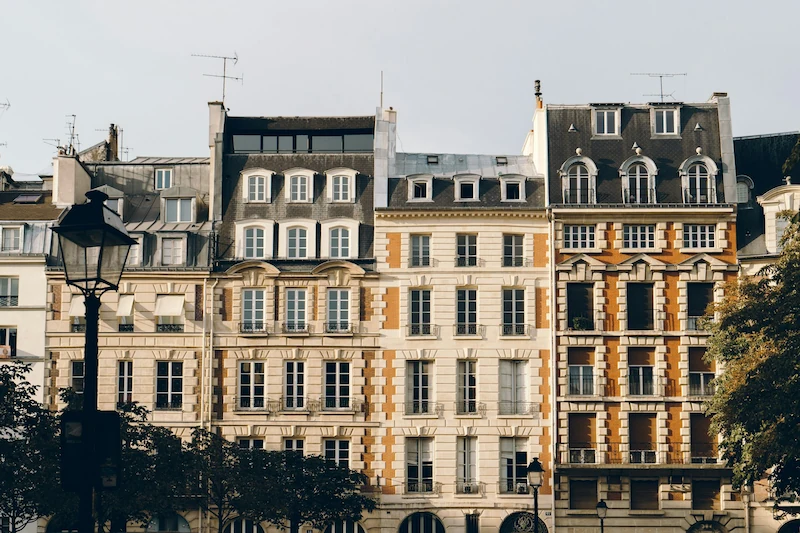
Leave time for Le Marais, Saint-Germain, the Latin Quarter, Rue Montorgueil or Canal Saint-Martin so Paris does not collapse into monuments only.
Add a Seine cruise or an evening viewpoint if you are staying at least two nights.
Do Versailles only if your Paris core is already reasonably covered.
Use one food-led session to keep the city from feeling like an open-air museum.
Priority
BestChoice
Why
Non-negotiable
Eiffel Tower, Seine, one museum, Montmartre, Arc de Triomphe
This explains the city visually and spatially.
Strong second layer
Sainte-Chapelle, Le Marais, Saint-Germain, Latin Quarter, Seine cruise
These add density and atmosphere without derailing the trip.
Only with more time
Catacombs, Rodin, Pompidou, Versailles, Saint-Ouen, deeper food tour
They are valuable but should not displace core Paris on a short stay.
Best free things to do in Paris
Paris is one of the easiest major cities to enjoy without paying constantly, provided you lean into views, river walks, parks, churches, market streets, passages and neighborhood texture rather than expecting every strong experience to be ticketed.
Walk the Seine quays and major bridges between the Louvre, Île de la Cité and Île Saint-Louis.
Explore Montmartre’s streets and viewpoints without turning the district into a paid attraction day.
Use the Tuileries, Luxembourg Gardens, Palais-Royal or Parc des Buttes-Chaumont as real city experiences.
Visit churches and major public interiors where access is free or low-friction.
Browse the covered passages, historic streets and arcades in central Paris.
Create a self-guided neighborhood route through Le Marais, Saint-Germain, the Latin Quarter, Canal Saint-Martin or Belleville.
Use market streets like Rue Montorgueil as a low-cost food-and-walking experience.
Spend selectively on one paid museum or viewpoint rather than buying several mediocre tickets.
FreeActivity
BestFor
TimeNeeded
Seine walk
first orientation
1 to 3 hours
Montmartre wandering
scenic walking
2 to 4 hours
Gardens and public spaces
slower pacing
45 minutes to 2 hours
Neighborhood self-guided route
local texture
2 to 3 hours
Unique and unusual things to do in Paris
Paris does not need gimmicks to feel distinctive, but it does reward travelers who go beyond the postcard circuit. The best unusual things to do in Paris shift perspective rather than simply trying to be obscure.
Explore the covered passages for a more intimate, weather-proof version of old commercial Paris.
Visit the Catacombs for a darker historical mood and a very different atmosphere from the city above.
Use Père Lachaise for a quieter, more reflective Paris with real cultural memory.
Go to Saint-Ouen flea market if vintage culture and browsing genuinely interest you.
Walk Promenade Plantée for elevated local Paris away from the central monument belt.
Use Buttes-Chaumont or Belleville for a less polished, more contemporary city register.
Visit Bourse de Commerce or Atelier des Lumières if contemporary or immersive formats fit your style.
Experience
Why
BestFit
Catacombs
dark historical atmosphere
teens, repeat visitors, unusual Paris
Covered passages
architecture and retail history
rainy days and central wandering
Père Lachaise
reflective atmosphere
slow trips and cultural memory
Belleville
street art and multicultural texture
repeat visitors
Buttes-Chaumont
dramatic local park
summer, picnics, local Paris
Best things to do in Paris at night
Paris should not be treated as a city that closes once the museums do. The strongest night plans are river-led, skyline-led, food-led or performance-led rather than over-programmed.
Take a Seine cruise after sunset if you want the most efficient first-time night experience.
See the Eiffel Tower area and central bridges once the city lights settle in.
Build an evening around a bistro, wine bar or small-plates route in the right neighborhood.
Choose a cabaret only if that style genuinely fits your trip rather than because it feels obligatory.
Use Montmartre, Saint-Germain, Le Marais or Canal Saint-Martin as evening neighborhoods rather than only daytime stops.
Choose Palais Garnier, a concert, opera, ballet or jazz session if you want Paris at night to feel cultural rather than only scenic.
Keep the evening geographically tight: Paris nights work better when dinner, walking and the return to the hotel are coherent.
NightOption
BestFor
PlanningNeed
Seine cruise
first-time visitors
Book in busy periods
Food-led neighborhood evening
couples and repeat visitors
Reserve key tables
Cabaret or show
formal evening event
Book ahead
Concert, opera or jazz
culture-first trips
Check programming
Things to do in Paris with kids
Paris with kids works best when you mix one major visual landmark, one open-air pause and one indoor activity that does not rely on endless patience. Trying to make Paris function as an adult museum sprint is usually the mistake.
The Eiffel Tower remains one of the strongest family wins because the payoff is immediate and visual.
Boat rides on the Seine work well because they remove walking friction while still feeling memorable.
Luxembourg Gardens, Tuileries and Jardin d’Acclimatation help reset energy.
Choose museums selectively; the Natural History Museum, Cité des Sciences, Louvre highlights or Orsay can work better than museum stacking.
Covered passages, aquariums, workshops or practical indoor attractions help on rainy days.
Disneyland Paris only makes sense when the trip has enough time for a full out-of-city reset.
For teenagers, the Catacombs, Arc de Triomphe, Montmartre, street art, food tours or pastry workshops often work better than another classic museum.
Use one active or visual experience per day, then protect parks, snacks and easy transport.
Activity
AgeFit
WeatherFit
Eiffel Tower
wide appeal
best in dry weather
Seine cruise
wide appeal
good in mixed weather
Luxembourg Gardens
wide appeal
best in dry weather
Natural History Museum or Cité des Sciences
school-age and up
strong rainy-day option
What to do in Paris when it rains
Rain does not ruin Paris unless your plan depends entirely on long outdoor walks. The best rainy-day strategy uses one major indoor anchor, then connects it with a compact district, covered stop or food experience.
Choose a museum day built around the Louvre, Orsay, Orangerie, Rodin, Invalides, Carnavalet, Bourse de Commerce or a current exhibition.
Use the covered passages for a central, low-friction walk between indoor stops.
Pair Sainte-Chapelle with nearby indoor visits if the weather is unstable.
Use Palais Garnier or a concert-hall interior if you want architecture without outdoor exposure.
Keep evening plans flexible: a cruise can still work, but a seated performance or dinner may be better.
Build the day around one indoor anchor and one nearby covered or food-led layer rather than crossing the city repeatedly.
Avoid viewpoint-dependent plans, long exposed queues and over-ambitious neighborhood walks in heavy rain.
RainyDayChoice
BestFor
AvoidIf
Major museum
culture-first travelers
you only have one short central window
Covered passages and cafés
lighter sightseeing days
you want a full-day anchor
Palais Garnier or architectural interior
short-format culture
you need outdoor movement
Food-led indoor session
slower trips
you dislike scheduled tastings
Things to do in Paris by area
Île de la Cité and the Seine center
The highest-payoff area for first-trip orientation: cathedral context, bridges, river walks and short-format monuments that reveal core Paris quickly.
Notre-Dame and the surrounding river setting
Sainte-Chapelle
Bridge-to-bridge walking
Conciergerie if you want more medieval and revolutionary context
Easy pairing with the Louvre side or Le Marais
The Louvre and Tuileries zone
Formal Paris: grand museum scale, classical perspectives and one of the easiest areas to structure a serious half day.
Louvre Museum
Tuileries Garden
Palais-Royal nearby
Musée de l’Orangerie
Place de la Concorde
River access
Eiffel Tower, Invalides and the 7th
This area combines Paris’s most famous tower with a calmer residential setting, military history and strong food-shop streets.
Eiffel Tower
Trocadéro view
Champ de Mars
Les Invalides and Napoleon’s Tomb
Rodin Museum
Rue Cler or 7th-arrondissement food stops
Montmartre
Montmartre earns its place through slope, views and atmosphere rather than only Sacré-Cœur. It is best treated as a walking district with timing discipline.
Sacré-Cœur context and views
Hill streets and stairways
Rue Lepic approach
Cimetière de Montmartre if you want a quieter layer
Good evening or early-morning mood
Le Marais
One of the easiest areas for museums, shops, food and street life in the same zone. It justifies a half day or more when you want Paris dense but not over-scripted.
Street wandering and courtyards
Food stops and bakery routes
Picasso Museum
Carnavalet
Place des Vosges
Strong lunch-to-late-afternoon pacing
Saint-Germain and the Left Bank core
A more literary, café-led and polished version of Paris. It works well for slower culture, deliberate walking and one good meal tied to a museum or church visit.
Historic cafés and bookish atmosphere
Luxembourg Gardens
Panthéon nearby
Musée d’Orsay side
Classic bistro or bookstore stops
Canal Saint-Martin, Bastille and eastern Paris
This is where Paris starts to feel less ceremonial and more lived. It is useful for local rhythm, markets, food, canal walks and repeat-visitor texture.
Canal walks
Marché d’Aligre
Contemporary food and café scene
Lower monument density
Best for repeat visits or longer stays
Opéra and the western grand axis
A formal, boulevard-led version of Paris with major interiors, department stores, classic views and efficient rainy-day fallback options.
Palais Garnier
Grands Boulevards
Department-store windows and rooftops
Arc de Triomphe access
Covered passages
Christmas lights in season
Belleville, Buttes-Chaumont and the northeast
A repeat-visitor zone for travelers who want street art, local parks, multicultural food texture and a less polished Paris rhythm.
Belleville street art
Parc des Buttes-Chaumont
Local food corridors
Viewpoints
Useful contrast to central ceremonial Paris
How to prioritize Paris by trip length and travel style
Paris improves when you make sharper choices. These scenarios help decide what deserves space, what can wait, and how to structure the city without turning it into a forced march.
Profile
Prioritize
Skip
Structure
Half day
One central river walk, one high-impact monument or viewpoint, and one nearby neighborhood stop.
Large museums unless they are the entire point.
Stay central: Seine, Île de la Cité, Louvre-side or Le Marais.
1 day
Eiffel Tower or Louvre, a Seine-centered walk, and one evening or neighborhood plan.
Versailles, Catacombs and secondary museums.
Anchor with one booked attraction, then build outward by area.
2 days
Core icons, one major museum, Montmartre, Arc de Triomphe, and one food or neighborhood session.
Too many low-priority interior visits.
One monument-heavy day, one more balanced urban day.
3 days
All major essentials plus one stronger cultural or local angle.
Attractions you only feel obliged to mention, not actually do.
Center and river; museums and Left Bank; Montmartre plus food or neighborhood mix.
4 to 5 days
Versailles or Catacombs, deeper food, Rodin or Invalides, Canal or Belleville, and slower gardens.
Repeating the same view or museum type.
Alternate high-demand anchors with lower-friction neighborhood days.
First trip
Paris’s defining landmarks, one big museum, one river experience and one evening city experience.
Niche museums unless they clearly fit your interests.
Build around first-time icons, then soften with lived neighborhood blocks.
Repeat visit
Neighborhood texture, food, one sharper museum choice, eastern Paris and slower Left Bank time.
Re-doing every classic by default.
Use fewer headline bookings and let the trip breathe.
Culture-first
Louvre or Orsay, one focused secondary museum, one performance, and architecture-led interiors.
Overcrowded iconic photo stops unless they explain the city.
One serious cultural anchor per half day maximum.
Food-first
Market morning, bakery route, bistro lunch, wine bar, food tour or cooking class.
Restaurants beside major monuments by default.
Choose neighborhoods where food and walking naturally connect.
Family trip
Eiffel Tower, Seine cruise, gardens, one visual museum and manageable food stops.
Long museum marathons and overlong cross-city walking.
One anchor, one outdoor reset, one easy meal per day.
Romantic trip
Dusk river time, one view, a garden or museum pause, and one strong dinner or wine-bar evening.
Too many timed attractions that make the trip feel scheduled.
Use one indoor anchor and one nearby covered or food-led layer.
Best day trips and excursions from Paris
Day trips from Paris only make sense once the city itself has enough space. For shorter stays, they are often the first thing to cut; for longer stays, the right one adds scale, contrast or a different historical register.
These are not full itineraries. They are practical pairings and trios that work geographically, rhythmically or because they reveal the same version of Paris without wasting movement.
Louvre plus Tuileries plus Seine at golden hour – A serious cultural anchor followed by open-air release. Strong for first-time visitors who want one major museum without losing the city around it.
Sainte-Chapelle plus Île de la Cité plus Le Marais food session – High visual impact, easy walking and a softer neighborhood finish. Excellent on a short trip or mixed-weather day.
Montmartre late afternoon plus dinner or wine nearby – Montmartre works best when light and slope carry the experience into evening rather than a rushed midday photo stop.
Musée d’Orsay plus Left Bank wandering plus bistro meal – Major art, relaxed urban pacing and a meal that feels like part of the city rather than refueling.
Eiffel Tower plus river cruise after dark – A concentrated iconic sequence for first trips that want unmistakable visual payoff without overcomplicating the day.
Arc de Triomphe plus Champs-Élysées axis plus Palais Garnier side – Formal, boulevard-led and efficient. Useful on short stays and architecture-led trips.
Luxembourg Gardens plus Panthéon plus Latin Quarter – A balanced Left Bank combination mixing architecture, neighborhood life and thoughtful pacing.
Rodin Museum plus Invalides plus quiet Left Bank pacing – A calmer culture-first Paris with sculpture, gardens, military history and less crowd compression than headline museum days.
Canal Saint-Martin plus Bastille-Aligre food morning – A less ceremonial Paris sequence built around markets, cafés, canal movement and eastern neighborhoods.
Belleville plus Buttes-Chaumont – A repeat-visitor pairing for street art, park topography, local food and a sharper contemporary register.
Catacombs plus Montparnasse or Luxembourg – A darker underground experience softened by a nearby neighborhood, garden or easier meal afterward.
What to book ahead in Paris
Paris is flexible at street level but not always flexible at the biggest attractions. Book the constrained pieces first, then leave lower-friction walks, gardens, cafés and markets open around weather and energy.
A standard cruise is enough unless dinner or narration matters.
Palais Garnier, opera, ballet or concerts Check options
Yes for performances
Check calendars early if performance matters.
Interior visits and performances serve different purposes.
Popular restaurants and wine bars
Yes
Book peak dinner times and special meals in advance.
No, book directly unless doing a food tour.
Food tours, cooking classes and pastry workshops Check options
Yes
Book earlier for weekends and school holidays.
This is the format itself; choose small groups.
Gardens, market streets, passages and neighborhood walks
No
Leave flexible for weather and energy.
Optional, but self-guided is often enough.
Paris things to do FAQ
These answers focus on the practical choices travelers usually need to make before they start booking activities in Paris.
What are the top things to do in Paris for a first visit?
For a first visit, prioritize the Eiffel Tower, a Seine walk, the Louvre or Musée d’Orsay, Montmartre, the Arc de Triomphe, Sainte-Chapelle and one food-led neighborhood session. Add Versailles only if you have enough time.
What should you not miss in Paris?
Do not miss the Seine, one major museum, one high viewpoint, Île de la Cité, Montmartre and one neighborhood that feels lived rather than purely monumental. These explain Paris better than a long list of disconnected stops.
Is the Eiffel Tower worth going up?
Yes for most first-time visitors, especially if you want the experience of being on the structure itself. If you mainly want the best city view, the Arc de Triomphe can be a more efficient alternative.
Should I visit the Louvre or Musée d’Orsay?
Choose the Louvre for scale, antiquities, royal setting and first-trip weight. Choose Musée d’Orsay for Impressionism, beauty and a more manageable major museum experience. On a short trip, do one well rather than rushing both.
Is Sainte-Chapelle worth visiting?
Yes. Sainte-Chapelle is one of the highest-impact short visits in Paris because the stained glass delivers a strong visual experience in under an hour when entry is planned well.
Is a Seine cruise worth it?
Usually yes, especially at dusk or after dark. It is less compelling as a midday filler, but very useful when treated as a deliberate first-time or romantic evening experience.
Are the Catacombs worth it?
The Catacombs are worth it if you want an unusual, darker and more atmospheric side of Paris. They are not a first-day essential, but they work well for teenagers, repeat visitors and rainy-day plans.
Is Versailles worth it from Paris?
Versailles is worth it if you have at least three or four days and genuine interest in royal history, gardens or grand French scale. On a very short stay, it can take too much time away from Paris itself.
What are the best free things to do in Paris?
The best free things include Seine walks, Montmartre streets, major gardens, Palais-Royal, covered passages, market streets, church visits and self-guided neighborhood routes through Le Marais, Saint-Germain, the Latin Quarter, Canal Saint-Martin or Belleville.
What are unique things to do in Paris?
Unique Paris experiences include the Catacombs, covered passages, Père Lachaise, Saint-Ouen flea market, Promenade Plantée, Buttes-Chaumont, Belleville street art, Bourse de Commerce and Canal Saint-Martin.
What can you do in Paris at night?
At night, Paris is strongest for Seine cruises, Eiffel Tower views, wine bars, bistros, cabaret or performance nights, jazz, concerts, opera, and atmospheric walks around Montmartre, the Seine or central Right Bank areas.
What are romantic things to do in Paris?
Romantic options include a dusk Seine cruise, Montmartre at quieter hours, the Rodin garden, a market picnic, Arc de Triomphe or Trocadéro views, a wine bar evening and one carefully chosen bistro or cave à manger.
What are the best things to do in Paris with kids?
Good family choices include the Eiffel Tower, Seine cruises, Luxembourg Gardens, Tuileries, Natural History Museum, Cité des Sciences, carousels, pastry breaks, short museum highlights and Disneyland Paris only if the trip is long enough.
What should you do in Paris when it rains?
Use rain for museums, covered passages, Sainte-Chapelle, Palais Garnier, Invalides, food tours, pastry workshops, wine tastings and longer lunches. Avoid building the whole day around exposed viewpoints or long outdoor walks.
What are the best museums in Paris?
The main choices are the Louvre, Musée d’Orsay, Orangerie, Rodin, Centre Pompidou Constellation exhibitions, Carnavalet, Invalides, Picasso Museum, Bourse de Commerce and Fondation Louis Vuitton. The best one depends on whether you want scale, Impressionism, sculpture, city history, military history or contemporary art.
What are the best neighborhoods to explore in Paris?
Le Marais, Saint-Germain, the Latin Quarter, Montmartre, Canal Saint-Martin, Rue Montorgueil, Bastille-Aligre, Belleville and the Opéra-Grands Boulevards area all offer distinct versions of Paris.
What should you skip in Paris?
Skip anything that only feels obligatory and does not fit your trip style. Common cuts include multiple viewpoints, too many museums in one day, long department-store blocks, poorly placed Versailles trips and restaurants chosen only because they are beside a monument.
What should you book ahead in Paris?
Book the Eiffel Tower, Louvre, Sainte-Chapelle, Catacombs, Versailles, popular Seine cruises, major performances, food tours, cooking classes and high-demand restaurants. Leave parks, markets and neighborhood walks flexible.
How many days do you need for Paris attractions?
Three days is enough for the essentials if you are disciplined. Four to five days is much better for museums, neighborhoods, food experiences and Versailles. Six to seven days allows hidden gems and slower local rhythm.
What is the best day trip from Paris?
Versailles is the best classic day trip for most first-time visitors. Giverny suits garden and Monet-focused trips, Champagne suits wine travelers, Fontainebleau is a strong palace alternative, and Disneyland Paris fits family-led trips.
Is Disneyland Paris worth it?
Disneyland Paris is worth it only if the trip is family-led, theme-park-led or long enough to absorb a full day outside the city. It should not replace core Paris on a short first visit.
What should you do in Paris in winter?
Winter is best for museums, bistros, wine bars, covered passages, concerts, opera, church performances, department-store windows and shorter but sharper walks. It can be an excellent cultural season.
What should you do in Paris in summer?
In summer, use early mornings for outdoor icons, museums for hot midday hours, and late evenings for Seine walks, cruises, canals, parks and terraces. Book major tickets ahead because spontaneity drops.
What should you do in Paris at Christmas?
At Christmas, focus on department-store windows, lights around Opéra and central Paris, seasonal concerts, covered passages, winter bistros and selective markets. Treat it as a festive layer over a cultural trip.
Are Paris food tours worth it?
Food tours are worth it when they decode a real neighborhood and keep group sizes small. Le Marais, Saint-Germain, Montmartre and market-led formats usually work better than generic citywide tasting routes.
What are the best food experiences in Paris?
Strong food experiences include a bakery route, market-to-lunch session, classic bistro meal, wine bar, cheese tasting, cooking class, pastry workshop, food tour, and a food street such as Rue Montorgueil or Rue Cler.
Is Montmartre worth visiting?
Yes, but timing matters. Montmartre is best early or late, when the streets and slope register properly. Treat it as a walking district, not only as a Sacré-Cœur photo stop.
Is Paris good for teenagers?
Yes, if the plan includes contrast: Catacombs, Eiffel Tower, Arc de Triomphe, food tours, pastry workshops, Belleville street art, Canal Saint-Martin and one carefully chosen museum often work better than a formal monument marathon.
What is the best way to structure a Paris sightseeing day?
Use one booked anchor, one connected neighborhood, one food or garden reset, and one evening plan. Avoid jumping repeatedly across the city for unrelated attractions.
Can you do Paris without spending much on attractions?
Yes. You can build a strong low-cost Paris trip around river walks, gardens, churches, free viewpoints, market streets, neighborhoods, covered passages and one or two carefully chosen paid anchors.
What should couples do in Paris?
Couples usually get the most from Paris when days are not over-engineered. Mix one major anchor with one walk, one meal and one atmospheric pause rather than trying to prove you saw everything. Best options include Use Saint-Germain, Le Marais, Montmartre or Canal Saint-Martin as evening neighborhoods rather than only daytime stops; Choose one cultural highlight such as Orsay, Rodin, Palais Garnier or the Louvre with a guided route; Use a food session — bistro lunch, wine bar, pastry route or market picnic — as the emotional center of a day; Protect one unstructured terrace or garden hour; Avoid stacking too many ticketed sights, which can make a couples trip feel logistical rather than romantic.
What are the best cheap or low-cost things to do in Paris?
Paris can be expensive, but the activity side of the trip can stay surprisingly reasonable if you use the city’s public spaces, market streets, churches, gardens, riverbanks and low-cost food rituals well. Best options include Build days around free walks: Seine, Montmartre, Le Marais, Latin Quarter, Canal Saint-Martin or Belleville; Use gardens and parks as real experiences, not just places to sit down; Create market lunches instead of restaurant lunches every day; Choose one paid museum carefully rather than buying several mediocre tickets; Use free first Sundays or reduced museum access only if it does not create worse crowd pressure.
Paris is best when the major anchors are planned carefully and the rest of the city is allowed to unfold through neighborhoods, food, gardens and river light.
Find the best places to stay, how to get there, and move around with ease.
Build a smarter trip base
Turn the right experiences into the right itinerary
Once you know what you want to do in Paris, the next step is turning those ideas into a trip that actually works day by day. Use the planner to organize the right mix of highlights, neighborhoods, and pace into a route that feels coherent, not crowded.