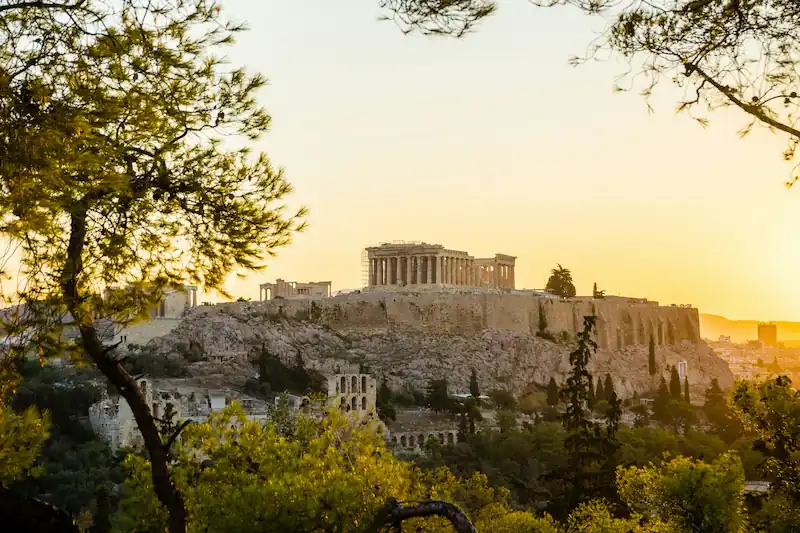
Discover the best things to do in Athens, from the Acropolis, ancient ruins, and world-class museums to food markets, hilltop views, neighborhood evenings, Riviera breaks, and serious day trips. The city is at its best when ancient sites are sequenced with care, the hottest hours are protected, and modern Athens is allowed to appear through markets, cafés, rooftops, and streets that still belong to everyday life.
Best time
March to June and September to November for the best balance of archaeological-site comfort, museum energy, clear views, and outdoor evenings.
Ideal trip length
2 full days for the essentials, 3 days for museums and neighborhoods, and 4 to 5 days if you want Cape Sounion, the Riviera, Delphi, or an island day without squeezing the city.
Continue planning your Athens trip
Use the Athens city guide for the wider planning logic, then connect this activity list with the where-to-stay guide and itineraries once you know whether your trip should lean ancient, cultural, food-led, family-friendly, or day-trip focused.
Quick answer: the top things to do in Athens
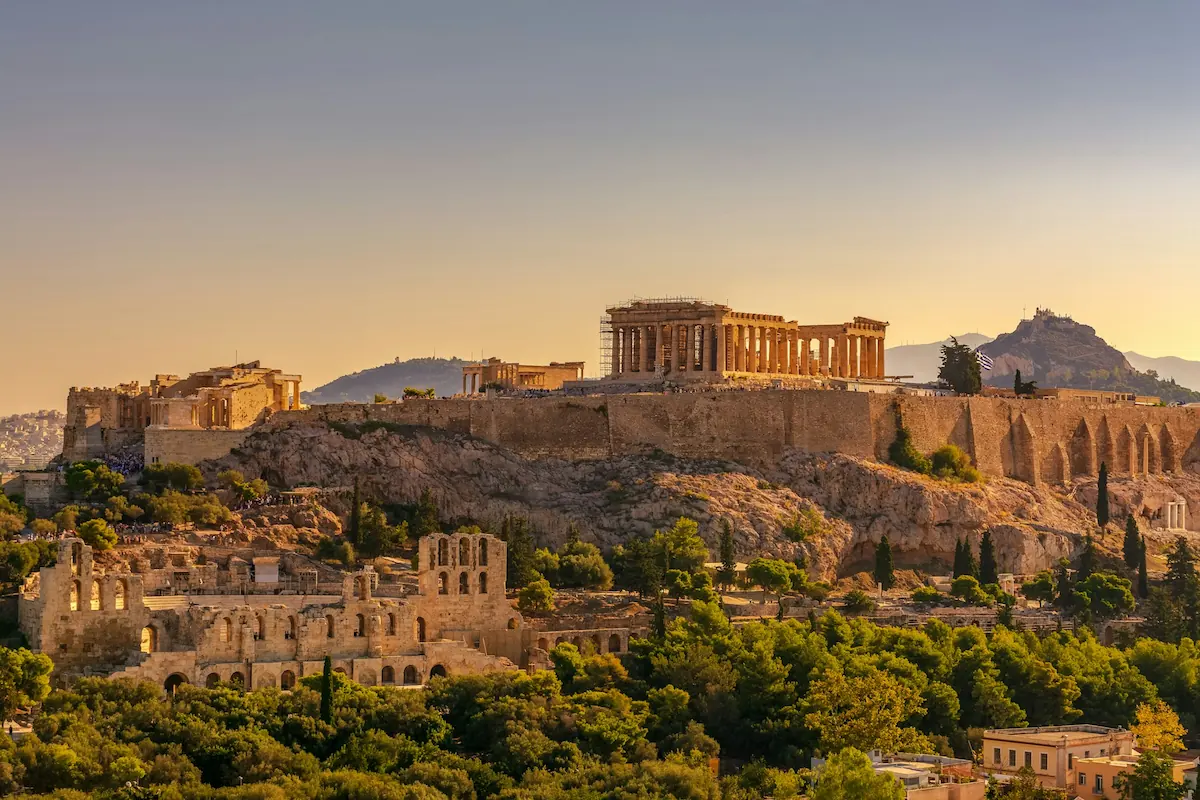
Visit the Acropolis early or late – Area: Acropolis · Best for: first-time orientation and the city’s defining sight · Time needed: 1.5 to 2.5 hours · Worth it: Essential, but the experience changes dramatically with timing, heat, and crowd levels. · Book ahead: Yes, especially in busy months; choose a timed slot carefully.
Pair the Acropolis Museum with the hill – Area: Makrigianni · Best for: understanding the Acropolis rather than just seeing it · Time needed: 2 to 3 hours · Worth it: One of Athens’ highest-payoff museum visits and the clearest context layer for the Parthenon. · Book ahead: Useful in peak periods, hot spells, and rainy weather.
Explore the Ancient Agora and Temple of Hephaestus – Area: Thissio / Monastiraki · Best for: daily civic life in ancient Athens · Time needed: 1.5 to 2.5 hours · Worth it: Less dramatic than the Acropolis, but often more atmospheric and easier to inhabit. · Book ahead: Usually no, unless joining a guided walk or using a combined ticket.
Go deep at the National Archaeological Museum – Area: Exarchia / Patission · Best for: Greek antiquity beyond the Acropolis · Time needed: 2 to 3.5 hours · Worth it: Essential for culture-first travelers and the strongest museum for Greece as a whole. · Book ahead: Helpful for guided visits; not always necessary for standard entry.
Walk Plaka and Anafiotika before the crowds thicken – Area: Plaka · Best for: old-city lanes, steps, churches, and Acropolis-side atmosphere · Time needed: 1 to 2 hours · Worth it: Very worthwhile early; weaker if reduced to souvenir streets at midday. · Book ahead: No.
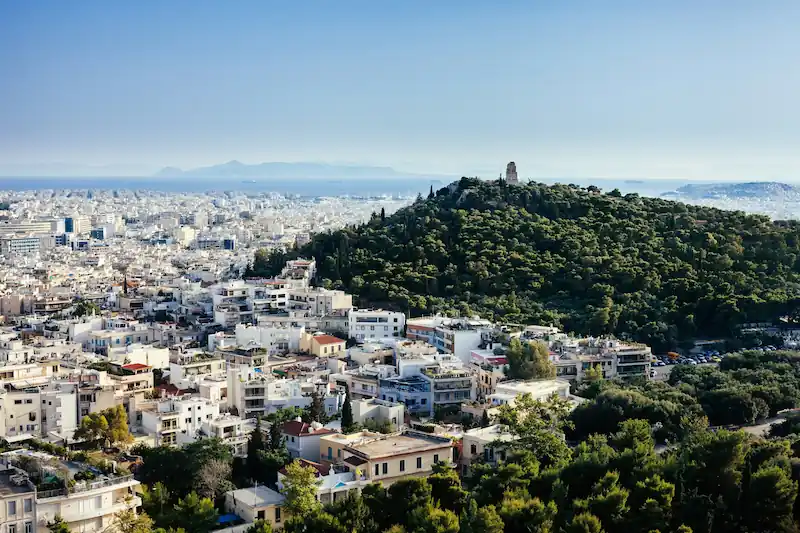
Climb Philopappos Hill for a slower Acropolis view – Area: Koukaki / Thissio · Best for: views, shade, and a less commercial hilltop experience · Time needed: 1 to 1.5 hours · Worth it: High payoff because it gives space and perspective without needing a formal venue. · Book ahead: No.
Watch the city from Lycabettus Hill – Area: Kolonaki · Best for: sunset, city scale, and Athens as a basin between hills and sea · Time needed: 1 to 2 hours · Worth it: Strong when visibility is clear, but busiest around sunset. · Book ahead: No for the hill; book ahead only for specific dining or events.
Browse Varvakios Market and the food streets around Athinas – Area: Central Market / Psyrri · Best for: food culture, noise, spice shops, and working-city texture · Time needed: 1 to 2 hours · Worth it: Excellent if you want Athens to feel lived-in rather than only archaeological. · Book ahead: No, unless joining a food tour.
Spend an evening in Psyrri, Koukaki, or Pangrati – Area: Central Athens · Best for: casual food, bars, terraces, and after-dark Athens · Time needed: 2 to 4 hours · Worth it: Often better than forcing another monument into the day. · Book ahead: Only for popular restaurants or rooftop tables.
See a performance or open-air cinema in season – Area: Central Athens · Best for: summer evenings and cultural atmosphere · Time needed: 2 to 3 hours · Worth it: A memorable way to let Athens shift from ancient scenery to living culture. · Book ahead: Yes for major performances; usually sensible for popular open-air cinemas.
Use the Athens Riviera for a coastal reset – Area: Coast / Vouliagmeni · Best for: heat relief, sea air, and a non-archaeological half day · Time needed: Half day · Worth it: Strong on longer stays or in warm weather when central stone starts to feel heavy. · Book ahead: Only for organized tours, beach clubs, or specific restaurants.
Take a day trip to Cape Sounion or Delphi – Area: Attica / Central Greece · Best for: sea-temple sunset or a major ancient sanctuary beyond Athens · Time needed: Half day to full day · Worth it: Cape Sounion is the easiest extension; Delphi is the strongest culture-first full day. · Book ahead: Yes if relying on a tour transfer.
How to choose what is actually worth doing in Athens
Athens can feel deceptively compact because many headline sights sit within walking distance of the Acropolis, but the city punishes overloading. The best activity plan is not a marathon of ruins; it is a controlled sequence of one major ancient anchor, one interpretive layer, one view, and one modern-neighborhood or food-led experience. Heat, stone, slopes, and museum fatigue are part of the planning logic, not small details.
Do the Acropolis early or later in the day; midday is rarely the best version unless weather is unusually mild.
Pair the Acropolis Museum with the hill so the Parthenon, slopes, and sculptures feel connected rather than separate.
Choose one major archaeological cluster per half day; Acropolis, Agora, Roman Forum, and Kerameikos all in one push can become repetitive.
Use Plaka and Anafiotika as short atmospheric walks, not as the full measure of local Athens.
Protect one evening for a view, a rooftop, Psyrri, Koukaki, Pangrati, or an open-air cultural experience.
Use museums strategically during heat, rain, or fatigue instead of treating them as extra items after ruins.
Consider the Athens Riviera or Cape Sounion only after the ancient core has enough breathing room.
Save Delphi, island days, and Meteora for stays long enough to absorb the travel time without weakening Athens itself.
Iconic Athens experiences
Athens’ most famous sights work best as a sequence, not as isolated monuments. The Acropolis gives the city its vertical drama, the Agora brings ancient life down to civic scale, and the surrounding hills and pedestrian routes explain how stone, light, modern traffic, and evening views fit together. Timing is part of the experience here: the same place can feel revelatory at 8am and punishing at midday.
Climb the Acropolis with enough time to look back – The Acropolis is the non-negotiable Athens experience, but it is most rewarding when you avoid treating it as a fast summit. Go early or later in the day, pause on the approaches, and let the city’s density spread out below the Parthenon. The site is exposed, uneven, and crowded in season, so comfort and timing shape the memory as much as the monument itself. (First-time essential · Best for: the defining Athens landmark)Find tours & experiences
Use the Acropolis Museum to read the hill properly – The Acropolis Museum turns the hilltop visit into a clearer story, especially through the Parthenon Gallery, finds from the slopes, and the ancient neighborhood visible below the building. It is one of the best indoor activities in Athens when heat or rain changes the day. Visit after the Acropolis for interpretation, or before if you prefer to understand the site before climbing. (High payoff · Best for: context, weather flexibility, and culture-first trips)Find tours & experiences
Walk the Ancient Agora instead of rushing another ruin – The Ancient Agora gives Athens a different rhythm from the Acropolis: lower, greener, more civic, and easier to imagine as a lived public space. The Temple of Hephaestus is one of the city’s most complete ancient structures, while the Stoa of Attalos gives useful scale. It is especially strong in the morning or late afternoon. (Worth it · Best for: ancient Athens with more breathing room)Find tours & experiences
Add the Roman Agora and Hadrian’s Library selectively – The Roman Agora and Hadrian’s Library are useful when you want to understand Athens beyond the classical headline period, but they work best as short linking stops rather than major standalone anchors. Pair them with Monastiraki, Plaka, or the Ancient Agora so the sequence feels coherent instead of like a second layer of scattered stones. (Best for: short ancient-site additions near Monastiraki)Find tours & experiences
See the Temple of Olympian Zeus as a scale check – The Temple of Olympian Zeus is no longer a complete monument, but its remaining columns give a powerful sense of ancient ambition and imperial scale. It works best as a short stop rather than a long visit. Pair it with Hadrian’s Arch, the National Garden, or the Panathenaic Stadium to avoid making it feel isolated. (Best for: quick monumental scale)
Visit the Panathenaic Stadium for Olympic clarity – The marble stadium is simple to understand, visually clean, and useful for families or travelers who want a break from temple ruins. It connects ancient athletic culture with the modern Olympic story, and its curved white seating gives a different kind of Athens image. The experience is strongest in clear morning or late-day light. (Best for: Olympic history and family-friendly orientation)
Watch the Changing of the Guard at Syntagma – The ceremony outside the Hellenic Parliament is short, free, and distinctive enough to justify a pause if you are nearby. It is not a reason to cross the city on its own, but it works well before the National Garden, a Kolonaki museum, or a walk toward Plaka. The more formal Sunday version draws bigger crowds. (Free · Best for: a compact central ritual)
Climb Lycabettus Hill when you need the whole city at once – Lycabettus gives the clearest sense of Athens as a basin of concrete, hills, sea edge, and ancient landmarks. It is most rewarding near sunset, but that is also when it becomes busiest. Go for perspective rather than solitude, and use Kolonaki before or after the climb if you want a polished café or museum layer. (Best in the evening · Best for: panoramic views and city scale)
Cultural things to do in Athens
Athens is strongest culturally when you resist reducing it to the Parthenon. Its museums and smaller archaeological sites widen the timeline from Cycladic form and classical sculpture to Byzantine interiors, modern Greek identity, and contemporary urban life. This is where a culture-first visit becomes more precise and less predictable.
Go deep at the National Archaeological Museum – This is the museum for travelers who want Greece beyond the Acropolis: Mycenaean gold, Cycladic figures, bronze statues, sculpture, ceramics, and long historical continuity. It requires more focus than the Acropolis Museum, but the reward is greater depth. Do not squeeze it into the end of an exhausting ruins day. (Culture-first essential · Best for: serious antiquity and museum depth)Find tours & experiences
Read daily ancient life at the Museum of the Ancient Agora – Inside the reconstructed Stoa of Attalos, the museum makes the Agora feel less abstract. Objects from civic, commercial, and domestic life help translate the surrounding ruins, and the compact scale keeps the visit from becoming another long museum block. It is best treated as part of the Agora experience rather than a separate destination. (Best for: making the Agora more intelligible)
Visit the Museum of Cycladic Art for form and restraint – This museum offers a quieter, more design-conscious encounter with ancient Aegean culture. Its Cycladic figures are spare, controlled, and visually striking, making the visit feel different from the heavier archaeological collections elsewhere. It pairs well with Kolonaki, the Benaki Museum, or a slower museum-focused day. (Best for: a refined alternative museum stop)
Use the Benaki Museum to connect ancient and modern Greece – The Benaki Museum is useful because it does not isolate classical Athens from the rest of Greek history. Its collections move through Byzantine, Ottoman, folk, and modern material culture. Choose it when you want a more continuous national story rather than another archaeological site. (Best for: Greek culture across periods)
Add the Byzantine and Christian Museum when the classical story feels too narrow – This museum helps correct the idea that Athens only matters in antiquity. Icons, mosaics, manuscripts, and religious objects open a different historical layer, especially when paired with small Byzantine churches in the center. It works best for culture-first travelers or rainy-day planning. (Best for: Byzantine history and rainy-day culture)
Use Kerameikos for ancient Athens with fewer crowds – Kerameikos is one of the most underused ancient sites in central Athens. Its cemetery, walls, gates, and small museum give a quieter reading of the ancient city’s edges, rituals, and movement. It is a strong addition for travelers who have already done the Acropolis and Agora but still want meaningful archaeology. (Underrated · Best for: quieter archaeology and repeat visitors)Find tours & experiences
See a performance at the Odeon of Herodes Atticus if dates align – When performances are running, the Odeon turns ancient Athens into a living cultural setting rather than a daytime ruin. It should not be forced if programming does not fit your dates, but it can become one of the most memorable evenings in the city. Book ahead for major festival or headline events. (Seasonal · Best for: special cultural evenings)
Use modern art or the National Gallery as a reset from antiquity – Modern and contemporary collections are not the first priority for most short stays, but they matter when you want Athens to feel like a current capital rather than a classical backdrop. Use them after the ancient core, especially if the trip is three days or longer and you want a different cultural register. (Best for: modern Greece and return visits)
Local experiences and lower-pressure things to do
The best local experiences in Athens are rarely hidden; they are often simply under-prioritized by visitors who spend all their energy on ancient sites. Markets open early, cafés spill into side streets, and hilltop paths reveal how abruptly the city shifts between noise and stillness. These activities give the trip human scale.
Walk Varvakios Market before lunch – Athens Central Market is loud, direct, and practical rather than polished. Meat halls, fish counters, spice shops, and nearby tavernas make it one of the clearest ways to feel the working center of the city. Go with curiosity and respect; this is a real market, not a staged attraction. (Local texture · Best for: food culture and daily rhythm)Find tours & experiences
Take the pedestrian spine from Dionysiou Areopagitou to Thissio – This walk is one of the cleanest ways to experience ancient Athens without constantly entering sites. The route slides below the Acropolis, past performers, pine shade, cafés, and open views toward the Agora. It is excellent early, at dusk, or as a soft landing after a museum visit. (Free · Best for: low-effort orientation on foot)
Find the village-like lanes of Anafiotika – Anafiotika is tiny, fragile, and easily overwhelmed, so it deserves a short, quiet walk rather than a photo hunt. Whitewashed houses, steps, cats, and tight turns create an island-like interruption beneath the Acropolis. Go early, keep the visit light, and remember people live there. (Best for: a compact atmospheric detour)
Use Philopappos Hill for a slower Acropolis view – Philopappos Hill offers paths, shade, and one of the most satisfying views back toward the Acropolis. It feels less performative than some rooftop viewpoints and works well before or after Koukaki. The ground is uneven, but the reward is space. (High payoff · Best for: views with walking room)
Spend a late afternoon in Koukaki – Koukaki is close to the major sights but calmer than Plaka, with cafés, small bars, bakeries, and residential streets that make a useful decompression zone. It is a good place to let a packed Athens day slow down. Come after the Acropolis Museum rather than making a separate journey. (Best for: a softer local-feeling pause)
Use Pangrati for modern Athenian café and dinner rhythm – Pangrati is useful when you want central Athens with fewer souvenir cues and more everyday city life. It works especially well after the Panathenaic Stadium, National Garden, or Goulandris Museum. Treat it as a food-and-café layer, not as a checklist district. (Local feel · Best for: return visitors and relaxed evenings)
Use the National Garden as shade, not just a shortcut – The National Garden is one of the most practical pauses in central Athens, especially with children, heat, or museum fatigue. It links Syntagma, the Zappeion, and the Panathenaic Stadium while softening the day’s stone-heavy rhythm. It is not spectacular, but it is strategically useful. (Free · Best for: shade, families, and softer pacing)
Consider Exarchia only if its urban texture appeals – Exarchia is not a simple first-time sightseeing district, but it can add texture for travelers interested in bookshops, cafés, street art, and a more political, lived-in Athens. Use it carefully, preferably around the National Archaeological Museum, and do not treat it as a polished visitor zone. (Best for: urban texture and repeat visitors)
Food experiences worth doing in Athens
Food in Athens is best approached through timing and context: morning markets, bakery counters, lunchtime tavernas, late dinners, and terraces that stretch into the street. The goal is not to chase one famous dish, but to use food as a way into neighborhood life. A good food walk can help, but independent wandering works well if you choose the right areas.
Take a focused Athens food tour if you want context quickly – A good food tour can connect markets, bakeries, spice shops, street snacks, and small tavernas without forcing you to guess. It is especially useful on a first visit or when you have limited time. Choose a tour that includes the central market or traditional food streets rather than only restaurant tastings. (Worth it · Best for: efficient food orientation)Find tours & experiences
Build a casual meal around Psyrri – Psyrri works well when you want food, bars, street art, and evening movement in one compact area. It is not uniformly polished, which is part of the point. Choose it for a lively dinner rather than a quiet romantic meal, and stay alert to the difference between atmospheric and over-touristed streets. (Best in the evening · Best for: dinner with energy)
Try koulouri, pies, and coffee as a morning ritual – Athens makes sense in the morning through small counters: sesame rings, spinach pies, strong coffee, and people moving fast between errands. This is an easy, inexpensive food experience that does not require a booking. It pairs naturally with Syntagma, Monastiraki, or a market walk. (Budget-friendly · Best for: low-cost everyday food)
Choose a rooftop meal for the Acropolis view, not the best cooking – Rooftop restaurants and bars can be memorable in Athens because the illuminated Acropolis changes the whole mood of dinner. The food is not always the city’s strongest value, so choose carefully and treat the view as part of the price. Book ahead for well-known terraces. (Best at night · Best for: view-led evening plans)
Use a cooking class for a rainy or slower evening – A Greek cooking class can be a good fit when you want an indoor experience with more participation than another museum. It works best for families, couples, or travelers who like food culture with structure. Prioritize classes that include a shared meal rather than only demonstrations. (Best for: hands-on food culture)Find tours & experiences
Do one proper taverna meal outside the hardest-hit lanes – A good Athens taverna meal is less about finding the single famous address and more about avoiding the most automatic tourist streets. Look for a district that fits your day—Koukaki after the museum, Pangrati after the stadium, Psyrri for energy, or Petralona if you want a more local evening. Let the meal settle the day rather than interrupt it. (Best for: classic low-pressure dining)
Use the Athens Riviera for a seafood or seaside meal – The coast is not essential on a short first visit, but it can rescue a longer stay from too much stone and traffic. A seaside meal or late-afternoon coastal plan gives Athens a different texture, especially in warm weather. Keep expectations practical: the Riviera is a reset, not a Greek-island substitute. (If you have time · Best for: warm-weather breaks and longer stays)Find tours & experiences
Best things to do in Athens for first-time visitors
First-time visitors should keep Athens tight, layered, and realistic. The strongest plan combines one ancient headline, one interpretive museum, one civic or neighborhood layer, one view, and one evening that belongs to modern Athens.
Start with the Acropolis, but avoid midday if heat or crowds are high.
Add the Acropolis Museum the same day or the next morning for context.
Choose the Ancient Agora over trying to visit every minor ruin in the center.
Walk Plaka and Anafiotika early, before the area becomes too tour-driven.
Use Philopappos, Lycabettus, or Areopagus for a view rather than paying for every panorama.
Spend one evening in Psyrri, Koukaki, Pangrati, or a rooftop with an Acropolis view.
Use the Central Market or a food tour to make the city feel contemporary and lived-in.
Save Cape Sounion, Delphi, or island plans until the essential ancient core has enough room.
Priority
BestChoice
Why
Essential
Acropolis + Acropolis Museum
This pairing gives the clearest first-read of ancient Athens.
Very strong
Ancient Agora
It adds civic and everyday context without straying far.
High value
Philopappos or Lycabettus
A view helps Athens make visual sense beyond the monuments.
Optional
Temple of Olympian Zeus or Roman Agora
Impressive but best as short additions, not major anchors.
Only with extra time
Multiple minor ruins in one day
They can become repetitive without a strong archaeology interest.
Free things to do in Athens
Athens is unusually strong for free activity because its hills, squares, churches, markets, and pedestrian routes carry much of the city’s atmosphere. The best free plans are walks with a point of view, not filler between paid sights.
Watch the Changing of the Guard at Syntagma Square.
Climb Areopagus Hill for a free Acropolis view at dusk.
Walk Dionysiou Areopagitou and Apostolou Pavlou below the Acropolis.
Explore Anafiotika quietly in the morning without treating it as a photo set.
Browse the Central Market and surrounding food streets without turning it into a shopping obligation.
Walk through the National Garden between Syntagma and the Panathenaic Stadium.
Use Philopappos Hill for a free viewpoint with more space than the busiest central rocks.
Visit small Byzantine churches such as Kapnikarea while crossing the center.
Walk around Syntagma, Ermou, Monastiraki, and Psyrri to understand the city’s commercial and social rhythm.
FreeActivity
BestTime
BestFor
Areopagus Hill
Dusk
Acropolis views
Changing of the Guard
On the hour
Short central pause
Central Market area
Morning
Local food rhythm
National Garden
Late morning or afternoon
Shade and a softer pace
Philopappos Hill
Morning or late afternoon
Views with walking space
Unique and unusual things to do in Athens
The most distinctive Athens experiences are usually not obscure; they are familiar places approached with sharper timing or a more specific lens. Look for activities that reveal the city’s layers rather than novelty for its own sake.
Walk Anafiotika early enough to feel its island-like scale without crowds.
Visit the Museum of Cycladic Art for a quieter visual counterpoint to monumental Athens.
Use Kerameikos to understand burial, city walls, and ancient Athens beyond the main sightseeing triangle.
Explore the Central Market, Evripidou Street, and nearby spice shops as a food-culture circuit.
Use Philopappos Hill as a slower alternative to crowded sunset viewpoints.
Look for Byzantine churches in the commercial center to break the classical-only narrative.
Choose a focused modern Athens walk in Exarchia or Pangrati if you have already seen the ancient core.
Watch a movie at an open-air cinema in season for one of the city’s most atmospheric local rituals.
Use the Athens Riviera or Lake Vouliagmeni as a warm-weather contrast when the city feels too stone-heavy.
Things to do in Athens at night
Athens is often better after dark, when the stone cools, the Acropolis is lit, and dinner starts to pull people into the streets. Night plans should be simple: views, food, bars, open-air culture, and neighborhoods rather than late monument-hopping.
See the illuminated Acropolis from Areopagus Hill, Philopappos, Thissio, or a nearby rooftop.
Book a rooftop bar or restaurant if the view matters more than pure food value.
Spend the evening in Psyrri for casual bars and a lively dinner scene.
Choose Koukaki for a calmer post-museum dinner close to the Acropolis.
Use Pangrati or Petralona if you want a less visitor-heavy dinner-and-drinks rhythm.
Walk the pedestrian streets around Thissio and Monastiraki when they are busy but still relaxed.
Consider a cooking class, food tour, open-air cinema, or Odeon performance if you want an organized evening activity.
Do not plan nighttime Athens around archaeological-site entry unless you are attending a specific event.
NightPlan
BestFor
BookingNeed
Rooftop with Acropolis view
First-night impact
Reserve for popular venues
Psyrri dinner and drinks
Energy and casual food
Useful on weekends
Areopagus or Philopappos viewpoint
Free view
No
Open-air cinema
Seasonal local atmosphere
Recommended for popular screenings
Odeon performance
Special cultural evening
Yes
Things to do in Athens with kids
Athens can work well with children if you manage heat, walking, and ruins fatigue. Mix one major ancient site with shaded breaks, tactile museums, short rituals, views, and food stops that do not require long formal meals.
Visit the Acropolis early and keep the explanation simple and visual.
Use the Acropolis Museum for models, glass floors, and a more controlled indoor setting.
Watch the Changing of the Guard at Syntagma for a short free spectacle.
Walk the National Garden when children need shade and space.
Choose the Panathenaic Stadium for an easy-to-understand Olympic story.
Use Philopappos Hill or Lycabettus for a view if children need movement rather than another museum.
Take a food walk or cooking class with older children who enjoy tasting and making things.
Use the Athens Riviera, beach time, or Lake Vouliagmeni as a reset on longer summer stays.
Avoid stacking multiple archaeological sites in the same day unless your children are unusually engaged by ruins.
Activity
AgeFit
WhyItWorks
Acropolis Museum
Most ages
Indoor, visual, and easier to pace
National Garden
Younger children
Shade and a break from stone sites
Panathenaic Stadium
School-age children
Simple scale and sports connection
Cooking class
Older children
Participatory and meal-based
Central Market
Older children
Sensory and lively, but not polished
Things to do in Athens when it rains
Rain rarely ruins Athens, but it does change the order of the day. Move museums and indoor food experiences forward, then return to hills and ruins when the surfaces are drier and the light opens again.
Prioritize the Acropolis Museum for the strongest indoor cultural choice.
Use the National Archaeological Museum for a deeper half-day.
Choose the Benaki Museum, Museum of Cycladic Art, Byzantine and Christian Museum, or National Gallery for a more focused cultural plan.
Book a Greek cooking class if you want an indoor evening rather than another gallery.
Browse covered food shops and cafés around the central market streets if rain is light.
Delay the Acropolis if rain makes the marble slippery or visibility poor.
Use café neighborhoods such as Koukaki, Kolonaki, Pangrati, or Psyrri for a slower day that still feels like Athens.
Keep hilltop viewpoints flexible; they are best after the weather clears rather than during poor visibility.
RainyOption
TimeNeeded
BestFor
Acropolis Museum
2 to 3 hours
Context after or before the Acropolis
National Archaeological Museum
2 to 3.5 hours
Deep antiquity
Museum of Cycladic Art
1 to 1.5 hours
Short refined museum stop
Benaki Museum
1.5 to 2.5 hours
Greek history across periods
Cooking class
3 to 4 hours
Participatory evening
Things to do in Athens by area
Acropolis, Makrigianni and Koukaki
This is the strongest activity zone for first-time visitors because the Acropolis, the Acropolis Museum, pedestrian walks, Philopappos Hill, and calmer food streets sit close together. Use it for a structured half day or a full day with pauses.
Climb the Acropolis early or late.
Visit the Acropolis Museum for context and weather flexibility.
Walk Dionysiou Areopagitou below the hill.
Continue to Koukaki for a calmer meal or coffee.
Add Philopappos Hill if you want space and views.
Use the area as your most coherent first-day sequence.
Plaka, Anafiotika and Monastiraki
This area is the easiest place to drift, but it is also where first-time visitors most often lose time. Keep it walkable, visual, and selective rather than letting souvenir streets define the day.
Walk Anafiotika early and quietly.
Use Plaka for lanes, small churches, and short breaks.
Browse Monastiraki when you want energy rather than calm.
Add the Roman Agora or Hadrian’s Library as short ancient-site layers.
Pause at Kapnikarea while crossing the commercial center.
Use rooftop views selectively in the evening.
Thissio, Ancient Agora and Kerameikos
Thissio gives Athens a lower, more open rhythm than the Acropolis slopes. It is ideal for connecting ruins, walking routes, cafés, quieter archaeology, and evening views without overloading the day.
Explore the Ancient Agora and Temple of Hephaestus.
Visit the Museum of the Ancient Agora inside the Stoa of Attalos.
Walk Apostolou Pavlou below the archaeological zone.
Use Thissio cafés for a pause between sites.
Add Kerameikos if you want a quieter ancient site.
Continue toward Areopagus for sunset views.
Syntagma, National Garden and Kolonaki
This central zone works well when you want civic Athens, shaded walking, museums, polished cafés, and a more refined cultural rhythm. It is less ancient-site-heavy, which can be useful after a ruins-focused morning.
Watch the Changing of the Guard at Syntagma.
Walk through the National Garden and Zappeion.
Visit the Benaki Museum or Museum of Cycladic Art.
Continue into Kolonaki for cafés and galleries.
Climb or ride up Lycabettus for a citywide view.
Use Pangrati nearby for a more local dinner or café layer.
Psyrri, Central Market and Omonia edge
This is the best zone for food texture, market energy, and a more urban version of Athens. It is not uniformly pretty, but it gives the city weight, movement, and a useful counterpoint to polished monument zones.
Browse Varvakios Central Market in the morning.
Explore spice and deli shops around Evripidou Street.
Use Psyrri for casual dinner and bars.
Join a food tour if you want structure.
Avoid treating the area as a polished shopping district.
Use common sense around quieter edges late at night.
Exarchia and Patission
This area is most useful for culture-first travelers because the National Archaeological Museum anchors it. Add nearby streets only if you are comfortable with a more lived-in, less visitor-managed part of Athens.
Spend focused time at the National Archaeological Museum.
Keep the museum as the main reason to come.
Add Exarchia cafés, bookshops, or street-art texture if that appeals.
Avoid squeezing this into a rushed Acropolis day.
Use taxis or the metro if the walking logistics do not fit your route.
Treat the area as urban Athens, not postcard Athens.
Pangrati, Mets and the stadium side
This is one of the best areas for turning Athens from a sightseeing city into a lived city. It works well after the Panathenaic Stadium, National Garden, or Goulandris Museum, especially for coffee, casual dinner, and residential texture.
Visit the Panathenaic Stadium for Olympic history.
Walk from the National Garden into Mets or Pangrati.
Use Pangrati for cafés, bakeries, and a less tour-led dinner.
Add the Goulandris Museum if modern art interests you.
Choose this area when you need a softer evening after ancient sites.
Do not over-plan it; the value is in everyday rhythm.
Athens Riviera and Vouliagmeni
The coast is not essential on a very short first stay, but it becomes valuable when heat, longer trip length, or family pacing makes central Athens feel too stone-heavy. Use it as a half-day reset rather than as a replacement for the city.
Use the Riviera for sea air, swimming, or a coastal meal.
Consider Lake Vouliagmeni as a structured warm-weather break.
Pair the coast with Cape Sounion if you have a longer afternoon.
Avoid spending a precious first day here before seeing the ancient core.
Book ahead only for specific clubs, restaurants, or tours.
Expect a coastal reset, not a Cycladic-island experience.
What to prioritize in Athens by trip length
Athens rewards editing. The right choice is not always the most famous next sight, but the activity that prevents the city from turning into heat, stone, and repetition.
Profile
Prioritize
Skip
Structure
Half day
Acropolis plus a short walk below the hill
Major museums, distant neighborhoods, and day trips
Keep the visit compact: one defining site, one viewpoint or pedestrian route, then leave.
1 full day
Acropolis, Acropolis Museum, Ancient Agora, and one evening view
National Archaeological Museum unless antiquity is your main focus
Build a tight ancient core, with the museum placed as interpretation rather than an extra obligation.
2 days
Add the National Archaeological Museum, Central Market, and a neighborhood evening
Long day trips and too many minor ruins
Use the second day to widen the timeline and give modern Athens some room.
3 days
Balance major sites, one serious museum day, food experiences, and a half-day coast or Sounion plan
Trying to do Delphi or Meteora without accepting the travel time
Let one day breathe; Athens is better when not every block is archaeological.
4 to 5 days
Ancient core, museums, neighborhoods, Cape Sounion, and one full-day excursion if it genuinely interests you
Turning every extra day into another ruins circuit
Use the extra time for contrast: coast, food, modern neighborhoods, or Delphi.
Culture-first stay
Acropolis Museum, National Archaeological Museum, Benaki, Cycladic Art, Ancient Agora, and Kerameikos
Overloaded shopping streets and generic nightlife
Sequence museums by energy level, not just geography, and keep one major collection per half day.
Family trip
Acropolis early, Acropolis Museum, National Garden, Panathenaic Stadium, food stops, and coastal breaks
Back-to-back exposed archaeological sites
Alternate stone, shade, indoor context, food, and movement.
Repeat visit
Kerameikos, Pangrati, Exarchia, Philopappos, smaller museums, food walks, and the Attica coast
Revisiting every headline site by default
Use the trip to connect Athens as a lived city, not just a classical capital.
Best day trips from Athens
Day trips from Athens can be excellent, but they should not steal time from the city too early. Cape Sounion is the easiest extension, Delphi is the strongest full-day cultural trip, and the islands or Peloponnese only make sense when you are clear about the trade-off.
Excursion
Best for
Time needed
First trip?
Transport
Book ahead
Cape Sounion and the Temple of Poseidon
a scenic half-day with sea views and a strong sunset finish
These are not full itineraries; they are pairings that work because they respect geography, energy, heat, and the way Athens changes through the day.
Acropolis + Acropolis Museum + Koukaki dinner – This combination keeps the city’s most important ancient site and its best interpretive museum in one coherent zone. Finish in Koukaki rather than pushing back into the busiest parts of Plaka. It works best when the hill is done early and the museum absorbs the hotter part of the day.
Ancient Agora + Thissio walk + Areopagus sunset – This is one of the most graceful ways to experience the ancient core without overloading on ticketed sites. The Agora provides substance, Thissio gives the day a softer walking rhythm, and Areopagus brings the Acropolis back into view at dusk.
Central Market + food streets + Psyrri evening – Start this as a morning food-culture circuit, then return to the area later if you want a casual night out. The combination works because it shows the same part of Athens in two moods: practical and noisy by day, social and lit-up by night.
Syntagma + National Garden + Cycladic Art or Benaki Museum – This is a good lower-friction plan after a heavy ruins day. It combines a civic square, shade, and a manageable museum rather than forcing another archaeological circuit. Add Kolonaki coffee or Lycabettus if you still have energy.
National Archaeological Museum + Exarchia pause + Lycabettus view – This suits travelers who want a culture-first day with a different city texture. Keep the museum as the anchor, use Exarchia lightly rather than aimlessly, then shift to Lycabettus for a wider sense of Athens before evening.
Panathenaic Stadium + National Garden + Pangrati dinner – This works well for families or travelers who need a less ruins-heavy day. The stadium is easy to understand, the garden gives shade, and Pangrati lets the evening settle into contemporary Athens rather than tourist-central streets.
Kerameikos + Roman Agora + Monastiraki – A strong archaeology extension for travelers who have already seen the Acropolis and Ancient Agora. Keep it selective and compact; the value lies in seeing different edges of the ancient city, not in collecting every ticketed ruin.
Athens Riviera + Cape Sounion sunset – A good warm-weather contrast plan when you have enough time. The coast gives the day air and water before the Temple of Poseidon creates a more dramatic late finish, but it should not replace core Athens on a short stay.
What to book ahead in Athens
Athens is partly spontaneous, but the Acropolis, high-demand tours, sunset excursions, seasonal performances, and good rooftop tables benefit from planning. The goal is not to pre-book everything; it is to protect the few experiences where timing changes the quality of the day.
Useful if you want the logistics bundled or multiple islands in one day
Rooftop restaurants and bars
Yes for well-known Acropolis-view venues
Sunset or after dark
No tour needed; choose the venue carefully
FAQ: best things to do in Athens
Use these answers to make faster choices about what is worth doing, what needs planning, and how to avoid common Athens mistakes.
What are the best things to do in Athens for a first visit?
Prioritize the Acropolis, the Acropolis Museum, the Ancient Agora, one major view such as Philopappos, Lycabettus, or Areopagus, and one food or neighborhood experience. This gives you the city’s essential ancient frame without reducing Athens to ruins alone.
Is the Acropolis worth it?
Yes, the Acropolis is worth it, but timing matters. Go early or later in the day, avoid rushing, and pair it with the Acropolis Museum if you want the site to feel more meaningful than a crowded photo stop.
Should you visit the Acropolis Museum before or after the Acropolis?
Most visitors get the strongest emotional sequence by visiting the Acropolis first, then using the museum to interpret what they saw. If you prefer context before ruins, reverse the order. The key is not separating the two by several unrelated stops.
How many days do you need for Athens activities?
Two full days are enough for the essential sights and one strong museum. Three days are better if you want the National Archaeological Museum, food experiences, neighborhood time, or a half-day coast excursion. Four to five days make room for Delphi, Cape Sounion, or an island day without weakening the city itself.
What should I book ahead in Athens?
Book the Acropolis in busy periods, plus small-group food tours, cooking classes, popular rooftop venues, Odeon performances, and day trips such as Delphi or Cape Sounion. Many walks, viewpoints, markets, churches, and neighborhood experiences can stay spontaneous.
What are the best free things to do in Athens?
The best free activities include Areopagus Hill, Philopappos Hill, the Changing of the Guard, the National Garden, Anafiotika, central market browsing, small Byzantine churches, and the pedestrian route below the Acropolis. These work best when used as real experiences, not just gaps between paid sights.
What are the best things to do in Athens at night?
At night, focus on Acropolis views, rooftop bars, Psyrri dinners, Koukaki restaurants, open-air cinema in season, and relaxed walks around Thissio or Monastiraki. Athens is more atmospheric after dark, but most ancient sites are not the main night activity unless you are attending a specific performance.
What can you do in Athens with kids?
Families should combine the Acropolis, Acropolis Museum, Changing of the Guard, National Garden, Panathenaic Stadium, simple food stops, and possibly the coast on a longer warm-weather stay. The key is to avoid too many ruins in a row and to protect shade and rest time.
What should you do in Athens when it rains?
Use rain for the Acropolis Museum, National Archaeological Museum, Benaki Museum, Museum of Cycladic Art, Byzantine and Christian Museum, food markets, cafés, or a cooking class. Delay exposed marble sites if surfaces are slippery or the view is poor.
What is the best day trip from Athens?
Cape Sounion is the easiest high-reward half-day trip, especially near sunset. Delphi is the strongest full-day cultural excursion, while Aegina or Hydra work better if you want an island break from the city.
Is Delphi worth a day trip from Athens?
Yes for culture-first travelers, but it is a full-day commitment. It is strongest when you have at least three days in Athens or a specific interest in ancient sanctuaries and mountain settings. On a shorter stay, Cape Sounion is easier.
Is Cape Sounion worth visiting from Athens?
Yes, especially as a late-afternoon or sunset half-day when you want sea views and a strong visual finish. It should not replace the Acropolis or Agora on a short first visit, but it is one of the easiest ways to extend Athens without losing a full day.
Are the Roman Agora and Hadrian’s Library worth it?
They are worth it if you are already nearby or using a combined ancient-site logic, but they should not outrank the Acropolis, Acropolis Museum, or Ancient Agora for most first-time visitors. Treat them as short contextual stops rather than major anchors.
Is Kerameikos worth visiting?
Kerameikos is worth visiting for travelers who want quieter archaeology and a broader sense of ancient Athens. It is especially useful after the Acropolis and Agora, but less essential for a rushed one-day itinerary.
What is the best Athens viewpoint?
Lycabettus gives the widest city panorama, Philopappos gives one of the most satisfying views back toward the Acropolis with more walking space, and Areopagus is the easiest free dusk viewpoint. The best choice depends on energy, timing, and crowd tolerance.
What is the best neighborhood for an evening in Athens?
Psyrri is best for energy, casual food, and bars; Koukaki works better after the Acropolis Museum or for a calmer dinner; Pangrati is strong for a less visitor-heavy evening; and Thissio is useful for views and walking.
What should you avoid doing in Athens?
Avoid visiting the Acropolis at the hottest part of the day if you have flexibility, stacking too many ruins in one circuit, reducing Plaka to souvenir shopping, and leaving modern Athens out completely. The city works best with contrast: ancient sites, museums, food, views, and neighborhoods.
Can you do Athens without tours?
Yes, many Athens activities work well independently, especially walks, viewpoints, markets, and some museums. Tours are most useful for the Acropolis, Ancient Agora, National Archaeological Museum, food markets, and day trips where context or logistics materially improve the experience.
Is the Athens Riviera worth it?
The Athens Riviera is worth it on longer stays, warm days, or family trips when you need a coastal reset. It is not a substitute for a Greek island, and it should usually come after the ancient core rather than before it.
What is the best order for Athens sightseeing?
For most first-timers, start with the Acropolis early, use the Acropolis Museum as interpretation, add the Ancient Agora or a pedestrian walk below the hill, then finish with a view or neighborhood dinner. The exact order can change with weather, but the logic should protect energy and avoid repetitive ruins.
The best Athens trip is not the longest checklist; it is the one that lets the ancient city, the museums, the food streets, the hills, and the evening views speak in the right order.
Find the best places to stay, how to get there, and move around with ease.
Build a smarter trip base
Turn the right experiences into the right itinerary
Once you know what you want to do in Athens, the next step is turning those ideas into a trip that actually works day by day. Use the planner to organize the right mix of highlights, neighborhoods, and pace into a route that feels coherent, not crowded.