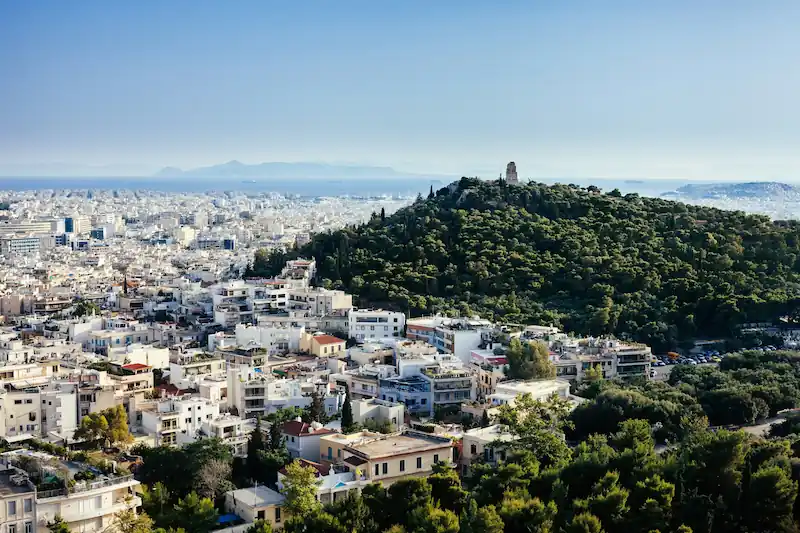
Where to stay in Athens
Find the best neighborhoods and hotels in Athens.
Open page →
Plan your trip to Athens, choose the right area to stay, and understand how to balance the Acropolis, major museums, ancient sites, food streets, viewpoints, and modern neighborhoods. Athens is not just a gateway to the Greek islands or a one-monument city: it works best when the ancient core is treated as orientation, the museums add depth, and the evenings are allowed to unfold in Koukaki, Psiri, Pangrati, Kolonaki, or along the wider Attica coast.
Find the best neighborhoods and hotels in Athens.
Open page →
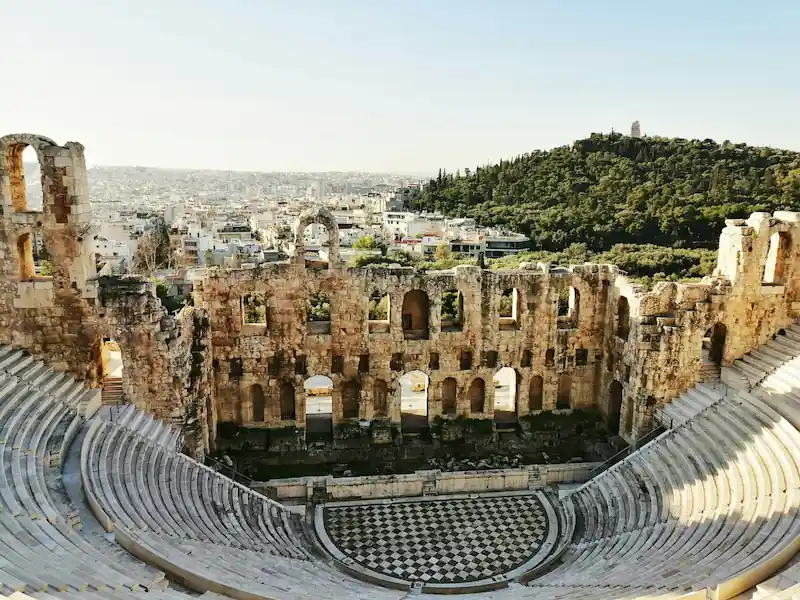
Prioritize the activities that deserve your time in Athens.
Open page →
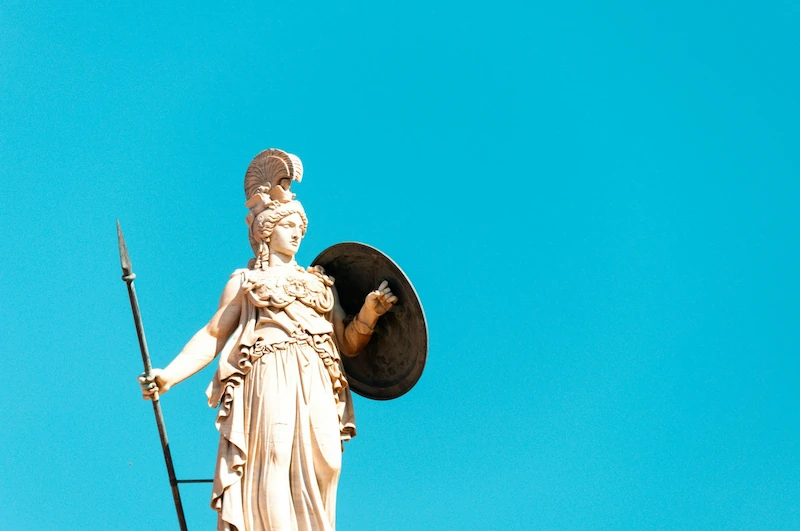
2 Days in Athens: Best Itinerary
Open itinerary →
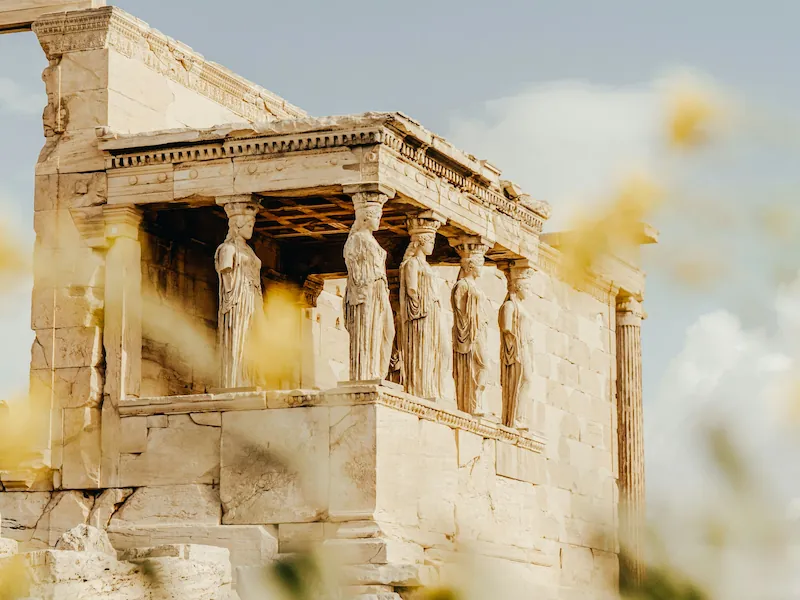
3 Days in Athens: Best Itinerary
Open itinerary →

4 Days in Athens: Best Itinerary
Open itinerary →
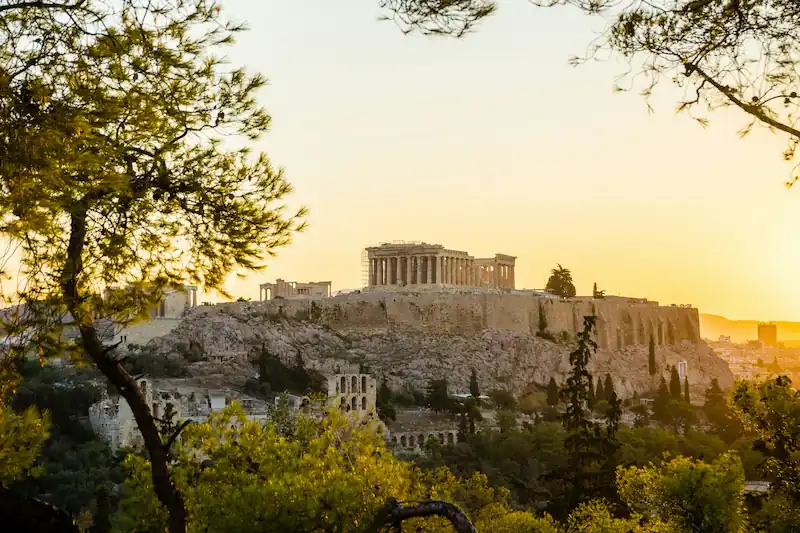
7 Days in Athens: Best Itinerary
Open itinerary →
Athens is a layered city rather than a polished museum capital: ancient sites sit beside apartment blocks, market streets, neoclassical fragments, Byzantine churches, rooftop terraces, and neighborhoods with very different levels of visitor pressure. Its historic core is compact, but the experience is shaped by heat, slopes, museum timing, food rhythm, and the need to balance archaeological Athens with everyday Athenian life.
Athens is worth more than a transit night because it gives Greece cultural weight before the islands: the Acropolis above traffic, the Agora below the hill, food markets beside commercial streets, museums that widen the timeline, and neighborhoods where the city becomes social after dark. The best trips do not try to make Athens pretty all the time; they let its contrasts carry the experience. In late afternoon, when the heat drops and terraces begin to fill, the city often becomes more coherent than it felt in the exposed midday light.
Best time: April to June and September to October; July and August can work, but the day must be built around heat-aware mornings, shaded middays, and later evenings.
Ideal trip length: 3 days for the essential first read; 4 to 5 days if you want deeper museums, neighborhoods, food, and one coast or day-trip extension.
Athens is generally better value than many Western European capitals, but prices rise around the Acropolis, Plaka, Monastiraki rooftops, high-demand spring and autumn weekends, and view-led boutique hotels. The best value usually comes from choosing the right neighborhood rather than simply moving far out: Koukaki, Pangrati, Psiri, and some Syntagma edges can keep the trip central without forcing premium Plaka pricing. Food remains one of the city’s strongest value categories when meals move away from the most touristed lanes and toward neighborhood tavernas, bakeries, markets, and modern Greek restaurants.
Athens is organized around a symbolic and practical center: the Acropolis, Syntagma, Monastiraki, Plaka, and the archaeological belt form the visitor’s first map. Around that core, districts change quickly. Koukaki gives the Acropolis area a softer residential landing, Psiri turns social after dark, Kolonaki climbs toward Lycabettus and museum streets, Pangrati opens into café-led local Athens, and the coast adds a completely different scale. The city is less a neat grid than a sequence of walking pockets interrupted by hills, avenues, ruins, and pockets of shade.
The Acropolis is both landmark and compass, but it does not make movement simple by itself. Hills, archaeological boundaries, traffic corridors, metro lines, and exposed stone change the feel of distance. The historic core can be crossed on foot, yet a day can become tiring quickly when heat, uneven pavements, and repeated climbs stack together. The coast and Piraeus sit close enough to influence planning, but not close enough to be treated as effortless add-ons on a short stay.
Athens changes sharply by hour. Early morning belongs to outdoor sites, markets, and quieter neighborhood streets. Midday is often best protected for museums, lunch, shade, or a hotel pause, especially from late spring through early autumn. Evening is when the city expands again: terraces fill, rooftop views sharpen, Psiri and Koukaki gather sound, and residential districts such as Pangrati start to feel more revealing than the main sightseeing lanes.
Read Athens in four layers: the ancient rock and archaeological slopes, the interpretive museums that make those ruins meaningful, the central neighborhoods where food and evening life carry the trip, and the wider city that includes Pangrati, Kypseli, the cultural coast, and day-trip Attica. The Acropolis should orient the trip, but not consume it. Athens becomes stronger when a day moves from site to museum to neighborhood rather than from ruin to ruin.
Open the planner
Anchor the first full day around the Acropolis area, then let the Acropolis Museum, Plaka, Anafiotika, Dionysiou Areopagitou, and Koukaki form one coherent historic sequence. Use one major archaeological or museum anchor per half day; Athens becomes repetitive when the Acropolis, Agora, Roman Agora, Temple of Olympian Zeus, and multiple museums are stacked without breathing room. Protect heat-aware pacing from May to October: outdoor ruins and hills work best early or late, while museums, shaded lunches, cafés, and hotel pauses hold the middle of the day. Use neighborhood evenings as part of the trip rather than restaurant logistics: Psiri, Koukaki, Pangrati, Kolonaki, Thissio, and Monastiraki each change the tone after dark. Add one modern or lived-city layer if you have more than two days: Pangrati, Exarchia, Kypseli, the National Gallery, the Central Market, or the Stavros Niarchos Foundation Cultural Center. Treat the Athens Riviera, Piraeus, and Cape Sounion as deliberate extensions, not casual fillers; they can add sea light and scale, but they also change the day’s logistics. Use rooftops and viewpoints sparingly: one excellent Acropolis view at the right time is more memorable than chasing every panorama. Separate ferry, airport, and luggage logistics from dense sightseeing whenever possible, because Athens feels easy until heat, traffic, hills, and transfer timing combine.
Vibe: Historic, central, atmospheric, and intensely visitor-facing.
Why go: Plaka is the easiest place to feel old Athens under the Acropolis, with lanes, steps, small squares, neoclassical fragments, and immediate access to the historic core. It is highly convenient and atmospheric, but it should be understood as the visitor-facing layer of the city rather than the whole Athens experience.
Who it fits: First-time visitors, short stays, couples, and travelers who want maximum walkability around the historic core.
Not for: Travelers looking for local nightlife, lower prices, or a less touristed base.
Where to stay: Stay here for atmosphere and first-trip convenience, but choose a calmer micro-street and avoid making Plaka your only idea of Athens.
Vibe: Residential, well-located, relaxed, and quietly strategic.
Why go: Koukaki gives access to the Acropolis, Acropolis Museum, Filopappou Hill, and central metro links without trapping the whole stay inside the tourist core. It is one of Athens’ best strategic compromises: practical by day, useful for dinner, and calmer when Plaka and Monastiraki feel overexposed.
Who it fits: First-timers who want balance, families, longer weekends, and travelers who prefer neighborhood texture over postcard centrality.
Not for: Travelers who want nightlife directly outside the hotel or the prettiest old-town setting.
Where to stay: The smartest all-round base for many travelers: close to the essentials, but grounded enough for evenings and longer weekends.
Vibe: Central, energetic, view-led, and transport-convenient.
Why go: Monastiraki is useful because it sits at the meeting point of metro access, markets, ruins, rooftops, and the historic walking circuit. It can be noisy and commercial, but it puts first-time visitors in immediate contact with the city’s contrasts.
Who it fits: Short stays, nightlife-light travelers, metro users, and visitors who want fast access to major sights.
Not for: Light sleepers, slow travelers, or anyone wanting a calm residential base.
Where to stay: Choose Monastiraki for access, rooftops, metro convenience, and energy; avoid it if sleep quality and calm are bigger priorities.
Vibe: Civic, practical, central, and hotel-heavy.
Why go: Syntagma is less romantic than Plaka but exceptionally functional: airport metro, tram links, major hotels, shopping streets, museums, and walking access to the historic center all converge here. It suits travelers who want Athens to be easy before it becomes atmospheric.
Who it fits: Business-travel extensions, first-time visitors, families needing transport convenience, and travelers using Athens before or after islands.
Not for: Travelers seeking village-like streets or intimate evening character.
Where to stay: Stay here for airport metro access, hotel standards, civic centrality, and easy cross-city movement rather than intimate neighborhood character.
Vibe: Polished, hillside, museum-adjacent, and quietly upscale.
Why go: Kolonaki offers a more refined version of central Athens, with cafés, galleries, boutiques, embassies, and access to Lycabettus Hill. It is slightly removed from the tourist lanes, making it useful for travelers who want culture and comfort without being detached from the center.
Who it fits: Couples, museum-focused travelers, premium stays, and repeat visitors who want a calmer central base.
Not for: Budget travelers or anyone who wants to step straight into the archaeological core.
Where to stay: Stay in Kolonaki for museums, cafés, upscale calm, and Lycabettus access, especially if you want Athens to feel polished without being detached.
Vibe: Social, central, informal, and louder after dark.
Why go: Psiri is one of the easiest places to feel Athens after the monuments close, with tavernas, bars, bakeries, and small streets carrying the evening. It is convenient and characterful, though the same energy that makes it appealing can make some streets noisy for sleep.
Who it fits: Nightlife-light travelers, food-focused weekends, friends, and visitors who prefer informal central energy.
Not for: Families with early nights, light sleepers, or travelers seeking a polished hotel district.
Where to stay: Stay here for central evening energy, food, bars, and informal atmosphere, but check the exact street if noise matters.
Vibe: Local, café-driven, residential, and increasingly creative.
Why go: Pangrati places the trip in a more everyday Athens, close to the Panathenaic Stadium, the National Garden, and cultural institutions but away from the strongest visitor concentration. It works best for travelers who want restaurants, bakeries, and neighborhood squares to shape the stay.
Who it fits: Repeat visitors, longer stays, café culture, independent travelers, and those comfortable walking or using taxis and metro connections.
Not for: Very short first visits built entirely around the Acropolis.
Where to stay: Stay in Pangrati for cafés, restaurants, longer stays, and lived-in Athens, especially when the Acropolis no longer needs to be outside your door.
The best Athens experiences work when the ancient city is balanced with museums, viewpoints, markets, modern neighborhoods, and one wider perspective beyond the historic core. The city should not be reduced to ruins, but the ruins still need to be sequenced properly: exposed stone early or late, museums when heat rises, and neighborhood life when the day loosens into evening.
Planning tip: Protect the Acropolis and one major museum as serious time blocks, then use views, food streets, parks, and local districts to keep Athens from becoming a hot archaeological checklist.
The Acropolis is the city’s anchor, but its power comes from position as much as monument: the climb, the exposed rock, the sightlines, and the sudden scale of Athens below. Early light keeps the marble readable and the heat less intrusive.
Tip: Treat it as a timed outdoor experience, not a casual walk-up stop.
The museum gives context to what the hill cannot fully explain, especially the sculptures, fragments, and ancient neighborhood beneath the building. It also changes the pace, replacing hard sun and stone with glass, shade, and close detail.
Tip: Visit after the Acropolis if you want the museum to clarify what you have just seen.
The Ancient Agora is where Athens becomes less monumental and more civic, with ruins spread across a greener, lower landscape beneath the Acropolis. It gives the ancient city room to breathe, with cicadas, paths, and stone fragments set away from traffic.
Tip: Give it enough time to walk slowly rather than treating it as an add-on to Monastiraki.
Lycabettus explains Athens at a wider scale: the basin, the hills, the Acropolis, and the sea all fall into one frame. The view is most useful when the day cools and the city’s pale surfaces begin to flatten into evening light.
Tip: Go for orientation and atmosphere, not just a sunset photo.
Check guided tours →
This is the intimate counterpoint to the monument: steps, walls, small houses, and old lanes pressed against the Acropolis rock. It shows how Athens shifts from archaeological scale to residential fragments within a few minutes’ walk.
Tip: Keep voices low and movements slow in Anafiotika; it is still a residential pocket.
The stadium adds a different register to Athens: ceremonial, open, and surprisingly graphic after the dense lanes of the historic center. Combined with the National Garden, it creates a calmer civic walk near Syntagma and Pangrati.
Tip: Use it as a lighter counterweight to heavier ancient-site days.
Check guided tours →
The Roman Agora and Hadrian’s Library are not as essential as the Acropolis or Ancient Agora, but they help connect the ancient city to the commercial center. They work best as short, intelligent stops while moving between Plaka, Monastiraki, and the Agora rather than as isolated headline visits.
Tip: Use them to deepen a central walk, not to add another heavy ruins block.
Syntagma, the Changing of the Guard, and the National Garden give the city a civic and shaded counterweight to the archaeological core. This is not the most dramatic Athens sequence, but it is highly useful for pacing, families, and hot-weather planning.
Tip: Pair it with the Panathenaic Stadium or Kolonaki museums rather than crossing the city only for the ceremony.
Check guided tours →
Cape Sounion is the most elegant short extension from Athens because it changes the scale of the trip without demanding a full archaeological expedition. The sea, the headland, and the Temple of Poseidon give Attica a clearer shape beyond the dense city basin.
Tip: Best treated as a late-afternoon or sunset excursion once the Athens core has been covered.
This is the deeper archaeological counterweight to the Acropolis, with collections that widen the story beyond one hill and one city. The surrounding streets are less polished, which makes the museum feel like a serious cultural destination rather than a scenic detour.
Tip: Give it a dedicated block of time; it is not a quick filler museum.
These museums help Athens move from ancient-site tourism into cultural continuity, design, identity, and private collection logic. They sit in a calmer part of the city, where café terraces and museum façades share the same measured pace.
Tip: Pair one museum with Kolonaki rather than trying to absorb both in a rush.
Check guided tours →
The Odeon shows Athens as a performance city as well as an archaeological one. Its stone theatre on the Acropolis slope carries a different emotional register from a daytime site visit, especially when cultural programming is active, but access and performances are seasonal and can be affected by restoration or event schedules.
Tip: Check the current festival and venue status before planning around a performance.
Check guided tours →
This cultural center opens Athens toward the coast and contemporary public space, giving the city a wider, newer horizon. It is most rewarding when the trip has already absorbed the historic core and needs a different spatial register.
Tip: Use it to broaden a longer stay rather than forcing it into a short first visit.
Check guided tours →
Kerameikos is one of the strongest additions for travelers who want ancient Athens with fewer crowds and more atmosphere. It brings funerary roads, city walls, and a quieter archaeological landscape into the trip, widening the story beyond the Acropolis and Agora.
Tip: Add it on a culture-first or repeat-visit day rather than forcing it into the first Acropolis circuit.
This museum helps correct the common first-trip mistake of seeing Athens only through classical antiquity. Byzantine icons, religious material culture, and later historical layers make the city’s timeline feel longer and more continuous.
Tip: Pair it with Kolonaki, the Benaki Museum, or the Museum of Cycladic Art for a calmer cultural day.
Check guided tours →
The National Gallery is useful when the trip needs a modern cultural counterweight to temples, statues, and ancient sites. It helps Athens feel like a national capital with a continuing artistic life rather than only an archaeological destination.
Tip: Best for longer stays, return visitors, or culture-first trips that already covered the Acropolis layer.
Check guided tours →
The market area gives Athens a more practical pulse: spices, meat halls, workers’ lunches, and old commercial streets close to the tourist center but operating on another rhythm. The sound is sharper here, with shutters, voices, and deliveries cutting through the day.
Tip: Go in the morning or around lunch, when the area is active rather than merely open.
Pangrati is useful because it shows how central Athens lives away from its most photographed streets. Cafés, bakeries, small restaurants, and apartment blocks make the city feel less like a site map and more like a working neighborhood.
Tip: Come without a fixed checklist and let one square or café street carry the pause.
Check guided tours →
Kypseli adds a denser, more multicultural Athens, with broad pedestrian space, apartment life, and less visitor choreography. It is not essential for every first trip, but it helps explain where the city is moving.
Tip: Best for travelers with extra time and comfort navigating beyond the central sightseeing loop.
Check guided tours →
Filopappou offers a softer relationship to the Acropolis: not the climb onto the monument, but the pause opposite it. Paths, pines, stone, and open views make the city feel less compressed after a dense day.
Tip: Wear shoes with grip; paths can be uneven even when the walk looks gentle.
Check guided tours →
Exarchia is not the easiest Athens layer for every visitor, but it is important for understanding the city’s student, political, independent, and creative texture. It works best with intention, especially around cafés, bookshops, small venues, and the National Archaeological Museum area.
Tip: Use it as a targeted contrast, not as a vague wander after dark if you do not know the neighborhood.
Check guided tours →
The Athens Riviera changes the trip from stone and streets to sea air, tram or car movement, and a more leisurely coastal rhythm. It is not essential on a short first visit, but it becomes valuable on a longer stay, in hot weather, or when the city needs a reset.
Tip: Treat it as a planned half day, not a quick detour between central sights.
Check guided tours →
Open-air cinemas are one of the most atmospheric summer ways to experience Athens after dark. They shift the night away from rooftop views and bars into a local seasonal ritual, especially when the weather is warm and the city has cooled.
Tip: Check current screenings and language/subtitle details before building an evening around it.
Check guided tours →
Athens’ quick food culture is part of how the city functions, not just a cheap meal strategy. A good souvlaki or gyros stop can reset a walking day without turning lunch into a long pause.
Tip: Look for steady local turnover rather than the biggest sign near the square.
Check food options →
The most satisfying meals often sit outside the most obvious lanes, where contemporary Greek cooking feels casual, ingredient-led, and neighborhood-based. Evening streets carry a low sound of plates, scooters, and conversations rather than performance.
Tip: Reserve for small, well-reviewed restaurants on weekend nights.
Market tastings give texture to Greek food beyond restaurant ordering: olives, spices, cured goods, cheeses, bread, and small counters all sit within the city’s working commercial rhythm. It is most valuable when guided by someone who can translate ingredients into everyday use.
Tip: A guided food walk makes sense here if you want context rather than random snacking.
A rooftop is not necessary every night, but one well-timed Acropolis view can reframe the whole city. The best moments are early evening, when the hill separates from the rooftops and the street noise rises from below.
Tip: Choose one good terrace and book if the view is central to the evening.
Check food options →
Athens makes sense in the morning through quick counters: sesame koulouri, cheese or spinach pies, strong coffee, and people moving between errands. This is one of the easiest ways to make the city feel lived-in before the first museum or site.
Tip: Use it before Syntagma, Monastiraki, the Central Market, or a museum morning rather than turning breakfast into a hotel routine.
Check food options →
A seaside meal is not the most efficient food plan in Athens, but it can be the right one when a longer stay needs air, horizon, and a break from dense central movement. It works best when paired with the Riviera or Cape Sounion rather than treated as a random dinner transfer.
Tip: Save it for a coast day or a late-afternoon Sounion plan.
Check food options →
Athens has enough ancient sites, museums, viewpoints, food streets, neighborhoods, and coastal options to blur a short stay. The strongest planning keeps the Acropolis and one serious museum protected, then adds only the layers that change the trip: civic ancient life, food markets, a hill view, a local neighborhood, or a sea-facing extension. Without that editing, the city becomes heat, stone, and transfers rather than understanding.
Athens can work well with kids if the trip respects heat, slopes, uneven pavements, museum fatigue, and the limits of long archaeological explanations. The city offers strong visual anchors — the Acropolis, stadium, guards, gardens, markets, hill views, and ferries — but the best family days usually stay compact and alternate exposed sites with shade, food, and simpler visual experiences.
Athens itineraries should avoid treating the city as a single ancient-site sprint. The best plans alternate exposed ruins, museum depth, neighborhood evenings, and one wider urban perspective so the city’s density has room to settle.
Open the planner →
Athens is easy to enter and rewarding to walk, but the trip becomes smoother when heat, slopes, site timing, neighborhood choice, and transfer logistics are taken seriously. The city is compact enough to feel spontaneous, yet the wrong midday plan or wrong base can make short distances feel heavier than they look.
The best time to visit Athens is April to June or September to October, when outdoor sites, café evenings, and neighborhood walking are easier to enjoy without peak summer heat. July and August can still work, but outdoor sightseeing should be concentrated early and late.
Stay at least 3 days for the essential ancient core, one major museum, one view, and one neighborhood-led evening. Four to five days is the stronger threshold if you want the National Archaeological Museum, Pangrati or Kolonaki, food markets, and a coast or day-trip extension.
Choose Koukaki for the best all-round balance, Plaka for maximum historic atmosphere, Syntagma for logistics, Monastiraki for central energy and rooftops, Kolonaki for museums and a calmer premium base, Psiri for evening atmosphere, and Pangrati for a more local longer stay.
Athens International Airport is connected to the center by Metro Line 3, airport buses, taxis, and private transfers. The metro is usually the clearest option for Syntagma, Monastiraki, and central connections, while taxis or transfers can be easier with late arrivals, children, or luggage.
Central Athens is best explored through a mix of walking, metro, occasional taxi, and carefully chosen tram or bus rides. The metro is useful for the airport, port, Syntagma, Monastiraki, and cross-city movement, but the core experience still depends on walking between uneven streets, archaeological edges, shaded pockets, and neighborhoods. Taxis can be helpful after dinner or with children, but traffic and one-way streets mean they are not always faster for short central hops.
Athens is generally manageable for visitors, but summer heat, slippery stone, uneven pavements, traffic crossings, and pickpocket risk in crowded central areas deserve attention. Carry water, use sun protection, watch footing around ancient sites, and keep valuables controlled in busy metro stations and squares.
The best time to visit Athens depends less on rainfall than on heat, light, crowd pressure, and how much of the day you want to spend outside. Spring and autumn are the most balanced seasons, with archaeological sites, museums, food streets, and neighborhood evenings all working well. Summer can be rewarding, but the usable day shifts toward early mornings, shaded middays, and late dinners. Winter is quieter and often excellent for museums and serious sightseeing, though daylight is shorter and the city feels less open-air.
March to May brings improving weather, longer days, and strong conditions for archaeological sites before the harshest heat arrives. Late spring is one of the best periods for first-time visitors, though Acropolis slots, central hotels, and rooftop venues become more competitive.
June to August is bright, hot, and demanding, especially around exposed ruins, stone streets, and hill paths. The city remains lively at night, but midday planning needs real restraint: museums, shade, lunch, hotel pauses, or coast time become practical tools rather than luxuries.
September to November is one of the easiest periods for Athens, with warm evenings, manageable walking, strong museum-neighborhood balance, and less punishing light than summer. Early autumn can still be busy, but the city’s rhythm usually feels more forgiving.
December to February brings lower visitor numbers, cooler walking conditions, and excellent museum focus. Some days can be wet or grey, but the Acropolis and central sites are often easier to experience without crowd compression, and Athens feels more like a working city than a tourist funnel.
Not seeing your next stop yet? Build a fully personalized itinerary anywhere in Greece.
Athens is straightforward to reach but more layered to plan than many first-time visitors expect. These answers focus on the practical decisions that most shape the trip: duration, base, timing, safety, and how much of the city to include.
Three days is enough for a strong first visit if you structure it well: Acropolis, Acropolis Museum, Ancient Agora, central neighborhoods, one major view, and one food-led evening. Four to five days are better if you want the National Archaeological Museum, Kolonaki or Pangrati, the Central Market, a coast plan, or a serious day trip without making the city feel rushed.
Koukaki is the best all-round choice for many first-time visitors because it balances access to the Acropolis and Acropolis Museum with a calmer residential feel. Plaka is best for historic atmosphere, Syntagma for logistics, Monastiraki for central energy and metro access, and Kolonaki for a calmer museum-led stay.
Central Athens is very walkable in distance, but not always easy in texture. Slopes, uneven pavements, exposed archaeological areas, marble surfaces, and summer heat make short walks feel more demanding than they appear on a map. The best approach is walking plus selective metro or taxi use.
April to June and September to October are the strongest periods for most travelers. The weather is usually better for outdoor sites and neighborhood walking, while evenings still feel lively. July and August can work, but the day must be planned around heat.
Yes, especially for a first trip to Greece. Athens gives historical, cultural, and urban context before the islands, and even two or three days can make the wider trip feel more grounded. It is much stronger as a planned city stay than as a tired airport stopover.
Athens is generally manageable for visitors in the central areas used by travelers. The main issues are pickpockets in crowded places, traffic awareness, uneven pavements, and heat management in summer. Street-by-street noise and atmosphere matter more for accommodation than broad safety labels.
In busy periods, advance planning is wise because the Acropolis is the city’s most pressured site and timing shapes the experience. Early morning and late afternoon are usually better than exposed midday slots, especially from late spring through early autumn.
Both can work, but many first-time visitors benefit from visiting the Acropolis first, then using the museum to make sense of what they saw. Culture-first travelers may prefer the reverse. The main point is to treat the two as a pair, not as unrelated activities.
Yes, if you want Greek antiquity beyond the Acropolis. It is one of Athens’ most important cultural anchors, but it deserves a dedicated block of energy. Do not squeeze it into the tired end of a heavy ruins day.
Do not miss the Acropolis, Acropolis Museum, Ancient Agora, one city view such as Lycabettus or Filopappou, and at least one neighborhood-led evening. That mix explains Athens better than trying to visit every minor ancient site.
Athens is excellent after dark if you keep plans simple: rooftop views of the Acropolis, dinner in Koukaki or Psiri, a walk through Thissio or Monastiraki, a summer open-air cinema, or a seasonal performance when programming is active.
Plaka is touristy, but still useful and atmospheric when approached carefully. Visit early, use its lanes and Anafiotika as a short old-city sequence, and avoid letting souvenir streets define your whole idea of Athens.
Pangrati is worth it if you want a more local, café-led, residential Athens after seeing the historic core. It is not essential for a very short first trip, but it becomes valuable on longer stays or return visits.
Exarchia can be interesting for travelers who want contemporary, student, political, bookshop, café, and independent cultural texture. It is best approached selectively, often around the National Archaeological Museum, rather than as aimless late-night wandering.
The Athens Riviera is worthwhile on a longer stay, in hot weather, or when you want the city to breathe beyond stone and traffic. It is less useful on a short first visit unless coast time is a specific priority. Lake Vouliagmeni, seaside meals, and Cape Sounion all work as planned extensions.
Cape Sounion is the easiest high-reward half-day trip, especially near sunset. Delphi is the strongest full-day cultural excursion. Aegina or Hydra work better if you want an island mood, while Meteora is better as an overnight or very deliberate long day.
Yes, but the trip should be paced carefully. The Panathenaic Stadium, National Garden, Acropolis Museum, Changing of the Guard, simple food stops, and short hill viewpoints usually work better than long sequences of ruins.
Athens is often better value than many major European capitals, especially for casual food and neighborhood-based stays. Costs rise quickly for central boutique hotels, Acropolis-view rooms, rooftops, private guiding, and peak travel dates.
No for the city itself. Walking, metro, taxis, and occasional tram or bus use cover most visitor needs. A car can help for specific coastal or regional plans, but it usually adds friction inside central Athens.
The biggest mistake is treating Athens as either only the Acropolis or only a gateway to the islands. The city works best when the ancient core, museum depth, food culture, neighborhoods, and one viewpoint or wider extension are sequenced together.
Athens works best when planned as a city of ancient orientation, museum depth, neighborhood evenings, and heat-aware pacing rather than as a single monument stop.
Find the best places to stay, how to get there, and move around with ease.
Build a smarter trip base
Once you understand how Athens works and what matters most for your trip, the next step is turning that direction into a real itinerary. Use the planner to organize your days around the right areas, experiences, and rhythm so the trip feels clear before you go.