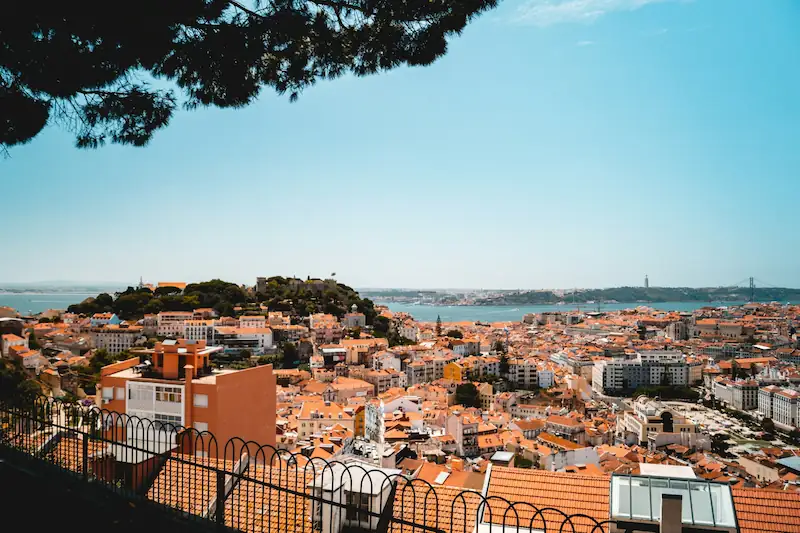
Where to stay in Lisbon
Find the best neighborhoods and hotels in Lisbon.
Open page →
Plan your trip to Lisbon with a clearer sense of how the city actually works: which areas to stay in, how to sequence the hills, what deserves advance planning, and which experiences shape the strongest first visit. Lisbon is not difficult, but it is easy to misread. Distances look short, yet elevation, tram demand, riverfront sprawl, and viewpoint timing can change the feel of a day. Once you understand the city as a set of ridges, descents, central connectors, and riverside chapters, Lisbon becomes far easier to enjoy.
Find the best neighborhoods and hotels in Lisbon.
Open page →
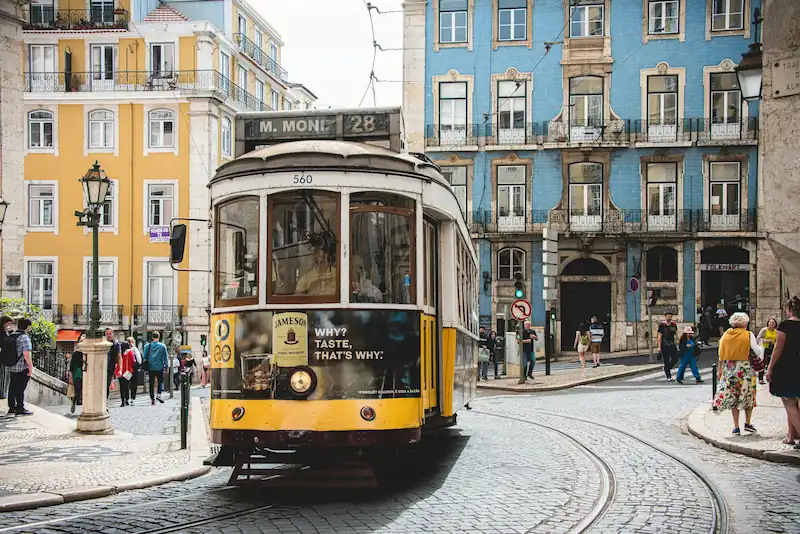
Prioritize the activities that deserve your time in Lisbon.
Open page →
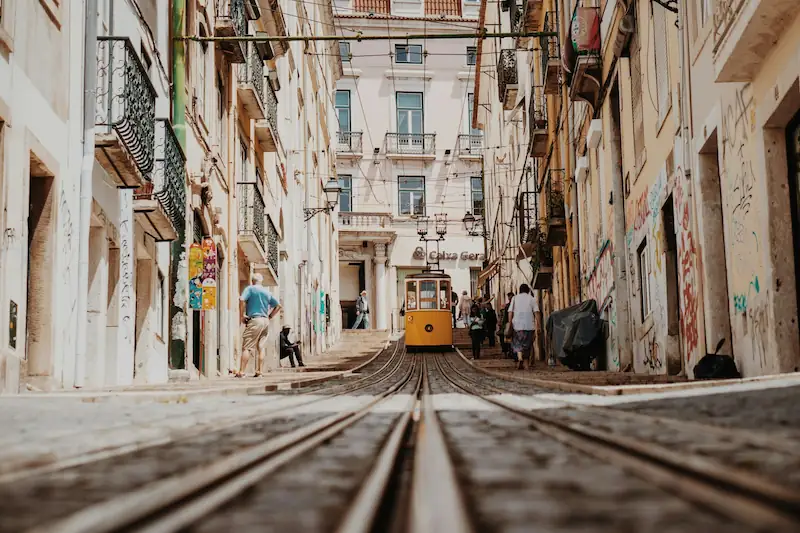
2 Days in Lisbon: Best Itinerary
Open itinerary →

3 Days in Lisbon: Best Itinerary
Open itinerary →
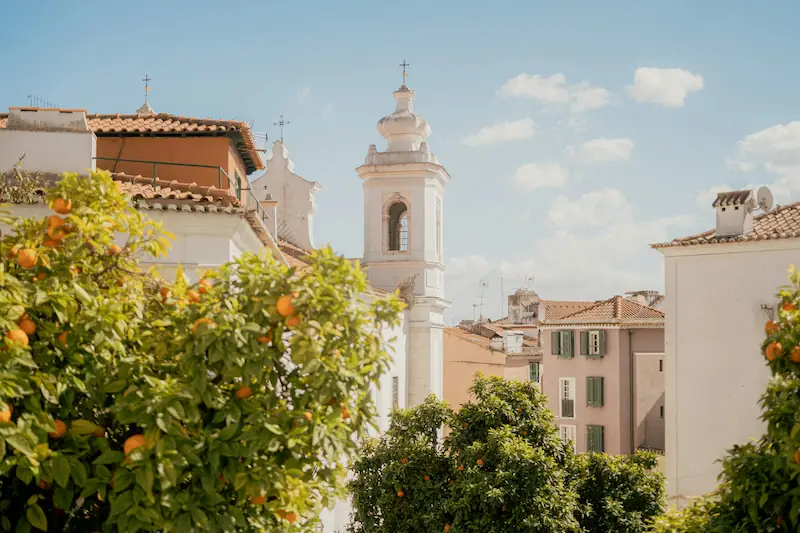
4 Days in Lisbon: Best Itinerary
Open itinerary →
7 Days in Lisbon: Best Itinerary
Open itinerary →
Lisbon is a hill-built Atlantic capital where movement matters as much as monuments. The essential experience is not only seeing Alfama, Belém, Chiado, or the miradouros, but understanding how they connect through slope, light, and river-facing geography. A strong Lisbon trip protects the old-city ridges, one major Belém chapter, one strategic viewpoint sequence, and enough slower neighborhood time to keep the city from becoming a checklist.
Lisbon combines terrain, Atlantic light, tiled architecture, fado, river views, and compact neighborhood contrasts better than almost any other European capital. Its great strength is the way ordinary movement becomes memorable: climbing into Alfama, descending into Baixa, opening onto Praça do Comércio, crossing the Tagus by ferry, or pausing above the rooftops as the light changes. The best trips are selective, not overloaded, because Lisbon’s atmosphere appears most clearly when the route has room to breathe.
Best time: April to June and September to October for walkability, river light, and enough warmth without the hardest summer pressure.
Ideal trip length: 3 full days for a strong first visit; 4 to 5 days if you want Sintra, deeper food routing, museums, and slower residential districts.
Lisbon is no longer a uniformly cheap city, especially in central hotels, design-led stays, and the most visible restaurant corridors, but it remains more flexible than many Western European capitals if you choose location and meals intelligently. The real cost variable is not only nightly rate; it is how much your base creates repeated uphill returns, late taxi rides, or inefficient cross-city movement. A slightly better-located hotel in Baixa, Chiado, Príncipe Real, or Alfama can save more friction than a cheaper stay that forces awkward daily routing.
Lisbon operates through vertical layers. Alfama, Graça, and the castle side explain the old hill city; Baixa and Chiado explain the rebuilt central connector; Belém explains the monumental riverfront; Príncipe Real, Estrela, Campo de Ourique, and parts of the west reveal a calmer residential Lisbon; Parque das Nações shows the modern river city. The mistake is to treat these as equal map points. They function as different chapters with different energy costs.
The city faces the Tagus across a series of slopes and ridges. Tight lanes can suddenly open to wide viewpoints, while flat sections around Baixa, Cais do Sodré, and the waterfront provide relief from the climbs. Belém stretches west along the river and feels more linear and monumental. The airport sits surprisingly close to the city, while day trips such as Sintra and Cascais pull travelers into a wider regional geography that should be planned deliberately, not casually.
Lisbon is clearest in the morning and most atmospheric in the late afternoon. Early hours suit Alfama, São Jorge Castle, tram rides, and exposed climbs before crowds and heat build. Midday works better for museums, lunches, cafés, markets, or flatter riverside sequences. Evenings belong to miradouros, fado, Chiado, Bairro Alto, Cais do Sodré, Príncipe Real, or a river cruise, depending on whether you want culture, views, or food-led pacing.
Think of Lisbon as four connected travel problems: how to handle the hills, how to choose a base, how much time to give Belém, and whether Sintra belongs in the trip. Once those decisions are made, the city becomes much easier. A strong first visit usually needs one old-city hill sequence, one central Baixa-Chiado connector, one Belém half day, one viewpoint or river sunset, and one slower food or neighborhood block.
Open the planner
Build days downhill whenever possible: take one uphill assist, then walk the scenic descent instead of repeatedly climbing. Give Alfama and Graça early light if you want atmosphere without crowd compression. Treat Belém as a dedicated half day built around Jerónimos, the riverfront, and one optional museum or pastry stop. Use Baixa and Chiado as the city’s connector zone, not as the whole trip. Do not make Tram 28 carry the logistics of the day; use it once for atmosphere, then move pragmatically. Reserve your evening around one neighborhood or one format — fado, miradouro, river cruise, dinner, or bars — rather than crossing the city uphill after dinner. Use museums strategically: Tile Museum for Lisbon’s visual language, Gulbenkian for a calmer art-led day, MAAT or Belém museums for a west-side contrast, Oceanário for families or rain. For 3 days or fewer, decide early whether Sintra is worth the trade-off. It is excellent, but it is a full-day commitment. In summer, shift the most physical sightseeing to morning and late afternoon, and make lunch a real reset rather than a pause between climbs. On longer stays, add Príncipe Real, Estrela, Campo de Ourique, Mouraria, or Cacilhas so Lisbon feels lived-in rather than only scenic.
Vibe: Historic, steep, textured, viewpoint-rich, and acoustically alive.
Why go: The city’s oldest-feeling fabric reveals Lisbon’s terrain, fado associations, cathedral route, castle slope, and layered viewpoints in one compact but demanding area.
Who it fits: First-time orientation walks, early starts, photographers, fado-curious travelers, and visitors who want atmosphere over convenience.
Not for: Travelers who dislike stairs, uneven paving, late-night walking back uphill, or accommodation with limited vehicle access.
Where to stay: Boutique guesthouses and small hotels can be deeply atmospheric, but check slope, luggage access, and evening return routes before choosing it as a base.
Vibe: Flat, ordered, central, practical, and plaza-led.
Why go: Baixa acts as Lisbon’s spatial reset: it links Rossio, Praça do Comércio, Chiado, Alfama approaches, metro connections, and the river without the constant vertical strain.
Who it fits: First-timers, short stays, train or metro users, travelers who want easier logistics, and anyone who wants to reduce daily navigation friction.
Not for: Travelers seeking residential quiet, boutique neighborhood texture, or a base that feels tucked away from visitor flow.
Where to stay: Central hotels in restored buildings offer the easiest first-trip base, especially if you want to move between Alfama, Chiado, Cais do Sodré, and Belém efficiently.
Vibe: Compact, central, view-adjacent, quiet by day and lively after dark.
Why go: Bairro Alto works as a strategic evening zone near Chiado, Príncipe Real, São Pedro de Alcântara, restaurants, bars, and fado options.
Who it fits: Travelers who want nightlife access, late dinners, central walking routes, and a base close to evening energy.
Not for: Light sleepers, families needing calm nights, or travelers who prefer a consistently polished daytime atmosphere.
Where to stay: Small hotels and guesthouses can work well if you choose the street carefully; check noise exposure before booking.
Vibe: Polished, cultural, central, sloped, and highly useful.
Why go: Chiado is one of Lisbon’s strongest strategic bases because it connects Baixa, Bairro Alto, Cais do Sodré, theaters, shops, cafés, and many dinner routes without feeling purely logistical.
Who it fits: Couples, first-timers with budget flexibility, culture-led travelers, and visitors who want centrality with a more refined mood than Baixa.
Not for: Travelers looking for the cheapest stays or a deeply residential local base.
Where to stay: Refined hotels and apartments place you in one of the city’s best-balanced locations for walking, dining, and evening plans.
Vibe: Open, riverside, monumental, museum-rich, and more spacious than the old center.
Why go: Belém concentrates Jerónimos Monastery, Belém Tower, the Monument to the Discoveries, major museums, pastries, gardens, and riverfront walking into a coherent half-day chapter.
Who it fits: History-focused travelers, museum visitors, families needing more space, and anyone who wants a break from central hills.
Not for: Most first-time visitors as a main base, nightlife seekers, or travelers who want to step directly into the old city each morning.
Where to stay: Belém has some attractive stays, but for most trips it works better as a planned excursion from Baixa, Chiado, Príncipe Real, or Alfama.
Vibe: Residential, design-aware, leafy, adult, and slower than the core sightseeing axis.
Why go: Príncipe Real adds a calmer Lisbon of gardens, restaurants, shops, and nearby viewpoints while staying close enough to Chiado and Bairro Alto for practical evenings.
Who it fits: Repeat visitors, longer stays, couples, food-led travelers, and those who want a base with atmosphere but less obvious tourist flow.
Not for: Travelers who need the flattest possible base or want every major attraction immediately outside the door.
Where to stay: Boutique hotels and apartment-style stays support a slower, more lived-in Lisbon trip, but slope still matters when returning from Baixa or Cais do Sodré.
Lisbon reveals itself through layered experiences rather than isolated sights: an old-city climb, a central descent, a monumental riverfront, a viewpoint pause, a transport moment, a food stop, and one slower local district. The goal is not to list everything, but to help travelers understand which layers actually change the trip.
Planning tip: For a first visit, protect one hill sequence, one Belém sequence, one evening experience, and one lower-friction neighborhood or food block. Add museums, ferry rides, beaches, or Sintra only when the core city rhythm still has room.
Alfama works best when it is treated as a hill sequence, not a random old-town wander. Start high or climb early, connect the castle side, Santa Luzia or Portas do Sol, and the cathedral descent, then let the route fall toward Baixa or the river.
Tip: Go early enough that stairs, viewpoints, and narrow lanes feel atmospheric rather than congested.
The castle matters less as a conventional monument and more as a geographic key. From its walls, Lisbon’s rooftops, river, Baixa grid, and surrounding hills become easier to understand.
Tip: Pair it with Alfama or Graça rather than treating it as an isolated ticketed stop.
Belém is Lisbon’s monumental chapter. Jerónimos, the Tower, the Monument to the Discoveries, gardens, museums, and the Tagus waterfront work best as one planned half day instead of a rushed add-on after central sightseeing.
Tip: Choose one main interior, then keep part of the sequence outdoors so the area does not become queue-heavy.
Praça do Comércio is more than a photo stop. It marks the transition between rebuilt Baixa and the Tagus, and it helps first-time visitors understand how Lisbon opens from dense streets into river scale.
Tip: Arrive late afternoon and continue toward Cais do Sodré or the waterfront instead of doubling back immediately.
Check guided tours →
Tram 28 is a useful symbol of Lisbon’s hills, tight turns, and older street fabric, but it is not a reliable full-day transport plan. It belongs early, short, and connected to a walking route.
Tip: Board near an origin point and avoid treating the ride as the day’s main attraction.
Viewpoints are central to Lisbon, but the best strategy is not to collect them. Choose two or three that fit the day’s geography and let them punctuate a route rather than dominate it.
Tip: Start higher around Graça or Senhora do Monte and finish lower toward Alfama, Baixa, or Chiado.
A short ferry crossing gives Lisbon something many viewpoints cannot: distance. From the water or the south bank, the hills, bridge, castle, and waterfront read as one landscape.
Tip: Use Cacilhas as a low-friction skyline break, especially on longer stays or clear evenings.
Check guided tours →
Jerónimos is the city’s strongest single monument for understanding Lisbon’s maritime-era identity. It is worth doing carefully, but it should sit inside a wider Belém sequence rather than consume the entire day.
Tip: Book or time it strategically in busy periods, then balance the interior visit with riverfront space.
The Tile Museum is one of Lisbon’s most useful cultural stops because it explains a visual language you keep seeing across the city. It is especially valuable for travelers who want depth beyond the obvious monuments.
Tip: Use it as an eastern cultural anchor, not as a rushed stop between central viewpoints.
Carmo makes Lisbon’s rupture and rebuilding legible in one concise stop. It pairs naturally with Baixa and Chiado, giving context to the ordered grid below.
Tip: Use it as a short cultural pause in a central walking route rather than a standalone museum block.
Check guided tours →
Fado shapes Lisbon’s evening identity, but the format matters. Smaller rooms, careful venues, and listening-focused settings usually serve the experience better than generic dinner-show packaging.
Tip: Choose Alfama, Mouraria, Bairro Alto, or Madragoa with attention to venue quality and timing.
Gulbenkian gives Lisbon a different cultural tempo: composed, green, and less dependent on the old center. It is a smart option for repeat visitors, rainy spells, or travelers who want a real museum anchor.
Tip: Pair it with a slower lunch or garden pause rather than forcing it into an Alfama-Belém day.
Check guided tours →
Belém has more museums than most short trips can absorb. MAAT adds contemporary architecture and riverfront contrast, while the Coach Museum gives a highly specific Portuguese collection. Choose based on interest rather than adding both by default.
Tip: Check current opening and exhibition status, then pick only one secondary Belém museum on a tight itinerary.
Check guided tours →
Graça gives many travelers the lived-in hill atmosphere they hoped to find in Alfama, with strong views and slightly more breathing room. It is best as an extension, not a separate checklist district.
Tip: Link it to Senhora do Monte or a downhill route into Alfama.
Check guided tours →
Mouraria adds a more complex layer to the old city: fado associations, immigrant food routes, tighter streets, and a less polished texture than Chiado or Baixa.
Tip: Explore by day or early evening and connect it to Martim Moniz, Alfama, or a food-led route.
Cacilhas works when you need space, air, and perspective without committing to a full day trip. It is one of the simplest ways to make the river feel real rather than decorative.
Tip: Go near sunset or use it as a dinner-side skyline option on a longer stay.
Check guided tours →
These western residential edges are useful when the old center feels too compressed. Gardens, cafés, shops, and quieter streets help longer stays feel more balanced.
Tip: Use them after lunch or on a fourth or fifth day when you no longer need maximum monument density.
Check guided tours →
The market area is useful, but timing changes everything. Early produce-market energy feels different from the later food-hall version, which is convenient but more curated and visitor-heavy.
Tip: Use Time Out Market for range, not for Lisbon at its most intimate.
Campo de Ourique is not essential on a short trip, but it helps repeat visitors and food-led travelers see a calmer everyday Lisbon beyond the postcard center.
Tip: Combine it with Estrela or the western end of Tram 28 rather than crossing the city just for one stop.
Check guided tours →
Pastéis de Belém is worth doing when you are already in Belém, but the smarter Lisbon food strategy is to treat custard tarts as a recurring pause across the city rather than a single mandatory queue.
Tip: Compare Belém with a central bakery or café if you enjoy the ritual; otherwise fold it naturally into the day.
Check food options →
A simple tasca meal often gives more practical food memory than chasing famous restaurants. It also helps break a walking day without turning lunch into a formal event.
Tip: Look beyond the most exposed viewpoint and waterfront corridors.
Check food options →
Lisbon’s seafood appeal does not require overcomplication. A well-chosen grilled fish, seafood rice, or shellfish meal can anchor a day better than a sequence of snack stops.
Tip: Confirm portion size and price structure before ordering shared dishes.
Sardines are culturally important, especially around summer festivities, but they are not always the best year-round order. Seasonality matters more than ticking the dish off a list.
Tip: Prioritize them in summer; outside season, let the restaurant guide the fish choice.
Check food options →
Not every Lisbon evening needs a full restaurant plan. Wine bars and petiscos are useful after heavy walking days, especially around Chiado, Príncipe Real, Santos, or quieter residential streets.
Tip: Reserve dinner energy for the nights that really need it; let one evening stay lighter.
Lisbon rewards selective structure more than total coverage. The most important decision is not how many sights you can add, but which experiences explain the city’s terrain, river, culture, and neighborhood rhythm. Once those are protected, secondary museums, day trips, beaches, and repeat-visit districts become much easier to place.
Lisbon can be excellent with children, but only if the itinerary respects hills, heat, and short attention spans. The city’s advantage is variety: trams, ferries, castles, riverfront space, gardens, pastries, and the Oceanário can break up cultural sightseeing. The strongest family trips avoid long uphill sequences at midday and use Belém, Parque das Nações, Estrela, and the waterfront as relief from the old center.
Trip length changes the right Lisbon strategy. Three days should focus on the city’s essential structure; five days lets Lisbon breathe before or after Sintra; seven days turns the capital into a regional base with room for coast, museums, and slower neighborhoods.
Open the planner →
Lisbon’s practical challenge is not complexity; it is physical pacing. The airport is close, public transport is useful, and the center is compact, but hills, polished pavement, visitor pressure, and scattered riverside zones can make a poorly sequenced trip feel harder than expected.
April to June and September to October are the strongest all-round periods because walking remains enjoyable, daylight is generous, and major viewpoints or outdoor sequences are easier to time. July and August can work, but physical sightseeing should shift toward early mornings, shaded lunches, museums, and later evenings. Winter is calmer and often good value, with more emphasis on museums, cafés, food, and flexible weather planning.
Three full days is the best minimum for a first Lisbon trip because it allows the old city, Belém, central Baixa-Chiado, at least one evening experience, and a little breathing room. Two days can work if you skip Sintra and stay highly focused. Four or five days lets you add the Tile Museum, Graça, Príncipe Real, Estrela, Cacilhas, Cascais, or Sintra without weakening the city itself.
Choose your base around morning and evening friction. Baixa is easiest for logistics; Chiado is the best balanced central choice; Alfama is atmospheric but physically and logistically less forgiving; Bairro Alto is useful for evenings but can be noisy; Príncipe Real is calmer and more adult; Belém is better as a visit than a first-trip base for most travelers. In Lisbon, the right area is the one that reduces repeated climbs and awkward late returns.
Most travelers arrive through Humberto Delgado Airport, which sits close to the city and connects by metro, taxi, and ride-hailing. The metro is economical, while taxis or ride-hailing make more sense for luggage, families, late arrivals, or accommodation in steep historic streets. Rail arrivals usually matter through Santa Apolónia for the old city and Oriente for Parque das Nações or onward travel.
Walking is essential, but Lisbon should be treated as a selective walking city rather than a purely pedestrian one. Use the metro for longer cross-city moves, trams and funiculars for atmosphere or targeted climbs, trains for Belém, Cascais, and Sintra links, ferries for Cacilhas, and ride-hailing when an uphill return would damage the day. The smartest travelers spend walking energy on scenic descents and neighborhoods, not on every logistical transfer.
Lisbon is generally safe and easy to navigate, but visitors should watch for pickpocketing on crowded trams, around major viewpoints, and in dense central areas. The more common problems are heat, dehydration, slippery polished stone, tired children, and underestimating hill fatigue. Comfortable shoes, water, shade breaks, and sensible evening routing matter more here than complicated safety planning.
Lisbon changes by light, heat, crowd pressure, and walking comfort more than by dramatic seasonal closures. Spring and autumn are the easiest seasons for most first-time visitors because the city’s defining pleasures — hills, viewpoints, trams, riverfront walks, terrace meals, and day trips — all remain usable without the hardest physical cost. Summer has the longest evenings and strongest outdoor energy, but it demands tighter timing. Winter is quieter and often rewarding for museums, food, and atmosphere, though rain and shorter days make flexible planning more important.
Spring is one of Lisbon’s best seasons: slopes are manageable, gardens and terraces feel active, and the light gives rooftops and the Tagus strong definition. It is ideal for first-time visitors, viewpoint-heavy days, food-led walking, and trips that may include Sintra or Cascais.
Summer brings late sunsets, lively evenings, festivals, sardine season, and strong river energy, but it is also the period when exposed climbs and central queues can become most draining. The best summer trips place physical sightseeing early, shift midday toward shade or interiors, and reserve evenings for viewpoints, riverfronts, or food.
Autumn often gives the best balance for Lisbon: warm enough for outdoor life, softer than summer, and easier for flexible walking. It is especially good for travelers who want the city to feel atmospheric without planning every hour around heat and crowd avoidance.
Winter suits calmer city breaks, museum-led days, food planning, and travelers who prefer lower pressure over guaranteed outdoor comfort. It is less ideal for beach extensions, but Lisbon’s cafés, interiors, viewpoints between showers, and lower crowd levels can make it highly rewarding.
Not seeing your next Portugal stop yet? Use the planner to build a route around Lisbon, Porto, Sintra, Cascais, Évora, the coast, or a wider Portugal itinerary.
These are the practical and strategic questions that most influence whether Lisbon feels smooth, tiring, or genuinely memorable.
Three full days is the best minimum for a first Lisbon trip because it gives you enough time for Alfama or the castle side, Baixa and Chiado, Belém, one viewpoint or river sunset, and at least one food or cultural layer. Two days can work if you stay focused and skip Sintra. Four or five days is much better if you want the Tile Museum, Príncipe Real, Graça, Cacilhas, Cascais, or a full Sintra day.
Baixa and Chiado are usually the easiest first-trip bases because they simplify movement between the old city, riverfront, metro, restaurants, and Belém connections. Alfama is more atmospheric but less convenient with luggage and late returns. Príncipe Real is calmer and more stylish, while Bairro Alto works for evening access if you choose a quiet street.
The must-do experiences are an Alfama or castle-side hill walk, one strong miradouro, Baixa and Chiado as the central connector, Belém with Jerónimos and the riverfront, one tram or ferry perspective, and one evening experience such as fado, a sunset viewpoint, a river cruise, or a food-led neighborhood dinner.
Lisbon is very walkable if you plan with the hills, but it is not walkable in the same way as a flat city. Short distances can be tiring when they involve steep climbs, polished pavement, stairs, and heat. The best approach is to walk scenic areas and descents, then use metro, trams, funiculars, ferries, or ride-hailing for less rewarding transfers.
Yes, if you treat it as an atmospheric experience rather than a core transport plan. Ride early, keep it short, and connect it to Alfama, Graça, or the central hills. At peak times, queues and crowding can make it less enjoyable than simply walking part of the route and using other transport for logistics.
Yes. Belém is one of Lisbon’s most important half-day chapters because it combines Jerónimos Monastery, Belém Tower, the Monument to the Discoveries, major museums, pastries, gardens, and riverfront walking. It works poorly as a rushed add-on after a heavy old-city morning, so give it enough time or choose your priorities carefully.
Sintra is worth visiting if you have at least three or four full days in the wider trip and can dedicate a full day to it. It is not a casual half-day add-on for most travelers. On a short Lisbon stay, Sintra can be the right choice, but only if you accept that it replaces deeper time in the capital.
Graça, Senhora do Monte, Santa Luzia, Portas do Sol, São Pedro de Alcântara, and the castle side all offer strong views, but the best viewpoint depends on your route. For a first trip, choose one eastern view around Alfama or Graça and one western or central view around Bairro Alto or Chiado rather than trying to collect them all.
The strongest evening choices are fado in a carefully chosen venue, sunset at a miradouro, a Tagus river cruise, dinner in Chiado or Príncipe Real, drinks around Bairro Alto or Cais do Sodré, or a lighter wine-and-petiscos evening. Lisbon does not need heavy nightlife to work after dark.
Yes, if the trip is planned around short sequences and recovery time. The Oceanário, Parque das Nações, Belém waterfront, trams, ferries, São Jorge Castle, gardens, and pastry stops all work well. The main issue is avoiding too many steep walks, especially in heat or with strollers.
Rainy days are best built around the Oceanário, Tile Museum, Gulbenkian, Jerónimos, selected Belém museums, food halls, cafés, or a slower neighborhood lunch. What usually fails is forcing a viewpoint-heavy walking day when the stones are slippery and the views are muted.
For most travelers, the Tile Museum is the most Lisbon-specific museum because it explains the azulejos seen across the city. Gulbenkian is best for a calmer art-led visit. MAAT and the Coach Museum work well in Belém if their subject matter appeals. The Oceanário is the strongest family and rainy-day anchor.
Lisbon is not as inexpensive as its old reputation suggests, especially for central hotels and popular restaurants, but it remains flexible. Location is the biggest strategic cost decision: a cheaper stay that creates repeated uphill transfers or long rides can reduce both comfort and value.
April to June and September to October are the best all-round periods for most travelers. They offer good light, comfortable walking, terrace life, and less physical strain than peak summer. Winter can be appealing for quieter, culture-led trips, while summer works best with early starts and slower afternoons.
Yes. A car is unnecessary and usually inconvenient inside Lisbon. Walking, metro, trams, funiculars, trains, ferries, taxis, and ride-hailing cover most visitor needs. A car only starts to make sense for specific regional trips where you deliberately want flexibility beyond Sintra, Cascais, or the main rail-connected routes.
The biggest mistakes are underestimating hills, overcrowding the itinerary, treating Belém as a quick detour, using Tram 28 at peak time as transport, choosing a charming but impractical hotel location, and adding Sintra without protecting enough time for Lisbon itself.
Lisbon works very well as a three-day city break, but it becomes more rewarding with four or five days. A short break captures the hills, Belém, and evening atmosphere; a longer stay reveals food routes, residential districts, museums, ferries, coast, and day trips.
A strong first day usually starts with Alfama or the castle side, descends toward Baixa, crosses Chiado or Carmo in the afternoon, and ends with a viewpoint, fado, or dinner in a nearby neighborhood. This gives the city geographic logic before you add Belém or day trips.
Lisbon becomes intuitive once you plan with its terrain, river, and neighborhood rhythm instead of treating it like a flat checklist city.
Find the best places to stay, how to get there, and move around with ease.
Build a smarter trip base
Once you understand how Lisbon works and what matters most for your trip, the next step is turning that direction into a real itinerary. Use the planner to organize your days around the right areas, experiences, and rhythm so the trip feels clear before you go.