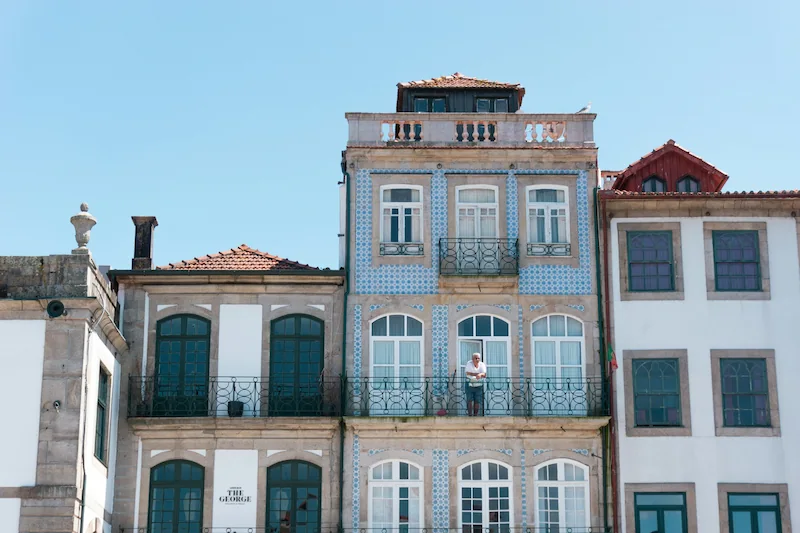
Where to stay in Porto
Find the best neighborhoods and hotels in Porto.
Open page →
Understand Porto’s hills, riverbanks, bridges and neighborhoods before deciding where to stay, which experiences matter most and how to structure each day. The city works best when the historic center, Gaia and the Atlantic are treated as connected parts of the same trip rather than separate sightseeing zones.
Find the best neighborhoods and hotels in Porto.
Open page →
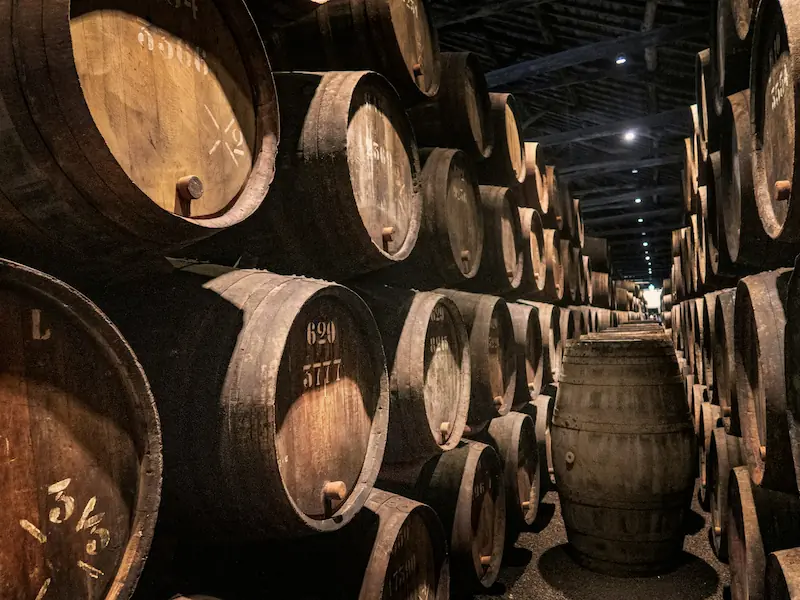
Prioritize the activities that deserve your time in Porto.
Open page →
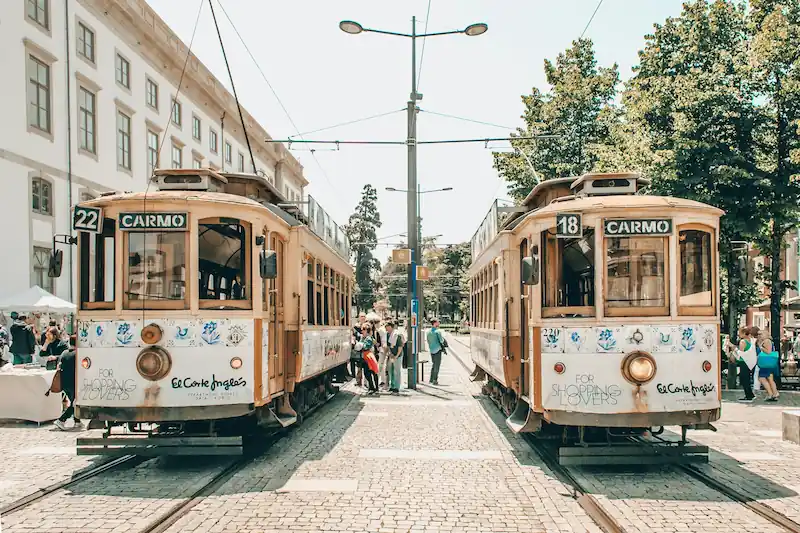
2 Days in Porto: Best Itinerary
Open itinerary →
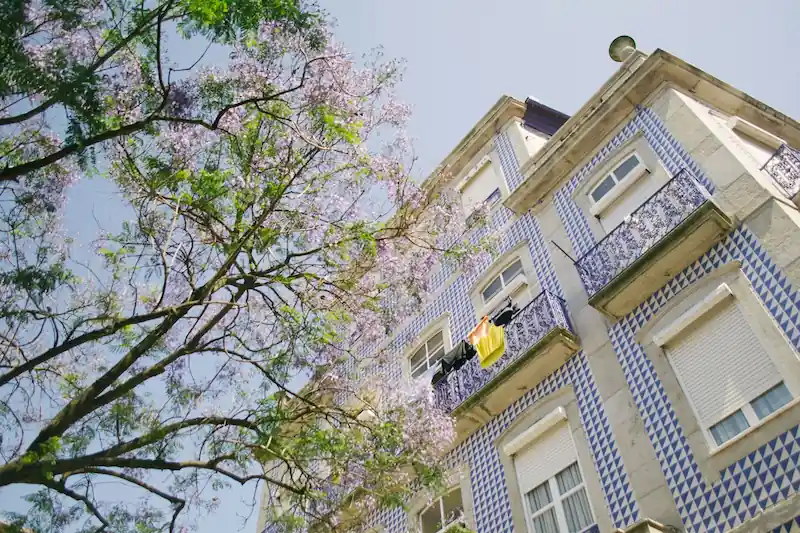
3 Days in Porto: Best Itinerary
Open itinerary →
5 Days in Porto: Best Itinerary
Open itinerary →
7 Days in Porto: Best Itinerary
Open itinerary →
Porto is a compact but deeply layered river city where steep ridges, two riverbanks and an Atlantic horizon constantly reshape the way you move. Medieval lanes, baroque churches, azulejo-covered buildings, mercantile wealth, port-wine lodges and contemporary culture overlap within a small footprint. The city rewards travelers who think in connected geographic sequences rather than isolated attractions.
Porto combines a UNESCO-listed historic center, one of Europe’s most recognizable river settings, a wine culture inseparable from the city’s history, and a contemporary side shaped by Serralves, Casa da Música and creative neighborhoods. It feels visually rich without requiring metropolitan scale, and its best experiences—crossing the Douro, descending through the Sé, entering a tiled church, tasting port in Gaia or watching the light move across Ribeira—connect naturally.
Best time: May–June and September–early October for comfortable walking, good light and fewer crowds than peak summer.
Ideal trip length: 3 days for Porto’s essential neighborhoods and experiences; 4 to 5 days to add Serralves, Foz, Matosinhos or a Douro Valley day trip.
Porto remains good value compared with many Western European city breaks, but river-view rooms, design hotels, famous cellars and peak weekends can be expensive. The biggest planning cost is often not the ticket price but a poorly placed hotel or a day that repeatedly sends you uphill and across the river. Local cafés, bakeries, snack bars and restaurants away from the most exposed Ribeira frontage still make it possible to eat well without overspending.
Porto is organized around a steep north-bank city facing Vila Nova de Gaia across the Douro. The Sé and upper historic center sit above Ribeira; Baixa and Bolhão form the easiest central hinge; Cedofeita and Boavista extend west toward Serralves; Miragaia follows the river; Foz opens the city toward the Atlantic. Gaia is not simply an excursion: its lodges, waterfront and viewpoints complete Porto’s river story.
The historic center rises sharply from the Douro through lanes, stairs and terraces. Dom Luís I Bridge connects the two banks on two levels, creating very different routes: the lower deck links Ribeira with Gaia’s waterfront, while the upper deck links the higher city with Jardim do Morro and the metro. Westward, the river broadens toward Foz and Matosinhos, and the city gradually becomes greener, flatter and more residential.
Use early mornings for the Sé, São Bento, Clérigos, Ribeira and the upper bridge, before queues and tour groups build. Midday suits markets, long lunches, museums and cellar visits. Late afternoon is ideal for Gaia, the Crystal Palace gardens, Virtudes or Foz, while evenings work best around the river, Baixa, Cedofeita or a viewpoint followed by dinner.
Think in connected downhill and cross-river loops. A strong first day can move from the Sé and São Bento through Baixa to Ribeira, cross the lower bridge into Gaia, then return from the upper level after a cellar visit or sunset. A second day can combine Clérigos, Carmo, Bolhão and Palácio da Bolsa, while a third opens toward Serralves, Foz, Matosinhos or a regional excursion.
Open the planner
Start high and descend whenever possible: Porto’s best routes follow the city’s terrain rather than fight it. Group the Sé, São Bento, Baixa and Ribeira into one continuous sequence instead of revisiting the same slopes. Treat Gaia as a substantial half day: combine a cellar, the waterfront, Jardim do Morro or Serra do Pilar, and one purposeful bridge crossing. Choose one major panorama—Clérigos, Serra do Pilar, Jardim do Morro or Porto 360—rather than spending the day collecting similar views. Pair Palácio da Bolsa with São Francisco and Ribeira; pair Serralves with Boavista or Foz; pair the tram with the Atlantic rather than using it as basic transport. Reserve only the experiences where timing matters: Livraria Lello, a preferred cellar, concerts, high-demand tours and Douro excursions. Keep one weather-proof block available, such as Palácio da Bolsa, Serralves, Soares dos Reis, a cellar or a food-led afternoon. With four days or more, add Foz, Matosinhos, Bonfim or a Douro Valley day trip without sacrificing Porto’s core.
Vibe: Dense, river-facing, historically mercantile.
Why go: This UNESCO-listed riverfront is Porto’s most immediate historic scene, with layered façades, old merchant lanes, cruise departures and direct access to the lower deck of Dom Luís I Bridge.
Who it fits: First-time visitors, couples and short stays prioritizing atmosphere and walkable access to the historic core.
Not for: Travelers sensitive to noise or steep nighttime returns uphill.
Where to stay: Choose upper-floor rooms facing inland for quieter nights while keeping immediate access to the waterfront.
Vibe: Administrative center with structured urban geometry.
Why go: Baixa is Porto’s most useful base and planning hinge, placing São Bento, Aliados, Bolhão, Clérigos, restaurants and metro connections within an efficient walking radius.
Who it fits: First-time visitors, short city breaks and travelers who want the easiest logistics.
Not for: Travelers seeking residential quiet.
Where to stay: Balanced positioning with strong metro links and walkable reach across major districts.
Vibe: Creative corridor with residential undertones.
Why go: Cedofeita and the Miguel Bombarda arts corridor add independent shops, galleries, cafés and a more residential rhythm without taking you far from Clérigos and Baixa.
Who it fits: Longer stays, return visitors, food-led travelers and anyone seeking a more local base.
Not for: Checklist-driven itineraries.
Where to stay: A measured distance from tourist pressure while remaining walkable to Baixa.
Vibe: Industrial heritage turned tasting territory.
Why go: Gaia combines historic port lodges, riverfront walks, modern wine museums and Porto’s strongest reverse skyline, making it essential even when you sleep on the Porto side.
Who it fits: Wine travelers, couples, view seekers and visitors who prefer quieter evenings.
Not for: Those unwilling to manage bridge crossings.
Where to stay: Select river-facing properties near the bridge to minimize transit friction.
Vibe: Residential coastline with maritime exposure.
Why go: Foz gives Porto an Atlantic dimension through promenades, beaches, gardens and sea-facing restaurants, and works especially well after the density of the historic center.
Who it fits: Repeat visitors, families, summer stays and slower trips with time for the coast.
Not for: Ultra-short stays.
Where to stay: Ideal for quieter nights with tram or taxi returns to the center.
Porto is best understood through a selective set of experiences that explain its form and identity: the descent from the Sé, the bridge and river, the merchant interiors, port wine in Gaia, tiled churches, contemporary culture, gardens and the slower Atlantic-facing city. Choose contrast rather than collecting every church, viewpoint or tasting.
Planning tip: Build each half day around one geographic arc. Use early hours for exposed landmarks and viewpoints, midday for markets, museums or cellars, and late afternoon for Gaia, gardens, Miragaia or the coast.
Crossing high above the Douro recalibrates your sense of the city’s scale.
Tip: Go before 9am to avoid tour clusters.
Check guided tours →
Treat the station as an architectural chamber rather than a transit point.
Tip: Stand near the entrance for the widest mural field.
One of the clearest ways to read Porto’s vertical structure.
Tip: Book the first entry slot.
The heritage tram turns the journey west along the Douro into part of the experience.
Tip: Treat it as a scenic ride rather than the fastest way to reach the coast.
Check guided tours →
Distance clarifies the city’s stacked morphology.
Tip: Arrive 30 minutes before sunset.
Check guided tours →
Tasting is only part of the story — the cellars make Porto’s mercantile identity tangible through storage, aging, and river-facing logistics.
Tip: Book one well-interpreted cellar visit rather than stacking multiple tastings in the same afternoon.
Together, the ceremonial interiors of Palácio da Bolsa and the carved, gilded church of São Francisco reveal the wealth and religious intensity behind Porto’s merchant city.
Tip: Check guided-tour language times for Palácio da Bolsa, then visit São Francisco immediately before or after.
The short Douro cruise is an easy way to understand how Porto’s bridges, slopes, Ribeira, Gaia and the river mouth relate to one another.
Tip: Use it early in the trip for orientation or pair it with a Gaia cellar visit rather than treating it as a separate day.
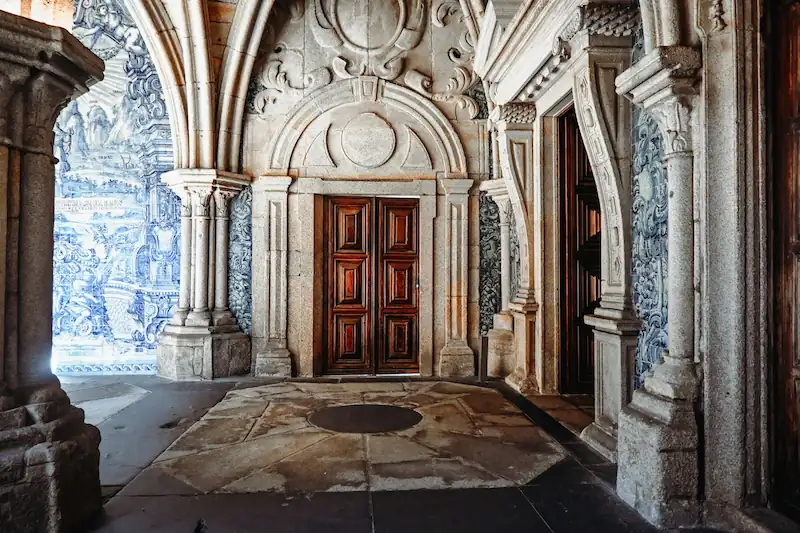
The cathedral, cloister and terrace views anchor Porto’s oldest hilltop district and reveal the city’s medieval structure.
Tip: Continue downhill through the Sé lanes toward Ribeira.
Green elevation above the urban grain.
Tip: Enter from the upper gate for gradual reveals.
Check guided tours →
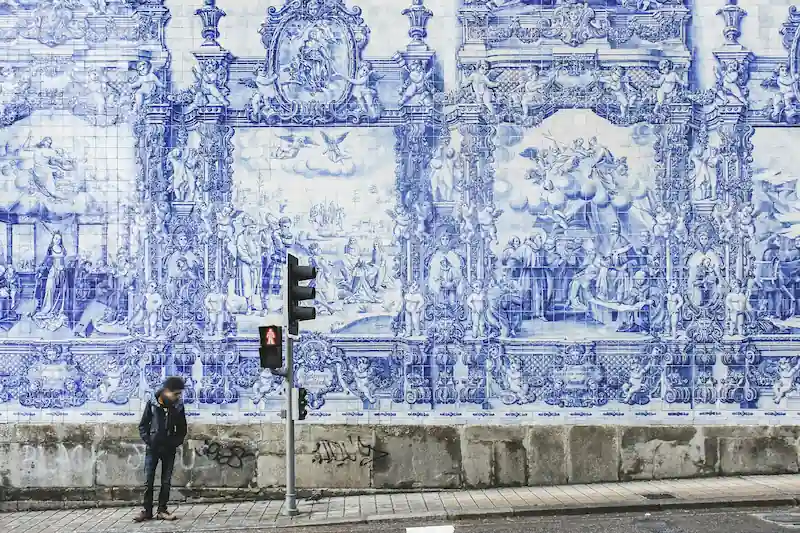
The tiled side wall and the adjoining Carmo and Carmelitas churches form one of Porto’s clearest expressions of baroque architecture and azulejo design.
Tip: Step back across the square to see the complete composition.
Check guided tours →
The carved staircase, stained glass and neo-Gothic interior make this a memorable short architectural visit, but timed entry and crowd levels shape the experience.
Tip: Book the earliest available slot for the calmest visit.
Serralves combines contemporary art, Álvaro Siza’s museum, the Art Deco villa, gardens and a treetop walk, making it Porto’s strongest cultural counterpoint to the historic center.
Tip: Allow at least three hours and check the exhibition program before deciding how much time to spend indoors.
Portugal’s first public art museum provides a focused route into Portuguese painting, sculpture and decorative arts, and pairs naturally with the nearby Crystal Palace gardens.
Tip: Use it as a substantial rainy-day visit or combine it with the gardens for a balanced culture-and-viewpoint afternoon.
The restored market is a useful starting point for produce, regional products, prepared food, bakeries and the everyday commercial rhythm around Bolhão.
Tip: Go in the morning, then continue toward Rua de Santa Catarina.
Check guided tours →
A practical connector revealing daily movement.
Tip: Walk it downhill to conserve energy.
Check guided tours →
Miragaia’s quieter river edge and the terraces of Virtudes offer a slower transition between Ribeira, the Crystal Palace side and everyday Porto.
Tip: Walk west from Ribeira, then climb toward Passeio das Virtudes for late light rather than returning along the same waterfront.
Check walking tours →
Bonfim mixes residential streets, independent food spots, creative spaces and a less visitor-shaped atmosphere east of the historic center.
Tip: Combine it with Campo 24 de Agosto or a meal rather than treating it as a monument circuit.
Check local tours →
This layered sandwich with meat, melted cheese and beer-based sauce is one of Porto’s defining dishes and works best as a substantial midday meal.
Tip: Share one if you want room for other food stops later.
Context sharpens the tasting.
Tip: Start with tawny before moving to vintage.
Francesinha is only one part of Porto’s food identity. Bifanas, cachorrinhos, tripas, bolinhos de bacalhau, petiscos and pastries make a more varied route through the city.
Tip: Mix a market stop, one snack-bar lunch and an evening of petiscos rather than trying to cover every specialty in one heavy meal.
Matosinhos is the city’s most purposeful food detour, known for grilled fish and seafood served near the port and Atlantic coast.
Tip: Combine lunch with a coastal walk, City Park or Foz so the journey west earns more than a single meal.
A strong Porto trip is built around the experiences that explain the city, then expanded with culture, food and the Atlantic according to your interests.
Porto works well with children when hills and queues are managed carefully. Boats, trams, funiculars, bridges, parks and interactive museums add variety, while the riverfront creates frequent visual rewards. Families should shorten historic-center walking loops, use transport for uphill returns and keep one flexible indoor option for rain.
Porto changes meaningfully with time: a short stay captures its ridge-and-river logic, while a longer one allows the city to open into Gaia, the Atlantic edge, and slower neighborhood tempo.
Open the planner →
Most of Porto’s friction comes from timing and topography rather than distance. The city is compact, but how and when you move matters more than first-time visitors usually expect.
May, June, September and early October usually offer Porto’s best mix of comfortable temperatures, long enough days and manageable crowds. July and August bring lively evenings and good conditions for Foz, but also higher prices and more pressure in Ribeira, Gaia and the main attractions. Winter is quieter and often good value, though rain, wind and shorter daylight favor museums, churches, markets, cellar visits and food-led days.
Two full days can cover the historic center and Gaia, but three days is the strongest minimum for a rounded first visit. Four or five days allow Serralves, Foz, Matosinhos, slower neighborhoods or a Douro Valley excursion without sacrificing Porto itself.
Baixa is the easiest first-time base because it balances metro access, restaurants and walking routes. Ribeira delivers maximum atmosphere but more noise, crowds and difficult luggage or uphill returns. Cedofeita gives a calmer, more local stay; riverside Gaia suits views and wine-focused trips; Foz is best when the Atlantic is a deliberate part of the stay.
Francisco Sá Carneiro Airport connects to central Porto by Metro line E, taxi and ride-hailing. Long-distance trains generally use Campanhã, with urban connections onward to São Bento; São Bento itself is the most central rail arrival point. Check the final street and elevation of your accommodation before choosing between metro and door-to-door transport, especially with luggage.
Walking is the best way to experience central Porto, but combine it with the metro, buses, funicular and occasional taxi or ride-hailing for uphill returns. The historic tram is scenic rather than the fastest transport. Contactless or reusable transport options vary by network and ticket type, so confirm the current fare system locally. A car is unnecessary in the center and becomes useful mainly for wider regional travel.
Porto is generally safe and easy to navigate. The most common issues are pickpocketing in busy visitor areas, slippery stone and steps in rain, strong sun on exposed routes, and fatigue from repeated climbs. Keep valuables secure around transport hubs and crowded attractions, wear shoes with grip, and avoid entering the water on rough Atlantic days.
Porto is a year-round city break, but the balance between outdoor walking and indoor culture changes significantly by season. Late spring and early autumn are strongest for first visits, summer favors long evenings and the Atlantic coast, and winter offers lower crowds for travelers comfortable with rain.
March can still be wet, but April to June increasingly combines comfortable temperatures, green gardens and long sightseeing days. May and June are especially good for bridge walks, viewpoints, cruises and day trips before the highest summer demand.
July and August bring long evenings, busy riverfronts and the best conditions for Foz and nearby beaches. Start historic-center sightseeing early, reserve popular experiences, and expect higher accommodation prices and stronger weekend crowds.
September often keeps summer warmth with slightly easier crowds, while October brings softer light and a more relaxed food-and-wine atmosphere. Rain becomes more likely later in the season, so keep flexible indoor options.
Winter is cooler, wetter and quieter. It suits travelers interested in churches, museums, cellars, markets and restaurants, with lower demand than summer. Short daylight and slippery streets make a compact, flexible itinerary more important.
Not seeing your next stop yet? Build a fully personalized itinerary anywhere in Portugal.
These answers cover the main decisions that shape a first Porto trip, from duration and neighborhoods to bookings, weather, families and day trips.
Three days is ideal for a first visit: one day for the historic center and Ribeira, one for Gaia and the main cultural sights, and one for a slower neighborhood, Serralves or Foz. Two days can cover the essentials; four or five days allow a Douro Valley trip or more time on the Atlantic side.
Prioritize São Bento Station, the Sé and its surrounding lanes, Ribeira, Dom Luís I Bridge, a Gaia viewpoint, one port wine cellar, and either Clérigos or Palácio da Bolsa with São Francisco. Add Serralves, Bolhão or Foz according to your interests.
Baixa is the easiest all-round choice because it combines metro access, restaurants and walkable routes to São Bento, Clérigos, Bolhão and Ribeira. Ribeira is more atmospheric but less practical; Cedofeita is calmer and more local; Gaia is best for views and wine.
Yes, central Porto is compact and highly walkable, but it is steep. Plan downhill routes, avoid repeated climbs, and use the metro, funicular, buses or ride-hailing when an uphill return would reduce the rest of the day.
May to June and September to early October give the best balance of pleasant walking weather, daylight and manageable crowds. Summer offers long evenings but higher demand; winter is quieter, wetter and better suited to museums, cellars and food-led days.
Book Livraria Lello, a specific port cellar, concerts, popular food tours and Douro Valley excursions ahead in busy periods. Early Clérigos slots and selected guided interiors can also be useful, while most viewpoints, churches and neighborhood walks remain flexible.
It is worthwhile for travelers who value architecture, historic interiors and famous bookstores. The visit is short and often crowded, so it is not essential for everyone; use an early timed entry and skip it if queues or ticketing outweigh your interest.
Choose based on the experience rather than the biggest name: traditional lodge history, a technical tasting, small-group interpretation, views or a family-friendly format. One well-chosen cellar usually gives more value than several rushed tastings.
The cruise is worthwhile for easy orientation, families and travelers who want to see Porto’s bridge sequence from river level. It is not essential if you already have limited time and prefer walking, but it pairs naturally with a Gaia afternoon.
Walk Ribeira and both levels of Dom Luís I Bridge, enter São Bento Station, see the azulejo façades of Carmo and Capela das Almas, visit the Crystal Palace gardens, explore Bolhão, and watch sunset from Jardim do Morro, Serra do Pilar or Virtudes.
Use the weather for Palácio da Bolsa, São Francisco, Serralves, Soares dos Reis, a port cellar, WOW, Casa da Música, the FC Porto Museum or a market-and-food afternoon. Keep exposed bridges and viewpoints for clearer intervals.
Yes. Children often enjoy the bridge, funicular, cruises, trams, parks and riverfront more than a long monument circuit. World of Discoveries, SEA LIFE, Serralves Park, the Tram Museum and the FC Porto Museum provide useful indoor or interactive alternatives.
Metro line E is usually the best-value option for central areas, while taxi or ride-hailing is easier with children, heavy luggage or accommodation on a steep or restricted-access street. Confirm the final walk from the nearest station before choosing.
No car is needed for Porto itself. Walking and public transport cover the main visitor areas, while parking and restricted historic-center access create extra friction. Rent a car only for regional travel that is difficult by train or organized tour.
Porto can still offer good value, particularly for cafés, bakeries, traditional restaurants and accommodation outside prime river-view streets. Prices rise in Ribeira, luxury hotels, famous cellars and peak weekends, so booking early and eating beyond the waterfront helps.
The Douro Valley is the signature landscape-and-wine excursion. Braga and Guimarães suit history-focused travelers; Aveiro and Costa Nova offer a lighter coastal day; Arouca and Peneda-Gerês are better for nature. Give Porto at least two full days before leaving the city.
Yes when you have at least three days or when the Atlantic and seafood are priorities. Combine Foz’s promenade and beaches with City Park or a seafood lunch in Matosinhos rather than making two separate westward journeys.
Porto’s hills, cobbles and steps can be challenging, but accessible routes, tactile resources and adapted attractions are available. Choose a well-connected, flatter base, use taxis or public transport between elevations, and confirm step-free access directly with hotels and venues.
Porto becomes much easier—and much more rewarding—once its hills, riverbanks and neighborhoods are planned as connected sequences.
Find the best places to stay, how to get there, and move around with ease.
Build a smarter trip base
Once you understand how Porto works and what matters most for your trip, the next step is turning that direction into a real itinerary. Use the planner to organize your days around the right areas, experiences, and rhythm so the trip feels clear before you go.