The best things to do in Porto, from essentials to hidden gems
Discover Porto through the landmarks that define the city, the museums and gardens that add depth, the food and wine experiences worth planning around, and the best coastal and regional excursions. Use the city’s geography to combine nearby experiences into varied days without unnecessary backtracking.
Best time
May, June, September, and early October offer the best balance for walking, viewpoints, cruises, beaches, and day trips. July and August are livelier and warmer; winter is quieter and well suited to museums, churches, markets, and Port wine cellars.
Ideal trip length
Allow 2 full days for Porto’s essential sights and neighborhoods, 3 days for museums, Foz, or a slower food-and-wine pace, and 4 days if you also want a Douro Valley or Northern Portugal day trip.
Continue planning your Porto trip
Once you know which experiences matter most, use the Porto city guide to choose neighborhoods and understand how the city fits together, then select an itinerary that matches the number of days you have.
Top things to do in Porto at a glance
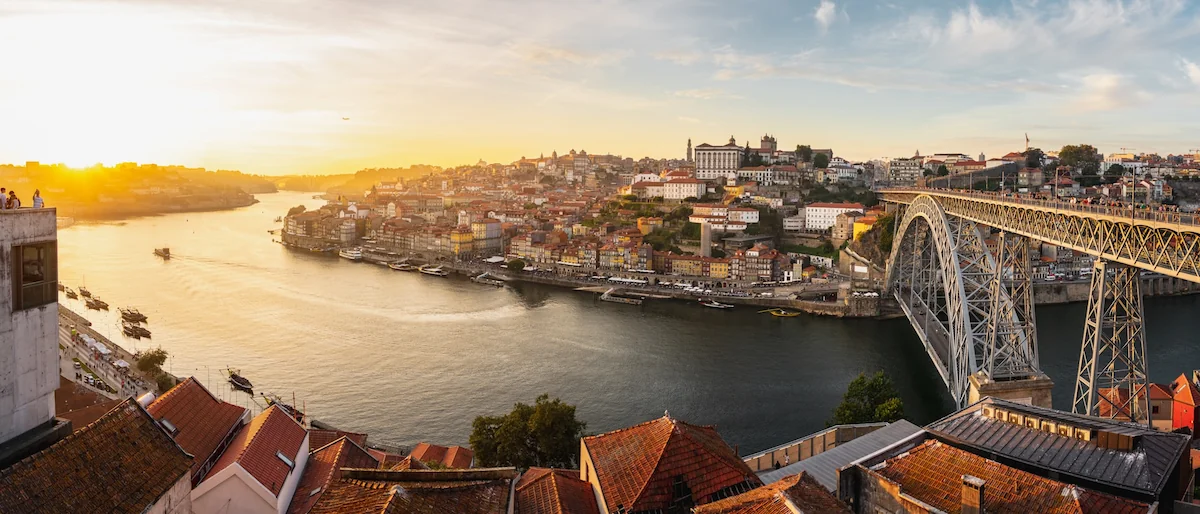
Walk Ribeira and cross Dom Luís I Bridge – Area: Ribeira / Gaia · Best for: first-time city orientation · Time needed: 1.5 to 2 hours · Worth it: Essential: this riverfront-and-bridge sequence gives the clearest first impression of Porto. · Book ahead: No
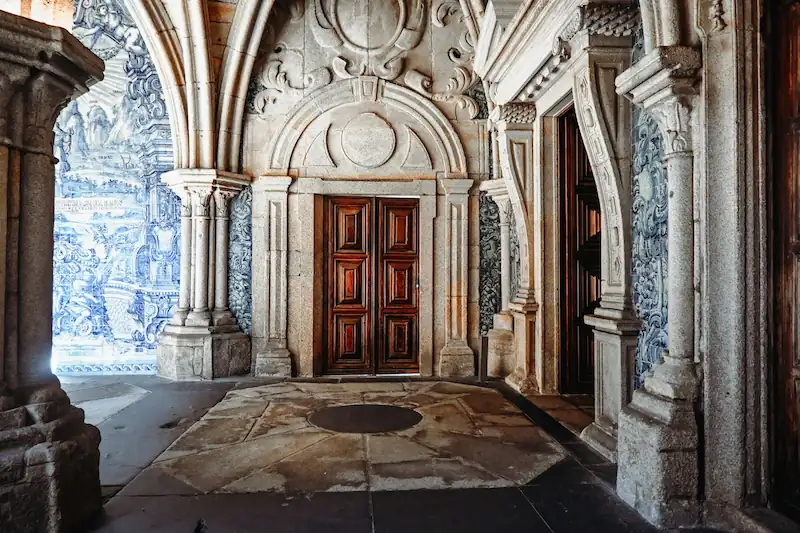
Visit Porto Cathedral and the medieval Sé quarter – Area: Sé / historic center · Best for: history and city views · Time needed: 45 minutes to 1.5 hours · Worth it: Yes. The cathedral, cloister, terraces, and surrounding lanes reveal Porto’s oldest urban core. · Book ahead: Usually no
Tour a Port wine cellar in Vila Nova de Gaia – Area: Gaia · Best for: wine, history, and local identity · Time needed: 1.5 to 2 hours · Worth it: Essential for many first-time visitors because Port wine shaped the city’s economy and international identity. · Book ahead: Recommended
See São Bento Station, Clérigos, and the tiled churches of Baixa – Area: Baixa · Best for: compact sightseeing · Time needed: 2 to 3 hours · Worth it: Yes. This is Porto’s highest-value walking cluster for tiles, architecture, and classic landmarks. · Book ahead: Only for Clérigos in busy periods
Visit Palácio da Bolsa and São Francisco Church – Area: Ribeira edge · Best for: grand historic interiors · Time needed: 1.5 to 2 hours · Worth it: One of the strongest paired indoor visits in the historic center. · Book ahead: Helpful for Palácio da Bolsa language slots
Take the Six Bridges cruise – Area: Douro riverfront · Best for: easy sightseeing and families · Time needed: 50 minutes to 1 hour · Worth it: Worth it for a relaxed view of Porto’s river geography and bridge sequence. · Book ahead: Optional outside peak weekends
Spend half a day at Serralves Museum and Park – Area: Serralves / west Porto · Best for: art, architecture, and gardens · Time needed: 3 to 4 hours · Worth it: Yes for contemporary culture, families, and travelers wanting a break from the historic center. · Book ahead: Helpful, not essential
Walk the Palácio de Cristal Gardens – Area: Massarelos · Best for: free views and green space · Time needed: 1 to 1.5 hours · Worth it: A high-value free stop for Douro views, gardens, and a quieter side of central Porto. · Book ahead: No
Explore Mercado do Bolhão and Porto’s food culture – Area: Bolhão / Baixa · Best for: local food and market atmosphere · Time needed: 1 to 3 hours · Worth it: Yes, especially when combined with nearby cafés, bakeries, and traditional snack bars. · Book ahead: No, except for guided food tours
Ride the historic tram to Foz and walk the Atlantic coast – Area: Douro waterfront / Foz · Best for: scenery and slower afternoons · Time needed: 3 to 5 hours · Worth it: Best on a longer stay or clear-weather day when you want Porto beyond the old center. · Book ahead: No
Visit the FC Porto Museum and Estádio do Dragão – Area: Campanhã · Best for: football fans and families · Time needed: 1.5 to 2.5 hours · Worth it: A major Porto experience for football supporters and a strong indoor family option. · Book ahead: Recommended on match days or busy weekends
Take a Douro Valley day trip – Area: Douro wine region · Best for: vineyards, scenery, and wine · Time needed: Full day · Worth it: The strongest day trip from Porto when you have at least three days in the region. · Book ahead: Yes
How to choose well in Porto
The best Porto trip combines the historic center with experiences that reveal different sides of the city: the river and bridges, Port wine in Gaia, tiled and gilded interiors, a market or food stop, a garden or coastal walk, and one museum that matches your interests. Because many attractions sit close together but at different elevations, grouping them by area saves both time and energy.
Start with the Sé–São Bento–Ribeira axis to understand Porto’s historic center before branching west or across the river.
Choose one or two major church interiors—São Francisco, Santa Clara, Carmo, or Porto Cathedral—rather than rushing through every church.
Give Gaia enough time for a cellar tour, riverfront walk, and viewpoint; crossing only for a photograph misses much of the experience.
Use the Palácio de Cristal Gardens, Serralves, Foz, or City Park to balance steep streets and dense sightseeing.
Treat Livraria Lello as a short, timed architectural visit, not as the centerpiece of an entire day.
Keep at least one flexible block for weather: cruises and viewpoints suit clear skies, while cellars, museums, churches, and markets work well in rain.
With children, alternate short cultural stops with boats, parks, trams, interactive museums, or the coast.
On a two-day trip, stay focused on Porto and Gaia; add a full-day excursion only when you have three or more days.
Must-see Porto attractions and iconic experiences
These are the sights and experiences that best explain Porto on a first visit. They cover the medieval hilltop city, the Douro riverfront, the bridge connection with Gaia, signature interiors, viewpoints, and Port wine culture. Most can be grouped into two compact walking areas rather than visited as isolated stops.
Walk from Porto Cathedral through the Sé quarter to Ribeira – Begin at Porto Cathedral for the cloister, terrace views, and the oldest part of the city, then descend through medieval lanes toward the river. This route explains Porto’s geography better than starting at the waterfront alone and naturally connects several major sights. (First-time essential · Best for: history and city orientation)
Cross Dom Luís I Bridge on foot at two different levels – The upper deck delivers the broad panorama between Porto and Gaia, while the lower deck connects the two riverfronts at street level. Crossing one way high and returning low creates one of the city’s best free sightseeing loops. (First-time essential · Best for: views and photography)
Walk Ribeira and the Cais da Estiva riverfront – Ribeira’s colorful facades, arcades, boats, and views toward the Port lodges make it Porto’s most recognizable district. Visit early for quieter streets or return after dark for atmosphere, but explore beyond the main square to find the lanes and quays that give the area its character. (First-time essential · Best for: classic Porto atmosphere)
Tour a Port wine cellar in Vila Nova de Gaia – A cellar tour explains how wine from the Douro Valley was aged, blended, stored, and exported from Gaia. Choose a historic lodge for tradition, a small producer for a more intimate tasting, or a broader wine experience if you want to compare styles. (Signature experience · Best for: wine and local history)Find tours & experiences
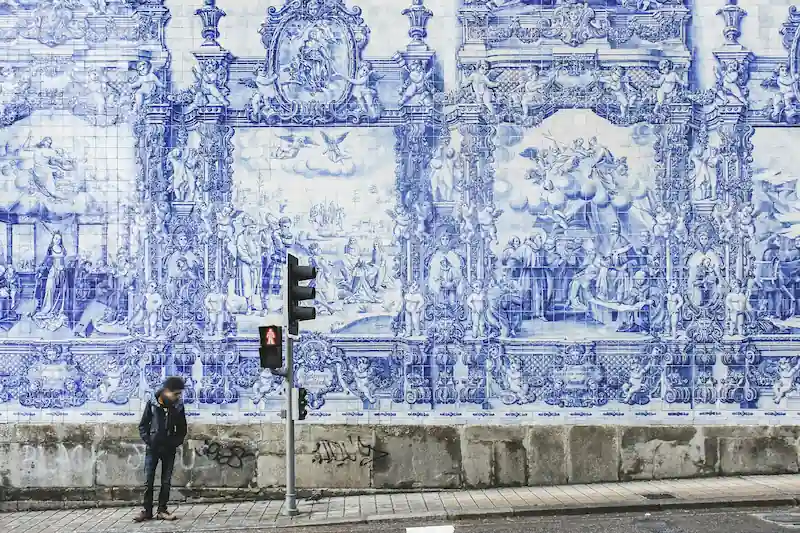
See São Bento Station and its azulejo hall – The station’s entrance hall is covered with narrative tile panels depicting episodes from Portuguese history and scenes of regional life. It is free, central, and best included in a route linking the cathedral, Avenida dos Aliados, and Clérigos. (Free essential · Best for: tiles and quick cultural stops)
Climb Clérigos Tower and visit the church – Clérigos offers the classic rooftop panorama over central Porto, reached by a narrow staircase. The adjoining baroque church and museum add context, making the visit more substantial than the viewpoint alone. (Best central panorama · Best for: views and baroque architecture)Find tours & experiences
Visit Palácio da Bolsa and the Arab Room – The former stock exchange is one of Porto’s grandest civic interiors. Guided visits reveal ceremonial rooms, commercial history, and the richly decorated Arab Room; language schedules vary, so leave some flexibility or reserve a suitable slot. (Rainy-day winner · Best for: architecture and historic interiors)Find tours & experiences
Enter São Francisco Church and its gilded interior – Behind a restrained Gothic exterior, São Francisco contains one of Porto’s most elaborate baroque interiors, with extensive gilded woodcarving. Combine it with Palácio da Bolsa next door for the strongest indoor heritage pairing near Ribeira. (Major interior · Best for: religious art and history)
Visit Livraria Lello with realistic expectations – The neo-Gothic interior, carved staircase, and stained glass make Lello one of Porto’s most photographed spaces. Timed admission helps manage demand, but the visit is usually brief and crowded; prioritize it when bookstores, design, or literary landmarks genuinely interest you. (Book ahead · Best for: architecture and literary travel)Find tours & experiences
Take the Six Bridges cruise on the Douro – The traditional cruise passes Porto’s six main bridges and gives an easy view of the city’s steep riverbanks, Port lodges, and waterfront districts. It is a relaxed orientation activity, especially useful for families or travelers who want a break from hills. (Easy sightseeing · Best for: families and short stays)Find tours & experiences
Museums, churches, and cultural attractions in Porto
Porto’s cultural offer extends well beyond its most famous views. Fine art, contemporary architecture, photography, football, transport history, ornate churches, and restored historic buildings provide strong choices for rainy days, repeat visits, and travelers who want more context than a landmark-only trip.
Spend half a day at Serralves Museum, Villa, and Park – Serralves brings together contemporary art, Art Deco architecture, gardens, woodland, outdoor installations, and a treetop walk. It is one of Porto’s most complete cultural visits and works equally well for art-focused adults and families needing open space. (High payoff · Best for: art, architecture, and gardens)Find tours & experiences
Visit the Soares dos Reis National Museum – Portugal’s oldest public art museum is the best place in Porto for Portuguese painting, sculpture, decorative arts, and the work of sculptor António Soares dos Reis. Its renovated galleries offer a quieter, more focused alternative to the busiest central attractions. (Best fine-art museum · Best for: Portuguese art and rainy days)
See Porto through the Portuguese Centre of Photography – Set inside the former Cadeia da Relação prison near Clérigos, this photography center combines changing exhibitions with a striking historic building and a collection of photographic equipment. It is a useful free or low-cost cultural stop depending on the current program. (Hidden-gem culture · Best for: photography and architecture)
Tour Casa da Música or attend a concert – Rem Koolhaas’s concert hall is Porto’s defining contemporary building. A guided visit reveals spaces not obvious from the exterior, while an evening performance adds a cultural anchor beyond the historic-center routine. (Modern Porto · Best for: music and architecture)Find tours & experiences
Visit Santa Clara Church for a hidden baroque interior – Close to the Fernandine Walls, Santa Clara hides an exceptionally rich gilded interior behind a relatively discreet façade. It is one of the best choices for travelers seeking a major church without the same visibility or footfall as Clérigos. (Hidden historic gem · Best for: baroque interiors)
See Carmo Church, Carmelitas Church, and the Hidden House – The adjoining Carmo and Carmelitas churches create one of Porto’s best-known tiled façades, separated by an exceptionally narrow house. Exterior views are free, while interior access adds baroque decoration, rooms, and rooftop perspectives depending on the ticket. (Azulejo landmark · Best for: tiles and photography)
Visit the FC Porto Museum and Estádio do Dragão – The museum uses trophies, film, sound, and interactive displays to tell the club’s history, while stadium tours reveal the stands and behind-the-scenes spaces when available. It is a major attraction for football fans and a dependable family or rainy-day option. (Best for football fans · Best for: sport and families)Find tours & experiences
Explore the Tram Museum in Massarelos – Housed in a former power station, the museum displays historic electric trams and equipment that explain Porto’s public-transport history. Pair it with a riverfront walk or a heritage tram ride toward Foz for a more complete experience. (Family-friendly · Best for: transport history and children)
Choose WOW museums when you want interactive, polished indoor experiences – WOW in Gaia groups several museums and experiences around wine, cork, chocolate, fashion, and regional history. It is more curated and commercial than a traditional museum, but useful for mixed-interest groups, families, and wet-weather afternoons. (Rainy-day option · Best for: interactive museums and groups)Find tours & experiences
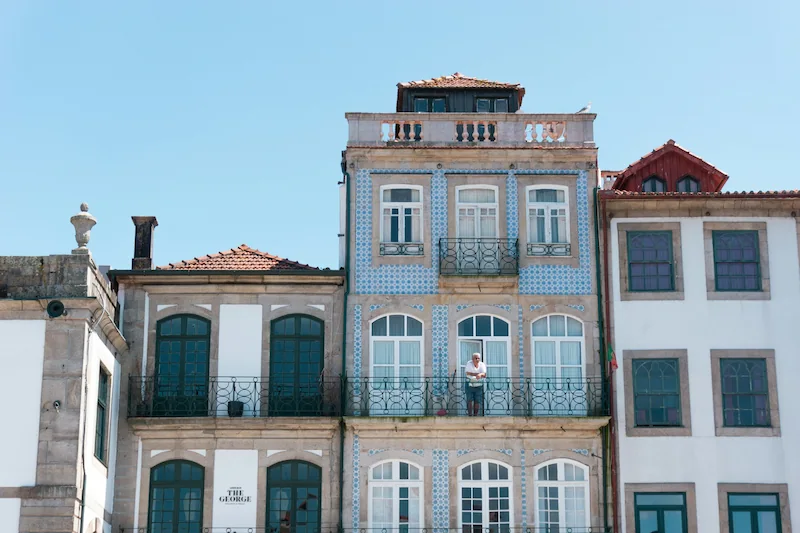
Visit Igreja e Torre dos Clérigos, Capela das Almas, and Santo Ildefonso selectively – Porto’s blue-and-white tiled churches are central to its visual identity. Capela das Almas and Santo Ildefonso are easy exterior stops near Bolhão and Batalha, while Clérigos offers a fuller interior and tower visit; combine them naturally rather than creating a separate church checklist. (Best for: azulejos and walking routes)
Local neighborhoods, viewpoints, gardens, and outdoor experiences
Some of Porto’s most memorable experiences are free or loosely structured: watching the city from a garden, following the Douro west, riding a heritage tram, exploring a less tourist-heavy neighborhood, or reaching the Atlantic. These options add breathing room and reveal how the city changes beyond Ribeira and Baixa.
Explore Mercado do Bolhão and the surrounding shopping streets – The restored market mixes produce, flowers, fish, prepared food, and regional products in a central landmark. Continue into Rua de Santa Catarina, traditional grocery shops, bakeries, and side streets to turn it into a fuller look at everyday central Porto. (Best in the morning · Best for: market atmosphere and food)
Walk the Jardins do Palácio de Cristal – These free gardens combine shaded paths, landscaped terraces, peacocks, and some of the best views over the Douro and Gaia. They are easy to pair with the Soares dos Reis Museum, the Romantic Museum, or a descent toward Massarelos. (Best free garden · Best for: views, picnics, and families)
Watch sunset from Jardim do Morro or Serra do Pilar – Jardim do Morro has a relaxed social atmosphere and direct metro access, while Serra do Pilar offers a higher and more architectural panorama. Arrive before sunset, especially in summer, and expect the busiest viewpoints to fill quickly. (Best at sunset · Best for: couples and photographers)
Find quieter viewpoints at Virtudes, Vitória, Fontainhas, and Miradouro da Rua das Aldas – Porto’s hills create viewpoints with different angles over the Douro, rooftops, and bridges. Passeio das Virtudes is popular for evening drinks, Vitória looks toward the cathedral and Gaia, Fontainhas opens east along the river, and Rua das Aldas sits close to the cathedral. (Free viewpoints · Best for: repeat visitors and low-budget trips)
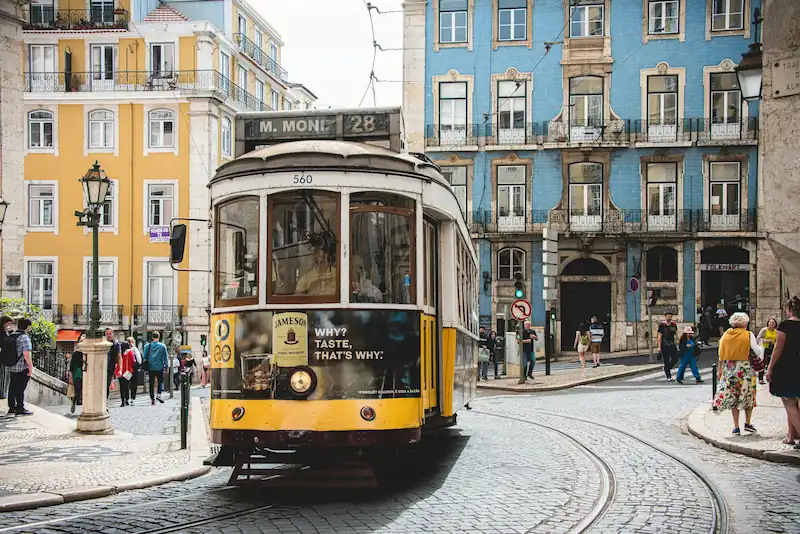
Ride heritage tram line 1 along the Douro toward Foz – The wooden tram is a scenic experience rather than the fastest transport. It follows the river west from the historic center toward Foz, making it easy to pair with the Tram Museum, Passeio Alegre, the lighthouse, or an Atlantic walk. (Classic Porto experience · Best for: families and scenic travel)
Walk from Foz do Douro to the Atlantic beaches – Begin around Passeio Alegre and the Felgueiras Lighthouse, then follow the seafront past beaches, cafés, and the Pérgola da Foz. The route is best for a clear afternoon, sunset, or a longer stay when you want an open-air contrast to the old center. (Best in good weather · Best for: coastal walks and sunsets)
Combine City Park with the seafront – Parque da Cidade is Porto’s largest urban park and reaches almost to the Atlantic. Its broad lawns and paths make it one of the best choices for running, cycling, picnics, or giving children space before continuing to the beaches or SEA LIFE. (Family-friendly · Best for: parks, exercise, and picnics)
Explore Cedofeita and the Miguel Bombarda arts district – Cedofeita and the streets around Miguel Bombarda offer independent shops, galleries, cafés, street art, and a more residential rhythm than Baixa. The area works well between Clérigos and the Palácio de Cristal Gardens or as a slower second-day walk. (Local neighborhood · Best for: design, cafés, and galleries)
Walk through Bonfim for cafés, architecture, and a less polished Porto – East of the center, Bonfim mixes older residential streets, creative businesses, local restaurants, and views from the Fontainhas side. It is best for travelers who have already seen the main sights and want a neighborhood with more daily life than spectacle. (Beyond the obvious · Best for: repeat visits and slow travel)
Use the Guindais Funicular as a practical scenic shortcut – The funicular connects the lower riverfront near the bridge with Batalha above, avoiding a steep climb and adding a brief view over the walls and river. It is more useful as transport within a route than as a stand-alone attraction. (Useful shortcut · Best for: saving energy on hills)
Porto food, wine, and culinary experiences
Porto’s food culture ranges from substantial traditional dishes to market grazing, seafood, pastries, petiscos, and Port wine. The most rewarding approach is to mix one or two signature foods with places that explain how locals eat and drink, rather than chasing every famous address.
Take a Port cellar tour and guided tasting in Gaia – A guided cellar visit introduces ruby, tawny, white, and vintage styles while explaining the Douro-to-Gaia production story. Compare tour length, number of wines, group size, and whether you want a historic brand, independent producer, or premium tasting. (Signature experience · Best for: first-time visitors and wine lovers)Find tours & experiences
Try a francesinha at lunch – Porto’s famous sandwich layers meat, melted cheese, and a rich beer-and-tomato sauce, often with fries and an egg. It is filling, so lunch or an otherwise light sightseeing day works better than eating it before a long uphill walk. (Local classic · Best for: traditional Porto food)
Taste a bifana, cachorrinho, tripas, and other Porto staples selectively – A pork bifana or spicy cachorrinho makes an easy snack, while tripas à moda do Porto offers a deeper traditional meal for adventurous eaters. You do not need every specialty in one trip; choose according to appetite and the style of restaurant you enjoy. (Best for: casual local eating)
Graze through Mercado do Bolhão – Use the market for fruit, cheese, charcuterie, conservas, pastries, wine, and small prepared-food stops rather than expecting one definitive meal. It works best in the morning or around lunch, combined with nearby cafés and historic shops. (Best in the morning · Best for: markets and regional products)
Join a food tour for context across several neighborhoods – A good Porto food walk should connect dishes with local habits, markets, taverns, cafés, and wine culture. It is particularly useful for solo travelers, short stays, or visitors who want several tastings without researching individual venues. (Guided experience · Best for: short stays and solo travelers)Find tours & experiences
Try pastries and coffee beyond the pastel de nata – Pastéis de nata are easy to find, but Porto’s pastry culture also includes croissants with a richer, brioche-like texture, bolinhos, éclairs, and seasonal sweets. A classic café or neighborhood pastelaria often gives a more local experience than a single viral shop. (Best for: breakfast and afternoon breaks)
Eat grilled fish and seafood in Matosinhos – Matosinhos is the strongest meal-focused detour from Porto for charcoal-grilled fish, shellfish, and straightforward seafood restaurants. Combine lunch with the market, beach, or a coastal walk rather than visiting only for a quick photograph. (Half-day food detour · Best for: seafood lovers)
Explore petiscos, wine bars, and craft beer in Baixa, Cedofeita, or Bonfim – An evening of small plates and drinks suits Porto’s compact center well. Cedofeita and Bonfim generally feel more neighborhood-led, while Baixa offers the highest concentration and easiest access for a short stay. (Best in the evening · Best for: couples and social trips)
What to do in Porto for a first trip
A first Porto trip should cover the historic hilltop, riverfront, Gaia, Port wine, one major interior, and one experience beyond the postcard core. Grouping sights geographically produces a much stronger visit than working through a ranked list.
Walk from Porto Cathedral and São Bento down toward Ribeira, then cross Dom Luís I Bridge to understand the city’s historic geography.
Choose a Port cellar tour in Gaia and combine it with the riverfront, Jardim do Morro, or Serra do Pilar.
Pick one panoramic climb—usually Clérigos—and one major interior pairing such as Palácio da Bolsa with São Francisco Church.
Add Mercado do Bolhão, the Palácio de Cristal Gardens, or a Cedofeita walk so the visit includes daily life and green space.
Use the Six Bridges cruise when you want an easy overview, are traveling with children, or need a break from steep streets.
Leave Livraria Lello optional unless its architecture and literary identity are a genuine priority.
Priority
What
Why
Essential city loop
Sé + São Bento + Ribeira + Dom Luís I Bridge
Explains Porto’s history, slopes, and river setting
Signature experience
Port wine cellar in Gaia
Connects the city to the Douro and its wine trade
Choose one
Clérigos, Palácio da Bolsa, or São Francisco
Adds a major panorama or interior without overloading the day
Add for balance
Bolhão, Palácio de Cristal, or Cedofeita
Brings food, gardens, or neighborhood life into the trip
Free things to do in Porto that are actually worth your time
Many of Porto’s defining experiences cost nothing: bridge crossings, tiled façades, markets, gardens, river and coastal walks, and viewpoints. A strong low-budget visit can still cover the city’s most memorable scenery and several cultural landmarks.
Cross both levels of Dom Luís I Bridge and walk the Porto and Gaia riverfronts.
See São Bento Station’s azulejo hall, then continue to Porto Cathedral’s exterior terraces and the Sé lanes.
Visit the tiled exteriors of Capela das Almas, Santo Ildefonso, and Carmo Church.
Walk the Jardins do Palácio de Cristal for gardens and broad Douro views.
Watch sunset from Jardim do Morro, Serra do Pilar, Virtudes, Vitória, or Fontainhas.
Explore Mercado do Bolhão, Rua de Santa Catarina, Cedofeita, Miguel Bombarda, or Bonfim on foot.
Follow the river and Atlantic promenades around Foz, the Felgueiras Lighthouse, and Porto’s beaches.
Use City Park for picnics, running, cycling, or family downtime.
Free idea
Best for
Time
Historic center and bridge loop
first-time visitors
2 to 4 hours
Palácio de Cristal Gardens
views, gardens, and families
1 to 1.5 hours
Gaia or Virtudes sunset
evenings and couples
45 to 90 minutes
Foz coastal walk
clear-weather afternoons
2 to 4 hours
Unique things to do in Porto beyond the obvious
Porto’s most distinctive experiences connect its steep river city, Port wine trade, azulejos, baroque interiors, neighborhood life, and Atlantic edge. These ideas go beyond a standard landmark circuit without relying on novelty for its own sake.
Cross Dom Luís I Bridge on the upper deck, descend through Gaia for a cellar visit, and return across the lower deck after sunset.
Visit Santa Clara Church or the Portuguese Centre of Photography for a high-quality cultural stop that many short itineraries miss.
Ride the heritage tram beside the Douro, visit the Tram Museum, and continue on foot through Foz to the Atlantic.
Combine the Soares dos Reis Museum with the Palácio de Cristal Gardens for fine art, a quieter neighborhood, and river views.
Explore Miguel Bombarda and Cedofeita for galleries and design, or Bonfim and Fontainhas for a more residential eastern side.
Tour Estádio do Dragão and the FC Porto Museum to understand the role of football in the city’s identity.
Spend a half day at Serralves for contemporary art, Art Deco architecture, gardens, and the treetop walk.
Use a small-group Port or Douro wine tasting to compare styles rather than visiting a cellar only for the name.
Experience
Why it stands out
Santa Clara Church
A discreet exterior hides one of Porto’s richest gilded interiors
Historic tram to Foz
Links Porto’s transport heritage, river, and Atlantic coast
Portuguese Centre of Photography
Photography exhibitions inside a former prison near Clérigos
FC Porto Museum and stadium
A major part of contemporary Porto culture beyond monuments
Things to do in Porto at night
Porto evenings range from sunset viewpoints and riverside walks to concerts, fado, wine bars, late dinners, and nightlife around Baixa. The best plan depends on whether you want atmosphere, culture, or a later social night.
Watch sunset from Jardim do Morro, Serra do Pilar, Virtudes, or the Palácio de Cristal side, arriving early in summer.
Walk the illuminated Ribeira and Gaia waterfronts and cross the lower deck of Dom Luís I Bridge after dinner.
Book a Casa da Música concert, theatre performance, or other cultural event for a structured evening.
Choose a respectful fado performance or intimate music venue when you want Portuguese music rather than a bar crawl.
Explore wine bars and petiscos in Cedofeita or Bonfim for a calmer neighborhood evening.
Use Baixa and the Galerias de Paris area for the highest concentration of bars and later nightlife.
Take an evening cruise only when the timing and weather add something beyond a daytime river trip.
Night plan
Best for
Energy
Gaia sunset + riverfront dinner
first-timers and couples
Low
Concert or fado performance
culture-focused travelers
Low to medium
Petiscos and wine bars
food-led evenings
Medium
Baixa and Galerias bars
late nightlife
High
Things to do in Porto with kids
Porto works well for families when adults limit steep walking, avoid stacking long interiors, and alternate sightseeing with boats, parks, transport, or interactive attractions. Age, weather, and stroller needs matter more here than a universal family ranking.
Take the Six Bridges cruise for a short activity with constant views and no climbing.
Ride the heritage tram, visit the Tram Museum, or use the Guindais Funicular to turn transport into part of the experience.
Choose SEA LIFE Porto, World of Discoveries, WOW’s Chocolate Story or Planet Cork, or the FC Porto Museum for interactive indoor time.
Use Serralves Park, the Palácio de Cristal Gardens, City Park, or Porto’s beaches when children need space.
Visit the Biodiversity Gallery and Botanical Garden for science, nature, and a calmer pace.
Keep Ribeira and Sé walks short, use snacks and viewpoints as breaks, and avoid pushing a stroller through the steepest lanes for hours.
Check age rules before cellar tastings; families can still visit many lodges, but the experience is naturally more adult-focused.
On rainy days, choose one larger museum plus a market or café rather than moving repeatedly between small attractions.
Option
Age fit
Weather fit
Time fit
Six Bridges cruise
Most ages
Best in dry or light-weather conditions
About 1 hour
SEA LIFE or World of Discoveries
Younger children
Excellent in rain
1.5 to 2 hours
Serralves Park or City Park
All ages
Dry days
2 to 4 hours
FC Porto Museum and stadium
School-age children and teens
Good year-round
1.5 to 2.5 hours
Things to do in Porto when it rains
Rain is common enough that Porto benefits from a ready indoor plan. The city’s cellars, ornate churches, museums, markets, concert hall, and historic interiors can fill a full day without making the visit feel like a fallback.
Book a Port wine cellar tour in Gaia and add one of WOW’s museums if you want a longer indoor block.
Pair Palácio da Bolsa with São Francisco Church for two major interiors beside Ribeira.
Choose the Soares dos Reis National Museum for Portuguese art or Serralves for contemporary exhibitions and architecture.
Visit Porto Cathedral’s cloister, Santa Clara Church, Carmo, or Clérigos for tiles, gilded woodwork, and religious art.
Use the FC Porto Museum, World of Discoveries, SEA LIFE, the Tram Museum, or the Biodiversity Gallery with children.
Explore Mercado do Bolhão, historic cafés, pastry shops, and a guided food tour between showers.
Visit Livraria Lello only with a timed ticket, as rain often pushes more visitors toward indoor central attractions.
Check Casa da Música for guided tours, concerts, or performances that can anchor the evening.
Rainy Day option
Best for
Duration
Port cellar + WOW
wine, interactive museums, and groups
3 to 5 hours
Palácio da Bolsa + São Francisco
historic interiors
1.5 to 2 hours
Soares dos Reis or Serralves
art and culture
2 to 4 hours
FC Porto Museum or family attraction
children and teens
1.5 to 3 hours
What to do in Porto by area
Sé, Batalha, and São Bento
This hilltop cluster contains Porto Cathedral, medieval streets, São Bento Station, tiled churches, and the main descent toward Ribeira. It is the most logical starting point for understanding the old city.
Porto Cathedral and cloister
Sé lanes and Rua das Aldas viewpoint
São Bento Station azulejos
Santa Clara Church and Fernandine Walls
Santo Ildefonso Church and Batalha
Ribeira, Miragaia, and Massarelos
The lower historic city combines riverfront atmosphere with major interiors, cruises, gardens, and transport heritage. Walk rather than repeatedly climbing between the quay and upper center.
Ribeira and Cais da Estiva
Palácio da Bolsa and São Francisco Church
Six Bridges cruise departures
Miragaia riverfront and Tram Museum
Palácio de Cristal Gardens above Massarelos
Baixa, Clérigos, and Bolhão
Baixa has Porto’s densest concentration of central attractions, shops, cafés, and nightlife. It rewards careful sequencing because several famous sights sit within a short but hilly walk.
Clérigos Tower and church
Livraria Lello and Carmo Church
Mercado do Bolhão
Capela das Almas and Rua de Santa Catarina
Aliados, cafés, and evening bars
Vila Nova de Gaia
Gaia is essential for Port wine, views back toward Porto, river cruises, and sunset. Its upper and lower levels are connected by steep streets, cable car, metro, and the two decks of Dom Luís I Bridge.
Historic Port wine cellars
Gaia riverfront
Jardim do Morro and Serra do Pilar
WOW museums and wine district
Cable car and bridge crossings
Cedofeita and Miguel Bombarda
This west-of-center area offers galleries, independent shops, cafés, nightlife, and a more residential atmosphere. It connects naturally with Clérigos, Soares dos Reis, and the Palácio de Cristal Gardens.
Miguel Bombarda galleries
Cedofeita shopping streets
Soares dos Reis National Museum
Cafés, petiscos, and wine bars
Walk toward Palácio de Cristal
Boavista and Serralves
Boavista gives Porto a contemporary cultural face through Casa da Música, Serralves, broad avenues, and the Botanical Garden. It works best as a half-day or full cultural block rather than a quick detour.
Casa da Música
Serralves Museum, Villa, Park, and treetop walk
Botanical Garden and Biodiversity Gallery
Architecture and wider urban spaces
Good family and rainy-day options
Bonfim and Campanhã
East of the center, Bonfim and Campanhã combine neighborhood life, creative venues, gardens, industrial heritage, and football culture. They suit repeat visitors and travelers interested in Porto beyond the postcard districts.
Bonfim cafés and residential streets
Fontainhas views
São Lázaro Garden
FC Porto Museum and Estádio do Dragão
Casa São Roque and Campanhã cultural spaces
Foz, City Park, and Matosinhos
The Atlantic side is for coastal walks, beaches, parks, aquarium visits, and seafood. It needs more time than a central attraction but gives the strongest contrast to Porto’s steep granite center.
Passeio Alegre and Felgueiras Lighthouse
Foz beaches and Pérgola da Foz
City Park and SEA LIFE Porto
Historic tram route along the Douro
Matosinhos market and seafood restaurants
What to prioritize based on your trip length
Porto rewards sharp choices. The city is compact, but the best version of a short stay comes from stacking a few coherent experiences rather than trying to cover every named attraction.
Profile
Prioritize
Skip
Structure
Half day
Sé, São Bento, Ribeira, Dom Luís I Bridge, and one Gaia viewpoint
Museums, Foz, and a long cellar visit
Walk downhill from the cathedral to the river, cross the bridge, and finish above Gaia.
1 day
Historic-center loop, Gaia, one cellar or cruise, and one major interior or viewpoint
Serralves, Matosinhos, and multiple similar churches
Morning in Sé and Baixa, midday Ribeira, afternoon Gaia, sunset or dinner by the river.
2 days
Core sights plus Palácio da Bolsa/São Francisco, Bolhão, and either Palácio de Cristal, Cedofeita, or Serralves
A full-day excursion unless Porto is only one stop in a longer regional trip
Use day one for historic Porto and Gaia; day two for culture, neighborhoods, gardens, or the coast.
3 days
Essentials plus Serralves or Boavista, Foz or Matosinhos, and a deeper food or museum experience
Repeating the same river and rooftop viewpoints
Keep two varied city days and one slower west-Porto or interest-led day.
4 days+
Porto at a relaxed pace plus Douro Valley, Braga/Guimarães, Aveiro/Costa Nova, or Arouca
Using every extra day for distant excursions
Protect at least three substantial blocks for Porto itself before adding a full-day trip.
First trip
Sé, Ribeira, bridge, Port cellar, São Bento, and one major viewpoint or interior
Niche museums that do not match your interests
Build each day around geographic clusters and contrasting experiences.
Repeat visit
Bonfim, Serralves, Soares dos Reis, Casa da Música, Foz, Matosinhos, gardens, and smaller cultural sites
Automatically repeating every headline attraction
Use neighborhoods, exhibitions, food, and the Atlantic side to experience a broader Porto.
Best day trips from Porto
The best day trips from Porto cover wine landscapes, historic cities, Atlantic scenery, and outdoor adventures. Keep at least two full days for Porto itself on a first visit, then choose one excursion based on whether scenery, history, coast, or hiking matters most.
Excursion
Best for
Time needed
First trip?
Transport
Book ahead
Douro Valley
vineyards, river scenery, wineries, and a signature regional experience
Full day
Best overall choice with at least 3 days in the region
Guided tour is easiest for multiple wineries; train is scenic but limits vineyard access
seafood, beaches, markets, and coastal architecture
Half day
Easy add-on when food or the coast is a priority
Metro, bus, bicycle, or taxi
No, except popular restaurants
Coimbra
university heritage, libraries, and a historic city beyond Northern Portugal
Full day
Possible, but better when it fits a broader Portugal route
Direct train is straightforward; check station-to-center transfer
Recommended for key university visits and trains Check options
Smart Porto activity combinations
These combinations group nearby experiences into easy half-day or full-day sequences and help reduce backtracking.
Medieval Porto to the river – Start at Porto Cathedral, explore the Sé lanes and Santa Clara Church, stop at São Bento, then descend to Ribeira. Cross the lower bridge deck to Gaia and return on the upper deck for a complete first-day understanding of the city.
Bolsa, baroque, and river cruise – Pair Palácio da Bolsa with São Francisco Church, then take a Six Bridges cruise or walk through Miragaia. The combination balances two exceptional interiors with open river views and avoids unnecessary climbing.
Clérigos, tiles, and market Porto – Combine Clérigos Tower, Livraria Lello or Carmo Church, São Bento, Capela das Almas, and Mercado do Bolhão. Start early, reserve Lello or Clérigos when needed, and let the market become the lunch stop.
Gaia wine and sunset – Cross to Gaia after lunch, tour one Port cellar, walk the riverfront, and climb or ride toward Jardim do Morro or Serra do Pilar. Finish at sunset and return across the illuminated bridge.
Fine art, gardens, and creative Porto – Visit the Soares dos Reis National Museum, continue through Miguel Bombarda and Cedofeita, then finish in the Palácio de Cristal Gardens. This is one of the strongest central alternatives to a landmark-heavy day.
Contemporary Porto half day – Tour Casa da Música, then continue to Serralves Museum, Villa, and Park. Allow enough time for the gardens and treetop walk rather than treating Serralves as a quick gallery visit.
Historic tram to the Atlantic – Visit the Tram Museum or board tram line 1 by the river, continue to Passeio Alegre, and walk through Foz toward the lighthouse and beaches. Return by bus or taxi if the tram queue is long.
Football and eastern Porto – Combine the FC Porto Museum and Estádio do Dragão with Bonfim cafés, São Lázaro Garden, or Fontainhas views. It creates a more contemporary, local day away from the western tourist axis.
Family Porto without overload – Use São Bento and a short Ribeira walk in the morning, take the Six Bridges cruise, then choose Serralves Park, SEA LIFE, World of Discoveries, or the FC Porto Museum depending on age and weather.
Market, food, and neighborhood evening – Start at Bolhão, graze through nearby shops and cafés, then move toward Cedofeita or Bonfim for galleries, petiscos, wine bars, and a less tourist-heavy evening.
What to book ahead in Porto
Porto does not require heavy pre-booking across the board, but a few high-profile or timed experiences are easier with planning. The key is to reserve only where crowding or limited slots genuinely change the experience.
Choose a weather-appropriate time and verify route logistics, transfer points, and walking direction
A tour or transfer is valuable without a car
Porto.CARD or city pass
Not usually necessary
Compare included attractions and transport against your actual plan before buying
The card is a savings tool, not a tour; value depends on how many included museums and journeys you use
FAQ about the best things to do in Porto
These practical answers help you choose Porto attractions, plan around weather and hills, decide what to reserve, and match the city to different trip lengths and traveler profiles.
What are the absolute best things to do in Porto on a first visit?
Start with Porto Cathedral and the Sé quarter, São Bento Station, Ribeira, Dom Luís I Bridge, and a Port wine cellar in Gaia. Add one major viewpoint or interior—Clérigos Tower, Palácio da Bolsa, or São Francisco Church—and one balancing stop such as Mercado do Bolhão or the Palácio de Cristal Gardens.
How many days do you need in Porto?
Two full days cover Porto’s main sights and a Gaia cellar visit at a comfortable pace. Three days allow time for Serralves, Foz, Matosinhos, additional museums, or slower neighborhood exploration. Add a fourth day if you want a full Douro Valley or Northern Portugal excursion without reducing Porto itself to a quick overview.
Can you see Porto in one day?
Yes, but focus on one coherent loop: Porto Cathedral, São Bento, Ribeira, Dom Luís I Bridge, Gaia, and either a cellar visit, short cruise, or viewpoint. Skip distant areas such as Serralves and Foz, and do not try to enter every church, tower, and museum.
Is Porto a walkable city?
Porto is compact and highly walkable, but it is steep, with cobbles, stairs, and major elevation changes between the river and upper center. Plan downhill routes when possible, wear supportive shoes, and use the metro, buses, Guindais Funicular, taxis, or ride-hailing when repeated climbs would reduce enjoyment.
Is Livraria Lello worth visiting?
Livraria Lello is worth it for travelers interested in architecture, bookstores, and famous interiors. The visit is usually short and crowded, so it is less essential for people who dislike timed entries or expect a quiet bookshop. Reserve in advance and treat it as part of a Baixa walking route.
Is the Six Bridges cruise worth it?
The Six Bridges cruise is worthwhile when you want an easy overview of Porto’s river geography, are traveling with children, or need a break from walking. It is not essential for everyone, especially if you already plan extensive riverfront walks and a longer Douro boat trip.
Which Port wine cellar should you visit in Porto?
Choose by experience rather than brand alone. Historic lodges suit first-time visitors, smaller producers often feel more personal, and premium tastings are best for wine enthusiasts. Compare tour language, group size, cellar access, tasting quantity, and whether children are permitted before booking.
Can children visit the Port wine cellars in Gaia?
Many cellars allow children on tours, but policies and age rules vary, and tastings are for adults. A cellar can work for older children interested in history, while younger children may prefer a shorter visit or an interactive WOW museum nearby. Check the individual lodge before reserving.
What are the best free things to do in Porto?
Walk both riverfronts and Dom Luís I Bridge, see São Bento Station, visit tiled church façades, explore Mercado do Bolhão, enjoy the Palácio de Cristal Gardens, and choose a sunset viewpoint such as Jardim do Morro, Serra do Pilar, Virtudes, or Fontainhas. Foz and City Park add excellent free outdoor time.
What are the best hidden gems in Porto?
Strong lesser-known stops include Santa Clara Church, the Portuguese Centre of Photography, Miradouro da Vitória, Fontainhas, the Miguel Bombarda galleries, Bonfim, the Tram Museum, and Casa São Roque. Choose them as part of nearby routes rather than crossing the city for a single small attraction.
What should you do in Porto when it rains?
Build the day around a Port cellar, Palácio da Bolsa, São Francisco or Santa Clara Church, Soares dos Reis, Serralves, WOW, Casa da Música, Mercado do Bolhão, or the FC Porto Museum. Reserve Livraria Lello if it matters, as central indoor attractions become busier in wet weather.
What are the best things to do in Porto with kids?
The Six Bridges cruise, heritage tram, Guindais Funicular, SEA LIFE, World of Discoveries, Serralves Park, City Park, the Tram Museum, and the FC Porto Museum work well for families. Alternate these with short historic-center walks and avoid stacking several steep or queue-heavy attractions.
What are the best things to do in Porto at night?
Watch sunset from Gaia or Virtudes, walk the illuminated riverfront, book a Casa da Música concert or fado performance, eat petiscos, and explore wine bars in Cedofeita or Bonfim. Baixa and Galerias de Paris are better for later bars and nightlife.
Where are the best views in Porto?
Clérigos Tower gives the classic central rooftop panorama. Jardim do Morro and Serra do Pilar look back toward Porto from Gaia, while Palácio de Cristal, Virtudes, Vitória, Fontainhas, Rua das Aldas, and the upper Dom Luís I Bridge provide strong free alternatives.
Does Porto have beaches?
Yes. Porto’s Atlantic coastline begins around Foz do Douro and includes several small urban beaches, promenades, cafés, and the Felgueiras Lighthouse. For wider beaches and a stronger seafood detour, continue toward Matosinhos. Swimming conditions can be cool and rough, so follow local flags and lifeguard guidance.
Is the historic tram in Porto worth it?
The heritage tram is worth it for atmosphere and river scenery, especially when combined with the Tram Museum and Foz. It is slower, can be crowded, and should not be treated as the most efficient public transport. Buses or taxis are better when reaching the coast quickly matters.
What is the best museum in Porto?
Serralves is the strongest all-round cultural complex for contemporary art, architecture, and gardens. Soares dos Reis is best for Portuguese fine art, the FC Porto Museum for football fans, and the Portuguese Centre of Photography for a smaller central visit. The best choice depends on your interests and available time.
Is the Porto.CARD worth it?
The Porto.CARD can be worthwhile when your plan includes several participating museums, monuments, discounts, and frequent public transport. It is less useful for a trip centered mainly on free walks, viewpoints, and a few non-included headline attractions. Compare the current inclusions with your exact itinerary before buying.
What is the best day trip from Porto?
The Douro Valley is the strongest classic day trip for vineyards, river scenery, and wine. Braga and Guimarães suit history-focused travelers, Arouca suits hikers and adventure travelers, and Aveiro with Costa Nova offers a lighter coastal option. Choose only one when you have three or four days.
Should you visit the Douro Valley independently or on a tour?
Independent train travel is scenic and works for a simple river-town visit, but reaching multiple wineries and combining tastings, viewpoints, and a boat trip is difficult without a car. A small-group guided tour is usually the easiest first-time option; experienced drivers can build a more flexible route with advance winery reservations.
What are the best things to do in Porto for couples?
Combine a Gaia cellar tasting with sunset, walk the riverfront after dark, choose a quieter viewpoint such as Virtudes, book a special dinner or concert, and spend a slower afternoon at Serralves or Foz. Avoid building the entire trip around queues and crowded central attractions.
What should you skip in Porto if time is limited?
Skip distant attractions that do not match your interests, redundant viewpoints, several similar church interiors, and a full-day excursion on a one- or two-day city break. Livraria Lello, the cable car, and the historic tram are optional rather than universal essentials.
Is Porto accessible for travelers with limited mobility?
Porto’s hills, cobbles, stairs, and older buildings can be challenging, especially around Sé and Ribeira. Use the metro, taxis, buses, funicular, elevators where available, and accessible riverfront routes; verify step-free access directly with attractions and hotels. The official Accessible Porto resources provide adapted routes and practical information.
The best Porto itinerary combines its essential river-and-historic-center sights with one or two experiences that match your interests, whether that means wine, art, food, football, gardens, or the Atlantic.
Turn the right experiences into the right itinerary
Once you know what you want to do in Porto, the next step is turning those ideas into a trip that actually works day by day. Use the planner to organize the right mix of highlights, neighborhoods, and pace into a route that feels coherent, not crowded.