Best things to do in Lisbon, from classics to smarter local experiences
Discover the best things to do in Lisbon, from Alfama’s old-city hills and Belém’s monuments to viewpoints, museums, fado, food experiences, riverfront walks, family-friendly ideas, beaches, and day trips. This guide is built to help travelers choose well rather than collect names. Lisbon rewards selective planning: the best days combine one major anchor, one neighborhood-based walk, and one lower-friction payoff such as a miradouro, a river moment, a food stop, or a carefully chosen evening experience.
Best time
Spring and early autumn are the easiest seasons for long walks, viewpoints, tram-heavy days, riverfront time, and day trips. Summer can still work, but the strongest days start early, use shaded indoor breaks, and avoid stacking too many hills after lunch.
Ideal trip length
2 to 3 full days is the sweet spot for Lisbon itself; 4 days lets you add Belém properly, a deeper museum or food layer, and one strong day trip such as Sintra, Cascais, Arrábida, or Évora.
Continue planning your Lisbon trip
Use this page to narrow what deserves your time, then move to the broader Lisbon city guide, where-to-stay guide, and itinerary ideas to shape the rest of the stay. This what-to-do guide should help you choose the right activities; the city guide and itinerary pages should take over for pacing, neighborhoods, and day-by-day structure.
The best things to do in Lisbon at a glance
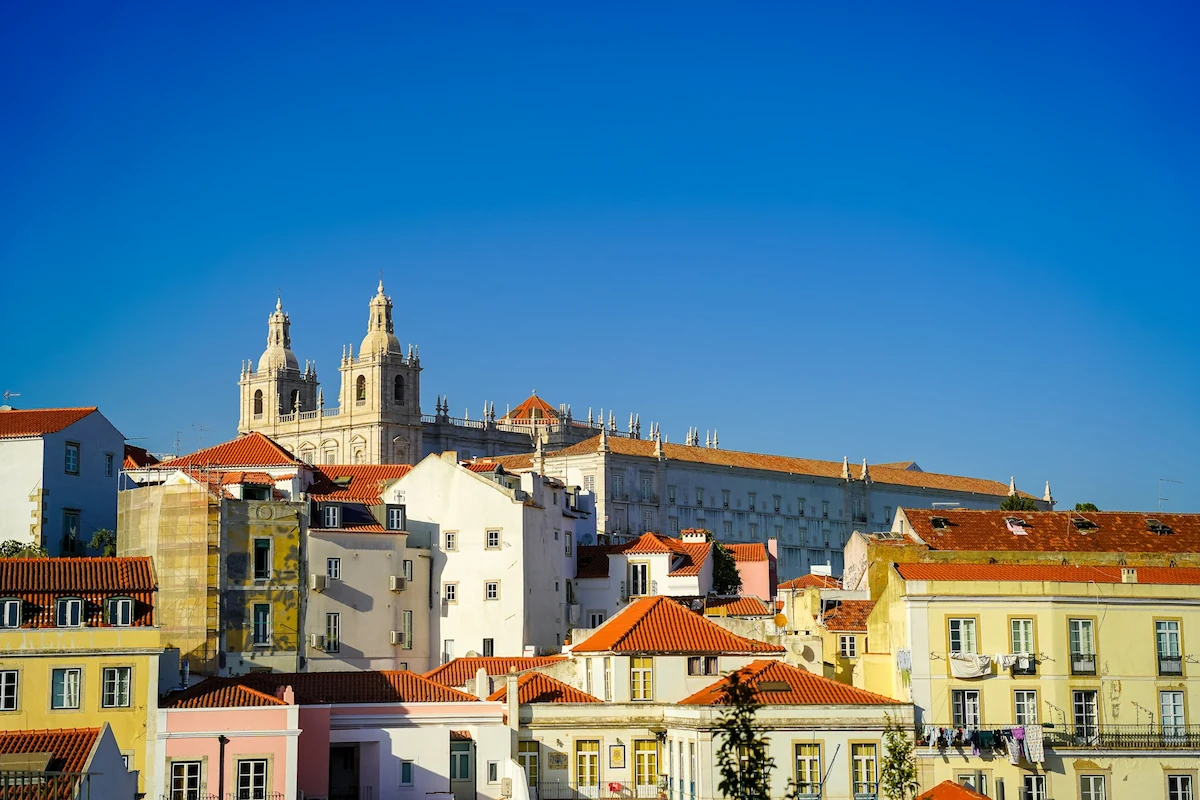
Walk Alfama up to São Jorge Castle and the key miradouros – Area: Alfama / Castle Hill · Best for: first-time orientation · Time needed: 3 to 4 hours · Worth it: Yes if you want Lisbon’s strongest old-city atmosphere, tiled streets, hilltop views, and historic texture in one sweep. · Book ahead: Castle tickets help at busy times, but the walk itself does not need advance planning.
See Jerónimos Monastery, Belém Tower, and the Belém riverfront – Area: Belém · Best for: monument-heavy first trips · Time needed: 3 to 4 hours · Worth it: Yes for Lisbon’s maritime history, Manueline architecture, and one of the city’s clearest half-day sightseeing clusters. · Book ahead: Yes for Jerónimos; check current opening status for major interiors before building the day around them.
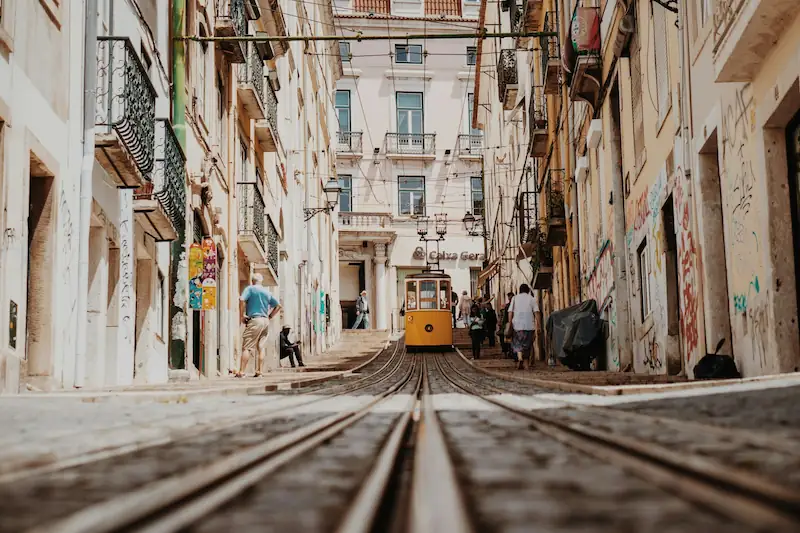
Ride Tram 28 or use the historic tram network intelligently – Area: Graça / Alfama / Baixa / Estrela · Best for: historic-city atmosphere · Time needed: 45 minutes to 1.5 hours · Worth it: Worth doing once, but mainly as an atmospheric ride rather than a major attraction or efficient transport solution. · Book ahead: No, but go very early or consider shorter classic tram alternatives if queues are heavy.
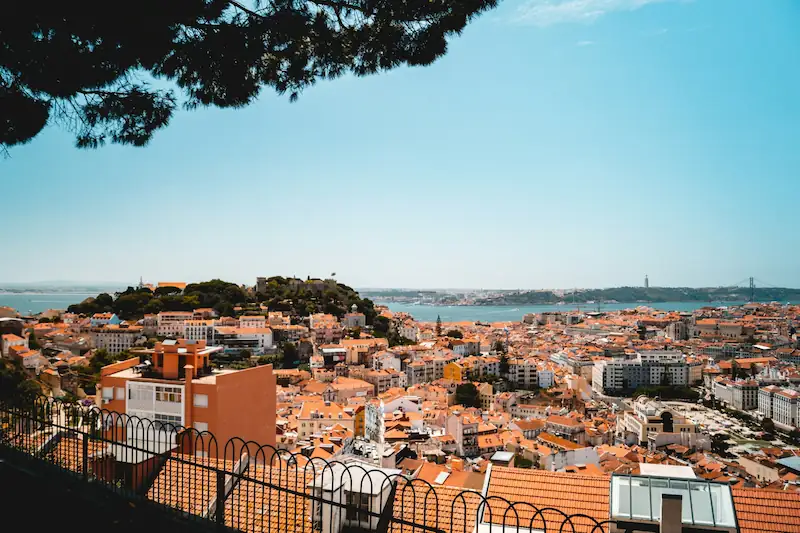
Watch sunset from a top miradouro – Area: Graça / Bairro Alto / Castle side · Best for: short stays · Time needed: 45 minutes to 1 hour · Worth it: Very much so; Lisbon’s light, hills, river, and rooflines make this one of the city’s simplest high-payoff experiences. · Book ahead: No.
Explore Baixa, Chiado, Praça do Comércio, and the Carmo side on foot – Area: Baixa / Chiado / Riverfront · Best for: compact central sightseeing · Time needed: 2 to 3 hours · Worth it: Yes, especially as the connective core of a first Lisbon trip rather than a standalone checklist zone. · Book ahead: No.
Take a Tagus sunset cruise or ferry-based river moment – Area: Riverfront / Tagus · Best for: evening payoff · Time needed: 1 to 2 hours · Worth it: Yes if you want a low-effort skyline view after a walking-heavy day; a simple ferry crossing can also work on a budget. · Book ahead: Recommended for sunset cruises and private sailing slots.
Visit the National Tile Museum or another distinctly Lisbon museum – Area: East Lisbon / central museums · Best for: culture beyond the obvious · Time needed: 1.5 to 2.5 hours · Worth it: Yes if you want context that makes Lisbon’s façades, churches, and interiors easier to understand. · Book ahead: Usually not essential, but check renovation and opening schedules before planning around a specific museum.
Eat through pastries, tascas, seafood, markets, and wine bars – Area: Belém / Cais do Sodré / residential neighborhoods · Best for: food-first travelers · Time needed: 1 to 3 hours · Worth it: Worth it when balanced properly: use famous stops for context, then add one neighborhood meal for real texture. · Book ahead: No for markets and pastry stops; yes for sought-after restaurants, food tours, and small wine bars.
Spend time in Parque das Nações and the Oceanário – Area: Parque das Nações · Best for: families and rainy days · Time needed: 2 to 4 hours · Worth it: Yes, especially if you want a flatter, cleaner, more contemporary contrast to the historic center. · Book ahead: Recommended for the aquarium on weekends, holidays, and school breaks.
Do a day trip to Sintra, Cascais, Arrábida, or Évora – Area: Outside Lisbon · Best for: travelers with extra time · Time needed: half day to full day · Worth it: Yes once Lisbon itself has enough space in your plan; Sintra is the classic first choice, while Cascais is easier and lighter. · Book ahead: Yes for Pena Palace, guided Sintra formats, Arrábida tours, and any day trip involving timed monuments or transport.
How to choose the right things to do in Lisbon
Lisbon is easy to overload. The city looks compact on a map, but hills, tram queues, museum opening windows, cruise-port pressure, and viewpoint culture can quietly eat into your day. The smartest approach is to combine one major anchor, one neighborhood-based walk, and one lower-effort payoff such as a miradouro, food stop, museum, ferry, or river moment.
Treat viewpoints as punctuation, not a checklist: two or three well-timed miradouros matter more than chasing every famous view.
Do not stack Belém, Sintra, and old-town hill walking into the same day unless you want the trip to feel like transit management.
Use Tram 28 as atmosphere, not transport strategy; walking, metro, ferries, and short taxi hops are often faster and less frustrating.
Prioritize Alfama, Belém, one central walking route, and one evening experience first; secondary museums and creative districts work best once the main structure is secure.
Belém works best as a dedicated half day, ideally with Jerónimos, the riverfront, Monument to the Discoveries or Belém Tower, and a pastry stop.
For short stays, choose between a city-depth trip and a Sintra day trip early; trying to do both at full pace usually weakens both.
Build rainy or hot days around indoor anchors such as Oceanário, selected museums, food halls, and covered interiors rather than forcing the same viewpoint-heavy plan.
Think by geography: Alfama/Graça, Baixa/Chiado, Belém, Parque das Nações, and the riverfront each need their own pacing logic.
Lisbon essentials that earn their place
These are the classic Lisbon experiences that most first-time visitors should build around. They work because they capture the city’s real strengths: steep old quarters, river-facing monuments, long sightlines, tiled architecture, and a pace that shifts between climb, pause, and panorama. The goal is not to do all of them mechanically, but to choose the ones that give you the clearest feel for Lisbon first.
Alfama climb with São Jorge Castle and miradouros – This is one of the strongest first-time experiences in Lisbon because it combines old-street texture, layered viewpoints, and a clear sense of the city’s topography. The castle itself is worth it mainly for the setting, the walls, and the look over terracotta roofs rather than for a museum-style visit. (First-time essential · Best for: understanding Lisbon fast)Find tours & experiences
Jerónimos Monastery and the Belém monument cluster – If you want one heavyweight monument in Lisbon, this is usually the one to choose. The monastery gives historical depth, while the riverside setting, Belém Tower area, and discovery-era framing make the wider stop feel bigger than a single building. (High payoff · Best for: history-led first trips)Find tours & experiences
Belém Tower and Monument to the Discoveries from the riverfront – These sights are most effective as part of a wide, open Belém sequence rather than isolated photo stops. The value is the way the monuments, river, bridge views, and maritime narrative work together across a half day. (Classic Lisbon · Best for: monument and river views)Find tours & experiences
Praça do Comércio and the Tagus riverfront – This is the simplest way to understand Lisbon’s rebuilt ceremonial center and its relationship with the river. It works especially well as a first-day orientation point, a late-afternoon stroll, or the soft landing before dinner around Chiado or Cais do Sodré. (Best for: central orientation)
A classic miradouro circuit at golden hour – Lisbon’s viewpoints are not side attractions; they are part of how the city is experienced. A smart circuit linking one or two of Graça, Senhora do Monte, Santa Luzia, Portas do Sol, Santa Catarina, or São Pedro de Alcântara gives you the open-air pause the city does especially well. (Worth it · Best for: short city breaks)
Ride the yellow tram once, then move on – The appeal is real: wooden interiors, hill routes, and the feeling of old Lisbon in motion. But it works best as one atmospheric ride early in the day, or as a shorter tram experience, not as a centerpiece around which the whole day bends. (Best for: historic-city atmosphere)
Baixa to Chiado walk with squares, cafés, and elevation changes – This is the cleanest way to understand central Lisbon without overcomplicating the day. You move from grand rebuilt streets to older, denser textures, with cafés, bookshops, churches, and viewpoints keeping the walk from feeling purely functional. (Best for: first-day orientation)
Santa Justa, Carmo, and the earthquake memory of the center – You do not need to obsess over the elevator itself, but the Carmo area is worth your time for the shift in atmosphere and the way it links Baixa and Chiado. It also helps explain the 1755 earthquake and the rebuilt logic of downtown Lisbon. (Best for: central walking days)
Tagus sunset cruise – From the river, Lisbon reads differently: the hills flatten into a skyline, the bridges frame the city, and the late light does a lot of the work. It is one of the easiest evening upgrades if you want a memorable finish without more uphill walking. (Best in the evening · Best for: couples and short stays)Find tours & experiences
Lisbon Cathedral and the lower Alfama gateway – Sé de Lisboa is not the city’s most spectacular single sight, but it is a useful anchor between Baixa and Alfama. It works best when you are walking uphill into the old quarter and want a short historic stop before the lanes tighten. (Best for: Alfama walking routes)
Cultural things to do in Lisbon that feel specific to the city
Lisbon’s best cultural experiences are not only about big-name museums. They reveal a city shaped by tiles, empire, seafaring ambition, rupture, reconstruction, and a softer, slower kind of urban ritual. When you choose well, culture in Lisbon feels rooted rather than generic, and often more atmospheric than encyclopedic.
National Tile Museum for something distinctly Portuguese – This is one of Lisbon’s most worthwhile cultural stops because it shows a visual language that appears across the city itself. Go if you want context that sharpens what you see on façades, churches, stations, and palaces afterward, and verify current opening status before building the day around it. (High payoff · Best for: culture beyond the checklist)
MAAT and the Belém contemporary edge – MAAT works best for travelers who want Lisbon to feel current as well as historic. The building, riverfront setting, and wider Belém context make it a good counterweight to monastery-and-monument sightseeing. (Best for: modern art and architecture)
Calouste Gulbenkian Museum and gardens – This is a calmer, more composed cultural stop than the city’s headline sights. It suits travelers who want a well-curated museum experience, modernist gardens, and a gentler rhythm after the hills and crowd concentration of the historic center. Check current renovation schedules before planning around it. (Best for: museum-first travelers)
National Coach Museum in Belém – This is a strong add-on if you are already in Belém and want an indoor museum that feels different from a standard art collection. The historic carriages give a concrete sense of court culture, ceremony, and pre-modern travel without requiring a long visit. (Best for: Belém museum add-ons)
Carmo ruins and the earthquake memory of the city – Lisbon makes more sense when you understand what the 1755 earthquake erased and what the rebuilt city tried to impose afterward. Carmo is a concise, visually striking way to bring that history into the day without disappearing into a long museum visit. (Best for: historical context)
Ajuda Palace for royal interiors near Belém – Ajuda Palace is useful when you want a palace-style interior without leaving Lisbon for Sintra. It works best as a selective cultural extension of a west-side day rather than a must-do for every short first trip. (Good with extra time · Best for: royal interiors)
Fado in Alfama, Mouraria, or Bairro Alto, done selectively – Fado can be moving, but quality and setting matter a lot. Skip the most obvious tourist format and aim for a venue where the performance feels intimate rather than packaged as background entertainment. Mouraria also matters because of its connection to the genre’s urban history. (Only if well chosen · Best for: evening culture)Find tours & experiences
Mouraria street life, murals, and multicultural food texture – Mouraria is not a polished monument zone, which is exactly why it can add depth to a Lisbon trip. Use it carefully for daytime walking, street art, fado context, and a more mixed urban feel between Martim Moniz, Intendente, and the lower castle slopes. (Beyond the obvious · Best for: urban culture)
Local experiences that make Lisbon feel lived-in
Lisbon is at its best when you stop treating it as a sequence of monuments and start reading its daily rhythm. The clatter of a tram, the late-afternoon view from a terrace, the slow reveal of tiled façades on a side street: these are not filler moments here. They are often what people remember most clearly once the trip is over.
Miradouro hopping with café or kiosk breaks – This is one of the simplest local-coded ways to spend time in Lisbon. Rather than rushing through viewpoints, pause at one, let the light shift, and use the stop as part of the city’s rhythm rather than a photo task. (Worth it · Best for: slow urban texture)
Graça and residential hill walking beyond the obvious core – Graça gives you some of the atmosphere travelers often hope Alfama will provide, but with a little more breathing room. It is a smart area for a longer walk if you want local life, viewpoints, and less of the cruise-port funnel effect. (Best for: repeat visitors and walkers)
Mouraria to Intendente for a more mixed urban Lisbon – This route adds a different texture from polished Chiado or postcard Alfama. It is best in daylight or early evening, with attention to your surroundings, and works for travelers who want street art, small bars, multicultural food, and a less museum-like version of the city. (Good for repeat visitors · Best for: street-level Lisbon)
Príncipe Real, gardens, shops, and São Pedro de Alcântara – Príncipe Real is useful when you want Lisbon to feel leafy, social, and design-aware without leaving the central hills. Pair the garden, independent shops, cafés, and the nearby viewpoint for a low-pressure afternoon. (Best for: stylish slow afternoons)
Estrela Basilica, Jardim da Estrela, and quieter west-side walking – Estrela is a good pressure-release valve when the old center feels crowded. The basilica, garden, and tram-linked streets give you a calmer local rhythm while staying close enough to central Lisbon to fit into a half day. (Calmer alternative · Best for: slow walkers and families)
LX Factory for design, browsing, and low-pressure hanging out – Not essential in a very short stay, but useful if you want a contemporary slice of Lisbon that is easy to browse. It works best when paired with Belém, Alcântara, or the west-side riverfront rather than as a standalone pilgrimage. (Only if you have time · Best for: creative-city texture)
Parque das Nações for Lisbon’s modern contrast – This district shows a different Lisbon: broad promenades, cleaner lines, flatter movement, and a more contemporary waterfront mood. It is especially useful if you want a break from steep lanes and dense sightseeing patterns. (Best for: families and contrast)
Cais do Sodré to Ribeira evening transition – This stretch is less about one attraction than about timing the city well. It works when you move from late-afternoon river light into drinks or dinner, using the neighborhood as an evening hinge rather than a nightlife box to tick. (Best in the evening · Best for: low-effort evening flow)
Ferry to Cacilhas for Lisbon from across the river – A short ferry ride can give you one of the most satisfying low-cost perspectives on Lisbon. Use it for a different skyline angle, a seafood lunch, or a sunset moment around the south-bank riverfront without turning it into a complicated excursion. (Easy river perspective · Best for: budget views and repeat visitors)
Campo de Ourique for a neighborhood food-and-stroll break – Campo de Ourique is not a headline sightseeing zone, but it helps visitors see a more everyday Lisbon. It works well for a market stop, lunch, cafés, and a gentler residential rhythm after several hill-heavy days. (Local texture · Best for: food and neighborhood rhythm)
Food experiences in Lisbon worth making time for
Food in Lisbon is best approached in layers. There is the obvious side of the city, with famous custard tarts and market halls, and then there is the more useful side: tascas, seafood, grilled dishes, snack bars, wine bars, and the small pauses that make a walking day hold together. The trick is not to over-romanticize it; choose a few strong food moments and let them support the day naturally.
Pastéis de Belém as part of a proper Belém stop – Yes, it is famous, and yes, it is worth doing if you are already in Belém. The key is to fold it into a wider half day rather than crossing the city just for one pastry unless you are deeply committed to the comparison game. (Worth it · Best for: first-time food stops)
Pastel de nata comparison without overbuilding the day – A custard-tart stop is easy to add almost anywhere in Lisbon, but it should not dominate the itinerary. Try one classic name and one neighborhood bakery if you care about the comparison, then move on before the snack becomes the plan. (Best for: quick sweet stops)
Time Out Market for range, not intimacy – This is a useful concentration of options, especially for mixed groups or short stays, but it is not the place to look for Lisbon at its most personal. Go for variety and convenience, then balance it with one more grounded neighborhood meal elsewhere. (Best for: groups and short trips)
Mercado de Campo de Ourique for a calmer market meal – This is a good alternative when you want market-hall convenience without the same central intensity. It pairs naturally with Estrela or Campo de Ourique walking and suits travelers who want food to support the day rather than dominate it. (Good alternative · Best for: market food without the crush)
A classic tasca meal in a residential neighborhood – For many travelers, this ends up being more memorable than the headline attractions. Look for somewhere simple, busy, and rooted in the area rather than chasing trend-led lists across the city. (High payoff · Best for: authentic everyday dining)
Seafood or grilled fish with a straightforward wine list – Lisbon does not need to overcomplicate this category. A well-chosen seafood lunch or dinner can be one of the cleanest, most satisfying ways to experience the city’s food culture without turning the meal into a performance. (Best for: food-first travelers)
Portuguese wine bar or petiscos evening – A small wine bar or petiscos stop can be a better evening format than a heavy multi-course dinner after a hill-heavy day. It works especially well around Chiado, Príncipe Real, Bairro Alto, or Cais do Sodré when you want variety without committing to one long meal. (Best in the evening · Best for: couples and food-curious travelers)
Cooking class or food tour only if you want fast context – A guided food format can work well early in a trip if you want quick orientation, market context, and confidence on what to order later. It is less necessary for experienced travelers who already enjoy exploring menus and neighborhoods on their own. (Only if you want context · Best for: first-time food discovery)Find tours & experiences
Best things to do in Lisbon for first-time visitors
If this is your first Lisbon trip, keep the structure simple. Prioritize the old city, one major monument cluster, one viewpoint-heavy stretch, one central walk, and one evening experience.
Start with Alfama, São Jorge Castle, and one or two miradouros rather than trying to decode the whole city in a single day.
Give Belém a dedicated half day if Jerónimos matters to you; it is too far west to treat as a quick detour.
Use Baixa, Chiado, Praça do Comércio, and Carmo as connective walking ground, not as the only focus of the trip.
Choose either a sunset cruise or a good fado evening, not two packed night activities on the same day.
Add the Tile Museum, Gulbenkian, MAAT, or the Coach Museum only if your timing and opening schedules make sense.
Leave Sintra for a third or fourth day, not the core of a two-day Lisbon stay.
Use one food-led stop each day — pastry, tasca, market, seafood, wine bar — rather than trying to turn every meal into a destination.
Priority
Why
Best for
Do first
Alfama + castle + viewpoints
instant Lisbon feel
Do early
Jerónimos / Belém / riverfront
major monument value
Add centrally
Baixa / Chiado / Carmo
orientation and easy pacing
Add if time
Tile Museum / Gulbenkian / MAAT
culture with specificity
Evening choice
Sunset cruise or fado
memorable finish
Optional
LX Factory / Príncipe Real / Campo de Ourique
extra-time urban texture
Free things to do in Lisbon that are actually worth it
Lisbon is one of the easier European capitals to enjoy without constant ticketing. Some of its best payoffs are walks, views, riverfront time, and neighborhood atmosphere.
Watch sunset from Miradouro da Senhora do Monte, Santa Catarina, Portas do Sol, or São Pedro de Alcântara.
Walk Alfama, Mouraria, and Graça for street texture, church fronts, tiled façades, murals, and naturally unfolding viewpoints.
Cross Baixa, Rossio, Praça do Comércio, and Chiado on foot to understand the city center without paying for a formal attraction.
Spend time along the Belém waterfront even if you skip some paid interiors.
Use the riverfront from Cais do Sodré for an evening walk before dinner.
Take a low-cost ferry to Cacilhas for a different view of Lisbon from across the Tagus.
Browse LX Factory if you are already nearby, though it works better as a low-key stop than a destination in itself.
Use gardens such as Jardim da Estrela or Príncipe Real as recovery pauses between hillier sightseeing blocks.
Free option
Best for
Time needed
Miradouros
views and sunset
30 to 60 min
Alfama / Mouraria / Graça walking
old Lisbon texture
1.5 to 3 hrs
Baixa / Chiado / Praça do Comércio
central orientation
1 to 2 hrs
Belém riverfront
wide open walking
45 to 90 min
Cais do Sodré river walk
evening transition
30 to 60 min
Jardim da Estrela / Príncipe Real garden
quiet breaks
30 to 75 min
Unique things to do in Lisbon beyond the standard checklist
Lisbon’s more distinctive experiences are not necessarily obscure. They are the ones that feel most tied to the city’s geography, materials, light, and cultural rhythm.
Visit the National Tile Museum for a cultural lens that genuinely changes how you see Lisbon afterward.
Take a river cruise or simple ferry crossing at the end of the day instead of stacking one more monument.
Build an afternoon around miradouros, kiosks, and hillside walking rather than only indoor attractions.
Pair a tram ride with Graça, Estrela, or Alfama walking so the experience feels embedded in the city rather than ornamental.
Choose a well-selected fado venue in Alfama, Mouraria, or Bairro Alto for atmosphere and cultural specificity, not as a generic dinner show.
Walk Mouraria and Intendente for a less polished, more mixed city texture than the standard Baixa-to-Alfama route.
Use Campo de Ourique, Estrela, or Príncipe Real for a slower neighborhood afternoon that still feels easy to reach.
Cross to Cacilhas for a different view back toward Lisbon’s hills and bridge.
Unique option
Why it feels specific
Best timing
National Tile Museum
Azulejos explain the city visually
morning or rainy afternoon
Cacilhas ferry
Lisbon seen from the Tagus
late afternoon or sunset
Mouraria / Intendente walk
multicultural street-level Lisbon
daytime or early evening
Fado without the tourist-show feel
music rooted in place and mood
evening
Estrela / Campo de Ourique
everyday neighborhood rhythm
lunch or slow afternoon
Things to do in Lisbon at night
Lisbon is especially good in the evening because the city cools down, the viewpoints soften, and the riverfront starts to matter more. You do not need a nightlife-heavy plan to have a strong night here.
Do sunset at a miradouro, then move toward dinner rather than treating sunset and dinner as separate events.
Take a Tagus cruise if you want an easy high-payoff evening without more hill walking.
Listen to fado in Alfama, Mouraria, or Bairro Alto if you want a seated cultural night.
Use Cais do Sodré for bar-hopping only if that is truly your scene; it is not the only evening option worth having.
Walk Chiado, Carmo, and the central hills after dark for a quieter version of the city.
Choose a Portuguese wine bar or petiscos evening when you want something relaxed but still food-led.
Use Príncipe Real or Bairro Alto for a softer drinks-and-dinner rhythm than the loudest Pink Street version of nightlife.
Keep late-night movement simple; hills, uneven pavement, and dispersed venues can make overplanned nights feel harder than expected.
Evening option
Mood
Best for
Miradouro sunset
relaxed
everyone
Tagus cruise
scenic
couples / short trips
Fado
cultural
music and atmosphere
Wine bar or petiscos
social but low-pressure
food-first evenings
Cais do Sodré bars
lively
nightlife
Chiado / Carmo walk
soft central atmosphere
easy after-dinner wandering
Things to do in Lisbon with kids
Lisbon with children works best when you reduce steep walking and choose activities with strong visual or interactive payoff. The city becomes much easier once you balance the old center with flatter, more modern zones.
Go to the Oceanário in Parque das Nações; it is one of the city’s strongest family activities and works in any weather.
Use the wider Parque das Nações area for a lower-friction day with promenades, cable-car options, playground-style space, and easier movement.
Ride a classic tram once for the novelty, but avoid relying on it all day with younger children.
Pick one castle or viewpoint experience rather than stacking too many hill climbs.
Combine Belém with pastry stops, riverside space, and one major monument if you want a family day with variety.
Use Jardim da Estrela, Príncipe Real, or the riverfront as reset breaks between denser sightseeing blocks.
Consider the Coach Museum if you are already in Belém and want an indoor visual stop that children can understand quickly.
Treat Sintra as a full family day only if you are ready for crowds, transfers, and uphill movement.
Activity
Age fit
Weather fit
Oceanário
broad
excellent in rain
Parque das Nações
broad
best in dry weather
Tram ride
good for novelty
all weather
São Jorge Castle
good for older kids
best in dry weather
Belém + pastry + riverfront
broad
best in dry weather
Coach Museum
good for visual indoor time
strong rainy-day option
Things to do in Lisbon when it rains
Rain does not ruin Lisbon, but it does change the ideal plan. On wet days, lean into museums, aquarium time, covered historic interiors, and food-led stops rather than forcing viewpoint-heavy walking.
Visit the Oceanário and extend the stop into Parque das Nações if showers are intermittent.
Use the National Tile Museum, Gulbenkian, Coach Museum, or MAAT as a strong indoor cultural anchor, checking current renovation and opening schedules first.
Do Jerónimos Monastery if your tickets are already secured and you can limit exposed walking.
Shift the day toward food halls, pastry stops, wine bars, and neighborhood dining rather than scenic routes.
Keep Belém only if you are comfortable with a more fragmented indoor-outdoor day.
Use Baixa, Chiado, and covered café breaks for a central day that can flex around showers.
Save Graça-heavy miradouro walking, long Alfama wandering, and exposed riverfront time for clearer weather if possible.
Rainy Day pick
Best for
Time fit
Oceanário
families / easy indoor time
2 to 3 hrs
Tile Museum
cultural depth
1.5 to 2 hrs
Gulbenkian
classic museum stop
2 hrs
Coach Museum
Belém indoor add-on
1 to 1.5 hrs
MAAT
modern art and riverside architecture
1.5 to 2 hrs
Food-focused afternoon
low-energy days
flexible
Things to do in Lisbon by area
Alfama
This is where Lisbon feels oldest, steepest, and most atmospheric. It deserves slow walking, viewpoint pauses, and one anchor sight rather than a rushed pass-through.
São Jorge Castle
Miradouro de Santa Luzia and Portas do Sol
Lisbon Cathedral on the lower approach
Fado-linked evening atmosphere
Narrow-lane wandering
Best used for half-day exploration
Mouraria and Intendente
This area adds a more mixed, less polished layer to Lisbon. It works best for daytime walking, street art, multicultural food texture, and fado context rather than classic monument sightseeing.
Mouraria lanes below the castle
Street art and everyday urban texture
Martim Moniz transition zone
Intendente cafés and bars
Good for repeat visitors and curious walkers
Baixa and Chiado
This is the city’s most useful central bridge zone. Come here for squares, shopping streets, cafés, Carmo, and practical movement between neighborhoods rather than for Lisbon’s deepest atmosphere.
Rossio and central plazas
Praça do Comércio and the river approach
Carmo side streets and ruins
Chiado browsing and café stops
Easy walking structure
Good first-day connector
Belém
Belém is Lisbon at its most monumental and outward-looking. It works best as a dedicated half day built around one major interior, the riverfront, and a few pastry-led or museum-led stops.
Jerónimos Monastery
Belém Tower and Monument to the Discoveries area
Belém waterfront walking
Pastéis de Belém
MAAT if you want a modern addition
Coach Museum or Ajuda Palace if you want extra interiors
Bairro Alto, Príncipe Real and Cais do Sodré
This zone is less about daytime monument value and more about rhythm. It works well for late afternoon, evening drinks, dinner, views, and a softer transition from sightseeing into nightlife.
São Pedro de Alcântara viewpoint
Príncipe Real garden and shops
Bar and dinner options
Riverfront transition from Cais do Sodré
Good evening energy
Useful for night planning
Graça
Graça gives you residential hill energy, some of the city’s best views, and a more lived-in feel than the most obvious tourist corridors. It rewards walkers who are happy to move slowly.
Miradouro da Senhora do Monte
Quieter uphill streets
Strong sunset potential
Good extension from Alfama
Kiosk and café pauses
Best for repeat or slower visits
Estrela and Campo de Ourique
This western residential side is a good antidote to the busiest historic routes. Use it for gardens, calmer streets, food markets, and a slower local rhythm when you want Lisbon without constant monument pressure.
Jardim da Estrela
Estrela Basilica
Campo de Ourique market
Residential cafés and food stops
Good family or slow-afternoon pacing
Alcântara and LX Factory
This area works as a creative and post-industrial add-on, especially when paired with Belém or the west-side riverfront. It is useful for browsing, casual food, and design texture, but not essential on a very short first trip.
LX Factory browsing
Restaurants and casual bars
Bridge-side urban feel
Good pairing with Belém
Best when you already have west-side time
Parque das Nações
This is the clean modern counterpoint to old Lisbon. Use it when you want family-friendly space, flatter walking, contemporary waterfront views, or an indoor anchor like the Oceanário.
Oceanário
Broad waterfront promenades
Modern city contrast
Family-friendly pacing
Cable car and station architecture
Good rainy-day fallback
Across the Tagus: Cacilhas and Almada riverfront
The south bank is useful when you want Lisbon from a different angle. Keep it simple: a ferry crossing, a riverfront walk, a meal, or a sunset view can be enough.
Ferry from Cais do Sodré
Skyline views back to Lisbon
Seafood or casual riverfront meals
Sunset perspective
Good budget-friendly add-on
What to prioritize in Lisbon depending on your trip length
Lisbon rewards selective structure. The more limited your time, the more you should focus on a few high-yield zones rather than chasing complete coverage.
Profile
Prioritize
Skip
Structure
Half day
Alfama or Baixa-Chiado plus one miradouro
Belém, Parque das Nações, and all day trips
Keep it central and walk-based with one strong viewpoint stop.
1 day
Alfama, one viewpoint run, Baixa-Chiado, and either Belém or a central evening experience
Most secondary museums and far-side neighborhoods
Choose one major monument cluster and one neighborhood-based walking block rather than trying to see the whole city.
2 days
Old city, Belém, one evening experience, one culture stop, and a food-led moment
Overloading with minor attractions, distant beaches, or multiple day trips
Day one for central hills and Baixa-Chiado; day two for Belém plus a lighter cultural, river, or food layer.
3 days
Lisbon depth before adding Sintra
Trying to squeeze in too many day trips
Use the third day either for Sintra or for deeper neighborhood and museum time in Lisbon.
4 days
Core Lisbon, Belém, one museum layer, one food/local layer, and one day trip
Repeating every viewpoint and tram route
This is the first trip length where Lisbon plus Sintra can feel balanced rather than compressed.
First trip
Alfama, Belém, miradouros, Baixa-Chiado, one food stop, one evening format
Too much west-side creative detouring before the essentials
Build around Lisbon’s strongest visual, historical, and atmospheric signatures first.
Repeat visit
Tile Museum, Graça, Mouraria, Gulbenkian, Estrela, Campo de Ourique, Parque das Nações, better food routing
Repeating every obvious central attraction
Shift from checklist monuments to cultural depth, river perspectives, and neighborhood texture.
With kids
Oceanário, Belém riverfront, tram novelty, one castle or viewpoint, gardens
Too many steep old-town climbs in one day
Alternate visual payoff with flat movement and recovery breaks.
Viewpoint-heavy walking and exposed riverfront plans
Anchor the day indoors and keep outdoor moves short and flexible.
Best day trips from Lisbon
Day trips make sense from Lisbon, but they should support the trip rather than consume it too early. For most first visits, Sintra is the standout, Cascais is the easiest coastal contrast, and Arrábida or Évora work better when you have enough time or a specific interest.
Excursion
Best for
Time needed
First trip?
Transport
Book ahead
Sintra
first-time visitors with an extra full day
full day
Yes, if you have at least 3 full days total
Train plus local transfers, or guided tour for easier logistics
Yes, especially for Pena Palace and popular palace combinations Check options
These are not itineraries. They are activity mixes that work especially well together when you want the day to feel coherent rather than overstuffed.
Alfama, castle, and sunset viewpoint – This is the cleanest classic Lisbon combination for a first trip. You spend the day moving through the city’s steepest historic textures, then let the evening resolve naturally with a miradouro stop instead of forcing one more museum or monument.
Belém monuments plus pastry and riverside walking – This works because the area has enough weight for a dedicated half day without needing constant transit. Add Jerónimos, a pastry stop, the Belém riverfront, and either Belém Tower, the Monument to the Discoveries, MAAT, or the Coach Museum, and the sequence feels complete rather than rushed.
Baixa, Chiado, Carmo, and a fado evening – This mix suits travelers who want a lower-friction day with more central walking and less climbing. It moves well from broad city-center orientation into a more atmospheric evening without asking too much physically.
Tile Museum, Mouraria, and eastern Lisbon texture – A good option for repeat visitors or anyone who wants one day that feels less predictable. The museum adds cultural specificity, while Mouraria, Intendente, or the eastern side of the city give you a different urban texture from the old core.
Parque das Nações and Oceanário family day – This is the easiest way to give children, rainy weather, or tired travelers a smoother Lisbon day. The aquarium anchors the plan, and the flat waterfront keeps the rest of the time simple.
Príncipe Real, Estrela, and Campo de Ourique – This softer west-central combination is useful when you want gardens, shops, food, and residential rhythm rather than another day of monuments. It works especially well after a heavy Alfama or Belém day.
Cais do Sodré, ferry to Cacilhas, and sunset river views – This is a strong low-cost river sequence. Instead of booking a full cruise, you use the ferry and south-bank perspective to see Lisbon’s skyline, then return for dinner or keep the evening by the water.
Sintra as a full-day commitment, not a Lisbon add-on – Sintra works best when it gets the whole day. Trying to force it after Belém or before a packed Lisbon evening usually turns one of the region’s best experiences into a transfer-heavy checklist.
What to book ahead in Lisbon and what can stay flexible
Lisbon does not require hyper-managed planning, but a few experiences do improve noticeably when booked in advance. The key is to reserve the bottlenecks and leave the atmospheric city time flexible.
Worth it if you want fast orientation and local context
Popular restaurants and wine bars
Yes for sought-after dinner slots
Evening, especially Thursday to Saturday
No; reserve directly unless using a food-led experience
FAQ: what to do in Lisbon
These are the questions travelers most often need answered before they can shape a Lisbon plan that actually works.
What are the best things to do in Lisbon on a first trip?
Start with Alfama, São Jorge Castle, one or two miradouros, Baixa-Chiado, and Belém with Jerónimos Monastery. Add one evening experience such as a sunset cruise, fado, or a wine-bar dinner. That gives you Lisbon’s strongest visual, historical, and atmospheric layers without overcomplicating the trip.
How many days do you need for Lisbon?
Two full days is enough for a strong first introduction to Lisbon itself. Three days gives you a much better rhythm and allows either deeper city coverage or one major extra such as Sintra. Four days starts to feel comfortable because you can include Belém properly, add a cultural or food layer, and still avoid rushing every hill and viewpoint.
What should I not miss in Lisbon?
For most travelers, the true non-negotiables are Alfama and the castle-side viewpoints, Belém with Jerónimos Monastery and the riverfront, Baixa-Chiado as a central walking spine, and at least one sunset viewpoint or Tagus river moment. After that, choose based on your style: fado, the Tile Museum, Oceanário, food, or Sintra.
Is Tram 28 worth doing in Lisbon?
Yes, but mainly once. It is worth it for atmosphere and hill-city character, not because it is the most efficient way to move around. Go early, keep expectations realistic, and treat it as a short classic experience rather than a core transport plan. If queues are excessive, a shorter tram ride or a hill walk can be a better use of time.
What should you book ahead in Lisbon?
Jerónimos Monastery, Sintra day-trip formats, sunset cruises, stronger fado venues, and sought-after dinner reservations benefit most from advance booking. Oceanário can also be worth booking ahead on busy dates. Viewpoints, central walking areas, ferries, gardens, and many casual food stops can stay flexible.
What are the best free things to do in Lisbon?
The best free options are often the most Lisbon-specific: miradouros, Alfama and Graça walking, Baixa-Chiado, Praça do Comércio, riverfront time in Belém or Cais do Sodré, gardens such as Estrela, and low-pressure neighborhood wandering in Príncipe Real or Mouraria. You can build a satisfying day around views, streets, and atmosphere with little or no ticket cost.
What are the best things to do in Lisbon at night?
The strongest evening choices are usually a miradouro at sunset, a Tagus cruise, a selective fado venue, a wine-bar or petiscos evening, or a dinner-and-drinks flow through Chiado, Príncipe Real, Bairro Alto, or Cais do Sodré. You do not need club-style nightlife for Lisbon to work after dark.
What are the best things to do in Lisbon with kids?
Oceanário is the most consistently strong family pick, especially when paired with Parque das Nações. Add one tram ride, one castle or viewpoint stop, Belém with a pastry break, and a garden or riverfront pause. Lisbon with kids works best when you reduce steep walking and avoid overloading the old center.
What should you do in Lisbon when it rains?
Shift toward indoor anchors such as the Oceanário, National Tile Museum, Gulbenkian, Coach Museum, MAAT, or selected Belém interiors, checking opening schedules before you go. Rainy days are also good for food halls, cafés, pastry stops, wine bars, and slower neighborhood dining. What usually fails in wet weather is trying to force a viewpoint-heavy walking day.
Is Sintra worth doing as a day trip from Lisbon?
Yes, but only if Lisbon itself already has enough room in the trip. Sintra is one of the best day trips from Lisbon, yet it is a full-day commitment and can feel rushed if squeezed into a short city break. It makes most sense from the third day onward, especially if you want Pena Palace, Quinta da Regaleira, or a Sintra-Cascais combination.
Should I choose Sintra or Cascais from Lisbon?
Choose Sintra if you want palaces, hills, gardens, and a high-impact cultural day. Choose Cascais if you want an easier coastal escape with beach-town energy and less logistical friction. Sintra is the stronger first-time day trip; Cascais is lighter, simpler, and better when you want a relaxed half day or coastal reset.
Are Lisbon beaches worth visiting?
They can be, but they are not the core of a short Lisbon city break. Cascais and the train-line beaches are easiest without a car, while Costa da Caparica and Arrábida can be stronger beach or nature experiences with more planning. For two or three days, prioritize Lisbon first; add beaches when you have extra time or summer heat makes the coast appealing.
What are the best viewpoints in Lisbon?
The most useful viewpoints are Miradouro da Senhora do Monte for big views, Portas do Sol and Santa Luzia for Alfama atmosphere, São Pedro de Alcântara for central access, and Santa Catarina for a more relaxed west-facing evening mood. Pick two or three rather than trying to turn every viewpoint into a target.
Is Belém worth visiting in Lisbon?
Yes, especially on a first trip, but it needs a dedicated half day. Jerónimos Monastery, Belém Tower, the Monument to the Discoveries, the riverfront, Pastéis de Belém, MAAT, and the Coach Museum create enough density to justify the trip west. It works poorly as a rushed detour squeezed between Alfama and Sintra.
What is the best area of Lisbon for things to do?
Alfama and Graça are best for old-city atmosphere and viewpoints; Baixa and Chiado are best for central walking; Belém is best for monuments; Cais do Sodré, Bairro Alto, and Príncipe Real are best for evenings; Parque das Nações is best for families and rainy days. The best plan combines areas rather than staying in only one.
What are the best museums in Lisbon?
The most useful museum choices are the National Tile Museum for Portuguese visual culture, Gulbenkian for a broader art collection and gardens, MAAT for contemporary art and architecture, the Coach Museum for a Belém add-on, and Carmo for earthquake context. Always check current opening or renovation status before planning a museum-heavy day.
What food experiences are worth doing in Lisbon?
The best food experiences are a pastel de nata stop, a classic tasca meal, seafood or grilled fish, a market meal, a Portuguese wine bar or petiscos evening, and possibly a food tour or cooking class early in the trip. Time Out Market is useful for variety, but a neighborhood meal usually gives more texture.
Is fado in Lisbon worth it?
Yes if you choose the setting carefully. Fado works best as a focused evening experience in Alfama, Mouraria, or Bairro Alto, where the room, acoustics, and respect for the performance matter. It is less successful when treated as generic dinner entertainment in a venue chosen only because it is easy to book.
What can you do in Lisbon in half a day?
With half a day, stay central. Choose either Alfama with one viewpoint and the castle-side lanes, or Baixa-Chiado with Praça do Comércio, Carmo, cafés, and a miradouro. Do not try to include Belém or Sintra unless your half day is specifically based in that direction.
What is the best way to structure one day in Lisbon?
A strong one-day Lisbon plan usually starts in Alfama or Baixa, builds toward one viewpoint, uses Baixa-Chiado as the central connector, and finishes with either Belém, a riverfront moment, or an evening experience. The key is to avoid combining too many distant zones.
What are good things to do in Lisbon for couples?
Couples usually get the most from a sunset miradouro, a Tagus cruise, a slower Príncipe Real or Chiado afternoon, a wine-bar evening, fado in a well-chosen venue, and one scenic day trip such as Sintra or Cascais. Lisbon works well for couples because the best moments are often pauses rather than big-ticket attractions.
What are good things to do in Lisbon for solo travelers?
Solo travelers can structure Lisbon around walkable neighborhoods, viewpoints, museums, cafés, markets, and food tours. Alfama, Graça, Baixa-Chiado, Príncipe Real, and Belém are easy to explore independently. A guided food walk, fado evening, or small-group day trip can add social context without making the trip feel packaged.
Is Lisbon walkable?
Lisbon is walkable in the sense that many of the best experiences are on foot, but it is not effortless. Hills, cobblestones, heat, and scattered districts make pacing important. Combine walking with metro, trams, ferries, and short taxi rides rather than trying to prove you can cross the whole city on foot.
What are the most overrated things to do in Lisbon?
The most overrated experiences are usually not bad in themselves; they become overrated when handled badly. Tram 28 is frustrating if you queue too long, Santa Justa Elevator is weaker if treated as a standalone attraction, and LX Factory is not essential on a short first trip. Each works better when folded into a wider route.
Lisbon is best when you choose selectively, move with the city’s terrain, verify the few ticketed bottlenecks, and leave room for atmosphere rather than overfilling every slot.
Turn the right experiences into the right itinerary
Once you know what you want to do in Lisbon, the next step is turning those ideas into a trip that actually works day by day. Use the planner to organize the right mix of highlights, neighborhoods, and pace into a route that feels coherent, not crowded.