Discover the best things to do in Milan, from iconic landmarks and major museums to design-led neighborhoods, food experiences, evening districts, family-friendly stops, rainy-day options and the best day trips from the city. This guide is built to help you choose well, not just collect attractions: what is genuinely worth doing, what to book early, what works best by area, what can stay flexible, and how to avoid spending a short stay on low-payoff stops.
Best time
March to June and September to early November bring the best mix of walkable weather, long days, cultural programming, aperitivo energy and manageable sightseeing conditions. July and August can still work, but heat, closures and lower daytime energy make indoor planning and slower pacing more important.
Ideal trip length
2 to 3 days is the sweet spot for Milan itself. Add a 4th day if you want a serious museum or design focus, San Siro or family activities, or a day trip such as Lake Como, Bergamo, Pavia, Turin or the Bernina route.
Continue planning your Milano trip
Use the full city guide to understand how Milan works overall, then move into where-to-stay and itinerary pages if you want the right structure for 1, 2 or 3 days. This page helps you choose the best experiences; the next step is fitting them into a smarter stay.
The best things to do in Milano first
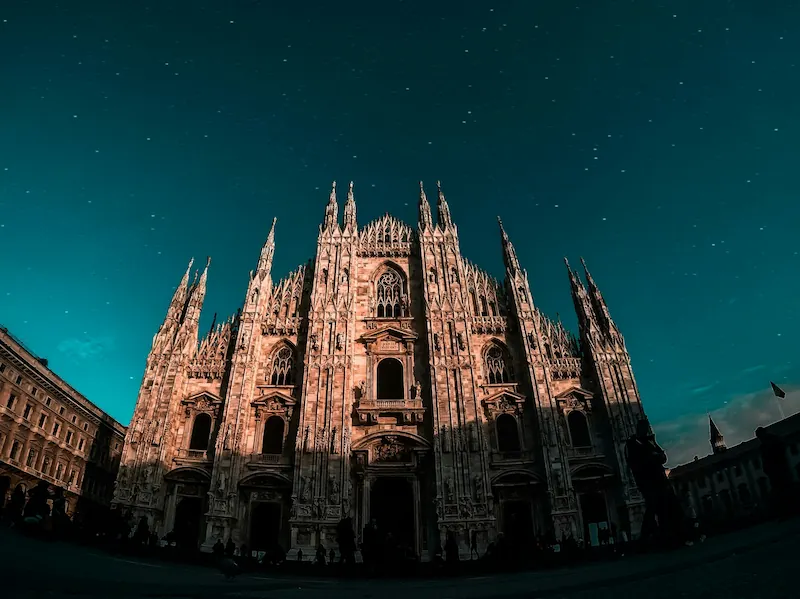
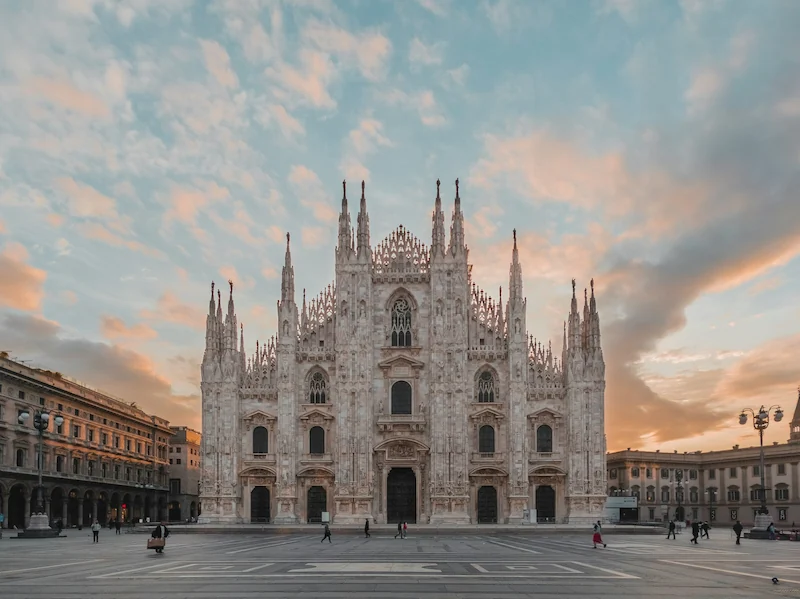
Climb the Duomo terraces – Area: Duomo · Best for: first-time visitors who want one defining Milan moment · Time needed: 1.5 to 2 hours · Worth it: Yes — this is the city’s clearest visual payoff and one of the few headline sights that fully lives up to the build-up. · Book ahead: Yes — reserve a timed entry, especially on weekends, holidays and peak seasons.
See Leonardo’s Last Supper – Area: Santa Maria delle Grazie · Best for: art-focused first trips and cultural bucket lists · Time needed: 45 minutes to 1 hour · Worth it: Absolutely — short visit, high cultural weight, and one of the easiest places in Milan to regret not booking in time. · Book ahead: Yes — essential, often weeks ahead; guided options can be useful when official tickets are gone.
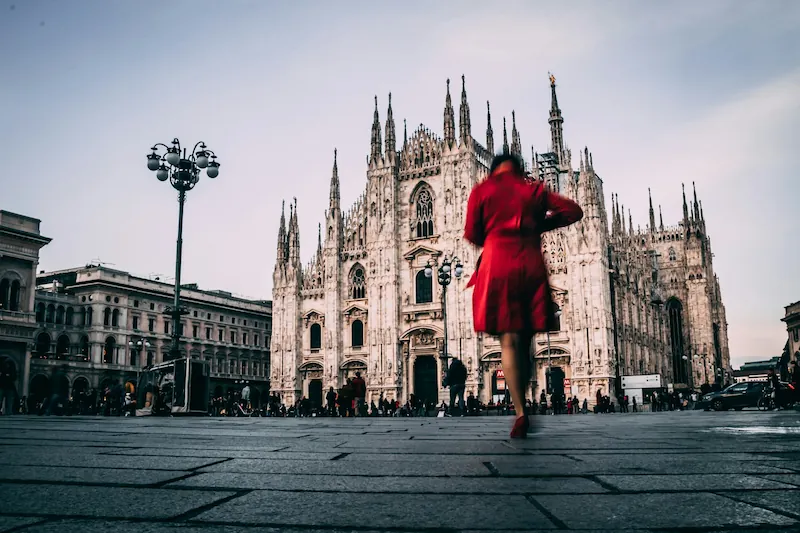
Walk the Duomo, Galleria and La Scala axis – Area: Centro Storico · Best for: a compact first read of the city · Time needed: 1.5 to 2 hours · Worth it: Yes — not because it is hidden, but because it explains Milan fast and efficiently. · Book ahead: No — do it freely, preferably early morning, late afternoon or after dark.
Spend a slow block in Brera and Pinacoteca di Brera – Area: Brera · Best for: travelers who want art plus neighborhood texture · Time needed: 2 to 4 hours · Worth it: Very much — one of the best combinations of serious culture and city atmosphere in Milan. · Book ahead: Recommended for the museum on busy days; not necessary for the area itself.
Explore Castello Sforzesco, Parco Sempione and Triennale – Area: Castello · Best for: history, design and breathing room in one easy route · Time needed: 2.5 to 4 hours · Worth it: Yes — especially if you want a central experience that is not just another church or shopping street. · Book ahead: Usually no for the grounds and park; museum or exhibition booking helps on busy days.
Aperitivo and evening walk along Navigli and Darsena – Area: Navigli · Best for: nightlife, people-watching and social energy · Time needed: 2 to 3 hours · Worth it: Yes — best treated as an evening district rather than a daytime sightseeing target. · Book ahead: No for the walk; yes for specific restaurants, food tours or canal experiences.
Visit Fondazione Prada – Area: Largo Isarco · Best for: contemporary art, architecture and repeat visitors · Time needed: 2 to 3 hours · Worth it: Yes if you want Milan beyond the standard checklist and care about contemporary culture. · Book ahead: Recommended for major exhibitions and busy programming periods.
See Porta Nuova, BAM and Isola – Area: Porta Nuova / Isola · Best for: architecture, skyline views, bars and a more current Milan · Time needed: 1.5 to 3 hours · Worth it: Yes — it balances the historic center with the city Milan has become. · Book ahead: No.
Use the fashion and design districts as city-reading – Area: Quadrilatero / Corso Como / Tortona · Best for: fashion, design, retail culture and urban observation · Time needed: 1.5 to 4 hours · Worth it: Worth it if you treat it as part of Milan’s identity, not only as shopping. · Book ahead: No, except for specific exhibitions, showrooms or events.
Go to Museo del Novecento or Palazzo Reale – Area: Duomo · Best for: modern art, temporary exhibitions and rainy-day planning · Time needed: 1.5 to 2.5 hours · Worth it: Yes — central, manageable and one of the easiest ways to add substance without losing a whole day. · Book ahead: Recommended for major exhibitions; not always necessary for standard visits.
Choose one deeper Milan museum or house museum – Area: Centro / Porta Venezia / Sant’Ambrogio · Best for: return visitors and culture-first travelers · Time needed: 1.5 to 2.5 hours · Worth it: Yes if you want a quieter, more Milan-specific cultural layer: Villa Necchi, Poldi Pezzoli, Bagatti Valsecchi or the Science Museum can be excellent depending on your interests. · Book ahead: Useful on weekends, during exhibitions or when traveling with children.
Consider San Siro, QC Terme or Monumental Cemetery as a specialist add-on – Area: San Siro / Porta Romana / Monumentale · Best for: football fans, spa breaks, photography and repeat visits · Time needed: 1.5 to 3 hours · Worth it: Worth it for the right traveler, but not before the Duomo, Last Supper and one core neighborhood on a short first trip. · Book ahead: Yes for matches, stadium tours and spa sessions; no for most cemetery visits.
How to choose the right experiences in Milano
Milan rewards selectivity more than volume. The city is not about ticking off the largest number of monuments; it works best when you anchor the trip around a few high-payoff sights, then fill the gaps with neighborhoods, food, design and one or two museums that match your taste. The main mistake is treating every central landmark as equally important when they are not. Another is underestimating how much pre-booking matters for the city’s most time-sensitive experiences, especially The Last Supper, the Duomo terraces, La Scala performances and major temporary exhibitions.
Prioritize one major booked highlight per half day rather than stacking too many indoor visits back to back.
Treat the Duomo, Last Supper and one strong art or design institution as the core trio on a first trip.
Use neighborhoods for atmosphere, food, architecture and local rhythm, not as checkbox zones that need exhaustive coverage.
Do the central landmarks early or late, then shift to Brera, Navigli, Porta Nuova, Isola or Tortona when the city loosens up.
Decide whether fashion and design are central to your trip; if they are, Milan becomes much richer than a classic monument itinerary.
Use rainy days for Museo del Novecento, Palazzo Reale, Brera, Triennale, Fondazione Prada, MUDEC or the Science Museum instead of forcing outdoor routes.
Keep specialist add-ons such as San Siro, Monumental Cemetery, QC Terme or HangarBicocca for travelers whose interests clearly match them.
If you only have one day, book ahead and stay central; spontaneous Milan works better once the essentials are secured.
Iconic Milano
This is the high-recognition side of Milan: the sights that define a first trip and give the city its immediate shape. The best iconic experiences here are not all equal. A few are essential because they deliver scale, viewpoint or cultural weight; others are best treated as short walk-throughs, add-ons or interest-led choices rather than standalone missions.
Duomo interior and rooftop terraces – The cathedral itself matters, but the real payoff is the climb onto the terraces, where Milan suddenly becomes legible in stone, spires and urban grid. It is the clearest big-ticket experience in the city and the one most travelers should protect time for. (First-time essential · Best for: first trips and short stays)Find tours & experiences
Leonardo’s Last Supper at Santa Maria delle Grazie – The viewing window is brief, but the experience is still one of the most meaningful cultural stops in Milan. This is not the kind of attraction you decide on casually the day before; it is one of the few visits in the city that truly depends on forward planning. (High payoff · Best for: art-focused travelers and first-time visitors)Find tours & experiences
Galleria Vittorio Emanuele II and Piazza del Duomo – This is less about spending a long time inside and more about understanding central Milan’s theatrical core. It works best as part of a central walking sequence rather than as a destination in itself. (Best for: quick central orientation)
Teatro alla Scala and its museum – Even if you do not attend a performance, La Scala still carries symbolic weight in the city’s cultural identity. The museum is worth it if music or performance history matters to you; otherwise, a strong exterior pass and nearby walk may be enough. (Best for: music lovers and culture-first trips)Find tours & experiences
Castello Sforzesco courtyards and museums – The castle is one of the easiest major stops to fold into a central day because it mixes architecture, open space and optional museum time. It is most rewarding when paired with Parco Sempione, Triennale or a route toward Brera. (Best for: history without overcommitting)Find tours & experiences
Brera streets and Pinacoteca di Brera – This is one of the city’s best combinations of neighborhood feel and serious art. The gallery gives the visit substance, while the surrounding streets slow the tempo in a way central Milan often does not. (Worth it · Best for: travelers who want culture with urban texture)Find tours & experiences
Porta Nuova, Piazza Gae Aulenti and Bosco Verticale – This is the modern counterweight to the cathedral-and-castle version of Milan. Come here for skyline lines, contemporary public space, Bosco Verticale views and a quick sense of how the city now projects itself beyond its historic core. (Best for: architecture and repeat visits)
San Siro Stadium tour or match night – San Siro is not essential for every first-time visitor, but for football fans it is one of the city’s most emotionally charged experiences. A stadium tour works as a controlled add-on; a match night changes the trip entirely if the calendar lines up. (For football fans · Best for: football fans, families with teens and sports-led trips)Find tours & experiences
Cimitero Monumentale – Milan’s Monumental Cemetery is one of the strongest non-obvious iconic stops in the city: part open-air sculpture museum, part social history, part architectural walk. It is especially good for photographers and return visitors who want depth without another formal museum. (Underrated · Best for: photography, architecture and slower cultural exploration)
Cultural experiences worth your time
Milan’s cultural strength is broader than its headline landmarks suggest. The city works especially well for travelers who prefer curated, high-quality institutions over marathon museum lists. Focus on places that sharpen your reading of the city: old masters, 20th-century art, design, fashion, house museums, contemporary exhibition culture and Leonardo-linked science.
Pinacoteca di Brera for old masters without overload – This is the most satisfying classic art museum in Milan for many travelers because it is serious without feeling punishing. It is best for people who want one substantial museum, not five. (High payoff · Best for: art lovers with limited time)Find tours & experiences
Museo del Novecento for modern Italian context – Right by the Duomo, this is one of the smartest museum choices in the city when the weather turns or when you want something central and well-scaled. It adds depth to the trip without eating the whole day. (Best for: rainy days and modern art)
Palazzo Reale for major temporary exhibitions – Palazzo Reale is a key Milan lever because it sits beside the Duomo and often hosts major exhibitions that can reshape a short stay. It is not always essential in itself, but it is one of the first places to check when building a culture-heavy itinerary. (Check the program · Best for: temporary exhibitions and rainy-day flexibility)
Fondazione Prada for contemporary art and architecture – This is one of Milan’s most convincing non-classic cultural visits, and one of the easiest places to make the city feel less predictable. Go if you care about exhibition design, architecture or contemporary programming. (Worth it · Best for: repeat visitors and design-minded travelers)Find tours & experiences
Triennale Milano and Parco Sempione edge – Part design institution, part exhibition platform, part city-life perch, Triennale works especially well when you want culture in a lighter format. It can be a main stop or a clean add-on to the castle area. (Best for: design, architecture and flexible half days)Find tours & experiences
Museo Nazionale Scienza e Tecnologia Leonardo da Vinci – This is the best Milan museum for many families and science-minded travelers. It gives the city a Leonardo-linked, hands-on dimension that balances art-heavy itineraries and works particularly well on rainy days. (Family-smart · Best for: families, teens and science-focused visitors)Find tours & experiences
Villa Necchi Campiglio for Milanese elegance – This house museum is one of the best ways to understand Milan’s refined 20th-century domestic world. It is quieter than the blockbuster sights, but it gives the city a level of intimacy and taste that many standard itineraries miss. (Elegant add-on · Best for: architecture, interiors and return visitors)
Poldi Pezzoli or Bagatti Valsecchi for house-museum depth – If you like smaller, atmospheric museums, Milan’s house museums can be more memorable than adding another large institution. They work well around the fashion district and help turn a shopping area into a culture-led route. (Best for: museum lovers, interiors and quieter central stops)
MUDEC and the Tortona design area – MUDEC makes sense when you want a contemporary cultural stop outside the historic-center pattern. It is strongest when paired with Tortona, Armani/Silos or design-led wandering rather than visited as an isolated detour. (Design-side Milan · Best for: design, exhibitions and repeat visits)
Pirelli HangarBicocca for large-scale contemporary art – HangarBicocca sits outside the classic sightseeing circuit, but it can be a standout for contemporary-art travelers because the scale is unlike most central museums. It is best when you have enough time and a clear interest in installations. (For art insiders · Best for: contemporary art, installations and repeat trips)
Basilica and archaeology at Sant’Ambrogio – For travelers who want depth beyond the best-known landmarks, Sant’Ambrogio gives Milan a more grounded historical register. It is calmer, older in feel and especially rewarding when combined with nearby museum stops. (Best for: history-focused travelers)
Local Milano beyond the postcard core
The city’s best local experiences are not about chasing obscure secrets. They are about seeing how Milan actually spends its time: aperitivo culture, design-conscious neighborhoods, quiet courtyards, modern public space, football nights, spa rituals, markets, canals and places where daily life still shapes the visit. This is where the trip starts to feel less generic and more city-specific.
Aperitivo crawl in the Navigli at the right hour – Navigli is strongest in the early evening, when the canals, terraces and moving crowds produce the social version of Milan many visitors are looking for. Do not overthink it: this is about timing and district feel more than one perfect address. (Best in the evening · Best for: first evenings and social energy)Find tours & experiences
Darsena and canal-side walking beyond the postcard view – The Darsena gives Navigli a more functional local edge and stops the area from feeling like only a restaurant strip. It is best folded into an early-evening route before choosing a bar, casual dinner or food walk. (Best for: evening walks and low-pressure local atmosphere)
A slow neighborhood walk through Brera – Brera works because it compresses art, elegant streets and low-key city rhythm into a manageable area. It is one of the best places in Milan to leave some room between planned stops. (Worth it · Best for: couples, solo travelers and slow city time)
Porta Nuova, BAM and the contemporary skyline – This part of the city shows a more current Milan: polished, vertical and built around public space rather than old monumental weight. It is a strong contrast stop after the historic center. (Best for: architecture and urban contrast)
Isola for bars, street art and a looser evening – Isola gives Porta Nuova a more lived-in edge. It works well after BAM or Piazza Gae Aulenti when you want bars, dinner, street-level energy and a less formal version of contemporary Milan. (Best for: second evenings, bars and modern neighborhood contrast)
Cinque Vie and the quieter historic fabric – If central Milan feels too obvious, this pocket of older streets offers a more discreet kind of payoff. It is less about headline sights and more about texture, small-scale design and getting off the most predictable routes. (Only if you have time · Best for: return visits and slower exploration)
Quadrilatero and adjacent design streets as city-reading – You do not need to be shopping seriously to enjoy this area. Treated properly, it becomes a study in display, taste and how Milan turns fashion into urban atmosphere. (Best for: fashion, design and people-watching)
Corso Como and 10 Corso Como – Corso Como is useful when you want the transition between fashion, design, nightlife and the Porta Nuova skyline. It works best as a connector rather than a long destination, especially on a late-afternoon-to-evening route. (Best for: fashion-led city walks and evening transitions)
Tortona and design-side Milan – Tortona becomes especially interesting when exhibitions, design events or showroom activity are part of the city calendar. Outside those moments, it still works as a quieter design-led add-on with MUDEC or Armani/Silos. (Best with design interest · Best for: design travelers and repeat visitors)
QC Terme Milano for a spa reset – This is not classic sightseeing, but it can be a smart Milan experience when the trip needs a pause. It works best after heavy walking, bad weather or a long travel day, especially for couples or travelers who want a softer evening. (Relaxation add-on · Best for: couples, rainy days and slower luxury breaks)Find tours & experiences
Food experiences that make sense in Milano
Milan is not a city where eating should be reduced to one famous dish and a checklist of addresses. The food experience here is about rhythm: coffee standing up, aperitivo before dinner, one strong regional meal, pastry and panettone culture, markets, a flexible food hall, maybe a guided food walk, and a better sense of northern Italian comfort than many rushed itineraries allow. The best food moments usually work when attached to a district or time of day.
Do aperitivo properly instead of treating it as a snack stop – Aperitivo is one of the most recognizable local rituals and one of the easiest to get right. Aim for early evening, choose atmosphere over quantity and let it shape the night rather than replace dinner by default. (Best in the evening · Best for: first-time visitors and couples)Find tours & experiences
Book one serious Milanese meal – Milan deserves at least one proper sit-down meal built around classic local dishes such as risotto alla milanese, ossobuco, cotoletta or seasonal Lombard cooking. This adds more value than grazing randomly in tourist-heavy central streets. (Worth it · Best for: food-first evenings)
Try the city’s pastry, coffee and panettone culture – Milan’s food life is also built from smaller gestures: a morning pastry, a polished espresso, a mid-afternoon reset or a panettone stop in season. This matters because the city reveals itself as much through tempo as through headline restaurants. (Best for: slow mornings and urban pacing)
Use Mercato Centrale for flexible food timing – Near Milano Centrale, this is a practical option when you want variety without losing too much time. It is not a substitute for the city’s best dining, but it is useful for mixed groups, odd hours or an easy arrival-day stop. (Best for: casual lunches and flexible groups)
Take a food walk through Navigli or Brera – A guided food walk can make sense in Milan because it combines district reading with structured tasting and reduces random restaurant guesswork. It is especially useful if food is part of the trip but not your full planning focus. (Best for: short stays that want efficient local flavor)Find tours & experiences
Choose Chinatown or Isola when you want a more local casual meal – Not every Milan food moment needs to be classic Milanese. Chinatown and Isola can be useful when you want a cheaper, livelier or more local casual evening without defaulting to the central tourist circuit. (Local casual · Best for: repeat visitors, budget-conscious evenings and casual groups)
Use Eataly or a food hall as a practical fallback, not the main event – Food halls can be helpful for mixed groups, bad weather or a quick meal near Porta Nuova, but they should support the plan rather than replace one memorable Milanese dinner or aperitivo experience. (Best for: mixed groups and easy logistics)
What first-time visitors should actually prioritize in Milano
If this is your first trip, keep the structure tight. Milan is much better when the essentials are booked and the rest of the day stays flexible rather than overloaded. The goal is to combine one defining landmark, one cultural heavyweight, one neighborhood block and one evening rhythm.
Book the Duomo terraces and The Last Supper before building the rest of the trip.
Add one strong museum or neighborhood block — Brera is usually the smartest choice.
Use the central core on your first morning, then shift to Brera, Castello, Navigli or Porta Nuova.
Do not turn shopping streets into the main event unless fashion is a true priority.
Keep one evening for aperitivo and one for a proper Milanese dinner.
Use Museo del Novecento, Palazzo Reale or Triennale if the weather turns or you want a central indoor stop.
Save San Siro, QC Terme, HangarBicocca and Tortona for interest-led add-ons, not the first layer of the trip.
If you only have one day, skip lesser museums and protect the highest-payoff sights first.
Trip profile
Do first
Add if time
Usually skip
Half day
Duomo exterior, Galleria and either terraces or Brera
Museo del Novecento or La Scala exterior
cross-city detours
1 day
Duomo + Last Supper if booked
Brera, Castello or Navigli evening
secondary museums and distant design stops
2 days
Duomo, Last Supper, Brera
Navigli, Castello, Museo del Novecento, Porta Nuova
low-priority shopping detours
3 days
core highlights plus one modern or design stop
Fondazione Prada, Triennale, Villa Necchi, San Siro or a day trip
nothing major if pacing is good
Free things to do in Milano that are actually worth it
Milano is not a classic budget city, but it does offer a surprising number of free experiences when you focus on walks, public space, churches, and district atmosphere rather than formal ticketed attractions.
Walk Piazza del Duomo, the Galleria axis and nearby streets early in the morning for a cleaner first impression.
Cross Brera slowly for architecture, courtyards and neighborhood feel without paying for a formal visit.
Use Parco Sempione and the castle grounds for open-air time between major sights.
Explore Porta Nuova, Piazza Gae Aulenti, Bosco Verticale views and BAM park for a free contemporary-city counterpoint.
Browse Navigli and the Darsena on foot in the evening without turning it into a paid activity.
Walk Cimitero Monumentale if you want sculpture, architecture and photography without a classic museum ticket.
Use Cinque Vie, Corso Como or Chinatown for free city texture when you want something beyond the postcard center.
Step into selected churches and civic spaces as part of a broader central route, but check opening times before planning around them.
Free option
Best for
Time needed
Best moment
Brera walk
urban texture
45 to 90 min
late morning or late afternoon
Parco Sempione + castle exterior
breathing room
1 to 1.5 hours
midday or golden hour
Porta Nuova + BAM
modern architecture
45 to 90 min
late afternoon
Navigli + Darsena evening stroll
night atmosphere
1 to 2 hours
aperitivo to after dark
Cimitero Monumentale
sculpture and photography
1 to 1.5 hours
morning or late afternoon
Cinque Vie walk
quiet historic texture
45 to 75 min
weekday daytime
More unusual things to do in Milano
Milan is at its most distinctive when you look beyond the obvious monument layer and lean into design, contemporary culture, house museums, football culture, spa rituals and neighborhoods that reveal how the city actually lives now.
Choose Fondazione Prada over another conventional museum if you want something more city-specific and contemporary.
Use Cinque Vie for a quieter, design-aware historic walk instead of repeating central postcard streets.
See Porta Nuova after the old center to understand Milan’s split identity between heritage and modern projection.
Pair Triennale with Parco Sempione for a lighter, smarter cultural half day.
Visit Villa Necchi Campiglio or one of the house museums if you want Milanese elegance rather than another blockbuster.
Go to Cimitero Monumentale for an open-air sculpture experience that many first-time itineraries miss.
Use Tortona, MUDEC or Armani/Silos for design-side Milan, especially around design programming.
Choose HangarBicocca if large-scale contemporary art matters more to you than central convenience.
Add San Siro if football culture is part of your trip, especially when a match aligns with your dates.
If your dates line up, Design Week, Fashion Week and major exhibition seasons can completely change the city’s cultural texture.
Unusual pick
Best for
Time needed
Why it works
Cimitero Monumentale
photography and sculpture
1 to 1.5 hours
large payoff without central crowds
Villa Necchi Campiglio
interiors and architecture
1.5 to 2 hours
quietly explains Milanese taste
HangarBicocca
contemporary installations
2 to 3 hours
scale that central museums cannot offer
Tortona + MUDEC
design-led repeat visits
2 to 3 hours
shows Milan beyond the historic center
Things to do in Milano at night
Milano’s nights are strongest when built around districts and rhythm rather than a rush between isolated attractions. Even if you are not looking for nightlife in the club sense, the city improves after dark.
Do aperitivo in Navigli for the most immediate social energy.
Choose Brera for a more polished evening of bars, dinner and slower wandering.
Book an opera, ballet or concert at La Scala if culture matters more than bar-hopping.
Use the Duomo area after dark for atmosphere and short low-commitment walks, not for your main dining plan.
Try Porta Nuova, Corso Como or Isola for a sleeker modern-night version of the city.
Consider a rooftop drink if you want skyline mood without a full late night.
Use QC Terme as a softer evening if the trip needs recovery rather than another busy district.
For football fans, a San Siro match night can be the strongest nighttime experience in Milan.
Keep one evening intentionally light; Milan rewards unforced city time.
Area
Best for
Mood
Best time
Navigli
social energy
lively and informal
from aperitivo onward
Brera
dinner and polished bars
refined but relaxed
evening
Duomo core
short atmospheric walk
monumental and bright
after dinner
Porta Nuova / Corso Como
modern-night city feel
sleek and urban
sunset to evening
Isola
bars and a less formal local night
creative and social
dinner to late evening
San Siro
match-night atmosphere
intense and local
only when fixtures align
Things to do in Milano with kids
Milan with children works best when you mix one clear landmark, one open-space break, and one museum or flexible indoor stop. The city is manageable for families if you do not over-program the day and if you keep long art visits selective.
Use the Duomo exterior and Galleria for quick visual impact without forcing a long indoor visit.
Balance major sights with Parco Sempione for movement and decompression.
Pick the Leonardo da Vinci Science and Technology Museum for a stronger family fit than an all-art day.
Use Castello Sforzesco as an easy history stop because the courtyards and park soften the visit.
Consider San Siro if your children are into football; it can be more memorable than another museum.
Use Mercato Centrale or flexible food halls when meal logistics matter more than destination dining.
Save Navigli for an early evening stroll rather than a very late family outing.
On rainy days, keep the plan compact and central rather than crossing the city repeatedly.
For teens, Porta Nuova, Isola, Cimitero Monumentale or contemporary art can work better than assuming every family stop must be child-specific.
Option
Age fit
Weather fit
Pacing
Science and technology museum
school-age and teens
rainy day
strong half day
Castle + park
most ages
dry day
easy and flexible
Duomo exterior + Galleria
all ages
any
short burst
Porta Nuova + BAM
most ages
dry day
good for fresh air
San Siro tour
football fans and teens
any
interest-led add-on
Museo del Novecento or Triennale
teens and culture-curious children
rainy day
keep it short and selective
What to do in Milano when it rains
Rain is not a trip-killer in Milano. In fact, the city handles bad weather better than many travelers expect because several of its strongest visits are museum-based, central, or easy to combine without long outdoor transfers.
Use Museo del Novecento if you want something central, strong and easy to fit into a half day.
Keep The Last Supper if already booked — rain changes the mood, not the value.
Choose Pinacoteca di Brera for a more substantial cultural block.
Check Palazzo Reale for major temporary exhibitions beside the Duomo.
Do Fondazione Prada, Triennale, MUDEC or HangarBicocca if you want contemporary culture instead of another classic museum.
Pick the Science and Technology Museum if you are traveling with kids or want a more hands-on indoor stop.
Use Villa Necchi, Poldi Pezzoli or Bagatti Valsecchi for smaller, atmospheric house-museum visits.
Lean into cafés, covered passages and a slower central walking pattern rather than chasing too many outdoor districts.
Use shopping arcades, Eataly or food halls selectively, but do not let them replace the city’s better cultural options.
Rainy Day pick
Best for
Time needed
Good add On
Museo del Novecento
central convenience
1.5 to 2 hours
Duomo area walk
Pinacoteca di Brera
serious art
2 to 3 hours
Brera cafés
Palazzo Reale
temporary exhibitions
1.5 to 2.5 hours
Galleria or Museo del Novecento
Fondazione Prada
contemporary culture
2 to 3 hours
Bar Luce or lunch nearby
Triennale Milano
lighter design-focused visit
1.5 to 2 hours
park edge if weather improves
Science and Technology Museum
families and hands-on visits
2.5 to 4 hours
Sant’Ambrogio or a simple lunch
What to do in Milano by area
Duomo and Centro Storico
This is the fastest way to access Milan’s essential visual identity. It is where first-time visitors should start, but it is strongest as a concentrated block, not an all-day trap.
Climb the Duomo terraces and visit the cathedral interior if time allows.
Walk through Galleria Vittorio Emanuele II and Piazza del Duomo.
Pass La Scala and nearby historic core streets.
Use Museo del Novecento or Palazzo Reale if you want a strong indoor stop nearby.
Treat the area as a morning or evening anchor rather than your main dining zone.
Brera
Brera is where art, beauty and urban ease come together most naturally. It suits travelers who want quality over volume and prefer wandering with purpose rather than rushing landmark to landmark.
Visit Pinacoteca di Brera.
Use the district for a slower lunch, coffee or aperitivo.
Browse side streets, courtyards, galleries and smaller design addresses.
Pair it with a central morning, Castello route or evening bar plan.
Add the Orto Botanico or Biblioteca Braidense if you want a quieter cultural layer.
Castello and Parco Sempione
This zone works well as a structural hinge in the city: history, open space and nearby culture without excessive logistical effort. It is especially good when your itinerary needs breathing room.
See Castello Sforzesco and its courtyards.
Use the park for a lighter midday rhythm.
Add Triennale if you want design or exhibitions.
Walk onward toward Brera, Chinatown or the center.
Use the area with kids when you need a break from dense indoor sightseeing.
Navigli and Darsena
Navigli is best treated as an evening district rather than a daytime monument hunt. Come for aperitivo, dinner, canal-side energy and a more social side of the city.
Do an evening canal-side stroll.
Plan aperitivo rather than a rushed dinner.
Use Darsena to make the area feel less like a single postcard canal.
Consider a food walk if you want structure.
Keep very late nightlife optional unless that is the purpose of the evening.
Porta Nuova and Isola
This is the city’s contemporary face: cleaner lines, newer public space and a more business-meets-design atmosphere. Isola gives the same route a looser bar-and-neighborhood edge.
Walk Piazza Gae Aulenti.
Spend time in BAM park and look toward Bosco Verticale.
Continue into Isola for bars, casual restaurants and street-level contrast.
Use Corso Como as a transition toward evening.
Come late afternoon into evening for the best light and atmosphere.
Sant’Ambrogio and western historic core
This area gives you a quieter and older Milan, often with fewer crowds than the headline center. It works well for travelers who want one layer deeper than the obvious first-trip route.
Visit Santa Maria delle Grazie and The Last Supper.
See Basilica di Sant’Ambrogio.
Add the Science and Technology Museum if traveling with kids or teens.
Use nearby streets for a calmer historic walk.
Combine with a museum or lunch stop rather than a packed schedule.
Quadrilatero, Porta Venezia and Corso Venezia
This is where Milan’s fashion identity becomes urban space. It is strongest when you treat it as design, display, architecture and lifestyle rather than only luxury shopping.
Walk Via Montenapoleone, Via della Spiga and the Fashion Quadrilateral.
Add Poldi Pezzoli, Bagatti Valsecchi or Villa Necchi for cultural depth.
Use Porta Venezia for a more local food, bar or park transition.
Make it a short, focused route unless fashion is a major trip priority.
Tortona, Porta Genova and design-side Milan
This side of the city is strongest for design, exhibitions and repeat visitors. It becomes especially valuable around design programming, but can still work as a quieter alternative to the central landmark circuit.
Visit MUDEC if the exhibition program fits your interests.
Add Armani/Silos for fashion-focused travelers.
Walk Tortona when you want design-side Milan beyond the postcard center.
Connect the area with Navigli or Darsena for a practical evening finish.
Monumentale, Chinatown and northern add-ons
This area is not a first-trip default, but it adds strong texture once the core is covered. It works especially well for photography, casual food, contemporary Milan and travelers who like less obvious city routes.
Visit Cimitero Monumentale for sculpture and architecture.
Use Chinatown for a casual food-led detour.
Continue toward Porta Nuova or Isola if the day is about contemporary Milan.
Keep HangarBicocca as a separate contemporary-art mission rather than a casual add-on.
What to prioritize depending on your trip
Milan changes significantly depending on how much time you have. The best version of the city is rarely the longest list; it is the clearest set of choices. The city becomes much stronger when you decide early whether your trip is first-timer, design-led, food-led, family-focused, art-heavy or repeat-visitor.
Profile
Prioritize
Skip
Structure
Half day
Duomo exterior, Galleria and one focused add-on such as the terraces, Museo del Novecento or Brera
cross-city detours, San Siro, Tortona and low-priority museums
Stay central, do one major sight well, then end with coffee or aperitivo.
1 day
Duomo terraces, Last Supper if booked, and one neighborhood block
trying to cover every museum district
Book one timed-entry sight in the morning and use Brera, Castello or Navigli later.
2 days
Duomo, Last Supper, Brera, one castle or modern-city block, and one strong evening district
extra filler attractions that duplicate what you have already seen
Day one for first-trip essentials, day two for depth and neighborhood texture.
3 days+
Core highlights plus Fondazione Prada, Triennale, Porta Nuova, Villa Necchi, San Siro or a serious food angle
nothing major unless your interests are very narrow
Use the third day to personalize the city rather than repeating classic center logic.
First trip
headline sights with tight booking logic and one polished district experience
overcommitting to shopping, distant contemporary art or secondary churches
Anchor the trip around two or three truly memorable experiences.
Repeat visit
Fondazione Prada, Triennale, Cinque Vie, Villa Necchi, HangarBicocca, Tortona, Isola and food-led exploration
repeating every iconic stop unless sharing the city with someone new
Let neighborhoods, design and contemporary culture lead the trip.
Family trip
Science Museum, castle and park, Duomo exterior, flexible meals and one high-impact activity such as San Siro if relevant
long art blocks and late Navigli plans
Alternate short visual stops, movement breaks and one indoor anchor.
Rainy trip
Last Supper if booked, Museo del Novecento, Palazzo Reale, Brera, Triennale, Fondazione Prada or the Science Museum
forcing Navigli, Porta Nuova or park-heavy plans in bad weather
Cluster indoor visits by area so the day does not become a series of wet transfers.
Best day trips from Milano
Day trips make sense from Milan because rail and organized tours open up strong northern Italy contrasts quickly. Keep them subordinate to the city itself: they are best once you have already given Milan its due or when you have at least three full days overall.
Excursion
Best for
Time needed
First trip?
Transport
Book ahead
Lake Como
first-time visitors who want a classic high-reward extension
full day
Yes, if you have at least 3 full days overall
Train works for a simpler Como focus; guided trips help if you want Bellagio, villas or multiple stops in one day
Smart combinations that work especially well in Milano
These are not full itineraries. They are pairs and clusters that make practical sense together and help the day feel more coherent.
Duomo terraces + Galleria + Museo del Novecento – This is one of the smartest central combinations if you want a first-time core with a manageable museum layer. It works especially well in mixed weather because you can move between open views, iconic interiors and a strong indoor stop without wasting time.
Last Supper + Sant’Ambrogio + Science Museum or Navigli evening – This pairing gives the day a strong cultural anchor and lets you choose the right continuation. Families can move toward the Science Museum; adults on a classic city break can finish with a softer Navigli evening.
Brera + Pinacoteca + aperitivo – This is one of Milan’s most naturally satisfying half-day-to-evening flows. Art leads into neighborhood time without a jarring shift, and the day feels rich without feeling over-programmed.
Castello Sforzesco + Parco Sempione + Triennale – This works well when you want a lighter but still substantial day. The open space keeps the pace breathable, while the design and exhibition angle stops the route from becoming just a park walk.
Porta Nuova + Corso Como + Isola dinner or drinks – Choose this when you want contemporary Milan rather than another round of classic landmarks. It is especially good on a second or third day, when contrast becomes more valuable than repetition.
Quadrilatero + Villa Necchi + Poldi Pezzoli or Bagatti Valsecchi – This turns the fashion district into a deeper cultural route. Instead of simply browsing luxury windows, you read Milan through taste, interiors, collecting and urban elegance.
Tortona + MUDEC + Navigli or Darsena evening – This is a useful repeat-visitor combination because it connects design-side Milan with one of the city’s strongest evening districts. It is especially good when MUDEC or Tortona programming is strong.
Cimitero Monumentale + Chinatown + Porta Nuova – This route gives you an alternative Milan day with sculpture, casual food and contemporary architecture. It is not the first-day default, but it is one of the better ways to avoid repeating the postcard center.
San Siro + relaxed dinner or city-center night walk – For football-focused travelers, San Siro works best as a self-contained anchor. Do not overload the same evening; treat the stadium or match as the main event and keep the rest simple.
What to book ahead in Milano — and what can stay flexible
Milan is easy to navigate once you understand one key rule: a few experiences need advance timing, while many others improve when left open. The goal is not to pre-book everything. It is to protect the places where availability, timed access or event calendars really matter.
Yes if you want multiple stops or bundled transport without planning stress
Bernina route or wine-country day trips Check options
Yes
Book early because timing and logistics matter more than for simple city rail trips
Often yes, especially for alpine routes or winery access
Milano activity FAQ
These are the questions travelers usually ask when deciding what is really worth doing in Milan, how to prioritize the city, and which activity choices actually fit different trip styles.
What are the best things to do in Milan on a first trip?
Start with the Duomo terraces, Leonardo’s Last Supper if you can book it, and a slower block in Brera. Add one evening district such as Navigli or Brera itself, then use one museum, castle visit or modern-city walk to give the trip depth.
Is Milan worth more than a quick stop?
Yes, but only if you structure it properly. One rushed day can cover the essentials, yet 2 to 3 days lets the city feel far more convincing because neighborhoods, food, design and museums start to matter as much as the landmarks.
How many days do you need for Milan?
Two days is the practical minimum for a satisfying first trip. Three days is better if you want one modern or design-focused stop, slower meals, San Siro, a family museum or a day trip without making Milan itself feel shortchanged.
What should I book ahead in Milan?
The Last Supper is the big one and should be treated as essential pre-booking. Duomo terraces, performances at La Scala, major Palazzo Reale exhibitions, San Siro match tickets, QC Terme sessions and some exhibition-based visits are also safer when reserved in advance.
What are the best free things to do in Milan?
Walk Brera, use Parco Sempione and the castle grounds, explore Porta Nuova and BAM, visit Cimitero Monumentale, browse Cinque Vie, and do an evening stroll along Navigli and Darsena. The central Duomo-Galleria axis also gives plenty of visual payoff without requiring a ticket.
What is worth doing in Milan at night?
The strongest nighttime move is usually neighborhood-based: aperitivo in Navigli, dinner and bars in Brera, a performance at La Scala, a Porta Nuova and Isola evening, or a San Siro match if the calendar works. Milan at night works better through rhythm and districts than through a long list of attractions.
What should you do in Milan when it rains?
Lean into the city’s cultural side: Museo del Novecento, Palazzo Reale, Pinacoteca di Brera, Fondazione Prada, Triennale, MUDEC, the Science and Technology Museum, Villa Necchi or a booked visit to The Last Supper. Rain matters less here than in cities that depend more heavily on outdoor sightseeing.
Are day trips from Milan worth it?
Yes, especially Lake Como, Bergamo, Pavia, Turin, Lake Maggiore, Franciacorta and the Bernina route, but only once you have given Milan enough time of its own. A day trip works best on a longer stay, not as a substitute for the city’s strongest experiences.
What are the most overrated things to do in Milan?
The most overrated Milan experiences are usually not bad places but badly timed ones: spending too long in the Galleria, treating Navigli as a daytime sightseeing target, over-prioritizing shopping streets without a fashion interest, or adding distant museums before securing the Duomo and Last Supper.
What is the best area for things to do in Milan?
For first-time sightseeing, the Duomo and historic center are the easiest base. For atmosphere and culture, Brera is usually the best all-round area. For evening energy, Navigli works well. For contemporary architecture and bars, use Porta Nuova and Isola.
Is the Duomo rooftop worth it?
Yes. The Duomo terraces are one of Milan’s clearest high-payoff experiences because they give the cathedral scale, detail and city views in one visit. If you only pay for one major Milan landmark, this is usually the safest choice.
Is The Last Supper worth it if the visit is short?
Yes. The visit is short by design, but the cultural weight is very high. The real issue is availability, not value. If you can book a legitimate timed entry or a strong guided visit, it belongs near the top of a first-trip plan.
Should I visit Brera or Navigli?
Choose Brera for art, elegant streets, cafés and a more polished daytime-to-evening rhythm. Choose Navigli for canal-side atmosphere, aperitivo and social energy. On a two-day trip, doing both makes sense because they show different versions of Milan.
What are the best museums in Milan?
The strongest museum choices are Pinacoteca di Brera for classic art, Museo del Novecento for modern Italian context, Triennale for design, Fondazione Prada for contemporary culture, the Science and Technology Museum for families, and Villa Necchi or Poldi Pezzoli for house-museum depth.
What are the best things to do in Milan with kids?
Use the Duomo exterior and Galleria for visual impact, Castello Sforzesco and Parco Sempione for space, the Science and Technology Museum for a strong indoor anchor, San Siro for football fans, and Mercato Centrale or food halls for flexible meals.
What are the best things to do in Milan for couples?
Couples usually get the best version of Milan from a Duomo rooftop visit, a Brera afternoon, aperitivo in Navigli, a polished dinner, Villa Necchi or a house museum, and possibly QC Terme if the trip needs a slower, more relaxing break.
What are the best unusual things to do in Milan?
Good unusual choices include Cimitero Monumentale, Villa Necchi Campiglio, Cinque Vie, HangarBicocca, Tortona and MUDEC, San Siro for football fans, and a less obvious food evening in Isola or Chinatown.
Is San Siro worth visiting in Milan?
San Siro is worth it if football matters to you, especially for a match. A stadium tour can be fun for fans and families, but it should not replace the Duomo, Last Supper or Brera on a short first trip.
Is Navigli worth visiting during the day?
Navigli is much stronger from aperitivo into evening. During the day, it can feel quieter and less essential unless you are pairing it with Darsena, a food stop, Tortona or a relaxed neighborhood walk.
What should I do in Milan if I do not like museums?
Focus on the Duomo terraces, Galleria, Brera streets, Castello exterior and park, Porta Nuova, Navigli at night, the fashion district, Cimitero Monumentale, food experiences and possibly San Siro or QC Terme depending on your interests.
What is the best shopping experience in Milan?
The Quadrilatero della Moda is the classic luxury-shopping district, but the best experience is broader than buying: combine Via Montenapoleone and Via della Spiga with Galleria, Corso Como, Brera design stores or Tortona if fashion and design are genuinely part of the trip.
Is Milan good for food lovers?
Yes, but the food experience is more about rhythm than a single checklist dish. Prioritize aperitivo, one serious Milanese meal, pastry and coffee culture, a food walk if useful, and local districts such as Brera, Navigli, Isola or Chinatown depending on the mood.
What is the best day trip from Milan for first-time visitors?
Lake Como is the classic first-time day trip if you have enough time, while Bergamo is easier and less logistically heavy. Pavia is a good lower-effort cultural alternative, and the Bernina route is best for scenery-first travelers.
Can you do Milan in one day?
Yes, but only with sharp choices. A strong one-day plan is Duomo terraces, the Galleria and historic center, The Last Supper if already booked, then either Brera, Castello or Navigli depending on your interests and timing.
What should repeat visitors do in Milan?
Repeat visitors should lean into Fondazione Prada, Triennale, Villa Necchi, Cimitero Monumentale, HangarBicocca, Tortona, MUDEC, Isola, Cinque Vie, design events, food-led neighborhoods and day trips that go beyond the obvious Lake Como choice.
Milan is best when you make sharper choices, not bigger lists.
Turn the right experiences into the right itinerary
Once you know what you want to do in Milan, the next step is turning those ideas into a trip that actually works day by day. Use the planner to organize the right mix of highlights, neighborhoods, and pace into a route that feels coherent, not crowded.