Discover the best things to do in Orlando, from headline theme-park experiences and major attractions to greener local escapes, food-led neighborhoods, water-park days, space history, family-friendly stops and smarter ways to use your time. Orlando rewards clear choices: not every park, attraction or resort corridor deserves the same kind of day, and the city works best when you separate high-energy spectacle from the places that give the trip breathing room.
Best time
October to April is the easiest window for full sightseeing days, with better walking weather, lower storm disruption and more comfortable non-park time; summer can still work if you plan heat, pools and indoor backups carefully.
Ideal trip length
3 to 5 days is the sweet spot for Orlando; 6 to 7 days lets you combine Disney, Universal or Epic Universe with Kennedy Space Center, a water park, local food districts and one nature or coast day without forcing the pace.
Keep planning your Orlando trip
Use the main Orlando city guide to shape the bigger trip, then connect these activity choices with your itinerary, stay logic and park strategy. That is the easiest way to turn Orlando from a long attraction list into a well-paced trip with the right balance of parks, food, nature, recovery and Central Florida context.
Top things to do in Orlando first
Choose one Disney park well, not all of Walt Disney World at once – Area: Lake Buena Vista · Best for: first-time theme-park priority · Time needed: 1 full day · Worth it: Absolutely, but only if you pick the right park for your interests instead of chasing the full resort. · Book ahead: Yes, especially for tickets, dining priorities and any paid skip-the-line tools.
Do Universal for stronger ride density and easier one-day payoff – Area: Universal Orlando · Best for: thrill rides and film worlds · Time needed: 1 full day · Worth it: One of the highest-return big-ticket days in Orlando, especially if you want momentum over sprawl. · Book ahead: Yes, particularly in busy periods and if you want Express access.
Make Epic Universe a dedicated day, not an add-on – Area: Universal Orlando · Best for: new flagship park experience · Time needed: 1 full day · Worth it: High payoff if cutting-edge themed environments are a core reason for your trip. · Book ahead: Yes, strongly recommended.
Go to Kennedy Space Center if you want one major non-park day – Area: Cape Canaveral · Best for: space, families, repeat Orlando visitors · Time needed: Full day · Worth it: Very much so; it feels distinct from the rest of Orlando and adds real variety. · Book ahead: Yes, especially if pairing with transport or special experiences.
Choose Discovery Cove if you want one premium non-park day – Area: SeaWorld area · Best for: adults, couples, families wanting a calmer all-inclusive day · Time needed: Full day · Worth it: Yes, especially if you want a premium Orlando day that feels less intense than the main parks. · Book ahead: Yes, reservations are important.
Use Disney Springs or CityWalk for an easier evening than another full park ticket – Area: Lake Buena Vista / Universal · Best for: night activity without park fatigue · Time needed: 2 to 4 hours · Worth it: A smart move when you want atmosphere and dining without committing to another heavy day. · Book ahead: Usually no, except for popular restaurants.
Break up the theme-park rhythm with Harry P. Leu Gardens – Area: Audubon Park area · Best for: slower pace and outdoor reset · Time needed: 1.5 to 2.5 hours · Worth it: Yes, especially on longer stays when Orlando starts to feel too synthetic. · Book ahead: No.
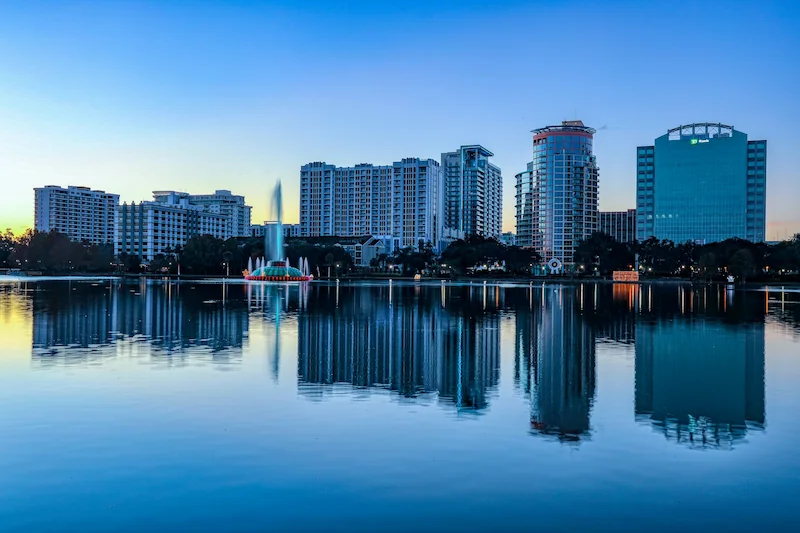
Walk Lake Eola and downtown for a clearer sense of the actual city – Area: Downtown Orlando · Best for: free central-city time · Time needed: 1 to 2 hours · Worth it: Worth doing if you want Orlando beyond resort corridors and parking lots. · Book ahead: No.
Spend an evening eating through Mills 50 – Area: Mills 50 District · Best for: local food and nightlife texture · Time needed: 2 to 4 hours · Worth it: Yes; it is one of the cleanest ways to experience local Orlando instead of visitor-only Orlando. · Book ahead: Usually no, but useful for sought-after dinner spots.
Do Gatorland if you want old-Florida flavor over mega-resort polish – Area: South Orlando · Best for: wildlife and lighter family day · Time needed: 3 to 5 hours · Worth it: Surprisingly good value when you want something more relaxed and distinctly Floridian. · Book ahead: No, unless visiting on a peak holiday weekend.
Use a Disney water park or Volcano Bay when heat and recovery matter – Area: Disney / Universal resort zones · Best for: summer trips, families and lower-friction pool-style days · Time needed: Half day to full day · Worth it: Worth it when you need a lighter water-based day rather than another ride-heavy park. · Book ahead: Yes in busy periods, especially if tied to a resort plan.
Add Peppa Pig Theme Park or LEGOLAND Florida for younger children – Area: Winter Haven / Central Florida · Best for: preschoolers and younger school-age children · Time needed: Full day for LEGOLAND; shorter for Peppa Pig depending on pace · Worth it: Only if the age fit is right; these are strong family picks but not universal Orlando essentials. · Book ahead: Yes for ticket planning and package transport.
Use WonderWorks, Dezerland or Crayola Experience as indoor backups – Area: International Drive / Florida Mall area · Best for: rain, heat and flexible family time · Time needed: 2 to 4 hours · Worth it: Useful as backup or filler, but not worth displacing a true anchor day. · Book ahead: Usually no, except for bundled deals or peak holiday periods.
Plan one nature or water escape at Wekiwa Springs, Blue Spring or an airboat ride – Area: Central Florida · Best for: outdoor contrast and real Florida landscape · Time needed: Half day to full day · Worth it: High payoff if the trip needs a break from rides, screens and resort corridors. · Book ahead: Helpful for airboats and some seasonal wildlife experiences.
How to choose well in Orlando
Orlando is easy to overbook and strangely hard to prioritize because the city bundles several different trip types under one name: Disney, Universal, water parks, animal encounters, local food districts, indoor family attractions, space history, nature escapes and resort downtime. The cleanest approach is to decide first whether your stay is mainly about major parks, family variety, a premium resort-style day, or a broader Central Florida mix, then build only one or two true anchor days around that choice.
Do not treat every theme park as interchangeable: Disney, Universal, SeaWorld and Discovery Cove solve very different traveler priorities.
A single well-planned flagship park day usually delivers more than two underplanned park days spent crossing large sites and waiting in lines.
On trips of four days or more, add at least one non-park break such as Kennedy Space Center, Winter Park, Leu Gardens or a neighborhood food evening.
International Drive can absorb time without adding much substance unless you have a specific attraction or dinner plan there.
Use evenings strategically: CityWalk, Disney Springs, Mills 50 or Lake Eola often work better than forcing another ticketed attraction.
With children, age fit matters more here than in many cities; preschoolers, school-age kids and teenagers do not get the same value from the same parks.
Water-park days, premium animal days and preschool-focused parks can be smart choices, but only when they fit the group rather than being added mechanically.
Separate full-day anchors from filler: Disney, Universal, Epic Universe, Kennedy Space Center and Discovery Cove each deserve protected time if they are part of the trip.
Use International Drive carefully; it has useful attractions, but it can also become a time sink if every sign turns into a plan.
Summer trips need a different rhythm from winter trips: start early, protect pool time, use indoor attractions during heat and storms, and avoid long exposed wandering in the afternoon.
Do not ignore Orlando’s local districts. Mills 50, Audubon Park, Winter Park, Ivanhoe Village and Lake Eola make the trip feel less like one resort corridor after another.
Orlando’s essential headline experiences
This is the Orlando most travelers come for: large-format entertainment, heavily engineered spectacle, and attractions built to justify a full day rather than a quick stop. The key is not to do everything, but to choose the version of Orlando that matches your energy, interests and tolerance for queues.
Magic Kingdom for classic Disney payoff – If your Orlando trip includes exactly one Disney park and you want the most instantly recognizable version of the experience, this is the safest pick. It is strongest for first-timers, families and travelers who value atmosphere as much as rides. (First-time essential · Best for: classic Disney priority)Find tours & experiences
EPCOT for adults, older kids and food-minded travelers – EPCOT usually works better than people expect because it mixes big-name attractions with a more open rhythm of pavilions, walking and dining. It is the strongest Disney choice if you want variety without the full intensity of a castle-led day. (High payoff · Best for: adults and mixed-age groups)Find tours & experiences
Hollywood Studios if Star Wars and headline rides matter more than Disney classicism – Hollywood Studios is often the smarter Disney choice for travelers who want high-demand rides, stronger teen appeal and a more attraction-led day than Magic Kingdom. It is less universally sentimental, but often more precise in what it delivers. (Best for: older kids, teens and ride-focused Disney days)Find tours & experiences
Animal Kingdom when you want Disney with more landscape and less asphalt fatigue – Animal Kingdom works especially well if you want a full Disney day that feels more spacious and visually varied than the most infrastructure-heavy parks. It is a strong selective choice rather than a mandatory first pick for everyone. (Selective · Best for: families, animal lovers and travelers wanting a lower-intensity Disney day)Find tours & experiences
Universal Studios Florida and Islands of Adventure as a serious one- or two-day play – Universal is often the cleaner Orlando choice when you want more ride density, sharper momentum and less of the Disney sprawl factor. It suits travelers who want big set pieces, movie-world immersion and fewer sentimental layers. (Worth it · Best for: rides and film-based worlds)Find tours & experiences
Epic Universe as a destination-level park day – Epic Universe deserves to be treated as a main event, not a side visit squeezed around older parks. Go if new-generation themed environments are a core reason for coming to Orlando and give it a full day on its own. (Book ahead · Best for: new flagship attraction day)Find tours & experiences
Kennedy Space Center for the best major excursion beyond the parks – This is the strongest day trip from Orlando because it feels genuinely different: more open, more cerebral, and more grounded in real-world scale. It adds substance to an Orlando stay and works especially well once you want a break from theme-park choreography. (Best day trip · Best for: space, families, repeat visits)Find tours & experiences
SeaWorld Orlando if animal encounters are part of the appeal – SeaWorld is not the default Orlando essential, but it can be the right park when your group wants a mix of coasters, marine-life viewing and a day that feels more compact than Disney. It is a fit choice, not an automatic one. (Best for: animal encounters plus rides)Find tours & experiences
Discovery Cove for a premium all-inclusive animal day – Discovery Cove is one of Orlando’s most distinctive premium experiences because it is calmer, more contained and more resort-like than the major parks. It is strongest for couples, families wanting a break from queues, and travelers who prefer a one-day premium splurge over another high-intensity attraction day. (Premium pick · Best for: premium non-park day)Find tours & experiences
Volcano Bay if you want one water-park day done properly – Volcano Bay makes sense when heat, water slides and a lower-friction family day are part of the trip logic. It is not essential for everyone, but it is a stronger selective choice than generic I-Drive filler attractions. (Selective · Best for: heat relief and water-park day)Find tours & experiences
ICON Park and The Orlando Eye for a lighter I-Drive anchor – This is more useful as a soft evening or half-day filler than as a top-tier Orlando must-do. It works when you are staying nearby, want skyline views and prefer a lower-commitment attraction over another full-scale park. (Only if you have time · Best for: lighter evening activity)Find tours & experiences
Use Disney water parks when a full park day would be too much – Typhoon Lagoon and Blizzard Beach work best when heat, family pacing or recovery time matter more than another ride-heavy day. They are not mandatory first-trip stops, but they can be a very smart way to keep the trip fun without adding more asphalt, queues and nighttime exhaustion. (Heat-smart · Best for: families, summer trips and recovery days)Find tours & experiences
Use Peppa Pig Theme Park or LEGOLAND Florida for younger families – These parks are not Orlando essentials for everyone, but they can be better than the flagship parks when the group is built around younger children. LEGOLAND Florida needs a full excursion mindset; Peppa Pig is more targeted and works best for preschool-focused trips. (Best with young kids · Best for: preschoolers and younger school-age children)Find tours & experiences
Treat Aquatica as a SeaWorld-side water-park decision – Aquatica makes sense when your trip is already oriented around SeaWorld or you want a water day with more slide structure than a hotel pool. It is a selective choice, not a default addition, but it can be useful for families who need a lower-pressure attraction day. (Selective · Best for: water slides and SeaWorld-area stays)Find tours & experiences
Use I-Drive’s major attractions only with a clear reason – International Drive can be useful for ICON Park, WonderWorks, Dezerland, dinner shows, mini golf and indoor backups, but it also contains a lot of low-return filler. Choose one or two attractions with intent rather than letting the corridor consume spare time. (Choose carefully · Best for: rain backups, teens and flexible evenings)Find tours & experiences
Cultural and educational things to do in Orlando
Orlando’s cultural side is quieter and more dispersed than its tourism machine, but it matters if you want the city to feel less interchangeable. These stops bring scale back down: galleries, gardens, science and a more human pace between the big-ticket days.
Harry P. Leu Gardens for a real reset between park days – Leu Gardens is one of the best corrective moves in Orlando because it replaces noise, queues and asphalt with shade, plantings and an easier walking rhythm. It is especially good on longer stays or after consecutive theme-park days. (High payoff · Best for: slower outdoor break)
Orlando Science Center for a strong rainy-day museum choice – This is one of the city’s most practical indoor cultural picks because it works for families, curious adults and mixed-weather days. It feels interactive rather than dutiful, which matters in a destination built around active entertainment. (Rainy-day winner · Best for: families and indoor time)
Orlando Museum of Art in Loch Haven Cultural Park – The museum is a sensible short cultural stop if you want visual art without turning the day into a major expedition. It works best paired with other nearby Loch Haven or Mills-area time rather than as a standalone city-defining draw. (Best for: compact art stop)
Kennedy Space Center for the educational side of the trip – Beyond the spectacle, Kennedy Space Center gives Orlando one of its few truly large-scale educational experiences. The mix of engineering history, live space-program context and immersive display design makes it broader than a standard museum day. (Worth it · Best for: learning-led full day)Find tours & experiences
Winter Park Scenic Boat Tour for a gentler Florida lens – This is not a blockbuster attraction, which is exactly why it works. The chain of lakes, canals and residential edges show a calmer, greener Central Florida that contrasts well with the engineered intensity of Orlando’s resort zones. (Best for: couples and slower sightseeing)Find tours & experiences
Charles Hosmer Morse Museum for Winter Park culture – The Morse Museum is one of the strongest cultural reasons to go to Winter Park, especially if you want Orlando to feel more artful and less attraction-led. It works best as part of a slower half-day with Park Avenue, cafés and the Scenic Boat Tour rather than as an isolated museum stop. (Winter Park pick · Best for: art, design and slower culture)
Dr. Phillips Center for an evening performance – The Dr. Phillips Center is the cleanest way to add performing arts to an Orlando trip. It is not a replacement for the parks, but it gives downtown a stronger evening purpose when you want theater, concerts, comedy or ballet instead of another resort-district night. (Evening culture · Best for: shows and downtown nights)
Titanic, WonderWorks or Ripley’s only as targeted I-Drive museum-style fillers – These International Drive attractions can be useful when weather, kids or timing make a shorter indoor stop attractive. They are not the reason to come to Orlando, but they can solve specific gaps between larger plans if expectations stay realistic. (Rain backup · Best for: short indoor attractions)Find tours & experiences
Crayola Experience for a younger-kid indoor block – Crayola Experience is a practical indoor family stop when younger children need hands-on activity and the weather is unstable. It is strongest as a backup or half-day add-on, not as a substitute for Orlando’s true headline experiences. (Younger kids · Best for: rainy days and creative play)Find tours & experiences
Local Orlando beyond the resort bubble
The best local things to do in Orlando are not grand monuments but shifts in texture. A lakeside loop at sunset, a food hall in a neighborhood setting, murals and independent restaurants in Mills 50: these are the experiences that make the city feel lived in rather than staged.
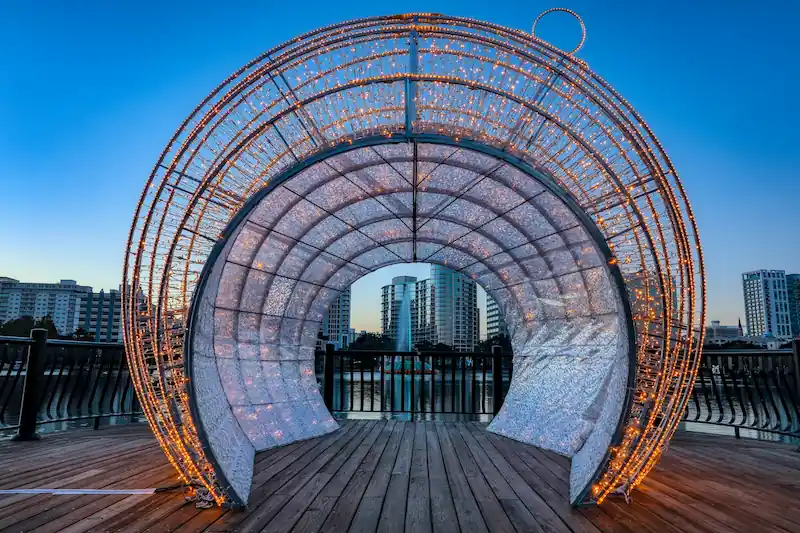
Walk Lake Eola and downtown at the start or end of the day – Lake Eola gives you one of the clearest glimpses of central Orlando without requiring a major plan. The loop is easy, the skyline frames the water well, and it works as a simple free reset before dinner or after a heavier attraction day. (Free · Best for: easy central-city time)
Spend an evening in Mills 50 for food, murals and a more local rhythm – Mills 50 is one of Orlando’s best local districts because the payoff is concentrated and legible: good eating, visible street art and a younger, less resort-shaped energy. Go hungry and give the evening room to drift a little. (Local favorite · Best for: dinner and nightlife texture)
Use East End Market and Audubon Park for a lighter half-day – This is one of the easiest Orlando moves when you want local food without overcommitting. The market and surrounding neighborhood give you a more intimate version of the city, especially useful after theme-park overload. (Best for: casual local browsing)
Choose Winter Park when you want a polished, walkable side trip – Winter Park works because it feels coherent: lakes, storefronts, a calmer scale and enough cafés to make lingering easy. It is a better local-style outing than many I-Drive fillers if you want your Orlando stay to breathe. (Worth it · Best for: slower upscale side outing)
Do Gatorland for old-school Florida character – Gatorland has a more homegrown identity than Orlando’s major resort attractions, and that difference is the point. It is not polished in the same way, but it delivers wildlife, lighter logistics and a break from mega-park pacing. (Distinctly Florida · Best for: families and repeat visitors)Find tours & experiences
Explore Ivanhoe Village for a more independent Orlando evening – Ivanhoe Village is useful when you want vintage shops, breweries, lakeside edges and a less resort-shaped social rhythm. It is not a blockbuster district, but it adds a local layer that works especially well on repeat visits or food-led nights. (Local texture · Best for: repeat visitors and casual evenings)
Use Thornton Park and Lake Eola together – Thornton Park gives Lake Eola a more useful neighborhood edge: cafés, brunch, patios and an easy downtown feel. The pairing is one of the simplest ways to make Orlando feel like an actual city rather than a set of attraction zones. (Easy local add-on · Best for: brunch, walks and downtown texture)
Go to Winter Garden if you want a small-town Central Florida reset – Winter Garden is a good longer-stay outing when you want a walkable historic main street, casual dining and a different Central Florida pace. It is less famous than Winter Park but often easier, friendlier and more relaxed. (Longer-stay pick · Best for: slow local day and families)
Use Lake Nona only if wellness, modern dining or airport-side logistics fit the plan – Lake Nona is not a classic sightseeing zone, but it can be useful for modern restaurants, wellness-oriented stays, airport-side positioning and a different view of Orlando’s newer growth. Treat it as a fit-based add-on, not a must-see. (Selective · Best for: modern Orlando and airport-side stays)
Try an airboat ride for real wetland context – An airboat ride can be touristy, but it also gives the trip a distinctly Floridian landscape that the parks cannot provide. It works best as a half-day outdoor contrast when you want water, wildlife and open sky rather than another enclosed attraction. (Distinctly Florida · Best for: nature and wildlife)Find tours & experiences
Food-led experiences worth your time in Orlando
Food in Orlando is not one single signature cuisine story; it is a spread of districts, resort dining zones and global pockets that reward selectivity. The best approach is to use meals as anchors in the right places rather than expecting every tourist corridor to deliver equally well.
Eat your way through Mills 50’s Asian-led dining scene – If you want Orlando food with local character, Mills 50 is one of the strongest answers. The district gives you range, late-day energy and better odds of a memorable meal than relying only on chain-heavy visitor zones. (High payoff · Best for: serious dinner plan)Find tours & experiences
Use Disney Springs for polished group-friendly dining – Disney Springs is not the most local food move in Orlando, but it is one of the easiest places to organize a reliable evening with mixed tastes. It works especially well when your day is already built around Disney property. (Best in the evening · Best for: easy group dinner)
Treat East End Market as a smart lunch or grazing stop – East End Market is more useful than flashy: a compact place to eat well without losing half a day. Pair it with Audubon Park or Leu Gardens and it becomes one of the city’s better low-friction food combinations. (Best for: casual lunch and local producers)
Book one proper Universal CityWalk dinner only if you are already there – CityWalk works best as a convenient evening extension of a Universal day, not as a standalone food destination. The value is in staying within your day’s geography and energy rather than crossing town for dinner alone. (Best for: post-park dinner)
Do a food tour only when you want neighborhoods, not just restaurants – A guided food experience makes the most sense when it helps decode an area such as downtown or a local district, not when it simply bundles a few tastings. Tours add value here if they reduce decision fatigue and introduce neighborhoods you would not navigate alone. (Selective · Best for: first local-food orientation)Find tours & experiences
Plan one serious Winter Park or Mills 50 dinner – Orlando’s best meals often sit outside the resort corridors. Winter Park gives a polished dining evening; Mills 50 gives more local, global and casual energy. Choose one of those zones when you want dinner to shape the night rather than simply refuel the group. (Best dinner move · Best for: food-focused travelers)
Use character dining only when it solves the group, not as an obligation – Character dining can be a highlight for the right family, but it is expensive, time-sensitive and easy to overvalue. Book it when the characters are part of the trip’s emotional logic, not just because you are on Disney property. (Family selective · Best for: Disney-focused families)
Treat resort dining as logistics as much as food – In Orlando, the best restaurant is often the one that fits your geography. A good on-property or near-park dinner can save the evening after a long day, while a better-rated restaurant across town can quietly cost too much energy. (Best for: park-day evenings)
Use food halls when the group cannot agree – East End Market, food-hall-style stops and casual multi-vendor spaces are useful in Orlando because groups often split between kids, adults, picky eaters and tired park-goers. They work best as practical relief valves rather than destination meals. (Group friendly · Best for: mixed groups and casual meals)
Best things to do in Orlando for first-time visitors
First-time Orlando trips go wrong when travelers try to sample every big name. A cleaner first stay is built around two or three anchors that each deliver a different kind of day.
Choose either Disney or Universal as your main park universe unless you have at least four or five sightseeing days.
If you have one non-park slot, make it Kennedy Space Center before lower-impact fillers on International Drive.
Use Disney Springs, CityWalk or Mills 50 for evening plans instead of forcing another full attraction.
Keep one lighter half-day for Lake Eola, Leu Gardens, Winter Park or a resort break; Orlando fatigue is real.
Do not buy extra add-ons until you know which day is your true priority day.
With five days, combine one Disney day, one Universal or Epic Universe day, Kennedy Space Center, one local food or Winter Park day and one flexible water/resort day.
Do not let International Drive become the default answer to every empty slot; use it only for a specific attraction, dinner show or indoor backup.
Build rest into the plan. Orlando is logistically tiring even when the individual activities sound easy.
Priority
Best choices
Why it matters
Essential
One Disney or Universal anchor, Kennedy Space Center if time allows, one easy evening zone
This gives the clearest Orlando mix without turning the trip into a list of unrelated attractions.
Highly recommended
Leu Gardens, Winter Park, Mills 50, Lake Eola, water park or resort pool time
These add recovery and local texture between high-intensity days.
They can be excellent for the right group but are not universal first-trip priorities.
Free things to do in Orlando that are actually worth it
Free in Orlando usually means short-format outdoor time, neighborhood wandering or entertainment districts rather than classic monument-heavy sightseeing. Used well, these breaks improve the overall trip.
Walk the 0.9-mile loop around Lake Eola Park and downtown.
Browse Disney Springs without turning it into a shopping marathon.
Use Universal CityWalk as an evening stroll if you are already on Universal property and entry timing works for your plan.
Explore Mills 50 murals and local streets before or after dinner.
Window-shop and café-hop around Winter Park’s central streets.
Check city or neighborhood event calendars if your dates align with outdoor markets or public events.
Walk or browse Disney Springs carefully, using it as atmosphere rather than a spending trap.
Use Celebration or Winter Garden for low-cost strolling if you have a car and want a slower Central Florida feel.
Look for free concerts, markets or downtown programming at Lake Eola, Winter Park or neighborhood main-street districts.
Option
Why it works
Best used for
Lake Eola
Central, easy, scenic and genuinely free
morning walk or sunset reset
Mills 50 murals
Adds local texture without a ticket
pre-dinner neighborhood time
Disney Springs
High-energy evening atmosphere
night activity without park admission
Winter Park streets
Pleasant walking and café pause
lighter half-day break
Unique things to do in Orlando beyond the obvious
The most distinctive Orlando experiences are often the ones that cut against the expected resort formula. They do not replace the big parks, but they stop the trip from feeling one-note.
Kennedy Space Center for a day that is bigger in scale and more grounded in reality than a typical attraction day.
Discovery Cove for a premium all-inclusive day that feels unlike the standard Orlando formula.
Gatorland for a throwback Florida experience with its own personality.
A Winter Park Scenic Boat Tour for canals, lakes and a side of Central Florida many visitors never see.
Harry P. Leu Gardens when you want subtropical quiet rather than another themed environment.
A local food evening in Mills 50 or Audubon Park instead of defaulting again to tourist corridors.
Blue Spring or Wekiwa Springs for a real Florida nature break when water conditions and season fit.
Dr. Phillips Center for a performance-led evening that moves beyond the attraction economy.
Winter Garden or Mount Dora when you want a smaller-town Central Florida outing rather than another theme-park adjacent stop.
An airboat ride when you want wetlands and wildlife in a short, high-contrast format.
Things to do in Orlando at night
Night in Orlando works best when you choose the right scale. Some evenings should stay easy and social; others can absorb tickets, rides or a full themed-dining push.
Disney Springs for a flexible dinner-and-stroll night.
Universal CityWalk when you want energy after a Universal park day.
ICON Park for a lower-commitment evening with skyline views.
Mills 50 for dinner, bars and a more local nighttime feel.
Lake Eola and downtown for a simpler short evening if your day has already been full.
Dr. Phillips Center for a show-based downtown evening.
Thornton Park, Ivanhoe Village or Winter Park for calmer restaurant-led nights.
Orlando Magic, Orlando City or Camping World Stadium events if the calendar lines up.
Dinner shows on I-Drive only if the format genuinely fits the group.
Night option
Best for
Energy level
Needs booking
Disney Springs
mixed groups
moderate
Only for specific restaurants
CityWalk
post-Universal continuation
high
Usually no
Mills 50
local food and drinks
moderate
Helpful at peak dinner times
ICON Park
easy attraction-led evening
light
Usually no
Things to do in Orlando with kids
Orlando with kids is less about quantity than age fit. The right park for a preschooler is not the right park for a ten-year-old, and families save a lot of energy by planning around that difference.
Magic Kingdom remains the cleanest first choice for many younger families.
Universal works better once rides, characters and height thresholds matter more than fantasy familiarity alone.
Orlando Science Center is one of the best indoor family backups in the city.
Gatorland gives families wildlife and space without the scale of a mega-park day.
Peppa Pig Theme Park is stronger than the headline parks for preschool-focused trips.
LEGOLAND Florida works best as a dedicated family excursion, not an impulse add-on.
Crayola Experience is a useful creative indoor backup for younger children.
Dezerland and WonderWorks work best for older kids or mixed-weather gaps, not as headline Orlando days.
Typhoon Lagoon, Blizzard Beach, Volcano Bay or Aquatica can be smarter than another dry park when heat and energy become the issue.
Animal Kingdom can be a better Disney day than Magic Kingdom for families who want animals, shade pockets and more visual variety.
Age fit
Best picks
Best note
Preschoolers
Peppa Pig Theme Park, Magic Kingdom, Orlando Science Center
Keep days short and overstimulation low
School-age kids
Magic Kingdom, Universal, Kennedy Space Center, Gatorland, LEGOLAND Florida
Mix one big day with one lighter day
Tweens and teens
Universal, Epic Universe, SeaWorld, Kennedy Space Center
Ride density matters more than character appeal
Things to do in Orlando when it rains
Rain in Orlando does not automatically ruin the day, but it does punish loose planning. The smartest rainy-day options are indoor museums, flexible entertainment zones and attractions that do not collapse under afternoon storms.
Orlando Science Center is one of the best rainy-day options in the city.
Orlando Museum of Art works well if you want a shorter indoor cultural stop.
East End Market is a useful food-led indoor reset on a broken-weather day.
Indoor entertainment complexes can work as family backups when the weather turns unstable.
A Disney Springs or CityWalk evening can often rescue the second half of a disrupted day.
Dezerland Park is useful when you need several indoor entertainment formats in one place.
WonderWorks and Ripley’s can solve a shorter I-Drive backup slot if expectations are realistic.
Crayola Experience works better for younger children than teens.
Use resort downtime, an early dinner or a show night when storms make ambitious cross-city planning fragile.
Rainy Day option
Why choose it
Time needed
Orlando Science Center
Interactive, family-friendly and substantial
2 to 4 hours
Orlando Museum of Art
Compact cultural stop
1 to 2 hours
East End Market
Food-first indoor reset
1 to 2 hours
Dezerland / indoor entertainment
Weather-proof family fallback
2 to 4 hours
Things to do in Orlando in summer
Summer in Orlando can still work, but it requires a different rhythm: early starts, pool or water breaks, indoor backups, and fewer heroic afternoon plans. Heat and thunderstorms punish overstuffed days more than lack of ambition.
Start park days early and protect either a pool break or an indoor recovery block.
Use water parks, Discovery Cove, hotel pools or resort downtime as part of the plan rather than as afterthoughts.
Keep Leu Gardens, Lake Eola and Winter Park for morning or early evening rather than peak afternoon heat.
Use Orlando Science Center, Dezerland, Crayola Experience, WonderWorks or resort dining as heat and storm backups.
Choose one strong evening zone—Disney Springs, CityWalk, Mills 50, Winter Park or downtown—rather than extending every park day to exhaustion.
Summer need
Best choices
Watch out
Heat relief
Water parks, hotel pools, Discovery Cove, indoor attractions
Do not stack long exposed walking after lunch.
Storm backup
Science Center, Dezerland, Crayola, Disney Springs, CityWalk
Afternoon storms can disrupt loose plans.
Outdoor time
Early Lake Eola, morning Leu Gardens, evening Winter Park
Timing matters more than the attraction itself.
Things to do in Orlando for couples
Orlando for couples works best when you choose a few polished experiences and avoid letting the trip become either purely childish or purely logistical. A good couples plan mixes one major park or premium day with food, water, gardens and slower evenings.
EPCOT is often the best Disney park for adults because dining, walking and festival energy matter as much as rides.
Discovery Cove can be a strong premium couples day if you want something calmer and more resort-like.
Winter Park Scenic Boat Tour, Park Avenue and the Morse Museum make one of the best soft half-days.
Mills 50, Winter Park, Ivanhoe Village or Thornton Park work better for dinner than many tourist corridors.
Kennedy Space Center adds a substantive day that does not feel childish or resort-driven.
Couples style
Best choices
Avoid
Premium and easy
Discovery Cove, Winter Park dinner, resort evening
Overstacking parks back to back.
Food-led
Mills 50, Winter Park, Ivanhoe, Thornton Park
Defaulting to chain-heavy corridors.
Theme-park focused
EPCOT, Universal, Epic Universe
Trying to do every park universe in one short trip.
Things to do in Orlando with teens
Teen trips to Orlando usually work best with ride density, autonomy, food flexibility and fewer preschool-oriented compromises. Universal, Epic Universe and the right Disney park often outperform the default family checklist.
Universal and Epic Universe are usually the strongest headline choices for teens who want rides and immersive worlds.
Hollywood Studios and EPCOT often work better than Magic Kingdom for older kids and teens.
Kennedy Space Center is one of the best non-park days if the group likes science, engineering or space.
Dezerland, WonderWorks, go-karts, arcades and water parks can be useful flex blocks.
Mills 50, CityWalk, Disney Springs and ICON Park work as evening zones when the group needs food and energy.
Teen priority
Best picks
Planning note
Rides
Universal, Epic Universe, Hollywood Studios, SeaWorld coasters
Line strategy matters more than doing every park.
Indoor backup
Dezerland, WonderWorks, Science Center, Crayola only for younger siblings
Use as backup, not core trip identity.
Evening energy
CityWalk, Disney Springs, ICON Park, Mills 50
Keep transport simple after long park days.
Budget-friendly things to do in Orlando
Orlando is expensive when every day is ticketed, but the trip becomes more manageable if you mix one or two true paid anchors with free districts, local food, parks and lower-cost half-days.
Use Lake Eola, Winter Park, Mills 50 murals, Disney Springs browsing and neighborhood walks as free or low-cost buffers.
Choose one expensive flagship park day carefully instead of buying multiple mediocre ticketed days.
Use Gatorland, Leu Gardens, Science Center or a food-led local evening as lower-cost alternatives to premium parks.
Book early when pricing changes by date, especially for major parks and packaged excursions.
Avoid false savings from distant hotels or scattered attractions that create rideshare and parking costs.
Budget move
Best example
Why
One flagship day
Universal, one Disney park or Kennedy Space Center
Concentrates spending where payoff is highest.
Free evening
Lake Eola, Disney Springs, Mills 50 murals, Winter Park streets
Keeps the trip active without another ticket.
Lower-cost family day
Gatorland, Leu Gardens, Science Center, local food hall
Reduces ticket pressure without making the day feel empty.
Outdoor and nature things to do around Orlando
Outdoor Orlando is not just water parks. The best nature and fresh-air options give the trip contrast: gardens, lakes, springs, wetlands, wildlife and small-town main streets that feel far from resort parking lots.
Leu Gardens is the easiest outdoor reset inside Orlando.
Lake Eola works for a short free urban walk, especially early or late.
Winter Park’s boat tour and lakes give a gentler Old Florida feeling.
Wekiwa Springs and Blue Spring work as stronger nature escapes when you have a car and time.
Airboat rides add wetlands and wildlife in a compact, tourist-friendly format.
Water parks are outdoor too, but they solve heat and family energy more than nature.
Outdoor style
Best choices
Time needed
Easy city reset
Lake Eola, Leu Gardens, Winter Park
1 to 4 hours
Real nature
Wekiwa Springs, Blue Spring, airboat tour
Half day to full day
Water and heat relief
Volcano Bay, Aquatica, Disney water parks, Discovery Cove
Half day to full day
Things to do in Orlando by area
Lake Buena Vista and Disney property
This zone is about scale, logistics and full-day commitment. Come here when the day has a clear headliner and keep secondary plans on-property to avoid wasting time in transit.
Choose one Disney park with intent rather than treating the whole resort as one attraction.
Use Disney Springs for your evening instead of relocating after a long park day.
Build rest, dining and transport time into the day; distances are bigger than they first appear.
Universal Orlando and nearby International Drive edge
This is Orlando at its most momentum-driven: rides, nightlife, entertainment density and easier one-day payoff. It works best when you embrace the area rather than splitting it with far-off stops.
Prioritize Universal’s parks or Epic Universe as the day’s core experience.
Extend into CityWalk for dinner and night activity.
Only add I-Drive attractions if you have a specific reason, not just spare time.
Downtown Orlando and Lake Eola
This is the quickest way to access a more recognizably urban Orlando. It is less about major attractions than about breathing space, skyline views and short-format city time.
Walk Lake Eola and the downtown core.
Use it for a morning reset or sunset stroll.
Pair with nearby dining or a move toward Mills 50 or Ivanhoe.
Mills 50 and Loch Haven
This is one of Orlando’s most useful non-resort zones because it blends dining, murals, museums and a more local social rhythm. It rewards an open evening more than a tightly scheduled attraction run.
Eat across Mills 50 rather than locking into one tourist-zone dinner.
Add Orlando Museum of Art or Orlando Science Center nearby.
Use the district for local nightlife texture instead of another entertainment complex.
Audubon Park and Leu Gardens
This side of Orlando is best for travelers who want a softer half-day. The mix of gardens, market stops and neighborhood scale makes it an effective antidote to attraction fatigue.
Visit Harry P. Leu Gardens.
Stop at East End Market for lunch or grazing.
Let the pace stay light; this area works because it is not overprogrammed.
Winter Park
Winter Park sits slightly outside Orlando’s main tourism rhythm and is all the better for it. The appeal is walkability, water, cafés and a calmer version of Central Florida leisure.
Take the Scenic Boat Tour if you want a gentle structured activity.
Walk Park Avenue and stop for coffee or lunch.
Use it as a slower side trip on longer Orlando stays.
International Drive and ICON Park
International Drive is useful when treated as a targeted attraction corridor, not as a substitute for planning. It works for shorter indoor or evening blocks, but the quality varies sharply.
Use ICON Park for an easy evening or skyline-view stop.
Choose WonderWorks, Dezerland, Ripley’s or mini golf only when they solve a specific rain, heat or family gap.
Do not let scattered I-Drive stops displace higher-value park, nature or local-district days.
SeaWorld, Discovery Cove and Aquatica
This cluster is strongest when the trip needs animal encounters, water, premium containment or a different pace from Disney and Universal. It is not mandatory for everyone, but it can be very efficient when it matches the group.
Use Discovery Cove as a premium all-inclusive day.
Choose SeaWorld when coasters and marine-life viewing both matter.
Use Aquatica as a water-park decision, especially in heat or SeaWorld-side stays.
Ivanhoe Village, Thornton Park and local downtown edges
These districts help Orlando feel more like a lived city, especially for repeat visitors or travelers who want dinner, drinks, vintage shopping, cafés and lakeside walking beyond the resort bubble.
Use Thornton Park with Lake Eola for a simple city walk and meal.
Choose Ivanhoe Village for independent shops, breweries and a more local night.
Keep the plan loose; these areas work best as texture rather than checklist.
Lake Nona and southeast Orlando
Lake Nona is a fit-based area rather than a classic sightseeing zone. It makes sense for airport-side logistics, modern dining, wellness-oriented stays or travelers curious about Orlando’s newer development pattern.
Use Lake Nona only when its location helps your trip.
Good for a modern dinner or airport-side stop rather than major sightseeing.
Better for repeat visitors than first-timers.
Kissimmee, Celebration and resort-villa corridors
These areas matter because many Orlando visitors stay in villas, resorts or family rentals south of the main attractions. They are not always sightseeing priorities, but they shape the practical rhythm of the trip.
Use Celebration for a low-key walk, meal or family pause.
Keep villa days realistic; driving and parking can define the experience.
Do not confuse a convenient accommodation corridor with a high-value activity zone.
What to prioritize in Orlando by trip length
Orlando rewards sharper editing than many major destinations. The best trips are not the fullest ones, but the ones where each day has a clear identity.
Profile
Prioritize
Skip
Structure
Half day
Lake Eola, Disney Springs, CityWalk, Leu Gardens or a compact local district
Any major theme park unless you already have entry and a precise plan
Choose one compact area and let the day stay local or evening-led.
1 day
Universal, one Disney park or Kennedy Space Center
Park-hopping and cross-city overreach
Commit to one true headline experience and build dinner nearby.
2 days
One flagship park day plus one contrasting day such as Kennedy Space Center or a second park
Low-yield filler attractions on International Drive
Make each day distinct: one high-intensity day, one broader or lighter day.
3 days
Two major anchors plus one local or recovery day
Trying to sample Disney, Universal and SeaWorld all at once
Use day three to slow the rhythm with Winter Park, Leu Gardens, Lake Eola or a food-led plan.
First trip
Disney or Universal, plus Kennedy Space Center if time allows
Niche attractions before the big categories are covered
Anchor the trip around the attraction family that matches you best.
Repeat visit
Epic Universe, Discovery Cove, Gatorland, Winter Park, Mills 50, Leu Gardens and neighborhood-led time
Recreating the same generic park-heavy template
Let Orlando widen into local districts and more selective attractions.
4 to 5 days
One Disney park, Universal or Epic Universe, Kennedy Space Center, one local food or Winter Park day, and one water or recovery day
Stacking every major park universe without rest
Alternate high-intensity anchor days with recovery, food or nature-led time.
6 to 7 days
Add a second park universe, Discovery Cove or a water park, plus a nature or coast day
Adding every I-Drive attraction just because the trip is longer
Use length to diversify, not to repeat the same energy every day.
Summer trip
Early park starts, water parks, indoor backups, pool breaks and evening districts
Long outdoor local sightseeing in peak afternoon heat
Build around heat management and storm flexibility.
Families with young kids
Magic Kingdom, Peppa Pig, LEGOLAND, Science Center, hotel pools, Crayola or Gatorland depending on age
Teen-leaning thrill days and too many late nights
Keep each day shorter and more age-specific than adult plans.
Teens
Universal, Epic Universe, Hollywood Studios, SeaWorld coasters, Kennedy Space Center, water parks and flexible evenings
Too many preschool-oriented experiences
Maximize ride density and give evenings a food or entertainment anchor.
Budget-conscious trip
One or two paid anchors plus Lake Eola, Disney Springs, Mills 50, Winter Park, Leu Gardens or Gatorland
Multiple mid-tier paid attractions that add up without becoming memorable
Spend hard on the days that matter and keep the rest lighter.
Best day trips from Orlando
Day trips make sense from Orlando when they add a different kind of experience, not just more branded entertainment. The strongest choices bring either real Florida landscape, a calmer local setting or a genuinely major attraction outside the resort core.
These are not full itineraries, just combinations that work especially well together.
Universal day plus CityWalk night – This is one of the cleanest Orlando pairings because it keeps energy, geography and mood aligned. Instead of losing time relocating for dinner, you let the day taper naturally from rides into food and nightlife.
Leu Gardens plus East End Market plus Mills 50 dinner – This is an excellent non-park Orlando day because each stop changes the rhythm without making the day feel scattered. You move from greenery to casual food to a stronger evening district in a logical arc.
Lake Eola plus downtown pause plus Winter Park dinner – Use this when you want Orlando to feel more like a city than a resort machine. The day stays light, walkable and well paced, with enough variety to feel intentional without becoming a full excursion.
Kennedy Space Center plus easy evening back in Orlando – Kennedy Space Center is substantial enough that the evening should stay simple. Plan for a low-friction dinner near your hotel, Disney Springs or a nearby district rather than trying to stack another major attraction on top.
Magic Kingdom or EPCOT plus Disney Springs – This pairing works because it respects the size of Disney property. You avoid cross-city transit, keep dinner easy and let the day finish on a more flexible note after a structured park experience.
Discovery Cove plus a very light dinner plan – Discovery Cove works best when you let it remain the whole point of the day. Follow it with an easy dinner rather than trying to add another attraction-heavy evening.
Epic Universe plus a protected recovery morning after – Epic Universe is intense enough that the following morning should not be overloaded. Use a pool, brunch, East End Market, Lake Eola or a late-start local plan rather than pushing straight into another full park day.
SeaWorld, Aquatica or Discovery Cove as a compact south-side cluster – These experiences work best when you keep the geography tight. Do not mix them with far-off Disney, Winter Park or downtown plans on the same day unless the second stop is very light.
I-Drive indoor backup plus easy dinner – WonderWorks, Dezerland, Ripley’s, Crayola or ICON Park can rescue a weather-broken day, but the strongest move is to keep the evening nearby and avoid turning a backup into a cross-city itinerary.
Winter Park boat tour plus Morse Museum plus Park Avenue – This is one of the cleanest slow-day structures in the Orlando area: gentle water, a real cultural stop and a walkable dining street without resort logistics.
Wekiwa Springs or airboat ride plus low-effort city evening – Nature days are more rewarding when the evening stays simple. Pair wetlands, springs or wildlife with a nearby dinner rather than trying to add a second major attraction.
Lake Eola, Thornton Park and Dr. Phillips Center – This combination gives Orlando a more urban and cultural evening: a short lake walk, dinner nearby and a performance or downtown event if the calendar lines up.
What to book ahead in Orlando
Booking matters in Orlando because the city runs on volume, distance and timed-entry logic. The goal is not to prebook everything, but to secure the days where friction genuinely costs you time.
Book ahead if weather looks stable and the slot matters to your plan
Yes, because the guided ride is the experience
Popular Disney Springs or CityWalk dinner
Sometimes
Useful for prime evening slots
No
Leu Gardens, Lake Eola, Mills 50 evening
No
Spontaneous is usually fine
No
Disney character dining and high-demand resort restaurants
Yes
Book as early as your planning window allows if the meal is important to the trip
No; the booking itself is the scarce part
Disney, Universal, SeaWorld and Aquatica water parks Check options
Usually yes
Book ahead for peak heat, holidays and resort-linked days
No, but cabanas or premium seating can matter for some families
Peppa Pig Theme Park and LEGOLAND Florida Check options
Yes
Book when dates are fixed, especially if using transport or multi-park tickets
Transport packages can be helpful if you do not have a car
Crayola Experience, WonderWorks, Dezerland or ICON Park attractions Check options
Sometimes
Usually flexible, but check bundles, holidays and rainy-day demand
No; these are self-guided attractions
Dr. Phillips Center shows and sports events
Yes for specific performances or games
Book when the event becomes part of the itinerary
Not relevant; choose the event itself carefully
Wekiwa Springs, Blue Spring or state-park nature days
Check ahead
Check park capacity, weather, seasonal wildlife conditions and rental availability
A guided paddle or wildlife tour can help if nature is the main point
Orlando activity FAQ
These are the questions most travelers need resolved before they plan well.
What are the best things to do in Orlando for a first trip?
For most first-time visitors, the clearest shortlist is one Disney or Universal day, Kennedy Space Center if you have time, and one easier evening or local break such as Disney Springs, CityWalk, Lake Eola or Mills 50. That mix gives you headline Orlando without making every day feel the same.
Is Orlando only worth visiting for the theme parks?
No. The parks are the main draw, but Orlando also works for food districts, gardens, wildlife, museums, Winter Park and one of Florida’s strongest day trips at Kennedy Space Center. Those additions often improve the trip by breaking the park rhythm.
How many days do you need for Orlando?
Three to five days is the most useful range for most travelers. Shorter stays force hard choices, while longer stays become much better if you add non-park time instead of stacking more similar attraction days.
What should I book ahead in Orlando?
Book major park days, Kennedy Space Center transport-linked visits and any must-have dining or skip-the-line tools early. Smaller local activities such as Leu Gardens, Lake Eola or neighborhood dinners can usually stay flexible.
What are the best things to do in Orlando at night?
Disney Springs and Universal CityWalk are the easiest headline answers, while Mills 50 is stronger for local food and drinks. ICON Park works if you want a lighter, attraction-led evening rather than another full entertainment commitment.
What are good things to do in Orlando with kids besides the big parks?
Kennedy Space Center, Orlando Science Center, Gatorland, Leu Gardens and age-specific options like Peppa Pig Theme Park or LEGOLAND Florida all work well. The best pick depends heavily on age and energy level.
What can you do in Orlando when it rains?
Orlando Science Center is one of the best rainy-day options, followed by the Orlando Museum of Art, indoor entertainment complexes and flexible food-led stops such as East End Market. Rain does not end the day, but it rewards having a backup plan.
Are there worthwhile free things to do in Orlando?
Yes, especially Lake Eola, neighborhood walks in Mills 50 or Winter Park, and entertainment districts such as Disney Springs. Free in Orlando is more about smart urban breaks than classic sightseeing monuments.
What is the best day trip from Orlando?
Kennedy Space Center is the strongest overall day trip because it feels substantial, distinctive and genuinely different from Orlando’s park ecosystem. Winter Park is the better choice when you want something lighter and more local.
Is Discovery Cove worth it in Orlando?
Yes, for the right trip profile. It is especially worthwhile if you want a premium, calmer, all-inclusive day with animal encounters and a more resort-like atmosphere than the major parks.
What are the best non-theme-park things to do in Orlando?
Kennedy Space Center, Winter Park, Leu Gardens, Lake Eola, Mills 50, East End Market, Gatorland, the Orlando Science Center, Wekiwa Springs and airboat tours are among the strongest non-theme-park options. The best choice depends on whether you want nature, food, culture, family activity or a calmer reset.
Is Epic Universe worth a full day?
Yes if immersive theme-park design, new rides and Universal worlds are a major reason for your trip. Treat Epic Universe as a dedicated full-day anchor, not an add-on after another park, because the experience works best when you give it enough time and energy.
Which Disney park should I choose if I only have one day?
Magic Kingdom is the safest first-time and younger-family choice. EPCOT is often better for adults, older kids and food-minded visitors. Hollywood Studios is strongest for Star Wars and headline rides, while Animal Kingdom works when you want animals, landscape and a slightly different Disney rhythm.
Is Universal better than Disney for Orlando first-timers?
Universal can be better if your group values thrill rides, film worlds and compact momentum. Disney is better if classic atmosphere, younger children or a more iconic family trip matters most. For a short stay, choose the universe that fits the group instead of trying to do both lightly.
What are the best things to do in Orlando in summer?
In summer, prioritize early park starts, water parks, Discovery Cove, hotel pools, indoor backups such as Orlando Science Center or Dezerland, and evening districts like Disney Springs, CityWalk or Mills 50. Avoid overplanning long exposed outdoor activities in the afternoon.
What are the best indoor things to do in Orlando?
Good indoor options include Orlando Science Center, Orlando Museum of Art, Dezerland Park, WonderWorks, Crayola Experience, some I-Drive attractions, indoor shopping or food halls, and show-based evenings. Use them as heat and storm buffers rather than as the whole trip identity.
What are the best outdoor things to do around Orlando?
Leu Gardens, Lake Eola, Winter Park Scenic Boat Tour, Wekiwa Springs, Blue Spring State Park, airboat rides and water parks are the strongest outdoor options. Choose gardens and lakes for calm, springs and airboats for real Florida nature, and water parks for heat relief.
Is International Drive worth visiting?
International Drive is worth visiting only with a clear plan. ICON Park, WonderWorks, Dezerland, dinner shows, mini golf and some family attractions can be useful, but the corridor is not automatically high value. It is best for flexible evenings, rainy-day backups and visitors staying nearby.
Is Kennedy Space Center worth it from Orlando?
Yes. Kennedy Space Center is the strongest day trip from Orlando because it adds real-world scale, space history and a completely different type of day from the parks. It is especially worthwhile for families, science-minded travelers and repeat Orlando visitors.
What are the best things to do in Orlando for teens?
Universal, Epic Universe, Hollywood Studios, SeaWorld coasters, Kennedy Space Center, Volcano Bay, Dezerland, WonderWorks and CityWalk usually work well for teens. Ride density, food flexibility and evening energy matter more than preschool-oriented character experiences.
What are the best things to do in Orlando for toddlers or preschoolers?
Magic Kingdom, Peppa Pig Theme Park, LEGOLAND Florida, Crayola Experience, Orlando Science Center, hotel pools and short Disney Springs visits are usually stronger than intense thrill-ride days. Keep days short and avoid stacking late nights after overstimulating parks.
Are Orlando water parks worth it?
Yes when heat, family pacing or recovery time are important. Volcano Bay, Aquatica and Disney water parks can be smarter than adding another dry park, especially in summer or on longer stays. They are less essential on short first trips unless water play is a top priority.
What should repeat visitors do in Orlando?
Repeat visitors should look at Epic Universe, Discovery Cove, Gatorland, Mills 50, Winter Park, Leu Gardens, Ivanhoe Village, airboat rides, Wekiwa Springs, Blue Spring, local food districts and performance nights. The goal is to move beyond the default park-heavy template.
What are the best food areas in Orlando?
Mills 50 is one of the best local food districts, especially for Asian-led dining and murals. Winter Park is strong for polished dinners, East End Market works for casual grazing, and Disney Springs or CityWalk are useful when they fit your park geography.
Is Disney Springs worth visiting without a park ticket?
Yes, if you want an easy dining, shopping and evening atmosphere without buying another park ticket. It is especially useful on arrival days, rest days or after a Disney-area plan, but it should not become a full substitute for more distinctive Orlando experiences.
Is CityWalk worth visiting without going to Universal?
CityWalk can be worthwhile for dinner, nightlife or a low-effort evening, but it is strongest when paired with a Universal day. If you are staying far away, Mills 50, Disney Springs, Winter Park or downtown may be more efficient depending on your location.
What are the best nature day trips from Orlando?
Wekiwa Springs, Blue Spring State Park, airboat tours, Cocoa Beach and some wetland areas are the best nature-oriented choices. Kennedy Space Center is more educational than nature-led, while Winter Park gives a gentler lake-and-canal version of Central Florida.
Can you enjoy Orlando without renting a car?
Yes, but only if your hotel and activities are geographically aligned. Staying around Disney, Universal or I-Drive can work without a car for a focused trip, but local neighborhoods, Kennedy Space Center, Winter Park, springs and beaches are much easier with a car or organized transport.
What are the most overrated things to do in Orlando?
The most overrated choices are usually not specific attractions but poorly matched ones: random I-Drive fillers, extra parks added from fear of missing out, shopping-only evenings when the group needs rest, or distant activities that create more transport friction than payoff.
What is the best Orlando itinerary balance?
A strong balance is one flagship park day, one Universal or Epic Universe day if rides matter, one Kennedy Space Center or nature day, one local food or Winter Park day, and one flexible recovery or water day. Shorter trips should cut categories rather than compress everything.
Is Gatorland worth it?
Gatorland is worth it when you want a lower-cost, old-Florida-style family attraction with wildlife and less mega-resort polish. It is not as spectacular as the big parks, but that lighter, local personality is exactly why it can work.
Should I visit Winter Park during an Orlando trip?
Winter Park is worth it if you have at least three or four days or want a calmer Central Florida outing. The Scenic Boat Tour, Park Avenue, cafés and the Morse Museum make it one of the best non-resort half-days near Orlando.
What should I skip on a short Orlando trip?
On a short trip, skip scattered I-Drive filler, multiple partial park days, distant excursions that do not match your group and shopping-heavy plans unless shopping is the point. Protect one or two high-value anchors and one easy evening instead.
What are good Orlando activities for adults without kids?
Adults should consider EPCOT, Universal, Epic Universe, Discovery Cove, Kennedy Space Center, Winter Park, Mills 50, Ivanhoe Village, Dr. Phillips Center, cocktail or restaurant-led evenings, and a nature day at the springs or via airboat.
The best Orlando trips come from choosing fewer, better-fit experiences rather than trying to do the whole city by force.
Turn the right experiences into the right itinerary
Once you know what you want to do in Orlando, the next step is turning those ideas into a trip that actually works day by day. Use the planner to organize the right mix of highlights, neighborhoods, and pace into a route that feels coherent, not crowded.