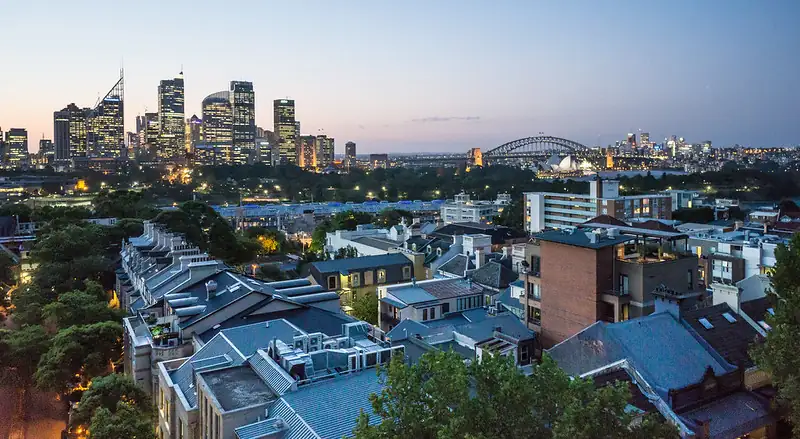
Where to stay in Sydney
Find the best neighborhoods and hotels in Sydney.
Open page →
Plan your trip to Sydney with a strategic city guide built around where to stay, what to do, how to structure your days, and how to avoid the city’s most common planning mistakes. Sydney is not a checklist city. Its best experiences sit across different rhythms: harbour movement, coastal walking, inner-city dining, beach culture, First Nations context, and slower residential waterfronts. The trip works best when those layers are sequenced deliberately rather than compressed into disconnected attraction stops.
Find the best neighborhoods and hotels in Sydney.
Open page →
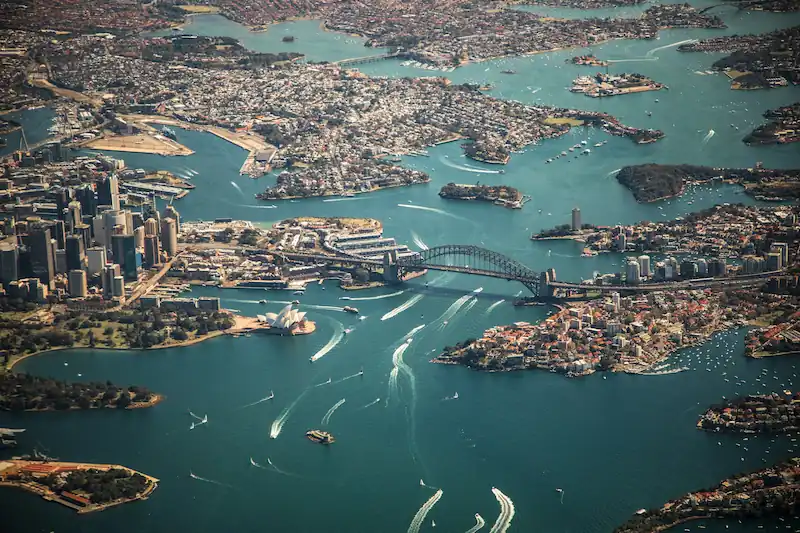
Prioritize the activities that deserve your time in Sydney.
Open page →
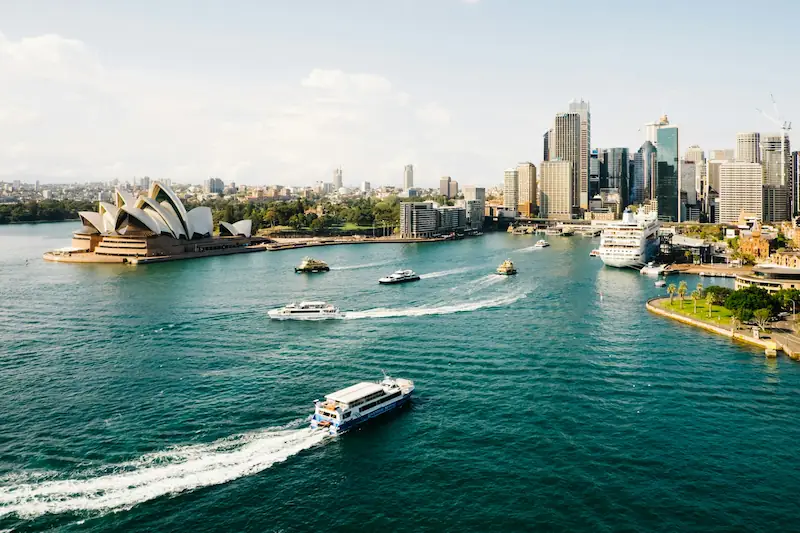
2 Days in Sydney Itinerary: First-Time Harbour & Bondi Route
Open itinerary →
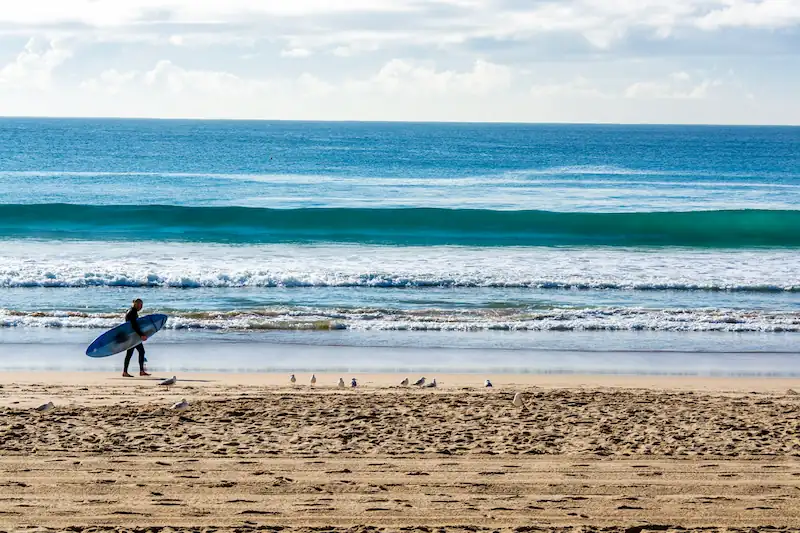
3 Days in Sydney Itinerary: Harbour, Bondi & Manly First Trip
Open itinerary →
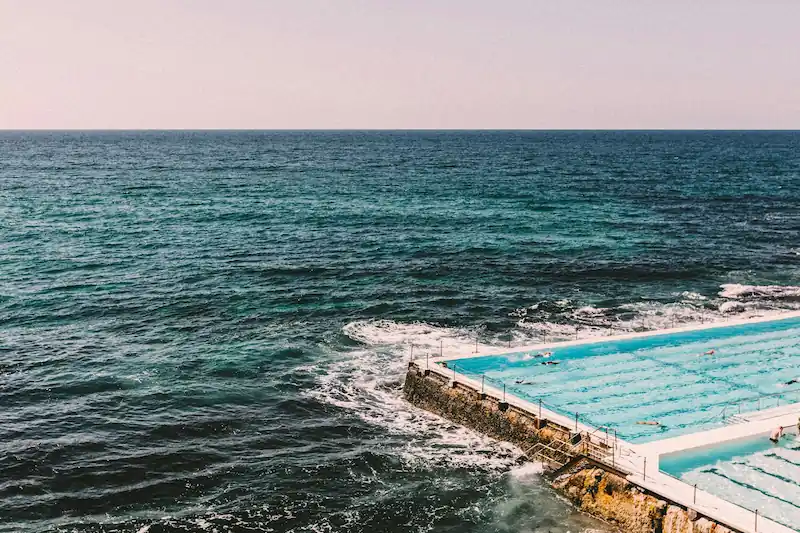
5 Days in Sydney Itinerary: Complete Harbour, Beaches & Neighbourhoods
Open itinerary →
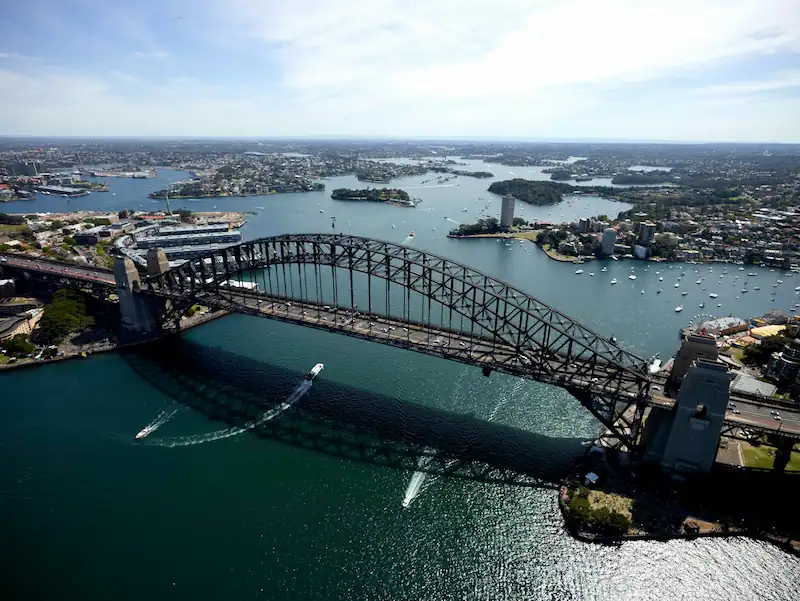
7 Days in Sydney Itinerary: Full Week with Beaches, Neighbourhoods & Blue Mountains
Open itinerary →
Sydney is a harbour city first, a beach city second, and a neighbourhood city once you give it enough time. The Opera House and Harbour Bridge are essential, but the real intelligence of the trip comes from understanding how water, cliffs, ferries, coves, and inner districts shape each day. A strong Sydney stay usually alternates between the harbour core, one coastal chapter, one ferry-led outing, and at least one neighbourhood evening outside the CBD.
Sydney earns its reputation because few major cities give you this much spatial contrast so quickly. You can move from a world-famous harbour edge to sandstone lanes, contemporary galleries, surf beaches, ocean pools, leafy inner-east terraces, and ferry-linked suburbs without the city ever feeling like a single uniform centre. It is at its best when the day has a physical arc: morning light on the harbour, a mid-day gallery or neighbourhood pause, a coastal or ferry movement, and an evening that settles somewhere with food, water, or street life.
Best time: September to November and February to April for the strongest balance of light, weather, beach potential, and manageable demand.
Ideal trip length: 4 to 5 days for a strong first visit; 7 days if you want beaches, Manly, neighbourhoods, and one major day trip without rushing.
Sydney is an expensive city break by accommodation and dining standards, but it is not expensive in the same way every day. Many of the highest-return experiences are free or low-cost — harbour walks, coastal paths, ferries, gardens, ocean pools, and neighbourhood time — while hotels, premium harbour views, destination restaurants, BridgeClimb, and guided day trips create the real cost pressure. The smartest budget strategy is not to stay far out; it is to choose a base that reduces repeated transport friction and then spend selectively on the experiences that genuinely change the trip.
Sydney works as a set of linked but distinct urban systems. The CBD and Circular Quay form the civic and symbolic core; The Rocks and Walsh Bay carry historic and harbour-edge texture; the eastern suburbs pull the city toward Bondi, Coogee, and ocean pools; Manly and the Northern Beaches show the harbour-to-surf transition from the water; and inner districts like Surry Hills, Potts Point, Paddington, Newtown, and Chippendale supply the food, design, and street-level rhythm that prevent the trip from becoming only scenic.
Water is the main organizing force: coves, peninsulas, ferry wharves, bays, surf beaches, and harbour headlands repeatedly change how a day should be built. The city also rises and drops more than first-time visitors expect, which makes viewpoint walks rewarding but cross-city improvisation slower. Sydney is easiest to understand when you stop measuring by distance alone and start reading by zones: harbour core, eastern beaches, inner city, north shore, and day-trip edges.
Sydney starts early in its outdoor zones. Coastal walks, ocean pools, cafés, and harbour promenades are often strongest in the morning. Midday belongs better to galleries, shade, markets, ferries, or slower lunches, especially in warm months. Late afternoon is premium time: the harbour sharpens, beach glare softens, and neighbourhood dining districts begin to matter. Evenings rarely concentrate in one single nightlife zone; they spread across Circular Quay, Walsh Bay, Barangaroo, Surry Hills, Potts Point, Chinatown, Newtown, and beach-side pockets.
Think of Sydney as four required layers and two optional expansions. The required layers are the harbour icons, a ferry movement, one coastal chapter, and one neighbourhood or food-led evening. The optional expansions are cultural depth — Opera House interior, Art Gallery of NSW, MCA, Hyde Park Barracks, First Nations-led interpretation — and a day trip such as the Blue Mountains or Royal National Park. Most weak Sydney itineraries fail because they chase named sights without protecting these layers.
Open the planner
Start with the harbour core, because Circular Quay, the Opera House, The Rocks, and the bridge make the city’s structure legible fast. Use at least one ferry as a real planning device, not as a novelty ride; Manly, Watsons Bay, Taronga, and harbour-suburb routes all change how the city reads. Give Bondi and the eastern beaches their own half-day or full-day chapter instead of reducing them to a photo stop. Treat Manly differently from Bondi: Bondi is a coastal walk and beach-culture move; Manly is a harbour-crossing plus beach-town move. Pair museums with nearby geography: Art Gallery of NSW with the Botanic Garden, MCA with The Rocks, Hyde Park Barracks with Macquarie Street and the CBD. Use Surry Hills, Potts Point, Chinatown, or Newtown for evenings when you want Sydney to feel local rather than purely scenic. Do not add the Blue Mountains too early; it is excellent, but Sydney itself deserves two to three properly structured days first. Protect morning and late-afternoon outdoor time; Sydney’s heat, glare, and crowds make midday less rewarding for exposed walks. Book only what is capacity-sensitive or timing-dependent: Opera House tours or shows, BridgeClimb, Taronga packages in peak periods, whale watching, and major day trips. For five days or more, slow down before expanding; one ocean pool morning or harbour-suburb afternoon can add more than another distant transfer.
Vibe: historic harbour-front base
Why go: This is the most efficient base for a short first trip built around harbour icons, ferries, and quick access to the CBD.
Who it fits: Best for short stays, landmark-first travelers, and visitors who want maximum visual payoff with minimal orientation time.
Not for: Less suited to travelers seeking a local residential feel or stronger nightlife after dark.
Where to stay: Staying here buys immediacy. You pay for exposure to the city at its most symbolic, but for a first visit the location can save enough transit friction to justify the premium.
Vibe: practical central grid
Why go: The CBD works well when you want transport reach, broad hotel choice, and easy access to museums, shopping, and the harbour edge.
Who it fits: Good for efficient first-timers, business-leisure blends, and travelers who value connectivity over character-led evenings.
Not for: Less appealing if you want a neighborhood with a stronger independent dining identity.
Where to stay: The CBD is not Sydney at its most atmospheric, but it is one of the most functional places to stay. It makes multi-day routing easier, especially if you plan to mix harbour sights with trains to other districts.
Vibe: terrace-lined food neighborhood
Why go: Surry Hills is one of Sydney's strongest bases for travelers who want restaurants, bars, and local texture within walking reach of the center.
Who it fits: Best for return visitors, food-led stays, and travelers who prefer city life over harbour spectacle.
Not for: Not ideal if your trip is built mostly around ferries, beaches, and early sightseeing starts.
Where to stay: This is a stronger lived-in stay than a symbolic one. You trade postcard proximity for a more grounded city rhythm, especially rewarding over four nights or more.
Vibe: compact polished urban village
Why go: Potts Point offers one of the smartest mixes of elegance, dining density, and proximity to the harbour side without the full premium of waterfront zones.
Who it fits: Strong for couples, design-aware travelers, and shorter city breaks with a dining focus.
Not for: Less suitable for families wanting larger rooms or travelers prioritizing beach access.
Where to stay: This is a compact, highly usable base with strong evening life and a more residential tone than the CBD. It suits travelers who want their hotel area to feel like part of the trip, not just a launch pad.
Vibe: refined village-within-the-city
Why go: Paddington works well for a slower Sydney stay built around shopping, cafés, galleries, and easy links toward both the center and the east.
Who it fits: Good for couples, slower travelers, and visitors who like polished but low-noise neighborhoods.
Not for: Less practical for very short trips where harbour access matters most.
Where to stay: Paddington is less obvious than Circular Quay but often more satisfying over several days. The streets hold their own rhythm, especially once the light softens and the retail edge gives way to terraces and side streets.
Vibe: beach-led social base
Why go: Bondi makes sense if the coast is central to the trip rather than an optional excursion.
Who it fits: Best for beach-first travelers, active stays, and return visitors who do not need constant harbour-core access.
Not for: Poor fit for short landmark-led trips or travelers who dislike weekend crowd pressure.
Where to stay: Bondi gives you Sydney's outdoor rhythm at full volume, but it pulls the trip away from the city's central logic. Choose it when beach time is a main purpose, not just a box to tick.
Vibe: ferry-linked beach town rhythm
Why go: Manly is one of the clearest ways to understand Sydney beyond the CBD because the journey is part of the destination: harbour crossing, beach arrival, promenade, coves, and a slower north-side rhythm.
Who it fits: Best for families, beach-and-harbour travellers, longer first trips, and return visitors who want a softer coastal base than Bondi.
Not for: Less suited to very short landmark-led stays where you want to be repeatedly near Circular Quay, the CBD, and inner-city dining.
Where to stay: Manly can work as a stay area when you want Sydney to feel coastal every morning, but it is most often best used as a high-value day or half-day chapter. It gives the trip beach energy without removing the harbour from the experience.
Sydney reveals itself best through alternation: one harbour orientation, one coastal movement, one ferry-led outing, one neighbourhood evening, and selective cultural depth. The city gets weaker when reduced to icons alone and stronger when movement, water, food, and timing are allowed to shape the day.
Planning tip: Put weather-sensitive outdoor experiences early enough in the stay to allow flexibility, and book only the activities where access or timing genuinely matters: Opera House, BridgeClimb, whale watching, Taronga in peak periods, and major day trips.
This is the essential first Sydney experience because it explains the city’s visual hierarchy in one sweep: ferries, quays, sails, bridge, water, and skyline. It should feel like orientation, not just sightseeing.
Tip: Walk it early or late in the day, when glare is softer and the harbour edge is easier to read.
Check guided tours →
The Opera House is too often treated as an exterior photo. A tour or performance adds the missing layer: design logic, scale, acoustics, and the fact that this is an active cultural venue, not just a harbour object.
Tip: Book a tour for architecture context or a performance if your dates line up; the value is highest when the visit changes how you see the building from outside.
The bridge turns Sydney from a postcard into a readable geography. Walking it gives the harbour’s scale for free; climbing it turns the same structure into the trip’s premium spectacle.
Tip: The standard crossing gives the geography; the climb adds drama, height, and cost.
The Manly ferry is one of Sydney’s cleanest experiences because it combines transport, harbour views, and a beach-town arrival in a single move. It is often more useful than a standalone cruise on a first trip.
Tip: Use the return ride for late afternoon if you want the skyline and harbour to soften rather than flatten in midday light.
Check guided tours →
This is the city’s most useful coastal experience because it turns beach culture into movement: cliffs, coves, ocean pools, sand, swimmers, and repeated changes of scale.
Tip: Start in the morning and stop along the way; rushing the whole route makes it feel more like exercise than Sydney.
Check guided tours →
This is not filler. The garden gives Sydney breathing room exactly where the harbour core can become crowded, and Mrs Macquarie’s Chair supplies one of the most coherent views back across the Opera House and bridge.
Tip: Pair it with the Art Gallery of NSW or the Opera House rather than treating it as a separate detour.
Check guided tours →
Taronga is strongest when understood as a harbour outing with animals, views, and ferry movement layered together. It is a high-return family choice and still worthwhile for travellers who want the north shore perspective.
Tip: Go early and use the ferry; arriving by road removes much of the Sydney-specific value.
Sydney often improves after 4pm, when the business core softens and the harbour edge becomes social. Barangaroo and Walsh Bay are useful because they let the evening stay connected to water without repeating Circular Quay.
Tip: Use this as a long urban evening, not a rushed pre-dinner transfer.
Check guided tours →
This is one of the easiest ways to add substance to a Sydney trip because it sits between the Botanic Garden, Woolloomooloo, and the harbour. It prevents the itinerary from becoming purely scenic.
Tip: Give it a proper session, then re-emerge through the garden or Woolloomooloo rather than rushing back to the CBD.
Check guided tours →
The MCA is valuable because it adds a contemporary layer to a first-day harbour circuit. It is easy to use without breaking geography and helps balance The Rocks and Opera House with something more current.
Tip: Use it before or after The Rocks; it is best as a depth stop, not a random rainy-day afterthought.
Check guided tours →
The Rocks works best when read as historical urban fabric rather than a checklist stop. Its value lies in sandstone, irregular lanes, harbour proximity, and the tension between heritage, tourism, and redevelopment.
Tip: Morning or early evening makes the area feel less staged and more architectural.
The harbour and coastal landscape have deep Aboriginal meaning before they become visitor scenery. Well-curated First Nations-led experiences add context that standard sightseeing often misses.
Tip: Choose guided interpretation with clear local framing rather than generic cultural packaging.
This layer helps explain Sydney’s civic and colonial structure beyond The Rocks. It is especially useful for travellers who want the city’s history to be spatial, not just a museum label.
Tip: Fold it into a CBD-to-Botanic-Garden route rather than making it a standalone afternoon.
Check guided tours →
Cockatoo Island is not essential for a compressed first trip, but it is one of the best ways to understand the harbour as infrastructure, labour, and layered history rather than scenery alone.
Tip: Best for longer stays or return visits, ideally reached by ferry when you have time to linger.
Check guided tours →
Ocean pools are one of Sydney’s most distinctive everyday experiences. They make the coast participatory without requiring a full beach day and reveal how swimming is built into the city’s routine.
Tip: Go early, then attach it to breakfast or the Bondi-to-Coogee route.
Check guided tours →
Surry Hills is where Sydney’s everyday urban intelligence becomes visible: compact blocks, food density, terrace houses, design cues, and a social scene that does not depend on spectacle.
Tip: Leave room to choose a bar or dinner stop by feel; overplanning reduces the value here.
Check guided tours →
This pocket rewards unhurried walking: Art Deco proportions, cafés, old apartment buildings, sudden water glimpses, and a city scale that feels more residential than the CBD.
Tip: Pair it with Woolloomooloo or the Botanic Garden for a walk that keeps changing texture.
Check guided tours →
Newtown brings a more independent, mixed, food-and-music-driven version of the city into the trip. It broadens Sydney beyond harbour polish and beach imagery.
Tip: Visit when you are ready for a full neighbourhood stretch, not a quick add-on between major sights.
Check guided tours →
This is not as universal as Bondi to Coogee, but it is one of the best longer walks for understanding Sydney’s softer harbour edge before it opens toward Manly.
Tip: Save it for longer stays or active travellers; it deserves more than leftover time.
Check guided tours →
Kirribilli, Balmain, Watsons Bay, or a quieter ferry-linked edge can reveal Sydney as lived geography rather than visitor theatre. The payoff is slower water, lower noise, and a gentler pedestrian cadence.
Tip: Fold it into a ferry route instead of creating a long standalone detour.
Check guided tours →
Surry Hills is less about one signature dish than about density and decision quality. It is one of the easiest places to build a satisfying evening around dinner, a drink, and a walk without feeling trapped in tourist-facing hospitality.
Tip: Book on weekends if you want a specific restaurant; otherwise leave room for a neighbourhood choice.
Sydney’s food identity is inseparable from Asian dining, and this zone is one of the easiest ways for visitors to feel that immediately. It works especially well when you want an evening that is food-led rather than view-led.
Tip: Use it after a CBD or Darling Harbour day, when staying central still makes sense but dinner needs more character.
The value here is freshness, scale, and public-market energy, but the experience depends heavily on timing. Handled well, it adds a different register to the trip; handled badly, it becomes a crowded functional lunch stop.
Tip: Arrive before the main lunch rush if you want the market to feel active rather than clogged.
Check food options →
Sydney can justify a waterfront meal, but not every harbour view earns the premium. The best versions combine setting, timing, and food quality so the water feels like part of the day’s conclusion.
Tip: Lunch or early dinner often gives a better balance of atmosphere, light, and value than peak-time dinner.
Check food options →
Sydney’s café culture matters because it shapes how mornings begin. In Surry Hills, Paddington, Potts Point, Bondi, and Manly, coffee and breakfast can make the neighbourhood feel like part of the itinerary rather than a place you pass through.
Tip: Use café stops to anchor slower mornings instead of defaulting to hotel breakfast every day.
Check food options →
Sydney expands quickly because every direction looks tempting: harbour, beaches, inner neighbourhoods, north shore, national parks, wine country. The key is to protect the experiences that explain the city first, then widen only when the core has landed.
Sydney is one of the easier major cities to do with children when the itinerary stays visual, outdoor, and low-friction. Ferries, beaches, gardens, animals, promenades, and short scenic walks all help the day move without turning it into a string of static sights. The danger is not lack of family activities; it is over-crossing the city and underestimating sun, queues, and transport fatigue.
Sydney changes meaningfully with time. Three days captures the essential structure, five days is the strongest first-trip rhythm, and a full week lets beaches, Manly, neighbourhoods, cultural stops, and one day trip coexist without rushing.
Open the planner →
Sydney is easy to enjoy once the city’s distances and rhythms are understood. It becomes frustrating when visitors treat harbour, beach, inner-city, and day-trip experiences as if they were all interchangeable and close.
For most travellers, September to November and February to April are the best Sydney windows. They keep the harbour and coast highly usable while avoiding the sharpest summer holiday pressure. December and January deliver the full beach version of Sydney but also bring higher prices, stronger crowds, hotter exposed walks, and tighter restaurant or hotel availability. Winter can still work for dining, galleries, ferries, and lower-pressure logistics, but the beach-city balance is weaker.
Sydney starts to make sense at 3 days, but 4 to 5 days is the stronger first-trip answer. Three days gives you the harbour core, one coastal chapter, and one neighbourhood evening. Four or five days adds Manly, Taronga, deeper culture, or a food-led district without rushing. A week allows beaches, slower suburbs, and a day trip to fit naturally.
Choose the base according to the trip’s main engine. Circular Quay and The Rocks are best when icons, ferries, and first-time ease matter most. The CBD is the practical all-round answer for short stays and transport. Surry Hills, Potts Point, and Paddington are stronger when food, cafés, design, and neighbourhood rhythm matter more than waking beside the harbour. Bondi and Manly should be chosen deliberately for beach-led stays, not simply because they are famous.
Sydney's main entry point is Sydney Airport, which is close enough to the city to keep arrival friction relatively manageable by big-city standards. International and domestic arrivals both feed naturally into the central city, and rail access helps if you are staying in the CBD or nearby neighborhoods. For rail travelers, Sydney Central is the main anchor for intercity and regional connections.
Sydney is workable without a car for almost all city stays. Walking, ferries, trains, metro, light rail, and buses cover the useful visitor routes, but the city is not frictionless on foot. Use ferries whenever they serve your route because they are both transport and orientation. Avoid days that require repeated switches between the eastern beaches, Circular Quay, Manly, and inner-west neighbourhoods. A car is usually more burden than benefit inside the city, though it can help for selected national park, beach, or regional excursions.
Sydney is generally a straightforward city for visitors in practical terms, with reliable healthcare infrastructure and a high baseline of urban safety. The more meaningful risks are situational rather than exceptional: sun exposure, surf conditions at beaches, and fatigue from overlong outdoor days. Normal city awareness applies at night, but the trip usually works better when energy is managed than when safety is over-feared.
Sydney’s seasons shape not only weather but the type of trip you should build. Warmer months unlock the full harbour-and-coast version of the city, while cooler periods suit galleries, dining, walking, and lower-pressure logistics. The best overall answer is usually shoulder season: enough warmth for beaches and ferries, less compression than peak summer, and better conditions for walking.
Spring is one of the smartest times for a first Sydney trip. The city opens outward after winter, coastal walks become more appealing, gardens and harbour edges feel fresh, and demand is usually easier to manage than peak summer. It is especially good for travellers who want icons, neighbourhoods, beaches, and culture in one balanced stay.
Summer gives Sydney its most vivid outdoor identity: beach mornings, long evenings, active ferries, and waterfront social life. It is also the season of heat, crowds, higher prices, and tighter availability, especially around school holidays and major events. It suits beach-first travellers who are ready to plan around the pressure.
Autumn is often the most polished all-round season. The water and beaches can still be usable, the city is less compressed, and neighbourhood dining, galleries, and harbour walks become easier to combine. February to April is particularly strong for a first visit that wants Sydney at full range without the sharpest holiday intensity.
Winter shifts Sydney toward galleries, food, ferries, walks, and urban texture rather than beach-led days. It can be an excellent lower-pressure city break, especially for travellers who care more about restaurants, museums, and harbour clarity than swimming. Coastal walks still work on good days, but the trip should not depend on beach weather.
These are the questions that most often decide whether a Sydney trip feels smooth, fragmented, or genuinely memorable.
Three days is the practical minimum for a first visit, but 4 to 5 days is the stronger answer. That gives you time for the harbour core, one coastal chapter, Manly or another ferry-led outing, a neighbourhood evening, and at least one cultural or food-led layer without flattening the pace.
Start with Circular Quay, the Opera House, The Rocks, and either the Harbour Bridge walk or a ferry ride. This sequence makes Sydney’s geography legible before you move outward to Bondi, Manly, Surry Hills, or day trips.
For a short first visit, Circular Quay, The Rocks, and the CBD are usually the smartest bases because they keep ferries, the Opera House, the bridge, and central transport easy. If food and neighbourhood life matter more, Surry Hills or Potts Point can be more rewarding over several nights.
Sydney is strongest when you do both, but not in the same rushed block. The best first trip usually has one harbour-core day, one coastal day, one ferry-led outing, and one neighbourhood evening. Treat the beach as a chapter, not a side trip.
Yes, if you experience it actively. Bondi works best with the Bondi to Coogee walk, an ocean pool, a swim, a surf lesson, or a slow breakfast or lunch. A short photo stop rarely justifies the transfer on its own.
Yes. Manly is one of the easiest high-return outings in Sydney because the ferry ride is part of the experience. It gives you harbour views, a beach-town arrival, food options, and a different rhythm from the CBD or Bondi.
Choose Bondi if you want the classic coastal walk and eastern beach culture. Choose Manly if you want a ferry ride, beach time, and a more self-contained half-day. For many first-time visitors, Manly is logistically easier; Bondi has the stronger cliff-walk payoff.
Yes, if you want the Opera House to be more than an exterior photo. A tour or performance adds architecture, history, interior scale, and cultural context. If you are on a tight budget, circling the building properly still matters.
BridgeClimb is expensive but memorable if you want one premium Sydney experience. If the budget is tighter, the pedestrian bridge walk still gives excellent harbour geography and is one of the city’s best free experiences.
Walk around Circular Quay and the Opera House, cross the Harbour Bridge pedestrian path, explore The Rocks, visit the Royal Botanic Garden, do part or all of the Bondi to Coogee walk, spend time at public beaches, and use neighbourhood walks in Surry Hills, Potts Point, Paddington, or Newtown.
September to November and February to April usually offer the best balance. You get good outdoor conditions, usable beaches, strong harbour days, and less pressure than peak summer. December and January are vivid but expensive, crowded, and hotter.
Sydney is walkable within zones, not as one continuous city. Circular Quay and The Rocks, Surry Hills and Darlinghurst, Bondi to Coogee, and Manly are good walking areas. Moving between those zones usually requires ferries, trains, light rail, buses, or rideshares.
No for most city stays. A car usually adds parking and traffic friction inside Sydney. Public transport, ferries, and walking are better for the core trip. A car can make sense for some national park, beach, or regional day trips, but not for everyday sightseeing.
Surry Hills is one of the strongest all-round dining bases, Potts Point is compact and stylish, Chinatown and Haymarket are essential for Asian dining, Newtown and the Inner West add independent energy, and Barangaroo or Walsh Bay can work for waterfront evenings.
Darling Harbour is useful rather than essential. It works well for families, aquarium-style attractions, convention stays, and rainy-day plans. For adult first-time sightseeing, Circular Quay, The Rocks, Barangaroo, Surry Hills, and the beaches usually give a stronger Sydney experience.
Yes, but not too early. The Blue Mountains are the strongest first major day trip from Sydney, but they make most sense once you have already given the city at least two to three solid days. On a 2-day Sydney stay, stay in the city.
Ferries, Taronga Zoo, Manly, beach time, the Royal Botanic Garden, Darling Harbour attractions, and selected coastal walks are the strongest family options. Sydney works well with children when days include movement, views, and open space rather than too many static sights.
Use the Art Gallery of NSW, MCA, Opera House tours or performances, Hyde Park Barracks, Australian Museum, Chinatown or Surry Hills food stops, and longer café or lunch breaks. Avoid trying to preserve an exposed coastal-walk plan in poor weather.
The famous sights are not the problem; shallow versions of them are. A rushed Bondi photo stop, a generic harbour-view meal, or a skyline lookout after you have already walked the bridge may feel overrated. Sydney rewards context and timing more than name recognition alone.
Repeat visitors should slow down: ocean pools, Spit Bridge to Manly, Cockatoo Island, Watsons Bay, Paddington and Woollahra, Newtown and the Inner West, Cabramatta, First Nations-led experiences, and neighbourhood food evenings all add depth beyond the classic harbour circuit.
Sydney is easiest to enjoy when the trip is built around harbour movement, coastal rhythm, neighbourhood evenings, and selective cultural depth — not around doing everything.
Find the best places to stay, how to get there, and move around with ease.
Build a smarter trip base
Once you understand how Sydney works and what matters most for your trip, the next step is turning that direction into a real itinerary. Use the planner to organize your days around the right areas, experiences, and rhythm so the trip feels clear before you go.