Discover the best things to do in Sydney, from iconic harbour landmarks and coastal walks to museums, food neighborhoods, ocean pools, ferry outings, family activities, and day trips that are actually worth the time. Sydney is not a city to treat as a flat checklist. Its strongest experiences come from the way water, cliffs, beaches, ferries, public gardens, and inner-city neighborhoods shape the rhythm of each day. This guide helps you decide what deserves priority, what to book ahead, what to keep flexible, and how to combine the city’s most searched attractions into days that feel coherent rather than overstuffed.
Best time
September to November and February to April usually bring the best balance of beach weather, walking conditions, lower humidity, and manageable sightseeing days; December to February is strongest for beach energy but hotter, busier, and more expensive.
Ideal trip length
Plan 3 to 4 full days to cover Sydney’s core experiences properly: harbour icons, one coastal walk or beach day, one ferry-based outing, and one culture or food-led layer. Add 1 extra day for the Blue Mountains, Hunter Valley, Royal National Park, or another major excursion.
Keep planning your Sydney trip
Use the full Sydney city guide for broader planning, then move into where-to-stay and itinerary pages once you know which experiences deserve your time, which neighborhoods fit your style, and how many days you want to spend in the city.
What to do in Sydney first
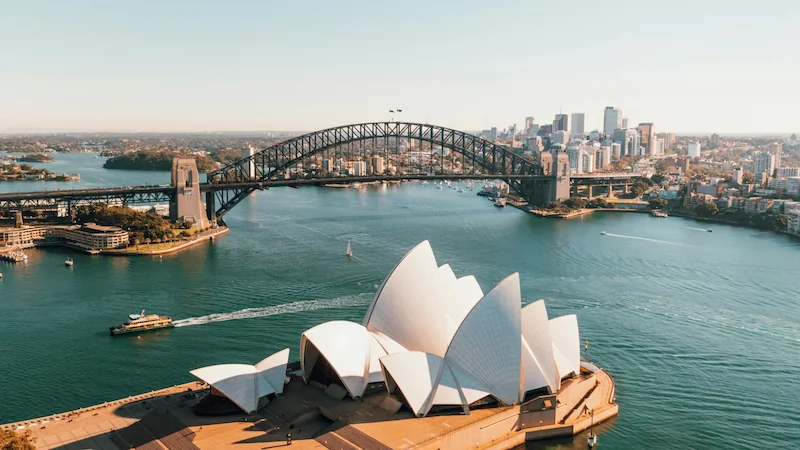
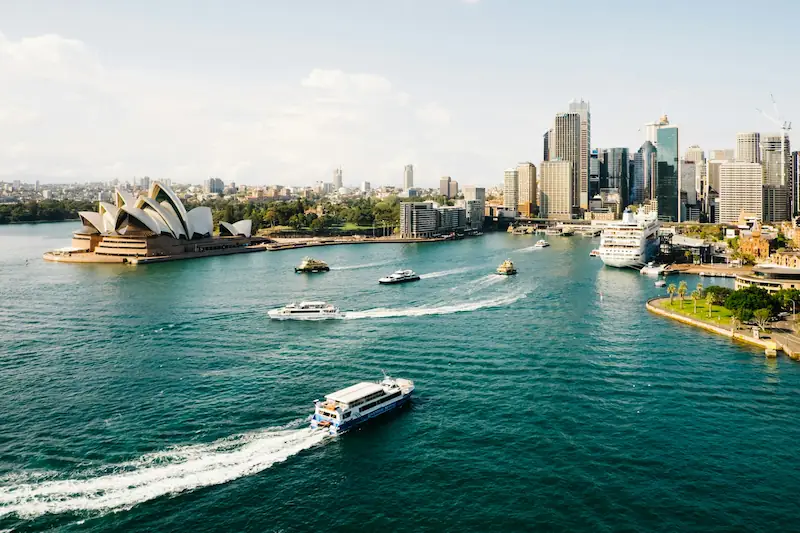
See the harbour from Circular Quay and the Opera House forecourt – Area: Circular Quay · Best for: First orientation · Time needed: 1 to 2 hours · Worth it: Yes, this is the visual reset that makes the whole city click. · Book ahead: No
Walk the Bondi to Coogee coastal track – Area: Eastern Suburbs · Best for: Classic outdoor Sydney · Time needed: 2 to 3 hours · Worth it: Yes, one of the city’s highest-payoff experiences. · Book ahead: No
Take a Sydney Harbour ferry to Manly – Area: Sydney Harbour · Best for: Views without overplanning · Time needed: Half day · Worth it: Absolutely, it combines transport, scenery, and beach time in one move. · Book ahead: No
Tour the Sydney Opera House or attend a performance – Area: Bennelong Point · Best for: First-time essential · Time needed: 1 to 3 hours · Worth it: Yes, especially if you want more than a photo stop. · Book ahead: Yes
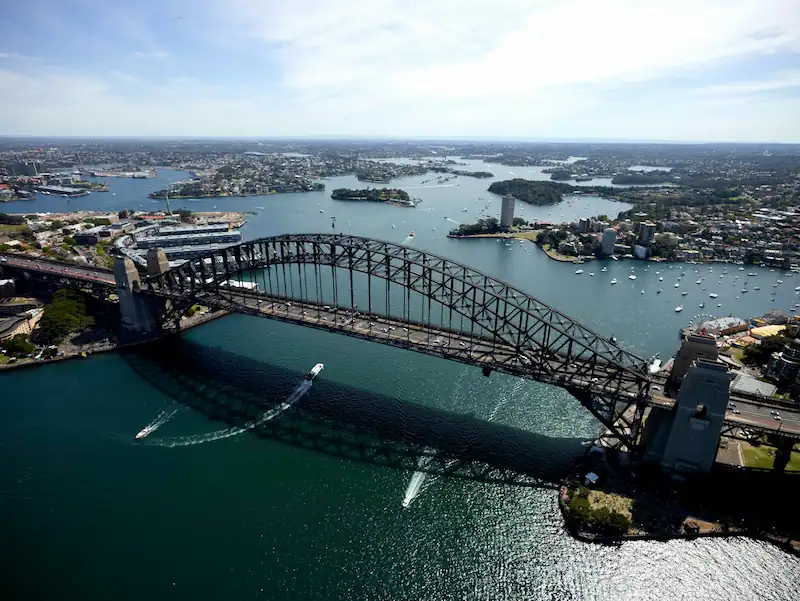
Climb or walk the Sydney Harbour Bridge – Area: The Rocks to Milsons Point · Best for: Big-view payoff · Time needed: 1 hour walk or 2.5 to 3.5 hours climb · Worth it: The walk is easy value; the climb is a splurge but memorable. · Book ahead: Walk no, climb yes
Explore The Rocks and nearby laneways – Area: The Rocks · Best for: History with easy atmosphere · Time needed: 1.5 to 2 hours · Worth it: Yes, especially on a first trip when paired with the harbour icons. · Book ahead: No
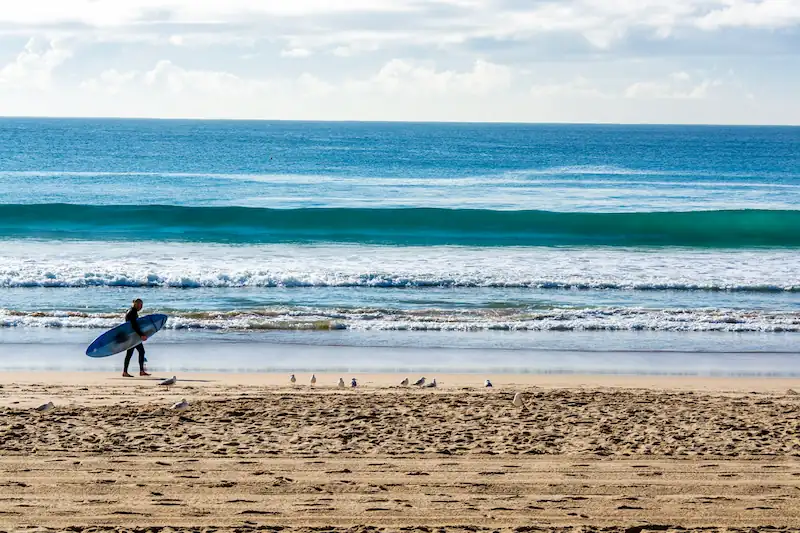
Swim at Bondi or in an ocean pool – Area: Bondi · Best for: Beach culture · Time needed: 1 to 3 hours · Worth it: Yes, but it works best as part of a wider coastal day. · Book ahead: No
Spend a cultural afternoon between the Art Gallery, MCA, or a museum – Area: CBD and The Rocks · Best for: Rainy day or culture-first trip · Time needed: 2 to 4 hours · Worth it: Yes, this is the best way to add depth beyond harbour views. · Book ahead: Usually no
Visit Taronga Zoo by ferry – Area: Mosman · Best for: Families and skyline views · Time needed: 3 to 5 hours · Worth it: Yes for families and wildlife lovers; less essential on a short adult-only trip. · Book ahead: Recommended
Spend time in the Royal Botanic Garden and Mrs Macquarie’s Chair – Area: Domain and harbour edge · Best for: Harbour views and soft pacing · Time needed: 1 to 2 hours · Worth it: Yes, especially when paired with the Opera House or Art Gallery of NSW. · Book ahead: No
Explore Barangaroo Reserve and Walsh Bay – Area: Barangaroo and western harbour · Best for: Modern harbourfront Sydney · Time needed: 1.5 to 3 hours · Worth it: Yes, it adds a newer, less postcard-obvious side of the harbour. · Book ahead: No
Visit Cockatoo Island by ferry – Area: Sydney Harbour · Best for: Harbour history and unusual views · Time needed: Half day · Worth it: Yes on trips of 4 days or more; less essential on a compressed first visit. · Book ahead: Ferry no; tours or special events yes
Walk from Spit Bridge to Manly – Area: North Shore and Manly · Best for: Bush, harbour coves, and active travelers · Time needed: 3 to 4 hours · Worth it: Yes if you want a more demanding alternative to Bondi to Coogee. · Book ahead: No
Use Barangaroo, Darling Harbour, or Chinatown for an easy evening – Area: CBD west and Haymarket · Best for: Dinner planning and low-friction nights · Time needed: 2 to 4 hours · Worth it: Yes when you want food and atmosphere without a long transfer. · Book ahead: Restaurants yes, wandering no
Consider whale watching in season – Area: Sydney Harbour and Pacific coast · Best for: June to November wildlife trips · Time needed: 2.5 to 4 hours · Worth it: Yes in season if sea conditions are good and wildlife matters to you. · Book ahead: Yes
Do a Blue Mountains day trip – Area: West of Sydney · Best for: Extra day · Time needed: Full day · Worth it: Yes, but only once you have given Sydney itself enough time. · Book ahead: Recommended
How to choose well in Sydney
Sydney rewards selection more than accumulation. The city’s best experiences are not all monuments; they often come from combining harbour movement, one strong coastal segment, one cultural or First Nations context layer, and a few food or neighborhood stops that make the city feel lived-in. The smartest Sydney plan does not ask whether the Opera House, Bondi, Manly, The Rocks, Taronga Zoo, and the Blue Mountains are famous enough. It asks when each one belongs, what it should be paired with, and whether it improves the trip you are actually taking.
Prioritize viewpoints you move through, not just viewpoints you photograph: ferries, bridge approaches, coastal paths, harbour islands, and waterside neighborhoods give better returns than static lookouts alone.
Treat Circular Quay, the Opera House, The Rocks, the bridge approach, the Royal Botanic Garden, and the MCA as one broad harbour-core system rather than disconnected attractions.
Give at least one half day to the coast. Bondi works best when paired with the Bondi to Coogee walk, an ocean pool, a surf lesson, or a slow lunch rather than as a brief photo detour.
Use ferries as activities, not only transport. Manly, Watsons Bay, Cockatoo Island, Balmain, and Taronga all turn movement across the harbour into part of the experience.
Add cultural depth deliberately. Art Gallery of NSW, the MCA, Australian Museum, Hyde Park Barracks, First Nations-led interpretation, and Opera House programming prevent the trip from becoming only scenic.
Build evenings around one clear anchor: a performance, a harbour walk, Barangaroo dinner, Chinatown/Haymarket food, Surry Hills dining, or a dusk ferry. Sydney nights work best when they are geographically simple.
Keep major excursions for day four onward if possible. Many travelers leave too early for the Blue Mountains, Hunter Valley, or Royal National Park before letting Sydney itself open up.
Book only what is genuinely capacity-sensitive: Opera House tours and performances, BridgeClimb, whale-watching cruises, Taronga packages in peak periods, and guided day trips.
Sydney essentials that actually earn their reputation
Sydney’s iconic experiences work because the city is staged around water, cliffs, and movement. The best-known sights are worth doing, but they deliver most when you approach them actively: on foot, by ferry, from a bridge approach, or as part of a larger harbour sequence rather than as isolated postcard stops. The goal is not to avoid the classics; it is to do them in the right order and with enough space for them to land.
Circle the Opera House properly, not just from one angle – Most visitors stop too early. Walk around Bennelong Point, take in the changing harbour perspectives, and linger on the forecourt before or after a tour. It is a far better experience than a quick look from Circular Quay alone. (First-time essential · Best for: Anyone new to Sydney)Find tours & experiences
Cross the harbour by ferry to Manly – This is one of the smartest things to do in Sydney because it doubles as transport and sightseeing. The approach out of Circular Quay gives you skyline, bridge, and Opera House views in motion, then lands you straight into a beach suburb that feels decisively different from the CBD. (High payoff · Best for: Short stays)
Climb the Harbour Bridge if the budget and weather line up – BridgeClimb is expensive, but it remains one of Sydney’s clearest signature experiences. If you want a big-ticket activity that delivers context, scale, and a sense of the harbour’s shape, it justifies itself better than many premium urban attractions. (Worth it · Best for: One standout splurge)Find tours & experiences
Walk the bridge if you want the icon without the premium price – The pedestrian route gives you the harbour structure, the wind, and the changing city perspectives without the cost of the climb. It lacks the summit drama, but for many travelers it is the more efficient choice. (Free favorite · Best for: Value-conscious first trips)
Pair The Rocks with the harbour edge – The Rocks works best as a textured extension of Circular Quay, not as a standalone history stop. Cobblestones, old-storefront details, pub corners, and harbour glimpses make sense here because they are still embedded in the city’s busiest visual corridor. (Best for: Easy first-day planning)
Do Bondi as a lived beach, not just a name – Bondi is one of Sydney’s most searched-for attractions for a reason, but it earns its place when you use it properly: beach time, ocean pool, cliff walk, or surf lesson. A rushed photo stop misses the point. (Best for: Beach-first visitors)Find tours & experiences
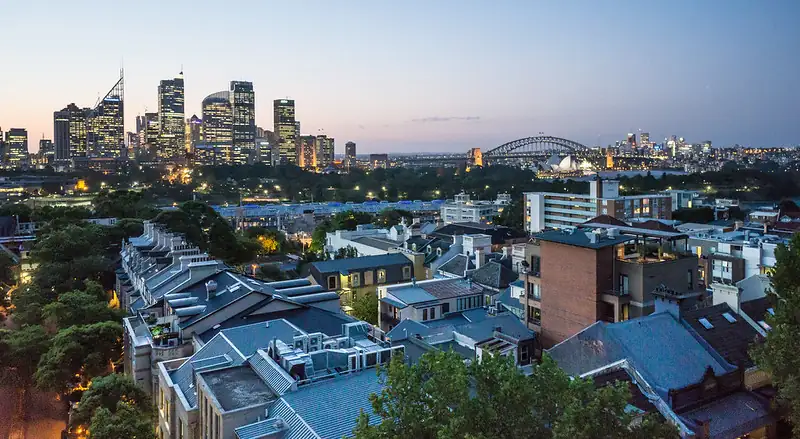
Ride the harbour at dusk – Sydney’s icons sharpen in late afternoon and early evening when the water reflects more contrast and the skyline starts to glow. Even a simple ferry crossing can feel like a deliberate night activity if you time it well. (Best in the evening · Best for: Romantic or low-effort evenings)
Make the Royal Botanic Garden your harbour reset – The Royal Botanic Garden is not just a pleasant add-on beside the Opera House. It gives you shade, space, harbour angles, and a calmer transition between the forecourt, the Domain, and Mrs Macquarie’s Chair. It is one of the best free ways to stop the harbour core from feeling rushed. (Free favorite · Best for: First-day pacing)
Use Barangaroo to see the newer harbourfront – Barangaroo adds a more contemporary chapter to Sydney’s waterfront story. The reserve, sandstone foreshore, restaurant edges, and links toward Walsh Bay make it a smart counterweight to the postcard-heavy Circular Quay side of the harbour. (Modern Sydney · Best for: Harbour walks and dinner planning)
Go up Sydney Tower Eye only if you want the city diagram – Sydney Tower Eye is not as emotionally strong as the harbour itself, but it can be useful for understanding the city’s scale: harbour, CBD grid, eastern suburbs, and distant mountains. It works best as a clear-view backup or a quick orientation, not as a replacement for ferry and coastal experiences. (Optional viewpoint · Best for: Clear days and orientation)Find tours & experiences
Take a harbour cruise only when it adds something a ferry cannot – Public ferries already deliver a lot of Sydney’s water payoff. A cruise makes more sense when you want commentary, a sunset structure, a dinner setting, whale watching in season, or a private-feeling route rather than basic harbour views. (Choose carefully · Best for: Couples, groups, and structured evenings)Find tours & experiences
Use the Cahill Walk or Observatory Hill for easy elevated views – Not every great Sydney viewpoint requires a paid ticket. The Cahill Walk, bridge approaches, and Observatory Hill give useful elevation, strong harbour context, and easy links into The Rocks without adding much logistical friction. (Free viewpoint · Best for: Short stays and photographers)
Culture, museums, and experiences with real substance
Sydney’s cultural side is often undersold by its own scenery. That is a mistake. The strongest museums, galleries, performance spaces, and heritage sites add context, pace change, and intellectual payoff to a city that can otherwise become overly visual if every day is built around views alone. This is where a Sydney trip becomes sharper: architecture, First Nations stories, maritime history, contemporary art, colonial layers, and live performance all sit close enough to the main routes to be planned intelligently.
Take the Opera House beyond the postcard – A guided visit or performance is what turns the building from background image into a real experience. For first-time visitors, this is one of the clearest upgrades from seeing Sydney to understanding one of its defining spaces. (Worth it · Best for: Architecture and design lovers)Find tours & experiences
Spend a proper session at the Art Gallery of New South Wales – This is one of the easiest cultural anchors to integrate into a Sydney trip, especially near the Royal Botanic Garden and harbour. It works well on hot afternoons, rainy mornings, or any itinerary that needs more than scenic movement. (Best for: Culture-first trips)
Use the MCA for contemporary art with one of the best settings in town – The Museum of Contemporary Art gives you a more modern cultural counterweight to Sydney’s colonial and harbour imagery. Its position at Circular Quay also makes it easy to fold into a first-time walking day without losing momentum. (Best for: Modern art and short stays)
Choose one strong museum instead of several light stops – Sydney rewards depth more than museum-hopping. Whether you go maritime, contemporary, history-led, or design-oriented, one committed visit usually adds more to the trip than trying to skim multiple institutions in one afternoon. (Best for: Rainy days)
Look for First Nations or harbour-history framing where available – Some of Sydney’s best cultural experiences deepen noticeably when interpreted through Aboriginal history, harbour use, and layered urban memory. This is especially valuable if you want more than a surface-level first visit. (High payoff · Best for: Travelers wanting context)Find tours & experiences
Add Hyde Park Barracks for a compact history layer – Hyde Park Barracks is one of the easiest ways to add early colonial and convict-era context without losing a whole day. It pairs well with Hyde Park, St Mary’s Cathedral, the Australian Museum, or the city core when you want history that is central and digestible. (History layer · Best for: First-timers wanting context)
Use the Australian Museum for nature, science, and First Nations context – The Australian Museum is a strong indoor choice because it works across several traveler profiles: families, natural-history lovers, and visitors who want more context around Australia’s landscapes, wildlife, and cultural histories before or after exploring outdoors. (Rainy-day anchor · Best for: Families and curious travelers)
Look at Carriageworks for Sydney’s contemporary creative edge – Carriageworks gives a more local, contemporary counterpoint to the harbour icons. Exhibitions, performances, markets, and events make it especially useful for repeat visitors or anyone staying around Surry Hills, Redfern, or the inner south. (Contemporary culture · Best for: Repeat visitors)
Consider White Rabbit Gallery if contemporary Asian art fits your route – White Rabbit Gallery is not a universal must-do, but it can be one of Sydney’s most rewarding niche cultural stops when you are already near Chippendale or Central. It pairs naturally with Spice Alley, Chinatown, or a Surry Hills food plan. (Niche but strong · Best for: Art-focused repeat visitors)
Treat the State Library of NSW as a quiet city pause – The State Library works beautifully as a short, atmospheric stop between the CBD, the Botanic Garden, and the Art Gallery of NSW. It is not a headline attraction for every traveler, but it adds calm, architecture, and a more grounded civic layer. (Quiet pause · Best for: Slow culture days)
Use Cockatoo Island for industrial and convict history by ferry – Cockatoo Island is one of the most distinctive cultural outings in the harbour because the journey and the site work together. The former shipyard, layered convict history, open views, and ferry access make it especially good when you want something different from the standard harbour circuit. (Unique harbour history · Best for: Trips of 4 days or more)
Local Sydney: neighbourhood rhythm, water access, and everyday payoff
Sydney becomes more convincing once you stop treating it as a checklist of monuments. The city’s local appeal sits in sea baths, ferries to residential peninsulas, harbour coves, bush-fringed walks, weekend markets, and neighborhoods where the water is part of daily life rather than a special event. These experiences are especially useful once the obvious icons are covered, or when you want Sydney to feel less like a set of landmarks and more like a city people actually inhabit.
Walk Bondi to Coogee and actually stop along the way – This coastal route is one of Sydney’s most searched activities because it really works. The value comes from pacing it loosely: cliff edges, beach transitions, ocean pools, and café breaks make it feel like several Sydneys in one sequence. (High payoff · Best for: Active first-time visitors)
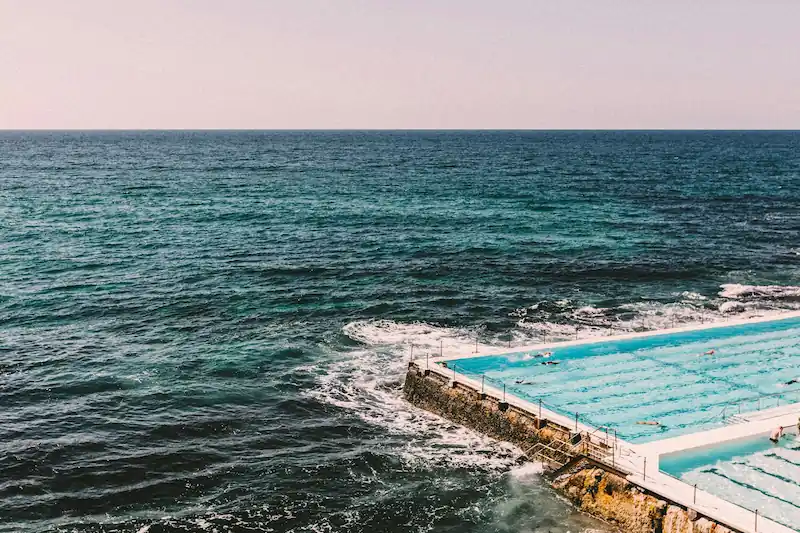
Swim in an ocean pool – Ocean pools give you a more local version of Sydney beach culture than simply sitting on the sand. They are also one of the city’s most satisfying low-effort experiences: salt air, clean lines, and direct contact with the coast without needing a full beach day. (Unique · Best for: Morning routines and repeat visitors)
Take the ferry to Watsons Bay for a slower harbour outing – Watsons Bay is a good answer when you want water, easy walking, and a looser afternoon without the full beach intensity of Bondi. It also shows how Sydney’s best experiences often come from simple harbour movement rather than ticketed attractions. (Best for: Relaxed half days)
Use the Royal Botanic Garden as more than a filler stroll – The garden is one of the best ways to decompress between urban icons without leaving the centre. It gives you open harbour perspectives, shade, and breathing room, which matters in a city where dense sightseeing can start to blur together. (Best for: Soft pacing between attractions)
Choose one waterside suburb beyond the CBD – Manly, Balmain, Kirribilli, or Watsons Bay each reveal a different version of local Sydney. You do not need all of them. One well-chosen suburb visit often gives a better sense of the city’s lived texture than adding another major attraction. (Only if you have time · Best for: Trips of 4 days or more)
Walk Spit Bridge to Manly for the harbour’s wilder side – The Spit to Manly walk is longer and less immediately famous than Bondi to Coogee, but it adds bush, coves, headlands, and a more varied harbour landscape. It is one of the best choices for active travelers who want nature without leaving the city. (Active favorite · Best for: Walkers and longer stays)
Choose Wendy Whiteley’s Secret Garden for a quieter harbour-side pause – This is not a major-attraction stop, and that is the point. Wendy Whiteley’s Secret Garden gives you a softer, more local pocket of North Sydney, especially when paired with Lavender Bay, Kirribilli, or a walk back toward the bridge. (Hidden-feel stop · Best for: Repeat visitors and slow mornings)
Use Kirribilli and Milsons Point for the reverse harbour view – Crossing to the north side changes Sydney’s composition. From Kirribilli, Milsons Point, and nearby foreshore paths, the Opera House and CBD become the view rather than the place you stand inside. (Photo-friendly · Best for: Views without a ticket)
Kayak the harbour if you want an active water experience – Ferries show Sydney from the water, but kayaking makes the harbour physical. Choose a guided or well-supported route if you are unfamiliar with conditions, and treat it as an early-morning activity rather than a hot midday add-on. (Active splurge · Best for: Outdoor travelers)Find tours & experiences
Use a weekend market as a neighborhood anchor – Markets are useful when they sit inside a wider route rather than replacing the day. Paddington, Carriageworks, The Rocks, and local food markets can add browsing, snacks, design, and a clearer sense of who the neighborhood is for. (Weekend pick · Best for: Local rhythm)
Explore Paddington or Woollahra for terrace streets and boutiques – Paddington is not about one must-see attraction. Its value is the street rhythm: terraces, shops, cafés, galleries, and a slower inner-east mood that contrasts with the CBD and harbour core. (Neighborhood texture · Best for: Shopping and slow afternoons)
Use Balmain or Glebe for a less obvious inner-Sydney afternoon – Balmain and Glebe are useful when you want local streets, pub corners, harbour edges, bookshops, or markets without chasing another headline sight. They are best as slower additions, not first-day priorities. (Longer stays · Best for: Repeat visitors)
Food experiences worth building into the day
Sydney is not a city where you need to chase formal tasting menus to eat well. Its food payoff comes from seafood, multicultural neighborhoods, café culture, bakeries, markets, smart brunches, and waterside timing. The strongest food experiences fit naturally into movement across the city instead of forcing a separate dining agenda. Food in Sydney is part of the activity mix: where you eat often determines how well the day flows.
Do a seafood-led lunch with harbour or market context – Sydney’s seafood makes most sense at lunch, near water, or in a market-oriented setting rather than in an interchangeable indoor meal. It is one of the easiest ways to make a sightseeing day feel properly tied to place. (Best for: Classic Sydney food moments)
Use brunch as part of the city experience – Sydney’s café culture is not just a convenience stop. A strong brunch in Bondi, Surry Hills, or another neighborhood can be one of the clearest ways to experience the city’s everyday social rhythm before moving into beaches, galleries, or harbour walks. (Best for: Slow mornings)
Book a food tour only if you want neighborhood context – A guided food experience makes sense when it is really about local context, migration histories, or market navigation. It is less useful if you are already comfortable choosing restaurants independently. (Best for: First-time visitors wanting structure)Find tours & experiences
Treat Chinatown or inner-city Asian dining as a core city experience – Sydney’s food identity is inseparable from its Asian dining depth. For many travelers, one excellent Cantonese, Thai, Japanese, or dumpling-focused meal says more about the city than a more generic Australian restaurant ever will. (High payoff · Best for: Dinner planning)
Use a sunset drink or dinner to finish a harbour day – Sydney is unusually good at meals that feel spatially linked to the day you just had. Endings matter here: water views, sea air, and fading light can turn a simple dinner into a much more coherent close to a harbour-focused itinerary. (Best in the evening · Best for: Couples and celebratory trips)
Plan one meal around Surry Hills or Darlinghurst – Surry Hills and Darlinghurst are among the easiest places to turn dinner into a neighborhood experience. They work especially well after a museum afternoon, a CBD day, or a stay that needs more local evening texture than Circular Quay can offer. (Dinner anchor · Best for: Food-led evenings)
Use Spice Alley or Haymarket for an easy casual food stop – Haymarket and the Chinatown orbit are useful when you want variety, casual pricing, and strong Asian dining without a formal dinner plan. This is one of the simplest ways to make central Sydney feel more contemporary and multicultural. (Casual favorite · Best for: Low-friction meals)
Go deeper with Cabramatta or Western Sydney only if food is a real priority – Cabramatta and parts of Western Sydney can be very rewarding for Vietnamese and broader multicultural dining, but they are not casual add-ons to a short first trip. Treat them as a deliberate food excursion when that is the point of the day. (Food-focused excursion · Best for: Repeat visitors and serious food travelers)
Make one bakery or coffee stop part of the route – Sydney’s café and bakery culture is strong enough to shape a morning. A good coffee-and-pastry stop in Surry Hills, Bondi, Paddington, or the inner west can be more useful than adding another minor sight. (Morning rhythm · Best for: Slow starts)
Use a food market when it improves the day’s geography – Markets work best when they sit naturally near your route: Sydney Fish Market for seafood, Carriageworks for a weekend food stop, The Rocks for browsing, or local neighborhood markets when you want a looser morning. (Market pick · Best for: Weekend planning)
Best things to do in Sydney for first-time visitors
For a first trip, Sydney is at its best when you build around harbour orientation, one coastal experience, one ferry-based movement, and one deeper cultural or food layer. The mistake is trying to force too many separate districts into the same day or leaving the city too early for a day trip.
Start with Circular Quay, the Opera House, The Rocks, the Royal Botanic Garden edge, and either the bridge walk or a ferry ride so the city’s geography becomes intuitive early.
Choose Bondi to Coogee over a quick Bondi-only stop if you want one coastal activity that actually feels like Sydney rather than a photo call.
Use Manly as the easiest harbour-and-beach extension when you only have a short stay; the ferry is part of the experience, not just transport.
Add the Opera House tour or a performance if you want one paid attraction with a strong first-time return.
Add one museum or gallery, usually Art Gallery of NSW, MCA, Australian Museum, or Hyde Park Barracks, to avoid a trip made only of views.
Use Barangaroo, Chinatown/Haymarket, Surry Hills, or The Rocks to anchor evenings rather than commuting randomly across the city after dark.
Keep the Blue Mountains for later in the trip rather than sacrificing your first full city day.
Trip length
Best focus
What to skip
1 day
Harbour core + either Manly ferry or Bondi coastal time
Blue Mountains, Taronga Zoo, and multiple museums
2 days
Harbour icons + Bondi to Coogee + one museum or neighborhood evening
Long-distance food excursions and overpacked ferry collecting
3 days
Add Manly, Taronga, Barangaroo, or a stronger cultural half day
Trying to do every beach and every harbour suburb
4 days or more
Add Blue Mountains, Cockatoo Island, Spit to Manly, or a food-led neighborhood day
Repeating the same harbour views without new context
Free things to do in Sydney that are genuinely worth your time
Sydney is unusually strong for free experiences because so much of its value sits in public space, shoreline access, and major views. Free does not mean second tier here.
Walk the Sydney Harbour Bridge pedestrian route for big harbour views without paying for the climb.
Circle the Opera House exterior and the harbour edge at Circular Quay.
Do all or part of the Bondi to Coogee coastal walk.
Use the Royal Botanic Garden as a scenic reset between major sights.
Explore The Rocks on foot and stay through early evening when the area feels less rushed.
Swim or sun at Bondi, Manly, or another public beach.
Browse a market or local food precinct even if you are only stopping for one snack.
Walk Barangaroo Reserve and Walsh Bay for a newer harbourfront contrast to Circular Quay.
Use Observatory Hill, Cahill Walk, or Milsons Point for free elevated harbour views.
Visit Wendy Whiteley’s Secret Garden and Lavender Bay if you want a quieter north-side pause.
Browse Paddington, Surry Hills, or Glebe streets for local texture without paying for an attraction.
Use free-entry gallery time where available rather than assuming culture has to be a paid activity.
Free experience
Best for
Harbour bridge walk
Big views
Bondi to Coogee walk
Outdoor Sydney
Royal Botanic Garden
Low-effort scenic pause
The Rocks wandering
History and atmosphere
Barangaroo Reserve
Modern harbourfront and sunset walks
Milsons Point and Kirribilli foreshore
Reverse Opera House and skyline views
Wendy Whiteley’s Secret Garden
Quiet local pause
Paddington terrace streets
Boutique neighborhood atmosphere
Unique things to do in Sydney beyond the standard checklist
Sydney’s more distinctive experiences usually come from how the city meets the water rather than from quirky attractions. Think ocean pools, harbour crossings, and experiences that only make sense in this topography.
Swim in an ocean pool instead of treating the beach as a spectator activity.
Take a ferry somewhere you do not strictly need to go, such as Cockatoo Island, Watsons Bay, Balmain, or Manly, simply for the harbour movement and shifting perspective.
Do an early-morning coastal walk when the light and local rhythm are better than midday.
Choose a First Nations-led or Indigenous-context experience if available and well curated.
See the city from the bridge structure, Cahill Walk, or the north-side foreshore rather than only from street level.
Visit Cockatoo Island for a harbour outing that mixes ferry travel, industrial history, and unusual city views.
Kayak on the harbour or choose a guided water-based experience if you want Sydney to feel more active.
Use Wendy Whiteley’s Secret Garden, Paddington side streets, or Balmain/Glebe for a softer local layer beyond the icons.
Unique experience
Best for
Ocean pool swim
Beach culture without a full beach day
Cockatoo Island by ferry
Harbour history and unusual views
Spit to Manly walk
Active nature inside the city
First Nations-led experience
Deeper cultural context
Harbour kayaking
Active water-based travelers
Things to do in Sydney at night
Sydney at night works best when you stay close to the harbour, choose one strong dinner area, or use a performance to anchor the evening. It is less about frantic nightlife and more about clean, well-timed settings.
See a performance at the Sydney Opera House if schedules align.
Take a dusk or night ferry for skyline, bridge, and harbour-light views.
Stay around Circular Quay, The Rocks, Walsh Bay, or Barangaroo for a dinner-and-walk evening.
Use Chinatown, Haymarket, Surry Hills, or Darlinghurst for a more food-driven night out.
Do the bridge area after dark if you want the icons without peak daytime crowds.
Consider a harbour cruise only if you want a structured dinner, sunset, or commentary experience beyond what a ferry provides.
Check seasonal events such as Vivid Sydney if your dates overlap, because the city’s evening logic changes when light installations and crowds concentrate around the harbour.
Evening type
Best move
Classic first night
Circular Quay walk + Opera House / The Rocks area dinner
Culture-led
Opera House performance or selected gallery / museum late opening
Food-led
Surry Hills, Darlinghurst, Chinatown, or Haymarket dinner
Low effort
Dusk ferry + casual waterside meal
Romantic
Barangaroo or Walsh Bay walk + harbour-facing drink or dinner
Things to do in Sydney with kids
Sydney is strong for family travel because many of its best experiences are visual, active, and flexible. The key is to choose activities that combine transport fun, outdoor space, and a clear payoff without too much queueing.
Take the ferry to Taronga Zoo for an outing that already feels like an event before you arrive.
Choose Manly for beach time, easy walking, food options, and a child-friendly harbour crossing.
Use Bondi, Bronte, Coogee, or an ocean pool for older kids who enjoy swimming and open space.
Keep one museum, aquarium, or wildlife-style indoor option ready for bad weather days.
Use Darling Harbour selectively for family attractions rather than as a default adult sightseeing base.
Break up the harbour core with the Royal Botanic Garden, ferry rides, or short bridge-view walks so children are not only looking at buildings.
Avoid stacking too many static city sights back to back; Sydney is better for families when movement, water, and open space are built in.
Family pick
Why it works
Taronga Zoo
Animals + ferry + views
Manly ferry and beach
Simple, flexible, low-friction
Bondi / Bronte / Coogee ocean pool
Swimming and beach culture in manageable blocks
Australian Museum or MCA / Art Gallery segment
Useful rainy-day or hot-afternoon backup
Darling Harbour attractions
Purposeful indoor or family-focused fallback
Things to do in Sydney when it rains
Rain does not ruin Sydney, but it does change the best choices. On wet days, the city is less about broad scenic movement and more about culture, markets, long lunches, and choosing one or two indoor anchors instead of trying to fight the weather.
Use the Art Gallery of New South Wales, MCA, Australian Museum, Hyde Park Barracks, or another strong museum as your main indoor anchor.
Book an Opera House tour or indoor performance if timing works.
Choose one strong museum rather than drifting between smaller weather-safe stops.
Lean into a market, Chinatown/Haymarket, Surry Hills, or a long seafood lunch if the rain is intermittent.
Use the State Library of NSW or a café-led route as a quiet pause rather than trying to keep the day fully touristic.
Keep Darling Harbour family attractions as a backup if traveling with children.
Skip long exposed coastal walks unless conditions clearly improve; save Bondi to Coogee or Spit to Manly for a dry window.
Rainy Day style
Best option
Culture first
Art Gallery of NSW, MCA, Australian Museum, or Hyde Park Barracks
Booked experience
Opera House tour or performance
Food-led
Chinatown / Haymarket, Surry Hills, seafood lunch, or market stop
Family fallback
Australian Museum, aquarium-style attractions, or Darling Harbour
Flexible afternoon
Museum + long lunch + short covered transfers
Things to do in Sydney by area
Circular Quay and Bennelong Point
This is Sydney’s visual core and the best place to begin. It is where orientation happens fast: ferries, the Opera House, and the harbour edge all make immediate sense here.
Walk the Opera House forecourt and waterfront
Start or end a ferry ride
Use as the base for a first-day circuit
Pair with nearby cultural stops or evening dining
The Rocks
The Rocks is best understood as a textured extension of the harbour core. It works for wandering, pub stops, short historical framing, and easier evening atmosphere.
Explore laneways and old sandstone streets
Pair with bridge walk access
Use for casual evening time after Circular Quay
Good for a lighter history angle without overcommitting
Bondi and the eastern beaches
This zone is about active coastal Sydney rather than just beach photos. It deserves a real block of time if you want the city’s outdoor identity to land properly.
Bondi to Coogee walk
Beach time and ocean pools
Surf lesson or slow lunch
Best in good weather with flexible pacing
Manly
Manly is one of the easiest ways to make a Sydney day feel broader without much logistical effort. The ferry ride is part of the experience, and the beach-town rhythm is immediate on arrival.
Harbour ferry approach
Beach and promenade time
Relaxed half-day or full-day outing
Strong choice for families or short trips
Royal Botanic Garden and Domain edge
This is one of the best low-friction scenic areas in central Sydney. It works as a decompression zone between icons, especially when you need shade, space, and a slower pace.
Garden walks with harbour views
Easy pairing with galleries
Useful between heavy sightseeing blocks
Strong morning or late-afternoon option
Darling Harbour and nearby museum zone
This area is more functional than romantic, but it can work well for families, weather backup, and selected attractions. It is better chosen for purpose than for atmosphere.
Family-oriented attractions
Indoor options on poor-weather days
Easy to pair with food or shorter visits
Less essential on very short adult-focused trips
Barangaroo, Walsh Bay, and Darling Harbour edge
This western harbour zone is useful for modern waterfront walks, restaurants, theatre edges, and a more contemporary contrast to Circular Quay. It is best used as a late-afternoon or evening layer rather than a replacement for the classic harbour core.
Walk Barangaroo Reserve and the sandstone foreshore
Use Walsh Bay for theatre, piers, and harbour-edge atmosphere
Pair with dinner or drinks when you want an easy evening
Continue toward Darling Harbour for family attractions or indoor backup
Surry Hills, Darlinghurst, and Chippendale
This is one of Sydney’s strongest zones for food, cafés, contemporary culture, and a more lived-in urban rhythm. It matters less for monuments and more for how the city feels between meals, galleries, and evenings.
Plan dinner or brunch around Surry Hills and Darlinghurst
Use Chippendale for White Rabbit Gallery and Spice Alley
Pair with Central Station access or a CBD museum day
Good for repeat visitors and food-led trips
Chinatown, Haymarket, and Central
This area is practical, casual, and strong for Asian dining, markets, and transit-linked planning. It is especially useful when you want a food-focused evening without making the day logistically complicated.
Use Chinatown and Haymarket for casual dinner planning
Pair Spice Alley with Chippendale or Central
Good wet-weather or low-friction food option
Useful when staying in the CBD or Surry Hills
Kirribilli, Milsons Point, and Lavender Bay
The north side gives you the reverse view of Sydney: Opera House, bridge, and CBD seen from outside the main visitor corridor. It is best for free viewpoints, quieter walks, and a softer local break.
Walk from Milsons Point toward Kirribilli
Use Wendy Whiteley’s Secret Garden as a quiet pause
Return by ferry or bridge walk depending on energy
Best for photography and slower mornings
Watsons Bay and South Head
Watsons Bay is a relaxed harbour-and-ocean outing with ferry access, easy walking, and a clearer sense of Sydney’s eastern edge. It is a strong half-day when you want water and views without committing to Bondi.
Take the ferry from Circular Quay
Walk toward South Head and harbour viewpoints
Use for a relaxed lunch or late-afternoon outing
Good alternative to another beach-heavy day
Cockatoo Island and inner harbour islands
Cockatoo Island is one of Sydney’s most distinctive harbour experiences because the ferry ride, industrial landscape, and historic layers work together. It is best on longer stays or for travelers who want something beyond the obvious icons.
Arrive by ferry for harbour views in both directions
Explore industrial and convict-era heritage layers
Use as a half-day outing rather than a rushed stop
Check tours or events if you want more structure
Paddington and Woollahra
Paddington and Woollahra work as a boutique, residential, and shopping-led layer of Sydney. They are not the first answer for major attractions, but they add texture, cafés, galleries, and slower street life.
Walk Oxford Street and side streets for terraces and boutiques
Use weekend markets when they fit your dates
Pair with Surry Hills, Darlinghurst, or eastern beaches
Good for slow afternoons and design-conscious travelers
What to prioritize depending on your trip
Sydney changes shape depending on how much time you have. The right approach is not to compress everything, but to protect the experiences that reveal the city best at each trip length.
Profile
Prioritize
Skip
Structure
Half day
Circular Quay, Opera House exterior, The Rocks, and one short harbour segment
Taronga, major museums, Blue Mountains
Keep everything in the harbour core and resist cross-city transfers
1 day
Harbour icons plus either Manly ferry or Bondi coastal time
Too many separate districts and most day trips
Build one harbour half and one coast or ferry half
2 days
Harbour core, Bondi to Coogee, one museum or local neighbourhood layer
Packing in Taronga and Blue Mountains together
Day one iconic, day two coastal and cultural
3 to 4 days
Add Manly, Taronga, a stronger food angle, or a real cultural afternoon
Rushed long-distance suburb collecting
Alternate big-view days with slower neighbourhood or museum blocks
First trip
Opera House, ferry, harbour movement, Bondi or Manly
Overly niche attractions too early
Get Sydney’s signature geography first, then add depth
Build around rhythm and local texture rather than pure checklist logic
Food-first trip
Surry Hills, Darlinghurst, Chinatown/Haymarket, seafood lunch, café mornings, and one market
Generic waterfront dining chosen only for the view
Let meals anchor neighborhoods, then build walks and galleries around them
Culture-first trip
Opera House tour or performance, Art Gallery of NSW, MCA, Australian Museum, Hyde Park Barracks, and a First Nations-led experience where possible
Treating museums as rainy-day filler only
Use culture to break up harbour and coastal days rather than isolating it in one heavy block
Beach-first trip
Bondi to Coogee, Manly, ocean pools, Watsons Bay, and one slower coastal lunch
Crossing the city repeatedly for short photo stops
Protect mornings and late afternoons for beaches; keep museums for heat or rain
Family trip
Taronga Zoo, Manly ferry, beaches or ocean pools, Botanic Garden, Australian Museum, and one indoor backup
Long static sightseeing blocks and overambitious day trips early
Build every day around movement, open space, and one clear payoff
Best day trips from Sydney
Sydney supports strong excursions, but they should deepen the trip rather than replace the city too soon. The best day trips work when you already have at least two or three solid Sydney days behind you. For most first-time visitors, Blue Mountains is the clearest major excursion; coastal parks, wine country, and northern beaches make more sense when they match the style of the trip.
These are not full itineraries. They are activity pairings that make sense geographically, rhythmically, or in terms of energy.
Harbour core + Opera House + The Rocks evening – This is the cleanest first-day combination in Sydney. It keeps transfers low, gives you the city’s signature views immediately, and finishes naturally with dinner or drinks around The Rocks or Circular Quay.
Bondi to Coogee + ocean pool + relaxed late lunch – This is the best version of Sydney’s coastal identity in one sequence. The walk adds movement and drama, the swim makes it participatory, and lunch prevents the day from feeling like a rushed athletic checkbox.
Manly ferry + beach time + sunset return – This works especially well for shorter stays because the ferry itself is a headline experience. You get harbour movement, a beach suburb with a different tempo, and a strong return ride as the light softens.
Art Gallery or MCA + Botanic Garden + waterside dinner – This is a smart culture-led day structure when the weather is mixed or you need a calmer pace. The museum adds substance, the garden restores space, and the evening stays visually tied to the harbour.
Circular Quay + Botanic Garden + Art Gallery of NSW – This is one of the best ways to make the harbour core feel balanced. You start with the city’s biggest visual payoff, use the garden as a soft transition, then add a cultural anchor without crossing town.
Barangaroo + Walsh Bay + The Rocks after dark – This evening pairing works because it keeps you on the harbour while changing mood: contemporary waterfront, piers and theatre edges, then older sandstone streets around The Rocks.
Spit to Manly walk + Manly beach + ferry return – This is the more active northern alternative to Bondi to Coogee. It combines bush, harbour coves, beach time, and the ferry back into one coherent Sydney day.
Chippendale gallery stop + Spice Alley + Surry Hills evening – This is a strong food-and-culture sequence when you want Sydney to feel less postcard-driven. It works especially well on a return visit or after you have already covered the harbour icons.
Watsons Bay ferry + South Head walk + relaxed lunch – This is a good half-day when you want water and views without the intensity of Bondi. It is slower, easier to pace, and very useful for a trip that already has one major coastal walk.
Cockatoo Island + Balmain or Barangaroo – This pairing turns the inner harbour into a more layered day. Cockatoo Island adds history and space; Balmain or Barangaroo gives you a natural food or walking continuation.
What to book ahead in Sydney
Most of Sydney can be enjoyed flexibly, but a few experiences do improve noticeably with advance planning. The point is not to overbook your trip; it is to protect the activities that are genuinely capacity-sensitive or weather-dependent.
Book once you know your city-day structure, because availability and locations vary
Yes when the experience is well curated and adds context you would not get independently
Sydney activities FAQ
These are the questions travelers most often ask when deciding what is actually worth doing in Sydney, how to prioritize the city’s famous sights, and how to avoid wasting time on badly sequenced plans.
What are the best things to do in Sydney on a first trip?
Start with the harbour core: Circular Quay, the Opera House, The Rocks, the Royal Botanic Garden edge, and either the Harbour Bridge walk or a ferry ride. Then add one strong coastal experience such as Bondi to Coogee or a ferry trip to Manly, followed by one cultural layer such as the Opera House tour, Art Gallery of NSW, MCA, Australian Museum, Hyde Park Barracks, or a First Nations-led experience.
How many days do you need for Sydney’s main attractions?
Three to four full days is the sweet spot. That gives you enough time for the harbour icons, one coastal day, one ferry-based outing such as Manly or Watsons Bay, one cultural or museum layer, and at least one food or neighborhood-focused evening. Add another day if you want the Blue Mountains, Hunter Valley, Royal National Park, or another major excursion.
Is Sydney Opera House worth booking beyond seeing it from outside?
Yes. Seeing the exterior is essential, but a guided tour or performance is what turns the Opera House from a photo stop into a real experience. It is one of the clearest cases in Sydney where paying for access can genuinely improve the visit, especially if architecture, music, theatre, or design matter to you.
Is the Sydney Harbour BridgeClimb worth it?
BridgeClimb is expensive, so it is best treated as your chosen premium Sydney activity rather than an automatic must-do. It is worth it if you want a guided, high-drama view of the harbour structure and skyline. If budget matters more, the pedestrian bridge walk, Cahill Walk, Observatory Hill, and Milsons Point views give excellent free alternatives.
What should you book ahead in Sydney?
Book Opera House tours and performances, BridgeClimb, whale-watching cruises, harbour dinner or sunset cruises, guided kayaking, First Nations-led experiences, and organized Blue Mountains or Hunter Valley day trips. Most beaches, coastal walks, harbour ferries, garden walks, and neighborhood wandering can stay flexible.
What are the best free things to do in Sydney?
Walk the Harbour Bridge pedestrian route, circle the Opera House exterior, explore The Rocks, do all or part of the Bondi to Coogee walk, use the Royal Botanic Garden and Mrs Macquarie’s Chair for harbour views, walk Barangaroo Reserve, and use Milsons Point or Kirribilli for reverse views of the skyline and Opera House.
What are the most unique things to do in Sydney?
The most distinctive Sydney experiences usually involve the water or topography: swimming in an ocean pool, taking a ferry to Cockatoo Island or Watsons Bay, walking Spit Bridge to Manly, joining a First Nations-led experience, kayaking on the harbour, or using Wendy Whiteley’s Secret Garden and Lavender Bay for a quieter north-side pause.
What are the best things to do in Sydney at night?
Good Sydney evenings usually revolve around the harbour, food, or a performance. The strongest options are an Opera House show, a dusk ferry ride, a walk around Circular Quay, The Rocks, Walsh Bay, or Barangaroo, dinner in Surry Hills or Darlinghurst, or a more casual food-led evening around Chinatown and Haymarket.
What should families do in Sydney with kids?
Taronga Zoo, the Manly ferry and beach, Bondi or another ocean pool, the Royal Botanic Garden, Australian Museum, and selected Darling Harbour attractions make the strongest family mix. Sydney works well for kids when the day includes movement, water, animals, open space, and a clear payoff rather than too many static sights.
What can you do in Sydney when it rains?
Shift toward Art Gallery of NSW, MCA, Australian Museum, Hyde Park Barracks, the Opera House, State Library of NSW, long lunches, Chinatown/Haymarket, Surry Hills, or selected Darling Harbour family attractions. Rainy days work better when you choose one or two solid indoor anchors rather than trying to preserve an outdoor-heavy plan.
Is Bondi Beach worth visiting?
Yes, but Bondi is most worthwhile when you actually use it: swim, take a surf lesson, walk toward Tamarama, Bronte, or Coogee, stop at an ocean pool, or build a slower beach-and-lunch block. A quick photo stop at Bondi rarely delivers the full value of the area.
Is Bondi to Coogee or Manly better?
Bondi to Coogee is better if you want Sydney’s classic cliff-and-beach coastal walk. Manly is better if you want a ferry ride, beach town atmosphere, easier family pacing, and a less strenuous half day. On a short first trip, choose based on whether you want coastal walking or harbour movement more.
Should you visit Manly or Watsons Bay?
Choose Manly for a bigger half-day with ferry views, beach time, food options, and a clear destination feel. Choose Watsons Bay for a slower, easier harbour outing with South Head views and a more relaxed lunch rhythm. Manly is usually stronger for first-timers; Watsons Bay is excellent when you want a softer day.
Is Taronga Zoo worth it in Sydney?
Taronga Zoo is worth it for families, wildlife lovers, and travelers who want an attraction that combines animals, harbour views, and ferry travel. It is less essential on a very short adult-only trip if you would rather prioritize the Opera House, Bondi to Coogee, Manly, museums, or food neighborhoods.
Are Sydney harbour cruises worth it, or are ferries enough?
For many travelers, public ferries are enough because they already provide excellent harbour views. A cruise becomes worth it when it adds commentary, sunset timing, dinner, whale watching, a private route, or a more celebratory structure that a normal ferry cannot provide.
What are the best food experiences in Sydney?
The strongest food experiences are seafood with market or harbour context, brunch or bakery stops in Bondi, Surry Hills, or Paddington, Asian dining around Chinatown and Haymarket, dinner in Surry Hills or Darlinghurst, and food markets such as Sydney Fish Market or Carriageworks when they fit the route.
What are the best neighborhoods for food and drinks in Sydney?
Surry Hills and Darlinghurst are strong for restaurants and bars, Chinatown and Haymarket work well for casual Asian dining, Barangaroo and Walsh Bay are useful for harbour-adjacent evenings, Bondi is strong for beach cafés and casual meals, and Paddington adds a more polished boutique café-and-shopping rhythm.
What is the best Sydney day trip for first-time visitors?
The Blue Mountains is usually the strongest first major day trip from Sydney because it adds scenery, lookouts, bushwalking, and a clear contrast to the city. It works best if you have at least four total days. If you only have two or three days, stay focused on Sydney itself.
Is Hunter Valley worth a day trip from Sydney?
Hunter Valley is worth it if wine, food, and a structured group outing matter more to you than another Sydney day. It is less essential for a first visit focused on harbour, beaches, culture, and neighborhoods. Because transport is part of the challenge, guided tours often make more sense than trying to manage it casually.
What should repeat visitors do in Sydney?
Repeat visitors should go beyond the core icons: Cockatoo Island, Spit to Manly, Watsons Bay, Wendy Whiteley’s Secret Garden, Barangaroo, Paddington, Balmain, Glebe, Carriageworks, White Rabbit Gallery, deeper food neighborhoods, ocean pools, and First Nations-led or specialist cultural experiences.
What is overrated in Sydney?
The most overrated Sydney experiences are usually not bad attractions, but badly used ones: a rushed Bondi photo stop, a harbour cruise that adds little beyond a ferry, a view tower on a hazy day, or a Blue Mountains trip squeezed into a stay that has not yet covered the city. Sydney rewards timing and sequencing more than raw attraction count.
Can you enjoy Sydney without a car?
Yes. Most core Sydney activities are easier without a car: Circular Quay, the Opera House, The Rocks, ferries, Manly, Watsons Bay, Bondi, museums, Surry Hills, Chinatown, and Barangaroo can all be handled by walking, ferries, trains, buses, metro, or rideshare. A car becomes more useful for Royal National Park, Ku-ring-gai Chase, Palm Beach, Jervis Bay, or other longer excursions.
Sydney is best when you choose a few high-return experiences, keep the geography tight, and let the harbour, coast, culture, and food rhythm shape the trip instead of forcing every famous name into one checklist.
Find the best places to stay, how to get there, and move around with ease.
Build a smarter trip base
Turn the right experiences into the right itinerary
Once you know what you want to do in Sydney, the next step is turning those ideas into a trip that actually works day by day. Use the planner to organize the right mix of highlights, neighborhoods, and pace into a route that feels coherent, not crowded.