Discover the best things to do in Tokyo, from iconic landmarks and cultural highlights to local neighborhoods, food-led experiences, rainy-day ideas, and smarter ways to plan your time. Tokyo is too large and too layered for a thin checklist: the best trip helps you choose between temples, viewpoints, museums, gardens, food districts, shopping streets, subculture zones, family attractions, and day trips without turning the city into a blur. Start with the clearest priorities, then go deeper where Tokyo best matches your pace.
Best time
Best time for activity-heavy days: spring and autumn, when long walks, neighborhoods, gardens, and observation decks feel easiest to combine.
Ideal trip length
Ideal trip length: 4 to 5 days for a strong first pass, 6 to 7 days if you want museums, food neighborhoods, local districts, Tokyo Bay, and one day trip without rushing.
Continue planning your Tokyo trip
Use the Tokyo city guide for the broader logic of the city, compare where to stay before fixing your base, then use this things-to-do guide to decide which experiences deserve your time. Tokyo becomes far easier to plan when attractions, neighborhoods, food, and day trips are grouped by purpose rather than listed as one endless checklist.
Best things to do in Tokyo at a glance
Senso-ji and the Asakusa temple district – Area: Asakusa · Best for: First-time Tokyo and classic city symbolism · Time needed: 2 to 3 hours · Worth it: Yes, especially early or after dark when the area feels calmer and more atmospheric. · Book ahead: No
Shibuya Crossing, Hachiko and the wider Shibuya scene – Area: Shibuya · Best for: Urban energy and short-stay Tokyo essentials · Time needed: 1.5 to 3 hours · Worth it: Yes, but only if paired with nearby viewpoints, shopping streets, or food stops. · Book ahead: No
Meiji Shrine and Yoyogi Park edge – Area: Harajuku / Yoyogi · Best for: A slower cultural stop between busier districts · Time needed: 1.5 to 2.5 hours · Worth it: Yes, because it gives contrast rather than spectacle. · Book ahead: No
teamLab immersive digital art – Area: Toyosu · Best for: High-impact contemporary experience · Time needed: 1.5 to 2 hours · Worth it: Yes, especially for first-time visitors wanting something distinctly contemporary. · Book ahead: Yes
Tokyo Skytree or a major city viewpoint – Area: Sumida / various · Best for: City scale and skyline perspective · Time needed: 1 to 2 hours · Worth it: Usually yes, but choose one major viewpoint rather than stacking several. · Book ahead: Usually yes for prime sunset slots
Tokyo National Museum or a top-tier museum stop – Area: Ueno · Best for: Culture-first travelers · Time needed: 2 to 4 hours · Worth it: Yes, if you want depth beyond Tokyo's surface energy. · Book ahead: Usually no
Tsukiji Outer Market food round – Area: Tsukiji · Best for: Casual food-led sightseeing · Time needed: 1.5 to 2.5 hours · Worth it: Yes, if approached as grazing and atmosphere rather than a formal market visit. · Book ahead: No
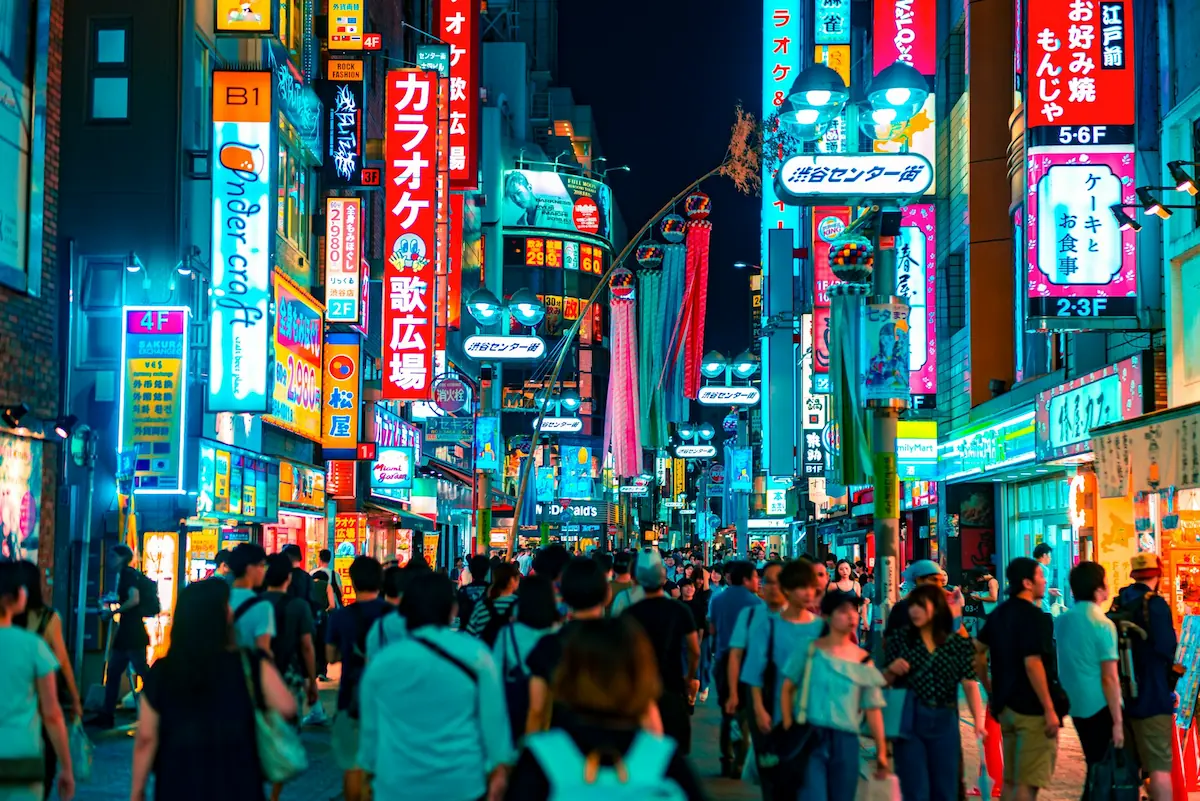
Shinjuku after dark – Area: Shinjuku · Best for: Night views, neon streets, bars, and late energy · Time needed: 2 to 4 hours · Worth it: Yes, one of Tokyo's clearest evening payoffs. · Book ahead: No
Harajuku to Omotesando walk – Area: Harajuku / Omotesando · Best for: Street culture, design retail, and people-watching · Time needed: 2 to 3 hours · Worth it: Yes, especially if you want Tokyo texture rather than only landmarks. · Book ahead: No
A focused Tokyo day trip such as Kamakura or Nikko – Area: Beyond central Tokyo · Best for: Travelers staying 5 days or more · Time needed: Full day · Worth it: Yes, but only after covering core Tokyo well. · Book ahead: Sometimes
How to choose well in Tokyo
Tokyo is one of the easiest cities in the world to under-plan badly or overprogram completely. A strong Tokyo trip is not a maximum-attractions route; it is a set of smart district blocks, food anchors, cultural choices, night payoffs, and selective reservations. The city rewards depth inside areas more than cross-town collecting, yet it also has enough major museums, gardens, markets, subculture districts, and day trips to justify a much richer shortlist than the obvious ten stops.
Keep the top priorities short, then build depth by category: essentials, cultural depth, local neighborhoods, food, nights, rainy days, kids, and day trips.
Use neighborhoods as activity containers: Asakusa, Shibuya, Shinjuku, Ueno, Harajuku, Ginza, Roppongi, Toyosu, and Yanaka each work best as blocks.
Pick one signature viewpoint, but understand the alternatives: Shibuya Sky, Tokyo Skytree, Tokyo Tower, Roppongi Hills, and the Tokyo Metropolitan Government Building solve different trips.
Do not treat every famous attraction as equal; some are quick orientation wins, while museums, gardens, markets, and food experiences deserve proper time.
Book only the experiences that genuinely bottleneck: teamLab, Ghibli Museum, Disney, premium observation decks, sumo or kabuki dates, and high-demand restaurants.
Leave room for depachika food halls, shotengai, station-side discoveries, and side streets; Tokyo often becomes memorable between the named sights.
Tokyo essentials that still justify the time
Tokyo's iconic layer should give first-time visitors a clear reading of the city: old temple districts, high-density crossings, forested shrines, skyline scale, station architecture, neon evenings, and a few blockbuster experiences that genuinely shape how the metropolis feels. The point is not to collect every landmark, but to understand which major choices deserve time, which ones combine naturally, and which can wait for a longer or second trip.
Walk through Senso-ji before the crowds peak – Senso-ji is one of Tokyo's clearest first-time anchors, but timing changes the experience completely. Go early for cleaner sightlines and a calmer temple atmosphere, or return after dark when the precinct feels far more composed than it does at midday. (First-time essential · Best for: Classic Tokyo with limited time)Find tours & experiences
Cross Shibuya, then turn the moment into a real district walk – Shibuya Crossing is symbolic but brief. It earns its place when paired with Hachiko, station-front views, Shibuya Sky, Center Gai, Miyashita Park, record stores, cafés, or a walk toward Harajuku and Aoyama. Treat it as the beginning of a block, not a single photo stop. (First-time essential · Best for: Urban energy and short trips)
Read Tokyo's scale from one serious viewpoint – A skyline stop helps Tokyo click, especially early in a trip. Choose Shibuya Sky for the most immediate central drama, Tokyo Skytree for sheer height and eastern Tokyo, Roppongi Hills for a polished urban angle, or the Tokyo Metropolitan Government Building for a free option. (High payoff · Best for: Understanding the city's scale fast)Find tours & experiences
Use Meiji Shrine as the calm hinge between Harajuku and Omotesando – Meiji Shrine is valuable because it resets the pace. The forested approach, gravel paths, and ceremonial scale make most sense when paired with Harajuku's street texture and Omotesando's design-led architecture, giving one of Tokyo's strongest contrast sequences. (Worth it · Best for: Travelers balancing intensity and calm)
Do one immersive contemporary blockbuster well – Tokyo's digital art experiences work because they give the city a distinctly contemporary signature. teamLab Planets in Toyosu and teamLab Borderless in Azabudai Hills are not interchangeable with a normal museum visit, so treat one as a timed anchor with buffer around it. (Book ahead · Best for: Modern Tokyo and visual impact)Find tours & experiences
Choose between Tokyo Skytree and Tokyo Tower instead of stacking both automatically – Tokyo Skytree gives height, eastern-city scale, and Asakusa-Sumida pairing logic; Tokyo Tower gives stronger symbolism, a better central-neighborhood sequence, and an easier link with Zojoji or Roppongi. Most travelers need one, not both. (Choose one · Best for: Skyline planning without repetition)Find tours & experiences
Use Tokyo Station, Marunouchi, and Ginza as the polished central Tokyo block – Tokyo Station is more than a transport node when combined with Marunouchi's formal avenues, department food halls, the Imperial Palace outer edge, and Ginza's retail architecture. It gives a cleaner, more composed reading of the city than the neon-heavy west. (Smart central block · Best for: Architecture, short stays, and transit logic)
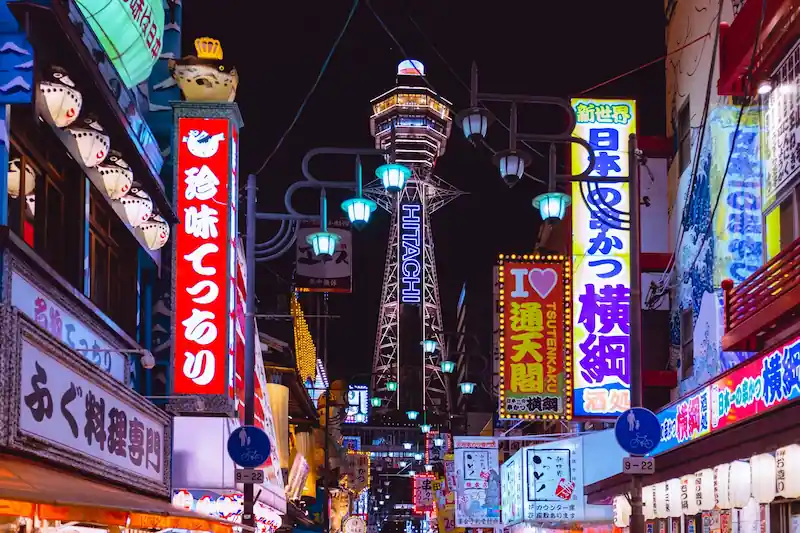
See Shinjuku at night from street level – Shinjuku is not one attraction but a concentration of visual payoff. Department stores, giant screens, station-edge chaos, Omoide Yokocho, Golden Gai, and late-night food make walking here one of Tokyo's strongest evening experiences. (Best in the evening · Best for: Night energy and first-time city drama)Find tours & experiences
Walk the Imperial Palace outer gardens only if the geography fits – The Imperial Palace is not Tokyo's most emotionally powerful sight, but the moats, gravel paths, and open space help explain the city's formal center. It works best when paired with Tokyo Station, Marunouchi, Hibiya, or Ginza rather than treated as a standalone pilgrimage. (Only if nearby · Best for: Central Tokyo orientation)Find tours & experiences
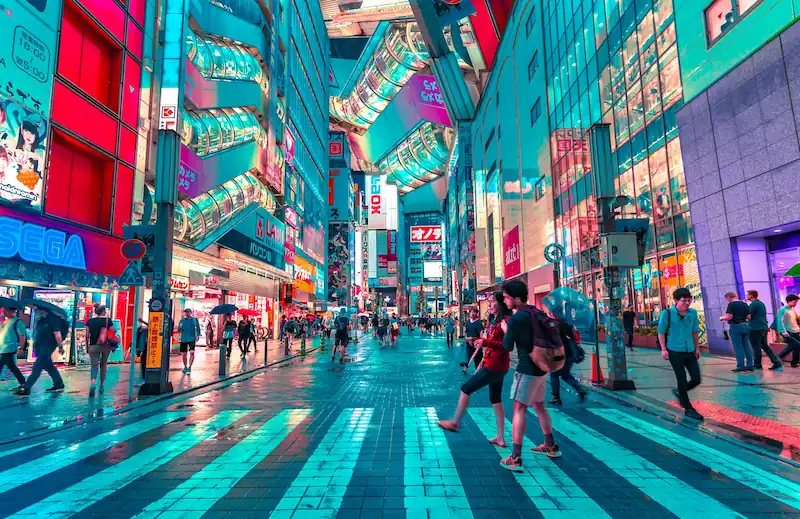
Explore Akihabara only if pop culture, gaming, or electronics matter to you – Akihabara is iconic for a specific kind of Tokyo: anime, gaming, electronics, arcades, hobby shops, and themed retail. It is not essential for every traveler, but for the right interests it is a clearer experience than many generic attractions. (Interest-led · Best for: Anime, gaming, electronics, and otaku culture)Find tours & experiences
Put Tokyo Disney Resort in the itinerary only when it is truly part of the trip – Tokyo Disneyland and Tokyo DisneySea can be major trip anchors, especially for families and Disney fans, but they are not casual half-day add-ons. They require a separate planning logic, early start, tickets, and usually a full day outside central Tokyo. (Full-day commitment · Best for: Families and Disney-focused travelers)Find options
Use Odaiba and Tokyo Bay selectively for space, views, and family-friendly scale – Odaiba is not the most essential Tokyo district, but it offers wide waterfront space, skyline views, shopping complexes, indoor family stops, and a very different bay-side atmosphere. It works best with teamLab, Toyosu, or a family-focused day. (Useful add-on · Best for: Families, bay views, and indoor-heavy days)
Cultural things to do in Tokyo that go beyond surface-level sightseeing
Tokyo's cultural payoff is broader than one museum and one shrine. The strongest cultural days combine major institutions, smaller specialist collections, gardens, old-commercial districts, performance traditions, design scenes, and neighborhoods where continuity is visible at street level. This section gives the page the depth needed to compete for searches around Tokyo museums, temples, gardens, culture, traditional experiences, design, anime-adjacent culture, and rainy-day planning.
Give proper time to the Tokyo National Museum – If you want one museum that strengthens everything else you will see in Japan, make it this one. It rewards selective browsing better than completionism, so go in with two or three wings in mind rather than trying to cover the full institution. (High payoff · Best for: Culture-first stays)
Pair Ueno's museums with a slower park-edge circuit – Ueno works when treated as a half-day cultural zone instead of a single-stop errand. The museum cluster, broad park spaces, Shinobazu Pond, Ameyoko, and easy food stops make it one of Tokyo's best areas for substance without constant transfers. (Best for: Travelers wanting a fuller daytime block)
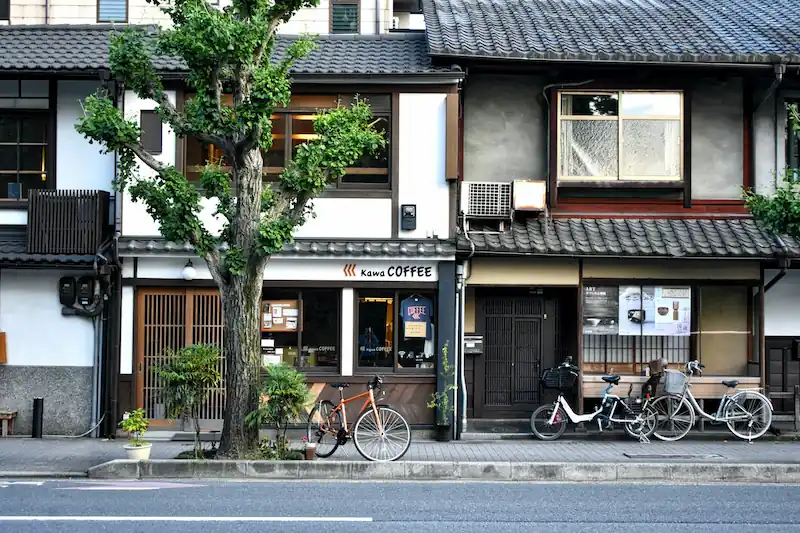
Visit Nezu Shrine or Yanaka for older Tokyo continuity – Yanaka, Nezu, and Sendagi offer a quieter cultural texture than the headline districts. Temples, residential lanes, small shops, cemeteries, and shrine approaches show a lower-rise Tokyo that helps balance the city's modern intensity. (Unique angle · Best for: Repeat visitors and slower travelers)
Use Asakusa as a craft-and-ritual district, not only a temple stop – The main gate and shopping approach are the obvious draw, but Asakusa is stronger when you stay for side lanes, craft shops, old cafés, river views, and Kappabashi nearby. It becomes a living cultural zone rather than a one-photo landmark. (Worth it · Best for: First-time visitors who want more than a quick landmark visit)
Browse Kappabashi for the design side of everyday food culture – Kappabashi Kitchen Town is one of Tokyo's best niche cultural stops because it turns restaurants, tools, knives, tableware, plastic food samples, and professional supply shops into a readable street. It pairs naturally with Asakusa or Ueno. (Distinctive · Best for: Food lovers, design-minded travelers, and repeat visitors)
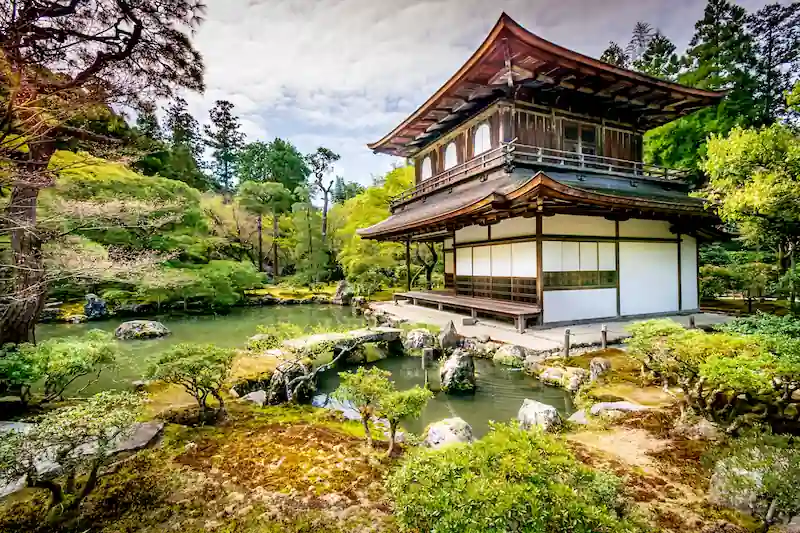
Choose a Japanese garden with the season in mind – Tokyo's gardens work best when chosen deliberately: Hama-rikyu for bay-side contrast near Ginza and Shiodome, Rikugien for classic seasonal beauty, Koishikawa Korakuen for structure, or Kiyosumi Garden for a quieter east-side reset. (Seasonal payoff · Best for: Spring, autumn, and slower days)
Use Roppongi and Aoyama for contemporary art and design – Roppongi, Aoyama, and nearby central districts give Tokyo's polished contemporary culture more depth: museums, architecture, galleries, design shops, and better dining all sit close enough to build a sophisticated half day. (Modern culture · Best for: Art, architecture, and design-led travelers)
Plan the Ghibli Museum as a reservation-led cultural side quest – The Ghibli Museum in Mitaka is a beloved Tokyo experience, but it requires advance planning and a specific interest in animation, Studio Ghibli, or family-friendly culture. It is not a spontaneous add-on, but it can be a trip highlight. (Book ahead · Best for: Animation fans and families)
Use the Edo-Tokyo Open Air Architectural Museum for a deeper urban-history angle – This open-air museum is outside the core, but it gives a rare physical sense of old Tokyo buildings, shops, houses, and public interiors. It is most useful for repeat visitors or anyone interested in architecture and everyday history. (Repeat-visit depth · Best for: Architecture and history travelers)
Try kabuki or traditional performance only if you can give it context – Kabuki-za and traditional performance can add real cultural depth, but they work best when you choose a manageable format and understand the commitment. A short act or guided context is often stronger than forcing a full performance into a rushed itinerary. (Selective · Best for: Travelers interested in performance culture)
Add a tea, craft, calligraphy, or kimono experience when interpretation matters – Tokyo has plenty of traditional workshops, but their value depends on quality and context. Choose one if you want a slower, hands-on cultural layer rather than another passive visit, and avoid treating costume photos as a substitute for substance. (Guided context · Best for: Hands-on cultural travelers)Find tours & experiences
Use Jimbocho for books, cafés, and intellectual Tokyo – Jimbocho is a quieter but highly distinctive cultural stop, especially for travelers interested in bookshops, old publishing streets, curry shops, and slower browsing. It can pair well with Kanda, Ochanomizu, or the Imperial Palace side. (Niche but strong · Best for: Book lovers and repeat visitors)
Local experiences that make Tokyo feel like a real city, not only a sightseeing map
Tokyo becomes more rewarding once you move beyond major sights into neighborhoods, shopping streets, parks, side-street cafés, listening bars, sento, station rituals, and local food formats. These neighborhoods are especially useful when you want Tokyo beyond the headline districts: independent shops, listening bars, residential food streets, design cafés, older lanes, and slower local texture.
Walk Harajuku into Omotesando instead of treating them as separate stops – This short urban transition captures one of Tokyo's clearest contrasts: shrine calm, youth culture, narrow fashion streets, and polished architecture. It works best as an unhurried walk with side turns rather than a shopping mission. (High payoff · Best for: Street texture and people-watching)
Use Shimokitazawa for vintage, cafés, small music venues, and low-rise energy – Shimokitazawa is one of Tokyo's best local-feeling add-ons when you want indie retail, used clothing, record shops, small bars, and a looser west-side rhythm. It is strongest for repeat visitors or first-timers with at least four days. (Local favorite · Best for: Vintage, cafés, and alternative Tokyo)
Compare Koenji with Shimokitazawa if you want a less polished alternative layer – Koenji has vintage shops, casual bars, music culture, shotengai, and a more lived-in edge than Tokyo's obvious style districts. It is not mandatory, but it expands the city beyond Shibuya-Harajuku clichés. (Repeat-visit angle · Best for: Alternative neighborhoods and nightlife-lite exploring)
Spend a slower half day around Kichijoji and Inokashira Park – Kichijoji works when you want a Tokyo neighborhood that combines shopping streets, casual food, family-friendly park space, and a more relaxed west-side pace. It can also pair with the Ghibli Museum when tickets align. (Good with more time · Best for: Parks, families, and slower local days)
Walk Nakameguro, Daikanyama, and Ebisu as one softer west-side sequence – This is one of Tokyo's best low-friction lifestyle walks: canal-side streets, cafés, boutiques, bookstores, restaurants, and quieter design-led pockets. It is not landmark-heavy, but it adds exactly the kind of texture longer Tokyo stays need. (Smart pairing · Best for: Couples, cafés, and repeat visitors)
Use Kagurazaka for lanes, dining, and a more restrained evening – Kagurazaka offers a different kind of local Tokyo: sloped lanes, restaurants, small shrines, French-Japanese traces, and a quieter dining mood. It is useful for travelers who want atmosphere without the intensity of Shinjuku or Shibuya. (Evening texture · Best for: Dining-led local atmosphere)
Browse a depachika food hall with real appetite – Tokyo's department-store basements are not backup plans; they are part of the city's food culture. They work especially well for travelers who want range without a full restaurant commitment, train snacks, gifts, or low-effort dinners. (Best for: Flexible eaters and rainy moments)
Explore a shotengai with no fixed shopping goal – Neighborhood shopping streets are one of Tokyo's easiest ways to see everyday life without manufacturing a local experience. Togoshi Ginza, Sunamachi Ginza, Yanaka Ginza, and district-level arcades all show a softer commercial rhythm than major malls. (Low-pressure win · Best for: Everyday Tokyo and casual snacking)
Use Kiyosumi-Shirakawa for coffee, galleries, and east-side calm – Kiyosumi-Shirakawa is a good local layer when you want roasters, small galleries, a garden, and slower streets without going far from central-east Tokyo. It pairs well with Fukagawa, Monzen-Nakacho, or a quieter museum day. (Calm local layer · Best for: Coffee, galleries, and slower east Tokyo)
Let Akihabara be a subculture district, not a generic must-see – Akihabara is strongest when anime, gaming, electronics, arcades, or hobby retail genuinely interest you. If not, it can feel thin; if yes, it can justify a full block with Kanda, Jimbocho, or Ueno nearby. (Interest-led · Best for: Pop culture and hobby retail)
Try a sento or sauna when you want an everyday ritual – A neighborhood sento is one of the more grounded ways to experience Tokyo life, especially after a long walking day. It requires etiquette, modest expectations, and respect for local rules, but it can be more memorable than another famous street. (Local ritual · Best for: Slow travelers and repeat visitors)
Use a kissaten or listening bar to slow the city down – Tokyo's older coffee shops and small listening bars give texture to days that otherwise become too fast. They work best as deliberate pauses in Ginza, Jimbocho, Shinjuku, Shibuya, or residential districts rather than as checklist stops. (Atmospheric pause · Best for: Coffee, music, and slower evenings)
See Tokyo from trains and on foot, not only through underground transfers – Tokyo can become abstract if experienced only through station transfers. Some of the city's payoff comes from above-ground walks, river edges, elevated tracks, platform views, and watching how districts change over a few blocks. (Best for: Travelers interested in urban form)
Food experiences in Tokyo that deserve real time
Tokyo is one of the world's great food cities, so a thin food section cannot compete. The useful approach is not to list every restaurant, but to cover the formats that shape a trip: markets, sushi, ramen, tempura, yakitori, izakaya, tonkatsu, soba, unagi, monjayaki, depachika, wagashi, kissaten, convenience stores, and guided food walks. The goal is to help travelers decide what deserves a reservation, what should stay spontaneous, and how to make food fit the day's geography.
Use Tsukiji and Toyosu with the right expectations – Tsukiji Outer Market is best for casual grazing, small bites, and visitor-friendly morning energy. Toyosu is the working wholesale market and tuna-auction context, but it is more structured and less street-like. Most travelers should choose based on the experience they actually want. (Important distinction · Best for: Market planning and first-time food mornings)Find tours & experiences
Do one sushi experience at the right level for your trip – Tokyo sushi ranges from casual standing counters to serious omakase. A top counter can be unforgettable, but it is not required for every traveler. Lunch, neighborhood counters, and department-store options often deliver better value than forcing a famous reservation. (High payoff · Best for: Culinary focus without overplanning)
Choose tempura when you want precision without the sushi pressure – Tempura is one of Tokyo's best specialist meals because the sequence, timing, and counter format are easy to appreciate even without deep food knowledge. It works well for lunch or a calmer dinner. (Specialist meal · Best for: Food travelers who want craft and structure)
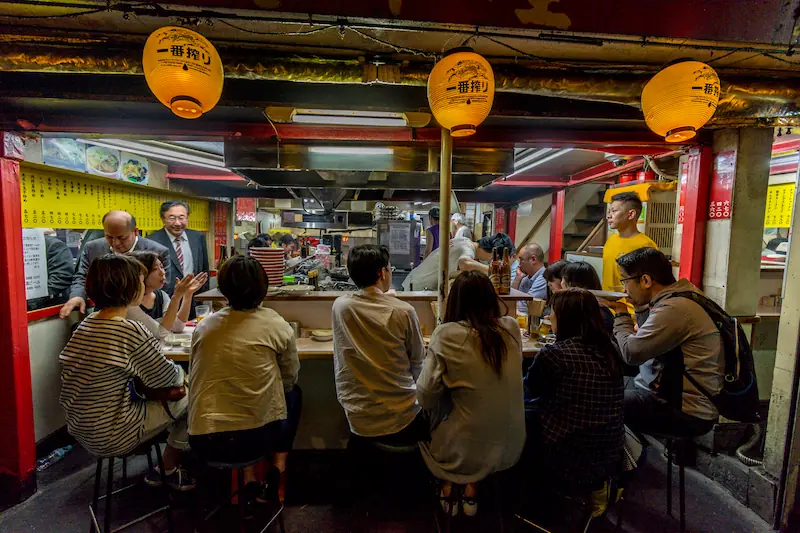
Build an evening around yakitori or izakaya culture – An izakaya or yakitori evening is less about box-checking dishes than about ordering rhythm, small plates, grilled skewers, drinks, and staying put long enough to enjoy the setting. Shinjuku, Ebisu, Ueno, and Kanda can all work. (Best in the evening · Best for: Nightlife with substance)Find tours & experiences
Use ramen as a practical meal, not a scheduling obsession – Tokyo has extraordinary ramen, but line strategy matters. Unless a specific shop is central to your food priorities, it is usually smarter to choose a strong option near where you already are than to cross the city for marginal gains. (Best for: Efficient city breaks)
Make tonkatsu or curry the smart comfort-food anchor – Tokyo's tonkatsu and Japanese curry scenes are ideal when you want a satisfying meal without a complicated reservation plan. They work especially well around Ginza, Ueno, Jimbocho, Shinjuku, and station-heavy days. (Easy win · Best for: Comfort food and low-friction meals)
Try soba or udon when you want a quieter, more traditional meal – Noodle meals are not only quick fixes. A good soba or udon stop can give a calmer, more restrained food experience than ramen, and it fits well around temple districts, older neighborhoods, or colder weather days. (Underused choice · Best for: Traditional casual dining)
Add unagi if you want a more old-school Tokyo food experience – Unagi is not always top of mind for first-time visitors, but eel restaurants carry a strong sense of tradition, patience, and occasion. It is best treated as a planned meal rather than a quick snack. (Old-school Tokyo · Best for: Food travelers and slower lunches)
Go to Tsukishima for monjayaki if you want a distinctly Tokyo casual dinner – Monjayaki is not as globally famous as sushi or ramen, but it is one of Tokyo's most local-feeling casual meals. Tsukishima's monja street works best with friends, family, or travelers comfortable with a hands-on, informal meal. (Local food angle · Best for: Groups and repeat visitors)
Treat depachika sweets and takeaway as part of the itinerary – Department-store food halls are one of Tokyo's easiest ways to turn transit corridors and shopping areas into enjoyable food stops. They are strong for gifts, train snacks, fruit, sweets, bento, and low-effort dinners. (Flexible · Best for: Rainy days, gifts, and easy dinners)
Use wagashi, fruit parlors, and dessert cafés for a softer food layer – Tokyo's sweet side is more than viral desserts. Wagashi shops, fruit parlors, kakigori counters, matcha sweets, and old cafés can become excellent afternoon anchors, especially around Ginza, Asakusa, Ueno, and Omotesando. (Afternoon payoff · Best for: Dessert, tea, and slower breaks)
Try a kissaten breakfast or coffee stop – A kissaten gives a different Tokyo mood from specialty coffee or convenience-store breakfast. Toast sets, dark coffee, quiet interiors, and older service rhythms make it a compact but memorable local ritual. (Atmospheric pause · Best for: Morning or afternoon resets)
Use convenience stores intelligently rather than apologetically – Konbini are part of how Tokyo works for travelers: breakfast, snacks, drinks, late dinners, picnic supplies, and emergency adjustments. They should not replace real meals, but they can make ambitious days much smoother. (Practical essential · Best for: Budget travelers, families, and long days)
Book a guided food walk when menus, etiquette, or district context matter – A food tour is most useful when it helps you understand ordering, pacing, and neighborhood food culture rather than simply moving between snacks. Shinjuku, Ueno, Tsukiji, and backstreet izakaya areas are the strongest formats. (Tour can be worth it · Best for: First-time food travelers)Find tours & experiences
What to do in Tokyo for first-time visitors
For a first trip, Tokyo works best when you combine one temple district, one major modern district, one skyline moment, one museum or immersive experience, and one food-led neighborhood. That mix gives you contrast without turning the trip into a blur.
Prioritize Senso-ji, Shibuya, Meiji Shrine, one major viewpoint, and one strong evening in Shinjuku or Shibuya.
Choose either Ueno/Tokyo National Museum or teamLab depending on whether your trip leans classic culture or contemporary spectacle.
Keep Meiji Shrine, Harajuku, and Omotesando as one walking sequence rather than separate checklist stops.
Add Tsukiji, a depachika, or one specialist meal so Tokyo feels lived and edible rather than purely visual.
Use Ginza/Tokyo Station/Marunouchi for polished central Tokyo if your itinerary needs a calmer counterweight.
Leave day trips for later in the stay unless you have at least five days in and around Tokyo.
Avoid combining Asakusa, Shibuya, Shinjuku, Ueno, and Toyosu all in one day; the map will technically allow it, but the city will feel fragmented.
Priority
Best choice
Why
Absolute core
Asakusa, Shibuya, Meiji Shrine, one viewpoint
Fastest way to grasp Tokyo's symbolic, modern, calm, and spatial sides
Strong cultural add-on
Ueno/Tokyo National Museum or teamLab
Adds depth without requiring a full extra day
Food anchor
Tsukiji, depachika, izakaya, or one specialist meal
Makes the city feel operational and local, not just visual
Only with more time
Yanaka, Shimokitazawa, Kappabashi, Nakameguro, broader day trips
Better once the basics are already covered
Free things to do in Tokyo that are actually worth it
Tokyo can be expensive, but many of its strongest impressions cost little or nothing. The key is choosing places where free still delivers atmosphere, contrast, or city-reading value.
Walk Senso-ji and the wider Asakusa streets outside peak hours.
Explore Meiji Shrine and the forested approach.
Use the Tokyo Metropolitan Government Building for a free skyline view if you do not need a premium deck.
Cross through Yoyogi Park, Ueno Park, the Imperial Palace outer gardens, or a seasonal garden edge depending on your route.
Spend time in major department-store food halls even if you only buy a few small items.
Wander Yanaka, Nezu, Shimokitazawa, Kappabashi, Kagurazaka, or Koenji with no ticket logic.
Browse Ginza, Marunouchi, Omotesando, or Daikanyama for architecture and shopfront design without needing to buy anything.
Use station architecture, elevated train views, river walks, and shotengai as free city-reading experiences.
Type
Best free option
Best for
Viewpoint
Tokyo Metropolitan Government Building
Budget travelers who still want a skyline read
Cultural walk
Asakusa, Meiji Shrine, Yanaka/Nezu
First-time visitors and slower travelers
Neighborhood texture
Shimokitazawa, Koenji, Kappabashi, Kagurazaka
Repeat visitors and local Tokyo
Polished city walk
Ginza, Marunouchi, Omotesando
Architecture and design-minded travelers
Unique things to do in Tokyo beyond the obvious shortlist
Tokyo's more unusual payoff often comes from contrast rather than from novelty for its own sake. The best distinctive experiences show how the city moves between ritual, hyper-modernity, niche obsessions, and everyday precision.
Use teamLab Planets or teamLab Borderless for a version of Tokyo that feels unapologetically contemporary.
Spend time in Yanaka, Nezu, or Sendagi to see continuity rather than spectacle.
Browse Kappabashi if food tools, craft objects, knives, and restaurant culture interest you.
Build a half day around Akihabara only if anime, gaming, electronics, or hobby culture genuinely match your interests.
Use Shimokitazawa or Koenji for vintage, music, small bars, and a looser local rhythm.
Try a sento, kissaten, listening bar, or shotengai walk for everyday rituals that many first-timers miss.
Choose one hands-on cultural experience such as tea, calligraphy, cooking, or craft only if the context is strong.
Visit the Edo-Tokyo Open Air Architectural Museum if you want old urban fabric rather than another central landmark.
Experience
Best for
Planning note
teamLab Planets or Borderless
Contemporary visual Tokyo
Book ahead, especially weekends
Kappabashi
Food tools, craft, and restaurant culture
Pair with Asakusa or Ueno
Shimokitazawa or Koenji
Alternative neighborhoods
Better on longer or repeat visits
Sento or kissaten
Everyday rituals
Respect etiquette and keep expectations grounded
Things to do in Tokyo at night
Tokyo at night is not only about bars or viewpoints. Some districts become more legible after dark, when signage, pacing, and street energy align in a way daylight does not fully capture.
See Shinjuku at street level for the strongest concentration of night energy.
Use Shibuya at night for movement, bars, late shopping, and visual punch, but do not make it your only evening plan.
Book sunset or early evening for a premium viewpoint if skyline is important.
Build dinner around izakaya, yakitori, or a food crawl rather than a single famous dish.
Walk Asakusa after dark if you want a calmer, temple-led night mood.
Use Ginza, Marunouchi, or Roppongi for more polished dinners, hotel bars, and mature nightlife.
Consider Ebisu, Kagurazaka, Kanda, or Ueno for food-led evenings with less obvious tourist energy.
Avoid long late returns across the city unless your hotel base is positioned for it.
Night style
Best area
Best for
Big-city spectacle
Shinjuku or Shibuya
First-time visitors
Polished evening
Ginza, Marunouchi, Roppongi
Couples and comfort-led trips
Food-led evening
Ebisu, Ueno, Kanda, Shinjuku
Travelers prioritizing dining
Calmer atmosphere
Asakusa or riverside walks
Slower evenings
Things to do in Tokyo with kids
Tokyo works well with children when you mix one high-excitement stop, one open or low-pressure space, and one easy food anchor. The city can be stimulating enough without trying to force adult sightseeing density onto family days.
Choose teamLab or another immersive visual experience for older kids and teens who respond well to spectacle.
Use Ueno Park and its museum cluster for flexible half-day structure.
Keep Tokyo Disney Resort as a full-day or split-stay decision, not an automatic city essential.
Use Odaiba, Toyosu, or Tokyo Bay for indoor space, waterfront views, shopping complexes, and family-friendly breaks.
Add character-focused shopping around Tokyo Station, Harajuku, Ikebukuro, or Shibuya only if it matches your child's interests.
Kichijoji and Inokashira Park can create a calmer family day, especially if paired with the Ghibli Museum.
Prioritize neighborhoods with easy food options, station convenience, and clear exit logic over overpacked attraction hopping.
Use convenience stores, depachika, and casual set meals as practical family tools rather than fallback compromises.
Option
Best age fit
Why it works
teamLab
School-age kids and teens
Short, immersive, visually immediate
Ueno
Mixed ages
Flexible pace with park space and museums
Tokyo Disney Resort
Families building around Disney
Major full-day anchor, especially with a resort stay
Odaiba / Tokyo Bay
Younger kids and mixed-weather days
Indoor options, space, views, and simpler pacing
Kichijoji / Inokashira Park
Families needing a calmer reset
Park, food, shopping streets, possible Ghibli pairing
What to do in Tokyo when it rains
Tokyo handles rain well if you pivot early instead of trying to force outdoor plans through bad weather. This is one of the best cities in the world for turning a wet day into museums, food halls, design retail, and indoor culture.
Shift into Ueno museums, Roppongi museums, or a smaller specialist museum rather than forcing outdoor neighborhood walks.
Use depachika food halls, department stores, underground station complexes, and covered retail for high-quality indoor wandering.
Keep teamLab, Tokyo Skytree, Shibuya Sky, or other observation decks in reserve if visibility is still decent.
Choose one compact district with strong indoor density such as Ginza, Shinjuku, Shibuya, Ikebukuro, or Roppongi instead of crisscrossing the city.
Use Kappabashi, Jimbocho, stationery stores, bookshops, cafés, and kissaten for lower-pressure rainy-day texture.
Save temple precincts, parks, gardens, and long residential walks for clearer weather unless the rain is light and atmospheric.
Use a food-led day around Tsukiji, depachika, ramen, or izakaya if the weather makes outdoor ambition less appealing.
Rainy Day style
Best move
Why
Culture-heavy
Ueno or Roppongi museums
Maximum substance with minimal weather exposure
Low-effort comfort
Department stores, depachika, station complexes
Easy, high-quality, centrally located
Visual payoff
teamLab or an observation deck
Strong structured indoor experience
Niche browsing
Kappabashi, Jimbocho, stationery stores, kissaten
Distinctive without requiring clear weather
Things to do in Tokyo by area
Asakusa
Best for classic Tokyo symbolism, temple rhythm, old-commercial streets, Kappabashi add-ons, and a more traditional visual register. It is one of the easiest areas to justify on a first trip because the payoff is immediate and the district still works beyond the main temple axis.
Senso-ji and Nakamise with better timing strategy
Side-street snacking and slower back-lane wandering
Kappabashi Kitchen Town as a food-and-craft extension
River-adjacent views and links toward Skytree territory
Strong evening return option once day crowds thin
Shibuya
Best for compressed urban energy, first-time modern Tokyo, nightlife, shopping, and short-stay efficiency. It is strongest when treated as more than the crossing: viewpoints, food, backstreets, and adjacent walks are what make the district earn its place.
Shibuya Crossing and station-front spectacle
Shibuya Sky or another viewpoint anchor
Miyashita Park, Center Gai, cafés, record shops, and side streets
Easy continuation toward Harajuku, Aoyama, Daikanyama, or Ebisu
Shinjuku
Best for Tokyo after dark, vertical city drama, rail logistics, and practical concentration. This is one of the most useful areas for travelers who want strong evening payoff without precise planning.
Night walking and neon-heavy main corridors
Omoide Yokocho, Golden Gai, izakaya, bars, and late dining
Department stores and food floors
Tokyo Metropolitan Government Building and west-side skyscraper district
Possible pairing with Shinjuku Gyoen when the weather works
Ueno
Best for museum density, park space, families, and lower-friction daytime structure. Ueno works especially well for culture-first visitors and rainy-day planning.
Tokyo National Museum and wider museum cluster
Ueno Park, Shinobazu Pond, and seasonal walking
Ameyoko for casual market energy
Zoo or family-friendly add-ons if relevant
Easy extension toward Yanaka and Nezu
Harajuku and Omotesando
Best for style, youth culture, shrine contrast, and design retail. This area is less about one attraction than about moving through very different urban textures in a single walk.
Meiji Shrine as calm anchor
Takeshita-area street culture and side streets
Omotesando design retail and architecture
Cafés, people-watching, and easy continuation toward Aoyama or Shibuya
Ginza, Tokyo Station and Marunouchi
Best for polished central Tokyo, architecture, department stores, food halls, station logic, and smoother short-stay planning. It is not the most local-feeling part of the city, but it is one of the easiest to use well.
Tokyo Station frontage and Marunouchi avenues
Ginza department stores, flagship retail, and depachika
Imperial Palace outer gardens when nearby
Easy access to Tsukiji, Nihombashi, and major rail links
Roppongi, Aoyama and Azabudai
Best for contemporary museums, design, architecture, polished dining, and mature evening plans. This cluster helps Tokyo feel less like a contrast between old temples and neon streets only.
Mori Art Museum, National Art Center, and design-led institutions
Tokyo Tower and Zojoji pairing nearby
Azabudai Hills and teamLab Borderless if that fits the plan
Dining, hotel bars, and more mature nightlife
Toyosu, Tsukiji and Tokyo Bay
Best for markets, immersive art, waterfront space, and family-friendly or weather-flexible planning. The area needs deliberate sequencing because it can feel disconnected if used only for one short stop.
Tsukiji Outer Market for casual grazing
Toyosu Market for wholesale-market context and structured viewing
teamLab Planets as a timed visual anchor
Odaiba and bay-side indoor options for families
Akihabara, Kanda and Jimbocho
Best for subculture, electronics, hobby retail, books, curry, and a more niche central Tokyo layer. This area should be interest-led rather than automatic.
Akihabara anime, gaming, electronics, and arcade zones
Jimbocho bookshops and old café texture
Kanda food and izakaya pockets
Easy pairing with Ueno, Tokyo Station, or Ochanomizu
Yanaka, Nezu and Sendagi
Best for low-rise continuity, temples, old shops, slower streets, and a quieter cultural layer. It is rarely the top priority for a very short first trip, but excellent once you have time for nuance.
Yanaka Ginza and small shopping streets
Nezu Shrine and temple-lined routes
Residential-scale walking and traditional-shop texture
Easy pairing with Ueno
Shimokitazawa and Koenji
Best for vintage, music, independent shops, casual bars, and alternative local Tokyo. These are not universal must-sees, but they can be excellent choices for repeat visitors, longer stays, or travelers who want Tokyo to feel more local and less predictable.
Shimokitazawa vintage, cafés, theaters, and record shops
Koenji shotengai, music culture, and casual bars
Good late-afternoon or evening local reset
Stronger for longer stays than first-day orientation
Nakameguro, Daikanyama and Ebisu
Best for a softer west-side lifestyle sequence with cafés, canal walks, bookstores, design shops, dining, and a less frantic Tokyo mood.
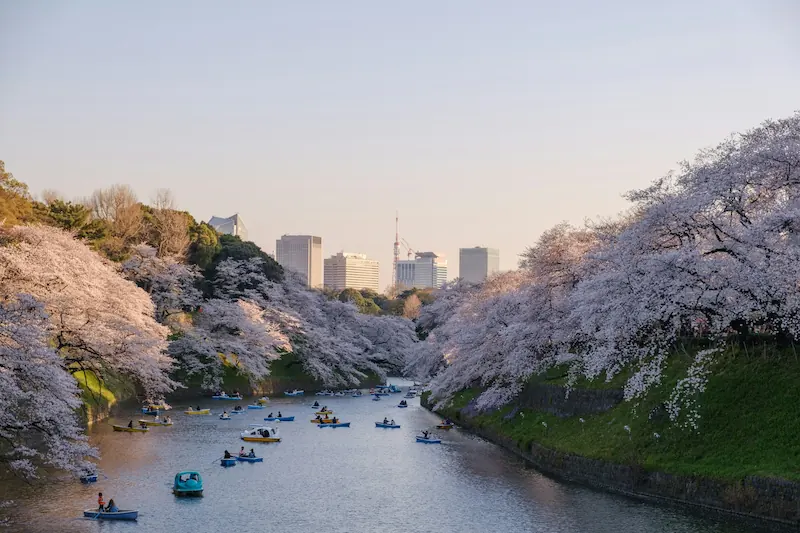
Nakameguro canal-side walking and seasonal cherry blossom logic
Daikanyama bookstores and curated retail
Ebisu restaurants, izakaya, and mature evening options
Easy pairing with Shibuya without staying in full intensity
Kichijoji and Mitaka
Best for a calmer western Tokyo day, families, park time, shopping streets, and the Ghibli Museum if tickets align. It is not a core first-day area but adds depth to longer stays.
Inokashira Park and relaxed neighborhood walks
Kichijoji shopping streets and casual food
Ghibli Museum as a reservation-led anchor
Good reset from central Tokyo intensity
Kagurazaka and Iidabashi
Best for lanes, dining, small shrines, and a more restrained evening. It works especially well for travelers who want atmosphere without the intensity of the west-side hubs.
Sloped alleys and quiet restaurant streets
Japanese-French dining texture
Small shrines and old-neighborhood details
Easy pairings with Koishikawa Korakuen or central rail routes
What to prioritize in Tokyo depending on your trip
Tokyo is a city where sharper choices beat fuller lists. These scenarios focus on trade-offs, not on trying to fit everything in.
Profile
Prioritize
Skip
Structure
Half day
One district with immediate payoff such as Asakusa, Shibuya, Shinjuku, Ginza, or Ueno, plus one food stop.
Cross-city transfers, museums requiring depth, day-trip thinking, and any attempt to see both east and west Tokyo properly.
Pick one neighborhood block and commit to it.
1 day
Asakusa or Meiji Shrine, one major modern district, one viewpoint, and one evening zone.
Too many specialist neighborhoods, Disney, and far-flung niche districts.
Classic anchor in the morning, modern Tokyo in the afternoon, skyline or nightlife later.
2 days
Temple district, major urban district, cultural half day, food-led evening, one texture-rich walk, and one skyline read.
Multiple premium decks, Toyosu plus Tsukiji plus west-side nightlife in the same day, and distant day trips.
Day one first-time essentials, day two depth and neighborhood texture.
3 days
Add Ueno or Roppongi museums, Harajuku/Omotesando, Tsukiji or a food tour, and one quieter district such as Yanaka or Daikanyama.
Disney unless it is a core reason for the trip, and too many repeat shopping districts.
Build around three moods: classic Tokyo, modern Tokyo, cultural/local Tokyo.
4 to 5 days
Add stronger food planning, teamLab, Kappabashi, a west-side local neighborhood, and one garden or museum block.
Random extra attractions with no geographic logic.
Alternate high-density hubs with slower local and cultural days.
6 to 7 days
Add one day trip, one deeper local district, one specialist museum or workshop, and more deliberate dining.
Repeating the same type of area every day.
Keep Tokyo core strong, then add depth rather than more checklist items.
First trip
Symbolic Tokyo, one skyline read, one cultural block, one strong night district, and one food anchor.
Overly niche detours unless they are central to your interests.
Let contrast drive the trip: traditional, modern, cultural, evening, food.
Reduce landmark density and increase local texture.
Best day trips from Tokyo
Tokyo supports excellent day trips, but they should complement the city rather than replace it too early. These make the most sense once you have covered Tokyo's core layers well enough to leave without feeling you skipped the city itself.
Easy hiking, nature, and a low-friction mountain escape
Half to full day
Good if you need nature without complex logistics
Simple train journey
No
Enoshima
Coastal walking, sea air, and pairing with Kamakura for a longer day
Full day
Sometimes, if coastal scenery matters
Train with local transfer
No
Smart Tokyo activity combinations
These are not itineraries, but pairings that work especially well because the geography, pacing, and mood fit together.
Asakusa + Kappabashi + Skytree or river edge – Start with Senso-ji before the area crowds up, add Kappabashi for food tools and old-commercial texture, then decide between river views, Sumida-side walking, or Skytree depending on how much skyline you want.
Meiji Shrine + Harajuku + Omotesando + Aoyama – This is one of Tokyo's cleanest contrast sequences: calm shrine approach, visual youth culture, polished architectural retail, and design-led side streets without a sprawling route.
Ueno culture block + Yanaka or Ameyoko – A museum-focused half day becomes stronger when followed by either a calmer old-neighborhood walk in Yanaka or a more casual market-style food stop around Ameyoko.
Ginza + Tokyo Station + Imperial Palace edge + depachika – This combination gives polished central Tokyo without relying on nightlife. It works especially well for architecture, department food halls, rail logic, and a calmer first or final day.
teamLab + Toyosu/Tsukiji + Tokyo Bay or Shinjuku evening – A timed immersive experience works best as a visual anchor. Pair it with market food or bay-side space, then finish in a district that gives a clear evening payoff.
Shibuya + Daikanyama + Nakameguro + Ebisu – A lifestyle-led west-side sequence that moves from visual intensity to calmer cafés, canal walks, boutiques, and a food-led evening without feeling like a standard sightseeing route.
Akihabara + Jimbocho + Kanda – This is a strong interest-led central route for anime, gaming, electronics, books, curry, and izakaya texture, especially for repeat visitors or travelers with specific hobbies.
Shimokitazawa + Koenji evening – Use this pairing for alternative Tokyo: vintage, record shops, small bars, music culture, and a looser local rhythm that complements rather than replaces first-time essentials.
What to book ahead in Tokyo and what to leave flexible
Tokyo does not require pre-booking for everything, but the few bottleneck experiences matter. This is where smarter planning can save the most time and frustration.
Activity
Book ahead
Timing
Tour worth it?
teamLab Planets, teamLab Borderless, or comparable immersive digital art Check options
Yes
Book several days ahead, earlier for weekends, holidays, and peak travel periods
No, standard entry is usually enough
Ghibli Museum
Yes
Plan as soon as tickets become available for your dates
Reserve a quality small-group session rather than choosing last minute
Yes if you want context, etiquette, and guidance
Major day trips such as Nikko, Hakone, or Kawaguchiko Check options
Sometimes
Earlier in peak periods or if you want bundled transport simplicity
Often yes when logistics are the main friction
Core temples, shrines, neighborhood walks, gardens, and most museums
No
Choose the right hour of day and check closing days
Usually no unless you want interpretation
FAQ: what to do in Tokyo
These answers focus on the practical choices travelers usually struggle with most when planning Tokyo.
What are the best things to do in Tokyo for a first trip?
Start with Senso-ji or Asakusa, add one major modern district such as Shibuya or Shinjuku, include Meiji Shrine or a comparable calm contrast, choose one skyline experience, and reserve time for either Ueno museums or teamLab. Add one food-led anchor so the trip is not only visual.
How many days do you need in Tokyo?
Four to five days is a strong minimum for a first visit if you want more than a surface impression. Three days can cover essentials, but six or seven days is much better if you want museums, food districts, local neighborhoods, Tokyo Bay, and a day trip.
Is Tokyo worth visiting if I am already going to Kyoto?
Yes. Kyoto gives a stronger concentration of traditional temples and historic atmosphere, while Tokyo gives contemporary Japan, food range, museums, design, neighborhoods, nightlife, and urban scale. They answer different travel intentions.
What should I book ahead in Tokyo?
Book teamLab, Ghibli Museum, Tokyo Disney Resort, premium sunset viewpoints, high-demand restaurants, sumo or kabuki events, and quality small-group workshops. Most temples, parks, neighborhood walks, department stores, and many museums can stay flexible.
Should I visit teamLab Planets or teamLab Borderless?
Choose one unless digital art is a major interest. Planets in Toyosu fits well with Toyosu Market or Tokyo Bay, while Borderless in central Tokyo can pair more easily with Roppongi, Azabudai, Tokyo Tower, or a polished evening.
Is Tokyo Disney Resort worth it?
It is worth it for families and Disney fans, especially DisneySea, but it is a full-day commitment outside central Tokyo. It should be planned deliberately rather than squeezed into a general sightseeing itinerary.
Is the Ghibli Museum worth it?
Yes if Studio Ghibli, animation, or family-friendly culture matters to you. It requires advance tickets and works best as part of a Kichijoji or Inokashira Park day rather than a quick central Tokyo add-on.
What are the best free things to do in Tokyo?
Senso-ji, Meiji Shrine, Tokyo Metropolitan Government Building, Yoyogi Park, Ueno Park, Imperial Palace outer gardens, Yanaka, Kappabashi browsing, Ginza architecture, and many shotengai walks can all deliver real value without a ticket.
What are the best things to do in Tokyo at night?
Shinjuku and Shibuya are the strongest broad evening districts. Add one sunset viewpoint, an izakaya or yakitori evening, Golden Gai or Omoide Yokocho if they fit your style, or a calmer Asakusa night walk for contrast.
What should I do in Tokyo when it rains?
Use Ueno or Roppongi museums, teamLab, department stores, depachika food halls, station-linked complexes, bookshops, stationery stores, and cafés. Tokyo is unusually good for rainy days if you switch to compact indoor districts early.
What are the best things to do in Tokyo with kids?
Families usually do best with teamLab, Ueno Park, Tokyo Disney Resort, Odaiba or Tokyo Bay, character shopping, Kichijoji/Inokashira Park, and easy food formats such as depachika and casual set meals. Avoid adult sightseeing density.
Should I visit Tsukiji or Toyosu?
Visit Tsukiji Outer Market for casual street-level food browsing and easier visitor energy. Visit Toyosu if you specifically want wholesale-market context, tuna-auction viewing procedures, or a structured market experience.
What is the best viewpoint in Tokyo?
Shibuya Sky is often the best premium first-time viewpoint because it feels central and dramatic. Tokyo Skytree is best for height and eastern Tokyo scale, while the Tokyo Metropolitan Government Building is the best free option.
Is Tokyo Skytree worth it?
Tokyo Skytree is worth it if you want the tallest, most expansive view and are already spending time around Asakusa, Sumida, or eastern Tokyo. If your trip is short, one viewpoint may be enough.
Is Tokyo Tower worth visiting?
Tokyo Tower is worth it for symbolism and central pairing logic, especially with Zojoji, Roppongi, or Azabudai. It is not always the best pure viewpoint, but it can be the more atmospheric skyline experience.
What are the best museums in Tokyo?
Tokyo National Museum is the best broad cultural anchor. Roppongi and Aoyama are stronger for contemporary art and design, the Ghibli Museum is best for animation fans, and the Edo-Tokyo Open Air Architectural Museum is excellent for urban-history depth.
What are the best neighborhoods to explore beyond Shibuya and Shinjuku?
Asakusa, Ueno, Yanaka, Kappabashi, Ginza/Marunouchi, Harajuku/Omotesando, Nakameguro, Daikanyama, Ebisu, Shimokitazawa, Koenji, Kagurazaka, Kiyosumi-Shirakawa, and Kichijoji all add different layers.
Is Akihabara worth visiting?
Akihabara is worth visiting if anime, gaming, electronics, arcades, or hobby shops interest you. It is not essential for every traveler, but it can be excellent when treated as an interest-led district.
Is Harajuku still worth visiting?
Yes, but it works best when combined with Meiji Shrine and Omotesando. Takeshita Street alone can feel thin or crowded, while the wider sequence gives much better contrast.
Is Ginza worth visiting if I do not want luxury shopping?
Yes. Ginza is also useful for architecture, department-store food halls, cafés, restaurants, stationery, polished streets, and easy pairing with Tokyo Station, Marunouchi, Tsukiji, or the Imperial Palace edge.
What are the best food experiences in Tokyo?
The strongest food experiences are Tsukiji or Toyosu with the right expectations, one sushi or tempura meal, yakitori or izakaya, ramen, tonkatsu, soba, unagi, monjayaki, depachika, wagashi, kissaten, and a guided food walk if you want context.
Do I need restaurant reservations in Tokyo?
For top sushi, tempura, kaiseki, small counters, and destination restaurants, yes. For ramen, casual set meals, department-store dining, izakaya chains, and many neighborhood restaurants, flexibility still works well.
What should I skip in Tokyo?
Skip stacking multiple observation decks, crossing the city for every famous ramen shop, visiting Akihabara with no interest in its culture, forcing Disney into a non-Disney trip, and adding distant day trips before you have understood Tokyo itself.
What is overrated in Tokyo?
Nothing major is automatically overrated, but many experiences become weak when used badly: Shibuya Crossing as a five-minute stop, Tsukiji as a mythical wholesale market, themed cafés with poor quality, and multiple skyline decks in the same trip.
What is underrated in Tokyo?
Kappabashi, Jimbocho, Kagurazaka, Kiyosumi-Shirakawa, Yanaka/Nezu, department food halls, shotengai, sento, kissaten, gardens, and quieter west-side sequences like Nakameguro-Daikanyama-Ebisu are often underrated.
What are the best day trips from Tokyo?
Kamakura is the easiest cultural day trip, Nikko is the most monumental shrine-and-forest option, Hakone is best for onsen and scenery, Kawaguchiko is best for Mount Fuji views, Yokohama is lowest-friction, and Mount Takao is useful for easy hiking.
Should I do Hakone or Nikko from Tokyo?
Choose Hakone for onsen, mountain scenery, and a more resort-like change of pace. Choose Nikko for shrines, forests, and a heavier cultural day. Both need time and should not replace core Tokyo on a very short stay.
Is Mount Fuji a good day trip from Tokyo?
It can be, but only with realistic weather expectations. Kawaguchiko or Fuji Five Lakes works best when visibility is good and scenery is the point of the day; otherwise, Tokyo itself may give more reliable payoff.
What is the best area for first-time sightseeing in Tokyo?
Asakusa, Shibuya, Shinjuku, Ueno, Harajuku/Omotesando, and Ginza/Tokyo Station form the most useful first-time sightseeing map. The trick is grouping them into blocks rather than trying to connect all of them in one day.
Can I see Tokyo in 2 days?
You can see a strong first impression in 2 days, but not the full city. Prioritize Asakusa, Shibuya or Shinjuku, Meiji Shrine or Ueno, one viewpoint, and one food-led evening.
What should I do in Tokyo for 3 days?
For 3 days, build one classic east-side block, one modern west-side block, and one culture or local-depth block. Add one skyline view, one food market or depachika, and one strong night district.
What is the best season for things to do in Tokyo?
Spring and autumn are best for walking, gardens, viewpoints, and neighborhood exploration. Winter is good for museums and food, while summer requires more indoor planning, hydration, and evening-weighted days.
How do I avoid feeling overwhelmed in Tokyo?
Limit each half day to one main district, keep one fixed anchor at most, avoid unnecessary transfers, use station exits carefully, and let food and side streets fill the gaps rather than adding another major attraction.
Tokyo is at its best when you edit hard, group intelligently, and let contrast do the work.
Turn the right experiences into the right itinerary
Once you know what you want to do in Tokyo, the next step is turning those ideas into a trip that actually works day by day. Use the planner to organize the right mix of highlights, neighborhoods, and pace into a route that feels coherent, not crowded.