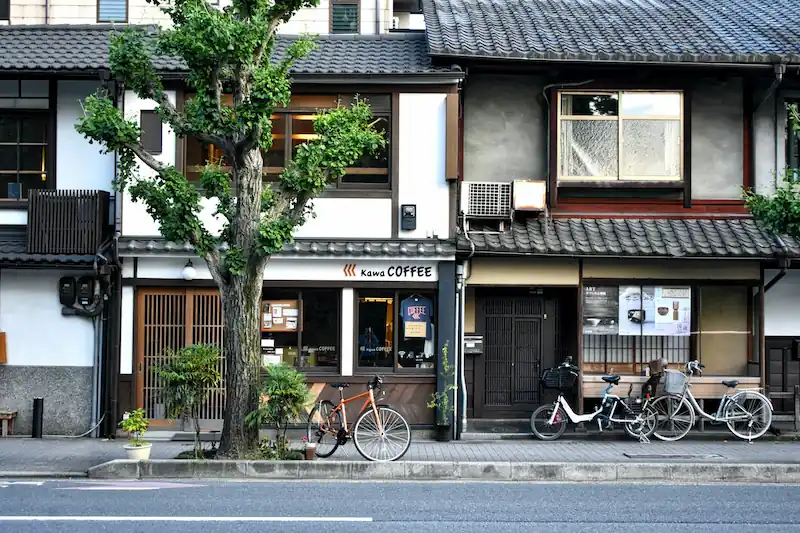
Where to stay in Tokyo
Find the best neighborhoods and hotels in Tokyo.
Open page →
Plan your trip to Tokyo with a clearer sense of where to stay, what to do, and how to structure your days across one of the world’s most complex cities. Tokyo can feel overwhelming at first, but it becomes far easier to navigate when you think in districts: Shinjuku for logistics and nightlife, Shibuya for contemporary energy, Ginza and Marunouchi for polished central Tokyo, Asakusa and Ueno for culture, and Tokyo Bay or Disney for family-focused stays. This guide helps you choose the right areas, build smarter daily routes, and experience Tokyo through food, temples, museums, shopping streets, train hubs, and quieter neighborhood moments rather than rushing from one famous attraction to the next.
Find the best neighborhoods and hotels in Tokyo.
Open page →
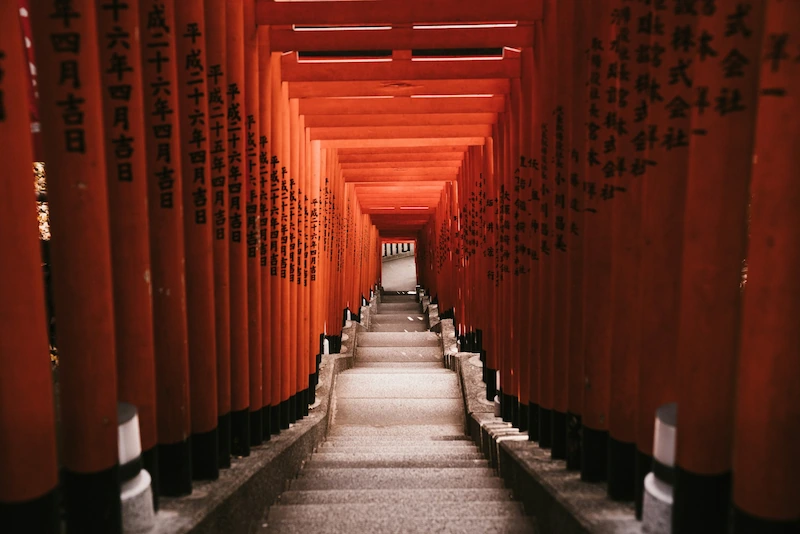
Prioritize the activities that deserve your time in Tokyo.
Open page →
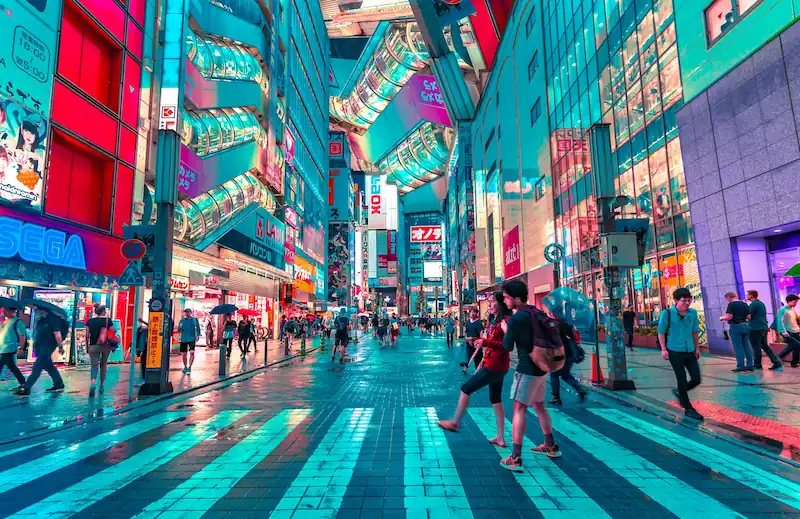
2 Days in Tokyo: Best First-Time Itinerary
Open itinerary →
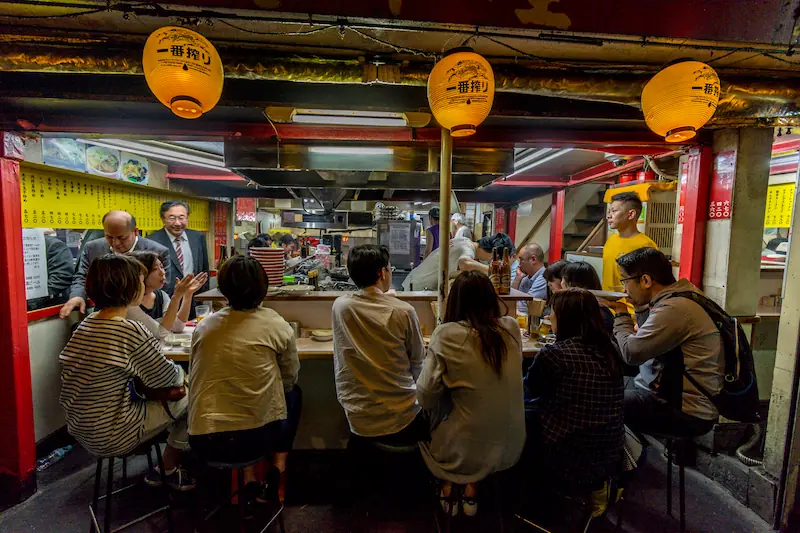
3 Days in Tokyo: Food Itinerary & Best Areas
Open itinerary →
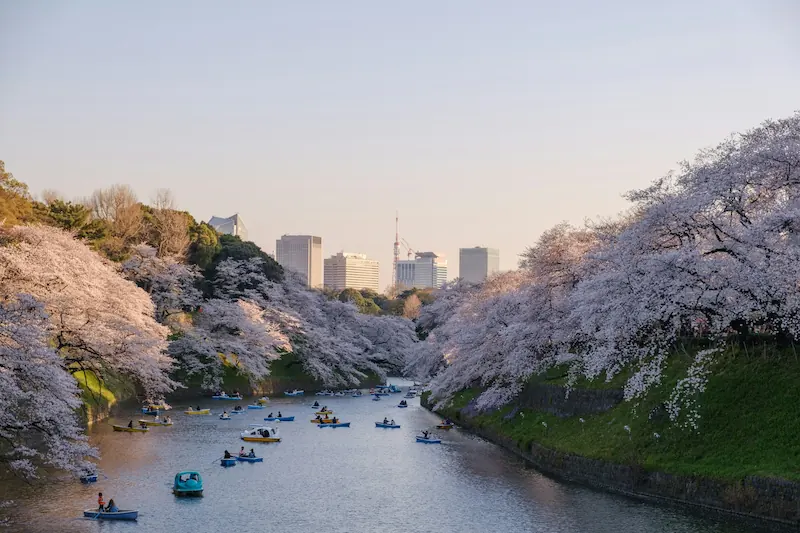
5 Days in Tokyo: Complete First-Time Itinerary
Open itinerary →
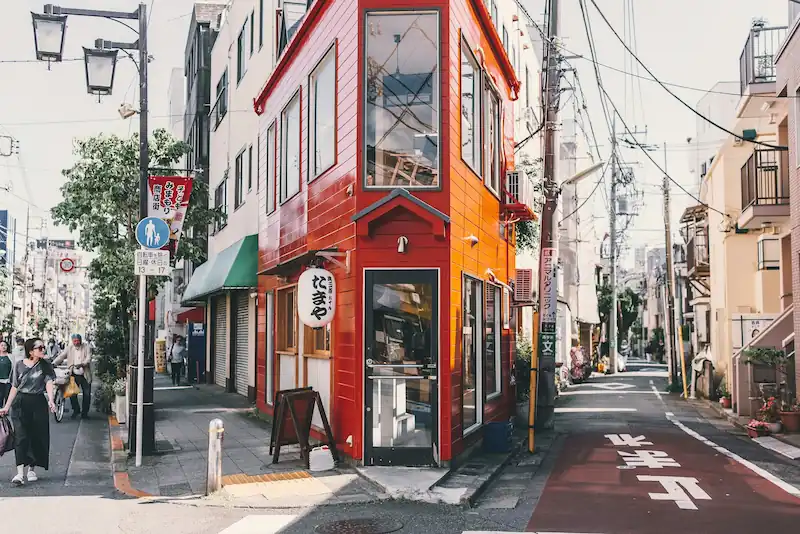
7 Days in Tokyo: Full Neighborhood Itinerary
Open itinerary →
Tokyo is a polycentric megacity where each major district works almost like a city of its own. Shinjuku gives the best all-round logistics and evening energy, Shibuya delivers contemporary Tokyo at full speed, Ginza and Marunouchi make the city feel polished and central, Asakusa and Ueno bring temples, museums, old Tokyo texture, and better value, while Roppongi, Akasaka, Tokyo Bay, Odaiba, and Disney suit more specific dining, nightlife, family, or resort-style trips. The best Tokyo itinerary is not built by chasing every famous sight, but by grouping districts intelligently so each day has a clear rhythm.
Tokyo rewards travelers who can balance scale with close observation. It has blockbuster sights, but its real distinction lies in the constant shift between formal ritual, pop culture, food specialization, impeccable retail, late-night alleyways, quiet residential streets, and station-level choreography. A strong Tokyo trip is not just Senso-ji, Shibuya, and a viewpoint; it is the moment those essentials connect with a depachika food hall, a side-street kissaten, a museum wing, a yokocho counter, or a low-rise neighborhood that makes the metropolis feel human.
Best time: Late March to April for cherry blossom atmosphere, and October to November for the easiest all-round mix of weather, walking comfort, food, museums, and neighborhood exploration.
Ideal trip length: 4 full days for a sharp first visit; 5 to 7 days if you want museums, food depth, quieter neighborhoods, and one day trip without rushing.
Tokyo can be efficient rather than cheap. Transport is excellent value, everyday food can be very accessible, and many strong experiences are free or low-cost, but hotel location, restaurant reservations, and paid anchors such as teamLab, premium viewpoints, Disney, or day trips can change the budget quickly. The smartest spending is usually on location and one or two high-return experiences, not on trying to premium-up every day.
Tokyo is polycentric. Shinjuku, Shibuya, Ginza, Asakusa, Tokyo Station / Marunouchi, Ueno, Roppongi / Akasaka, and Tokyo Bay / Odaiba / Disney each solve the city differently. The Yamanote Line is a useful mental ring, but the city is not only that loop: strong Tokyo planning comes from choosing the right base and grouping days around nearby contrasts rather than chasing names across the map.
Tokyo spreads from the bay toward western residential and creative districts, with rail corridors doing the work that boulevards or a single historic center might do elsewhere. The west is strongest for Shinjuku, Shibuya, Harajuku, Omotesando, Daikanyama, Ebisu, Shimokitazawa, and nightlife/design layers. The east is stronger for Asakusa, Ueno, old Tokyo texture, museums, and value. Ginza and Tokyo Station / Marunouchi form the polished central hinge, Roppongi / Akasaka adds an international dining-and-museum layer, and Tokyo Bay / Odaiba / Disney should be treated as a specialist family or split-stay zone.
Tokyo is orderly in the morning, intensely functional during the day, and more expressive after dark. Temples, markets, museums, and gardens work best earlier; retail and food halls gather momentum through the afternoon; Shinjuku, Shibuya, Ebisu, and selected yokocho or izakaya zones become more rewarding at night. The city rarely erupts into chaos, but its precision can still exhaust visitors who do not protect pauses.
Plan Tokyo by clusters, not by isolated attractions. A strong first visit might pair Asakusa with Ueno, Meiji Shrine with Harajuku and Omotesando, Ginza with Tokyo Station and Tsukiji, or Shibuya with Daikanyama and Ebisu. Once you see each day as one major anchor plus one nearby contrast plus one food plan, the city becomes legible.
Open the planner
Plan Tokyo by district clusters rather than by attraction count. Choose your base according to the kind of trip you want: Shinjuku for the easiest all-round logistics, Shibuya for nightlife and contemporary west-side energy, Ginza or Marunouchi for central comfort, Asakusa or Ueno for culture and value, and Tokyo Bay or Disney only when family or resort-style logistics genuinely shape the stay. Do not stack Shinjuku, Shibuya, Asakusa, Ueno, Ginza, Roppongi, and Toyosu into the same day simply because the trains make it possible. Pair high-intensity hubs with calmer counterweights: Shibuya with Meiji Shrine and Omotesando, Shinjuku with a garden or yokocho evening, Asakusa with Ueno, Ginza with Tokyo Station or Tsukiji, and Roppongi with Aoyama or Akasaka. Use Tokyo Bay, Odaiba, Toyosu, or Disney as specialist zones rather than default bases for a first Tokyo trip. Book only the experiences that create real bottlenecks — teamLab, premium viewpoints, Disney, Ghibli Museum, and high-demand restaurants — while keeping neighborhood walking flexible. Protect at least one evening close to your hotel area, because late station transfers are easy technically but tiring after a full Tokyo day.
Vibe: Tokyo at maximum intensity: major rail power, skyscrapers, nightlife, department stores, gardens, and late food in one huge system.
Why go: For the strongest all-round base, big-city evening energy, Omoide Yokocho-style food lanes, observation towers, and the rail logic that makes Tokyo easier to use.
Who it fits: First-time visitors, short stays, logistics-first travelers, nightlife seekers, and anyone who wants maximum flexibility.
Not for: Travelers who want quiet mornings, traditional atmosphere, or a low-stimulation base.
Where to stay: The safest all-round Tokyo base if you choose the right side of the station: west for calmer hotel logic, east for nightlife and street energy.
Vibe: Kinetic, youthful, social, design-aware, and strongly connected to Harajuku, Omotesando, Daikanyama, Nakameguro, and Ebisu.
Why go: For Shibuya Crossing, Shibuya Sky, music and fashion culture, bars, cafés, shopping, and one of Tokyo’s clearest contemporary moods.
Who it fits: Couples, friends, solo travelers, repeat visitors, nightlife-focused stays, and travelers who want western Tokyo on their doorstep.
Not for: Families needing quiet room value, travelers who dislike crowds, or anyone prioritizing the simplest citywide logistics.
Where to stay: A brilliant base for style and evenings, but less universal than Shinjuku and highly dependent on micro-location.
Vibe: Polished, central, legible, food-rich, and calmer than the western hubs, with Tokyo Station and Marunouchi close enough to shape the stay.
Why go: For flagship retail, architecture, department-store food halls, refined dining, Tsukiji access, and a smoother first-trip base.
Who it fits: First-time visitors, couples, food travelers, shoppers, mature travelers, and comfort-led stays.
Not for: Travelers seeking edgy nightlife, low-rise local texture, or the cheapest hotel value.
Where to stay: One of Tokyo’s easiest central bases if you want the city to feel ordered rather than overwhelming.
Vibe: Traditional, lower-rise, temple-led, riverside, and calmer after the day crowds fade.
Why go: For Senso-ji, Nakamise, Kappabashi access, Sumida River walks, old-commercial texture, and a more atmospheric base than the western hubs.
Who it fits: First-time visitors who want culture, families, value-focused travelers, and slower trips that do not revolve around nightlife.
Not for: Travelers planning most evenings in Shibuya, Shinjuku, or western Tokyo.
Where to stay: Excellent for atmosphere and value, though less efficient for repeated west-side late nights.
Vibe: Elegant, businesslike, ultra-central, rail-driven, and polished rather than neighborhood-romantic.
Why go: For shinkansen logistics, short stays, premium hotels, Marunouchi, Nihombashi, Ginza access, and the easiest arrival/departure flow.
Who it fits: Short stays, Japan multi-city itineraries, business-leisure travelers, luxury travelers, and anyone prioritizing frictionless rail movement.
Not for: Travelers seeking street nightlife, budget value, or a strongly local residential feel.
Where to stay: The most logistical Tokyo base: less atmospheric than Shibuya or Asakusa, but unmatched for rail and premium convenience.
Vibe: Museum-rich, park-backed, practical, slightly old-school, and less polished than Ginza or Shibuya.
Why go: For Tokyo National Museum, Ueno Park, Ameyoko, useful rail links, better value, and an easier cultural day structure.
Who it fits: Culture-first travelers, families, budget-conscious visitors, rail travelers, and anyone combining Asakusa, Yanaka, or northern day trips.
Not for: Travelers prioritizing fashion, premium nightlife, or the most contemporary Tokyo feel.
Where to stay: A smart practical base for museums and value, especially when eastern Tokyo matters to the trip.
Vibe: International, restaurant-heavy, museum-adjacent, adult, and more central than it first appears.
Why go: For dining, mature nightlife, Roppongi Hills, Tokyo Midtown, Mori Art Museum, National Art Center access, and a business-leisure feel.
Who it fits: Couples, dining-focused travelers, business-leisure stays, mature nightlife seekers, and repeat visitors who understand Tokyo’s rail trade-offs.
Not for: Budget-first travelers, traditional-atmosphere seekers, or first-timers who want the simplest rail hub.
Where to stay: A strong adult central base when food, museums, and evenings matter more than pure transport dominance.
Vibe: Spacious, modern, bay-facing, family-friendly, and resort-like rather than classic street-level Tokyo.
Why go: For Tokyo Disney Resort, Odaiba, teamLab/Toyosu-side plans, bay views, larger hotels, and a split-stay family strategy.
Who it fits: Families, Disney-focused trips, Odaiba/Toyosu itineraries, and travelers who deliberately want a slower edge-of-city night.
Not for: First-timers wanting daily access to Shinjuku, Shibuya, Ginza, Asakusa, or classic Tokyo street life.
Where to stay: Excellent as a specialist or split-stay base, but weak as a default Tokyo base unless Disney or bay-side plans drive the trip.
Tokyo reveals itself through layers: temples, train stations, food counters, department stores, museums, gardens, nightlife streets, design districts, and quiet residential pockets. The most useful experiences are not always the biggest attractions; they are the moments that help you understand how the city works. Use these experience cards as anchors for your trip, then build each day around nearby districts so Tokyo feels coherent rather than endless.
Planning tip: Build each Tokyo day around one major anchor, one nearby district walk, and one food plan. This keeps the city manageable while leaving enough room for the small discoveries that often become the best part of the trip.
Watching the crossing from above clarifies Tokyo’s choreography — thousands moving without collision.
Tip: Arrive 20 minutes before sunset to capture the lighting transition.
Gravel paths and defensive moats provide spatial relief inside the megacity.
Tip: Start early; midday shade is limited.
Locals lighting incense reset the temple’s tempo before commercial hours.
Tip: Enter via side streets to avoid the main approach crowds.
A 60-minute moving diagram of Tokyo’s urban hierarchy.
Tip: Sit near a door for clearer platform visibility.
Check guided tours →
Scale becomes legible only from above.
Tip: Choose a weekday evening for thinner lines.
Operational density borders on hypnotic.
Tip: Use west exits for clearer sightlines.
Check guided tours →
This is one of Tokyo’s clearest contrast sequences: forested shrine ritual, youth culture, fashion retail, and refined design streets within a short walk.
Tip: Do it as one continuous block rather than visiting Meiji Shrine and Harajuku as separate checklist stops.
This cluster explains Tokyo’s formal side: rail power, business order, department-store food, luxury retail, and refined dining without the sensory overload of the western hubs.
Tip: Pair it with Tsukiji, the Imperial Palace outer gardens, or a depachika rather than treating it as pure shopping time.
Check guided tours →
A recalibration of what museums can feel like.
Tip: Book timed entry at least a week ahead.
Material culture explains Japan better than timelines.
Tip: Prioritize one gallery; depth beats breadth.
Gesture-heavy storytelling that rewards patience.
Tip: Single-act tickets lower commitment.
Check guided tours →
Precision tools reflect national design priorities.
Tip: Weekday mornings feel almost meditative.
Kappabashi turns Tokyo’s food culture into objects: knives, ceramics, molds, signs, and restaurant tools. It gives Asakusa more depth than a temple-only visit.
Tip: Visit after Senso-ji or before lunch so the area reads as part of a wider old-east Tokyo sequence.
Tokyo’s cultural strength comes from choosing the right lens: Ueno for national collections, Roppongi or Aoyama for contemporary art and design, or a specialist museum for a narrower focus.
Tip: Use museums as half-day anchors, especially in rain or heat, not as rushed fillers between distant districts.
An edible atlas of regional Japan beneath department stores.
Tip: Circle once before buying — variety is the point.
Communal bathing still anchors everyday rhythm.
Tip: Bring a small towel; rentals vary.
Check guided tours →
Orderly quiet reveals Tokyo’s lived reality.
Tip: Stay discreet — photography etiquette matters.
Check guided tours →
These neighborhoods are not first-trip essentials, but they are useful strategic counterweights: Tokyo feels less corporate, more creative, and more lived-in once you leave the dominant hubs.
Tip: Use them on a 5- to 7-day stay or repeat visit, ideally late afternoon into early evening.
Check guided tours →
This is Tokyo as atmosphere rather than attraction: canals, cafés, design retail, restaurants, and side streets that help longer stays breathe.
Tip: Do it when you already have the major icons covered; it is a texture layer, not an opening move.
Check guided tours →
A yokocho or izakaya evening gives Tokyo its human scale: small counters, limited seats, repeated ordering, and conversation-level energy after the day’s station logic.
Tip: Choose one district and stay there rather than trying to sample multiple nightlife areas in the same night.
A disciplined progression rather than a meal.
Tip: Lunch seatings offer better value.
Check food options →
Hyper-specialization turns comfort food into craft.
Tip: Avoid peak office hours.
Check food options →
Context accelerates understanding of unfamiliar menus.
Tip: Arrive hungry; portions accumulate.
Tsukiji is best for grazing and atmosphere; Toyosu is more about the modern wholesale system and tuna auction logistics. Treat them as different food experiences, not interchangeable market stops.
Tip: Most visitors should choose Tsukiji for ease unless they specifically care about Toyosu’s auction structure.
Tokyo’s food scene is too deep for a checklist. One carefully chosen sushi, tempura, yakitori, ramen, tonkatsu, soba, or unagi meal gives more clarity than scattered middling meals across town.
Tip: Match the meal to the district you already occupy unless the restaurant itself is the day’s anchor.
Tokyo expands to fill any itinerary, so the cityguide needs clear editing. Prioritize experiences that explain the structure of the city — temple east, modern west, one skyline read, one cultural anchor, one food strategy, and one quieter texture layer if time allows.
Tokyo can work extremely well with children because the city is orderly, safe, visual, and full of transport novelty, but families need stricter editing than solo travelers. The best family days usually combine one anchor — teamLab, Ueno, a rail or character stop, Disney, or a park — with one easy food solution and limited station complexity. Tokyo becomes harder with children when adults try to replicate a dense sightseeing checklist built for grown-up stamina.
Duration changes the kind of Tokyo you get. Three days gives a sharp, edited first read; five days lets the city become coherent; seven days creates room for quieter neighborhoods, food depth, museums, Disney or a day trip without sacrificing core Tokyo.
Open the planner →
Tokyo is operationally excellent, but it rewards preparation. Most visitor friction comes from overambition, weak district sequencing, restaurant assumptions, and station complexity rather than from safety or transport reliability. The city feels smooth when you plan less by mileage and more by station exits, clusters, booking bottlenecks, food timing, and daily energy.
Late March to April and October to November are the strongest overall periods. Spring delivers cherry blossom atmosphere but also higher demand and more planning pressure, while autumn often gives the cleanest balance of comfortable weather, district walking, food, museums, and calmer visibility. Summer works best for indoor, food-led, and evening-weighted trips; winter can be excellent for clear skies, museums, shopping, and dining, but outdoor pauses are shorter.
Four full days is the practical threshold for a strong first Tokyo visit: enough for Asakusa/Ueno, Shibuya/Harajuku/Omotesando, Shinjuku or Ginza, one skyline or contemporary anchor, and meaningful food time. Five to seven days is much better if you want quieter neighborhoods, museums, Disney, or a day trip without compressing the core city.
Choose a base by rail logic and evening behavior, not by a vague idea of centrality. Shinjuku is powerful for transport and nightlife, Shibuya for contemporary energy and western Tokyo access, Ginza/Tokyo Station for polished centrality and arrivals, Asakusa/Ueno for culture and value, and quieter west-side areas for repeat visitors. A hotel five minutes from the right station exit is often more valuable than a better-known district with a complicated walk.
Most international visitors arrive via Haneda or Narita, and the practical difference between them lies mainly in transfer time, not in the quality of the airport experience itself. Haneda usually integrates faster into central Tokyo, while Narita can still work smoothly if the rail leg is understood in advance. The real arrival challenge is often the last station-to-hotel segment, especially in dense districts with multiple exits and layered pedestrian circulation.
Rail dominates, and an IC card makes local movement much smoother. Use trains for cross-city movement, but do not underestimate station size: the wrong exit at Shinjuku, Tokyo Station, Shibuya, Ikebukuro, or Ueno can add real walking and decision fatigue. Within districts, walking is essential because Tokyo’s best texture often sits between stations, on side streets, in food halls, along shrine approaches, and inside smaller commercial lanes.
Tokyo is one of the easiest major cities to navigate from a safety perspective, with excellent public order, broad convenience-store support, and dependable access to medical and pharmacy services. The more meaningful traveler issues are fatigue, heat stress in summer, and the slow decision drain caused by too many transfers or overpacked days. Calm pacing matters more than vigilance in the usual urban sense.
Tokyo is rewarding year-round, but season changes the type of trip you should build. Spring and autumn are the strongest general answers because they support walking, gardens, temples, neighborhoods, food, and evening movement at the same time. Summer requires a more tactical indoor-and-evening rhythm, while winter favors museums, dining, shopping, clear viewpoints, and efficient urban days. The best season is therefore not only about weather; it is about how much outdoor walking, seasonal atmosphere, and booking pressure you want to manage.
Spring is Tokyo at its most emotionally obvious: cherry blossoms, parks, river edges, temple precincts, and seasonal food all become more legible. It is excellent for first-time visitors, but hotel demand, viewing spots, and popular restaurants can tighten quickly. Build the trip around early starts, flexible blossom expectations, and one or two quieter neighborhoods so the season does not become only crowd management.
Summer is the hardest season for long walking days because heat, humidity, and sudden rain change stamina fast. Tokyo still works if you shift toward museums, department stores, food halls, station-linked complexes, evening districts, and indoor visual experiences. It is a strong season for food-led travelers and return visitors who can be tactical, but less ideal for first-timers who want effortless all-day wandering.
Autumn is arguably Tokyo’s easiest all-round season. Weather is more stable, district walking becomes comfortable again, and the city’s textures — gardens, residential lanes, design streets, food neighborhoods, and museum days — feel crisp without the booking intensity of cherry blossom season. It suits first visits and return trips equally well.
Winter is excellent for structured, culture-led Tokyo: museums, dining, shopping, illuminations, clear viewpoints, and compact neighborhood walks. The city feels sharp and operationally clean, though parks and long outdoor pauses are less generous. It is particularly strong for repeat visitors and food-focused trips.
These are the decisions that most often determine whether Tokyo feels smooth, exhausting, or genuinely readable.
Four full days is enough for a strong first Tokyo visit if you plan tightly by district clusters. Five to seven days is better if you want museums, food depth, quieter neighborhoods, Disney, or a day trip without making the city feel rushed.
Three days can cover the essential contrasts — Asakusa, Shibuya or Shinjuku, one shrine, one viewpoint, one food sequence, and one museum or contemporary experience. It will feel like a sharp introduction rather than a deep visit, so avoid day trips unless Tokyo is not your main priority.
Use one major cluster per half day. Pair Asakusa with Ueno or Kappabashi, Shibuya with Harajuku and Omotesando, Ginza with Tokyo Station or Tsukiji, and Shinjuku with an evening plan. This structure reduces transfer fatigue and makes the city easier to read.
The strongest first-visit core is Senso-ji or Asakusa, Shibuya or Shinjuku, Meiji Shrine with Harajuku or Omotesando, one skyline viewpoint, and one serious food experience. Add Ueno or teamLab depending on whether your trip leans classic culture or contemporary visual impact.
Shinjuku is best for transport and nightlife, Shibuya for contemporary energy, Ginza/Tokyo Station for polished centrality, Asakusa for atmosphere and value, and Ueno for museums and practicality. The best choice depends less on prestige than on your evening rhythm and station access.
Tokyo is highly walkable within districts, but not as one continuous sightseeing city. Use rail between clusters, then walk deeply inside the areas that deserve attention. Long cross-city walking is usually less useful than focused neighborhood exploration.
The Yamanote Line is an excellent mental map and connects many major hubs, but it is not the whole city. Subway lines and private railways matter for places like Asakusa, Toyosu, Daikanyama, Shimokitazawa, Kichijoji, and many quieter neighborhoods.
Book teamLab, Disney, Ghibli Museum, premium sunset viewpoints, special exhibitions, and high-demand restaurants if they are important to you. Temples, many museums, neighborhood walks, depachika food halls, and casual dining can usually remain flexible.
teamLab is worth it if you want a high-impact contemporary experience and are comfortable with a timed, popular attraction. It should be treated as a planned anchor, not squeezed between distant neighborhoods. Travelers who prefer classic culture may prioritize Ueno or Asakusa instead.
Tokyo Disney Resort is worth it for families, Disney fans, and theme-park-led trips, but it is not a default cityguide essential for every first visit. It needs a full-day allocation and sits outside central Tokyo in Urayasu, so it should not be treated as a casual add-on.
Ghibli Museum is a must only if Studio Ghibli is a real priority. It is charming and distinctive, but tickets are constrained and the location requires planning. For a short first visit, it should not displace core Tokyo unless the theme matters deeply to you.
There is no single universal best viewpoint. Shibuya Sky is strong for central energy, Tokyo Skytree for height and eastern Tokyo scale, Tokyo Tower or Roppongi-area views for a classic skyline mood, and the Tokyo Metropolitan Government Building for a free option. Choose one rather than stacking several.
Yes. Asakusa is one of Tokyo’s strongest first-time cultural anchors because Senso-ji, old-commercial streets, food stops, river views, and Kappabashi can form a coherent half day. Timing matters: early morning or evening is usually better than peak midday.
Shinjuku is better for transport, nightlife, and big-city intensity; Shibuya is better for contemporary Tokyo, youth culture, Shibuya Sky, and links to Harajuku, Omotesando, Daikanyama, and Ebisu. Most first trips should see both but not necessarily on the same day.
Use Ginza and Tokyo Station as Tokyo’s polished central hinge: refined retail, architecture, food halls, Marunouchi, Imperial Palace outer gardens, and access to trains. It is especially useful for first-timers who want a calmer, more legible base or daytime block.
No. Tsukiji Outer Market is better for most visitors who want easy grazing, food stalls, and atmosphere. Toyosu is the modern wholesale market and makes more sense if you specifically care about the tuna auction or the infrastructure behind the food system.
Repeat visitors should look beyond the headline hubs toward Daikanyama, Nakameguro, Ebisu, Shimokitazawa, Koenji, Kiyosumi-Shirakawa, Kagurazaka, Yanaka, and Jimbocho. These areas add texture, design, food, books, cafés, and residential rhythm.
Families usually do best with one clear anchor per day: Ueno, teamLab, a rail or science museum, character shopping, a park, or Tokyo Disney Resort. Keep food flexible, limit station transfers, and avoid stacking several high-stimulation districts.
Tokyo handles rain very well if you pivot to Ueno museums, department stores, depachika food halls, station-linked complexes, teamLab, indoor viewpoints, Roppongi/Aoyama museums, or covered shopping streets. Save long shrine, park, and neighborhood walks for clearer weather.
Tokyo can be expensive, especially for hotels, special meals, Disney, and premium experiences, but everyday food, transport, convenience stores, and many neighborhood walks offer strong value. Budget pressure is usually controlled by hotel location and how many paid anchors you stack.
The biggest mistake is trying to optimize every hour across too many districts. Tokyo rewards depth inside clusters. A day with one major area, one contrast, one food plan, and one evening payoff usually beats a day of disconnected famous stops.
Yes if you have at least five or six days, but not too early in a short first visit. Kamakura, Nikko, Hakone, Mount Takao, Kawagoe, Yokohama, and Fuji Five Lakes all work for different goals, but Tokyo itself needs enough time first.
Spring and autumn are the strongest overall seasons. Spring is more iconic because of cherry blossoms, but it brings higher demand. Autumn is often easier operationally, with comfortable walking, strong food rhythm, and less pressure around famous viewing spots.
Limit each day to one main cluster, use station exits carefully, book only the experiences that matter, keep meals geographically logical, and add one slower stop daily. Tokyo becomes manageable when you stop treating the rail network as permission to cross the city constantly.
Plan Tokyo by clusters, station logic, food rhythm, and contrast, and the megacity becomes far easier to understand.
Find the best places to stay, how to get there, and move around with ease.
Build a smarter trip base
Once you understand how Tokyo works and what matters most for your trip, the next step is turning that direction into a real itinerary. Use the planner to organize your days around the right areas, experiences, and rhythm so the trip feels clear before you go.