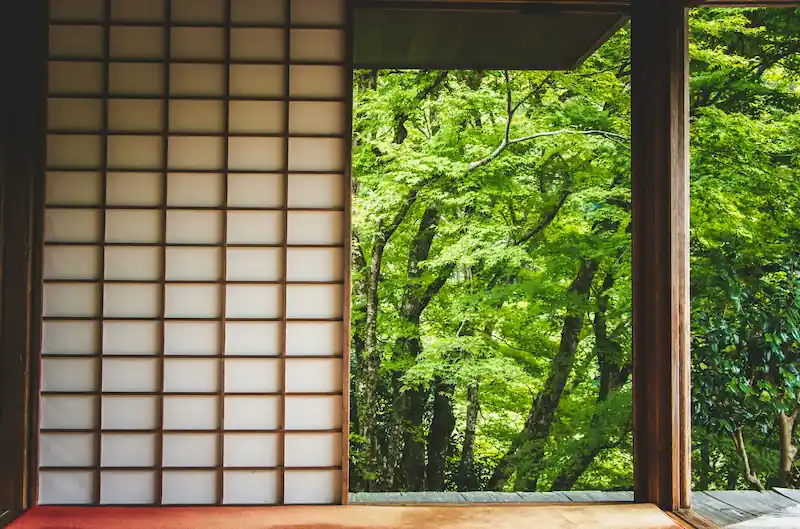
Where to stay in Kyoto
Find the best neighborhoods and hotels in Kyoto.
Open page →
Plan your trip to Kyoto, choose the right area to stay, and understand what deserves your time. Kyoto is not a simple old-town checklist: it is a layered city of eastern temple slopes, central food and shopping corridors, western river landscapes, northern garden pockets, craft traditions, and quieter daily rhythms. The best trips are built around contrast, timing, and a few high-yield experiences rather than a race through every famous gate.
Find the best neighborhoods and hotels in Kyoto.
Open page →
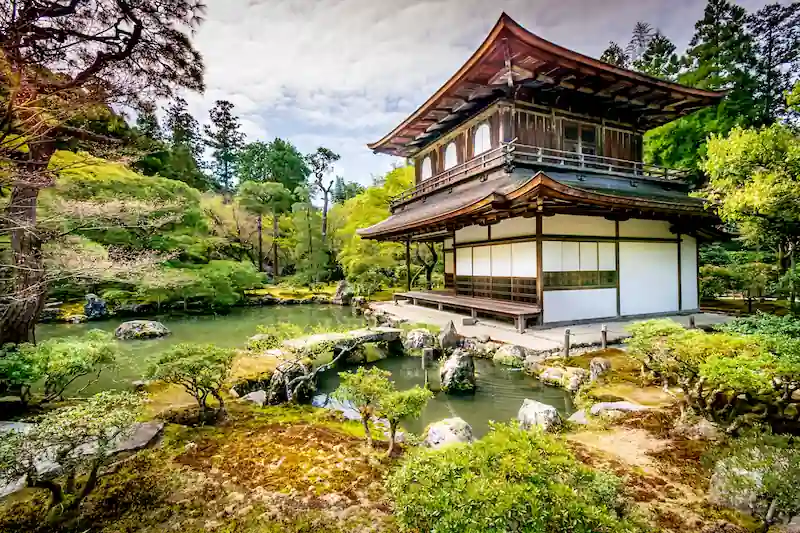
Prioritize the activities that deserve your time in Kyoto.
Open page →
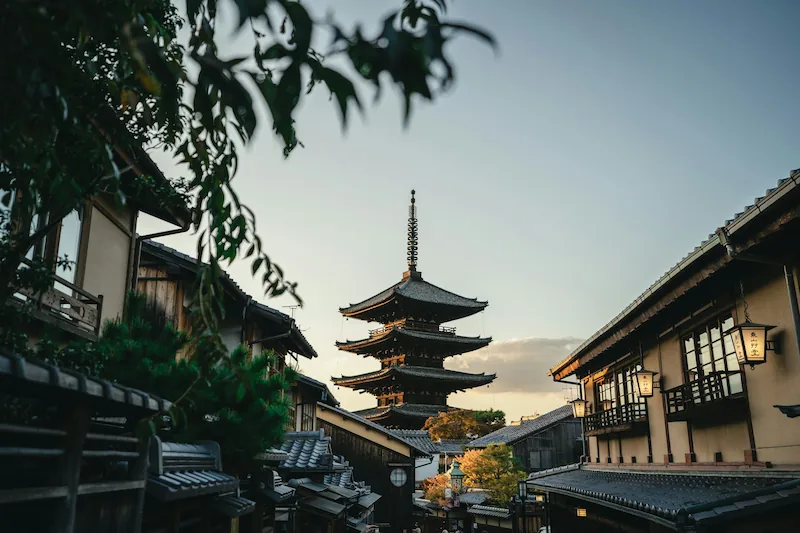
2 Days in Kyoto Itinerary: Best First-Time Route for Temples, Gion & Arashiyama
Open itinerary →
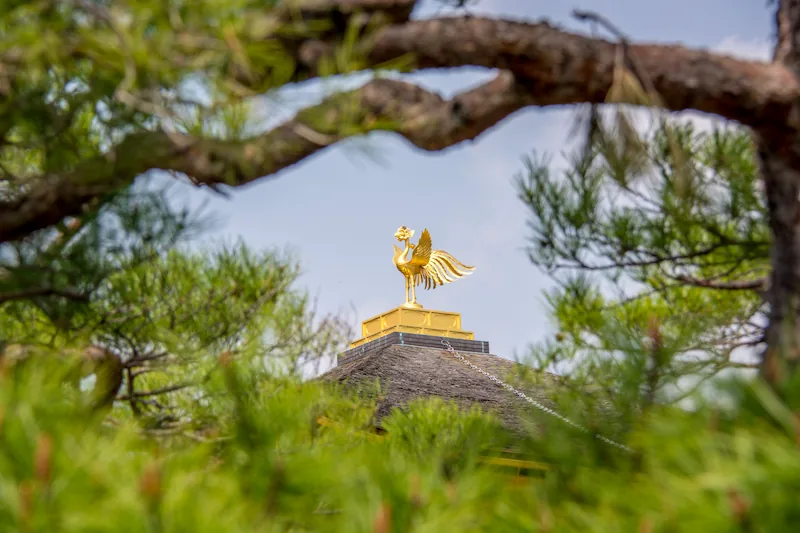
3 Days in Kyoto Itinerary: Best First-Time Route for Temples, Arashiyama & Fushimi Inari
Open itinerary →
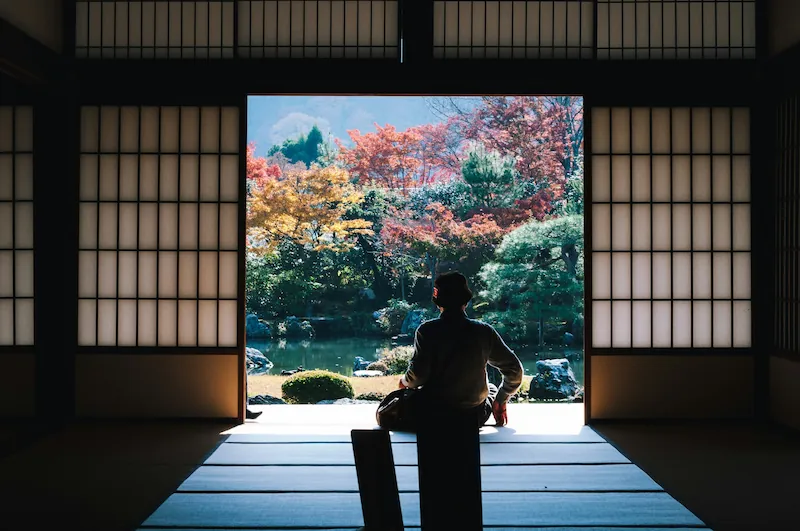
4 Days in Kyoto Itinerary: Best Route for Temples, Arashiyama, Fushimi Inari & Culture
Open itinerary →
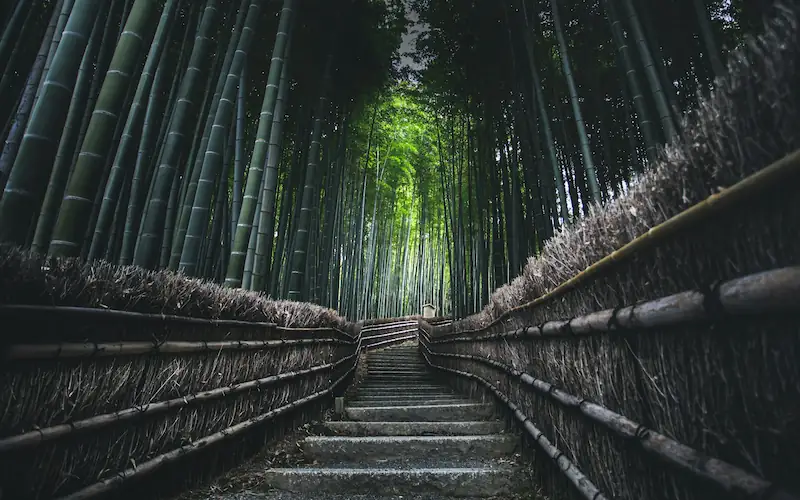
5 Days in Kyoto Itinerary: Best Slow Route for Temples, Gardens, Food & Deeper Districts
Open itinerary →
Kyoto is not a single concentrated old town but a broad, low-rise city whose highlights sit in distinct cultural layers. The eastern temple belt, Gion evening corridors, central commercial grid, western Arashiyama landscape, northern villa-and-garden zone, and southern Fushimi/Uji axis each create a different version of the city. It feels legible once you stop expecting everything to sit inside one compact sightseeing core and start planning by clusters, pace, and purpose.
Kyoto is worth building a trip around because it explains a different side of Japan: ritual, craftsmanship, urban restraint, seasonal beauty, and refined food culture shaped into daily life rather than staged as a single attraction. Its strength is not only Kiyomizu-dera, Fushimi Inari, or Arashiyama, but the way those places connect with tea, gardens, craft, market streets, riverside pauses, family-friendly resets, and the quieter discipline of neighborhoods that still feel lived in.
Best time: Spring and autumn for the strongest seasonal atmosphere; winter for quieter temples; summer for festival energy if you plan around heat.
Ideal trip length: 3 days for a strong first visit; 5 days for a layered Kyoto stay; 7 days if you want slower districts, Uji, Nara, or wider Kansai without rushing.
Kyoto's real cost pressure comes less from transport than from accommodation and seasonal demand. Cherry blossom weeks, autumn foliage periods, and peak holiday stretches push hotel prices sharply upward, especially in Higashiyama, Gion, and central Kyoto. Food can be managed well across price levels, but premium ryokan stays, kaiseki dinners, and last-minute bookings make the city feel expensive quickly.
Kyoto works as a city of parallel layers rather than a single monumental center. The eastern side holds many of the best-known temple and historic walking districts, central Kyoto carries shopping, transit, restaurants, and covered arcades, the west opens into Arashiyama's river-and-bamboo landscapes, the north becomes quieter and more garden-led, and the south links Fushimi Inari with sake culture and the Uji tea corridor. What looks close on a map can belong to a different experiential zone.
The city lies in a basin framed by mountains, with a mostly flat street structure that makes walking feel deceptively simple at first. Rivers and foothill edges help define movement, and the eastern slope toward Higashiyama gives many heritage areas their particular sense of depth, especially when late light catches stone paths and wooden facades. Distance is rarely dramatic, but cross-city transfers accumulate faster than expected.
Kyoto changes noticeably through the day. Early morning brings its clearest spatial reward, when temple approaches, narrow lanes, and garden entrances feel readable before coach groups and shopping traffic build. Midday concentrates pressure around famous corridors, while evenings soften the city again in dining streets, riverside zones, and lantern-lit historic quarters.
Read Kyoto as a sequence of districts with different cultural weights, not as an old capital to be consumed in one sweep. One place explains ritual and architecture, another explains food, craft, daily shopping, family rhythm, or seasonal pacing. Once you think in layers instead of landmarks, the city becomes easier to understand and much less mentally crowded.
Open the planner
Build Kyoto by geographic clusters, not by ranking famous sites across the whole city. Give your strongest morning hours to Higashiyama, Fushimi Inari, Arashiyama, or a high-demand garden rather than to central shopping streets. Pair one major heritage zone with a calmer second layer such as Nishiki Market, the Kamo River, Kyoto Gyoen, a museum, a craft stop, or a tea break. Treat central Kyoto as the hinge of the trip: useful for meals, covered arcades, shopping, evening movement, and resets rather than for all-day sightseeing. Keep western Kyoto, northern Kyoto, and southern Kyoto as separate half-day structures instead of folding them into eastern temple days. Use evenings for Gion, Pontocho, Kamo River, or a reserved dinner, when Kyoto shifts from monument logic to atmosphere and food. If traveling with children, replace one temple block with Umekoji, the railway museum, the aquarium, the river, or Arashiyama movement time. If you have only three days, protect variety across east, center, and one contrasting district rather than overloading on temples of the same visual type.
Vibe: historic, atmospheric, high-demand
Why go: This is the strongest base for early access to Kyoto's most photogenic temple districts and heritage streets.
Who it fits: first-time visitors who want Kyoto's classic visual and cultural layer at their door
Not for: travelers seeking lower prices, nightlife convenience, or the easiest station access
Where to stay: Higashiyama gives the most immediate sense of old Kyoto, especially in the margins of the day when the stone lanes quiet down. It is expensive and high-pressure, but few areas feel more aligned with a first visit built around temples and atmosphere.
Vibe: traditional, polished, evening-led
Why go: Gion works well for travelers who want historic atmosphere combined with strong dinner access and easy movement toward eastern Kyoto.
Who it fits: couples, short-break travelers, and visitors who want evenings to matter as much as sightseeing
Not for: budget travelers or anyone expecting a quiet local neighborhood all day
Where to stay: Gion is one of Kyoto's most atmospheric bases after dark, when lanterns, restaurant fronts, and low conversation reshape the district. It suits travelers who value mood and walkable evenings more than price efficiency.
Vibe: practical, food-rich, central
Why go: Downtown Kyoto gives the strongest all-round balance of transport access, dining range, shopping, and easy evening movement.
Who it fits: travelers who want flexibility, stronger value, and a central reset point between sightseeing zones
Not for: those wanting a heritage-first atmosphere immediately outside the hotel door
Where to stay: This is the easiest base for a balanced Kyoto stay because it reduces transfer friction and gives you multiple dinner and shopping options without committing you to one sightseeing identity. It is the smartest compromise for many first visits.
Vibe: efficient, modern, transit-first
Why go: This area makes the most sense for short stays, rail-heavy itineraries, and travelers arriving late or leaving early.
Who it fits: day-trippers, first-time Japan visitors linking Kyoto with Osaka, Nara, or Tokyo
Not for: those wanting Kyoto's most atmospheric evening streets or a heritage-led base
Where to stay: The station area is not the city's prettiest base, but it is one of the most functional. It works best when Kyoto is part of a wider itinerary and logistical ease matters as much as neighborhood character.
Vibe: scenic, spacious, slower-paced
Why go: Arashiyama offers a greener, more open side of Kyoto and works well for travelers who want a slower base with strong morning potential.
Who it fits: repeat visitors, couples, and travelers prioritizing scenery over city-center efficiency
Not for: anyone planning multiple daily returns to central and eastern Kyoto
Where to stay: Arashiyama feels lighter and more spacious than the eastern and central districts, with river views and mountain edges changing the city's rhythm. It is rewarding if you want a slower Kyoto, less so if you need constant cross-city movement.
Vibe: cultural, quieter, spacious
Why go: Okazaki is a strong choice for museum-focused travelers who want easier access to eastern Kyoto without sleeping in its busiest streets.
Who it fits: art-minded visitors, repeat travelers, and anyone who prefers calmer evenings
Not for: travelers seeking nightlife density or maximum restaurant concentration
Where to stay: This area gives a more composed version of eastern Kyoto, with museums, shrine spaces, and wider streets softening the tempo. It is a good fit when you want culture and breathing room rather than constant foot traffic.
Kyoto reveals itself best when you mix headline heritage with smaller textures of ritual, craft, food, design, family movement, and neighborhood life. The strongest trip is rarely the one with the most temple stamps; it is the one that lets different layers of the city answer each other.
Planning tip: Put your most popular temple or district walk at opening time, then use markets, museums, tea, craft, riverside space, or family-friendly indoor stops for the softer middle of the day.
This is one of the clearest ways to understand why Kyoto's eastern edge matters: temples, lanes, gates, and elevation work together as one continuous urban experience. In early hours the district feels spatially coherent rather than overrun, and the cadence of footsteps on stone becomes part of the reading of the place.
Tip: Start around Kiyomizu-dera or nearby slopes as close to opening as possible.
Fushimi Inari is more than a photo stop when treated as a climb and a rhythm rather than a gate sequence. The further you go, the more the site shifts from spectacle to repetition, breath, and wooded stillness.
Tip: Go at dawn or later in the day if you want the route to feel like a path rather than a queue.
Arashiyama works best as a broader landscape of river, villas, groves, and foothill movement, not just a quick stop at the bamboo path. Once you widen the frame, the western edge of Kyoto feels lighter, more open, and less formally urban.
Tip: Combine the grove with Tenryu-ji, the riverfront, or a quieter uphill temple for a fuller half-day.
Check guided tours →
Kinkaku-ji is one of Kyoto's most visually controlled experiences: less immersive than some temple districts, but unusually strong as an exercise in composition, water, and ceremonial viewing. It is most rewarding when accepted on its own terms rather than compared unfairly with more walkable temple precincts.
Tip: Treat it as a focused visit rather than the anchor of a long northern temple marathon.
Kyoto's evening identity comes through clearly here, where food streets, shrine edges, and traditional facades overlap without feeling frozen in time. The city lowers its volume after dark, and the murmur of restaurant terraces replaces the harder sightseeing tempo of the day.
Tip: Come just before dinner rather than deep into the evening if you want atmosphere without maximum density.
Check guided tours →
This is one of Kyoto's gentler cultural connectors, less about monument shock and more about tempo, transitions, and neighborhood texture. It suits travelers who want the city to unfold through smaller shifts rather than major set pieces.
Tip: Pair it with one major temple rather than trying to turn the area into a box-ticking route.
Check guided tours →
Nijo Castle matters because it gives Kyoto a different political and architectural register: shogunal power, painted interiors, nightingale-floor circulation, and controlled palace space rather than another shrine or temple precinct. It is one of the best ways to keep a first trip from becoming visually repetitive.
Tip: Place it after one temple-heavy morning or on a rainy/cloudy day when interiors and history can carry the rhythm.
Northern Kyoto is where the city becomes more contemplative and less linear. Ginkaku-ji gives a layered garden-and-temple experience near the Philosopher's Path, while Ryoan-ji compresses attention into one of Japan's most famous dry gardens. You do not need both on a short trip, but one carefully chosen northern garden adds important depth.
Tip: Pick Ginkaku-ji if you want a walkable district; pick Ryoan-ji if you want a focused Zen-garden stop.
Sanjusangen-do is one of Kyoto's most efficient high-impact cultural stops: a single long hall, a powerful sculptural sequence, and enough interior focus to change the day without consuming it. It is especially valuable when rain, heat, or temple fatigue makes open-ended wandering less appealing.
Tip: Use it between Kyoto Station and Higashiyama, or as an indoor counterweight to outdoor sightseeing.
Check guided tours →
Southern Kyoto is not only Fushimi Inari. Tofuku-ji becomes a major seasonal play in autumn, while To-ji gives Kyoto Station itineraries a strong pagoda-and-temple anchor without crossing the entire city. These are not mandatory for every first trip, but they are important options when your route or season supports them.
Tip: Choose Tofuku-ji in foliage season; choose To-ji when staying near Kyoto Station or needing a tighter temple stop.
Check guided tours →
Kyoto's temple culture becomes more intelligible when you stop counting sites and start reading composition, emptiness, thresholds, and perspective. A well-chosen garden visit can explain more than three rushed temples in a row.
Tip: Choose one or two gardens with time to sit rather than treating them as quick photo stops.
Nishijin adds another layer to Kyoto by showing the city not just as a place of temples but of making, weaving, and working traditions. It is less instantly legible than the eastern districts, but that is precisely its value.
Tip: Go with a specific craft stop in mind so the area opens up with more focus.
Check guided tours →
A museum day in Kyoto works best when it sharpens what you are already seeing outside: Buddhist sculpture, court culture, decorative arts, or the mechanics of ritual display. It gives necessary context without flattening the city into pure explanation.
Tip: Use a museum on a weather-shift day or between two temple-heavy mornings.
Check guided tours →
Kyoto's tea culture is most meaningful when approached as a disciplined language of space, sequence, and gesture rather than as a souvenir performance. A good experience slows the city down and makes refinement feel practical, not abstract.
Tip: Choose a smaller-format tea experience over a high-volume tourist demonstration.
Kyoto's cultural authority is not only in temples; it is also in the objects, tools, textiles, sweets, incense, ceramics, and utensils that support daily refinement. A focused craft museum or workshop turns the city from beautiful scenery into a system of making.
Tip: Use this when the trip needs depth but another temple would feel redundant.
Kyoto's performing arts and geiko districts are often misunderstood by visitors who reduce them to street sightings. A structured performance, cultural show, or respectful evening walk gives this layer context without turning private neighborhood life into a spectacle.
Tip: Choose an organized performance or guided context if you want explanation rather than guesswork.
The Nintendo Museum adds a completely different cultural register to the Kyoto region: design history, play, entertainment, and Japanese pop-cultural memory. It is not part of classic Kyoto, but for the right traveler it justifies planning because it broadens the city beyond temples and tea.
Tip: Treat it as a reservation-dependent Uji extension, not something to casually add between central sights.
Check options →
Nishiki is more useful as a read of central Kyoto's appetite, pace, and browsing culture than as a place to force a full meal plan. It helps connect heritage-heavy days back to the living city.
Tip: Go late morning or early afternoon and keep expectations flexible rather than arriving hungry at peak density.
Check guided tours →
The river gives Kyoto one of its clearest breathing spaces and helps recalibrate the trip away from pure temple intensity. In the early evening the city loosens here, with slower movement and a broader sky than most central districts allow.
Tip: Use the river as a transition between sightseeing and dinner rather than as a destination in isolation.
Check guided tours →
Kyoto's everyday urban life becomes easier to read when you step into covered shopping streets and food floors where local routines, practical purchases, and polished presentation meet. This is one of the best counters to an overly heritage-only version of the city.
Tip: Use it on a weather-change afternoon or before taking food back for a lighter evening.
Check guided tours →
Uji works well when Kyoto starts to feel monument-heavy and you want a slower, tea-linked day with a distinct identity. It extends the cultural map of the region without simply repeating central Kyoto's patterns.
Tip: Give it at least half a day so it feels like a shift in pace rather than a rushed add-on.
Check guided tours →
Kyoto Gyoen gives the city an important open civic scale that balances the tighter temple lanes. It works especially well when you need air, a low-cost pause, or a gentler middle of the day that still feels rooted in Kyoto's historic geography.
Tip: Use it between central Kyoto and northern or eastern sights, especially when the itinerary needs space.
Check guided tours →
Umekoji is one of Kyoto's most useful family-pressure valves because the railway museum, aquarium, park space, and station-side logistics sit close together. It does not define classic Kyoto, but it can save a family itinerary from becoming too temple-heavy.
Tip: Pair it with Kyoto Station or use it as the deliberate family block on a rainy or low-energy day.
Check family options →
Fushimi becomes more interesting when you see it as more than the Inari shrine. The sake district adds water, warehouses, tasting rooms, and a slower neighborhood identity that can turn southern Kyoto into a fuller half day.
Tip: Do Fushimi Inari early, then decide whether to extend into the sake district instead of rushing straight across town.
A good kaiseki meal in Kyoto can sharpen your understanding of seasonality, restraint, and sequence, but it works best when chosen selectively rather than treated as a mandatory status meal. The value lies in craft and pacing more than in volume or spectacle.
Tip: Book only if you genuinely want a slower formal dinner, not because every Kyoto itinerary says you should.
Check food options →
Izakaya dining keeps Kyoto from becoming too ceremonial. It gives you warmth, looseness, and the sound of close conversation, which matters after a day built around controlled spaces and formal sightlines.
Tip: Choose one slightly away from the most obvious tourist lanes for a better room and a steadier local rhythm.
Check food options →
Kyoto's tofu traditions make the most sense when tied to temple districts, seasonality, and the city's quieter culinary discipline. In the right setting, simplicity becomes part of the place rather than an austere obligation.
Tip: Choose this after a temple or garden visit so the meal feels linked to the day instead of random.
Check food options →
Tea and sweets in Kyoto are less about indulgence than about pause, timing, and finish. Used well, they create a short reset in the middle of a dense cultural day.
Tip: Use a tea stop as a paced interval between districts rather than as a rushed add-on.
Obanzai is one of the best food choices when you want Kyoto to feel local and seasonal without the formality of kaiseki. It keeps dinner close to vegetables, small plates, and daily cooking rather than turning every meal into an occasion.
Tip: Look for it on an evening when the day has already carried enough ceremony.
A cooking class turns Kyoto from observed culture into practiced culture. It is particularly useful on a rainy day, after several temple visits, or for travelers who want to understand everyday ingredients rather than only eat in restaurants.
Tip: Book it later in the stay so market visits and meals have already given you context.
Kyoto expands very quickly if you treat every temple, shrine, market, museum, and day trip as equally important. The city becomes stronger when you protect contrast, timing, and a few high-yield districts rather than chasing total coverage.
Kyoto works with children better than its reputation sometimes suggests, but only at a softer pace than adults often plan for themselves. Temple-heavy days fatigue younger travelers quickly, while river space, trains, monkeys, gardens, aquarium time, hands-on museums, snack stops, and wider shrine grounds help the city stay light. The best family version of Kyoto still includes culture, but it alternates quiet looking with movement and practical resets.
Kyoto can support very different trip shapes depending on whether you want a concentrated first visit, a slower cultural stay, or a wider Kansai structure anchored by the city.
Open the planner →
Kyoto rewards planning, but it does not need over-management. The key is to understand where the city demands precision—seasonal hotel booking, morning timing, special restaurants, and respectful behavior in heritage districts—and where it rewards a slower, more flexible approach.
For most travelers, the best time to visit Kyoto is late spring or autumn, when walking conditions are strong and the city's seasonal identity becomes part of the experience. Spring brings fresh light and blossom energy, while autumn gives richer color and an especially rewarding temple-and-garden atmosphere. Winter is calmer and often better value, while summer suits travelers who can handle heat and build slower days.
Kyoto starts to make sense at 2 full days, but that only allows a selective first reading of the city. At 3 days, the trip gains enough room for an eastern heritage day, Arashiyama or a northern-garden contrast, and a central food-and-neighborhood layer. At 5 days, you can add Uji, Nijo, craft, museums, family resets, or a more seasonal temple without flattening the trip.
Choose your base according to the version of Kyoto you want to live in. Higashiyama and Gion favor atmosphere and early access, Downtown Kyoto favors flexibility and food, Kyoto Station favors wider itinerary efficiency, Okazaki favors calmer culture, and Arashiyama favors retreat-like scenery. For most first visits, staying central or on the eastern side works best because it reduces evening friction and keeps the city's strongest districts within easier reach.
Kyoto is typically reached via Kansai International Airport or Osaka's airports, then by rail. Many international visitors arrive through Osaka and continue by train, while domestic and intercity travelers often use the shinkansen into Kyoto Station. The station itself is highly functional and makes onward movement easy even if you do not stay nearby.
Kyoto is partially walkable but not in the all-in-one way many first-timers expect. Subways and trains help with certain axes, while buses cover many sightseeing corridors but can become slow and crowded at peak hours. Taxis are often worth using selectively to protect time between distant clusters, especially early or late in the day. Trains are especially useful for Arashiyama, Fushimi Inari, Uji, Osaka, and Nara.
Kyoto is generally very safe and easy to navigate for most travelers. Healthcare standards are strong, pharmacies are widely available, and the main practical issues are seasonal heat, walking fatigue, crowd density, and etiquette in residential or heritage areas. Be especially careful with photography rules, private lanes, litter, and blocking narrow streets in Gion and older districts.
Kyoto changes with the seasons more visibly than many major cities, and that shift affects not just scenery but the kind of trip the city supports. Spring and autumn are the clearest choices for first-time visitors because the city feels fully itself in both light and landscape. Summer brings festival energy and lush greenery but requires a slower physical tempo, while winter strips the city back to a quieter, sharper version that suits repeat travelers, photographers, families avoiding crowds, and anyone prioritizing calm over spectacle.
Spring is one of Kyoto's most rewarding seasons for first-time visitors because temple districts, canals, and garden routes feel especially coherent in mild weather and longer walking windows. Blossom periods create a more image-led version of the city, but beyond the peaks, the season still works beautifully for balanced days and neighborhood movement. Pale morning light on stone lanes is one of Kyoto's most convincing seasonal cues.
Summer suits travelers who can slow the pace and shape the day around early starts, midday shade, and stronger evening energy. Greenery deepens, festivals add local rhythm, and riverside dining areas become more meaningful, but heat changes what a comfortable day looks like. This season works best for travelers who enjoy atmosphere and food as much as temple density.
Autumn gives Kyoto some of its most satisfying visual and spatial contrasts, especially in temple gardens, wooded approaches, and hillside districts. It is ideal for travelers who want the city at full cultural intensity and are willing to accept more planning pressure in return. The lower angle of light and the texture of dry leaves underfoot make walking days feel especially crisp and deliberate.
Winter is the most understated season and often the easiest for travelers who want calmer major sites, cleaner logistics, and a less pressured hotel market. Shorter days make structure more important, but the city can feel unusually pure in this period, with clearer air and fewer distractions around the main cultural layers. It suits repeat visitors, photographers, and travelers who value quiet reading over seasonal spectacle.
Not seeing your next stop yet? Build a fully personalized itinerary anywhere in japan.
These are the planning questions that most strongly affect how smooth and rewarding a Kyoto trip feels.
Three days is a strong starting point for a first trip because it allows one major eastern Kyoto day, one contrasting district day, and one more flexible city layer. Two full days can work, but the city starts to feel more like a checklist than a lived place. Five days is where Kyoto becomes properly layered, with room for Arashiyama, Nijo Castle, a garden, food, tea, and possibly Uji or Nara.
For atmosphere and early temple access, Higashiyama or Gion are strong choices. For the smartest balance of restaurants, shopping, and efficient movement, Downtown Kyoto is often the best all-round base. Kyoto Station works well if Kyoto is part of a larger Japan itinerary, while Okazaki is better for calmer culture-first stays.
Spring and autumn are the best overall choices because the city's walks, temple districts, and gardens feel most rewarding in those conditions. Spring is softer and lighter, while autumn is richer and more intense. Winter is quieter and often easier logistically, while summer demands early starts, shaded breaks, and a slower physical pace.
The strongest first-trip core is Fushimi Inari, Kiyomizu-dera with southern Higashiyama, Arashiyama as a broader half day, Gion or Pontocho in the evening, and one deeper cultural layer such as Nijo Castle, a Zen garden, a tea ceremony, or a food experience. Kinkaku-ji is highly recognizable and worth considering, but it works best as a focused stop rather than the center of an entire day.
Parts of Kyoto are very walkable, especially within individual districts such as Higashiyama, Gion, Arashiyama, and central corridors near Kawaramachi. The mistake is assuming the whole city functions as one walkable sightseeing core. The major layers are spread out enough that trains, buses, taxis, or careful routing still matter.
You do not need to pre-book most temples and shrines, but you should book special experiences, strong restaurants, cooking classes, tea ceremonies, and any limited-access attraction that matters to you. For headline sightseeing, timing usually matters more than tickets: opening time, early morning, late afternoon, and seasonal crowd management shape the experience.
The biggest mistakes are overloading on temples, crossing the city too many times in one day, and underestimating how much better Kyoto feels in the early morning and evening. Another common error is choosing a formal or expensive experience simply because it sounds obligatory rather than because it suits the trip.
Yes, three days is enough for a strong first reading of Kyoto if the trip is structured well. You can cover one eastern heritage day, one western or northern contrast, and one central food-and-neighborhood day. It is not enough for full depth, but it is enough to understand why the city matters.
Kyoto can be managed across several budgets, but hotel pricing rises fast in peak seasonal windows and in the most atmospheric districts. Food ranges well from accessible obanzai, ramen, bakeries, markets, and casual dining to highly refined kaiseki, so the biggest cost decisions are usually accommodation and premium dining rather than basic movement.
Arashiyama is worth visiting if you treat it as a scenic district rather than a bamboo-grove photo stop. The bamboo path alone is brief and crowded; the area becomes much stronger when you add Tenryu-ji, the river, Togetsukyo Bridge, monkey park, smaller temples, or time to simply walk at the edge of the hills.
Yes, but only if you use timing and distance properly. The first torii sections can feel packed, while the route becomes more rewarding when you start early, go late, or continue beyond the first photo-heavy stretch. It is a walking experience as much as a shrine visit.
Rain is a good reason to shift toward Nijo Castle, Sanjusangen-do, Kyoto National Museum, MOCAD, Nishiki Market, Teramachi and Shinkyogoku arcades, tea ceremonies, cooking classes, Kyoto Railway Museum, Kyoto Aquarium, or Kyoto Station. Some gardens are beautiful in rain, but a full outdoor temple day becomes tiring fast.
Kyoto can work very well with children if the itinerary is not too temple-heavy. Arashiyama, the Kamo River, Kyoto Railway Museum, Kyoto Aquarium, Umekoji Park, monkey park, larger shrine grounds, and short food stops help balance the cultural parts of the trip. Families should plan movement and reset space deliberately.
The best non-temple layers include Nishiki Market, Kamo River walks, Nijo Castle, tea ceremony, craft workshops, Kyoto Museum of Crafts and Design, Kyoto National Museum, Fushimi sake district, Uji matcha, Pontocho dining, Kyoto Railway Museum, Kyoto Aquarium, and central shopping arcades.
Nara is the strongest first day trip from Kyoto if you already have enough time for Kyoto itself. It is easy by train and adds a different historical and spatial register, but it should not replace a core Kyoto day on a short first visit.
Uji is worth it for travelers interested in tea culture, Byodo-in, calmer riverside pacing, or the Nintendo Museum if tickets are secured. It is usually a half-day to relaxed full-day extension rather than a mandatory first-trip stop.
For a classic first day, southern Higashiyama and Gion are the most intuitive because temples, lanes, shrine edges, food, and evening atmosphere connect naturally. Fushimi Inari can also work first thing in the morning, especially if you want one iconic experience before the city gets busy.
Skip duplicate temples that do not add a new type of experience, long cross-city transfers, distant attractions that weaken your core days, and formal meals chosen only because they sound obligatory. On a short stay, Kyoto is stronger with fewer stops and better sequencing.
Kyoto rewards structure, but the best version of the city still needs room to breathe.
Find the best places to stay, how to get there, and move around with ease.
Build a smarter trip base
Once you understand how Kyoto works and what matters most for your trip, the next step is turning that direction into a real itinerary. Use the planner to organize your days around the right areas, experiences, and rhythm so the trip feels clear before you go.