Best things to do in Kyoto, from essentials to deeper experiences
Discover the best things to do in Kyoto, from essential temples, shrines, gardens, and historic lanes to food-led experiences, craft traditions, family-friendly stops, rainy-day ideas, and day trips that genuinely justify leaving the city. Kyoto is not a place to consume as a checklist. The smartest trip balances a few headline icons with slower cultural depth, neighborhood texture, and enough practical pacing to keep the city from becoming a blur of temple gates and crowded approach streets.
Best time
Spring and autumn give Kyoto its strongest outdoor rhythm, especially for blossom, foliage, temple gardens, and walking districts. Summer and winter still work well if you plan early starts, use shaded or indoor cultural stops, and avoid building every day around exposed sightseeing.
Ideal trip length
2 to 4 days is the sweet spot for Kyoto itself. Two days covers the essentials, three days adds cultural depth and better pacing, and four days gives room for Arashiyama, northern/eastern temple areas, food experiences, and one lighter day trip such as Nara or Uji.
Continue planning your Kyoto trip
Use this page to choose what deserves your time, then connect it to the broader logic of the city. The full Kyoto guide, where-to-stay guide, neighborhood advice, and itineraries help turn these activity choices into a smoother stay.
Top things to do in Kyoto first
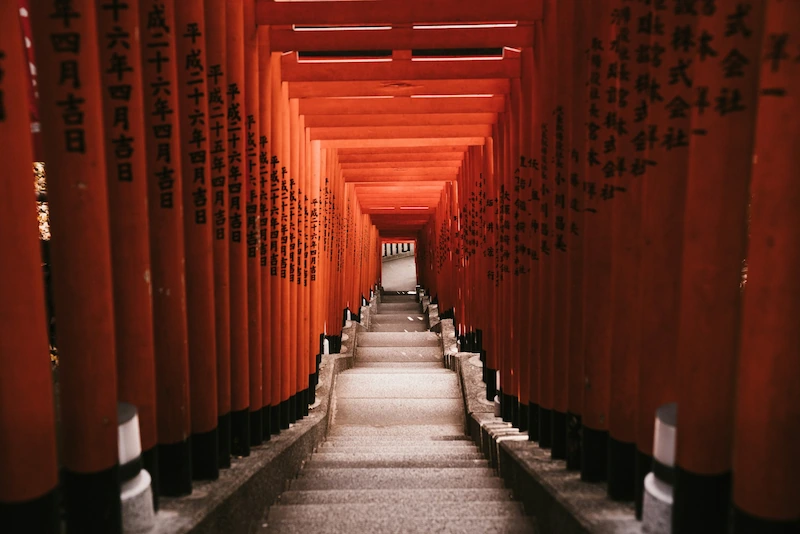
Walk the torii trails at Fushimi Inari Taisha – Area: Fushimi · Best for: first-time Kyoto and early starts · Time needed: 2 to 3 hours · Worth it: One of Kyoto’s clearest signature experiences if you go early and keep walking beyond the first crowded section. · Book ahead: No
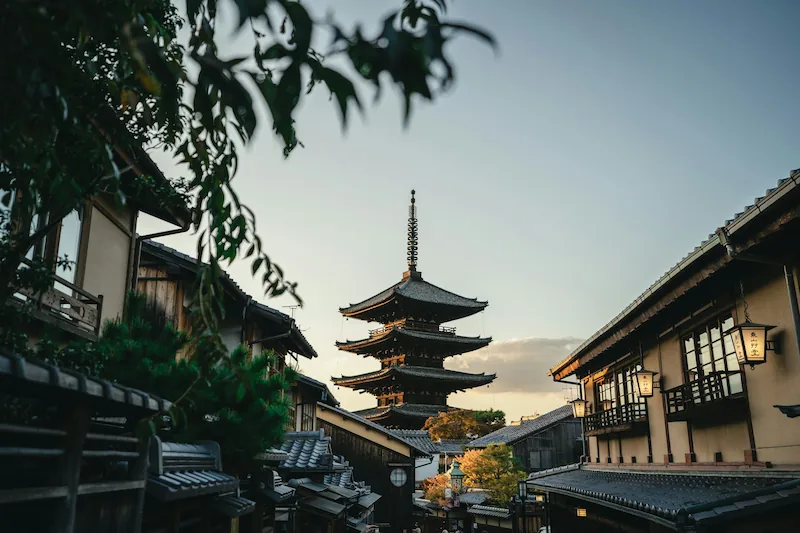
See Kiyomizu-dera, then continue through Sannenzaka and Ninenzaka – Area: Higashiyama · Best for: classic Kyoto atmosphere · Time needed: 2 to 4 hours · Worth it: High payoff because the temple and surrounding streets work as one continuous experience, not as separate stops. · Book ahead: No
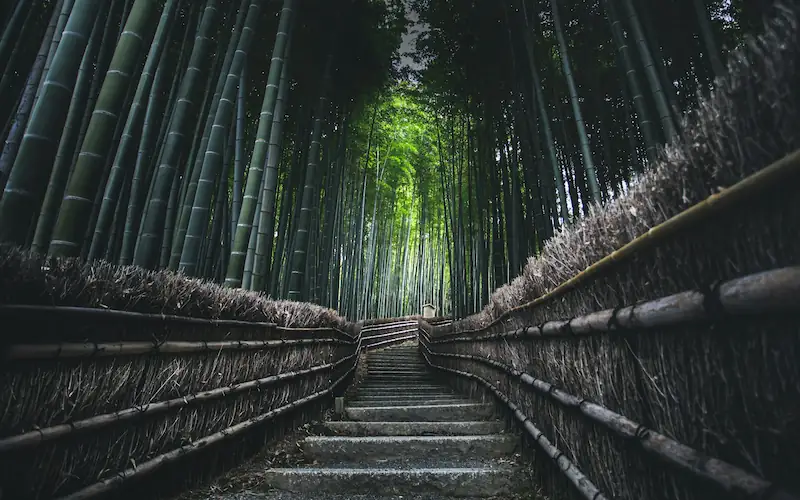
Spend a half day in Arashiyama beyond the bamboo grove – Area: Arashiyama · Best for: scenic Kyoto with more breathing room · Time needed: 4 to 6 hours · Worth it: Worth doing only if you include Tenryu-ji, the riverfront, or a quieter garden rather than treating the bamboo path as the whole point. · Book ahead: No
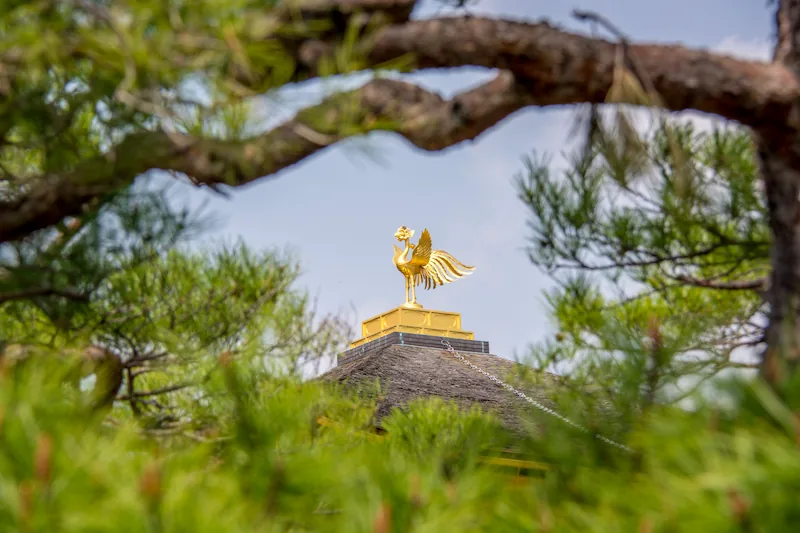
Visit Kinkaku-ji for the visual shock, not for a long stay – Area: Northwest Kyoto · Best for: first-time essentials · Time needed: 45 to 75 minutes · Worth it: Yes for a first trip, but it is more of a concentrated visual stop than a slow cultural half day. · Book ahead: No
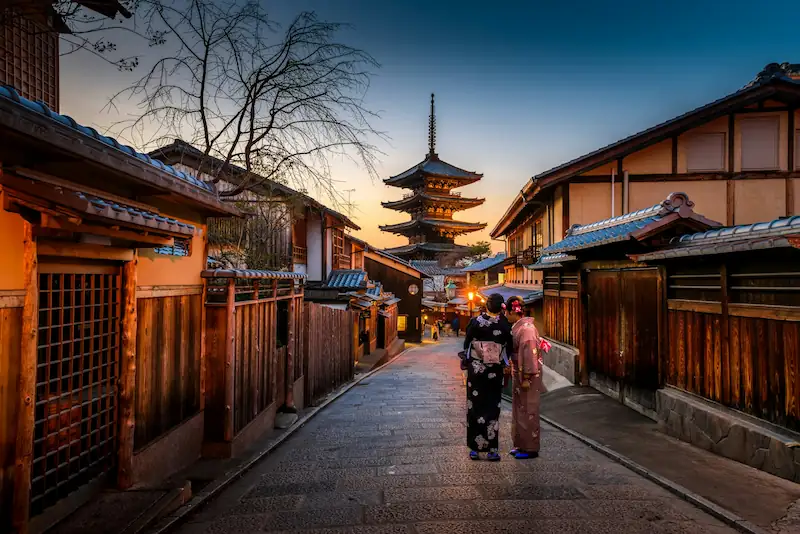
Explore Gion and the eastern lanes around Shirakawa and Yasaka – Area: Gion · Best for: historic Kyoto and evening walks · Time needed: 1.5 to 3 hours · Worth it: Best when treated as a walking atmosphere rather than a checklist stop. · Book ahead: No
Eat your way through Nishiki Market and nearby covered arcades – Area: Downtown Kyoto · Best for: food-first travelers · Time needed: 1.5 to 2.5 hours · Worth it: Strong value as a short, practical, edible introduction to Kyoto’s food culture. · Book ahead: No
Take part in a tea ceremony or tea-focused cultural experience – Area: Gion or central Kyoto · Best for: culture-first travelers · Time needed: 45 to 90 minutes · Worth it: Worth it when you want Kyoto to feel lived and practiced, not only photographed. · Book ahead: Usually yes
See Nijo Castle for political history and interiors that change the pace – Area: Central Kyoto · Best for: history with structure · Time needed: 1.5 to 2.5 hours · Worth it: A very good counterweight to temple fatigue, especially on a second museum-or-culture-heavy day. · Book ahead: No
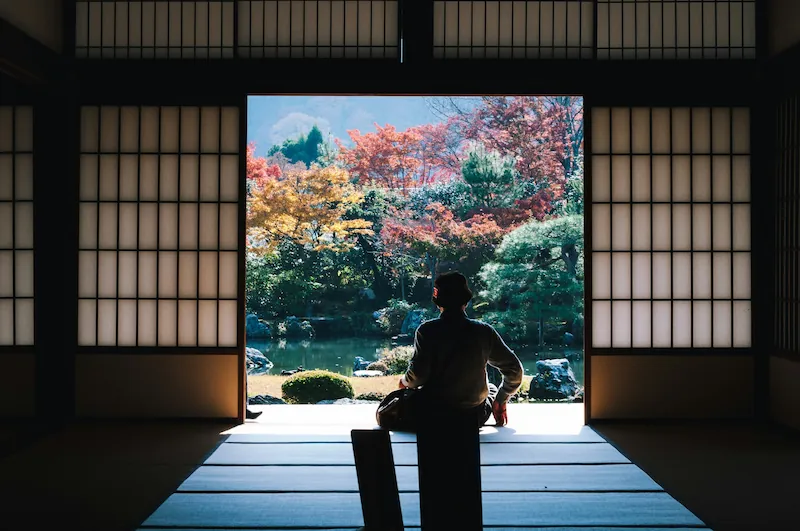
Visit a major Zen garden or temple complex such as Nanzen-ji – Area: Eastern Kyoto · Best for: quiet cultural depth · Time needed: 1.5 to 3 hours · Worth it: High payoff if you want space, stone, moss, and a slower reading of Kyoto. · Book ahead: No
Reserve one thoughtful kaiseki, tofu, or obanzai dinner – Area: Gion, Pontocho, or central Kyoto · Best for: food as culture · Time needed: 1.5 to 2.5 hours · Worth it: Yes when chosen carefully; Kyoto’s dining can express the city as clearly as its temples do. · Book ahead: Yes for stronger places
Choose one quieter garden temple such as Ginkaku-ji, Ryoan-ji, or Tofuku-ji – Area: Northern or eastern Kyoto · Best for: garden lovers and travelers avoiding temple fatigue · Time needed: 1 to 2.5 hours · Worth it: High payoff when you want Kyoto’s quieter aesthetics rather than only famous photo stops. · Book ahead: No
Use Umekoji, the Railway Museum, and the Aquarium for a family-friendly reset – Area: Kyoto Station / Umekoji · Best for: families and rainy days · Time needed: 2 to 5 hours · Worth it: One of Kyoto’s best non-temple clusters when traveling with children or when the weather turns. · Book ahead: Usually no
Explore Kyoto craft, manga, performing arts, or the Nintendo Museum if you want culture beyond temples – Area: Central Kyoto, Okazaki, or Uji · Best for: repeat visitors, families, and culture-first travelers · Time needed: 1.5 to 4 hours · Worth it: Useful when you want Kyoto’s creative and living-culture side, not only heritage architecture. · Book ahead: Sometimes yes
Visit Fushimi for sake culture or Uji for matcha when food and drink are part of the trip – Area: Fushimi or Uji · Best for: food culture and easy half-day add-ons · Time needed: 2 to 5 hours · Worth it: Both add a specific culinary identity that Kyoto city-center sightseeing alone does not fully cover. · Book ahead: Optional
How to choose well in Kyoto
Kyoto rewards selectivity more than volume. The mistake is not seeing too little, but stacking too many temples that blur into each other by midday. A strong Kyoto plan balances one or two major sights with one slower cultural experience, one neighborhood walk, one food moment, and at least one practical reset. The best days usually move by district, not by attraction rank: Higashiyama, Fushimi, Arashiyama, Okazaki, Downtown Kyoto, and northern Kyoto each work best when treated as a cluster.
Do the headline places early or late, then use the middle of the day for markets, museums, tea, craft, shopping arcades, or quieter temple precincts.
Treat districts as clusters: Higashiyama, Arashiyama, Fushimi, Okazaki, northern Kyoto, and central Kyoto each justify focused time rather than rushed cross-city zigzags.
Choose one temple for scale, one for atmosphere, and one for garden logic; beyond that, returns drop quickly for most travelers.
Do not judge Arashiyama only by the bamboo grove; the area works best as a scenic half day with Tenryu-ji, the riverfront, or the monkey park if you are traveling with children.
Use food strategically: Nishiki for browsing, Pontocho or Gion for evening atmosphere, tofu or obanzai for Kyoto specificity, Fushimi for sake, and Uji for matcha.
Add at least one non-temple experience if you have more than two days: tea ceremony, craft workshop, cooking class, museum, performing arts, or a family-friendly indoor stop.
If you have only two days, keep day trips out of the plan unless one destination matters more to you than Kyoto itself.
Season matters, but timing matters more: early mornings, late afternoons, and well-spaced indoor breaks often improve Kyoto more than adding another famous sight.
Iconic Kyoto experiences worth prioritizing
These are the activities that define Kyoto’s first impression and still deserve space even on a tightly edited trip. Some are famous because they are visually singular, others because they condense the city’s ritual, topography, and historic mood into one clear experience. Use them as anchors, then build the rest of your day around calmer contrasts.
Fushimi Inari beyond the first torii tunnel – Most visitors photograph the entrance and leave too early. The real reward comes from continuing uphill, where the crowd thins and the shrine path begins to feel wooded, repetitive, and meditative in the best way. Go at sunrise or late afternoon for the strongest payoff. (First-time essential · Best for: iconic Kyoto without needing a ticket)
Kiyomizu-dera with the old lanes below it – This works because the temple, hillside views, and preserved approach streets form one continuous sequence. The climb through Ninenzaka and Sannenzaka gives context to the site and turns a temple visit into a full Kyoto texture walk. It is one of the best uses of a first morning or late afternoon. (High payoff · Best for: classic Kyoto atmosphere)
Arashiyama as a full scenic district, not just the bamboo grove – The bamboo path alone is too brief to justify the trip. Arashiyama becomes worthwhile when you combine the grove with Tenryu-ji, the riverfront, small lanes, and the sense of being at Kyoto’s softer edge. It is less about one monument than about a fuller landscape rhythm. (Worth it · Best for: half-day scenic escape)Find tours & experiences
Kinkaku-ji as a concentrated visual stop – Kinkaku-ji is short, crowded, and absolutely not subtle. It still earns its place because the first view is so composed and recognizably Kyoto that it remains one of the city’s cleanest visual signatures. Keep expectations realistic and do not build an overlong day around it alone. (First-time essential · Best for: short high-impact visit)
Gion and Yasaka Shrine in the early evening – This is not about chasing geisha sightings. It is about lantern light, narrow lanes, timber facades, and the transition from daytime sightseeing to Kyoto after dark. The area works best on foot, slowly, with dinner or a drink built into the route. (Best in the evening · Best for: historic atmosphere after dark)
Nijo Castle for Kyoto beyond temples – If your itinerary is becoming shrine-heavy, Nijo Castle is the reset. Its rooms, painted interiors, and political history offer a different reading of Kyoto: power, ceremony, and controlled architecture rather than only devotion and gardens. It is especially useful on a second or third day. (Best for: history with stronger interiors)
Sanjusangendo for focused impact – This is one of Kyoto’s best high-density cultural experiences. The long hall lined with thousands of statues delivers something immediate and memorable without demanding half a day. It fits especially well on tighter itineraries or rainy stretches. (Only if short on time · Best for: powerful indoor cultural stop)
Ginkaku-ji and the Philosopher’s Path for a quieter classic – Ginkaku-ji is less visually explosive than Kinkaku-ji, but often more satisfying for travelers who want atmosphere, moss, sand, and a softer eastern Kyoto rhythm. Pair it with a selective walk along the Philosopher’s Path rather than trying to turn the whole area into a temple checklist. (Classic Kyoto · Best for: garden aesthetics and quieter heritage atmosphere)
Ryoan-ji for Japan’s most famous rock garden – Ryoan-ji is a short, focused experience built around one of Kyoto’s most discussed Zen gardens. It is not for travelers who need constant stimulation, but it is a strong addition if you want Kyoto’s garden culture to feel more precise and contemplative. (Garden icon · Best for: Zen garden seekers and northern Kyoto routes)
Tofuku-ji for temple scale and seasonal intensity – Tofuku-ji is especially powerful in autumn, but it is not only a foliage stop. The temple complex gives a broader, more spacious reading of Kyoto’s southern temple landscape and pairs naturally with Fushimi Inari if you want a fuller southern Kyoto half day. (Best in autumn · Best for: temple scale and seasonal color)
To-ji and its five-story pagoda near Kyoto Station – To-ji is one of the easiest major heritage stops to add near Kyoto Station. Its pagoda, temple grounds, and occasional market atmosphere give the station area more cultural weight than many travelers expect, especially on arrival or departure days. (Easy add-on · Best for: Kyoto Station area culture)
Kyoto Imperial Palace and Kyoto Gyoen for space and context – The Imperial Palace area is not as immediately dramatic as Kyoto’s temple districts, but it gives the city scale, political context, and breathing room. Kyoto Gyoen is especially useful when you want an open, lower-intensity walk between denser sightseeing days. (Free space · Best for: history, open space, and slower pacing)
Cultural things to do in Kyoto that add depth
Kyoto becomes more rewarding when you move beyond the most photographed landmarks and into practices, aesthetics, and spaces that ask for slower attention. This is the layer that turns the city from beautiful scenery into a place with disciplines, rituals, and forms of refinement that still shape daily life. It is where Kyoto starts feeling less consumed and more understood.
Join a tea ceremony rooted in Kyoto’s own cultural grammar – A good tea ceremony gives structure to Kyoto’s quieter side: gesture, pacing, utensils, seasonality, and restraint. It is not just a performance for visitors when done well. For many travelers, it becomes the moment the city stops feeling abstract. (Culture-first · Best for: travelers who want more than sightseeing)Find tours & experiences
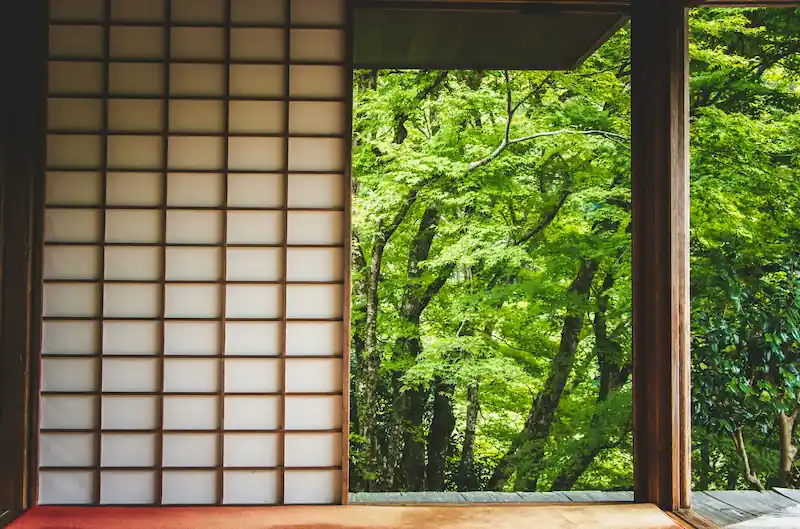
Explore a Zen temple and garden with time to linger – Kyoto has many temples, but not all offer the same experience. A strong Zen stop such as Nanzen-ji or a carefully chosen garden shifts the day into slower observation: stone, moss, framing, silence, and proportion. This is where Kyoto’s visual discipline comes through most clearly. (High payoff · Best for: quiet cultural depth)
See Kyoto through craft: ceramics, incense, textiles, or wagashi – Kyoto’s cultural authority is not only monumental; it is also handmade. A workshop, demonstration, or specialist shop visit reveals the city through materials and skills rather than only through architecture. This works especially well if you have already covered the major sights. (Best for: repeat visitors or culture-led stays)
Visit the Kyoto National Museum or a focused museum stop – Museums are not the primary reason most travelers come to Kyoto, but they become highly useful once weather, fatigue, or temple overload enters the picture. The right museum adds context and variety without flattening the day. They are especially valuable in shoulder seasons and rainy weather. (Best for: rainy days and second visits)
Walk the Philosopher’s Path with one or two intentional temple stops – This area works best when you resist the urge to turn every gate into a stop. Pick one or two places that matter, then let the path itself carry the mood. In cherry season it is beautiful but busy; outside peak bloom it can feel far more balanced. (Best for: soft, contemplative Kyoto)
Visit the Kyoto Museum of Crafts and Design – Kyoto’s craft culture is too important to leave as a vague idea. The Kyoto Museum of Crafts and Design gives a clearer overview of the city’s traditional craft categories, from textiles and lacquerware to ceramics, metalwork, and decorative arts. It is one of the best ways to make Kyoto’s handmade culture legible before visiting specialist shops or workshops. (Craft culture · Best for: design, craft, and context)
Try wagashi making, incense, ceramics, kintsugi, or textile craft – A hands-on craft experience can be more memorable than adding another famous temple, especially on a second or third day. Kyoto’s craft depth works best when the activity is specific: sweets, incense, pottery, lacquer, dyeing, or textiles rather than a generic souvenir workshop. (Hands-on · Best for: participatory culture and rainy days)Find tours & experiences
See a selective performing-arts introduction in Gion – A short performance format can help explain Kyoto’s performing traditions when you do not have the access, language, or time for a full specialist evening. It is best treated as an introduction to dance, music, tea, or theater forms rather than as a substitute for deeper cultural knowledge. (Evening culture · Best for: first-time cultural orientation)
Use the Kyoto International Manga Museum as a cultural counterweight – The manga museum is useful because it gives Kyoto a contemporary cultural layer and breaks the expectation that every meaningful stop must be ancient. It works particularly well for families, manga readers, rainy days, or travelers who want a lighter central stop between temples. (Rainy-day option · Best for: manga, families, and indoor variety)
Plan the Nintendo Museum as a special-interest Uji extension – The Nintendo Museum is not a casual drop-in sight, because access is reservation-led and demand can be high. It belongs in a Kyoto plan when gaming history, family interest, or pop culture matters enough to justify the logistics south of the city, ideally paired with Uji rather than forced into a packed temple day. (Book ahead · Best for: gaming history, families, and pop culture)
Local experiences that make Kyoto feel lived-in
Kyoto is not only a sequence of major temples. Some of its most satisfying hours come from streets, riverside walks, neighborhood arcades, and daily rituals that sit between sightseeing and ordinary life. These experiences matter because they restore proportion and let the city breathe between its headline moments.
Walk the Kamo River at the right time of day – The Kamo riverside is one of Kyoto’s easiest resets. In late afternoon and early evening it becomes social without feeling staged, with locals sitting on the banks, cyclists passing, and the city loosening after a day of shrine-and-temple pacing. It costs nothing and often improves a packed itinerary. (Free · Best for: slowing the day down)
Browse Teramachi and Shinkyogoku with purpose – These covered shopping streets are useful not because they are profound, but because they are practical and atmospheric in a very urban Kyoto way. They work in bad weather, between meals, or as a lighter counterweight to cultural sites. Treat them as city texture, not as a major destination. (Best for: rainy gaps and casual browsing)
See early-morning Kyoto before the city fills – One of Kyoto’s best experiences is not a place but a timing choice. Streets in Higashiyama, shrine approaches, and quieter lanes can feel almost like another city before buses and day-trippers arrive. If you care about atmosphere more than nightlife, this is one of the smartest adjustments you can make. (Smart move · Best for: travelers who dislike crowds)
Spend time in Kyoto Station as an urban contrast – Kyoto Station is not beautiful in the classic sense, but it shows another face of the city: scale, modern infrastructure, food floors, and broad internal spaces. It is useful on arrival day, rainy evenings, or when you want a practical meal and skyline views without overcommitting time. (Best for: arrival day or bad weather)
Follow one smaller neighborhood rhythm instead of chasing landmarks – Areas such as Okazaki, northern Higashiyama, or quieter residential edges reward travelers who can tolerate lower monument density. Cafes, small shops, temple edges, and side streets create a softer version of Kyoto that often feels more personal. This is where a third day becomes worthwhile. (Only if you have time · Best for: repeat visitors and slow travel)
Use Kyoto Gyoen as the city’s best central breathing space – Kyoto Gyoen is one of the easiest ways to reset a sightseeing-heavy day without leaving the center. The broad paths, palace edges, seasonal trees, and open lawns give the city a spaciousness that crowded temple approaches cannot. It is especially useful with children or between two more demanding cultural stops. (Free · Best for: open space and low-intensity walking)
Walk Maruyama Park between Yasaka and eastern Kyoto – Maruyama Park is not a major standalone reason to visit Kyoto, but it works beautifully as connective tissue between Gion, Yasaka Shrine, Chion-in, and the eastern slopes. It is particularly useful in cherry blossom season or when you need a softer pause inside an otherwise dense Higashiyama day. (Seasonal · Best for: connecting Gion and eastern Kyoto)
Look for Kyoto’s morning markets, flea markets, and temple market days – Market days can add a more local rhythm to Kyoto if they align with your dates. They work best as flexible additions rather than fixed anchors, because the payoff depends on timing, weather, and how much you enjoy browsing crafts, antiques, plants, street food, or secondhand objects. (Date-dependent · Best for: local texture and browsing)
Explore the Nishijin textile area for a quieter craft-led walk – Nishijin is a good reminder that Kyoto’s culture is not confined to temple districts. The area’s textile history, smaller streets, and craft references make it rewarding for travelers who want a less obvious route and are comfortable trading major monument density for slower context. (Repeat visit · Best for: textiles, craft, and quieter streets)
Food experiences in Kyoto that are actually worth planning
Kyoto food is not only about eating well; it is one of the clearest ways to read the city’s refinement, seasonality, and restraint. The strongest experiences are usually not the loudest ones. Think markets for browsing, one carefully chosen formal meal, one grounded local specialty, and enough flexibility to keep the day moving.
Nishiki Market as a tasting walk, not a full meal strategy – Nishiki is excellent for sampling, browsing, and understanding Kyoto ingredients in one compact stretch. It is less useful as a single grand dining moment than as a sequence of small edible decisions. Pair it with nearby arcades or downtown streets rather than overextending the visit. (Easy win · Best for: first food pass through Kyoto)
Reserve one kaiseki meal only if you want food as ceremony – Kaiseki can be one of Kyoto’s most memorable experiences, but it is not automatically the right one. It works best for travelers willing to slow down, spend seriously, and treat dinner as part of the cultural program. Otherwise, a simpler obanzai or tofu-focused meal may deliver more pleasure. (Culture-first · Best for: special dinner with context)
Try tofu cuisine or shojin-style influences in a temple-rich district – Kyoto’s tofu traditions make more sense here than in most other Japanese cities because they connect naturally to Buddhist temple culture and quieter forms of dining. This is one of the best ways to eat in a manner that feels locally rooted rather than generically Japanese. Lunch is often the smartest time to do it. (Best for: lighter, tradition-led dining)
Do one evening in Pontocho or nearby narrow lanes – Pontocho works when you want Kyoto at night to feel intimate rather than loud. It is less about finding the city’s absolute best meal than about combining a compact historic setting with dinner, a drink, and a sense of transition after dark. Reservations help at stronger places. (Best in the evening · Best for: atmosphere-led dinner plans)
Take a cooking class if you want a participatory food experience – A cooking class is one of the most useful alternatives to passive sightseeing in Kyoto, especially if the weather turns or you have already covered the big landmarks. It gives shape to ingredients, techniques, and everyday food culture in a way that markets alone cannot. Choose it for engagement, not for efficiency. (Best for: rainy days and hands-on travelers)Find tours & experiences
Taste sake in Fushimi instead of treating the area only as a shrine stop – Fushimi is widely visited for Fushimi Inari, but its sake district gives the southern side of Kyoto a different reason to linger. A brewery visit, tasting, or canal-side walk works best after the shrine if you want the day to move from ritual landscape into food-and-drink culture. (Food culture · Best for: sake tasting and southern Kyoto depth)Find tours & experiences
Make Uji your matcha-focused half day – Uji gives tea culture a stronger geographic anchor than simply ordering matcha in central Kyoto. It is best as a compact half day built around tea shops, Byodo-in, river walks, and a calmer pace, especially if you want a lighter alternative to Nara. (Best half day · Best for: matcha, tea culture, and easy rail access)
Choose obanzai when you want Kyoto food without formality – Obanzai is often the smarter middle ground between casual snacking and a serious kaiseki booking. It gives you vegetables, small dishes, seasonality, and everyday Kyoto cooking in a format that can feel more relaxed and accessible than a destination dinner. (Local dinner · Best for: accessible Kyoto cuisine)
Add a wagashi or matcha sweets stop instead of another café anywhere – Kyoto’s sweets culture is one of the easiest ways to make a pause feel specific to the city. A good wagashi, matcha parfait, or tea-house stop can reset the day while staying connected to seasonality, presentation, and local ingredients. (Easy pause · Best for: tea, sweets, and low-effort culture)
What to do in Kyoto for first-time visitors
For a first trip, Kyoto works best when you combine a few signature places with one deeper cultural experience and one food-led pause. The goal is not to see everything, but to cover the city’s strongest registers clearly.
Prioritize Fushimi Inari, Higashiyama with Kiyomizu-dera, and one scenic half day in Arashiyama.
Add either Nijo Castle, Sanjusangendo, Ginkaku-ji, or a Zen garden area to avoid repeating the same temple format.
Include one tea ceremony, craft experience, cooking class, or carefully chosen cultural activity so Kyoto feels practiced, not only observed.
Use Nishiki Market, Pontocho, obanzai, tofu cuisine, or a strong local lunch to make food part of the itinerary rather than an afterthought.
Leave room for one evening walk in Gion, Shirakawa, Pontocho, or along the Kamo River.
Do not force Nara, Uji, and Osaka into a short first Kyoto stay unless the wider Kansai region matters more than Kyoto depth.
Priority
Why
Time fit
Do first
Fushimi Inari or Higashiyama
Best on day 1 or early day 2
Add next
Arashiyama, Nijo Castle, Sanjusangendo, or Ginkaku-ji
Best once the city’s core rhythm is clear
Add for depth
Tea ceremony, craft, food experience, or Zen garden
Best from day 2 onward
Only with more time
Extra temple clusters, Uji, Nara, or specialist museums
Best from day 3 or 4 onward
Free things to do in Kyoto that still feel worthwhile
Kyoto has more free value than many travelers expect, but the strongest no-cost experiences are usually walks, shrine grounds, river space, and atmosphere rather than big-ticket landmarks.
Walk the lower and mid sections of Fushimi Inari without needing a reservation or entry ticket.
Stroll the Kamo River in late afternoon or early evening.
Explore Gion, Shirakawa, Yasaka Shrine, Maruyama Park, and the old eastern lanes as a walking experience.
Browse Nishiki Market, Teramachi, Shinkyogoku, department-store food floors, and local arcades even if you keep spending light.
Use Kyoto Gyoen and the Imperial Palace parkland as a central open-space reset.
Look for shrine grounds, temple approaches, and neighborhood texture as part of a slower day rather than chasing paid entries all day.
Check temple market dates if browsing antiques, crafts, or street food is part of the trip.
Type
Option
Best for
Best free activity
Fushimi Inari walk
iconic Kyoto without cost
Best free urban pause
Kamo River
sunset and decompression
Best free historic atmosphere
Gion, Yasaka, Maruyama Park, and eastern lanes
evening walking
Best free central space
Kyoto Gyoen
families, picnics, and low-intensity pacing
Unique things to do in Kyoto beyond the standard checklist
Kyoto is at its most distinctive when you lean into activities that reveal discipline, craft, ritual, or timing. These are not always the biggest landmarks, but they often stay with travelers longer.
Join a tea ceremony that explains seasonality, utensils, and gesture rather than only staging photos.
See Kyoto early in the morning before the city’s busiest districts fill.
Choose one specialist craft angle such as ceramics, incense, sweets, lacquer, dyeing, textiles, or kintsugi.
Take a cooking class instead of adding another mid-tier attraction.
Use a temple-and-garden stop for atmosphere rather than trying to count UNESCO sites.
Plan a sake-focused Fushimi extension or a matcha-focused Uji half day.
Add the Kyoto Museum of Crafts and Design, Manga Museum, or Nintendo Museum only when those interests genuinely fit your trip.
Pair a formal dinner or obanzai meal with an evening walk so food becomes part of the city reading, not a disconnected booking.
Unique angle
Best pick
Why it works
Living ritual
Tea ceremony
gesture, pacing, seasonality, and explanation
Hands-on culture
Craft or wagashi workshop
Kyoto through materials and practice
Food identity
Fushimi sake or Uji matcha
clear geographic and culinary specificity
Modern culture
Manga Museum or Nintendo Museum
adds a non-temple Kyoto layer
Things to do in Kyoto at night
Kyoto is quieter than Osaka after dark, but that does not mean empty. The city’s evening strength is atmosphere, dining, lit streets, and selective cultural pacing rather than full-scale nightlife.
Walk Gion and Shirakawa after dusk when the district feels more composed and less tour-bus heavy.
Book dinner in Pontocho, Gion, Kawaramachi, or a quieter lane nearby.
Use the Kamo River for a low-key evening reset before or after dinner.
Look for seasonal illuminations, night temple openings, or special events when they align with your travel dates.
Consider a short performing-arts introduction if you want a structured cultural evening without planning a full theater night.
Keep expectations realistic: Kyoto nights are best for mood, food, and walks, not for relentless bar-hopping.
Night style
Best pick
Works best
Historic atmosphere
Gion and Shirakawa
after dinner or just before
Food-first
Pontocho dinner
reservation-backed evening
Low-key local
Kamo River stroll
mild evenings and clear weather
Things to do in Kyoto with kids
Kyoto with children works when you reduce temple density and add movement, animals, trains, hands-on stops, and enough open space. The city is very doable for families, but not if every half day becomes a lesson in patience.
Kyoto Railway Museum is one of the city’s strongest family wins and also works well in bad weather.
Kyoto Aquarium and Umekoji Park pair naturally with the railway museum for a flexible family cluster.
Arashiyama can work well with kids if you keep the plan short and scenic rather than overly temple-heavy.
Iwatayama Monkey Park can be a strong family add-on in Arashiyama if everyone is comfortable with the uphill walk.
Kyoto City Zoo and the surrounding Okazaki area help break up historic sightseeing.
Kyoto International Manga Museum, Toei Kyoto Studio Park, craft workshops, and traditional-game experiences can be better than forcing one more famous temple.
The Nintendo Museum can be excellent for gaming-minded families, but it needs advance planning and should be treated as a special-interest Uji-side activity.
Use parks, riverside space, arcades, and station-area food floors to reset energy between cultural stops.
Best with kids
Weather fit
Age fit
Kyoto Railway Museum
great in rain
broad
Kyoto Aquarium + Umekoji Park
great in rain or mixed weather
younger children and families needing an easy reset
Arashiyama + Monkey Park
best in dry weather
families who can walk more
Manga Museum or Toei Kyoto Studio Park
good in poor weather
older children and teens
What to do in Kyoto when it rains
Rain does not ruin Kyoto unless your plan depends entirely on panoramic outdoor sightseeing. In fact, some of the city’s strongest alternatives are indoor, covered, or made better by a slower pace.
Shift to museums, Nijo Castle, Sanjusangendo, the Manga Museum, or the Kyoto Museum of Crafts and Design instead of forcing exposed viewpoint stops.
Use Kyoto Railway Museum, Kyoto Aquarium, Umekoji Park facilities, or station-area options if traveling with children.
Use Nishiki Market, Teramachi, Shinkyogoku, department-store food floors, and Kyoto Station for covered browsing and casual eating.
Book a tea ceremony, cooking class, craft experience, wagashi workshop, or sake tasting.
Certain temple gardens can look beautiful in rain, but choose one intentional stop rather than trying to walk all day through wet districts.
Avoid turning rainy weather into a day of constant bus transfers; keep the plan central or cluster-based.
Rainy Day type
Option
Why it works
Best cultural indoor stop
Nijo Castle, Sanjusangendo, or a museum
strong payoff with weather protection
Best family indoor cluster
Kyoto Railway Museum and Kyoto Aquarium
easy, substantial, and close together
Best covered casual option
Nishiki plus arcades or Kyoto Station
easy, flexible, central
Best booked experience
Tea ceremony, craft workshop, cooking class, or sake tasting
turns weather into a feature
Things to do in Kyoto by area
Higashiyama
This is where Kyoto’s classic image becomes most legible: temple approaches, preserved lanes, slopes, shrines, gardens, and atmosphere that still feels coherent on foot. It is one of the city’s strongest areas for a first half day, but it works best early, late, or with enough pauses to avoid crowd fatigue.
Kiyomizu-dera
Sannenzaka and Ninenzaka
Yasaka Shrine
Maruyama Park
Chion-in and Shoren-in edges
Gion approach walks
Tea and sweets pauses that fit naturally into the route
Gion and Pontocho
This area earns time in the evening more than in the middle of a rushed afternoon. It is best for atmosphere, dinner, short walks, and Kyoto after dark rather than for high-volume sightseeing.
Historic lanes
Shirakawa canal-side atmosphere
Hanamikoji area
Pontocho dining
Kamo River evening walks
Short heritage-focused walks
Selective performing-arts introductions
Arashiyama
Arashiyama makes sense when you want scenery, river space, and a softer urban edge. It is not just the bamboo grove and should be treated as a scenic district rather than a single photo stop.
Bamboo grove
Tenryu-ji
Riverfront and Togetsukyo Bridge
Garden stops
Iwatayama Monkey Park
Scenic half-day walking with room to breathe
Fushimi
Fushimi is strongest when you combine its shrine landscape with its food-and-drink identity. Fushimi Inari is the obvious anchor, but sake culture gives the district more depth if you have time after the torii walk.
Fushimi Inari shrine walk
Longer uphill sections away from the first gate crowds
Fushimi sake district
Canal-side walking
Sake tastings and brewery context
Good pairing with a lighter afternoon elsewhere
Downtown Kyoto
Central Kyoto is less monumental but highly useful. It gives you food, arcades, practical movement, shopping streets, museums, and urban rhythm between larger cultural anchors.
Nishiki Market
Teramachi and Shinkyogoku
Department-store food halls
Kyoto International Manga Museum
Easy lunch and shopping gaps
Flexible rainy-day time
Okazaki and northern Higashiyama
This zone is useful when you want a more spacious cultural day with museums, shrine grounds, temple options, gardens, and less tourist compression than central Higashiyama. It often suits second or third days particularly well.
Heian Shrine
Nanzen-ji
Philosopher’s Path
Ginkaku-ji
Kyoto Museum of Crafts and Design
Kyoto City Zoo
Museums and cultural institutions
More relaxed pace than headline Kyoto
Northern Kyoto
Northern Kyoto is where famous garden temples and quieter heritage routes become more deliberate. It is less efficient for a rushed first day, but strong when you want Kinkaku-ji, Ryoan-ji, Daitoku-ji, or Nishijin craft context to feel like a coherent half day.
Kinkaku-ji
Ryoan-ji
Daitoku-ji subtemples
Nishijin textile area
Quieter temple-garden pacing
Good option for repeat visitors or garden-led travelers
Kyoto Station and Umekoji
This area is more practical than romantic, but it solves real trip problems: arrival-day culture, family-friendly indoor time, rain plans, rail logistics, and easy food. It is especially valuable when traveling with children.
Kyoto Station
To-ji
Kyoto Railway Museum
Kyoto Aquarium
Umekoji Park
Food floors and easy transit logistics
Arrival or departure day activities
Uji
Uji is technically outside central Kyoto, but it belongs in many Kyoto activity plans because it gives tea culture a real geographic anchor. It works best as a focused half day rather than a rushed extra stop.
Byodo-in
Uji River
Matcha and tea shops
Tea-focused walks
Nintendo Museum if booked and relevant
Calmer alternative to a full Nara day trip
What to prioritize in Kyoto by trip length
Kyoto improves when the plan gets sharper. The right selection depends less on how much there is to see than on how much repetition you can tolerate before the city starts flattening.
Profile
Prioritize
Skip
Structure
Half day
Choose one concentrated area: either Higashiyama with Kiyomizu-dera, Fushimi Inari done early, or a central indoor-food cluster if the weather is poor.
Do not attempt both Arashiyama and northern temple zones.
One anchor, one walk, one meal.
1 day
Combine one major morning sight, one cultural or food counterweight, and one evening district.
Skip niche museums, most day-trip thinking, and far-apart temple stacking.
Fushimi or Higashiyama, then Nijo/Sanjusangendo/Nishiki, then Gion or Pontocho.
2 days
Cover Kyoto’s essentials plus one more interpretive layer such as tea, Zen gardens, craft, or a stronger food experience.
Avoid counting temples for the sake of completeness.
Day 1 east or south; day 2 Arashiyama plus central, northern, or Okazaki Kyoto.
3 days
Add one slower district, one craft or food-led activity, one garden temple, and one flexible weather-proof option.
Skip low-payoff cross-city hopping just because time exists.
Essentials first, depth second, texture third.
4 days
Bring in northern Kyoto, Okazaki, Uji, Fushimi sake, or a family/indoor cluster depending on your profile.
Avoid using the fourth day only for leftover minor temples.
One day each for east, west, central/depth, and a focused add-on.
First trip, culture-first
Tea, one strong Zen or garden experience, one craft or museum stop, and one serious meal alongside the major icons.
Do not overspend time on generic shopping or duplicate temple formats.
Landmark morning, cultural practice midday, atmospheric evening.
Family trip
Railway Museum, Aquarium, Umekoji Park, Arashiyama, zoo, Manga Museum, and shorter temple blocks.
Avoid long strings of quiet temple visits with no movement reset.
One culture stop, one active stop, one easy food or park break.
Repeat visit
Neighborhood texture, craft, smaller temple precincts, Fushimi sake, Uji tea, museums, and food that feels more specific.
You can skip Kinkaku-ji or the most crowded checklist stops unless they still matter to you.
Fewer headlines, more intention.
Best day trips from Kyoto
Kyoto has strong day-trip options, but they should complement the city rather than replace it too early. For most first-time visitors, they make sense only once Kyoto itself has had at least two well-used days.
Excursion
Best for
Time needed
First trip?
Transport
Book ahead
Nara
first-time visitors who want an easy cultural add-on
tea culture, Byodo-in, matcha, and a lighter focused add-on
Half day
Yes, if you want something calmer than Nara
Easy train connection
No for general sightseeing; yes for the Nintendo Museum if included
Osaka
food, urban contrast, shopping, and nightlife energy
Full day or evening
Only if you also want a contrasting city feel
Very easy train connection
No
Himeji
travelers who want Japan’s most impressive castle stop
Full day
Better with 4+ total days in the region
Train connection, simple but longer
Usually no
Kibune and Kurama
nature, shrine atmosphere, and a cooler mountain edge
Half day to full day
Only if you want relief from classic city sightseeing
Train plus local transfer
No for walking; yes for special dining in peak seasons
Ohara
quiet rural temple atmosphere and a slower northern day
Half day to full day
Better for return visitors or slow travelers
Bus or bus-plus-rail style routing
No
Mount Hiei and Enryaku-ji
historic mountain temple atmosphere and broader Buddhist context
Full day or long half day
Only for culture-first travelers with enough Kyoto time
Rail, cable/ropeway, or bus depending on route and season
No
Otsu and Lake Biwa
waterfront contrast, easier breathing room, and a less obvious Kansai add-on
Half day to full day
Usually no unless you want a lake-side contrast
Easy train connection toward Shiga
No
Smart Kyoto activity combinations
These are not full itineraries, but pairings that work because the pacing, geography, and energy level make sense together.
Kiyomizu-dera + old lanes + Gion after dark – This combination gives Kyoto in a continuous historic register without feeling repetitive. Start with the temple and the slope streets, pause for tea or sweets, and let the day resolve into an evening walk in Gion. It works especially well for a first full day.
Fushimi Inari early + central Kyoto food and arcades – Use the morning for one of Kyoto’s biggest signature experiences, then shift into a lighter urban afternoon. This keeps the day from becoming too shrine-heavy and gives you a practical recovery rhythm after the climb and crowds.
Arashiyama scenic half day + serious dinner in the city – Arashiyama gives you air, water, greenery, and softer pacing. Bringing the evening back into central Kyoto for a stronger dinner creates a good contrast between landscape and refinement. This works well on a second day.
Nijo Castle + Nishiki Market + Pontocho – This is a strong weather-tolerant combination for travelers who want a less temple-dominant day. You get history, food browsing, and a compact atmospheric evening without excessive transit or overcommitment.
Ginkaku-ji + Philosopher’s Path + Nanzen-ji – This is one of Kyoto’s best slower eastern combinations when you want gardens, walking, and cultural continuity without the heavy compression of central Higashiyama. It works best when you choose one or two stops carefully rather than entering every temple on the route.
Kyoto Railway Museum + Aquarium + Umekoji Park – This is the strongest family-friendly cluster in Kyoto because it is substantial, flexible, and easy to manage in poor weather. It gives children movement, indoor time, and open space without forcing another heritage-heavy half day.
Fushimi Inari early + Fushimi sake district – This keeps southern Kyoto coherent. Start with the torii trail before the crowd builds, then shift into sake culture, canal-side walking, or a tasting rather than crossing the city immediately.
Kinkaku-ji + Ryoan-ji + Nishijin or Daitoku-ji – This northern route works when you want garden and craft logic rather than a single isolated Golden Pavilion photo stop. Keep the pace moderate because the area is less frictionless than central Kyoto.
Uji matcha + Byodo-in + Nintendo Museum if booked – This is a strong special-interest half day south of Kyoto. It should be planned intentionally around tea culture, the river, and any booked museum access rather than squeezed into a packed Kyoto temple day.
Rainy-day central Kyoto: Nijo Castle + Manga Museum + Nishiki or arcades – This combination protects the day from bad weather while keeping it varied: political history, contemporary culture, covered browsing, and easy food without too many transfers.
What to book ahead in Kyoto
Kyoto does not require aggressive pre-booking for everything, but a few decisions matter. The key is to reserve the experiences where timing or limited seating genuinely changes the quality of the day.
Sometimes, especially for guided tastings or English-language formats
Best after Fushimi Inari or as a focused afternoon
Often worth it if you want context and multiple tastings without guesswork
Nintendo Museum
Yes, treat it as a reservation-led special-interest attraction
Best paired with Uji rather than central Kyoto temple days
No tour needed; access planning matters more
Seasonal illuminations or special night openings
Sometimes, depending on event and season
Best in spring, autumn, and special temple-opening periods
Usually no unless bundled into a guided evening walk
Kyoto Railway Museum, Aquarium, Manga Museum, and family indoor stops
Usually no, but check busy weekends and holidays
Best for rain, heat, arrival days, or child-energy resets
No for most families
Kyoto activity FAQ
These are the questions travelers most often need answered before deciding what is actually worth doing in Kyoto, especially when balancing temples, food, culture, families, rain plans, day trips, and limited time.
What are the best things to do in Kyoto on a first trip?
For most first-time visitors, the strongest core is Fushimi Inari, Kiyomizu-dera with the old Higashiyama lanes, Arashiyama as a half day, one evening in Gion or Pontocho, and one tea or food experience that adds depth. Add Nijo Castle, Sanjusangendo, Ginkaku-ji, or a Zen garden if you have enough time, but avoid turning the trip into a long sequence of similar temple visits.
How many days do you need for Kyoto?
Two full days is the minimum for a satisfying first visit. Three days is better if you want Kyoto to feel spacious rather than compressed, and four days makes sense if you want more cultural depth, northern Kyoto, Uji, Fushimi sake, family-friendly stops, or a day trip such as Nara.
What is actually worth booking ahead in Kyoto?
Book tea ceremonies, cooking classes, craft workshops, stronger restaurants, special seasonal experiences, and reservation-led attractions such as the Nintendo Museum if they matter to you. Most headline temples and shrines do not require advance booking, but they do require smart timing, especially early starts or late-day visits.
Is Fushimi Inari worth visiting?
Yes, Fushimi Inari is one of Kyoto’s strongest signature experiences, but only if you go beyond the first crowded torii sections. Early morning, late afternoon, and a willingness to keep walking make the difference between a quick photo stop and a genuinely memorable shrine walk.
Is Arashiyama worth it or is it overrated?
Arashiyama is worth it if you treat it as a scenic district rather than a bamboo-grove photo stop. The area pays off when combined with Tenryu-ji, the riverfront, garden stops, or Iwatayama Monkey Park with children. If you only go for the bamboo path and leave, it can feel underwhelming.
Is Kinkaku-ji worth visiting?
Kinkaku-ji is worth visiting on a first trip because the visual impact is so strong, but it is usually a short stop rather than a deep half-day experience. It works best when paired with Ryoan-ji, Daitoku-ji, or another northern Kyoto stop instead of being treated as a standalone outing.
What are the best temples and shrines in Kyoto?
The strongest first-trip mix usually includes Fushimi Inari, Kiyomizu-dera, Kinkaku-ji, Ginkaku-ji, and one quieter garden or Zen temple such as Nanzen-ji, Ryoan-ji, or Tofuku-ji. Sanjusangendo is also excellent when you want a concentrated indoor cultural stop.
What should you do in Kyoto at night?
Kyoto’s best evening options are atmospheric rather than high-energy: Gion walks, Shirakawa, Pontocho dinner, the Kamo River, seasonal night openings, and selective cultural performances when available. It is a city for mood and food after dark, not for nonstop nightlife.
What are the best things to do in Kyoto with kids?
Families usually do best with a lighter temple ratio and a few strong practical wins such as Kyoto Railway Museum, Kyoto Aquarium, Umekoji Park, Kyoto City Zoo, Arashiyama, Iwatayama Monkey Park, Kyoto International Manga Museum, Toei Kyoto Studio Park, and riverside or park time.
What can you do in Kyoto when it rains?
Rainy-day Kyoto works well with Nijo Castle, Sanjusangendo, the Kyoto National Museum, Kyoto Museum of Crafts and Design, Kyoto International Manga Museum, Kyoto Railway Museum, Kyoto Aquarium, tea ceremonies, cooking classes, craft workshops, and covered streets such as Nishiki, Teramachi, and Shinkyogoku.
Are there good free things to do in Kyoto?
Yes. Some of Kyoto’s best no-cost experiences include Fushimi Inari, walking Gion and the old eastern lanes, Yasaka Shrine, Maruyama Park, the Kamo River, Kyoto Gyoen, browsing markets and arcades, and using shrine grounds or neighborhood walks as part of a slower day.
What are the best non-temple things to do in Kyoto?
The best non-temple options include Nishiki Market, Pontocho dining, a tea ceremony, Kyoto craft workshops, Fushimi sake tasting, Uji matcha, Kyoto Railway Museum, Kyoto Aquarium, Kyoto International Manga Museum, Kyoto Museum of Crafts and Design, Kyoto Station, the Kamo River, and neighborhood walks.
What are the best food experiences in Kyoto?
Start with Nishiki Market for browsing, then add one experience that feels more specifically Kyoto: kaiseki, obanzai, tofu cuisine, wagashi, matcha sweets, Fushimi sake, or a tea-focused Uji half day. Pontocho and Gion work best when you want dinner atmosphere as well as food.
Is Nishiki Market worth visiting?
Nishiki Market is worth visiting as a tasting walk and central food browse, not as a full meal strategy or a quiet local secret. It works best when combined with nearby arcades, downtown shopping streets, or a lighter central afternoon.
Should you visit Uji from Kyoto?
Uji is worth it if matcha, tea culture, Byodo-in, river scenery, or the Nintendo Museum matter to you. It is calmer and more focused than Nara, making it a good half-day add-on for travelers who want depth without committing to a full excursion.
Should you visit Nara from Kyoto?
Nara is the clearest first day trip from Kyoto because it is easy, culturally strong, and genuinely different. It makes most sense once you have already given Kyoto at least two good days, unless Nara is a priority in your wider Kansai plan.
What is the best area of Kyoto for activities?
Higashiyama is best for classic Kyoto atmosphere, Downtown Kyoto for food and rainy-day flexibility, Arashiyama for scenery, Fushimi for the torii trail and sake, Okazaki for museums and calmer culture, and northern Kyoto for garden temples such as Kinkaku-ji and Ryoan-ji.
What should repeat visitors do in Kyoto?
Repeat visitors should lean into Okazaki, northern Kyoto, Nishijin, craft workshops, smaller temple precincts, Fushimi sake, Uji tea, seasonal markets, Kyoto’s museums, and food experiences rather than simply replaying the most crowded first-trip icons.
Can you do Kyoto as a day trip from Osaka?
Yes, but you need to be selective. A one-day Kyoto visit from Osaka should focus on one or two clusters, such as Fushimi Inari plus Higashiyama, or Arashiyama plus Gion. Trying to cover every famous sight in one day usually makes Kyoto feel rushed and crowded.
What is the best way to avoid crowds in Kyoto?
The best crowd strategy is timing and clustering: visit the most famous places early or late, avoid crossing the city repeatedly, continue beyond the first crowded section at Fushimi Inari, and use midday for indoor experiences, markets, museums, food, or quieter districts.
What should you skip in Kyoto if time is short?
If time is short, skip duplicate temple formats, far-apart minor sights, and day trips that reduce your Kyoto time too much. Keep one major shrine or temple, one strong neighborhood walk, one food experience, and one evening atmosphere instead of chasing every famous name.
Kyoto is at its best when you choose fewer things, choose them with real intent, and let each district carry part of the day instead of forcing the city into a checklist.
Turn the right experiences into the right itinerary
Once you know what you want to do in Kyoto, the next step is turning those ideas into a trip that actually works day by day. Use the planner to organize the right mix of highlights, neighborhoods, and pace into a route that feels coherent, not crowded.