Best things to do in Kuala Lumpur, from skyline icons to local food
Discover the best things to do in Kuala Lumpur, from the Petronas Twin Towers and Batu Caves to Islamic art, Chinese and Hindu temples, Malay food streets, tropical parks, contemporary galleries, hands-on craft workshops, and neighborhoods beyond the polished center. Kuala Lumpur is spread across distinct clusters, so the strongest visits combine one early outdoor landmark, one substantial cultural stop, one shaded or indoor reset, and one food-led evening rather than trying to cross the city continuously.
Best time
February to August generally offers the most reliable balance for outdoor sightseeing, but heat and short tropical downpours are possible year-round. Start Batu Caves, gardens, markets, and open-air heritage routes early; use museums, malls, workshops, and family attractions during the hottest or wettest hours.
Ideal trip length
Two full days cover Kuala Lumpur’s main icons and one heritage or museum block. Three days allow deeper food, Lake Gardens, Kampung Baru, Brickfields, contemporary culture, and a craft experience. Four days make room for Putrajaya, Kuala Selangor, FRIM, or Malacca without compressing the city.
Continue planning your Kuala Lumpur trip
Use the Kuala Lumpur travel guide to understand the city’s geography and neighborhoods, compare areas to stay according to trip style, and use the itinerary pages to group these experiences around heat, rain, traffic, and realistic travel times.
Best things to do in Kuala Lumpur at a glance
Petronas Twin Towers and KLCC Park – Area: KLCC · Best for: Kuala Lumpur’s defining skyline, architecture, and an easy first orientation · Time needed: 1.5 to 3 hours · Worth it: Essential from outside; the ticketed skybridge is worthwhile when landmark access matters more than the highest panorama. · Book ahead: Yes for tower access, especially on weekends, holidays, and sunset-adjacent slots.
Batu Caves – Area: Gombak, north of central Kuala Lumpur · Best for: Hindu culture, limestone scenery, photography, and a high-impact morning · Time needed: 3 to 4.5 hours including travel · Worth it: One of the strongest experiences in Greater Kuala Lumpur when visited early and approached as a working religious site. · Book ahead: No for an independent visit; book transport or a tour when combining it with outer-city stops.
KL Tower and Bukit Nanas – Area: Central Kuala Lumpur · Best for: The clearest high-level view of Kuala Lumpur’s scattered geography · Time needed: 1.5 to 2.5 hours · Worth it: The best single viewpoint for understanding how KLCC, Bukit Bintang, the historic core, and the green ridges fit together. · Book ahead: Helpful at busy times and when a specific daylight or evening slot matters.
Merdeka Square, Masjid Jamek, and the River of Life – Area: Historic core · Best for: Civic history, colonial architecture, early Kuala Lumpur, and a compact heritage walk · Time needed: 2 to 3 hours · Worth it: High value when treated as a connected historic route rather than a series of isolated photo stops. · Book ahead: No; check mosque visitor access and prayer times.
Chinatown, Central Market, and temple streets – Area: Petaling Street / Pasar Seni · Best for: Markets, shophouses, temples, cafés, murals, and older city texture · Time needed: 3 to 5 hours · Worth it: The city’s strongest walkable heritage-and-food cluster, especially outside the hottest part of the day. · Book ahead: No, unless joining a food, heritage, or architecture walk.
Islamic Arts Museum Malaysia and Masjid Negara – Area: Lake Gardens · Best for: Islamic art, architecture, museum depth, and a calm cultural block · Time needed: 2.5 to 4 hours · Worth it: One of Kuala Lumpur’s highest-quality cultural combinations and an excellent rainy-day anchor. · Book ahead: Usually not; confirm mosque visitor hours.
Perdana Botanical Garden and KL Bird Park – Area: Lake Gardens · Best for: Families, tropical greenery, birds, and a slower outdoor half-day · Time needed: 3 to 6 hours · Worth it: A substantial green counterpoint to towers and malls, with enough variety to justify a dedicated block. · Book ahead: Usually optional; useful during weekends and school holidays.
Thean Hou Temple and Brickfields – Area: Robson Heights / Little India · Best for: Chinese temple architecture, Indian-Malaysian street life, and food · Time needed: 2.5 to 4 hours · Worth it: A highly effective pairing that reveals two cultural layers outside the KLCC–Chinatown circuit. · Book ahead: No.
Kampung Baru and Saloma Link after dark – Area: Kampung Baru / KLCC · Best for: Malay food, skyline contrast, night photography, and a local evening · Time needed: 2 to 4 hours · Worth it: One of the most distinctive evening experiences in the city when food, low-rise streets, and the illuminated skyline are combined. · Book ahead: No, although a focused food tour can add context.
National Museum of Malaysia – Area: Muzium Negara / KL Sentral · Best for: Malaysian history, national context, first-time visitors, and families · Time needed: 1.5 to 2.5 hours · Worth it: The clearest introduction to Malaysia’s history before exploring Kuala Lumpur’s separate cultural communities. · Book ahead: Usually no.
Royal Selangor Visitor Centre or a batik workshop – Area: Setapak or central Kuala Lumpur · Best for: Living craft traditions, hands-on learning, families, and meaningful souvenirs · Time needed: 1.5 to 3 hours · Worth it: A stronger use of time than generic souvenir shopping when you want to understand pewter, batik, and Malaysian craft. · Book ahead: Yes for workshops; the Royal Selangor museum visit may be more flexible.
Jalan Alor, kopitiams, mamaks, and neighborhood food – Area: Bukit Bintang, Chinatown, Kampung Baru, Brickfields, and Chow Kit · Best for: Malay, Chinese, Indian, Indian-Muslim, and regional Malaysian food · Time needed: 2.5 to 4 hours · Worth it: Food is one of Kuala Lumpur’s essential experiences, but the strongest version goes beyond a single famous street. · Book ahead: Yes for small-group food tours and sought-after restaurants; casual stalls remain flexible.
How to choose what is actually worth doing in Kuala Lumpur
Kuala Lumpur’s main attractions are distributed across several urban clusters and a few outer-city destinations. The city becomes exhausting when towers, museums, temples, parks, and food districts are treated as one continuous route. A better plan uses the weather and geography: exposed sights early, substantial indoor culture at midday, a rest or pool break when necessary, and a focused neighborhood for dinner and evening atmosphere.
Treat KLCC, Bukit Bintang, the historic core, Lake Gardens, Brickfields, and Kampung Baru as separate clusters with different rhythms.
Visit Batu Caves early and dress for a working Hindu temple; the 272 steps, heat, monkeys, and crowds are part of the practical calculation.
Choose one principal paid skyline experience: Petronas for the architectural icon, KL Tower for the most useful city panorama.
Use the National Museum, Islamic Arts Museum, Bank Negara Museum, National Art Gallery, ILHAM Gallery, or workshops to add depth beyond skyline sightseeing.
Give Chinatown enough time for temples, shophouses, cafés, murals, markets, and adaptive-reuse spaces rather than reducing it to Petaling Street.
Treat malls as climate infrastructure when useful, not as mandatory attractions; they are valuable for rain, heat, children, food courts, and covered movement.
Use food to understand Kuala Lumpur’s communities: compare Malay, Chinese, Indian, Indian-Muslim, Peranakan, and regional Malaysian traditions.
With children, alternate outdoor landmarks with Petrosains, Aquaria, the National Planetarium, KL Bird Park, parks, or hands-on craft activities.
Keep one flexible block for tropical rain, poor viewpoint visibility, religious access times, or traffic delays.
Do not sacrifice Kuala Lumpur itself for a day trip unless you have at least three full days or a specific interest in Malacca, Putrajaya, nature, or family parks.
Iconic things to do in Kuala Lumpur
Kuala Lumpur’s icons explain the city’s defining contrasts: towers and tropical parks, limestone caves and highways, mosques and colonial civic buildings, historic neighborhoods and illuminated pedestrian links. Choose the experiences that clarify the city rather than collecting every observation deck.
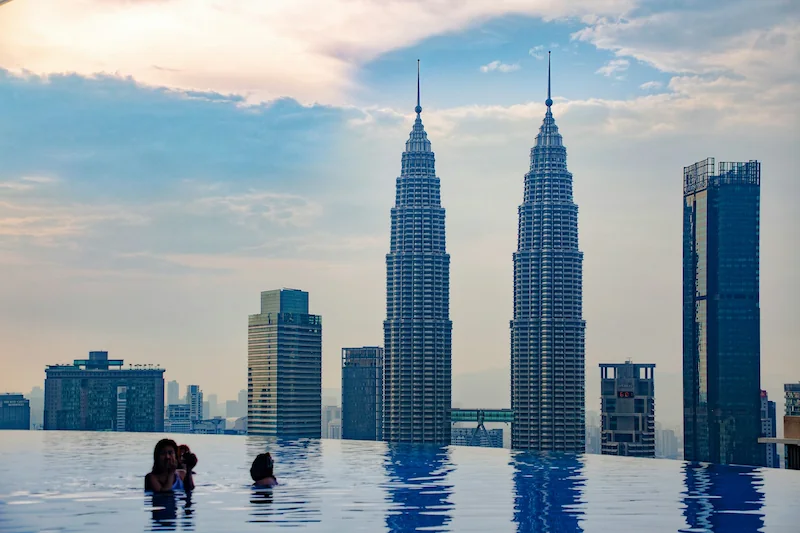
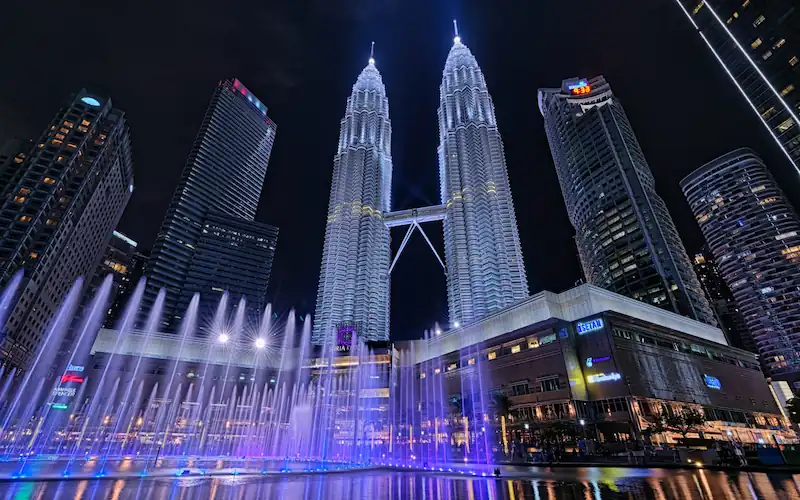
See the Petronas Twin Towers from KLCC Park and the skybridge – The Petronas Twin Towers remain Kuala Lumpur’s defining architectural image. Start outside in KLCC Park, where the full height and paired form are easiest to read, then add the skybridge and observation deck if entering the landmark matters to you. Return after dark for a different view rather than rushing the entire experience into one short stop. (First-time essential · Best for: Architecture, skyline photography, first-time visits, and evening atmosphere)Find tours & experiences
Climb Batu Caves before the tropical heat builds – Batu Caves combines a working Hindu temple, the monumental Lord Murugan statue, 272 painted steps, limestone chambers, and one of the region’s most photographed religious settings. Go early, dress respectfully, keep food secured around monkeys, and allow the place to function as a temple rather than only a backdrop. (High payoff · Best for: Hindu culture, limestone scenery, photography, and a substantial morning excursion)Find tours & experiences
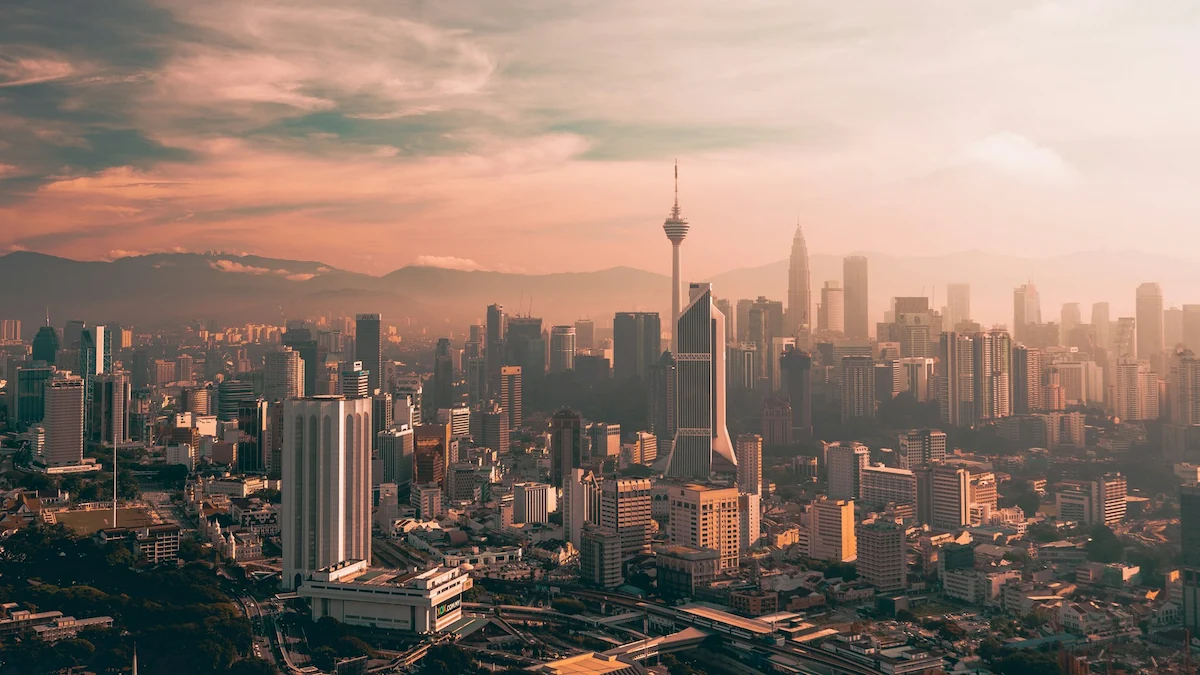
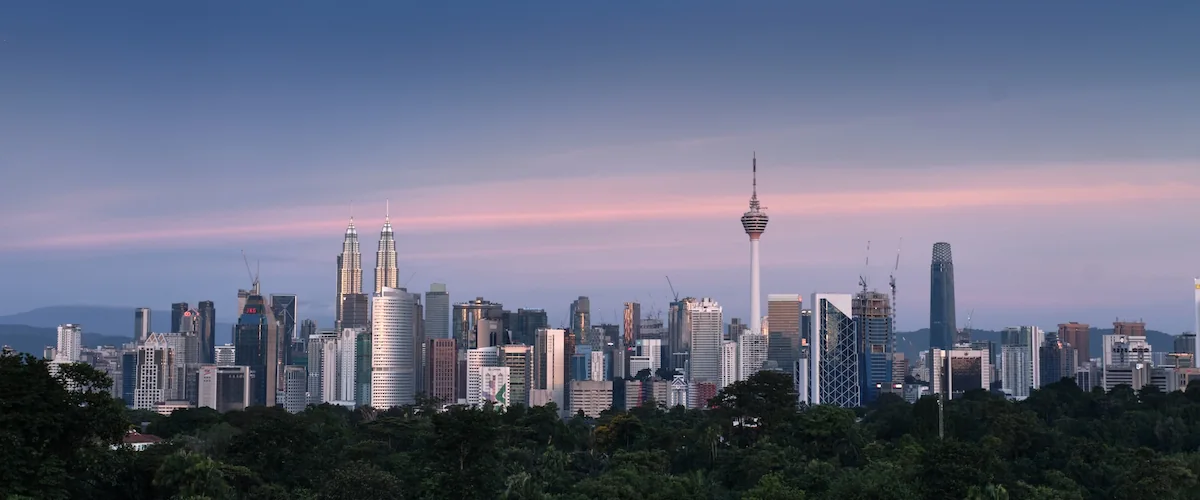
Use KL Tower for the clearest panorama of the city – KL Tower rises from the Bukit Nanas green ridge and provides a more revealing geographic view than the Petronas skybridge. From above, Kuala Lumpur’s towers, historic core, rail corridors, highways, and pockets of forest become easier to understand. Visibility matters, so keep the timing flexible during rain or haze. (Best viewpoint · Best for: Panoramic views, city orientation, photography, and evening lights)Find tours & experiences
Walk Merdeka Square and the Sultan Abdul Samad Building – Merdeka Square provides the strongest introduction to Kuala Lumpur’s civic and colonial-era architecture. The former cricket field, flagpole, Moorish-inspired government buildings, Royal Selangor Club, National Textile Museum, and nearby streets work best as one compact historical landscape. (Best for: Architecture, independence history, civic space, and first-time context)
Visit Masjid Negara and understand its modern design – Malaysia’s National Mosque is a calm, geometric counterpoint to Kuala Lumpur’s glass towers and older religious buildings. Its folded roof, minaret, reflecting water, gardens, and national symbolism reward a respectful visit, especially when paired with the Islamic Arts Museum and Lake Gardens. (Best for: Modern mosque architecture, Malaysian identity, and a quiet cultural stop)
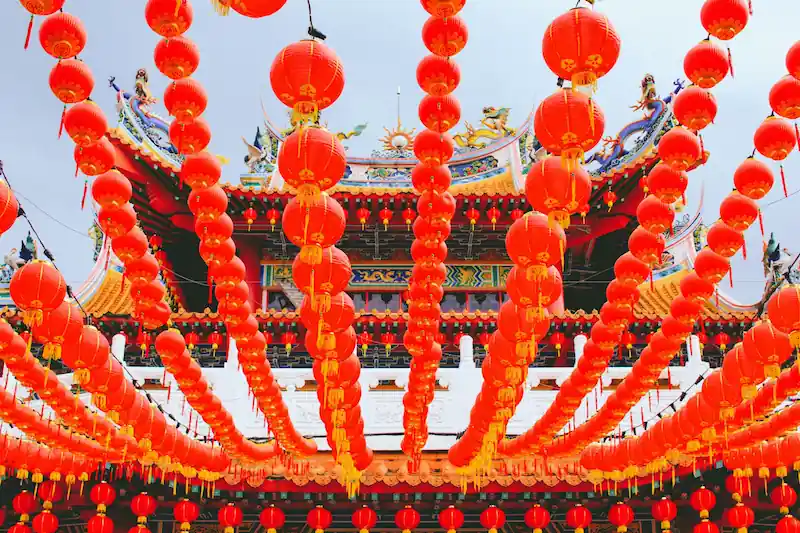
See Thean Hou Temple above the city – Thean Hou Temple layers red columns, lanterns, tiled roofs, ceremonial halls, zodiac gardens, and elevated views above Robson Heights. It is visually impressive without requiring a long excursion and combines naturally with Brickfields, KL Sentral, or a late-afternoon city route. (Best for: Chinese temple architecture, photography, festivals, and a manageable cultural stop)
Cross Saloma Link between KLCC and Kampung Baru – Saloma Link is more than an illuminated pedestrian bridge: it creates a direct transition between Kuala Lumpur’s polished tower district and the low-rise Malay fabric of Kampung Baru. Cross near dusk, when the skyline and bridge lighting build toward an evening meal on the opposite side. (Best after dark · Best for: Night photography, urban contrast, KLCC access, and food-led evenings)
Visit the Federal Territory Mosque for another side of Islamic architecture – Masjid Wilayah Persekutuan combines Ottoman, Malay, and broader Islamic design influences in a large complex away from the most visited central routes. It is a strong specialist choice for architecture and religious culture, particularly with a guided mosque visit and respectful attention to prayer times. (Best for: Islamic architecture, quieter cultural visits, and repeat travelers)
Use KLCC Park as a real pause, not only a tower foreground – KLCC Park gives the towers scale while providing shaded paths, water features, a children’s playground, a wading pool, and an evening fountain sequence. It is one of the easiest free activities in central Kuala Lumpur and a valuable recovery space between indoor and outdoor stops. (Best for: Families, free skyline views, evening fountains, and low-effort outdoor time)
Cultural things to do in Kuala Lumpur
Kuala Lumpur’s cultural depth comes from Malaysia’s national story and from communities that shaped separate religious, commercial, and residential spaces. Museums, mosques, temples, textiles, modern art, tin and pewter, and the historic core reveal far more than a skyline-led visit.
Spend focused time at the Islamic Arts Museum Malaysia – The Islamic Arts Museum Malaysia is Kuala Lumpur’s strongest all-round museum for visual quality and calm pacing. Architecture models, manuscripts, textiles, ceramics, metalwork, jewellery, and regional galleries show Islamic art across geography and centuries, while the building itself provides an elegant indoor setting. (High payoff · Best for: Islamic art, architecture, textiles, rainy days, and serious museum time)
Use the National Museum to understand Malaysia before the city – Muzium Negara traces Malaysia’s history through archaeology, kingdoms, colonial rule, independence, cultural communities, trade, and nation-building. Its traditional roofline and central location near KL Sentral make it the best general introduction for visitors who want context before exploring Kuala Lumpur’s separate districts. (Best for context · Best for: Malaysian history, first-time context, families, and rainy days)
Connect Chinatown’s Chinese and Hindu temples – Guan Di Temple, Sri Mahamariamman Temple, and the older Sin Sze Si Ya Temple sit within a compact area of markets and shophouses. Visiting more than one reveals how religious spaces, migration, trade, and everyday commerce overlap in the historic center. (Best for: Religious diversity, compact heritage walking, architecture, and Chinatown depth)
Visit the National Textile Museum beside Merdeka Square – The National Textile Museum adds a focused layer to the historic core through batik, songket, embroidery, weaving, jewellery, and ceremonial dress. It is easy to combine with Merdeka Square and particularly valuable before a batik workshop or craft-shopping stop. (Best for: Textiles, fashion, Malaysian craft, heritage, and a concise museum visit)
Explore Malaysian and Southeast Asian art at ILHAM Gallery – ILHAM Gallery focuses on modern and contemporary art from Malaysia and Southeast Asia through rotating exhibitions dealing with identity, history, politics, landscape, and social change. Check the current program, then combine the gallery with KLCC, Ampang Park, or an architecture-led city day. (Best for: Contemporary art, Southeast Asia, repeat visits, and exhibition-led travel)
Choose the National Art Gallery for broader Malaysian art – The National Art Gallery offers a wider institutional view of Malaysian visual art, with permanent and temporary displays across modern, contemporary, and national collections. Its location near Titiwangsa and Istana Budaya makes it best as part of a dedicated art-and-park block. (Best for: Malaysian art, large exhibitions, culture-first travelers, and repeat visits)
Visit Bank Negara Malaysia Museum and Art Gallery – This free museum connects money, trade, economics, finance, Islamic finance, and Malaysian art through accessible galleries. It works particularly well for families, curious generalists, and rainy-day visitors who want an institution that differs from conventional history museums. (Free museum · Best for: Economics, money, Malaysian art, families, and free indoor culture)
Experience Kuala Lumpur’s living pewter heritage at Royal Selangor – The Royal Selangor Visitor Centre explains the tin industry, pewter production, design, and the growth of a Malaysian craft brand through exhibits and live demonstrations. Hands-on workshops allow visitors to hammer or create a pewter object rather than simply browse finished products. (Hands-on experience · Best for: Craft, industrial history, design, families, and hands-on workshops)
Make batik instead of only buying it – A guided batik activity introduces wax-resist design, color, pattern, and one of Malaysia’s most recognizable textile traditions. Short coloring sessions suit families and beginners, while longer workshops provide more insight into canting, wax, and textile-making. (Book ahead · Best for: Malaysian craft, families, couples, creative activities, and meaningful souvenirs)
See the Royal Museum at the former national palace – The Royal Museum occupies the former Istana Negara and offers a more intimate view of ceremonial rooms, royal protocol, and the daily setting of Malaysia’s constitutional monarchy. It is a specialist addition for travelers interested in institutions and national history. (Best for: Royal history, interiors, Malaysian institutions, and repeat visitors)
Local experiences and slower things to do in Kuala Lumpur
Local Kuala Lumpur appears in morning markets, public parks, food districts, adaptive-reuse spaces, craft centers, and the shift between low-rise neighborhoods and commercial towers. These experiences need a clear time of day and a practical route; random wandering is less effective in the heat.
Walk Kampung Baru at dusk and stay for dinner – Kampung Baru places wooden houses, mosques, food stalls, and low-rise Malay streets against the Petronas skyline. The area becomes most legible in the early evening, when grills start, tables fill, and Saloma Link provides a natural approach from KLCC. (Best in the evening · Best for: Malay neighborhood life, food, skyline contrast, and evening atmosphere)Find tours & experiences
Use Perdana Botanical Garden as a tropical reset – Perdana Botanical Garden provides broad paths, lake edges, mature trees, landscaped collections, and access to several museums and family attractions. Visit early, then move into the Islamic Arts Museum, National Mosque, KL Bird Park, or National Planetarium as heat develops. (Best for: Walking, gardens, families, photography, and a slower morning)
Explore Chow Kit Market in the morning – Chow Kit’s wet market is functional rather than curated, with fruit, vegetables, meat, spices, household goods, and intense everyday movement. It suits travelers comfortable with close quarters and market realities; a guide can help interpret ingredients and food culture. (Best for: Markets, ingredients, photography, food culture, and local daily life)
Explore RexKL and the creative reuse of Chinatown – RexKL reworks a former cinema into a mixed space for books, food, events, exhibitions, and independent businesses. Pair it with Kwai Chai Hong, restored shophouses, cafés, temples, and older commercial streets to see how Chinatown is changing without reducing the district to nostalgia. (Best for: Books, contemporary culture, adaptive reuse, cafés, and evening events)
Walk Little India Brickfields around a meal – Brickfields is best understood through banana-leaf meals, vegetarian restaurants, sweet shops, flower garlands, music, textiles, and the constant movement around KL Sentral. Keep the walk focused and let food provide the structure. (Best for: Indian-Malaysian culture, food, textiles, photography, and transit-day exploration)
Spend late afternoon at Titiwangsa Lake Gardens – Titiwangsa offers open lawns, a lake, running and cycling paths, children’s play areas, skyline views, and a more local park rhythm than KLCC. Combine it with the National Art Gallery, Istana Budaya, or a family afternoon. (Best for: Parks, families, running, cycling, skyline views, and local recreation)
Take the short Bukit Nanas forest break with realistic expectations – The forest reserve around KL Tower creates a rare patch of tropical vegetation in central Kuala Lumpur. Access and trail conditions can change, so check current status and treat it as an addition to KL Tower rather than a standalone anchor. (Check current access · Best for: Urban nature, short walks, biodiversity, and a central green contrast)
Browse Masjid India and Jalan Tuanku Abdul Rahman – This commercial area offers fabric shops, modest fashion, textiles, street snacks, department stores, and a dense local shopping rhythm different from Bukit Bintang’s malls. Visit with a specific interest in clothing, food, or street life rather than expecting a polished attraction zone. (Best for: Textiles, street shopping, local commerce, snacks, and everyday Kuala Lumpur)
Use the River of Life route as an evening connector – The confluence around Masjid Jamek links the city’s origin story with bridges, riverfront interventions, historic buildings, and light effects. The setting is best incorporated into a Merdeka Square–Chinatown walk rather than treated as a destination on its own. (Best for: Historic geography, evening photography, architecture, and a short urban walk)
Join a guided heritage or food walk instead of forcing long self-guided routes – A focused walk can make Kuala Lumpur’s fragmented history and food geography easier to understand, especially in Chinatown, Kampung Baru, Chow Kit, Brickfields, or the historic core. Choose a small route with a clear subject rather than a long citywide checklist. (Best for: First-time context, food, heritage, photography, and efficient neighborhood exploration)Find tours & experiences
Food experiences worth your time in Kuala Lumpur
Kuala Lumpur’s food scene reflects Malay, Chinese, Indian, Indian-Muslim, Peranakan, Indonesian, and regional Malaysian traditions. The strongest approach combines different meal formats: a kopitiam breakfast, a banana-leaf or mamak meal, a Malay evening, hawker-style dishes, and one guided experience when cultural context matters.
Eat Jalan Alor once, then look beyond it – Jalan Alor remains an easy first-night introduction to outdoor dining, grills, seafood, fruit, and late Bukit Bintang energy. It is busy and visitor-facing, so enjoy the spectacle without treating it as Kuala Lumpur’s definitive food experience. (Easy first night · Best for: First-time evenings, lively atmosphere, groups, and easy late dining)
Build a Malay food evening in Kampung Baru – Kampung Baru is one of the best places to try nasi lemak, grilled fish, satay, soups, sweets, and regional Malay dishes in a neighborhood setting. Cross Saloma Link near dusk or join a focused food walk that explains ingredients and community history. (High payoff · Best for: Malay cuisine, dinner, food tours, and skyline atmosphere)Find tours & experiences
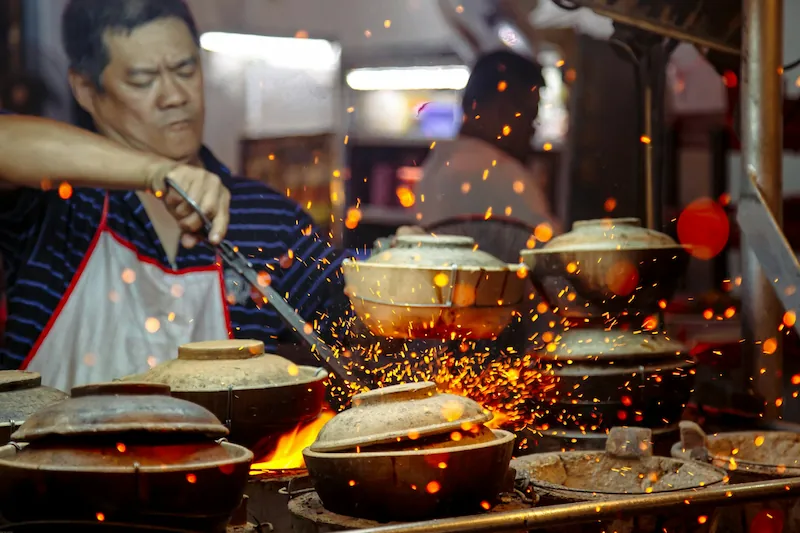
Start a morning in a kopitiam – A kopitiam breakfast introduces kaya toast, soft-boiled eggs, coffee or tea, noodles, nasi lemak, and a social institution shaped by Chinese-Malaysian urban life. Choose a traditional or respectfully updated address and allow the morning rhythm to matter as much as the dishes. (Best for: Breakfast, coffee culture, Chinese-Malaysian history, and budget-friendly eating)
Eat banana-leaf rice and South Indian snacks in Brickfields – Brickfields is a strong base for banana-leaf rice, dosa, idli, curries, vegetarian meals, sweets, and tea. Pair the meal with flower garlands, fabric shops, and a short street walk rather than turning the district into a rushed transfer stop. (Best for: South Indian food, vegetarian meals, families, and KL Sentral stopovers)
Try a mamak meal at any hour – Mamak restaurants reflect Kuala Lumpur’s Indian-Muslim food culture through roti canai, murtabak, mee goreng, nasi kandar-style plates, teh tarik, and late-night social dining. They are casual, fast, and central to everyday urban eating. (Best for: Casual meals, late nights, budget dining, roti, and Indian-Muslim food)
Use Chinatown for old-school food and new cafés – Chinatown works best when traditional bakeries, kopitiams, noodles, roast meats, desserts, and newer cafés are treated as layers rather than rivals. Move beyond Petaling Street into side lanes around Jalan Sultan, Kwai Chai Hong, and RexKL. (Best for: Chinese-Malaysian food, cafés, grazing, breakfast, and heritage streets)
Visit a hawker-style food court during heat or rain – Food courts such as Lot 10 Hutong and other mall-based collections provide comfort, dish variety, clear ordering, and a useful introduction to famous stalls. They are not substitutes for neighborhood eating, but they solve midday weather and group preferences effectively. (Best for: Rainy days, families, groups, first-time tasting, and air-conditioned meals)
Book a serious food tour early in the trip – A strong Kuala Lumpur food tour should connect communities and dishes rather than simply provide samples. Routes through Kampung Baru, Chow Kit, Chinatown, or Brickfields can introduce Malay, Chinese, Indian, Indian-Muslim, and Indonesian influences while improving the rest of your meal choices. (Worth it · Best for: First-time food orientation, cultural context, solo travelers, and short stays)Find tours & experiences
Try Malaysian desserts and tropical fruit – Look beyond a single sweet by trying cendol, ais kacang, kuih, pandan desserts, coconut-based sweets, and seasonal tropical fruit. Markets, kopitiams, dessert shops, and food courts each offer a different level of comfort and explanation. (Best for: Desserts, families, hot afternoons, markets, and casual food discovery)
Compare regional Malaysian cooking – Kuala Lumpur brings together dishes associated with Penang, Melaka, Kelantan, Negeri Sembilan, Sabah, Sarawak, and other parts of Malaysia. Seek out regional restaurants or a thoughtful tasting menu when you want the capital to act as an introduction to the wider country. (Best for: Food-focused travelers, repeat visits, regional cuisine, and deeper cultural understanding)
Best things to do in Kuala Lumpur for first-timers
A first Kuala Lumpur visit should explain the city’s main contrasts without turning every day into a transfer exercise. Protect one skyline cluster, one religious or historical block, one substantial museum, one green pause, and at least two different food settings.
Start with Petronas Twin Towers and KLCC Park to establish the modern skyline and central geography.
Visit Batu Caves early, allowing enough time for transport, the staircase, temple activity, and the main cave.
Combine Merdeka Square, Masjid Jamek, River of Life, Central Market, and Chinatown as one historic-core route.
Choose the Islamic Arts Museum or National Museum for a substantial cultural anchor rather than relying only on short monument stops.
Spend one evening in Kampung Baru and another in Bukit Bintang or Chinatown to compare different food and street rhythms.
Add Thean Hou Temple with Brickfields, or Perdana Botanical Garden with Lake Gardens attractions.
Choose either Petronas interiors or KL Tower as the principal paid viewpoint unless skyline experiences are a major interest.
Keep a rain-ready alternative such as Petrosains, Aquaria, a museum, gallery, workshop, or food court.
Priority
Best choices
Essential modern Kuala Lumpur
Petronas Twin Towers, KLCC Park, and one city viewpoint
Essential cultural Kuala Lumpur
Batu Caves, historic core and Chinatown, Islamic Arts Museum or National Museum
Essential food layer
Kampung Baru, a kopitiam, Brickfields or Chinatown, and one easy night in Bukit Bintang
Strong third-day additions
Lake Gardens, KL Bird Park, Royal Selangor, batik workshop, contemporary art, or Titiwangsa
Free things to do in Kuala Lumpur
Kuala Lumpur’s best free experiences combine architecture, parks, temples, street life, and skyline views. Religious sites remain active places of worship, so free access still requires respectful dress, correct timing, and attention to visitor areas.
Walk KLCC Park by day and return after dark for the illuminated towers and fountain sequence.
Visit Batu Caves’ main temple complex independently, while allowing for transport and optional paid side caves or activities.
Explore Merdeka Square, the Sultan Abdul Samad Building exterior, Masjid Jamek surroundings, and the river confluence.
Browse Central Market, Petaling Street, Kwai Chai Hong, RexKL, and Chinatown’s temple streets.
Visit Thean Hou Temple for architecture, lanterns, gardens, and elevated city views.
Walk Saloma Link after dark and continue into Kampung Baru.
Use Perdana Botanical Garden, Titiwangsa Lake Gardens, or KLCC Park for free green space.
Visit Bank Negara Malaysia Museum and Art Gallery when current admission remains free.
Explore Brickfields, Masjid India, Kampung Baru, and selected markets, spending only on food or shopping.
See the National Monument and surrounding Lake Gardens landscape as part of a longer outdoor route.
FreeActivity
Where
BestTime
Best skyline experience
KLCC Park and Saloma Link
Late afternoon into evening
Best cultural landmark
Batu Caves main complex
Early morning
Best heritage route
Merdeka Square to Chinatown
Morning or late afternoon
Best green space
Perdana Botanical Garden or Titiwangsa
Early morning
Best indoor option
Bank Negara Malaysia Museum and Art Gallery
Midday or rain
Unique and unusual things to do in Kuala Lumpur
Kuala Lumpur’s most distinctive experiences come from close contrasts: a Hindu cave temple beside urban highways, Malay village streets beneath towers, tropical forest around a telecommunications tower, and living craft traditions inside a global capital.
Experience Batu Caves as both a limestone formation and an active Hindu pilgrimage site.
Cross Saloma Link from KLCC into Kampung Baru for one of the city’s sharpest physical and cultural transitions.
Make a pewter object at Royal Selangor or create a batik piece in a guided workshop.
Combine the Islamic Arts Museum with Masjid Negara for a museum-and-architecture block found nowhere else in the city.
Walk Chinatown’s older Taoist and Hindu temples, then move into RexKL and contemporary adaptive-reuse spaces.
Visit Chow Kit Market with a guide or clear food interest to understand ingredients and everyday commerce.
Use Brickfields for a meal-and-street route shaped by South Indian food, flowers, textiles, music, and transport.
Explore the Federal Territory Mosque for a quieter architectural visit beyond the standard center.
Spend time at Titiwangsa or Perdana Botanical Garden to see how local recreation and tropical landscape fit into the metropolis.
Visit Bank Negara Museum for the unusual combination of economics, money, Islamic finance, and Malaysian art.
Things to do in Kuala Lumpur at night
Kuala Lumpur becomes more comfortable and visually coherent after dark. Towers, bridges, food streets, rooftop views, and open-air dining strengthen, but traffic and long cross-city transfers can still weaken the evening. Choose one compact night zone.
See the Petronas Twin Towers from KLCC Park after dark.
Cross Saloma Link and eat in Kampung Baru for Malay food and skyline contrast.
Use Jalan Alor and Bukit Bintang for an easy first night of food, malls, and commercial energy.
Choose a rooftop bar or KL Tower for an elevated city view when visibility is clear.
Spend a lower-key evening around Chinatown, RexKL, Jalan Sultan, and nearby cafés or bars.
Try a late mamak meal with roti, teh tarik, and a more everyday social atmosphere.
Check current fountain, performance, market, and gallery schedules rather than assuming every evening feature operates daily.
Avoid combining KLCC, Chinatown, and distant nightlife areas in one night unless using a driver and accepting traffic.
NightPlan
BestArea
WhyItWorks
Classic skyline evening
KLCC Park
Towers, fountains, easy dining, and low planning friction
Malay food and contrast
Saloma Link and Kampung Baru
Walkable skyline transition and strong dinner purpose
Street-food energy
Bukit Bintang and Jalan Alor
Late dining, malls, lights, and simple first-night logistics
Creative heritage evening
Chinatown and RexKL
Older streets, food, cafés, bars, events, and adaptive reuse
Panoramic night
KL Tower or rooftop venue
Wide skyline view when weather and visibility cooperate
Things to do in Kuala Lumpur with kids
Kuala Lumpur works well with children when each day alternates outdoor landmarks with air-conditioned, interactive, or green activities. Heat, rain, traffic, queues, and the Batu Caves staircase matter more than the apparent distance between attractions.
Use KLCC Park for playgrounds, water play, open space, toilets, food, and easy access to indoor attractions.
Choose Petrosains for interactive science and energy-related exhibits in Suria KLCC.
Visit Aquaria KLCC for a compact, weather-proof family experience.
Spend time at KL Bird Park and Perdana Botanical Garden for animals and outdoor movement.
Add the National Planetarium for a lower-cost educational stop near Lake Gardens and the National Museum.
Use the National Museum or Bank Negara Museum for accessible indoor learning.
Book a batik or Royal Selangor pewter workshop for a hands-on cultural experience.
Visit Batu Caves only early and with children comfortable climbing 272 steps in heat and humidity.
Use Titiwangsa Lake Gardens for playgrounds, running space, cycling, and a local park afternoon.
Consider Sunway Lagoon, Berjaya Times Square Theme Park, or Genting only when amusement parks are a genuine trip priority.
Activity
BestAgeFit
WeatherFit
TimeNeeded
KLCC Park and Petrosains
Toddlers to teens
Flexible indoor-outdoor combination
3 to 5 hours
Aquaria KLCC
Young children and families
Excellent for rain and heat
1.5 to 2.5 hours
KL Bird Park and Lake Gardens
Toddlers to teens
Best early and in dry weather
3 to 5 hours
National Planetarium or museums
School-age children
Good for rain and midday heat
1 to 2.5 hours
Craft workshop
School-age children, teens, and adults
Excellent in any weather
45 minutes to 2 hours
Batu Caves
Older children comfortable with stairs
Best early; poor in heavy rain or midday heat
3 to 4.5 hours
Things to do in Kuala Lumpur when it rains
Tropical rain rarely ruins a Kuala Lumpur day because the city has substantial museums, galleries, workshops, family attractions, food halls, and covered routes. Visibility may remain poor after rain, so keep viewpoints flexible rather than moving automatically from one tower to another.
Use the Islamic Arts Museum or National Museum as the principal cultural anchor.
Choose Bank Negara Museum, ILHAM Gallery, National Art Gallery, or the National Textile Museum for a more focused indoor visit.
Book a batik workshop or Royal Selangor pewter experience.
Use Suria KLCC for Petrosains, dining, shopping, and connection to Aquaria.
Visit Central Market, RexKL, and covered Chinatown spaces, moving outside when the rain softens.
Eat at a hawker-style food court or schedule a long lunch rather than forcing exposed street sightseeing.
Use the KLCC–Bukit Bintang covered walkway to reduce weather exposure.
Delay Batu Caves, gardens, parks, markets, Saloma Link, and open-air heritage routes until conditions improve.
Check viewpoint visibility before paying for KL Tower or Petronas access on a low-cloud or hazy day.
RainyDayOption
Where
Why
Best major museum
Islamic Arts Museum or National Museum
Substantial collections and several hours of cultural value
Best family block
Petrosains and Aquaria KLCC
Central, indoor, and easy to combine with food
Best creative activity
Batik or pewter workshop
Hands-on, culturally specific, and independent of visibility
Best art choice
ILHAM, National Art Gallery, or Bank Negara Museum
Flexible exhibition-led indoor time
Best market-and-food choice
Central Market, RexKL, or a food hall
Covered activity with easy meals and short outdoor transitions
Things to do in Kuala Lumpur by area
KLCC and Ampang Park
KLCC is Kuala Lumpur’s most efficient skyline-and-family cluster, while nearby Ampang Park adds contemporary art and dining. Use the area for one tower experience, the park, major indoor attractions, and an evening transition toward Kampung Baru.
Petronas Twin Towers, skybridge, and exterior architecture
KLCC Park, playground, water features, and evening fountains
Aquaria KLCC and Petrosains
Suria KLCC and covered walkway toward Bukit Bintang
ILHAM Gallery and nearby contemporary culture
Saloma Link toward Kampung Baru
Bukit Bintang, Imbi, and TRX
This is the city’s principal shopping, dining, entertainment, and nightlife zone. It works best for evenings, rain, food courts, and practical urban energy rather than heritage depth.
Jalan Alor street-food evening
Bukit Bintang dining, bars, and late shopping
Lot 10 Hutong and varied food courts
Pavilion and covered connection toward KLCC
Jadi Batek or Kuala Lumpur Craft Complex
Indoor family attractions and weather-proof breaks
Chinatown and Pasar Seni
Chinatown is Kuala Lumpur’s strongest compact walking district, combining markets, temples, restored shophouses, cafés, murals, food, and creative reuse. Visit in the morning or late afternoon and remain for dinner if the area’s atmosphere suits you.
Petaling Street, Central Market, and Kasturi Walk
Sri Mahamariamman, Guan Di, and Sin Sze Si Ya temples
Kwai Chai Hong and historic side streets
RexKL, bookstores, events, and adaptive reuse
Kopitiams, bakeries, noodles, desserts, and newer cafés
Easy continuation toward Merdeka Square and Masjid Jamek
Merdeka Square, Masjid Jamek, and Masjid India
This cluster explains Kuala Lumpur’s early river geography, independence symbolism, colonial civic buildings, textiles, and local commercial streets. It is best approached as a concise heritage route rather than a full day.
Merdeka Square and Sultan Abdul Samad Building
Masjid Jamek and the Klang–Gombak river confluence
River of Life and evening lighting
National Textile Museum
Royal Selangor Club and historic façades
Masjid India and Jalan Tuanku Abdul Rahman shopping streets
Lake Gardens, Muzium Negara, and KL Sentral edge
This is Kuala Lumpur’s strongest museum-and-green-space district. The attractions are close on a map but separated by roads, slopes, and tropical heat, so use short rides when needed rather than overestimating walkability.
Islamic Arts Museum Malaysia
Masjid Negara
National Museum of Malaysia
Perdana Botanical Garden
KL Bird Park and family attractions
National Planetarium and National Monument
Brickfields and Robson Heights
Brickfields and Thean Hou Temple form a compact cultural and food pairing outside the most obvious tourist circuit. Structure the visit around a temple stop and a meal rather than aimless daytime walking.
Thean Hou Temple
Little India streets, flower stalls, and textiles
Banana-leaf rice, dosa, sweets, and vegetarian food
KL Sentral transport connections
Easy access to the National Museum
Useful half-day before or after rail travel
Kampung Baru and Chow Kit
These adjoining areas provide Kuala Lumpur’s strongest Malay food and market layer near the central skyline. Kampung Baru is best toward evening; Chow Kit Market is strongest in the morning.
Saloma Link from KLCC
Kampung Baru Malay food and low-rise streets
Chow Kit Market and ingredient-focused exploration
Boutique hotels and adaptive reuse around Chow Kit
Skyline views from neighborhood streets
Guided food tours linking both districts
Titiwangsa, National Art Gallery, and Istana Budaya
This northern cultural-and-park zone is useful for repeat visitors, families, runners, and Malaysian art. It is less convenient for short first trips but offers a calmer day beyond the commercial center.
Titiwangsa Lake Gardens
National Art Gallery
Istana Budaya performance programming
Playgrounds, running and cycling
Skyline views across the lake
Easy continuation toward the Federal Territory Mosque
Batu Caves, Setapak, and northern excursions
Batu Caves is the essential northern destination, while Royal Selangor adds craft and industrial history. Combining the two can work with a driver or tour, but avoid stuffing the route with low-value photo stops.
Batu Caves main staircase and Temple Cave
Lord Murugan statue and Hindu religious setting
Royal Selangor Visitor Centre
Pewter demonstrations and workshops
Federal Territory Mosque as an architecture-focused addition
Early departure to avoid heat and traffic
What to prioritize in Kuala Lumpur by trip length
Kuala Lumpur rewards clear hierarchy more than attraction count. Trip length should determine how far you move beyond KLCC, Batu Caves, the historic core, and one food district. Museums, craft, parks, and neighborhoods add depth only when the basic movement plan remains realistic.
Profile
Prioritize
Skip
Structure
Half day
Petronas Twin Towers exterior, KLCC Park, and one nearby indoor or food stop.
Batu Caves, Lake Gardens, Chinatown plus KLCC, and distant workshops.
Stay inside KLCC and use the park, towers, Suria, Aquaria, or Petrosains according to weather.
1 full day
Batu Caves early, KLCC later, and Kampung Baru or Jalan Alor at night.
Multiple museums, distant parks, and long day trips.
Use three distinct blocks: morning religious landmark, afternoon rest or indoor stop, evening skyline and food.
2 days
Add the historic core, Chinatown, Islamic Arts Museum or National Museum, and one second food district.
Malacca, Genting, and theme parks unless they are the central purpose.
Separate icons from the heritage-and-museum day.
3 days
Add Lake Gardens, Thean Hou and Brickfields, Royal Selangor or batik, contemporary art, or Titiwangsa.
Repeating viewpoints and spending an entire day in malls without a specific interest.
Use the third day for cultural depth, family attractions, craft, or local neighborhoods.
4 days
Keep three days for Kuala Lumpur and choose one excursion such as Putrajaya, Kuala Selangor, FRIM, or Malacca.
Two full day trips unless Kuala Lumpur is already familiar.
Protect the city first, then choose an excursion with a clearly different landscape or subject.
Culture-first trip
Batu Caves, Islamic Arts Museum, National Museum, Chinatown temples, Masjid Negara, textiles, art galleries, and a craft workshop.
Generic shopping and multiple skyline tickets.
Pair each major institution with a nearby religious, street, or food layer.
Family trip
KLCC Park, Petrosains, Aquaria, KL Bird Park, Planetarium, workshops, and one carefully timed Batu Caves visit.
Long exposed heritage walks at midday and repeated cross-city transfers.
Alternate active outdoor time with air-conditioned or hands-on experiences.
Repeat visit
Kampung Baru, Chow Kit, Brickfields, contemporary galleries, Royal Selangor, batik, Titiwangsa, Federal Territory Mosque, and regional food.
Repeating every first-trip icon by default.
Shift the center of gravity from landmarks to communities, craft, art, and food.
Best day trips and excursions from Kuala Lumpur
Kuala Lumpur sits within easy reach of planned-city architecture, mangrove and firefly habitats, rainforest research landscapes, highland entertainment, and UNESCO-listed heritage. A first visit of two or three days should normally stay focused on the capital; excursions make more sense from four days or with a strong specialist interest.
Excursion
Best for
Time needed
First trip?
Transport
Book ahead
Malacca
UNESCO-listed heritage, Peranakan culture, riverfront streets, religious diversity, and a full historical change of pace
Full day, commonly 9 to 12 hours
Worth considering from a four-day stay or when Malacca is a major Malaysia priority
Coach, private car, or organized tour; independent travel is possible but requires station transfers
Useful for weekends, guided context, and door-to-door transport Check options
Putrajaya
Planned-city architecture, Putra Mosque, bridges, government precincts, lake cruises, parks, and photography
Half day to full day
A useful third- or fourth-day option for architecture and urban-planning interests
Train plus ride-hailing, private driver, or organized tour
Useful for lake cruises and guided multi-stop visits Check options
Kuala Selangor, Bukit Melawati, and fireflies
Mangrove landscapes, silvered-leaf monkeys, coastal food, sunset, and an evening firefly boat ride
Afternoon to late evening, usually 6 to 9 hours
Best after the central city is covered and when nature is a priority
Private driver or organized tour is the practical choice
Yes for boat timing and return transport Check options
FRIM and Kepong rainforest
Tropical ecology, forest trails, trees, conservation, guided nature walks, and a half-day beyond the urban core
Half to full day depending on current access and guided activities
A strong option for nature-focused travelers with at least three or four days
Ride-hailing, private car, or prearranged guided visit
Yes for guided walks, restricted trails, and any canopy experience
Genting Highlands
Cable-car views, cooler air, indoor entertainment, shopping, casinos, and theme parks
Long half day to full day
Optional and primarily worthwhile for families, entertainment, or resort interests
Bus and cable car, private transfer, or organized tour
Useful for weekends, theme parks, and transport Check options
Sunway Lagoon
Water rides, amusement attractions, families, teenagers, and a full entertainment day
Full day
Best when traveling with children and when theme-park time is more important than additional city culture
Ride-hailing or private transfer is simplest
Yes for tickets, weekends, and school holidays Check options
Kuala Gandah Elephant Conservation Centre
Elephant conservation context, families, wildlife interest, and a long nature-focused day
Full day
Only after Kuala Lumpur’s main experiences are covered and after checking current visitor programs
Private car or organized tour
Yes; verify current activities and ethical visitor guidelines before booking Check options
Smart Kuala Lumpur activity combinations
These combinations reduce traffic, weather exposure, and backtracking. They are activity clusters rather than fixed itineraries, so adjust the order around religious access, rain, museum hours, and visibility.
Batu Caves early + Royal Selangor Visitor Centre – Start at Batu Caves before the heat and crowds build, then move to Royal Selangor for a cooler indoor visit focused on tin, pewter, design, and optional hands-on craft. The pairing works geographically with a driver or tour and avoids returning north on a separate day.
Petronas Towers + KLCC Park + Saloma Link + Kampung Baru – Use KLCC for the architectural icon and park, then cross Saloma Link around dusk into Kampung Baru for Malay food. This is one of Kuala Lumpur’s most coherent day-to-night transitions and requires less transport than combining unrelated evening districts.
Merdeka Square + Masjid Jamek + National Textile Museum + Chinatown – This is the strongest historic-core route. Civic architecture, the river confluence, mosque context, textiles, temples, markets, cafés, and food all sit within a workable cluster, although tropical heat still favors morning or late afternoon.
Islamic Arts Museum + Masjid Negara + Perdana Botanical Garden – Combine the city’s strongest Islamic art collection with modern mosque architecture and a green reset. Add the National Museum, Bird Park, or Planetarium according to interest, but avoid assuming every Lake Gardens attraction is comfortably walkable in midday heat.
Thean Hou Temple + Brickfields food + National Museum – Thean Hou adds elevated Chinese temple architecture, Brickfields provides Indian-Malaysian street life and a meal, and the National Museum supplies broader national context. Short ride-hailing transfers make the combination far more comfortable.
National Art Gallery + Titiwangsa Lake Gardens – Use the gallery as the cultural anchor, then move into the park for skyline views, walking, cycling, or family time. Check current exhibitions and performance schedules at nearby Istana Budaya before committing the full block.
Chinatown temples + RexKL + evening food – Start with the older religious and commercial streets, cool down inside Central Market or RexKL, then remain in the area for cafés, noodles, desserts, or bars. The sequence shows both heritage and contemporary reuse without crossing the city.
Batik workshop + Bukit Bintang evening – A craft workshop provides a culturally specific indoor activity before the commercial energy of Bukit Bintang. Continue with food, shopping, or Jalan Alor rather than treating the workshop as an isolated taxi journey.
What to book ahead in Kuala Lumpur
Most Kuala Lumpur streets, temples, parks, and markets remain flexible. Advance booking matters for limited-capacity viewpoints, workshops, family attractions during peak periods, performances, guided food experiences, and excursions with transport or boat coordination.
Activity
Book ahead
Timing
Tour worth it?
Petronas Twin Towers skybridge and observation deck Check options
Yes
Reserve early for weekends, public holidays, school breaks, and preferred late-afternoon or evening slots.
A standard ticket is enough for most travelers; guiding adds value only as part of a broader architecture or city tour.
Coordinate afternoon departure, sunset, boat timing, dinner, and late return.
Yes because public transport and evening return logistics are weak.
FRIM guided nature activities
Yes
Confirm current trail, guide, weekend, and canopy-access conditions directly before traveling.
Yes for ecology, restricted access, and meaningful interpretation.
Temples, parks, markets, and district walks
No
Keep flexible around heat, rain, prayer times, festivals, and traffic.
Guiding is optional but useful when religious context, ingredients, or street history matter.
FAQ: things to do in Kuala Lumpur
These answers cover the main decisions behind a Kuala Lumpur trip: essential sights, duration, Batu Caves, viewpoints, neighborhoods, food, families, rain, free activities, booking, safety, and day trips.
What are the best things to do in Kuala Lumpur for a first visit?
Prioritize the Petronas Twin Towers and KLCC Park, Batu Caves, a historic-core and Chinatown walk, one major museum such as the Islamic Arts Museum or National Museum, and at least one food-led evening in Kampung Baru, Bukit Bintang, Brickfields, or Chinatown.
How many days do you need in Kuala Lumpur?
Two full days cover the central icons, Batu Caves, and one heritage or museum block. Three days provide a better balance with Lake Gardens, Brickfields, Kampung Baru, craft, or contemporary art. Four days allow one day trip without weakening the city visit.
Can you see Kuala Lumpur in one day?
Yes, but choices must be strict. Visit Batu Caves early, spend the afternoon around KLCC and the Petronas Towers, then choose Kampung Baru or Jalan Alor for dinner. A culture-first day can replace KLCC interiors with the historic core and Islamic Arts Museum.
Is Batu Caves worth visiting?
Yes. Batu Caves is one of Greater Kuala Lumpur’s most distinctive experiences, combining Hindu worship, a monumental statue, 272 steps, temple activity, and limestone caverns. Go early, dress respectfully, and avoid carrying visible food around monkeys.
How long do you need at Batu Caves?
Allow around 60 to 90 minutes at the main complex and three to four and a half hours including travel from central Kuala Lumpur. Festival periods, rain, traffic, photography, and optional side attractions can extend the visit.
What should you wear to Batu Caves and Kuala Lumpur mosques?
Wear clothing that covers shoulders and knees, and follow any site-specific instructions. Mosques may provide robes or head coverings for visitors. Remove shoes where required, avoid prayer areas during restricted times, and treat both temples and mosques as active religious sites.
Is Petronas Twin Towers or KL Tower better?
Choose Petronas for the iconic architecture and skybridge experience. Choose KL Tower for a wider, more useful panorama that includes the Petronas Towers and shows how Kuala Lumpur’s districts fit together. Most visitors need only one paid viewpoint.
Is KLCC Park worth visiting?
Yes. It provides the best ground-level view of the Petronas Towers, free paths and open space, family facilities, and an easy evening fountain-and-skyline experience. It is especially useful before or after a tower visit.
What is the best museum in Kuala Lumpur?
The Islamic Arts Museum is the strongest choice for visual quality and a calm, focused collection. The National Museum is better for Malaysia’s overall history, while Bank Negara Museum, ILHAM Gallery, the National Art Gallery, and National Textile Museum serve more specific interests.
Is the National Museum of Malaysia worth visiting?
Yes for first-time visitors who want national context. Its galleries introduce archaeology, early kingdoms, colonial history, independence, communities, trade, and nation-building, making later visits to Kuala Lumpur’s neighborhoods and religious sites more meaningful.
What are the best cultural experiences in Kuala Lumpur?
Batu Caves, the Islamic Arts Museum, Masjid Negara, Chinatown’s temples, Merdeka Square, the National Museum, Thean Hou Temple, Brickfields, Royal Selangor, and a batik workshop provide the strongest mix of religion, history, craft, and community life.
What are the best free things to do in Kuala Lumpur?
Top free choices include KLCC Park, Batu Caves’ main complex, Merdeka Square, the Masjid Jamek river area, Chinatown streets, Thean Hou Temple, Saloma Link, Perdana Botanical Garden, Titiwangsa, and selected free museums or galleries.
What are the best things to do in Kuala Lumpur with children?
Use KLCC Park, Petrosains, Aquaria KLCC, KL Bird Park, Perdana Botanical Garden, the National Planetarium, National Museum, Bank Negara Museum, and hands-on batik or pewter workshops. Batu Caves suits older children who can manage heat and stairs.
What should you do in Kuala Lumpur when it rains?
Choose from the Islamic Arts Museum, National Museum, Bank Negara Malaysia Museum and Art Gallery, ILHAM Gallery, National Art Gallery, Petrosains, Aquaria KLCC, Central Market, RexKL, food halls, malls, or a batik or pewter workshop. For families, the National Planetarium and indoor attractions around KLCC are especially useful; postpone viewpoints when visibility is poor.
What are the best things to do in Kuala Lumpur at night?
See the Petronas Towers from KLCC Park, cross Saloma Link to Kampung Baru, eat at Jalan Alor, explore Bukit Bintang, choose a rooftop or KL Tower view, or spend a lower-key evening around Chinatown and RexKL.
Where is the best street food in Kuala Lumpur?
Jalan Alor is the easiest famous introduction, Kampung Baru is stronger for Malay food, Brickfields for South Indian food, Chinatown for kopitiams and Chinese-Malaysian dishes, and Chow Kit for markets and guided food routes. No single street represents the whole city.
What food should you try in Kuala Lumpur?
Look for nasi lemak, satay, roti canai, banana-leaf rice, char kway teow, curry laksa, Hokkien mee, bak kut teh, mamak dishes, kopitiam breakfasts, cendol, kuih, and regional Malaysian cooking. Availability and religious dietary rules vary by venue.
Is Jalan Alor worth visiting?
Yes for a lively, simple first-night street-food experience, but it is tourist-facing and should not be treated as Kuala Lumpur’s deepest food destination. Pair it with other meals in Kampung Baru, Chinatown, Brickfields, or a kopitiam.
Is Chinatown worth visiting in Kuala Lumpur?
Yes. The value lies beyond Petaling Street: temples, Central Market, restored shophouses, Kwai Chai Hong, RexKL, cafés, bakeries, food, and nearby Merdeka Square create the city’s strongest walkable heritage cluster.
Is Kampung Baru worth visiting?
Yes, especially around dusk and dinner. Malay food, low-rise streets, mosques, wooden houses, the Petronas skyline, and Saloma Link create one of Kuala Lumpur’s clearest contrasts between neighborhood history and modern development.
Is Little India Brickfields worth visiting?
Brickfields is worthwhile for a focused meal-and-street visit rather than a full sightseeing day. Combine banana-leaf rice, sweets, flower stalls, textiles, and KL Sentral access with Thean Hou Temple or the National Museum.
Are Kuala Lumpur’s malls worth visiting?
They are useful rather than universally essential. Malls provide air conditioning, food courts, family attractions, shopping, toilets, and covered connections during heat or rain. Choose them strategically unless retail, architecture, or dining is a major interest.
What can you do in Kuala Lumpur without a car?
KLCC, Bukit Bintang, Chinatown, Merdeka Square, Brickfields, and much of the historic core are accessible by rail plus walking. Batu Caves is reachable by commuter train. Ride-hailing remains useful for Thean Hou Temple, Lake Gardens, workshops, Titiwangsa, and poorly connected combinations.
Is Kuala Lumpur walkable?
Individual clusters are walkable, but the city is not best explored as one continuous pedestrian route. Heat, rain, highways, construction, inconsistent pavements, and crossings make rail and ride-hailing important between KLCC, Chinatown, Lake Gardens, Brickfields, and outer attractions.
What should you book ahead in Kuala Lumpur?
Reserve Petronas Tower access, workshops, food tours, popular family attractions during school holidays, performances, and excursions such as Malacca or Kuala Selangor. Keep parks, markets, temples, and district walks flexible.
What is the best area for a Kuala Lumpur heritage walk?
Start around Merdeka Square and Masjid Jamek, then continue toward Central Market and Chinatown. This route combines civic buildings, river geography, mosques, textiles, temples, markets, shophouses, and food in the city’s most coherent walking cluster.
What are the best parks in Kuala Lumpur?
KLCC Park is best for central skyline views and families, Perdana Botanical Garden for a substantial green-and-museum block, Titiwangsa for local recreation and skyline views, and the Bukit Nanas forest area for a short central nature contrast when access is open.
What is the best day trip from Kuala Lumpur?
Malacca is the strongest full-day heritage excursion, Putrajaya the easiest architecture trip, Kuala Selangor the best evening nature option, FRIM the strongest nearby rainforest experience, and Genting or Sunway Lagoon the main entertainment-led choices. Choose one according to theme and travel time rather than trying to combine several.
Should you visit Malacca as a day trip from Kuala Lumpur?
Yes when you have at least four days or a strong interest in UNESCO heritage and Peranakan culture. With only two or three days, Kuala Lumpur itself usually provides better use of the available time.
Is Putrajaya worth a day trip from Kuala Lumpur?
Putrajaya is worthwhile for planned-city architecture, Putra Mosque, bridges, parks, government precincts, and lake views. A half day is often enough unless adding a cruise, wetlands, botanical gardens, or extensive photography.
Is Kuala Lumpur good for a stopover?
Yes. With one night, stay near KL Sentral, KLCC, or Bukit Bintang according to transport and evening priorities. Use a half day for KLCC or the historic core, and avoid attempting Batu Caves when flight timing or traffic creates risk.
Kuala Lumpur is most rewarding when its skyline, religious diversity, national history, tropical landscape, craft traditions, and food communities are treated as distinct but connected experiences.
Find the best places to stay, how to get there, and move around with ease.
Build a smarter trip base
Turn the right experiences into the right itinerary
Once you know what you want to do in Kuala Lumpur, the next step is turning those ideas into a trip that actually works day by day. Use the planner to organize the right mix of highlights, neighborhoods, and pace into a route that feels coherent, not crowded.