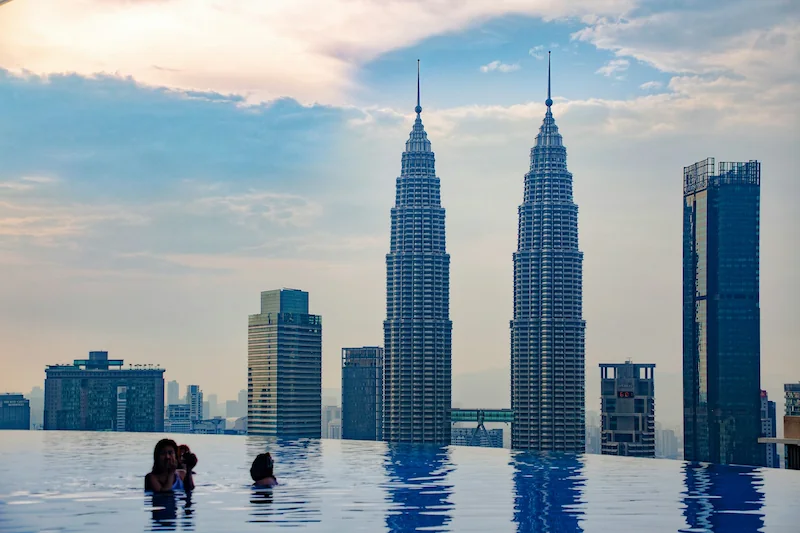
Where to stay in Kuala Lumpur
Find the best neighborhoods and hotels in Kuala Lumpur.
Open page →
Plan a Kuala Lumpur trip that makes sense on the ground. The city is not one continuous center but a collection of distinct clusters: KLCC and Bukit Bintang for skyline, shopping, and easy evenings; Chinatown and Merdeka for heritage; Lake Gardens for museums and greenery; Brickfields and Kampung Baru for community, food, and contrast; and Batu Caves for a powerful religious and limestone landscape beyond the core. The right structure balances outdoor landmarks, indoor cultural depth, tropical weather, traffic, and food-led evenings.
Find the best neighborhoods and hotels in Kuala Lumpur.
Open page →
Prioritize the activities that deserve your time in Kuala Lumpur.
Open page →
1 Day in Kuala Lumpur: Best Itinerary
Open itinerary →
2 Days in Kuala Lumpur: Best Itinerary
Open itinerary →
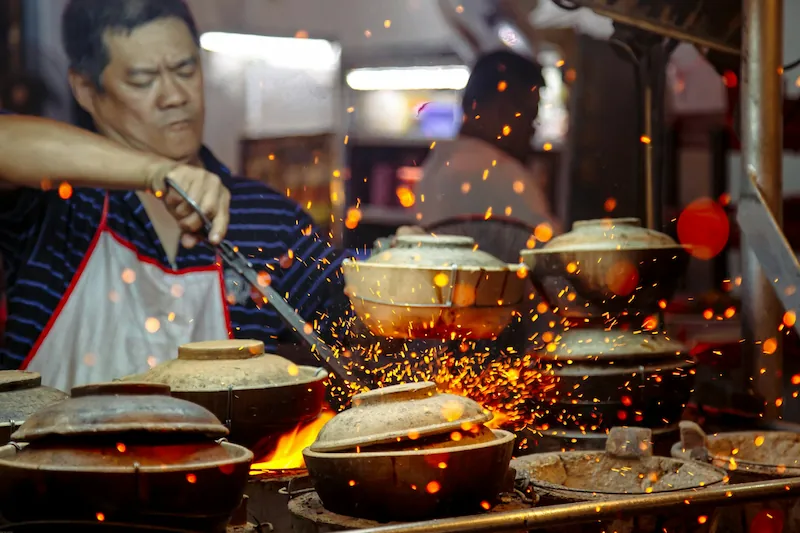
3 Days in Kuala Lumpur: Best Itinerary
Open itinerary →
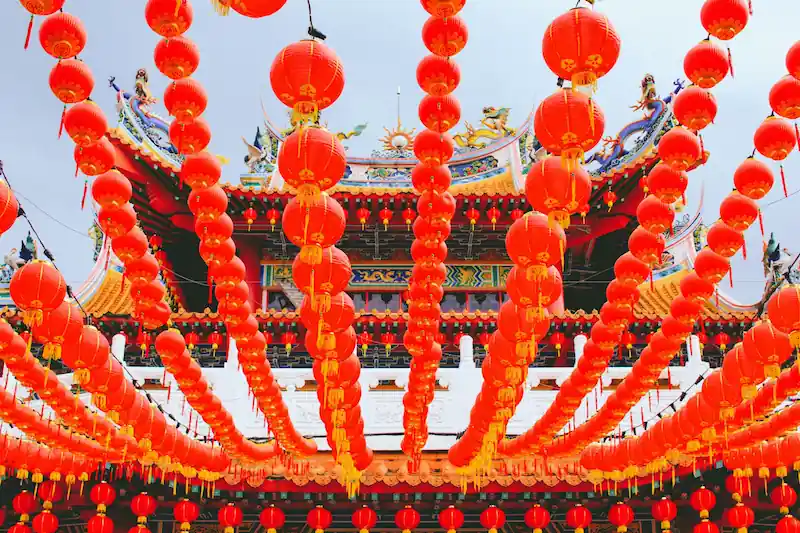
4 Days in Kuala Lumpur: Best Itinerary
Open itinerary →
Kuala Lumpur is a warm, multilingual capital shaped by contrasts rather than a single monumental center. Glass towers, mosques, Hindu and Chinese temples, food markets, malls, tropical parks, rail hubs, and low-rise neighborhoods sit close in distance but often require deliberate transfers. The city becomes much easier when each day is built around one or two connected clusters.
Kuala Lumpur offers one of Southeast Asia’s easiest combinations of comfort, cultural diversity, food depth, and urban contrast. Within a few days, you can move from the Petronas Twin Towers to Batu Caves, Islamic art, Chinese and Hindu temples, Malay food streets, Indian restaurants, colonial civic architecture, tropical gardens, and contemporary galleries. Its value lies less in a single old center than in the way these layers coexist across a modern capital.
Best time: February to August generally offers the most practical conditions, while the city remains workable year-round with indoor alternatives for rain and midday heat.
Ideal trip length: Three full days cover the essential city. Four to five days allow deeper museums, food neighborhoods, craft, parks, or one excursion without compressing Kuala Lumpur.
Kuala Lumpur offers excellent value for hotels, local food, ride-hailing, and upscale comfort compared with many major Asian capitals. Costs rise around KLCC luxury hotels, premium rooftop venues, fine dining, international shopping, private tours, and family attractions. The largest savings usually come from choosing the right neighborhood and eating across kopitiams, mamaks, food courts, markets, and neighborhood restaurants rather than reducing the trip to luxury malls.
Think of Kuala Lumpur as six useful layers. KLCC is the skyline and convention core; Bukit Bintang is the commercial and evening engine; Chinatown, Merdeka Square, and Masjid Jamek form the historic cluster; Lake Gardens and KL Sentral hold museums, greenery, and transport; Brickfields, Kampung Baru, Chow Kit, and Bangsar provide food and neighborhood texture; Batu Caves and northern attractions sit outside the central loop.
The city grew around the Klang and Gombak rivers in a humid valley, with low hills, highways, rail infrastructure, and later high-rise districts shaping movement. KLCC and Bukit Bintang are closely connected through covered routes, while the historic core is more walkable internally. Lake Gardens, Thean Hou Temple, Titiwangsa, and outer religious or craft sites often require short rides despite appearing nearby.
Early morning belongs to Batu Caves, markets, parks, mosque exteriors, and heritage walks. Midday is better for the National Museum, Islamic Arts Museum, galleries, craft workshops, family attractions, malls, or a long lunch. Late afternoon and evening favor KLCC Park, Saloma Link, Kampung Baru, Chinatown, Bukit Bintang, rooftop views, and street food.
Use one principal cluster per half day. Start with the modern city at KLCC, add the older city around Merdeka and Chinatown, protect a separate morning for Batu Caves, and choose one cultural or green counterweight such as Lake Gardens, the National Museum, Islamic Arts Museum, or a craft experience. Let food structure the evenings rather than treating dinner as an afterthought.
Open the planner
Build the first day around KLCC and Bukit Bintang, using parks, malls, and covered walkways to manage heat and rain. Treat Merdeka Square, Masjid Jamek, the river confluence, Central Market, and Chinatown as one connected heritage route. Visit Batu Caves early and keep the afternoon lighter; add Royal Selangor only when transport is coordinated and the workshop genuinely interests you. Use Lake Gardens as a flexible cultural zone: combine the Islamic Arts Museum, Masjid Negara, National Museum, Botanical Garden, Bird Park, or Planetarium selectively. Choose one major paid viewpoint—Petronas for the landmark interior or KL Tower for the broadest city panorama. Use evenings geographically: KLCC and Saloma Link with Kampung Baru, Bukit Bintang with Jalan Alor, or Chinatown with RexKL and nearby food. Give at least one meal to Brickfields, Kampung Baru, Chinatown, Chow Kit, or a traditional kopitiam so the food experience is not limited to malls and Jalan Alor. Use museums, galleries, workshops, malls, and food halls as planned tropical-city infrastructure rather than emergency fallbacks. With children, alternate outdoor landmarks with Petrosains, Aquaria, KL Bird Park, the Planetarium, parks, or hands-on craft. Leave one flexible block for rain, low viewpoint visibility, prayer times, traffic, or changing access conditions.
Vibe: polished, vertical, international, and highly convenient
Why go: KLCC is the clearest first-time base for the Petronas Twin Towers, KLCC Park, Suria KLCC, Aquaria, Petrosains, ILHAM Gallery, convention access, luxury hotels, and the covered route toward Bukit Bintang. Saloma Link also creates an easy evening transition into Kampung Baru.
Who it fits: First-time visitors, families, business-leisure stays, luxury travelers, short trips, and anyone prioritizing comfort and easy landmark access.
Not for: Travelers seeking heritage streets, traditional food directly outside, small-scale urban texture, or lower hotel prices.
Where to stay: The easiest all-round base, especially for a short first trip, families, and skyline-focused stays.
Vibe: busy, commercial, food-driven, and central
Why go: Bukit Bintang is Kuala Lumpur’s principal dining, shopping, nightlife, and entertainment district, with Jalan Alor, Pavilion, Lot 10, TRX access, hotels across price levels, and covered movement toward KLCC.
Who it fits: Food and shopping trips, nightlife, first-time weekends, solo travelers, couples, and visitors who want easy evenings.
Not for: Travelers prioritizing quiet nights, historic atmosphere, residential calm, or easy vehicle pick-ups during peak evening traffic.
Where to stay: Best for food, shopping, and evening energy, with noise and traffic as the main trade-offs.
Vibe: historic, compact, textured, and increasingly design-led
Why go: Chinatown combines Petaling Street, Central Market, Chinese and Hindu temples, cafés, RexKL, restored shophouses, food, and walkable access to Merdeka Square and Masjid Jamek. It is the city’s strongest compact heritage base.
Who it fits: Culture-focused travelers, boutique-hotel seekers, budget-conscious visitors, photographers, café explorers, and repeat visitors.
Not for: Travelers wanting resort-style facilities, extensive luxury inventory, immediate KLCC access, or uniformly polished streets.
Where to stay: The best central choice for heritage texture, boutique value, and walkable old-city exploration.
Vibe: residential, café-rich, leafy, and expat-local
Why go: Bangsar offers restaurants, cafés, bars, neighborhood shopping, residences, and access toward Mid Valley and Bangsar South. It works best when daily comfort and dining matter more than proximity to the first-trip landmarks.
Who it fits: Longer stays, repeat visitors, remote workers, food-focused travelers, families seeking more space, and business-leisure trips.
Not for: Short first visits, travelers avoiding ride-hailing, or anyone wanting the main sights within easy walking distance.
Where to stay: A calmer, dining-led base for longer stays rather than a default sightseeing location.
Vibe: transport-linked, Indian-influenced, practical, and flavorful
Why go: Brickfields combines KL Sentral, airport rail, regional transport, Little India, South Indian food, flower stalls, textiles, and convenient access to the National Museum, Lake Gardens, and Thean Hou Temple.
Who it fits: Stopovers, airport and rail travelers, multi-city Malaysia itineraries, families needing transport simplicity, and food-focused short stays.
Not for: Travelers seeking Kuala Lumpur’s most scenic streets, nightlife, or immediate access to KLCC and Bukit Bintang.
Where to stay: The smartest transport base and a useful food district, even if atmosphere is secondary.
Vibe: local, low-rise, food-centered, and sharply contrasted with the skyline
Why go: Kampung Baru preserves a low-rise Malay residential and food landscape beside KLCC, connected by Saloma Link and close to Chow Kit. Its value is strongest around dusk, dinner, and the contrast between wooden houses, mosques, stalls, and towers.
Who it fits: Food-focused travelers, repeat visitors, photographers, travelers seeking local evenings, and guests staying near Chow Kit.
Not for: Travelers wanting the easiest first-time infrastructure, concentrated luxury hotels, polished pavements, or broad nightlife.
Where to stay: Visit for dinner unless its Malay food and skyline contrast are central to the stay.
Kuala Lumpur’s essential experiences fall into four layers: skyline and landmark architecture; national, religious, and artistic culture; local neighborhoods, markets, parks, and craft; and a food scene shaped by Malay, Chinese, Indian, Indian-Muslim, and regional traditions. Choose the experiences that best explain those layers rather than trying to include every activity available.
Planning tip: Use one major outdoor anchor, one indoor cultural experience, and one food or neighborhood layer per day, with transfers kept short and weather flexibility preserved.
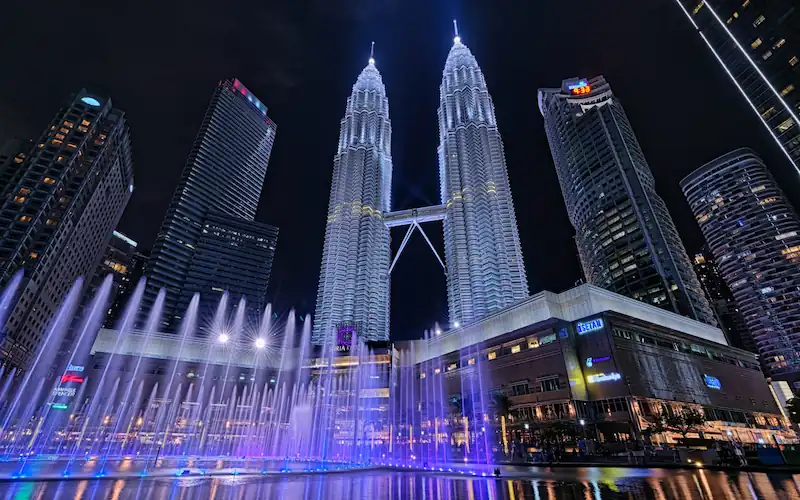
The Petronas Towers remain the city’s clearest visual anchor, but the better experience is not only the observation deck; it is the way KLCC Park, Suria KLCC, glass towers, and fountain areas form a polished central district. This is where Kuala Lumpur’s modern identity becomes easiest to read, especially for first-time visitors trying to understand how the city stages itself through height, greenery, and controlled public space.
Tip: Use the park and mall together rather than treating the towers as a quick photo stop.
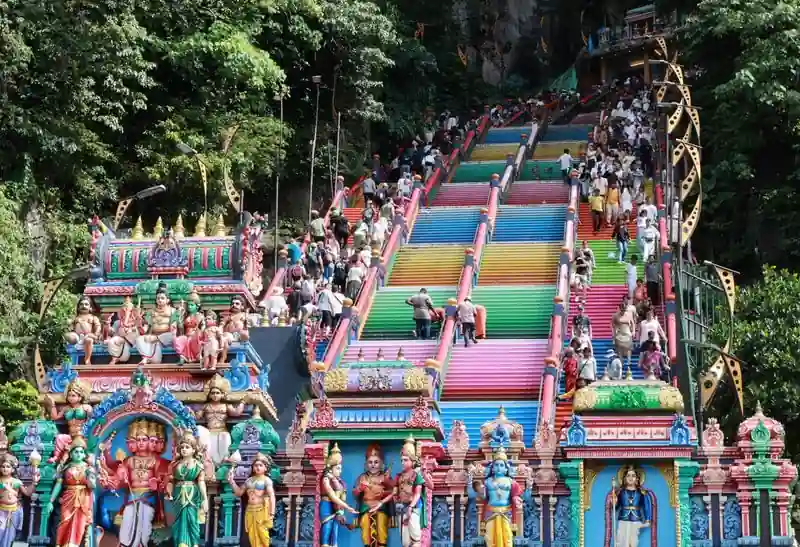
Batu Caves adds a necessary vertical and religious dimension to a Kuala Lumpur trip, moving from city traffic to limestone, temple rituals, and a steep staircase just outside the center. The physical climb and exposed setting make the visit feel distinct from the city’s mall-and-rail rhythm, and it remains one of the clearest ways to understand how quickly the capital gives way to hill-backed sacred space.
Tip: Go early for clearer light, less heat, and more space on the steps.
Merdeka Square gives Kuala Lumpur a civic scale that differs from its tower districts, with colonial-era façades, open ground, and nearby river junctions shaping the older city core. It is most useful when paired with Masjid Jamek and Chinatown rather than visited in isolation, because the square makes more sense as part of a broader heritage sequence than as a standalone landmark.
Tip: Combine it with nearby heritage streets so the area reads as a district, not a single landmark.
Jalan Alor is touristy, but it still works as a first-night introduction to Kuala Lumpur’s open-air eating culture. The value is the density: grills, plastic tables, fruit stalls, restaurant calls, and the visible compression of food, people, and traffic into one short street. It is less about culinary purity than about quickly understanding how central Kuala Lumpur socializes after dark.
Tip: Use it for atmosphere and easy grazing, then look beyond it for deeper food experiences later in the trip.
Thean Hou Temple adds height, color, and ceremonial architecture without the scale pressure of Batu Caves. Its terraces and rooflines also show Kuala Lumpur from a different angle, with temple details in the foreground and the city beyond, making it one of the clearest reminders that the capital’s religious layers are not limited to a single tradition or district.
Tip: Visit when you already have a west-side plan, as it sits less naturally in a central walking circuit.
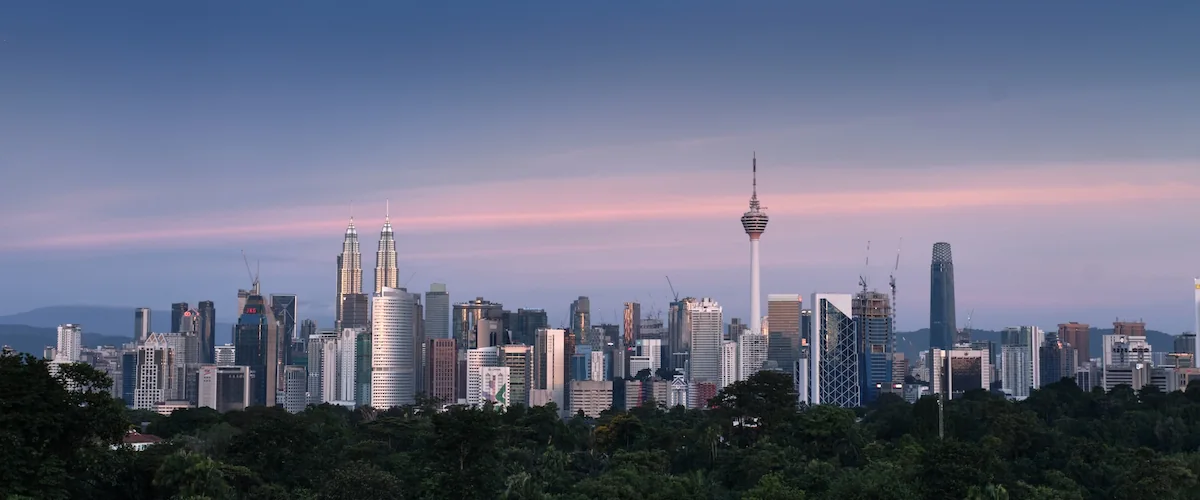
KL Tower is less symbolically loaded than the Petronas Towers but often stronger for understanding the city’s spread. From above, the relationship between KLCC, Bukit Bintang, older districts, greenery, and surrounding hills becomes easier to read, which makes it a useful structural experience if you want the city to feel mapped rather than simply admired.
Tip: Choose one major skyline deck rather than stacking multiple observation experiences.
Saloma Link creates one of Kuala Lumpur’s clearest transitions: a short walk from the polished towers of KLCC into the Malay food streets and lower-rise fabric of Kampung Baru. The experience combines architecture, skyline photography, neighborhood contrast, and dinner in one coherent evening.
Tip: Cross near dusk and stay in Kampung Baru for food rather than returning immediately to KLCC.
This is one of Kuala Lumpur’s strongest cultural institutions, especially for travelers who want depth beyond quick landmark stops. Its galleries slow the trip down and make Malaysia’s Islamic, regional, and design connections more legible, which gives the city a deeper context than skyline-led itineraries alone.
Tip: Pair it with the National Mosque or Lake Gardens for a quieter cultural half day.
Check guided tours →
Masjid Jamek sits close to the city’s historical origin point, where river geography, colonial planning, and religious architecture meet. It gives the older center a spatial logic that is easy to miss from the surrounding roads, especially for travelers who only know Kuala Lumpur through towers and malls.
Tip: Respect prayer times and dress requirements; the visit works best as part of the Merdeka-Chinatown heritage cluster.
Central Market is not just a shopping stop; it is a hinge between Kuala Lumpur’s older trade streets, tourist craft economy, and restored urban fabric. The surrounding lanes often say more than the building itself, especially if you are trying to understand how heritage, commerce, and reinvention coexist in the center.
Tip: Use it as a pause between Chinatown, Merdeka Square, and Masjid Jamek.
Check guided tours →
The National Mosque brings modern Malaysian religious architecture into the trip, especially when combined with nearby museums and gardens. Its open surfaces, water, and shade create a different pace from the commercial core, and the surrounding green edge helps the western cultural cluster feel more spacious than the central districts.
Tip: Check visitor hours before building the day around this area.
Sri Kandaswamy Kovil gives Brickfields a stronger cultural weight than the district’s transport reputation alone suggests. It adds a real Hindu temple layer inside the Little India streetscape, making the neighborhood feel less like a station-adjacent convenience zone and more like one of Kuala Lumpur’s clearest expressions of Tamil religious and commercial life.
Tip: Fold it into a Brickfields food-and-street walk rather than treating it as a separate city-crossing temple stop.
Check guided tours →
KL Forest Eco Park matters because it shows that Kuala Lumpur is not only a city of towers and expressways but also one of tropical remnants still surviving inside the central fabric. It is not a major wilderness experience, yet it adds a useful ecological counterpoint to the commercial core and makes the city’s humidity, vegetation, and hill-edge geography feel more tangible.
Tip: Treat it as a short green reset near the center rather than as a full half-day nature excursion.
Check guided tours →
FRIM is the stronger option if you want actual forest depth rather than a symbolic patch of greenery in the city. It sits more naturally in a longer stay or a return trip, when Kuala Lumpur becomes a base for understanding tropical landscape, canopy structure, and environmental contrast rather than only its central districts.
Tip: Choose FRIM only if your itinerary can absorb a wider outing; it makes more sense as a deliberate green detour than as a casual add-on.
Check guided tours →
The National Museum provides the broad historical framework that Kuala Lumpur’s separate monuments cannot deliver alone. Its galleries move through archaeology, kingdoms, colonial rule, independence, communities, trade, and nation-building, making it the strongest general introduction to Malaysia.
Tip: Visit early in the trip and combine it with KL Sentral, Brickfields, or Lake Gardens.
Check guided tours →
ILHAM Gallery and the National Art Gallery reveal a Kuala Lumpur shaped by modern Malaysian and Southeast Asian art, politics, identity, landscape, and social change. They prevent the cultural story from ending with temples, colonial buildings, and traditional craft.
Tip: Choose according to the current exhibitions and combine ILHAM with KLCC or the National Art Gallery with Titiwangsa.
Check guided tours →
A batik workshop turns one of Malaysia’s best-known textile traditions into a direct creative experience. Even a short session introduces wax-resist design, color, pattern, and the skill behind an object that otherwise risks becoming only a souvenir.
Tip: Book ahead and place it during midday heat or rain, especially with children or creative travelers.
Check guided tours →
Kampung Baru gives one of the city’s clearest everyday contrasts: traditional Malay food streets sitting in the visual shadow of the commercial skyline. The experience is strongest after late afternoon, when cooking smoke, traffic, and tower light overlap and the district becomes one of the easiest places to feel Kuala Lumpur’s low-rise-versus-high-rise tension in real time.
Tip: Go for dinner rather than trying to fold it into a midday sightseeing route.
Brickfields is useful because it is both a transport district and a living food-and-commerce area. Around Little India, Kuala Lumpur’s movement becomes more tactile: station flows, restaurants, flower stalls, textiles, and short errands compressed into a few streets. It is one of the better places to feel the city as something lived rather than simply visited.
Tip: Pair it with KL Sentral logistics rather than making a separate cross-city journey.
Check guided tours →
Bangsar shows a more residential, middle-class side of Kuala Lumpur, with cafés, restaurants, groceries, and evening dining replacing landmark pressure. It is less essential for short trips but valuable when the city needs a slower, lived-in register and when the traveler wants to see how comfort and routine work outside the central visitor corridors.
Tip: Choose it for a relaxed dinner or café block, not for sightseeing density.
Check food options →
Titiwangsa gives the skyline breathing space and helps visitors understand how green edges soften Kuala Lumpur’s vertical center. It is not a headline stop, but it can reset the pace of a dense itinerary and works well when the trip needs one lighter, more horizontal urban view.
Tip: Best for early morning or late afternoon, when the light and heat are more manageable.
Check guided tours →
Chinatown is Kuala Lumpur’s strongest walkable district when its religious, commercial, and contemporary layers are experienced together. Chinese and Hindu temples, Petaling Street, Central Market, Kwai Chai Hong, old food businesses, cafés, and RexKL create more depth than a souvenir-market visit.
Tip: Start in the morning or late afternoon and remain for food rather than crossing the city immediately afterward.
Check guided tours →
Nasi lemak is the essential Malaysian dish to understand early in the trip: coconut rice, sambal heat, crunch, egg, and anchovy salt working together rather than as separate components. In Kuala Lumpur, it appears everywhere from morning stalls to polished restaurants, which makes it one of the easiest entry points into the city’s everyday food logic.
Tip: Try a simple version first before moving to richer restaurant interpretations.
Kuala Lumpur’s hawker noodle culture is one of the easiest ways to feel the city’s Chinese-Malaysian food layer. The best plates are defined by wok heat, quick service, and the quiet confidence of places that do one thing repeatedly, which is why older food courts and kopitiam-style settings often say more than trendier restaurant interiors.
Tip: Food courts and older kopitiams are often more useful than chasing a single viral stall.
Indian-Muslim and South Indian food are central to eating well in Kuala Lumpur, from flaky roti canai to banana leaf rice. Brickfields and established mamak restaurants make this part of the city’s everyday rhythm, not a specialty detour, and they are often among the most reliable low-friction meals in the trip.
Tip: Eat this as a casual breakfast, lunch, or late meal rather than saving it for a formal dinner.
Satay and grilled street food bring Kuala Lumpur’s evening eating culture into focus: smoke, heat, quick turnover, and shared tables. The appeal is not refinement but the directness of food cooked close to where it is eaten, especially in districts where the meal and the street still feel fully connected.
Tip: Use grilled food as part of a wider evening crawl rather than a single destination meal.
Check food options →
A kopitiam breakfast introduces Kuala Lumpur through coffee, kaya toast, eggs, noodles, nasi lemak, and a Chinese-Malaysian social institution built around unhurried morning routines. It adds a daytime food culture that is very different from the city’s famous night streets.
Tip: Go early and choose a place with steady local turnover rather than treating it as a styled café stop.
Check food options →
Kuala Lumpur rewards contrast and sequencing more than attraction volume. The essential trip needs one skyline anchor, Batu Caves, the historic core, one substantial museum, and food in more than one community; additional value comes from craft, contemporary art, gardens, and local neighborhoods.
Kuala Lumpur is family-friendly because hotels offer strong value, ride-hailing is simple, malls provide climate-controlled infrastructure, and many activities work in half-day blocks. The main challenge is managing heat, rain, traffic, queues, and exposed outdoor movement.
Kuala Lumpur itineraries should be built around contrast and recovery: skyline, heritage, food, religious sites, and air-conditioned pauses. The city is generous when days are structured as clusters rather than continuous movement.
Open the planner →
Kuala Lumpur is comfortable and good value, but movement requires more planning than the map suggests. Heat, sudden rain, traffic, fragmented rail systems, religious access times, and the exact location of hotels and pick-up points shape the trip.
Kuala Lumpur is warm and humid year-round. February to August generally gives the easiest overall balance, while heavier rain is more common in parts of the spring and autumn transition periods. No month is reliably dry, so strong plans combine early outdoor time with indoor flexibility.
Three full days is the best minimum for a first visit. Four to five days allow Lake Gardens, craft, contemporary art, neighborhoods, family attractions, or one excursion without reducing the trip to traffic and transfers.
Choose KLCC for first-time ease and families, Bukit Bintang for food and nightlife, Chinatown for heritage and boutique value, Brickfields for KL Sentral and airport rail, Bangsar for longer residential stays, or Kampung Baru and Chow Kit when Malay food and local evening atmosphere are central.
Kuala Lumpur International Airport is connected by KLIA Ekspres and KLIA Transit trains, airport buses, taxis, private transfers, and ride-hailing. KL Sentral is the main airport-rail and regional transport hub, while road travel times vary sharply with traffic.
Use rail for major corridors, ride-hailing for awkward jumps, and walking inside compact clusters. The MRT, LRT, Monorail, commuter rail, and airport trains are useful but not fully seamless. Covered walkways and malls provide practical pedestrian infrastructure between KLCC and Bukit Bintang.
Kuala Lumpur is generally manageable for visitors, with normal big-city precautions around valuables, traffic, and late-night transport. The main physical strain is heat, humidity, sudden rain, and walking exposure, so hydration, shade, and realistic pacing matter. Street food is part of the experience, but choose busy places with steady turnover.
Kuala Lumpur is a year-round tropical destination with limited temperature variation. The meaningful seasonal differences concern rainfall intensity, humidity, haze risk, festivals, and visitor demand rather than cold or heat seasons. Outdoor activities are generally best early, while the city’s museums, malls, food halls, and covered links make every month manageable.
Hot, humid conditions continue, with rainfall often building toward an inter-monsoon period. Outdoor landmarks remain manageable early, while museums, workshops, and malls protect the wettest or hottest hours.
Often one of the easiest periods for a balanced city trip, with warm weather, variable showers, and strong conditions for combining outdoor mornings with food and cultural afternoons. Regional haze can occasionally affect views.
Rain can become heavier and more frequent during the later inter-monsoon period. Keep Batu Caves, parks, viewpoints, and heritage walks flexible and use the city’s extensive indoor options.
Warm conditions, school holidays, festive shopping, and regional travel demand can make central hotels and malls busier. Rain remains possible, but evenings are lively around KLCC, Bukit Bintang, Chinatown, and food districts.
Build a wider Malaysia route through Kuala Lumpur, Penang, Malacca, highland landscapes, rainforest regions, islands, and food-focused city stops.
These answers cover the main decisions behind a Kuala Lumpur trip: duration, neighborhoods, essential experiences, Batu Caves, museums, food, families, weather, transport, booking, and excursions.
Three full days is the best minimum for a first visit. It allows KLCC, Bukit Bintang, Batu Caves, the historic core, Chinatown, one major museum, and two different food evenings. Four to five days add Lake Gardens, craft, art, neighborhoods, or one excursion.
Yes, but the trip should stay focused. Use one day for Batu Caves, KLCC, and an evening food area, and the second for Merdeka Square, Masjid Jamek, Chinatown, and either the Islamic Arts Museum or National Museum.
Prioritize the Petronas Twin Towers and KLCC Park, Batu Caves, Merdeka Square and Chinatown, one substantial museum, and food in at least two different areas such as Kampung Baru, Brickfields, Chinatown, or Bukit Bintang.
KLCC is the easiest all-round choice for landmarks, families, and comfort. Bukit Bintang is stronger for food, shopping, and nightlife. Chinatown offers heritage and boutique value, while Brickfields is best when airport rail and train connections dominate the itinerary.
Choose KLCC for the Petronas Towers, park space, families, luxury hotels, and a calmer first-time base. Choose Bukit Bintang for restaurants, shopping, Jalan Alor, bars, and late urban energy. Covered routes make movement between them relatively easy.
Individual clusters are walkable, but the city as a whole is not. KLCC, Bukit Bintang, Chinatown, and the historic core work on foot internally, while highways, heat, rain, construction, and inconsistent pavements make rail and ride-hailing important between districts.
No. Most visitors are better served by rail, ride-hailing, airport trains, and selective walking. A private driver is useful for outer combinations, family convenience, or day trips, but self-driving adds traffic and parking complexity.
Yes. Batu Caves is one of Greater Kuala Lumpur’s most distinctive experiences, combining Hindu worship, the Lord Murugan statue, 272 steps, temple activity, and limestone caverns. Go early and treat it as an active religious site.
Allow around 60 to 90 minutes at the main complex and three to four and a half hours including transport from central Kuala Lumpur. Festivals, rain, photography, traffic, and optional stops can extend the outing.
Cover shoulders and knees and follow site-specific guidance. Mosques may provide robes or head coverings. Remove shoes where requested, avoid restricted prayer areas, and remember that Batu Caves, Masjid Negara, Masjid Jamek, Thean Hou, and neighborhood temples remain active religious sites.
Petronas is better for the landmark architecture and skybridge experience. KL Tower is better for a broad panorama that includes the Petronas Towers and explains the city’s geography. Most first-time visitors only need one paid observation experience.
The Islamic Arts Museum is the strongest all-round choice for collection quality and atmosphere. The National Museum is better for Malaysia’s broad history. ILHAM, the National Art Gallery, Bank Negara Museum, and the National Textile Museum serve more specialist interests.
Yes, especially early in a first trip. It gives a national framework for archaeology, kingdoms, colonial rule, independence, cultural communities, trade, and modern Malaysia, making Kuala Lumpur’s neighborhoods and religious sites easier to understand.
Batu Caves, the Islamic Arts Museum, National Museum, Masjid Negara, Chinatown’s temples, Merdeka Square, Thean Hou Temple, Brickfields, Royal Selangor, batik, and contemporary Malaysian art provide the strongest cultural range.
Chinatown is best for heritage and cafés, Kampung Baru for Malay food and skyline contrast, Brickfields for Indian-Malaysian culture, Chow Kit for markets and food, Bangsar for dining and longer stays, and Titiwangsa for parks and art.
Yes. Chinatown is Kuala Lumpur’s strongest compact heritage district when Petaling Street is combined with temples, Central Market, shophouses, Kwai Chai Hong, RexKL, cafés, food, and nearby Merdeka Square.
Yes, especially around dusk and dinner. Saloma Link, Malay restaurants, food stalls, mosques, low-rise streets, and the Petronas skyline create one of the city’s most distinctive evening contrasts.
Yes for a focused food-and-street visit. Combine Little India, banana-leaf rice, sweets, flowers, textiles, and KL Sentral with Thean Hou Temple or the National Museum rather than treating Brickfields as a full sightseeing day.
Try nasi lemak, satay, roti canai, banana-leaf rice, mamak dishes, char kway teow, curry laksa, Hokkien mee, bak kut teh, kopitiam breakfasts, cendol, kuih, tropical fruit, and regional Malaysian cooking.
Yes for an easy, lively first-night food experience. It is tourist-facing and does not represent the whole food city, so add Kampung Baru, Brickfields, Chinatown, a kopitiam, or a mamak meal.
Yes. KLCC Park, Petrosains, Aquaria, KL Bird Park, the Planetarium, museums, craft workshops, malls, good-value hotels, and ride-hailing make the city family-friendly. Heat, rain, traffic, and Batu Caves steps require realistic pacing.
Restructure the day rather than waiting for perfect weather. Move the substantial indoor block—such as the Islamic Arts Museum, National Museum, Petrosains, Aquaria, a gallery, or a craft workshop—into the wettest hours, then return to KLCC, Chinatown, Kampung Baru, or a viewpoint when conditions improve. Keep outdoor religious sites, parks, and skyline tickets flexible because short tropical storms often clear faster than expected.
Kuala Lumpur is visitable year-round. February to August generally provides the easiest balance, but tropical rain remains possible in every month. The strongest itinerary uses outdoor mornings and indoor flexibility rather than depending on a perfectly dry forecast.
Kuala Lumpur is generally good value for hotels, local food, ride-hailing, and upscale comfort. Luxury hotels, rooftop venues, international shopping, fine dining, private tours, and family attractions raise costs, but the city remains cheaper than many comparable Asian hubs.
Book Petronas Tower access, workshops, strong food tours, selected family attractions during peak periods, performances, and excursions requiring transport or boat coordination. Keep parks, temples, markets, and district walks flexible.
Yes. KLCC suits a landmark-focused stopover, Bukit Bintang an evening stop, and Brickfields or KL Sentral a transport-first stay. With less than one full day, avoid Batu Caves if flight timing or road traffic creates risk.
Choose according to what the wider trip is missing. Malacca is best for a full heritage day, Putrajaya for architecture with minimal travel, Kuala Selangor for an evening nature experience, and FRIM for nearby rainforest. With only three days in Kuala Lumpur, remain in the city unless the excursion is a major personal priority.
Usually not on a first visit. Kuala Lumpur can comfortably fill three days with Batu Caves, KLCC, the historic core, museums, neighborhoods, food, parks, and craft. Add a day trip from four days unless the excursion is a central priority.
Kuala Lumpur becomes easier and more rewarding when its skyline, heritage, religious culture, food communities, parks, and transport hubs are planned as connected clusters.
Find the best places to stay, how to get there, and move around with ease.
Build a smarter trip base
Once you understand how Kuala Lumpur works and what matters most for your trip, the next step is turning that direction into a real itinerary. Use the planner to organize your days around the right areas, experiences, and rhythm so the trip feels clear before you go.