Best things to do in Seoul, from palaces to night markets
Discover the best things to do in Seoul, from royal palaces, hanok streets, museums, markets and mountain walks to K-culture, design districts, river parks, nightlife and Korean food. Seoul rewards timing and geography: palace courtyards are strongest early, markets need appetite and energy, the Han River comes alive toward sunset, and districts such as Hongdae, Euljiro and Dongdaemun make far more sense after dark. Build the trip around contrasting areas rather than treating every famous attraction as equally urgent.
Best time
April–May and September–October offer the best balance for palace walks, hiking, markets and river time; winter is crisp and atmospheric, while summer requires rain, heat and humidity planning.
Ideal trip length
Three full days cover the essential palace, market, museum, viewpoint and evening contrasts; five days allow deeper neighborhoods, food, hiking or a DMZ trip; seven days support slower districts and multiple excursions.
Keep planning your seoul trip
Use this activity guide with the main Seoul travel guide, where-to-stay comparison and 3-, 5-, or 7-day itinerary pages. The best plan begins with the right district grouping, then adds activities according to time of day, weather and traveler profile.
What to do in Seoul first
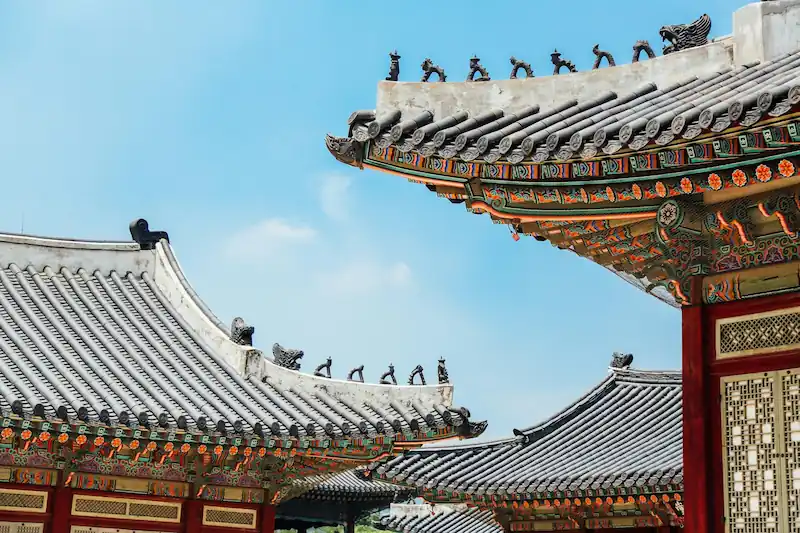
Gyeongbokgung Palace, Gwanghwamun and Cheong Wa Dae – Area: Jongno / Gwanghwamun · Best for: The clearest first-time historical orientation · Time needed: 3–4 hours · Worth it: The strongest opening sequence for understanding royal Seoul, the city’s ceremonial axis and the modern presidential district. · Book ahead: General palace entry is usually flexible; book guided interpretation or special programs when important.
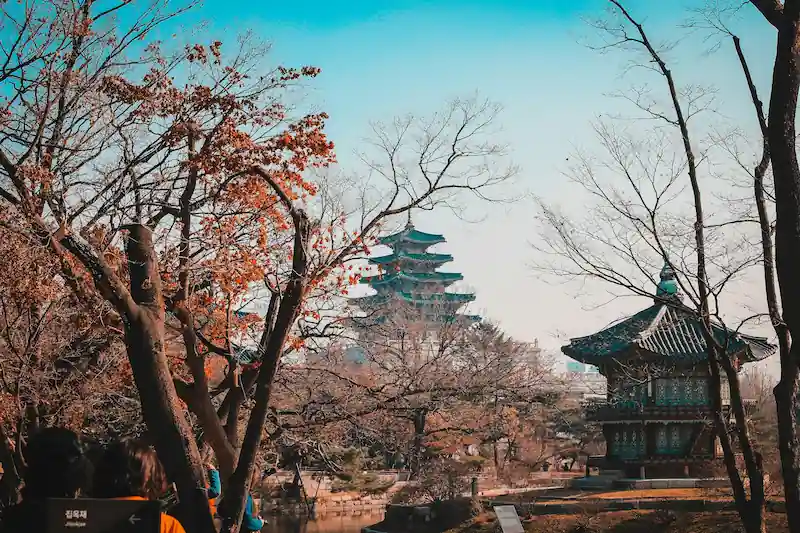
Changdeokgung Palace and Secret Garden – Area: Jongno · Best for: A more intimate palace experience · Time needed: 2–3 hours · Worth it: Often the most atmospheric palace choice, particularly when the garden is visited in good weather or seasonal colour. · Book ahead: Yes for timed Secret Garden access during busy periods.
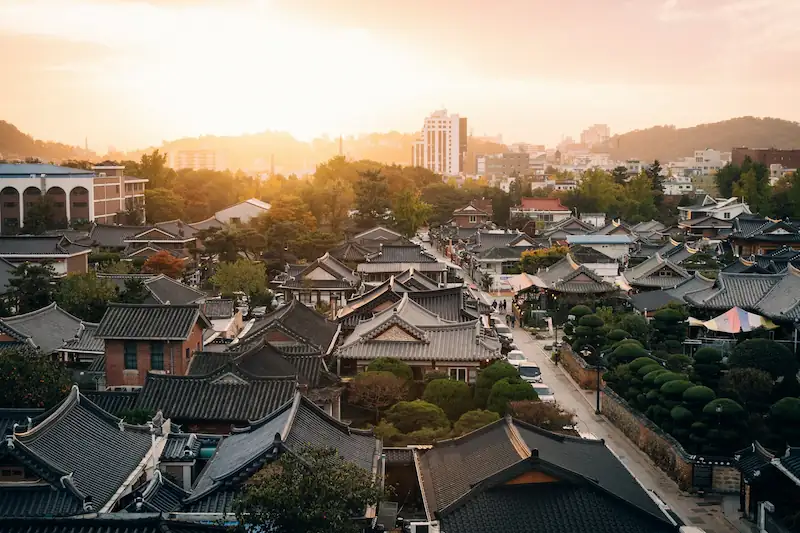
Bukchon, Insadong and Ikseon-dong – Area: Jongno · Best for: Hanok streets, crafts, tea and compact wandering · Time needed: 3–4 hours · Worth it: Best treated as a connected neighborhood sequence, with respectful Bukchon walking followed by tea, galleries, shops or dinner. · Book ahead: No, except for specific workshops, performances or restaurants.
Gwangjang Market and the Euljiro–Dongdaemun evening corridor – Area: Jongno / Euljiro / Dongdaemun · Best for: Market food followed by night architecture and local bars · Time needed: 3–5 hours · Worth it: One of the strongest day-to-night combinations when the market is used for a focused meal rather than as an attraction to rush through. · Book ahead: No; reserve a food tour if ordering support and culinary context matter.
National Museum of Korea and Yongsan – Area: Yongsan · Best for: Korean history, art and an excellent indoor block · Time needed: 3–5 hours · Worth it: The best single museum for understanding Korean history and visual culture at scale, with room to select rather than exhaust every gallery. · Book ahead: General entry is usually flexible; special exhibitions or children’s facilities may require reservations.
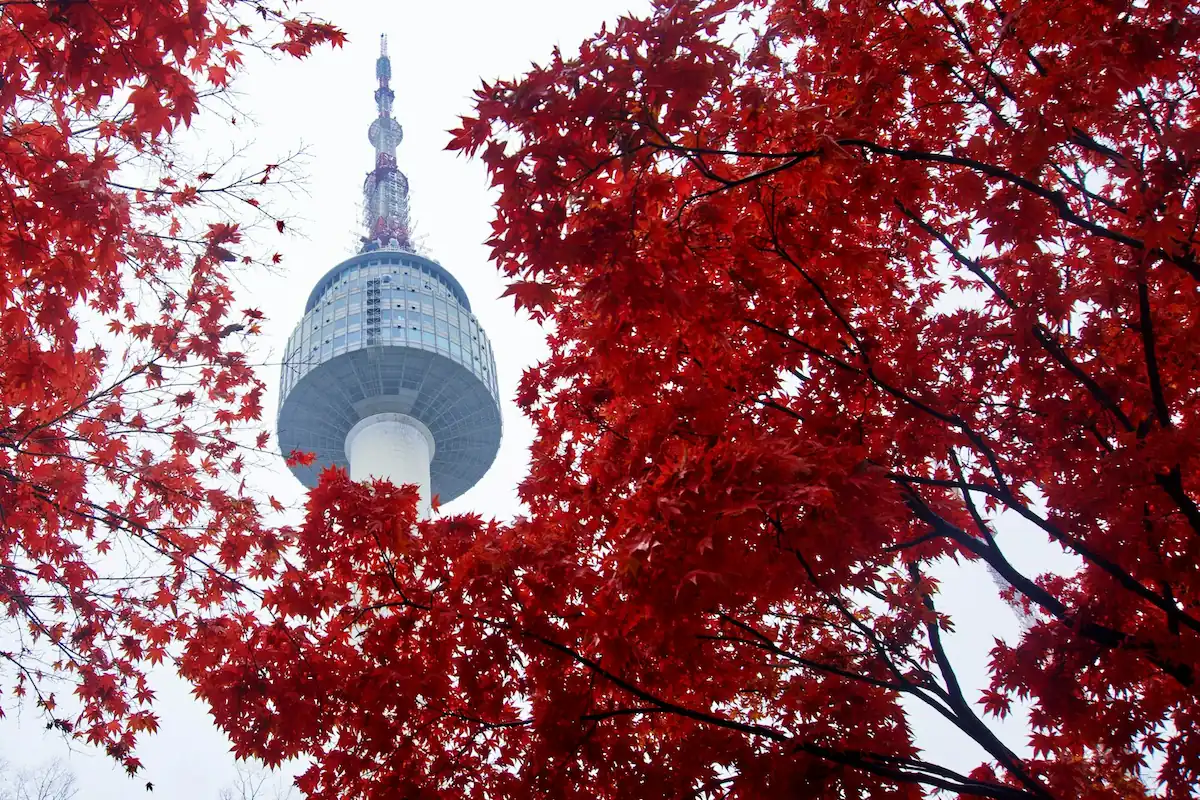
Namsan, N Seoul Tower or Seoul Sky – Area: Namsan / Jamsil · Best for: City scale and skyline views · Time needed: 2–3 hours · Worth it: Choose Namsan for landscape and central geography, or Seoul Sky for the highest panoramic view over the wider metropolis. · Book ahead: Helpful for observation decks in busy periods; visibility matters more than rigid timing.
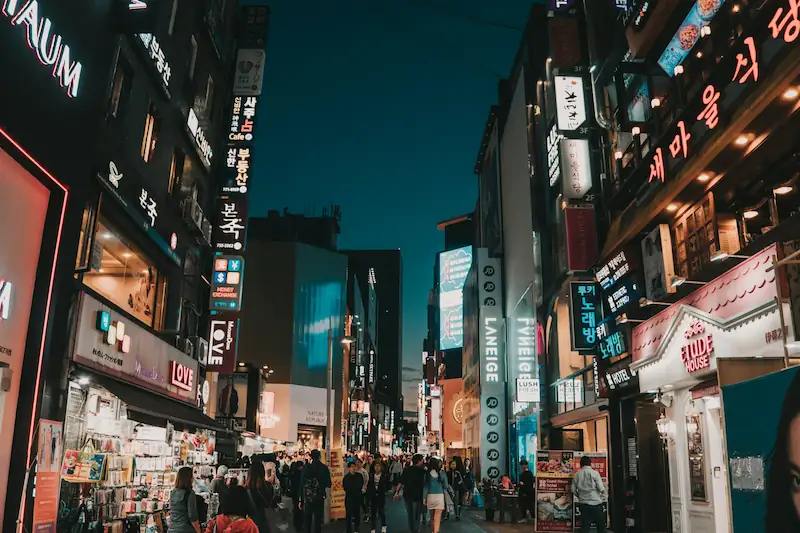
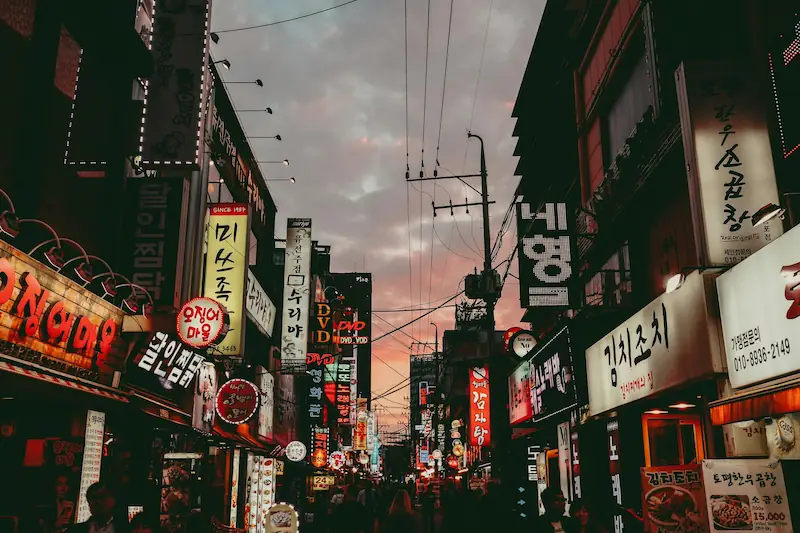
Hongdae, Yeonnam and Mangwon after dark – Area: Mapo · Best for: Youth culture, casual food, music and late evenings · Time needed: 3–5 hours · Worth it: The west side feels most complete when cafés and quieter streets lead naturally into Hongdae’s busier night energy. · Book ahead: No, except for concerts, clubs, performances or highly sought-after restaurants.
Seongsu, Seoul Forest and Ttukseom – Area: Seongdong / eastern Seoul · Best for: Contemporary design, cafés and a river-or-park reset · Time needed: Half day · Worth it: A stronger modern-Seoul experience than visiting isolated viral cafés because the industrial streets, forest and river form one coherent area. · Book ahead: No, except for exhibitions, pop-ups or restaurants.
Han River park at sunset – Area: Yeouido / Banpo / Ttukseom / Mangwon · Best for: Local leisure, cycling, picnics and seasonal events · Time needed: 2–4 hours · Worth it: One of the best ways to see how Seoul residents use the city, especially when paired with food, bikes, a bridge view or a seasonal event. · Book ahead: Usually no; some cruises, events and water activities require advance planning.
Korean food beyond one market – Area: Citywide · Best for: Barbecue, soups, temple food, markets, cooking and night food · Time needed: One meal to a full food-led day · Worth it: Food should structure the trip rather than fill gaps: choose different formats for different districts and times of day. · Book ahead: Reserve popular restaurants, cooking classes, food tours and formal temple-food meals.
DMZ or Suwon day trip – Area: Outside central Seoul · Best for: Modern history or fortress heritage · Time needed: Half day to full day · Worth it: The DMZ offers geopolitical context; Suwon provides a more independent architecture-and-walking excursion. · Book ahead: Yes for the DMZ; optional for Suwon.
Bukhansan or the Seoul City Wall – Area: Northern Seoul / central ridges · Best for: Hiking, city views and physical contrast · Time needed: 2 hours to a full day · Worth it: Seoul’s mountains are part of its identity, not merely an excursion, and even a shorter wall walk changes how the city is understood. · Book ahead: No; check weather, trail conditions, daylight and difficulty.
Lotte World, Seoul Sky and Jamsil – Area: Jamsil · Best for: Families, theme parks, shopping and a modern southern cluster · Time needed: Half day to full day · Worth it: Worth prioritizing when the theme park, observation deck, aquarium or Songpa attractions match the group, rather than as a mandatory first-trip stop. · Book ahead: Recommended for Lotte World and high-demand observation times.
A Korean cultural workshop or performance – Area: Jongno / Namsan / citywide · Best for: Hands-on tradition, crafts, cooking, dance or music · Time needed: 1.5–3 hours · Worth it: A well-chosen activity adds more cultural depth than another passive photo stop, especially for families and repeat visitors. · Book ahead: Yes for workshops, cooking classes and ticketed performances.
How to choose what is actually worth doing in Seoul
Seoul’s attractions belong to different geographic and daily rhythms. Royal sites and hanok neighborhoods work in the morning; museums and galleries support weather-heavy afternoons; markets need appetite rather than sightseeing fatigue; riverside parks, viewpoints and nightlife districts improve toward sunset. The strongest itinerary groups places by area, alternates dense historical blocks with contemporary neighborhoods or open space, and treats meals as planned experiences.
Use Jongno as the historical foundation: combine one principal palace with Bukchon, Insadong, Jongmyo, Gwanghwamun, Cheong Wa Dae or a museum rather than repeating every royal site.
Choose one main city viewpoint. Namsan feels central and landscape-led; Seoul Sky is higher and more panoramic; city-wall ridges provide a free walking alternative.
Do not treat every hanok district as interchangeable: Bukchon is residential, Namsangol is an organized cultural site, and Eunpyeong offers a more distant modern hanok setting.
Build one major museum block around the National Museum, Leeum, War Memorial, National Folk Museum, Seoul Museum of History or a current art exhibition according to your interests.
Use Hongdae, Euljiro, Dongdaemun, Itaewon and Gangnam for different evening styles rather than expecting one nightlife district to represent the whole city.
Plan food by format: market snacks, barbecue, soup or noodles, temple food, late-night dishes, cafés, bakeries and a cooking experience serve different purposes.
Include open space. The Han River, Seoul Forest, Olympic Park, Namsan, Bukhansan and the City Wall prevent the trip from becoming a sequence of dense streets and interiors.
Check seasonal conditions for cherry blossoms, autumn foliage, monsoon rain, extreme heat, snow, fountain shows, festivals and outdoor events.
Avoid distant single-stop detours unless the attraction is a true priority; transfers and large station interchanges consume more time than the map suggests.
Leave one flexible block for pop-ups, exhibitions, K-pop events, cafés or neighborhood discoveries because Seoul’s contemporary culture changes quickly.
Iconic Seoul experiences worth prioritizing
Seoul’s iconic experiences should establish its royal past, mountain-and-river geography, market culture and modern scale. The aim is not to visit every famous landmark but to choose the sites that explain different parts of the city.
Start with Gyeongbokgung, Gwanghwamun and the presidential district – Gyeongbokgung gives Seoul its clearest royal frame, while Gwanghwamun Square and the Cheong Wa Dae area connect ceremonial history to the modern capital. Arrive early and allow the district to unfold rather than focusing only on the guard ceremony. (First-time essential · Best for: Historic orientation)Find tours & experiences
Choose Changdeokgung for palace atmosphere and the Secret Garden – Changdeokgung feels more integrated with its landscape than Gyeongbokgung. The garden, seasonal color and layered courtyards make it the strongest second palace—or the better single choice for travelers who prefer subtlety to scale. (High payoff · Best for: Palace depth)Find tours & experiences
Walk Bukchon respectfully and connect it to Insadong – Bukchon remains a residential hanok neighborhood, so the experience should be quiet, directional and brief. Continue toward galleries, tea houses and craft shops instead of treating the lanes as an isolated photography circuit. (First-time essential · Best for: Hanok streets and traditional culture)
Use Gwangjang Market for a focused food session – Choose a small set of dishes—such as bindaetteok, gimbap, noodles, dumplings or yukhoe—then continue into Euljiro, Jongmyo or Dongdaemun. The market works better as a high-energy meal than as a prolonged sightseeing stop. (First-time essential · Best for: Market food)Find tours & experiences
Use Namsan for a central skyline view – The mountain, city wall remnants, walking paths and changing skyline layers matter as much as the tower. Go toward sunset and choose the cable car, bus or walking approach according to energy and weather. (Best near sunset · Best for: Central city views)Find tours & experiences
See Seoul from its highest viewpoint at Seoul Sky – Seoul Sky in Lotte World Tower gives a much broader metropolitan view than Namsan, revealing the Han River, southern districts and the immense scale of the capital. Pair it with Seokchon Lake, Lotte World or Olympic Park. (Choose one viewpoint · Best for: Panoramic city scale)Find tours & experiences
See Dongdaemun Design Plaza after dark – DDP’s architecture and public spaces make more sense when illuminated and connected to late shopping, food, exhibitions or the Cheonggyecheon corridor. It is a strong evening layer rather than a full day by itself. (Best in the evening · Best for: Architecture and design)
Make the Han River a planned part of the trip – Choose the park according to the experience: Yeouido for access and events, Banpo for bridge views, Ttukseom for youthful riverside life, Mangwon for western Seoul, or Jamsil for family facilities. Picnics, bikes and sunset are the real attractions. (Local essential · Best for: Open space and sunset)
Take one serious mountain or city-wall walk – Bukhansan offers granite peaks and a full hiking day, while Naksan, Inwangsan and other Seoul City Wall sections provide shorter routes with history and urban views. Even one elevated walk reveals the city’s relationship with mountains. (High payoff · Best for: Hiking and city geography)
Cultural things to do when you want more than landmarks
Seoul’s cultural depth extends beyond palaces. Museums, shrines, Buddhist sites, presidential history, hanok programs, contemporary art and traditional performance help explain Korea’s political, religious, artistic and social development. Choose two or three strong layers rather than attempting a museum marathon.
Give the National Museum of Korea a selective half day – Korea’s largest museum covers archaeology, Buddhist art, calligraphy, ceramics and historical objects at a scale that rewards selection. Use the permanent galleries to answer specific interests rather than trying to see everything. (High payoff · Best for: Korean history and art)
Use the National Folk Museum for everyday Korean history – Located beside Gyeongbokgung, the museum helps translate royal and architectural sightseeing into daily life, customs, seasonal rituals and material culture. It is particularly useful for families and first-time visitors. (Strong palace pairing · Best for: Everyday culture)
Visit Jongmyo for ritual, space and restraint – Jongmyo’s long paths and austere halls offer a different form of royal culture from the palaces. It becomes especially meaningful with interpretation of ancestral rites and Confucian state tradition. (Worth it · Best for: Ceremonial heritage)
Explore Cheong Wa Dae and the Gwanghwamun political axis – The former presidential complex and surrounding district add modern political history to a palace day. The experience works best when connected to Gwanghwamun, the museums and Korea’s transition from royal capital to modern state. (High context · Best for: Modern political history)
Use the War Memorial of Korea for modern history – The extensive Yongsan museum provides military and Korean War context that complements, but does not replace, a DMZ trip. Allow several hours and select galleries according to interest and family attention span. (High payoff for history · Best for: Korean War and military history)
Use Leeum for Korean tradition, contemporary art and architecture – Leeum’s collections and buildings create one of Seoul’s best compact art experiences. Pair it with Hannam-dong or Itaewon rather than crossing the city only for a short gallery visit. (Worth it · Best for: Art and architecture)
Add Deoksugung and Jeongdong for a different historic layer – Deoksugung combines palace architecture with later Western-style buildings, while Jeongdong connects embassies, churches, museums and modern Korean history. It is an efficient alternative or complement to the larger Jongno palaces. (Underused · Best for: Modernizing Seoul)
Try a traditional craft, cooking or hanok experience – Namsangol Hanok Village, cultural centers and specialist studios offer hanji, bojagi, mother-of-pearl, desserts, cooking and other hands-on programs. Choose a workshop with enough context and making time to feel substantive. (Book ahead · Best for: Hands-on culture)Find tours & experiences
See a Korean performance with the right expectations – Traditional music, dance, taekwondo, theatre, musicals and non-verbal shows can add a strong evening cultural layer. Check the current program rather than treating any one long-running production as universally essential. (Seasonal choice · Best for: Performance and evening culture)
Local experiences that make Seoul feel less scripted
Local Seoul is visible in ordinary urban routines: neighborhood bakeries, riverside picnics, baseball games, university districts, converted industrial spaces, mountain trails and late-night food streets. These experiences work best when they are anchored to an area rather than collected as isolated trends.
Let Hongdae build from cafés into night energy – Start in Yeonnam or quieter Hongdae streets, then move toward shops, performances, restaurants and bars as the evening develops. This creates a more complete west-Seoul experience than arriving only at the loudest nightlife strip. (Best in the evening · Best for: Youth culture and nightlife)
Use Euljiro for workshops, food alleys and adult nightlife – Printing shops, industrial traces, old restaurants and new bars coexist in a compact central zone. Euljiro is most rewarding when approached with one food or bar destination and time for the surrounding alleys. (Worth it · Best for: Night texture and small bars)
Connect Seongsu with Seoul Forest and Ttukseom – Seongsu’s cafés, stores and converted industrial buildings are stronger when combined with Seoul Forest or the Han River. This turns a trend-led stop into a balanced neighborhood half day. (High payoff · Best for: Design, cafés and open space)
Use Mangwon for market food and a western Han River walk – Mangwon Market feels more everyday than Gwangjang and connects naturally to Mangwon Hangang Park. It is a good repeat-visit or longer-stay sequence built around snacks, groceries and local riverside life. (Local favorite · Best for: Market and river)
See a baseball game in season – Professional baseball offers one of Seoul’s most accessible local entertainment experiences, with food, songs and crowd rituals as important as the game. Check the current season, venue and ticket process. (Seasonal · Best for: Sports and crowd culture)
Explore the Oil Tank Culture Park – Former industrial fuel tanks have been converted into cultural and exhibition spaces near World Cup Stadium. Pair the park with Haneul Park, Mangwon or a western Seoul day. (Repeat-visit choice · Best for: Adaptive reuse and culture)
Spend time in Olympic Park and the Songpa district – Large lawns, walking routes, sculpture, ancient earthworks and nearby Jamsil attractions create a spacious southern Seoul day. It works well for families, runners and travelers staying near Gangnam or Songpa. (Good in mild weather · Best for: Parks and southern Seoul)
Try a jjimjilbang or Korean spa carefully – A bathhouse or sauna complex can be a memorable cultural and restorative experience, but etiquette, nudity rules, gender-separated bathing and facility quality should be understood before going. (Unique indoor reset · Best for: Wellness and local routine)Find tours & experiences
Follow current K-pop, fashion or beauty culture – Concerts, dance classes, music-show experiences, flagship stores, exhibitions and beauty appointments change constantly. Choose a specific activity or artist-related objective rather than expecting one permanent K-pop district. (Interest-led · Best for: Hallyu and contemporary culture)Find tours & experiences
Food experiences to build into a Seoul trip
Seoul’s food scene is broader than market snacks and barbecue. A strong trip moves between everyday soups and noodles, shared grilled meals, temple cuisine, markets, bakeries, cafés, drinking food and hands-on cooking. Plan meals by neighborhood and time of day so food improves routing rather than interrupting it.
Do one focused market-food session at Gwangjang – Use the market for a short list of classic dishes and high-energy eating. Go outside the busiest period when possible, share portions and avoid expecting every famous stall to be automatically superior. (First-time essential · Best for: Market food)Find tours & experiences
Choose Korean barbecue by meat, district and mood – Pork, beef and specialty cuts create different meals, while table style, charcoal, side dishes and staff assistance vary. Plan one strong barbecue experience rather than choosing the nearest tourist-facing restaurant. (Worth planning · Best for: Signature shared meal)Find tours & experiences
Eat soups, stews and noodles as everyday Seoul food – Seolleongtang, gomtang, kalguksu, naengmyeon, mandu, sundae-guk and jjigae show a more daily side of Korean eating than celebratory barbecue. These meals work particularly well around markets and older central districts. (Local essential · Best for: Everyday Korean food)
Try Korean temple food – Temple cuisine offers a refined plant-based approach rooted in Buddhist practice, seasonality and restrained seasoning. Choose a specialist restaurant or structured program when you want the cultural context, not only a vegetarian meal. (Distinctive · Best for: Vegetarian culture and tradition)
Take a Korean cooking class – A good class helps explain ingredients, fermentation, seasoning and meal structure while giving more confidence with dishes encountered later in the trip. Market-linked or small-group formats generally add the most context. (Book ahead · Best for: Hands-on food culture)Find tours & experiences
Use Mangwon, Tongin or Gyeongdong for a different market rhythm – Mangwon works for everyday snacks and western Seoul, Tongin fits a palace-side day, and Gyeongdong is larger and more ingredient-led. Choose according to the surrounding itinerary rather than collecting markets. (Lower-pressure alternative · Best for: Market variety)
Plan one late-night food sequence – Fried chicken, grilled dishes, noodles, jeon, tteokbokki and drinking snacks belong to Seoul’s evening culture. Pair the meal with the actual district—Hongdae, Euljiro, Jongno, Itaewon or Gangnam—rather than crossing the city afterward. (Best at night · Best for: Night food culture)Find tours & experiences
Use tea, bakeries and cafés as neighborhood pauses – Traditional tea houses fit Jongno and Insadong; bakeries and specialty coffee are central to Seongsu, Yeonnam and other contemporary districts. Choose one or two deliberate pauses rather than turning the trip into a viral café checklist. (Best for: Tea, coffee and bakeries)
Try a formal Korean meal or royal-cuisine experience selectively – Multi-course Korean dining, hanjeongsik and royal-cuisine interpretations can add ceremony and range, but price and authenticity vary. Reserve when the meal itself is a priority and understand whether the experience is traditional, modern or performance-led. (Special occasion · Best for: Formal Korean dining)
Best things to do in Seoul for first-timers
A first Seoul trip should establish the royal north, modern city life, food, mountains or river, and one contemporary evening district. Do not let shopping or repeated cafés crowd out the experiences that explain the city.
Start with Gyeongbokgung, Gwanghwamun, Cheong Wa Dae and either Bukchon or the National Folk Museum.
Choose Changdeokgung and the Secret Garden if you want a second palace or a quieter alternative.
Use Gwangjang Market for a focused food stop, then connect it to Jongmyo, Euljiro, Cheonggyecheon or DDP.
Choose Namsan or Seoul Sky for one major view rather than paying for several observation experiences.
Spend one evening in Hongdae, Euljiro, Dongdaemun or Itaewon according to your preferred nightlife and food style.
Include the National Museum of Korea, Leeum, War Memorial or another serious museum if cultural context matters.
Make space for the Han River, Seoul Forest, a city-wall walk or a mountain route so the city is not experienced only through commercial streets.
Treat Gangnam, COEX and Jamsil as interest-led additions rather than mandatory first-trip districts.
Type
BestChoices
Why
Essential frame
Gyeongbokgung, Gwanghwamun, Bukchon or Changdeokgung, market food, one viewpoint
They establish history, geography and daily culture.
Strong modern contrast
Hongdae, Euljiro, DDP, Seongsu, Han River
They prevent the trip from feeling like a palace-and-shopping circuit.
Choose by interest
National Museum, Leeum, War Memorial, K-pop, Jamsil, hiking
These deepen the trip when they match the traveler.
Skip on a very short visit
Multiple malls, distant viral cafés, several markets, repeated observation decks
They consume transfer time without adding enough contrast.
Free things to do in Seoul that still feel worthwhile
Seoul is unusually strong for free or low-cost time because some of the best experiences are streets, riverside parks, viewpoints and public cultural spaces. The key is choosing free activities that create a real change of scene.
Walk Gwanghwamun Square, the palace exterior axis and the Cheong Wa Dae area.
Explore Bukchon early and quietly while respecting residential restrictions and signs.
Spend sunset at Yeouido, Banpo, Ttukseom, Mangwon or another Hangang park.
Walk Cheonggyecheon through central Seoul in the late afternoon or evening.
See DDP’s exterior and public plaza after dark.
Walk Seoullo 7017 between Seoul Station and the central city.
Choose a free Seoul City Wall section such as Naksan or an Inwangsan route according to conditions.
Use Seoul Forest, Olympic Park, Haneul Park or the Oil Tank Culture Park grounds for open space.
Browse Insadong, Ikseon-dong, Seongsu, Yeonnam or Mangwon without making shopping compulsory.
Check free permanent collections and public exhibitions at municipal or national museums.
Look for current outdoor libraries, festivals, bridge events, performances and seasonal river programs.
FreeOption
BestTime
BestFor
Han River parks
Late afternoon to evening
Picnics, cycling, local rhythm and events
Seoul City Wall or Namsan paths
Morning or golden hour
Views, exercise and city geography
Bukchon and Insadong
Early morning into midday
Hanok streets, crafts and traditional atmosphere
DDP, Cheonggyecheon and Seoullo
Late afternoon or night
Architecture and urban walking
Seoul Forest or Olympic Park
Mild-weather daytime
Families, nature and slower pacing
Unique and unusual things to do in Seoul
The more distinctive side of Seoul comes from mixing old infrastructure, new design culture, hillside neighborhoods and late-night food habits. These are not all obscure, but they feel less generic when chosen for the right reason.
Walk a Seoul City Wall section at Naksan, Inwangsan or another ridge for history and skyline views.
Join a traditional craft, Korean cooking, calligraphy, tea, hanbok or percussion experience.
Use a jjimjilbang or Korean bathhouse with a clear understanding of etiquette.
See a professional baseball game during the season.
Explore Euljiro’s workshop alleys and hidden evening venues.
Visit the Oil Tank Culture Park and connect it to western Seoul parks or markets.
Explore Seongsu’s industrial conversions with Seoul Forest rather than only visiting cafés.
Try temple food or another Buddhist cultural experience.
Follow a specific K-pop interest through a dance class, performance, exhibition, flagship venue or concert.
Visit Eunpyeong Hanok Village or a quieter outer neighborhood when you have time beyond the central palace circuit.
Use Namsangol Hanok Village for organized traditional programs rather than residential hanok photography.
Experience
BestFor
Planning
Seoul City Wall walk
History, hiking and views
Choose section by difficulty and weather
Traditional workshop
Hands-on culture and families
Book a specific craft or cooking format
Baseball game
Local crowd culture
Seasonal; check venue and tickets
Jjimjilbang
Indoor wellness and local routine
Understand bathing etiquette first
Things to do in Seoul at night
Seoul becomes more useful after dark, not less. Many districts make better sense in the evening, when shopping streets, food alleys, design plazas and riverside parks shift from sightseeing to social rhythm.
Use Hongdae for street energy, casual bars, music, clubs and late food.
Use Euljiro for older alleys, drinking food, small bars and a more adult atmosphere.
See DDP illuminated and connect it to Dongdaemun shopping or food.
Walk Cheonggyecheon through the central city after dinner.
Have a Han River picnic, Banpo bridge stop or river cruise when weather and seasonal schedules suit.
Choose Itaewon and Hannam for international dining, cocktails and mixed nightlife.
Choose Gangnam, Apgujeong or Cheongdam for more polished restaurants, clubs and late venues.
Watch a baseball game, concert, musical, traditional performance or taekwondo show according to the current calendar.
Visit Namsan or Seoul Sky for night views when visibility is good.
Build one evening around barbecue, fried chicken, pojangmacha-style food or a guided night food tour.
NightArea
BestFor
Energy
Hongdae
Youth culture, clubs, casual bars and food
High
Euljiro and Jongno
Alleys, food, small bars and central texture
Medium to high
Itaewon and Hannam
International dining and cocktails
Medium to high
Gangnam and Apgujeong
Polished dining, clubs and late venues
High but dispersed
Han River or Namsan
Relaxed skyline and outdoor evenings
Low to medium
Things to do in Seoul with kids
Seoul works well with children when the day combines open space, one cultural activity, one food stop and a reliable indoor fallback. Choose by age and energy rather than trying to include every family attraction.
Use Gyeongbokgung, Gwanghwamun and the National Folk Museum as an accessible cultural introduction.
Reserve a children’s museum or interactive program at the National Museum, Seoul Museum of History or another suitable institution.
Choose Seoul Children’s Museum and Children’s Grand Park for younger children who need active play.
Use Han River parks, Seoul Forest or Olympic Park for bikes, picnics, playgrounds and open space.
Add Lotte World only when the family actively wants a full theme-park day.
Pair Seoul Sky with Seokchon Lake, Lotte World or Jamsil rather than crossing the city only for the view.
Use COEX Aquarium or another aquarium as a weather-proof family option.
Choose Namsangol Hanok Village or a craft, dessert or cooking workshop for hands-on cultural time.
Keep dense markets short and go before everyone is tired.
For teens, Hongdae, Seongsu, K-pop activities, baseball and beauty or fashion districts may outperform traditional children’s attractions.
Activity
AgeFit
WeatherFit
National Folk Museum or children’s museum
Young children to school age
Excellent indoor option
Han River, Seoul Forest or Olympic Park
All active ages
Best in mild, dry weather
Lotte World
Theme-park-focused families
Strong mixed indoor and outdoor option
COEX Aquarium
Young children and families
Excellent for rain, heat or cold
Traditional workshop
School-age children and teens
Good year-round with booking
Things to do in Seoul when it rains, snows or feels too hot
Bad weather should change the geography of the day, not simply add umbrellas to an outdoor plan. Use major museums, markets, aquariums, malls, workshops, spas, food and performances, then keep only short outdoor connectors.
Spend a selective half day at the National Museum of Korea.
Use Leeum Museum of Art and Hannam-dong for a compact art-and-food block.
Visit the War Memorial of Korea for several hours of modern history.
Pair the National Folk Museum or Seoul Museum of History with nearby covered or indoor stops.
Use COEX, Starfield Library and the aquarium for a fully indoor Gangnam block.
Choose Lotte World, Seoul Sky or Jamsil’s indoor attractions when traveling with children.
Book a Korean cooking class, craft workshop, performance or jjimjilbang.
Use Gwangjang or another covered market for food, while expecting crowd pressure.
Spend time in Insadong tea houses, galleries and craft shops.
Check DDP, Seoul Museum of Art, current exhibitions and department-store cultural spaces.
Use cafés and bakeries as planned neighborhood pauses, not as the only activity.
RainPlan
BestOptions
BestFor
Major museum block
National Museum, War Memorial, Leeum
History, art and several dry hours
Family indoor day
Lotte World, aquarium, children’s museums
Rain, heat or winter cold
Hands-on culture
Cooking, crafts, jjimjilbang, performance
A memorable planned experience
Food and neighborhood interiors
Markets, tea houses, cafés, barbecue
Flexible weather-led pacing
Best things to do in Seoul by area
Jongno, Gwanghwamun and Bukchon
The essential first-time cultural cluster, combining royal palaces, presidential history, hanok neighborhoods, shrines, museums, crafts and traditional food.
Gyeongbokgung, Gwanghwamun Square and Cheong Wa Dae
Changdeokgung and the Secret Garden
Bukchon, Insadong and Ikseon-dong
National Folk Museum, Jongmyo and Seoul Museum of History
Tea houses, craft programs and palace-side food
City Hall, Deoksugung, Myeongdong and Namsan
A compact central cluster for shopping, palace history, modern architecture, performances and city views, particularly useful on short stays.
Deoksugung and the Jeongdong historic streets
Myeongdong shopping and evening food
Namsangol Hanok Village and traditional programs
Namsan paths and N Seoul Tower
Seoul Museum of Art and current central exhibitions
Gwangjang, Euljiro and Dongdaemun
A strong market-to-night sequence where traditional food, industrial alleys, Cheonggyecheon, DDP, shopping and nightlife connect naturally.
Gwangjang Market
Jongmyo or Cheonggyecheon as daytime connectors
Euljiro restaurants, workshops and bars
Dongdaemun Design Plaza after dark
Late shopping and night food
Hongdae, Yeonnam, Mangwon and western Seoul
The strongest broad zone for youth culture, music, nightlife, cafés, market food and a less formal Han River experience.
Hongdae performances, nightlife and shopping
Yeonnam cafés and the railway-park corridor
Mangwon Market and Mangwon Hangang Park
Oil Tank Culture Park and Haneul Park
Concerts, independent culture and late food
Yongsan, Hannam and Itaewon
A museum, art and dining cluster that adds modern history, contemporary culture and international nightlife to a longer Seoul stay.
National Museum of Korea
War Memorial of Korea
Leeum Museum of Art
Hannam-dong design, cafés and restaurants
Itaewon nightlife and international dining
Seongsu, Seoul Forest and Ttukseom
A contemporary east-Seoul cluster for cafés, stores, converted industrial spaces, park time, pop-ups and riverside life.
Seongsu Yeonmujang-gil and converted industrial spaces
Seoul Forest
Ttukseom Hangang Park
Design stores, bakeries and current pop-ups
Connections toward eastern Seoul and Jamsil
Gangnam, COEX, Apgujeong and Cheongdam
The polished southern-city cluster for business, shopping, beauty, luxury, K-culture, restaurants and large indoor attractions.
COEX, Starfield Library and aquarium
Bongeunsa Temple
Gangnam business and shopping streets
Apgujeong and Cheongdam fashion, beauty and dining
K-pop or Hallyu activities selected by current availability
Jamsil, Songpa and Olympic Park
A family- and leisure-oriented southeastern cluster with Seoul’s highest viewpoint, theme-park infrastructure, lakes, sports and extensive park space.
Seoul Sky and Lotte World Tower
Lotte World and nearby family attractions
Seokchon Lake
Olympic Park and Hanseong Baekje history
Jamsil baseball and sports events
Han River parks
Eleven parks offer different versions of the river, from central events and bridge views to ecology, family facilities, youth culture and cycling.
Yeouido for access, festivals and city views
Banpo for bridge and nightscape experiences
Ttukseom for younger energy and family facilities
Mangwon for western neighborhoods and local rhythm
Jamsil, Ichon or other parks according to the itinerary
Mountains and Seoul City Wall
Seoul’s ridges and mountains provide both serious hiking and shorter scenic walks, making the surrounding topography part of the city experience.
Bukhansan National Park for a major hike
Naksan for an easier wall-and-night-view route
Inwangsan for central views and steeper terrain
Namsan for a highly accessible urban mountain
Seasonal foliage, snow or sunrise routes when conditions allow
What to prioritize in Seoul by trip length
The smartest Seoul plan is selective. A short trip should create a strong city frame; a longer stay should add neighborhoods, food depth and one excursion instead of repeating the same type of activity.
Profile
Prioritize
Skip
Structure
Half day
One coherent cluster: Gyeongbokgung–Bukchon, Changdeokgung–Insadong, National Museum–Yongsan, or Seongsu–Seoul Forest.
Cross-river detours and multiple headline districts.
Choose depth and a meal nearby rather than a compressed city sampler.
1 day
A palace-and-hanok morning, focused market or museum block, then Namsan, DDP, Hongdae or the Han River.
DMZ, Lotte World, distant cafés and repeated shopping districts.
Create one historic foundation and one modern evening contrast.
2 days
Add Changdeokgung, National Museum or Leeum, Gwangjang–Euljiro–DDP, and one river or viewpoint experience.
Trying to cover both every northern sight and the full Gangnam–Jamsil corridor.
Use one north-central day and one modern, museum or river-led day.
3 days
Add Seongsu, Hongdae, Yongsan, Jamsil or a strong food experience according to interest.
Duplicate markets, cafés and observation decks.
Alternate historical density, modern neighborhoods and open space.
4 to 5 days
Add a DMZ tour, Bukhansan hike, Suwon, traditional workshop, K-culture activity or deeper neighborhood day.
Filling every day with famous sights and long transfers.
One major anchor, one neighborhood and one planned meal per day.
1 week
Layer in Jamsil, Olympic Park, western Seoul, more museums, baseball, multiple food formats and one or two excursions.
Staying only on the palace–Myeongdong–Hongdae circuit.
Use the extra time for distinct districts rather than more of the same.
Repeat visit
Deoksugung–Jeongdong, Euljiro, Seongsu, Mangwon, Oil Tank Culture Park, Seoul City Wall, temple food and current exhibitions.
Repeating the palace and shopping essentials without a new angle.
Choose changing contemporary culture and neighborhood depth.
Best day trips and excursions from Seoul
Excursions add real value once Seoul has at least three or four days. Choose the DMZ for geopolitics, Suwon for fortress heritage, Bukhansan for nature, and other trips only when their specific landscape, cultural or family appeal justifies a full day.
Excursion
Best for
Time needed
First trip?
Transport
Book ahead
DMZ tour
Modern Korean history, division and border context
Half day to full day
High value for history-focused travelers; optional when Seoul time is very short.
Organized access with passport details; itineraries and permitted sites can change.
Yes, with schedule flexibility and careful operator selection. Check options
Suwon Hwaseong Fortress
Fortress walls, urban walking and late-Joseon history
Half day to full day
Strong from day four onward or for architecture-focused visitors.
Rail or subway plus local transport and walking.
No for independent travel; guided context is optional. Check options
Bukhansan National Park
Granite peaks, hiking and mountain culture
Half day to full day
Excellent when hiking is a priority and weather is suitable.
Subway and bus to the chosen trailhead.
No; plan route, footwear, daylight and weather. Check options
Incheon Chinatown, Open Port and Songdo
Port history, food and a modern-city contrast
Full day
Optional; strongest for longer stays or repeat visitors.
Direct rail connections with local walking or metro.
No for independent travel.
Nami Island, Garden of Morning Calm and nearby stops
Scenery, families and packaged countryside leisure
Full day
Optional and highly preference-dependent.
Tour bus or rail-and-local-transfer combinations.
Useful when combining several attractions. Check options
Korean Folk Village
Families, demonstrations and traditional-life interpretation
Half day to full day
Good for families or performance-led cultural interest.
Public transport with transfers or organized tour.
Helpful during peak periods or when combined with Suwon. Check options
Paju, Heyri Art Village and publishing or outlet stops
Art, design, books and a quieter northern excursion
Full day
Better for repeat visitors or specialist interests.
Bus, car or organized itinerary depending on stops.
Check individual museums, galleries and closures.
Smart Seoul activity combinations
These are not full itineraries, but practical pairings that reduce transfer waste and make each part of the day feel connected.
Gyeongbokgung, Gwanghwamun, Cheong Wa Dae and the National Folk Museum – Start early at the palace, then move through the ceremonial square or presidential district and use the folk museum for everyday cultural context. This is Seoul’s clearest first-time historical block.
Changdeokgung, Bukchon, Insadong and Ikseon-dong – A more atmospheric Jongno day connecting palace landscape, residential hanok streets, traditional tea and a lively evening area without leaving the historic north.
Gwangjang Market, Jongmyo or Cheonggyecheon, Euljiro and DDP – Begin with a focused market meal, add a historical or stream walk, then let the district transition into industrial alleys, bars and illuminated design architecture.
National Museum, War Memorial and Yongsan dinner – A substantial history-led day for travelers who want Korea’s long chronology and modern conflict context, with a meal or riverside pause nearby.
Leeum, Hannam-dong and Itaewon evening – Contemporary and traditional art lead into design shops, cafés, restaurants and nightlife, creating a compact Yongsan–Hannam sequence.
Seongsu, Seoul Forest and Ttukseom Hangang Park – Use the neighborhood’s industrial conversions and cafés as one element of a wider day with trees, walking and river time.
Hongdae, Yeonnam, Mangwon Market and the Han River – Move from quieter cafés to market food and riverside space before finishing with Hongdae’s nightlife, music or shopping.
COEX, Bongeunsa, Apgujeong or Cheongdam – Combine a large indoor complex with a historic temple and one focused southern-Seoul dining, shopping, beauty or K-culture interest.
Seoul Sky, Seokchon Lake, Lotte World or Olympic Park – Build Jamsil around one major paid anchor, then add the lake or park so the day includes open space and does not remain entirely inside a commercial complex.
Deoksugung, Jeongdong, Seoul Museum of Art and Seoullo – A compact central route through palace history, early modern Seoul, art and adaptive urban infrastructure, especially useful for repeat visitors.
What to book ahead in Seoul
Most Seoul streets, parks, markets and general palace visits remain flexible, but timed gardens, border tours, major family attractions, workshops, performances, concerts and sought-after meals need more planning. Book only where access or quality genuinely depends on it.
Weekdays and opening hours offer the best chance of manageable queues.
No guide needed, but tickets and ride strategy matter.
K-pop concert, performance or dance class Check options
Usually yes
Availability changes quickly; verify official schedules and age or ID rules.
Choose the specific artist, venue or skill experience rather than a generic Hallyu package.
Baseball game
Recommended for popular games
Check the current season, stadium and ticket-release process.
Independent attendance is straightforward once tickets are secured.
Museums and exhibitions
Usually no for permanent collections
Special exhibitions, children’s museums and popular time slots may require reservations.
Specialist interpretation is optional; current exhibition research matters more.
River cruise or seasonal Hangang event Check options
Sometimes
Check weather, event dates, fountain operation and seasonal schedules.
Useful when the river program itself is a priority, not as a substitute for simply using a park.
FAQ: choosing the best things to do in Seoul
These answers cover the main decisions behind planning activities in Seoul: first-time priorities, palaces, museums, markets, K-culture, nightlife, food, families, weather, hiking, reservations and day trips.
What are the best things to do in Seoul for a first visit?
Prioritize Gyeongbokgung or Changdeokgung, Bukchon and Insadong, Gwangjang Market, one serious museum, one viewpoint, the Han River or a mountain walk, and one evening district such as Hongdae, Euljiro or Dongdaemun.
How many days do you need in Seoul?
Three full days is the best minimum for palaces, markets, a museum, a modern district and an evening contrast. Five days allows food depth, Seongsu or Jamsil, hiking and a DMZ or Suwon excursion. A week supports slower neighborhoods and multiple day trips.
Can you see Seoul in one day?
Yes, but only selectively. Use a palace-and-hanok morning around Jongno, a market or museum block, then finish with Namsan, DDP, Hongdae or the Han River. Avoid crossing repeatedly between northern Seoul, Gangnam and Jamsil.
Which palace should you visit in Seoul?
Gyeongbokgung is best for scale and first-time orientation. Changdeokgung is more atmospheric and includes the Secret Garden. Deoksugung is compact and useful for modern history, while Jongmyo provides ritual and architectural restraint rather than palace spectacle.
Is Gyeongbokgung Palace worth visiting?
Yes. It provides Seoul’s clearest royal and ceremonial frame, particularly when paired with Gwanghwamun, Cheong Wa Dae or the National Folk Museum. Go early and consider interpretation if the history matters to you.
Is Bukchon Hanok Village worth visiting?
Yes when visited early, quietly and respectfully. Bukchon is a residential neighborhood rather than an open-air museum, so follow local restrictions, avoid intrusive photography and connect the walk to Insadong or Changdeokgung.
Is Changdeokgung Secret Garden worth booking?
Yes for travelers interested in palace landscape, architecture and seasonal atmosphere. Timed access can fill during popular periods, so confirm the garden schedule before structuring the wider Jongno day.
What are the best museums in Seoul?
The National Museum of Korea is the best broad history-and-art museum. Leeum is strongest for Korean and contemporary art, the War Memorial for modern conflict, the National Folk Museum for everyday culture, and the Seoul Museum of History for the city itself.
Is the National Museum of Korea worth visiting?
Yes. It is one of Seoul’s highest-value cultural attractions and works especially well during rain, heat, cold or a longer stay. Select galleries according to interest rather than attempting the entire collection.
Is the War Memorial of Korea worth visiting?
It is highly worthwhile for travelers interested in Korean military and modern history. Allow several hours and use it as a complement to, not a replacement for, a DMZ tour.
What is the best market to visit in Seoul?
Gwangjang is best for famous food energy and a first visit. Mangwon feels more local and connects to the Han River, Tongin fits a palace day, and Gyeongdong is larger and more ingredient-focused. One or two markets are enough for most trips.
What food should you try in Seoul?
Try a market-food session, Korean barbecue, a soup or noodle meal, fried chicken or late-night food, and a traditional tea or temple-food experience according to interest. Seoul’s food culture is much broader than street snacks alone.
Are Seoul food tours worth it?
A good food tour is worthwhile for ordering help, market navigation, dish variety and cultural context, particularly on a first trip. Choose small groups and a clear neighborhood or cuisine focus rather than a generic tasting route.
What are the best free things to do in Seoul?
Use Han River parks, Bukchon, Gwanghwamun Square, Cheonggyecheon, DDP’s exterior, Seoul Forest, Olympic Park, Seoullo 7017 and selected Seoul City Wall sections. Free activities work best when they create a real geographic or energy change.
What are the best things to do in Seoul at night?
Hongdae suits youth nightlife, Euljiro suits food and small bars, Itaewon suits international evenings, Gangnam is more polished, DDP offers architecture, and the Han River or Namsan provides a calmer night view.
What are the most unique things to do in Seoul?
Walk the Seoul City Wall, attend baseball, join a craft or cooking workshop, experience a jjimjilbang, explore Euljiro or the Oil Tank Culture Park, try temple food, or choose a specific K-pop or traditional performance activity.
What can you do in Seoul when it rains?
Use the National Museum, Leeum, War Memorial, COEX, aquariums, Lotte World, children’s museums, markets, tea houses, cooking classes, workshops, spas and performances. Replace long palace and mountain routes with short covered connectors.
What can you do in Seoul in winter?
Winter suits palaces in clear cold weather, museums, food, cafés, jjimjilbangs, performances and occasional snow views. Check ice, wind and trail conditions before mountain or city-wall walks, and use shorter outdoor blocks.
What can you do in Seoul in summer?
Start outdoor attractions early, use museums and indoor districts during the hottest or wettest hours, and move river parks or nightlife later. Pools, water playgrounds and seasonal Hangang programs can be useful for families.
Where can you see cherry blossoms in Seoul?
Popular locations include Yeouido, Seokchon Lake, palace grounds, Seoul Forest and other parks. Bloom timing changes each year, and major sites become crowded, so use early mornings and consider secondary neighborhood routes.
Where can you see autumn foliage in Seoul?
Changdeokgung, palace grounds, Namsan, Bukhansan, Seoul Forest, Olympic Park and city-wall routes are strong choices. Peak timing varies by elevation and weather.
Is N Seoul Tower worth it?
Namsan is worth visiting for central views and mountain atmosphere even without the paid tower. The observation deck adds height, while Seoul Sky is the better choice for a much broader metropolitan panorama.
Should you visit N Seoul Tower or Seoul Sky?
Choose N Seoul Tower for a classic central experience with Namsan walking and evening atmosphere. Choose Seoul Sky for the highest panoramic view and a Jamsil cluster with Lotte World or Seokchon Lake. Most visitors need only one.
Is Lotte World worth visiting?
It is worthwhile for families, theme-park fans and travelers seeking a weather-resistant full day. It is not a short add-on and should not displace core Seoul history when the visit is brief.
Is Seoul good for families?
Yes. Palaces, children’s museums, large parks, aquariums, Lotte World, river facilities, Seoul Children’s Museum, workshops and accessible food make the city family-friendly. Reduce transfers and avoid overloading dense markets and nightlife areas.
Is Seoul good for hiking?
Yes. Bukhansan offers serious mountain routes, while Namsan, Naksan, Inwangsan and Seoul City Wall sections provide shorter urban hikes. Choose according to weather, footwear, daylight and fitness.
Is the DMZ worth visiting from Seoul?
Yes for travelers interested in modern Korean history and geopolitics. It requires organized logistics, passport information and schedule flexibility. On a two-day trip, Seoul’s core attractions may be a better use of time.
What are the best day trips from Seoul?
The DMZ is best for modern history, Suwon for fortress heritage, Bukhansan for hiking, Incheon for port history, and Nami Island or the Korean Folk Village for family- or scenery-led excursions.
What should you book in advance in Seoul?
Book the DMZ, Changdeokgung Secret Garden in busy periods, workshops, cooking classes, K-pop or major performances, Lotte World, popular restaurants and some observation-deck or museum time slots. Most streets, parks and general palace visits remain flexible.
Are K-pop experiences in Seoul worth it?
They are worthwhile when tied to a specific artist, concert, dance class, performance, exhibition or production interest. Generic K-pop sightseeing can become shallow because venues and schedules change constantly.
What are common mistakes when planning Seoul activities?
Common mistakes include crossing the Han repeatedly, stacking several palaces or markets, chasing distant cafés, underestimating station transfers, skipping museums, treating Gangnam as mandatory, and leaving meals or evening districts geographically disconnected from the day.
Seoul is most rewarding when royal history, contemporary neighborhoods, food, mountains or river space and one strong evening district are balanced geographically.
Find the best places to stay, how to get there, and move around with ease.
Build a smarter trip base
Turn the right experiences into the right itinerary
Once you know what you want to do in Seoul, the next step is turning those ideas into a trip that actually works day by day. Use the planner to organize the right mix of highlights, neighborhoods, and pace into a route that feels coherent, not crowded.