Discover the best things to do in Istanbul, from Hagia Sophia, Topkapi Palace, the Blue Mosque and the Basilica Cistern to Bosphorus ferries, bazaars, hammams, Asian-side neighborhoods, food streets, waterfront evenings and realistic day trips. This guide is designed to help you choose what is actually worth your time, what to book ahead, what to leave flexible, and how to combine Istanbul's monuments, water, markets and neighborhoods without wasting your best hours in queues or cross-city transfers.
Best time
April to May and September to October are the easiest months for long sightseeing days, ferry rides, market walks and Bosphorus evenings. Summer still works if you start early and use water, shade and indoor stops intelligently; winter is better for museums, hammams, food and atmospheric interiors than for long viewpoint chasing.
Ideal trip length
Allow 3 to 4 days for the city itself. Two days can cover the old-city essentials and one Bosphorus or Beyoglu sequence, while 5 days gives you enough space for Kadikoy, Balat or Uskudar, a hammam, slower food stops and one day trip without turning the visit into a checklist.
Continue planning your Istanbul trip
Use this page to decide what deserves your time, then connect it with your wider Istanbul planning. The main city guide, where-to-stay guide and itineraries will help you turn this activity shortlist into a smarter route, choose the right base and avoid overloading the same few neighborhoods.
Best things to do in Istanbul at a glance
Hagia Sophia – Area: Sultanahmet · Best for: first-time essential and layered history · Time needed: 1 to 1.5 hours · Worth it: Yes, but treat it as an active mosque and a high-demand monument rather than a casual walk-in sight. · Book ahead: Plan around security and visitor-access rules; pre-book or go early if you want the smoothest visit.
Blue Mosque and Sultanahmet Square – Area: Sultanahmet · Best for: classic old-city pairing · Time needed: 45 minutes to 1 hour · Worth it: Yes, especially with the Hippodrome, Hagia Sophia exterior views and the square rather than as a stand-alone stop. · Book ahead: No, but avoid prayer times, dress respectfully and expect crowd control at peak hours.
Topkapi Palace and Harem – Area: Sultanahmet · Best for: imperial history with real depth · Time needed: 2.5 to 4 hours · Worth it: Very much, provided you give it time; it is one of Istanbul's strongest paid sights when not rushed. · Book ahead: Yes, strongly recommended in busy periods, especially if you want to include the Harem.
Basilica Cistern – Area: Sultanahmet · Best for: short, atmospheric, high-impact visit · Time needed: 30 to 45 minutes · Worth it: Yes; it is one of the easiest ways to add contrast to an old-city day. · Book ahead: Yes, queues can be disproportionate to the visit length, especially midday.
Grand Bazaar and surrounding hans – Area: Beyazit · Best for: historic market culture and craftsmanship · Time needed: 1.5 to 2.5 hours · Worth it: Yes, if you treat it as commercial history, atmosphere and urban theater, not only souvenir shopping. · Book ahead: No, but check closure days and go with a loose purpose rather than expecting quick navigation.
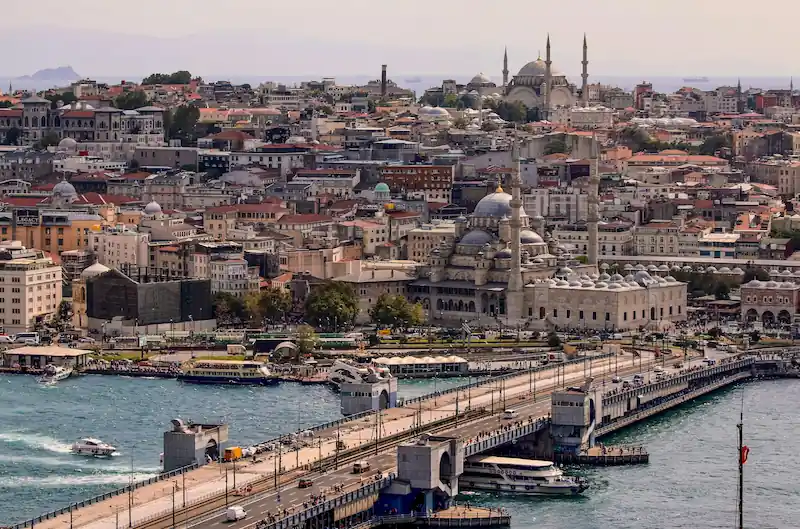
Spice Bazaar and Eminonu food streets – Area: Eminonu · Best for: markets, snacks and ferry-side energy · Time needed: 1.5 to 2.5 hours · Worth it: Yes, especially when paired with Suleymaniye, the waterfront or a ferry crossing. · Book ahead: No.
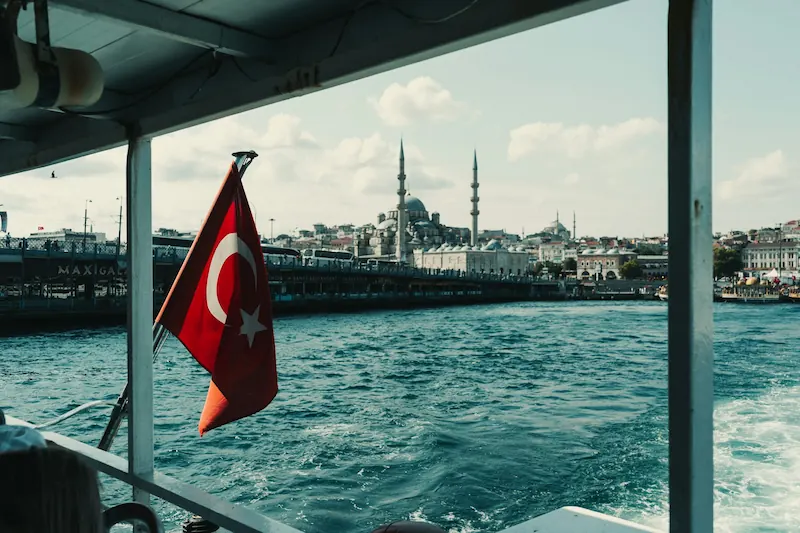
Bosphorus ferry or cruise – Area: Eminonu / Karakoy / Besiktas / Uskudar · Best for: understanding Istanbul's geography · Time needed: 1.5 to 3 hours · Worth it: Absolutely; the city makes far more sense once you have seen it from the water. · Book ahead: No for public ferries; yes for sunset cruises, dinner cruises or guided formats.
Galata Tower and the slope down to Karakoy – Area: Galata · Best for: views and neighborhood atmosphere · Time needed: 1.5 to 2 hours · Worth it: Worth it for the wider walk even if you skip the tower queue. · Book ahead: Yes if you want to go up at a specific time, especially late afternoon.
Istiklal Avenue, Pera passages and Cukurcuma – Area: Beyoglu · Best for: street life, culture and evening energy · Time needed: 2 to 4 hours · Worth it: Yes when you go beyond the main pedestrian current into passages, backstreets, cafes and smaller museums. · Book ahead: No for the walk; book specific museum or performance tickets if relevant.
Dolmabahce Palace – Area: Besiktas · Best for: late-Ottoman grandeur and waterfront history · Time needed: 1.5 to 2.5 hours · Worth it: Yes, particularly if you want a different imperial register from Topkapi. · Book ahead: Recommended for smoother timing.
Kadikoy market streets and Moda waterfront – Area: Kadikoy · Best for: Asian-side food, local texture and slower pace · Time needed: 3 to 5 hours · Worth it: Yes, especially once the headline monuments are covered. · Book ahead: No.
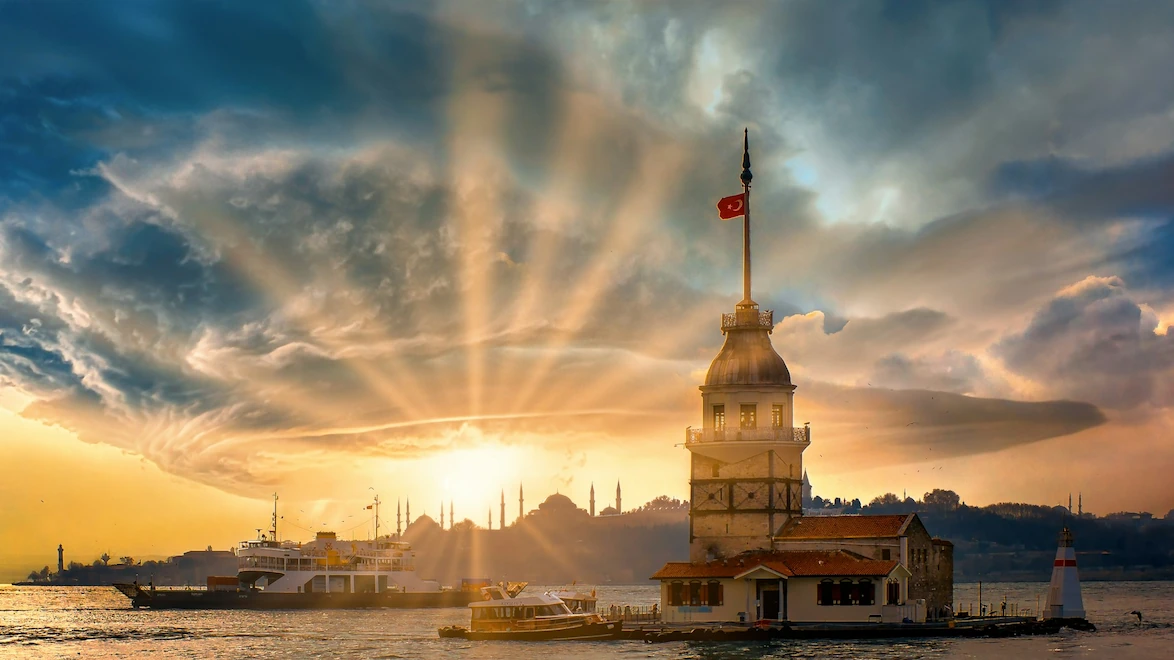
Uskudar waterfront, Kuzguncuk and Maiden's Tower views – Area: Asian side · Best for: Bosphorus atmosphere with fewer old-city crowds · Time needed: 2.5 to 4 hours · Worth it: Yes for travelers who want a softer local-facing half day across the water. · Book ahead: No for the waterfront; check tickets if you plan to visit Maiden's Tower itself.
Balat and Fener uphill walk – Area: Golden Horn · Best for: photography, layered streets and neighborhood texture · Time needed: 2 to 3 hours · Worth it: Worth it if you want a walk-led half day rather than another major museum. · Book ahead: No.
Suleymaniye Mosque – Area: Fatih / Beyazit · Best for: architecture, calm and city views · Time needed: 45 minutes to 1.5 hours · Worth it: Yes; it often delivers one of the best mosque experiences in the city. · Book ahead: No, but respect prayer times.
How to choose well in Istanbul
Istanbul rewards selection more than raw volume. The mistake is trying to clear every famous name because they look close on a map, then losing the shape of the city in queues, hills, ferries and overloaded interiors. A stronger plan combines one historic core, one water-based experience, one neighborhood with texture, one food-led block and, if time allows, one deeper cultural or Asian-side detour.
Treat Sultanahmet as a concentrated historic core, not as the whole trip; use it hard for one day, then widen the map.
Prioritize Hagia Sophia, Topkapi, the Blue Mosque area and the Basilica Cistern early, before heat and coach-group compression flatten the experience.
Use the Bosphorus early in the stay: a ferry, cruise or waterside sequence makes the geography of Europe, Asia, Golden Horn and palace-lined shorelines easier to read.
Do not stack too many paid interiors in one day; palace, cistern, museum and tower fatigue arrives faster than most first-time visitors expect.
Markets work best with a purpose: spices, sweets, textiles, ceramics, hammam goods, antiques, food streets or simply watching the commercial city operate.
Save Kadikoy, Uskudar, Balat, Kuzguncuk or a long Beyoglu walk for when you want lived Istanbul rather than another major ticketed sight.
Book the friction points—Topkapi, Basilica Cistern, Galata Tower at popular times, sunset cruises, hammams and food tours—while keeping ferries, mosque courtyards, waterfront walks and markets flexible.
Think in half-day clusters rather than isolated attractions: Sultanahmet, Eminonu-Beyazit, Galata-Karakoy-Beyoglu, Besiktas-Dolmabahce, Kadikoy-Moda, Uskudar-Kuzguncuk and Balat-Fener each have their own rhythm.
Iconic Istanbul
This is the Istanbul most first-time visitors come for: Hagia Sophia, the Blue Mosque, Topkapi Palace, the Basilica Cistern, Galata Tower, Dolmabahce, bazaars and Bosphorus views. These sights still justify their reputation, but they work best when each reveals a different side of the city rather than repeating the same monumental rhythm all day.
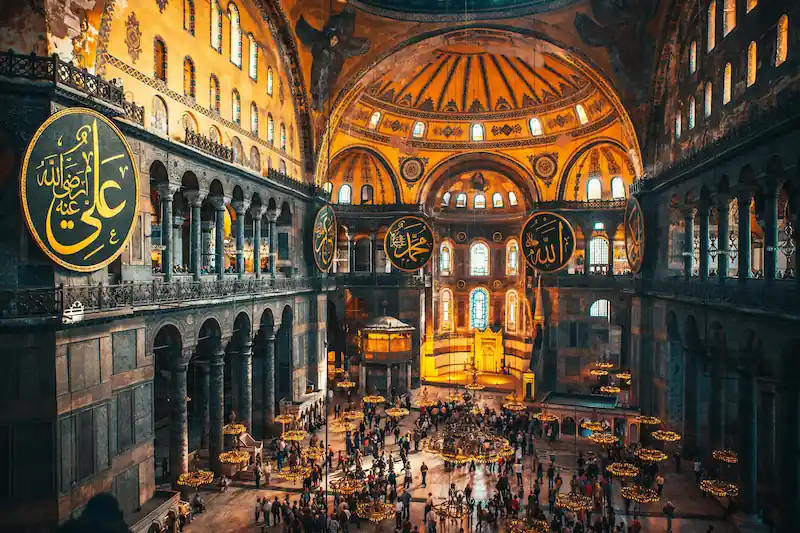
Stand inside Hagia Sophia and understand why the visit still matters – Few places in Istanbul compress so much religious, imperial and architectural history into one experience. The visit now needs more planning than it once did, so treat it as a high-demand monument: go early, dress appropriately, understand that tourist access is structured, and use the exterior sequence with Sultanahmet Square to read its scale before stepping inside. (First-time essential · Best for: travelers who want one defining Istanbul monument)Find tours & experiences
Pair the Blue Mosque with Sultanahmet's open-air historic core – The Blue Mosque works best as part of a wider old-city sequence with Hagia Sophia, the Hippodrome traces, the German Fountain, Sultanahmet Square and the shifting sightlines between domes and minarets. The payoff is not only the interior; it is the ceremonial heart of historic Istanbul unfolding around you. (Classic pairing · Best for: a compact first-time old-city walk)Find tours & experiences
Give Topkapi Palace and the Harem enough time to earn their place – Topkapi is not a quick photo stop. Its courts, treasury rooms, relic spaces, terraces and Harem make sense only when you let the palace feel like a system rather than a single building. It is one of the clearest ways to understand Ottoman power, domestic ritual and Istanbul's relationship with the water. (High payoff · Best for: history-led travelers willing to linger)Find tours & experiences
Drop into the Basilica Cistern between larger sights – The Basilica Cistern is one of the easiest high-impact stops in Sultanahmet: short, atmospheric, visually distinct and useful on hot or rainy days. It works especially well between Hagia Sophia, the Blue Mosque and Topkapi because the cool underground setting breaks the rhythm of open squares and mosque courtyards. (Worth it · Best for: a short but memorable old-city stop)Find tours & experiences
See Istanbul from the Bosphorus, not just from the pavement – A Bosphorus crossing or cruise is not filler. It shows how palaces, mosques, hills, bridges, waterfront neighborhoods and the Europe-Asia divide actually sit together. Even a simple public ferry can reset your reading of the city more effectively than another indoor visit. (High payoff · Best for: travelers who want city-scale perspective)Find tours & experiences
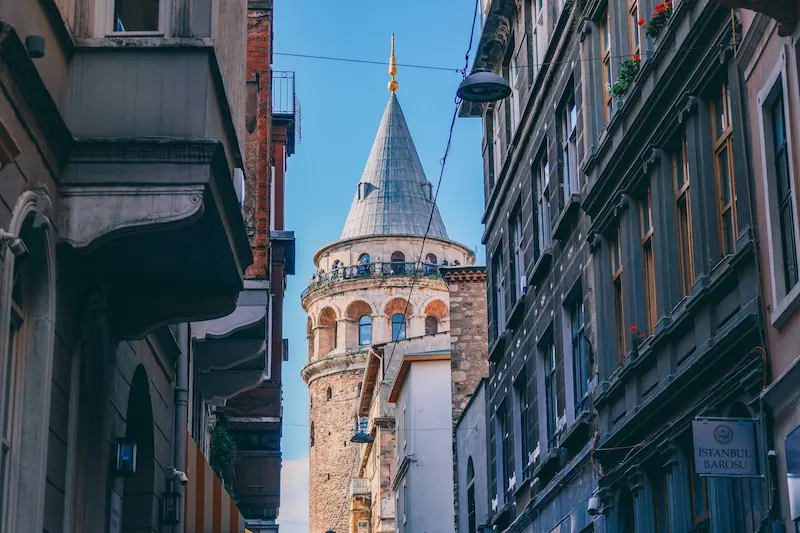
Climb Galata Tower, then make the descent part of the experience – The tower is the headline, but the surrounding slope is what makes the stop feel complete: narrow lanes, music shops, cafes, changing rooflines, then the downhill drift toward Karakoy and the water. Go up if the timing is right, but do not reduce Galata to the queue alone. (Views · Best for: views plus neighborhood atmosphere)Find tours & experiences
Use Dolmabahce Palace as the Ottoman counterpoint to Topkapi – Dolmabahce is more ceremonial, European-facing and late-imperial than Topkapi. Its waterfront position, grand interiors and dense decorative language give you a different version of Ottoman power, especially when paired with Besiktas or a Bosphorus outing rather than squeezed into a rushed Sultanahmet day. (Imperial contrast · Best for: travelers who want a second major palace that feels distinct)Find tours & experiences
Walk the Grand Bazaar with the surrounding hans, not just the main lanes – The Grand Bazaar is strongest when you widen the experience beyond souvenir corridors into side lanes, workshops, caravanserai-style hans and the commercial streets between Beyazit and Eminonu. Go for urban theater, craftsmanship and history; buy only when you are ready to bargain and compare. (Market essential · Best for: historic shopping streets and craftsmanship)
Use the Spice Bazaar as a gateway into Eminonu – The Spice Bazaar is compact, colorful and easy to overdo if treated as a single attraction. It works better as a gateway into food shops, mosque courtyards, ferry docks, the Galata Bridge edge and the active commercial streets that make Eminonu one of Istanbul's most energetic transition zones. (Market culture · Best for: travelers who like lively, food-adjacent market districts)
Cultural stops that deepen the city
Istanbul's cultural payoff goes far beyond its headline monuments. Add a few museums, mosques, art spaces or sacred sites that clarify the city's Byzantine, Ottoman, republican and contemporary layers, especially when the weather pushes you indoors or when you want substance after the first icons.
Visit Suleymaniye Mosque for scale, calm and one of Istanbul's strongest settings – Suleymaniye often gives visitors what they hoped to feel in the busiest monumental zones: architectural power, a generous sense of space and broad city views without the same compression. The complex, courtyards and surrounding slopes reward a slower approach. (Worth it · Best for: travelers who want a major mosque with more breathing room)
Explore the Istanbul Archaeological Museums when you want substance, not scenery alone – This is one of the best rainy-day or culture-first pivots near Topkapi. It adds intellectual weight to a trip without feeling detached from the city, especially after you have seen the palaces, mosques and ancient fragments embedded across Sultanahmet. (Rainy-day stronghold · Best for: museum-heavy travelers and culture-first afternoons)Find tours & experiences
Step into Chora / Kariye for Byzantine art beyond the standard loop – Chora appeals to travelers ready to widen the map beyond Sultanahmet for mosaics, frescoes and a quieter artistic register. It is less convenient than the old-city icons, but that is part of its value: you see another layer of Byzantine Istanbul and a different side of historic Fatih. (Art-focused · Best for: repeat visitors and Byzantine art travelers)Find tours & experiences
Use a historic hammam as part ritual, part recovery – A well-chosen hammam is not just a wellness add-on. In a city of hills, queues and dense walking days, it can be a practical reset and a culturally grounded experience. Book a reputable property and place it after a lighter sightseeing day rather than after your most overloaded one. (Classic ritual · Best for: travelers mixing sightseeing with recovery time)Find tours & experiences
Add the Museum of Turkish and Islamic Arts to deepen Sultanahmet – Close to the Blue Mosque, this museum is a smart way to add context without leaving the old-city cluster. It is especially useful for travelers interested in calligraphy, carpets, manuscripts, ceramics and the decorative language behind the city's mosques and palaces. (Context builder · Best for: travelers who want culture without a long transfer)Find tours & experiences
Visit Istanbul Modern for a contemporary counterweight – Istanbul Modern gives the trip a different register after several days of imperial and religious history. Its waterfront setting and contemporary focus work well with Karakoy, Galata or a Bosphorus-facing afternoon when you want the city to feel current rather than purely historic. (Contemporary culture · Best for: art travelers and rainy afternoons)Find tours & experiences
Walk the Pera passages, churches and backstreets behind Istiklal – This is a cultural read of Beyoglu rather than a simple shopping walk. The passages, church facades, old apartment blocks, smaller museums, cafes and side streets reveal a more layered cosmopolitan district once you step away from the heaviest pedestrian current. (Urban culture · Best for: travelers who prefer city texture to another large museum)
Look for the Mevlevi layer in Galata rather than only the tower – Galata is often reduced to its view, but its Mevlevi heritage adds a quieter cultural layer to the district. It is most useful for travelers interested in Sufi tradition, music, ritual and the historical depth behind Beyoglu's more obvious street life. (Special interest · Best for: culture-led travelers staying near Galata or Beyoglu)Find tours & experiences
Local texture and neighborhood time
The most rewarding local experiences in Istanbul are often about rhythm more than monuments: a ferry crossing, a market street, a tea stop, a waterfront bench, a slope with a view or a district where the city changes every few blocks. This is where Istanbul stops feeling like a list of famous names and starts feeling properly lived-in.
Spend half a day between Kadikoy market streets and Moda seafront – Kadikoy is one of the best ways to get beyond the monument circuit without leaving the city behind. Come by ferry, move through the market streets and snack stops, then drift toward Moda when you want sea air, cafes and a looser Asian-side pace. (High payoff · Best for: travelers looking for the city's everyday side)
Walk Uskudar's waterfront for mosque views, tea and a softer Bosphorus mood – Uskudar gives you the Bosphorus without the same old-city compression. The waterfront, mosque silhouettes, views back toward the historic peninsula and relaxed tea stops make it ideal when you want Istanbul to slow down without becoming dull. (Waterfront local · Best for: travelers who want Asian-side atmosphere with easy ferry access)
Continue from Uskudar into Kuzguncuk for a gentler neighborhood walk – Kuzguncuk is best as a quiet continuation rather than a headline attraction. Its streets, cafes, houses and layered community history create a softer counterpoint to Sultanahmet, Galata and the bazaars, especially on a longer stay. (Slow neighborhood · Best for: repeat visitors and travelers who like local streets)
Walk Balat and Fener for streetscape, layers and uphill city texture – This part of Istanbul works best on foot and without a rigid checklist. Its appeal is cumulative: color, stairs, old facades, workshops, churches, mosques, views and the constant shift between local routine and heavy visual interest. (Photogenic · Best for: photo-led neighborhood wandering)
Take a public ferry with no agenda beyond crossing – One of Istanbul's simplest pleasures is also one of its smartest. A routine ferry ride gives you skyline, wind, commuter life and spatial clarity at once, which is more revealing than many visitors expect from such an ordinary move. (Worth it · Best for: low-cost city reading)
Browse the Spice Bazaar, then follow the streets outward instead of stopping there – The market is lively and compact, but its real value often comes from what it unlocks: food shops, side streets, mosque courtyards, ferry edges and the sense of the commercial city opening outward from Eminonu. (Market district · Best for: travelers who like active commercial neighborhoods)
Use Ortakoy for a Bosphorus-facing pause rather than a whole day – Ortakoy is at its best as a short waterside stop: mosque, bridge view, baked potato stands, cafes and a strong sense of the Bosphorus narrowing around you. It pairs naturally with Besiktas, Dolmabahce or a northbound waterfront move. (Bosphorus pause · Best for: couples, photographers and slower afternoons)
Walk Arnavutkoy or Bebek when you want a polished Bosphorus edge – The northern Bosphorus neighborhoods offer a different Istanbul: waterfront houses, cafe terraces, fishing boats, joggers and a wealthier local rhythm. They are not first-day essentials, but they work beautifully when you want a long scenic walk rather than another museum. (Scenic walk · Best for: longer stays and Bosphorus-focused afternoons)
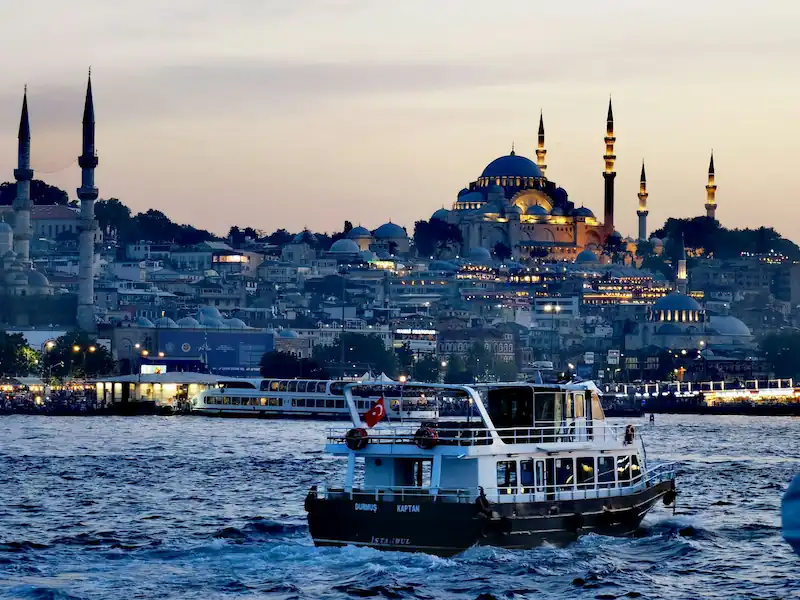
Watch sunset from the water or an elevated Bosphorus edge – Istanbul's evening strength lies in silhouette, water and shifting light rather than in a single famous sunset spot. A ferry, a waterside promenade, Uskudar, Galata, Suleymaniye slopes or a sunset cruise usually delivers better than over-engineered viewpoint chasing. (Best in the evening · Best for: couples and slower evening plans)Find tours & experiences
Food-led things to do in Istanbul
Food in Istanbul is not a side category to squeeze between monuments. It is one of the most efficient ways to understand districts, daily routines and the city's mix of street-level appetite, Ottoman inheritance, ferry culture and neighborhood rhythm.
Build a street-food crawl instead of one oversized meal – Istanbul rewards grazing: simit, balik ekmek, kofte, stuffed mussels, pide, lahmacun, borek, roasted chestnuts, kokorec if you are adventurous, or a sweet stop later in the day. This approach keeps you mobile and lets the city shape the meal. (High payoff · Best for: travelers who want food without losing sightseeing time)
Use Kadikoy for a more open-ended food half day – Kadikoy is one of the best districts for eating without turning the experience into a formal culinary project. You can move from market browsing to snack stops to a sit-down meal naturally, with far less old-city tourist pressure. (Food district · Best for: return visitors and food-first afternoons)Find tours & experiences
Eat around Eminonu and Karakoy when you want food with movement – This is the Istanbul of fish sandwiches, sweets, tea, ferry docks, bakeries, casual counters and quick transitions. It works well when you want to keep sightseeing momentum without committing to a long restaurant lunch. (Transit-friendly food · Best for: travelers moving between bazaars, Galata and ferries)
Try a Bosphorus-side fish and meze meal when you want a slower evening – This is less about chasing one famous table than matching mood and setting. After a dense sightseeing day, sitting by the water with fish, meze and a slower rhythm can be a better evening than pushing through another major attraction. (Best in the evening · Best for: longer stays and slower dinners)Find tours & experiences
Book a guided food tour only if you want range and context fast – Food tours add the most value when time is short or when you want structure across multiple stops, neighborhoods and specialties without over-researching. They are less necessary if you are happy to explore markets and eat opportunistically on your own. (Useful shortcut · Best for: short stays with strong food curiosity)Find tours & experiences
Leave room for sweets, tea and dessert culture – Baklava, lokum, milk-based desserts, Turkish tea and coffee stops help break up monument-heavy days better than another museum sprint. In Istanbul, these pauses are part of the experience, not just small refueling moments. (Soft pacing · Best for: travelers who prefer a slower rhythm through the day)
Make breakfast part of the plan, especially on a slower morning – A full Turkish breakfast can easily become a real activity rather than a functional meal. It is best saved for a non-rushed morning in areas such as Besiktas, Cihangir, Moda, Bebek or a Bosphorus-facing neighborhood where lingering makes sense. (Slow morning · Best for: couples, families and longer stays)
Use a cooking class when you want food to become the main experience – A cooking class makes sense when you want something more participatory than another restaurant or when weather pushes you indoors. It is especially useful for travelers interested in meze, home-style dishes and how Turkish food fits into daily rhythm. (Hands-on · Best for: food-focused travelers and rainy-day alternatives)Find tours & experiences
What to do in Istanbul for first-time visitors
For a first trip, Istanbul works best when you combine the old city with at least one Bosphorus experience and one neighborhood beyond Sultanahmet. The goal is not to see everything; it is to understand the city through its monuments, water, markets, food and one lived-in district.
Prioritize Hagia Sophia, the Blue Mosque area, Topkapi Palace and the Basilica Cistern before trying to cover every museum nearby.
Add a Bosphorus ferry or cruise early in the trip so the city's geography starts making sense before you chase neighborhoods at random.
Use the Grand Bazaar and Spice Bazaar as active market districts, not as isolated shopping stops.
Choose either Galata-Beyoglu, Kadikoy-Moda or Uskudar-Kuzguncuk for your first non-monument half day depending on whether you want urban energy, food texture or a calmer Asian-side waterfront.
Leave room for Suleymaniye, a hammam, a food crawl or a sunset waterside sequence rather than filling every open hour with another ticketed interior.
If you only have two days, avoid distant detours and keep each half day geographically coherent.
TripLength
BestUse
1 day
Sultanahmet essentials + Bosphorus or Galata finish
2 days
old city essentials + bazaars + Bosphorus + one neighborhood
3 days
add Dolmabahce, Kadikoy or Beyoglu and one stronger food or evening sequence
4 days
broaden into Balat-Fener, Uskudar-Kuzguncuk, hammam time or a deeper museum
5 days
add Princes' Islands or another day trip without weakening the city itself
Free things to do in Istanbul
Istanbul has enough free or low-cost activity to build a strong day without relying only on major ticketed sites. The best free options are usually about views, movement, neighborhoods, mosques, markets and public space rather than fixed attractions.
Ride a public ferry across the Bosphorus or between major piers for city views at everyday transport prices.
Walk the Sultanahmet exterior circuit, including the square, Hippodrome traces, Hagia Sophia views and the Blue Mosque exterior.
Visit major mosque precincts such as Suleymaniye, Yeni Cami, Eyup Sultan or accessible neighborhood mosques respectfully outside prayer times.
Explore Balat and Fener on foot, focusing on streets, slopes, color, courtyards and Golden Horn perspectives rather than paid entries.
Stroll Istiklal Avenue, Pera passages and Beyoglu backstreets, then descend toward Galata and Karakoy.
Use the Spice Bazaar, Grand Bazaar surroundings and Eminonu streets for atmosphere even if you are not shopping heavily.
Head to waterfront stretches in Besiktas, Karakoy, Uskudar, Ortakoy or Moda when you want a low-cost evening plan.
Watch sunset from a ferry, Uskudar waterfront, Suleymaniye slopes or a Bosphorus promenade instead of paying for every viewpoint.
Type
Option
Best free city view logic
public ferry, Uskudar waterfront, Suleymaniye slopes or Galata-side descents
Best free evening move
waterside walk, Beyoglu street circuit or Moda seafront
Best free culture-led half day
mosque precincts + market district + historic streets
Best free neighborhood walk
Balat-Fener, Kadikoy-Moda, Pera-Cukurcuma or Uskudar-Kuzguncuk
Unique things to do in Istanbul
Istanbul does not need forced novelty to feel distinctive. The most memorable unusual experiences usually come from combining water, steep urban fabric, sacred architecture, market life and layered neighborhoods in ways that move beyond the standard monument checklist.
Take a long public ferry crossing with no sightseeing objective beyond reading the city from the water.
Pair a traditional hammam with a lighter monument day so the ritual becomes part of the trip's rhythm, not a luxury afterthought.
Follow a market-to-water route in Kadikoy or Eminonu where the day unfolds through ferries, snacks, shops and small stops rather than one anchor attraction.
Walk uphill through Balat and Fener for a neighborhood experience that feels visually dense and structurally different from the old city core.
Use Uskudar and Kuzguncuk to experience the Asian side without turning it into a rushed checklist.
Choose a sunset cruise, ferry or Bosphorus-edge walk when you want skyline drama without another interior visit.
Add Chora / Kariye, the Mevlevi layer in Galata, Cukurcuma antiques or Istanbul Modern when you want a more specific cultural angle.
Experience
WhyItStandsOut
Most distinctive city-scale experience
seeing two continents, the Golden Horn, palace shorelines and commuter life from the water
Most distinctive slow ritual
historic hammam culture folded into a practical recovery moment
Most distinctive neighborhood texture
Balat-Fener, Kuzguncuk or Cukurcuma reveal smaller urban layers beyond the icons
Most distinctive food-led move
Kadikoy or Eminonu lets the day unfold through snacks, ferries and market streets
Things to do in Istanbul at night
Istanbul at night works best through atmosphere rather than aggressive attraction collecting. The strongest evening plans usually combine views, food, water and one lively district instead of forcing major indoor sightseeing after dark.
Take a sunset or evening Bosphorus cruise for skyline, bridges, palace facades and a broader sense of the city's scale.
Ride a ferry at dusk if you want a lower-cost evening with much of the same atmosphere.
Walk Istiklal Avenue into the smaller lanes of Beyoglu if you want energy, bars, music and late street life.
Use Galata and Karakoy for a compact dinner-and-drinks circuit with easy transitions between viewpoints, restaurants and the waterfront.
Choose a fish-and-meze dinner by the water in Karakoy, Besiktas, Ortakoy, Arnavutkoy or another Bosphorus-facing area when you want a slower evening.
Head to Kadikoy or Moda for a more local-feeling night with food streets, bars and a less old-city tourist rhythm.
Keep Sultanahmet for illuminated exterior views rather than expecting a full late-night attraction circuit.
BestFor
Option
views
Bosphorus cruise, ferry at dusk, Uskudar waterfront or Galata area
street energy
Istiklal, Beyoglu, Karakoy or Kadikoy
food-led evening
Karakoy, Besiktas, Kadikoy, Ortakoy or Bosphorus-side dinner
low-key evening
Moda seafront, tea by the water or illuminated Sultanahmet exteriors
Things to do in Istanbul with kids
With children, Istanbul is easier when you alternate one major sight with one movement-based, outdoor or food-led block. Water, short high-impact interiors and clear breaks usually work better than stacking long palace and museum sessions.
Use a Bosphorus ferry or short cruise early; movement and open views help break up monument fatigue.
Choose the Basilica Cistern over multiple long interiors if attention spans are limited.
Keep Topkapi focused if visiting with children: choose the strongest courts, terraces and Harem rather than trying to inspect every room.
Build in waterfront time in Moda, Uskudar, Besiktas or Ortakoy where children can reset between dense visits.
Keep Grand Bazaar and Spice Bazaar visits short, purposeful and snack-linked rather than expecting long shopping sessions to hold attention.
Use sweets, bakeries, ice cream, simit stops and tea gardens as practical pacing tools.
Consider Miniaturk, Rahmi M. Koc Museum or a boat-based plan on a family-focused day, especially when you need less walking intensity.
Pair one old-city stop with something lighter such as a sweet stop, ferry ride or seafront walk.
AgeFit
BestChoices
younger kids
ferry rides, waterfronts, short high-impact interiors, sweets and open squares
older kids
Topkapi, cistern, tower views, street-food stops, bazaars and Bosphorus cruises
cistern, palace, archaeology museum, Rahmi M. Koc Museum, covered bazaars or a hammam for adults if childcare is sorted
one major sight + one movement block + one food or waterfront reset
Things to do in Istanbul when it rains
Rain is one of the easiest ways to lose momentum in Istanbul if your plan depends on viewpoints, ferries and long walks. The fix is to concentrate on a few strong interiors, keep transfers short and use tea, dessert, covered markets and hammams as part of the structure.
Use Topkapi Palace and the Harem as a major rainy-day anchor if you can secure timed entry.
Choose the Basilica Cistern for a short, atmospheric stop that still feels meaningful in bad weather.
Turn to the Istanbul Archaeological Museums, Museum of Turkish and Islamic Arts or Istanbul Modern when you want a culture-first indoor option.
Use Dolmabahce Palace if you want a more decorative, self-contained visit outside Sultanahmet.
Build a covered-market sequence around the Grand Bazaar, Spice Bazaar and nearby food streets rather than crossing the city repeatedly.
Book a hammam when the weather makes outdoor walking less appealing and you need the day to feel intentional.
Reshape the day around tea, dessert, covered browsing and fewer district-to-district transfers.
RainyDayStyle
BestOption
short-and-strong
Basilica Cistern + one mosque + covered food stop
museum-heavy
Archaeological Museums, Museum of Turkish and Islamic Arts, Istanbul Modern or palace-led day
comfort-first
one major sight + hammam + slow meal
market-led
Grand Bazaar, Spice Bazaar, Eminonu streets and tea or dessert breaks
Things to do in Istanbul by area
Sultanahmet
This is the highest-density zone for first-time essentials and the cleanest way to cover Istanbul's headline monuments. Use it for concentrated historic sightseeing, then leave before the district starts feeling one-note.
Hagia Sophia
Blue Mosque and Sultanahmet Square
Topkapi Palace and Harem
Basilica Cistern
Museum of Turkish and Islamic Arts
Istanbul Archaeological Museums nearby for rainy or culture-first blocks
Hippodrome traces and old-city exterior viewpoints
Beyazit, Suleymaniye and Eminonu
This area is best for market culture, mosque complexes, commercial streets and movement toward the water. It works as an active half day with constant short stops rather than one single blockbuster attraction.
Grand Bazaar and surrounding hans
Spice Bazaar
Suleymaniye Mosque and surrounding slopes
Yeni Cami and mosque courtyards
Eminonu food streets and ferry edges
Galata Bridge views
Bosphorus and Golden Horn connections
Galata, Karakoy, Cukurcuma and Beyoglu
Come here for views, urban texture, contemporary culture, evening energy and a different reading of Istanbul from the old city. This is one of the easiest districts to stretch from afternoon into night.
Galata Tower
Istiklal Avenue
Pera passages and churches
Cukurcuma antiques and cafes
Istanbul Modern and Karakoy waterfront
cafe, bar and restaurant streets
downhill walk from Galata to Karakoy
Besiktas, Dolmabahce and Ortakoy
This zone works when you want palace grandeur, Bosphorus-facing walks, casual food and a less museum-heavy continuation into the evening. It is a smart bridge between formal sightseeing and looser waterside time.
Dolmabahce Palace
Besiktas market and casual food stops
waterfront promenades
ferry links
Ortakoy Mosque and bridge views
easy transition into a Bosphorus cruise or evening plan
Kadikoy and Moda
This is one of the best areas for travelers who want food, local life and a break from monument density. It earns more time than many first-timers initially expect, especially when reached by ferry.
Kadikoy market streets
street-food and snack stops
Moda seafront walk
cafes, bars and dessert stops
everyday ferry arrival experience
slower Asian-side neighborhood pace
Uskudar and Kuzguncuk
This side of the Bosphorus is ideal when you want water, skyline views and a more residential rhythm without committing to a full-day excursion. It pairs well with ferries, sunset and a quieter neighborhood walk.
Uskudar waterfront
Maiden's Tower views
mosque silhouettes across the water
tea gardens and sunset viewpoints
Kuzguncuk streets and cafes
easy ferry return to the European side
Balat, Fener and the Golden Horn
Best approached as a walk rather than a checklist, this area rewards travelers who like layered streets, photography, religious history and uphill urban movement. It is more about atmosphere than fixed-ticket attractions.
steep neighborhood walking
colorful historic facades
Fener streets and Orthodox heritage
Golden Horn perspectives
small cafes and workshops
good contrast with the monumental old city
Northern Bosphorus and outer green escapes
These areas are not essential on a very short first trip, but they help longer stays breathe. Use them for scenic waterfront walks, fortress views, polished Bosphorus neighborhoods or a nature-led break from the urban core.
Bebek and Arnavutkoy waterfront walks
Rumeli Fortress exterior and Bosphorus views
Emirgan Park in season
Bosphorus villages and longer cruises
Belgrad Forest or Polonezkoy if you want greenery
Anadolu Kavagi on a longer ferry-oriented day
What to prioritize based on your trip
Istanbul improves when you choose a shape for the trip instead of trying to absorb everything at once. The right shortlist depends on available time, season, walking energy and how much you care about monuments, food, neighborhoods or water.
Profile
Prioritize
Skip
Structure
Half day
Hagia Sophia, Blue Mosque area and either Basilica Cistern or a short ferry
far-flung neighborhoods, long palace visits and multiple museums
Keep everything concentrated in Sultanahmet or one waterside cluster and choose one high-payoff interior only.
1 day
Sultanahmet core plus Bosphorus, Galata-Karakoy or Eminonu market streets
multiple paid interiors with similar historic weight
Use morning for headline monuments and late afternoon for water, market energy or neighborhood texture.
2 days
old city, Topkapi, cistern, bazaars, Bosphorus and one non-Sultanahmet district
trying to cover every major museum or both sides of the city in one day
Build one monument-heavy day and one city-texture day with water or food.
3 days
Topkapi, Bosphorus, Beyoglu/Galata or Kadikoy, plus one slower neighborhood block
overstacking famous interiors just because they are nearby
Add rhythm: one major sight, one walk-led half day and one food or evening-focused sequence.
4 days
Sultanahmet, Bosphorus, Kadikoy or Uskudar, Beyoglu, Balat-Fener, hammam or deeper museum
a day trip that steals time before the city itself feels complete
Use the fourth day to widen the city map or slow the pace, not to repeat the same core.
First trip
headline monuments, ferry perspective, one market, one atmospheric district and one strong food sequence
deep neighborhood collecting at the expense of core sights
Get the icons right first, then widen into one area that feels more local.
Repeat visit
Kadikoy, Uskudar-Kuzguncuk, Balat-Fener, Cukurcuma, hammam time, food-led exploration and selective museums
repeating all the same Sultanahmet stops out of habit
Use water and neighborhoods to build a more personal map of the city.
Family trip
ferries, cistern, shorter Topkapi visit, waterfronts, sweets, markets in small doses and one flexible museum
long back-to-back palace or museum blocks
Alternate one major sight with one movement-based or food-based reset.
Best day trips from Istanbul
Day trips make sense once you have given Istanbul enough time of its own. The best options either offer a strong contrast with the city or deliver a clear historical, coastal, green or ferry-led payoff without turning the day into pure transport.
Excursion
Best for
Time needed
First trip?
Transport
Book ahead
Princes' Islands
a slower, car-light contrast to the city
full day
yes, if you have at least 4 to 5 days total
ferry
Usually no, but weekend and summer planning helps Check options
Bursa
Ottoman history, food and a city change of pace
full day
only if your Istanbul base stay is already long enough
These are not fixed itineraries, just combinations that make practical sense when you want a day to feel coherent rather than random. Each one reduces unnecessary transfers and gives the day a clear change of rhythm.
Old city essentials + cistern + rooftop or ferry finish – Start with Hagia Sophia and the Blue Mosque area while energy is high, add the Basilica Cistern as a compact contrast, then end with a ferry or skyline-facing pause. The sequence moves from dense history to wider perspective without forcing too many interiors.
Topkapi Palace + Archaeological Museums + Gulhane pause – This works when you want a deep Sultanahmet day without bouncing across the city. Topkapi supplies imperial narrative, the museums add historical weight, and Gulhane gives the day a needed outdoor release.
Topkapi Palace + Grand Bazaar + Suleymaniye – A strong history-and-market sequence: Topkapi gives imperial depth, the bazaar adds commercial energy, and Suleymaniye delivers calm, scale and a stronger sense of the city's topography.
Spice Bazaar + Eminonu food streets + public ferry – Use this for a low-friction Istanbul day built around market color, quick food stops and water. It is especially effective when you want atmosphere without another major ticketed attraction.
Galata Tower + Pera backstreets + Karakoy dinner – A natural late-afternoon-to-evening arc. It combines views, neighborhood walking, passages, cafes, galleries or side streets, then a food or drinks finish near the water without long transfers.
Kadikoy food half day + Moda waterfront – Use this when you want relief from major monuments without sacrificing urban intensity. The sequence gives you market life, snack stops, local rhythm and sea-facing downtime in one compact block.
Uskudar waterfront + Kuzguncuk + ferry back at dusk – This is one of the best softer Asian-side combinations: skyline views, mosque silhouettes, tea by the water, residential streets and an atmospheric return crossing.
Dolmabahce + Besiktas + Bosphorus cruise – A strong pairing for travelers interested in Istanbul's waterfront identity. The palace frames a more ceremonial version of the Bosphorus, Besiktas adds local food energy, and the cruise expands that perspective outward.
Balat-Fener + Chora / Kariye + Golden Horn views – This is better for travelers who like layered streets and Byzantine or neighborhood history. It is less efficient than Sultanahmet but gives a more textured, uphill, lived-in reading of historic Istanbul.
What to book ahead in Istanbul
Not everything in Istanbul rewards advance booking, but a few places can consume far too much time if you rely on luck. Pre-book the biggest friction points and keep ferries, mosque visits, markets and neighborhood walks flexible.
Yes if you want a structured cultural evening rather than bars or dinner only
Public ferry rides and neighborhood walks
No
Avoid rush-hour compression if comfort matters and check return options for longer crossings
No; the point is often the ordinary crossing or self-led walk itself
Istanbul activities FAQ
These are the questions that usually matter once you move beyond a generic checklist and start shaping a real trip around time, season, neighborhood choice, booking friction and realistic pacing.
What are the best things to do in Istanbul on a first trip?
Start with Hagia Sophia, the Blue Mosque area, Topkapi Palace, the Basilica Cistern and a Bosphorus ferry or cruise. After that, add one atmospheric district such as Galata-Beyoglu, Kadikoy-Moda, Uskudar-Kuzguncuk or Balat-Fener rather than spending every day in Sultanahmet.
How many days do you need for Istanbul?
Three days is a strong minimum for a first trip that includes the old city, one palace, one Bosphorus experience and one neighborhood beyond Sultanahmet. Four days gives you a much better pace, while five days allows a hammam, Asian-side time, a deeper museum or a day trip without rushing the city itself.
What should I book ahead in Istanbul?
Book ahead for Topkapi Palace and the Harem, the Basilica Cistern, Galata Tower if timing matters, Bosphorus sunset cruises, popular hammams, food tours and structured cultural performances. Keep public ferries, mosque visits, markets and most neighborhood walks flexible.
Is Hagia Sophia still free to visit?
Hagia Sophia functions as an active mosque and access can differ between worship and tourist visiting areas. Travelers should check current visitor rules before going, plan for security, dress respectfully and avoid assuming the old walk-in museum model still applies.
Is the Blue Mosque worth visiting if you already see Hagia Sophia?
Yes, but it works best as part of the Sultanahmet sequence rather than as a long stand-alone visit. The mosque, square, Hippodrome traces and Hagia Sophia exterior views together explain the ceremonial heart of the old city.
Is Topkapi Palace worth it?
Yes, if you give it enough time and include the Harem if imperial history interests you. It is less satisfying as a rushed photo stop, but very strong when you let the courtyards, terraces, collections and domestic spaces build a full picture of Ottoman power.
Is the Basilica Cistern worth visiting?
Yes. It is short, atmospheric and easy to combine with Hagia Sophia, the Blue Mosque and Topkapi. Because the visit is brief, advance tickets can be especially useful when queues are long.
Is a Bosphorus cruise really worth it?
Yes. It is one of the clearest ways to understand Istanbul's scale, waterfront identity and relationship between districts. A public ferry can deliver much of the value on a budget, while a guided or sunset cruise is better if you want a smoother, more scenic format.
Should I take a public ferry or a Bosphorus cruise?
Take a public ferry if you want a low-cost, local, flexible experience. Choose a cruise if you want commentary, a defined route, sunset timing, dinner or easier logistics. Both can be worthwhile; the key is not to skip the water entirely.
What are the best free things to do in Istanbul?
Public ferry crossings at local transport prices, walking Sultanahmet's exterior historic core, exploring Balat and Fener, strolling Istiklal and Pera, visiting mosque precincts respectfully and spending time along Uskudar, Moda, Karakoy or Besiktas waterfronts are among the best low-cost ways to experience the city.
What are the best things to do in Istanbul at night?
The strongest evening options are usually a Bosphorus cruise, a ferry at dusk, dinner by the water, or a walk through Beyoglu, Galata, Karakoy, Kadikoy or Moda. Istanbul's nighttime value comes more from atmosphere, food and setting than from forcing too many formal sights after dark.
What should you do in Istanbul when it rains?
Use the weather to pivot into Topkapi Palace, the Basilica Cistern, Dolmabahce, Istanbul Archaeological Museums, Museum of Turkish and Islamic Arts, Istanbul Modern, a hammam or covered market browsing. Rainy days work best when you reduce cross-city transfers.
What are the best things to do in Istanbul with kids?
Keep the balance simple: one major attraction, one ferry or outdoor break and one food or sweet stop. The Bosphorus, the Basilica Cistern, waterfront time, shorter market visits, Topkapi in focused form and family-friendly museums are usually easier than stacking multiple long interiors.
Which side of Istanbul is better for activities, Europe or Asia?
The European side has most first-time monuments, bazaars and classic sightseeing density. The Asian side is better for food streets, waterfront rhythm, Kadikoy, Moda, Uskudar and Kuzguncuk. A strong first trip usually includes both if you have at least three days.
Is Kadikoy worth visiting on a first trip?
Yes, if you have covered the core monuments or want a food-led break from Sultanahmet. Kadikoy works especially well as a half day reached by ferry, with market streets, snacks, cafes and the Moda waterfront.
Is Balat worth visiting?
Balat and Fener are worth visiting if you want a walk-led neighborhood experience, photography, layered streets and Golden Horn texture. They are less essential than Sultanahmet on a very short first trip, but valuable once you want to widen the map.
Is Uskudar worth visiting?
Yes, especially if you want Bosphorus views, Asian-side atmosphere and a calmer waterfront experience. Uskudar pairs well with Kuzguncuk, a ferry crossing, tea by the water and sunset views back toward the historic peninsula.
What are the best food experiences in Istanbul?
The best food experiences are usually a Kadikoy food half day, an Eminonu or Karakoy snack route, a Bosphorus-side fish and meze dinner, a guided food tour if time is short, and deliberate pauses for baklava, tea, Turkish coffee or breakfast.
Are hammams in Istanbul worth it?
Yes, if you choose a reputable hammam and place it well in the itinerary. A hammam is most rewarding after a heavy walking day, during rain or when you want a cultural reset rather than another sightseeing stop.
Are day trips from Istanbul worth it?
Yes, but mostly once you have already given the city proper enough time. Princes' Islands is the easiest contrast for many travelers, while Bursa, Edirne, Sapanca, Anadolu Kavagi, Belgrad Forest or the Black Sea coast make more sense for longer stays or repeat visits.
What should I skip in Istanbul if I only have two days?
Skip distant day trips, too many secondary museums, far-flung neighborhoods and trying to do both every palace and every bazaar. Focus on Sultanahmet, one market sequence, one Bosphorus experience and one neighborhood such as Galata-Beyoglu or Kadikoy.
What is the best area to combine several Istanbul attractions in one day?
Sultanahmet is the easiest for major monuments, while Beyazit-Eminonu is best for markets and ferries. Galata-Karakoy-Beyoglu works well for afternoon-to-night energy, and Kadikoy-Moda is the best compact food-and-neighborhood half day.
In Istanbul, the best plan is rarely the longest one; it is the one that balances monuments, water, neighborhoods, food and recovery time without wasting your best hours in lines or unnecessary transfers.
Find the best places to stay, how to get there, and move around with ease.
Build a smarter trip base
Turn the right experiences into the right itinerary
Once you know what you want to do in Istanbul, the next step is turning those ideas into a trip that actually works day by day. Use the planner to organize the right mix of highlights, neighborhoods, and pace into a route that feels coherent, not crowded.