Best things to do in Vienna, from imperial icons to local experiences
Discover the best things to do in Vienna, from imperial palaces, Klimt masterpieces, and world-class concert halls to coffee houses, markets, vineyards, family attractions, and less obvious neighborhoods. Vienna is compact enough to explore efficiently, but rich enough to punish rushed planning. The strongest visits balance one major imperial experience, one museum or musical anchor, time in the historic center, and a slower layer of cafés, local streets, parks, or wine taverns.
Best time
April to June and September to October offer comfortable walking weather, active cultural calendars, and fewer extremes than midsummer or winter. December is especially atmospheric for Christmas markets but requires earlier booking.
Ideal trip length
Two full days cover Vienna’s essential sights; three days allow a better mix of palaces, museums, music, food, and neighborhoods; four days make room for vineyards, family attractions, or one day trip.
Continue planning your Vienna trip
Use the Vienna city guide to understand how the city fits together, compare the best areas to stay, and connect these activities into a realistic itinerary. Matching attractions by neighborhood and energy level will save more time than simply booking the most famous sights.
Best things to do in Vienna at a glance
Schönbrunn Palace, gardens, and Gloriette – Area: Hietzing · Best for: Vienna’s grandest imperial experience · Time needed: 3 to 5 hours · Worth it: Essential for first-time visitors who want palace interiors, formal gardens, and a panoramic viewpoint in one visit. · Book ahead: Yes for timed palace entry, especially from spring to December.
Historic center, Hofburg, and St. Stephen’s Cathedral – Area: Innere Stadt · Best for: First-time orientation and landmark density · Time needed: 3 to 5 hours · Worth it: The most efficient way to understand Vienna’s imperial core, medieval heart, and ceremonial streets. · Book ahead: Not for the exterior route; book specific Hofburg museums, towers, catacombs, or guided visits.
Upper Belvedere and Klimt’s The Kiss – Area: Landstrasse · Best for: Klimt, Austrian art, and Baroque architecture · Time needed: 2 to 3 hours · Worth it: One of Vienna’s highest-payoff art visits and easier to fit into a varied day than a very large museum. · Book ahead: Yes for a timed Upper Belvedere entry.
Kunsthistorisches Museum – Area: Maria-Theresien-Platz · Best for: Old masters, imperial collections, and museum architecture · Time needed: 2.5 to 4 hours · Worth it: Vienna’s strongest all-round museum for visitors who want artistic depth rather than a quick highlight stop. · Book ahead: Helpful at busy times, though not always essential.
Vienna State Opera or a carefully chosen classical concert – Area: Innere Stadt and central venues · Best for: Vienna’s musical identity after dark · Time needed: 2 to 4 hours · Worth it: A defining experience when the venue, repertoire, and performance format match your expectations. · Book ahead: Yes for the opera, Musikverein, Konzerthaus, Vienna Boys’ Choir, and popular concert dates.
Spanish Riding School – Area: Hofburg · Best for: Lipizzaners, Habsburg tradition, and equestrian performance · Time needed: 1 to 2 hours · Worth it: Distinctive and memorable for horse lovers, families, and visitors looking for an imperial tradition that is still alive. · Book ahead: Yes for performances; morning exercise tickets can also sell out.
State Hall of the Austrian National Library – Area: Hofburg / Josefsplatz · Best for: Baroque interiors, books, and a compact visual highlight · Time needed: 45 to 75 minutes · Worth it: One of the most beautiful interiors in Vienna and an easy addition to a Hofburg day. · Book ahead: Usually optional, but useful in peak periods.
MuseumsQuartier and the Leopold Museum – Area: Neubau · Best for: Austrian modernism, Schiele, design, and contemporary Vienna · Time needed: 2 to 4 hours · Worth it: The best counterpoint to imperial Vienna, especially for art, architecture, and creative-city atmosphere. · Book ahead: Usually only necessary for major exhibitions.
Vienna coffee house and cake ritual – Area: Innere Stadt, Josefstadt, Neubau, and Landstrasse · Best for: Slow cultural texture and a restorative pause · Time needed: 45 minutes to 1.5 hours · Worth it: A core Vienna experience when treated as time in the city rather than a rushed pastry stop. · Book ahead: Reservations help at famous addresses; quieter cafés work well spontaneously.
Prater, Giant Ferris Wheel, and green Hauptallee – Area: Leopoldstadt · Best for: Families, nostalgic rides, city views, and outdoor time · Time needed: 2 to 4 hours · Worth it: A welcome shift from palaces and museums, with both amusement-park energy and a large green park. · Book ahead: Optional for the Ferris Wheel; useful at busy times.
Naschmarkt, Karlsplatz, and Karlskirche – Area: Wieden / Mariahilf · Best for: Food, architecture, and a varied central-adjacent walk · Time needed: 2 to 4 hours · Worth it: A strong way to combine market browsing, modernist Vienna, a major Baroque church, and local streets. · Book ahead: No for the area; yes for selected Karlskirche concerts or guided food tours.
Vienna vineyards and a Heuriger – Area: Grinzing, Nussdorf, Neustift, or Stammersdorf · Best for: Wine, views, and a slower local afternoon · Time needed: 3 to 5 hours · Worth it: One of Vienna’s most distinctive experiences once the main central sights are covered. · Book ahead: Reservations are wise for popular taverns, weekends, and groups.
How to choose what is actually worth doing in Vienna
Vienna’s major attractions are concentrated, but the city is not best experienced as a chain of palace rooms and museum galleries. The real planning challenge is variety. A strong day might combine an imperial landmark, an art or music experience, a coffee-house pause, and a neighborhood or park with a different rhythm. Choose by interest and geography, not by fame alone.
Choose one principal imperial interior: Schönbrunn for scale, the Hofburg museums for Habsburg life, the Imperial Treasury for objects of power, or the Belvedere for art in a palace setting.
Give major museums enough time. The Kunsthistorisches Museum, Leopold Museum, Albertina, Upper Belvedere, and Wien Museum serve different interests and should not be treated as interchangeable.
Plan music by venue and format. Opera, orchestral concerts, chamber music, church concerts, tourist-oriented programs, and the House of Music create very different experiences.
Use the Hofburg as a cluster. The Spanish Riding School, State Hall, Imperial Treasury, Sisi Museum, Imperial Apartments, and courtyards can be combined selectively without crossing the city.
Balance formal Vienna with lived Vienna through coffee houses, Naschmarkt, Neubau, the Danube Canal, Prater, or the wine hills.
Protect one flexible block for weather, energy, and exhibitions; Vienna has enough strong indoor options that every hour does not need to be fixed.
With children, alternate visual or interactive attractions with outdoor movement. Schönbrunn Zoo, Prater, House of Music, ZOOM Children’s Museum, and the Natural History Museum are more reliable than long sequences of ceremonial rooms.
Iconic things to do in Vienna
Vienna’s headline sights are unusually dense, but they are not interchangeable. The best ones clarify the city’s imperial order, musical prestige, and architectural control. Prioritize fewer stops with enough time to feel the scale: stone courtyards, formal gardens, vaulted interiors, and wide Ringstrasse perspectives work badly when rushed.
Start with Schönbrunn Palace and climb toward the Gloriette – Schönbrunn is Vienna’s clearest imperial set piece: palace rooms, long garden axes, fountains, and a hilltop view that explains the estate’s power better than any single room. Go early if you want space before the palace corridors tighten. The gardens also let you adjust the visit length without losing the point. (First-time essential · Best for: Imperial scale and a structured half day)Find tours & experiences
Walk the Hofburg as a district, not just a palace – The Hofburg works best as a sequence of gates, courtyards, museums, and ceremonial edges rather than a single attraction. It links the old imperial city to the Ringstrasse and gives first-time visitors a compact understanding of Vienna’s historic power center. Add one interior visit only if it matches your interests. (High payoff · Best for: Orientation, architecture, and imperial context)Find tours & experiences
See the Lipizzaners at the Spanish Riding School – The Spanish Riding School turns Habsburg tradition into a living performance inside the Hofburg’s Baroque Winter Riding School. A formal performance gives the fullest experience, while morning exercise is shorter and less theatrical. Choose it for the horses, the setting, and the continuity of the institution rather than as a generic palace attraction. (Distinctive Vienna · Best for: Horse lovers, families, and living imperial tradition)Find tours & experiences
Step inside the State Hall of the Austrian National Library – The State Hall is one of Vienna’s most visually impressive interiors: a vast Baroque library lined with historic books, marble statues, and a frescoed dome. It delivers a concentrated sense of imperial scholarship and architecture without requiring a long museum visit, making it ideal alongside the Hofburg and Josefsplatz. (High visual payoff · Best for: Architecture, books, photography, and a compact indoor stop)Find tours & experiences
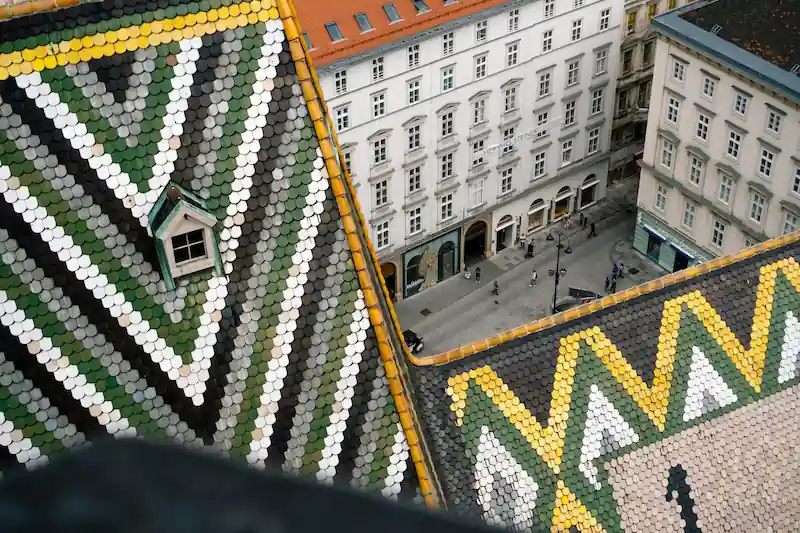
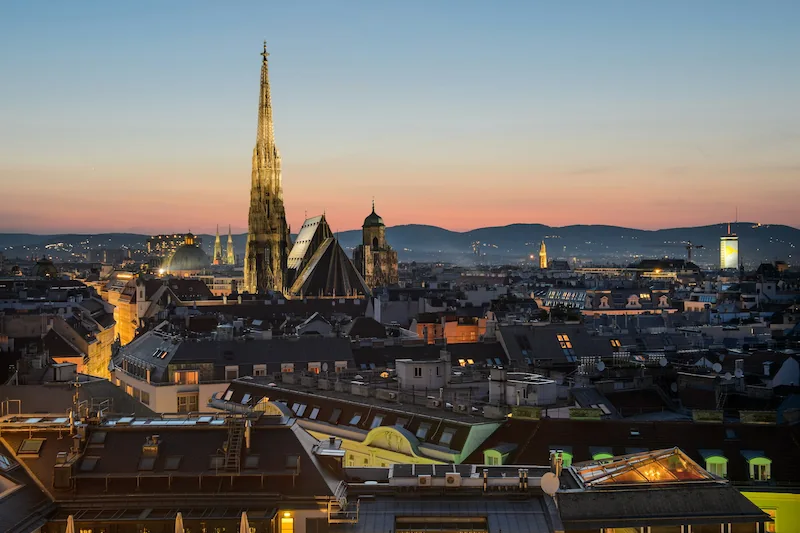
Use St. Stephen’s Cathedral as your central compass – St. Stephen’s Cathedral is the sight most visitors cross repeatedly, but it deserves a focused stop before the surrounding streets fill. The tiled roof, dark nave, tower views, and tight urban setting make it more than a photo landmark. It is also the easiest place to reset your sense of direction in the historic core. (Worth it · Best for: Central landmark and quick architectural impact)Find tours & experiences
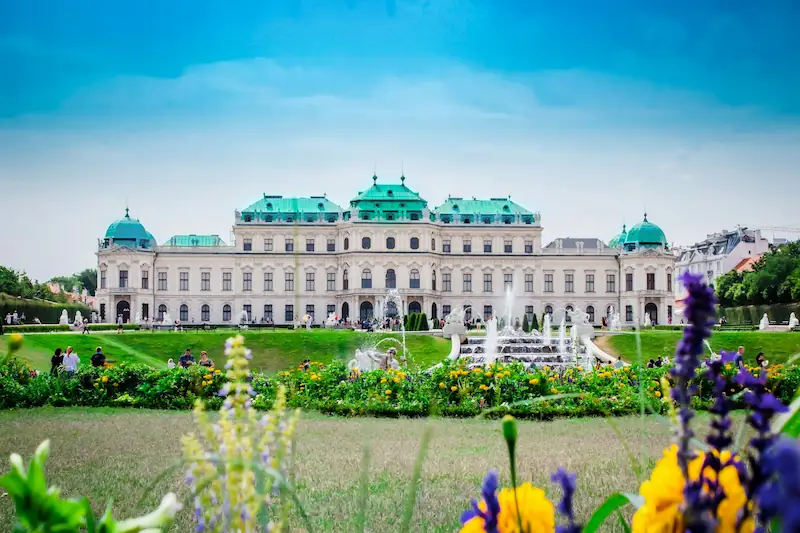
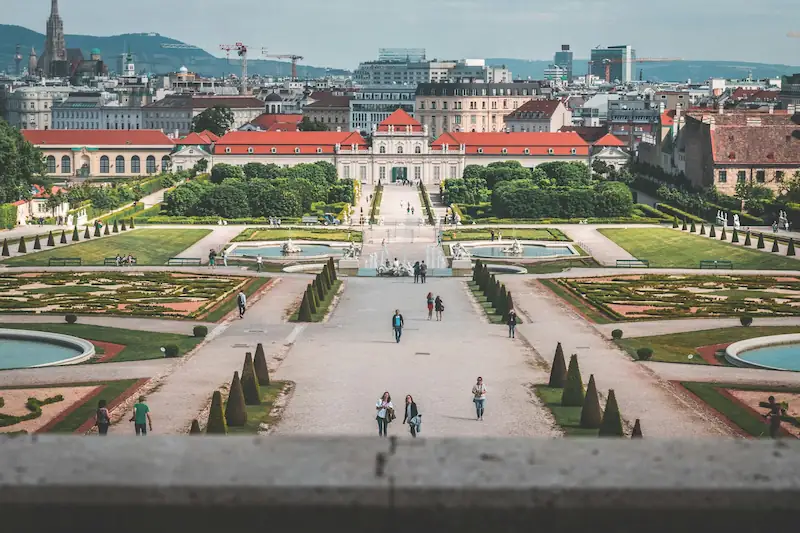
See Klimt and the palace gardens at the Belvedere – The Belvedere combines one of Vienna’s strongest art stops with a clear palace setting. The Upper Belvedere is the key visit for Klimt, including The Kiss, while the gardens create a calm approach from the city’s denser central areas. It is especially efficient for travelers who want one art-focused landmark rather than a full museum day. (Worth it · Best for: Klimt, palace architecture, and manageable art depth)Find tours & experiences
Choose one great Ringstrasse museum – The Ringstrasse can tempt visitors into collecting facades instead of choosing substance. The Kunsthistorisches Museum is the strongest all-round choice for old masters, interiors, and depth; the Natural History Museum works better for families or science-led visits. Pick one and give it the energy it deserves. (High payoff · Best for: Museum depth without spreading yourself thin)Find tours & experiences
Book an evening at the Vienna State Opera – The Vienna State Opera is not just a prestige address; it changes how the city feels after dark. Even if you do not attend a full performance, the building, surrounding lights, and evening movement around the Ring create one of Vienna’s strongest night-time scenes. Serious music lovers should plan ahead rather than rely on leftovers. (Best in the evening · Best for: Classical music, atmosphere, and a formal night out)Find tours & experiences
Ride the Giant Ferris Wheel in the Prater – The Prater shows a looser, more playful Vienna: old amusement rides, wide paths, beer gardens, and the slow rotation of the Riesenrad above the trees. It is not as polished as the palace circuit, which is exactly the point. Go late afternoon or evening for the best change of mood. (Best for: Families, views, and a lighter urban pause)Find tours & experiences
See Karlskirche from Karlsplatz and decide whether to go inside – Karlskirche’s green dome, reflecting pool, and monumental columns create one of Vienna’s strongest architectural compositions. The exterior is already rewarding, while the interior, elevated viewpoints, and evening concerts add value for visitors interested in Baroque design or sacred music. Pair it with the Wien Museum, Secession, or Naschmarkt. (Easy to combine · Best for: Baroque architecture, photography, and church concerts)Find tours & experiences
Cultural things to do in Vienna
Vienna’s cultural range extends far beyond Klimt and the opera. Imperial collecting, Austrian modernism, urban history, music museums, contemporary art, design, architecture, and Habsburg memory are all strong enough to structure a visit. Choose the institution that answers your interests rather than defaulting to the closest famous museum.
Spend serious time in the Kunsthistorisches Museum – This is Vienna’s most rewarding museum for visitors who want depth rather than a quick checklist. The building itself is part of the experience, with staircases, painted ceilings, and rooms that slow your pace before you reach the major collections. It is best treated as a main activity, not a filler between palaces. (High payoff · Best for: Old masters, collecting culture, and museum architecture)Find tours & experiences
Use MuseumsQuartier for a modern Vienna counterpoint – MuseumsQuartier is where Vienna’s cultural rhythm becomes more contemporary and less ceremonial. Choose the Leopold Museum for Austrian modernism, mumok for modern and contemporary art, or simply use the courtyards as a pause between exhibitions. It is especially useful when you want culture without another imperial interior. (Best for: Modern art, design, and flexible cultural pacing)
Follow Vienna’s Secession and modernist thread – The Secession building, Otto Wagner details, and nearby turn-of-the-century architecture give Vienna a sharper edge than its palace image suggests. This is a strong choice for design-minded travelers who want to understand how the city moved from empire into modernity. It works well before or after the Naschmarkt and Karlsplatz area. (Best for: Architecture, design history, and a focused cultural walk)
Visit the Albertina for a central, compact art stop – The Albertina is one of the easiest major museums to integrate into a first Vienna visit because of its location near the opera and Hofburg. It is particularly useful when you want a strong indoor cultural stop without committing to the scale of the Kunsthistorisches Museum. Check exhibitions before deciding between it and the larger museums. (Best for: Central art access and exhibition-led visits)Find tours & experiences
Choose a concert by setting, not just by composer – Vienna is full of concert offers, and the quality of the experience depends heavily on venue, format, and expectations. A formal opera night, a church concert, a chamber performance, and a tourist-oriented Mozart program are not the same kind of evening. Decide whether you want musical seriousness, architectural atmosphere, or an accessible first taste. (Best in the evening · Best for: Evening culture with different levels of formality)Find tours & experiences
Choose the Leopold Museum for Schiele and Austrian modernism – The Leopold Museum is the strongest choice for understanding the artistic Vienna of Egon Schiele, Gustav Klimt, and the early 20th century. Its focus is clearer than a general collection, and its MuseumsQuartier location makes it easy to pair with courtyards, contemporary art, cafés, and Neubau. (Culture-first pick · Best for: Schiele, Klimt, Austrian modernism, and focused art visits)Find tours & experiences
Use the Wien Museum to understand how Vienna became Vienna – The Wien Museum at Karlsplatz traces the city from its early history through imperial expansion, modernism, war, reconstruction, and contemporary life. It is particularly valuable for visitors who want context rather than another royal residence, and it fits naturally with Karlskirche, the Secession, and Naschmarkt. (Best for context · Best for: Urban history, first-time visitors, and repeat visitors)
Explore Hundertwasser House and Kunst Haus Wien – Hundertwasser’s irregular lines, planted roofs, colorful surfaces, and environmental ideas offer one of Vienna’s clearest breaks from imperial symmetry. The residential Hundertwasser House is viewed from outside, while Kunst Haus Wien provides museum access and deeper context. Combine both rather than visiting only for a quick façade photo. (Distinctive architecture · Best for: Design, photography, sustainability, and unusual Vienna)Find tours & experiences
Discover Vienna’s composers through Mozarthaus or Beethoven sites – Vienna’s music history becomes more tangible in smaller composer museums and preserved apartments. Mozarthaus is the easiest central choice, while Beethoven-related sites reward visitors with a deeper interest in his life and work. These visits are most effective when paired with a performance rather than used as substitutes for live music. (Best for: Music history and composer-focused travelers)Find tours & experiences
Visit the House of Music for an interactive approach to sound – The House of Music is more playful than Vienna’s traditional music museums, with interactive sound installations, composer galleries, and a virtual-conductor experience. It works especially well for families, teenagers, and visitors who enjoy music but do not want a heavily academic museum. (Family-friendly · Best for: Interactive learning, music, rainy days, and children)Find tours & experiences
Go deeper into Habsburg history at the Imperial Treasury or Imperial Crypt – The Imperial Treasury presents crowns, regalia, sacred objects, and symbols of dynastic power, while the Imperial Crypt reveals the Habsburg story through elaborate tombs and dynastic memory. Both are more focused than a broad palace tour and suit visitors who want the political or human side of imperial Vienna. (Best for: Habsburg history, decorative arts, and unusual interiors)Find tours & experiences
Local experiences and slower things to do in Vienna
Local Vienna appears in the pauses and edges of the trip: coffee houses where nobody rushes you, market streets, green Prater paths, Danube leisure, neighborhood dinners, wine taverns, and the city’s unusually visible culture of memory. These experiences are not substitutes for the major sights; they keep the visit from becoming a sequence of formal interiors.
Take coffee house time seriously – A Vienna coffee house is not just a place to drink coffee; it is a way to slow the day without leaving the city’s cultural frame. The best visit is unhurried: a table, a newspaper or notebook, cake if it fits, and no need to convert it into a photo stop. Famous cafés have cachet, but quieter neighborhood places often feel more natural. (Worth it · Best for: Slow pacing, atmosphere, and a local ritual)
Browse Naschmarkt with a purpose – Naschmarkt works best as a food-and-neighborhood connector rather than a destination to overromanticize. Use it for lunch, snacks, produce stalls, and the transition between Karlsplatz, Wieden, and Mariahilf. Saturday can be lively, but it also brings thicker crowds. (Best for: Food browsing and a less formal city rhythm)Find tours & experiences
Ride the Ring tram or walk selected Ringstrasse stretches – The Ringstrasse is better understood as a civic stage than as a simple boulevard. You can ride part of it to see the city’s major institutions in sequence, then walk the strongest stretch near the opera, museums, parliament, and city hall. This is useful when time is tight but you still want Vienna’s 19th-century order to click. (Best for: Efficient orientation and architectural context)
Spend late afternoon in Spittelberg or Josefstadt – These areas soften Vienna’s grand formality with smaller streets, cafés, courtyards, and evening restaurants. They are not about major landmarks; they are about giving the city a human scale after palace rooms and museum halls. Go when the light drops across the narrow streets and dinner decisions begin to matter. (Best for: Neighborhood texture and a quieter evening)
Head to the wine hills for a different edge of the city – Vienna’s vineyards around Grinzing, Nussdorf, and the hills above the Danube create one of the city’s most rewarding changes of pace. This is not a first-morning activity; it works best after you have seen the formal center. The appeal is the transition from stone streets to slopes, taverns, and wider air. (Only if you have time · Best for: Repeat visitors, slow afternoons, and city-edge views)Find tours & experiences
Walk or cycle the green Prater beyond the rides – The Prater is much larger than the amusement park. Its Hauptallee, meadows, woodland edges, and long paths are used by walkers, runners, cyclists, and families. This greener side gives Vienna breathing space and works particularly well in spring, summer, and early autumn. (Free and outdoors · Best for: Walking, cycling, running, and a local park rhythm)Find tours & experiences
See Vienna’s less polished side along the Danube Canal – The Danube Canal brings street art, waterside paths, seasonal bars, architecture, and a younger evening atmosphere close to the historic center. It is best used as a connecting walk or warm-weather evening rather than a full sightseeing destination, especially around Schwedenplatz and the Urania. (Best for: Street art, casual evenings, walking, and urban contrast)Find tours & experiences
Explore the Central Cemetery and Vienna’s musical memory – Vienna’s Central Cemetery is both a vast landscaped burial ground and a cultural archive, with graves connected to Beethoven, Schubert, Brahms, Strauss, and many other figures. It is a meaningful repeat-visit choice for music lovers and travelers interested in Vienna’s distinctive relationship with death and remembrance. (Only if you have time · Best for: Music history, cemeteries, architecture, and quieter exploration)Find tours & experiences
Spend a warm day on the Danube Island or Old Danube – In summer, Vienna’s relationship with the Danube becomes part of the city experience. Danube Island offers cycling, swimming areas, paths, and picnic space, while the Old Danube is better for bathing, paddleboats, and relaxed waterside time. These are genuine local leisure options, not essential first-trip landmarks. (Best in warm weather · Best for: Swimming, cycling, picnics, families, and outdoor breaks)Find tours & experiences
Food experiences worth making time for in Vienna
Vienna’s food identity includes coffee-house ritual, pastry, schnitzel, sausage stands, markets, wine taverns, and a strong contemporary dining scene. The best approach is variety: one classic restaurant, one café experience, one casual or market meal, and a Heuriger or modern Austrian dinner if time allows.
Pair a coffee house with cake, not a rushed takeaway – Viennese cake culture is best experienced seated, with time to let the room matter as much as the pastry. Sachertorte is the famous reference point, but apple strudel, cakes, and seasonal pastries can be more satisfying depending on the café. Go outside peak mid-afternoon if you want the ritual without the queue. (Worth it · Best for: Classic Vienna food culture and a strategic pause)
Have one proper schnitzel meal – A good schnitzel meal gives Vienna’s comfort-food side its due, especially after a museum-heavy day. It is best treated as one intentional meal rather than a dish to repeat constantly. Book or go off-peak if targeting a well-known address. (Best for: Classic Austrian cooking and a satisfying dinner)
Use Naschmarkt for grazing and contrast – Naschmarkt is useful because it breaks the formality of Vienna’s classic dining pattern. It works for casual lunch, produce browsing, spices, small plates, and a more mixed urban crowd. Avoid treating it as a flawless local secret; use it as a practical, enjoyable food stop. (Best for: Casual lunch and food-led wandering)Find tours & experiences
Try a Heuriger on the city’s wine edge – A Heuriger gives a very different food-and-drink rhythm from the historic center: local wine, simple plates, garden tables, and a slower edge-of-city pace. It is most rewarding in good weather or late afternoon. Choose it when you have enough time to let the journey feel like part of the experience. (Only if you have time · Best for: Wine, relaxed meals, and a less central Vienna)Find tours & experiences
Book a food walk if you want context, not just dishes – A food tour can be useful in Vienna when it connects markets, pastries, classic dishes, and neighborhood geography rather than simply handing out tastings. It is most valuable for first-time visitors who do not want to spend several meals figuring out the city’s food logic alone. Skip it if you already have strong restaurant plans. (Best for: Efficient food context and guided selection)Find tours & experiences
Try Viennese sausage culture at a Würstelstand – A sausage stand offers a faster, less formal contrast to restaurant Vienna. Choose from classics such as Käsekrainer, bratwurst, or frankfurters, and treat the stop as part of an evening walk rather than a destination meal. The experience is often most atmospheric after a concert, opera, or late central stroll. (Easy local stop · Best for: Casual food, late evenings, and budget-conscious travelers)Find tours & experiences
Look beyond Sachertorte to strudel, Kaiserschmarrn, and seasonal pastries – Vienna’s dessert culture is broader than its most famous chocolate cake. Apple strudel, Kaiserschmarrn, Esterházy-style cakes, poppy-seed pastries, and seasonal specialties often provide a more varied introduction. Use several small café stops across the trip rather than forcing every classic into one sitting. (Best for: Dessert lovers, coffee houses, and traditional food culture)Find tours & experiences
Try a contemporary Austrian restaurant as well as a traditional one – Modern Vienna is not limited to schnitzel and grand cafés. Contemporary Austrian restaurants reinterpret regional produce, Central European flavors, and wine in a lighter format. One traditional meal and one modern meal give a better sense of the city than repeating the same classics. (Best for: Food-focused travelers and a broader view of Viennese cooking)Find tours & experiences
Best things to do in Vienna for first-time visitors
First-time visitors should resist the urge to cover every palace and museum. Vienna works better when you build around a few high-value anchors and leave room for cafés, evening culture, and walks between major zones.
Begin with St. Stephen’s Cathedral, the Hofburg courtyards, Graben, and the opera side of the historic center to understand Vienna’s core geography.
Choose Schönbrunn for the grandest imperial half day, or Upper Belvedere for a more compact combination of palace architecture, gardens, Klimt, and Austrian art.
Add one major museum aligned with your interests: Kunsthistorisches Museum for old masters, Leopold Museum for Schiele and modernism, Albertina for central exhibitions, or Wien Museum for city history.
Include one living cultural tradition such as the State Opera, Musikverein, Spanish Riding School, Vienna Boys’ Choir, or a carefully selected concert.
Use a coffee house, Naschmarkt, MuseumsQuartier, or a neighborhood dinner to slow the pace between high-density sights.
With three days or more, add Prater, Hundertwasser, the vineyards, or a more specialized imperial or music museum.
Priority
BestChoice
Why
Essential orientation
Historic center, St. Stephen’s, Hofburg exterior route
Establishes Vienna’s geography and imperial core.
Major anchor
Schönbrunn, Upper Belvedere, or Kunsthistorisches Museum
Provides the trip’s deepest palace or museum experience.
Distinctive culture
Opera, concert, Spanish Riding School, or State Hall
Adds a Vienna-specific experience beyond sightseeing.
Slower layer
Coffee house, Naschmarkt, MuseumsQuartier, or neighborhood evening
Prevents the visit from feeling like a monument checklist.
Free things to do in Vienna
Vienna is not a cheap city, but several of its most rewarding experiences involve streets, gardens, public space, and exterior architecture. Use free activities to create breathing room between ticketed interiors.
Walk the Hofburg courtyards, Heldenplatz, Burggarten, Josefsplatz, and Michaelerplatz without entering every museum.
See the principal public area of St. Stephen’s Cathedral, then decide whether a tower, catacomb, or guided ticket adds value.
Explore large parts of Schönbrunn’s formal gardens and walk toward the Gloriette; selected attractions within the grounds require tickets.
Walk the Ringstrasse around the opera, Burggarten, museums, Parliament, Rathaus, and university.
Use the MuseumsQuartier courtyards as a cultural pause and continue into Spittelberg or Neubau.
Visit the Wien Museum’s permanent exhibition when available under its free-access policy, while checking current exhibition conditions.
See Hundertwasser House from the street and continue to the nearby Kunst Haus Wien exterior.
Browse Naschmarkt, Brunnenmarkt, Karmelitermarkt, or neighborhood food streets without needing a guided tour.
Walk through Stadtpark, Augarten, the green Prater, Danube Canal, Danube Island, or along the Old Danube.
Explore Vienna’s Christmas markets, seasonal squares, and decorated streets in late November and December; food, drinks, and rides are paid.
FreeOption
BestFor
TimeNeeded
Historic center and Hofburg exterior route
Imperial architecture and first orientation
1.5 to 3 hours
Schönbrunn gardens
Palace scale, gardens, and views
1.5 to 3 hours
Ringstrasse and public gardens
Civic architecture and an easy central walk
1 to 2 hours
Wien Museum permanent exhibition
Vienna’s history and rainy-day value
1.5 to 3 hours
Green Prater or Danube Island
Outdoor time, exercise, and families
1 to 4 hours
Unique and unusual things to do in Vienna
Vienna’s more distinctive experiences often come from changing scale: from imperial rooms to modernist details, from central cafés to wine slopes, from formal concert halls to neighborhood evenings.
Watch a Spanish Riding School performance or morning exercise inside the Hofburg’s Baroque Winter Riding School.
Enter the State Hall of the Austrian National Library for one of Vienna’s most spectacular compact interiors.
Follow Hundertwasser’s architecture from the residential Hundertwasser House to Kunst Haus Wien.
Attend Sunday Mass with the Vienna Boys’ Choir at the Imperial Chapel when the seasonal schedule and ticketing allow.
Explore the Imperial Crypt, Central Cemetery, or Funeral Museum for Vienna’s unusually visible culture of death and remembrance.
Walk a section of the Vienna City Hiking Paths through vineyards, then finish at a Heuriger.
Choose a concert in Karlskirche, St. Peter’s Church, the Musikverein, Konzerthaus, or a chamber venue according to setting and musical ambition.
Visit the House of Music and conduct a virtual Vienna Philharmonic performance.
Use the Danube Island or Old Danube for swimming, cycling, or a paddleboat day in warm weather.
Ride the historic Giant Ferris Wheel, then explore the older rides and green Prater beyond the main square.
Things to do in Vienna at night
Vienna’s evenings are strongest when they are planned around atmosphere rather than speed. Music, illuminated architecture, coffee houses, and relaxed neighborhoods usually beat another rushed attraction.
Attend an opera, orchestral concert, chamber performance, church concert, or Vienna Boys’ Choir event chosen by venue and repertoire.
Walk from the State Opera to Albertinaplatz, Burggarten, the Hofburg, Michaelerplatz, and Graben after dark.
Ride the Giant Ferris Wheel and explore the illuminated Prater for a less formal evening.
Book dinner in Neubau, Spittelberg, Wieden, Karmeliterviertel, or Josefstadt for a more neighborhood-led night.
Spend a warm evening along the Danube Canal, around the Old Danube, or at a seasonal outdoor venue.
Choose a late-opening museum, House of Music visit, or special exhibition when the cultural calendar supports it.
End the evening in a coffee house, wine bar, Würstelstand, or cocktail bar rather than forcing another attraction.
NightOption
BestFor
PlanningNeed
Opera, Musikverein, or Konzerthaus
A high-quality cultural evening
Book early for repertoire and seats
Church or chamber concert
Atmosphere and a more accessible format
Compare venue, program, and seating
Prater and Giant Ferris Wheel
Families, couples, and informal fun
Flexible; check ride hours
Historic-center night walk
Illuminated architecture
No booking
Danube Canal or neighborhood dinner
A younger or more local rhythm
Seasonal; reserve popular restaurants
Things to do in Vienna with kids
Vienna works well for families when you alternate grand interiors with parks, animals, rides, and short, visual activities. Avoid building a child-focused day around too many palace rooms or long museum sessions.
Combine Schönbrunn Zoo, gardens, maze, or Children’s Museum with only as much palace interior time as children can absorb.
Use Prater for rides and energy release, then add the green Hauptallee or miniature railway for a calmer second layer.
Choose the House of Music for interactive sound experiments and the virtual conductor.
Visit ZOOM Children’s Museum for hands-on exhibits designed specifically for children; reserve timed programs where required.
Choose the Natural History Museum for dinosaurs, minerals, animals, and visually clear displays.
Use the Vienna Museum of Science and Technology for trains, machines, transport, and interactive learning.
Consider the Butterfly House, Danube Tower, Time Travel Vienna, or a short Danube boat experience for contained visual activities.
In summer, add Danube Island, the Old Danube, playgrounds, Stadtpark, or water-based activities to offset museum time.
Activity
AgeFit
TimeFit
WeatherFit
Schönbrunn Zoo and gardens
All ages
Half to full day
Best in dry weather
Prater
Toddlers to teens
2 to 4 hours
Best in dry weather; some rides seasonal
House of Music
School-age children and teens
1.5 to 3 hours
Excellent rainy-day choice
ZOOM Children’s Museum
Young children to early teens
Timed session or 1 to 2 hours
Excellent rainy-day choice
Natural History Museum
School-age children
2 to 3 hours
Excellent rainy-day choice
Science and Technology Museum
School-age children and teens
2 to 4 hours
Excellent rainy-day choice
Things to do in Vienna when it rains
Rain rarely ruins Vienna because many of its best activities are indoors. The key is to avoid museum-hopping without purpose and choose one strong indoor anchor at a time.
Spend a substantial block at the Kunsthistorisches Museum, Natural History Museum, Leopold Museum, Albertina, or Wien Museum according to your interests.
Visit the Upper Belvedere for Klimt and Austrian art, keeping the garden portion flexible around showers.
Use the Hofburg cluster for the State Hall, Imperial Treasury, Sisi Museum, Imperial Apartments, Weltmuseum, or Spanish Riding School.
Choose the House of Music, ZOOM Children’s Museum, or the Science and Technology Museum with children.
Build the day around a long coffee-house pause, pastry stop, or traditional lunch rather than moving constantly through wet streets.
Reserve a concert, opera, theatre, or church performance as the day’s final indoor anchor.
Use covered public transport strategically, but avoid turning the entire day into disconnected museum-hopping.
RainOption
BestFor
TimeNeeded
Kunsthistorisches Museum
Old masters and a deep museum visit
2.5 to 4 hours
Hofburg indoor cluster
Imperial history and compact geography
2 to 5 hours
Wien Museum or Leopold Museum
City history or Austrian modernism
2 to 3 hours
House of Music
Interactive music and families
1.5 to 3 hours
Coffee house and performance
A slower cultural day
Flexible
Things to do in Vienna by area
Innere Stadt and the Hofburg
The historic center is Vienna’s highest-density sightseeing zone. Start early, use the Hofburg as a cluster rather than a single sight, and mix grand interiors with courtyards, church spaces, cafés, and evening streets.
St. Stephen’s Cathedral, tower, or catacombs
Hofburg courtyards, Heldenplatz, Michaelerplatz, and Burggarten
Spanish Riding School and Lipizzaners
State Hall of the Austrian National Library
Imperial Treasury, Sisi Museum, Imperial Apartments, or Weltmuseum
Mozarthaus, Imperial Crypt, Graben, and classic coffee houses
Ringstrasse, Rathaus, and museum quarter
This broad cultural belt combines Vienna’s most important civic architecture with its largest museum cluster. Choose one serious institution, then use the Ring, parks, and MuseumsQuartier courtyards to vary the pace.
Kunsthistorisches Museum or Natural History Museum
Leopold Museum, mumok, and MuseumsQuartier
Vienna State Opera, Musikverein access, and evening architecture
Parliament, Rathaus, Burgtheater, university, and Votive Church
Albertina, Burggarten, Volksgarten, and Ringstrasse walks
Schönbrunn and Hietzing
Schönbrunn is a destination area rather than a quick central stop. The palace, formal gardens, Gloriette, zoo, maze, carriage museum, and Hietzing can fill anything from three hours to a full family day.
Timed palace rooms and imperial apartments
Formal gardens, fountains, and Gloriette viewpoint
Schönbrunn Zoo
Maze, Children’s Museum, and family activities
Imperial Carriage Museum
Hietzing cafés and quieter streets
Belvedere, Karlsplatz, and Wieden
This southern central zone creates one of Vienna’s best mixed days: Austrian art, Baroque and modernist architecture, city history, market food, and neighborhood restaurants are all close enough to combine without repetition.
Upper and Lower Belvedere gardens and collections
Karlskirche and Karlsplatz
Wien Museum
Secession building and Otto Wagner architecture
Naschmarkt and surrounding streets
Wieden cafés, restaurants, and evening walks
Neubau, Spittelberg, and Josefstadt
These inner districts show Vienna at a smaller and more contemporary scale. They work best in late afternoon and evening, or as the neighborhood layer around a MuseumsQuartier visit.
Spittelberg lanes and courtyards
Independent shops, galleries, and cafés in Neubau
Restaurants and bars away from the busiest old-town streets
Josefstadt’s residential architecture and Theater in der Josefstadt
Christmas-market atmosphere in season
Easy links back to MuseumsQuartier, Parliament, and Rathaus
Landstrasse, Hundertwasser, and Stadtpark
Landstrasse connects several distinct experiences: Klimt and Baroque gardens at Belvedere, Hundertwasser’s ecological architecture, the city’s music history, and quieter green routes around Stadtpark and the Danube Canal.
Hundertwasser House exterior
Kunst Haus Wien
Stadtpark and the Johann Strauss monument
House of Music near the central edge
Danube Canal around Urania
Rochusmarkt and neighborhood food stops
Leopoldstadt, Prater, and Augarten
Leopoldstadt offers Vienna’s easiest change of mood: rides, green space, family attractions, Jewish history, canal-side streets, and a less formal evening environment.
Prater amusement park and Giant Ferris Wheel
Green Prater, Hauptallee, cycling, and running
Augarten and Vienna Boys’ Choir at MuTh
Karmelitermarkt and Karmeliterviertel
Jewish Museum-related heritage and neighborhood history
Danube Canal walks and casual evenings
Danube, Donau City, and Old Danube
The Danube side is not essential on a short first visit, but it adds views, swimming, cycling, contemporary skyline, and local summer life. Choose it for warm weather, families, or a break from historic interiors.
Danube Tower viewpoint
Danube Island cycling, walking, and family beaches
Old Danube swimming and boat rental
Donaupark
Modern architecture around Donau City
Boat cruises and waterside restaurants
Grinzing, Nussdorf, and the wine hills
Vienna’s vineyard districts are a defining longer-stay experience. Their value lies in the combination of hiking, broad city views, local wine, and relaxed tavern meals rather than in a single landmark.
Heuriger wine taverns
Nussdorf and vineyard access
Kahlenberg and Leopoldsberg viewpoints
Vienna City Hiking Paths through the vineyards
Late-afternoon meals and sunset light
Seasonal wine and harvest atmosphere
Simmering and the Central Cemetery
This outer-city visit is best for music lovers, repeat visitors, and travelers interested in Vienna’s memorial culture. The scale, architecture, graves of honor, and quieter paths make it unlike any central attraction.
Graves connected to Beethoven, Schubert, Brahms, and Strauss
Art Nouveau cemetery church
Jewish cemetery sections
Funeral Museum
Seasonal nature and long walking routes
A deeper look at Vienna’s culture of remembrance
What to prioritize in Vienna by trip length
Vienna rewards confident editing. The right choices depend less on seeing every famous sight and more on balancing imperial scale, cultural depth, and lived city rhythm.
Profile
Prioritize
Skip
Structure
Half day
Historic center, St. Stephen’s Cathedral, Hofburg courtyards, one coffee house
Schönbrunn, multiple paid museums, vineyards
Stay entirely in the Innere Stadt and focus on orientation.
1 full day
Historic center plus one major anchor such as Schönbrunn, Upper Belvedere, or Kunsthistorisches Museum
Combining several palaces and major museums
Use one timed interior, one walking cluster, and one evening experience.
2 days
Historic center, one imperial anchor, one art museum, coffee house, and music or Prater at night
Specialist museums and distant neighborhoods unless they match a strong interest
Divide the trip between imperial Vienna and cultural or lived Vienna.
3 days
Add MuseumsQuartier, Naschmarkt and Karlsplatz, Spanish Riding School or State Hall, plus Prater or Hundertwasser
Scheduling every block around ticketed interiors
Use the third day for contrast and a less formal district.
4 to 5 days
Add vineyards, Danube leisure, specialized museums, Central Cemetery, or one day trip
Repeating similar palace and art experiences
Slow the pace and choose activities around personal interests.
Culture-first stay
Kunsthistorisches Museum, Upper Belvedere, Leopold Museum, Albertina or Wien Museum, and one high-quality performance
Tourist-branded concerts chosen only for convenience
Build each day around one major collection or performance.
Family stay
Schönbrunn Zoo, Prater, House of Music, Natural History Museum, ZOOM, and outdoor breaks
Long sequences of palace rooms and formal museums
Alternate one structured attraction with movement and flexible time.
Repeat visit
Hundertwasser, wine hills, Central Cemetery, Otto Wagner, Karmeliterviertel, Danube, and smaller music venues
Revisiting every central landmark by default
Let neighborhoods, architecture, music history, and local leisure shape the trip.
Best day trips and excursions from Vienna
Vienna can support excellent day trips, but they make most sense once you have given the city itself enough time. For a first two-day stay, stay in Vienna; from three or four days onward, choose one excursion that adds a clearly different landscape or cultural layer.
Excursion
Best for
Time needed
First trip?
Transport
Book ahead
Wachau Valley, Dürnstein, and Melk Abbey
Danube scenery, vineyards, villages, abbey architecture, and the strongest all-round contrast with Vienna
Full day
Best when you have at least 4 days in Vienna
Train plus local connections, seasonal boat, bicycle, or organized tour
Recommended for boat combinations, cycling logistics, and guided multi-stop tours Check options
Bratislava
A compact second capital, old-town walking, castle views, and an easy international day
Half to full day
A good add-on with 4+ days, but Vienna itself deserves priority on a short stay
Direct train, bus, seasonal boat, or guided trip
Usually optional for train or bus; recommended for boats and organized tours Check options
Salzburg
Baroque architecture, Mozart, fortress views, and an Alpine-edge city
Very long full day
Only when Austria time is limited and Salzburg is a high priority
Fast train or organized tour
Yes for good-value train fares, tours, and a realistic schedule Check options
Baden bei Wien and the Vienna Woods
Spa-town architecture, parks, wine, light hiking, and an easy slower escape
Half to full day
Better with 4+ days or for travelers who prefer a gentle excursion
Regional train, tram, or combined independent route
Usually not necessary unless adding a spa, guided walk, or restaurant Check options
Mayerling and Heiligenkreuz Abbey
Habsburg history, monastic architecture, and forested landscapes
Half to full day
Most suitable for imperial-history enthusiasts or repeat visitors
Car, guided tour, or carefully planned regional transport
Useful when combining several Vienna Woods stops Check options
Eisenstadt and Esterházy Palace
Haydn, palace culture, Burgenland wine, and an easy music-led excursion
Full day
Best for music lovers or longer stays
Regional train or car
Check palace tours, concert dates, and return connections
Graz
Architecture, food, design, and a less obvious Austrian city
Long full day
Better for extended stays or repeat visitors
Direct train
Plan train times and consider staying overnight if you want a relaxed visit
Smart activity combinations in Vienna
These pairings are not full itineraries. They are practical combinations that reduce backtracking, balance energy, and help each part of Vienna feel distinct.
Hofburg, St. Stephen’s, and a coffee house – This is the cleanest first Vienna combination because it keeps you inside the historic center while varying scale: cathedral, imperial courtyards, elegant streets, and a seated pause. Do it early before the central lanes become too crowded. It works well for a half day or the first morning of a longer stay.
Belvedere, Karlsplatz, Secession, and Naschmarkt – This combination links art, architecture, and food without forcing a return to the tourist core. The Belvedere gives the anchor, Karlsplatz and the Secession add design context, and Naschmarkt supplies the practical meal break. It is one of Vienna’s best culture-with-movement sequences.
Kunsthistorisches Museum and MuseumsQuartier – Pairing these areas works only if you pace it carefully. Use the Kunsthistorisches Museum as the serious anchor, then shift to MuseumsQuartier for a more open courtyard rhythm or a shorter second exhibition. This avoids the mistake of turning the day into one long museum corridor.
Schönbrunn Palace, gardens, and Hietzing – Schönbrunn deserves a contained half day rather than being squeezed between central sights. Visit the palace early, walk the gardens toward the Gloriette, then use Hietzing for a slower café or lunch exit. This gives the palace complex enough space to feel coherent.
Prater, Danube Canal, and an informal evening – This mix works when you want Vienna to feel less ceremonial. Start with Prater in the late afternoon, ride the Ferris Wheel if views matter, then shift toward the canal or Leopoldstadt for a casual evening. It is especially useful with kids, teens, or anyone tired of palace interiors.
Hofburg, Spanish Riding School, State Hall, and Imperial Treasury – This is the strongest imperial cluster for visitors who want more than an exterior walk. Choose two or three interiors rather than all of them: the Spanish Riding School offers living tradition, the State Hall delivers architectural impact, and the Treasury provides dynastic objects and political context. Keep St. Stephen’s or a coffee house for later rather than adding another palace.
Wien Museum, Karlskirche, Secession, and Naschmarkt – This compact route explains Vienna through city history, Baroque architecture, modernism, and food. Begin at the Wien Museum, cross Karlsplatz for Karlskirche, continue toward the Secession, and use Naschmarkt for lunch or late-afternoon browsing. It is one of the best alternatives to a palace-heavy day.
Hundertwasser House, Kunst Haus Wien, Stadtpark, and Danube Canal – This sequence creates a more unconventional architectural and urban day. Start with Hundertwasser’s residential landmark and museum, then walk or use transit toward Stadtpark and the canal. It works best in good weather and gives a clear contrast with Ringstrasse symmetry.
Augarten, Karmelitermarkt, Prater, and the Giant Ferris Wheel – This Leopoldstadt combination moves from a calm Baroque park and neighborhood food to the energy of Prater. It is particularly strong for families or repeat visitors and can be structured from late morning through evening without returning to the historic center.
Nussdorf, vineyard walk, Kahlenberg, and a Heuriger – This is Vienna’s best slow-afternoon combination when weather is good. Begin near Nussdorf, follow a manageable vineyard or hillside route, pause at a viewpoint, and finish with local wine and food. Do not squeeze it between timed central attractions; the relaxed pace is the reason to go.
What to book ahead in Vienna
Vienna is manageable without booking every activity, but a few experiences improve significantly with advance planning. Reserve the items where timed entry, performance quality, or logistics shape the experience; keep cafés, walks, and neighborhood time flexible.
Recommended for popular taverns, groups, weekends, and harvest season
Late afternoon into evening is strongest; confirm opening days because many taverns operate irregularly
A guided wine experience helps with transport and context; independent visits suit flexible travelers
FAQ: best things to do in Vienna
These answers cover the practical decisions behind visiting Vienna’s attractions: what is essential, how long to spend, which museums and palaces to choose, what to reserve, and what works for families, evenings, rain, winter, or a repeat visit.
What are the best things to do in Vienna for a first visit?
Start with St. Stephen’s Cathedral, the historic center, and the Hofburg. Add one major imperial or art anchor such as Schönbrunn, Upper Belvedere, or the Kunsthistorisches Museum, then include a coffee house and an evening concert, opera, or Prater visit. With a third day, add MuseumsQuartier, Naschmarkt and Karlsplatz, the Spanish Riding School, or the vineyards.
How many days do you need in Vienna?
Two full days cover the main highlights if you choose carefully. Three days gives a much better balance of palaces, museums, music, cafés, and neighborhoods. Four or five days allow family attractions, vineyards, specialized museums, Danube leisure, or a day trip without rushing Vienna itself.
Is Vienna worth visiting for only one day?
Yes, but stay central. Focus on St. Stephen’s Cathedral, the Hofburg exterior, Graben, the opera area, one coffee house, and either one major museum or the Upper Belvedere. Schönbrunn is possible, but its travel time and scale make the day less flexible.
Is Schönbrunn Palace worth visiting?
Yes for visitors who want Vienna’s grandest imperial experience. Allow at least three hours for palace rooms and gardens, and closer to half a day if you include the Gloriette, zoo, maze, or carriage museum. Travelers with limited time who care more about art may prefer the Upper Belvedere.
Which is better: Schönbrunn Palace or the Belvedere?
Choose Schönbrunn for imperial rooms, estate scale, gardens, and a half-day experience. Choose the Upper Belvedere for Klimt, Austrian art, formal gardens, and a more compact visit near the center. They serve different interests rather than being direct substitutes.
What should I visit inside the Hofburg?
Choose according to interest. The Sisi Museum and Imperial Apartments focus on court life and Empress Elisabeth; the Imperial Treasury presents crowns and regalia; the State Hall offers the most spectacular compact interior; the Spanish Riding School provides a living tradition; and the Weltmuseum suits global collections. Most visitors should select two rather than attempting everything.
Is the Spanish Riding School worth it?
It is worth it for horse lovers, families, and visitors interested in a uniquely Viennese imperial tradition. A formal performance offers the fullest spectacle. Morning exercise is shorter, less choreographed, and often better for travelers who mainly want to see the Lipizzaners and the riding hall.
Is the Austrian National Library State Hall worth visiting?
Yes, especially if you enjoy architecture, historic libraries, photography, or compact high-impact interiors. It generally takes under an hour and fits easily into a Hofburg visit. It is less essential for travelers with very limited time who prefer outdoor sights or major art museums.
Which Vienna museum should I choose?
Choose the Kunsthistorisches Museum for old masters and imperial collections, the Leopold Museum for Schiele and Austrian modernism, the Upper Belvedere for Klimt, the Albertina for central exhibitions and graphic art, the Wien Museum for the city’s history, mumok for modern and contemporary art, and the Natural History Museum for science and families.
Where can you see Klimt’s The Kiss in Vienna?
The Kiss is displayed in the Upper Belvedere. Timed entry is recommended. Visitors interested in Klimt should also consider the Leopold Museum, the Secession building with the Beethoven Frieze, and selected works or architectural details connected to Vienna around 1900.
What are the best things to do in Vienna for music lovers?
Attend a performance at the Vienna State Opera, Musikverein, Konzerthaus, or a well-chosen chamber or church venue. Add the House of Music, Mozarthaus, composer sites, the Vienna Boys’ Choir, or the Central Cemetery. Compare program, venue, and performers rather than booking only by a Mozart-themed title.
How do I choose a classical concert in Vienna?
Decide whether you want musical prestige, a famous hall, church atmosphere, historical costumes, or an accessible introduction. Check the actual ensemble, repertoire, venue, seating, and duration. Musikverein, Konzerthaus, the State Opera, Karlskirche, and smaller chamber venues provide very different evenings.
What are the best free things to do in Vienna?
Walk the historic center, Hofburg courtyards, Ringstrasse, public gardens, Schönbrunn gardens, MuseumsQuartier courtyards, Naschmarkt, Stadtpark, the green Prater, and Danube Canal. You can also see Hundertwasser House from outside and explore seasonal markets. Check the Wien Museum’s current free-access conditions for its permanent collection.
What are the best things to do in Vienna at night?
Attend an opera or concert, walk around the State Opera, Albertina, Hofburg, Graben, and St. Stephen’s after dark, ride the Giant Ferris Wheel, dine in Neubau or Wieden, visit the Danube Canal in warm weather, or finish in a coffee house, wine bar, or Würstelstand.
What are the best things to do in Vienna with kids?
The strongest family attractions are Schönbrunn Zoo, Prater, the Giant Ferris Wheel, House of Music, Natural History Museum, ZOOM Children’s Museum, and the Science and Technology Museum. Add parks, tram rides, the Butterfly House, Danube Tower, or summer water activities, and limit long sequences of palace rooms.
What can you do in Vienna when it rains?
Choose one major museum, the Hofburg indoor cluster, Upper Belvedere, House of Music, a long coffee-house stop, and an evening performance. Vienna has excellent indoor attractions, but the day works better with one substantial anchor than with several rushed museums.
What are the best unusual things to do in Vienna?
See the Spanish Riding School, visit the State Hall, explore Hundertwasser architecture, walk through the Central Cemetery, attend the Vienna Boys’ Choir, hike through city vineyards, visit the Imperial Crypt, or swim and boat on the Old Danube in summer.
Is Prater worth visiting?
Yes if you want a lighter, less formal side of Vienna. The Giant Ferris Wheel is the icon, but the area also includes historic rides, family attractions, restaurants, and the large green Prater with walking and cycling paths. It is particularly good in late afternoon or evening.
Is Naschmarkt worth visiting?
Naschmarkt is worth visiting as part of a Karlsplatz, Secession, and Wieden route or for lunch and food browsing. It is not a flawless local secret and can feel tourist-oriented in places. Its value comes from convenience, variety, and location rather than from being Vienna’s only authentic market.
Where should I go in Vienna for a local neighborhood experience?
Try Neubau and Spittelberg for cafés, design, and restaurants; Josefstadt for quiet residential streets; Karmeliterviertel for market and neighborhood life; Wieden for food and culture; or Ottakring around Brunnenmarkt for a more diverse market atmosphere. These areas work best around meals and late-afternoon wandering.
Can you visit Vienna’s vineyards without a tour?
Yes. Public transport reaches Nussdorf, Grinzing, Neustift, Stammersdorf, and access points for vineyard walks. Plan the walking route, weather, daylight, and Heuriger opening days carefully. A guided tour is useful when you want wine context or simplified transport, but it is not required.
What are the best things to do in Vienna in winter?
Focus on museums, palaces, coffee houses, concerts, opera, indoor family attractions, and seasonal Christmas markets from late November through December. Schönbrunn and the historic center remain atmospheric, but daylight is shorter and outdoor vineyard or Danube plans are less reliable.
What are the best things to do in Vienna in summer?
Combine early palace or museum visits with gardens, outdoor cafés, Prater, Danube Island, the Old Danube, vineyard evenings, open-air events, and later walks after the heat drops. Book major timed attractions and avoid stacking exposed outdoor sights in the hottest part of the day.
What should I book ahead in Vienna?
Book Schönbrunn Palace interiors, Upper Belvedere, Spanish Riding School performances, State Opera and major concerts, Vienna Boys’ Choir dates, popular guided tours, ZOOM Children’s Museum sessions, and organized day trips. Advance tickets are also useful for major museums during peak periods.
Are Vienna attractions open on Sundays and Mondays?
Many major attractions open on Sundays, but individual museums often have a weekly closing day and schedules can change by season. Mondays require particular attention because some cultural institutions close or operate reduced hours. Check official opening times for every timed or priority visit.
Is the Vienna City Card or Vienna Pass worth it?
It depends on your itinerary. A transport-focused city card can make sense when you will use public transport frequently and value small discounts. An attraction pass is more useful only when you plan several included paid sights in a short period. Compare your exact attractions rather than buying automatically.
What are the best day trips from Vienna?
The Wachau Valley and Melk Abbey provide the strongest mix of scenery, villages, wine, and culture. Bratislava is the easiest second-capital trip. Baden and the Vienna Woods offer a gentler half or full day. Salzburg is possible but long, while Eisenstadt, Mayerling, and Graz suit specific interests or longer stays.
Should I take a day trip if I only have three days in Vienna?
Usually no on a first visit. Three days are easily filled by the historic center, one imperial palace, one or two museums, music, cafés, and a neighborhood or Prater layer. Add a day trip from four days onward unless the excursion is a personal priority.
What are the best things to do in Vienna for couples?
Strong couple experiences include an evening concert or opera, the Belvedere gardens, a coffee-house pause, a vineyard walk and Heuriger, a Giant Ferris Wheel ride, dinner in Spittelberg or Wieden, and an illuminated walk through the historic center.
What can repeat visitors do in Vienna?
Explore Hundertwasser and Otto Wagner architecture, the Wien Museum, Central Cemetery, Karmeliterviertel, Brunnenmarkt, specialized museums, smaller concert venues, vineyards, Danube leisure, and outer-district parks. Repeat visits improve when neighborhoods and personal interests replace headline landmarks.
The best Vienna trip is not the one with the most tickets; it is the one that combines imperial scale, cultural depth, music, everyday rituals, and enough space to experience each properly.
Find the best places to stay, how to get there, and move around with ease.
Build a smarter trip base
Turn the right experiences into the right itinerary
Once you know what you want to do in Vienna, the next step is turning those ideas into a trip that actually works day by day. Use the planner to organize the right mix of highlights, neighborhoods, and pace into a route that feels coherent, not crowded.