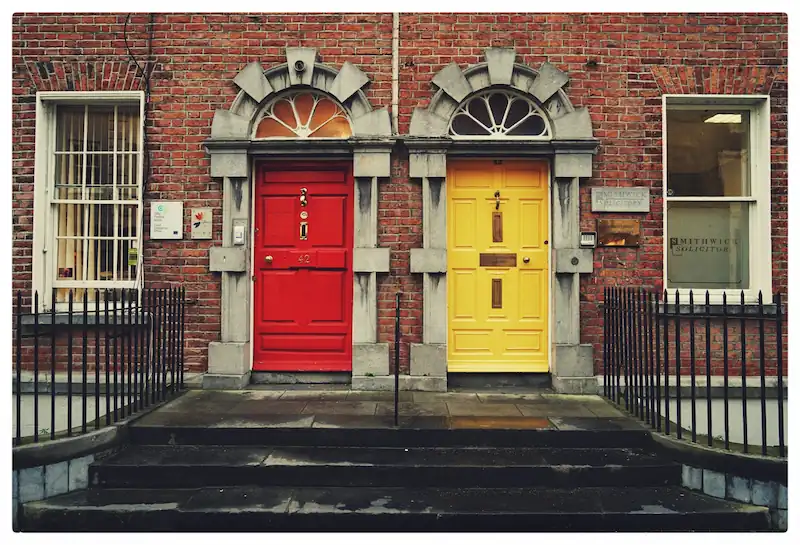
Where to stay in Dublin
Find the best neighborhoods and hotels in Dublin.
Open page →
Plan your trip to Dublin with a clear structure for where to stay, what to prioritize, and how to connect the city’s strongest experiences. Dublin is compact, sociable, literary, political, and coastal at the edges; its best trips balance Trinity College, Georgian streets, the Liffey, pub culture, museums, medieval layers, modern Docklands, parks, and Dublin Bay without letting Temple Bar define the whole stay.
Find the best neighborhoods and hotels in Dublin.
Open page →
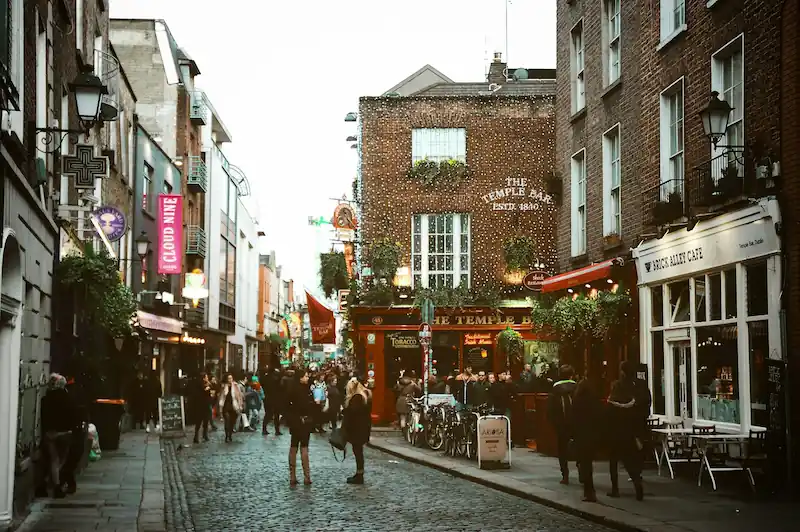
Prioritize the activities that deserve your time in Dublin.
Open page →
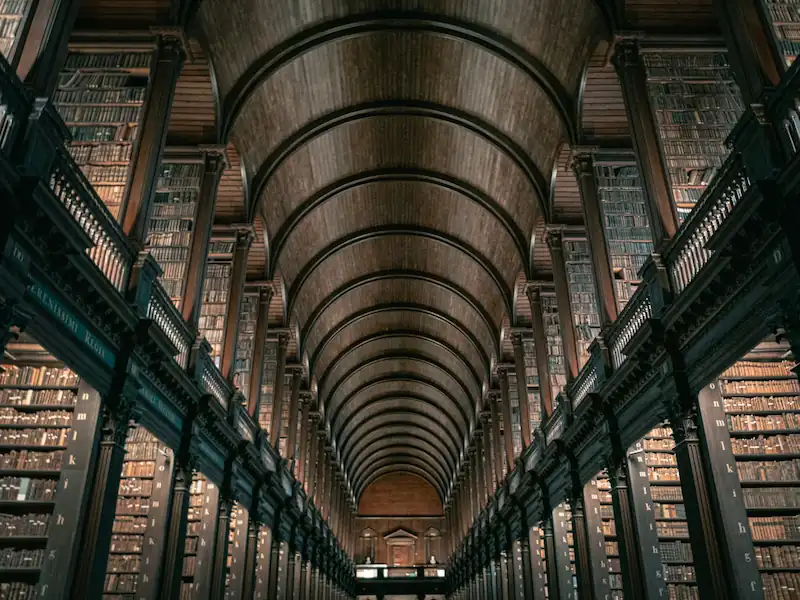
2 Days in Dublin Itinerary: Best First-Time Weekend Route
Open itinerary →
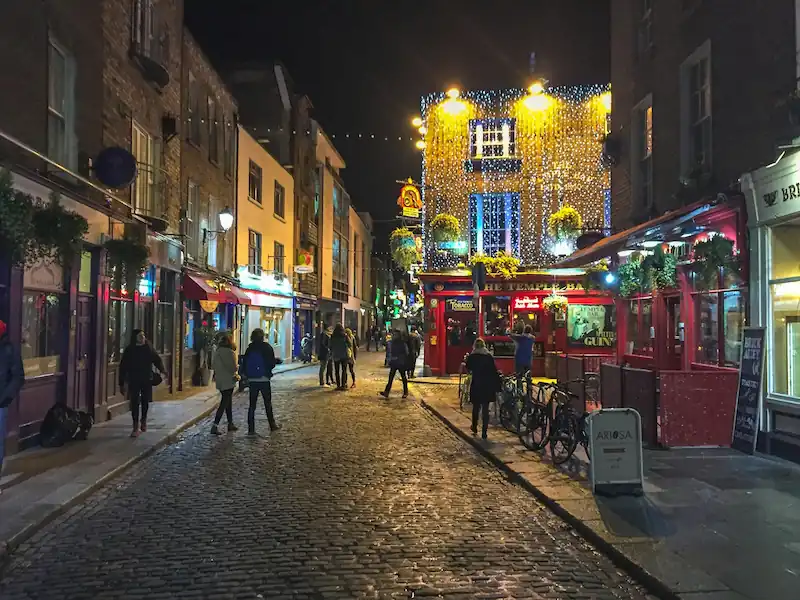
3 Days in Dublin Itinerary: Best First Visit with History & Pubs
Open itinerary →
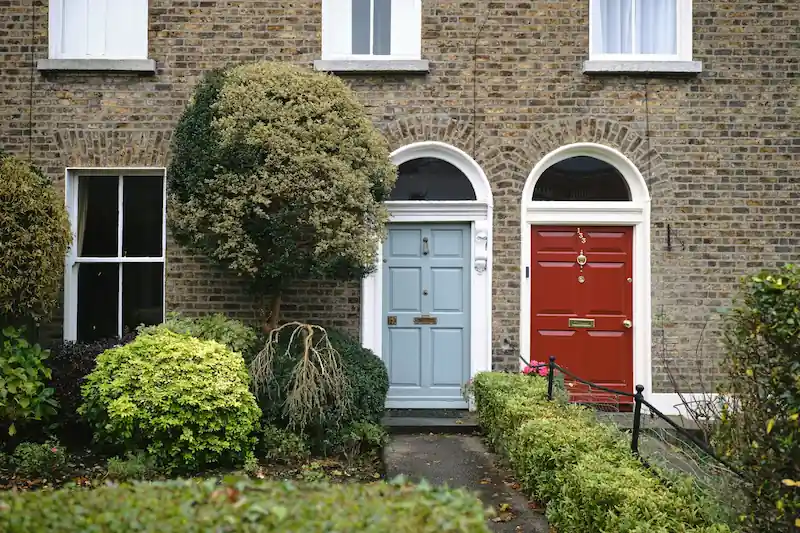
4 Days in Dublin Itinerary: Best Route with Howth & City Highlights
Open itinerary →
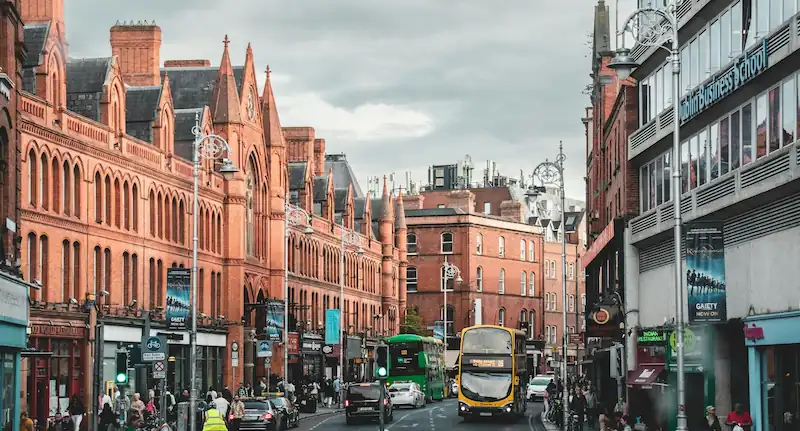
7 Days in Dublin Itinerary: A Complete Week in the City & Beyond
Open itinerary →
Dublin is a low-rise capital shaped by the River Liffey, Georgian squares, inner-city villages, political memory, literary culture, and easy coastal escapes. It works best as a walkable city of connected pockets: the south-side cultural core, the north-bank civic spine, the west-side history layer, canal neighborhoods, and the bay towns reached by DART.
Dublin is worth structuring a trip around because it gives Ireland an urban opening chapter: history is close, conversation is part of the texture, and the coast is never far from the city. Its appeal lies less in grand spectacle than in the way districts shift from college courtyards to Georgian squares, market streets, canal edges, political landmarks, and evening pub doors. In late afternoon, the low light catches brick façades, the Liffey opens the city laterally, and even short walks can make the capital feel legible.
Best time: May–September for daylight and atmosphere; April and October are calmer shoulder options.
Ideal trip length: 3 days is the best minimum for Dublin itself; 4–5 days lets you add the bay, a deeper museum layer, or Wicklow without rushing.
Dublin is one of Europe’s pricier short-break cities, with accommodation creating most of the pressure. Food and drink can be managed through cafés, bakeries, pubs, early dinners, and neighborhood restaurants, but central hotels rise sharply around weekends, rugby fixtures, concerts, St Patrick’s period, and summer demand. The best value usually comes from staying just outside the most obvious core while keeping walkability, Luas access, or DART access strong.
Dublin is organized around the River Liffey, with the historic core split between north and south banks and several inner neighborhoods forming their own social gravity. The south side holds Trinity College, Grafton Street, St Stephen’s Green, Georgian squares, and many first-time visitor landmarks. The north side adds O’Connell Street, the General Post Office, Smithfield, Stoneybatter, Parnell Square, and a more mixed civic grain. To the west, The Liberties, Kilmainham, and St James’s Gate carry some of the city’s strongest historical and industrial stories; to the east, the Docklands and Dublin Bay open the trip toward water, theatre, emigration history, and coast.
The Liffey gives Dublin its central axis, while the Grand Canal and Royal Canal frame the inner city and Dublin Bay opens the trip eastward toward coastal towns. The ground is mostly gentle, so walking is easy, but the city spreads laterally through Georgian streets, quays, shopping corridors, residential pockets, and western history sites. On clear days, the shift from brick streets to sea air — especially by DART toward Howth, Dún Laoghaire, Dalkey, or Killiney — is one of Dublin’s defining spatial changes.
Dublin changes through the day from institutional and museum-led in the morning to café, shopping, park, and gallery movement in the afternoon, then pub-led social density after work. The most compressed visitor energy appears in Temple Bar and around Grafton Street, while neighborhoods like Portobello, Ranelagh, Stoneybatter, and Smithfield hold a more local evening cadence. Rain often shifts the city indoors without breaking it: galleries, distilleries, bookshops, pubs, and compact museums are central to Dublin’s rhythm rather than fallback choices.
Think of Dublin as a city of layers: a historic civic core, a Georgian cultural belt, a pub-and-market social layer, a west-side independence-and-brewery story, and a coastal escape route. It rewards coherent loops over long monument runs. The city is not difficult to understand, but it becomes better when each district is allowed to keep its own pace.
Open the planner
Build the first day around the compact south-side core: Trinity College, Grafton Street, St Stephen’s Green, Georgian streets, and one major cultural stop. Use the Liffey as a planning divider, not a barrier: group north-bank sights such as the GPO, O’Connell Street, Smithfield, and Collins Barracks rather than drifting back and forth. Treat Guinness Storehouse, Kilmainham Gaol, and the Book of Kells as anchor bookings if they matter to your trip. Use Dublin Castle, Chester Beatty, Christ Church, St Patrick’s Cathedral, and Dublinia as a compact medieval-and-civic cluster rather than separate detours. Keep one evening loose for pub culture outside the most crowded parts of Temple Bar, where the city feels more conversational. Reserve one half-day for a neighborhood with local texture, such as Portobello, Smithfield, Stoneybatter, Ranelagh, or The Liberties. Add the coast only when you have enough time to give it breathing room; Howth, Dún Laoghaire, Dalkey, Sandycove, and Killiney work better as half-day escapes than rushed add-ons. For a longer stay, use Dublin as a gateway rather than a container: Wicklow, Belfast, the Boyne Valley, Galway, or the west can extend the trip’s logic beyond the capital.
Vibe: Central, walkable, polished, and immediately useful for first-time visitors.
Why go: This is the most efficient base for a first Dublin stay because Trinity College, Grafton Street, St Stephen’s Green, museums, shops, and many restaurants sit within short walking distance. It gives the city a clear opening sequence without forcing daily transport decisions.
Who it fits: First-timers, short stays, culture-focused travelers, shoppers, and anyone who wants maximum central convenience.
Not for: Travelers seeking quiet evenings, lower hotel prices, or a more residential Dublin mood.
Where to stay: Stay here for the easiest first trip, especially if you have two or three days and want to reduce planning friction.
Vibe: Lively, central, tourist-heavy, and strongest in short doses.
Why go: Temple Bar remains useful because it sits between major sights, galleries, restaurants, and nightlife, while the nearby Creative Quarter adds design shops, cafés, and smaller streets. The area is spatially convenient even when its most famous pub streets feel overexposed.
Who it fits: Nightlife seekers, first-time visitors who want central energy, and travelers who do not mind crowds.
Not for: Light sleepers, value-focused travelers, and anyone looking for a local residential atmosphere.
Where to stay: Stay here only if nightlife and centrality matter more than quiet, price, and subtlety.
Check the best hotels in Temple Bar and the Creative Quarter
Vibe: Elegant, composed, cultural, and slightly removed from the loudest central streets.
Why go: This area gives Dublin its Georgian identity, with museum access, garden squares, quiet façades, and a refined central rhythm. It is close enough to walk into the core but calmer in tone, especially around the side streets and park edges.
Who it fits: Couples, culture travelers, premium stays, museum visitors, and anyone who wants central Dublin without full pub-district intensity.
Not for: Travelers prioritizing budget accommodation or late-night doorstep energy.
Where to stay: Stay here for the best balance of centrality, comfort, and architectural character.
Check the best hotels in St Stephen’s Green and Georgian Dublin
Vibe: Local, creative, social, and less polished than the south-side core.
Why go: Smithfield and Stoneybatter offer a more lived-in Dublin with cafés, pubs, small restaurants, Jameson Bow St., Collins Barracks nearby, markets, and easy access to the north bank. The area suits travelers who want personality without giving up transport and walkable access to the center.
Who it fits: Return visitors, independent travelers, food-and-pub explorers, and travelers who prefer local texture over classic polish.
Not for: Visitors who want every major sight immediately outside the hotel door.
Where to stay: Stay here for a more contemporary and neighborhood-led Dublin base with strong value relative to the central south side.
Vibe: Residential, café-led, relaxed, and strong for slower evenings.
Why go: Portobello gives Dublin a softer, local rhythm along the canal, with restaurants, cafés, pubs, proximity to Camden Street, and walkable access toward the south-side center. It feels especially strong for travelers who want a neighborhood base rather than constant landmark proximity.
Who it fits: Couples, longer stays, food-focused travelers, and visitors who prefer calmer nights.
Not for: Travelers who want immediate access to airport transport, major museums, or the main shopping streets.
Where to stay: Stay here for a quieter, lived-in base that still keeps the city center within reach.
Vibe: Modern, spacious, business-oriented, and quieter after office hours.
Why go: The Docklands work well for modern hotels, conference stays, waterfront walks, EPIC, the Jeanie Johnston area, and the Bord Gáis Energy Theatre. It is less atmospheric than older Dublin but offers space, newer accommodation, riverfront movement, and a different view of the city’s expansion.
Who it fits: Business travelers, conference visitors, theatre-goers, modern-hotel seekers, and travelers who want quieter nights near the water.
Not for: First-time visitors who want the historic core and pub culture immediately around them.
Where to stay: Stay here for comfort, space, and modern infrastructure, while accepting a less classic Dublin setting.
Vibe: Historic, working-city, pubby, and increasingly useful for west-side sightseeing.
Why go: The Liberties and Kilmainham carry some of Dublin’s most important non-Georgian stories: St Patrick’s Cathedral, whiskey, Guinness, markets, old industrial streets, IMMA, and Kilmainham Gaol. It is not the smoothest first-time base, but it is a strategic area for travelers who want history, stronger value, and a less polished Dublin texture.
Who it fits: History-focused travelers, Guinness and whiskey visitors, repeat visitors, value-conscious stays, and travelers who do not need the prettiest doorstep.
Not for: First-timers who want immediate access to Trinity, Grafton Street, or the most elegant Georgian streets.
Where to stay: Stay here if west-side history, better value, and a more working Dublin atmosphere matter more than classic central polish.
The best things to do in Dublin work through contrast: civic history, literary interiors, pub culture, Georgian streets, west-side political memory, and the coast all sit close together. The city reveals itself best when experiences are sequenced by mood as much as by geography, with fixed bookings used sparingly and walking time protected.
Planning tip: Use timed attractions as anchors, then let walks, pubs, parks, museums, neighborhoods, and Dublin Bay fill the spaces between them.
Trinity College gives Dublin its strongest first cultural anchor: a historic campus, the Book of Kells, and a sense of the city’s academic and literary weight. The experience is compact but high-pressure, so it works best as a planned visit rather than a casual drop-in.
Tip: Go early or later in the day if available; the courtyard is also worth seeing outside the exhibition time.
Dublin Castle is less fortress spectacle than layered civic history, connecting medieval, colonial, administrative, and ceremonial Dublin. It helps ground the city before moving into surrounding streets, churches, and museums.
Tip: Pair it with Chester Beatty or Christ Church for a compact cultural cluster.
The Guinness Storehouse is a major visitor machine, but it also explains a genuine part of Dublin’s industrial and social identity. It is most rewarding for travelers who accept it as a produced experience rather than a hidden local secret.
Tip: Book a timed slot and place it near a west-side cluster rather than interrupting a south-side museum day.
Kilmainham Gaol is one of Dublin’s most powerful historical visits, especially for understanding Ireland’s independence story. Its impact comes from interpretation, architecture, and political context working together.
Tip: Tickets are limited and often sell out; treat it as a fixed anchor if it matters to you.
This walk explains Dublin’s Georgian layer better than any single stop. Parks, townhouses, museums, and quiet streets create a measured counterpoint to the pub-heavy center.
Tip: Use it as a slow transition between cultural visits rather than as a checklist sight.
Check guided tours →
The Liffey is not just a view; it is Dublin’s central organizer. Walking the quays helps connect the north and south sides, the older core, and the modern Docklands.
Tip: Use the river as an orientation reset whenever the inner streets start to feel fragmented.
Check guided tours →
Christ Church, St Patrick’s Cathedral, Dublinia, and the streets around Dublin Castle give the city a medieval layer that many visitors under-read. It is most useful as a compact cluster, not as isolated church visits.
Tip: Choose the cathedral or museum that best fits your route instead of forcing every medieval stop into one day.
The Docklands give Dublin a wider Irish story: emigration, famine memory, modern waterfront development, and the city’s eastward expansion. EPIC works best when paired with a river walk rather than treated as a sealed museum visit.
Tip: Use this as a rainy-day anchor, then walk back along the Liffey if the weather opens.
The National Gallery adds depth to a Dublin trip without demanding a full day. It pairs naturally with Merrion Square, Georgian streets, and the nearby museum district.
Tip: Choose a focused route through the collection rather than trying to absorb everything.
Check guided tours →
The Chester Beatty is one of Dublin’s most rewarding smaller museums, with manuscripts, prints, and global collections that broaden the city beyond Irish-only narratives. It also sits neatly beside Dublin Castle.
Tip: Use it as a high-value cultural stop when weather turns or when larger attractions feel too crowded.
Check guided tours →
Dublin’s literary identity is strongest when followed through streets, pubs, libraries, plaques, and bookshops rather than treated as a single museum stop. It gives texture to the city’s everyday language and social memory.
Tip: A guided literary walk can help if names and places matter more to you than casual browsing.
The GPO and O’Connell Street place modern Irish history directly inside the city’s main urban axis. The area is not always graceful, but it is essential to understanding Dublin’s civic memory.
Tip: Pair the area with a north-bank walk rather than treating it as a quick photo stop.
The National Museum adds substance when Dublin would otherwise feel dominated by pubs and headline attractions. Use Archaeology for ancient Ireland or Collins Barracks for decorative arts, design, military, and social history.
Tip: Choose one branch based on your interests rather than trying to turn free museums into a checklist.
Check guided tours →
Dublin’s literary identity becomes more concrete when you step into a library, writers’ museum, or interpreted space rather than only reading plaques. MoLI and Marsh’s Library give different versions of that depth: modern storytelling or historic atmosphere.
Tip: Pair one literary interior with a walk through St Stephen’s Green, Merrion Square, or the old city.
Glasnevin Cemetery and the National Botanic Gardens give Dublin a northside half-day with history, landscape, and breathing room. It is especially useful for repeat visitors or culture-focused travelers who want something substantial beyond the compact core.
Tip: Treat it as a deliberate northside block rather than a quick detour between central sights.
Stoneybatter gives Dublin a neighborhood evening outside the main visitor circuit, with pubs, casual restaurants, and a less performative social rhythm. It is one of the easiest ways to feel the city beyond its landmark layer.
Tip: Go before peak dinner time if you want a table without turning the evening into a reservation puzzle.
Check guided tours →
The Grand Canal brings a slower residential pace into a compact Dublin stay. It is a useful counterweight to the commercial and pub-heavy center.
Tip: Combine the canal with dinner in Portobello or a walk toward Camden Street.
Check guided tours →
Phoenix Park changes the scale of the trip, replacing narrow streets with open lawns, long paths, and city-edge quiet. It works best when the stay needs space rather than another indoor visit.
Tip: Renting a bike makes the park’s size easier to absorb.
Check guided tours →
Dublin’s coastal rail line turns the capital into a bay city, not just an inland weekend break. Howth is stronger for cliffs and harbor energy; Dún Laoghaire works well for promenade, sea air, and a gentler half-day.
Tip: Choose one coast stop well instead of trying to collect several in the same afternoon.
Check guided tours →
Poolbeg and North Bull Island show Dublin as a bay city with wind, horizon, birdlife, industrial edges, and open space. They are less polished than Howth or Dún Laoghaire, but that is exactly the point.
Tip: Go only when weather and daylight make the exposure enjoyable, not as a forced rainy-day walk.
Check guided tours →
Ranelagh and Rathmines are useful when you want dinner and drinks in a Dublin neighborhood that is not built around sightseeing. They help a longer stay feel more lived-in and less visitor-circuit driven.
Tip: Choose this kind of evening after a heavy cultural day, when a softer local rhythm is more valuable than another attraction.
Check guided tours →
Dublin’s better food experience usually starts once you move beyond the busiest visitor streets. Camden Street, Portobello, Stoneybatter, Ranelagh, and the south Georgian edge offer a broader, more contemporary city table.
Tip: Use Temple Bar for a drink or a walk, then eat in a district with stronger local demand.
Check food options →
A good pub meal can still be part of Dublin’s food scene when the kitchen is serious and the room has real local rhythm. The experience is less about nostalgia than timing, atmosphere, and choosing the right pub.
Tip: Look for pubs where the food menu is short and the room is busy before late-night drinking begins.
Check food options →
Dublin’s café and bakery scene is especially useful for pacing: it turns walking routes into softer intervals and makes residential districts more rewarding. Morning light through café windows often gives the city its gentler start.
Tip: Use cafés as neighborhood markers rather than defaulting to chain coffee near major attractions.
Check food options →
A good food or pub walk can reduce the risk of choosing the wrong streets and adds context to Dublin’s social rituals. It is most useful for first-timers who want interpretation rather than just a list of addresses.
Tip: Choose a small-group format focused on neighborhoods or history, not only drinking.
Whiskey is one of Dublin’s easiest food-and-drink anchors. Jameson Bow St. is central and polished; Teeling adds a Liberties angle and a more contemporary distillery frame.
Tip: Use a whiskey visit as an indoor bridge between sightseeing and dinner, not as the whole evening plan.
Seafood makes more sense when linked to the bay. Howth, Dún Laoghaire, Sandycove, or Dalkey can turn lunch into part of the day’s geography rather than another central restaurant choice.
Tip: Plan the meal around the walk, not the other way around; the best value is in the full coastal rhythm.
Check food options →
Markets, arcades, and food halls help Dublin feel less dependent on formal meals. They work well between Dublin Castle, the Creative Quarter, The Liberties, or neighborhood walks when the day needs a flexible pause.
Tip: Use these stops for lunch or browsing rather than forcing every food moment into a reservation.
Check food options →
Dublin is strongest when you protect the experiences that explain its social, historical, and spatial identity, then downgrade anything that only adds surface. The sound of footsteps across Georgian pavements, the shift across the Liffey, and the first glimpse of the bay often matter more than another rushed interior.
Dublin can work well with children because the center is compact, parks are close, short cultural visits can be balanced with open space, and the coast is easy by train. The main challenge is not distance but pacing: too many adult-facing interiors in one day can make the city feel heavier than it is. Rain changes plans quickly, so flexible indoor alternatives matter.
Dublin itineraries should protect the city’s social and historic core before expanding outward. Three days gives a strong city reading; five or seven days let the bay, Wicklow, or wider Ireland enter the frame.
Open the planner →
Dublin is easy to enter, easy to walk, and harder to price well than many visitors expect. The city rewards simple logistics: a coherent base, a few fixed bookings, weather-proof alternatives, and enough slack for pubs, neighborhoods, and coastal detours.
May to September is the strongest overall window for daylight, outdoor time, and coastal add-ons; April, September, and October are often better for balancing atmosphere with lower pressure.
Two nights can work for a compressed first look, but three full days is the minimum for a properly balanced Dublin trip; four or five days lets the bay or Wicklow enter without weakening the city core.
First-timers should prioritize Trinity, Grafton Street, St Stephen’s Green, or Georgian Dublin for walkability. Travelers who want more local texture can look toward Smithfield, Stoneybatter, Portobello, Ranelagh, or the Grand Canal. The Liberties and Kilmainham suit history-focused or value-conscious stays, while the Docklands fit business, theatre, and modern-hotel stays.
Dublin Airport is the main arrival point, with buses, coaches, taxis, and private transfers into the city. There is no direct metro or rail link from the airport, so arrival time depends on road conditions and where you are staying.
Most central sightseeing is best done on foot, supported by Luas trams, buses, DART coastal rail, taxis, and the Leap payment system. The DART is especially useful for Howth, Dún Laoghaire, Sandycove, Dalkey, Killiney, and other bay-side escapes; Luas helps with Smithfield, Heuston, Docklands, and some west-side movement.
Dublin is generally manageable for visitors, but central nightlife areas can become messy late at night and standard city awareness matters around busy streets, phones, and transport stops. Weather shifts quickly, so waterproof layers and practical shoes are more useful than formal packing.
The best time to visit Dublin depends less on heat than on daylight, rain tolerance, hotel prices, and how much outdoor movement you want. Late spring through early autumn gives the strongest city rhythm, with longer evenings, livelier terraces, and easier coastal trips. Winter can still work because pubs, museums, and restaurants carry the city well, but short daylight compresses sightseeing. Shoulder months are often the smartest compromise for travelers who want atmosphere without peak-season pressure.
March to May brings lengthening days, changeable weather, and a city that starts to open outdoors. St Patrick’s period is festive but crowded and expensive; late April and May are usually more balanced.
June to August offers the longest daylight and the best conditions for coast, parks, and evening walks. It is also the highest-pressure period for hotels, central crowds, and major attractions.
September and October keep strong cultural energy with softer light, fewer peak-season crowds, and better walking conditions than winter. Rain remains part of the rhythm, but the city feels more manageable.
November to February is darker and wetter, but Dublin’s museums, pubs, theatres, and restaurants still function well. It suits travelers who prioritize interiors and atmosphere over long outdoor days.
Dublin is straightforward to visit, but the quality of a trip changes quickly depending on where you stay, how many fixed bookings you make, how you handle weather, and whether you leave space for neighborhoods and the coast.
Three days is the best minimum for Dublin itself. It gives enough time for Trinity College, Georgian Dublin, the Liffey, one or two major cultural sites, pub culture, and at least one neighborhood beyond the busiest core. Four or five days lets you add the coast, Phoenix Park, Glasnevin, or Wicklow without rushing.
Two days can work for a compact first look, but it requires choices. Prioritize Trinity and the Book of Kells, Georgian Dublin, Dublin Castle or Chester Beatty, one serious history anchor, and one evening pub or restaurant plan. Save the coast, Phoenix Park, and most day trips for a longer stay.
Trinity, Grafton Street, St Stephen’s Green, and Georgian Dublin are the strongest first-time bases because they keep the main sights, museums, shopping streets, parks, and restaurants within easy walking distance. They also reduce the need to understand transport on arrival.
Temple Bar is very central and lively, but it is also crowded, expensive, and noisy. It works for nightlife-focused travelers, but most visitors get a better balance by staying nearby rather than directly inside the busiest pub streets.
Smithfield, Stoneybatter, Portobello, the Grand Canal, Ranelagh, Rathmines, and parts of The Liberties give a more local rhythm than the most obvious visitor core. They work best for longer stays, repeat visitors, food-focused travelers, and people comfortable walking or using Luas and buses.
Yes, especially for accommodation. Hotels can be costly on weekends, during summer, and around major events, while food and drink vary depending on whether you stay in the most tourist-heavy areas or use neighborhood restaurants, cafés, markets, and pubs.
Yes. Central Dublin is highly walkable, and Luas, buses, DART, taxis, airport coaches, and Leap payments cover most visitor needs. A car is usually more useful after leaving Dublin than inside the city.
May to September is the strongest overall period for daylight, atmosphere, and coastal trips. April, September, and October are often the best compromise for fewer crowds, softer prices, and enough daylight for walking.
First-time visitors should prioritize Trinity College and the Book of Kells, Georgian Dublin, the Liffey, one major historical experience such as Kilmainham Gaol, the GPO, or Dublin Castle, and one carefully chosen pub or live-music evening. Guinness is worth adding if the brand and skyline finish appeal.
The Guinness Storehouse is worth it if you want a polished, iconic Dublin visitor experience with a strong sense of brand history and a city view. It is less compelling if you prefer small museums, understated local experiences, or serious political history.
Book Kilmainham Gaol and the Book of Kells first if they matter to you. Guinness Storehouse, Jameson, Teeling, food tours, literary walks, and major day trips are also better reserved in busy periods. Free museums, Georgian walks, parks, and most neighborhood time can stay flexible.
The best free choices include Georgian Dublin, St Stephen’s Green, Merrion Square, the National Gallery, National Museum branches, Liffey walks, Phoenix Park, George’s Street Arcade browsing, and selected coastal walks such as Sandymount, Poolbeg, or parts of Dublin Bay.
Use rain as a reason to lean into Dublin’s indoor strengths: Book of Kells, Chester Beatty, National Gallery, National Museum, EPIC, Guinness, Jameson, Teeling, MoLI, Marsh’s Library, pubs, cafés, and theatre. Keep one indoor block flexible each day.
Dublin can work well for families if days are not overloaded with adult-facing interiors. Phoenix Park, Dublinia, Dublin Zoo, St Stephen’s Green, Merrion Square, EPIC, the National Gallery, early pub meals, and DART trips to the coast help balance the pace.
Yes, especially if you stay around St Stephen’s Green, Georgian Dublin, Portobello, the Grand Canal, or a quieter central hotel. The best couple-friendly rhythm mixes museums, café stops, Georgian walks, a strong restaurant reservation, and one coastal half-day.
Dublin is a strong solo city because the center is walkable, pubs can be social without requiring a large group, and museums, cafés, literary walks, food tours, and DART trips are easy to do independently. Staying central or in a well-connected neighborhood keeps evenings simpler.
A day trip makes sense if you have at least four or five days. Howth and Dún Laoghaire are easy half-day coastal options; Wicklow, the Boyne Valley, Belfast, and the Cliffs of Moher require more deliberate full-day planning.
Howth is the strongest choice for cliffs, harbour atmosphere, and seafood. Dún Laoghaire, Sandycove, Dalkey, and Killiney are better if you want a gentler promenade, village feel, sea swimming culture, or south-bay scenery.
Yes, the central visitor core is very walkable, especially around Trinity, Grafton Street, Dublin Castle, Temple Bar, the Liffey, and Georgian Dublin. The main planning risk is not distance but backtracking, so group sights by area.
Avoid making Temple Bar your entire night, overloading days with ticketed interiors, underestimating hotel prices, leaving key bookings too late, and treating the coast as a quick photo stop. Dublin works best with fewer anchors and more coherent movement.
For a first trip, prioritize Chester Beatty, the National Gallery, EPIC, Kilmainham Gaol, the Book of Kells Experience, and one National Museum branch. MoLI, Marsh’s Library, Hugh Lane, and the Little Museum of Dublin are strong additions for specific interests.
Dublin works well as both. As a city break, it needs three focused days. As part of a wider Ireland trip, it is best treated as the urban opening chapter before moving toward Wicklow, Galway, Cork, Belfast, or the west coast.
Plan Dublin as a compact but layered capital: protect the core, add local districts, and let the bay or wider Ireland expand the trip only when you have enough time.
Find the best places to stay, how to get there, and move around with ease.
Build a smarter trip base
Once you understand how Dublin works and what matters most for your trip, the next step is turning that direction into a real itinerary. Use the planner to organize your days around the right areas, experiences, and rhythm so the trip feels clear before you go.