Best things to do in Dublin, from icons to coastal escapes
Discover the best things to do in Dublin, from iconic landmarks and high-demand museums to food-led experiences, live music, parks, literary streets, family-friendly stops, coastal walks and day trips. The strongest Dublin plans balance a few booked anchors — especially Kilmainham Gaol, the Book of Kells and major visitor experiences — with looser time for Georgian squares, the Liffey, pubs, galleries, markets, Docklands, Phoenix Park and Dublin Bay. This guide is designed to help you choose what is genuinely worth doing, what to book ahead, what to skip when time is short, and how to build days that feel like Dublin rather than a checklist.
Best time
Late spring to early autumn gives the easiest balance of long daylight, outdoor walking, coastal time, festivals and evening energy, while winter and shoulder-season trips work well if you lean into museums, pubs, galleries and timed indoor experiences.
Ideal trip length
Two full days cover the essential Dublin experience; three days let you add Kilmainham Gaol, Docklands or Phoenix Park properly, while four days make space for Howth, Dún Laoghaire, Wicklow or another day trip.
Continue planning your Dublin trip
Use the Dublin city guide for the wider structure of the city, then connect this activity plan with where to stay and itinerary pages so your days feel deliberate rather than overfilled.
What to do in Dublin first
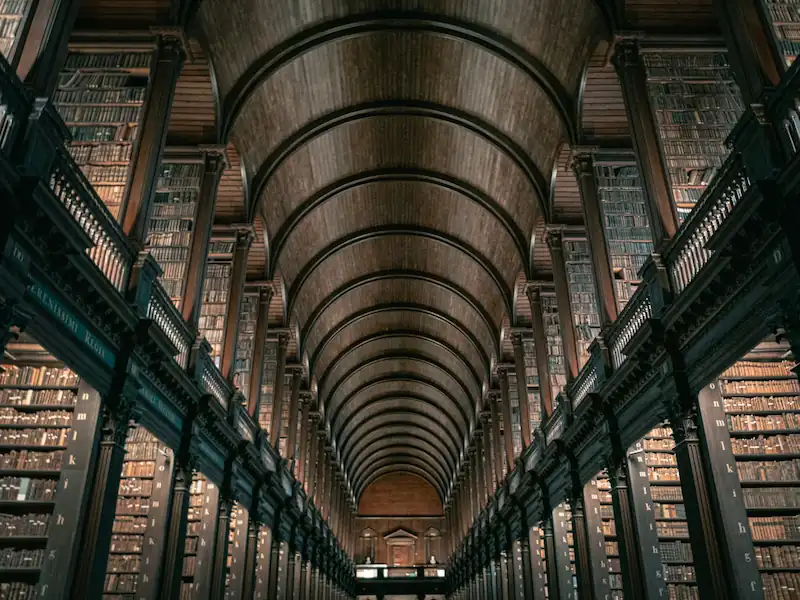
See the Book of Kells and Trinity’s Old Library – Area: Trinity / College Green · Best for: Dublin’s most atmospheric first cultural stop · Time needed: 1–1.5 hours · Worth it: High payoff if you like manuscripts, libraries, university courtyards and a sense of scholarly theatre. · Book ahead: Yes — timed entry is sensible, especially in peak season.
Tour Kilmainham Gaol – Area: Kilmainham · Best for: Irish history with real emotional weight · Time needed: 1.5–2 hours plus travel · Worth it: One of Dublin’s strongest experiences because the place itself makes modern Irish history tangible. · Book ahead: Yes — limited guided-tour capacity makes this one of the least flexible activities.
Visit the Guinness Storehouse – Area: The Liberties · Best for: A polished, easy-to-understand Dublin icon · Time needed: 1.5–2 hours · Worth it: Touristic, but well executed, weather-proof and useful for first-time visitors who want the classic Dublin brand experience. · Book ahead: Recommended, especially weekends and late-afternoon slots.
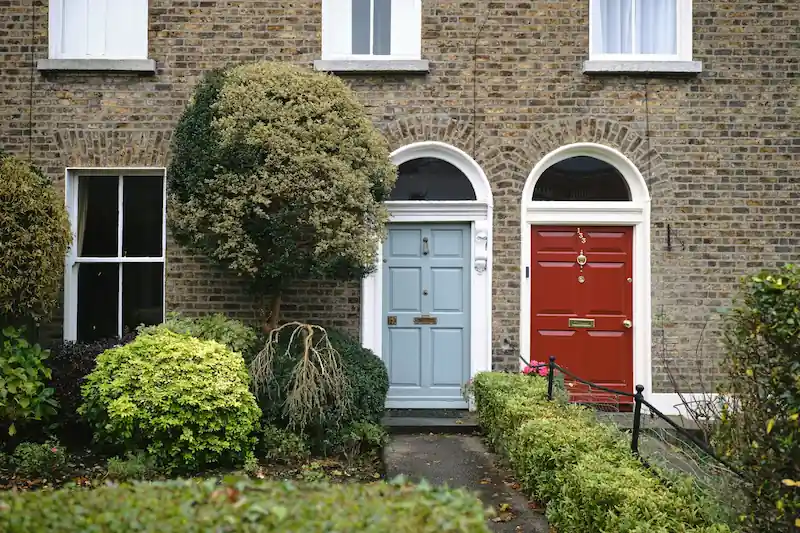
Walk Georgian Dublin from Merrion Square to St Stephen’s Green – Area: South Georgian Quarter · Best for: Architecture, calm streets and classic Dublin texture · Time needed: 45–90 minutes · Worth it: Essential for understanding Dublin beyond pubs and ticketed sights; it is also one of the best free things to do in the city. · Book ahead: No.
Explore Dublin Castle and Chester Beatty together – Area: Dublin Castle / Dame Street · Best for: A compact culture pairing in the city core · Time needed: 1.5–2.5 hours · Worth it: Very efficient if you want history, manuscripts, gardens and a superb museum without crossing the city. · Book ahead: Only for guided castle tours.
Choose one medieval Dublin stop: St Patrick’s, Christ Church or Dublinia – Area: Medieval core / Liberties · Best for: Cathedrals, Viking-medieval context and family-friendly history · Time needed: 1–2.5 hours · Worth it: Worth doing if you choose deliberately rather than rushing every church and museum in the same block. · Book ahead: Usually no, though timed tickets can help in busy periods.
Visit EPIC and the Docklands – Area: Docklands · Best for: Rainy-day storytelling, migration history and a modern side of Dublin · Time needed: 1.5–3 hours with riverfront walking · Worth it: Strong if you want interactive presentation, diaspora context and a change from the historic centre. · Book ahead: Helpful but not always essential.
Walk or cycle Phoenix Park – Area: West Dublin · Best for: Green space, families, deer spotting, cycling and breathing room · Time needed: 1.5–3 hours · Worth it: Best when you need scale and open air after dense central sightseeing; not worth squeezing into a ten-minute detour. · Book ahead: No, unless adding Dublin Zoo or a specific guided activity.
Take a coastal trip to Howth – Area: Dublin Bay · Best for: Cliffs, harbour, seafood and a city break within the trip · Time needed: Half day · Worth it: One of the easiest ways to expand Dublin without committing to a full excursion. · Book ahead: No for independent travel; yes for guided hikes, boat trips or food tours.
Use Dún Laoghaire, Sandycove or Dalkey for a gentler coast day – Area: South Dublin Bay · Best for: Pier walks, sea swimming culture, literary traces and village browsing · Time needed: Half day · Worth it: Excellent when you want coastal air without the full Howth cliff-walk commitment. · Book ahead: No for independent travel.
Listen to live music in a serious pub – Area: City centre / Smithfield / Liberties / northside · Best for: Nightlife with more substance than bar-hopping · Time needed: 1–3 hours · Worth it: A defining Dublin experience when the room is chosen carefully and you stay long enough for the session to build. · Book ahead: Usually no; arrive early for popular rooms.
Add a food, whiskey or literary walking tour if you want guided context – Area: City centre / Smithfield / Docklands · Best for: Fast orientation, solo travellers and short stays · Time needed: 2–3 hours · Worth it: Worth it when the guide adds context you would not get from moving independently between sights. · Book ahead: Yes for small-group tours and popular time slots.
How to choose what is worth doing in Dublin
Dublin is not a city where every attraction has the same weight. The best plan gives advance-booked priority to a few high-demand sights, then leaves space for walks, pubs, small museums, parks, markets, literary traces and the coast. The mistake is trying to turn Dublin into a pure checklist city. Its best rhythm often comes from moving between compact cultural stops and low-pressure local texture: a timed museum, a Georgian walk, a river crossing, a market lunch, a pub session, then sea air on the edge of the capital.
Book Kilmainham Gaol and the Book of Kells first if they matter to you; they are the least flexible major experiences.
Treat Guinness, Jameson and whiskey experiences as polished visitor activities, not substitutes for pubs, food culture or local neighbourhoods.
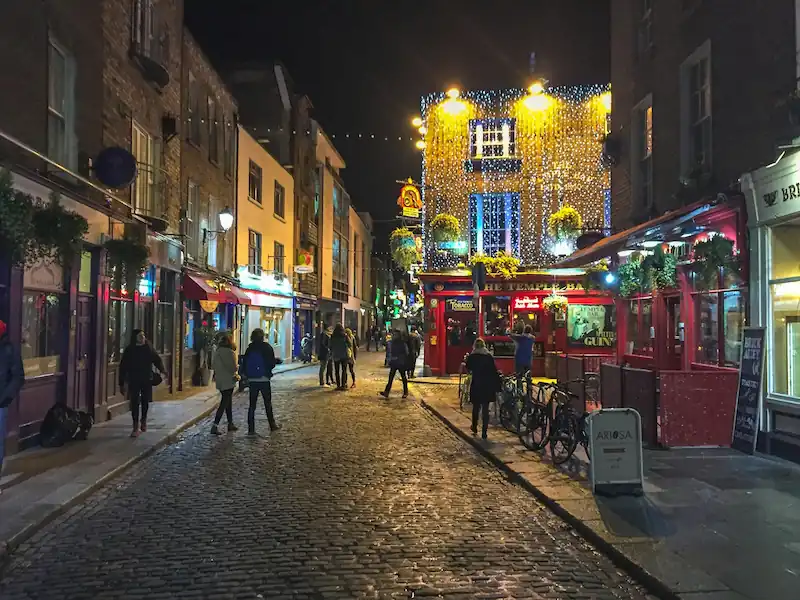
Use Temple Bar as a short atmosphere stop, not as your only definition of Dublin nightlife.
Pair nearby sights instead of crossing the city repeatedly: Trinity with Grafton Street and the National Gallery, Dublin Castle with Chester Beatty and Christ Church, Guinness with the Liberties, EPIC with the Docklands and Jeanie Johnston.
Keep at least one weather-proof block in reserve; Dublin rewards museum swaps when rain cuts into walking time.
Do not overlook the coast: Howth, Dún Laoghaire, Sandymount, North Bull Island, Dalkey and Poolbeg add space and sea air without leaving the Dublin rhythm.
Save guided tours for history-heavy, logistics-heavy, literary, pub-music or food-led experiences; many central walks are better done independently.
Cut aggressively when time is short. A focused Dublin day with three good choices is stronger than a day spent queueing, transferring and half-seeing everything.
Iconic Dublin attractions that deserve a decision
Dublin’s headline sights are not interchangeable. Some are genuinely essential, some are polished tourist rituals, and some work best only when paired with nearby streets, churches, museums or pubs. Choose the few that match your trip rather than moving from queue to queue, and remember that Dublin’s most iconic experiences include political memory, literature, civic spaces and coastal geography as much as branded attractions.
Start with Trinity College and the Book of Kells – This is Dublin’s classic first cultural landmark: manuscript, university courtyard and old-library atmosphere in one stop. It is busiest when treated as a casual walk-in, so timed entry helps protect the experience. Pair it with College Green, Grafton Street, the National Gallery or a Georgian walk rather than making it a standalone detour. (First-time essential · Best for: First-time visitors, culture-focused short stays and anyone wanting a strong first Dublin anchor)Find tours & experiences
Treat Kilmainham Gaol as a major, pre-planned stop – Kilmainham Gaol is one of Dublin’s most powerful experiences because it makes Irish political history physical: corridors, cells, courtyards and silence do more than a plaque can. It sits west of the centre, so build time around it rather than squeezing it between central sights. The guided format is part of the value. (High payoff · Best for: Irish history, serious context and repeat visitors who want depth)
Do the Guinness Storehouse with clear expectations – The Guinness Storehouse is commercial, busy and undeniably effective. It works best as a polished brand experience rather than a deep brewery tour, with the Gravity Bar giving the visit its skyline finish. Go if you want the Dublin icon; skip it if you prefer smaller, less produced experiences. (Worth it · Best for: First trips, groups and an easy rainy-day anchor)Find tours & experiences
Use Dublin Castle as a compact history hinge – Dublin Castle is not a single dramatic castle moment; it is a layered civic site that works best when you understand its role in power, administration and ceremony. The courtyards and interiors make most sense with context. Its real strength is location: it pairs naturally with Chester Beatty, Christ Church and the lanes around Dame Street. (Best for: Central sightseeing without wasting movement)Find tours & experiences
Visit St Patrick’s Cathedral or Christ Church with purpose – Dublin’s medieval churches are most rewarding when you choose one well rather than rushing both. St Patrick’s gives scale, Swift associations and a strong cathedral setting; Christ Church connects tightly to medieval Dublin and Dublinia. Pick based on your route and interests, not because both appear on every list. (Best for: Medieval Dublin, architecture and compact culture blocks)Find tours & experiences
Add Dublinia if you want Viking and medieval Dublin made accessible – Dublinia is especially useful for families, school-age children and visitors who want medieval Dublin explained in a more visual, hands-on way. It works best beside Christ Church rather than as a remote museum choice. Adults who prefer quieter depth may prioritise Chester Beatty or the National Museum instead. (Family-friendly · Best for: Families, school-age children and Viking-medieval context)Find tours & experiences
Read the city through the GPO Museum and O’Connell Street – The GPO is one of the most important symbolic buildings in modern Irish history, and the museum gives visitors a more focused route into the 1916 Rising than a casual walk along O’Connell Street. It is a strong northside counterweight to the usual southside visitor loop and pairs naturally with the Liffey, the Spire, Moore Street or a wider political-history walk. (Best for: Modern Irish history and northside orientation)Find tours & experiences
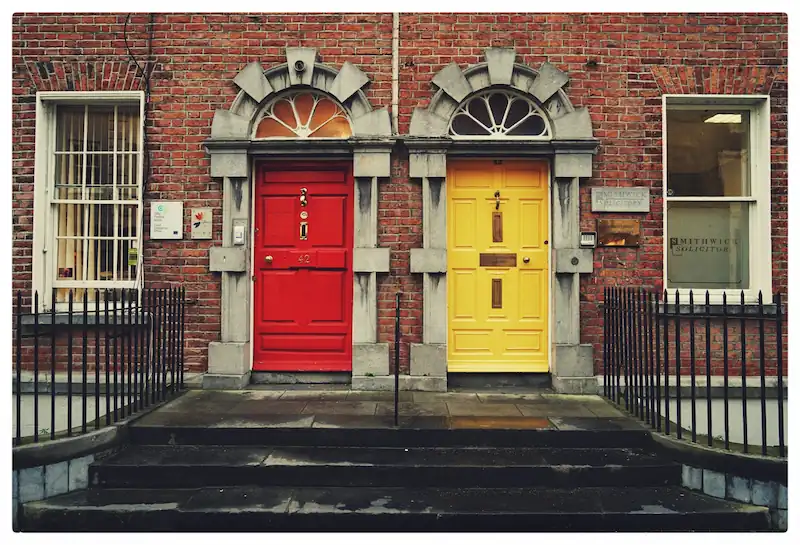
Walk the Georgian squares rather than just photographing doors – Merrion Square, Fitzwilliam Square and St Stephen’s Green show a quieter, more composed Dublin. The experience is about proportion, brick, railings, trees and the soft shift from commercial streets into residential elegance. It is free, flexible and especially useful when you need a break from ticketed attractions. (Best for: Architecture, low-pressure walking and free sightseeing)
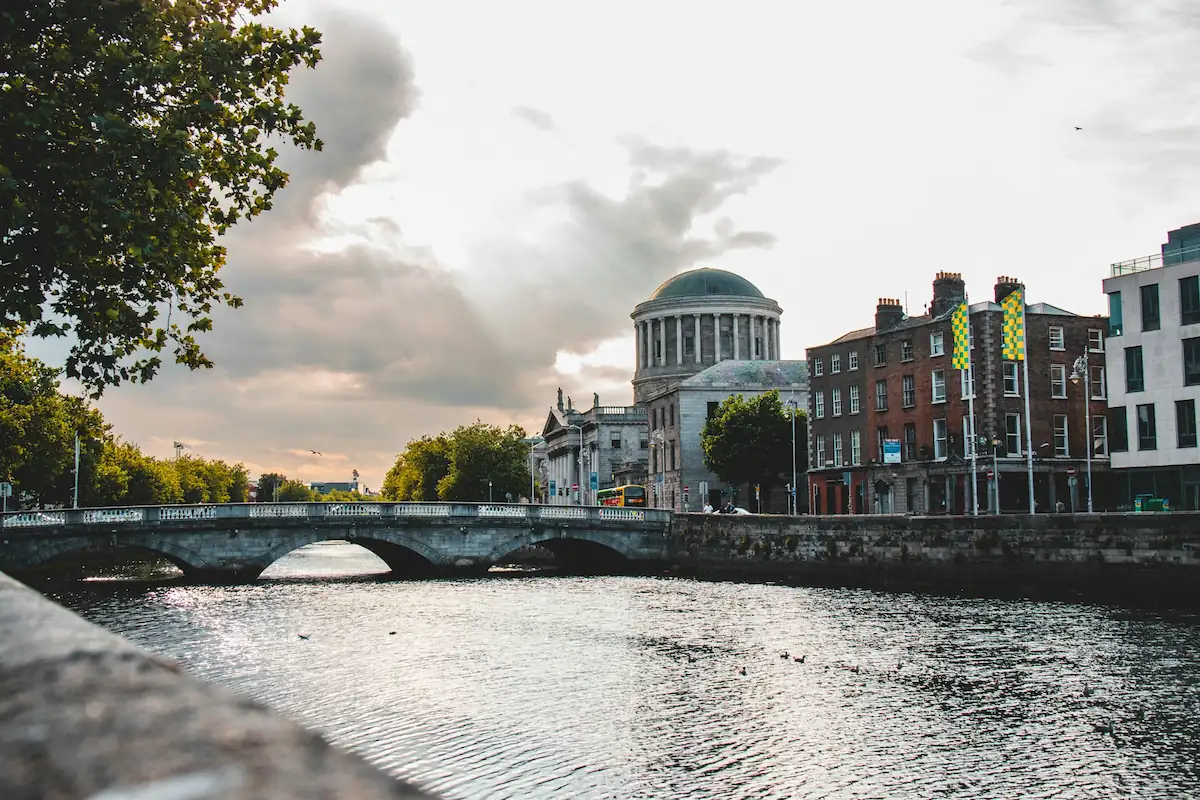
Cross the Ha’penny Bridge and read the Liffey as orientation – The River Liffey is a simple way to understand Dublin’s central geography. Crossing between the north and south sides gives the city more shape than a map alone, especially around the Ha’penny Bridge, O’Connell Bridge and the quays. Do it as part of a wider walk, not as a destination by itself. (Best for: Orientation, photography and short walks between sights)
Include Croke Park if sport and Irish identity matter – Croke Park is not just a stadium; it is tied to Gaelic games, community identity and modern Irish cultural life. A stadium tour or museum visit is most rewarding for travellers who want to understand Ireland through sport rather than another conventional museum. It is less central than the classic loop, so choose it deliberately. (Best for: Sport, Gaelic games and a different cultural lens)Find tours & experiences
Cultural things to do in Dublin with real depth
Dublin’s cultural strength sits in literature, migration, politics, art, archaeology, performance and small collections rather than in spectacle alone. The best stops are compact but dense, often giving more value in ninety minutes than a full day of unfocused sightseeing. On a grey afternoon, these rooms can become the strongest part of the trip.
Go to Chester Beatty for a world-class museum without the crowds – Chester Beatty is one of Dublin’s most efficient cultural experiences: manuscripts, prints, religious texts and global collections in a calm setting beside Dublin Castle. It is especially useful when you want depth without a long museum commitment. The building also gives a quiet reset from the surrounding streets. (High payoff · Best for: Art, manuscripts, rainy days and short culture windows)
Use the National Gallery of Ireland as a serious but manageable art stop – The National Gallery is strong because it can be visited selectively. You do not need to treat it as a marathon; choose Irish art, European highlights, or a focused hour before returning to Merrion Square. Its location makes it one of the easiest quality additions to a central Dublin day. (Best for: Art lovers, free culture and weather-proof planning)
Add the National Museum of Ireland for archaeology or Collins Barracks – The National Museum helps answer a different Dublin question: what Ireland was before and beyond the visitor icons. Kildare Street is useful for archaeology and ancient objects near the Georgian core; Collins Barracks gives decorative arts, design, military and social history beside the Liffey. Both work well as free, weather-proof choices. (Free museum · Best for: Archaeology, design, military history and serious free culture)
Visit EPIC for the Irish emigration story – EPIC is polished, interactive and more modern in tone than Dublin’s older museums. It works well for travellers who want to understand Ireland through movement, diaspora, identity and memory. Its Docklands location also helps expand the trip east of the historic core. (Best for: Families, rainy days and diaspora context)Find tours & experiences
Board the Jeanie Johnston for famine and migration context – The Jeanie Johnston gives a ship-level, human-scale counterpoint to the bigger EPIC narrative nearby. It is strongest when paired with the famine memorial, the quays and Docklands, because the geography helps the history land. Use it when you want migration history to feel less abstract. (Best for: Irish famine history, families and Docklands context)Find tours & experiences
Add the Little Museum of Dublin for city personality – The Little Museum of Dublin is best when you want a sharp, human-scale introduction to the city’s recent story. It is not a vast institution; its value comes from curation, objects and narrative pace. It fits neatly beside St Stephen’s Green and Grafton Street. (Best for: Quick insight, storytelling and first-day orientation)
Use MoLI and Marsh’s Library for a more tangible literary Dublin – Dublin’s literary identity can become abstract if you only chase famous names. MoLI gives a modern, museum-led route into Irish writing, while Marsh’s Library offers older-room atmosphere near St Patrick’s Cathedral. Together with plaques, squares, pubs and walking routes, they make literary Dublin physical rather than just a list of authors. (Best for: Literary travellers, Joyce context and quiet interiors)Find tours & experiences
Follow a literary or political walking tour if you want the city explained on foot – Dublin’s streets carry more meaning when someone connects buildings, writers, rebellions, pubs and social history in real time. A good walking tour can be more valuable than another indoor stop, especially early in the trip. Choose a focused theme — literary, 1916, pubs, architecture or food — rather than a generic overview if you already know the basics. (Best for: First-day context, solo travellers and culture-first trips)Find tours & experiences
Visit the Hugh Lane Gallery for art and Francis Bacon’s studio – The Hugh Lane Gallery is an excellent northside cultural stop when you want modern and contemporary art without the scale of a larger museum. Its most distinctive draw is the reconstructed Francis Bacon studio, which gives the visit a strong sense of place and personality. Pair it with Parnell Square, the Garden of Remembrance or a northside walk. (Best for: Modern art, Francis Bacon and northside culture)
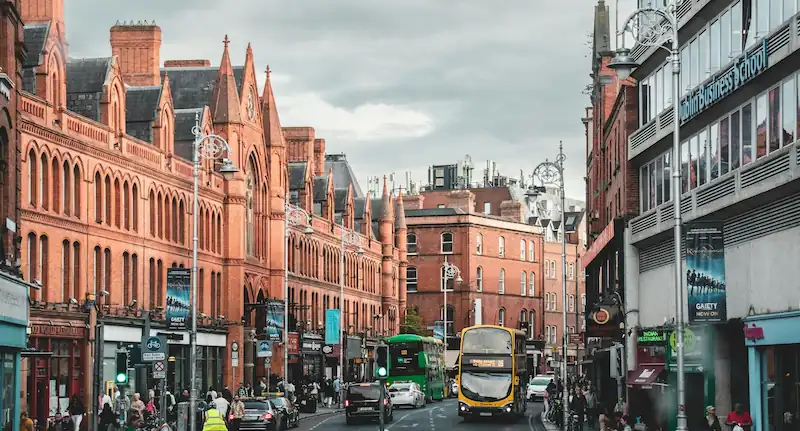
See a performance if you want Dublin’s culture after museum hours – Dublin’s theatre, comedy, spoken word, cinema and live performance scenes are a better evening alternative than defaulting to another pub. The Abbey, Gate, Olympia, Gaiety, Bord Gáis Energy Theatre and Irish Film Institute each shift the night in a different direction. Book ahead for major shows and use smaller venues for a more local feel. (Best at night · Best for: Theatre, comedy, film and culture-led evenings)Find tours & experiences
Local experiences and lower-pressure Dublin moments
The best local-feeling activities in Dublin are often not secret; they are simply less performative. Markets, parks, sea walks, neighbourhood pubs, canals, village streets and weekday rhythms give the city more texture than another attraction queue. These are the choices that keep a Dublin stay from feeling over-scheduled.
Walk Phoenix Park with time rather than treating it as a quick stop – Phoenix Park is too large to understand in ten minutes. Give it enough time for open lawns, tree-lined roads, deer sightings and the slow change in scale after the city centre. It works especially well for families, walkers, cyclists and anyone who needs space between indoor sights. (Best for: Green space, families, cycling and decompression)
Use the National Botanic Gardens for a calm northside reset – The National Botanic Gardens are a strong free choice when you want greenery, glasshouses and quiet without committing to Phoenix Park’s scale. They pair well with Glasnevin Cemetery for a half-day northside plan that is both peaceful and historically meaningful. (Free and calm · Best for: Gardens, slow travel, repeat visitors and quiet mornings)
Pair Glasnevin Cemetery with the Botanic Gardens for history and atmosphere – Glasnevin Cemetery is one of Dublin’s most atmospheric history stops, especially if you want to understand political, cultural and social memory through people rather than objects. It is more powerful with a tour and more balanced when followed by the Botanic Gardens next door. (High payoff · Best for: Irish history, guided tours and repeat visitors)Find tours & experiences
Take the DART to Howth for cliffs, harbour and seafood – Howth is the easiest coastal escape that still feels connected to Dublin. The harbour gives a gentle version; the cliff walk gives a more elemental one, with wind, gulls and open water changing the tone of the trip. Choose it when you have a half day and want more than central sightseeing. (High payoff · Best for: Coastal walks, seafood and a half-day reset)Find tours & experiences
Choose Dún Laoghaire, Sandycove and Dalkey for a softer coastal rhythm – South Dublin Bay is ideal if you want a pier walk, sea swimming culture, village streets, cafés and literary traces without the harder cliff-walk feel of Howth. Dún Laoghaire works for an easy outing; Sandycove and the Forty Foot add swimming culture; Dalkey brings a more affluent village atmosphere. (Best for: Pier walks, sea air, cafés and easy DART travel)
Walk the Poolbeg Lighthouse route if you want a different city edge – The Poolbeg walk shows a more exposed, industrial, maritime side of Dublin. It is not a classic old-town stroll; its power comes from the long red wall, wind, water and city skyline at a distance. Go in decent weather and treat it as a deliberate outdoor block. (Best for: Photography, fresh air and a non-obvious Dublin perspective)
Use North Bull Island and Dollymount for wildlife, beach and big-sky walking – North Bull Island is one of Dublin’s best underused outdoor ideas for visitors who want beach, birds, dunes and open space without leaving the city region. It works best in dry weather and with realistic transport planning. Pair it with Clontarf or St Anne’s Park if you want a fuller north-coast outing. (Best for: Birdwatching, beach walks, families and repeat visitors)
Browse George’s Street Arcade and the Creative Quarter – This is a useful antidote to high-street shopping. The arcade and surrounding lanes bring small food stops, design shops, vintage finds, cafés and a more everyday central rhythm. It is best as a flexible wander between Dublin Castle, Grafton Street and evening plans. (Best for: Independent shops, casual browsing and short gaps between sights)
Walk the Grand Canal or Portobello when you need a neighbourhood pause – Portobello and the Grand Canal give a slower, residential version of Dublin that contrasts with the busiest visitor streets. This is not a major attraction block; it is useful for cafés, waterside walking, dinner plans and a softer late-afternoon transition before nightlife. (Best for: Neighbourhood texture, cafés and repeat visitors)
Choose a proper live-music pub outside the loudest tourist strip – Live music is one of Dublin’s strongest evening experiences, but the setting matters. Look for places where the music leads the room rather than competing with stag groups and photo stops. Arrive early, stay for a full set and resist the urge to pub-hop too aggressively. (Best in the evening · Best for: Nightlife with atmosphere and substance)
Use markets and food halls as flexible trip glue – Dublin’s markets and food halls are useful because they solve small moments: a light lunch, a rainy pause, a casual group stop or an alternative to another sit-down restaurant. They are not all open every day, so check timing, but they help make a Dublin plan feel less rigid. (Best for: Casual food, shopping, families and flexible pacing)
Food and drink experiences worth building into the trip
Dublin’s food and drink scene is strongest when you move beyond the idea of one symbolic pub meal. The best plan mixes markets, bakeries, seafood, modern Irish cooking, whiskey, craft beer, tea rooms, cafés and a carefully chosen pub. Food becomes a way to pace the city rather than a separate category of sightseeing.
Book a Dublin food tour if you want fast orientation – A good food tour helps you avoid random choices and gives context around Irish produce, baking, seafood, whiskey, pubs and newer restaurants. It is most useful early in the trip because it changes how you eat afterward. Choose a small-group format over a generic crawl. (High payoff · Best for: First-timers, short stays and food-led travellers)Find tours & experiences
Visit Jameson Bow St. for a polished whiskey stop – Jameson Bow St. is structured, central and easy to fit into a Smithfield or northside plan. It is less about wandering a working distillery than about tasting, brand history and a controlled introduction to Irish whiskey. It works well for groups and rainy afternoons. (Best for: Whiskey beginners, groups and indoor planning)Find tours & experiences
Add Teeling if you want whiskey with a Liberties angle – Teeling Distillery is a good alternative or complement to Jameson if you want the whiskey story tied more directly to the Liberties and Dublin’s distilling revival. It pairs naturally with Guinness, St Patrick’s Cathedral or a west-side food-and-drink afternoon. (Best for: Whiskey fans, Liberties planning and repeat visitors)Find tours & experiences
Use Howth for seafood rather than forcing it in the centre – If seafood matters, the coast gives it more sense. Howth pairs harbour walks, fish shops, casual seafood and more ambitious meals in one clear half-day. It is especially good when the city centre starts to feel dense or repetitive. (Best for: Seafood, coastal air and relaxed lunches)
Plan one serious modern Irish meal – Dublin’s restaurant scene can be excellent, but the better meals often need reservation and a bit of research. Use one evening for modern Irish cooking, seasonal produce or a strong neighbourhood restaurant instead of defaulting to the closest pub. This is where Dublin can surprise visitors who arrive with low food expectations. (Best for: Couples, food-focused trips and slower evenings)
Treat pubs as food-and-music decisions, not just drink stops – The right pub can be lunch, shelter, music, conversation and local rhythm in one place. The wrong one is just a crowded room with inflated expectations. Look for timing, room character and whether you want food, music or quiet rather than asking for the single best pub in Dublin. (Best for: Evenings, rainy breaks and classic Dublin atmosphere)
Use cafés, bakeries and brunch carefully rather than as filler – Dublin has enough good coffee, bakeries and brunch spots to shape a morning, especially around Portobello, the Creative Quarter, Smithfield, Stoneybatter and the south Georgian area. This is best treated as pacing: breakfast before Trinity, a bakery pause between museums, or a late start after a music-led evening. (Best for: Slow mornings, couples and neighbourhood wandering)
Consider a pub, whiskey or literary pub crawl only if the guide adds substance – Dublin pub crawls can be either excellent context or disposable nightlife. Choose formats that explain music, writers, whiskey, brewing or local history rather than simply moving groups between bars. For many travellers, one carefully chosen pub is better than a loud multi-stop crawl. (Best for: Solo travellers, first-timers and social evenings)Find tours & experiences
Best things to do in Dublin for first-time visitors
For a first trip, Dublin works best when you combine one major cultural booking, one headline icon, one walkable central area, one evening experience and, if time allows, one coastal or park contrast.
Book the Book of Kells and Trinity College for your clearest first cultural anchor.
Choose Kilmainham Gaol if Irish history matters most, or Guinness Storehouse if you want the polished classic visitor icon.
Walk the Georgian Quarter, St Stephen’s Green and Merrion Square for a calmer version of central Dublin.
Use Dublin Castle and Chester Beatty as an efficient pairing near the historic core.
Add GPO Museum, EPIC or Jeanie Johnston if you want modern Irish history and migration context.
Spend a short, deliberate amount of time in Temple Bar, then continue to a better-selected pub, music room or restaurant.
Add Howth or Dún Laoghaire only if you have enough time for a half-day rather than a rushed coastal photo stop.
Priority
BestChoices
Why
Essential first-time core
Trinity, Book of Kells, Georgian Dublin, one evening pub or music stop
Gives the strongest sense of Dublin without overloading the day
Temple Bar pass-through, George’s Street Arcade, Portobello, Howth
Brings street life, food, neighbourhood texture and coastal contrast
Add if travelling with kids
Dublinia, Phoenix Park, Dublin Zoo, EPIC, DART coast
Balances interactive history, open space and easy movement
Free things to do in Dublin
Dublin has enough free activity value to soften the cost of its ticketed sights. The best free choices are walks, galleries, parks, squares, museums, markets and coastal edges.
Walk Merrion Square, Fitzwilliam Square and St Stephen’s Green for Georgian Dublin at no cost.
Visit the National Gallery of Ireland for a serious free art stop near Merrion Square.
Use the National Museum of Ireland at Kildare Street or Collins Barracks for free archaeology, design, decorative arts and history.
Cross the Liffey bridges and follow the quays for orientation and photos.
Explore Phoenix Park on foot or by bike, keeping enough time for scale rather than a quick look.
Visit the National Botanic Gardens and consider pairing them with Glasnevin Cemetery.
Browse George’s Street Arcade and the Creative Quarter without turning it into a shopping obligation.
Take in Sandymount Strand, North Bull Island, Dún Laoghaire pier or the Poolbeg route for sea air and a different Dublin horizon.
FreeOption
BestFor
TimeNeeded
Georgian squares
Architecture and calm walking
45–90 minutes
National Gallery
Rainy-day culture
1–2 hours
National Museum
Archaeology, design and Irish history
1–2 hours
Phoenix Park
Families and open space
1.5–3 hours
Botanic Gardens
Gardens, glasshouses and quiet northside time
1–2 hours
Coastal walk
Fresh air and photography
2–4 hours depending on route
Unique and less obvious things to do in Dublin
The most distinctive Dublin choices are not necessarily obscure. They are the activities that reveal a different layer: political memory, sea edges, small collections, literary rooms, working neighbourhoods, sport, migration or the city’s maritime side.
Tour Kilmainham Gaol for a powerful experience that feels specific to Ireland rather than interchangeable with other capitals.
Walk the Poolbeg Lighthouse route for a windier, more industrial Dublin Bay perspective.
Visit Chester Beatty for global manuscripts and quiet museum depth beside Dublin Castle.
Pair Glasnevin Cemetery with the National Botanic Gardens for a northside history-and-garden half day.
Use MoLI, Marsh’s Library or a literary walking route to connect writers to actual streets, pubs, squares and rooms.
Spend a half day in Howth for cliff paths, harbour texture and seafood rather than another city-centre attraction.
Explore North Bull Island for beach, dunes and birdlife inside the Dublin Bay rhythm.
Look at Dublin through its migration story at EPIC and Jeanie Johnston, especially if Irish diaspora history matters to you.
Consider Croke Park if you want to understand Irish culture through sport rather than another museum.
Walk Portobello or the Grand Canal for a quieter neighbourhood register.
Things to do in Dublin at night
Dublin at night should be chosen with care. The best evenings are not about covering the most pubs, but about finding the right room, the right music, the right performance and the right pace.
Listen to live traditional or acoustic music in a pub where the session shapes the evening.
Walk through Temple Bar early in the evening for atmosphere, then continue elsewhere if it feels too crowded.
Book theatre, comedy, cinema or spoken word if you want culture rather than pub-led nightlife.
Plan a whiskey tasting, distillery experience or guided pub walk before dinner for an indoor evening anchor.
Choose one serious restaurant reservation instead of leaving dinner to chance in the busiest streets.
Walk the lit central bridges and quays for a short post-dinner orientation without making it a full activity.
Use the Docklands for a show at Bord Gáis Energy Theatre or a more contemporary waterside evening.
Keep late-night plans realistic if you have early timed tickets the next morning.
NightOption
BestFor
PlanningTip
Live music pub
Classic Dublin atmosphere
Arrive early and stay for a full set
Temple Bar pass-through
Photos and first-time buzz
Keep it short if crowds dominate
Theatre, comedy or cinema
Culture-led evenings
Book ahead for popular shows
Whiskey tasting
Indoor pre-dinner anchor
Best around Smithfield, the Liberties or central Dublin
Docklands show
A modern evening away from pub streets
Pair with dinner nearby
Things to do in Dublin with kids
Dublin works well with children when you alternate indoor storytelling, parks, animals, short walks, transport breaks and coastal time. Avoid stacking too many adult-heavy historical interiors in one day.
Use Dublinia for a more hands-on medieval and Viking history experience.
Choose Phoenix Park for space, deer spotting, cycling and Dublin Zoo if you want a full family block.
Visit EPIC if your children respond well to interactive museum design.
Use the Jeanie Johnston to make migration and famine history more concrete for older children.
Walk through Temple Bar by day for music and colour without the late-night crowd.
Take the DART to Howth or Dún Laoghaire for sea air, harbour walks and easier food breaks.
Use Merrion Square playground, St Stephen’s Green and the National Botanic Gardens as central or northside pauses between adult sights.
Consider the Guinness Storehouse only with older children or teens who enjoy structured visitor experiences.
Keep Kilmainham Gaol for older children and teens who can handle heavier historical material.
Activity
AgeFit
WeatherFit
Dublinia
School-age children
Good rainy-day choice
Phoenix Park and Dublin Zoo
All ages
Best in dry weather
EPIC
Older children and teens
Strong indoor option
Jeanie Johnston
Older children and teens
Good indoor-plus-riverfront option
Howth or Dún Laoghaire
All ages
Best with manageable wind and rain
Botanic Gardens
All ages
Good light-rain or calm-day option
Things to do in Dublin when it rains
Rain should not break a Dublin plan. Keep one or two indoor anchors ready, then use short covered breaks, cafés, pubs, galleries, churches, distilleries and compact museum pairings to avoid wasting the day.
Visit Trinity’s Book of Kells and Old Library if you have timed entry.
Use Chester Beatty and Dublin Castle as a smart central rainy-day pairing.
Choose the National Gallery for free, flexible, weather-proof culture.
Use the National Museum at Kildare Street or Collins Barracks for serious free indoor time.
Go to EPIC for an interactive museum block in the Docklands, optionally pairing it with Jeanie Johnston if the weather allows short riverfront movement.
Book Jameson Bow St., Teeling or the Guinness Storehouse if you want a structured indoor experience.
Use pubs strategically for lunch, shelter and music rather than as a last resort.
Keep Kilmainham Gaol on the plan if already booked; the emotional force of the visit does not depend on good weather.
Use cathedrals, MoLI, Marsh’s Library or the Little Museum of Dublin for smaller indoor blocks when the rain comes in waves.
RainyDayOption
BestFor
TimeNeeded
Chester Beatty + Dublin Castle
Central culture without long transfers
2–3 hours
National Gallery
Free art and flexible timing
1–2 hours
National Museum
Free archaeology, design and history
1–2 hours
EPIC + Docklands
Interactive storytelling
1.5–3 hours
Guinness, Jameson or Teeling
Structured indoor visitor experience
1.5–2 hours
Cathedral, MoLI or Marsh’s Library
Shorter indoor cultural pauses
45–90 minutes
Things to do in Dublin by area
Trinity, College Green and Grafton Street
This is the best area for a first central activity block. It combines Trinity, the Book of Kells, shopping streets, buskers, cafés and easy access to Georgian Dublin.
Book of Kells and Trinity College
Grafton Street buskers and browsing
St Stephen’s Green as a walking pause
The Little Museum of Dublin nearby
Easy link to Merrion Square and the National Gallery
South Georgian Dublin and Merrion Square
This area gives Dublin its calmest central elegance: brick terraces, railings, museums, gardens, embassies and wide streets. It is a useful counterweight to Temple Bar, Grafton Street and the busier visitor core.
Merrion Square and Georgian doors
National Gallery of Ireland
National Museum on Kildare Street
St Stephen’s Green and Iveagh Gardens
Good route for architecture and free culture
Dublin Castle, Dame Street and the medieval core
This area works best as a compact culture cluster rather than a long wander. It is the right zone for Dublin Castle, Chester Beatty, Christ Church, Dublinia, St Patrick’s and medieval context.
Dublin Castle courtyards and guided rooms
Chester Beatty collections
Christ Church Cathedral
Dublinia for families and Viking-medieval context
St Patrick’s Cathedral and Marsh’s Library nearby
Short walk into Temple Bar or the Creative Quarter
Temple Bar and the Creative Quarter
Use this zone selectively. It is good for a short hit of colour, music, lanes, shops and food stops, but it becomes weaker if it absorbs the whole evening.
Temple Bar streets by day or early evening
George’s Street Arcade
Independent shops and cafés
Short walks to Dublin Castle and the Liffey
Live music only if the room feels right
The Liberties and Kilmainham
This western side of the city carries some of Dublin’s most substantial visitor experiences. It needs more planning because distances stretch and key sights require booking.
Guinness Storehouse
Kilmainham Gaol
Irish Museum of Modern Art
Teeling Distillery
St Patrick’s Cathedral on the way from the centre
Good zone for a half-day rather than scattered stops
Smithfield, Stoneybatter and the northside
Smithfield and the nearby northside are useful when you want whiskey, a less polished central edge, a strong pub-and-food zone and a route that moves beyond the southside visitor circuit.
Jameson Distillery Bow St.
Smithfield Square
Stoneybatter pubs and food
Easy link toward the Liffey and Four Courts
Collins Barracks and the National Museum
Good rainy-afternoon alternative
O’Connell Street, Parnell Square and historic north Dublin
This area is essential if you want modern Irish history and a better-balanced city route. It adds the GPO, northside civic spaces, galleries and memorials to a Dublin plan that might otherwise stay too southside-heavy.
GPO Museum and O’Connell Street
Garden of Remembrance
Hugh Lane Gallery
Parnell Square
Easy link back across the Liffey
Docklands and the eastern city
The Docklands give Dublin a more contemporary, spacious register. This is the area for EPIC, the famine memorial, Jeanie Johnston, river walks, watersports, theatre and a different view of the capital’s modern identity.
EPIC The Irish Emigration Museum
The Jeanie Johnston famine ship area
Riverfront walking toward the Samuel Beckett Bridge
Grand Canal Dock and Bord Gáis Energy Theatre
Kayaking, cruises and waterside restaurants
Good rainy-day or diaspora-history block
Phoenix Park and west Dublin green space
Phoenix Park is not a small central garden; it is a major activity zone. Give it real time if you want cycling, walking, deer spotting, Dublin Zoo or a genuine break from the compact centre.
Long walks or bike rides
Dublin Zoo for families
Open lawns and deer sightings
Áras an Uachtaráin exterior views
Farmleigh or visitor-centre context if time allows
Best when paired with a lighter city-centre day
Glasnevin, Botanic Gardens and northside calm
This is one of Dublin’s most useful non-obvious half-day combinations. It pairs national memory, cemetery history and garden calm without feeling like another city-centre attraction cluster.
Glasnevin Cemetery tours
National Botanic Gardens
Quiet cafés and garden walks
Good repeat-visitor or culture-first option
Best with bus, taxi or deliberate transport planning
Dublin Bay and the coast
The coast changes the trip’s rhythm quickly. Howth, Dún Laoghaire, Sandymount, North Bull Island, Poolbeg, Dalkey and Killiney are not minor add-ons when you need air, horizon, seafood or a break from central density.
Howth cliff walk and harbour
Dún Laoghaire pier walk
Sandycove, Forty Foot and Dalkey
Sandymount Strand
North Bull Island and Dollymount
Poolbeg Lighthouse walk
Seafood lunches and easy DART movement
What to prioritize with limited time in Dublin
Dublin becomes easier when you accept that not every famous stop belongs in every trip. Build around the experience you most want — history, atmosphere, food, family ease, literature, nightlife or coastal contrast — and cut the rest deliberately.
Profile
Prioritize
Skip
Structure
Half day
Trinity and the Book of Kells if pre-booked, or a central loop through Grafton Street, St Stephen’s Green, Merrion Square and the Liffey if you are staying flexible.
Guinness, Kilmainham, Phoenix Park, Glasnevin and the coast unless one is your single reason for visiting.
Stay central and avoid west-side or coastal transfers.
1 full day
Book of Kells, Dublin Castle or Chester Beatty, Georgian Dublin and a carefully chosen evening pub or restaurant.
Trying to fit both Guinness and Kilmainham unless you are comfortable sacrificing street time.
Use one cultural anchor in the morning, one compact cluster after lunch and one evening experience.
2 days
Add Kilmainham Gaol or Guinness, EPIC or the National Gallery, plus a stronger food, whiskey or music plan.
Multiple similar interiors and unfocused Temple Bar time.
One day central and walkable; one day with a west-side, Docklands or northside anchor.
3 days
Add Howth or Dún Laoghaire, Phoenix Park, a deeper museum and one modern Irish meal or food tour.
Treating day three as more of the same central sightseeing.
Use the extra time for contrast: coast, park, food, gardens or a day trip.
4 days or more
Add Wicklow, Newgrange, Glasnevin, Botanic Gardens, Croke Park, Dalkey, North Bull Island or a specialised tour.
Repeating the same city-centre rhythm every day.
Alternate dense culture with open-air or neighbourhood days.
Culture-first trip
Kilmainham Gaol, Book of Kells, Chester Beatty, National Gallery, GPO Museum, National Museum, literary walking, MoLI and EPIC.
Overproduced brand experiences unless they match your interests.
Alternate heavy historical stops with lighter walks through squares, quays and cafés.
Family trip
Dublinia, Phoenix Park, Dublin Zoo, EPIC, coastal DART trips, playgrounds, short museum blocks and easy food stops.
Too many quiet interiors, late-heavy nightlife plans and long adult walking days.
Alternate indoor storytelling with open space and transport breaks.
Repeat visit
Poolbeg, North Bull Island, Glasnevin, Botanic Gardens, Smithfield, Portobello, Hugh Lane, theatre, food stops and neighbourhood pubs.
The full first-timer loop unless you actively want to revisit it.
Build by mood and area rather than by attraction ranking.
Best day trips and excursions from Dublin
Dublin has strong nearby extensions, but not every trip needs one. Add a day trip when you have at least three days, want landscape contrast, or prefer packaged transport over planning connections yourself. For shorter trips, the coast often gives enough contrast without losing a full day.
Excursion
Best for
Time needed
First trip?
Transport
Book ahead
Glendalough and the Wicklow Mountains
Monastic ruins, lakes, mountain scenery and an easy nature contrast
Full day
Yes, if you have three days or more
Guided tour or car is easiest; public transport is less efficient
These are not full itineraries. They are practical pairings that reduce backtracking and make each activity feel better supported by its surroundings.
Trinity, Grafton Street and Georgian Dublin – Start with the Book of Kells while attention is fresh, then let the day loosen through Grafton Street, St Stephen’s Green and Merrion Square. This combination gives you Dublin’s scholarly, commercial and Georgian sides without needing transport.
Dublin Castle, Chester Beatty and the medieval core – This is the most efficient culture cluster in central Dublin. Dublin Castle gives civic history, Chester Beatty adds museum depth, and Christ Church, Dublinia, Marsh’s Library or St Patrick’s can extend the block if you want medieval context.
Kilmainham Gaol, IMMA, Guinness and the Liberties – This west-side combination only works if you give it enough space. Kilmainham provides historical weight, IMMA adds a quieter cultural pause, and Guinness or Teeling turns the end of the block into something more social and panoramic.
EPIC, Jeanie Johnston, the Docklands and the Liffey bridges – Use EPIC as an indoor anchor, then connect the famine memorial, Jeanie Johnston, the Samuel Beckett Bridge and the riverfront. The sequence changes the visual register from old Dublin to a more contemporary, open-edged city.
GPO Museum, O’Connell Street, Hugh Lane and the northside – This route balances the standard southside visitor loop with modern political history, civic spaces and art. It is especially useful for culture-first travellers who want Dublin to feel less tourist-core dependent.
Glasnevin Cemetery and the National Botanic Gardens – This is one of Dublin’s best half-day pairings for visitors who want history and calm rather than another central attraction. Do the cemetery with context, then let the gardens soften the experience.
Howth cliff walk and seafood lunch – This is Dublin’s cleanest half-day escape: train, harbour, cliff path, sea wind and lunch. It works best when you do not rush back immediately, because the value is in the slower coastal rhythm.
Dún Laoghaire, Sandycove and Dalkey – Use this south-coast combination when you want a gentler DART day: pier walking, sea swimming culture, cafés, village streets and coastal views. It is easier to soften or shorten than a full day trip.
Phoenix Park, Dublin Zoo and Collins Barracks – For families or travellers who need green space, this combination creates a west-Dublin day with scale, animals or cycling, then an optional free museum stop by the Liffey if the weather turns.
Smithfield, Jameson and Stoneybatter – This is a good afternoon-to-evening route for whiskey, pubs and less polished central texture. It works especially well when paired with Collins Barracks, the Four Courts or a northside walk.
What to book ahead in Dublin
Dublin is partly spontaneous, but several of its best experiences are capacity-controlled or more enjoyable with a timed slot. Book the scarce items first, then keep walks, galleries, pubs, parks and coastal time flexible.
Useful to reserve if you want the guided historical layer.
Yes; the site is more meaningful with stories and context.
Dublinia, cathedrals and Jeanie Johnston Check options
Helpful in busy periods
Reserve if travelling with children, during school holidays or on a tight schedule.
Context helps, but these can also work independently.
Glendalough, Wicklow, Newgrange or Cliffs of Moher day trips Check options
Yes for guided tours
Reserve ahead in high season, around weekends or if you need a specific pickup.
Often yes, because transport logistics are easier packaged.
Live music pubs
Usually no
Arrive early for a seat and stay for a full set.
A guided pub or music walk can help first-timers, but independent choice is often better.
National Gallery, National Museum, Georgian walks, parks and coastal walks
No
Use these flexibly around weather and timed entries.
Usually unnecessary unless you want specialist art, architecture or local-history context.
Dublin things to do FAQ
These answers focus on the decisions most visitors need to make: what is essential, what needs booking, what works in bad weather, what to do with kids, how to use the coast, and how to avoid wasting limited time.
What are the best things to do in Dublin for a first visit?
Prioritize Trinity College and the Book of Kells, a walk through Georgian Dublin, one strong historical stop such as Kilmainham Gaol or Dublin Castle, and a carefully chosen evening pub or music experience. Add Guinness if you want the classic visitor icon, and add Howth or Dún Laoghaire if you have enough time for the coast.
What are the must-see attractions in Dublin?
The strongest must-see attractions are the Book of Kells at Trinity College, Kilmainham Gaol, Guinness Storehouse, Dublin Castle, Chester Beatty, the Georgian squares, St Patrick’s Cathedral or Christ Church, EPIC, Phoenix Park and a Dublin Bay coastal stop such as Howth or Dún Laoghaire. Not every visitor needs all of them; choose based on time and interests.
Is the Guinness Storehouse worth it?
Yes if you want a polished, easy-to-understand Dublin icon with a skyline finish. It is not a deep craft brewery experience, so skip it if you prefer smaller local stops, serious history or less produced attractions. It works best as one part of a Liberties plan, not as your only Dublin experience.
Do I need to book Kilmainham Gaol in advance?
Yes. Kilmainham Gaol is guided, capacity-controlled and one of Dublin’s most sought-after historical experiences. If it matters to your trip, secure it before building the rest of your activity plan.
Do I need to book the Book of Kells in advance?
Timed entry is strongly recommended, especially in peak season, on weekends and if you only have one or two days. Early slots usually make the rest of the day easier because Trinity sits near Grafton Street, the Georgian Quarter and several museums.
How many days do you need for Dublin’s main attractions?
Two full days are enough for the core city: Trinity, Georgian Dublin, Dublin Castle or Chester Beatty, one major west-side sight and an evening pub or food experience. Three days allow Howth, Phoenix Park, EPIC, Glasnevin, a food tour or a day trip. Four days give you space to slow down and use the coast properly.
What are the best free things to do in Dublin?
The strongest free options are the National Gallery of Ireland, the National Museum of Ireland, Georgian squares, St Stephen’s Green, Phoenix Park, the National Botanic Gardens, Liffey bridge walks, George’s Street Arcade browsing, and coastal walks such as Sandymount, North Bull Island, Dún Laoghaire or Poolbeg.
What can you do in Dublin at night besides Temple Bar?
Choose a proper live-music pub, book theatre or comedy, plan a whiskey tasting, reserve a strong modern Irish dinner, walk the central bridges after dark, or head to the Docklands for a show. Temple Bar is worth seeing, but it should not define the whole night.
Is Temple Bar worth visiting?
Yes, briefly. Temple Bar has colour, music, photos, galleries, food stops and first-time energy, but it is often crowded and expensive at night. Use it as a pass-through or early-evening stop, then choose a better pub, restaurant or music room elsewhere.
What are good rainy-day activities in Dublin?
Trinity’s Book of Kells, Chester Beatty, Dublin Castle, the National Gallery, the National Museum, EPIC, Guinness Storehouse, Jameson Bow St., Teeling, MoLI, Marsh’s Library and Kilmainham Gaol all work well in poor weather. Keep one indoor block flexible so rain does not force a weak plan.
What are the best things to do in Dublin with kids?
Dublinia, Phoenix Park, Dublin Zoo, EPIC, the Jeanie Johnston, Merrion Square playground, the National Botanic Gardens, coastal DART trips and daytime Temple Bar music work well for families. Mix indoor storytelling with outdoor space instead of stacking too many adult-heavy museums.
What is the best day trip from Dublin?
For landscape and history, Glendalough and the Wicklow Mountains are the strongest full-day choice. For an easier half-day, Howth gives cliffs, harbour atmosphere, seafood and coastal air without leaving the Dublin transport rhythm. Newgrange is best for archaeology-focused travellers.
Is Howth worth visiting from Dublin?
Yes if you have a half day and want cliffs, harbour atmosphere, seafood and a clear break from the city centre. It is one of the easiest high-payoff Dublin Bay outings by DART, but it should not be squeezed into a rushed one-day itinerary unless the coast is a priority.
Should I choose Howth or Dún Laoghaire?
Choose Howth for cliffs, harbour, seafood and a more dramatic coastal walk. Choose Dún Laoghaire, Sandycove or Dalkey for a gentler south-bay day with pier walking, sea-swimming culture, cafés and village texture. Both are good; Howth usually feels more elemental, while Dún Laoghaire is easier to soften.
What are the best museums in Dublin?
The best museum choices depend on your interests: Chester Beatty for manuscripts and global collections, the National Gallery for art, EPIC for migration, the National Museum for archaeology or decorative arts, Kilmainham Gaol for political history, the GPO Museum for 1916 context, MoLI for literature and the Little Museum for city personality.
What is the best area to walk around in Dublin?
For a first visit, walk Trinity, Grafton Street, St Stephen’s Green and Merrion Square. For medieval context, use Dublin Castle, Chester Beatty, Christ Church and St Patrick’s. For water and orientation, follow the Liffey and Docklands. For a quieter neighbourhood feel, try Portobello, the Grand Canal, Smithfield or Stoneybatter.
Are Dublin’s coastal walks worth it?
Yes. Dublin’s coast is one of the easiest ways to make the trip feel bigger without leaving the city rhythm. Howth, Dún Laoghaire, Sandymount, North Bull Island, Dalkey, Killiney and Poolbeg each offer a different version of sea air, views and walking.
What should I skip in Dublin if I only have one day?
Skip anything that requires long transfers unless it is your main priority. Most one-day visitors should avoid trying to combine Kilmainham, Guinness, Phoenix Park and the coast in the same day. Stay central, choose one booked anchor and leave enough time for streets, squares and an evening.
What are the best things to do in Dublin for couples?
Couples usually get the best rhythm from a Trinity or gallery morning, a Georgian or canal walk, a strong lunch or café pause, one meaningful cultural stop, and a reserved dinner or music-led pub evening. Howth, Dún Laoghaire or Dalkey add an easy romantic coastal contrast if time allows.
What are the best things to do in Dublin for solo travellers?
Solo travellers should consider a food tour, literary walk, political-history walk or pub-music tour early in the trip, then use museums, cafés, galleries and coastal DART trips independently. Dublin is especially good for solo pacing because many of its best activities work in one- to two-hour blocks.
What are the best non-touristy things to do in Dublin?
Good lower-pressure choices include Portobello and the Grand Canal, Glasnevin and the Botanic Gardens, North Bull Island, Poolbeg Lighthouse, Stoneybatter, Hugh Lane Gallery, Collins Barracks, local theatre, and a carefully chosen pub outside the loudest Temple Bar streets.
Can you visit Dublin without a car?
Yes. The central city is walkable, and the DART opens up Howth, Dún Laoghaire, Sandycove, Dalkey and other coastal stops. A car is unnecessary for most Dublin activity planning; guided tours or a rental car become useful mainly for Wicklow, Newgrange or more ambitious day trips.
Dublin is best approached as a set of sharp choices, not a race through every famous name.
Find the best places to stay, how to get there, and move around with ease.
Build a smarter trip base
Turn the right experiences into the right itinerary
Once you know what you want to do in Dublin, the next step is turning those ideas into a trip that actually works day by day. Use the planner to organize the right mix of highlights, neighborhoods, and pace into a route that feels coherent, not crowded.