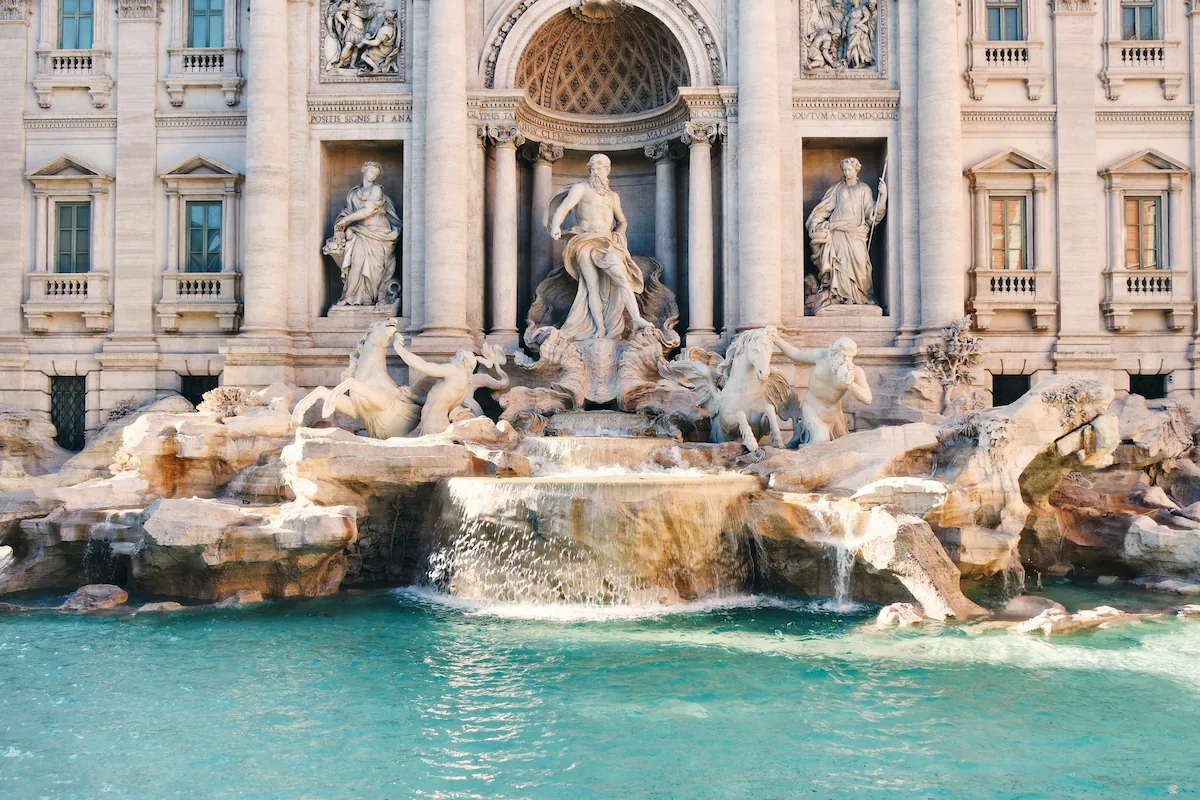
Rome travel guide
Understand how to structure your trip to Rome.
Open page →
Discover the best things to do in Rome, from ancient landmarks and Vatican masterpieces to neighborhood walks, Roman food culture, quieter churches, city viewpoints, underground sites, family-friendly ideas and smarter day trips. Rome is not a city to consume as a checklist: the strongest trips combine a few heavyweight sights with enough walking, eating, churches, viewpoints and local districts to make the city feel layered rather than exhausting. This guide is built to help you decide what is truly worth doing, what to book ahead, what to leave flexible, and how to turn Rome’s major attractions into a coherent trip.
Use this page to decide what deserves your time, then connect it with your broader Rome strategy. The city guide, where-to-stay page, and itinerary ideas should help you turn activity choices into a smarter overall trip.
Rome can absorb far more time than most short stays allow. The smartest approach is to build the trip around a few heavyweight anchors — Ancient Rome, the Vatican, the historic center or Galleria Borghese — then add lower-friction experiences such as churches, viewpoints, food neighborhoods and evening walks so the city stays readable rather than exhausting.
Rome’s iconic layer is not just a list of famous monuments. It is the city’s most concentrated expression of scale, empire, religion, and urban theater, and it deserves to be approached with some structure rather than rushed between crowds. Choose the big hitters, but give each one enough space to register.
Rome’s cultural strength is not limited to blockbuster institutions. Some of its best museum, basilica, and church experiences are rewarding precisely because they stay focused, manageable, and rich in context, with marble, shadow, chapels, and painted ceilings replacing the churn of a giant checklist day.
Rome becomes more convincing once you step away from monument-to-monument pacing. The city’s local texture sits in evening streets, market rhythms, riverside walks, neighborhood aperitivo patterns, and the slower edges where daily life loosens the formal grandeur of the center.
Rome is not a city where you need elaborate dining choreography every day, but it is absolutely a city where food can shape the quality of the trip. The best food experiences are usually neighborhood-based, ingredient-led, and tied to time of day rather than prestige alone.
For a first trip, Rome works best when you combine two or three major anchors with central walking and one neighborhood evening. Trying to “clear” the city usually leads to long queues, tired feet, and a blurred memory of places that deserved more space.
| Trip length | Best use | What to cut |
|---|---|---|
| 2 days | Ancient Rome, Vatican, Pantheon, Trastevere | Most secondary museums and longer excursions |
| 3 days | Add Borghese or Capitoline Museums plus a local-food block | Only the more distant alternative sites |
| 4+ days | Add Appian Way, Testaccio, Jewish Ghetto, or a day trip | Very little, provided pacing stays realistic |
Rome has one of the strongest free city fabrics in Europe. You do not need a paid ticket every hour to feel that the trip is full, as long as you choose walks, churches, and viewpoints with intention.
| Free option | Best for | Works in bad weather? |
|---|---|---|
| Historic-center walk | first-time orientation | Mostly no |
| Church art route | culture on a budget | Yes |
| Aventine, Pincio or Janiculum views | sunset and wide views | No |
Rome does not need artificial hidden-gem hunting to feel distinctive. The more original experiences here usually come from changing the register: underground history, slower roads, neighborhood food culture, or art encountered in situ rather than behind a blockbuster queue.
| Unique angle | Best example | Why it stands out |
|---|---|---|
| Underground Rome | San Clemente | Rome’s historical layering becomes unusually physical |
| Ancient Rome beyond the core | Appian Way or Baths of Caracalla | More atmosphere and less compression |
| Food and history together | Jewish Ghetto or Testaccio | Rome feels more lived-in and less staged |
Rome softens after dark. The crowds thin unevenly, monuments gain depth under lighting, and neighborhoods matter more than formal sightseeing logic.
| Night option | Best for | Needs booking? |
|---|---|---|
| Trastevere evening | atmosphere and dining | Only for specific restaurants |
| Central monument walk | first-time classics | No |
| Food tour or class | structured evenings | Yes |
Rome with children works best when you reduce queue exposure, keep walking sequences compact, and mix one major sight with open space or hands-on activity. The city can be excellent for families, but not if every day is built like an adult museum marathon.
| Activity | Best age fit | Weather fit | Energy level |
|---|---|---|---|
| Colosseum and surrounding area | school-age and up | good weather | medium to high |
| Villa Borghese | all ages | good weather | low to medium |
| Cooking class | school-age and up | any weather | medium |
Rain changes Rome, but it does not ruin it. The key is to swap exposed archaeological walking for compact museums, churches, and food-led indoor experiences rather than trying to follow the same outdoor-heavy plan with umbrellas.
| Rainy Day option | Why it works | Book ahead? |
|---|---|---|
| Capitoline Museums | strong content, manageable scale | Recommended |
| Galleria Borghese | excellent and compact | Yes |
| Cooking class | interactive indoor alternative | Yes |
This is where Rome’s grand historical scale is most concentrated. It justifies a serious half day or more, especially if you include the Colosseum, Forum, Palatine, and adjacent Capitoline or Piazza Venezia logic.
The Vatican zone is one of the city’s biggest activity anchors and deserves focused planning. It is strongest when centered on the Museums, St. Peter’s Basilica, and one well-timed exterior continuation rather than scattered filler.
Rome’s historic center is less about one dominant attraction and more about high-density urban pleasure. It suits travelers who want shorter visits, strong walking value, and a mix of fountains, churches, piazzas, and food stops.
Trastevere is best for evenings, meals, and slower wandering. It is one of the clearest examples of Rome working through atmosphere and street rhythm rather than major monument weight.
This area is one of Rome’s most rewarding central detours because it combines deep history, quieter walking texture, and one of the city’s most distinctive food identities in a very compact zone.
Testaccio is one of the best areas for food-led Rome and a more local pace. It justifies a dedicated lunch sequence or guided food outing rather than a quick pass-through.
This area works well when you want to combine one high-value museum with open space and a slower rhythm. It is especially useful for families, longer stays, or anyone breaking up intense sightseeing.
Monti and the Celio are the best way to soften an Ancient Rome day. They connect the Colosseum area to neighborhood cafés, layered churches, underground sites and a less monumental rhythm without requiring a major cross-city move.
Prati and Borgo are the most useful extensions after a Vatican-heavy visit. They help the Vatican day become more than a museum-and-basilica block by adding lunch, shopping, wider streets and a calmer neighborhood rhythm.
Aventine and Testaccio together give one of Rome’s best contrasts: quiet hilltop views and gardens above, Roman food culture and local appetite below. This is a strong half-day for travelers who want Rome to feel spacious and lived-in.
The Appian Way and south Rome work best when you have already covered the central essentials. Ancient roads, catacombs, aqueducts and wide open space give a different Rome: slower, more atmospheric and less visually compressed.
Ostiense and Garbatella are useful for repeat visitors who want contemporary and residential Rome rather than another central piazza. The area is strongest for food, street texture, twentieth-century architecture and a more local urban register.
Rome rewards sharper choices more than maximalist scheduling. The question is less how much exists and more what kind of Roman experience your trip should deliver.
| Profile | Prioritize | Skip | Structure |
|---|---|---|---|
| Half day | Pantheon, Piazza Navona, Trevi/Spanish Steps or one compact historic-center walk | Vatican Museums and full Ancient Rome block | Stay central and build one dense walking sequence with a good meal |
| 1 day | Choose Ancient Rome or the Vatican as the main anchor, then add the Pantheon area and an evening neighborhood | Trying to do every major museum | One heavyweight sight, one central walk, one dinner-focused district |
| 2 days | Ancient Rome, Vatican side, Pantheon/center, Trastevere | Secondary museums unless they replace a major anchor intentionally | One anchor each day plus a lighter walking or evening sequence |
| 3 days | Add Galleria Borghese, Capitoline Museums, Jewish Ghetto, or Testaccio depending on your angle | Only the most distant optional sites | Two major classics, one culture or food depth layer, one flexible half day |
| Culture-first stay | Vatican Museums, Galleria Borghese, Capitoline Museums, church art trail, San Clemente | Too many generic central-photo stops | Balance one large museum with one compact or in-situ cultural sequence per day |
| Repeat visit | Appian Way, Testaccio, Caravaggio route, Baths of Caracalla, Ostia Antica or Tivoli | Replaying every first-timer classic unless it still matters to you | Lean into neighborhoods, alternative history, and one strong excursion |
| 4 days | Ancient Rome, Vatican, historic center, one major museum, one food district and one quieter hill or church route | Long Pompeii/Florence day unless it is a personal priority | Use the fourth day for depth: Borghese, Testaccio, San Clemente, Jewish Ghetto or Appian Way. |
| 5+ days | Add Appian Way, Ostia Antica or Tivoli plus deeper neighborhoods such as Testaccio, Monti, Prati, Aventine or Garbatella | Repeating the same central crowd corridors at the same hours | Let Rome expand outward from the core rather than endlessly redoing the center. |
| Food-first stay | Testaccio, Jewish Ghetto, Trastevere, pizza al taglio, gelato, coffee bars and one serious trattoria meal | Restaurants chosen only because they sit beside a major monument | Build food into neighborhood logic, not as isolated bookings. |
| Family trip | Colosseum, Villa Borghese, shorter central walks, cooking class, Baths of Caracalla and shaded breaks | Long museum chains and exposed ruins at the hottest hours | One anchor per day plus open space or an interactive experience. |
| Hot weather trip | Early outdoor sights, midday museums/churches/long lunch, evening walks and shaded neighborhoods | Forum, Palatine, Appian Way or exposed viewpoints at midday | Split days around heat rather than trying to power through. |
Day trips from Rome make sense once you have covered the city’s main layers or are staying long enough to extend the trip without cannibalizing core Rome time. The smartest choices are close enough to feel like an enhancement, not a transport day in disguise.
| Excursion | Best for | Time needed | First trip? | Transport | Book ahead |
|---|---|---|---|---|---|
| Tivoli | villa gardens, architecture and a calmer day out | 6 to 8 hours | Good only after the main Rome essentials | Train or bus, plus local transfer logic | Helpful for villas in busier periods Check options |
| Ostia Antica | ancient ruins without the scale and pressure of Pompeii | 4 to 6 hours | Better for 4+ day stays or repeat visits | Easy public transport from Rome | Usually not critical Check options |
| Orvieto | a polished Umbrian hill town with cathedral and easy day-trip shape | 8 to 10 hours | Not for short first trips | Train-friendly | No, unless using a guided package |
| Castel Gandolfo or the Castelli Romani | a softer scenic break with lake and small-town feel | 5 to 7 hours | Only if your Rome pace is already comfortable | Regional rail or car/tour | Helpful for specific experiences Check options |
| Pompeii and Naples | travelers who know it will be a long, transport-heavy day | 12 to 14 hours | Only if it is a priority and you have enough Rome time already | High-speed rail plus transfer logic, or organized day trip | Yes Check options |
| Frascati and the Castelli Romani wine towns | wine, hill-town atmosphere and a softer food-led day out | 5 to 8 hours | Only if your Rome basics are already secure | Regional train or guided wine-focused outing | Helpful for winery visits or guided experiences Check options |
These are not itineraries. They are activity pairings that make sense together in terms of distance, energy, and the way Rome unfolds over a day.
Rome rewards selective booking, not blanket over-reservation. Focus first on limited-entry sights and high-friction attractions, then leave space elsewhere for weather, mood, and neighborhood wandering.
| Activity | Book ahead | Timing | Tour worth it? |
|---|---|---|---|
| Colosseum, Forum and Palatine Check options | Yes | Book as soon as your dates are fixed, especially for popular slots | Often yes, especially if you want context or access logistics handled smoothly |
| Vatican Museums and Sistine Chapel Check options | Yes | Earlier is better, particularly in spring, summer and major holiday periods | Yes for many visitors, because scale and crowd management can otherwise dilute the visit |
| Galleria Borghese Check options | Yes | Reserve early because entry capacity is limited | Sometimes, but even standard entry is excellent if you prefer a self-paced visit |
| Pantheon Check options | Helpful | Worth considering in busier periods or if your day is tightly timed | Usually not necessary unless you want interpretation |
| St. Peter’s Basilica dome or guided entry options Check options | Recommended | Earlier or quieter slots work best | Useful if you want to streamline queues and understand the site more deeply |
| Castel Sant’Angelo Check options | Sometimes | More useful in peak season than in quieter months | Not always; self-guided works fine for many travelers |
| Food tours in Testaccio or Trastevere Check options | Yes if you want a specific date or evening | Reserve once the shape of your trip is clear | Yes when you want local framing, not just restaurant hopping |
| Cooking classes Check options | Yes | Book early for weekends or family-friendly slots | The class itself is the value; choose it for interaction, not sightseeing efficiency |
| Domus Aurea Check options | Yes | Reserve early because openings and formats can be limited | Yes, context matters and access is structured |
| Catacombs and Appian Way tours Check options | Recommended | Plan around opening days, transport and heat | Often yes because logistics and context improve the experience |
| Palazzo Barberini, Doria Pamphilj or Palazzo Massimo Check options | Helpful | Useful in peak periods or for tightly planned rainy days | Not always; these can work well self-guided |
| Popular trattorias and rooftop bars | Yes for specific names | Reserve once evening geography is clear | Not relevant; location and timing matter more |
| Papal audience or special Vatican events Check options | Yes if relevant | Plan around fixed weekly or liturgical schedules | Useful if you want logistics explained |
These are the questions travelers usually need answered before they can build a realistic Rome plan.
For most first-time visitors, the strongest core is the Colosseum and Forum, the Vatican Museums, St. Peter’s Basilica, the Pantheon area, and one evening in Trastevere. That gives you ancient Rome, Vatican art, the historic center, and a more lived-in neighborhood layer without overloading every day.
Three full days is a strong minimum if you want Rome’s major highlights without feeling rushed. Four days is better if you also want a museum beyond the essentials, a deeper food block, or time to wander without turning every hour into logistics.
Yes, three full days is enough for a satisfying first pass if you focus on Ancient Rome, the Vatican, the historic center, and one strong evening neighborhood. It stops being enough only if you try to clear every museum and every secondary site as well.
Book the Colosseum, Vatican Museums, and Galleria Borghese ahead of time. Those are the three places most likely to shape your schedule, and they are far harder to improvise well than central walks, churches, neighborhoods, or most meal stops.
Yes, but only if you approach it as a major museum visit rather than a rushed photo objective. With a good timed slot and realistic expectations, it is one of the city’s highest-payoff cultural experiences; without that, it can feel crowded and diluted.
The best night plans in Rome are usually neighborhood-based: Trastevere for dinner and atmosphere, or a central walk through Piazza Navona, the Pantheon area, and nearby streets once the daytime pressure drops. Rome generally works better at night through movement and mood than through formal attraction hopping.
Absolutely. Rome is unusually strong for free travel value because so much of the city’s appeal lives in streets, piazzas, churches, and viewpoints. A well-built walking day in the historic center can feel substantial even with minimal ticketed stops.
Families usually do best with one big sight per day, shorter walking sequences, and breaks in open spaces such as Villa Borghese. The Colosseum, park time, Baths of Caracalla, simpler central walks, and a cooking class often work better than stacking multiple heavy museums.
Rainy Rome works best with the Capitoline Museums, Galleria Borghese, church interiors, the Pantheon, and food-led indoor experiences. The main thing to avoid is forcing exposed archaeological walks into a day that will be more enjoyable indoors.
The most sensible day trips for most Rome stays are Tivoli, Ostia Antica, Orvieto, and Castel Gandolfo or the wider Castelli Romani area. Pompeii and Florence are possible, but they make sense only if you accept a much longer and more transport-heavy day.
Do not miss the Colosseum/Forum/Palatine, the Vatican side, the Pantheon, a central piazza walk, one church or museum with real artistic depth, and one neighborhood evening. The exact mix can change, but those layers give Rome its strongest first-trip structure.
Yes, the Colosseum is worth it if you treat it as part of the wider Forum and Palatine sequence rather than as a quick exterior photo stop. It needs booking, time, comfortable shoes and some historical context to deliver its full value.
It is possible but usually not ideal. Both are high-friction, high-density experiences, and doing them together can make the day feel like logistics rather than Rome. If you only have one day, choose carefully; with two or more days, separate them.
Yes, especially for travelers who want a compact, consistently strong museum rather than another enormous collection. It is one of Rome’s best art experiences, but booking ahead is essential because entry is limited.
The best hidden or less obvious experiences include San Clemente, Domus Aurea, the Roman houses on the Celio, Palazzo Massimo, the Caravaggio church route, Coppedè, Garbatella, the Appian Way and parts of Testaccio beyond the main food-tour circuit.
For a first trip, Trastevere, Monti, the Jewish Ghetto, Testaccio and the Aventine are the most useful neighborhood layers. Prati works well after the Vatican, while Garbatella and Ostiense are better for repeat visitors.
Testaccio is the strongest answer for food depth, the Jewish Ghetto is best for food plus history, Trastevere is best for dinner atmosphere, and Monti or the historic center work well for flexible casual stops.
St. Peter’s dome gives the most dramatic structured view, the Pincian Terrace is the easiest classic free view, the Janiculum gives a wider sunset feel, and the Aventine Orange Garden is the calmest romantic option.
Yes, especially in the evening. Trastevere works best as a dinner and wandering district rather than a formal sightseeing block, although Santa Maria in Trastevere adds real cultural value if you visit with intent.
Yes for food-focused travelers and repeat visitors. Testaccio is less visually polished than the historic center, but it gives a more grounded view of Roman food culture, markets and everyday neighborhood rhythm.
The Appian Way is very worthwhile if you have four or more days or have already covered the central classics. It gives Rome a slower, greener and more ancient-road atmosphere that is hard to find in the dense center.
Yes, especially if you want ancient ruins with more space and easier logistics than Pompeii. Ostia Antica is one of the best half-day to full-day excursions from Rome for history-focused travelers.
Only if Pompeii is a personal priority and you accept a long, transport-heavy day. For many Rome trips, Ostia Antica or Tivoli fit better unless you have enough days to avoid sacrificing the city itself.
After the Vatican, use St. Peter’s dome, Castel Sant’Angelo, Borgo, Prati for lunch, or a riverside walk. This keeps the day coherent instead of forcing a tiring cross-city transfer immediately after a major museum block.
Near the Colosseum, pair the visit with the Forum, Palatine, Domus Aurea, San Clemente, the Celio, Baths of Caracalla or a Monti lunch. The goal is to deepen the ancient layer or soften it with a neighborhood reset.
Beyond St. Peter’s, consider San Clemente, Santa Maria Maggiore, Santa Maria in Trastevere, San Luigi dei Francesi, Santa Maria del Popolo and Santa Maria sopra Minerva. Rome’s churches are among the city’s best low-friction cultural experiences.
The strongest alternatives are Galleria Borghese, Capitoline Museums, Palazzo Massimo, Palazzo Barberini and Galleria Doria Pamphilj. Choose based on whether you want sculpture, ancient history, paintings or a quieter palace setting.
Go early, use church art routes, Palazzo Massimo, San Clemente, Baths of Caracalla, Appian Way, Aventine, Testaccio and Garbatella. Avoid peak-hour Trevi, overloaded Vatican slots and trying to move through the historic center at the busiest times.
In summer, do outdoor ruins early, move to churches or museums at midday, take a long lunch, and use evenings for Trastevere, the Pantheon area, Trevi, Piazza Navona and viewpoints. Avoid exposed archaeological sites during the hottest hours.
Winter is strong for museums, church interiors, food experiences, quieter central walks and atmospheric evenings. Shorter daylight matters, but lower crowd pressure can make the Colosseum, Vatican and major piazzas easier to enjoy.
Couples should prioritize Galleria Borghese, Trastevere evenings, the Aventine, Janiculum, Pincio, wine bars, the Jewish Ghetto and late central walks. The best romantic Rome is usually atmospheric rather than overbooked.
Solo travelers can build excellent days around central walks, churches, museums with clear time limits, food tours, cooking classes, viewpoints and neighborhoods such as Monti, Testaccio and the Jewish Ghetto.
Unusual but worthwhile options include Domus Aurea, San Clemente underground, the Roman houses on the Celio, Coppedè, Garbatella, Appian Way, catacombs, Palazzo Massimo and a Caravaggio-focused church route.
Yes. Rome is exceptionally strong for free or low-cost experiences: churches, piazzas, viewpoints, fountains, neighborhood walks, markets and central wandering can fill entire days. Paid sights matter, but they do not need to dominate every hour.
A strong first walking route links Piazza Navona, the Pantheon, Trevi Fountain, Spanish Steps and Piazza del Popolo, with church stops and side streets along the way. Early morning or late afternoon makes the route far better.
Avoid booking every experience around the most crowded squares, do not eat directly beside major monuments without checking quality, book true limited-capacity sights early, and balance famous attractions with neighborhoods and church art.
Food tours are worth it when they add neighborhood context, especially in Testaccio, Trastevere or the Jewish Ghetto. They are less necessary if they simply move you between generic central tasting stops.
Yes for families, couples and travelers who want a hands-on break from sightseeing. They are especially useful on rainy days or evenings when you want structure without another museum or monument.
A Rome pass can help only if its included attractions match your actual plan and you will use the transport benefits efficiently. It is not automatically better than booking the Colosseum, Vatican and Borghese separately with a clear itinerary.
Teenagers often respond well to the Colosseum, underground sites, catacombs, Appian Way biking, food tours, cooking classes, viewpoints and evening neighborhoods. Long museum blocks should be chosen carefully.
With toddlers, keep sightseeing short and build around Villa Borghese, piazzas, fountains, short church visits, casual food stops and limited queue exposure. Rome can work well, but adult-style monument days need major simplification.
The most overrated experiences are usually not bad places, but badly timed ones: Trevi at peak crowd, a rushed Vatican visit, a same-day Colosseum-plus-Vatican marathon, and generic restaurants beside major sights. Timing and context determine value.
Tivoli or Ostia Antica are usually the most sensible first day trips if you already have enough time in Rome. Pompeii is famous but much longer, while Florence deserves more than a rushed sample for most travelers.
Use one day for Ancient Rome, one for the Vatican and Prati/Borgo, one for the historic center plus Trastevere or the Jewish Ghetto, and one for Galleria Borghese, Testaccio, Appian Way, San Clemente or another depth layer.
With five days, keep the core classics but add depth: Borghese, Capitoline or Palazzo Massimo, Testaccio, Jewish Ghetto, Appian Way or Ostia Antica, plus a slower viewpoint or neighborhood day.
Skip long day trips, too many secondary museums, distant neighborhoods, and repeat viewpoint chasing. Focus on Ancient Rome, the Vatican side, the historic center and one evening district.
Yes, if you pivot to museums, churches, food experiences and compact interiors. Capitoline Museums, Galleria Borghese, Palazzo Massimo, San Clemente, the Pantheon and cooking classes are all strong rainy-day options.
Try a central night walk around Piazza Navona, Pantheon and Trevi, a Jewish Ghetto dinner, a rooftop aperitivo, an evening food tour, or a quieter wine bar in Monti or the historic center.
The Pincian Terrace, Janiculum Hill and the Aventine Orange Garden are the strongest free viewpoints. Each works best as part of a wider walk rather than as an isolated trip across the city.
Castel Sant’Angelo is worth visiting if you are staying near the Vatican, want a fortress-and-viewpoint hybrid, or have already covered the top essentials. It is less urgent than the Colosseum, Vatican Museums or Borghese, but more rewarding than many visitors expect.
Food in Rome works best when it is tied to neighborhood rhythm, not treated as a separate checklist. The strongest food experiences combine Roman staples, market culture, casual lunches, one proper trattoria meal and at least one district where food and history reinforce each other. Key moves: Use Testaccio for Roman food depth, market culture and a more grounded neighborhood feel. Use Trastevere for an evening built around dinner, drinks and side-street atmosphere. Choose the Jewish Ghetto when you want food and history to feel inseparable. Build flexible lunches around pizza al taglio, supplì, market counters or simple Roman pasta rather than booking every meal. Do a cooking class only if you want a hands-on break from sightseeing, not because every Rome trip needs one. Treat gelato and coffee as quality choices near your route, not random impulse stops in the most crowded squares.
Rome’s art and history are too dense to handle as one continuous museum plan. The strongest approach is to alternate monumental archaeology, compact museums, church art and one underground or less crowded site. Key moves: Use the Colosseum, Forum and Palatine as the main ancient anchor, then add a calmer second ancient layer such as Baths of Caracalla or Palazzo Massimo. Book Vatican Museums only when you can give them real museum energy rather than squeezing them after another heavy sight. Prioritize Galleria Borghese for sculpture and painting in one of Rome’s most satisfying limited-entry formats. Follow a Caravaggio church route if you want high-value free art in situ. Add San Clemente, Domus Aurea or the Roman houses on the Celio for underground layering. Use the Capitoline Museums as a rainy-day or civic-history anchor.
Rome’s best views are most useful when they help you understand the city’s domes, hills and historic-center geometry. Choose one or two viewpoint moments and connect them to a real walk rather than chasing every terrace. Key moves: St. Peter’s dome gives the strongest Vatican-side city overview if you can handle the climb. The Pincian Terrace works beautifully after Piazza del Popolo or the Spanish Steps axis. The Janiculum is best for a wider, softer sunset view over rooftops and domes. The Orange Garden on the Aventine gives a calmer, more romantic view with less central pressure. Castel Sant’Angelo adds a good monument-plus-view combination near the Vatican. Rooftops can be worth it, but only if the location fits your evening route.
Summer Rome requires a different structure. The mistake is not visiting in summer; the mistake is using a spring itinerary with long exposed archaeological blocks at the hottest time of day. Key moves: Do the Colosseum, Forum, Palatine or Appian Way as early as possible. Move churches, museums, long lunches and indoor cultural sites into the hottest part of the day. Use evening walks for Trevi, Piazza Navona, Trastevere, the Pantheon area and viewpoints. Choose Villa Borghese, shaded streets or river transitions when you need outdoor movement without full exposure. Reduce same-day stacking of Ancient Rome and the Vatican during heat waves. Carry water planning seriously; heat fatigue can break even a well-designed Rome itinerary.
A very short Rome trip should not try to compress every major attraction. Choose one heavyweight anchor, one central walking sequence and one evening neighborhood so the day has shape instead of panic. Key moves: For one day, choose either Ancient Rome or the Vatican as the main anchor, not both unless you accept a very fast pace. Use the Pantheon, Piazza Navona and Trevi axis as the essential central walk. End in Trastevere, the Jewish Ghetto or the historic center depending on where you stay. For a weekend, split Ancient Rome and the Vatican across separate days. Do not add a day trip to a 2-night first stay unless Rome itself is not your priority. Use guided tours only when they save time or add context to a constrained schedule.
Rome has more famous experiences than most visitors can handle well. Use this matrix to decide whether an activity belongs in your specific trip rather than adding it because it appears on every list. Heavyweight ancient site works best for history, first-time structure, ancient Rome depth with examples like Colosseum, Forum, Palatine, Baths of Caracalla, Domus Aurea. Major museum works best for culture-first travelers and rainy days with examples like Vatican Museums, Galleria Borghese, Capitoline Museums, Palazzo Massimo. Church art route works best for free or lower-friction cultural depth with examples like Caravaggio churches, Santa Maria Maggiore, San Clemente. Neighborhood evening works best for food, atmosphere, couples, repeat visitors with examples like Trastevere, Jewish Ghetto, Monti, Testaccio. Viewpoint or hill works best for orientation, sunset, calmer pacing with examples like Aventine, Janiculum, Pincio, St. Peter’s dome. Day trip works best for 5+ day stays or specific interests with examples like Tivoli, Ostia Antica, Orvieto, Frascati, Pompeii.
Rome’s best activities shift significantly by season because heat, daylight, rain and crowd flow change how much exposed walking the city can support. Spring: Book major sights early and leave flexible walking space. Summer: Move outdoor heavy sights to morning and build midday around interiors. Autumn: Use the season for deeper neighborhoods and excursions. Winter: Build around compact cultural anchors and atmospheric evenings.
In Rome, the best trips come from clear choices, not inflated checklists.
Understand how to structure your trip to Rome.
Open page →
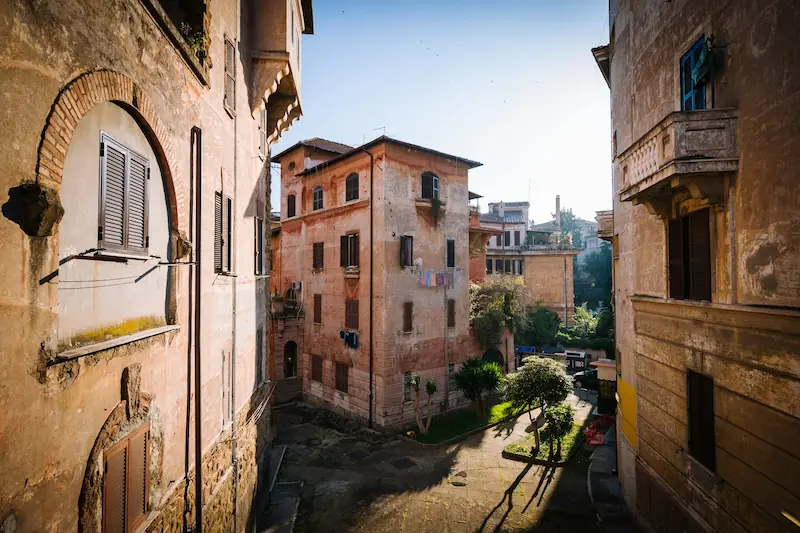
Find the best neighborhoods and hotels in Rome.
Open page →
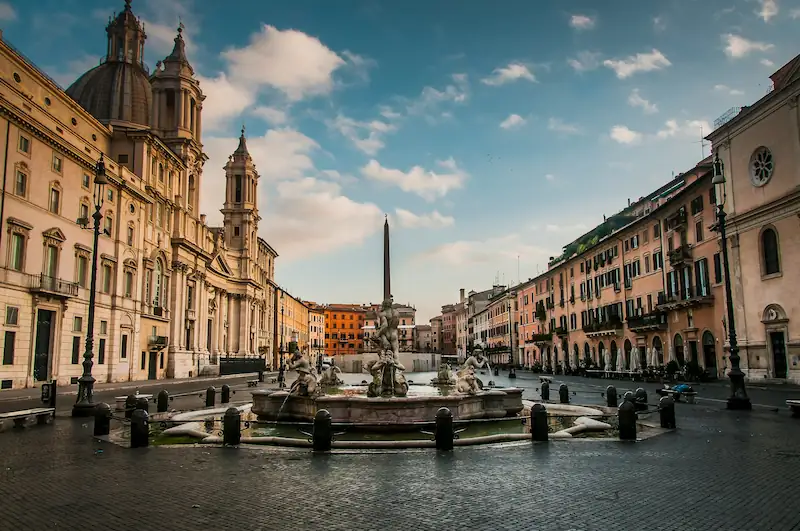
1 Day in Rome Itinerary: Best Things to See in 24 Hours
Open itinerary →
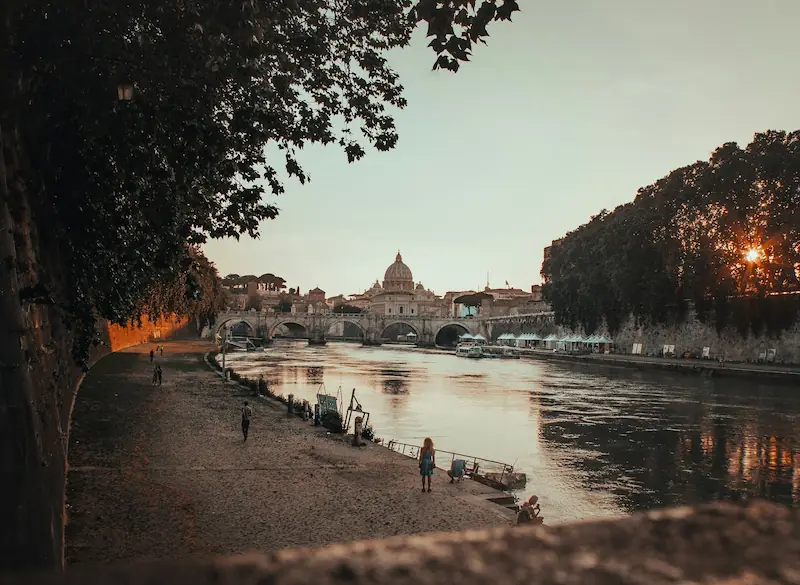
2 Days in Rome Itinerary: Best First-Time Weekend Plan
Open itinerary →
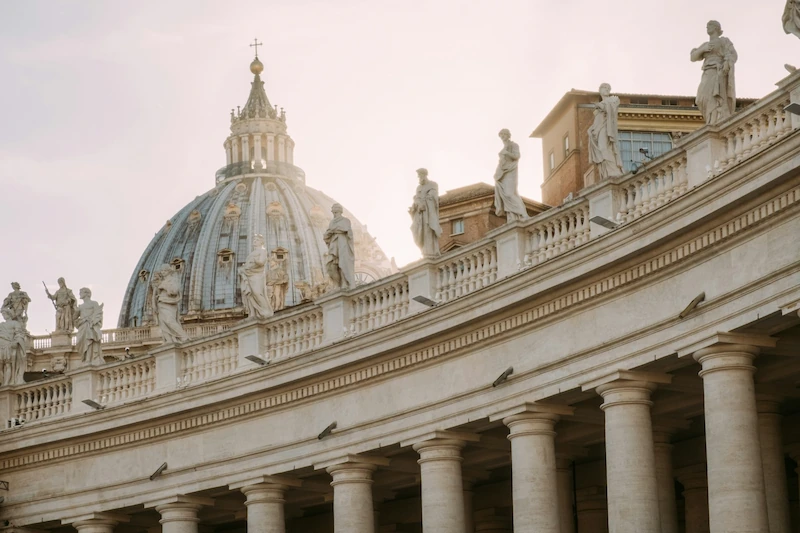
3 Days in Rome Itinerary: Classic First-Time Route With Vatican
Open itinerary →
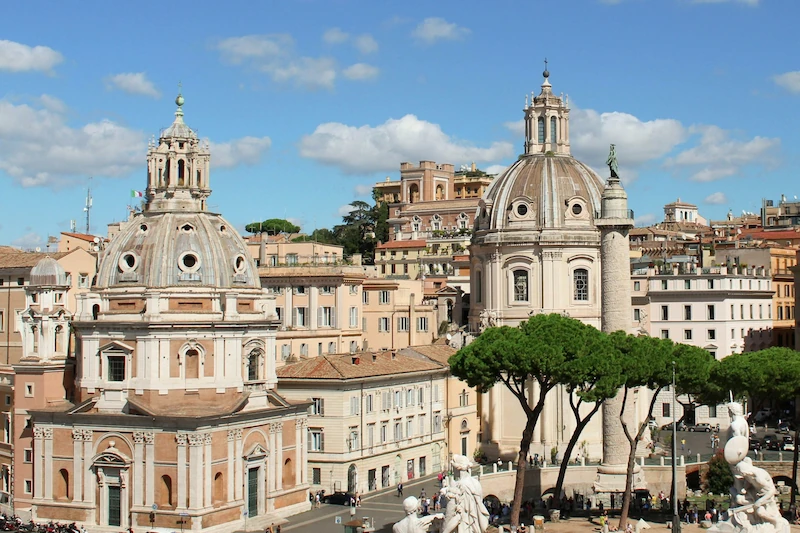
5 Days in Rome Itinerary: Best Neighborhood-Based Trip Plan
Open itinerary →
Find the best places to stay, how to get there, and move around with ease.
Prioritize the activities that deserve your time in Florence.
Open page →
Prioritize the activities that deserve your time in Milan.
Open page →
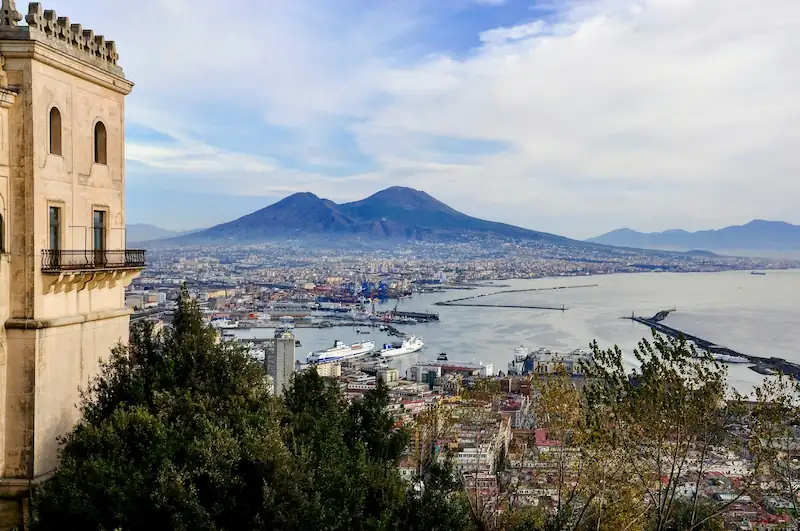
Prioritize the activities that deserve your time in Naples.
Open page →
Prioritize the activities that deserve your time in Venice.
Open page →
Build a smarter trip base
Once you know what you want to do in Rome, the next step is turning those ideas into a trip that actually works day by day. Use the planner to organize the right mix of highlights, neighborhoods, and pace into a route that feels coherent, not crowded.