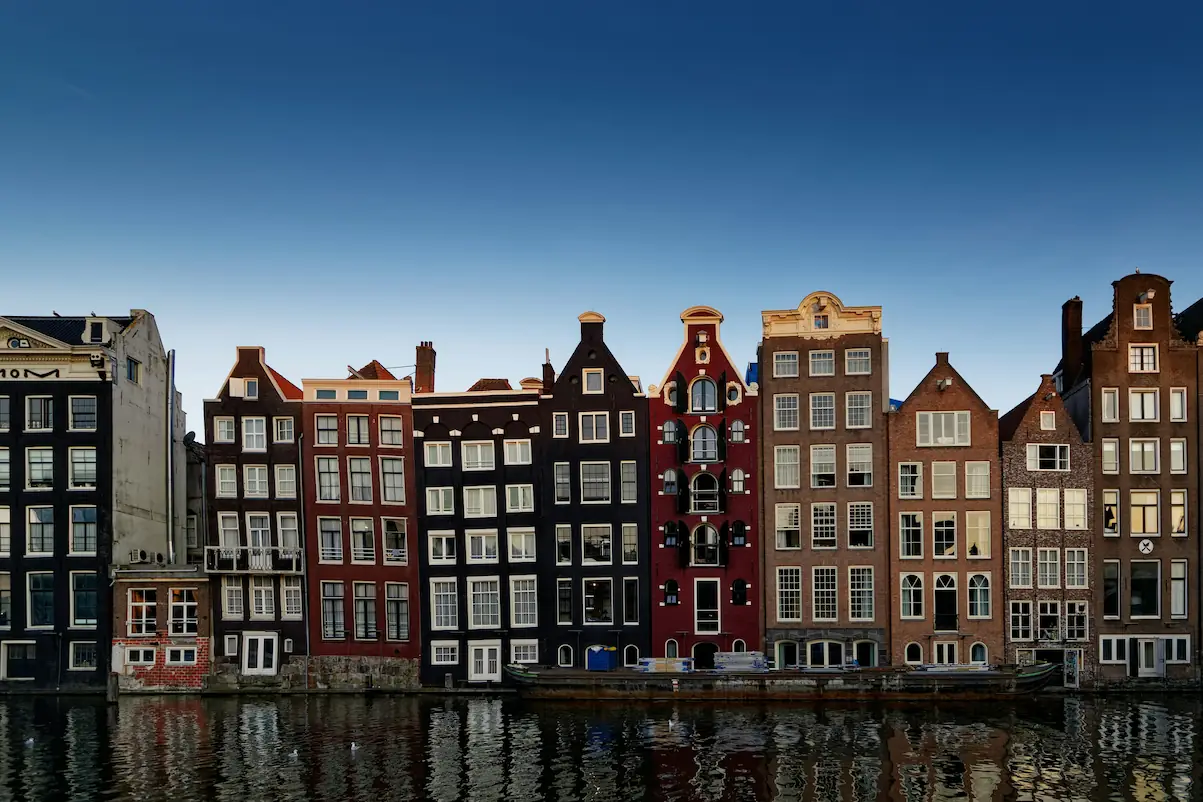
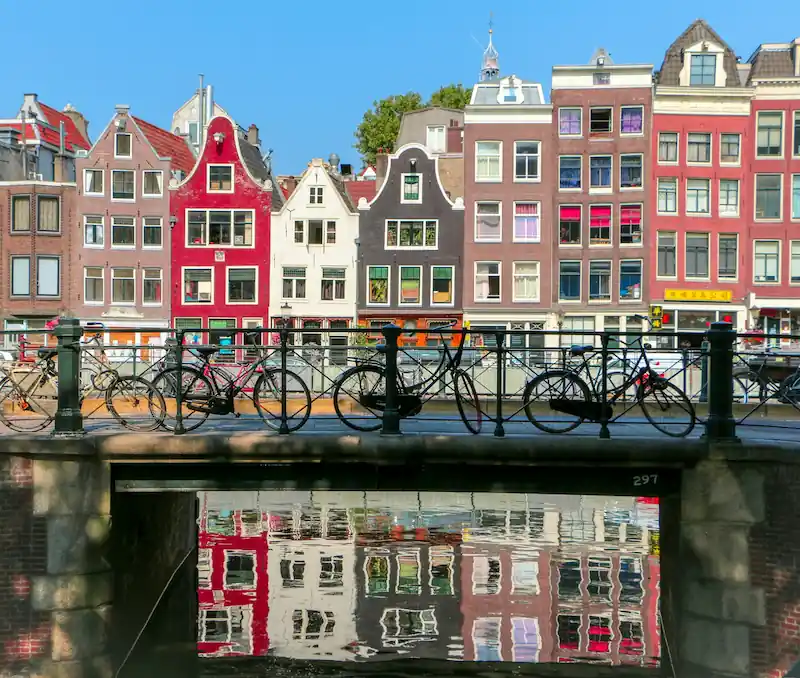
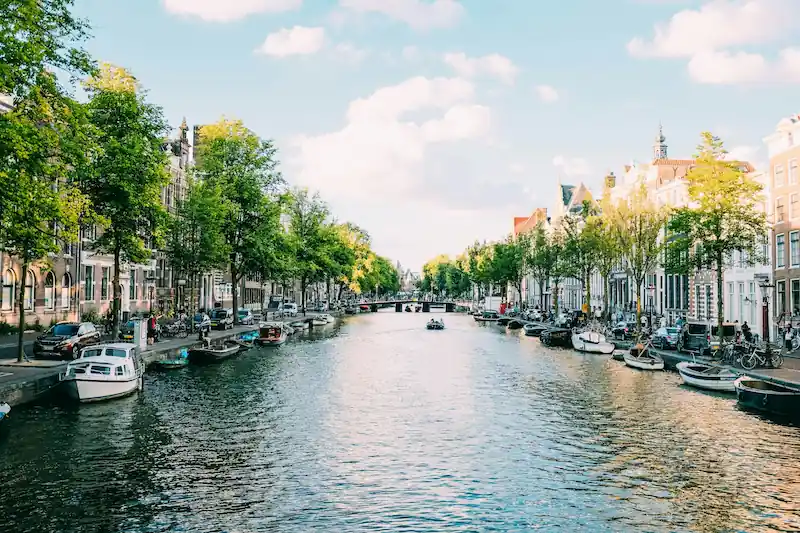
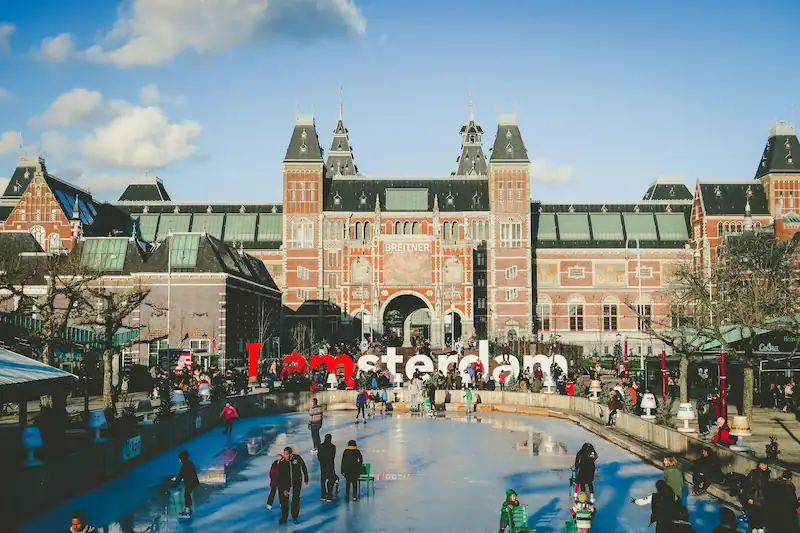
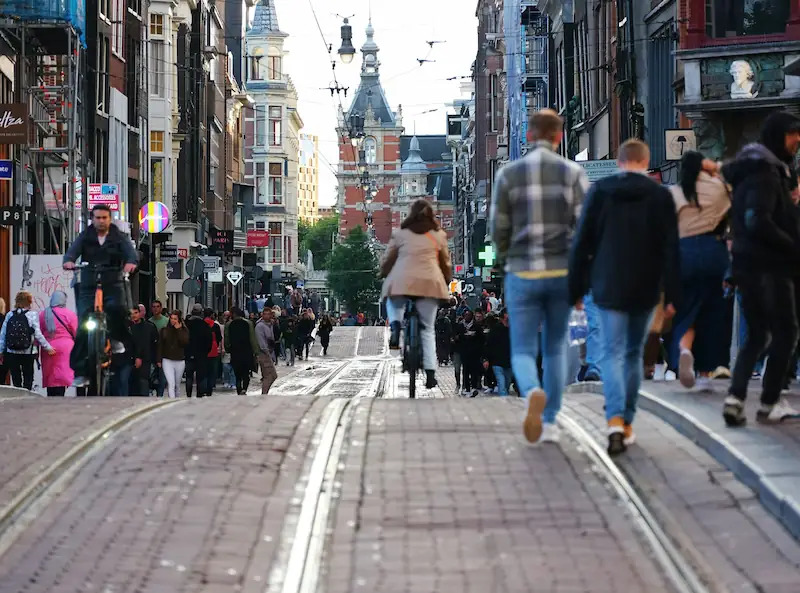
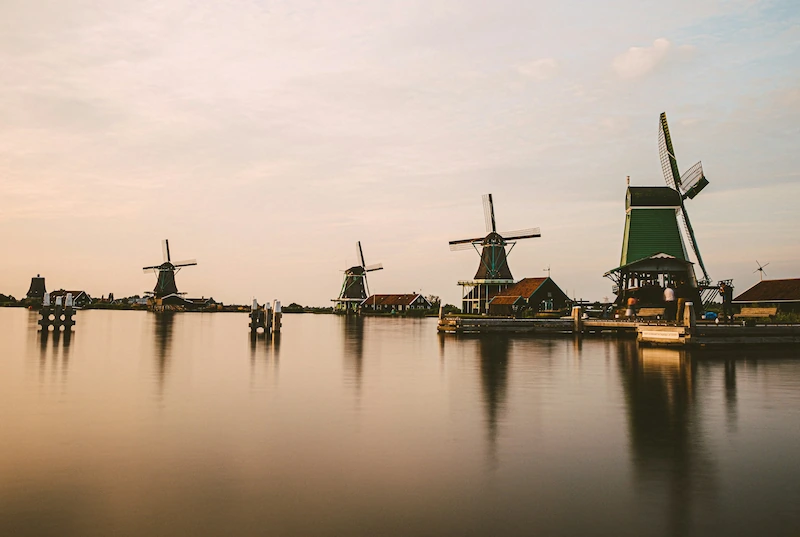
Discover the best things to do in Amsterdam, from canal cruises, major museums and historic houses to neighborhood walks, food-led evenings, free ferry rides, family-friendly museums and day trips into the Dutch landscape. Amsterdam is not a city where the longest checklist wins. The strongest trips combine one or two fixed anchors with the right area rhythm: water, art, history, markets, parks and evening atmosphere arranged in a way that feels coherent on foot rather than forced across the map.
Best time
April to June and September to early October for long walking days, tulips or soft shoulder-season light, strong museum energy, and a better balance between outdoor time and timed-entry planning.
Ideal trip length
3 days for a strong first read; 4 to 5 days if you want two major museums, neighborhoods, Noord or De Pijp, and one day trip without rushing.
Continue planning your Amsterdam trip
Once you know what is worth doing, use the full city guide to understand how Amsterdam fits together and the itineraries to match activities to your stay length. That is usually the difference between seeing the city and actually using it well.
Quick answer: the top things to do in Amsterdam
Take a canal cruise – Area: Canal Belt / Central Station · Best for: first-time orientation · Time needed: 1 to 1.5 hours · Worth it: One of the clearest high-payoff experiences in Amsterdam because it helps the canal city make visual and spatial sense quickly. · Book ahead: Recommended in high season, on weekends, and for sunset or evening departures.
Visit the Rijksmuseum – Area: Museum Quarter · Best for: Dutch masterworks and first major museum pick · Time needed: 2 to 3 hours · Worth it: Yes, especially if you want one museum that explains Dutch art, history, civic identity and the scale of the Dutch Golden Age in one place. · Book ahead: Recommended, especially if you care about your preferred start time.
Visit the Van Gogh Museum – Area: Museum Quarter · Best for: art-focused travelers · Time needed: 1.5 to 2.5 hours · Worth it: Very much so if you prefer a concentrated, emotionally legible museum experience rather than a broad collection. · Book ahead: Yes, timed tickets should be booked online in advance.
See the Anne Frank House – Area: Jordaan / Western Canal Belt · Best for: historical depth and first-trip priorities · Time needed: 1.5 to 2 hours · Worth it: Yes, but only if approached as a serious historical visit rather than a quick box to tick. · Book ahead: Yes, absolutely. Availability is limited and official timed tickets matter.
Walk Jordaan and the western canals – Area: Jordaan · Best for: classic Amsterdam atmosphere · Time needed: 2 to 3 hours · Worth it: One of the best low-friction ways to understand why Amsterdam works so well on foot. · Book ahead: No.
Explore the Nine Streets – Area: Nine Streets / Canal Belt · Best for: short central breaks, boutiques and canal texture · Time needed: 1 to 2 hours · Worth it: Yes, especially when paired with Jordaan or nearby canal walks rather than treated as a standalone attraction. · Book ahead: No.
Take the ferry to Amsterdam Noord – Area: Amsterdam Noord · Best for: city contrast and modern urban texture · Time needed: 2 to 4 hours · Worth it: Yes, particularly if you want more than a heritage-only version of Amsterdam. · Book ahead: No.
Browse Albert Cuyp Market and De Pijp – Area: De Pijp · Best for: local street life and food-led wandering · Time needed: 1.5 to 3 hours · Worth it: Best as part of a broader neighborhood sequence rather than as the main event of a day. · Book ahead: No.
Rent a bike or join a short cycling route – Area: Vondelpark / Jordaan / Amstel · Best for: active travelers and local rhythm · Time needed: 1.5 to 3 hours · Worth it: Worth it if you are comfortable in bike traffic or choose a calmer guided route rather than improvising through the busiest central streets. · Book ahead: Optional for rentals; recommended for guided cycling tours.
Visit NEMO Science Museum – Area: Eastern Docklands · Best for: kids and rainy-day planning · Time needed: 2 to 4 hours · Worth it: High payoff for families and one of the strongest practical indoor options in the city. · Book ahead: Recommended on weekends, school holidays and rainy days.
Spend time in Vondelpark and Museumplein – Area: Museum Quarter · Best for: lighter outdoor time between heavier visits · Time needed: 1 to 2 hours · Worth it: Yes, especially if you need a gentler counterweight to museums and canal-core density. · Book ahead: No.
Do a brown café and canal-side evening – Area: Canal Belt / Jordaan · Best for: night-time atmosphere · Time needed: 2 to 4 hours · Worth it: One of the best ways to feel Amsterdam after dark without forcing a nightlife-heavy plan. · Book ahead: Only for specific dinner addresses.
How to choose the right things to do in Amsterdam
Amsterdam rewards selection more than accumulation. The strongest trips usually combine one major fixed-entry visit, one walking-led neighborhood sequence, one lower-pressure local layer and one evening experience, instead of turning the city into a race between museums, markets and landmarks. The main trap is not missing hidden corners; it is flattening the trip by stacking too many high-demand stops in the same day or crossing the city for activities that do not naturally connect.
Book the highest-friction visits first: Anne Frank House and Van Gogh Museum before almost anything else.
Choose one major museum per half day unless art is the clear point of the trip.
Treat the canal cruise as orientation, reset or evening transition, not as filler.
Pair neighborhoods that naturally connect on foot: Museum Quarter with Vondelpark or De Pijp, Jordaan with Nine Streets, Central Station with Noord.
Use free and low-cost experiences strategically: ferry rides, canal walks, Vondelpark, Museumplein and the NEMO rooftop all add rhythm without adding complexity.
Do not overload the Museum Quarter, Jordaan and central canal belt into one rushed museum-and-canal marathon unless your stay is very short and tightly structured.
Use evenings for brown cafés, canal-side walking, concerts, restaurants or a later cruise rather than for another heavy attraction.
Add day trips only once Amsterdam itself has enough breathing room; Zaanse Schans or Keukenhof can be high payoff, but not at the cost of a rushed first visit.
Iconic Amsterdam experiences
This is the activity layer most first-time visitors mean when they search for the best things to do in Amsterdam. The goal is not to collect famous names, but to choose the iconic experiences that actually explain the city: water, art, history, civic wealth, cycling culture and a built environment best read at walking pace. When evening light starts settling on the canals, Amsterdam becomes less about monuments and more about how those elements hold together.
Cruise the canals with timing that suits the day – A canal cruise is one of the most useful first-time activities in Amsterdam because it reveals the city’s structure from the water. It works best either early, as orientation, or later in the day, when the canal houses soften visually and you can transition naturally into dinner or an evening walk. (First-time essential · Best for: first-time visitors and short stays)Find tours & experiences
Rijksmuseum with a shortlist, not a completion mindset – The Rijksmuseum is worth your time because it gives Amsterdam’s historical and artistic identity real weight. It is a large museum, so the smart version is a focused visit built around Dutch masters, priority galleries and a few major works rather than trying to conquer it room by room. (High payoff · Best for: first major museum pick)Find tours & experiences
Van Gogh Museum as a concentrated art stop – This is one of the strongest things to do in Amsterdam if you prefer a focused museum experience to a broad historical one. It rewards attention better than speed, so it works best when given its own slot rather than squeezed in after another major museum. (Book ahead · Best for: art-focused travelers)Find tours & experiences
Anne Frank House with proper booking discipline – This is one of Amsterdam’s most important visits, but it only works if you secure entry well in advance and approach it as a serious historical site. The experience is moving because the ordinary city outside and the hidden spaces inside remain in such sharp tension. (Essential if booked · Best for: history and first-time priorities)Find tours & experiences
Walk the Nine Streets into the western canal belt – This is one of the easiest ways to experience Amsterdam’s central texture without turning the day into a museum-only schedule. The appeal lies in the sequence: small streets, canal edges, bridges, boutiques, cafés and the gradual transition from busy central lanes to more residential calm. (Best for: short city breaks and central wandering)
See Dam Square and the Royal Palace without overbuilding it – Dam Square is rarely Amsterdam’s most charming stop, but it is useful for understanding the city’s civic core, royal symbolism and old commercial center. Treat it as a short orientation point or palace visit, not as the emotional center of your Amsterdam stay. (Central classic · Best for: first-time orientation and history context)Find tours & experiences
Rent a bike only if the route makes sense – Cycling can be one of the most Amsterdam-specific experiences, but it is not automatically relaxing in the busiest central lanes. The better version is a calmer route through Vondelpark, along the Amstel, around Noord, or with a guide who keeps you out of the most stressful traffic flows. (Classic, with caution · Best for: active travelers and confident cyclists)Find tours & experiences
Take one elevated city viewpoint, then stop there – Amsterdam is not a skyline city in the conventional sense, but one good high viewpoint helps you understand the canal geometry, the IJ waterfront and the city’s low-rise consistency. It is most useful as a framing device, especially when paired with Noord, not as a major time investment. (Only if you have time · Best for: city overview and photography)Find tours & experiences
Cultural things to do in Amsterdam
Amsterdam’s cultural depth is not limited to blockbuster museums. The city also works through smaller museum houses, contemporary galleries, Jewish history, music, architecture, photography and the tension between Golden Age inheritance and present-day cultural life. Indoors, the soundscape changes quickly here: museum halls go quiet, canals drop out, and the city starts reading through concentration rather than movement.
Choose one smaller museum or canal-house collection – A smaller museum can sometimes explain Amsterdam better than a second giant institution. Canal-house collections and domestic-scale museums bring the city down to rooms, staircases, interiors and private histories, which can be more memorable after a major art museum. (Best for: repeat visitors and museum-heavy trips)Find tours & experiences
Visit the Rembrandt House for artist-at-work context – The Rembrandt House is a useful complement to the Rijksmuseum because it shifts the story from masterpieces on museum walls to the domestic and working environment of an artist in the city. It is especially strong for travelers who want art history to feel more spatial and less abstract. (Strong add-on · Best for: art history and compact culture)Find tours & experiences
Use the Jewish Quarter for deeper historical context – Beyond the Anne Frank House, the Jewish Quarter gives Amsterdam’s wartime and pre-war Jewish history broader context through museums, memorial space and neighborhood geography. It works best as a deliberate cultural sequence, not as an afterthought between unrelated stops. (Historical depth · Best for: history-focused travelers)Find tours & experiences
Hear music in the Concertgebouw district – A concert is one of the best things to do in Amsterdam at night if you want something more refined than bar-hopping and more atmospheric than another walk. It fits especially well after a museum day, when the city shifts naturally from visual to auditory attention. (Best in the evening · Best for: culture-first stays)
Read Amsterdam’s merchant history through architecture – One of the most rewarding cultural activities in Amsterdam is to stop treating the canal houses as scenery and begin reading them as evidence of trade, wealth, water management and urban compression. This works especially well along the wider canal stretches, where repetition starts to become meaning rather than background. (Best for: architecture and history travelers)Find tours & experiences
Use Amsterdam Noord for a contemporary cultural contrast – North of the IJ, Amsterdam shifts away from heritage-first urbanism and into adaptive reuse, industrial memory, street art, waterfront space and newer cultural venues. This is one of the best ways to stop the city becoming visually repetitive if you are staying more than two or three days. (Unique · Best for: return visits and contemporary culture)Find tours & experiences
Stedelijk Museum if modern art matters more than heritage narrative – The Stedelijk is not the first museum most visitors need, but it becomes one of the strongest additions for travelers who care about modern and contemporary art. It pairs well with the Museum Quarter because it changes the tone of the day without changing the geography. (Best for: modern and contemporary art)Find tours & experiences
Add photography or contemporary art only if it matches your trip – Amsterdam has a strong contemporary culture layer, but it should not automatically crowd out the city’s more essential experiences. Photography, design or contemporary art stops work best on repeat visits, rainy days or longer stays when you want a change of pace from old-master and canal-house narratives. (Repeat visit · Best for: creative travelers and rainy days)Find tours & experiences
Local experiences and lower-pressure things to do
The most useful local experiences in Amsterdam are not about pretending the city is secret; they are about stepping away from the high-demand layer and into everyday rhythms. This means ferries, markets, park time, neighborhood streets, bike movement, waterfront space and hours that are allowed to breathe. In late afternoon, terrace noise, bikes, market stalls and canal reflections often define the city better than any single attraction.
Take the free ferry to Amsterdam Noord – This is one of the simplest and best-value experiences in Amsterdam. In just a few minutes, you shift from canal-core density to open water, bigger sky and a looser urban texture that changes your reading of the city completely. (Free · Best for: city contrast and lighter planning)
Spend real time in Jordaan beyond the headline corners – Jordaan works best when you stop treating it as a pass-through between famous stops. Give it enough time to drift between canals, side streets, cafés, courtyards and quieter residential stretches, and the district starts to feel less curated and more convincing. (Best for: walkers and slow city breaks)
Browse Albert Cuyp Market without making it your whole day – Albert Cuyp Market is one of the best local-feeling things to do in Amsterdam if you are already in De Pijp. It works as a neighborhood layer rather than a standalone destination: stronger when it leads into lunch, cafés, Sarphatipark or south-side wandering than when it becomes the only plan. (Best for: food-led neighborhood time)
Use Vondelpark as a deliberate reset – Vondelpark is not one of the city’s grandest experiences, but it is one of the most useful. It gives breathing space between museums and dense central walking, and it is especially valuable if your trip includes kids, multiple museum visits or a need to slow the pace down. (Free · Best for: families and slower pacing)
Step into the Begijnhof for a short quiet pause – The Begijnhof is a small, central courtyard that works best as a brief atmospheric pause rather than a major attraction. It is useful when you want a quiet historical pocket close to the busiest parts of the city without adding a full museum stop. (Quiet stop · Best for: short central pauses)
Use Westerpark or Westergas for a less obvious local afternoon – Westerpark and Westergas give Amsterdam a different kind of local texture: parkland, industrial reuse, cafés, event spaces and a less canal-postcard rhythm. It is not essential on a first weekend, but it is a smart addition for longer stays or return visits. (Local layer · Best for: longer stays and repeat visitors)
Visit IJ-Hallen if the timing lines up – IJ-Hallen is one of Amsterdam’s most distinctive market experiences, but it is schedule-dependent rather than always available. When it is on, it pairs naturally with the ferry to NDSM and gives Noord a stronger vintage, industrial and local-shopping angle. (Check dates · Best for: vintage shopping and Noord days)
Do a canal-side evening walk after dinner – One of the best things to do in Amsterdam at night is also one of the simplest. After dinner, the city’s visual noise drops, bridges light up, and the canals become easier to read as atmosphere rather than just scenery. (Best in the evening · Best for: couples and low-effort nights)
Food experiences worth doing in Amsterdam
Amsterdam is not a city where food should dominate every day, but the right food choices deepen the trip. The strongest food experiences tend to be district-based rather than checklist-based: a proper rijsttafel, a market sequence, a brown café, a casual Dutch snack stop, or a neighborhood with enough density to let the evening land well. Indoors, the warmth of dark wood, crowded tables and low conversation in brown cafés tells you as much about the city as any facade outside.
Eat a proper rijsttafel – If you want one meal in Amsterdam that feels specific to the city rather than merely convenient, rijsttafel is a strong choice. It connects dining to Dutch-Indonesian history and gives the trip a culinary identity that is more meaningful than generic snack sampling. (High payoff · Best for: first-time food context)Find tours & experiences
Use De Pijp for a flexible dinner night – De Pijp is one of the best places to eat in Amsterdam when you want density, spontaneity and options that still feel city-based rather than tourist-routed. It works particularly well on museum or market days because you can end the day there without resetting your whole route. (Best for: couples and social evenings)
Try a brown café for drinks, snacks and atmosphere – A brown café is less about culinary spectacle than about social texture. These old-style interiors give you one of the city’s most distinctive evening moods, especially in cooler weather or after a long walking day. (Best in the evening · Best for: night-time atmosphere)
Use Foodhallen when the group wants options – Foodhallen is not the most intimate food experience in Amsterdam, but it is practical when a group wants variety, shelter, drinks and a low-friction evening. It works best as a rainy-day or mixed-preference solution rather than as the city’s main culinary statement. (Easy group option · Best for: groups, rain and casual evenings)
Use Dutch snacks as a light layer, not the whole food plan – Stroopwafels, bitterballen, herring, fries and kroketten can add fun local texture, especially around markets or brown cafés. They work best as small pauses during a walking day rather than as a forced checklist of must-eat items. (Casual classic · Best for: quick bites and market stops)Find tours & experiences
Use the market-and-neighborhood format rather than hunting one famous stand – For casual food time, Amsterdam works better as a sequence than as a single must-eat address. A market stop, a coffee break, a canal or park walk and a district-led dinner usually produce a stronger memory than chasing one overhyped snack. (Best for: low-pressure food exploration)
What to do in Amsterdam for first-time visitors
A first trip should focus on Amsterdam’s strongest explanatory experiences rather than trying to sample every museum, district and photo stop equally.
Prioritize one canal cruise, one major museum, Anne Frank House if you can book it, and a real neighborhood walk in Jordaan or the western canals.
Choose between Rijksmuseum and Van Gogh Museum first; add the second only if art is a clear priority or you have at least three full days.
Use the Museum Quarter for focused cultural time rather than trying to fit all major museums into one rushed block.
Keep one evening for canal-side walking, brown cafés, De Pijp dining, or a concert instead of another headline attraction.
If your trip is only two or three days, Amsterdam Noord is a strong contrast option but not more important than canals, museums and Jordaan.
Treat Albert Cuyp Market, Foodhallen and De Pijp as worthwhile local layers, not essential first-hour priorities.
Avoid making Dam Square, the Red Light District or generic central shopping the emotional center of the trip.
The strongest first-time Amsterdam trip is selective, walkable and built around transitions between districts.
Free things to do in Amsterdam
Amsterdam is not a cheap city overall, but some of its most useful experiences cost nothing and still add real depth when they are placed intelligently in the day.
Take the free ferry to Amsterdam Noord for one of the city’s best perspective shifts across the IJ.
Walk Jordaan and the western canals without turning the route into a rigid map exercise.
Use Vondelpark as a deliberate outdoor reset between denser museum and canal-belt visits.
Explore Museumplein and the exterior architectural setting of the museum district before or after a paid museum.
Go up to the free NEMO rooftop square for city views if you want a practical budget-friendly viewpoint.
Step into the Begijnhof for a short, quiet central pause when visitor flow allows.
Build one evening around illuminated canal walks and neighborhood atmosphere instead of ticketed nightlife.
Use free experiences as rhythm and contrast, not as a full substitute for Amsterdam’s paid cultural anchors.
Unique and unusual things to do in Amsterdam
Amsterdam’s more distinctive experiences usually come from changing angle rather than chasing novelty for its own sake.
Use Amsterdam Noord for industrial waterfront culture, NDSM, street art and a different urban register from the canal core.
Take a ferry crossing simply for the change in scale and perspective, even if you do not build a long Noord itinerary.
Choose a smaller canal-house museum or the Rembrandt House instead of adding another blockbuster institution.
Use the Jewish Quarter for a broader historical sequence beyond the Anne Frank House.
Do a Concertgebouw evening after a museum day for a more layered cultural rhythm.
Read the city’s canal-house architecture as a historical activity, not only as a walking backdrop.
Visit IJ-Hallen when dates line up for a market experience that feels different from the classic central route.
Choose a later canal cruise or night walk rather than only daytime landmark viewing.
Things to do in Amsterdam at night
Amsterdam after dark works best when you follow the city’s scale rather than forcing it into a big-night-out template.
Walk one canal district after dinner instead of jumping across the city for more checkpoints.
Use brown cafés for atmosphere rather than defaulting to generic nightlife strips.
Choose De Pijp if you want a more social evening with real dining density.
Pick a concert for one cultured evening that changes the texture of the trip.
Use Foodhallen for a practical group evening, especially in rain or when people want different food options.
A later canal cruise can work well, but only if the slot fits naturally into the rest of the day.
Amsterdam Noord can be a strong early-evening contrast, but return logistics should stay simple.
The city’s night strength lies more in mood, water, interiors and sequence than in spectacle.
Things to do in Amsterdam with kids
Amsterdam can work very well with children if the trip stays compact, mixes indoor and outdoor time, and avoids museum overload.
NEMO Science Museum is one of the city’s highest-payoff family activities and works especially well in mixed weather.
Canal cruises are useful with kids because they provide movement, views and a break from walking.
Vondelpark is an easy pressure-release zone near the museum district.
Ferries to Noord are simple and usually fun for children without needing much setup.
ARTIS Zoo or Micropia can work well for families who need a clear child-friendly anchor beyond museums.
Choose one major museum at most in a day unless your children already enjoy that format.
Avoid stacking Anne Frank House, Rijksmuseum and Van Gogh Museum into the same family day.
Use neighborhood-led meals, parks, short walks and indoor resets to break up heavier sightseeing.
Things to do in Amsterdam when it rains
Rain changes Amsterdam quickly because so much of the city is usually experienced outdoors. The smart response is not to panic-book anything indoors, but to choose one strong museum, one covered or low-exposure activity, and one cozy evening plan.
Rijksmuseum and Van Gogh Museum are the strongest rainy-day anchors if already booked.
NEMO is one of the best rainy-day options for families and mixed-age groups.
The Rembrandt House, smaller canal-house museums and the Jewish Quarter can outperform blockbuster institutions if you want lower-intensity cultural time.
A covered canal cruise can work surprisingly well in bad weather because it keeps the city visible without long wet walks.
Foodhallen, brown cafés and slower indoor food time become more valuable when the streets lose comfort.
Stedelijk Museum or a photography/contemporary art stop can work well when the Museum Quarter already fits your geography.
Do not force long market or canal-walk sequences in rain unless conditions are very light.
Keep the day geographically tight: Museum Quarter, Jordaan/canal belt, or Oost/Eastern Docklands rather than all three.
Things to do in Amsterdam by area
Museum Quarter
This is Amsterdam’s clearest zone for concentrated high-value culture. It works best when treated as a focused half day or full day, not as a place you rush through between unrelated districts.
Rijksmuseum for the strongest broad cultural anchor
Van Gogh Museum for a focused art visit with timed-entry planning
Stedelijk Museum for modern and contemporary art
Museumplein as outdoor breathing space between interiors
Vondelpark as a reset after indoor visits
Concertgebouw for a cultured evening without changing geography
Jordaan and the western canals
This is where classic Amsterdam becomes most rewarding at street level. The area suits walking, smaller pauses, canal-side evenings, brown cafés and the city’s most convincing neighborhood atmosphere.
Anne Frank House if booked well ahead
Canal-edge walking without over-planning
Brown cafés and quieter evening routes
Architectural reading of merchant houses
Easy links into the Nine Streets
Short central pauses that avoid the busiest old-center flow
Nine Streets and central canal belt
Best for compact central wandering with a slightly more curated feel than the broad old center. This area works well when you want to combine canals, cafés, light shopping and easy movement between districts.
Boutique-lined streets and canal transitions
Short central walks with high visual payoff
Coffee and lunch breaks that fit naturally into walking
Simple links to Jordaan and the Canal Belt
Strong evening start point for dinner nearby
Good pairing with a later canal cruise
Old Center and Dam Square
The old center is useful for orientation and a few historic anchors, but it can also be Amsterdam’s most crowded and least emotionally subtle area. Use it selectively rather than letting it dominate the trip.
Royal Palace and Dam Square for civic context
Oude Kerk and historic core architecture
Begijnhof as a short quiet pause
Canal cruise departure points near Central Station
Red Light District context if approached maturely and respectfully
Easy transfer point rather than a full-day base for activities
De Pijp
De Pijp is not essential because it is famous; it is worth doing because it changes the city’s tone. This is where market life, cafés, bars and looser neighborhood texture start to outweigh postcard beauty.
Albert Cuyp Market
Casual food and drink stops
South-city walking with less heritage heaviness
Evening dining without forced centrality
Easy pairing with Museumplein
Sarphatipark as a small local reset
Amsterdam Noord
Noord is Amsterdam’s most useful contrast zone. It makes sense when you want contemporary culture, broader skies, waterfront space or simply a break from canal-core repetition.
Free ferry crossings
NDSM and modern cultural space
A'DAM Lookout if you want one city viewpoint
Waterfront walking and industrial reuse
IJ-Hallen when the market is running
Good contrast for longer stays
Plantage and the eastern center
This area is especially useful for families, rainy days and travelers who want a calmer cultural layer east of the busiest canal core.
NEMO Science Museum for families and rain
ARTIS Zoo and Micropia for child-friendly or science-led visits
Jewish Quarter for deeper historical context
Hortus Botanicus for a quieter green-cultural stop
Waterfront and dockland transitions away from the central crowds
Good fallback area when the weather changes
Westerpark and Westergas
This is a useful local-feeling addition for longer stays, repeat visitors or anyone who wants park time, industrial reuse and a less obvious food-and-culture layer.
Westerpark for a lower-pressure outdoor reset
Westergas for cafés, events and creative reuse
Easy extension from Jordaan or the western canal belt
Good alternative when central Amsterdam feels too dense
Useful for casual evenings without a formal attraction
Best treated as a local layer rather than a first-trip essential
What to prioritize based on your time
The right Amsterdam activity mix changes quickly depending on whether you have half a day, one weekend, three days, or enough time to include contrast zones, family options and slower culture.
Profile
Prioritize
Skip
Structure
Half day
One canal walk or cruise plus one tightly chosen neighborhood sequence
Multiple museums, day trips, or any major cross-city jumping
Pick either the Museum Quarter or the western canal/Jordaan side and stay inside that logic.
1 day
One major museum, one canal experience, one strong evening
Trying to do both major museums and Anne Frank House unless everything is booked and very tightly planned
Use the Museum Quarter for the first half, then shift westward for canals, Jordaan and dinner.
2 days
Rijksmuseum or Van Gogh, Anne Frank House if booked, canals, Jordaan, one local district layer
Low-value duplication of similar central walks and overloaded museum stacking
Build one culture-heavy day and one neighborhood-plus-evening day.
3 days
The city’s top cultural anchors plus De Pijp, Noord or Plantage for contrast
Overloading all museums into the same day or adding a day trip too early
Split the stay into museum time, canal-core time, and one contrast district or market-led sequence.
4 to 5 days
A slower museum pace, neighborhood evenings, Noord, smaller museums and one day trip if it genuinely interests you
Treating every extra day as a reason to add another blockbuster attraction
Use the extra time for contrast, not quantity: Noord, concerts, Plantage, Westerpark, smaller museums, or a well-chosen excursion.
Family trip
NEMO, canal cruise, Vondelpark, ferries, one major museum at most per day
Long museum chains, heavy historical sequencing and excessive central walking
Alternate one anchor with one reset: museum plus park, cruise plus market, ferry plus casual food.
Repeat visit
Noord, smaller museums, concerts, De Pijp, Westerpark, food-led districts, Jewish Quarter or architecture-led walks
Re-running the entire first-time checklist by default
Let Amsterdam widen instead of simply repeating its headline attractions.
Best day trips from Amsterdam
Amsterdam supports day trips well, but they should remain secondary to the city unless you have at least four days or a very specific interest. The strongest excursions either add Dutch landscape and village contrast, seasonal tulips, another historic city, or something the capital itself does not offer.
Excursion
Best for
Time needed
First trip?
Transport
Book ahead
Zaanse Schans
first-time visitors wanting windmills and classic Dutch imagery
Half day to full day
Yes, if you want a simple and high-recognition excursion
Train plus short walk or a packaged tour
Not essential independently; helpful for packaged tours in busy periods Check options
Keukenhof (seasonal)
spring visitors specifically traveling for tulip season
summer travelers wanting beach air and a break from city density
Half day to full day
Only if the weather and trip length make it genuinely appealing
Easy train connection toward the coast
No for independent travel
Smart activity combinations
These are not itineraries. They are activity pairings that work because the geography, energy level and timing make sense together.
Rijksmuseum + Vondelpark + De Pijp dinner – This combination works because it lets a heavy cultural visit breathe before the evening. The museum gives depth, the park resets the pace, and De Pijp gives the day a more social finish without a hard cross-city jump.
Anne Frank House + Jordaan wandering + canal-side evening – This is one of the strongest first-time Amsterdam combinations because history, neighborhood texture and evening atmosphere all sit within the same urban band. It avoids the common mistake of overloading the day after a fixed-entry visit.
Van Gogh Museum + Nine Streets + later canal cruise – This works well when you want one focused museum, some lighter central movement and a slower finish. The sequence moves from concentration to walking to visual release on the water.
Ferry to Noord + NDSM or IJ-Hallen + central dinner return – A strong contrast-day combination for travelers who want a different scale and mood without burning a full excursion day. It is especially effective on longer stays when the historic core starts to feel visually repetitive.
NEMO + ferry view or Plantage pause + early family dinner – This works for families because it gives children a clear indoor anchor, then avoids forcing another heavy museum. Keep the second half light, visual and close enough that the day still feels manageable.
Rembrandt House + Jewish Quarter + brown café evening – This is a more history-aware alternative to the blockbuster museum day. It keeps the geography compact while adding artistic, domestic and wartime context in a sequence that feels serious but not logistically heavy.
Albert Cuyp Market + Sarphatipark + De Pijp drinks – This is a good local-feeling sequence because it turns the market into part of a neighborhood afternoon rather than a single stop. It works especially well after a Museum Quarter morning.
What to book ahead in Amsterdam
Amsterdam is not a city where everything needs advance planning, but a few key activities absolutely do. The smartest booking strategy is to lock the high-demand timed entries first, then leave neighborhood-led hours, parks, markets, ferry rides and evenings flexible.
Book ahead if you want a guided route, family-friendly pacing or a specific language
Worth it for nervous cyclists, families or first-timers who want safer routing
Concertgebouw or major evening performances
Recommended
Book once your museum and dinner rhythm is clear
Not a tour issue; choose based on program and timing
Day trips such as Zaanse Schans, Keukenhof, Volendam or Delft Check options
Sometimes
Book ahead when transport packaging materially reduces friction, in tulip season, or for multi-stop village days
Yes when transfers, timings or multi-stop structure would otherwise waste time
FAQ: best things to do in Amsterdam
These are the activity questions that most often shape whether an Amsterdam trip feels coherent, overbuilt or genuinely useful.
What are the best things to do in Amsterdam for a first trip?
For most first-time visitors, the highest-payoff mix is a canal cruise, one major museum, Anne Frank House if booked, and a real neighborhood walk in Jordaan or the western canals. That combination explains Amsterdam better than trying to rush every headline sight. Add one strong evening, such as a brown café, De Pijp dinner or canal-side walk, and the trip usually feels complete rather than crowded.
What are the absolute must-see attractions in Amsterdam?
The strongest must-see attractions are usually the canal belt, Rijksmuseum, Van Gogh Museum, Anne Frank House, Jordaan and the Museum Quarter. Not every traveler needs all of them in one short trip. The better approach is to choose the must-sees that match your time, booking reality and appetite for museums.
How many days do you need for Amsterdam’s top attractions?
Three days are enough for a strong first read of Amsterdam if you choose carefully. Four to five days are better if you want two major museums, slower neighborhood time, stronger evenings, Noord or De Pijp, and possibly one day trip. Less than two days requires much sharper prioritization.
Is a canal cruise in Amsterdam worth it?
Yes, especially on a first visit. A canal cruise helps the city make sense from the water, shows the geometry of the canal belt, and gives your feet a break. It works best early in the trip for orientation or later in the day as an atmospheric transition into dinner.
Is the Anne Frank House worth visiting?
Yes, if you treat it as a major historical site rather than a quick famous stop. It is one of Amsterdam’s most meaningful visits, but it only works properly when booked in advance and given the right emotional and historical weight. It is not a casual fill-in attraction.
Should you book museums and attractions ahead in Amsterdam?
Yes for the Anne Frank House and Van Gogh Museum, and usually yes for preferred Rijksmuseum and canal-cruise time slots. NEMO is also worth booking ahead for families during weekends, school holidays or rainy periods. Many neighborhood-led experiences can remain flexible.
Which is better, Rijksmuseum or Van Gogh Museum?
Choose the Rijksmuseum if you want the broadest cultural anchor and a stronger sense of Dutch art, history and national identity. Choose the Van Gogh Museum if you prefer a more focused, emotionally direct art experience. On a short trip, one is usually enough; on a three-day or longer stay, both can work if you avoid stacking them back to back.
Can you visit Rijksmuseum and Van Gogh Museum on the same day?
You can, because they are close together, but it is not always the best use of the day. Two major museums in one day can become visually tiring. If you do both, keep one visit shorter, add a real break in Vondelpark or Museumplein, and avoid adding another heavy indoor attraction afterward.
What are the best things to do in Amsterdam at night?
The strongest nights in Amsterdam usually involve canal-side walking, brown cafés, a good dinner district such as De Pijp or Jordaan, a concert, or a later canal cruise. The city is often better after dark when it stays intimate rather than theatrical. You do not need a heavy nightlife plan for the evening to feel successful.
What are the best things to do in Amsterdam with kids?
NEMO Science Museum, canal cruises, ferry rides to Noord, Vondelpark, ARTIS Zoo, Micropia and lighter neighborhood-led days are usually the strongest family options. Amsterdam works well with children when the trip alternates movement and pauses rather than stacking too many museums. One major indoor visit per day is often enough.
What should you do in Amsterdam when it rains?
Rainy days work best with one major museum, one lower-exposure activity such as a covered canal cruise, and a slower indoor evening. Rijksmuseum, Van Gogh Museum, NEMO, the Rembrandt House, smaller canal-house museums and Foodhallen are practical options. The key is not trying to preserve a full outdoor walking itinerary when the weather has already changed the city’s pace.
Are there good free things to do in Amsterdam?
Yes. The free ferry to Noord, canal and Jordaan walks, Vondelpark, Museumplein, Begijnhof and the free NEMO rooftop are all genuinely worthwhile. Free experiences in Amsterdam work best when they add neighborhood time, urban perspective and rhythm rather than trying to replace every paid cultural anchor.
What is the most unique thing to do in Amsterdam?
For many travelers, the most distinctive experiences come from contrast rather than novelty: taking the ferry to Noord, pairing a concert with museum time, visiting a smaller canal-house museum, or reading the canal city through architecture and water rather than only through landmarks. Amsterdam becomes more unique once you stop treating it as a simple checklist city.
Is Amsterdam Noord worth visiting?
Yes, especially on a stay of three days or more, or for repeat visitors. Noord gives you water, ferries, industrial reuse, NDSM, viewpoint options and a contemporary contrast to the historic canal core. On a very short first visit, it is a strong optional layer rather than a mandatory priority.
Is De Pijp worth visiting?
Yes if you want markets, cafés, casual dining and a looser local rhythm than the canal belt. De Pijp is most useful when paired with the Museum Quarter, Albert Cuyp Market or a dinner plan. It is less important if your time is extremely short and you still have not covered canals, Jordaan or one major museum.
Is the Red Light District a must-see in Amsterdam?
No. It is historically and culturally part of the city, but it is not a must-see for every traveler and should not be treated as spectacle. If you go, keep it brief, respectful and contextual. Many first-time visitors get a more rewarding sense of Amsterdam from Jordaan, the canal belt, museums and evenings by the water.
Should you rent a bike in Amsterdam?
Renting a bike can be rewarding, but it is not automatically the best choice for every visitor. Central Amsterdam has busy bike traffic and unfamiliar rules. If you are confident, choose calmer routes through Vondelpark, along the Amstel or in Noord. If not, a guided bike tour or walking-based plan is usually smarter.
What are the best day trips from Amsterdam?
Zaanse Schans, Keukenhof in spring, Haarlem, Utrecht, Volendam and Marken, Delft and The Hague, Muiderslot, and the North Sea coast can all work depending on your interests. The best first-trip choices are usually Zaanse Schans for windmills or Keukenhof in tulip season. Add longer city day trips only once Amsterdam itself has enough time.
Is Zaanse Schans worth a day trip from Amsterdam?
Yes if you want windmills and classic Dutch landscape imagery in a relatively easy format. It can be done as a half day or part of a broader village excursion. It is less essential if you only have two days in Amsterdam and have not yet experienced the city’s museums, canals and neighborhoods properly.
What should you avoid doing in Amsterdam?
Avoid stacking too many major museums in one day, treating the Red Light District as a spectacle, spending too much time in generic central shopping streets, or adding a day trip before you have given Amsterdam itself enough room. The city works best when you let geography, timing and energy shape the day.
Amsterdam rewards selectivity: fewer, better-chosen experiences almost always beat a longer checklist.
Find the best places to stay, how to get there, and move around with ease.
Build a smarter trip base
Turn the right experiences into the right itinerary
Once you know what you want to do in Amsterdam, the next step is turning those ideas into a trip that actually works day by day. Use the planner to organize the right mix of highlights, neighborhoods, and pace into a route that feels coherent, not crowded.