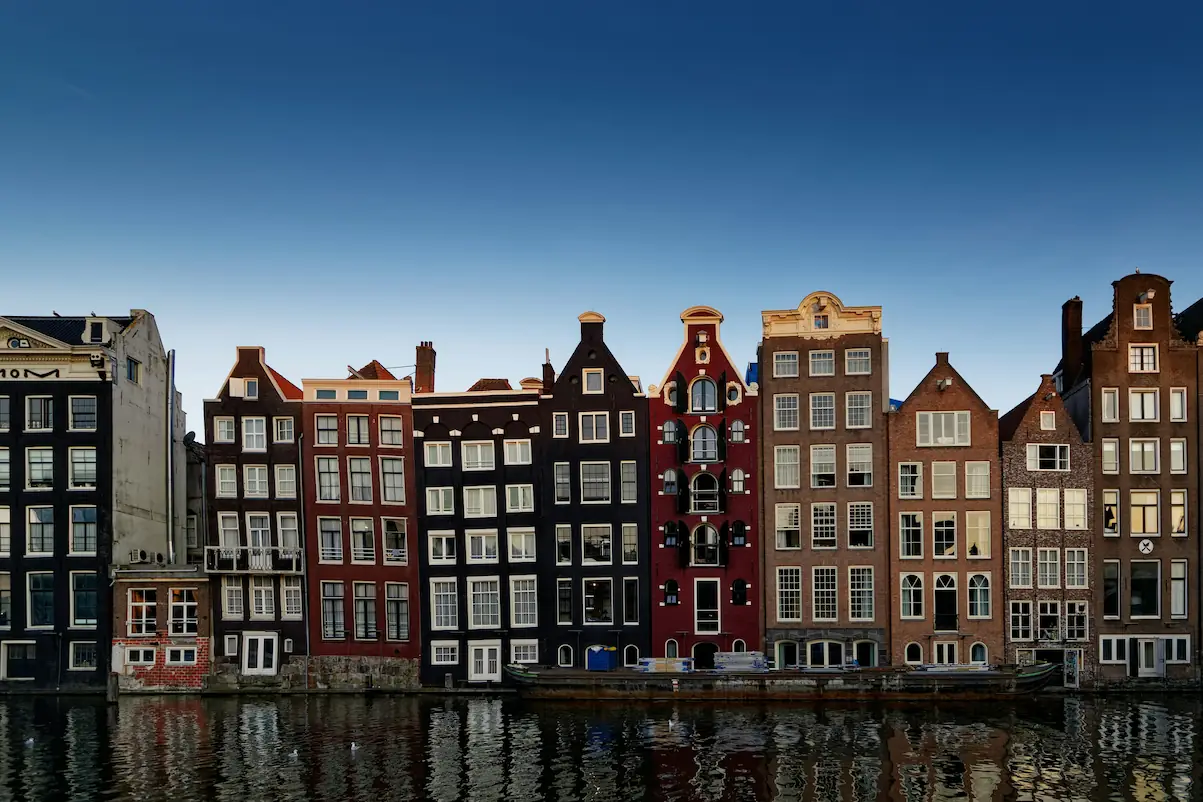
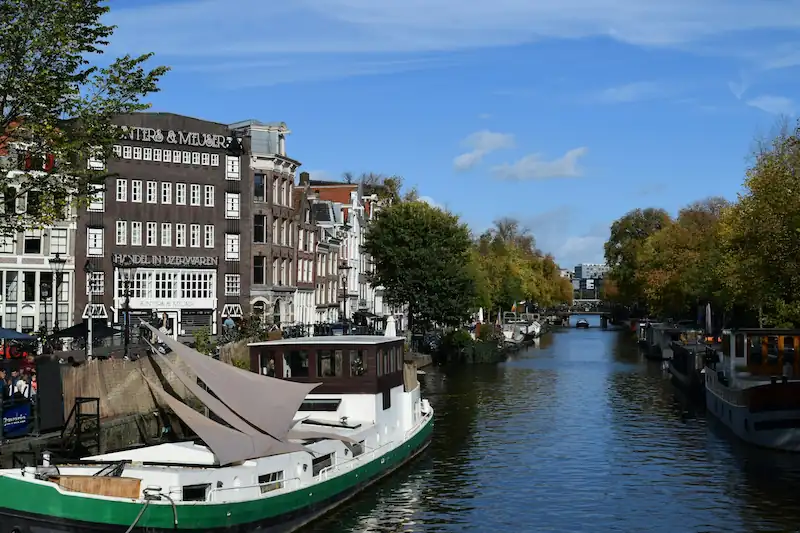
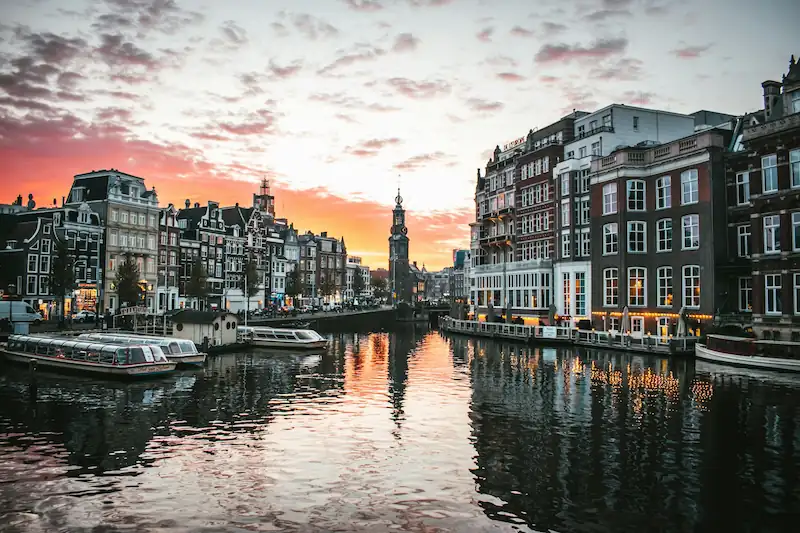
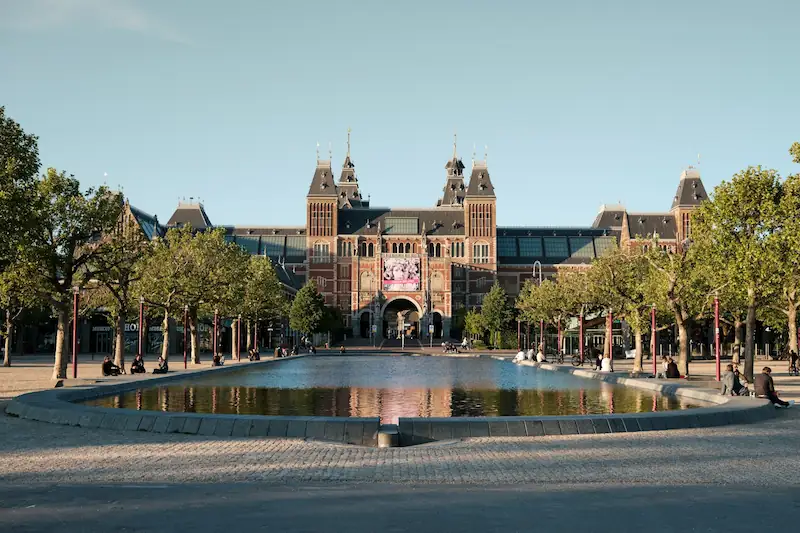
Find the best areas to stay in Amsterdam based on how you want the city to work day by day: classic canals, museum access, quieter sleep, family space, food-led evenings, value, or a more local rhythm. Amsterdam is compact, but hotel location matters more than the map suggests. The wrong base can turn a short stay into a sequence of crowded crossings; the right one makes canal walks, museums, dinner, parks, ferries, and evening atmosphere fall naturally into place.
Best areas
Jordaan is the best all-round base for most first-time visitors; the Canal Belt and Nine Streets are strongest for short central stays; the Museum Quarter is best for culture, calm, and families; De Pijp is best for food and evening energy; Oud-West works well for value, Vondelpark access, and a more local stay; Amsterdam Noord offers newer hotels, more space, and better value if you accept ferry or metro use.
Booking timing
Book early if you care about micro-location, quiet rooms, canal-facing addresses, family rooms, or stronger boutique hotels. Pressure is highest on spring weekends, May to September dates, holiday periods, and any stay near Jordaan, the western Canal Belt, the Nine Streets, or Museumplein.
Quick answer: best areas to stay in Amsterdam
Jordaan – Best for: the best all-round first stay · Vibe: classic canal Amsterdam with a more livable evening rhythm · Stay here if: you want atmosphere, walkability, strong dinner options, and a base that still feels residential rather than purely touristic · Avoid if: you want the lowest rates, larger modern rooms, or the fastest airport/station logistics
Canal Belt – Best for: short central trips and postcard Amsterdam · Vibe: historic, elegant, scenic, and highly convenient · Stay here if: you want classic Amsterdam outside the door and are willing to pay for location, views, or boutique canal-house character · Avoid if: you are sensitive to small rooms, high rates, tourist footfall, or noise in the wrong micro-location
Nine Streets – Best for: stylish central weekends · Vibe: boutique, compact, polished, and easy on foot · Stay here if: you want a central base with better design, shopping, café, and canal access than the broad old center · Avoid if: you want a quiet-value stay or do not care about being in the most curated central-west micro-zone
Museum Quarter – Best for: museums, families, calmer premium stays · Vibe: polished, spacious, cultural, and more orderly · Stay here if: Rijksmuseum, Van Gogh Museum, Vondelpark, sleep quality, and broader streets matter more than canal drama · Avoid if: you want dense nightlife, immediate old-core canal atmosphere, or a highly social evening base
De Pijp – Best for: food, bars, and a more lived-in stay · Vibe: social, contemporary, casual, and less heritage-heavy · Stay here if: you want dining density, local street life, and a base that feels more like a real neighborhood than a visitor corridor · Avoid if: this is a very short first trip and you want classic canal scenery every morning
Oud-West & Vondelpark edge – Best for: value, Vondelpark, Foodhallen, and longer stays · Vibe: local, practical, food-friendly, and slightly less polished than the canal core · Stay here if: you want better room value, useful tram links, park access, and an evening base that still feels connected to the center · Avoid if: you want to walk out directly into the most iconic canal scenery or keep every first-trip sight within a short stroll
Amsterdam Noord – Best for: space, newer hotels, family rooms, and better value · Vibe: modern waterfront contrast with a looser urban feel · Stay here if: you are happy to use ferries or the metro in exchange for more room, newer hotels, and less central pressure · Avoid if: you want old-Amsterdam atmosphere immediately outside the hotel door or a purely walking-based two-night stay
How to choose the right area in Amsterdam
Amsterdam looks easy because the map is compact, but the stay decision is more subtle than simply choosing the city center. The real question is what you want your base to do for the trip: deliver canal atmosphere, reduce museum friction, improve sleep, support family logistics, make dinner effortless, or protect budget without making the city feel remote. The best Amsterdam hotel area is rarely the loudest or most obvious central point; it is usually the micro-location that matches your daily rhythm.
For a first trip, stay west or southwest of the hardest-hit old center unless you have a specific reason to be near Centraal Station.
Jordaan, the western Canal Belt, and the Nine Streets form the strongest central-west cluster for atmosphere, walkability, and evenings.
The Museum Quarter is the smartest base when Rijksmuseum, Van Gogh Museum, Vondelpark, families, or calmer sleep matter more than canal views.
De Pijp and Oud-West are better when restaurants, bars, markets, and local rhythm matter more than postcard scenery outside the door.
Amsterdam Noord is not a compromise if you choose it for space, newer hotels, value, and waterfront contrast; it is a mistake only when you expect old-core immediacy.
Avoid booking by district name alone: a good street in a slightly less famous area often beats a noisy room in a famous one.
For a two-night stay, central efficiency usually matters more than room size; for four nights or more, room comfort and neighborhood livability become much more important.
Do not overpay for Dam Square, Red Light District, or station proximity unless your logistics genuinely require it.
Quiet sleep is a strategic filter in Amsterdam, because narrow streets, nightlife pockets, trams, and canal-side movement can change the quality of a stay quickly.
Amsterdam geography for choosing where to stay
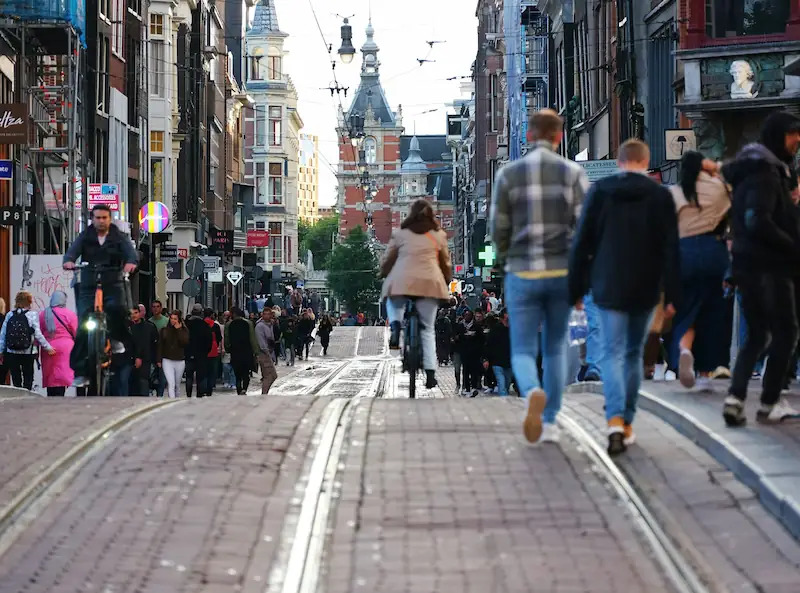
Amsterdam is small enough that many first-time visitors underestimate micro-location, but the stay decision is shaped by more than distance. Bridges, bike traffic, trams, visitor density, nightlife pockets, and the difference between canal scenery and everyday neighborhood life all change the feel of moving around. From an accommodation perspective, Amsterdam works in stay clusters rather than in one uniform center.
The western side of the center usually works better for charming short stays than the busiest central-east visitor corridors.
Jordaan, the western Canal Belt, and the Nine Streets form the strongest central-west cluster for first-time stays, couples, and classic atmosphere.
Museum-led stays are more efficient from the south than from station-adjacent addresses.
De Pijp, Oud-West, and the Museum Quarter work well together if your trip leans toward food, museums, Vondelpark, and calmer evenings.
Amsterdam Noord is easy to use, but it changes the stay from pure walking city to walk-plus-crossing city.
Centraal Station is useful for logistics, but it is not automatically the best base unless arrival, departure, or day trips dominate the itinerary.
Dam Square and the Red Light District are central in name but often weaker as hotel bases because of noise, crowd pressure, and uneven street quality.
Being close to a tram line can matter more than being a few streets closer to the exact center, especially for Oud-West, De Pijp, Museum Quarter, and Noord stays.
Classic central-west cluster – Jordaan, the western Canal Belt, and the Nine Streets: best for short stays, canal atmosphere, walkability, couples, and strong evening return routes.
Culture-south cluster – Museum Quarter and nearby Oud Zuid streets: best for art-led trips, calmer sleep, families, Vondelpark access, and premium stays with a cleaner rhythm.
Social south / local rhythm cluster – De Pijp and its edges: best for food, bars, markets, terraces, and travelers who want Amsterdam to feel more lived-in than postcard-perfect.
West-side value cluster – Oud-West and the Vondelpark edge: best for longer stays, Foodhallen, better room value, park access, and practical tram connections into the canal core.
Modern north cluster – Amsterdam Noord: best for newer hotels, more space, family logistics, waterfront contrast, and travelers comfortable with ferry or metro use.
Station and old-center corridor – Centraal, Dam Square, and the Red Light District edges: useful for logistics or specific nightlife aims, but uneven for sleep, value, and atmosphere.
Eastern cultural edge – Plantage, Waterlooplein, and Oost can be useful for repeat visitors, families, and culture-led trips, but most first-time travelers are better served by the main stay clusters unless they find a specific hotel that fits.
Best areas to stay in Amsterdam in depth
These are the Amsterdam hotel areas that make the most sense for most travelers. Focus first on practical stay decisions rather than every possible district: classic central-west bases, museum-led bases, food-led neighborhoods, better-value west-side options, and the modern north-bank alternative. Areas such as Dam Square, Centraal, the Red Light District, Plantage, and Oost matter for orientation, but for most visitors they work better as specific micro-location or FAQ decisions than as primary default bases.
Jordaan
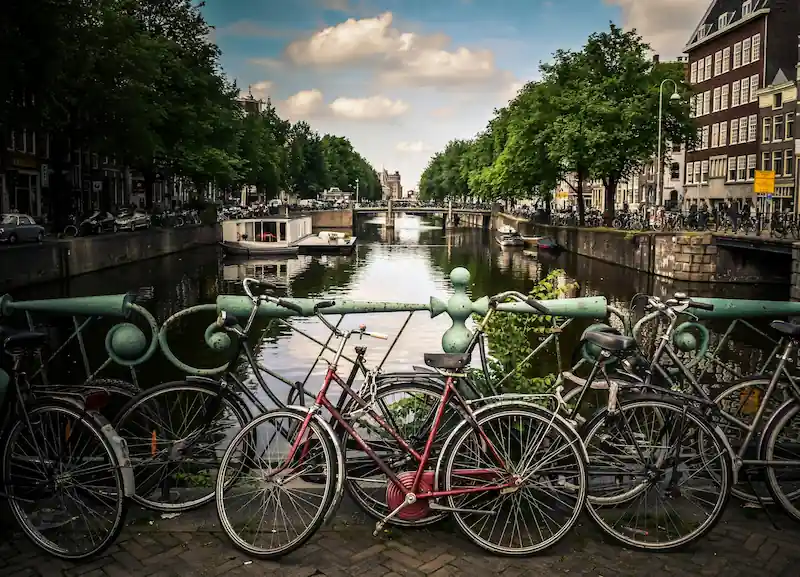
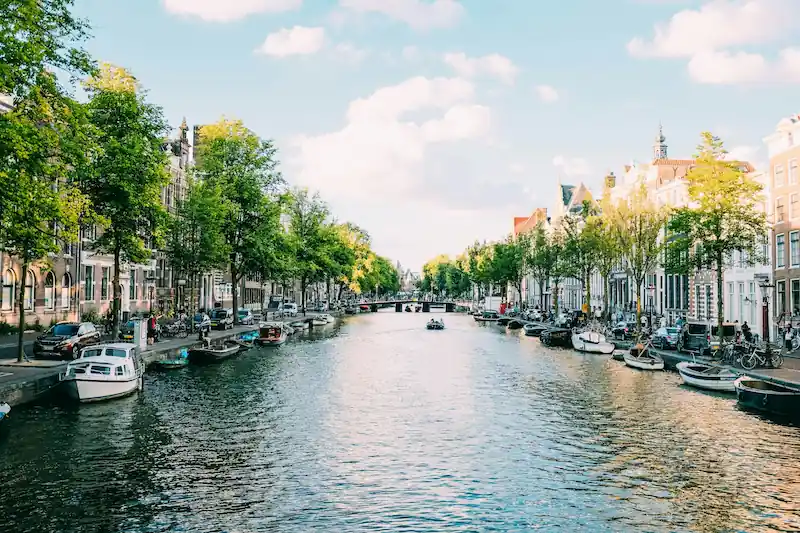
Jordaan is the easiest answer for travelers who want Amsterdam to feel unmistakably Amsterdam without sleeping inside the city’s heaviest tourist flow. The canals are still there, the architecture is deeply photogenic, and the district carries more residential texture than the broad old center. It is the right base if you want to walk a lot, return easily after dinner, and let brown cafés, small restaurants, canal edges, and the Nine Streets shape the trip without much planning. In late afternoon, when bike traffic softens and window light starts appearing along the canals, Jordaan gives the city its most convincing first-stay rhythm.
Why stay here: Stay here if you want the best overall balance of classic Amsterdam atmosphere, walkability, evening quality, and livability. It is the strongest all-round base for a first or second Amsterdam trip.
Best for: first-time visitors, couples, canal atmosphere, walkable weekends, brown cafés, better evening rhythm, central-west stays
Pros
Beautiful canal setting without the same level of tourist churn as the busiest old-center corridors
Easy walking access to Anne Frank House, western canals, the Nine Streets, and many first-trip routes
Better brown-café, wine-bar, and dinner atmosphere than many hyper-central streets
Feels more livable over several nights than Dam Square, Centraal, or the Red Light District edges
Strong fit for couples, first-time visitors, and travelers who want classic Amsterdam without constant friction
Excellent evening return routes if you prefer low-lit canal walks over loud nightlife streets
Cons
Hotels here book quickly and better addresses are rarely cheap
Room sizes can be tight in historic buildings, especially for families or longer stays
Not the most efficient base for travelers spending most of their time around Museumplein
Some canal-house stays trade charm for stairs, compact layouts, or limited facilities
Nearby highlights
Anne Frank House and the western canal belt
Slow canal walks that feel rewarding without a rigid route
Nine Streets boutiques, cafés, and bridge-to-bridge wandering
Brown cafés, wine bars, and quieter evening routes after dinner
Easy access to canal cruises and central-west walking loops
A more residential version of classic Amsterdam than the broad old center
Budget
Mr. Jordaan – Smart, compact 3-star stay right in Jordaan with a strong location for short walks everywhere that matters. Why we recommend: One of the few budget-leaning central stays here that feels genuinely on-strategy rather than just cheap. Check availability
Linden Hotel – Small historic hotel in Jordaan with simpler rooms but a notably strong neighborhood position. Why we recommend: It gives you Jordaan atmosphere without forcing you into boutique-hotel pricing. Check availability
Hotel Washington – A straightforward lower-price base in a character building, best for travelers prioritizing location over polish. Why we recommend: Useful when central historic charm matters more than full-service amenities. Check availability
Mid
Hotel Mercier – Character-rich 4-star hotel in Jordaan with more style than a typical central mid-range address. Why we recommend: It gives the area real personality instead of just a convenient postcode. Check availability
Hotel Sebastian's – Well-placed boutique-leaning canal-side stay at the northern edge of the central canal district near Jordaan. Why we recommend: It is unusually calm for such a practical central location. Check availability
The Hoxton, Amsterdam – Canal-house hotel with a social feel and strong design language close to Jordaan and the Nine Streets. Why we recommend: It works especially well if hotel atmosphere is part of the trip rather than just the sleep solution. Check availability
Upscale
Andaz Amsterdam, Prinsengracht, By Hyatt – Design-led luxury on the Prinsengracht with excellent reach into Jordaan and the western canals. Why we recommend: One of the strongest upscale choices for travelers who want location and design weight together. Check availability
Hotel Estheréa – Distinctive canal-side boutique classic with rich interiors and a central but slightly calmer setting. Why we recommend: It offers stronger identity than many similarly placed central hotels. Check availability
Hotel 717 – Refined canal-house luxury better suited to travelers seeking a quieter, more private central base. Why we recommend: It feels more intimate and residential than larger luxury competitors. Check availability
Canal Belt
The Canal Belt is for travelers who want Amsterdam’s signature image to be the daily backdrop. This is the most recognizably Amsterdam base: grand canal houses, bridge views, elegant water lines, and quick access to the classic first-visit frame. It is highly convenient for short stays because you are already inside the city’s visual and geographic core, but it is not automatically the smartest choice for everyone. A strong canal-side hotel can feel memorable; a mediocre room on the wrong overbusy stretch can feel overpriced fast.
Why stay here: Stay here if you want the most iconic central Amsterdam setting, especially for a short trip, a romantic weekend, or a boutique canal-house stay.
Best for: weekends, canal views, boutique stays, first short stays, romantic trips, maximum centrality, classic Amsterdam
Pros
Maximum visual Amsterdam from the moment you step outside
Very efficient for short stays centered on canals, Dam Square, museums, and old-core wandering
Good reach to Jordaan, the Nine Streets, western canals, and many canal-cruise departure points
Strong concentration of boutique and upscale hotels in historic buildings
Best fit for travelers who want postcard-level centrality and are willing to pay for it
Excellent for first arrivals when time is short and transport friction should stay low
Cons
Price premiums are real, especially for stronger canal-facing rooms
Some streets feel more transit-heavy, tourist-led, or noisy than atmospheric
Rooms can be small and layouts awkward in historic houses
Not always the best value if you mainly want restaurants, nightlife, or family space
Nearby highlights
Immediate access to Amsterdam’s defining canal sequences
Easy links between Dam Square, the Nine Streets, Jordaan, and museum-bound routes
High-value evening walks without needing transit back to the hotel
Strong canal-cruise access if you want to read the city from the water
Best fit for travelers who want the city’s visual identity close at all times
Good base when a two-night trip needs to feel complete quickly
Budget
Motel One Amsterdam-Waterlooplein – Reliable, efficient modern option on the central side of the old city, better for value-led centrality than for romance. Why we recommend: It is one of the cleaner ways to stay central without paying full canal-boutique rates. Check availability
Hotel V Nesplein – Well-placed central hotel with more comfort and personality than many generic old-center options. Why we recommend: A strong location play for travelers who want the core without a chain-hotel feel. Check availability
Mr. Jordaan – Not directly inside the formal canal ring heart, but close enough to function as a smarter-value canal-core base. Why we recommend: It often delivers a better overall stay than cheaper addresses in noisier central pockets. Check availability
Mid
Hotel Estheréa – One of the most distinctive canal-belt stays, central yet tucked into a calmer-feeling stretch. Why we recommend: It balances canal setting, hotel character, and practical location unusually well. Check availability
The Hoxton, Amsterdam – Stylish canal-house hotel with a lively social profile and excellent central west-canal positioning. Why we recommend: It suits travelers who want the hotel itself to contribute to the city break. Check availability
Hotel V Nesplein – Comfortable central mid-range stay just off the canal-belt flow, useful for travelers prioritizing movement efficiency. Why we recommend: It stays practical without collapsing into generic business-hotel energy. Check availability
Upscale
Andaz Amsterdam, Prinsengracht, By Hyatt – One of the canal belt’s strongest luxury choices for travelers who want design, location, and canal context together. Why we recommend: It is far more destination-aware than many upscale hotels that are simply central. Check availability
Hotel 717 – Elegant, quieter-feeling luxury on the Prinsengracht for travelers who value privacy over scene. Why we recommend: It is one of the better premium picks when understated calm matters more than hotel buzz. Check availability
Mandarin Oriental Conservatorium, Amsterdam – Strictly museum-side rather than canal-side, but still one of the city’s clearest luxury benchmarks for travelers willing to sit just south of the canal core. Why we recommend: A strong premium fallback when canal-belt luxury is unavailable or less convincing. Check availability
Museum Quarter
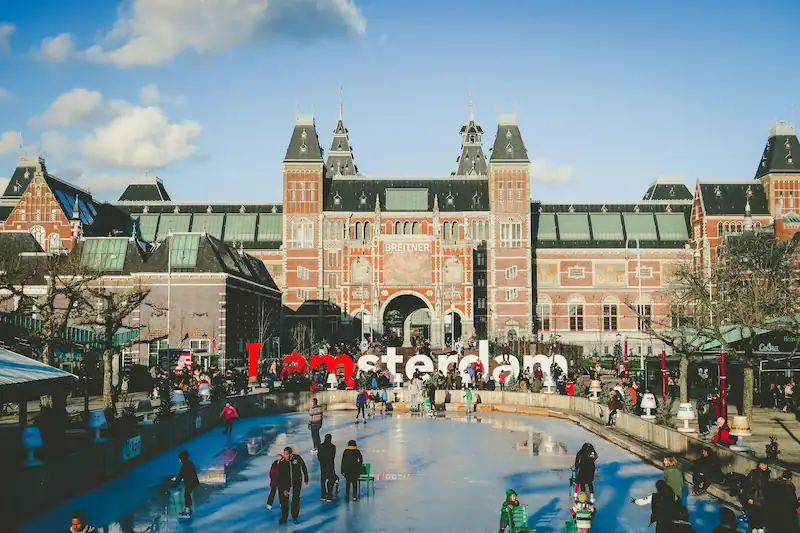
The Museum Quarter is the most comfortable choice for travelers whose Amsterdam trip is built around art, culture, calmer sleep, and better daily structure. The streets are broader, the hotel stock is often more polished, and the district carries less visual clutter than the old core. You lose some immediate canal-house drama, but you gain easier museum mornings, Vondelpark access, family-friendly breathing space, and a gentler evening return. On tree-lined streets near Museumplein, the city feels less compressed and more manageable.
Why stay here: Stay here if museums matter, you prefer a cleaner daily rhythm, or you want a calmer premium or family-compatible stay.
Best base for Rijksmuseum, Van Gogh Museum, Stedelijk Museum, Museumplein, and the Concertgebouw
Calmer, broader, and more spacious than the old center
Strong concentration of polished boutique and upscale hotels
Better fit for travelers who want sleep quality and comfort
Good family logic thanks to Vondelpark, wider streets, and less nighttime chaos
Useful for culture-first trips where one major museum anchors each day
Cons
Less immediate canal-house atmosphere than Jordaan or the Canal Belt
Evenings are calmer but less socially dense than De Pijp or Oud-West
Some addresses feel more museum-adjacent than neighborhood-rich
Not ideal if you want to step directly into the old Amsterdam postcard each morning
Nearby highlights
Rijksmuseum, Van Gogh Museum, Stedelijk Museum, and Museumplein
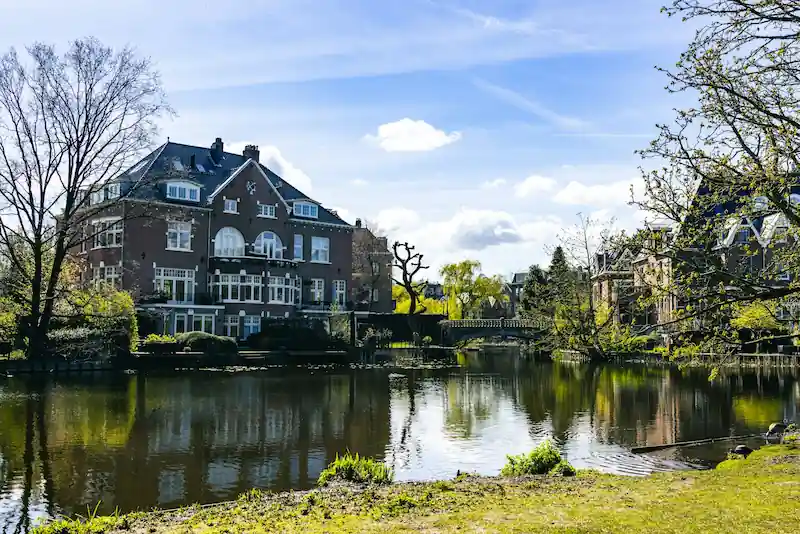
Vondelpark for breaks, family downtime, and lighter outdoor moments
Concertgebouw and more refined evening options
Cleaner route logic when museums are fixed-entry anchors
Better room and street calm than many old-center alternatives
Easy pairing with De Pijp or Oud-West for dinner
Budget
Hotel Museumzicht – Very simple but highly strategic museum-area base in a historic building, more about location and character than full-service comfort. Why we recommend: One of the clearest low-cost ways to stay genuinely close to Museumplein. Check availability
Hotel Aalders – Dependable and well-positioned lower-mid option in the museum district with a practical feel. Why we recommend: It regularly outperforms more anonymous central hotels for this type of trip. Check availability
Hotel Verdi – Small, old-school museum-area hotel behind the Concertgebouw with a quieter residential tone. Why we recommend: A strong pick when you want location and calm more than contemporary styling. Check availability
Mid
Hotel Fita – Well-run museum-quarter stay with a homelike feel and excellent practical positioning. Why we recommend: It is one of the easiest museum-district hotels to recommend without overcomplicating the choice. Check availability
Jan Luyken Amsterdam – Polished boutique-leaning hotel in a handsome museum-quarter townhouse setting. Why we recommend: It gives this area much more style than a typical cultural-district stay. Check availability
Apollofirst Boutique Hotel – Classic boutique address slightly south of the core museum cluster, useful for travelers who want calm over maximum footfall. Why we recommend: It is a better-value refined stay than many more obvious premium choices nearby. Check availability
Upscale
Mandarin Oriental Conservatorium, Amsterdam – The district’s benchmark luxury hotel, with serious polish and one of the city’s strongest premium positions. Why we recommend: It is the clearest choice if you want full-service luxury in the most culture-friendly area. Check availability
Jan Luyken Amsterdam – Boutique-premium stay that feels more intimate than a large luxury hotel but still highly polished. Why we recommend: Ideal if you want strong design and museum access without going fully formal. Check availability
Hotel 717 – Not inside the Museum Quarter itself, but close enough to work for travelers who want a premium stay between museum access and canal elegance. Why we recommend: A strong alternative when museum-quarter luxury availability is thin. Check availability
De Pijp
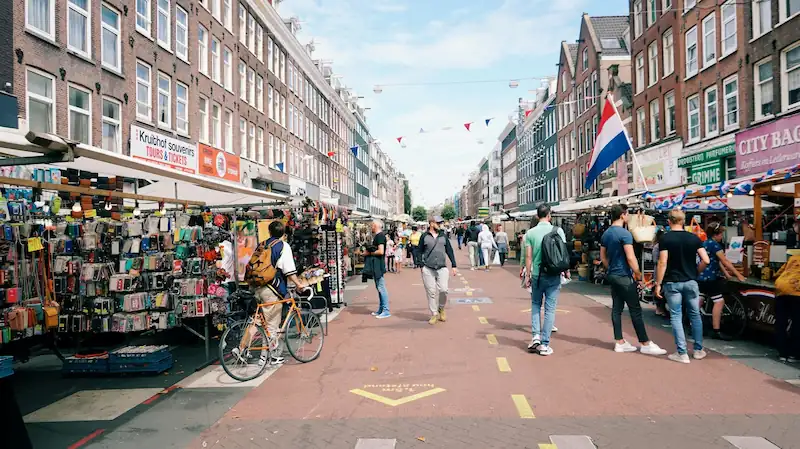
De Pijp is where Amsterdam starts to feel less like an idealized canal postcard and more like a contemporary city people actively live in. It is denser in food and bar life, more relaxed about ritual sightseeing, and often better for travelers who care about evenings as much as museum entries. It still connects well to the rest of the city, but its appeal is different: less formal beauty, more daily texture. Around Sarphatipark and Albert Cuyp Market, terrace noise, market movement, and a looser urban pulse change the stay immediately.
Why stay here: Stay here if you want a more local-feeling base with strong dining, bars, and neighborhood life. It works best for return visitors or first-timers who value everyday Amsterdam over pure centrality.
Best for: food lovers, bar-focused weekends, repeat visitors, younger couples, local texture, social evenings
Pros
Excellent casual dining, bar, and café density
More local energy than the broad center
Still close to the Museum Quarter and not far from canal-core sights by tram, bike, or longer walk
Better fit for evening-led city breaks and social weekends
Often stronger value than the most obvious central boutique zones
Good option when you want a base that works after dark without being a nightlife strip
Cons
Less visually iconic than Jordaan or the Canal Belt
Not the best base for a very short first trip focused entirely on classic Amsterdam
Some streets are busy and less quiet at night
Requires a clearer transport or walking plan for old-center-heavy days
Nearby highlights
Albert Cuyp Market and surrounding food streets
Casual restaurants, bars, and terrace life
Easy pairing with the Museum Quarter and Museumplein
More everyday Amsterdam street life than the polished canal core
Useful access to Sarphatipark and the Amstel side
Strong base for travelers who want to end days in restaurants rather than canal promenades
Budget
easyHotel Amsterdam City Centre South – Very stripped-back budget stay in De Pijp for travelers who care most about area logic and least about room generosity. Why we recommend: It is one of the clearest low-cost ways to stay in a good neighborhood rather than in a weak location. Check availability
Hotel Washington – A simple, practical base on the Oud Zuid–De Pijp edge that works well for value-led stays near both districts. Why we recommend: Useful when you want a calmer sleep setup without drifting too far from De Pijp energy. Check availability
Hotel Verdi – Small, lower-key hotel that sits just outside De Pijp but supports the same south-city stay logic effectively. Why we recommend: Good fallback when De Pijp proper is tight on price or availability. Check availability
Mid
Sir Albert Hotel, part of Sircle Collection – Design-conscious hotel on the De Pijp edge with a stronger style profile than most local alternatives. Why we recommend: It matches the district’s social, contemporary energy better than more generic hotels nearby. Check availability
Pestana Amsterdam Riverside – Larger and calmer than many De Pijp options, set near the Amstel with a slightly more removed feel. Why we recommend: A strong choice if you like De Pijp’s access but do not want to sleep in its busiest fabric. Check availability
Motel One Amsterdam – Modern, efficient option south-east of the core, best for travelers happy to trade perfect micro-location for better room value. Why we recommend: It is often a smarter-value play than weaker rooms in more fashionable streets. Check availability
Upscale
Sir Albert Hotel, part of Sircle Collection – Boutique-upscale hotel that fits De Pijp’s tone better than formal luxury properties do. Why we recommend: It is one of the best stylistic matches for travelers choosing De Pijp on purpose. Check availability
Pestana Amsterdam Riverside – Refined riverside luxury option with more room to breathe than central canal addresses. Why we recommend: A strong pick if you want premium comfort without sleeping in the historic core. Check availability
Mandarin Oriental Conservatorium, Amsterdam – Museum-quarter luxury close enough to De Pijp to work for travelers who want south-city access with a more formal premium standard. Why we recommend: Best-in-class if you want De Pijp nearby but not as your exact sleep environment. Check availability
Nine Streets
The Nine Streets are for travelers who want a highly central Amsterdam base with more boutique texture than the broad old center. The area is compact, fashionable, and very efficient on foot, especially for short stays where movement matters. It sits between the western Canal Belt and Jordaan, so it benefits from both: canals, cafés, shopping, and strong evening return routes. The trade-off is that it can feel busy, polished, and expensive for what are often quite small rooms.
Why stay here: Stay here if you want a stylish, central, high-efficiency base for a short break. It is especially good for couples, design-conscious travelers, and first-timers who want to walk almost everywhere.
Best for: stylish weekends, couples, shopping-led breaks, compact first visits, boutique stays, central-west walking
Pros
Very strong walkability for two- and three-night stays
More boutique character than the broad old-center hotel corridors
Excellent placement between canal-core sightseeing and Jordaan evenings
Good café, shopping, and dinner density nearby
Strong fit for polished city breaks and couples’ weekends
Useful when you want centrality without defaulting to Dam Square or Centraal
Cons
Hotels are rarely good value in pure price-per-space terms
The area can feel retail-led and crowded by midday
Quiet nights are less guaranteed than on calmer Jordaan streets
Not the best choice for travelers who do not care about boutique centrality
Nearby highlights
Easy access to canal walks that do not require much planning
Fast movement into Jordaan for dinner and evening atmosphere
One of the simplest bases for combining shopping, canals, and landmark access
Better boutique density than many other central micro-districts
Useful for travelers who want to do Amsterdam mostly on foot
Strong crossover position between classic scenery and curated urban texture
Budget
Mr. Jordaan – Sits just beyond the Nine Streets proper but functions very well for this micro-area’s central-west stay logic. Why we recommend: A smarter-value substitute for weaker rooms inside the most premium blocks. Check availability
Motel One Amsterdam-Waterlooplein – Modern, efficient central fallback for travelers who want to stay in easy reach of the Nine Streets without paying boutique premiums. Why we recommend: Helps preserve centrality when the district itself becomes too expensive. Check availability
Linden Hotel – Jordaan-side historic option close enough to support a Nine Streets-heavy trip while sleeping in a softer micro-location. Why we recommend: It often gives a better overall experience than cheaper direct-area compromises. Check availability
Mid
Hotel IX Nine Streets Amsterdam – Tiny-scale, highly targeted boutique stay right where travelers choosing this area usually want to be. Why we recommend: The most on-theme choice if you are deliberately booking the Nine Streets rather than just central Amsterdam. Check availability
The Hoxton, Amsterdam – Canal-house stay with easy reach to the Nine Streets and a stronger social feel than smaller boutiques nearby. Why we recommend: It balances location with hotel atmosphere better than many quieter alternatives. Check availability
Hotel Estheréa – Canal-side boutique classic within very easy reach of the Nine Streets and stronger than many trend-led options nearby. Why we recommend: It adds more real hotel character than the area’s more formulaic boutique choices. Check availability
Upscale
Andaz Amsterdam, Prinsengracht, By Hyatt – Upscale design hotel at the edge of the district with excellent practical positioning. Why we recommend: Best premium option if you want the Nine Streets nearby without giving up full-service quality. Check availability
Hotel 717 – Refined, quieter premium address for travelers who want the district’s centrality but not its daytime bustle in full. Why we recommend: A better pick than flashier hotels if room calm is a top priority. Check availability
The Hoxton, Amsterdam – Works well at the premium end for travelers who want both district fit and a lively hotel personality. Why we recommend: It suits this area’s design-forward, city-break logic extremely well. Check availability
Oud-West & Vondelpark edge
Oud-West and the Vondelpark edge are one of the most useful stay zones for travelers who want Amsterdam to feel local, practical, and still well connected. This is not the most postcard-perfect base, but it solves several real trip problems at once: better room value than the canal core, quick access to Vondelpark, easy reach toward Museumplein, good tram links, and a strong food-and-evening layer around Foodhallen and the surrounding streets. It works especially well once your stay is longer than a quick two-night classic-center trip.
Why stay here: Stay here if you want better value, Vondelpark access, useful transport, and a more everyday Amsterdam base without going as far from the classic city as Noord.
Best for: longer stays, value, Vondelpark access, Foodhallen, local rhythm, couples, families who want more space
Pros
Better room-value potential than Jordaan, the Canal Belt, or the Nine Streets
Very useful access to Vondelpark, Museum Quarter, Foodhallen, and west-side neighborhoods
Strong for longer stays where room comfort and daily convenience matter
Feels more local and less visitor-compressed than the old center
Good tram links into the central canal belt without needing to sleep in it
Works well for couples, repeat visitors, and families who do not require immediate canal scenery
Cons
Less iconic when you step outside than Jordaan or the Canal Belt
Some micro-locations feel practical rather than beautiful
Not the cleanest choice for a very short first visit focused on classic landmarks
You need to choose the exact street carefully because the area’s feel changes quickly
Nearby highlights
Vondelpark for family breaks, runs, and softer mornings
Foodhallen and Oud-West dining for flexible evenings
Good access toward Museumplein without sleeping in the museum district
Tram links into the Canal Belt, Jordaan, and Centraal
A more residential rhythm than the old center
Useful balance between central access and room comfort
Budget
CityHub Amsterdam – Compact, tech-forward budget stay near Foodhallen, best for travelers who want area quality over traditional hotel space. Why we recommend: A smart low-cost way to use Oud-West’s food, tram, and local-neighborhood logic without paying canal-core prices. Check availability
Conscious Hotel Vondelpark – Simple modern stay near the Vondelpark edge, useful for travelers prioritizing park access and good transport over old-core atmosphere. Why we recommend: It supports the strongest practical reason to choose Oud-West: better value with quick access to green space and trams. Check availability
Hotel Espresso – Straightforward hotel close to Leidseplein, Vondelpark, and the museum-side approach, better for active city days than lingering hotel time. Why we recommend: A practical budget-leaning fallback when you want the west/south edge of the center without boutique pricing. Check availability
Mid
Hotel De Hallen – Design-led hotel set around the Foodhallen complex, with one of the clearest Oud-West identities. Why we recommend: The best thematic fit if you are choosing Oud-West for food, design, and neighborhood texture rather than pure savings. Check availability
Conscious Hotel The Tire Station – Modern Vondelpark-edge stay with a practical, sustainable-minded profile and better breathing room than many central hotels. Why we recommend: A strong choice when Vondelpark access, tram links, and room practicality matter more than canal views. Check availability
Chasse Hotel – Comfortable west-side hotel in a quieter setting, useful for travelers who want more room comfort than old-center budget options. Why we recommend: It can outperform more central hotels when sleep quality and room value matter more than immediate scenery. Check availability
Upscale
Pillows Luxury Boutique Hotel Anna Van Den Vondel – Refined boutique stay on the Vondelpark side, with a quieter and more residential feel than many central luxury options. Why we recommend: One of the best premium fits for travelers who want elegance, park access, and calm rather than canal-core bustle. Check availability
Park Plaza Vondelpark Amsterdam – Polished Vondelpark-area hotel with stronger comfort and space logic than most historic canal-house stays. Why we recommend: A good upscale-value choice for travelers who want calmer surroundings and reliable room standards. Check availability
Hotel De Hallen – Not full luxury, but distinctive enough to work as an upscale-feeling Oud-West choice for design-led travelers. Why we recommend: It gives the area a real sense of place and avoids the anonymity that can weaken west-side hotel choices. Check availability
Amsterdam Noord
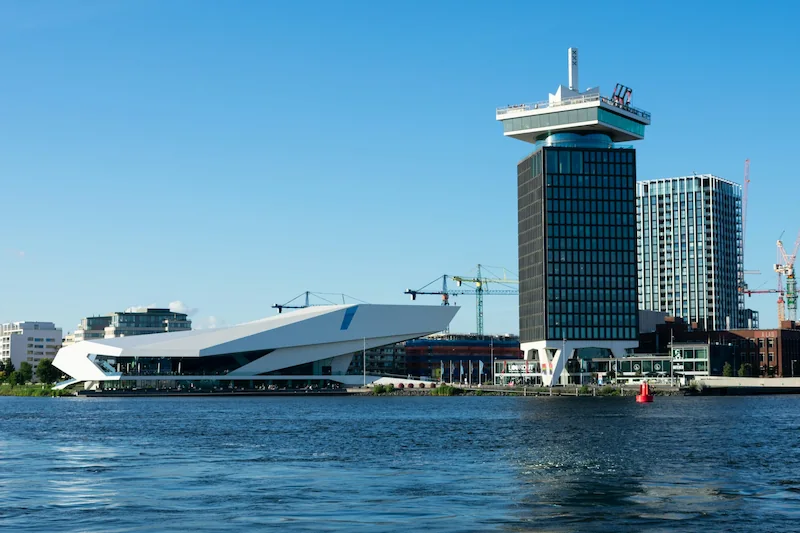
Amsterdam Noord is the deliberate alternative to the classic stay pattern. You come here for newer hotel stock, more space, better-value room quality, and a different relationship to the city: ferries, waterfront light, larger urban forms, and less dependence on old-center beauty. It is not the best base for everyone, but it works very well when travelers accept that the crossing is part of the experience rather than a drawback. Around the IJ, the air opens up, the skyline widens, and Amsterdam suddenly feels less compressed than south of the water.
Why stay here: Stay here if you want better-value newer hotels, more room, family-friendly layouts, parking or metro logic, and a modern waterfront contrast to the canal core.
Best for: better value, newer hotels, longer stays, families, repeat visitors, modern-city contrast, space
Pros
Stronger room value and newer hotel stock than the historic core
More space and less day-to-day tourist compression
Good fit for longer stays and travelers comfortable with ferry or metro use
Interesting modern contrast to classic canal Amsterdam
Useful family logic thanks to larger-format hotels and easier room configurations
Often a smarter choice than paying peak rates for weak old-center rooms
Cons
Not right if you want old-Amsterdam atmosphere immediately outside
The ferry or metro crossing adds friction for short, landmark-heavy stays
Some addresses feel more transit-efficient than naturally walkable
Evening spontaneity depends more on planning than in Jordaan, De Pijp, or the Canal Belt
Nearby highlights
Fast ferry crossings that add a waterside perspective to the stay
A'DAM Tower, Eye Filmmuseum area, and northern waterfront redevelopment
NDSM and more contemporary cultural spaces if you choose that side
More generous room standards than many canal-core hotels
Simpler sleep conditions than many nightlife-adjacent central addresses
Better option when central hotel prices are high but you still want a credible Amsterdam base
Budget
Bunk Hotel Amsterdam – Design-led, compact, and socially active budget stay in Amsterdam Noord with a clear modern-city identity. Why we recommend: It offers more character than most lower-price options in the area. Check availability
Bastion Hotel Amsterdam Noord – Basic, functional budget choice better for value and parking logic than for neighborhood atmosphere. Why we recommend: Useful when price and simplicity matter more than boutique appeal. Check availability
NH Amsterdam Noord – Older but practical north-side option with a calmer setup than many central budget compromises. Why we recommend: A good fallback when you want a more comfortable north-side base without a premium rate. Check availability
Mid
Tribe Amsterdam City – Modern, efficient north-side hotel close to the metro, with better room standards than many central equivalents. Why we recommend: It is one of the cleanest value-for-comfort plays in Amsterdam Noord. Check availability
YOTEL Amsterdam – Contemporary hotel with a smart, compact approach and a stronger design profile than standard mid-range chains. Why we recommend: A good fit if you want modernity and predictable comfort over heritage charm. Check availability
Mercure Amsterdam North Station – Very practical metro-adjacent stay with dependable room quality and strong transport logic. Why we recommend: Particularly useful when efficient movement matters more than scenic micro-location. Check availability
Upscale
Sir Adam Hotel, part of Sircle Collection – Stylish waterfront-facing hotel in the A'DAM Tower with one of the strongest sense-of-place positions in Noord. Why we recommend: Best premium pick if you want Noord on purpose, not just as a compromise. Check availability
DoubleTree by Hilton Amsterdam - NDSM Wharf – Boutique-leaning waterfront stay in NDSM with a calmer and more distinctive north-side mood. Why we recommend: It gives you real northern waterfront character instead of generic outer-city convenience. Check availability
Tribe Amsterdam City – Not full luxury, but strong enough in finish and room quality to function as the smarter upscale-value play in Noord. Why we recommend: A better all-round premium-value option than some more expensive but less convincing north-side addresses. Check availability
Where to stay in Amsterdam for first-time visitors
For a first trip, the best area is usually one that keeps classic Amsterdam visible and walkable without forcing you into the noisiest center. The strongest first-time choices are Jordaan, the western Canal Belt, the Nine Streets, and the Museum Quarter. Oud-West can work for value-minded first-timers on slightly longer stays, while Noord is best when room quality clearly matters more than old-core immediacy.
Choose Jordaan if you want the best balance between canal atmosphere, dinner quality, and livability.
Choose the Canal Belt if your priority is seeing classic Amsterdam with minimum transport effort on a short stay.
Choose the Nine Streets if your stay is short and you want a central, stylish, easy-on-foot base.
Choose the Museum Quarter if art, Vondelpark, families, and calmer evenings matter more than sleeping beside canals.
Consider Oud-West if you want better value and do not mind taking trams into the canal core.
Use Amsterdam Noord only on a first trip if you actively want newer hotels, more space, or a lower-pressure base.
Avoid staying right by Centraal, Dam Square, or the Red Light District unless logistics or nightlife are the clear reason.
Do not confuse ‘most central’ with ‘best’; the most enjoyable first stay is often slightly west or southwest of the busiest center.
Where to stay in Amsterdam with family
Families usually do better in areas that reduce noise, improve room practicality, and avoid too much old-center crowd compression. The Museum Quarter is the safest default, Amsterdam Noord is strongest for newer hotels and space, and Oud-West works well when Vondelpark access, Foodhallen, and room value matter.
The Museum Quarter is the safest family default for calmer streets, museum access, and Vondelpark proximity.
Amsterdam Noord works well when room size, newer hotel stock, parking, or easier family logistics matter more than instant canal scenery.
Oud-West is useful for families who want Vondelpark access, better room value, and food options without the old-center crush.
Jordaan suits shorter family stays if you want atmosphere without sleeping in the busiest visitor corridors.
Look carefully at room size, lift access, and stairs in historic canal hotels; district choice alone does not solve family comfort.
If strollers, early nights, or tired children matter, avoid the broadest central nightlife corridors.
For a museum-led family trip, staying south often beats a more famous central address.
A hotel slightly outside the exact ‘best area’ can be better for families than a tighter, noisier central room.
Where to stay in Amsterdam for nightlife and evenings out
For nightlife and evenings out, the best area depends on whether you want dinner-and-bars energy, a polished evening base, or louder late-night access. De Pijp is the strongest all-round answer for social evenings, while Jordaan, the Nine Streets, the western Canal Belt, and Oud-West often work better for grown-up nights with easier sleep.
Choose De Pijp for the best mix of casual bars, restaurants, terraces, and local evening energy.
Choose Jordaan for brown cafés, wine bars, canal walks, and a more classic evening rhythm.
Choose the Nine Streets or western Canal Belt for polished drinks, boutique dinners, and attractive walks home.
Choose Oud-West if you want Foodhallen, casual restaurants, and a local evening base without central-nightlife noise.
Stay near nightlife rather than inside its loudest pockets if sleep still matters.
Do not pay premium central rates only to end up on a street that is lively in the wrong way.
Be cautious about staying directly around the Red Light District unless that specific late-night environment is the point.
For a couples’ weekend, De Pijp, Jordaan, or the Nine Streets usually outperform the broad old center after dark.
Where to stay in Amsterdam on a budget
Budget in Amsterdam is rarely about finding a truly cheap central boutique stay. It is usually about deciding what you are willing to trade: room size, polish, immediate canal atmosphere, ferry or tram time, or exact micro-location. The best budget strategy is to protect the quality of the stay rather than chase the most famous postcode.
Amsterdam Noord often gives the strongest room-value ratio if you accept ferry or metro use.
Oud-West can be one of the best value compromises because it stays connected while offering better room options than the canal core.
De Pijp can be a better-value social base than paying too much for a weak old-center hotel.
Simple hotels near the Museum Quarter can outperform poor-value canal-core rooms for comfort and sleep.
Jordaan budget picks exist, but strong ones book early and disappear first.
Do not choose purely on district name; the weakest budget stays in the ‘best areas’ are rarely the best decision.
A tiny but well-located room can work for two nights, but comfort costs accumulate over longer stays.
Budget travelers should compare total trip friction, not only nightly rate: late transfers, poor sleep, and bad dining access can erase savings.
Where to stay depending on your trip format
The right base changes with trip length and expectations. Amsterdam rewards sharper location choices on short stays and more flexible neighborhood choices once the trip expands.
Label
Stay
Avoid
Why
2 nights
Jordaan, western Canal Belt, or Nine Streets
Outer-value bases unless price or room size is the main decision
On a very short trip, central walking efficiency and evening return routes matter more than marginal room savings.
3 days
Jordaan, Museum Quarter, or Canal Belt
Weak station-adjacent hotels chosen only for transport convenience
Three days is long enough to benefit from either stronger classic atmosphere or stronger museum structure.
4 to 5 days
Jordaan, De Pijp, Oud-West, or Museum Quarter
Paying peak canal premiums if you want more room, food options, or local rhythm
Once the stay lengthens, livability, sleep, and neighborhood function matter more than postcard centrality alone.
1 week
Oud-West, De Pijp, or Amsterdam Noord
Tiny historic canal rooms unless atmosphere is the whole point of the stay
Longer stays need room comfort, laundry/practicality, transport, and a neighborhood that still works after the first sightseeing days.
First trip
Jordaan, Canal Belt, Nine Streets, or Museum Quarter
Going too peripheral in exchange for modest savings
A first Amsterdam trip works best when classic visual and walking logic stays easy.
Return trip
De Pijp, Oud-West, or Amsterdam Noord
Repeating the most tourist-central base by default
A second visit gains more from local rhythm, restaurants, park access, and contrast than from maximum centrality.
Family trip
Museum Quarter, Oud-West, Amsterdam Noord, or calmer Jordaan edges
Nightlife-heavy old-center streets and tiny canal-house rooms without lift/space checks
Families benefit more from room size, parks, quieter evenings, and easier logistics than from absolute centrality.
Museum-led stay
Museum Quarter or Vondelpark/Oud-West edge
Centraal or Noord unless hotel value clearly outweighs extra movement
Museum days feel cleaner when the first fixed-entry visit does not require crossing the whole city.
Food and nightlife weekend
De Pijp, Jordaan, Nine Streets, or Oud-West
Sleeping directly inside the loudest nightlife pockets
The best evening base is close enough to energy but far enough from the exact noise source.
Best-value strategy
Oud-West, De Pijp edges, Amsterdam Noord, or simple Museum Quarter hotels
Poorly reviewed rooms in famous central districts
Amsterdam’s best value often comes from a slightly less iconic area with better room standards and transport links.
How to choose the right hotel once the area is selected
In Amsterdam, the district name is only the first filter. The real hotel decision happens at micro-location level: street noise, room size, stairs, tram access, canal-view premiums, crowd profile, and how the hotel supports the actual rhythm of your trip.
Topic
WhatToDo
WhatToAvoid
WhyItMatters
Street quality inside the district
Check whether the hotel sits on a calmer canal-side, residential, or park-edge street rather than a busy through-route.
Assuming every address in a good district delivers the same stay quality.
Micro-location strongly affects noise, sleep, and how pleasant the walk back feels at night.
Room size expectations
Treat room size as a real decision factor in historic canal districts, especially for stays longer than two nights.
Paying a premium for a beautiful area while ignoring how small and awkward the room may be.
Amsterdam’s best-located historic hotels often trade charm for space, stairs, and irregular layouts.
Canal view premium
Pay for a canal-facing room only if the room itself, hotel standard, and street position justify it.
Assuming a canal view alone makes a mediocre hotel worth the rate.
The city offers canal atmosphere for free outside; not every view markup improves the stay enough.
Quiet versus central
Favor slightly calmer edges of a strong district if sleep matters.
Booking the busiest micro-zone just because it sounds most central.
In Amsterdam, a five- to ten-minute location compromise can produce a noticeably better night while keeping the city walkable.
Museum trips
Stay south or west-southwest if the Rijksmuseum, Van Gogh Museum, Stedelijk, or Concertgebouw are central to the trip.
Forcing museum days from a station-led or nightlife-led base if culture is the main purpose.
The right base removes unnecessary crossings and keeps fixed-entry days cleaner.
Families and room configuration
Check family rooms, lifts, bedding, and bathroom layout before prioritizing district romance.
Assuming a canal-house hotel works for children just because the area is beautiful.
Amsterdam’s historic hotels can be charming but physically awkward for families.
Value strategy
Compare better room quality in Oud-West, Noord, De Pijp edges, or south-side districts against weaker but more central options.
Reading value only through district prestige.
A modern, quieter, better-laid-out room can improve the trip more than a famous postcode.
Station proximity
Stay near Centraal only when early departures, train day trips, or minimal transfer logistics genuinely dominate.
Choosing station adjacency as a default first-trip strategy.
The station area is useful, but many nearby hotel pockets are less atmospheric and less restful than better central-west bases.
Nightlife proximity
Stay within easy walking or tram reach of evening areas rather than directly in the loudest blocks.
Booking Red Light District or nightlife-heavy streets without considering sleep and street atmosphere.
A good Amsterdam evening is often nearby, not directly underneath your window.
Boutique versus modern hotel
Choose boutique canal-house hotels when identity and street fit matter; choose modern hotels when space, lifts, predictability, and value matter more.
Assuming boutique always means better or that chain always means soulless.
Amsterdam has both excellent character hotels and very smart modern-value plays.
Booking timing
Book early for Jordaan, Nine Streets, canal-view rooms, family rooms, and peak museum-season weekends.
Waiting until only poor-value central leftovers remain, then compensating with a weak micro-location.
Amsterdam’s best hotel decisions disappear early because the city has high demand and many small properties.
FAQ: where to stay in Amsterdam
These are the accommodation questions that most often decide whether an Amsterdam stay feels smooth, overpriced, noisy, or unexpectedly fragmented.
What is the best area to stay in Amsterdam for first-time visitors?
Jordaan is usually the strongest all-round answer because it balances canal atmosphere, centrality, walkability, and a more livable evening rhythm. The western Canal Belt and the Nine Streets are also excellent for short first stays, while the Museum Quarter is better if museums, Vondelpark, families, and calmer nights matter most.
Where should I stay in Amsterdam without wasting time?
For most short trips, stay in Jordaan, the western Canal Belt, the Nine Streets, or the Museum Quarter. These areas keep you close to the city’s main first-visit logic without forcing constant transport. Going farther out works better once price, room size, or a longer stay becomes more important than immediate walking convenience.
Is the city center the best place to stay in Amsterdam?
Not always. Central Amsterdam is useful, but the broad old center is uneven: some streets are elegant and practical, while others are noisy, crowded, and weak for sleep. Jordaan, the western Canal Belt, the Nine Streets, and the Museum Quarter often give a better overall stay than a more obvious address near Dam Square or Centraal.
Should I stay near Amsterdam Centraal Station?
Stay near Centraal only if train logistics, early departures, or multiple day trips dominate your stay. For a normal first city break, station proximity is less important than staying in a district that feels good in the morning and evening. Jordaan, the Canal Belt, the Nine Streets, and the Museum Quarter usually create a better trip rhythm.
Is Dam Square a good place to stay in Amsterdam?
Dam Square is central, but it is not the best default base for most travelers. It can work for a very short logistics-heavy stay, but the surrounding streets are often busy, visitor-led, and less pleasant at night than Jordaan, the western Canal Belt, or the Nine Streets. It is better as an orientation point than as the automatic hotel target.
Is the Red Light District a good area to stay?
Usually no, unless late-night access to that exact environment is the point of the trip. It is central, but the noise, crowd profile, and evening atmosphere do not suit many couples, families, or first-time visitors who want a balanced Amsterdam stay. Staying nearby but not inside the loudest streets is usually smarter.
Where to stay in Amsterdam for nightlife?
De Pijp is usually the best all-round nightlife answer if you mean bars, restaurants, and lively evenings rather than the loudest late-night streets. Jordaan works better for brown cafés and classic canal evenings. The Nine Streets and western Canal Belt suit polished dinner-led nights, while Oud-West is useful for Foodhallen and casual west-side evenings.
Where to stay in Amsterdam with family?
The Museum Quarter is the safest family default because it combines calmer streets, museum access, and Vondelpark proximity. Amsterdam Noord is strong when room size and newer hotel stock matter more than immediate canal atmosphere. Oud-West also works well for families who want Vondelpark access, food options, and better value than the canal core.
What is the safest area to stay in Amsterdam?
Amsterdam is generally manageable for visitors, but the Museum Quarter, Jordaan, Oud-West, and many parts of Amsterdam Noord usually feel easier and calmer than nightlife-heavy or tourist-compressed old-center pockets. In practice, street quality, noise, and crowd profile matter more than district reputation alone.
Where can I stay in Amsterdam on a budget?
True budget in Amsterdam usually means choosing either a simpler room in a strong area or a better room in a less central one. Amsterdam Noord often gives the best room-value ratio, Oud-West is a strong connected-value compromise, and simple Museum Quarter or De Pijp-edge hotels can outperform weak cheap rooms in the old center.
Is Amsterdam Noord a good area to stay?
Yes, if you choose it on purpose. Noord is good for newer hotels, more space, better value, family rooms, and a modern waterfront contrast. It is less ideal for a very short first trip where you want old-Amsterdam atmosphere immediately outside and minimal movement friction.
Is Oud-West a good place to stay in Amsterdam?
Yes, especially for travelers who want better value, Vondelpark access, Foodhallen, useful tram links, and a more local rhythm. It is not as visually iconic as Jordaan or the Canal Belt, but it can be more comfortable and practical for longer stays, families, and repeat visitors.
Is De Pijp a good area to stay in Amsterdam?
De Pijp is a strong choice for food, bars, terraces, and a more lived-in neighborhood feel. It is especially good for return visitors and for first-timers who care about evenings and local texture. It is less ideal if your trip is very short and focused almost entirely on classic canal scenery.
Should I stay in Jordaan or the Canal Belt?
Choose Jordaan if you want a more livable version of classic Amsterdam, with better evening atmosphere and slightly more residential texture. Choose the Canal Belt if you want the most iconic central setting, canal views, and maximum convenience for a short stay. Jordaan is usually the better all-round base; the Canal Belt is stronger for visual impact.
Should I stay in the Museum Quarter or Jordaan?
Choose the Museum Quarter if museums, Vondelpark, families, calm, and room comfort matter most. Choose Jordaan if canal atmosphere, brown cafés, evening walks, and classic Amsterdam texture are more important. Both are excellent; the right answer depends on whether your trip is more culture-led or atmosphere-led.
Where should couples stay in Amsterdam?
Couples usually do best in Jordaan, the western Canal Belt, or the Nine Streets for classic atmosphere and walkable evenings. De Pijp is better for a more social food-and-bars weekend, while the Museum Quarter suits couples who prefer calm, museums, and polished hotels over nightlife or canal drama.
Where should I stay in Amsterdam for museums?
Stay in the Museum Quarter if Rijksmuseum, Van Gogh Museum, Stedelijk, or the Concertgebouw are central to the trip. Oud-West and the Vondelpark edge can also work well if you want better value while staying close to the museum side. Jordaan is still possible, but museum days require more movement.
Is it worth paying more to stay on the canals?
Sometimes, but not automatically. A strong canal-side hotel in the right micro-location can materially improve a short Amsterdam stay. But many travelers get better value from a quieter street in Jordaan, the Museum Quarter, Oud-West, or De Pijp if the room, sleep quality, and evening fit are clearly better.
Where should I stay in Amsterdam for one night?
For one night, prioritize logistics and simplicity. If you arrive by train or have an early departure, Centraal may make sense. If you want the city to feel beautiful immediately, choose the Canal Belt, Nine Streets, or Jordaan. Do not go far out for small savings unless you mainly need a bed before moving on.
Where should I stay in Amsterdam for a longer trip?
For four nights or more, look beyond pure postcard centrality. Oud-West, De Pijp, the Museum Quarter, and Amsterdam Noord can be more comfortable because they offer better room value, stronger daily neighborhood function, easier food options, or more space. Long stays expose weak rooms and noisy micro-locations faster than short stays do.
In Amsterdam, the right area does more than save time; it changes the entire tone of the trip.
Continue planning your Amsterdam trip
Once you have the right base, the rest of the trip becomes much easier to structure. Use the full Amsterdam city guide for neighborhood logic, the things to do page for activity prioritization, and the itineraries to match your stay length to the right mix of canals, museums, food districts, Noord, Vondelpark, and day trips.
Find the best places to stay, how to get there, and move around with ease.
Build a smarter trip base
Turn the right neighborhood into the right itinerary
Once you know where to stay in Amsterdam, the next step is structuring the rest of your trip around that base. Use the planner to build a route that fits your pace, priorities, and how you actually want your days to unfold.