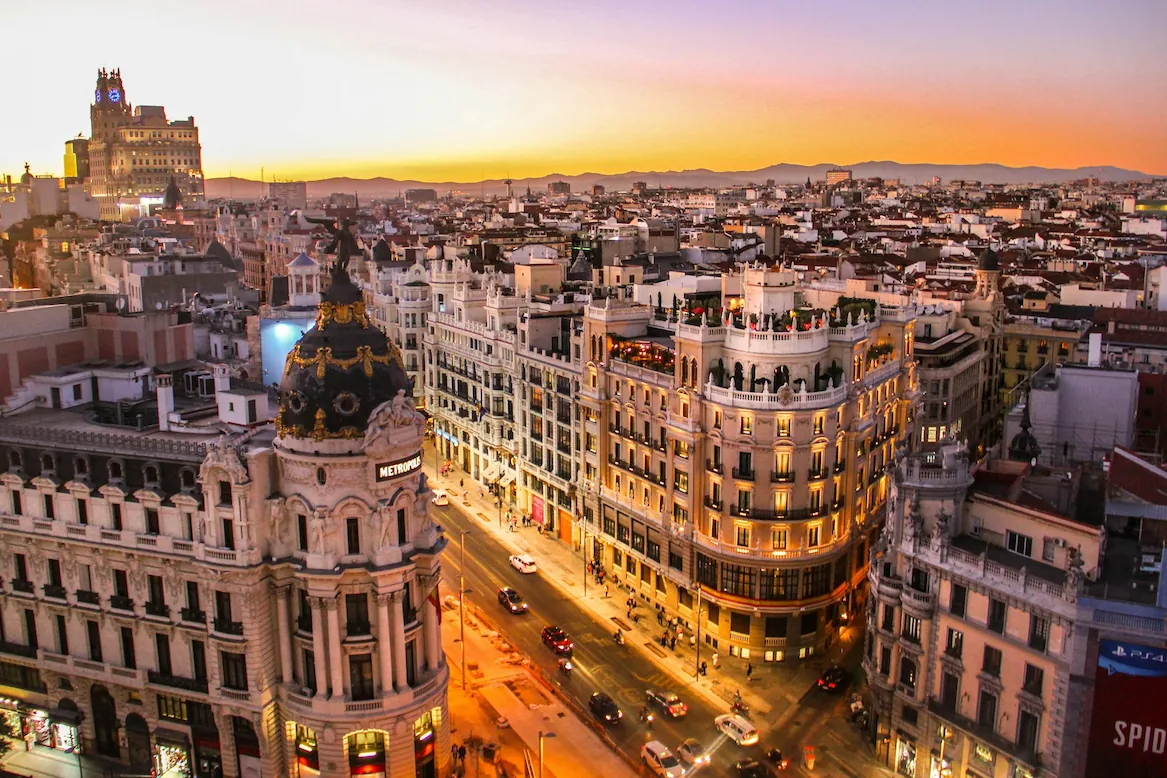
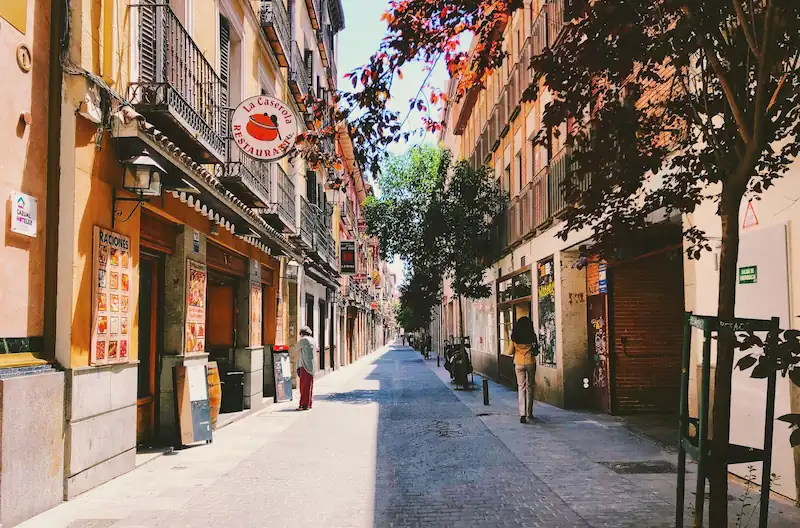
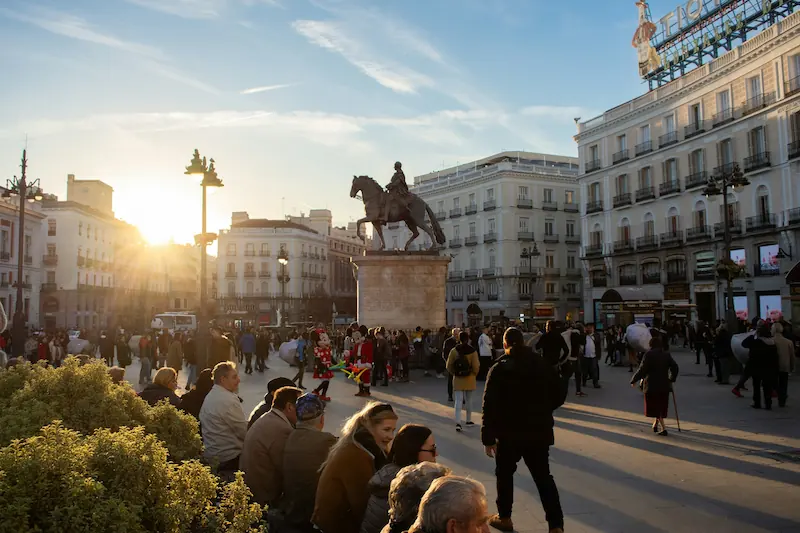
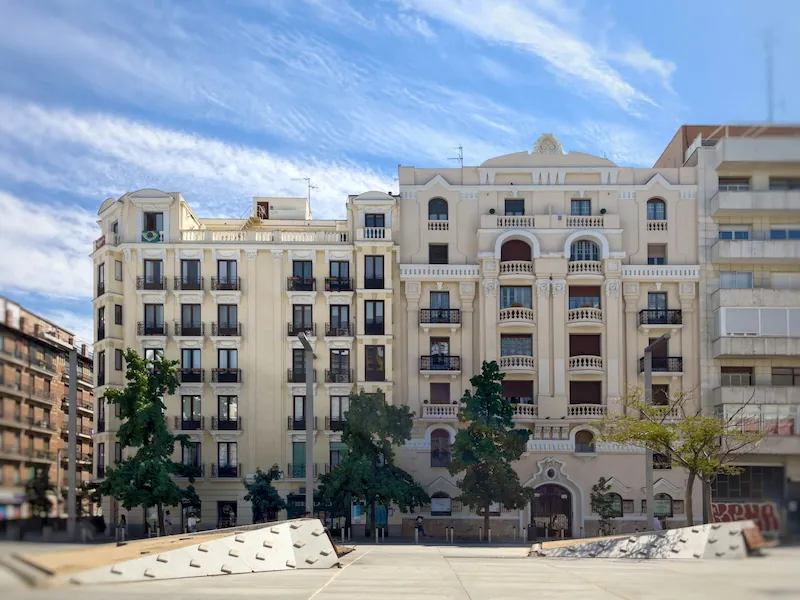
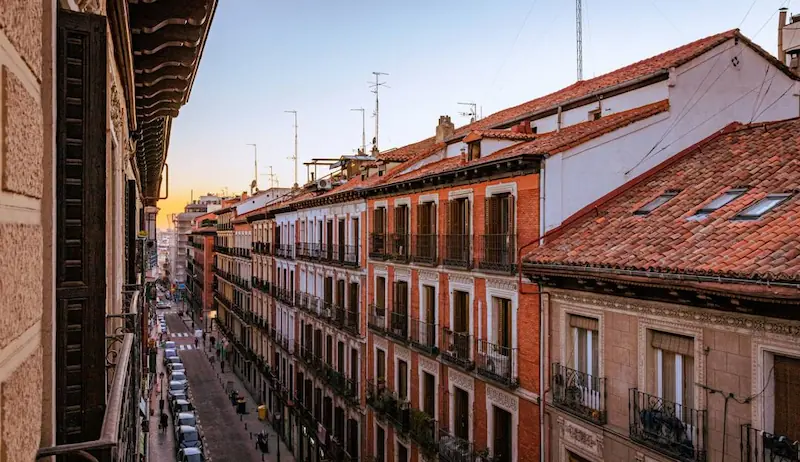
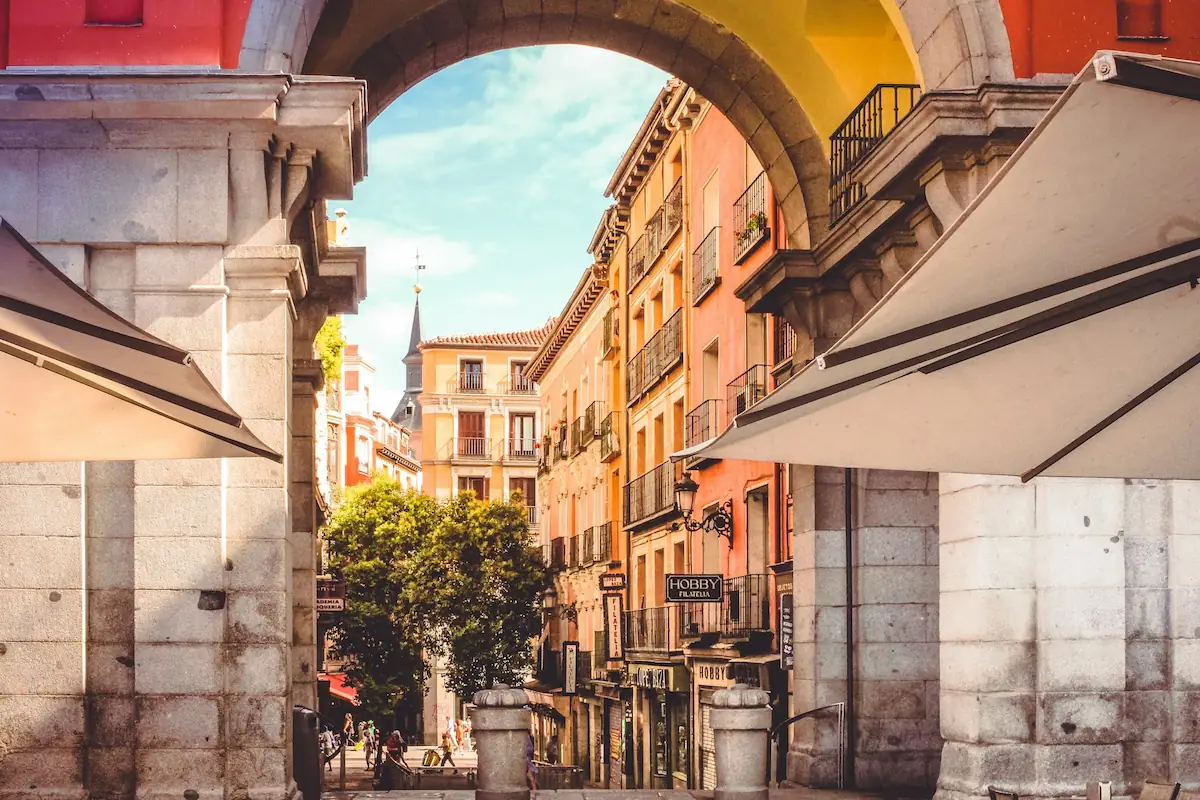
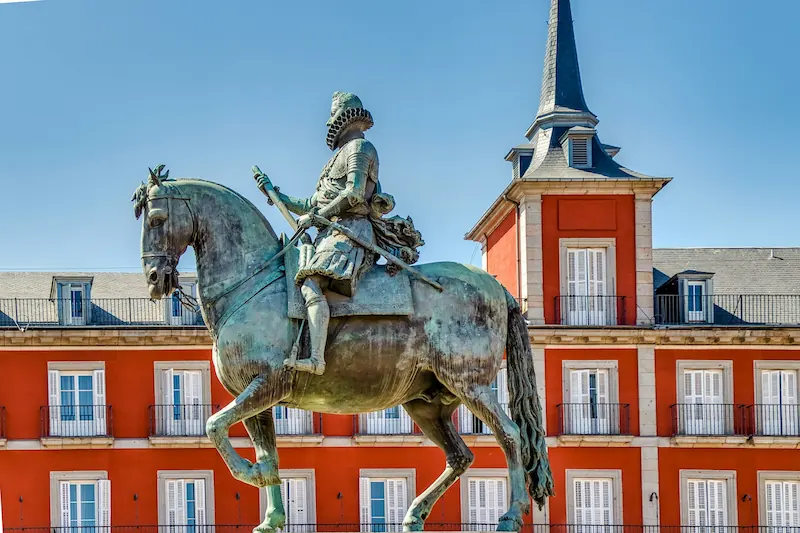
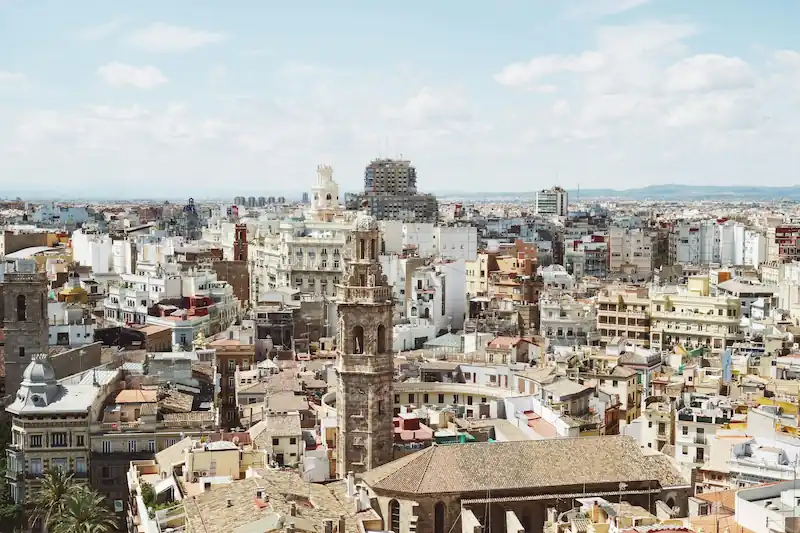
Find the best area to stay in Madrid based on your trip length, hotel style, evening rhythm and how you want to move through the city. Madrid is easier than many major capitals, but the wrong base still changes the trip: Barrio de las Letras makes museum days and dinners effortless, Gran Vía / Sol simplifies a short weekend, Salamanca and Retiro bring calmer comfort, while Chueca / Salesas, La Latina, Malasaña and Chamberí give the stay very different evening moods. Use this guide to choose the base that supports your days and nights before you book.
Best areas
Barrio de las Letras is the best all-round base, Gran Vía / Sol is strongest for very short first trips, Salamanca is the most polished, Chueca / Salesas is best for boutique energy, Retiro / Ibiza is the calmest family-smart choice, Chamberí is best for longer local stays, while La Latina and Malasaña work best for food and nightlife-led trips.
Booking timing
Book early for spring and autumn weekends, major fairs, public holidays, football fixtures, museum-heavy travel periods and any stay where you want a specific central micro-location rather than just a good rate.
Quick answer: where to stay in Madrid
Barrio de las Letras – Best for: first-time visitors who want the most balanced central base · Vibe: historic streets, museum access, strong dining density and easy city flow · Stay here if: you want Madrid to feel central, walkable and culturally rich without constant trade-offs · Avoid if: you want the quietest nights or the most residential feel
Gran Vía / Sol – Best for: very short stays, first-timers and travelers who want maximum central convenience · Vibe: big-city movement, transport access, shopping, theaters, rooftops and constant energy · Stay here if: you want to minimize logistics and keep Madrid’s main corridors immediately available · Avoid if: you dislike crowds, traffic, bright lights or a more tourist-facing central mood
Salamanca – Best for: upmarket stays, shopping, refined dining and a polished Madrid experience · Vibe: elegant blocks, calmer streets, luxury retail and better hotel consistency · Stay here if: you value comfort, refinement and smoother nights more than maximum old-center atmosphere · Avoid if: you want Madrid at its most spontaneous and bar-heavy
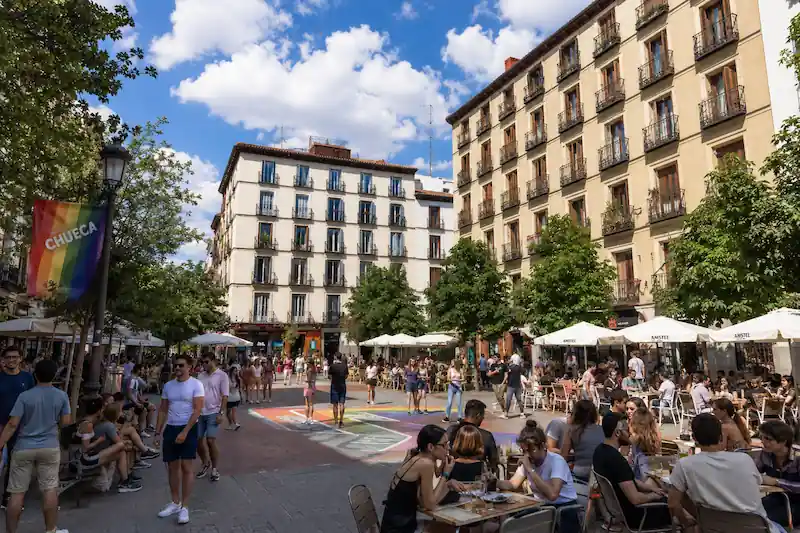
Chueca / Salesas – Best for: boutique hotels, stylish city breaks, LGBTQ+ nightlife and contemporary central Madrid · Vibe: design shops, cafés, inclusive nightlife, elegant side streets and a confident social rhythm · Stay here if: you want central Madrid with more personality than Sol and more polish than Malasaña · Avoid if: you need complete quiet or prefer a classic museum-first base
La Latina – Best for: food-led weekends and travelers who want Madrid to feel social · Vibe: older streets, tapas density, late evenings and a more local center-of-gravity · Stay here if: you want dining and bar life built into the stay itself · Avoid if: you are sensitive to noise or want broad elegant avenues
Malasaña – Best for: creative energy, casual nightlife and younger city-break rhythm · Vibe: independent shops, late cafés, bar streets and a more relaxed edge · Stay here if: you want Madrid with personality and evenings that stay active · Avoid if: you want a quieter, more classic base
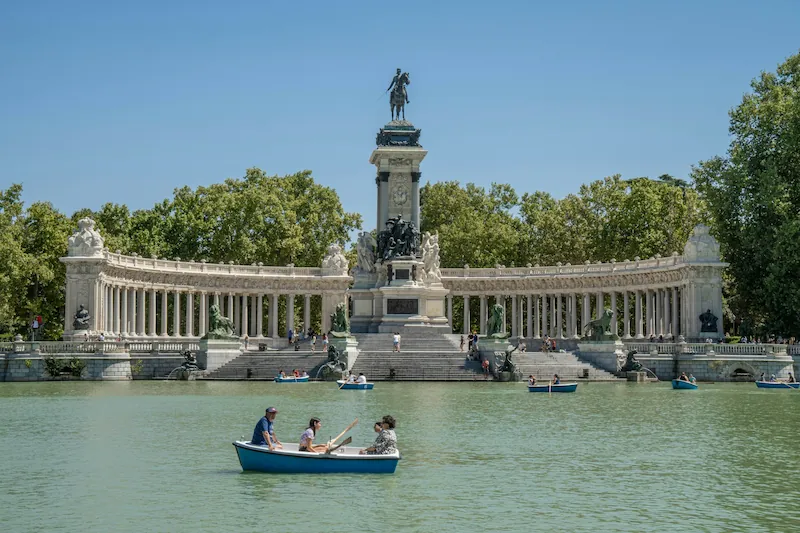
Retiro / Ibiza – Best for: calmer stays, museum access and family-smart city breaks · Vibe: park-side relief, residential order and easier mornings · Stay here if: you want a quieter base that still keeps central Madrid within easy reach · Avoid if: you want to step straight into nightlife or old-city density
Chamberí – Best for: return trips, longer stays and local-but-well-connected Madrid · Vibe: residential elegance, strong everyday dining and a steadier pace · Stay here if: you want a more lived-in base without feeling cut off from the center · Avoid if: you only have two nights and want maximum landmark immediacy
How to choose the right area in Madrid
Choosing where to stay in Madrid is less about finding one universally best neighborhood and more about matching your base to the way the city runs. Madrid is forgiving because the metro is strong and the center is walkable, but the wrong hotel still creates fatigue: nightlife districts can cost you sleep, polished districts can feel removed from the old center, and ultra-central hotels can expose you to crowds you only needed for one afternoon. The smartest choice comes from trip length, evening rhythm, museum access, sleep needs and micro-location, not from the neighborhood name alone.
For a first trip, Barrio de las Letras is usually the best balance between museums, walking, food and central access.
For a two-night stay, Gran Vía / Sol can be more practical than romantic because transport and orientation matter more than subtle neighborhood texture.
Choose Chueca / Salesas when you want central Madrid with cafés, boutique hotels, inclusive nightlife and a more contemporary mood.
Do not confuse nightlife convenience with sleep quality: La Latina, Malasaña and parts of Chueca work best when their energy is intentional.
If museums and calmer evenings matter, Retiro / Ibiza, Letras and Salamanca usually outperform bar-first districts.
If hotel quality matters more than old-center atmosphere, Salamanca, Salesas and Chamberí are often better than the busiest core.
Use Ópera / Palacio as a palace-side micro-location, not as a separate stay category from the western center.
Use Atocha / Lavapiés when train access, Reina Sofía, value or day trips matter, but check the exact street carefully.
How Madrid works geographically from a stay perspective
Madrid is easier to navigate than many capitals, but the feel changes quickly depending on which side of the center you choose. Barrio de las Letras sits between the art triangle and the old center, Gran Vía / Sol gives maximum central convenience, Salamanca and Retiro bring polish and calm, Chueca / Salesas, La Latina and Malasaña carry different evening moods, and Chamberí gives the stay a more residential rhythm. Palace-side pockets and the Atocha rail edge can be useful, but they are best chosen for specific plans rather than as the main way to read the city.
Barrio de las Letras sits in the most efficient cultural middle ground for many travelers.
Gran Vía / Sol is the logistical center, useful for short stays but rarely the calmest base.
Salamanca feels slightly removed from the old center on paper, but often more comfortable in practice.
Chueca / Salesas bridges nightlife, boutiques, cafés and central access better than most districts.
La Latina and Malasaña are stronger for evenings than for quiet returns.
Retiro / Ibiza changes the pace of the trip more than the map first suggests.
Chamberí works especially well when you care about living in Madrid, not just passing through it.
Ópera / Palacio is best treated as a palace-side micro-location; Atocha / Lavapiés as a rail, museum or value edge.
Best all-round cultural base – Barrio de las Letras: best overall for museums, walking, dining and broad first-time access.
Maximum-convenience core – Gran Vía / Sol: strongest for short stays, orientation, transport, shopping and late returns, but busier and less local.
Polished eastern-central base – Salamanca and Retiro / Ibiza: better hotel comfort, quieter streets, park access and a more elegant urban rhythm.
Contemporary central base – Chueca / Salesas: strong for boutique stays, cafés, inclusive nightlife and stylish central access.
Food-and-nightlife base – La Latina and Malasaña: best for evening energy, dining and social city-break pacing, with higher noise risk.
Residential-central base – Chamberí: more local, calmer and better for longer stays without losing city access.
Useful micro-locations – Ópera / Palacio works for the Royal Palace side; Atocha / Lavapiés works for trains, Reina Sofía, value and day trips.
Best areas to stay in Madrid in depth
These are the eight Madrid areas that should anchor the stay decision. Each one changes the trip once you are sleeping there, leaving in the morning, returning after dinner and using the city’s late rhythm. Palace-side pockets around Ópera and the rail-and-museum edge around Atocha can still be useful, but they work best as micro-locations within the broader stay strategy rather than as separate headline choices.
Barrio de las Letras
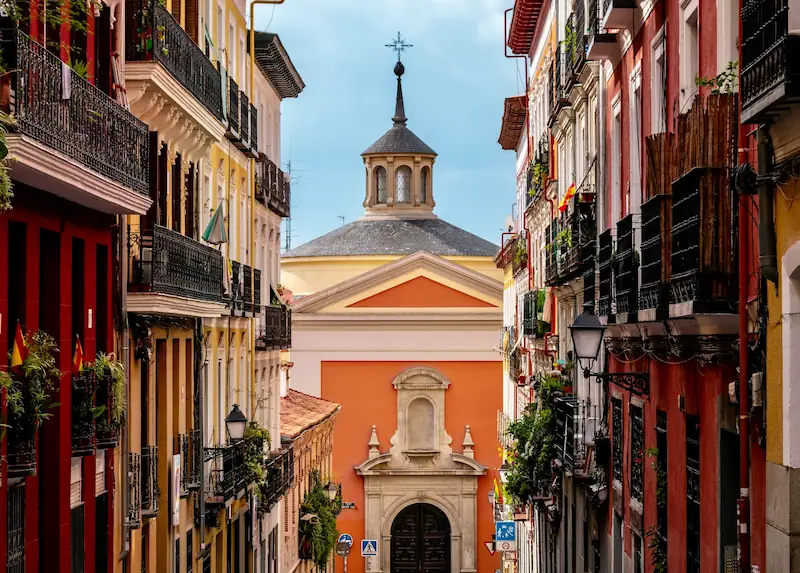
Barrio de las Letras is the strongest all-round answer to where to stay in Madrid for travelers who want the city to work smoothly without becoming generic. It sits between Sol, the Prado axis, Plaza de Santa Ana and the lower old center, which means museum days, evening meals and first-time walks all stay compact. The streets have literary history and enough atmosphere to feel like Madrid, but the district is usually easier to use than deeper nightlife areas. If you want one base that balances culture, convenience and evening life, this is the benchmark.
Why stay here: Stay in Barrio de las Letras if you want the best overall combination of Prado access, central walkability, food, bars and short-stay efficiency. It is the easiest recommendation for most first-time visitors who want Madrid to feel balanced from the first day.
Best for: first-timers, museum-focused trips, short stays, couples, travelers who want the most balanced central base
Pros
Best all-round area for a first Madrid trip
Walkable to Prado, Thyssen, Reina Sofía, Sol and Retiro
Strong dining and bar density without full nightlife chaos
Excellent for 2- to 4-night stays where location must do several jobs
Good balance between atmosphere and practical hotel choice
Useful late-night returns after dinner without long transfers
Cons
Some streets around Santa Ana and Huertas stay lively late
The most central pockets can feel visitor-facing
Room sizes vary sharply in older buildings
Not as calm or polished as Salamanca or Retiro / Ibiza
Nearby highlights
Walking distance to the Prado, Thyssen and Reina Sofía without daily transport planning
Easy evening dining around Santa Ana, Huertas and nearby side streets
Fast access to Sol, Gran Vía and the old center on foot
Useful crossover toward Retiro for museum-and-park days
Better cultural density than most nightlife-first neighborhoods
Strong café and breakfast options built into the surrounding blocks
A particularly efficient base for a 2- to 4-night Madrid trip
Good option when you want central Madrid without sleeping directly in Sol
Atocha and the Reina Sofía edge are useful when trains or day trips matter
Budget
One Shot Prado – Compact design-led stay close to the museum axis and Letras dining streets. Why we recommend: Sharp lower-price option in Madrid’s most useful central district. Check availability
Hostal Persal – Straightforward value stay near Plaza de Santa Ana and the lower center. Why we recommend: Very effective location without full boutique pricing. Check availability
Hotel Cortezo – Practical central hotel for travelers who care more about placement than hotel theater. Why we recommend: Easy value choice near Letras that keeps the center walkable. Check availability
Mid
Room Mate Collection Alba – Design-forward hotel in the heart of the neighborhood, well suited to stylish city-break stays. Why we recommend: Captures Letras well without sacrificing comfort or practicality. Check availability
Vincci Soho – Large-format central option with better room stock than many smaller historic-core hotels. Why we recommend: Gives the neighborhood’s location with less boutique risk. Check availability
Catalonia Las Cortes – Classic-feeling mid-range stay in a grander building, close to Santa Ana and the museums. Why we recommend: Strong historic character without losing convenience. Check availability
Upscale
CoolRooms Palacio de Atocha – Refined boutique luxury with more space and calm than many central Madrid addresses. Why we recommend: Stands out for room quality and atmosphere in a location that works beautifully on foot. Check availability
Gran Hotel Inglés - The Leading Hotels of the World – Classic high-end stay for polished service inside the neighborhood itself. Why we recommend: One of the few true luxury options fully rooted in Letras. Check availability
NH Collection Madrid Suecia – Upscale hotel on the elegant edge of the area, with rooftop appeal and strong cultural positioning. Why we recommend: Excellent for travelers splitting time between museums and central Madrid. Check availability
Gran Vía / Sol
Gran Vía / Sol is the most practical place to stay in Madrid when time is short and convenience matters more than neighborhood subtlety. It is not Madrid at its calmest or most local, but it puts transport, theaters, rooftops, shopping, Plaza Mayor, Barrio de las Letras, Chueca and the Royal Palace side within easy reach. For a two-night first trip, late arrival, solo stay or maximum-sightseeing weekend, the efficiency can be hard to beat. Choose it for logistics and energy, not for quiet charm.
Why stay here: Stay in Gran Vía / Sol if you want maximum centrality, strong transport access and the easiest orientation for a short Madrid stay.
Best for: 2-night stays, first-timers, solo travelers, shopping weekends, travelers who want maximum central convenience
Pros
Most convenient base for very short stays
Excellent metro access and easy airport/rail connections through the center
Walkable to Sol, Plaza Mayor, Letras, Chueca and the old center
Strong rooftop, shopping, theater and nightlife access
Good hotel depth across many budgets
Useful for late arrivals or first-time visitors who want simple orientation
Cons
Crowded, bright and traffic-heavy compared with calmer neighborhoods
Less local and less intimate than Letras, Chamberí or Retiro
Some hotels face busy streets with noise risk
Restaurants immediately around tourist corridors can be weaker value
Nearby highlights
Immediate access to Gran Vía theaters, rooftops and shopping
Fast walks to Puerta del Sol and Plaza Mayor
Easy crossover into Chueca, Malasaña and Barrio de las Letras
Strong metro coverage for reaching museums, Retiro and Atocha
Good option when you want to reduce arrival and departure friction
Useful for travelers who plan to be out late and want easy returns
Best when convenience matters more than local texture
Wide hotel choice, from budget rooms to major luxury openings
Ópera and the Royal Palace side are easy to reach when the western old center matters
Budget
B&B HOTEL Madrid Centro Puerta del Sol – Compact, very central stay for travelers prioritizing logistics over neighborhood romance. Why we recommend: One of the clearest value plays close to Sol. Check availability
Hotel Europa – Classic practical hotel directly on Puerta del Sol. Why we recommend: Strong for travelers who want transport and orientation at the doorstep. Check availability
Hotel Regente – Large, functional hotel just off Gran Vía. Why we recommend: Useful when location and price matter more than boutique character. Check availability
Mid
Vincci Capitol – Iconic Gran Vía hotel in a landmark building with excellent central access. Why we recommend: Best if you want to feel the avenue’s energy directly. Check availability
Hotel Preciados – Dependable central hotel between Sol, Opera and Gran Vía. Why we recommend: A smart choice for convenience without sleeping directly on the loudest stretch. Check availability
Dear Hotel Madrid – Design-forward hotel on Gran Vía with rooftop appeal. Why we recommend: Strong for a central stay that still feels polished. Check availability
Upscale
Four Seasons Hotel Madrid – Major luxury hotel in the Canalejas complex near Sol and Alcalá. Why we recommend: The strongest full-service luxury choice for maximum centrality. Check availability
The Madrid EDITION – Contemporary luxury hotel close to Sol and Plaza Mayor. Why we recommend: Best for travelers wanting central Madrid with a design-led high-end feel. Check availability
Thompson Madrid, by Hyatt – Stylish upscale hotel near Puerta del Sol and Gran Vía. Why we recommend: Good fit for travelers who want prime central convenience with modern hotel energy. Check availability
Salamanca
Salamanca is the best area to stay in Madrid if your priority is comfort, polish, shopping and a calmer return after busy days. It is less about old-center atmosphere and more about elegant streets, high-quality restaurants, premium retail and a hotel scene that is often more consistent than in the historic core. The district is not the most spontaneous version of Madrid, but it makes the capital feel composed and easy. It works especially well for couples, luxury travelers, family stays with higher comfort expectations and anyone who wants Madrid to feel refined rather than noisy.
Why stay here: Stay in Salamanca if you want a refined base with strong hotel standards, calmer nights, elegant dining and easy access toward Retiro, Recoletos and Castellana.
Best for: upmarket stays, boutique hotels, shopping weekends, couples, comfort-led families, travelers who value polish and calmer nights
Pros
Most polished and consistently comfortable Madrid stay area
Excellent upscale and boutique hotel stock
Calmer evening feel than La Latina, Malasaña or Sol
Strong luxury shopping and refined restaurants
Good access to Retiro, Recoletos and the museum side of the city
Excellent for comfort-led couples and upscale weekends
Cons
Less atmospheric than Letras, La Latina or Malasaña
Higher average prices than many central districts
Some streets feel formal rather than lively
Less ideal if your trip is built around old-center walking every night
Nearby highlights
Easy access to Serrano, Jorge Juan and premium shopping streets
Pleasant evening dining without the same noise profile as nightlife districts
Strong link toward Retiro and the museum axis
Better hotel room quality on average than in older center zones
A calmer return at night after full sightseeing days
Good fit for travelers mixing Madrid with retail, dining and slower mornings
Useful for longer stays where hotel comfort matters more
Good base if you want Madrid to feel elegant rather than hectic
Budget
H10 Puerta de Alcalá 4 Sup – Value-leaning choice on Salamanca’s Retiro-facing edge. Why we recommend: One of the easier ways into this part of Madrid while keeping a useful location. Check availability
VP Jardín de Recoletos – Spacious, practical option near Recoletos for travelers who value room comfort and a quieter setting. Why we recommend: Strong value when Salamanca proper feels expensive for the same comfort level. Check availability
Petit Palace Lealtad Plaza – Convenient edge-of-district stay near Retiro and the museum side of Madrid. Why we recommend: Polished location with better practicality than many similarly priced alternatives. Check availability
Mid
ICON Wipton – Boutique-leaning mid-range stay in the heart of Salamanca’s shopping-and-dining pocket. Why we recommend: One of the clearest district-fit hotels in this price band. Check availability
NH Collection Madrid Colón – Reliable polished option between Salamanca and Recoletos with strong cross-city access. Why we recommend: Works well if you want Salamanca advantages without feeling cut off from the center. Check availability
Hotel Serrano by Silken – Practical Salamanca hotel near Serrano, suited to travelers prioritizing location and value. Why we recommend: A sensible option when you want the district but not full luxury pricing. Check availability
Upscale
TÓTEM Madrid, a Small Luxury Hotel of the World – Refined boutique luxury hidden behind a classic Salamanca façade. Why we recommend: Captures the district’s tone better than almost any other hotel here. Check availability
Hotel Único Madrid, Small Luxury Hotels – Elegant mansion-style luxury with a more discreet Salamanca feel. Why we recommend: Excellent for travelers who want refinement without large-hotel scale. Check availability
Rosewood Villa Magna – Full-service luxury on Paseo de la Castellana with serious comfort and prestige. Why we recommend: Best for travelers who want top-tier hotel infrastructure in an elegant district. Check availability
Chueca / Salesas
Chueca / Salesas is one of Madrid’s most useful areas for travelers who want centrality with more personality than Sol and more polish than Malasaña. Chueca brings inclusive nightlife, cafés, restaurants and social energy, while Salesas softens the stay with boutiques, elegant streets and a calmer design-led mood. It works well for couples, LGBTQ+ travelers, style-conscious city breaks and repeat visitors who want Madrid to feel current without losing walkability. The exact street matters, because the area ranges from lively bar corridors to very composed boutique-hotel pockets.
Why stay here: Stay in Chueca / Salesas if you want contemporary central Madrid, strong cafés and bars, boutique hotels and easy access to Gran Vía, Malasaña, Salamanca and Letras.
Excellent for contemporary central Madrid and stylish city breaks
Strong LGBTQ+ nightlife and inclusive social energy
Salesas offers calmer boutique streets beside Chueca’s energy
Easy access to Gran Vía, Malasaña, Salamanca and Recoletos
Good restaurants, cafés, boutiques and cocktail bars
More personality than Sol while staying very central
Cons
Noise varies sharply between Chueca core and Salesas edges
Less museum-convenient than Letras or Retiro
Some pockets are expensive for the room size
Not ideal if you want a purely classic Madrid atmosphere
Nearby highlights
Easy walks to Gran Vía, Malasaña, Salesas and Recoletos
Strong café, cocktail and restaurant density
Good boutique shopping and design-led streets around Salesas
Quick metro links across the center
A more contemporary base than Letras or Salamanca alone
Useful if evenings matter but you do not want La Latina’s older tapas rhythm
Good compromise between nightlife and hotel polish on the right street
Excellent for travelers who want central Madrid with a confident social mood
Budget
Woohoo Rooms Fuencarral – Central value rooms near Fuencarral and the Malasaña-Chueca edge. Why we recommend: Useful low-cost option for staying close to this side of Madrid. Check availability
B&B HOTEL Madrid Centro Fuencarral 52 – Simple, well-located hotel near shops, bars and Chueca access. Why we recommend: Strong value-to-location ratio for this central corridor. Check availability
Petit Palace Chueca – Compact hotel in the Chueca orbit with very easy central movement. Why we recommend: Good if you want the area’s energy without overpaying for boutique luxury. Check availability
Mid
Room Mate Óscar – Design hotel on Plaza de Pedro Zerolo with rooftop appeal. Why we recommend: One of the clearest Chueca-fit hotels for social city breaks. Check availability
ICON Casona 1900 – Boutique hotel near Salesas and Salamanca edges. Why we recommend: Excellent for travelers who want Chueca nearby but a calmer, polished sleep base. Check availability
Petit Palace Santa Bárbara – Stylish stay near Alonso Martínez, between Salesas, Chueca and Chamberí. Why we recommend: A flexible edge location that reduces nightlife noise risk. Check availability
Upscale
Only YOU Boutique Hotel Madrid – High-character boutique hotel in a former palace near Salesas and Chueca. Why we recommend: One of the best upscale fits for this area’s style and location. Check availability
URSO Hotel & Spa, a Small Luxury Hotel of the World – Refined luxury between Salesas, Chamberí and the center. Why we recommend: Best if you want the area’s access with a calmer high-end stay. Check availability
Relais & Châteaux Hotel Orfila – Discreet small luxury hotel on the Salesas/Chamberí edge. Why we recommend: Ideal for travelers who want central elegance without bar-street exposure. Check availability
La Latina
La Latina is one of the best neighborhoods to stay in Madrid if you want the trip to revolve around tapas, old streets and social evenings. The area has a stronger food-and-bar pull than polished hotel districts, and it rewards travelers who like walking out into the evening rather than commuting into it. It feels older, denser and more lived-in, with more noise risk and less hotel consistency than Letras or Salamanca. It also keeps the Royal Palace side and western old center close, which makes it useful when palace visits and tapas evenings belong in the same trip.
Why stay here: Stay in La Latina if dining, tapas culture, Cava Baja and late social energy are central to your Madrid trip. Choose the exact street carefully.
Best for: food-first trips, weekends with strong evening plans, repeat visitors, travelers who want Madrid to feel social and lived in
Pros
Excellent for tapas, bars and spontaneous evenings
Strong sense of old Madrid beyond the museum axis
Very good on-foot access to Plaza Mayor and the western old center
More local social energy than Salamanca or Retiro
Great fit for food-led weekends
Useful for pairing Royal Palace, Plaza Mayor and evening tapas
Cons
Noise can be significant, especially Thursday to Sunday
Hotel stock is thinner and less polished than in larger hotel districts
Not ideal for light sleepers or families seeking calm
Some pockets feel crowded around peak tapas times
Nearby highlights
Easy evening bar-hopping without needing transport
Quick access to Cava Baja, Plaza de la Paja and older central streets
Useful walks into Plaza Mayor and the historic core
Better fit for long late lunches and slower evening wandering than museum-first districts
A stronger sense of neighborhood life than in more polished hotel zones
Good choice if dining is one of the main reasons for the trip
Easy crossover toward Lavapiés and the lower center
Works especially well after a Royal Palace or western-center day
Royal Palace, Plaza Mayor and Ópera are close enough for western-center days
Budget
Ibis Budget Madrid Centro Lavapies – Simple lower-cost base close enough to La Latina for food-led stays without stretching the budget. Why we recommend: True value option that keeps this side of central Madrid workable. Check availability
Hostal Persal – Straightforward central stay within easy reach of La Latina and the old core. Why we recommend: Practical compromise when you want access without the noisiest micro-location. Check availability
Hotel Cortezo – Functional central hotel for travelers prioritizing access over boutique mood. Why we recommend: Keeps La Latina, Sol and Plaza Mayor comfortably in play. Check availability
Mid
Posada del Dragón Boutique Hotel – Compact boutique hotel inside La Latina itself. Why we recommend: Few hotels feel as closely tied to the neighborhood’s identity. Check availability
Pestana Plaza Mayor Madrid – Polished hotel on Plaza Mayor that keeps La Latina evenings close. Why we recommend: A stronger comfort play near the neighborhood than most direct La Latina options. Check availability
Room Mate Collection Alba – Stylish nearby option that works well for travelers splitting time between La Latina and Letras. Why we recommend: Gives stronger overall hotel quality without losing evening access. Check availability
Upscale
CoolRooms Palacio de Atocha – Upscale stay with noticeably better room experience than most hotels around Madrid’s older core. Why we recommend: Excellent high-end choice if you want central-southern Madrid done well. Check availability
Gran Hotel Inglés - The Leading Hotels of the World – High-end central base for travelers who want luxury while keeping La Latina reachable on foot. Why we recommend: More polished sleep-and-service experience than the neighborhood usually provides directly. Check availability
Palacio de los Duques Gran Meliá – Luxury hotel near the palace side, useful for refined old-center access. Why we recommend: Works well if you want La Latina and royal Madrid nearby but a calmer luxury base. Check availability
Malasaña
Malasaña gives Madrid a looser, younger and more creative pulse than the city’s classical districts. It is useful if you want cafés, bars, vintage shops, small restaurants and a more casual social rhythm built into the stay. It is not the calmest place to sleep, and not every street is equally pleasant, but it has a clear identity and strong access toward Gran Vía, Chueca and Chamberí. It is best for return visitors, younger city breaks and travelers who care more about personality than polished hotel formality.
Why stay here: Stay in Malasaña if you want personality, casual nightlife and café culture near the center. Avoid the loudest streets if sleep still matters.
Best for: casual nightlife, younger city breaks, return trips, travelers who want a creative local edge
Pros
Strong area for bars, cafés and independent shops
Good evening energy without needing transport
Distinctive local character near Gran Vía and Chueca
Useful for return visits and relaxed city breaks
Often better value than more polished central areas
Good crossover into Chamberí and Salesas
Cons
Noise varies sharply by street
Less polished than Salamanca, Retiro or Salesas
Not ideal for quiet early nights
Hotel quality is more uneven than in larger business/luxury districts
Nearby highlights
Easy access to bars and dining around Fuencarral, Tribunal and nearby side streets
Quick walks to Gran Vía, Chueca and Chamberí edges
Good density of independent shops and low-key daytime cafés
More spontaneous evening options than more museum-led districts
Useful position for mixing central sightseeing with later nights
A stronger neighborhood identity than many standard city-center hotel pockets
Best when Madrid’s mood matters as much as its main landmarks
Good for travelers who want a social base without choosing La Latina
Budget
Woohoo Rooms Fuencarral – Great-value central room option for travelers who want Malasaña placement without overspending. Why we recommend: Better low-cost pick for staying close to the area’s energy. Check availability
Bastardo Hostel – Sociable, design-conscious budget stay right in the neighborhood’s orbit. Why we recommend: Few budget stays fit Malasaña’s tone this naturally. Check availability
B&B HOTEL Madrid Centro Fuencarral 52 – Simple, well-located value stay with easier comfort than many low-cost city-center options. Why we recommend: Strong location-to-price ratio for a Malasaña stay that still feels easy. Check availability
Mid
7 Islas Hotel – Well-known design-led hotel near the Gran Vía side of Malasaña. Why we recommend: Captures the area’s style without giving up overall reliability. Check availability
Petit Palace Santa Bárbara – Stylish small-scale stay close to Alonso Martínez, useful for Malasaña and Chamberí crossover. Why we recommend: Edge location gives flexibility without dropping neighborhood feel. Check availability
Abalú Boutique & Design Hotel – Compact design hotel with a stronger local feel than standard central properties. Why we recommend: Useful if you want Malasaña personality and accept smaller-scale hotel trade-offs. Check availability
Upscale
Dear Hotel Madrid – Design-forward upscale option on Gran Vía for stronger comfort near Malasaña’s orbit. Why we recommend: Combines polished hotel experience with immediate access to this side of central Madrid. Check availability
URSO Hotel & Spa, a Small Luxury Hotel of the World – Refined boutique luxury between Malasaña and Chamberí. Why we recommend: Ideal if you want Malasaña energy nearby but not directly under your window. Check availability
The Principal Madrid – Elegant upscale hotel on Gran Vía’s eastern side with rooftop appeal. Why we recommend: A refined option when you want Malasaña and Chueca access with a more polished return. Check availability
Retiro / Ibiza
Retiro / Ibiza is one of the best areas to stay in Madrid if you want the city to feel calmer, greener and more breathable. The park changes the rhythm of the stay: mornings can start with open space, museum days can reset easily, and evenings around Ibiza feel local without becoming nightlife-heavy. This part of Madrid is especially good for families, culture-focused travelers, longer stays and visitors who want a quieter base without feeling cut off. It is less immediate for old-center wandering, but better for balance.
Why stay here: Stay in Retiro / Ibiza if you want quieter nights, park access, museum proximity and a calmer base that still keeps central Madrid easy.
Best for: families, calmer city breaks, park-and-museum stays, longer stays, travelers who want balance over buzz
Pros
Calmer and more residential than the busiest central areas
Excellent access to Retiro Park and the museum side of Madrid
Good fit for families and travelers who value better sleep
Pleasant local dining around Ibiza without full nightlife overload
Works well for longer stays and balanced city breaks
Very useful in warmer months when open space matters
Cons
Less ideal if late-night bar density is a priority
Not as immediately central for old-city wandering as Letras or Gran Vía
Hotel choice is narrower than in the center
Some addresses feel more residential than atmospheric
Nearby highlights
Direct access to Retiro Park for morning walks and slower starts
Easy reach to Prado, Reina Sofía, Atocha and the wider museum axis
More breathable daily rhythm than the historic center
Good local dining in Ibiza without constant late-night spillover
Useful for travelers splitting cultural plans with downtime
A stronger sleep environment than Malasaña, La Latina or parts of Letras
Good fit for 4-night-plus stays where pace matters
One of the best choices for families visiting Madrid
Budget
H10 Puerta de Alcalá 4 Sup – Practical value-oriented option on the Salamanca-Retiro edge. Why we recommend: Better way to stay near Retiro without full luxury rates. Check availability
Petit Palace Lealtad Plaza – Convenient hotel near the Prado-Retiro side of central Madrid. Why we recommend: Position is efficient for museum days and park access. Check availability
Hotel Agumar – Functional hotel near Atocha and Retiro’s southern side. Why we recommend: Useful for travelers who want value and access rather than neighborhood charm. Check availability
Mid
Petit Palace Savoy Alfonso XII – Boutique-leaning stay directly beside Retiro. Why we recommend: Few Madrid hotels make the park feel this immediate. Check availability
Radisson RED Madrid – Design hotel near Atocha and the art triangle. Why we recommend: Good match for museum-heavy stays on this side of the city. Check availability
Only YOU Hotel Atocha – Large, design-led hotel close to Atocha and Retiro’s southern access. Why we recommend: Strong if rail convenience and art-axis access matter together. Check availability
Upscale
Mandarin Oriental Ritz, Madrid – Historic luxury beside the Prado and Retiro. Why we recommend: One of the strongest hotels in Madrid for museum-and-park proximity. Check availability
The Westin Palace, Madrid – Grand classic hotel on the museum axis. Why we recommend: Ideal for travelers who want Retiro-side culture with old-school scale. Check availability
NH Collection Madrid Colón – Polished upscale hotel near Plaza Colón and Recoletos. Why we recommend: Strong comfort level with excellent access to this eastern-central zone. Check availability
Chamberí
Chamberí is the best area to stay in Madrid if you want a local residential feel without making the city inconvenient. It is calmer and less visitor-facing than the most obvious central zones, but still connected enough that museums, Chueca, Malasaña and the center remain manageable. The district has strong everyday dining, elegant streets, markets and a steadier pace that suits longer stays. It is not the sharpest choice for a two-night first visit, but it is one of Madrid’s smartest bases once livability matters.
Why stay here: Stay in Chamberí if you want local texture, calmer nights and a more livable Madrid while keeping strong metro access to the center.
Best for: longer stays, repeat visitors, quieter evenings, remote workers, travelers who want local Madrid without isolation
Pros
More residential and lived-in than the core center
Calmer nights than Malasaña or La Latina
Strong local dining, markets and café culture
Good metro access and useful connections across the city
Very good fit for longer stays and return trips
Often better value for space and calm than ultra-central zones
Cons
Less ideal for a very short first trip
Not as landmark-dense on foot as Letras or Gran Vía
Some visitors may find it less immediately iconic
Requires more metro use for palace and old-center days
Nearby highlights
Better everyday restaurant quality than many tourist-heavy central streets
Easy links toward Malasaña, Chueca and the museum side of Madrid
Pleasant residential walking with less crowd pressure
Useful for travelers who want the city to feel inhabited, not staged around visitors
Good base for mixing work, slower mornings and city exploration
A stronger sleep environment than most nightlife-led areas
Particularly good when your stay is long enough to value neighborhood rhythm
Strong for travelers who want Madrid beyond the postcard core
Budget
Gran Versalles – Classic, dependable hotel near Alonso Martínez with a strong value-to-location ratio. Why we recommend: One of the clearest practical choices for this side of Madrid. Check availability
Hotel Sardinero Madrid – Comfortable central-Chamberí option in a handsome building. Why we recommend: Useful Chamberí position without drifting too far upscale. Check availability
Petit Palace Santa Bárbara – Stylish smaller hotel near Alonso Martínez. Why we recommend: More character than many similarly placed mid-market options. Check availability
Mid
Leonardo Boutique Hotel Madrid – Practical hotel in Chamberí for travelers wanting a quieter, residential base. Why we recommend: Good value when local rhythm matters more than landmark immediacy. Check availability
Sercotel Gran Hotel Conde Duque – Traditional hotel near Conde Duque and Chamberí’s southern edge. Why we recommend: Useful for a calmer stay with easy access toward Malasaña and the center. Check availability
One Shot Fortuny 07 – Polished small hotel near Almagro and Chamberí’s refined edge. Why we recommend: Works well for travelers wanting Chamberí calm with boutique detail. Check availability
Upscale
URSO Hotel & Spa, a Small Luxury Hotel of the World – High-end boutique hotel between Chamberí and the center. Why we recommend: One of Madrid’s best examples of luxury without overstatement. Check availability
Casa Almagro by The Pavilions Hotels & Resorts – Elegant upscale stay on Chamberí’s refined southern edge. Why we recommend: Tone fits this district better than flashier central luxury options. Check availability
Relais & Châteaux Hotel Orfila – Classic small luxury hotel near Chamberí and Salesas. Why we recommend: Excellent for travelers who want quiet, discreet comfort in north-central Madrid. Check availability
Where to stay in Madrid for first-time visitors
For a first trip, the best area to stay in Madrid is usually the one that keeps museums, evening meals and central orientation simple. You can go more local on a repeat visit, but the first stay benefits from a base that makes the city easy from the first morning.
Barrio de las Letras is usually the best first-time base because it balances culture, walkability and evening life better than any other district.
Gran Vía / Sol is the most convenient option for a two-night stay, late arrival or traveler who wants maximum central orientation.
Retiro / Ibiza works better than many first-timers expect if park access, museum days and better sleep matter.
Salamanca is the best first-trip alternative when hotel quality, shopping and polished evenings matter more than old-center atmosphere.
Chueca / Salesas works well if you want a stylish central base with cafés, restaurants and evening energy close by.
Use the Ópera / Palacio side only if the Royal Palace and western old center are central to your plans.
Avoid going too residential on a first weekend unless you already know Madrid’s rhythm.
For a first trip, micro-location matters more than chasing the trendiest neighborhood name.
Profile
BestArea
Why
Best all-round first trip
Barrio de las Letras
Most balanced cultural, dining and walking base
Shortest first trip
Gran Vía / Sol
Maximum orientation and transport convenience
Calmer first trip
Retiro / Ibiza
Better sleep, park access and museums
Comfort-first first trip
Salamanca
Higher hotel consistency and polished evenings
Stylish central first trip
Chueca / Salesas
Boutique energy, cafés and central access without sleeping in Sol
Where to stay in Madrid with family
Families generally do better in the parts of Madrid that reduce noise, simplify movement and offer more forgiving room stock. The best family base is rarely the loudest central street; it is the place that makes parks, meals, metro rides and sleep easier.
Retiro / Ibiza is often the best family area in Madrid thanks to calmer streets, the park and easier pacing.
Salamanca works well for families who want a more polished hotel environment and quieter evenings.
Chamberí suits longer family stays when a residential rhythm and apartment-style options matter more than perfect centrality.
Gran Vía / Sol can work for a very short family trip if convenience outweighs noise and crowd concerns.
Barrio de las Letras is a good family base when museums and central walking matter more than park-side calm.
Atocha is useful for families using trains or day trips, but choose it for logistics rather than atmosphere.
Be cautious with La Latina, Malasaña and Chueca core streets if children are light sleepers.
Look for larger-room, suite or apartment-style properties rather than squeezing everyone into a compact historic-core room.
Need
BestArea
Why
Best short family stay
Retiro / Ibiza
Calmer, easier, park access
Best family stay with upscale comfort
Salamanca
Stronger hotel stock and quieter streets
Best family stay for longer trips
Chamberí
More livable neighborhood rhythm
Best family stay with train logistics
Atocha edge
Useful for rail arrivals and day trips
Where to stay in Madrid for nightlife
Madrid nightlife is distributed across several central districts, so the smarter question is how close you want to be to evening energy versus how much of it you want under your window. Some areas are best for going out; others are better for coming back from going out.
Choose La Latina for tapas, busy bars and a more classic social Madrid feel.
Choose Malasaña for creative nightlife, casual late cafés and younger energy.
Choose Chueca for LGBTQ+ nightlife, cocktail bars and inclusive central energy.
Choose Barrio de las Letras if you want strong evenings without making nightlife the whole trip.
Gran Vía / Sol works for theaters, rooftops and late returns, but it is more commercial and less neighborhood-led.
If you want nightlife nearby but not directly outside, edge locations in Salesas, Letras or Chamberí often work better.
Avoid the busiest nightlife streets if sleep quality matters at all.
Do not assume the most nightlife-friendly district is the best place to sleep.
Style
BestArea
TradeOff
Tapas and classic bar nights
La Latina
More weekend noise
Creative, casual nightlife
Malasaña
Less calm overall
LGBTQ+ nightlife and cocktails
Chueca
Street-by-street noise variation
Balanced evenings
Barrio de las Letras
Slightly more polished, less raw
Rooftops, theaters and late transport
Gran Vía / Sol
More tourist-facing and busy
Where to stay in Madrid on a budget
The best budget area in Madrid is not always the cheapest-looking one. On a short trip, a better-located hotel can save enough time and energy to outweigh a slightly lower nightly rate farther out.
For a short trip, value-oriented stays in or near Barrio de las Letras often outperform cheaper but weaker locations.
Malasaña gives some of Madrid’s best budget-to-location ratios if you are comfortable with more energy.
Atocha / Lavapiés can be a strong budget edge if rail access, Reina Sofía or day trips matter, but it is not the most polished first-impression base.
Gran Vía / Sol can be good value when you find a simple central hotel and plan to use the whole city quickly.
La Latina can work on a budget, but hotel quality is less consistent and noise risk is higher.
Chamberí is a good budget compromise for longer stays when you want a calmer base.
Avoid saving money by pushing too far out on a two-night trip.
Madrid rewards smart value more than absolute cheapness.
Scenario
BestArea
Why
Best budget choice for a weekend
Barrio de las Letras or Gran Vía edge
Better use of limited time
Best budget choice for nightlife
Malasaña edge
Good value close to bars and central movement
Best budget choice for trains and museums
Atocha / Lavapiés edge
Rail convenience and lower average pricing, with careful street choice
Best budget choice for a longer stay
Chamberí
More livable and calmer
Best budget choice with food focus
La Latina
Strong evening payoff if noise is acceptable
Where to stay in Madrid depending on your trip length
Madrid gives you more flexibility than some capitals, but the shorter the trip, the less room there is for location mistakes. The right base should remove friction, not create it.
Label
Stay
Avoid
Why
1 night
Gran Vía / Sol, or the Atocha edge if arriving/departing by train
Choosing a subtle residential area when logistics are the whole stay
With one night, logistics beat atmosphere.
2 nights
Barrio de las Letras or Gran Vía / Sol
Outer residential areas, even attractive ones
On a very short stay, central efficiency matters more than neighborhood subtlety.
3 days
Barrio de las Letras, Gran Vía / Sol or Salamanca
Choosing a nightlife-first district unless nightlife is central to the trip
These areas keep the city broad and manageable without wasting time.
4 to 5 days
Retiro / Ibiza, Salamanca, Chueca / Salesas or Chamberí depending on style
Overpaying only for the most obvious central labels
At this length, livability and sleep start to matter more.
1 week
Chamberí, Retiro / Ibiza or Salamanca
The noisiest parts of La Latina, Malasaña or Chueca core
Longer stays reward a base that still feels good after the third night.
First trip
Barrio de las Letras
Going too local too early
It is the most balanced place to understand Madrid quickly.
Return trip
Chamberí, Chueca / Salesas, Malasaña or La Latina
Defaulting again to convenience if neighborhood character is now the goal
Repeat visits benefit more from texture and local rhythm.
Family trip
Retiro / Ibiza, Salamanca or Chamberí
Noisy nightlife streets and cramped historic-core rooms
Families need space, sleep, park access and easier logistics more than maximum atmosphere.
Food and nightlife trip
La Latina, Chueca / Salesas or Malasaña
Salamanca or Retiro if you want the night under your feet
Madrid’s social rhythm is strongest when you do not need a long transfer after dinner.
Museum-heavy trip
Barrio de las Letras, Retiro / Ibiza, or an Atocha edge hotel if train logistics also matter
Basing far north or west if Prado/Reina Sofía dominate the stay
Museum days are better when the hotel sits near the art triangle or a useful reset space.
How to choose the right hotel in Madrid once you know the area
In Madrid, the district gets the broad decision right, but the hotel determines whether the stay actually feels smooth. Micro-location, room type and street noise matter more than many booking pages make clear.
Topic
WhatToDo
WhatToAvoid
WhyItMatters
Choose the right street, not just the right neighborhood
Check whether the hotel sits on a calmer side street, a traffic avenue or a nightlife corridor.
Booking by district name alone.
In La Latina, Malasaña, Chueca and parts of Letras, street choice can completely change sleep quality.
Protect short trips from friction
Stay more central if you only have one or two nights.
Saving money by pushing too far from your likely walking zone.
Madrid is walkable, but short itineraries lose value quickly when the base is wrong.
Use Gran Vía and Sol intentionally
Choose them for transport, orientation, shopping, rooftops or late returns.
Booking there automatically when you actually want calm or neighborhood character.
They are practical, but they are not Madrid’s calmest or most atmospheric sleep zones.
Match hotel style to trip style
Use boutique hotels when atmosphere matters and larger full-service properties when room comfort matters more.
Assuming boutique always means better.
Some Madrid boutique properties have strong character but weaker practical comfort.
Be honest about nightlife priorities
Stay in nightlife districts only if you want the area itself to shape your evenings.
Booking a lively neighborhood and then expecting residential quiet.
Madrid’s evening districts work best when their trade-offs are intentional.
Use park-side and upscale districts strategically
Choose Retiro / Ibiza or Salamanca when better sleep and smoother room quality matter.
Treating all central Madrid hotel experiences as interchangeable.
These districts often give you a more consistent stay environment.
Think beyond the first day
For stays of four nights or more, prioritize livability and neighborhood rhythm.
Choosing the most central option by default.
What feels exciting on night one can feel tiring by night four.
Use edge locations intelligently
Consider hotels on the edge between two useful districts, such as Letras/Sol, Salesas/Chueca, Chamberí/Malasaña or Retiro/Salamanca.
Looking only at the most famous street name.
In Madrid, edge locations often give you the benefits of two areas with fewer downsides.
Choose Atocha for logistics, not romance
Use Atocha if rail convenience, Reina Sofía or day trips are genuinely useful to your stay.
Choosing the station area for a romantic or luxury first impression.
Atocha can be very practical, but it is not the most polished Madrid base.
Compare room size before comparing stars
Look carefully at square meters, bed setup and interior/exterior room notes.
Assuming a central four-star hotel automatically means a comfortable room.
Older central buildings often trade charm for smaller layouts and more noise exposure.
FAQ: where to stay in Madrid
These questions cover the decisions that usually matter most once you start comparing centrality, sleep quality, hotel style and evening rhythm.
What is the best area to stay in Madrid overall?
For most travelers, Barrio de las Letras is the best overall area to stay in Madrid. It combines cultural access, central walkability, strong dining and broad usefulness better than any other district, especially for a first trip.
Where should I stay in Madrid for a first-time visit?
Barrio de las Letras is usually the smartest first-time base. Gran Vía / Sol is stronger for a very short stay where convenience matters most, while Salamanca and Retiro / Ibiza are better if you prioritize comfort or calm.
Is Gran Vía a good place to stay in Madrid?
Yes, if you want maximum convenience, transport access, shopping, rooftops and easy orientation. It is not Madrid’s quietest or most local base, so it works best for short stays and travelers who accept a busy central mood.
Is Puerta del Sol too touristy to stay in?
Sol is very central and tourist-facing, but it can still be practical for one or two nights. For a more balanced stay, look slightly toward Barrio de las Letras, Opera, Chueca or a calmer Gran Vía edge rather than sleeping directly in the busiest pocket.
What is the best area to stay in Madrid with family?
Retiro / Ibiza is one of the best family areas in Madrid because it offers calmer streets, park access and an easier pace. Salamanca is also strong for better hotel consistency, while Chamberí works well for longer family stays.
Where should couples stay in Madrid?
Couples usually do well in Barrio de las Letras, Salamanca, Chueca / Salesas or the palace-side edge around Ópera. Letras is the best all-round romantic-central choice, Salamanca is more polished, Salesas is more boutique, and Ópera works when the Royal Palace side is part of the mood.
Where to stay in Madrid for nightlife?
La Latina is best for classic tapas-and-bar evenings, Malasaña works for younger casual nightlife, and Chueca is strongest for LGBTQ+ nightlife and cocktail energy. Barrio de las Letras is the better compromise if you want evenings nearby without basing the whole trip on nightlife.
Where to stay in Madrid on a budget without wasting time?
For a short trip, value hotels in or near Barrio de las Letras, Gran Vía edge or Malasaña often give the best balance of price and location. Atocha / Lavapiés can also be strong value if rail access or Reina Sofía matter.
Is Salamanca worth it for a Madrid stay?
Yes, especially if you care about hotel quality, calmer nights, shopping and a more refined city atmosphere. It is less immediate for old-center atmosphere, but often better for travelers who value comfort and polish over maximum central buzz.
Is La Latina too noisy to stay in?
It can be, depending on the exact street and the day of the week. La Latina is excellent for food-led Madrid trips, but it is best for travelers who accept a livelier sleep environment or choose a quieter edge location.
Is Malasaña a good area to stay in Madrid?
Malasaña is a good area if you want bars, cafés, independent shops and a more creative central feel. It is less suitable if you want quiet nights, luxury polish or the most efficient museum access.
Should I stay in Chueca or Malasaña?
Choose Chueca if you want LGBTQ+ nightlife, central energy and a more polished social scene. Choose Malasaña if you prefer a younger, casual, creative rhythm. Salesas, between Chueca and Salamanca, is the calmer boutique version of this part of Madrid.
Is Chueca / Salesas a good place to stay?
Yes, especially for travelers who want central Madrid with personality, cafés, bars, boutiques and strong evening options. Chueca is livelier; Salesas is calmer and more polished, so the exact micro-location matters.
Where should I stay near the Prado Museum?
Barrio de las Letras is the best overall base near the Prado because it also gives you dining and central walking. Retiro / Ibiza and Salamanca are calmer alternatives, while the Atocha edge can work if Reina Sofía, trains or day trips also matter.
Where should I stay near the Royal Palace in Madrid?
Look around Ópera, Plaza de Oriente or the calmer edge between Gran Vía / Sol and La Latina. This area works well for couples and short stays focused on royal Madrid, while La Latina is better if you want the palace side to lead naturally into tapas evenings.
Is Atocha a good area to stay in Madrid?
Atocha is useful if you are arriving by train, taking day trips or focusing on Reina Sofía and the art triangle. It is not the prettiest or most polished Madrid base, so choose it for logistics, value or museum access rather than atmosphere.
Is Lavapiés a good place to stay in Madrid?
Lavapiés can work for confident travelers who want value, multicultural food and a less polished central setting. It is not the easiest first-time luxury base, and micro-location matters more than in Letras, Salamanca or Retiro.
What is the safest and most convenient area to stay in Madrid?
Salamanca usually feels the most polished and consistently comfortable, while Barrio de las Letras is often the most convenient overall for sightseeing. Retiro / Ibiza is also strong if you want a calmer stay environment.
Is it worth paying more to stay central in Madrid?
Usually yes for a weekend or first trip, because central placement saves time and keeps Madrid fluid. On a longer stay, districts like Chamberí, Retiro / Ibiza or Salamanca can become more rewarding than paying a premium for the busiest central zones.
Where should I stay in Madrid for a one-night stopover?
Choose Gran Vía / Sol if you want maximum central orientation, or Atocha if your arrival or departure is by train. With one night, logistics matter more than subtle neighborhood character.
Where should I stay in Madrid for one week?
For one week, Chamberí, Retiro / Ibiza and Salamanca usually work better than the noisiest central areas. Longer stays reward better sleep, local dining and a neighborhood that still feels good after several nights.
What areas should I avoid staying in Madrid?
There is no single area most travelers must avoid, but you should avoid mismatches: nightlife streets if you need sleep, far-out districts on a short trip, station-area hotels if you want romance, and ultra-central Sol if crowds will bother you.
Where should I stay in Madrid for luxury hotels?
Salamanca, Recoletos, the Prado-Retiro axis, Gran Vía / Canalejas and the palace-side luxury hotels are the strongest options. Choose based on whether you want shopping, museums, central convenience or royal Madrid atmosphere.
Where should I stay in Madrid without a car?
Most visitors should stay without a car. Barrio de las Letras, Gran Vía / Sol, Chueca / Salesas, Retiro / Ibiza and Chamberí all work well with metro-plus-walking logic, while Atocha is useful for train connections.
Is Madrid easy to get around from most neighborhoods?
Yes, but base choice still matters. Madrid’s metro is strong, yet a poorly chosen hotel can add repeated transfers or long late-night returns. The best base keeps both daytime plans and dinner geography simple.
Which Madrid area is best for restaurants?
La Latina is strongest for classic tapas evenings, Chamberí for local dining, Chueca / Salesas for contemporary restaurants and bars, Salamanca for polished dining, and Letras for the best first-time balance.
In Madrid, the best area is the one that matches your evenings and sleep needs as much as your sightseeing map.
Continue planning your Madrid trip
Once you know where to stay in Madrid, use the city guide to understand how the city fits together, the what-to-do page to prioritize museums, neighborhoods and evenings, and the itineraries to turn the right base into a smoother day-by-day plan.
Turn the right neighborhood into the right itinerary
Once you know where to stay in Madrid, the next step is structuring the rest of your trip around that base. Use the planner to build a route that fits your pace, priorities, and how you actually want your days to unfold.