The best things to do in Valencia, from essentials to local experiences
Discover the best things to do in Valencia, from the Cathedral, La Lonja and Central Market to the City of Arts and Sciences, Turia Garden, beaches, paella, museums, neighborhood evenings and Albufera. Valencia is easy to enjoy when each day combines one historic or cultural anchor with outdoor movement, food and a contrasting part of the city.
Best time
March to June and September to November offer the best balance of sightseeing weather, cycling, markets, beaches and outdoor dining. Las Fallas in March is extraordinary but transforms prices, noise and movement; July and August favor early starts, long lunches, beach time and later evenings.
Ideal trip length
Allow 2 full days for the old town, Turia Garden and the City of Arts and Sciences, 3 days to add Ruzafa, the beach and a stronger food experience, and 4 days for Albufera, deeper museums, Bioparc or another excursion.
Keep planning your Valencia trip
Use the Valencia city guide to understand how the historic center, Turia, modern cultural district, Ruzafa and coast connect, then choose where to stay and match these activities to the time available.
Top things to do in Valencia at a glance
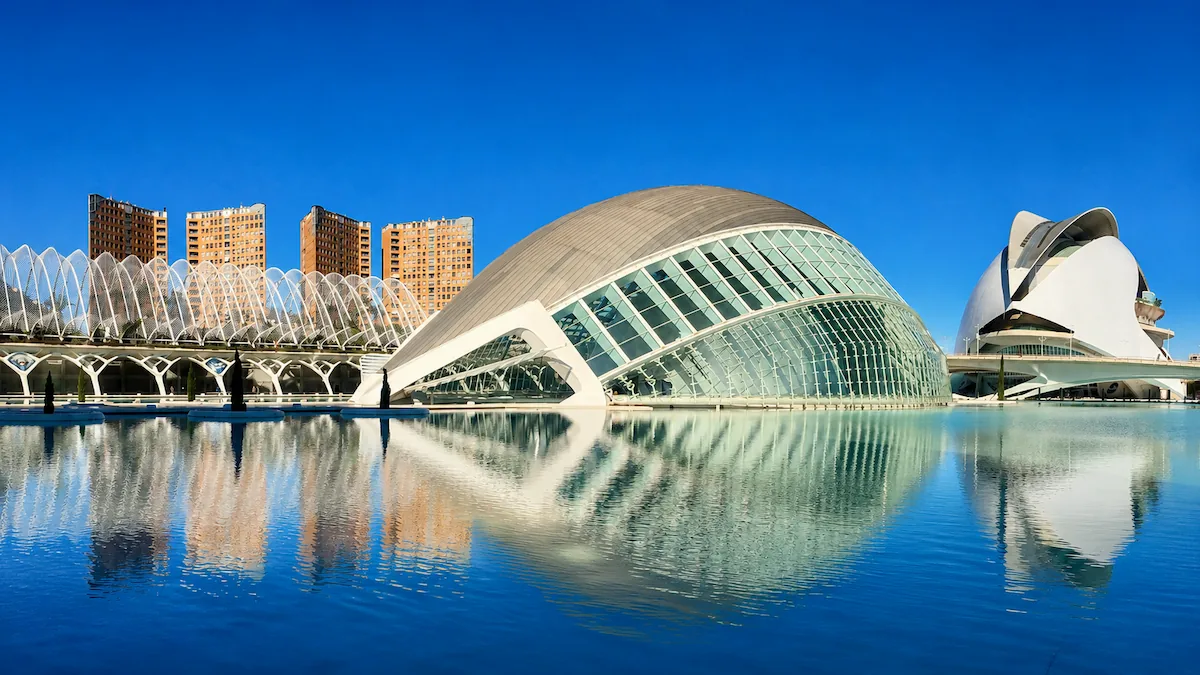
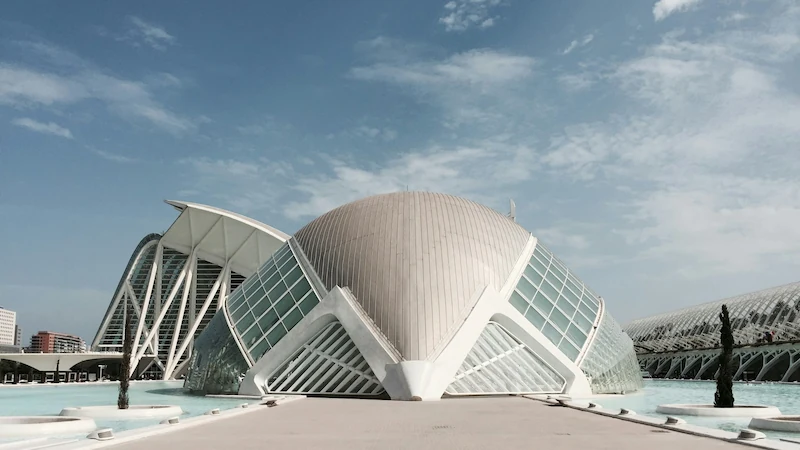
Explore the City of Arts and Sciences – Area: Quatre Carreres · Best for: Modern architecture, families and first visits · Time needed: 1.5 hours outside; half or full day with paid attractions · Worth it: Essential for the architecture; choose paid interiors according to your interests. · Book ahead: Yes for Oceanogràfic, Hemisfèric and combination tickets in busy periods.
Walk the old town from the Cathedral to La Lonja – Area: Ciutat Vella · Best for: History, architecture and first-day orientation · Time needed: 2 to 4 hours · Worth it: Essential for understanding Valencia beyond its modern skyline. · Book ahead: Usually no, except for guided walks and selected interiors.
Visit the Central Market in the morning – Area: El Mercat · Best for: Food culture, architecture and local produce · Time needed: 45 to 90 minutes · Worth it: One of Valencia’s strongest free or low-cost experiences. · Book ahead: No for browsing; yes for guided market and food tours.
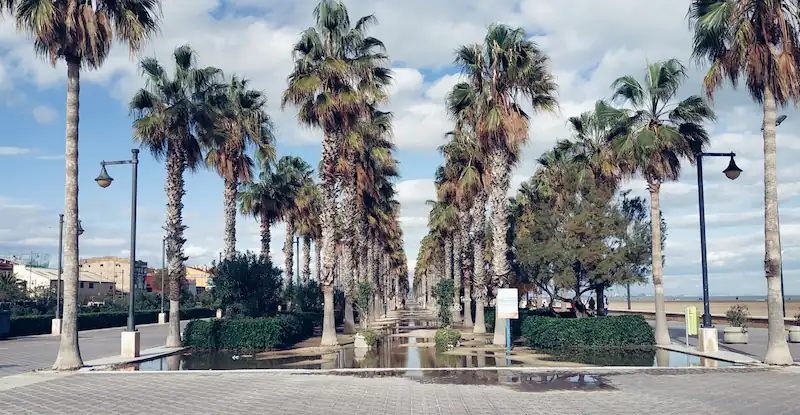
Cycle or walk through Turia Garden – Area: Former Turia riverbed · Best for: Outdoor movement, families and understanding the city · Time needed: 1 to 3 hours · Worth it: Essential because it connects historic, residential and modern Valencia. · Book ahead: No, unless renting a family bike or joining a tour.
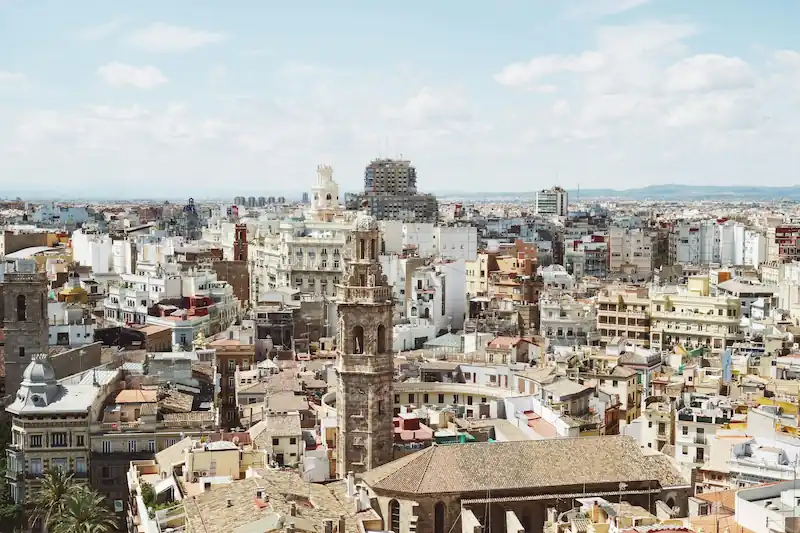
See Valencia Cathedral, the Holy Chalice and El Miguelete – Area: La Seu · Best for: Religious history, city views and the historic center · Time needed: 1.5 to 2 hours · Worth it: A rewarding old-town anchor, especially with the tower climb. · Book ahead: Usually no; guided visits are useful for deeper context.
See the frescoes inside San Nicolás – Area: El Carme · Best for: Baroque art and a compact historic interior · Time needed: 45 minutes to 1 hour · Worth it: One of Valencia’s most memorable church interiors. · Book ahead: Usually not essential outside major holidays.
Plan a proper Valencian rice lunch – Area: Beach, Albufera or focused city restaurants · Best for: Valencia’s defining food experience · Time needed: 2 hours · Worth it: Essential when treated as a planned lunch rather than an improvised dinner. · Book ahead: Yes for respected rice restaurants, especially at weekends.
Spend an evening in Ruzafa – Area: Eixample · Best for: Restaurants, cafés, bars and local atmosphere · Time needed: 2 to 4 hours · Worth it: The best evening contrast to the historic center. · Book ahead: No for wandering; yes for popular restaurants.
Explore Cabanyal, the Marina and the beach – Area: Poblats Marítims · Best for: Coastal neighborhoods, seafood and warm-weather trips · Time needed: Half day · Worth it: Very worthwhile when combined as one seafront outing. · Book ahead: Reserve rice restaurants and water activities on busy weekends.
Choose one major museum beyond the monuments – Area: Historic center and Turia edge · Best for: Art, archaeology and rainy or hot afternoons · Time needed: 1.5 to 2.5 hours · Worth it: Choose according to your interest rather than trying to visit them all. · Book ahead: Usually no, except selected exhibitions.
Visit Bioparc or Oceanogràfic with children – Area: Cabecera Park or City of Arts and Sciences · Best for: Families and substantial half-day attractions · Time needed: 3 to 5 hours · Worth it: Both are major family attractions; choose one on a short trip. · Book ahead: Recommended for weekends, holidays and combination offers.
Take a sunset trip to Albufera – Area: South of Valencia · Best for: Wetlands, rice fields, birdlife and sunset · Time needed: Half day · Worth it: Excellent once the city essentials are covered. · Book ahead: Yes for boat rides, guided trips and transport packages.
How to choose what is actually worth doing
Valencia works best as a city of contrasts rather than a monument checklist. Combine one old-town sequence, one modern or cultural attraction, time in Turia Garden and one food or neighborhood experience. Then decide whether the beach, Albufera, Bioparc or another museum deserves the remaining time.
Use the Cathedral, La Lonja, Central Market, La Almoina and San Nicolás as a connected historic-center sequence.
Treat the City of Arts and Sciences as a complex: the exterior is a major free experience, while Oceanogràfic, the Science Museum, Hemisfèric and CaixaForum require separate time.
Choose either Oceanogràfic or Bioparc on a short family trip unless animals are the main focus.
Cycle or walk through Turia Garden instead of treating the journey between the center and modern Valencia as dead transit time.
Combine Cabanyal, the Marina, the beach and a rice or seafood lunch rather than making separate cross-city trips.
Plan paella or another rice dish for lunch and reserve a respected restaurant in advance.
Use IVAM, Fine Arts, La Almoina, the Ceramics Museum, Centre del Carme or Bombas Gens according to your interests rather than collecting similar museum visits.
Add Albufera only after the city core is protected, unless wetlands, birdlife and rice landscapes are a main reason for visiting.
Iconic Valencia experiences
Valencia’s essential attractions reveal the city’s defining contrasts: Roman and medieval layers, Gothic trade wealth, lively markets, a transformed riverbed and one of Europe’s most recognizable modern cultural complexes.
Walk the City of Arts and Sciences before choosing what to enter – Start with the full exterior sequence of bridges, pools, gardens and sculptural buildings. The architecture is a major experience in its own right, while Oceanogràfic, the Science Museum, Hemisfèric, CaixaForum and the opera house serve different interests. (First-time essential · Best for: Architecture, photography and flexible planning)Find tours & experiences
Visit Oceanogràfic for Valencia’s biggest family attraction – Oceanogràfic is a substantial aquarium rather than a quick add-on to the architecture outside. Allow several hours for the different marine environments and use it as the main activity of the half day. (Best for families · Best for: Families, marine life, rain and peak heat)Find tours & experiences
Enter La Lonja de la Seda – La Lonja’s spiral columns, trading hall and courtyard make Valencia’s mercantile history tangible. Its compact scale and location opposite the Central Market make it one of the easiest rewarding historic visits. (UNESCO essential · Best for: Gothic architecture and trade history)
Visit Valencia Cathedral and climb El Miguelete – The Cathedral combines religious art, architectural layers and the chapel associated with the Holy Chalice. The bell-tower climb then gives the clearest central view over roofs, domes and the flat urban landscape. (Old-town essential · Best for: History, religious heritage and city views)Find tours & experiences
Explore the Roman and Islamic city at La Almoina – La Almoina reveals streets, baths, buildings and archaeological layers directly beside the Cathedral. It is the strongest place to understand Valencia’s development from Roman foundation through the Islamic and medieval periods. (Best archaeology · Best for: Roman history and deeper old-town context)
See the frescoes inside San Nicolás – San Nicolás offers one of Valencia’s most theatrical baroque interiors, with extensive frescoes covering the vaults above a much older church structure. It provides a striking contrast to the Cathedral and La Lonja. (Standout interior · Best for: Baroque art and compact cultural visits)Find tours & experiences
Move through Turia Garden by bike or on foot – The former riverbed links the historic center, sports areas, playgrounds, gardens and the City of Arts and Sciences. Walking or cycling it explains Valencia’s urban structure while providing one of the city’s best free activities. (High-value free experience · Best for: Cycling, walking, families and city orientation)Find tours & experiences
Walk through the Serranos or Quart Towers – Valencia’s surviving gates make the old city’s former defensive limits easier to understand. Serranos connects naturally with Turia Garden, while Quart fits well into a western Ciutat Vella and El Carme route. (Best for: Historic views and short visits)
Cultural things to do in Valencia
Valencia’s cultural depth spans archaeology, Gothic and baroque interiors, ceramics, fine art, modernism, contemporary art, digital installations and festival craft. Choose one or two institutions that add a genuinely different layer to the monuments already in your plan.
Choose IVAM for modern and contemporary art – IVAM is Valencia’s principal modern-art institution and works naturally with El Carme, the Serranos side of the old town and a slower café or street-art route. (Best modern-art museum · Best for: Modern art and repeat visitors)
See Sorolla and Spanish masters at the Fine Arts Museum – The Museu de Belles Arts is one of Valencia’s most rewarding quiet interiors, with a substantial collection of Spanish painting in a historic setting beside the Turia and Viveros Gardens. (Best classical art · Best for: Painting, calm interiors and rainy days)
Visit the Ceramics Museum inside the Marqués de Dos Aguas Palace – The palace façade is one of central Valencia’s most elaborate architectural details, while the museum connects decorative interiors with the region’s long ceramics tradition. (Architecture and craft · Best for: Decorative arts, ceramics and palace interiors)
Explore Centre del Carme Cultura Contemporània – This former convent combines cloisters, changing exhibitions and a relaxed cultural atmosphere in El Carme. It is especially useful for travelers who want a contemporary stop without committing to a long museum visit. (Free contemporary culture · Best for: Architecture, exhibitions and casual cultural time)
Add the Hortensia Herrero Art Centre – The restored palace setting and contemporary collection make this one of Valencia’s most polished private art experiences. It fits naturally into a deeper historic-center day. (Best for: Contemporary art in a historic building)
Choose CaixaForum or Bombas Gens for a different contemporary experience – CaixaForum brings exhibitions and cultural programming into the City of Arts and Sciences, while Bombas Gens uses a former industrial complex for digital art and immersive installations. Choose according to the current program and location. (Contemporary alternative · Best for: Temporary exhibitions and digital art)
Experience El Carme through street art and historic fragments – El Carme layers medieval walls, towers, convents, murals, small bars and residential streets. It is most rewarding as a flexible walk connecting IVAM, Centre del Carme and the northern old town. (Best for: Street art, walking and neighborhood texture)Find tours & experiences
Tour Mestalla if football is part of the trip – The stadium tour adds a major local sporting institution to the cultural picture of Valencia. It is most worthwhile for football supporters, families and visitors attending a match. (For football fans · Best for: Football history and families)Find tours & experiences
Understand Las Fallas at the Fallas Museum – The Fallas Museum preserves figures saved from the annual festival’s final burning and explains the craft, satire and evolution behind Valencia’s most distinctive celebration. It is useful year-round, not only for March visitors. (Distinctly Valencian · Best for: Festival culture, craft and families)
Local experiences and slower city time
Valencia’s local side emerges through markets, gardens, neighborhood evenings, cycling, coastal streets and simple food rituals. These experiences work best when they connect parts of the city rather than becoming isolated stops.
Start the morning at the Central Market – Go while the market is fully active, take time to look at produce, seafood, rice ingredients and local products, then continue directly to La Lonja and the old town. (First-time essential · Best for: Food culture and morning atmosphere)Find tours & experiences
Spend an evening in Ruzafa – Ruzafa works through cafés, bakeries, independent shops, restaurants, bars and street life rather than formal attractions. Arrive in late afternoon and stay for dinner to experience the neighborhood at its best. (Best in the evening · Best for: Dining, drinks and neighborhood atmosphere)
Walk Cabanyal before heading to the beach – Cabanyal’s tiled houses, market, fishing-quarter history and everyday streets give the seafront more cultural depth. Continue toward Las Arenas or Malvarrosa for lunch, swimming or the promenade. (Best coastal neighborhood · Best for: Architecture, local texture and beach days)
Explore the Marina and try a water activity – The Marina combines modern waterfront architecture, old port buildings, restaurants, cycling routes and access to sailing, paddleboarding or catamaran trips. It is most useful as part of a broader coastal half day. (Warm-weather option · Best for: Waterfront walks, sailing and active trips)Find tours & experiences
Use a bicycle to connect the center, Turia and the sea – Valencia’s flat terrain and separated cycling routes make a bicycle one of the most useful ways to experience the city. The route through Turia Garden to the modern complex and coast is particularly intuitive. (High-value activity · Best for: Efficient exploration and active travelers)Find tours & experiences
Slow down in Viveros and Monforte Gardens – Viveros provides broad green space beside the Fine Arts Museum, while the smaller Monforte Gardens offer formal planting, sculpture and quieter paths. Together they create a calmer alternative to the busiest parts of Turia. (Quiet green escape · Best for: Gardens, couples and slower afternoons)
Visit Alboraya for horchata and the huerta – Alboraya connects Valencia’s horchata tradition with the agricultural landscape where tiger nuts are grown. It works as a short food-led extension by metro or bicycle rather than a full day trip. (Local food landscape · Best for: Horchata, cycling and repeat visits)
Food-led things to do in Valencia
Valencian food is shaped by rice, the huerta, Mediterranean seafood, markets and precise meal timing. The most rewarding approach combines one planned rice lunch, one market or cooking experience and a simple local ritual such as horchata, esmorzaret or seasonal seafood.
Plan a proper paella or rice lunch – Choose a respected rice restaurant, reserve ahead and allow time for the dish to be prepared and shared. Paella Valenciana is only one option: arroz a banda, seafood rice and other local rice dishes may fit the setting better. (Signature experience · Best for: First visits and food-focused trips)Find tours & experiences
Taste the Central Market with context – The market reveals the ingredients behind Valencian cooking, from rice and citrus to seafood, vegetables, cured products and sweets. A food tour is useful when it explains seasonality, local dishes and how the market functions. (Best for: Markets and ingredient-led travel)Find tours & experiences
Try horchata with fartons – Horchata is one of Valencia’s most place-specific food rituals. Try it in a traditional horchatería in the center or travel to Alboraya to connect the drink with the surrounding huerta. (Classic local ritual · Best for: A quick break and family trips)
Experience a Valencian esmorzaret – The substantial late-morning snack known as esmorzaret combines a filled sandwich with olives, peanuts and a drink. It offers a more everyday food ritual than a formal tasting menu. (Local morning ritual · Best for: Repeat visitors and casual food exploration)
Pair Cabanyal, the Marina or Albufera with seafood and rice – A coastal or wetland outing becomes more meaningful when built around a carefully chosen lunch. Use the setting to understand how rice, fishing and Mediterranean ingredients shape the local table. (Best for: Long lunches and slower half days)
Join a paella cooking class – A strong class should explain rice varieties, stock, heat, the pan and the differences between traditional preparations. Market-linked classes add useful ingredient context. (Hands-on experience · Best for: Food-focused travelers, couples and groups)Find tours & experiences
Best things to do in Valencia for first-time visitors
A first visit should reveal Valencia’s historic, modern, green and culinary sides without overloading the schedule. Protect the old town, Turia Garden and the City of Arts and Sciences before adding beaches, museums or excursions.
Start with the Cathedral, La Almoina, La Lonja and the Central Market in Ciutat Vella.
Use Turia Garden to connect the center with the City of Arts and Sciences.
Choose Oceanogràfic, the Science Museum or Hemisfèric according to your interests rather than buying every ticket automatically.
See San Nicolás or the Ceramics Museum for one memorable historic interior beyond the headline monuments.
Reserve a proper rice lunch and keep one evening for Ruzafa.
Combine Cabanyal, the Marina and the beach as a half-day coastal sequence.
Keep Albufera for a third or fourth day unless nature and rice landscapes are central to the trip.
Priority
BestChoices
Why
Essential
Old town, Central Market, Turia Garden, City of Arts and Sciences
Together they explain Valencia’s historic, daily, green and modern identities.
Signature experiences
Rice lunch, Ruzafa evening, Cabanyal and beach
They add food, neighborhood life and the Mediterranean coast.
Strong cultural depth
San Nicolás, La Almoina, Ceramics Museum, IVAM or Fine Arts
Choose according to your interests and available indoor time.
With extra time
Albufera, Bioparc, Alboraya or another day trip
They reward longer stays after the main city is covered.
Free things to do in Valencia
Valencia is generous for low-cost exploring because several of its best experiences are spatial rather than ticketed. The trick is to spend your free time in the right zones, not just skip paid attractions.
Walk or cycle through Turia Garden from the historic center toward the City of Arts and Sciences.
Explore the exterior architecture, pools and gardens of the City of Arts and Sciences.
Browse the Central Market during its morning trading hours.
Walk El Carme for street art, medieval fragments and neighborhood streets.
Visit Centre del Carme Cultura Contemporània when its free exhibitions are open.
Spend time on Las Arenas, Malvarrosa or Patacona beaches.
Walk the Marina and its historic port buildings.
Explore Viveros Gardens and the smaller formal Monforte Gardens.
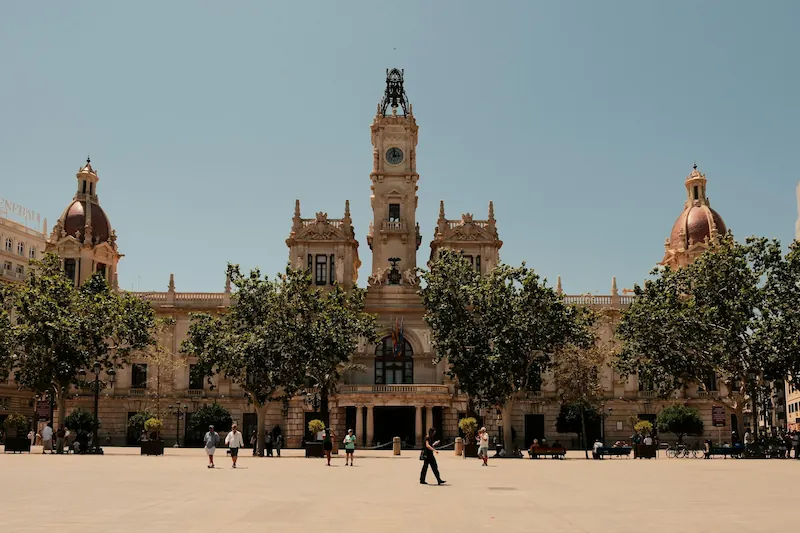
Cross the old town through Plaza de la Virgen, Plaza de la Reina and Plaza Redonda.
Walk Cabanyal’s tiled streets before continuing to the seafront.
Free activity
Best time
Best for
Turia Garden
Morning or late afternoon
Walking, cycling, playgrounds and city connections
City of Arts and Sciences exterior
Early morning or blue hour
Architecture and photography
El Carme and Centre del Carme
Late morning or afternoon
Street art and contemporary culture
Cabanyal, Marina and beach
Morning through sunset
Coastal atmosphere and open space
Viveros and Monforte Gardens
Morning or late afternoon
Quiet green space
Unique and unusual things to do in Valencia
Valencia’s more distinctive activities come from the collision of old trade wealth, modern urban design, food rules and wetlands just beyond the city. Choose these when you want the trip to feel less interchangeable with other Spanish city breaks.
See Roman, Islamic and medieval Valencia layered together at La Almoina.
Compare La Lonja’s Gothic trading hall with the modernist Central Market across the street.
Cycle through a former riverbed transformed into a nine-kilometre urban garden.
See the Fallas figures preserved from the flames at the Fallas Museum.
Watch the Water Tribunal meet at the Cathedral’s Apostles’ Gate when your visit coincides with its weekly session.
Visit San Nicolás for a baroque fresco cycle hidden inside the old town.
Try horchata in Alboraya and see the agricultural landscape behind the drink.
Take a sunset boat ride through Albufera’s wetland and rice-field landscape.
Explore Cabanyal’s tiled façades before continuing to the beach and Marina.
Choose Bombas Gens for digital art inside a restored industrial complex.
Things to do in Valencia at night
Valencia is better at evening atmosphere than late-night spectacle for most visitors. Plan around dinner timing, terraces, neighborhood walks and illuminated architecture rather than trying to force a packed nightlife itinerary.
Walk around the illuminated City of Arts and Sciences after dark.
Spend an evening in Ruzafa for dinner, bars and neighborhood atmosphere.
Walk Plaza de la Virgen, Plaza de la Reina and the Cathedral area after dinner.
Use the Marina or beach promenade for a warm-weather sunset and evening meal.
Book a food tour, tapas walk or cooking experience for a structured evening.
Attend a performance at Palau de les Arts, Palau de la Música or another cultural venue when the program fits.
Explore El Carme for bars and historic streets, choosing the exact zone according to your preferred noise level.
Attend a Valencia CF match or evening stadium event when schedules align.
Night option
Best for
Planning note
Ruzafa evening
Restaurants, drinks and neighborhood energy
Reserve popular restaurants on weekends.
City of Arts and Sciences
Illuminated architecture
Best as a walk or paired with a performance.
Old town after dinner
Atmospheric plazas and short walks
Keep the route compact.
Marina and seafront
Sunset, sea air and warm-weather dining
Check transport back to the center.
Football or performing arts
Event-led evenings
Book according to the current schedule.
Things to do in Valencia with kids
Valencia is one of Spain’s easiest cities with children because it combines flat cycling, beaches, parks, science attractions, animals and substantial playgrounds. Choose one major paid family attraction per day and leave room for Turia Garden or the beach.
Choose Oceanogràfic for the strongest all-round family attraction.
Use the Science Museum for hands-on exhibits and an indoor break.
Visit Bioparc for an animal-focused half day near Cabecera Park.
Spend time at Gulliver Park, one of Turia Garden’s most memorable play spaces.
Cycle a safe section of Turia Garden using family bikes or child seats.
Use Cabecera Park, Viveros or the beach for less structured outdoor time.
Visit the Fallas Museum for colorful figures and festival culture.
Take a short Albufera boat ride if children enjoy birds and open landscapes.
Keep the Central Market short and sensory rather than turning it into a long formal visit.
Activity
Best age fit
Time fit
Weather fit
Oceanogràfic
Most ages
Half day
Good for rain or heat
Bioparc
Most ages
Half day
Best in mild weather
Science Museum
School-age children
1.5 to 3 hours
Strong indoor option
Gulliver Park
Younger and school-age children
45 to 90 minutes
Avoid peak heat
Beach
All ages
Half day
Warm, calm weather
Fallas Museum
Most ages
1 to 1.5 hours
Indoor and flexible
Things to do in Valencia when it rains
Rain rarely needs to ruin Valencia, but it should change your order of activities. Move ticketed interiors, markets and museums forward, then keep Turia, beach and Albufera for clearer weather.
Visit Oceanogràfic or the Science Museum for a substantial indoor block.
Combine the Central Market, La Lonja and nearby historic interiors.
Explore La Almoina for archaeology beneath the Cathedral quarter.
See the frescoes inside San Nicolás.
Choose IVAM, the Fine Arts Museum or the Ceramics Museum.
Visit Centre del Carme, Hortensia Herrero, CaixaForum or Bombas Gens according to the current exhibitions.
Use the Fallas Museum to understand Valencia’s festival culture.
Join a paella cooking class or guided market experience.
Tour Mestalla if football interests you and the schedule allows.
Save the beach, long Turia rides and Albufera sunset trips for clearer weather.
Rainy Day option
Best for
Planning note
Oceanogràfic or Science Museum
Families and long indoor time
Book ahead during holidays and wet weekends.
La Almoina + Cathedral quarter
History and archaeology
Keep transfers short in the old town.
IVAM, Fine Arts or Ceramics Museum
Art and decorative culture
Choose one according to your interests.
San Nicolás + La Lonja
Historic interiors
Easy to combine centrally.
Cooking class or food tour
Food-focused travelers
Book in advance.
Things to do in Valencia by area
Ciutat Vella
The historic center contains Valencia’s densest cluster of monuments, markets, archaeology and atmospheric streets. Use it for one substantial morning or full day rather than repeatedly crossing it for isolated stops.
Valencia Cathedral and El Miguelete
La Almoina
La Lonja de la Seda
Central Market
San Nicolás
Serranos and Quart Towers
Ceramics Museum
El Carme
El Carme is the old town’s more informal northern quarter, combining medieval remains, street art, contemporary culture, bars and residential streets.
IVAM
Centre del Carme
Street art
Serranos Towers
San Nicolás
Medieval wall fragments
Turia Garden and Cabecera Park
The former riverbed is Valencia’s central outdoor route. Its western end adds Cabecera Park and Bioparc, while the route east links playgrounds, sports areas and the modern cultural complex.
Walking and cycling
Gulliver Park
Cabecera Park
Bioparc
Historic bridges
Palau de la Música
City of Arts and Sciences
This area can be a free architecture walk, a family half day or a full cultural day depending on which interiors you choose.
Exterior architecture
Oceanogràfic
Science Museum
Hemisfèric
CaixaForum
Fallas Museum nearby
Ruzafa and Eixample
Ruzafa and Eixample are strongest from late morning into evening, with markets, modernist streets, restaurants, cafés, shops and bars rather than major monuments.
Ruzafa Market
Restaurants and bakeries
Independent shops
Colón Market
Modernist façades
Evening bars
Cabanyal, Marina and beaches
The coastal districts work best as one connected half day combining neighborhood streets, waterfront architecture, water activities, beach time and lunch.
Cabanyal tiled houses
Cabanyal Market
Valencia Marina
Las Arenas and Malvarrosa
Patacona
Seafood and rice restaurants
Albufera and El Saler
South of the city, Albufera links wetlands, rice fields, dunes, pine forest, beaches and Valencian rice culture. It is strongest as a half-day or full-day nature and food extension.
Lagoon boat rides
Rice fields
Birdlife
El Palmar
El Saler and Devesa beaches
Sunset
What to prioritize with limited time
The best Valencia plan is not about seeing more; it is about choosing the right mix. These scenarios keep the activity list focused and prevent the trip from becoming a scattered set of good-but-disconnected stops.
Profile
Prioritize
Skip
Structure
Half day
Central Market, La Lonja, Cathedral quarter and one nearby interior.
Beach, Albufera, Oceanogràfic and multiple museums.
Stay inside Ciutat Vella and keep the route compact.
1 full day
Old town in the morning, Turia Garden and City of Arts and Sciences exterior.
Long beach time, Bioparc and all excursions.
Move from historic Valencia through the green route to modern Valencia.
2 days
Add one major paid attraction, Ruzafa evening and a proper rice lunch.
Trying to include both Oceanogràfic and Bioparc unless traveling with children.
Use one day for historic and modern essentials and one for deeper culture, food and neighborhoods.
3 days
Add Cabanyal, Marina and beach, plus Albufera or a major museum.
Distant excursions without a specific interest.
Keep the third day lighter and more Mediterranean.
4 days or more
Add Bioparc, Alboraya, deeper museums or a full day trip.
Collecting minor old-town sights without leaving time for neighborhoods and outdoor life.
Alternate culture, food, green space and one excursion.
Culture-first stay
La Lonja, Cathedral, La Almoina, San Nicolás, Fine Arts, IVAM and one contemporary space.
Beach time unless it provides a useful reset.
Mix historic interiors, archaeology, painting and contemporary culture.
Family trip
Oceanogràfic or Bioparc, Science Museum, Gulliver Park, Turia cycling and beach time.
Long sequences of churches and museums.
One major attraction, one outdoor break and a relaxed meal each day.
Repeating every headline attraction automatically.
Use Valencia as a lived Mediterranean city rather than a sightseeing checklist.
Best day trips and excursions from Valencia
Albufera is the easiest excursion and the one most closely tied to Valencia’s food and landscape. Historic towns, caves and wine country make sense once the city itself has at least two or three complete days.
Excursion
Best for
Time needed
First trip?
Transport
Book ahead
Albufera Natural Park
Wetlands, rice fields, boat rides, beaches and sunset
Half day to full day
Yes, with at least 3 days
Bus, taxi, bicycle or guided excursion
Reserve sunset boat trips and guided transport on busy weekends. Check options
Sagunto
Roman theater, castle views and layered history
Half day to full day
Strong for history-focused travelers
Train or bus
Usually no; check monument opening times.
Xàtiva
A dramatic hilltop castle and historic-town streets
Full day
Best with 4 days or more
Train
Usually no; check castle hours and weather.
Caves of San José
An underground river and structured family excursion
Half to full day
Optional
Car or organized tour
Yes for timed boat visits and transport packages. Check options
A fortified coastal old town and Mediterranean views
Long full day
Only with extra time
Train plus local transfer, car or organized tour
Useful for organized transport and peak-season visits. Check options
Smart activity combinations
Use these pairings to build efficient half days without crossing the city unnecessarily. Each combination works because the geography, timing and energy level fit naturally.
Central Market + La Lonja + Cathedral quarter – Start while the market is active, cross to La Lonja, then continue through Plaza de la Reina, the Cathedral and La Almoina. Add El Miguelete or San Nicolás according to your interests.
Turia bike ride + City of Arts and Sciences – Cycling through the former riverbed creates the best arrival at the modern complex. Choose one paid interior or keep the whole sequence outdoors.
Cabanyal + Marina + beach + rice lunch – This turns the coast into a complete half day, combining neighborhood texture, waterfront movement, sea time and a planned meal.
Fine Arts Museum + Viveros + Monforte Gardens – Pair a major art collection with two of Valencia’s calmest green spaces for a low-pressure cultural afternoon.
IVAM + Centre del Carme + El Carme evening – This route moves from modern art and cloisters into street art, bars and a less formal side of the historic center.
Bioparc + Cabecera Park + Turia – A strong family combination that links a major animal attraction with open green space and an easy return toward central Valencia.
Alboraya horchata + bicycle route + Patacona – Connect a distinctly Valencian food ritual with the huerta and coast, using a bicycle or metro-and-walk combination.
Albufera boat ride + rice lunch + El Saler – Build the excursion around landscape and food rather than treating the lagoon as an isolated sunset photograph.
What to book ahead in Valencia
Valencia is not as reservation-heavy as some major European cities, but a few experiences are much better planned. Book when timing, family demand, food quality or transport logistics matter.
These answers cover the practical questions travelers ask when choosing Valencia attractions, planning time, booking tickets, visiting with children, using the beach and deciding whether to add Albufera or another excursion.
What are the best things to do in Valencia for a first visit?
Prioritize the Cathedral and El Miguelete, La Lonja, Central Market, Turia Garden and the City of Arts and Sciences. Add one proper rice lunch and an evening in Ruzafa. With a third day, include Cabanyal and the beach or Albufera.
How many days do you need in Valencia?
Two full days cover the historic center, Turia Garden, the City of Arts and Sciences and one strong food experience. Three days allow Ruzafa, Cabanyal, the beach and Albufera. Four days are better for Bioparc, deeper museums or another excursion.
Is the City of Arts and Sciences worth visiting?
Yes. The exterior architecture, pools and gardens are worthwhile without a ticket. Oceanogràfic, the Science Museum, Hemisfèric and CaixaForum serve different interests, so choose rather than automatically visiting everything.
Is Oceanogràfic worth visiting?
Yes for families, marine-life enthusiasts and travelers wanting a substantial indoor attraction. Allow at least three to four hours and do not treat it as a quick stop during an architecture walk.
Is Bioparc Valencia worth visiting?
Bioparc is worthwhile for families and animal-focused visitors, especially when paired with Cabecera Park. On a short first visit, choose between Bioparc and Oceanogràfic unless both are central to the trip.
What should you book ahead in Valencia?
Reserve Oceanogràfic, Bioparc in busy periods, combination tickets, respected rice restaurants, cooking classes, Albufera boat trips, Mestalla visits and the Caves of San José. Most central monuments and museums allow more flexibility.
What are the best free things to do in Valencia?
Walk or cycle Turia Garden, explore the exterior of the City of Arts and Sciences, browse the Central Market, visit Centre del Carme, walk Cabanyal and the Marina, enjoy the beaches and explore Viveros or Monforte Gardens.
What are the best museums in Valencia?
The strongest choices are the Fine Arts Museum for Spanish painting, IVAM for modern art, La Almoina for archaeology, the Ceramics Museum for decorative arts, the Fallas Museum for festival culture, and Hortensia Herrero, CaixaForum or Bombas Gens for contemporary work.
Is La Lonja de la Seda worth visiting?
Yes. It is compact, inexpensive and architecturally distinctive, with one of Valencia’s strongest Gothic interiors. Pair it directly with the Central Market across the street.
Is Valencia Cathedral worth visiting?
Yes for the architectural layers, religious art, Holy Chalice tradition and the view from El Miguelete. Combine it with Plaza de la Virgen, La Almoina and the surrounding historic streets.
Is San Nicolás Church worth visiting?
Yes if you appreciate baroque interiors and fresco painting. It is one of Valencia’s most visually memorable historic interiors and requires less time than a major museum.
What are the best things to do in Valencia with children?
Oceanogràfic, Bioparc, the Science Museum, Gulliver Park, Turia cycling, the Fallas Museum and the beach are the strongest family choices. Plan one major attraction per day and add outdoor time.
What can you do in Valencia when it rains?
Choose Oceanogràfic, the Science Museum, La Almoina, San Nicolás, La Lonja, the Central Market, IVAM, the Fine Arts Museum, the Ceramics Museum, the Fallas Museum or a cooking class.
What are the best things to do in Valencia at night?
Spend the evening in Ruzafa, walk the illuminated City of Arts and Sciences, explore the old-town plazas after dinner, visit the Marina or seafront in warm weather, or attend a football match, concert or opera performance.
Is Ruzafa worth visiting?
Yes. Ruzafa is Valencia’s strongest area for restaurants, cafés, bars and contemporary neighborhood life. Visit from late afternoon into evening rather than treating it as a monument district.
Is Cabanyal worth visiting?
Yes when combined with the market, tiled streets, Marina, beach and a coastal meal. It adds neighborhood history and architecture to what might otherwise be only a beach outing.
Which beach is best in Valencia?
Las Arenas is easiest for the Marina and restaurants, Malvarrosa offers a broad urban beach, Patacona extends the promenade north, and El Saler or Devesa suit travelers wanting a more natural setting near Albufera.
Can you cycle around Valencia?
Yes. Valencia is flat and has extensive cycling infrastructure. The most intuitive visitor route follows Turia Garden between the historic center, City of Arts and Sciences and the coastal districts.
Where should you eat paella in Valencia?
Choose a respected rice restaurant at the beach, in Albufera or in the city and reserve for lunch. Focus on cooking quality and the restaurant’s rice specialization rather than simply choosing the closest waterfront terrace.
What food is Valencia famous for besides paella?
Try other rice dishes, horchata with fartons, the late-morning esmorzaret, seasonal seafood, local vegetables, citrus and sweets. Market visits and cooking classes help connect these foods to the region.
Is Albufera worth visiting?
Yes with at least three days in Valencia, especially for wetlands, rice fields, birds, boat rides and sunset. It is most meaningful when combined with a rice lunch or the natural beaches around El Saler and Devesa.
What is the best day trip from Valencia?
Albufera is the easiest and most closely connected to Valencia’s identity. Sagunto suits Roman history, Xàtiva offers a dramatic castle, Utiel-Requena is best for wine and the Caves of San José provide a distinctive underground-river experience.
What is Valencia like during Las Fallas?
Las Fallas transforms the city with monuments, fireworks, mascletàs, processions, crowds, street closures and nighttime noise. It is a major cultural experience rather than a normal sightseeing week, so accommodation and transport require early planning.
Can you visit Valencia in one day?
Prioritize Central Market, La Lonja, the Cathedral and La Almoina, then finish with Turia Garden and the exterior of the City of Arts and Sciences. Skip the beach, Albufera and major museums.
Is Valencia good for a beach and city break?
Yes. The historic center, Turia Garden and City of Arts and Sciences provide a strong city break, while Cabanyal, the Marina and urban beaches are easy to add. Three or four days create the best balance.
The strongest Valencia trip combines the historic center, Turia Garden, modern architecture, a carefully chosen food experience and one neighborhood or landscape beyond the core.
Turn the right experiences into the right itinerary
Once you know what you want to do in Valencia, the next step is turning those ideas into a trip that actually works day by day. Use the planner to organize the right mix of highlights, neighborhoods, and pace into a route that feels coherent, not crowded.