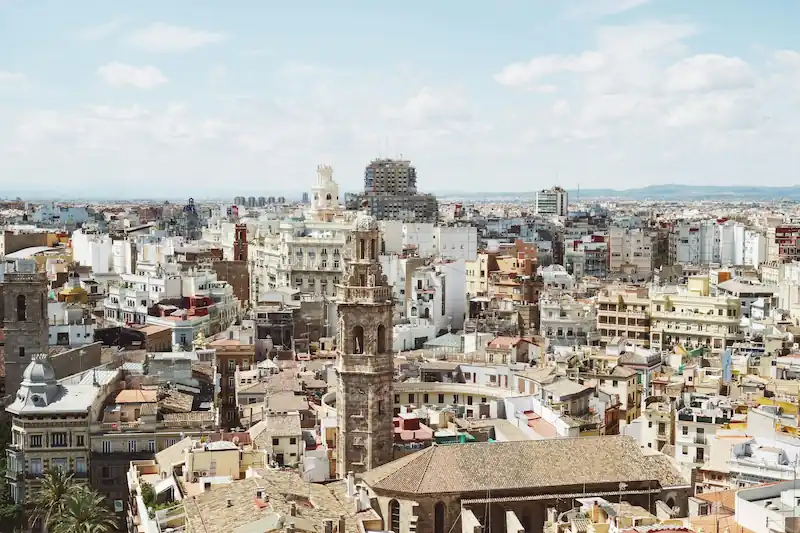
Where to stay in Valencia
Find the best neighborhoods and hotels in Valencia.
Open page →
Understand Valencia before deciding where to stay and how to divide your days. The city combines a compact historic center, a nine-kilometre garden route, modern cultural architecture, food-led neighborhoods and a Mediterranean coast that works best as a deliberate part of the trip.
Find the best neighborhoods and hotels in Valencia.
Open page →
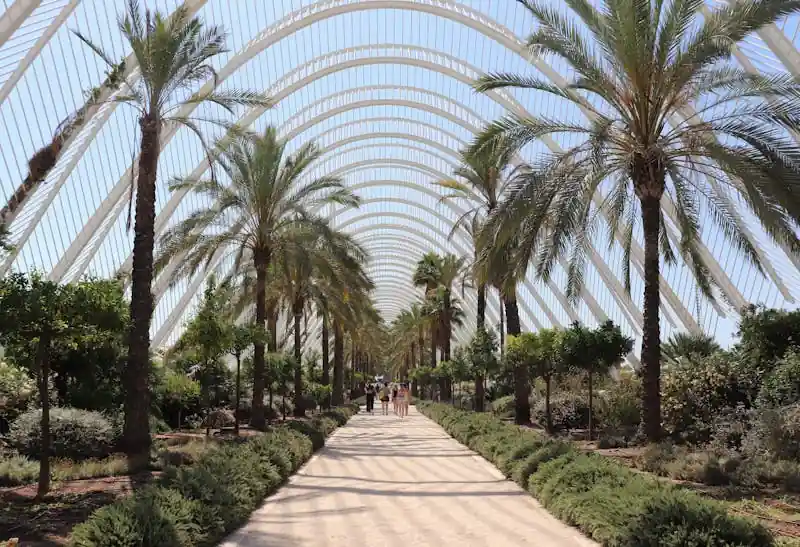
Prioritize the activities that deserve your time in Valencia.
Open page →
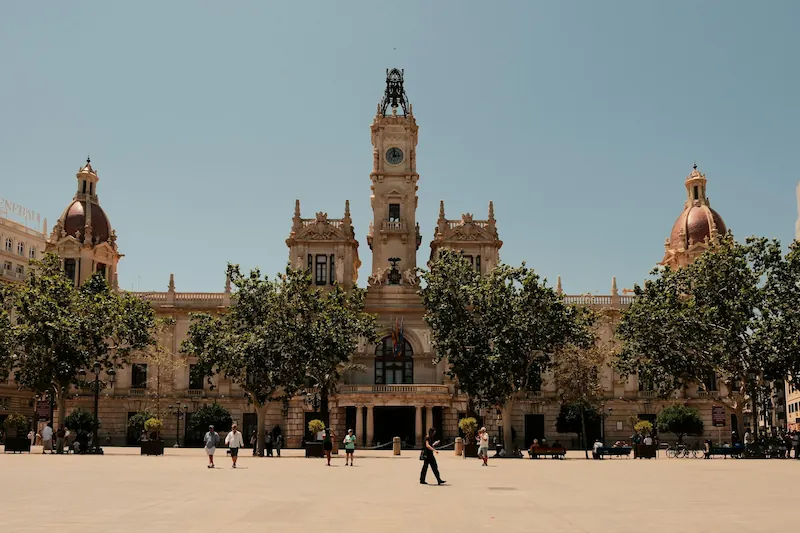
2 Days in Valencia: Essential First-Time Itinerary
Open itinerary →
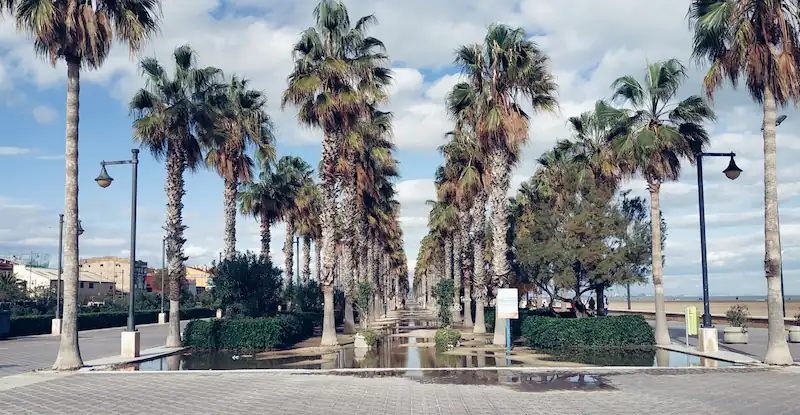
3 Days in Valencia: Best City-to-Sea Itinerary
Open itinerary →
4 Days in Valencia: Best Neighborhood & Albufera Itinerary
Open itinerary →
Valencia is a Mediterranean city built around contrast: Roman and medieval layers in Ciutat Vella, market and rice culture, the transformed Turia riverbed, the City of Arts and Sciences, residential dining districts and a coast with beaches, the Marina and the tiled streets of Cabanyal. It is easy to navigate, but a strong trip depends on understanding which zones belong together.
Valencia offers an unusually complete city break without requiring the scale or intensity of Spain’s largest destinations. Its appeal comes from movement between different urban worlds: Gothic trade halls and baroque churches, market mornings, long green routes through the Turia, futuristic architecture, neighborhood dinners and open coastal light. The city feels coherent when these contrasts are given separate space.
Best time: March–June and September–November for comfortable sightseeing, cycling and outdoor dining; summer for beach-led trips with early starts; March only when Las Fallas is a deliberate part of the visit.
Ideal trip length: 3 days for the historic center, Turia Garden, City of Arts and Sciences, Ruzafa and one coastal sequence; 4 to 5 days for Albufera, deeper museums, Bioparc, Alboraya or more relaxed beach time.
Valencia generally offers better value than Barcelona or Madrid, but central boutique hotels, beachfront rooms, major family attractions and respected rice restaurants add quickly. Prices rise sharply during Las Fallas, Easter, spring weekends, summer beach periods and major events.
Valencia works through five connected zones: Ciutat Vella at the center; Eixample and Ruzafa to the south; the Turia Garden crossing the city from Cabecera Park to the modern cultural district; the City of Arts and Sciences southeast of the center; and Cabanyal, the Marina and urban beaches at the coast. Albufera and El Saler extend this coastal logic beyond the city.
The former Turia riverbed is Valencia’s main geographic reference, linking the western parks and Bioparc with the historic center, Alameda, Gulliver Park and the City of Arts and Sciences. The old town is dense and compact, while the modern district and coast are broader, sunnier and more exposed. Distances are manageable, but the trip becomes inefficient when these zones are crossed repeatedly without a clear sequence.
Use mornings for the Central Market, Cathedral, La Lonja, La Almoina and old-town streets. Midday suits museums, churches, long rice lunches or hotel breaks, especially in warm months. Late afternoon opens the Turia, Ruzafa, Cabanyal, the Marina and beaches, while Albufera is strongest when food, landscape and sunset are combined.
Think of Valencia as four experiences rather than one center: historic Valencia, green-and-modern Valencia, food-and-neighborhood Valencia, and coastal Valencia. A strong first trip protects one block for each. Albufera, Bioparc and deeper museums belong to longer stays or specific interests.
Open the planner
Use one morning for the Central Market, La Lonja, Cathedral, La Almoina and the surrounding squares. Choose San Nicolás, the Ceramics Museum or another focused interior rather than collecting every old-town monument. Follow Turia Garden toward the City of Arts and Sciences by bike or on foot, then choose one paid attraction according to your interests. Treat Oceanogràfic and Bioparc as separate half-day family attractions; choose one on a short trip. Keep Ruzafa for late afternoon and evening, when its cafés, restaurants and bars are most useful. Combine Cabanyal, the Marina, beach time and a coastal lunch in one half-day sequence. Plan a serious rice meal for lunch rather than improvising paella late in the day. Add Albufera only after preserving enough time for the city, ideally linking a boat ride, rice landscape and meal. Use Fine Arts, IVAM, the Fallas Museum or contemporary spaces as purposeful cultural choices rather than weather fillers alone.
Vibe: Historic, walkable, atmospheric, and immediately useful for a first Valencia stay.
Why go: Ciutat Vella concentrates the Cathedral, La Almoina, Central Market, La Lonja, San Nicolás, museums, towers and the city’s most historic plazas. Its subareas differ: La Seu is ceremonial, El Mercat food- and trade-led, and El Carme more informal and nightlife-oriented.
Who it fits: First-time visitors, short stays, history-focused travelers and couples prioritizing immediate sightseeing.
Not for: Travelers who need quiet nights, easy car access, large hotels, or a beach-first stay.
Where to stay: Best for a two- or three-night first visit, provided the exact street suits your noise and access needs.
Vibe: Creative, residential, food-driven, and livelier after dark.
Why go: Ruzafa combines a working market, cafés, bakeries, independent shops, restaurants and bars within an active residential grid. It is strongest from late afternoon onward and gives longer stays a more repeatable local rhythm than the old town.
Who it fits: Food-focused travelers, repeat visitors, couples, younger travelers, and anyone who prefers local evening energy to monument proximity.
Not for: Travelers who want the quietest possible base or immediate access to the cathedral district.
Where to stay: A strong base for travelers who want restaurants and personality, with a slightly less obvious but rewarding position south of the center.
Vibe: Elegant, orderly, central, and calmer than the old town at night.
Why go: Eixample provides broader streets, modernist architecture, shopping, Colón Market and polished hotels between Ciutat Vella, Ruzafa and the Turia. It is the city’s most comfortable central compromise.
Who it fits: Travelers who want comfort, central access, good dining, and a more polished stay.
Not for: Visitors looking for beach atmosphere, historic immersion, or a low-budget base.
Where to stay: A balanced choice for comfort and access, especially if you want Valencia to feel refined rather than dense.
Vibe: Coastal, informal, local, and more spread out than central Valencia.
Why go: Cabanyal, the Marina, Las Arenas, Malvarrosa and nearby Patacona create Valencia’s most complete coastal experience. The area combines tiled streets, markets, seafood, water activities, broad beaches and evening sea air.
Who it fits: Beach-focused travelers, longer stays, families, summer trips, and visitors who do not need to be in the old town every evening.
Not for: Short first visits centered on museums, old-town walking, or late returns from central restaurants.
Where to stay: Best for beach-led stays, but less efficient for a classic first Valencia itinerary.
Vibe: Green, residential, connected, and quieter than the historic center.
Why go: The Turia and Alameda offer park access, museums, Viveros and Monforte Gardens, cycling and a calmer central rhythm. The area works especially well for families and travelers moving regularly between the historic center and modern district.
Who it fits: Families, runners, cyclists, longer stays, and travelers who want a quieter base with good movement options.
Not for: Visitors who want old-town atmosphere immediately outside the hotel door.
Where to stay: A calm and well-placed base for travelers who will use the park route and do not mind a little separation from the tightest center.
Vibe: Modern, spacious, family-friendly, and separate from the old-town mood.
Why go: This practical modern zone places Oceanogràfic, the Science Museum, Hemisfèric, CaixaForum, the opera house and Turia paths close together. It is highly convenient for families and events, though less rewarding for spontaneous neighborhood evenings.
Who it fits: Families, architecture-focused travelers, conference stays, and visitors planning aquarium or museum-heavy days.
Not for: Travelers looking for old-town restaurants, narrow streets, or late-night neighborhood texture.
Where to stay: Convenient for specific cultural and family plans, but less characterful as a general first-visit base.
Valencia is best understood through a selective set of experiences that explain its history, urban design, food culture and relationship with the Mediterranean. Choose contrast rather than trying to visit every museum, church, beach and attraction.
Planning tip: Build each half day around one connected zone and one main attraction. Use mornings for the historic center, midday for interiors or rice lunches, and late afternoon for the Turia, neighborhoods, coast or Albufera.
This is the essential historic sequence, connecting the Cathedral, Plaza de la Virgen, La Almoina, Central Market and La Lonja. Together they reveal Valencia’s Roman foundations, religious power, trade wealth and everyday market culture.
Tip: Begin at the market, then continue through La Lonja and the Cathedral quarter before the busiest midday period.
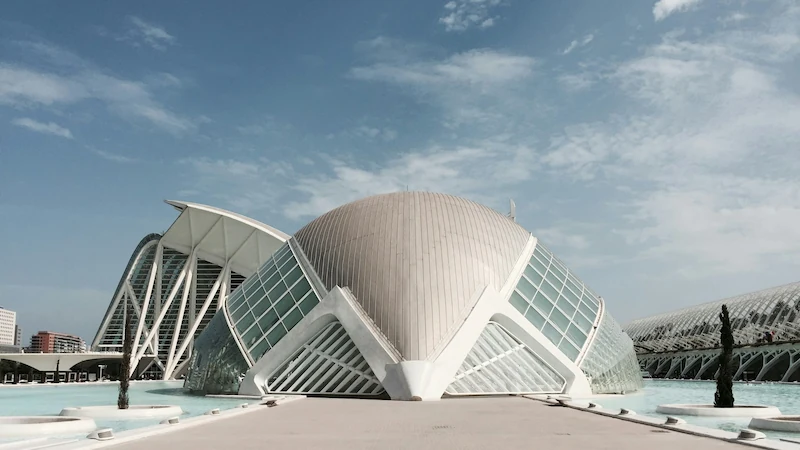
The modern complex changes Valencia’s scale through white structures, water, gardens, science, performance and marine life. Walk the exterior first, then choose Oceanogràfic, the Science Museum, Hemisfèric or CaixaForum according to your interests.
Tip: Allow extra walking time across the site, especially with children or in summer heat.
The Turia is not a secondary park; it is Valencia’s green infrastructure and one of the best ways to understand the city’s shape. Moving through it reveals bridges, playgrounds, sports fields, gardens, and the gradual transition toward the City of Arts and Sciences.
Tip: Use the Turia to connect experiences instead of treating it as a separate attraction.
The coast is most meaningful as a connected sequence: Cabanyal’s tiled streets and market, the Marina’s open waterfront, Las Arenas or Malvarrosa beach and a rice or seafood lunch. It deserves a half day rather than a short transfer for the sand alone.
Tip: Start in Cabanyal, continue through the Marina and finish at the beach or over lunch.
Check guided tours →
La Lonja is Valencia’s strongest Gothic civic interior, where spiral columns and vaulted stone express the city’s former silk-trade wealth. Its position opposite the Central Market makes it an essential part of a first historic-center morning.
Tip: Look for a quieter window between market visits and lunch movement.
The Cathedral quarter brings together religious history, the Holy Chalice tradition, the bell-tower view and the archaeological layers of La Almoina. It is the strongest place to understand how Roman, Islamic and Christian Valencia occupy the same urban space.
Tip: Visit La Almoina and the Cathedral before climbing El Miguelete, then pause in Plaza de la Virgen.
Albufera connects Valencia’s rice culture with wetlands, birdlife, traditional boats, pine forest and natural beaches. It is most rewarding as a half-day or full-day extension built around landscape and food rather than a single sunset photograph.
Tip: Combine a boat ride with El Palmar, a rice lunch or the beaches around El Saler and Devesa.
The Torres de Serranos help explain Valencia’s medieval edge and its relationship to the former riverbed. They are most valuable as a spatial marker: old city behind, Turia below, modern movement around the walls.
Tip: Use the gate as a transition point between Ciutat Vella and the Turia.
Check guided tours →
The Fine Arts Museum is Valencia’s principal classical art collection, with strong Valencian Gothic, Renaissance and baroque painting, including important works connected with Sorolla and the Valencian school. Its setting beside Viveros makes it easy to combine with gardens.
Tip: Pair it with a Turia walk rather than forcing it into a market-heavy morning.
Check guided tours →
The Fallas Museum explains the craft, satire, civic identity and temporary monuments behind Valencia’s defining festival. It is the best year-round introduction for visitors who are not in the city during March.
Tip: Visit before judging Las Fallas only as fireworks and crowds.
Check guided tours →
IVAM anchors Valencia’s modern-art scene beside El Carme, making it a strong choice for travelers interested in twentieth-century and contemporary culture. Pair it with Centre del Carme and the surrounding neighborhood rather than treating it as an isolated museum.
Tip: Check current exhibitions before assigning it a long slot.
Check guided tours →
San Nicolás is one of Valencia’s most memorable historic interiors, combining a medieval church structure with an extensive baroque fresco cycle. It provides a compact but visually powerful contrast to the Cathedral and La Lonja.
Tip: Combine it with El Carme, the Quart Towers or Centre del Carme.
The Marqués de Dos Aguas Palace combines one of Valencia’s most elaborate baroque façades with decorative interiors and the national ceramics collection. It is the strongest single visit for understanding the region’s craft tradition and aristocratic urban culture.
Tip: Use it as a focused central interior between Eixample, Plaza del Ayuntamiento and the Cathedral quarter.
Check guided tours →
Ruzafa shows Valencia as a lived city rather than a monument route, with dining rooms, pavement tables, small bars, and everyday residential scale. It is the best neighborhood for sensing how the city moves after the sightseeing day loosens.
Tip: Arrive before peak dinner time if you want to read the neighborhood rather than only sit down to eat.
Check guided tours →
Plaza de la Virgen, Plaza de la Reina and smaller old-town squares provide essential breathing room between monuments. Their value is not only visual: they reveal the social rhythm of the center from morning coffee to evening terraces.
Tip: Use it as a reset, not just a photo stop.
Check guided tours →
Cabecera Park forms the western end of Turia Garden, with water, paths and open family space beside Bioparc. Together they create a strong half day for families and show that the Turia is a citywide landscape rather than only a central cycling route.
Tip: Choose Bioparc or Oceanogràfic on a short family trip; visit both only when animals are a major focus.
The Turia Gardens are part of Valencia’s everyday infrastructure rather than simply a sightseeing route. Runners, cyclists, families, football groups and commuters share the former riverbed throughout the day, showing how the city turned a major geographic barrier into its most important public space.
Tip: Visit in the late afternoon between Alameda and Gulliver Park, when exercise, family life and everyday movement overlap most clearly.
El Cabanyal preserves Valencia’s strongest maritime neighborhood identity through tiled houses, former fishermen’s streets, small workshops, markets and a street pattern that developed separately from the historic center. Walking beyond the beachfront reveals a lived district shaped by fishing history, urban pressure and gradual cultural renewal.
Tip: Explore the streets around Mercado del Cabanyal before continuing toward the Marina or beach rather than approaching the coast only from the promenade.
Valencia CF and Mestalla form one of the city’s strongest shared identities beyond food and festivals. On match days, the streets and bars around the stadium fill gradually, revealing a local ritual shaped by family loyalty, neighborhood routines and one of Spain’s most distinctive urban football grounds.
Tip: Even without attending a match, visit the surrounding streets before kickoff or choose a stadium tour when the club schedule allows.
Paella Valenciana is the most famous dish, but Valencia’s rice culture also includes seafood rice, arroz a banda and other regional preparations. The essential experience is a carefully chosen shared lunch with enough time for the rice to be cooked properly.
Tip: Expect serious paella restaurants to work around lunch reservations and shared pans.
Horchata and fartons create a simple local ritual rooted in the tiger-nut fields around Alboraya. Try it in a dedicated horchatería or connect the experience to a bicycle or metro trip beyond the center.
Tip: Order it in a dedicated horchatería rather than treating it as a random café item.
Check food options →
The Central Market reveals the ingredients behind Valencia’s food culture, while the surrounding huerta explains the city’s vegetables, citrus and tiger nuts. Use the market as a starting point for understanding rice dishes, seasonal produce, horchata and the relationship between the city and its agricultural landscape.
Tip: Visit the market in the morning, then connect what you see there with a rice lunch or an Alboraya horchata stop.
Cabanyal, the Marina and the beaches become more meaningful when paired with seafood, rice and a long Mediterranean lunch. Choose the restaurant as carefully as the stretch of coast.
Tip: Choose lunch or early evening rather than a rushed meal between sights.
Check food options →
The esmorzaret is Valencia’s substantial late-morning food ritual, usually built around a filled sandwich, small snacks and a drink. It offers a more everyday expression of local food culture than a formal restaurant reservation.
Tip: Try it in a neighborhood bar on a slower morning rather than adding it immediately before a major rice lunch.
Check food options →
Prioritize the experiences that explain Valencia’s structure before adding specialist museums, animal attractions or excursions. The city is strongest when history, green space, modern architecture, food and the coast all appear in the trip.
Valencia is one of Spain’s strongest family destinations because major attractions are connected by parks, cycling routes and open space. The best approach is one substantial paid attraction per day, balanced with Turia Garden, a playground, Cabecera Park or the beach.
Valencia works as a compact city break or a slower Mediterranean stay. The right itinerary protects the historic center, Turia, modern architecture, food and coast before adding Albufera, museums or family attractions.
Open the planner →
Valencia is straightforward to visit when its separate zones are planned deliberately. Walk the historic center, use Turia Garden as a route, choose the modern attractions selectively and treat the coast or Albufera as dedicated sequences.
March to June and September to November offer the strongest all-round conditions. Las Fallas in March is exceptional but requires early booking and tolerance for noise and closures; summer is best for beach-led schedules with early sightseeing.
Two full days allow a selective visit, three days provide a complete first trip, and four to five days are ideal for adding Albufera, deeper culture, Bioparc or more relaxed coastal time.
Choose Ciutat Vella for first-time sightseeing, Ruzafa for restaurants and nightlife, Eixample for polished central comfort, Turia and Alameda for families and green access, Cabanyal or Malvarrosa for a beach-led stay, and the City of Arts area for aquarium, events or modern hotel convenience.
Valencia Airport connects to the city by metro, bus, taxi and private transfer. High-speed trains arrive at Joaquín Sorolla, while Estació del Nord serves central and regional routes. Choose the transfer according to the exact neighborhood rather than the general city-center distance.
Walking is best in Ciutat Vella, Eixample and Ruzafa. Bikes are especially useful through Turia Garden and toward the coast, while metro and tram connections serve the airport, beach and outer districts. Buses and taxis fill gaps around Albufera and late coastal returns.
Valencia is generally safe, with standard precautions around markets, transport hubs, beaches and nightlife streets. Heat, sun exposure and dehydration are the main practical concerns in summer, particularly in the open modern district and along the coast.
Valencia changes through festivals, heat and coastal life more than through conventional high and low seasons. Spring and autumn offer the best balance, Las Fallas creates an entirely different city in March, summer favors beaches and late evenings, and winter supports calm cultural visits and lower hotel pressure.
March to May brings mild to warm weather, longer days, and strong city energy. Las Fallas in March is the major exception to normal planning, with intense crowds, street closures, fireworks, and high accommodation pressure.
June to August is best for travelers who want the beach and warm evenings. Inland sightseeing can feel heavy during the day, so the old town, museums, and market visits work better earlier, before the heat settles on the streets.
September to November is one of Valencia’s easiest periods, with warm sea air lingering into early autumn and a calmer cultural rhythm after peak summer. It is especially good for travelers who want both terraces and serious sightseeing.
December to February is quieter, cooler, and often good value, with enough daylight for cultural visits and less pressure in central areas. It is not a beach season, but the city remains highly workable for food, museums, walking, and short breaks.
Not seeing your next stop yet? Build a fully personalized itinerary anywhere in spain.
These answers cover the decisions that most affect a Valencia trip: duration, neighborhoods, beaches, food, family attractions, Las Fallas, the modern cultural complex and whether to add Albufera.
Three full days are ideal for a first visit, covering Ciutat Vella, Turia Garden, the City of Arts and Sciences, Ruzafa and one coastal sequence. Four to five days allow Albufera, deeper museums, Bioparc or slower beach time.
Ciutat Vella is best for immediate access to the historic sights. Eixample offers a more comfortable central base, while Ruzafa is stronger for food and evening atmosphere.
Prioritize the Cathedral quarter, Central Market, La Lonja, Turia Garden, the City of Arts and Sciences, a rice lunch and a connected Cabanyal, Marina and beach outing.
Yes. Valencia offers a different balance of history, food, cycling, contemporary architecture and beach access with less scale pressure. It works especially well for a three- to five-day Mediterranean city break.
Yes. Central areas are walkable, the metro and tram connect the airport and coast, buses cover the city, and cycling through Turia Garden is particularly practical. A car is unnecessary for a standard visit.
March to June and September to November are best for most visitors. March is dominated by Las Fallas, while July and August suit travelers prioritizing beaches and later evenings.
Las Fallas transforms the city through temporary monuments, fireworks, mascletàs, processions, street closures, crowds and nighttime noise. Visit specifically for the festival and book accommodation very early.
Yes. Oceanogràfic, Bioparc, the Science Museum, Gulliver Park, Turia Garden, Cabecera Park and the beach make Valencia one of Spain’s easiest large cities with children.
Oceanogràfic is best for marine life and a major indoor attraction, while Bioparc works well with Cabecera Park and milder outdoor weather. Choose one on a short trip unless animals are a main interest.
Yes. The exterior architecture is essential, while Oceanogràfic, the Science Museum, Hemisfèric, CaixaForum and the opera house appeal to different interests. Allow enough time for the large site.
For a first trip, choose one museum that adds a different dimension to the itinerary: Fine Arts for classical painting, La Almoina for the city’s origins, the Fallas Museum for local identity, or IVAM for modern art.
Yes for travelers interested in Valencia’s history. The archaeological site reveals Roman, Islamic and medieval layers beside the Cathedral and adds important context to the old town.
Yes. Its extensive baroque frescoes create one of Valencia’s most memorable historic interiors, and the visit is compact enough to combine with El Carme or the old-town towers.
For a short city trip, combine Cabanyal, the Marina and Las Arenas or Malvarrosa in one half day. Patacona works for a longer coastal routine, while El Saler and Devesa suit a nature-led extension near Albufera.
Yes. Cabanyal adds tiled architecture, a market, neighborhood streets and food culture to the beach experience. Combine it with the Marina and coast rather than visiting it as an isolated stop.
Valencia is known for paella and other rice dishes, horchata with fartons, the esmorzaret, Mediterranean seafood, citrus and produce from the huerta.
Choose a respected specialist rice restaurant in the city, along the coast or around Albufera and reserve for lunch. The quality of the rice matters more than simply choosing the closest waterfront terrace.
Yes with at least three or four days. It connects wetlands, rice fields, boats, birdlife and natural beaches with Valencia’s food identity. Combine the landscape with a rice lunch or El Saler.
Yes. Valencia is flat and has strong cycling infrastructure. Turia Garden provides the easiest route between the western parks, historic center, City of Arts and Sciences and coast.
Yes, but structure the day geographically: use the morning for Ciutat Vella and the afternoon for Turia Garden and the modern district. Stay central and avoid adding the beach, Albufera or multiple museum interiors.
Yes. Three days provide a compact city trip with one coastal half day, while four to five days create a better balance between culture, food, neighborhoods, beaches and Albufera.
Restructure the day around one substantial indoor anchor such as Oceanogràfic or the Science Museum, or keep it compact in Ciutat Vella with La Almoina, San Nicolás, La Lonja and a museum. Leave the Turia, beaches and Albufera flexible for clearer weather.
Plan the evening around one setting rather than crossing the city: Ruzafa for restaurants and bars, the old town for plazas after dinner, the Marina for sea air, or the City of Arts and Sciences for illuminated architecture.
It can be useful when you plan frequent public transport and several municipal museums or monuments. Compare the included admissions and discounts with your actual itinerary rather than buying it automatically.
Valencia works best when its historic center, green route, modern architecture, food neighborhoods and coast are treated as connected but distinct parts of the trip.
Find the best places to stay, how to get there, and move around with ease.
Build a smarter trip base
Once you understand how Valencia works and what matters most for your trip, the next step is turning that direction into a real itinerary. Use the planner to organize your days around the right areas, experiences, and rhythm so the trip feels clear before you go.