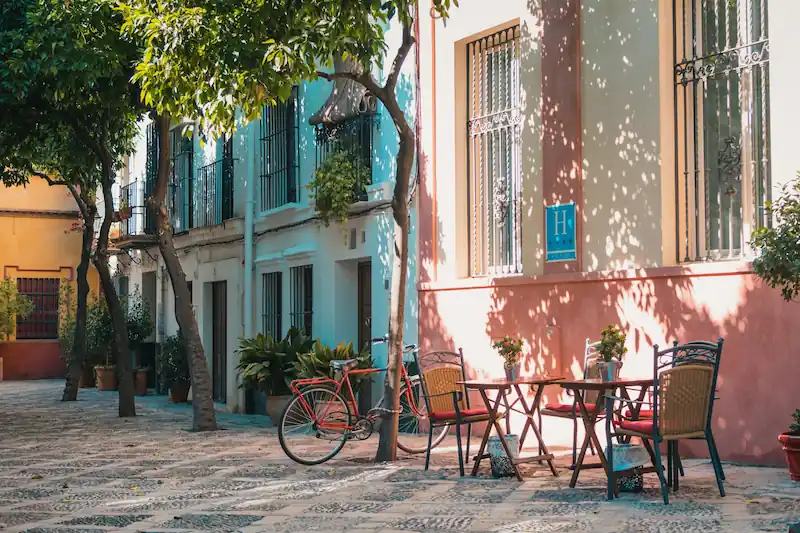
Where to stay in Seville
Find the best neighborhoods and hotels in Seville.
Open page →
Understand Seville before deciding where to stay and how to structure each day. The city works through a compact monument core, shaded courtyards, the Guadalquivir, distinct neighborhoods and a daily rhythm that shifts from early sightseeing to late tapas and flamenco.
Find the best neighborhoods and hotels in Seville.
Open page →
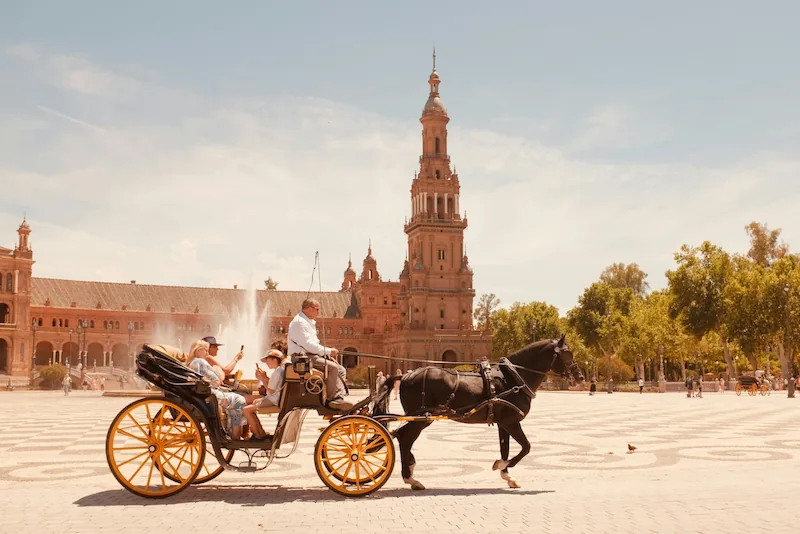
Prioritize the activities that deserve your time in Seville.
Open page →
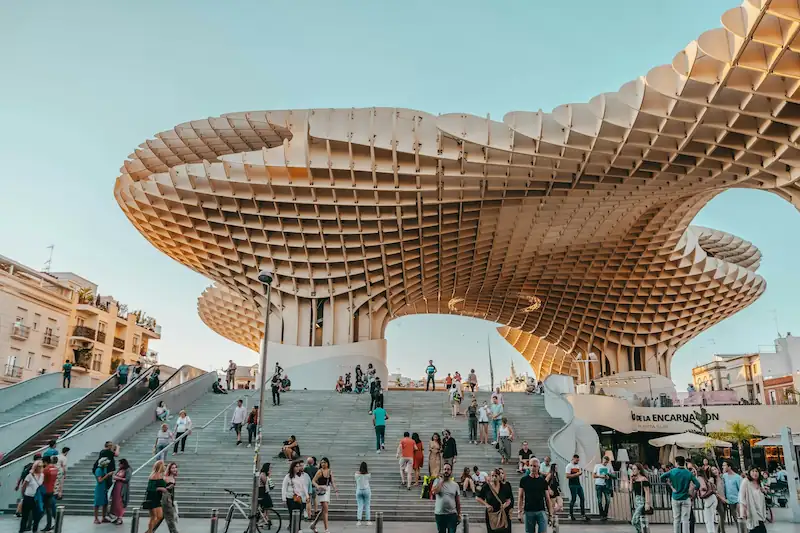
2 Days in Seville: Essential First-Time Itinerary
Open itinerary →
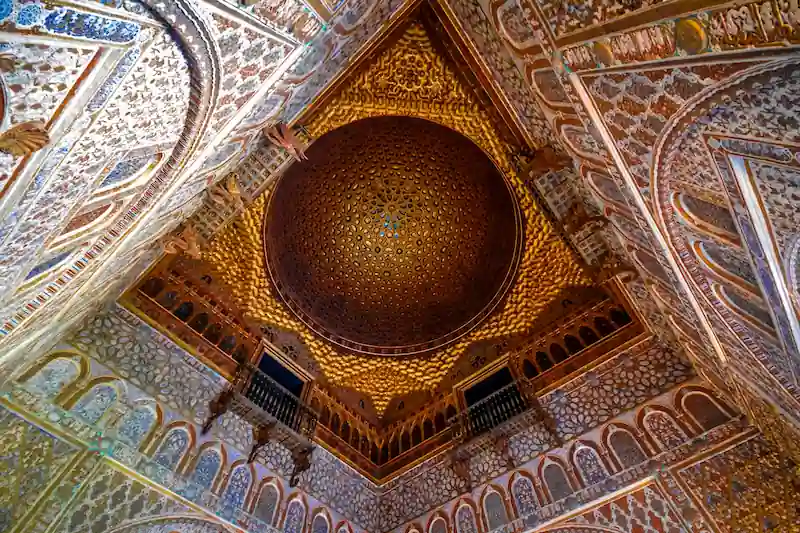
3 Days in Seville: Best Culture & History Itinerary
Open itinerary →
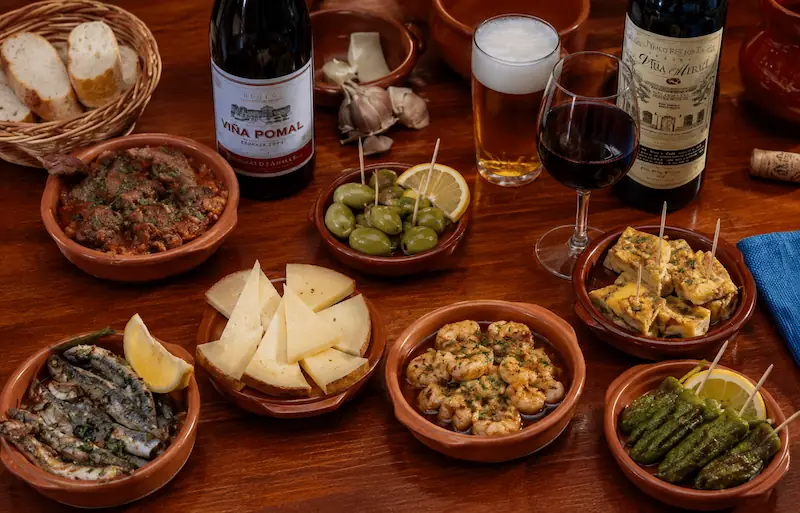
4 Days in Sevilla: Best Tapas & Neighborhood Itinerary
Open itinerary →
Seville is a compact but deeply layered Andalusian city where royal palaces, Gothic scale, Mudéjar craft, baroque churches, flamenco traditions and neighborhood food culture overlap within a walkable core. The city is easy to navigate geographically, but heat, timed entries, festival crowds and late dining hours make sequencing more important than distance.
Seville combines one of Europe’s strongest royal-palace complexes, a monumental cathedral and tower, the open civic scale of Plaza de España, and living traditions built around flamenco, tapas, patios and spring festivals. Its appeal lies in contrast: ceremonial architecture beside intimate lanes, quiet courtyards beside animated plazas, and intense daytime sightseeing followed by a city that becomes more social after sunset.
Best time: March–May and October–early November for comfortable walking and outdoor evenings; winter for lower prices and easier sightseeing; summer only with early starts and midday breaks.
Ideal trip length: 3 days for the essential monuments, Triana and evening culture; 4 to 5 days for secondary palaces, museums, Macarena, Cartuja or one nearby excursion.
Seville remains relatively good value for food and daily spending, but central hotels and timed attractions become expensive during Semana Santa, Feria de Abril, spring weekends and major events. The most important planning cost is often not the ticket itself but a badly located hotel or a schedule that forces repeated midday crossings in the heat.
Seville revolves around a dense historic core anchored by the Cathedral, Alcázar, Santa Cruz, El Arenal and Centro. Triana forms a distinct west-bank neighborhood across the Guadalquivir, while Alameda, Feria, San Luis and Macarena extend the old city northward. Plaza de España and María Luisa Park create a separate southern cluster, and Cartuja adds contemporary art, industrial heritage and family attractions across the river.
Most central routes are flat and walkable, but Seville’s old street pattern bends around former walls, convents, churches and enclosed courtyards. The Guadalquivir marks a clear western edge, linking Arenal to Triana and Cartuja. The biggest geographic challenge is not elevation but heat exposure, shade, river crossings and the distance between the monument core and outer cultural clusters.
Use mornings for the Alcázar, Cathedral, Plaza de España and markets. Midday suits palaces, museums, churches, long lunches and hotel breaks, especially in warm months. Late afternoon opens the river, Triana and northern neighborhoods, while evenings belong to tapas, flamenco, plazas and rooftop views.
Think in connected clusters rather than one continuous checklist. The Cathedral–Alcázar quarter forms one major day, Plaza de España and María Luisa Park form another open-air block, Triana works as a half day or evening, and Macarena or Cartuja belong to longer stays. One booked anchor per half day keeps the city flexible.
Open the planner
Book the Real Alcázar first, then place the Cathedral and Giralda around the remaining strongest time slot. Keep the Cathedral, Alcázar, Archivo de Indias and Santa Cruz in one connected historic-core sequence. Pair Plaza de España directly with María Luisa Park and, with children, the Aquarium or Casa de la Ciencia. Treat Triana as a genuine half day or evening combining ceramics, market life, river views, tapas and flamenco context. Use Centro for a deeper cultural side of the city built around Las Setas, Antiquarium, Casa de Pilatos, Palacio de las Dueñas or the Museo de Bellas Artes. Give Macarena, San Luis and Feria their own slower block rather than squeezing them between major monuments. Protect midday for interiors, lunch or rest from May to September, then return outside when the city revives. Add Itálica, Córdoba or Carmona only after preserving at least three strong Seville days.
Vibe: Historic, intimate, atmospheric, and close to Seville’s headline monuments.
Why go: Santa Cruz places you beside the cathedral and Alcázar while surrounding you with narrow lanes, small squares, patios, and tiled thresholds. It is the most immediately evocative base for a first trip, especially if you want to step out early before the day’s visitor flow thickens.
Who it fits: First-time visitors, couples, short stays, and travelers who want maximum proximity to the core monuments.
Not for: Travelers who dislike tourist density, narrow streets, or higher central hotel prices.
Where to stay: Best for a first Seville stay when atmosphere and walkability matter more than space or value.
Vibe: Central, elegant, practical, and slightly more open than Santa Cruz.
Why go: El Arenal sits between the cathedral zone, the river, tapas streets, theaters, and the Maestranza, making it one of Seville’s most efficient central bases. It has more breathing room than Santa Cruz while keeping the old city, Triana bridge, and river walks close.
Who it fits: Couples, culture weekends, food-focused travelers, and visitors who want central convenience without sleeping inside the tightest lanes.
Not for: Travelers looking for a quiet residential feel or the lowest hotel rates.
Where to stay: A highly practical central base with strong access to monuments, tapas, river walks, and evening energy.
Vibe: Convenient, active, commercial, and well connected.
Why go: Centro is Seville’s most flexible base, linking shopping streets, Las Setas, Iglesia del Salvador, secondary palaces, museums, restaurants and the monument corridor. It lacks the singular identity of Santa Cruz or Triana, but offers the broadest choice of routes and hotel styles.
Who it fits: First-time visitors, shoppers, short stays and travelers prioritizing practical central access.
Not for: Travelers seeking a deeply local residential mood or a quiet boutique stay.
Where to stay: Best for flexible sightseeing, transport, shopping and a broad hotel range.
Vibe: Lived-in, musical, riverside, and proudly distinct.
Why go: Triana gives Seville a different register across the river: ceramic workshops, market life, neighborhood bars, flamenco associations, and long evening light along the water. It is close to the center but feels less like an extension of the monument circuit.
Who it fits: Return visitors, food lovers, flamenco-curious travelers, and those who want a neighborhood stay with easy central access.
Not for: Travelers who want to be directly beside the cathedral or who dislike crossing the river for major sights.
Where to stay: Best for a more grounded Seville stay with strong evenings and a clear neighborhood identity.
Vibe: Creative, informal, social, and more local than the monument core.
Why go: Alameda and Feria combine markets, independent food, bars, San Luis, local plazas and a more contemporary social rhythm. They suit travelers who want a neighborhood that remains active after the monument core quiets down.
Who it fits: Younger travelers, longer stays, food-and-bar explorers, and repeat visitors.
Not for: Travelers who want polished streets, immediate monument access, or very quiet nights.
Where to stay: A stronger choice for local life and evening energy than for classic first-time convenience.
Vibe: Quiet, historic, residential, and understated.
Why go: Macarena and San Luis reveal Seville’s northern historic city through baroque churches, Holy Week culture, convent walls, local bars and quieter residential streets. The area is especially rewarding on longer stays and repeat visits.
Who it fits: Longer stays, return visitors, budget-aware travelers, and people who prefer residential edges.
Not for: First-timers with only one or two nights, or anyone wanting immediate access to every major sight.
Where to stay: A good-value, quieter base for travelers comfortable being beyond the densest central circuit.
Seville is best understood through a selective set of experiences that explain its identity: royal and religious architecture, Mudéjar craft, public space, flamenco, neighborhoods, the Guadalquivir and food culture. Choose contrast rather than collecting every palace, church or viewpoint.
Planning tip: Build each half day around one nearby group of sights and one main reserved attraction. Use early hours for exposed monuments, midday for interiors and late afternoon for Triana, river walks, plazas and viewpoints.
The Alcázar is Seville’s most layered monument, moving through Islamic, Mudéjar, Gothic, Renaissance, and garden spaces without feeling like a single linear museum. Its courtyards, carved surfaces, water channels, and planted enclosures explain the city’s relationship with shade, ornament, and controlled interior space.
Tip: Go early or late in the timed-entry day to give the gardens room to breathe.
Seville Cathedral gives the city its vertical anchor, and the Giralda climb turns the compact historic center into a legible map of rooftops, patios, towers, and river distance. It is less a single sight than the city’s main orientation point.
Tip: The Giralda ascent uses ramps rather than narrow stairs, but the final stretch still concentrates visitors.
Plaza de España and María Luisa Park form Seville’s strongest open-air sequence, combining monumental architecture, regional tilework, gardens, shade and family-friendly space. Visit early or late rather than in the most exposed hours.
Tip: Early morning gives cleaner sightlines and softer light across the brick and ceramic surfaces.
Check guided tours →
Triana gives Seville a vital counterweight to the monumental center. Cross Puente de Isabel II, browse Mercado de Triana and the ceramics center, then continue toward Calle Betis and the neighborhood’s bars and small streets.
Tip: Arrive before dinner so the market, riverfront and evening atmosphere form one continuous sequence.
Flamenco belongs to Seville’s cultural depth, but the experience depends heavily on scale and setting. A smaller venue, especially in Triana or the historic center, keeps attention on rhythm, voice, guitar, and the physical intensity of the performance.
Tip: Choose a focused show over a meal-driven package if music and dance are the priority.
Casa de Pilatos provides the strongest secondary palace experience, combining Mudéjar decoration, Renaissance detail, courtyards and gardens on a more intimate scale than the Alcázar.
Tip: Pair it with a walk through eastern Centro or San Luis rather than making it a standalone detour.
Las Setas gives Seville its clearest contemporary viewpoint, revealing how the Cathedral, church towers and dense historic streets fit together. The contrast with the Roman Antiquarium below makes the site more meaningful than a rooftop photograph alone.
Tip: Time the walkway for sunset, then continue into Centro or Alameda for dinner.
Seville’s depth lies in the way Islamic, Christian, and later aristocratic forms overlap in palaces, churches, convents, and private houses. Looking for arches, tile dadoes, patios, carved plaster, and water features makes the city easier to read beyond its headline monuments.
Tip: Use the Alcázar, Casa de Pilatos, and smaller church interiors as a connected thread.
The Museo de Bellas Artes is Seville’s principal art museum, particularly strong in Murillo, Zurbarán and Spanish baroque painting. Its former convent setting and courtyards make it one of the city’s most rewarding quieter interiors.
Tip: Use it as a calm interior pause rather than as a rushed add-on after the cathedral.
Check guided tours →
Iglesia del Salvador, San Luis de los Franceses, the Basilica de la Macarena and smaller neighborhood churches reveal the depth of Seville’s religious art, Holy Week culture and baroque architecture.
Tip: Choose one or two major interiors and check opening hours rather than trying to collect every church.
Check guided tours →
Semana Santa and Feria de Abril are not ordinary events added to the city calendar: they reshape public space, movement, dress, music, accommodation and social life. Understanding them explains much of Seville’s contemporary identity.
Tip: Visit during these periods only if the event itself is central to the trip.
Check guided tours →
Palacio de las Dueñas offers a more domestic and garden-led palace experience than the Alcázar, with courtyards, family collections, literary associations and lived aristocratic history. It is the strongest alternative to Casa de Pilatos for a longer stay.
Tip: Choose Las Dueñas for gardens and atmosphere; choose Casa de Pilatos for architecture and tilework.
San Luis de los Franceses and the Basilica de la Macarena create the strongest cultural reason to explore the northern historic center. Together they connect baroque architecture, devotional culture and Seville’s Holy Week identity.
Tip: Pair them with Calle Feria, local markets and an early evening around Alameda.
Check guided tours →
The Andalusian Centre for Contemporary Art occupies a former monastery and ceramics factory, combining cloisters, gardens, industrial kilns and changing exhibitions. It provides Seville’s clearest contemporary counterpoint to the historic center.
Tip: Treat Cartuja as a focused half day and combine CAAC with a river or cycling route.
Check guided tours →
The Plaza de Toros de la Maestranza is one of Seville’s most distinctive civic buildings and an important part of El Arenal’s history. Its oval form, baroque façade, museum and relationship with the former port district explain how architecture, ceremony and urban identity developed together around the river.
Tip: Visit the exterior and museum for the architectural and historical context; attending a bullfight is not necessary to understand the site’s importance.
Alameda is where Seville feels less ceremonial and more contemporary, with terraces, bars, families, students, and long conversations sharing the same public space. It is a useful counterpoint to the polished central route.
Tip: Arrive before dinner to watch the square fill gradually instead of joining it only at peak night.
Check guided tours →
San Luis and Macarena reveal Seville as a lived historic city, with baroque churches, local bars, markets, residential streets and fewer visitor cues than Santa Cruz.
Tip: Give the area enough time for wandering; it loses meaning as a quick detour.
Check guided tours →
Seville’s daily life becomes most visible after the heat fades, when families, couples and groups of friends return to plazas, promenades and neighborhood streets. The evening paseo is not a single attraction but a social rhythm that explains why the city feels quieter in the afternoon and increasingly animated toward dinner.
Tip: Walk through Alameda, Plaza del Salvador, Triana or the riverfront between early evening and dinner rather than visiting only after dark.
Check guided tours →
Mercado de Feria offers one of the clearest views of everyday Seville beyond the monument core. Fresh-food counters, neighborhood shopping, casual meals and the surrounding streets connect the market to the lived rhythm of Feria, Macarena and Alameda rather than to a visitor-only food hall.
Tip: Go in the late morning, when the produce counters are active, then continue toward Calle Feria, San Luis or Alameda.
Bullfighting remains a visible and contested part of Seville’s identity, particularly around the Maestranza, El Arenal and Feria season. Arena architecture, specialist shops, posters, social rituals and local debate reveal how deeply the tradition is embedded in the city, even for visitors who choose not to attend a corrida.
Tip: Explore the Maestranza exterior, nearby streets and museum context to understand the tradition without attending a bullfight.
The river creates Seville’s easiest open-air transition, linking Torre del Oro, El Arenal, Puente de Isabel II and Triana. The route is especially rewarding in late light, when the riverfront becomes a natural pause between sightseeing and dinner.
Tip: Start in Arenal in late afternoon and finish with dinner in Triana.
Tapas in Seville works best as movement: one or two dishes, a short walk, then another counter or terrace. El Arenal and Centro are easy places to build that rhythm without spending the evening in transit.
Tip: Stand at the bar when the room is busy; it often moves faster than waiting for a table.
Seville’s food culture runs from simple tostada-and-coffee mornings to flexible tapas evenings and seasonal Andalusian dishes. The value lies in rhythm and variety rather than one formal meal.
Tip: Start with a local breakfast, then order small portions across several bars later in the day.
Check food options →
Triana’s food scene feels more neighborhood-shaped than the central tapas corridors, especially once the riverfront and backstreets start filling after sunset. It suits travelers who want a meal to be part of an evening route, not a reservation isolated from the city.
Tip: Start near the market or river, then move deeper into the neighborhood for a second stop.
A guided market visit, food tour or cooking class can explain ingredients, ordering habits, meal times and regional dishes more efficiently than a list of famous bars. It is especially useful early in a short stay.
Tip: Choose an experience that includes context and neighborhood movement, not only tastings.
Prioritize the experiences that explain Seville’s structure and living culture before adding secondary palaces, churches or excursions. The city gains depth through contrast: one royal complex, one monumental church, one neighborhood evening, one food experience and one open-air sequence.
Seville works well with children when major monuments are balanced with parks, water, animals, science and flexible food stops. The main planning issue is heat, not distance, so a central hotel and a midday reset are especially valuable in warmer months.
Seville itineraries should be built around the city’s daily shift from monument hours to shaded pauses and evening social life. The right duration depends less on how many sights you want to count and more on how much room you want for the city’s slower texture.
Open the planner →
Seville is easy to navigate once you plan around heat, timed entries, festival periods and late meal times. A compact map does not remove the need for careful scheduling.
March to May and October to early November are the strongest all-round periods. Spring brings orange blossom and major festivals but the highest prices and crowd pressure; autumn is easier operationally. Winter is calm and good value, while July and August require a split-day schedule.
Three full days provide a complete first visit. Four to five days allow secondary palaces, museums, Macarena, Cartuja and one nearby excursion without compressing the essential city experience.
Santa Cruz is the most atmospheric first-time base, El Arenal the best-balanced central choice, Centro the most flexible, Triana the strongest neighborhood alternative, and Alameda/Feria or Macarena/San Luis better for longer and repeat stays.
Seville Airport connects to the center by airport bus, taxi and private transfer. Santa Justa station receives high-speed and regional trains from Madrid, Córdoba, Málaga, Granada and other Spanish cities. Choose the transfer based on your exact neighborhood and luggage rather than the nominal city-center distance.
Walking is the default in the historic center. The tram is useful along the central axis, buses reach outer districts, the metro helps with selected routes, and taxis or ride-hailing are valuable in heat. Bicycles work especially well along the river, María Luisa Park and Cartuja.
Seville is generally safe, with standard precautions around crowded monuments, transport hubs and busy nightlife streets. Heat is the most important practical risk: hydration, shade, sun protection and avoiding prolonged midday exposure matter from late spring through early autumn.
Seville changes more through heat, festivals and public life than through conventional high and low seasons. Spring is the most atmospheric but also the most more complicated to visit, autumn offers the best balance, winter supports calm cultural visits, and summer demands a completely different daily schedule.
March to May is Seville’s signature season, with orange blossom, major events, long outdoor hours, and intense demand. Streets and plazas carry more sound and movement, but accommodation and timed entries require earlier planning.
June to August brings serious heat, especially in July and August. Sightseeing becomes a split-day experience built around mornings, shaded interiors, late dinners, and streets that only fully revive after sunset.
September to November is one of the best periods for a first visit, with warm conditions, strong terrace life, and more manageable pressure than peak spring. October is especially balanced for walking and cultural visits.
December to February is quieter and usually better value, with comfortable daytime sightseeing and cooler evenings. It suits travelers who prioritize monuments and food over festival energy or long warm nights.
Not seeing your next stop yet? Build a fully personalized itinerary anywhere in Spain.
These answers cover the decisions that most affect a Seville trip: time needed, neighborhoods, booking, heat, festivals, families, food and excursions.
Three full days are ideal for a first visit, covering the Alcázar, Cathedral, Giralda, Plaza de España, Triana, flamenco and a tapas evening. Four to five days allow secondary palaces, museums, Macarena, Cartuja or one excursion.
Santa Cruz is the most atmospheric choice, while El Arenal is often the best-balanced base for monuments, river access, tapas and easier movement. Centro offers the broadest hotel range and practical access in several directions.
Yes. The historic center, Arenal and Triana are highly walkable. The main challenges are heat, narrow streets, festival closures and inefficient sequencing rather than distance.
March to May and October to early November are the best periods for most visitors. Spring is the most atmospheric but also the busiest and most expensive, while autumn is usually easier for sightseeing.
Food and daily spending are generally reasonable compared with Madrid or Barcelona, but central accommodation rises sharply during Semana Santa, Feria de Abril and popular spring weekends.
Yes. Advance booking is strongly recommended throughout busy periods because timed entries can sell out and the chosen slot affects the rest of the day.
Advance tickets are recommended in spring, autumn, weekends and holidays. Booking reduces queue risk and helps coordinate the Cathedral with the Alcázar.
Prioritize the Real Alcázar, Cathedral and Giralda, Plaza de España and María Luisa Park, Triana, a flamenco performance and a tapas-led evening.
Yes. Triana adds ceramics, market life, flamenco associations, river views and a neighborhood food scene. Treat it as a half day or evening rather than a quick crossing.
Yes, the square and park are free to enter. Visit early or late for better light, lower temperatures and fewer crowds.
Yes if you want a contemporary viewpoint and sunset panorama. Pair it with the Antiquarium below or with an evening in Centro or Alameda.
Casa de Pilatos is best for Mudéjar and Renaissance architecture, Palacio de las Dueñas for gardens and lived aristocratic atmosphere, and Palacio de Lebrija for Roman mosaics and collections.
The Museo de Bellas Artes is the main fine-art museum, CAAC is the strongest contemporary-art setting, Antiquarium covers Roman archaeology, and Centro Cerámica Triana explains the city’s tile tradition.
Strong venues exist in Triana, Santa Cruz and Centro. Choose according to room size, sightlines, artistic focus and recent reviews rather than relying only on neighborhood or dinner packages.
Plaza de España, María Luisa Park, the Alcázar gardens, Seville Aquarium, Casa de la Ciencia, a short river cruise and a focused Giralda visit all work well with children.
Yes, but use a split-day schedule: early monuments, indoor or hotel time around midday, and outdoor neighborhoods after the heat drops. Reliable air conditioning becomes essential.
Choose the Cathedral, Alcázar interiors, Museo de Bellas Artes, Casa de Pilatos, Palacio de las Dueñas, Antiquarium, CAAC or an evening flamenco performance.
Holy Week transforms the city through processions, crowds, route closures, accommodation demand and intense local participation. It should be treated as the main purpose of the trip, not as a normal sightseeing week.
Feria creates a major social and cultural event outside the historic core, with dress, horses, music and private or public casetas. Accommodation and transport require early planning.
Córdoba is the strongest full-day cultural extension, Itálica the easiest archaeological half day, Carmona a quieter historic-town option, Jerez best for sherry and horses, and Cádiz for an Atlantic contrast.
Yes when you have at least four days in the region. Fast trains make it practical, but protect enough time for Seville before adding the excursion.
Yes for Roman history, mosaics and the amphitheater. It fits more easily into a Seville trip than a full-day excursion because it can be visited in half a day.
A tapas crawl is the classic experience. Food tours, market visits, cooking classes and sherry tastings are worthwhile when they explain local dishes, ordering habits and regional ingredients.
Yes, but structure the day geographically: reserve the Alcázar and Cathedral area first, then choose either Plaza de España or a Triana and tapas evening. A central hotel is essential if you are staying overnight.
Seville works best when major monuments are protected, midday is paced intelligently and evenings are left open for neighborhoods, flamenco and food.
Find the best places to stay, how to get there, and move around with ease.
Build a smarter trip base
Once you understand how Seville works and what matters most for your trip, the next step is turning that direction into a real itinerary. Use the planner to organize your days around the right areas, experiences, and rhythm so the trip feels clear before you go.