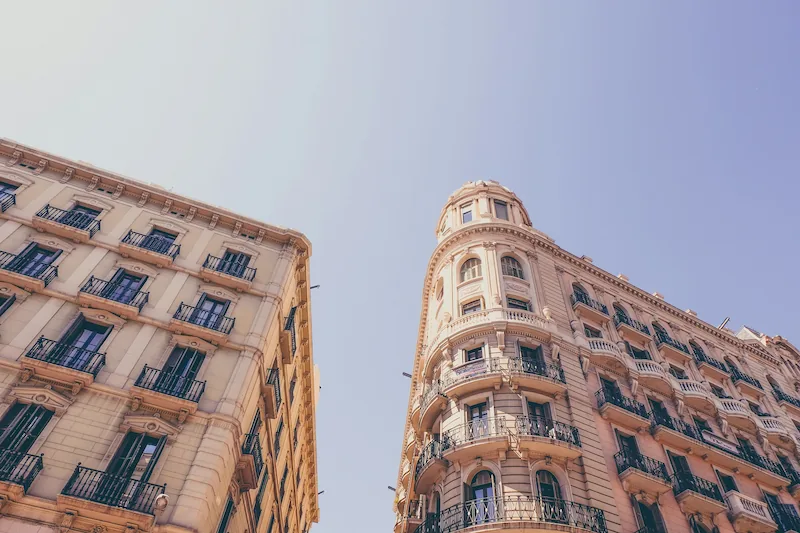
Where to stay in Barcelona
Find the best neighborhoods and hotels in Barcelona.
Open page →
Plan your trip to Barcelona with a clearer sense of where to stay, what to prioritize and how the city fits together. Barcelona is not just Gaudí plus beach time: the medieval core compresses movement, the Eixample grid restores order, Montjuïc opens the view, and the seafront changes the pace. The best trips follow those contrasts instead of jumping between disconnected sights.
Find the best neighborhoods and hotels in Barcelona.
Open page →
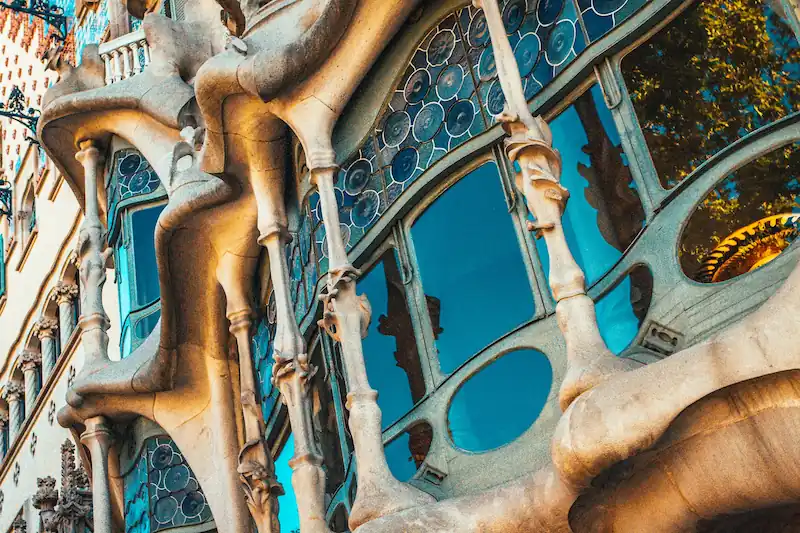
Prioritize the activities that deserve your time in Barcelona.
Open page →
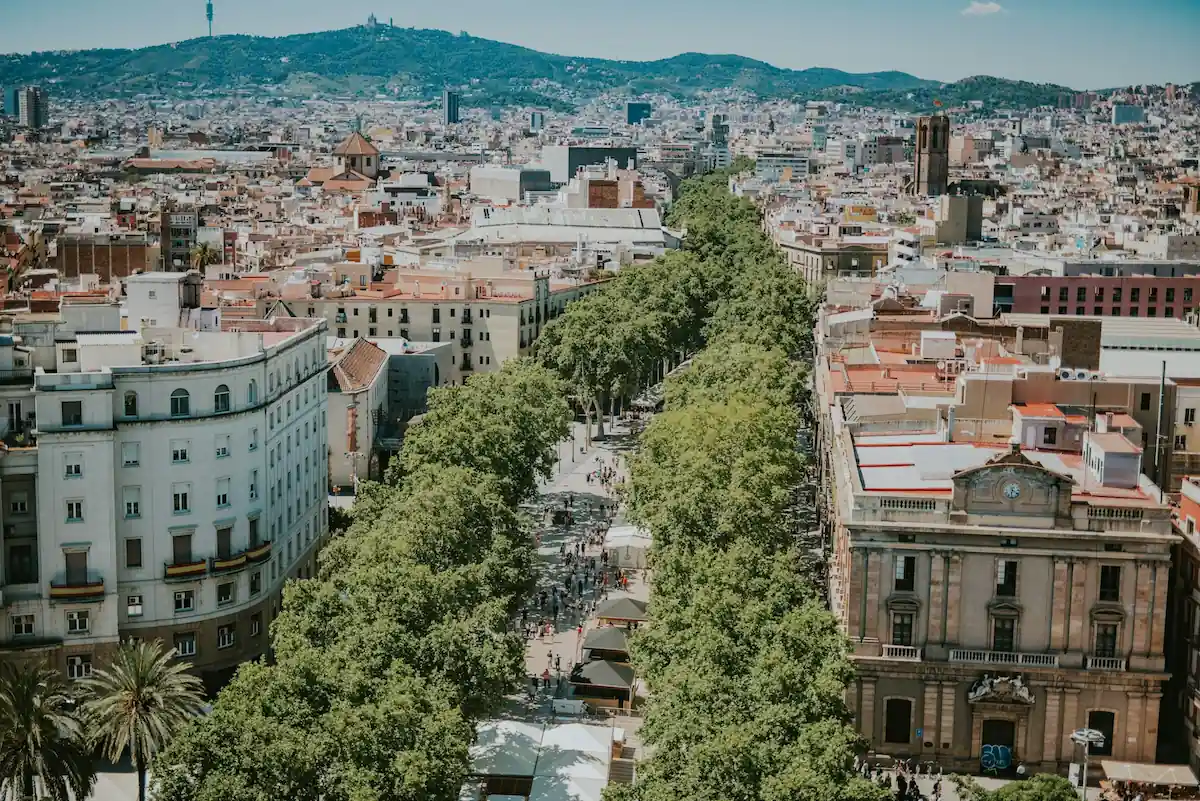
2 Days in Barcelona: Essential Itinerary for First-Timers
Open itinerary →

3 Days in Barcelona: Food-Led Itinerary with Markets, Tapas and Gaudí
Open itinerary →
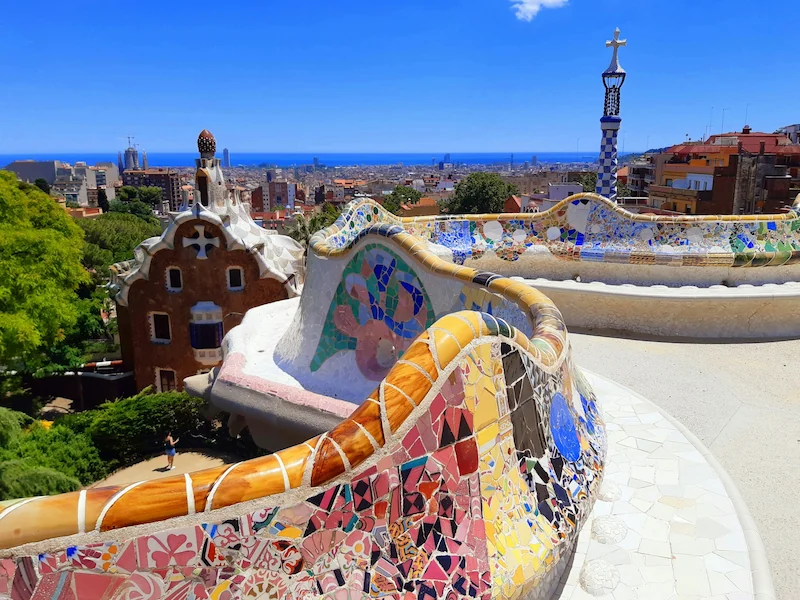
5 Days in Barcelona: Smart-Budget Itinerary with Gaudí, Markets and Beaches
Open itinerary →
7 Days in Barcelona: Neighborhood Itinerary for a Full Week
Open itinerary →
Barcelona is a coastal city where the old center, the Eixample grid, modernist architecture, neighborhood public life and the sea all pull the trip in different directions. It feels generous when you use the Eixample as a stabilizing spine and build days by area, but it can feel crowded and tiring when Gaudí sites, old-city lanes, beaches and hill viewpoints are stacked without sequence. A good Barcelona trip is less about doing everything than about choosing the right areas at the right time of day.
Barcelona stands out because its best experiences also explain how the city works. Sagrada Família gives the city vertical drama, Passeig de Gràcia turns modernism into a walkable corridor, the Gothic Quarter shows the pressure of the old city, Montjuïc gives distance and scale, and the waterfront releases the trip toward light and air. In late afternoon, when terraces fill and shadows stretch across the Eixample corners, the city becomes easier to read than many larger capitals.
Best time: Late spring and early autumn for the best mix of architecture, walking comfort, public-space energy, and manageable crowd pressure.
Ideal trip length: 3 days for a strong first visit; 4 to 5 days if you want Gaudí, neighborhoods, museums, Montjuïc, and the waterfront without flattening the city into a checklist.
Barcelona is not hard to navigate, but costs rise quickly when central hotels, timed-entry attractions, beach-season demand, and last-minute restaurant planning combine. The city rewards location because a smart base shortens the day’s friction: Eixample, El Born edges, Gràcia, or Poble-sec can each work, but they create very different travel rhythms. The cheapest stay is not always the best value if it forces repeated cross-city moves, while the most central stay can become tiring if it places you inside the noisiest tourist corridors.
Barcelona operates through several overlapping systems: the medieval compression of Ciutat Vella, the disciplined expansion of Eixample, the modernist corridor of Passeig de Gràcia, the hill logic of Montjuïc and Park Güell, and the coastal release of Barceloneta and the wider seafront. The grid stabilizes movement, while the older core fragments it. The city becomes clearest when those systems are treated as a sequence, not as separate attractions scattered across a map.
Set between the Collserola ridge and the Mediterranean, Barcelona is easier to understand in bands than in isolated neighborhoods. The old core sits near the port; the Eixample grid pushes inland with rational order; Gràcia and Park Güell rise toward the upper city; Montjuïc creates a separate hill-world to the southwest; and the beaches stretch the city laterally along the coast. Each shift changes not only the view, but the pace, crowd profile, and best time of day.
Mornings favor architecture, markets, and the most exposed urban walks before central pressure and heat build. Midday is when Barcelona most rewards strategic interiors, shaded lunches, or slower district time rather than heroic sightseeing. Late afternoon belongs to viewpoints, plazas, rooftops, and the seafront, while evenings work best when anchored in one neighborhood instead of treated as leftover time after a rushed itinerary.
Think in corridors and contrasts: old city plus El Born, Eixample plus a Gaudí interior, Sagrada Família plus Sant Pau, Park Güell plus Gràcia, Montjuïc plus Poble-sec, or waterfront plus Barceloneta/Poblenou. This frame turns Barcelona into a manageable sequence of urban systems rather than an oversized checklist. For a first trip, build understanding by moving linearly through those systems before adding secondary museums, beach time, or distant viewpoints.
Open the planner
Build days in clear bands — old city to El Born, Eixample to Sagrada Família, Park Güell to Gràcia, Montjuïc to Poble-sec, or Port Vell to the beaches — instead of crossing back and forth between disconnected districts. Treat Sagrada Família as the main architectural anchor, then decide whether your next priority should be a Gaudí house, Park Güell or the Sagrada Família-to-Sant Pau sequence. Place timed-entry sites inside wider neighborhood routes so they support the day rather than interrupt it. Use mornings for major interiors, exposed boulevards and high-demand sights; use late afternoon for viewpoints, plazas, rooftops and the seafront. Let Eixample act as the reset zone between the compressed old city, upper modernist sites and waterfront edge. Avoid treating La Rambla as a destination. Use it only when it genuinely helps the day’s route. Reserve at least one evening for food in El Born, Eixample, Gràcia or Poble-sec rather than drifting back automatically to the most tourist-facing streets. On longer stays, add Montjuïc museums, Tibidabo, Poblenou or a day trip after the central structure is already clear.
Vibe: Measured, breathable, quietly elegant, and strategically central.
Why go: The grid reduces friction, keeps orientation easy, and places many of the city’s strongest architectural experiences inside a logical walking structure.
Who it fits: First stays, architecture-led trips, comfort-led travelers, and anyone who wants a calm base without losing access.
Not for: Travelers who want medieval atmosphere outside the door.
Where to stay: The city’s most reliable first-trip base: central without the old city’s intensity, walkable in several directions, and practical for timed-entry planning.
Vibe: Compressed, tactile, quietly animated after dark.
Why go: Historic density pairs with contemporary retail, wine bars, Santa Maria del Mar, and the Picasso Museum without feeling as exposed as the most obvious Gothic lanes.
Who it fits: Couples, culture-first travelers, short stays, and visitors who want dinner energy close to the hotel.
Not for: Those sensitive to nighttime noise.
Where to stay: Ideal when atmosphere matters more than room size, but choose the exact street carefully if nighttime quiet matters.
Vibe: Village-scale within the metropolis.
Why go: Plaza culture, smaller streets, and the post-Park Güell landing make the city feel lived-in rather than staged.
Who it fits: Longer stays, return visitors, families who want calmer evenings, and travelers who prefer neighborhood rhythm over landmark density.
Not for: Checklist travelers.
Where to stay: Choose it when you want mornings that feel residential rather than touristic.
Vibe: Open, saline, kinetic.
Why go: The sea resets spatial perception after dense interiors, and the wider waterfront helps the trip breathe when used at the right time.
Who it fits: Active mornings, shoulder-season stays, beach walkers, and travelers who want contrast rather than museum-heavy days.
Not for: Peak-summer travelers seeking quiet or large rooms.
Where to stay: Works best outside July–August, when airflow and light reclaim the waterfront.
Vibe: Unforced, locally frequented.
Why go: Dining patterns, Montjuïc access, and value positioning make it useful for travelers who want evenings with less polish than Eixample.
Who it fits: Food-led evenings, Montjuïc-heavy days, budget-smart travelers, and repeat visitors.
Not for: Luxury-focused travelers.
Where to stay: Smart value positioning near Montjuïc with rapid center access.
Vibe: Layered, vertical, historically dense.
Why go: Urban compression, cathedral streets, Roman fragments, and old-city passages reveal the pre-modern Barcelona that the Eixample later reorganized.
Who it fits: Early risers, history-aware travelers, short stays, and visitors who accept density in exchange for atmosphere.
Not for: Light sleepers.
Where to stay: Choose carefully — micro-location determines noise exposure.
Barcelona is easier to enjoy when each day follows a clear area: the old city, Eixample, Montjuïc, Gràcia or the seafront. Some of the best moments come from linking places well — Sagrada Família with Sant Pau, Park Güell with Gràcia, or Montjuïc with Poble-sec — rather than treating every sight as a separate errand.
Planning tip: Choose one major architectural anchor per half day, then connect it to a nearby neighborhood, market, viewpoint or waterfront stretch so the day feels natural on the ground.
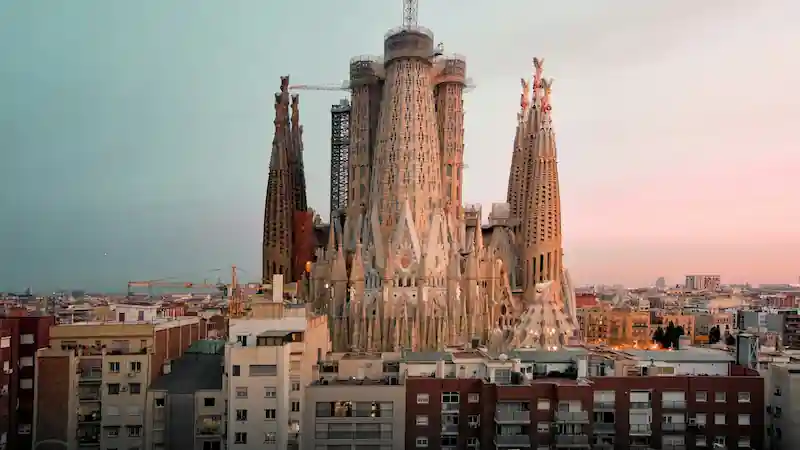
Give yourself time to read the exterior before entering: the façades explain scale, structure and symbolism, while the interior delivers the light, height and emotional payoff that make the basilica essential.
Tip: Book the interior, but arrive early enough to circle the block first.
Walk the avenue as a sequence: Casa Batlló, La Pedrera, modernist façades, wide pavements and Eixample scale make more sense together than as isolated photo stops.
Tip: Walk downhill toward Plaça de Catalunya for easier pacing.
Check guided tours →
Montjuïc gives Barcelona distance and scale after the dense center: city views, gardens, museums and hillside paths make it one of the best ways to widen a first trip.
Tip: Use it as a half-day sequence, not a rushed viewpoint detour.
The waterfront changes the mood of the trip: after old-city lanes and ticketed interiors, the walk toward Barceloneta and Bogatell adds light, air and a looser pace.
Tip: Go late afternoon when the light softens and the walk feels less exposed.
Check guided tours →
Park Güell works best when read as Gaudí’s hillside composition of views, paths, ornament and topography. The monument zone is the reason to go; the wider park is secondary for most first trips.
Tip: Book an early slot and continue downhill into Gràcia.
Casa Batlló is the more theatrical and immersive choice; La Pedrera is stronger for structure, rooftop form and Eixample context. On most first trips, one house is enough if you choose deliberately.
Tip: Do not book both back to back unless architecture is the point of the day.
This short walk connects Barcelona’s most singular basilica with a calmer civic expression of Catalan modernism. It turns two landmarks into one clear architecture sequence instead of two separate stops.
Tip: Walk the avenue after Sagrada Família instead of jumping straight across town.
This concert hall is one of Barcelona’s strongest indoor experiences: stained glass, tile, sculpture and acoustic purpose come together in a compact stop that feels distinct from the Gaudí circuit.
Tip: Tour by day, or choose a concert if the timing works.
The Picasso Museum works best when paired with El Born’s streets. It is most rewarding as a way to understand the artist’s early formation and the neighborhood’s older urban fabric, not as a quick hunt for famous late works.
Tip: Choose late afternoon for shorter lines.
The Miró Foundation gives Montjuïc a focused cultural anchor. The building, hillside light and collection offer a calmer modern-art experience after denser old-city or Gaudí-heavy days.
Tip: Combine with Montjuïc walk.
Sant Pau deepens Barcelona beyond the most obvious icons. It shows modernism as civic architecture rather than private spectacle, and it pairs naturally with Sagrada Família without repeating it.
Tip: Use it when you want depth without another dense museum.
Gràcia gives the trip a more local rhythm: smaller squares, everyday cafés, neighborhood movement and a softer evening pace than the old city or Passeig de Gràcia.
Tip: Order simply — coffee, pastry.
Check guided tours →
A seafront walk can reset the day better than another attraction. Use it when the city starts to feel dense and you want light, movement and a clean transition into dinner.
Tip: Join just before sunset.
Check guided tours →
Poblenou and Bogatell are useful when you want beach access without making Barceloneta the whole story. They suit longer stays, families and repeat visitors who want a looser coastal rhythm.
Tip: Walk north from the port only if you have time; otherwise start closer to Bogatell.
Check guided tours →
The best Barcelona food moments often come from a few well-chosen stops rather than one overplanned meal. Build an evening around a compact area such as El Born, Eixample or Poble-sec.
Tip: Stand when possible for faster turnover.
A seafood meal works best when it follows a beach walk, Port Vell stroll or waterfront afternoon. Choose it for the setting and shift of pace, not because every Barcelona trip needs a seaside meal.
Tip: Lunch beats dinner for freshness.
Markets work best as part of a route: Boqueria for a short first look, Santa Caterina with El Born, or Sant Antoni when the day leans toward food and a calmer central edge.
Tip: Ask for small portions.
A vermouth stop gives the day a useful pause: sit, reset and let the next part of the city begin at the right time instead of pushing through tired hours.
Tip: Use it between late afternoon walking and dinner.
Make room for at least one meal that is not squeezed between tickets. Eixample, Gràcia and selected old-city edges are stronger choices than defaulting to the busiest visitor streets.
Tip: Book one dinner in Eixample, Gràcia, Sant Antoni, or Poble-sec.
Check food options →
Barcelona becomes harder when architecture, beaches, museums, viewpoints and day trips are treated as equally urgent. Protect the experiences that explain the city first, then add the slower or more specialized layers that match your trip style.
Barcelona can work very well with children because it combines beach, broad pavements, parks, cable-car and funicular novelty, science museums, aquarium time, and enough open public space to recover between major stops. The compromise is heat, queues, and the fact that several of the city’s greatest sights are visually impressive but not always child-paced. The best family version of Barcelona uses one strong attraction at a time, then gives the day room to move.
Time changes Barcelona’s meaning: a shorter stay reveals the city’s main corridors, while a longer one lets architecture, public space, neighborhoods, food, museums, and the waterfront interact at a more natural pace.
Open the planner →
Barcelona becomes easier once movement patterns, seasonal pressure, and booking logic are understood. The city’s main frictions are not mystery or scale, but timing, heat, crowd compression, pickpocket-aware central movement, and choosing a base or itinerary that fights the city’s natural corridors.
Late April to June and September to October are the strongest all-round periods because architecture remains enjoyable on foot, public space is active, and the city avoids the heaviest summer compression. Summer can still be rewarding if beach time and late evenings matter, but mornings need to carry the cultural load and midday needs protection. Winter is underrated for museums, markets, architecture, and neighborhood-led stays, especially if the trip is not built around swimming or long beach days.
Two full days can capture Barcelona’s outline, but it tends to reduce the city to symbols: Sagrada Família, one Gaudí house, the old city, and perhaps a waterfront reset. Three days is the real minimum for a satisfying first visit. Four to five days allow the city’s structure to become clear, with time for Montjuïc, Gràcia, Sant Pau, a museum, and one slower food or seafront chapter.
For a first trip, favor Eixample or an adjacent zone that keeps both the old center and major architectural corridors easy to reach on foot or by metro. El Born works when atmosphere and evening access matter more than quiet. Gràcia suits longer stays and travelers who want a more local rhythm. Poble-sec is smart for Montjuïc and food-led value. Barceloneta is best treated carefully: excellent for sea access outside peak summer, but not always the easiest base for citywide sightseeing.
Most arrivals come through Barcelona-El Prat Airport, which connects to the city by metro, rail, Aerobús, taxi, or ride-hailing, while Barcelona Sants handles most long-distance rail logic from elsewhere in Spain. The airport is close enough for a simple transfer, but arrival timing still matters because peak-hour movement can reshape the first afternoon. If your first hotel is in the old city, account for the final micro-transfer through denser streets.
Walking and metro cover most needs well, especially when days are built linearly rather than through repeated crisscrossing. Buses can be useful for specific connections, taxis help selectively at night or during heat, and cycling works best along flatter Eixample and coastal sections rather than as an all-city assumption. For Park Güell, Montjuïc and Tibidabo, plan the ascent and descent as part of the experience, not as a footnote.
Barcelona is generally straightforward for visitors, with dependable healthcare and a familiar large-city safety profile. The main practical concern is pickpocketing in dense tourist corridors, transport nodes, beaches, and crowded old-city areas, especially when travelers are distracted by phones, bags, or luggage. Heat fatigue is the other major issue in summer. Calm routing, indoor resets, and basic urban awareness prevent most avoidable friction.
Barcelona changes meaningfully across the year because heat, light, crowd pressure, beach demand, and public-space rhythm reshape how the city works. Late spring and early autumn are the strongest options for most travelers, since architecture, plazas, waterfront walks, and hill viewpoints can belong to the same trip without too much strain. Summer suits travelers who want the city at its most Mediterranean and outward-facing, but it requires stricter timing. Winter works better for cultural interiors, architecture, markets, and quieter neighborhood reading than for a beach-weighted trip.
Spring is one of Barcelona’s most complete seasons because longer days, moderate temperatures, and active street life keep the city’s full range open at once. It suits first-time visitors, architecture-led stays, family trips, and travelers who want the old city, Eixample, hills, and waterfront to coexist inside the same itinerary. Book major sights ahead, but daily movement remains more forgiving than in summer.
Summer suits travelers who want beach access, late evenings, and Barcelona’s most extroverted public-space rhythm. The trade-off is that major sites, waterfront zones, and central districts become slower, hotter, and more crowded, so mornings should carry the heavier cultural and architectural load. Midday is better used for shade, lunch, interiors, or a hotel reset than for exposed sightseeing.
Autumn often gives Barcelona its cleanest balance between energy and ease, with enough warmth for outdoor life but less pressure than the height of summer. It suits repeat visitors, museum-plus-neighborhood trips, food-led travel, and anyone who wants active public spaces without full seasonal overload. Late-afternoon light on Eixample and Montjuïc can feel especially composed.
Winter works well for travelers focused on museums, markets, architecture, and neighborhood pace rather than peak coastal life. The city stays highly usable, and major interiors can feel more rewarding with lower street pressure, though daylight is shorter and the seafront has a different role. It suits calmer, design-and-culture-led city breaks better than maximum-coverage trips.
Not seeing your next stop yet? Build a fully personalized itinerary anywhere in Spain.
These are the planning decisions that most often shape whether Barcelona feels clear, overpacked, or genuinely rewarding.
Three days is the strongest minimum for a first trip because it gives you Sagrada Família, one Gaudí house or Park Güell, the historic core, Montjuïc or the waterfront, and at least one proper neighborhood evening. Two days can work, but it usually turns Barcelona into a compressed list of icons. Four to five days is better if you want museums, Gràcia, Sant Pau, beach time, or a day trip without rushing.
Eixample is usually the best first base because it is central, legible, calmer than the old city, and well positioned for Sagrada Família, Passeig de Gràcia, restaurants, and metro connections. El Born is better if atmosphere and evening energy matter most. Gràcia suits longer stays, while Poble-sec is useful for Montjuïc and food-led value.
Start with Sagrada Família, then add one Gaudí house or Park Güell, a morning in the Gothic Quarter and El Born, a Passeig de Gràcia walk, and either Montjuïc or a seafront sequence. That combination gives architecture, old-city texture, public space, scale, and Mediterranean contrast without overloading the trip.
Barcelona is very walkable in the right zones, especially Eixample, the old city, Gràcia, and the waterfront. The mistake is assuming the whole city should be crossed on foot. Use metro or taxis for longer jumps, then save walking energy for the corridors that explain the city.
Late April to June and September to October are the best all-round periods for architecture, walking, public space, and manageable heat. Summer works if beach life and late evenings are central to the trip, but it requires more careful timing. Winter is good for culture-led stays, museums, markets, and lower crowd pressure.
Yes for Sagrada Família, Park Güell, Casa Batlló, La Pedrera, and often the Picasso Museum in busier periods. Booking matters not only for access, but for day structure: a badly timed reservation can force unnecessary cross-city movement or place you in exposed streets at the worst hour.
Casa Batlló is better if you want a more theatrical, immersive, sensory visit. La Pedrera is better if you care about structure, rooftop forms, and a more architectural reading of the Eixample. On a first short trip, choose one rather than doing both automatically.
Park Güell is worth it if Gaudí, views, and open-air design matter to your trip. It is less essential than Sagrada Família, and it should be booked and sequenced properly. The best version is an early visit followed by Gràcia rather than a disconnected detour in the middle of a crowded day.
The Gothic Quarter is atmospheric and central, but it can be noisy, crowded, and uneven street by street. It is better for travelers who value old-city texture and are comfortable with density. For most first-timers, Eixample or the edge of El Born is easier.
El Born often works better for visitors who want old-city atmosphere with stronger dining, boutiques, Santa Maria del Mar, and the Picasso Museum nearby. It can still be busy, but it usually feels more balanced than the most exposed Gothic lanes.
Stay near the beach only if sea access is a major reason for the trip or you are visiting outside the most intense summer weeks. Barceloneta and the waterfront are excellent for walks and contrast, but they are not always the most convenient bases for a culture-heavy first visit.
Families usually do well in calmer parts of Eixample, Gràcia, or selected areas near good metro access. The key is not only neighborhood charm, but easy returns, manageable noise, space for breaks, and the ability to avoid long cross-city transfers after dinner.
The most common mistakes are stacking too many Gaudí sites, underestimating summer heat, booking timed-entry sights without geographic logic, spending too much prime time on La Rambla, and trying to cover the old city, Park Güell, Montjuïc, and the beach in the same day.
La Rambla is worth understanding as a connector and historical axis, but it should not be the centerpiece of a Barcelona trip. Use it briefly if it helps your route between the old city, Boqueria, or the waterfront, then move into more rewarding side streets and neighborhoods.
Montjuïc is worth it if you have at least three days or want views, gardens, museums, and a break from central density. It gives Barcelona scale and air. On a two-day trip, it may be secondary unless you prefer open space to another Gaudí interior.
A strong structure is one dense day and one open day: pair Sagrada Família with Sant Pau and Eixample, then pair the Gothic Quarter and El Born with either the waterfront or Montjuïc. Add Park Güell and Gràcia when you have a third day.
Yes, but you need to be selective. Pay for Sagrada Família and perhaps one more major site, then use free walks through Eixample, the Gothic Quarter, El Born, Gràcia, Montjuïc outdoor spaces, and the seafront. Food costs stay more manageable when you avoid the most exposed tourist corridors.
Barcelona is good with kids when the trip is paced around open space, transport novelty, beach or park breaks, and one major attraction at a time. Park Güell, Montjuïc, CosmoCaixa, the Aquarium, Tibidabo, Ciutadella, and the seafront can all work, but summer heat needs careful management.
Repeat visitors should widen the trip beyond the core Gaudí checklist with Sant Pau, Gràcia, Poble-sec, the Miró Foundation, Poblenou, a slower seafront day or a food-led evening away from the most obvious visitor corridors.
A day trip makes sense once you have at least three full days in the city. Montserrat is the strongest first choice for contrast, Girona is best for medieval urban atmosphere, Sitges is a lighter coastal break, and Figueres is for travelers specifically interested in Dalí.
Barcelona is first a design, architecture, and public-space city with a beach edge, not a pure beach destination. The coast is important because it changes the rhythm of the trip, but the city’s real depth comes from how the old core, Eixample, modernism, neighborhoods, hills, and sea interact.
Barcelona is easiest to enjoy when the trip follows the city’s spatial logic: old core, grid, hills, waterfront, and neighborhood evenings.
Find the best places to stay, how to get there, and move around with ease.
Build a smarter trip base
Once you understand how Barcelona works and what matters most for your trip, the next step is turning that direction into a real itinerary. Use the planner to organize your days around the right areas, experiences, and rhythm so the trip feels clear before you go.