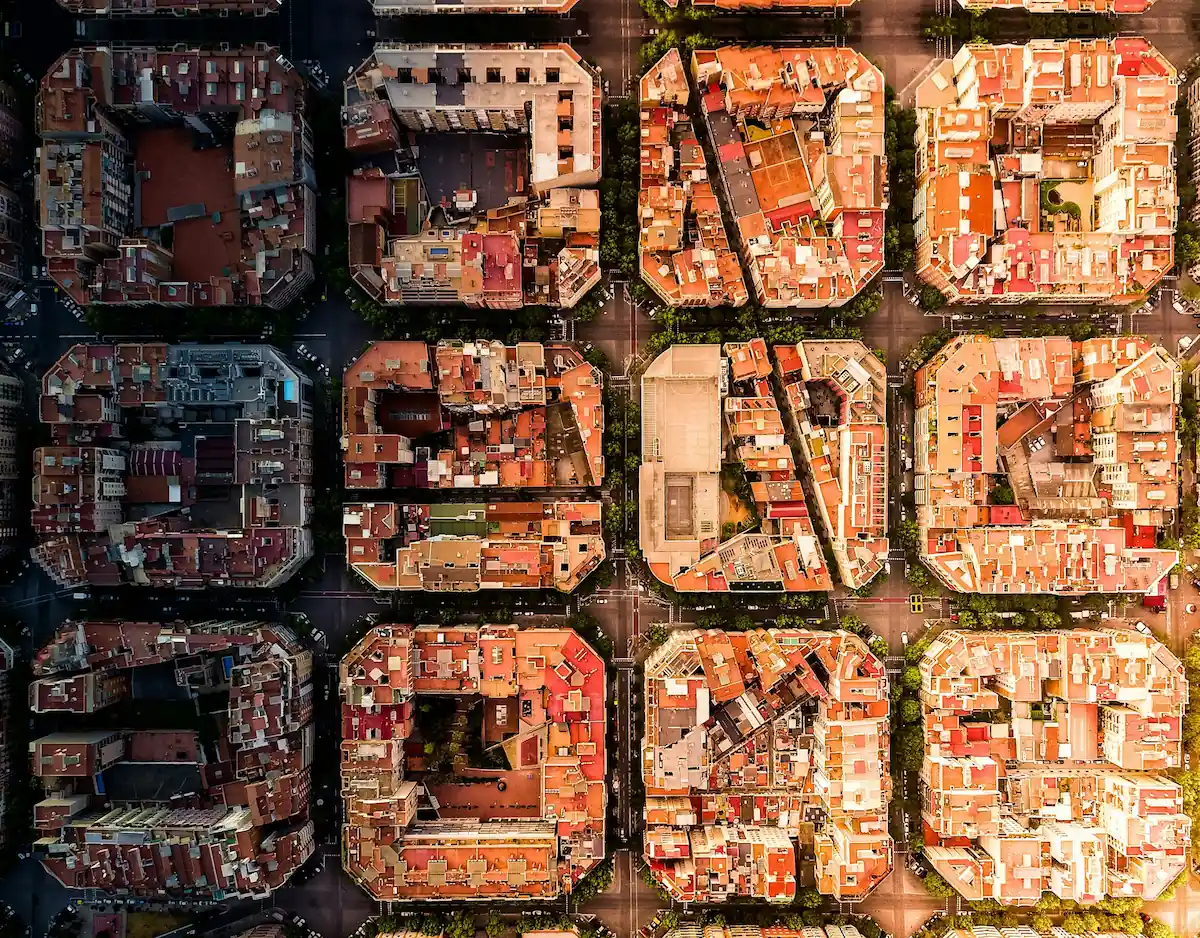
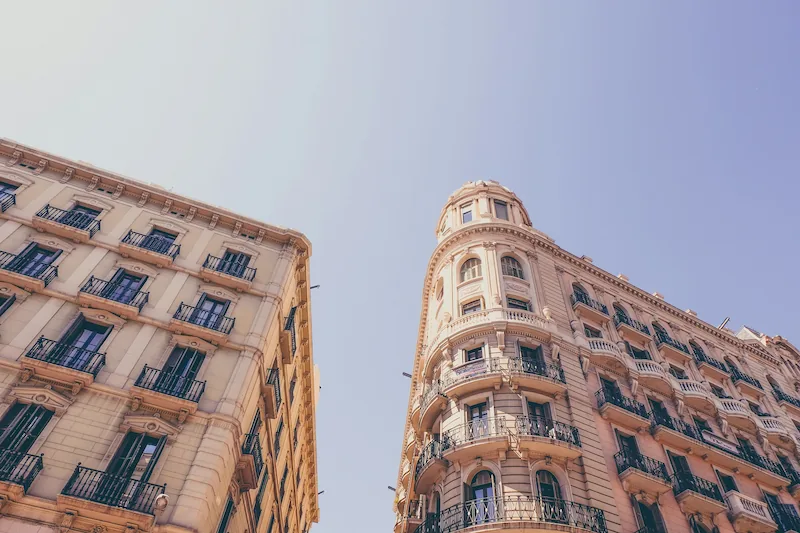
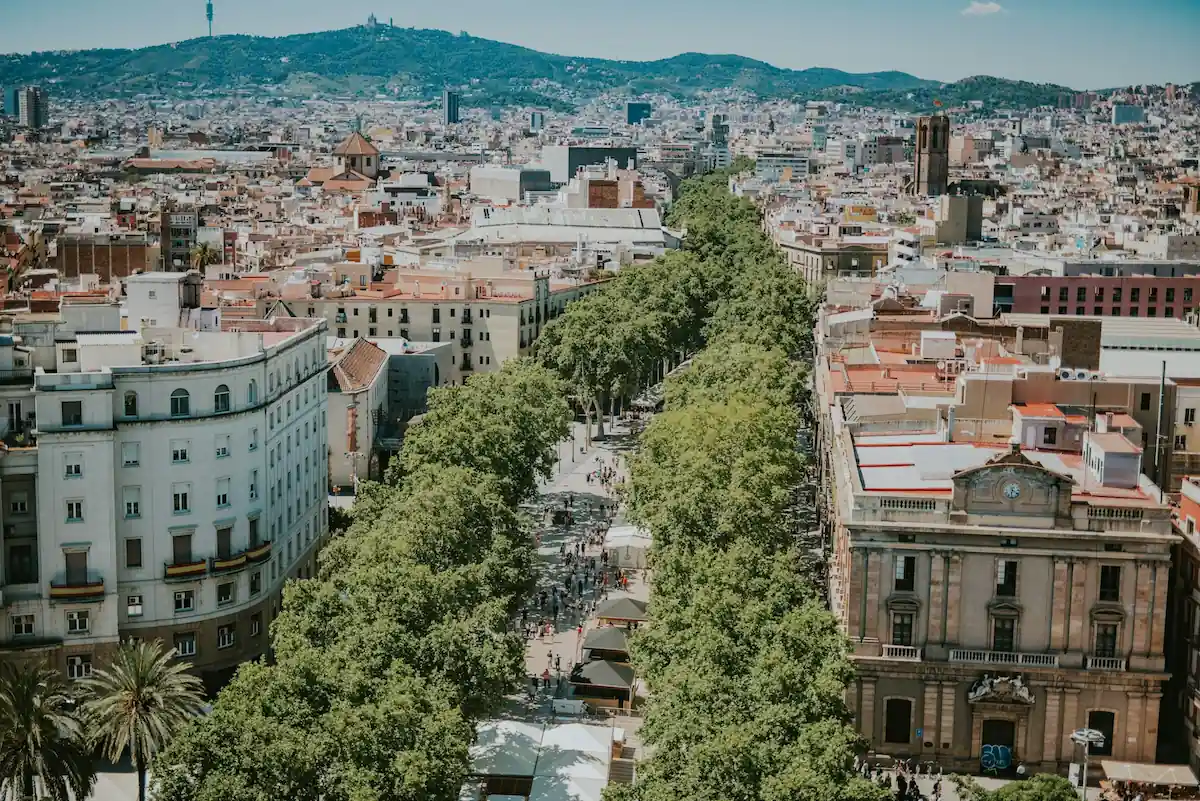
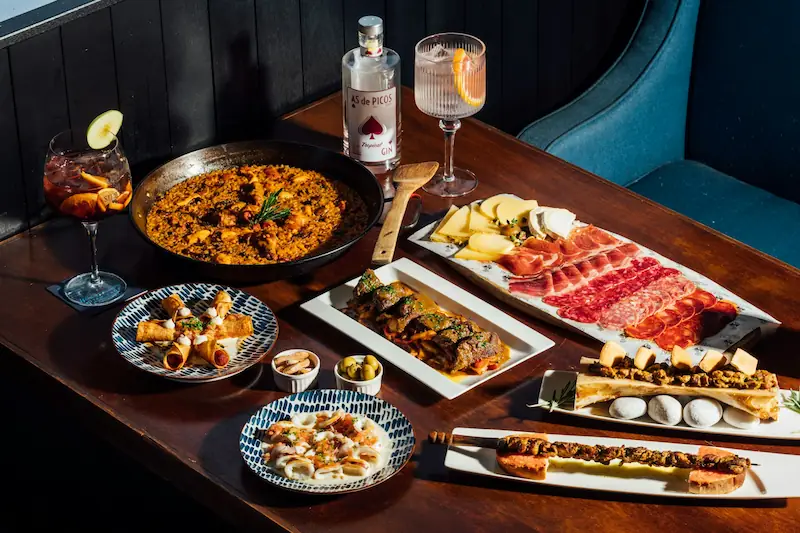
Discover the best things to do in Barcelona, from Sagrada Família, Park Güell and Gaudí architecture to museums, neighborhoods, beaches, food experiences, family ideas, rainy-day plans and day trips. Use this guide to decide what deserves your best hours, what needs advance booking, and how to combine the city’s major sights with the slower moments that make Barcelona feel like more than a checklist.
Best time
Best time for activity balance: April to June and September to early November, when Gaudí visits, long walks, beach pauses, viewpoints, markets and terrace evenings are easier to combine.
Ideal trip length
Ideal trip length: 2 to 4 full days in the city, with 1 extra day if you want a major museum, Tibidabo or a day trip such as Montserrat, Girona, Sitges, Tarragona, Figueres or the Costa Brava.
Continue planning your barcelona trip
Use this page to choose what deserves your time, then move back into the broader Barcelona guide for strategy, neighborhoods and trip structure. If you already know your pace, continue with where to stay guidance and ready-made itineraries.
The top things to do in Barcelona first
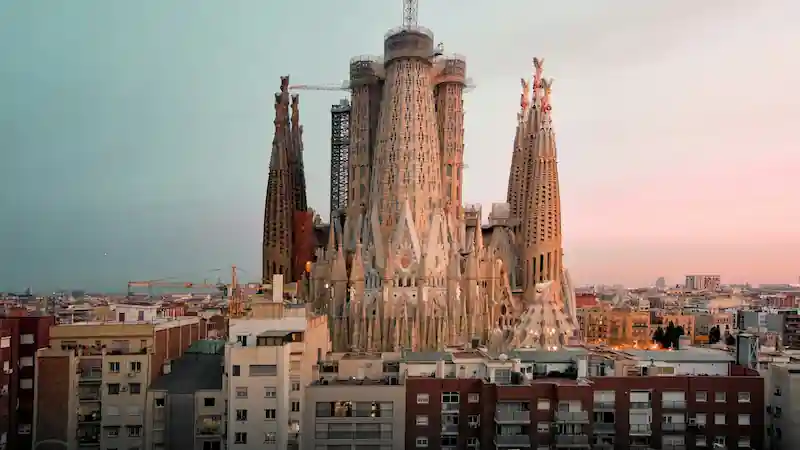
Sagrada Família – Area: Eixample · Best for: first-time visitors who want Barcelona’s clearest icon · Time needed: 1.5 to 2 hours · Worth it: Essential on a first trip. The interior matters far more than a quick exterior photo. · Book ahead: Yes, definitely
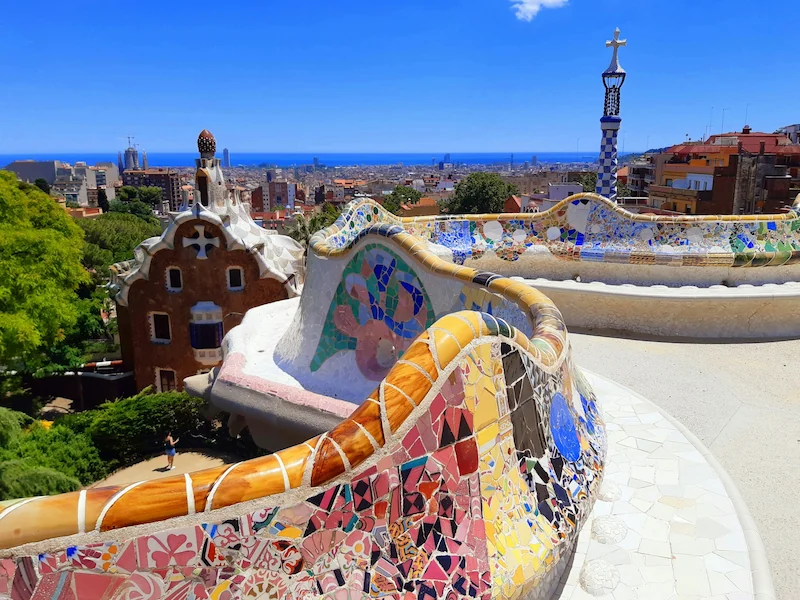
Park Güell – Area: Gràcia hillside · Best for: Gaudí fans, viewpoints, and open-air design · Time needed: 1.5 to 2 hours · Worth it: Worth it if Gaudí, viewpoints and open-air design matter to you. The monument zone is the main reason to go. · Book ahead: Yes
Casa Batlló or La Pedrera – Area: Passeig de Gràcia · Best for: travelers choosing one high-payoff Gaudí house · Time needed: 1 to 1.5 hours · Worth it: Choose Casa Batlló for a more theatrical interior, or La Pedrera for rooftop forms and a stronger architectural reading. · Book ahead: Recommended
Gothic Quarter and cathedral streets – Area: Barri Gòtic · Best for: walking, old-city atmosphere and first orientation · Time needed: 1.5 to 3 hours · Worth it: Strongest early or late, when the side streets and squares feel less crowded. · Book ahead: No
El Born with Santa Maria del Mar and the Picasso Museum – Area: El Born · Best for: a culture-first half day with better local texture · Time needed: 2 to 4 hours · Worth it: One of the easiest areas to combine art, walking, food and evening atmosphere. · Book ahead: Museum yes, area no
Palau de la Música Catalana – Area: Sant Pere · Best for: travelers who want a high-payoff indoor cultural stop · Time needed: 1 hour for a visit, longer for a concert · Worth it: A compact high-payoff interior, especially useful if you want modernism beyond Gaudí. · Book ahead: Recommended for tours or concerts
Montjuïc viewpoints, MNAC and gardens – Area: Montjuïc · Best for: space, views, museums and a break from dense old-town walking · Time needed: 3 to 5 hours · Worth it: High value on 3-day stays or longer because it adds scale, views and space after the dense center. · Book ahead: Cable car optional; museums usually manageable
Boqueria and a smarter food stop nearby – Area: La Rambla / El Raval edge · Best for: food-led first visits that need more than monument hopping · Time needed: 45 minutes to 1.5 hours · Worth it: Best as a short food-led stop, not as the main event of the day. · Book ahead: No
Beach walk from Barceloneta toward the seafront – Area: Barceloneta / Port Olímpic · Best for: late afternoon light, casual pacing and warm-weather resets · Time needed: 1 to 2 hours · Worth it: Best in the right season or late afternoon light, when the waterfront gives the day a different pace. · Book ahead: No
Montserrat day trip – Area: Outside Barcelona · Best for: travelers with an extra day who want mountain scenery and a strong change of pace · Time needed: 6 to 9 hours · Worth it: The strongest first day trip from Barcelona if you have enough time in the city itself. · Book ahead: Recommended
How to choose well in Barcelona
Barcelona is easy to overbook. The strongest trips combine one or two high-demand icons with neighborhood time, food, viewpoints and one open-air counterweight such as Montjuïc, the seafront, Gràcia, Tibidabo or a day trip. The point is not to see every famous name. It is to put the right experiences in the right part of the day.
Treat Sagrada Família as the main anchor, then choose only one or two more ticketed major sights per day.
Decide whether your Gaudí time should focus on the obvious icons, one house interior, or a deeper modernist route with Sant Pau, Casa Vicens or Palau Güell.
Avoid stacking Park Güell, a Gaudí house and a major museum back to back unless dense cultural days genuinely suit you.
Use the Gothic Quarter, El Born and Sant Pere for walking texture, but go early or late when their streets are easier to enjoy.
When central Barcelona starts feeling too crowded, shift to Montjuïc, the beach, Gràcia, Poblenou or Tibidabo instead of forcing another central stop.
Markets, rooftops, vermouth stops and beach walks work best when they support the day’s rhythm rather than replace the main sights.
Choose viewpoints with care: Montjuïc is easier and more flexible, while Bunkers del Carmel requires more effort and a more respectful approach.
For short trips, book the hard-ticket essentials early and keep lower-friction areas flexible.
Iconic Barcelona
This is the Barcelona most first-time visitors come for: Gaudí, modernist façades, skyline-defining architecture and the historic streets that shape the city’s image. The useful question is not whether to see the icons, but which ones deserve prime hours, which can be paired naturally, and which are better saved for longer stays.
Enter Sagrada Família, not just the façade – The basilica is Barcelona’s clearest essential. Photograph the exterior if you want, but the real experience is inside: light, height, structure and symbolism come together in a way the street view cannot explain. Book a timed slot and give it breathing room. (First-time essential · Best for: any first trip)Find tours & experiences
Do Park Güell early enough to enjoy the views – Park Güell works best before the monument zone feels too crowded and while the city light is still soft. Go for the terrace, ceramic forms and hillside perspective, not for a long casual park wander. Pair it with Gràcia afterward if you want the day to land naturally. (Worth it · Best for: Gaudí fans and viewpoint seekers)Find tours & experiences
Choose between Casa Batlló and La Pedrera with intent – Casa Batlló is the more theatrical and immersive house; La Pedrera is stronger for structure, rooftop forms and Eixample context. On a short trip, choose one and leave space for another kind of Barcelona experience instead of booking both by default. (High payoff · Best for: design-led visitors)
Add Casa Vicens for Gaudí’s earlier, quieter side – Casa Vicens is the calmer Gaudí add-on for travelers who want depth without another major crowd experience. It sits naturally with Gràcia and works best after the headline sights are already covered. (Underrated Gaudí · Best for: repeat visitors and architecture completists)Find tours & experiences
Use Palau Güell for a darker, central Gaudí interior – Palau Güell is useful when you want a Gaudí interior near La Rambla without committing to another Passeig de Gràcia house. It feels darker, more urban and more contained than the famous residences, which makes it a good secondary choice for architecture-focused travelers. (Best for: Gaudí depth near the old city)Find tours & experiences
Walk the Gothic Quarter beyond the obvious lanes – Barcelona’s old city rewards early or late wandering, especially away from the busiest souvenir corridors. Small squares, cathedral streets, Roman traces and the shift toward Sant Pere or El Born give the area more depth than a straight walk through the most crowded lanes. (Best for: self-guided walkers)Find tours & experiences
Use Passeig de Gràcia as an architecture corridor – Read Passeig de Gràcia as one of Barcelona’s strongest urban sequences: modernist façades, broad pavements, elegant blocks and major houses arranged along a composed boulevard. Even without entering every building, it gives the city a clear architectural spine. (Best for: urban design and first orientation)
Add the Palau de la Música for a compact modernist interior – The Palau de la Música is one of Barcelona’s most efficient cultural wins: stained glass, sculptural detail and a strong sense of occasion in a compact visit. It is especially useful on rainy days, hot afternoons or evenings when a concert fits the schedule. (Rainy-day winner · Best for: interior architecture and concerts)Find tours & experiences
Use Montjuïc for Barcelona’s wider scale – Montjuïc gives the trip air after dense streets and monument queues. Views, gardens, museums, Olympic-era spaces and hillside paths make it less about one attraction and more about understanding the city from a wider angle. (Only if you have time · Best for: 3-day stays and repeat visitors)Find tours & experiences
Use Tibidabo for views, families and a different city scale – Tibidabo sits above Barcelona in a way central rooftops cannot match. For families it can become a full day; for others it is mainly about the view, the old amusement-park atmosphere and the feeling of seeing the city from the Collserola ridge. (Family classic · Best for: families, viewpoints and longer stays)Find tours & experiences
Cultural things to do in Barcelona
Barcelona’s cultural side becomes stronger when museums and interiors are placed in the right neighborhoods. Picasso makes more sense with El Born, MNAC and Miró with Montjuïc, Sant Pau with Sagrada Família, and MACBA or CCCB with El Raval. Used well, these stops add context without turning the trip into a museum marathon.
See Picasso in the right context – The Picasso Museum works best with time in El Born before or after the visit. It rewards travelers interested in the artist’s formative years and the neighborhood’s medieval fabric, rather than visitors expecting only the most famous late works. (Best for: art-focused half days)Find tours & experiences
Use MNAC for one serious museum with views – MNAC is one of Barcelona’s strongest large museums when you want depth and scale. Romanesque art, Catalan painting and the building’s position on Montjuïc make it feel broader than a quick city-center museum stop. (High payoff · Best for: travelers who want one major museum)
Visit the Recinte Modernista de Sant Pau – Sant Pau is the best modernist stop after the Gaudí headlines. The complex is calmer than the central icons and shows modernism as civic architecture, which makes it especially strong when paired with Sagrada Família. (Underrated · Best for: second-tier modernist depth)Find tours & experiences
Hear or tour the Palau de la Música – The Palau is worth entering for stained glass, sculptural detail and the sense of a building designed for performance. A concert gives the space its full purpose, but a daytime tour still works well as a compact cultural stop. (Best in the evening · Best for: compact culture with elegance)Find tours & experiences
Add the Joan Miró Foundation on Montjuïc – The Joan Miró Foundation is focused, spacious and easier to absorb than many larger collections. It works particularly well when Montjuïc is already part of the day and you want modern art without overload. (Best for: modern art without overload)
Use MUHBA to understand the Roman and medieval city – MUHBA gives the Gothic Quarter historical depth. It is not the flashiest stop, but it helps the old city feel more layered than atmospheric streets alone. (Best for: history-aware travelers)
Choose MACBA or CCCB for contemporary Barcelona – MACBA and CCCB are strongest when you are already spending time around El Raval or Sant Antoni. They are best for travelers interested in contemporary culture, design and urban life, rather than a universal first-trip priority. (Best for: contemporary art and design-focused visits)
Treat the Barça experience as sports culture, not just a stadium stop – A FC Barcelona visit makes sense when football is part of the trip, especially with older kids or fans. Check the current stadium-visit format before planning around it, since the experience can change with Camp Nou works. (Style-specific · Best for: football fans and families with older kids)Find tours & experiences
Local experiences and slower Barcelona moments
The city becomes more enjoyable when a few hours are left for streets, squares, markets, parks, viewpoints and the waterfront. These moments give the day the pauses and everyday texture that make Barcelona feel less like a run of timed entries.
Walk El Born in the late afternoon – El Born works because sightseeing, shops, wine bars and small streets sit close together. Late afternoon is the right moment to let the area shift naturally from culture into dinner or drinks. (High payoff · Best for: couples and first repeat visits)
Shift to Gràcia when the center feels too staged – Gràcia works when you want smaller streets, local squares and a slower afternoon after the city’s major sights. On longer stays, it helps Barcelona feel lived-in without pulling you too far from the main structure of the trip. (Best for: return visitors and slower afternoons)
Use Barceloneta and the seafront as a reset, not just a beach stop – The seafront gives the trip a different texture: wider sky, salt air and an easier tempo after stone lanes and ticketed interiors. It is often best as a late-afternoon walk rather than a full beach day. (Best for: warm-weather pacing)
Give Parc de la Ciutadella real breathing-room time – Ciutadella is most useful as a pressure-release space after El Born or the old city. It gives families, walkers and low-cost afternoons a softer hour between denser cultural stops. (Easy reset · Best for: families, walkers and low-cost afternoons)
Climb carefully to Bunkers del Carmel for the broadest view – Turó de la Rovira gives one of Barcelona’s broadest skyline views, but it requires effort and respect for the surrounding neighborhood. Go for the citywide perspective, arrive before the most crowded sunset window and keep the descent in mind. (Viewpoint · Best for: photographers and sunset seekers)
Use Poblenou for a different beach-and-city rhythm – Poblenou gives Barcelona a more spacious coastal rhythm: a local rambla, creative edges, easier beach access and fewer old-town pressures. It works best for repeat visitors, families and longer stays. (Best for: repeat visitors and longer stays)
Do a market visit with a real food follow-through – Use the market as the start of a food sequence: browse briefly, then continue toward a tapas bar, lunch counter, vermouth stop or neighborhood walk nearby. (Best for: travelers who plan around food)
Take a rooftop or mirador pause near sunset – Late afternoon is when Barcelona’s terraces, hotel rooftops and miradors often make more sense than another museum room. Use the view as a clean transition into dinner, especially on short breaks. (Best in the evening · Best for: couples and short breaks)
Food experiences worth doing in Barcelona
Barcelona’s food scene works best when meals are connected to the day’s geography. Markets, tapas, vermouth, seafood, cooking classes, food tours and cava trips can all be worthwhile, but the strongest choices depend on timing, neighborhood and how much structure you want around the meal.
Use Boqueria as a short, strategic stop – La Boqueria is still worth seeing, but it works best early or as a brief pass-through. Go for the energy, produce and visual density, then move on before the crowd turns it into a bottleneck. (Best for: first-time market exposure)
Compare Boqueria with Santa Caterina or Sant Antoni – Barcelona’s markets are more useful when you choose them by route. Santa Caterina pairs well with El Born and the cathedral area, while Sant Antoni fits better with a food-led walk around the lower Eixample, Poble-sec or El Raval edge. (Smarter market choice · Best for: food travelers and repeat visitors)
Build one evening around tapas and wine in El Born or Eixample – Treat dinner as part of the day’s structure. El Born works for atmosphere and movement, while Eixample feels cleaner and more composed; either can carry a strong evening without forcing another cross-city move. (Worth it · Best for: food-led evenings)
Do a focused vermouth or aperitivo stop – A vermouth pause gives the day a useful reset between sightseeing and dinner. It is a small ritual, but it helps avoid pushing through tired late-afternoon hours. (Best for: slow travel and local rhythm)
Book a food tour only if you want context, not just quantity – Book a food tour if you want someone to connect markets, bars, products and neighborhood history for you. Skip it if you prefer choosing restaurants independently and already have a strong food plan. (Best for: first-time visitors who want local framing)Find tours & experiences
Take a cooking class if you want one participatory food experience – Take a cooking class when you want a slower shared activity, not another walking block. It works well for couples, families with older kids and rainy days when a meal can become the main experience. (Hands-on · Best for: couples, families and rainy days)Find tours & experiences
Save the seafront for a meal with timing, not urgency – A seaside lunch or dinner can work well when it follows a beach walk or waterfront afternoon. Choose it for setting and rhythm, not because the waterfront automatically guarantees the city’s best cooking. (Best for: warm-weather late lunches)
Use cava or wine country as a food-led day trip – Use Penedès for a wine-country day when cava, vineyards and a guided format matter more than another museum, beach or old-city route. It is best after you have already given Barcelona enough time. (Beyond the city · Best for: wine lovers and longer stays)Find tours & experiences
What first-time visitors should actually prioritize
If this is your first trip, Barcelona is best approached as a mix of one major icon, one strong neighborhood sequence, and one slower open-air or food-led reset. You do not need every famous ticket to feel that you have seen the city properly.
Prioritize Sagrada Família before any other ticketed sight and go inside rather than treating it as a photo stop.
Choose one between Casa Batlló and La Pedrera unless you have at least three full days or a strong architecture focus.
Keep Park Güell if Gaudí and viewpoints matter to you; skip it if you are already overloaded with headline sights.
Give real time to the Gothic Quarter and El Born together, because this is the easiest way to turn old-city walking into a real half day.
Use Montjuïc, the seafront or Gràcia as the open-air counterweight to dense central sightseeing.
Do not waste a prime slot on La Rambla alone; use it as a passing corridor toward Boqueria, El Raval, the Gothic Quarter or the waterfront.
Add Palau de la Música, Sant Pau or Casa Vicens only after the first-tier priorities are secure.
Protect one good evening for food, rooftop time, a concert or a slow neighborhood dinner rather than trying to sightsee nonstop.
Essential
Good if you have more time
Only if it fits your style
Sagrada Família, Gothic Quarter / El Born, one Gaudí house
Park Güell, Montjuïc, Picasso Museum, Palau de la Música
Food tour, Barça experience, Tibidabo, deep shopping time
One great neighborhood walk and one evening food moment
Sant Pau, Casa Vicens, seafront walk, Miró Foundation
Free things to do in Barcelona that are actually worth your time
Barcelona is not a cheap city once major tickets start adding up, but some of its best hours are still free. Choose open-air experiences that feel like real city time rather than empty gaps between paid attractions.
Walk the Gothic Quarter early before the retail rush takes over the lanes.
Stroll El Born and Santa Maria del Mar from the outside, then continue toward Parc de la Ciutadella.
Use the beach and seafront promenade for a late-afternoon reset.
Explore Gràcia’s squares and side streets instead of spending all day in the center.
Follow Passeig de Gràcia for modernist façades without entering every building.
Head up to Montjuïc viewpoints, gardens and outdoor terraces even if you skip the paid museums or cable car.
Consider Bunkers del Carmel / Turó de la Rovira for a free viewpoint, but go respectfully and avoid treating it as a party spot.
Browse local markets selectively, keeping in mind that buying food is optional but lingering with purpose is the point.
Use Poblenou’s rambla and nearby beaches for a lower-friction, less central afternoon.
Check free museum windows only if the timing genuinely fits; do not distort a short trip around a free-entry slot.
Type
Best picks
Best for
Viewpoint / open air
Montjuïc terraces, seafront walk, Bunkers del Carmel, beach promenade
good weather and lower-cost afternoons
Historic walking
Barri Gòtic, El Born, Sant Pere, Passeig de Gràcia façades
first trips and architecture-led walks
Neighborhood rhythm
Gràcia squares, Poblenou rambla, Sant Antoni market area
repeat visitors, slow travel and budget-conscious days
More unique things to do in Barcelona
Barcelona rewards travelers who look past the obvious queue list. The more distinctive experiences usually come from better pairings, calmer modernist stops, unusual viewpoints or a second-layer activity that fits your style.
Pair Sant Pau with Sagrada Família to see two very different expressions of Barcelona modernism.
Visit Casa Vicens in Gràcia for Gaudí’s first-house perspective instead of adding another crowded central stop.
Choose Palau Güell when you want a central Gaudí site with a darker, more urban personality.
Take in a concert at the Palau de la Música instead of only touring the building.
Build a Montjuïc afternoon around museum, gardens and viewpoints rather than treating it as one cable-car stop.
Use Gràcia or Poblenou for a neighborhood evening that feels less choreographed than the old-city core.
Do a vermouth stop as part of the day’s rhythm rather than defaulting to rushed tapas between sights.
Use Bunkers del Carmel or another mirador for a broader city reading, but avoid turning the viewpoint into a noisy sunset ritual.
Consider Colònia Güell or a Penedès cava outing if you want a less standard day outside the center.
Experience type
Best options
Why it works
Underrated modernism
Sant Pau, Casa Vicens, Palau Güell
Adds depth after the Gaudí headlines without repeating the same crowd pattern
Barcelona works well after dark when the evening has a clear anchor. A strong dinner area, rooftop, concert, flamenco show, beach walk or slow district wander is often enough.
Book a concert or evening visit at Palau de la Música if you want a refined indoor option.
Use El Born for dinner, bars and a denser evening atmosphere without going fully club-oriented.
Choose Eixample for a more polished dinner, cocktail or rooftop sequence.
Use a rooftop for skyline light and a cleaner transition into dinner.
Walk parts of the Gothic Quarter later in the evening when the tour-bus crush has eased, but stay aware of pickpocket-prone crowded corridors.
Keep the beach and seafront for warm nights, especially if you want movement without a fixed reservation.
Consider a flamenco performance if you want an easy evening format, but treat it as a staged cultural show rather than the city’s defining local tradition.
Use a guided evening food or old-city tour only if you want local framing, not just nightlife access.
Check whether seasonal fountain or outdoor evening events are actually operating before you build a night around them.
Mood
Best option
Best areas
Refined evening
Concert hall, rooftop, serious dinner
Sant Pere, Eixample, El Born
Casual night out
Tapas, wine bars, waterfront walk
El Born, Barceloneta, lower Eixample
Easy structured evening
Food tour, flamenco show, cooking class, night view
Old city, Eixample, Montjuïc, seafront
Things to do in Barcelona with kids
Barcelona can work very well with children if you stop trying to make it a monument marathon. Families tend to do best when they mix one visual or interactive headliner with open space, transport novelty, food breaks or an easy seafront reset.
Park Güell is one of the easiest wins because it feels visual and open rather than overly museum-like.
The Barcelona Aquarium works well on short family trips or bad-weather days, especially with younger children.
CosmoCaixa is one of the strongest indoor picks for curious kids and works better than a traditional museum-heavy day.
Tibidabo can become a full family day because it combines rides, views and the novelty of going up to the Collserola ridge.
The seafront, beach and Parc de la Ciutadella are useful pressure-release spaces between bigger stops.
Montjuïc can work well for families because it offers views, room to move, cable-car novelty and flexible pacing.
Poble Espanyol is a good backup when you want an easier mixed-age outing with fewer hard edges than the old center.
Choose one Gaudí interior at a time with kids; Sagrada Família and Park Güell together can work, but three architecture-heavy visits in one day usually will not.
Use cooking classes, boat trips or market snacks as participatory breaks for older children and teens.
Best for younger kids
Best for older kids
Best for mixed ages
Aquarium, beach, park time, Ciutadella, Poble Espanyol
CosmoCaixa, Tibidabo, cable car, Park Güell, Barça experience
Montjuïc, seafront, cooking class, Parc de la Ciutadella
Things to do in Barcelona when it rains
Rain does not ruin Barcelona, but it changes what feels worth the effort. On wet days, choose interiors with visual payoff instead of forcing scenic walks that depend on light and space.
Sagrada Família is one of the best rainy-day choices because the interior remains spectacular regardless of weather.
Casa Batlló and La Pedrera both work well when you want architecture without losing the day outdoors.
Casa Vicens, Palau Güell and Sant Pau are useful second-tier modernist choices if the famous houses are sold out or overpriced.
Palau de la Música is one of the smartest compact indoor visits in the city.
The Picasso Museum, MNAC, Miró Foundation, MACBA or CCCB are stronger rainy-day plays than aimless old-city wandering.
CosmoCaixa is a particularly good indoor fallback for families.
Boqueria, Santa Caterina or Sant Antoni can work as short supporting stops, but no market should become the whole rainy-day plan.
A cooking class, concert, flamenco performance or polished evening indoor experience can rescue a wet day surprisingly well.
Keep Montjuïc, Bunkers del Carmel, beach walks and Park Güell flexible if heavy rain or poor visibility would remove their main payoff.
Low effort
Half Day option
Best with kids
Palau de la Música, one Gaudí house, covered market stop
Picasso Museum with El Born, Sagrada Família with Eixample, Sant Pau with Sagrada Família
Aquarium, CosmoCaixa, Poble Espanyol if weather is manageable
Things to do in Barcelona by area
Barri Gòtic
Best for first orientation, old-city atmosphere and short historic walks. Come for the layered streets, cathedral zone, Roman fragments and the feeling of entering Barcelona’s older core, but avoid making this your entire trip.
Cathedral area and side streets
Historic squares and narrow lanes
Good early-morning or evening walking
Easy link to La Rambla, El Raval or El Born
El Born and Sant Pere
This is one of Barcelona’s most reliable areas for combining culture, walking and food without too much friction. It works especially well for travelers who want a fuller half day that turns naturally into dinner, drinks or a Palau de la Música evening.
Picasso Museum
Santa Maria del Mar
Palau de la Música nearby
Independent shops, wine bars and evening continuation
Eixample / Passeig de Gràcia
Come here for Barcelona’s most legible architecture corridor and for several of the city’s major interiors. The scale is wider, cleaner and more composed than the old center, which helps after denser walking days.
Casa Batlló
La Pedrera
Modernist façades
Rooftops and polished dining options
Sagrada Família / Sant Pau
This area works best as an architecture pairing rather than a place to wander aimlessly all day. Sagrada Família gives the city its essential icon, while Sant Pau adds a calmer, civic modernist counterpoint within a manageable distance.
Sagrada Família interior
Sant Pau Modernist Site
Architecture-led half day
Good with Eixample or Gràcia afterward
Gràcia
Gràcia is for travelers who want neighborhood texture rather than headline attractions. It is a good corrective if central Barcelona starts feeling too exposed, too crowded or too programmed, and it pairs naturally with Park Güell or Casa Vicens.
Local squares and small streets
Casa Vicens
Relaxed cafés and bars
Useful after Park Güell
El Raval and Sant Antoni
This area is best approached selectively. It can add contemporary culture, markets, food and a rougher urban edge, but it is not the easiest first-arrival base for every traveler. Use it for MACBA / CCCB, Sant Antoni, Boqueria or a food-led sequence.
MACBA and CCCB
Sant Antoni market area
Boqueria edge
Contemporary culture and food stops
Montjuïc
Montjuïc earns its place when you want views, museums and more physical space. It is ideal for longer stays or for anyone who needs a change of pace from old-city density and queue-heavy sightseeing.
MNAC
Joan Miró Foundation
Viewpoints and gardens
Cable car and hillside routes
Barceloneta and the seafront
This area makes sense when the trip needs light, air and a less architectural mood. It can be a short reset or a proper late-day chapter, depending on weather, season and energy.
Beach walk
Promenade and waterfront movement
Casual seafood or terrace stops
Good late-afternoon stretch
Poblenou
Poblenou works for travelers who want Barcelona to feel less compressed. It gives you a local rambla, creative-city edges and easier beach access without the same old-town pressure.
Rambla del Poblenou
Beach access
Creative and post-industrial atmosphere
Good for longer stays and repeat visitors
Tibidabo / Collserola edge
This is not a core old-city area, but it matters for families, viewpoints and travelers who want a very different Barcelona day. Build it as a deliberate half day or full day rather than a quick add-on.
Tibidabo amusement park
Skyline views
Family-friendly pacing
Collserola ridge perspective
How to prioritize your time in Barcelona
Barcelona rewards sharp selection more than brute-force coverage. The best structure depends less on how many attractions exist and more on how much density you actually enjoy in a day.
Profile
Prioritize
Skip
Structure
Half day
Sagrada Família or Gothic Quarter / El Born, not both at full depth
Multiple ticketed interiors, Park Güell and long cross-city hops
Anchor around one major sight and one nearby walking sequence
1 day
Sagrada Família, one old-city walk, one evening food or rooftop moment
Trying to fit every Gaudí site plus Montjuïc
Think icon + neighborhood + evening payoff
2 days
Sagrada Família, one Gaudí house, Gothic Quarter / El Born, plus either Park Güell or Montjuïc
Overcollecting museums unless culture is your main reason for coming
One dense day, one more open day
3 days
Core icons, a serious museum or Sant Pau, plus Montjuïc or the seafront
Turning every meal into a major destination or forcing two day trips
Use the third day to widen the city rather than just adding more tickets
4 days
Add Casa Vicens, Sant Pau, Miró, Tibidabo, Poblenou or a day trip depending on your style
Repeating the same modernist house logic three times unless architecture is the trip’s theme
Keep two core days, one slower city day and one flexible regional or family day
First trip
Sagrada Família, Gothic Quarter / El Born, one Gaudí house, one food-led evening
Too many secondary museums, distant viewpoints and single-purpose detours
Cover the essential architecture, then give the city some lived texture
Repeat visit
Sant Pau, Casa Vicens, Gràcia, Poblenou, Montjuïc, Miró, slower food and neighborhood time
Repeating every headline icon unless you genuinely want to
Use the city beyond the obvious circuit
Family trip
Park Güell, CosmoCaixa, Aquarium, Tibidabo, seafront, Ciutadella and short visual interiors
Long museum blocks and three architecture stops in one day
Alternate one ticketed headliner with open space or a hands-on activity
Budget-conscious trip
Gothic Quarter, El Born, Gràcia, seafront, Montjuïc outdoor spaces, Passeig de Gràcia façades
Multiple premium interiors and convenience tours unless they solve a real need
Pay for Sagrada Família, then use free walks and viewpoints intelligently
Best day trips from Barcelona
Barcelona supports excellent excursions, but they should complement the city rather than replace it. On a first short trip, only one day trip usually makes sense. Montserrat is the strongest default; Girona, Sitges, Tarragona, Figueres, the Costa Brava, Colònia Güell or Penedès work better when you want a specific texture rather than a more iconic one.
Excursion
Best for
Time needed
First trip?
Transport
Book ahead
Montserrat
first-time visitors who want a high-contrast mountain day
6 to 9 hours
Yes, the strongest first choice
Train and mountain transfer or guided tour
Recommended, especially for packaged tours Check options
Girona
travelers who want medieval streets and a different urban atmosphere
These are not itineraries. They are activity pairings that fit Barcelona’s geography, energy, and timing better than random attraction stacking.
Sagrada Família + Sant Pau – This is one of the smartest architecture combinations in the city because it stays coherent without feeling repetitive. You get Gaudí’s singular icon and then a calmer, civic expression of modernism that deepens the reading of Barcelona rather than echoing it.
Gothic Quarter + El Born + evening tapas – This works because the day can unfold on foot without too much transit friction. Start with historic streets, let the cultural layer build in El Born, and keep the evening for food and bars where the area still feels alive rather than over-staged.
Passeig de Gràcia + one Gaudí house + rooftop pause – A good option for short stays or urban-design travelers. The boulevard gives context, one interior provides depth, and the rooftop stop turns a potentially formal sightseeing block into a more relaxed afternoon-to-evening sequence.
Park Güell + Casa Vicens + Gràcia wandering – This pairing avoids treating Park Güell as a disconnected uphill excursion. After the monument zone, Casa Vicens and Gràcia give you a softer neighborhood landing with cafés, small streets and a more local rhythm.
Montjuïc museum time + viewpoints + sunset – This combination is best when central Barcelona starts to feel too dense. It gives the day more space, more air and a broader sense of the city’s geography while still keeping serious cultural content if you add MNAC or Miró.
Boqueria + El Raval + Sant Antoni – This is a better food-and-city sequence than treating Boqueria as a standalone attraction. Start with the famous market briefly, then use El Raval or Sant Antoni to make the experience feel more urban, local and less purely touristic.
Barceloneta + Port Vell + seafront dinner – This works when the trip needs light and motion after heavy sightseeing. It is not about chasing the city’s most important monument; it is about giving the day a different temperature, wider sky and an easier evening landing.
Tibidabo + CosmoCaixa – A strong family combination if you have the time and energy. CosmoCaixa gives the day an indoor educational anchor, while Tibidabo adds views and amusement-park novelty above the city.
Picasso Museum + Santa Maria del Mar + Palau de la Música – This gives culture-minded travelers a compact old-city arc: art, medieval stone, modernist interior and an easy transition into dinner around El Born or Sant Pere.
What to book ahead in Barcelona
Barcelona is one of those cities where booking strategy really matters. A few sights regularly justify advance planning. Many others do not. Getting this right improves the trip more than adding one more attraction ever will.
Only if it matters to your evening or rainy-day plan
Best on the first or second night, or when you want a structured meal experience
Yes for context; no if you prefer self-directed restaurant choices
FAQ: what to do in Barcelona
These are the questions that usually matter once you move beyond generic lists and start choosing what is worth your time, money and best hours.
What are the best things to do in Barcelona for a first trip?
Start with Sagrada Família, then add one Gaudí house, a walk through the Gothic Quarter and El Born, and either Park Güell or Montjuïc. That gives you architecture, atmosphere and a better sense of scale than a monument-only trip.
What is the number one thing to do in Barcelona?
Sagrada Família is the clearest number one. The exterior is famous, but the interior is the reason it should anchor the trip. Book a timed ticket and give it enough time rather than squeezing it between unrelated sights.
How many days do you need for Barcelona?
Two full days is the minimum for a satisfying first visit. Three to four days is a much better range if you want the major highlights, one strong museum or slower neighborhood block, and possibly a day trip.
What should you do in Barcelona in one day?
With one day, prioritize Sagrada Família, one old-city walk through the Gothic Quarter and El Born, and a food or rooftop moment in the evening. Do not try to include every Gaudí site, Park Güell, Montjuïc and the beach on the same day.
What should you do in Barcelona in two days?
Use one day for Sagrada Família, Passeig de Gràcia and one Gaudí house, then use the other for the Gothic Quarter, El Born and either Park Güell, Montjuïc or the seafront depending on your style.
Do you need to book attractions in advance in Barcelona?
Yes for Sagrada Família and usually Park Güell. One Gaudí house is also worth reserving if your schedule is fixed. Palau de la Música, Picasso Museum, Sant Pau, Tibidabo and family attractions are worth booking when they anchor a specific day.
Is Park Güell worth it?
Yes, especially on a first trip if Gaudí matters to you and you book a good time slot. It is less essential than Sagrada Família, and it works best when paired with Gràcia or Casa Vicens rather than treated as an isolated outing.
Should you visit Casa Batlló or La Pedrera?
Choose Casa Batlló if you want the more colorful, immersive and theatrical experience. Choose La Pedrera if you care more about structure, rooftop forms and a slightly more architectural visit. On short trips, one is usually enough.
Is Casa Vicens worth visiting?
Casa Vicens is worth it if you have already covered the main Gaudí icons or want a quieter architecture stop in Gràcia. It is less essential than Sagrada Família, Park Güell, Casa Batlló or La Pedrera, but very useful for a deeper modernist route.
Is Sant Pau worth visiting in Barcelona?
Yes if you have at least three days, care about architecture, or want a calmer modernist experience. It pairs especially well with Sagrada Família and helps Barcelona’s modernism feel broader than just Gaudí.
What are the best free things to do in Barcelona?
The Gothic Quarter, El Born, Gràcia, the seafront, Passeig de Gràcia façades, parts of Montjuïc, Parc de la Ciutadella and Bunkers del Carmel can all be rewarding without an entry fee. The key is to choose walks with real atmosphere rather than drifting randomly.
What should you skip in Barcelona?
Skip overloading every day with paid interiors, treating La Rambla as a main attraction, forcing Park Güell if you dislike crowded timed-entry sights, and adding distant viewpoints when weather or energy is poor. The city rewards selection more than completion.
What are the best neighborhoods for things to do in Barcelona?
The most useful areas are Eixample and Passeig de Gràcia for architecture, Barri Gòtic and El Born for old-city walking, Gràcia for local rhythm, Montjuïc for views and museums, and Barceloneta or Poblenou for seafront pacing.
What should you do in Barcelona at night?
Barcelona nights work well around dinner, rooftop time, old-city walks, a concert, a flamenco show or a warm-weather seafront walk. You do not need an overly ambitious nightlife plan unless that is the point of the trip.
Where should you go for sunset in Barcelona?
Montjuïc is the most flexible sunset choice because it has several viewpoints and easier pacing. Bunkers del Carmel gives a wider skyline but requires more effort and respectful behavior. Rooftops in Eixample or the old city are easier when you want a softer evening transition.
Are Bunkers del Carmel worth it?
They are worth it if you want a broad city view and are comfortable with the uphill access. They are not ideal if you want an effortless sunset drink, have mobility constraints, or are visiting at a time when crowds would make the experience feel intrusive.
What are the best things to do in Barcelona with kids?
Park Güell, the Aquarium, CosmoCaixa, Tibidabo, Montjuïc, the seafront, Parc de la Ciutadella and Poble Espanyol are among the easiest family-friendly choices. The best family days usually balance one visual headliner with room to move.
Is Tibidabo worth it?
Tibidabo is worth it for families, view-seekers and longer stays. It is not a must for every first-time adult trip, but it gives Barcelona a very different feel from the old city, Eixample and beach areas.
What can you do in Barcelona when it rains?
Lean into strong interiors: Sagrada Família, Casa Batlló, La Pedrera, Casa Vicens, Palau de la Música, Sant Pau, the Picasso Museum, MNAC, Miró Foundation, MACBA, CCCB or CosmoCaixa. A cooking class, concert or long lunch can also save a wet day.
What are the best food experiences in Barcelona?
A short Boqueria visit, a better-planned tapas evening in El Born or Eixample, a vermouth stop, Santa Caterina or Sant Antoni market time, a cooking class, and a food tour with real context are stronger than generic tapas hopping.
Is La Boqueria worth visiting?
Yes, but only with the right expectations. It is best as a short, strategic stop early in the day or as part of a wider food walk. It is rarely satisfying as the main food experience of the trip.
Are Barcelona beaches worth visiting?
Yes for a walk, a reset or a warm-weather late afternoon, especially around Barceloneta, the seafront and Poblenou. They are not the main reason to visit Barcelona, but they add light, space and contrast to architecture-heavy days.
What is the best day trip from Barcelona?
Montserrat is the strongest default day trip because it gives real contrast to the city and works well even on a first visit. Girona is excellent for a second urban setting, Sitges for a coastal break, Tarragona for Roman history, Figueres for Dalí, and the Costa Brava for scenery.
Should you do Montserrat or Girona from Barcelona?
Choose Montserrat if you want the most dramatic contrast from the city and only have one day trip. Choose Girona if you prefer medieval streets, a different urban atmosphere and an easier city-to-city rhythm.
Can you do Barcelona without guided tours?
Yes. Barcelona is very doable independently if you book key tickets and group sights intelligently. Guided tours add value for Sagrada Família, the Gothic Quarter, food, Montserrat or multi-stop day trips when interpretation or logistics would improve the experience.
Is Barcelona good for couples?
Yes. The best couples’ version of Barcelona usually combines one major cultural anchor, a slow neighborhood walk, a rooftop or viewpoint, and a food-led evening rather than a packed checklist of attractions.
Is Barcelona good for budget travelers?
Yes, if you choose carefully. Pay for Sagrada Família, then use free walks, façades, markets, parks, beaches, Montjuïc and neighborhood time to keep the trip strong without turning every day into a ticket stack.
What is the best area to combine attractions in Barcelona?
For easy first-time combinations, use Eixample for Sagrada Família, Sant Pau and Passeig de Gràcia; the old city for the Gothic Quarter, El Born, Santa Maria del Mar and Picasso Museum; and Montjuïc for museums, gardens, views and the cable car.
Barcelona is best when you choose a few high-payoff experiences well, add the right neighborhood and food texture, and leave enough room for the city’s rhythm to come through.
Turn the right experiences into the right itinerary
Once you know what you want to do in Barcelona, the next step is turning those ideas into a trip that actually works day by day. Use the planner to organize the right mix of highlights, neighborhoods, and pace into a route that feels coherent, not crowded.