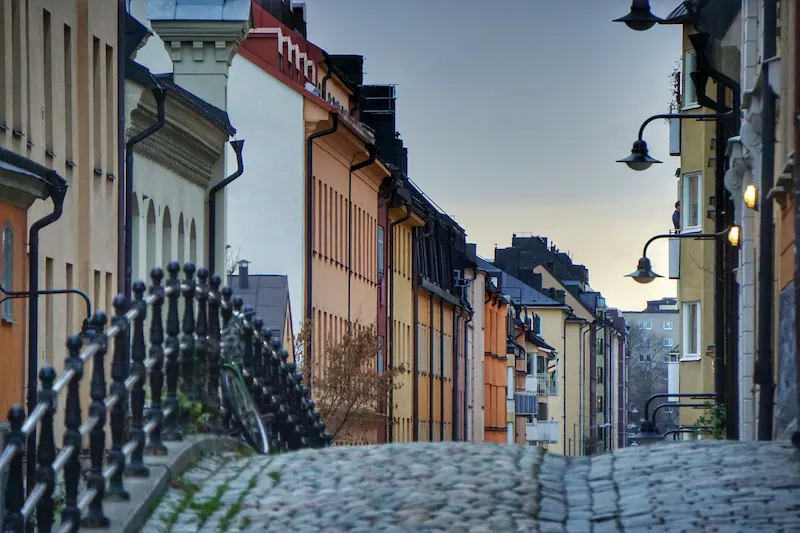
Where to stay in Stockholm
Find the best neighborhoods and hotels in Stockholm.
Open page →
Plan your trip to Stockholm, find the best areas to stay, and understand what is genuinely worth doing. Built across islands, bridges, harbors, formal avenues, residential quarters, museum parks, and quiet waterfront paths, Stockholm rewards travelers who organize the city by zones, water movement, season, and pacing rather than by a rushed list of landmarks.
Find the best neighborhoods and hotels in Stockholm.
Open page →
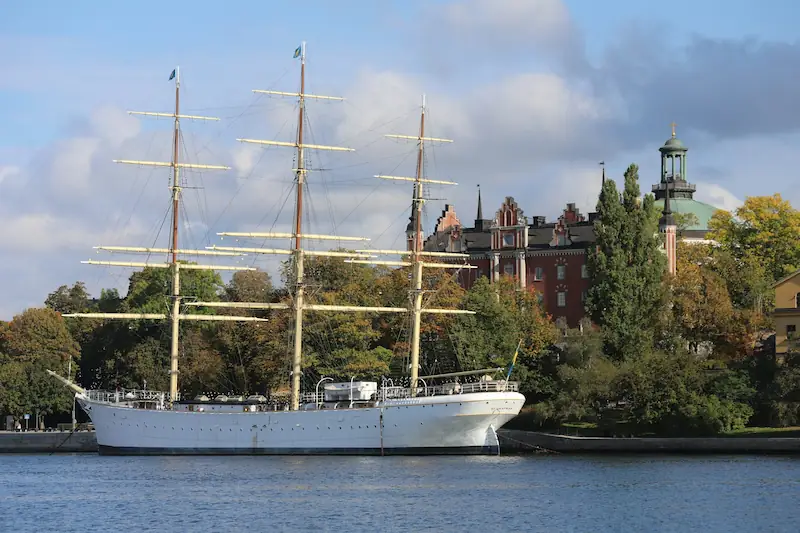
Prioritize the activities that deserve your time in Stockholm.
Open page →
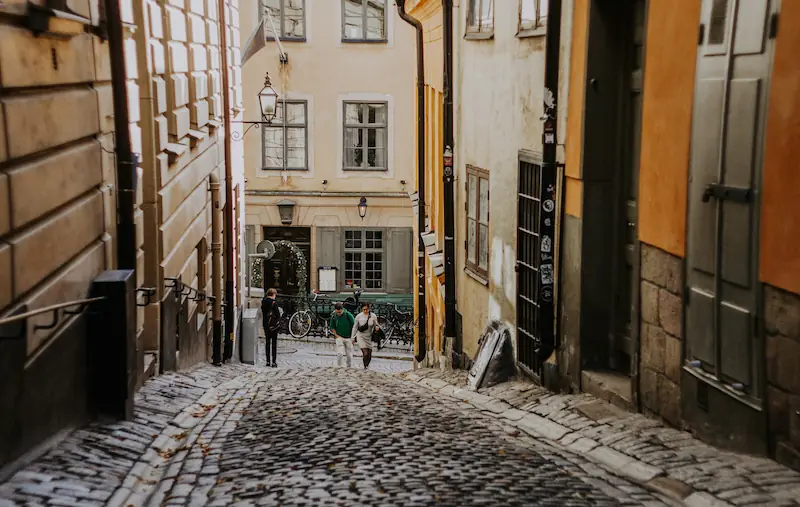
2 Days in Stockholm Itinerary: Best First-Time Weekend Route
Open itinerary →
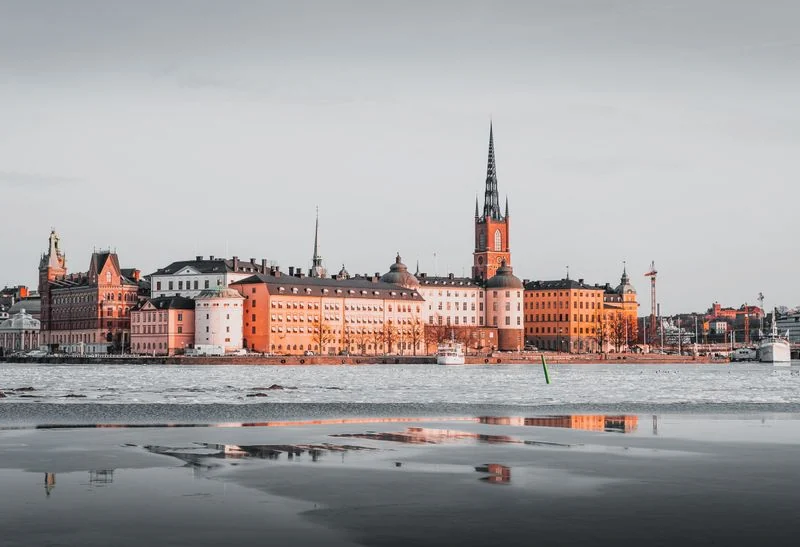
3 Days in Stockholm Itinerary: Best First-Time City Break
Open itinerary →
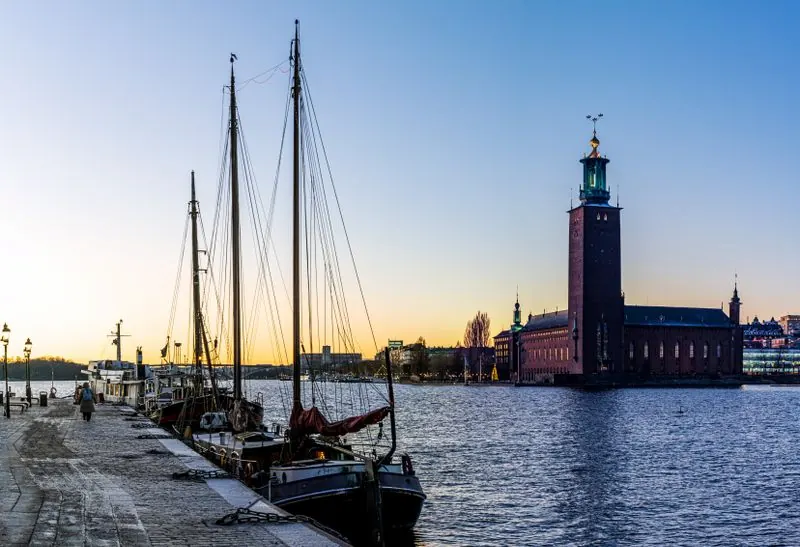
5 Days in Stockholm Itinerary: City, Islands & Archipelago
Open itinerary →
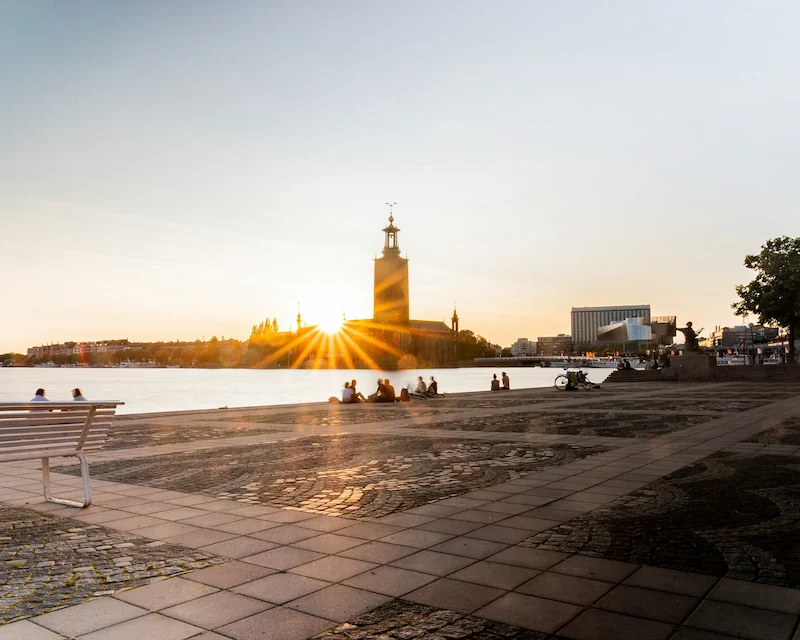
7 Days in Stockholm Itinerary: Full Week with Archipelago
Open itinerary →
Stockholm is a capital shaped by water, distance, design, and restraint: royal architecture, world-class museums, island neighborhoods, food halls, public ferries, metro art, parks, and outdoor life sit close together but rarely feel compressed. The city works best when read as a set of linked layers, from ceremonial Gamla Stan to practical Norrmalm, residential Södermalm, refined Östermalm, museum-heavy Djurgården, calm Skeppsholmen, and the wider archipelago.
Stockholm is worth structuring a trip around because it combines a major capital’s museums, restaurants, design culture, royal history, family attractions, and contemporary food scene with a geography that constantly opens the city outward. Ferries, bridges, parks, quays, metro stations, and island walks make movement part of the experience rather than a simple transfer between sights. On clear days, low northern light sits on the water and makes even a short crossing feel like part of the city’s architecture; in winter, the same city contracts into museums, candlelit cafés, saunas, food halls, and short, sharp outdoor windows.
Best time: May–September for light, ferries, outdoor tables, swimming, parks, and archipelago routes; September is the best balance for lower pressure, while winter is strongest for museums, fika, saunas, restaurants, and atmospheric evenings.
Ideal trip length: 3 days covers the core; 5 days gives Stockholm depth; 7 days allows archipelago time, Drottningholm or Uppsala, and slower local districts.
Stockholm is expensive by European city-break standards, especially for hotels, restaurants, cocktails, taxis, waterfront rooms, and peak-summer stays. The strongest value comes from choosing the right neighborhood, using SL public transport and ferries, prioritizing museums carefully, and mixing restaurant meals with bakeries, food halls, casual lunch counters, fika stops, and one deliberately booked dinner. Costs rise quickly around central waterfront hotels, fine dining, weekend evenings, July–August stays, and schedule-dependent archipelago days.
Stockholm is not a single center expanding outward; it is a set of islands and districts stitched together by bridges, ferries, tunnels, trams, metro lines, and waterfront promenades. Gamla Stan holds the historical core, Norrmalm works as the commercial and transport connector, Östermalm carries formal elegance and high-end dining, Södermalm brings residential energy and evening life, Kungsholmen opens the city westward, Djurgården gathers many of its cultural anchors, and Skeppsholmen gives a quieter bridge between art, water, and central views. The transitions are visible: stone streets, open quays, parkland, late-19th-century avenues, metro passages, food halls, and harbor edges appear in quick succession.
Water is the city’s organizing element, shaping views, distances, routes, and pace. Lake Mälaren meets the Baltic here, giving Stockholm its mixture of enclosed channels, broad harbor views, wooded islands, bridges, ferry lines, and sudden open skies. The terrain is gentle but not uniform, with Södermalm’s raised edges, Kungsholmen’s long waterfronts, Djurgården’s green expanses, and Skeppsholmen’s calm central island position changing how the city is seen. This is why the best sightseeing routes often work as crossings rather than loops.
Stockholm moves with a controlled daily rhythm: commuter flow in Norrmalm, museum movement toward Djurgården, lunchtime life around food halls and office districts, then a softer evening pull toward Södermalm, Östermalm, Vasastan, Kungsholmen, and the waterfront. In summer, the city stretches late into the light through terraces, boats, parks, and swimming spots; in winter, it gathers earlier into interiors, candles, warm cafés, saunas, museum restaurants, and compact evening routes. The soundscape shifts from tram bells and station movement to the low wash of boats along the quays.
Think of Stockholm as layers rather than landmarks: old city, civic center, residential island, museum island, design district, western waterfront, quiet art islands, and water routes. A strong trip balances land-based neighborhoods with at least one movement across the water, one cultural cluster, one food-led pause, and one viewpoint. The city is calm on the surface, but its depth comes from noticing how royal, civic, domestic, maritime, creative, and contemporary life sit beside one another.
Open the planner
Build the first day around Gamla Stan, the Royal Palace area, City Hall, Norrmalm, and one waterfront or viewpoint walk so the city’s core becomes legible. Give Djurgården a dedicated half-day or full day rather than treating Vasa, Skansen, Nordic Museum, Junibacken, Gröna Lund, and ABBA The Museum as quick add-ons. Pair Södermalm with viewpoints, independent shops, casual food, Fotografiska, and evening drinks; it works best as a lived district, not a checklist zone. Use ferries deliberately: one water crossing can do more for orientation than another short metro hop, especially between Slussen, Skeppsholmen, Djurgården, and central waterfronts. Keep design, food halls, shopping, Nationalmuseum, and Strandvägen close together around Östermalm, Norrmalm, and Skeppsholmen to avoid thin, scattered afternoons. Reserve deeper archipelago time for a 5- or 7-day stay unless weather, schedules, and daylight strongly support it on a shorter trip; for a first short visit, a canal or inner-water boat ride can be enough. Build one lighter residential block into the itinerary, either Vasastan, Kungsholmen, or a calmer Södermalm route, so the city does not become only museums and royal architecture. Balance indoor and outdoor blocks each day, because Stockholm’s best pacing often comes from alternating museums, quays, cafés, parks, metro art, food stops, and water views. In winter, protect the midday outdoor window for Gamla Stan, viewpoints, or waterfront walks, then move major museums, food halls, fika, saunas, and restaurants into the darker parts of the day.
Vibe: Historic, compact, ceremonial, and atmospheric after the day crowds thin.
Why go: Gamla Stan gives Stockholm its oldest urban layer: royal buildings, medieval lanes, churches, Stortorget, the Nobel Prize Museum, the Royal Armoury, Storkyrkan, and quick access to the water on several sides. It is the easiest area for first-time orientation, especially when paired with the Royal Palace, City Hall, Riddarholmen, and nearby bridges.
Who it fits: First-time visitors, short stays, history-focused travelers, and anyone who wants the old city immediately outside the hotel door.
Not for: Travelers who dislike tourist pressure, narrow streets, souvenir-heavy lanes, or limited late-night local life.
Where to stay: Stay here for atmosphere and walkability, but choose carefully because rooms can be small, rates can be high, restaurant value is uneven, and the busiest lanes lose calm during peak hours.
Vibe: Central, practical, connected, and busier than romantic.
Why go: Norrmalm is the easiest base for transport, shopping, culture, restaurants, hotels, metro art, and quick access to Gamla Stan, Östermalm, Vasastan, Kungsholmen, Nationalmuseum, City Hall, and the waterfront. It is less intimate than the island districts but extremely efficient.
Who it fits: First-time visitors, business-leisure stays, rail arrivals, short trips, and travelers who prioritize logistics.
Not for: Travelers seeking a village-like neighborhood feel or quiet residential evenings.
Where to stay: Stay here when convenience matters most; it gives the strongest transport access and makes multi-neighborhood days easier.
Vibe: Creative, residential, social, and more relaxed than the formal center.
Why go: Södermalm gives the city a lived counterweight: viewpoints, independent shops, casual restaurants, bars, bakeries, design stores, Fotografiska access, Mariatorget, Hornstull, SoFo, and local street life. It is one of the best areas for understanding modern Stockholm beyond the royal and museum circuit.
Who it fits: Couples, repeat visitors, younger travelers, food-focused stays, and anyone who wants evenings close to restaurants and bars.
Not for: Travelers who want immediate palace-and-museum proximity or the most polished hotel environment.
Where to stay: Stay here for atmosphere, local energy, and stronger evening options, especially around Mariatorget, SoFo, Hornstull, and the northern edges facing the water.
Vibe: Elegant, ordered, mature, and quietly affluent.
Why go: Östermalm is strong for design shops, refined restaurants, food halls, formal streets, Strandvägen, harbor access, and movement toward Djurgården. It feels composed rather than showy, with a slower pace than Norrmalm and better access to polished food, shopping, and waterfront walks.
Who it fits: Design-minded travelers, premium stays, dining-focused trips, and visitors who prefer polished but walkable neighborhoods.
Not for: Budget-focused stays, nightlife-heavy trips, or travelers looking for the city’s rougher creative edges.
Where to stay: Stay here for comfort, restaurants, shopping, and a more refined central base, especially if hotel budget is flexible.
Vibe: Residential, literary, cafe-led, and calm without feeling remote.
Why go: Vasastan is useful for travelers who want local rhythm, good cafés, bakeries, independent restaurants, Stockholm Public Library, Odenplan, and a quieter base north of the commercial center. It gives Stockholm a softer everyday layer without disconnecting from the main sights.
Who it fits: Longer stays, families, cafe lovers, repeat visitors, and travelers who prefer residential calm.
Not for: First-timers who want to step directly into the historic core or be next to the main museum cluster.
Where to stay: Stay here for value, calm, and local texture, with enough transport access to keep the core easy.
Vibe: Local, waterfront-focused, calm, and practical.
Why go: Kungsholmen gives Stockholm a less tourist-facing base with long waterfront walks, local restaurants, residential streets, City Hall, Rådhuset metro art, and immediate access to Norr Mälarstrand. It works well for travelers who want central practicality without staying in the busiest core.
Who it fits: Longer stays, families, runners, repeat visitors, and travelers who value calm evenings near the water.
Not for: Travelers who want the old town, nightlife, or major museums directly outside the door.
Where to stay: Stay here for quieter value and waterfront rhythm, especially if you are comfortable using public transport or walking into Norrmalm.
Vibe: Green, cultural, quiet at night, and deeply connected to museums and water.
Why go: Djurgården and Skeppsholmen are not the most conventional hotel bases, but they explain Stockholm’s cultural and maritime identity: Vasa Museum, Nordic Museum, Skansen, Junibacken, ABBA The Museum, Gröna Lund, Moderna Museet, East Asian Museum, ferry crossings, and waterside walks all sit within this wider eastern island logic.
Who it fits: Museum-focused travelers, families, walkers, calm luxury stays, and visitors who want culture and water over nightlife.
Not for: Travelers who want dense restaurant choice, late bars, budget hotels, or immediate access to every central district.
Where to stay: Stay here only if you value quiet, greenery, museums, and waterfront atmosphere more than dense urban convenience.
The best things to do in Stockholm work by layers: old city first, water movement next, then museums, design, food, residential districts, public art, seasonal outdoor life, and island escapes. The city feels clearest when each day includes both a built landmark and a slower outdoor passage.
Planning tip: Treat Gamla Stan, Djurgården, Södermalm, Skeppsholmen, Östermalm/Strandvägen, Kungsholmen, and the archipelago as separate experience zones rather than trying to fold them into one continuous checklist.
Gamla Stan is the essential starting point for Stockholm: a dense island of royal architecture, medieval lanes, churches, squares, museums, and waterfront edges. It gives first-time visitors the city’s historical scale before the wider island geography unfolds, and it works best when combined with Stortorget, Storkyrkan, the Royal Palace edges, the Royal Armoury, and a quiet turn toward Riddarholmen.
Tip: Move beyond Västerlånggatan quickly and use the smaller lanes, palace edges, Stortorget, Storkyrkan, Riddarholmen, and waterfront paths to understand the island.
The Vasa Museum is Stockholm’s most singular museum experience: a near-complete 17th-century warship presented at monumental scale. It is historical, technical, visual, and emotional at once, with enough interpretation to work even for travelers who do not normally prioritize maritime history. For a first visit, it is the highest-payoff paid attraction in the city.
Tip: Start on the lower levels to read the ship’s scale before moving up to the higher walkways, and leave time for the recovery story rather than treating the ship as a single photo stop.
City Hall brings Stockholm’s civic architecture into focus and anchors one of the city’s strongest low-effort waterfront walks. It adds a different layer from Gamla Stan: formal, 20th-century, ceremonial, and open to the water. The guided interior is especially useful because it turns the building from a skyline marker into a meaningful civic stop.
Tip: Combine the building exterior or tour with Norr Mälarstrand, Riddarfjärden views, or a walk back toward Norrmalm rather than treating it as a single photo stop.
A ferry ride is one of the simplest ways to make Stockholm’s geography understandable. The city rearranges itself from the water: islands separate, bridges become visible, and the distance between neighborhoods feels more physical. A public ferry also keeps the experience closer to daily Stockholm than a purely sightseeing-focused cruise.
Tip: Use a public ferry where possible; it keeps the experience integrated with everyday city movement and can connect Slussen, Skeppsholmen, Djurgården, or other useful routes.
Check guided tours →
Djurgården is Stockholm’s most efficient cultural cluster, with the Vasa Museum, Nordic Museum, Skansen, ABBA The Museum, Junibacken, Gröna Lund, Vrak, and parkland within a manageable radius. The value is not only in the individual institutions but in how easily museums, water, green space, cafés, and walking connect.
Tip: Choose two major stops rather than trying to clear the whole island in one day; Vasa plus Skansen or Vasa plus Nordic Museum is usually stronger than museum stacking.
Monteliusvägen gives one of the clearest views of Stockholm’s layered structure: water below, Gamla Stan across the channel, and the formal city beyond. It is a small walk, but it explains the city better than many longer routes.
Tip: Late afternoon works especially well when the light reaches the old town facades across the water.
Check guided tours →
The archipelago changes the scale of a Stockholm trip, moving from capital city to low islands, pine edges, wooden houses, docks, and open water. Even a short ferry route can make the city’s maritime setting feel complete, while Vaxholm or a longer island stop turns Stockholm into a regional water journey rather than a compact city break.
Tip: For a short stay, choose a simple route with reliable return times rather than trying to combine multiple islands; in summer, check departures before building the day around it.
The Nordic Museum helps decode Swedish domestic life, traditions, design habits, seasonal rituals, folk culture, interiors, clothing, and social history. It adds cultural texture to a trip that might otherwise remain focused on royal, maritime, and outdoor Stockholm.
Tip: Visit after the Vasa Museum if you want the day to move from spectacle into social context.
Check guided tours →
Fotografiska gives Stockholm a contemporary edge, with strong photography exhibitions, a waterfront setting, restaurant appeal, and evening-friendly opening patterns. It fits especially well with Södermalm, Slussen, a viewpoint walk, or a post-museum dinner plan.
Tip: Check the current exhibition mix before building the visit around it.
Stockholm’s metro stations add an unexpected cultural layer below the city, with painted caverns, tiled passages, and site-specific works spread across the network. It is less a museum substitute than a way to notice how public design enters everyday movement, and it becomes especially useful in rain, winter, or short daylight.
Tip: Build a short route around T-Centralen, Kungsträdgården, Stadion, Rådhuset, or Solna centrum rather than trying to see too many stations.
Skansen works best as cultural landscape rather than simple attraction: historic buildings, seasonal events, craft demonstrations, animals, family-friendly paths, and open-air settings combine into a broad picture of Swedish regional life. It is particularly valuable when the trip needs space after enclosed museums.
Tip: It takes more space and time than it appears on the map, especially with children.
Check guided tours →
Nationalmuseum is the city’s strongest central art-and-design anchor, especially for travelers who want Swedish and European art, applied arts, interiors, and design context without leaving the core. It also sits in one of the most useful positions in Stockholm, between Norrmalm, Östermalm, the harbor, Skeppsholmen, and Gamla Stan.
Tip: Pair it with Skeppsholmen, Strandvägen, or Östermalms Saluhall so the visit becomes part of a central culture-and-design route.
Check guided tours →
Skeppsholmen adds a quieter cultural layer, with Moderna Museet, the East Asian Museum, waterside paths, bridges, and views back toward Djurgården and Gamla Stan. It is especially useful when you want modern art without the density of the main museum island.
Tip: Pair it with Nationalmuseum or a ferry crossing rather than treating it as a detached island stop.
Check guided tours →
Södermalm is where Stockholm feels least ceremonial and most lived-in: cafés, bars, shops, bakeries, galleries, viewpoints, residential streets, and casual restaurants overlap without the pressure of a single landmark route. It is the best evening counterpoint to Gamla Stan and Djurgården.
Tip: Use Mariatorget, Hornsgatan, Hornstull, and SoFo as loose anchors rather than chasing one exact street.
Check guided tours →
Strandvägen is one of Stockholm’s most useful transition walks because it links Östermalm’s polished city fabric with Djurgården’s museum and parkland zone. It gives the trip a clean visual progression: formal waterfront, boats, bridges, trees, then cultural island.
Tip: Use it before or after a Djurgården museum rather than making it a separate sightseeing item.
Check guided tours →
This walk shows Stockholm at its most everyday waterfront scale: residential facades, moored boats, runners, benches, trees, cafés, and long views across the water. It is a strong counterpoint to the museum and old-town circuit, especially after City Hall.
Tip: Pair it with City Hall or a cafe stop rather than making it a standalone detour.
Check guided tours →
Vasastan offers a quieter version of local Stockholm, with cafes, bakeries, bookish corners, small design shops, and residential streets that make the city feel less display-oriented.
Tip: Use it for a slower morning or late afternoon rather than a packed sightseeing block.
Check guided tours →
In warmer months, Stockholm’s relationship with water becomes practical as well as scenic: swimming spots, sauna sessions, docks, and waterfront lawns shift the city into a slower local rhythm. In colder months, sauna culture can still make water part of the trip, but it becomes a planned experience rather than a spontaneous stop.
Tip: Use this as a flexible afternoon reset rather than a fixed sightseeing obligation.
Check guided tours →
Design is one of Stockholm’s clearest everyday signatures, visible in interiors, tableware, clothing, lighting, bookshops, and restrained retail spaces. A focused route through Östermalm, Norrmalm, or Södermalm adds cultural value without needing another formal museum.
Tip: Keep it compact; the value is in a few strong streets and stores rather than an entire shopping day.
Check guided tours →
This is one of the best ways to feel Stockholm’s slower side. Instead of treating the eastern islands only as a museum cluster, use Skeppsholmen and Djurgården for a calmer local rhythm of bridges, tree-lined paths, harbor edges, boats, open water, and pauses at seasonal cafés. It adds breathing space to a trip built around Gamla Stan, major museums, and central shopping streets.
Tip: Do it as a loose walk with time for detours and water views, not as a checklist between museum entries.
Check guided tours →
Östermalms Saluhall is the city’s classic food hall experience, useful for seafood, Swedish staples, quick tastings, market browsing, and a polished look at Stockholm’s food culture. It is one of the easiest ways to add local flavor without committing to a formal restaurant.
Tip: Go for lunch or a structured snack rather than treating it only as a walk-through stop.
Check food options →
Fika is not just a pastry break; it is part of the city’s social pace. A good café stop gives shape to mornings, cold afternoons, and museum-heavy days, especially when the trip alternates outdoor walking with interiors.
Tip: Look for bakeries that feel busy with locals rather than cafes built only around central sightseeing traffic.
Stockholm’s dining scene is strongest when it feels seasonal and precise rather than showy. One well-chosen dinner can connect the city’s design restraint, produce culture, seafood, bread, berries, dairy, and contemporary Nordic cooking.
Tip: Book for the neighborhood you want to spend the evening in, not just for the restaurant name.
Check food options →
Swedish classics are worth including, but the best versions are usually found by choosing carefully rather than defaulting to the most visible old-town restaurants. Seafood, herring, meatballs, rye, potatoes, berries, and dairy all give the food scene a clearer local base.
Tip: Lunch can be the best moment to try traditional cooking without turning the evening into a heavy meal.
Stockholm can become expensive quickly if every meal is built around full-service dining. Food halls, bakeries, lunch counters, museum restaurants, and casual neighborhood restaurants give the trip more flexibility without flattening the food experience.
Tip: Lunch is often the best-value meal for cooked food in central areas.
Check food options →
Stockholm rewards selectivity because many of its best experiences are spatial rather than checklist-based. Protect the moments that reveal the city’s layered relationship with water, history, design, museums, food, public transport, and daily life; the quiet space between stops often matters as much as the stops themselves.
Stockholm is one of Europe’s easier capitals with children because museums, ferries, parks, waterfront paths, food halls, and cafés create natural resets between stops. Distances can still tire younger travelers, especially when island crossings and museum time stack up in the same day. In summer, the city feels open and flexible; in winter, the best family days need shorter outdoor segments and strong indoor anchors. The gentle sound of boats, trams, and museum movement gives children a city that feels active without becoming overwhelming.
Stockholm itineraries should not be built as a race across islands. The best routes protect a central first day, a museum-and-water day, and enough slower neighborhood time to let the city’s layers separate clearly.
Open the planner →
Stockholm is easy to navigate once you accept that water shapes almost every decision. The city feels smoothest when transport, daylight, museums, restaurant timing, ferry routes, and meal breaks are treated as connected parts of the same day.
May to September is the strongest overall window, with long daylight, outdoor dining, ferries, park life, swimming spots, and easier archipelago planning; September is especially good for lower pressure and still-usable weather. Winter works best when the trip is intentionally built around museums, cafés, saunas, food halls, restaurants, and compact outdoor windows.
Three days is the practical minimum for a first visit, five days is the best balance, and seven days gives room for the archipelago, Drottningholm, Uppsala or Sigtuna, slower neighborhoods, and deeper museum choices.
Norrmalm is the most efficient first-time base, Gamla Stan is best for old-city atmosphere, Södermalm suits evenings and local energy, Östermalm works for refined comfort and food/design access, Vasastan gives calmer residential value, Kungsholmen offers waterfront quiet, and Djurgården or Skeppsholmen suits culture-focused calm.
Most international travelers arrive through Stockholm Arlanda Airport, connected to the center by airport train, coaches, taxis, and regional rail options. Central Station is the main rail and transport anchor for domestic, airport, and Scandinavian connections.
Stockholm’s public transport system combines metro, buses, trams, commuter trains, and ferries. Walking is excellent within individual districts, but island-to-island movement often works better when walking is combined with metro, tram, bus, or ferry segments. Public ferries are not just transport; they are one of the easiest ways to understand the city’s water structure.
Stockholm is generally safe, clean, and well organized, with the usual urban awareness needed around busy stations, nightlife areas, crowded tourist streets, and late-night transport. Winter conditions can bring slippery pavements, cold wind near the water, and reduced daylight.
The best time to visit Stockholm depends on how much you want the city to be outdoors. Late spring and summer give the strongest version of Stockholm: long days, ferries, terraces, parks, swimming areas, and easier archipelago planning. Autumn is better for museums, design, food, photography, and a calmer urban rhythm, while winter can be rewarding if you accept short daylight and build the trip around interiors. The city changes dramatically with the light, and that change should shape the trip rather than sit in the background.
April to early June brings lengthening days, cooler mornings, reopening outdoor life, cherry blossom and park energy, and a gradual return of waterfront terraces. May and early June are especially strong for walking, museums, ferries, and first outdoor meals without full summer pressure.
June to August is Stockholm at its most open, with long daylight, boat routes, island trips, swimming spots, parks, and lively terraces. It is also the most expensive and crowded period, especially around Gamla Stan, Djurgården, central hotels, and popular archipelago departures.
September and October bring cooler air, softer crowds, excellent museum conditions, and stronger restaurant planning than midsummer. September keeps enough daylight for waterfront walks and boat time, while October shifts the city toward interiors, design, food, and lower hotel pressure.
November to March is darker, colder, and more compact, with the trip centered on museums, cafés, saunas, restaurants, food halls, and short outdoor routes. December has festive appeal, while January to March is quieter and best for travelers comfortable with cold-weather pacing.
Stockholm is straightforward once you understand its island structure, seasonal light, museum clusters, water routes, and neighborhood differences. These answers cover the practical decisions travelers usually need to make before committing to a plan.
Three days is enough for Gamla Stan, the Royal Palace area, City Hall, the Vasa Museum, Djurgården, Södermalm, and a ferry experience. Five days is better if you want design, food, Skeppsholmen, more museums, and calmer neighborhood time. Seven days allows the archipelago, Drottningholm, Uppsala, Sigtuna, or slower residential routes.
Norrmalm is the easiest first-time base because it is central, well connected, and practical for transport, shopping, dining, and access to Gamla Stan and Östermalm. Gamla Stan is more atmospheric, while Södermalm is better for local evenings and Östermalm is stronger for polished comfort.
Yes, Stockholm is expensive compared with many European city breaks, especially for hotels, restaurants, drinks, and taxis. Costs are easier to control with public transport, smart neighborhood choice, lunch menus, bakeries, food halls, and selective paid attractions.
June is excellent for long daylight and outdoor energy, while September is often the best balance of good conditions and lower crowd pressure. July and August are lively but more expensive and busier. December is atmospheric but dark, and winter works best for museums, cafés, saunas, and restaurants.
Stockholm is very walkable within individual districts, but not always efficient as a walking-only city. The island geography means the best trips combine walking with metro, tram, bus, and ferry segments.
The archipelago is not essential on a short first visit, but it adds major context if you have five to seven days or visit in good summer conditions. For three days, a shorter inner-water ferry, canal cruise, or simple boat ride can give enough sense of the city’s relationship with water.
Yes, Stockholm works very well with kids thanks to ferries, parks, family-friendly museums, Skansen, Junibacken, Gröna Lund, the Vasa Museum, food halls, and manageable public transport. The main challenge is avoiding overloaded museum days and allowing enough breaks.
Do not miss Gamla Stan, the Vasa Museum, City Hall, a ferry or water crossing, Djurgården, and a view from Södermalm. These give the clearest first reading of Stockholm’s history, water, museums, civic architecture, and island structure.
Summer is better for first-time visitors who want ferries, outdoor dining, swimming, parks, and the archipelago. Winter can still work well for museums, cafés, saunas, restaurants, food halls, and a quieter city break, but daylight is much shorter and outdoor planning needs to be more compact.
Start with Gamla Stan if you want historical orientation, or the Vasa Museum if you want the strongest single attraction first. The ideal first day usually combines the old town, a waterfront view, a civic or royal landmark, and one ferry or walking transition.
Yes. The Vasa Museum is the highest-payoff museum in Stockholm because the ship is unique, visually powerful, and central to the city’s maritime identity. Give it 90 minutes to two hours rather than treating it as a quick stop.
The Vasa Museum is the essential first choice. Nationalmuseum is strongest for art and design, Moderna Museet for modern art and Skeppsholmen, the Nordic Museum for Swedish cultural context, Fotografiska for contemporary photography, and Skansen for open-air heritage and families.
Choose Gamla Stan for atmosphere, old streets, and historic immersion. Choose Norrmalm for convenience, transport, hotel choice, shopping, and smoother logistics. For a short first visit, Norrmalm is usually easier; for a romantic or atmosphere-led stay, Gamla Stan can be more memorable.
Stay in Södermalm if restaurants, bars, cafés, viewpoints, and a more local evening rhythm matter more than immediate proximity to every museum and royal landmark. It is one of the best bases for couples, repeat visitors, and travelers who want the city to feel lived-in after dark.
Monteliusvägen is one of the best free experiences because it gives a clear view over water, Gamla Stan, and the central skyline. Other strong free options include Gamla Stan early, Skeppsholmen, Djurgården paths, City Hall waterfront, and Kungsholmen walks.
Use rain for the Vasa Museum, Nationalmuseum, Fotografiska, Moderna Museet, the Nordic Museum, metro art, food halls, fika, the Royal Armoury, or the Nobel Prize Museum. Keep viewpoints, Strandvägen, Djurgården walks, and archipelago time flexible for clearer windows.
Build winter days around museums, fika, food halls, restaurants, saunas, metro art, and short outdoor windows around midday. Gamla Stan, City Hall waterfront, Monteliusvägen, and Skeppsholmen still work, but avoid planning long exposed walks after daylight fades.
Yes, especially if you approach it through food halls, bakeries, fika, seafood, Swedish classics, casual lunches, and one well-chosen modern Nordic dinner. Östermalms Saluhall is the easiest first food anchor, while Södermalm and Vasastan are useful for more local-feeling cafés and restaurants.
Yes. Stockholm’s design culture appears in museums, shops, interiors, lighting, tableware, hotels, cafés, and public transport. Nationalmuseum, Östermalm, Norrmalm, Södermalm, Vasastan, and the metro art network are especially useful for design-minded travelers.
You can get a strong first impression in one day if you keep it focused: Gamla Stan, the Royal Palace area, the Vasa Museum or City Hall, one waterfront walk, and a ferry or viewpoint. Do not try to add the archipelago, multiple museums, and distant neighborhoods into the same day.
The strongest day trips are Vaxholm or another archipelago route, Drottningholm Palace, Sigtuna, Uppsala, Birka, Artipelag, Millesgården, and Tyresta National Park. Choose based on whether you want water, royal history, old-town atmosphere, art, sculpture, or nature.
Stockholm is generally safe, clean, and well organized for visitors. Use normal urban awareness around busy stations, nightlife areas, crowded tourist lanes, and late-night transport, and take winter pavement conditions seriously when it is icy or snowy.
Usually no. Stockholm is highly cash-light, and card or mobile payments are normal across hotels, restaurants, shops, museums, and transport. Keep a payment card ready rather than relying on cash.
The biggest mistake is treating Stockholm as a compact checklist city. The best trip respects island geography, ferry movement, museum clusters, weather, daylight, and evening neighborhood choice instead of repeatedly crossing the city for isolated attractions.
Plan Stockholm around water, districts, culture, season, and pacing, and the city becomes far easier to read than a simple list of attractions suggests.
Find the best places to stay, how to get there, and move around with ease.
Build a smarter trip base
Once you understand how Stockholm works and what matters most for your trip, the next step is turning that direction into a real itinerary. Use the planner to organize your days around the right areas, experiences, and rhythm so the trip feels clear before you go.