Best things to do in Stockholm for a smarter city break
Discover the best things to do in Stockholm, from headline attractions and cultural landmarks to island walks, food halls, ferry rides, viewpoints, rainy-day museums and archipelago excursions. Stockholm is not a city to plan as a flat checklist: water, bridges, ferries, seasons and museum clusters shape the way each day works. The strongest trip combines one or two major anchors with time outside, a proper food or fika pause and enough flexibility for weather and light.
Best time
May to September is best for archipelago boats, long daylight, parks and waterfront walking; October to April is stronger for museums, fika, design, low-light photography, winter walks and atmospheric evenings.
Ideal trip length
Two full days cover the essentials; three to four days let you add the archipelago, deeper museums, food halls, metro art, local neighborhoods and one day trip; five days or more justify Vaxholm, Drottningholm, Uppsala, Sigtuna, Artipelag, Millesgården or Tyresta.
Continue planning your Stockholm trip
Use this activity guide to decide what deserves your time, then connect it with the main Stockholm travel guide, where-to-stay advice and itinerary planning for a cleaner trip structure across neighborhoods, hotel areas, museums, food stops and day trips.
What to do in Stockholm first
See the Vasa Museum properly – Area: Djurgården · Best for: Stockholm’s highest-payoff museum · Time needed: 1.5–2 hours · Worth it: Essential, even if you usually skip museums. · Book ahead: Recommended in peak periods and weekends.
Walk Gamla Stan early – Area: Old Town · Best for: Historic streets, royal setting and first orientation · Time needed: 1–2 hours · Worth it: Worth it early; weaker if visited only at peak crowd time. · Book ahead: No, unless joining a guided walk.
Take an archipelago or waterways cruise – Area: Waterfront / archipelago · Best for: Understanding Stockholm from the water · Time needed: 2–3 hours for a short cruise; half day for a deeper trip · Worth it: One of the best ways to understand the city’s geography. · Book ahead: Yes in summer or for specific departures.
Pair Skansen with a Djurgården walk – Area: Djurgården · Best for: Families, open-air culture and slower pacing · Time needed: 2–4 hours · Worth it: High value if you want culture without staying indoors all day. · Book ahead: Usually flexible, but check holidays and seasonal events.
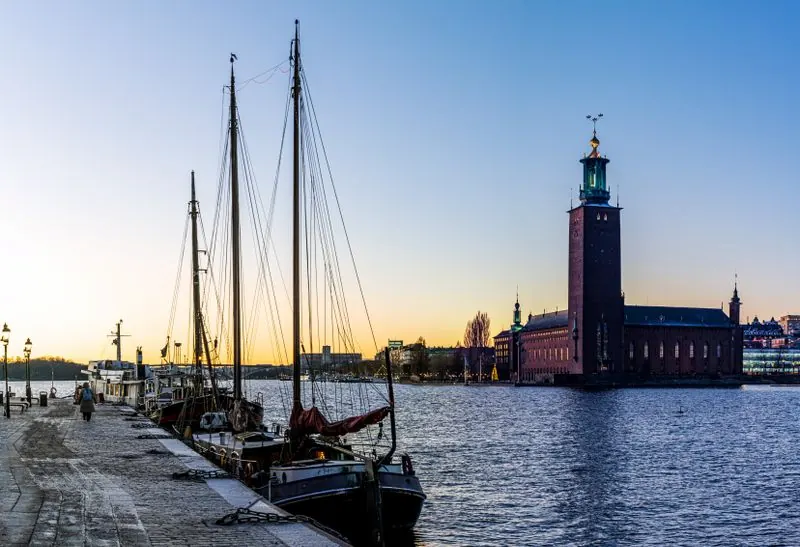
Visit Stockholm City Hall – Area: Kungsholmen · Best for: Architecture, civic history and guided interiors · Time needed: 1–1.5 hours · Worth it: Very worthwhile when guided tours fit your schedule. · Book ahead: Yes, because access depends on tour availability.
Use Fotografiska as an evening or rainy-day anchor – Area: Södermalm waterfront · Best for: Photography, design-minded travelers and indoor time · Time needed: 1.5–2.5 hours · Worth it: Best when paired with Södermalm, dinner or waterfront views. · Book ahead: Useful for popular exhibitions or evening slots.
View the city from Monteliusvägen – Area: Södermalm · Best for: Free skyline views · Time needed: 30–60 minutes · Worth it: Excellent low-effort payoff. · Book ahead: No.
Eat through Östermalmshallen – Area: Östermalm · Best for: Swedish food without a formal tasting-menu commitment · Time needed: 45 minutes–1.5 hours · Worth it: Best as lunch or a deliberate food stop. · Book ahead: No for browsing; yes for specific restaurants.
Explore Stockholm’s metro art – Area: Citywide · Best for: Unusual, weather-proof visual culture · Time needed: 45 minutes–2 hours · Worth it: A smart add-on when weather is poor or time is flexible. · Book ahead: No, unless joining a guided tour.
Choose one royal or palace experience – Area: Gamla Stan / Drottningholm / Haga · Best for: Royal history without overload · Time needed: 1.5 hours to half day · Worth it: Strong if chosen selectively; weaker if stacked with too many formal interiors. · Book ahead: Recommended for Drottningholm and guided access.
Spend time around Skeppsholmen – Area: Skeppsholmen · Best for: Modern art, quiet walking and water views · Time needed: 1.5–3 hours · Worth it: Excellent for a calmer cultural break. · Book ahead: Only for special exhibitions.
Make fika a planned pause – Area: Södermalm, Vasastan, Norrmalm or Östermalm · Best for: A local rhythm between bigger sights · Time needed: 30–60 minutes · Worth it: More meaningful when used as a proper break, not a takeaway coffee. · Book ahead: No.
Add Nationalmuseum or Moderna Museet, not both in a rush – Area: Norrmalm / Skeppsholmen · Best for: Art, design and rainy-day culture · Time needed: 1.5–2.5 hours · Worth it: Strong if you want Stockholm’s cultural side beyond Vasa and royal history. · Book ahead: Usually not essential, except special exhibitions.
Use Hötorgshallen or Östermalmshallen for a food-led break – Area: Norrmalm / Östermalm · Best for: Market halls, Swedish flavors and practical lunch planning · Time needed: 45 minutes–1.5 hours · Worth it: Very useful when you want food context without building the day around restaurants. · Book ahead: No for browsing; yes for specific sit-down meals.
Choose one bigger excursion: Vaxholm, Drottningholm, Uppsala or Sigtuna – Area: Greater Stockholm · Best for: Trips of 3–5 days, history and archipelago atmosphere · Time needed: Half day to full day · Worth it: Best after the central essentials are covered. · Book ahead: Recommended for boats, guided visits and summer departures.
Plan one winter or nature-led experience if visiting off-season – Area: Citywide / outskirts · Best for: Winter walks, saunas, skating, parks and low-light photography · Time needed: 1–3 hours · Worth it: High value when daylight is short and museum-heavy days need contrast. · Book ahead: Only for specific sauna, guided or seasonal activities.
How to choose what is actually worth doing
Stockholm is easy to underestimate because many of its best experiences look close on a map. In practice, water, bridges, ferries, weather and island clusters shape the day, so the smartest plan is built around zones rather than isolated attractions. The goal is not to see every museum; it is to combine one or two strong anchors with walking, water, food, local rhythm and enough slack to adjust when daylight or rain changes the plan.
Prioritize one major museum per day, then balance it with outdoor walking, water, food or a viewpoint.
Use Djurgården as a half-day activity zone rather than rushing between museum doors.
Treat boat time as core sightseeing because Stockholm’s city structure is clearest from the water.
Keep Gamla Stan focused: early walk, royal context, cathedral or museum stop, then move on before it becomes only crowd management.
Use flexible activities such as fika, viewpoints, metro art, food halls, ferries and design browsing to absorb weather changes.
Do not ignore Norrmalm, Östermalm, Vasastan and Kungsholmen: they are less postcard-obvious but useful for food, culture, cafés, waterfront walking and realistic pacing.
For trips of three days or more, add one archipelago, palace, art-in-nature, historic-town or nature excursion instead of stacking more central museums.
Iconic Stockholm experiences
These are the experiences that most clearly define Stockholm: a preserved warship, an old city on the water, royal architecture, island parks, civic ceremony and the archipelago beyond the quays. The best approach is selective. Pick the icons that explain the city, then leave enough space between them for bridges, ferries and changing light.
Start with the Vasa Museum – The Vasa Museum is Stockholm’s strongest single attraction because the ship is both spectacular and deeply specific to the city’s maritime story. Do not rush it: the experience is better when you circle the vessel from several levels and understand why it sank, how it was recovered and why it still feels so improbable. (First-time essential · Best for: A world-class museum with immediate impact)Find tours & experiences
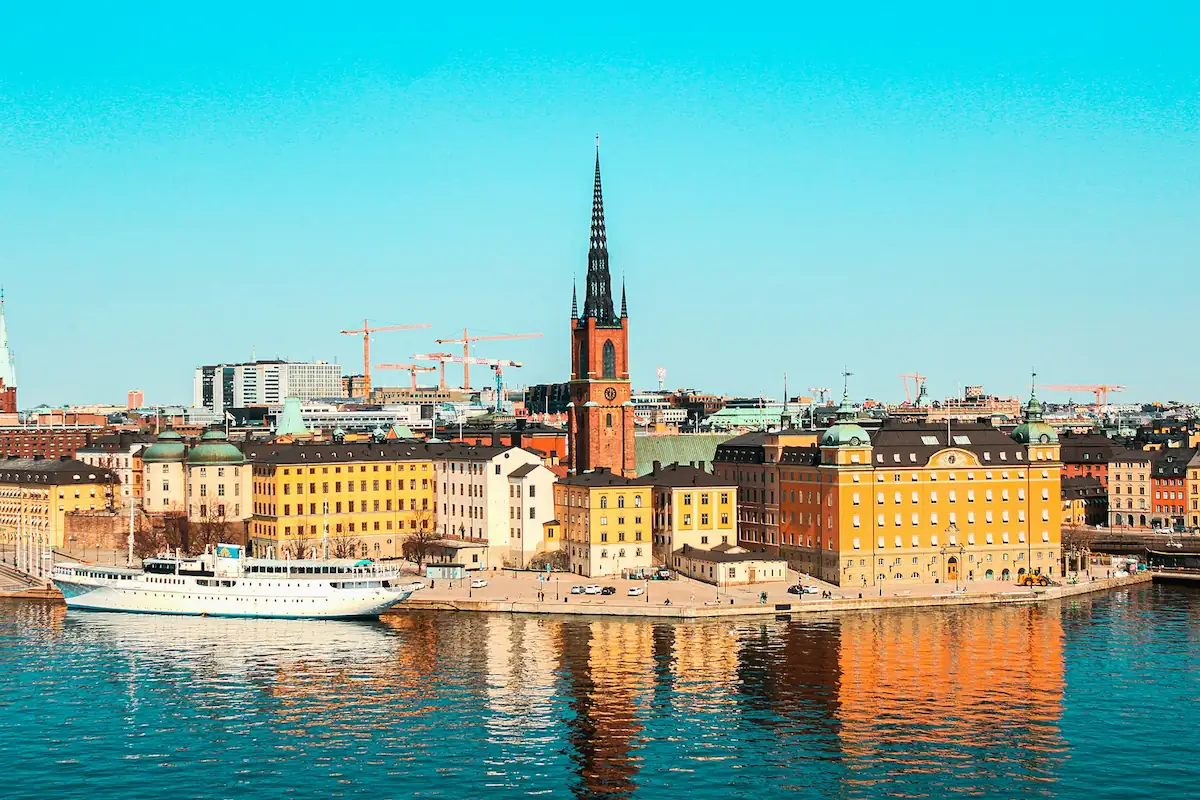
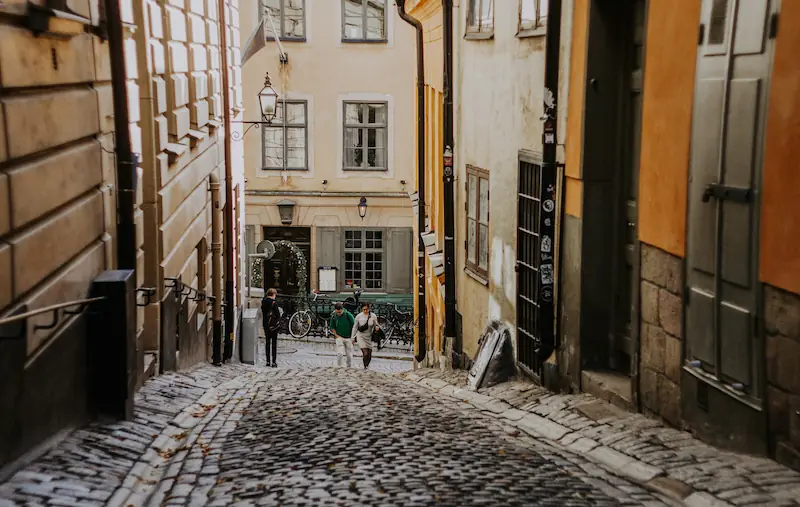
Walk Gamla Stan before it becomes too busy – Stockholm’s Old Town is worth doing, but it needs timing and restraint. Focus on Stortorget, the Royal Palace edges, Stockholm Cathedral and the narrower lanes away from the most crowded souvenir routes. (Worth it early · Best for: Historic orientation and classic Stockholm atmosphere)Find tours & experiences
Take an archipelago cruise – A boat trip is not a decorative extra in Stockholm; it explains the city’s relationship with islands, open water and seasonal movement. A short cruise works for first-timers, while longer trips suit travelers who have already covered the city center. (High payoff · Best for: Seeing Stockholm’s island logic from the water)Find tours & experiences
Visit Stockholm City Hall on a guided tour – City Hall is one of the city’s most useful guided visits because it connects architecture, public life and ceremony in a compact format. It is especially strong if you want a structured attraction that still leaves room for waterfront walking. (Best for: Architecture, civic history and concise guided context)Find tours & experiences
Use Skansen as an open-air cultural anchor – Skansen works best when you treat it as a slower open-air museum rather than a quick checklist stop. It combines historic buildings, traditions, animals and seasonal programming, making it particularly useful for families and travelers who need a break from enclosed museums. (Best for: Families, open-air heritage and slower pacing)Find tours & experiences
Choose the Royal Palace selectively – The Royal Palace is central, convenient and easy to combine with Gamla Stan. It is strongest when you choose a focused visit or guided context rather than trying to cover every royal room and museum in one pass. (Best for: Royal history in the middle of the city)Find tours & experiences
See the city from Monteliusvägen – This short Södermalm viewpoint walk gives one of Stockholm’s best free views for minimal effort. Go near sunset, in clear morning light or as a bridge between Gamla Stan and dinner south of the water. (Free highlight · Best for: Views, photography and low-cost orientation)
Add a Royal Canal or bridges boat tour – If you do not have time for a full archipelago excursion, a shorter canal or bridges cruise still gives Stockholm a clearer spatial logic. It is a practical option for first-timers who want water time without losing half a day. (Best for: Efficient water-based sightseeing)Find tours & experiences
Walk Strandvägen toward Djurgården – Strandvägen gives Stockholm a classic waterfront transition between polished Östermalm, harbor views and the museum island of Djurgården. It works as a scenic connector rather than a standalone attraction, and it is especially useful before or after Vasa, the Nordic Museum, ABBA The Museum or Skansen. (Classic waterfront walk · Best for: Harbor views, orientation and elegant city scenery)
See Stockholm Cathedral and the Royal Armoury around the Palace – Gamla Stan is stronger when you give it one or two focused interiors instead of only walking the lanes. Stockholm Cathedral and the Royal Armoury add religious, ceremonial and royal context without requiring a long palace-heavy day. (Smart old-town add-on · Best for: Royal context, history and compact indoor culture)Find tours & experiences
Make Drottningholm Palace a half-day royal experience – Drottningholm is the better royal choice when you want gardens, a broader setting and a more complete palace excursion than the central Royal Palace alone. It belongs in a three-day or longer trip rather than a packed first day. (Best royal excursion · Best for: Palace gardens, UNESCO context and half-day planning)Find tours & experiences
Museums, design and cultural stops
Stockholm’s cultural strength is not limited to royal history. The city is unusually strong in maritime archaeology, photography, design, modern art, Nordic life, pop culture and public art. The smartest cultural day chooses one major institution, one smaller or more flexible stop, then lets the route breathe along the water.
Use Fotografiska for photography, food and evening culture – Fotografiska is one of Stockholm’s best flexible cultural anchors: serious enough for photography lovers, accessible enough for casual visitors and well suited to evenings. Pair it with Södermalm, a waterfront walk or dinner rather than treating it as a disconnected museum stop. (Best in the evening · Best for: Photography, design-minded travel and rainy days)Find tours & experiences
Explore Stockholm’s metro art deliberately – The metro art network is one of Stockholm’s most distinctive low-friction cultural activities. It works especially well in bad weather, between larger sights or as a short self-guided route through stations known for bold murals, sculpture and color. (Unusual highlight · Best for: Public art, rainy days and flexible exploration)Find tours & experiences
Make Moderna Museet part of a Skeppsholmen loop – Moderna Museet is strongest when paired with the calm island setting around it. The visit gives you modern and contemporary art, then releases you back onto quiet waterfront paths with views toward Djurgården and Södermalm. (Best for: Modern art and low-pressure cultural time)
Use the Nordic Museum for Swedish cultural context – The Nordic Museum is best for travelers who want Swedish domestic life, traditions and social history explained at scale. It rewards a slower visit, especially if you are already spending time on Djurgården. (Best for: Swedish identity, interiors and cultural history)Find tours & experiences
Visit the Nobel Prize Museum for ideas and global history – The Nobel Prize Museum gives Gamla Stan a more intellectual stop beyond old streets and royal buildings. It is a useful compact visit if you want science, literature, peace and prize history in a central location. (Best for: Ideas, science, literature and compact indoor culture)Find tours & experiences
Add the Vrak Museum if shipwreck stories interest you – Vrak, the Museum of Wrecks, works as a thematic extension of Stockholm’s maritime identity. It is not more essential than the Vasa Museum, but it is a smart add-on for travelers who want archaeology, Baltic Sea stories and a deeper water-based angle. (Selective add-on · Best for: Maritime archaeology and repeat visitors)Find tours & experiences
Choose ABBA The Museum when pop culture is part of the trip – ABBA The Museum is not essential to understand Stockholm, but it is a high-energy, easy-to-enjoy stop for music fans. It works best as a deliberate fun break rather than a substitute for the city’s stronger historical museums. (Only if it fits you · Best for: Music fans and lighter indoor time)Find tours & experiences
Use Hallwyl Museum for a compact historic interior – Hallwyl Museum is a strong smaller stop when you want period interiors and social history without committing to a large museum block. It works well around Östermalm, Norrmalm or a rainy-day route. (Best for: Historic interiors and shorter cultural stops)
Choose Nationalmuseum for art, design and a central waterfront setting – Nationalmuseum is the best central choice when you want Swedish and European art, design and decorative arts without crossing deep into Djurgården. It pairs naturally with the harbor, Skeppsholmen, Östermalm or a rainy-day central route. (Major art stop · Best for: Art, design and central rainy-day culture)Find tours & experiences
Use the Royal Armoury for a free or compact royal-history stop – The Royal Armoury is one of the smartest add-ons around the Royal Palace because it gives royal history, ceremony, costumes and objects in a more concentrated form than a full palace visit. It is especially useful for families, rainy days and short Gamla Stan routes. (Compact royal context · Best for: Royal history without a long palace visit)Find tours & experiences
Visit Stockholm Cathedral for the Old Town’s civic and religious layer – Stockholm Cathedral adds weight to a Gamla Stan walk because it connects the old city to royal ceremonies, medieval fabric and national history. It is a short stop, but it makes the Old Town feel less like a street-only visit. (Old Town context · Best for: Architecture, history and short indoor pauses)Find tours & experiences
Add the Swedish History Museum if Viking and medieval context matter – The Swedish History Museum is a useful choice when Viking history, medieval Sweden and deeper national context are part of the trip. It is less instantly iconic than Vasa, but it adds valuable depth for history-focused visitors. (History-focused · Best for: Viking, medieval and Swedish history)Find tours & experiences
Use Millesgården for sculpture, gardens and water views – Millesgården is a strong culture-plus-view excursion on Lidingö, especially for travelers who want sculpture, terraces and a quieter art experience outside the central museum circuit. It works best on longer stays or return visits. (Art with views · Best for: Sculpture, gardens and repeat visitors)Find tours & experiences
Local-feeling things to do
The best local-feeling experiences in Stockholm are rarely loud. They come through ferry rides, island walks, fika, design browsing, metro art, parks, viewpoints and time spent moving at the city’s actual pace. These are the activities that stop the trip from becoming a museum sequence.
Ride a public ferry instead of only booking sightseeing boats – A public ferry gives you a practical, inexpensive feel for Stockholm’s island life. It is not a substitute for an archipelago cruise, but it adds movement, water and local rhythm to an ordinary transfer. (Smart local move · Best for: Low-cost water views and everyday city movement)
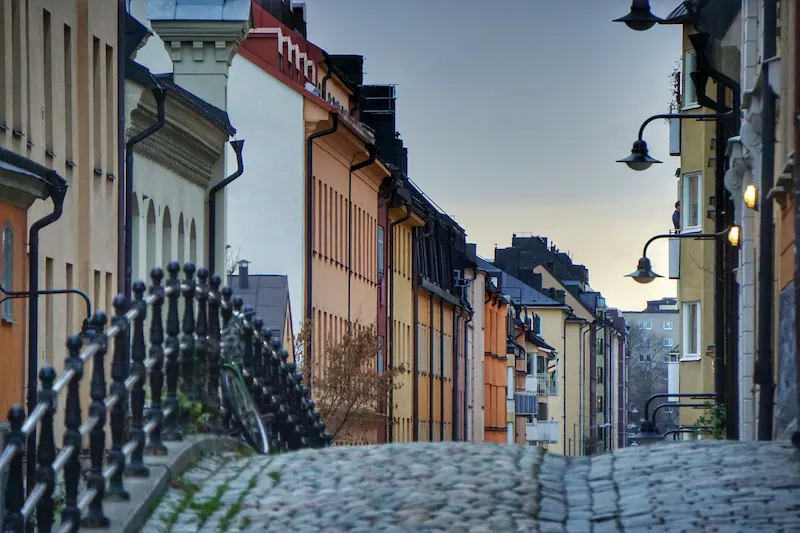
Walk Södermalm from viewpoint to café – Södermalm works best as a sequence: a view, a residential street, a design store, a bakery, then dinner or drinks. It gives Stockholm a less ceremonial texture than the royal and museum-heavy areas. (Best for: Views, cafés and neighborhood texture)
Explore Skeppsholmen and Kastellholmen for quiet water views – These central islands are valuable because they are calm without being remote. Use them between Gamla Stan, Djurgården and modern art when the day needs water, bridges and a softer pace. (Low-crowd payoff · Best for: Quiet walking and central views)
Browse Swedish design and interiors – Stockholm’s design culture is easiest to feel through shops, lighting, objects, books and interiors rather than one formal attraction. Keep the stop purposeful, then connect it with food, fika or a nearby museum. (Best for: Design, shopping and visual culture)
Use Djurgården as a park, not only an attraction island – Many visitors rush from museum to museum on Djurgården and miss why the island works. Build in a park walk, waterfront stretch or café pause so the area feels like a landscape, not just a ticketed cluster. (Best for: Green space, families and slower travel)
Walk through Vasastan for cafés and everyday Stockholm – Vasastan is useful when you want a less attraction-led hour: cafés, bakeries, residential streets and a calmer local rhythm. It is not a first-stop district, but it adds texture on a longer stay. (Best for: Fika, local streets and repeat visitors)
Plan a sauna, swim or cold-water ritual if the season fits – Stockholm’s water is not only scenery; it shapes local routines too. A sauna, swim, winter dip or waterfront bathing stop can be memorable if you choose a proper facility and match it to weather, comfort level and season. (Seasonal local ritual · Best for: Wellness, winter trips and local water culture)Find tours & experiences
Walk or cycle through the Royal National City Park – The Royal National City Park gives Stockholm a rare mix of urban nature, royal landscapes, museums and waterfront paths. It is useful when the trip needs fresh air without leaving the city for a full nature excursion. (Urban nature · Best for: Parks, walking, cycling and slower days)Find tours & experiences
Explore Stockholm Public Library and nearby Vasastan cafés – Stockholm Public Library adds a design and architecture angle that fits well with Vasastan’s calmer café rhythm. It is not a headline first-day attraction, but it is a strong local-feeling stop for longer stays and architecture-minded travelers. (Architecture add-on · Best for: Design, books, cafés and local neighborhoods)
Use winter walks, ice light and warm interiors deliberately – In winter, Stockholm becomes a different kind of activity city. Short walks, waterfront views, museums, fika, food halls and early evening photography often work better than forcing a summer-style outdoor schedule. (Winter-smart · Best for: Cold-season pacing and atmospheric travel)Find tours & experiences
Food-led experiences and fika stops
Stockholm’s food scene is best approached through contrast: classic market halls, seafood, bakeries, Nordic restaurants, neighborhood cafés and modern casual dining. Do not turn every meal into a reservation. The best food-led plan uses one or two deliberate anchors, then lets fika and lighter stops shape the day.
Eat lunch or browse at Östermalmshallen – Östermalmshallen is the most efficient food stop for travelers who want Swedish ingredients, seafood, cheeses and prepared dishes in one elegant space. It works best around lunch, when browsing can turn into an actual meal. (Food essential · Best for: A compact Swedish food introduction)Find tours & experiences
Make fika a real stop, not a grab-and-go – Fika is most satisfying when it breaks the day between activity clusters. Choose a bakery or café, sit down, and treat coffee with a cinnamon or cardamom bun as a small piece of Stockholm’s daily structure. (Best for: A local pause between bigger sights)
Try a guided food walk if you want context fast – A food tour can be useful in Stockholm because Swedish food traditions are not always obvious from menus alone. It is best for first-timers who want market halls, classic flavors and neighborhood movement packaged into one activity. (Best for: Food context without over-planning meals)Find tours & experiences
Use Södermalm for casual food, cafés and bars – Södermalm is better for relaxed food time than for a single headline dish. Combine a viewpoint walk with cafés, bakeries, casual restaurants or bars depending on the time of day. (Best for: Informal food stops and neighborhood rhythm)
Plan one seafood or Nordic dinner deliberately – Stockholm rewards one planned dinner more than a string of rushed restaurant choices. Book a place that fits your budget and style, then keep the rest of the day lighter so the meal has room to matter. (Book one well · Best for: A polished evening without over-scheduling)
Use food halls and bakeries as weather-proof connectors – Food halls, bakeries and cafés are useful not only for eating but for structuring the day when rain, cold or short daylight changes the plan. They keep the itinerary local without forcing another paid attraction. (Best for: Rainy days, winter trips and flexible pacing)
Use Hötorgshallen for a more everyday central food-hall stop – Hötorgshallen is less polished than Östermalmshallen and more practical for a central lunch or browsing stop around Norrmalm. It gives travelers another useful food-hall option beyond the city’s most premium market hall and works well on rainy days or shopping-led routes. (Central food hall · Best for: Lunch, browsing and practical food breaks)Find tours & experiences
Try classic Swedish dishes without over-formalizing every meal – Meatballs, herring, seafood, toast Skagen, gravlax, cardamom buns and seasonal produce are easier to enjoy when you plan a mix of market halls, cafés and one deliberate restaurant rather than chasing a single must-eat list. (Swedish classics · Best for: First-time food orientation)Find tours & experiences
Use bakeries as a route-planning tool – Stockholm’s bakeries are not just snack stops. A good bakery can reset the day between Gamla Stan and Södermalm, before a museum block on Djurgården or during a slower Vasastan morning. (Fika strategy · Best for: Cinnamon buns, cardamom buns and realistic pacing)
Consider one New Nordic or design-led restaurant evening – If food is a major reason for the trip, Stockholm deserves one more ambitious dinner. The strongest approach is to book one meal that fits the budget and keep the rest of the day relaxed, rather than stacking attractions until dinner feels like an afterthought. (Food-focused trip · Best for: Couples, food travelers and special evenings)
Best things to do in Stockholm for first-timers
A first visit should make Stockholm’s water, history and island structure obvious without turning the day into a race. Build around one flagship museum, one old-city walk, one water experience and one neighborhood or food pause.
Start with the Vasa Museum because it gives the fastest and most distinctive sense of Stockholm’s maritime identity.
Walk Gamla Stan early, focusing on Stortorget, the Royal Palace area and smaller lanes.
Take a short archipelago, canal or bridges cruise if weather and daylight cooperate.
Use Djurgården as a half-day cluster rather than a quick museum stop.
Add Monteliusvägen or another Södermalm viewpoint for a free skyline perspective.
Choose one food anchor: Östermalmshallen, a food tour, a fika stop or a planned Nordic dinner.
Keep metro art, Fotografiska and food halls as flexible options when weather changes.
Add Stockholm Cathedral or the Royal Armoury if you want a compact Old Town interior without committing to a full palace-heavy block.
Choose Nationalmuseum or Moderna Museet as your main art stop, depending on whether you want central classic/design culture or a calmer Skeppsholmen loop.
If visiting in winter, treat museums, fika and food halls as core planning tools rather than backup options.
Priority
BestChoice
Why
Essential
Vasa Museum + Gamla Stan + water view or boat ride
These explain Stockholm fastest without requiring deep local knowledge.
Strong add-on
Skansen, City Hall, Fotografiska or Östermalmshallen
Choose according to weather, family needs, cultural interest or food focus.
Only with more time
Drottningholm, Vaxholm, Birka, Uppsala or multiple extra museums
Worthwhile, but they dilute a short first trip if added too early.
Free things to do in Stockholm
Stockholm can be expensive, but some of its best experiences are walks, viewpoints, ferry-adjacent moments and island edges. Free activities work best when placed between paid museums rather than used as filler.
Walk Monteliusvägen for one of the city’s strongest skyline views.
Explore Gamla Stan’s smaller streets early before the main lanes crowd up.
Cross Skeppsholmen and Kastellholmen for quiet water, bridges and central views.
Use Djurgården’s park paths and waterfront edges between ticketed attractions.
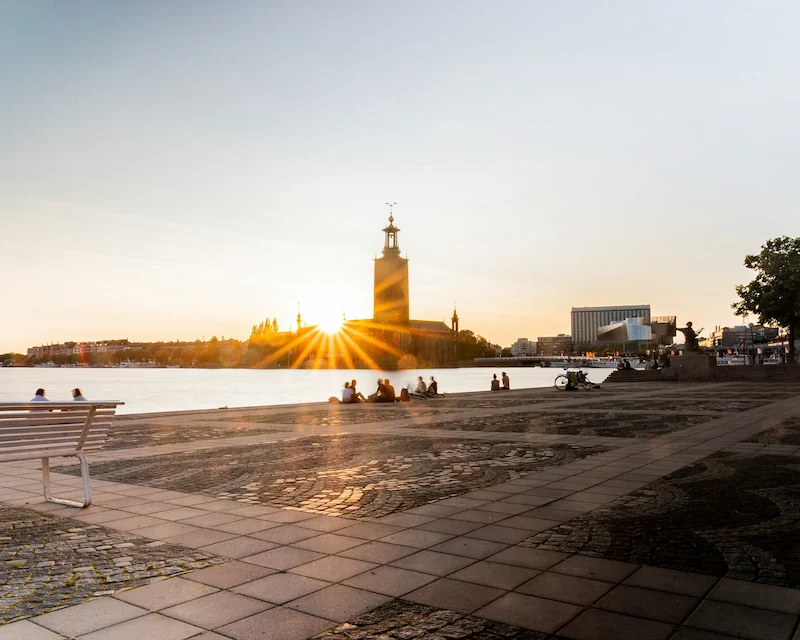
Walk around City Hall Park and the surrounding waterfront even if you skip the guided tour.
Browse Östermalmshallen, design shops and bookstores without turning every stop into a purchase.
Self-guide a small metro art route using a standard transit ticket if you are already using public transport.
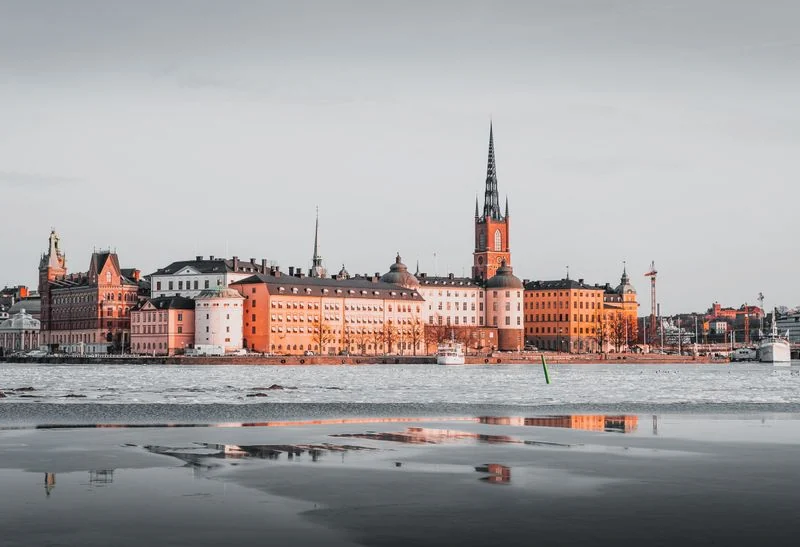
Look toward Riddarholmen and the Old Town from waterfront paths for classic city views.
Use the Royal Armoury or other free museum options when current admission policies allow, but always verify opening days before planning around them.
Walk Strandvägen toward Djurgården for a classic harbor approach without paying for transport.
Use Stockholm Public Library and nearby Vasastan streets as a low-cost architecture and café cluster.
Look for seasonal free moments such as outdoor markets, harbor light, winter viewpoints and park walks.
FreeOption
BestFor
BestTime
Monteliusvägen
Views and photos
Sunset or clear morning
Skeppsholmen and Kastellholmen
Quiet central walking
Late morning or after a museum
Gamla Stan lanes
Historic atmosphere
Early morning
Djurgården paths
Green space and families
Afternoon reset
City Hall waterfront
Architecture and water views
Morning or golden hour
Strandvägen walk
Harbor views and Djurgården approach
Late morning or golden hour
Stockholm Public Library
Architecture and Vasastan rhythm
Morning or rainy afternoon
Unique and unusual things to do in Stockholm
Stockholm’s most distinctive activities usually connect to water, preservation, design, public art or everyday Nordic routines. Choose unusual experiences that still reveal the city, rather than novelty stops that could be anywhere.
See the Vasa from several levels and focus on the engineering failure, not just the spectacle.
Explore Stockholm’s metro art as a weather-proof public art route.
Take a winter, shoulder-season or late-day boat ride for a quieter view of the waterways.
Pair Fotografiska with dinner or an evening waterfront walk instead of visiting it like a standard museum.
Use a public ferry for a local-feeling island crossing.
Add Vrak Museum if shipwrecks and Baltic Sea stories interest you.
Visit Artipelag for art, architecture and archipelago landscape in one excursion.
Look at Swedish design through shops, lighting, books and interiors rather than a single formal museum.
Plan a sauna, swim or cold-water experience if you want a local water ritual rather than another museum.
Use Stockholm Public Library for a quieter architecture stop beyond the usual museum list.
Visit Millesgården for sculpture terraces and views outside the central circuit.
Consider Tyresta National Park when you want true forest and lake scenery rather than city parks.
UnusualIdea
BestFor
TimeNeeded
Metro art route
Public art and rainy days
45 minutes–2 hours
Vrak Museum
Maritime archaeology
1–1.5 hours
Artipelag
Art and landscape
Half day
Public ferry crossing
Local water movement
20–60 minutes
Sauna or cold-water swim
Local water culture
1–3 hours
Millesgården
Sculpture and views
2–3 hours
Tyresta National Park
Forest, lakes and hiking
Half day to full day
Things to do in Stockholm at night
Stockholm evenings are more about atmosphere, food, photography and waterfront light than late-night sightseeing. In winter, darkness comes early; in summer, the long evening glow changes what counts as night.
Visit Fotografiska in the evening, especially when exhibitions or dining fit your schedule.
Walk Södermalm viewpoints at dusk, then move toward dinner or bars nearby.
Book one Nordic, seafood or design-led dinner rather than improvising every night.
Take an evening cruise or late boat ride in summer when departures and daylight allow.
Use Gamla Stan after dark for a shorter atmospheric walk, not a full activity block.
Consider ABBA The Museum or a concert venue if pop culture or music fits the trip.
Use winter evenings for fika, restaurants, museums with late hours and low-light photography.
Use a concert, opera, theatre or seasonal event if you want a more planned evening than bars alone.
Walk Strandvägen, Skeppsholmen or the City Hall waterfront in long summer light.
In winter, prioritize warm interiors, early dinners, fika, museum late openings where available and low-light photography rather than late outdoor wandering.
NightIdea
BestFor
PracticalNote
Fotografiska
Culture after daytime sightseeing
Check exhibition hours and dining options.
Södermalm viewpoint + dinner
Low-cost evening structure
Best around sunset or early evening.
Summer boat ride
Long-light evenings
Book if departure times are limited.
Gamla Stan short walk
Atmosphere without a big plan
Keep it short and avoid relying on it as the only evening activity.
Things to do in Stockholm with kids
Stockholm is strong for families because many activities combine movement, space and clear stories. The best family days avoid too many formal interiors and use Djurgården as the main activity base.
Choose the Vasa Museum for a dramatic, easy-to-grasp story that works across ages.
Spend several hours at Skansen if children need outdoor space, animals and variety.
Add Junibacken for younger children and Swedish storybook culture.
Use Gröna Lund as a seasonal treat rather than an automatic essential.
Take a short boat ride instead of a long excursion if attention spans are limited.
Use Djurgården paths and cafés as pressure valves between ticketed stops.
Consider ABBA The Museum for music-loving families or teens.
Keep fika as a family reset between museums and walking.
Use the Royal Armoury as a shorter royal-history stop if a full palace visit feels too formal.
Add the Swedish Museum of Natural History or Tom Tits Experiment only if the trip has enough days and the family wants a science-focused break.
Choose the amphibious bus or hop-on boat only if children need novelty and simple logistics more than a deeper cultural experience.
Activity
AgeFit
WeatherFit
Vasa Museum
Older children and teens
Excellent rainy-day option
Skansen
Broad family fit
Best in dry weather
Junibacken
Younger children
Good indoor option
Gröna Lund
Children, teens and amusement-park fans
Best in season and dry weather
Short boat ride
All ages if not too long
Best in mild weather
Things to do in Stockholm when it rains
Rain does not weaken Stockholm as much as it changes the order of the day. Move museums, food halls, metro art and indoor culture forward, then keep viewpoints and island walks flexible for clearer windows.
Make the Vasa Museum the anchor if you have not seen it yet.
Use Fotografiska for a longer indoor stop with food or evening potential.
Browse Östermalmshallen around lunch rather than rushing through wet streets.
Visit Moderna Museet or Nationalmuseum depending on your art preference.
Add the Nordic Museum if you want cultural context while staying on Djurgården.
Explore Stockholm’s metro art as a dry, flexible visual route.
Use Hallwyl Museum, ABBA The Museum or the Nobel Prize Museum for compact indoor alternatives.
Keep cafés and fika stops as planned pauses, not just emergency shelter.
Use the Royal Armoury, Stockholm Cathedral or the Nobel Prize Museum as compact Gamla Stan rain options.
Add Hötorgshallen as a practical central food hall when Östermalmshallen is not convenient.
Consider the Swedish History Museum if you want Viking and medieval context.
Use longer fika breaks deliberately so the day still feels local rather than improvised around bad weather.
RainyOption
BestFor
TimeNeeded
Vasa Museum
First-time essential
1.5–2 hours
Fotografiska
Photography and evening flexibility
1.5–2.5 hours
Metro art
Unusual public art
45 minutes–2 hours
Östermalmshallen
Food-led break
45 minutes–1.5 hours
Moderna Museet
Art plus quiet island setting
1.5–2 hours
Nationalmuseum
Art and design
1.5–2.5 hours
Royal Armoury
Compact royal history
45 minutes–1.5 hours
Hötorgshallen
Central food break
45 minutes–1.5 hours
Things to do in Stockholm by area
Gamla Stan
Best for first orientation, royal history and compact historic walking. Keep the visit focused so the Old Town stays atmospheric rather than overworked.
Walk Stortorget and the smaller lanes early
Visit or view the Royal Palace
Add Stockholm Cathedral if nearby
Use the Nobel Prize Museum for a compact cultural stop
Join a guided walk if you want sharper historical context
Move on before the area becomes your whole day
Use the Royal Armoury for a compact royal-history stop
Add Stockholm Cathedral for ceremony, architecture and old-town context
Keep the Medieval Museum or Stockholm City Museum in mind when history depth matters
Djurgården
The strongest activity zone for museums, families and open-air time. It works best as a half-day cluster, not a quick in-and-out stop.
Prioritize the Vasa Museum
Choose Skansen for open-air culture and families
Add the Nordic Museum, Vrak Museum or Viking Museum selectively
Use Junibacken or Gröna Lund for children depending on age and season
Consider ABBA The Museum for music fans
Protect time for park paths and waterfront walking
Add Liljevalchs or Prins Eugens Waldemarsudde if art and setting matter
Use waterfront paths and the Royal National City Park to break up museum-heavy days
Södermalm
Best for viewpoints, cafés, casual food, bars and a less formal feel of Stockholm. It is the area to use when you want free time that still feels purposeful.
Walk Monteliusvägen for skyline views
Visit Fotografiska on the waterfront
Use cafés, bakeries and bars as flexible anchors
Browse independent shops and design-led streets
Connect viewpoints with dinner or an evening drink
Use the area as a local-feeling counterpoint to Gamla Stan
Use SoFo and Mariatorget for cafés, design shops and bars
Add Stockholm City Museum around Slussen if you want urban history
Norrmalm and City Centre
Best for practical connectors, shopping, transit, culture and rainy-day flexibility. It is less atmospheric than the islands, but useful when time or weather is tight.
Use the area for design shops and department stores
Add Kulturhuset or nearby cultural venues if relevant
Connect easily to museums, ferries and food stops
Use metro art stations as a flexible indoor route
Make it a functional base between stronger activity zones
Add Nationalmuseum from the waterfront edge
Use Hötorgshallen for a practical central lunch
Look at Stockholm Public Library if extending north into Vasastan
Östermalm
Best for food halls, polished streets, design browsing and a calmer upscale rhythm. Use it as a lunch and shopping cluster rather than a full sightseeing district.
Eat or browse at Östermalmshallen
Look for Swedish design and interiors
Add Hallwyl Museum nearby for historic interiors
Walk toward waterfront edges and nearby museums
Use the area for a more refined fika or meal stop
Walk Strandvägen toward Djurgården
Use the Swedish History Museum for Viking and medieval context
Consider Army Museum or refined cultural stops if the weather turns
Skeppsholmen and Kastellholmen
Best for quiet central walking, modern art and water views. These islands are valuable precisely because they do not feel overloaded.
Visit Moderna Museet
Walk the waterfront loop for views across the city
Use the bridges as scenic transitions
Add the area between busier Gamla Stan and Djurgården blocks
Keep it as a calm reset on culture-heavy days
Add ArkDes if architecture and design interest you
Use the island as a bridge between Nationalmuseum and Djurgården
Kungsholmen
Best for City Hall and waterside walking. It is not the first area to explore deeply, but it gives strong architectural and civic context.
Take a guided City Hall tour if available
Walk the waterfront around City Hall
Use the area as a calmer counterpoint to the Old Town
Add tower or viewpoint elements when open
Connect it with a central food or museum block
Walk Norr Mälarstrand if you want longer water time
Use the area for sunset views back toward the old city
Greater Stockholm and the archipelago edge
Best for travelers with three days or more who want to go beyond the central islands. This is where Stockholm starts to feel less like a city break and more like a water-based region.
Visit Drottningholm for royal architecture and gardens
Choose Vaxholm for an accessible archipelago town feel
Use Artipelag for art, architecture and nature
Consider Millesgården for sculpture and views
Save Birka or Uppsala for longer stays or specific interests
Add Tyresta National Park for forest and lake scenery
Use Millesgården for sculpture, terraces and views
Consider Fjäderholmarna for a short seasonal island feel close to the city
How to prioritize Stockholm by trip length
Stockholm rewards clear trade-offs. A short visit should focus on Vasa, Gamla Stan, water and one viewpoint; longer stays can add deeper museums, food, design and an excursion without weakening the core.
Profile
Prioritize
Skip
Structure
Half day
Vasa Museum or Gamla Stan, then one waterfront or viewpoint walk.
Archipelago cruises, multiple museums, Djurgården stacking and distant excursions.
Choose one headline experience and one short outdoor contrast.
1 day
Vasa Museum, Gamla Stan, a Södermalm viewpoint and one food or fika stop.
Full palace visits, long boat trips and more than one major museum.
Build one island-to-island line rather than crossing the city repeatedly.
2 days
Djurgården, Gamla Stan, City Hall or Fotografiska, Södermalm and a short cruise.
Museum stacking and excursions that consume the better part of a day.
Use day one for essentials and day two for water, culture and local texture.
3 days
Add Skansen, Östermalmshallen, metro art, Skeppsholmen and a longer water experience.
Trying to cover every museum on Djurgården.
Give each day a different anchor: maritime, cultural, neighborhood or food-led.
4 days or more
Include Vaxholm, Drottningholm, Sigtuna, Uppsala, Artipelag or Birka depending on interest.
Adding central attractions only because they are nearby.
Protect one excursion day and keep one flexible weather-adjustment block.
Family trip
Vasa Museum, Skansen, Junibacken, short boat rides, parks and fika breaks.
Too many formal museums in one day or long excursions with little flexibility.
Use Djurgården as the main base and alternate indoor stories with outdoor space.
Winter visit
Vasa Museum, Fotografiska, Nationalmuseum, metro art, fika, food halls, Gamla Stan after dark and short waterfront walks.
Long outdoor sequences planned as if daylight and weather were summer-like.
Build days around warm interiors, short scenic walks and one strong evening food or culture anchor.
Food-focused trip
Östermalmshallen, Hötorgshallen, fika, bakeries, one food tour and one deliberate Nordic or seafood dinner.
Turning every meal into a reservation or leaving food to whatever is nearest after museums.
Use food as connectors between activity zones, with one planned meal carrying the evening.
History-focused trip
Vasa Museum, Gamla Stan, Royal Armoury, Stockholm Cathedral, City Hall, Swedish History Museum and Drottningholm.
Adding every palace or museum without a clear historical theme.
Move from maritime and medieval Stockholm to royal, civic and national history over several days.
Best day trips and excursions from Stockholm
Day trips make sense once you have covered the city’s core island logic. Choose one based on whether you want water, royal history, an older Swedish town, art in nature or a fuller cultural day.
Excursion
Best for
Time needed
First trip?
Transport
Book ahead
Stockholm Archipelago cruise or island stop
Water, scenery and the city’s wider maritime identity
2 hours to full day
Yes, if weather and timing work
Sightseeing boat, ferry or packaged cruise
Book ahead in summer and for fixed departures. Check options
Vaxholm
Accessible archipelago town atmosphere
Half day to full day
Good with 3 days or more
Boat, bus or combined transport depending on season
Recommended for boat departures in peak season. Check options
Drottningholm Palace
Royal architecture, gardens and a more complete palace experience
Half day
Good with 3 days or more
Public transport, car or seasonal boat routes
Recommended for guided access and seasonal planning. Check options
Sigtuna
Older Swedish town atmosphere and a softer day outside the capital
Half to full day
Better after the city essentials
Train and bus, car or organized day trip
Usually not essential unless using a tour. Check options
Artipelag
Art, architecture and archipelago landscape without a full island day
Half day
Best for culture-first or repeat visitors
Bus, car, taxi or seasonal boat options when available
Check exhibitions and transport timing.
Uppsala
University city, cathedral, history and a different urban scale
Half to full day
Good with 4 days or more
Train from Stockholm
No, unless booking a specific guided tour. Check options
Millesgården
Sculpture, gardens, terraces and views from Lidingö
2–3 hours or half day
Best with 3 days or more if art interests you
Public transport, taxi or organized arrangements
Check exhibitions, opening days and seasonal garden appeal. Check options
Tyresta National Park
Forest, lakes, hiking and a nature reset beyond city parks
Half day to full day
Best with 4 days or more, or for nature-focused travelers
Public transport plus bus, car or guided nature trip
Not usually for independent visits, but check daylight and trail conditions. Check options
Fjäderholmarna
A short seasonal island taste close to Stockholm
2–4 hours
Good if you want quick island atmosphere without a long archipelago plan
Seasonal boat
Recommended in summer or for preferred boat times. Check options
Birka
Viking history and a more specialized full-day excursion
Full day
Only if Viking history is a priority or the stay is long enough
Seasonal boat or organized excursion
Yes, because access and departures are seasonal and structured. Check options
Smart activity combinations that work well together
These are not full itineraries. They are practical pairings that reduce backtracking and create a better rhythm between indoor culture, water, food and walking.
Vasa Museum + Skansen + Djurgården walk – This is the strongest Djurgården cluster for travelers who want one major museum and one open-air experience. Start with Vasa while attention is high, then let Skansen and the island paths slow the pace.
Gamla Stan + Nobel Prize Museum + Monteliusvägen – This combination keeps the historic core compact, adds one focused indoor stop and then finishes with a free skyline view from Södermalm. It works especially well early in the day or late afternoon.
City Hall + waterfront walk + Östermalmshallen – Use City Hall as the structured architectural anchor, then connect the day with water and food rather than another formal attraction. It is a good option for travelers who want central Stockholm without overloading museums.
Fotografiska + Södermalm viewpoints + dinner – This is one of the easiest evening structures in Stockholm. The photography stop gives the evening a clear focus, while Södermalm adds views, cafés, bars or dinner without needing a complicated plan.
Skeppsholmen + Moderna Museet + ferry or bridge crossing – This pairing is ideal when you want cultural time that still feels calm and spatial. The island setting keeps the experience from becoming just another indoor museum block.
Metro art + fika + rainy-day museum – This combination works when weather disrupts an outdoor plan. Use metro art as movement, fika as a pause and one museum as the main anchor rather than forcing a full indoor checklist.
Nationalmuseum + Skeppsholmen + Moderna Museet – This is a strong art-and-water sequence when you want culture without losing Stockholm’s spatial feel. Start with the central waterfront, cross to Skeppsholmen and let the island walk soften the museum time.
Gamla Stan + Stockholm Cathedral + Royal Armoury – Use this compact cluster when you want the Old Town to feel historically grounded rather than only scenic. It works well in rain, winter or on a first morning before moving toward the water.
Östermalmshallen + Strandvägen + Djurgården – This combination turns lunch, harbor walking and museum access into one coherent line. It is ideal when you want a polished central rhythm without backtracking.
Hötorgshallen + metro art + Nationalmuseum – A practical rainy-day structure in and around the center: food hall, public art movement and one major museum. It keeps the day varied without forcing a long outdoor plan.
Vaxholm or Fjäderholmarna + simple waterfront dinner – Use this when the day is about water and island atmosphere. Keep the evening easy rather than adding another formal attraction after boat logistics.
Vasastan cafés + Stockholm Public Library + local dinner – This works for longer stays and repeat visitors who want Stockholm beyond the old town and museum island. It is not a first-day essential, but it adds neighborhood credibility.
What to book ahead in Stockholm
Stockholm is less stressful than many European capitals, but timing still matters for major museums, boat departures, guided interiors, seasonal attractions and special meals. Reserve the experiences where access, weather windows or departure times could shape the day.
Not always for independent travel, but plan transport, daylight, weather and trail conditions carefully.
Best on a dry day with enough daylight; avoid treating it as a quick filler.
Worth it if you want transport and route planning handled.
Stockholm things to do FAQ
Use these answers to make faster decisions about what deserves time, what to book, what to skip and how to shape a first visit across museums, water, food, neighborhoods, family needs, weather and seasons.
What are the best things to do in Stockholm for a first visit?
Prioritize the Vasa Museum, Gamla Stan, an archipelago or waterways cruise, a Södermalm viewpoint and one food-led stop such as Östermalmshallen or fika. Add Skansen, City Hall, Fotografiska or metro art depending on weather and interests.
Is the Vasa Museum worth it?
Yes. It is the clearest high-payoff attraction in Stockholm because the preserved ship is unique, dramatic and easy to understand without specialist knowledge. Give it at least 90 minutes rather than treating it as a quick stop.
How many days do you need for Stockholm activities?
Two full days are enough for the core sights, but three days are much better if you want a boat trip, Djurgården, food halls and a slower neighborhood rhythm. Four days or more allow Vaxholm, Drottningholm, Uppsala, Sigtuna, Artipelag or Birka.
What should you book ahead in Stockholm?
Book archipelago cruises, City Hall guided tours, food tours, popular exhibitions, ABBA The Museum, special restaurants and Drottningholm plans ahead. Vasa Museum tickets are also worth arranging in busy periods.
What are the best free things to do in Stockholm?
Walk Monteliusvägen, explore Gamla Stan early, cross Skeppsholmen and Kastellholmen, use Djurgården’s park paths and enjoy waterfront viewpoints around City Hall and Riddarholmen. Metro art can also be a low-cost add-on if you are already using public transport.
What are the best things to do in Stockholm at night?
Fotografiska, Södermalm viewpoints, a planned dinner, summer evening boat rides and short atmospheric walks through Gamla Stan are the strongest options. Stockholm evenings work best when built around food, views, culture and seasonal light.
What can you do in Stockholm with kids?
The Vasa Museum, Skansen, Junibacken, Gröna Lund, short boat rides and fika stops are the most reliable family choices. Keep days clustered around Djurgården and avoid stacking too many formal museums in a row.
What should you do in Stockholm when it rains?
Move the Vasa Museum, Fotografiska, Nationalmuseum, Moderna Museet, metro art, the Nordic Museum and Östermalmshallen forward in the plan. Save viewpoints, Djurgården walks and archipelago time for clearer weather windows.
Is Stockholm’s archipelago worth visiting?
Yes, if you have enough time and the weather is reasonable. A short cruise works even on a first visit, while Vaxholm, Artipelag, Birka or a longer island trip fit better once you have covered the central city.
What are the most unique things to do in Stockholm?
The most distinctive options are the Vasa Museum, metro art, an archipelago boat trip, Fotografiska at night, public ferries, Vrak Museum and design-led browsing. These experiences feel specific to Stockholm rather than interchangeable with other European capitals.
What should you not miss in Stockholm?
Do not miss the Vasa Museum, Gamla Stan, a water-based experience, a Södermalm or waterfront viewpoint and at least one food or fika stop. If you have more time, add City Hall, Skansen, Nationalmuseum, Fotografiska, Östermalmshallen or a half-day archipelago experience.
Is Stockholm good for a weekend trip?
Yes. A weekend works well if you keep the plan tight: Vasa Museum and Djurgården, Gamla Stan, a viewpoint, one food hall or fika stop and a short boat ride if weather and timing fit. Avoid long day trips unless you have a third day.
What is the best area for things to do in Stockholm?
Djurgården is the strongest attraction cluster, Gamla Stan is best for history and first orientation, Södermalm is best for viewpoints and evenings, Östermalm is best for food halls and refined streets, and Norrmalm is the most practical connector for shopping, transit, museums and rainy-day flexibility.
Is Gamla Stan worth visiting?
Yes, but timing matters. Gamla Stan is best early in the morning, later in the evening or with a focused route around Stortorget, the Royal Palace, Stockholm Cathedral, the Royal Armoury and smaller lanes. It is weaker if you only experience the busiest souvenir streets at peak hours.
Which Stockholm museums are most worth it?
The Vasa Museum is the top priority for most visitors. After that, choose based on interest: Skansen for open-air culture and families, Fotografiska for photography and evenings, Nationalmuseum for art and design, Moderna Museet for modern art, the Nordic Museum for Swedish cultural history, and the Royal Armoury for compact royal context.
Should you visit Skansen or the Vasa Museum?
Choose the Vasa Museum first if time is limited because it is more unique and compact. Choose Skansen if you are traveling with children, want outdoor cultural time or need a slower half-day. With enough time, they pair well because both are on Djurgården but offer very different energy.
Should you visit Nationalmuseum or Moderna Museet?
Choose Nationalmuseum for a central, classic art-and-design visit close to the harbor and Östermalm. Choose Moderna Museet for modern and contemporary art in a calmer Skeppsholmen setting. Do not rush both unless the trip is strongly art-focused.
Are Stockholm boat tours worth it?
Yes, because boats explain the city’s island structure better than another street walk. A short canal, bridge or inner-archipelago cruise is enough for a first visit; longer archipelago trips are better when you have three days or more.
What is the best archipelago trip from Stockholm?
For a first taste, choose a short archipelago cruise or Fjäderholmarna in season. For a more complete but still accessible island-town feel, choose Vaxholm. For history, choose Birka if seasonal access works. For art and landscape, choose Artipelag.
Is Drottningholm Palace worth it?
Drottningholm is worth it if you have at least three days, enjoy royal history or want gardens and a broader palace setting. On a short first visit, the central Royal Palace area and Gamla Stan are more efficient.
What are the best viewpoints in Stockholm?
Monteliusvägen is the easiest high-payoff viewpoint. Skinnarviksberget is another strong Södermalm option if you want a more open hilltop feel. City Hall waterfront, Skeppsholmen bridges, Strandvägen and Djurgården edges also give excellent water-level views.
What are the best food experiences in Stockholm?
The best food-led experiences are Östermalmshallen, Hötorgshallen, a proper fika stop, bakeries, a guided food walk, casual Södermalm food and one deliberate Nordic, seafood or design-led dinner. Do not rely only on restaurants near the main tourist lanes in Gamla Stan.
Where should you go for fika in Stockholm?
Fika works best in Södermalm, Vasastan, Östermalm or central bakery areas when used as a real pause between activities. The exact café matters less than the timing: sit down between museum or walking blocks instead of treating it as a takeaway coffee.
What are the best things to do in Stockholm in winter?
In winter, prioritize the Vasa Museum, Fotografiska, Nationalmuseum, metro art, Gamla Stan after dark, fika, food halls, shorter waterfront walks and atmospheric low-light photography. Add sauna, skating or winter nature experiences only when conditions and comfort level make sense.
What are the best outdoor things to do in Stockholm?
The best outdoor activities are walking Gamla Stan early, Monteliusvägen, Skeppsholmen and Kastellholmen, Djurgården paths, Strandvägen, City Hall waterfront, public ferries, archipelago cruises and Royal National City Park walks. In warm months, island trips and swimming spots become more important.
Can you do Stockholm without paid attractions?
You can enjoy Stockholm with mostly free or low-cost activities by focusing on Gamla Stan walks, viewpoints, waterfront paths, Skeppsholmen, Djurgården, Strandvägen, public ferries and food-hall browsing. However, at least one paid anchor such as the Vasa Museum usually makes a first visit much stronger.
Is the Stockholm Pass worth it?
A Stockholm attraction pass can be worth it if you plan several paid museums, boat tours and attractions in a short period. It is less useful if your trip is built around walking, fika, food halls, one or two museums and flexible weather planning. Compare the exact attractions you will realistically visit before buying.
What are the best things to do near Stockholm Central Station?
Near Stockholm Central, use City Hall, the waterfront, Norrmalm shopping streets, Hötorgshallen, metro art stations, Kulturhuset and routes toward Gamla Stan or Nationalmuseum. It is a practical area for short time windows, bad weather and arrival or departure days.
What should you do in Stockholm if you only have one day?
With one day, choose Vasa Museum, a short Djurgården or waterfront walk, Gamla Stan, Monteliusvägen and one fika or food stop. Add a short boat ride only if timing is clean. Do not spend the day crossing back and forth between scattered museums.
What is overrated in Stockholm?
Nothing major is universally overrated, but several experiences become weaker when planned badly: Gamla Stan at peak crowd time, too many Djurgården museums in one day, long archipelago trips on poor-weather short stays, and palace interiors stacked without enough outdoor or food breaks.
What should repeat visitors do in Stockholm?
Repeat visitors should go deeper into Södermalm, Vasastan, Skeppsholmen, Millesgården, Artipelag, Vaxholm, Tyresta, food halls, bakeries, metro art, sauna or swim culture and smaller museums rather than repeating only Vasa, Gamla Stan and the Royal Palace.
The best Stockholm trip is selective: one strong museum, one water experience, one historic walk, one food or fika rhythm and enough space to feel the islands between them.
Find the best places to stay, how to get there, and move around with ease.
Build a smarter trip base
Turn the right experiences into the right itinerary
Once you know what you want to do in Stockholm, the next step is turning those ideas into a trip that actually works day by day. Use the planner to organize the right mix of highlights, neighborhoods, and pace into a route that feels coherent, not crowded.