Discover the best things to do in Banff, from iconic lakes, canyon walks and high viewpoints to local experiences, short hikes, winter activities, scenic drives, food-led pauses and smarter day trips. The strongest Banff trips are not built by chasing every turquoise lake; they are shaped by choosing the right access plan, trail difficulty, weather window, shuttle slot and recovery time for the season you are actually visiting.
Best time
June to September for turquoise lakes, shuttles, alpine trails and longer daylight; late September for larches; December to March for skiing, skating, snowshoeing, hot springs and winter scenery; May and November are quieter but more weather-variable.
Ideal trip length
2 days covers Banff town, one lake corridor and one major viewpoint or canyon walk; 3 to 4 days gives you room for Lake Louise, Moraine Lake, Johnston Canyon, Lake Minnewanka, a short hike and a slower mountain rhythm; 5+ days allows Icefields Parkway, Yoho or Kananaskis without rushing.
Continue planning your Banff trip
Use the main Banff guide for the broader trip structure, then move into itineraries and stay-planning pages once you know which lakes, hikes, winter activities, day trips and neighborhoods matter most.
Top things to do in Banff first
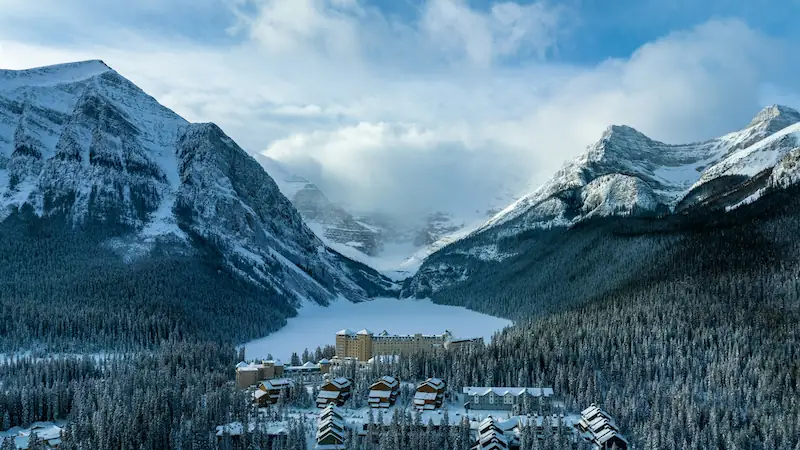
See Lake Louise without rushing the lakeshore – Area: Lake Louise · Best for: The classic Banff lake experience · Time needed: 2 to 4 hours · Worth it: Essential, but best early or late when the shore is quieter. · Book ahead: Yes for shuttle access in peak season.
Visit Moraine Lake with a planned shuttle slot – Area: Moraine Lake Road · Best for: High-impact mountain scenery · Time needed: 2 to 3 hours · Worth it: One of the highest-payoff experiences in the Rockies. · Book ahead: Yes, private vehicle access is restricted for most visitors.
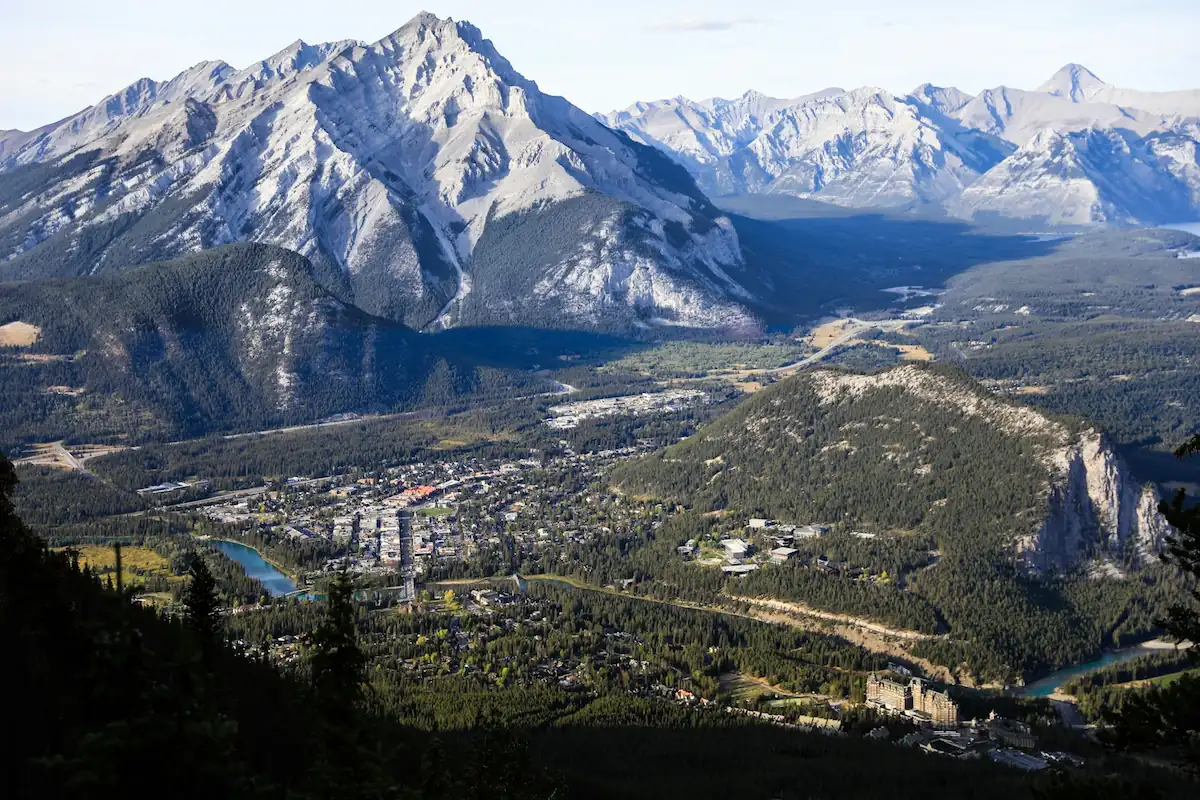
Ride the Banff Gondola to Sulphur Mountain – Area: Sulphur Mountain · Best for: Big views without a major hike · Time needed: 2 to 3 hours · Worth it: Worth it in clear weather; less compelling in heavy cloud. · Book ahead: Recommended, especially around sunset and holidays.
Walk Johnston Canyon to the Lower or Upper Falls – Area: Bow Valley Parkway · Best for: A structured canyon walk · Time needed: 1.5 to 3 hours · Worth it: Very worthwhile, especially for mixed hiking abilities. · Book ahead: No for the walk itself; tours help without a car.
Soak at Banff Upper Hot Springs – Area: Sulphur Mountain · Best for: Low-effort mountain recovery · Time needed: 1 to 2 hours · Worth it: Best as a pause, not as the main event. · Book ahead: Usually not essential, but check busy periods.
Explore Cave and Basin National Historic Site – Area: Banff town edge · Best for: Context, weather backup and history · Time needed: 1 to 1.5 hours · Worth it: A smart indoor-outdoor stop that explains why Banff became protected. · Book ahead: Usually no.
Walk the Bow River and Bow Falls loop – Area: Banff town · Best for: Free scenery close to town · Time needed: 1 to 2 hours · Worth it: High value if you want beauty without logistics. · Book ahead: No.
Drive or cycle part of the Bow Valley Parkway – Area: Between Banff and Lake Louise · Best for: Slower wildlife-aware scenery · Time needed: 2 hours to half day · Worth it: Excellent when treated as a slow corridor, not a shortcut. · Book ahead: No, but check seasonal closures and cycling windows.
Take a Lake Minnewanka cruise or shoreline walk – Area: Lake Minnewanka · Best for: Lake scenery near Banff town · Time needed: 1.5 to 3 hours · Worth it: A strong alternative when Lake Louise plans are too tight. · Book ahead: Recommended for cruises in summer.
Eat and drink around Banff Avenue with intention – Area: Banff town · Best for: Evening energy and mountain-town dining · Time needed: 1.5 to 3 hours · Worth it: Worth doing selectively; book better restaurants rather than drifting. · Book ahead: Yes for popular dinner spots.
Hike Tunnel Mountain for a real view close to town – Area: Banff townsite · Best for: Short hike with low logistics · Time needed: 1.5 to 2.5 hours · Worth it: One of the best effort-to-reward hikes in Banff. · Book ahead: No.
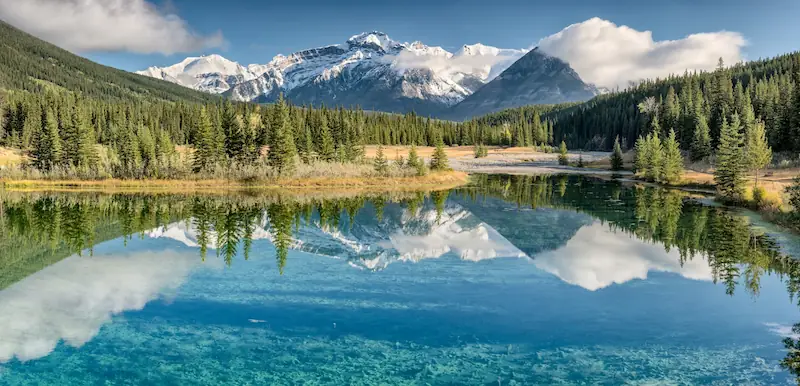
Use Vermilion Lakes for sunset instead of another paid attraction – Area: West of Banff town · Best for: Photography, calm evenings and Mount Rundle views · Time needed: 30 to 90 minutes · Worth it: Very high value when the light is good. · Book ahead: No.
Build an Icefields Parkway day around Peyto Lake and Bow Lake – Area: North of Lake Louise · Best for: Big-road scenery and glacier-fed viewpoints · Time needed: Long full day · Worth it: Excellent with 3+ days, but too much for a rushed first day. · Book ahead: No for viewpoints; yes for glacier experiences.
Add a winter activity instead of treating Banff as a summer-only destination – Area: Banff, Lake Louise, Sunshine, Norquay · Best for: Skiing, skating, snowshoeing and frozen scenery · Time needed: Half day to full day · Worth it: Essential for winter trips; choose based on conditions and skill. · Book ahead: Yes for ski lessons, rentals, tours and some seasonal experiences.
Choose one proper hike if scenery matters more than sightseeing volume – Area: Lake Louise, Moraine Lake, Banff town · Best for: Active travelers and repeat visitors · Time needed: 2 hours to full day · Worth it: Worth it, but only with current trail and weather checks. · Book ahead: No for most trails; guided hikes can help in shoulder season or winter.
Look for wildlife responsibly rather than stopping anywhere – Area: Bow Valley, Lake Minnewanka, park roads · Best for: Wildlife-aware scenery and guided interpretation · Time needed: 1.5 hours to half day · Worth it: Worth doing with restraint; distance and safety matter more than photos. · Book ahead: Guided wildlife tours should be booked ahead.
How to choose what is actually worth doing in Banff
Banff rewards clarity. The mistake is to stack every lake, canyon, gondola, ski slope and viewpoint into one compressed checklist, then spend the best hours in traffic, queues or shuttle anxiety. A better approach is to anchor each day around one major landscape experience, then add a short walk, indoor pause, food stop, viewpoint, hot springs session or seasonal activity around it.
Treat Lake Louise and Moraine Lake as logistics-led experiences: they are magnificent, but only if access, timing and transport are planned.
Use Banff town for recovery, food, museums, easy Bow River walks and short hikes rather than as a place to over-schedule.
Choose the Banff Gondola for clear-weather payoff; in low cloud, shift your time toward Cave and Basin, hot springs, Johnston Canyon, museums or lower-elevation walks.
Add one hike only when it improves the day: Tunnel Mountain, Lake Agnes, Plain of Six Glaciers, Larch Valley or Sunshine Meadows all serve different travelers.
Do not underestimate short activities: Bow Falls, Surprise Corner, Cascade Gardens, Vermilion Lakes and Lake Minnewanka can rescue a half day without heavy planning.
Use winter as a different Banff, not a compromised Banff: skiing, skating, snowshoeing, frozen canyon walks and hot springs can be the core of the trip.
Book the activities where capacity is limited, but leave space for weather-driven decisions and road or trail condition changes.
For a first trip, prioritize one lake corridor, one canyon or mountain walk, one viewpoint, one town-based experience and one slower local evening.
Iconic Banff experiences that justify the effort
Banff’s most famous sights are famous for a reason, but the experience depends heavily on timing and access. The right choices here are less about collecting views and more about matching the view to the hour, season and crowd level. These are the top attractions in Banff that deserve first consideration.
See Lake Louise as more than a photo stop – Lake Louise is the classic Banff image, but the lakeshore is only the beginning. Walk beyond the hotel frontage, give yourself time to reach quieter edges, and consider the Lake Agnes Tea House trail if conditions and fitness allow. It is one of Banff’s must-see places, but it rewards patience more than speed. (First-time essential · Best for: First trips, lake scenery, short walks)Find tours & experiences
Plan Moraine Lake properly rather than treating it as spontaneous – Moraine Lake is one of the highest-impact things to do near Banff, but access rules mean it needs planning. The Rockpile viewpoint gives the signature perspective quickly, while longer time lets you walk the lakeshore and let the basin feel less like a crowd-control exercise. It is worth the planning if mountain drama is your priority. (High payoff · Best for: Big scenery, photography, first-time visitors)Find tours & experiences
Ride the Banff Gondola when visibility is doing the work – The Banff Gondola gives quick access to Sulphur Mountain’s boardwalk and a broad view over the Bow Valley. It is not the most intimate mountain experience, but it is one of the easiest ways to understand Banff’s setting without a demanding hike. Choose it on a clear day, ideally when the light is lower. (Worth it · Best for: Views, short stays, non-hikers)Find tours & experiences
Walk Johnston Canyon before the day becomes too busy – Johnston Canyon is a rare Banff activity that works for many travelers: scenic, structured and not overly technical. The Lower Falls are enough for a lighter visit; the Upper Falls make the walk feel more complete. Go early if you want the canyon to feel like a place rather than a procession. (High payoff · Best for: Easy hiking, families, canyon scenery)Find tours & experiences
Use Bow Falls and Surprise Corner as low-friction Banff classics – Bow Falls and Surprise Corner are not substitutes for the major lake corridors, but they are excellent for a short window close to town. They work well on arrival day, before dinner, or when weather makes bigger plans uncertain. Their value is convenience: strong views without a full logistical commitment. (Best for: Short stays, free views, arrival days)
Spend time around Lake Minnewanka instead of only chasing Lake Louise – Lake Minnewanka is close to Banff town and gives a different, broader sense of the park’s lake scenery. A shoreline walk is easy to fit into a half day, while the summer cruise adds interpretation and scale. It is a useful choice when you want mountain water without committing the whole day to the Lake Louise corridor. (Best for: Flexible half days, lake views, cruises)Find tours & experiences
Use Peyto Lake as the Icefields Parkway viewpoint with the biggest payoff – Peyto Lake is not in Banff town, but it is one of the strongest visual rewards reachable from Banff when you have a longer day. The viewpoint gives a high, glacier-fed lake perspective that feels different from Lake Louise and Moraine Lake. It is best treated as part of an Icefields Parkway day rather than a quick add-on to a crowded town schedule. (High payoff · Best for: Viewpoints, photography, longer stays)Find tours & experiences
Stop at Bow Lake when the drive north needs space to breathe – Bow Lake is one of the most useful stops on the Icefields Parkway because it adds scale without a complicated hike. It works well before or after Peyto Lake, especially when you want a shoreline moment rather than only a viewpoint. Give it enough time to feel like a lake stop, not just a roadside photograph. (Best for: Scenic drives, lake stops, photographers)Find tours & experiences
Choose Lake Agnes Tea House when Lake Louise should become a hike – Lake Agnes Tea House turns Lake Louise from a famous lakeshore into a proper mountain outing. The trail adds forest, elevation, a smaller alpine lake and a more satisfying sense of arrival. It is best for visitors who want one classic Banff hike rather than another quick viewpoint. (Classic hike · Best for: Active first-timers, lake hikes, longer Lake Louise days)Find tours & experiences
Treat the Plain of Six Glaciers as the bigger Lake Louise commitment – The Plain of Six Glaciers trail is a stronger choice than the lakeshore alone if you want Banff to feel vast rather than scenic from a distance. It takes more time and effort than Lake Agnes, but the payoff is glacier scenery, valley scale and a quieter rhythm once you move beyond the busiest lakefront. (Fuller hiking day · Best for: Hikers, glacier views, longer stays)Find tours & experiences
Cultural things to do in Banff when you want context
Banff is often treated as pure scenery, but its protected status, railway history, mountain culture and Indigenous context matter. These stops are useful when the weather shifts, when you want to understand the park beyond viewpoints, or when a trip needs a slower indoor-outdoor layer.
Start Banff’s story at Cave and Basin – Cave and Basin National Historic Site explains the origins of Canada’s national park system through hot springs, boardwalks and compact exhibitions. It is one of the best cultural things to do in Banff because it connects landscape, conservation and tourism pressure in one manageable stop. It also works well when the weather is unstable. (Worth it · Best for: History, rainy days, first-time context)
Visit the Whyte Museum for mountain culture – The Whyte Museum gives Banff a human scale through art, archives, mountaineering stories and regional history. It is a useful counterweight to the outdoor checklist, especially if you want a more grounded reading of the Rockies. Keep it for a rainy afternoon or a low-energy morning. (Best for: Art, heritage, indoor time)
Use Banff Park Museum as a compact heritage stop – Banff Park Museum is small, old-fashioned and revealing in a way larger museums are not. Its natural history collections reflect an earlier era of park interpretation, which makes it interesting as both a museum and a historical artifact. It is best paired with a Bow River walk rather than treated as a standalone half day. (Best for: Short indoor stops, families, heritage)
Look for Indigenous-led interpretation when available – Banff sits within a wider cultural landscape that predates the resort town and national park. Indigenous-led walks, talks or interpretive programming can add a layer that standard sightseeing often misses. Availability varies, so treat this as a quality-over-quantity choice rather than a box to tick. (Best for: Deeper context, responsible travel)
Use the Banff Centre area for a cultural pause with a view – The Banff Centre is not a standard attraction in the lake-and-gondola sense, but it adds a useful cultural layer through performances, exhibitions, talks and a campus setting above town. It works best when you want an evening or rainy-day alternative that still feels connected to the mountains. (Best for: Arts, performances, rainy evenings)
Read Banff through railway and grand-hotel history – Banff’s resort identity is tied to railway-era tourism, the Banff Springs Hotel and the growth of Canadian mountain travel. You do not need to make this a formal half day, but a heritage walk, hotel viewpoint or guided interpretation can make the town feel less like a service base and more like a place with a layered past. (Best for: Heritage, architecture, slow travel)
Local and lower-friction experiences in Banff
The best local experiences in Banff are often simple: a river path, a hot spring, a quieter lake edge, a well-timed viewpoint. These activities help the trip breathe between the famous names. They are especially useful when you have half a day, uncertain weather or no appetite for another shuttle plan.
Walk the Bow River Trail instead of filling every gap with another attraction – The Bow River Trail is one of the easiest free things to do in Banff and one of the most useful. It gives you water, forest, mountain views and access to Bow Falls without needing a car. Use it as a reset between bigger experiences. (Best for: Free time, easy walks, arrival day)
Soak at Banff Upper Hot Springs after a hike or ski day – Banff Upper Hot Springs is not quiet wilderness, but it is a satisfying recovery ritual. It works best after physical activity or on a cold-weather day when the contrast between hot water and mountain air is the point. Keep expectations simple and the experience makes sense. (Best for: Recovery, winter trips, low-effort evenings)
Take the Tunnel Mountain trail for a town-accessible hike – Tunnel Mountain is a practical Banff hike because it starts close to town and gives a real sense of elevation without consuming the whole day. It is a strong choice for active travelers who want a view but do not want to commit to a remote trail. Go early or late for a better rhythm. (High payoff · Best for: Short hikes, active travelers, views)
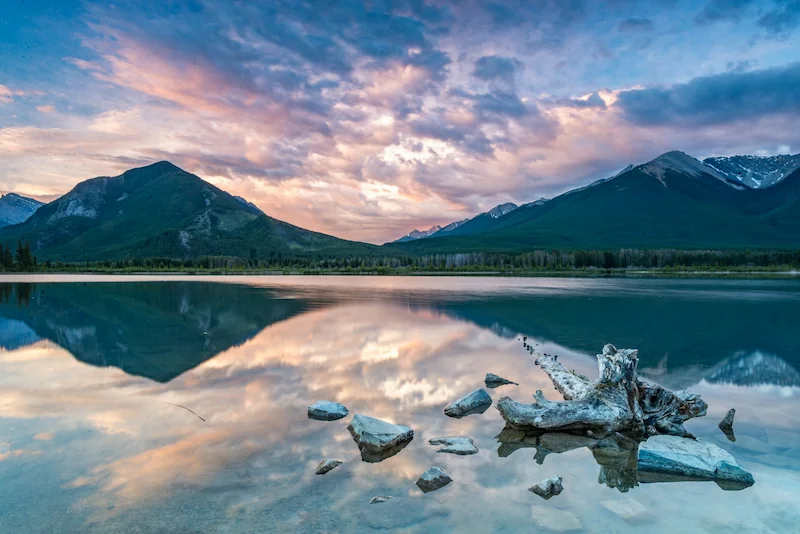
Watch sunset from Vermilion Lakes – Vermilion Lakes is one of the most rewarding low-effort places near Banff town. The experience is about still water, changing light and the shape of Mount Rundle rather than a formal attraction. It is especially useful for photographers or anyone who wants a quieter evening than Banff Avenue. (Best in the evening · Best for: Sunset, photography, calm scenery)
Use the Legacy Trail for an active link toward Canmore – The Banff Legacy Trail is a good choice for cyclists who want movement, scenery and a sense of connection beyond the townsite. It is not a casual stroll, but it can be one of the most satisfying non-ticketed activities in the area. Check wind and weather before committing. (Best for: Cycling, active days, repeat visitors)
Walk to the Hoodoos viewpoint when Tunnel Mountain is too much – The Hoodoos viewpoint gives a different Banff texture: eroded rock formations, Bow Valley views and a quieter edge of town. It is useful when you want something more distinctive than Banff Avenue but less demanding than a full hike. It works especially well as a shoulder-season or low-energy add-on. (Best for: Short walks, geology, quieter viewpoints)
Use Cascade Gardens for a short, easy town-centre reset – Cascade Gardens is not a reason to come to Banff, but it is one of the simplest free pauses close to the town centre. It gives you a landscaped foreground, mountain backdrop and a gentler rhythm between meals, museums or Bow River walks. It is especially useful with families or on arrival day. (Best for: Free stops, families, easy town time)
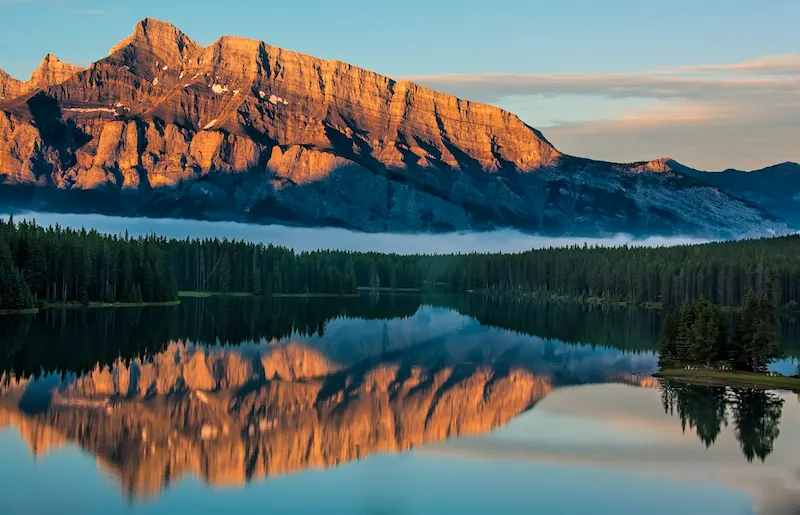
Add Two Jack Lake or Johnson Lake when you want a quieter lake near town – Two Jack Lake and Johnson Lake can be better than forcing another major lake corridor when you only have a partial day. They give you water, forest and mountain atmosphere close to Banff, with fewer logistics than Lake Louise or Moraine Lake. They are best used as flexible scenery, picnic time or a low-pressure swim-and-walk stop in suitable weather. (Best for: Flexible lake time, picnics, families)
Food and drink experiences that make Banff feel less like a checklist
Banff’s food scene is practical rather than sprawling, but it matters because evenings here need structure. The best food experiences in Banff are not about chasing a single famous dish; they are about choosing the right restaurant, brewery, distillery or casual stop for the day you have just had.
Book a proper mountain-town dinner instead of improvising late – Banff restaurants fill quickly in peak season, and the better dinners are worth planning. Choose one stronger reservation rather than drifting between crowded menus on Banff Avenue. This is especially important after a Lake Louise or Moraine Lake day, when energy is low and spontaneity often becomes waiting. (Worth it · Best for: Evenings, couples, short stays)
Try Park Distillery for a polished local stop – Park Distillery is one of Banff’s most recognizable food-and-drink experiences, built around campfire cooking and spirits distilled in town. It works well for lunch, an early dinner or a drink-led pause between activities. Book at busy times if it is central to your evening. (Best for: Casual dining, drinks, groups)
Use cafés and bakeries as trail-day infrastructure – A good Banff café stop can do more than fill time: it helps structure early departures, packed snacks and post-walk recovery. This is where the town becomes useful rather than merely busy. Think of breakfast and coffee as part of the activity plan, not an afterthought. (Best for: Early starts, hikers, budget control)
Build an après-ski or post-hike drink into the day – Banff works well when the day has a clean finish: gondola then dinner, canyon walk then hot springs, ski day then a drink. Breweries, hotel bars and casual pubs give the mountain day a softer landing. This is one of the easiest things to do in Banff at night without turning the evening into nightlife for its own sake. (Best for: Après-ski, groups, relaxed nights)
Use a brewery or casual pub when the day has been physically demanding – A Banff brewery, pub or hotel bar can be the right finish after hiking, skiing or a long lake day. The point is not nightlife intensity; it is giving the outdoor day a clean, warm landing. This works especially well for groups who need flexibility after uncertain trail or shuttle timing. (Best for: Groups, après-hike, casual evenings)
Plan one Lake Louise meal carefully instead of relying on convenience – Food around Lake Louise can become a weak point if you assume there will be easy, spontaneous options at the exact moment you need them. Pack snacks for hikes, plan café timing, or book a stronger meal when the lake day matters. Lake Louise is beautiful, but hungry logistics can flatten the experience quickly. (Best for: Lake Louise days, hikers, families)
Best hikes and outdoor activities in Banff
Banff hiking should be chosen by effort, access and season rather than reputation alone. A short town-accessible trail can be better than a famous alpine hike if the weather, shuttle timing or group ability does not fit. These are the outdoor experiences that most improve a Banff trip when matched to the right traveler.
Hike Tunnel Mountain for Banff’s best low-logistics viewpoint – Tunnel Mountain is the practical answer when you want a real hike without losing the day to transport. The trail starts close to town, climbs enough to feel rewarding and gives a useful view over Banff and the Bow Valley. It is one of the easiest recommendations for active first-time visitors. (Best short hike · Best for: Short hikes, active travelers, no-car visitors)
Choose Larch Valley or Sentinel Pass when Moraine Lake becomes a hiking day – Larch Valley is one of the most sought-after Banff hikes in autumn and a major upgrade from simply photographing Moraine Lake. Sentinel Pass is a bigger commitment and only makes sense when conditions, access and fitness align. Treat this as a planned hiking day, not an add-on after a shuttle photo stop. (Seasonal standout · Best for: Autumn larches, serious hikers, Moraine Lake days)Find tours & experiences
Use Sunshine Meadows for alpine scenery without a technical hike – Sunshine Meadows is a strong summer choice when you want open alpine landscapes, wildflowers and broad views without building the day around a difficult summit. Access is seasonal and logistics matter, but the experience adds a softer high-country layer that is different from the lake circuit. (Summer alpine · Best for: Wildflowers, alpine walking, families with older kids)Find tours & experiences
Take the Sulphur Mountain hike only if you want the effort, not just the view – Sulphur Mountain can be hiked instead of reached by gondola, but the value is the physical effort and forested climb as much as the summit view. If time is short or knees are tired, the gondola is more efficient. If you want a workout that ends with facilities and a boardwalk, the hike makes sense. (Best for: Fitness, summit views, gondola alternatives)
Keep easy lakeshore walks in the plan for mixed-ability groups – Not every Banff outdoor experience needs to be a named hike. Lake Louise lakeshore, Lake Minnewanka shoreline, Bow River paths and parts of Johnson Lake or Two Jack Lake can deliver scenery with simpler turnaround points. They are especially useful for families, older travelers and weather-variable days. (Best for: Families, mixed abilities, flexible scenery)
Winter things to do in Banff
Winter is not an off-season version of Banff; it is a different trip. The best winter activities depend on snow, ice, daylight, road conditions and comfort with cold. Skiing, frozen canyon walks, skating, snowshoeing, hot springs and structured evening plans can become the core of the stay when they are matched to the conditions.
Ski or snowboard at Sunshine Village, Lake Louise or Mt. Norquay – Banff is one of Canada’s strongest ski bases because three major ski areas sit within reach of the town and Lake Louise corridor. Sunshine Village is high and snow-reliable, Lake Louise gives big terrain and scenery, and Norquay is the closest, most compact option. Choose by ability, transfer time and whether skiing is the main purpose of the trip. (Winter essential · Best for: Skiers, snowboarders, winter trips)Find tours & experiences
Walk Johnston Canyon as a winter ice experience with the right gear – Johnston Canyon becomes a very different activity in winter, with frozen falls, icy walkways and a more dramatic enclosed feel. It can be excellent, but traction matters and guided ice walks are useful for visitors who do not have winter gear. Do not treat it like an ordinary summer stroll. (Winter classic · Best for: Frozen waterfalls, guided walks, families with gear)Find tours & experiences
Skate at Lake Louise when conditions and maintenance align – Lake Louise skating is one of Banff’s most memorable winter images, but it depends on ice conditions and maintenance. When it works, it is a low-effort, high-atmosphere activity that pairs naturally with a Lake Louise winter day. Check conditions rather than assuming the lake is ready. (Seasonal icon · Best for: Winter scenery, couples, families)
Try snowshoeing or cross-country skiing for a quieter winter day – Snowshoeing and cross-country skiing give winter Banff a slower rhythm than downhill skiing. They work well around Lake Louise, Banff town trails or guided routes depending on conditions. This is a strong choice for travelers who want snow scenery without committing to a ski resort day. (Best for: Non-skiers, quiet winter scenery, active families)Find tours & experiences
Use hot springs and Nightrise-style experiences for winter evenings – Winter evenings in Banff need structure because daylight is short and temperatures fall quickly. Hot springs, gondola night programming, dinner reservations and hotel lounges can turn winter into an atmospheric trip rather than a day that ends too early. Book seasonal evening experiences when they are central to the plan. (Best for: Winter nights, couples, low-effort evenings)Find tours & experiences
Adventure and guided experiences in Banff
Adventure activities in Banff are worth adding when they give you access, interpretation or a different physical rhythm. They are not mandatory for a first trip, but they can be excellent choices for travelers who want guided tours, active experiences, seasonal excursions, or a more physical way to experience the Rockies.
Book a wildlife tour if you want interpretation, not roadside chasing – Wildlife is part of Banff’s appeal, but the safest and most responsible approach is distance, patience and interpretation. A guided wildlife tour can help you understand habitat, timing and behavior without turning the trip into unsafe roadside stopping. It is best for first-time visitors who want context rather than guarantees. (Responsible choice · Best for: Wildlife-aware travelers, families, photographers)Find tours & experiences
Try horseback riding when you want a slower old-Rockies rhythm – Horseback riding gives Banff a different pace from shuttles and viewpoints. It works well for travelers who want a guided outdoor experience without a hard hike, especially around valley trails near town. Choose a reputable operator and match the ride length to your comfort level. (Best for: Guided outdoor time, couples, families)Find tours & experiences
Use canoeing or lake paddling as a scenery experience, not just a rental – Canoeing on Lake Louise, Lake Minnewanka-area waters or nearby lakes can be memorable when conditions are calm and regulations allow. It is best framed as a short scenic activity rather than a full-day plan unless paddling is a major interest. Always check current watercraft rules, weather and cleaning requirements before bringing gear. (Best for: Couples, lake scenery, summer trips)Find tours & experiences
Consider via ferrata or climbing-style experiences at Mt. Norquay – Mt. Norquay’s via ferrata style experiences suit travelers who want vertical mountain exposure with guiding and equipment rather than independent climbing. It is not for everyone, but it fills an important adventure gap between sightseeing and technical mountaineering. Book ahead and check age, fitness and weather requirements. (Adventure option · Best for: Active travelers, guided exposure, repeat visitors)Find tours & experiences
Use rafting near Banff as a regional adventure add-on – Whitewater or scenic rafting is usually a regional add-on rather than a core Banff town activity, but it can work well for families, groups or summer visitors who want one water-based day beyond lakes and viewpoints. Choose the river and intensity carefully. (Best for: Summer adventure, groups, families)Find tours & experiences
What to do in Banff on a first trip
For a first trip, prioritize experiences that explain Banff’s scale quickly and do not require specialist hiking ability. The strongest mix is one major lake, one canyon or mountain viewpoint, one town-based walk and one slower evening.
Choose Lake Louise or Moraine Lake first if lake scenery is your main reason for coming.
Add the Banff Gondola only if the forecast is clear enough to justify the cost.
Use Johnston Canyon as the most accessible canyon-walk option.
Keep Bow Falls, Surprise Corner, Vermilion Lakes and the Bow River Trail for flexible time around town.
Use Cave and Basin if you want context or need a rainy-day pivot.
Add one proper hike only if your group wants it: Tunnel Mountain for easy access, Lake Agnes for a Lake Louise upgrade, or Larch Valley in the right autumn conditions.
Do not try to force Lake Louise, Moraine Lake, Johnston Canyon, Icefields Parkway and the gondola into one relaxed day.
Priority
BestChoice
Why
Essential
Lake Louise or Moraine Lake
The clearest expression of Banff’s alpine lake scenery
Strong second layer
Johnston Canyon or Banff Gondola
One gives movement and canyon texture; the other gives fast elevation
Flexible add-on
Bow River, Bow Falls or hot springs
Easy to fit around weather, arrival times and dinner
Best free things to do in Banff
Banff can be expensive, but some of its best moments are free once you are inside the national park. The key is choosing walks and viewpoints that do not require paid access or complex logistics.
Walk the Bow River Trail between town, the riverbanks and Bow Falls.
Visit Bow Falls and continue toward Surprise Corner for a classic town-edge view.
Watch sunset at Vermilion Lakes when the weather is calm.
Explore Banff Avenue early in the morning before it becomes mainly commercial.
Hike Tunnel Mountain if you want a free viewpoint with a real sense of effort.
Walk part of the Lake Louise shoreline if you already have access to the lake area.
Use Cascade Gardens for a short, easy pause close to the town centre.
FreeActivity
BestFor
TimeNeeded
Bow River Trail
Easy scenery
45 minutes to 2 hours
Vermilion Lakes
Sunset and photography
30 to 90 minutes
Tunnel Mountain
Short hike
1.5 to 2.5 hours
Unique things to do in Banff beyond the standard lake circuit
The more unusual things to do in Banff are not necessarily obscure. They are the experiences that change the rhythm of the trip and make the park feel less like a sequence of viewpoints.
Visit Cave and Basin to understand Banff through conservation history rather than scenery alone.
Cycle the Banff Legacy Trail if you want movement and mountain scale without another shuttle.
Time Vermilion Lakes for evening light instead of treating sunset as an afterthought.
Use Lake Minnewanka, Two Jack Lake or Johnson Lake as broader, more flexible lake experiences near town.
Look for guided wildlife, Indigenous-led or interpretive experiences if you want more context than roadside viewing.
Try Sunshine Meadows in summer for high-country walking without a technical hike.
Consider winter-only experiences such as skating, snowshoeing, skiing, Nightrise, dog sledding near Lake Louise or frozen canyon walks when conditions allow.
Things to do in Banff at night
Banff nightlife is more about mountain evenings than late-night intensity. The best options are structured dinners, hot springs, low-light viewpoints, après-ski drinks and seasonal night experiences.
Book dinner in advance if you want a smooth evening after a full outdoor day.
Soak at Banff Upper Hot Springs for an easy cold-weather or post-hike night activity.
Walk central Banff Avenue after dinner, but do not make it the whole plan.
Watch the last light around Vermilion Lakes or from an accessible viewpoint.
Use hotel lounges, breweries or distillery-style venues for a relaxed après-ski rhythm.
In winter, check for seasonal night programming on Sulphur Mountain or around Lake Louise.
NightOption
BestFor
PlanningNeed
Hot springs
Recovery
Check hours and busy periods
Dinner reservation
Couples and short stays
Book ahead in peak season
Sunset viewpoint
Low-cost evening
Weather dependent
Things to do in Banff with kids
The best family activities in Banff are scenic but not too long, with clear turnaround points and weather backup. Avoid building days around long transfers unless the reward is obvious.
Choose Johnston Canyon Lower Falls for a structured walk with a clear goal.
Use Lake Minnewanka for easy lakeshore time, picnic energy and possible boat trips.
Ride the Banff Gondola if visibility is good and you want a low-effort mountain view.
Visit Cave and Basin or Banff Park Museum when the weather turns.
Walk the Bow River and Bow Falls loop for a free, flexible family activity.
Use the hot springs as a simple recovery activity after hiking or skiing.
Keep Lake Louise manageable by walking only part of the lakeshore rather than forcing a long trail.
Activity
AgeFit
WeatherFit
Johnston Canyon Lower Falls
Good for many families
Works in light rain with proper gear
Banff Gondola
Easy for mixed ages
Best in clear weather
Cave and Basin
Good short attention-span stop
Strong rainy-day option
Things to do in Banff when it rains
Rain does not ruin Banff, but it should change the plan. Save expensive viewpoints for clearer windows and use lower-elevation walks, museums, hot springs and food stops intelligently.
Visit Cave and Basin for a compact indoor-outdoor activity with real context.
Use the Whyte Museum or Banff Park Museum for a cultural pause.
Soak at Banff Upper Hot Springs if the weather is cool rather than stormy.
Walk the Bow River or Johnston Canyon in light rain if conditions are safe and you have proper layers.
Shift a food or drink reservation earlier instead of forcing a low-visibility viewpoint.
Avoid paying for the gondola if cloud is likely to erase the summit view.
RainyDayChoice
BestFor
AvoidIf
Cave and Basin
Context and short visits
You want a full-day activity
Whyte Museum
Art and mountain culture
You only want outdoor scenery
Hot springs
Low-energy recovery
Thunderstorms or heavy crowds
Best things to do in Banff in winter
Winter Banff works best when you plan around snow, daylight, road conditions and warmth. It is not just a cheaper or quieter version of summer; it has its own headline activities.
Ski or snowboard at Sunshine Village, Lake Louise or Mt. Norquay depending on ability and transfer time.
Walk Johnston Canyon as an ice walk with microspikes or a guided tour.
Skate at Lake Louise only when the ice is open and maintained.
Use Banff Upper Hot Springs as a recovery activity after skiing, snowshoeing or cold-weather sightseeing.
Try snowshoeing or cross-country skiing if downhill skiing is not the purpose of the trip.
Book a structured dinner, gondola evening experience or hotel lounge plan because winter nights arrive early.
Check trail, ice and road conditions before committing to scenic drives or winter hikes.
WinterActivity
BestFor
PlanningNeed
Skiing and snowboarding
Active winter trips
Book lessons, rentals or transfers early
Johnston Canyon ice walk
Frozen waterfalls
Traction gear or guided tour strongly recommended
Lake Louise skating
Iconic winter scenery
Condition dependent
Hot springs
Recovery and low-effort evenings
Check hours and crowd levels
Best things to do in Banff in summer
Summer is Banff’s highest-demand season because lakes, shuttles, cruises and alpine trails align. The best summer plan reserves constrained access early and uses mornings and evenings carefully.
Reserve Moraine Lake and Lake Louise access before shaping the rest of the trip.
Use early or late windows for Lake Louise, Moraine Lake, Johnston Canyon and the gondola.
Add Lake Minnewanka cruises, canoeing or shoreline walks for water scenery beyond the famous lake corridor.
Choose one hiking objective: Lake Agnes, Plain of Six Glaciers, Sunshine Meadows, Tunnel Mountain or Larch Valley later in the season.
Use Vermilion Lakes, Bow Falls and Cascade Gardens for lower-friction summer gaps.
Keep a smoke, storm or low-visibility backup plan with museums, hot springs and food stops.
Expect parking, shuttle and restaurant pressure in peak periods.
SummerActivity
BestFor
PlanningNeed
Moraine Lake and Lake Louise
First-time lake scenery
Shuttle or approved transport
Lake Minnewanka cruise
Easy lake scale near town
Book ahead in summer
Sunshine Meadows
Alpine flowers and open views
Seasonal access
Vermilion Lakes sunset
Low-cost evening scenery
Weather and light dependent
Best hikes in Banff for different travelers
The best Banff hike depends less on fame than on access, ability, weather and how much of the day you want to spend on foot. Use these choices to match trail ambition to trip structure.
Choose Tunnel Mountain for the easiest real viewpoint hike from Banff town.
Choose Lake Agnes Tea House if you want Lake Louise to become a classic half-day hike.
Choose Plain of Six Glaciers if you want a longer Lake Louise hiking day with glacier scale.
Choose Larch Valley or Sentinel Pass when Moraine Lake access and autumn conditions align.
Choose Sunshine Meadows for high alpine walking with less technical difficulty.
Choose Bow River, Lake Minnewanka shoreline, Johnson Lake or Lake Louise lakeshore for easier walks with clear turnaround points.
Check trail conditions, snow, closures and bear-related advisories before committing.
Hike
BestFor
DifficultyFit
Tunnel Mountain
Town-accessible viewpoint
Moderate short hike
Lake Agnes Tea House
Classic Lake Louise upgrade
Moderate half-day
Plain of Six Glaciers
Glacier scenery
Longer hiking day
Larch Valley
Autumn larches and Moraine Lake area
Seasonal, access-sensitive
Things to do in Banff without a car
Banff without a car is workable if you stop thinking like a road-tripper. Build the trip around town walks, shuttles, Roam Transit, guided tours and fewer but better-planned day objectives.
Stay close to Banff Avenue or transit stops if you want the simplest no-car structure.
Use Bow River Trail, Bow Falls, Cascade Gardens, Cave and Basin and Banff Park Museum for town-based activities.
Use shuttles or guided transport for Lake Louise and Moraine Lake instead of relying on parking.
Book tours for Johnston Canyon, Icefields Parkway or wildlife experiences when public transport does not fit.
Use the Banff Gondola and Upper Hot Springs pairing if transit or taxi logistics are straightforward.
Do not plan too many distant activities in one day; missed connections can erase the benefit.
NoCarChoice
Why
Bow River, Bow Falls and Cave and Basin
Strong town-based half day
Lake Louise / Moraine Lake shuttle
Solves the biggest access issue
Guided Johnston Canyon or Icefields Parkway tour
Useful when public transit is limited
Banff Gondola plus hot springs
Efficient nearby pairing
Things to do in Banff for couples
Banff works well for couples when the day has contrast: one landscape experience, one slower pause and one well-planned evening. Avoid turning the trip into a rushed checklist.
Choose Lake Louise or Moraine Lake for the major scenic anchor, but protect enough time to enjoy it.
Use Vermilion Lakes at sunset for a quieter, low-cost romantic moment.
Pair the Banff Gondola with dinner or hot springs rather than treating it as a standalone attraction.
Book one strong dinner instead of improvising every evening on Banff Avenue.
Use Lake Agnes, Sunshine Meadows or a guided experience if you want shared activity rather than passive sightseeing.
Consider winter skating, hot springs or Nightrise-style programming for a colder-season couples trip.
CouplesChoice
BestFor
PlanningNeed
Vermilion Lakes sunset
Quiet evening scenery
Weather dependent
Gondola plus dinner
Structured date night
Book clear-weather and dinner windows
Lake Agnes hike
Active couples
Trail and timing check
Things to do in Banff by area
Banff townsite
Banff town is best used as a base for short walks, food, museums and evening recovery. It is not where the biggest landscapes are, but it is where flexible time becomes useful.
Walk the Bow River Trail and continue to Bow Falls.
Visit Cave and Basin or Banff Park Museum in poor weather.
Book dinner rather than improvising at peak times.
Use Banff Avenue for supplies, coffee and evening energy, not as the main attraction.
Sulphur Mountain
Sulphur Mountain is Banff’s easiest elevation play. It suits travelers who want views, hot springs and a compact half-day structure close to town.
Ride the Banff Gondola when visibility is clear.
Walk the summit boardwalk for the best payoff.
Use Banff Upper Hot Springs after a hike, ski day or cold-weather outing.
Avoid the gondola in heavy cloud unless the experience matters more than the view.
Lake Louise
Lake Louise deserves deliberate time, especially if you want to move beyond the crowded first viewpoint. It can be a quick lake stop or a longer hiking day depending on conditions.
Walk the lakeshore beyond the busiest section.
Consider Lake Agnes Tea House when trail conditions and timing work.
Use shuttle planning to reduce parking stress.
Pair with Moraine Lake only if your access plan is secure.
Moraine Lake corridor
Moraine Lake is one of Banff’s most sought-after experiences, but it is access-sensitive. The visit works best when you plan the transport first and the photography second.
Climb the Rockpile for the signature view.
Walk the lakeshore if you have enough time after the viewpoint.
Use sunrise or early access only if you can handle the logistics.
Do not assume you can drive up spontaneously in peak season.
Bow Valley Parkway
The Bow Valley Parkway is the slower corridor between Banff and Lake Louise. It is useful for canyon walking, wildlife-aware driving and a less direct reading of the park.
Walk Johnston Canyon to the Lower or Upper Falls.
Treat the road as scenic time, not just transit.
Check seasonal closures and cycling periods before planning.
Avoid stopping irresponsibly for wildlife; use pullouts and distance.
Lake Minnewanka loop
Lake Minnewanka gives you strong scenery close to Banff town with less commitment than the Lake Louise corridor. It is a good half-day area for families, cruises, shoreline walks and flexible weather windows.
Walk the shoreline for a simple lake experience.
Book a summer cruise if you want interpretation and scale.
Combine with nearby viewpoints for a relaxed loop.
Use it as a fallback when bigger lake plans are impractical.
Icefields Parkway
The Icefields Parkway is the big-road extension from Banff toward Peyto Lake, Bow Lake and the Columbia Icefield. It is one of the best day trips from Banff, but only when you have enough time and daylight to avoid turning it into a windshield marathon.
Use Peyto Lake as the highest-payoff viewpoint on a shorter Icefields Parkway day.
Add Bow Lake for shoreline scale rather than only elevated views.
Continue toward the Columbia Icefield only if you accept a long day and early start.
Check road, weather and seasonal conditions before treating the drive as simple.
Sunshine Village and Mt. Norquay
Sunshine Village and Mt. Norquay make Banff much more than a lake destination. In winter they anchor skiing and snowboarding; in warmer months they can add alpine walking, viewpoints or guided adventure depending on operations.
Ski Sunshine Village for high-elevation winter terrain.
Use Mt. Norquay for closer-to-town skiing, viewpoints or via ferrata-style adventure.
Check seasonal operating dates before planning Sunshine Meadows.
Do not add these areas casually if your core trip is already overfilled with lake access.
Two Jack, Johnson Lake and the Lake Minnewanka loop
This area is the best near-town lake circuit when you want flexibility. It gives you several water-and-mountain experiences without the commitment of Lake Louise or Moraine Lake.
Use Lake Minnewanka for cruises, shoreline walking and broader lake scale.
Use Two Jack Lake for a calmer picnic or photo stop.
Use Johnson Lake for easier summer lake time when conditions allow.
Treat the loop as a flexible half day rather than a box-ticking drive.
What to prioritize in Banff depending on your time
Banff is easier to enjoy when you make firm choices. These scenarios help separate the experiences that define a trip from the ones that only make sense with more time.
Profile
Prioritize
Skip
Structure
Half day
Bow River Trail, Bow Falls, Surprise Corner, Cascade Gardens, Cave and Basin or Banff Upper Hot Springs
Lake Louise, Moraine Lake and Icefields Parkway unless transport is already solved
Stay close to town and choose one scenic walk plus one recovery or context stop.
1 full day
One major lake corridor or Banff Gondola plus a town-based walk
Trying to cover every famous lake, canyon and viewpoint
Anchor the day around one high-payoff experience, then add an easy evening.
2 days
Lake Louise or Moraine Lake, Johnston Canyon, Bow River, Vermilion Lakes and one viewpoint
Icefields Parkway and long hikes unless they are the reason for the trip
Use one day for the lake corridor and one day for canyon, town and hot springs.
3 to 4 days
Lake Louise, Moraine Lake, Johnston Canyon, Lake Minnewanka, one short hike and one scenic drive
Repeating similar viewpoints at the expense of slower time
Alternate big scenery days with lower-friction local experiences.
5+ days
Icefields Parkway, Peyto Lake, Bow Lake, Yoho, Kananaskis, Sunshine Meadows or a longer hike
Adding distance every day without recovery
Use Banff as a base for selected excursions, but preserve lighter town or lake-loop days.
Winter trip
Skiing, Johnston Canyon ice walk, skating, snowshoeing, hot springs and structured evenings
Summer-style lake chasing and low-visibility paid viewpoints
Plan around snow conditions, shorter daylight and warm recovery stops.
Culture-first stay
Cave and Basin, Whyte Museum, Banff Park Museum, Banff Centre, Indigenous interpretation and conservation context
Treating Banff as only a lake-photo destination
Pair one cultural stop with one outdoor experience each day.
Repeat visit
Tunnel Mountain, Legacy Trail, Sunshine Meadows, Two Jack Lake, Johnson Lake, Norquay adventure, quieter viewpoints and seasonal winter activities
Rebuilding the trip entirely around the same peak-crowd viewpoints
Use the town and nearby trails to find a different rhythm.
Best day trips and excursions from Banff
Day trips from Banff make sense when they deepen the mountain experience rather than simply add more driving. Keep them selective, and be realistic about road conditions, daylight and how much scenery you can absorb in one day.
Excursion
Best for
Time needed
First trip?
Transport
Book ahead
Lake Louise and Moraine Lake
The most classic Banff lake day
Full day
Yes, if you plan access properly
Shuttle, tour or carefully planned transport
Yes, especially for shuttles and guided packages Check options
Icefields Parkway toward Peyto Lake or Columbia Icefield
Winter sports or lake-area scenery beyond the village
Full day
Yes in winter; optional in summer beyond lake plans
Car, shuttle, resort transfer or tour
Yes for lessons, rentals and peak periods Check options
Smart Banff activity combinations
These are not full itineraries. They are practical pairings that work because the energy, geography and timing fit together.
Lake Louise plus a slower Banff evening – Use the day for Lake Louise rather than cramming in multiple distant stops. Return to Banff for Bow River, hot springs or a booked dinner so the day has a clean finish. This works especially well for first-time visitors who want impact without exhaustion.
Banff Gondola plus Upper Hot Springs – This is the most efficient Sulphur Mountain pairing: one paid viewpoint and one recovery experience in the same area. It is strongest in clear weather and colder seasons. Avoid it when cloud removes the summit payoff.
Johnston Canyon plus Bow Valley Parkway – The canyon gives the day a clear walking objective, while the parkway adds slower scenery before or after. It works best when you resist adding too many extra stops. Give the canyon enough time to reach at least the Lower Falls.
Cave and Basin plus Bow River Trail – This combination gives Banff context and easy scenery without heavy logistics. It is useful on arrival day, a rainy morning or a lower-energy travel day. The mix feels more grounded than simply walking Banff Avenue.
Lake Minnewanka plus a town-based food stop – Lake Minnewanka offers scenery close to town, which leaves space for lunch, coffee or an early dinner back in Banff. It is a good flexible option when shuttle plans are unavailable or the weather window is short. Families and shorter stays benefit most from the low friction.
Moraine Lake plus Larch Valley when the season is right – This is one of Banff’s strongest active combinations, but it only works when shuttle access, trail conditions, daylight and fitness align. It is not a casual photo stop plus stroll. Treat it as a hiking day and keep the evening simple.
Peyto Lake plus Bow Lake as a focused Icefields Parkway day – This pairing gives a high viewpoint and a shoreline lake experience without forcing the full Columbia Icefield commitment. It is best with an early start, clear visibility and enough time to stop without rushing every pullout.
Tunnel Mountain plus Cave and Basin plus dinner – This is a strong no-car or low-logistics day: one short hike, one cultural stop and one planned meal. It works well on arrival day, shoulder-season trips or when lake access is not available.
Winter ski day plus hot springs – A ski day at Sunshine, Lake Louise or Norquay pairs naturally with Banff Upper Hot Springs or a structured après-ski dinner. This gives winter trips a clean rhythm and avoids overloading the evening after a cold outdoor day.
Lake Minnewanka loop plus Two Jack Lake and Johnson Lake – This is one of the easiest flexible half days near Banff town. It gives lake scenery, picnic potential and short walks without the access pressure of Lake Louise or Moraine Lake.
What to book ahead in Banff
Banff is not a destination where every activity needs a tour, but some experiences need reservations, timed access or transport planning. Book the constrained pieces first and leave the flexible walks for weather windows.
Dawn, dusk and shoulder periods can be stronger, but sightings are never guaranteed.
Worth it for interpretation and responsible viewing habits.
Via ferrata, rafting and horseback riding Check options
Yes in season
Book around weather, age limits and cancellation rules.
Yes, these are guided or operator-led experiences.
Banff things to do FAQ
These answers cover the practical questions travelers usually ask before choosing activities in Banff: first-time priorities, lake access, hiking, winter trips, free activities, no-car planning, family choices, rainy days and day trips.
What are the best things to do in Banff for a first visit?
For a first visit, prioritize Lake Louise or Moraine Lake, Johnston Canyon, the Banff Gondola or another viewpoint, and a simple Bow River or Bow Falls walk. Add Cave and Basin if you want context or need a weather-proof option. If you have three or more days, add Lake Minnewanka, Vermilion Lakes, one short hike and possibly Peyto Lake or Bow Lake on the Icefields Parkway.
Is Moraine Lake worth it from Banff?
Yes, Moraine Lake is worth it if you plan access properly and give the visit enough time. It is one of the strongest landscape experiences near Banff, but it is not spontaneous in peak season because private vehicle access is restricted for most visitors. Secure a shuttle, tour or approved transport before building your day around it.
Is Lake Louise or Moraine Lake better?
Lake Louise is easier to structure into a broader day because it has more facilities, lakeshore walking and classic hikes such as Lake Agnes or Plain of Six Glaciers. Moraine Lake has a more dramatic enclosed mountain setting and a famous Rockpile viewpoint, but access is more constrained. First-time visitors often want both, but if time is tight, choose based on logistics and whether you want facilities or raw visual impact.
How many days do you need for Banff activities?
Two days is enough for Banff town, one lake corridor and one major viewpoint or canyon walk. Three to four days is much better if you want Lake Louise, Moraine Lake, Johnston Canyon, Lake Minnewanka, Vermilion Lakes and some slower local time. Five or more days allows Icefields Parkway, Yoho, Kananaskis, Sunshine Meadows or longer hikes without rushing.
What should you book ahead in Banff?
Book Moraine Lake and Lake Louise access first, especially in peak season. The Banff Gondola, Lake Minnewanka cruises, popular restaurants, ski lessons, winter ice walks, guided wildlife tours and longer guided day trips are also worth reserving. Easy walks, Bow Falls, Vermilion Lakes, Cascade Gardens and most town-based stops can stay flexible.
What are the best free things to do in Banff?
The best free things to do in Banff include the Bow River Trail, Bow Falls, Surprise Corner, Vermilion Lakes, Cascade Gardens, the Hoodoos viewpoint and Tunnel Mountain. Lake Louise shoreline walks are also free once access is solved. These are ideal for flexible time around bigger booked experiences.
What are the best hikes in Banff?
The best hikes depend on effort and access. Tunnel Mountain is the easiest real viewpoint hike from town. Lake Agnes Tea House is the classic Lake Louise upgrade. Plain of Six Glaciers is better for a longer glacier-view hiking day. Larch Valley and Sentinel Pass are outstanding when Moraine Lake access and seasonal conditions align. Sunshine Meadows works well for alpine scenery with less technical difficulty.
What can you do in Banff at night?
At night, Banff is best for dinner reservations, hot springs, relaxed après-ski drinks, Banff Avenue walks and sunset viewpoints in the warmer months. In winter, look for seasonal gondola programming, skating conditions, hotel lounges or structured après-ski plans. It is more of a mountain-evening destination than a late-night city.
What are good things to do in Banff with kids?
Good family choices include Johnston Canyon Lower Falls, Lake Minnewanka, the Banff Gondola in clear weather, Cave and Basin, Bow River walks, Banff Park Museum, Cascade Gardens and Banff Upper Hot Springs. Keep days simple and choose activities with clear turnaround points. Long lake-and-road combinations can be tiring with young children.
What should you do in Banff when it rains?
In rain, use Cave and Basin, the Whyte Museum, Banff Park Museum, cafés, hot springs and lower-elevation walks if conditions are safe. Avoid paying for major viewpoints when clouds remove visibility. Light rain can make Johnston Canyon atmospheric, but only with proper footwear and layers.
What are the best things to do in Banff in winter?
In winter, focus on skiing or snowboarding at Sunshine Village, Lake Louise or Mt. Norquay, Johnston Canyon ice walks, Lake Louise skating when conditions allow, snowshoeing, cross-country skiing, hot springs and structured evenings. Winter trips need more attention to road conditions, ice, daylight and warmth than summer trips.
What are the best things to do in Banff in summer?
In summer, prioritize Lake Louise, Moraine Lake, Johnston Canyon, Lake Minnewanka, hiking, canoeing or lake walks, Vermilion Lakes at sunset and one scenic drive. Summer is also when access pressure is highest, so shuttles, parking, cruises, restaurants and popular tours should be planned earlier.
Can you visit Banff without a car?
Yes, Banff can work without a car if you stay close to town or transit, use Roam Transit and shuttles, and book guided tours for harder-to-reach activities. Bow River, Bow Falls, Cave and Basin, Banff Park Museum, Cascade Gardens and the town centre are useful no-car activities. Lake Louise and Moraine Lake require more transport planning.
Is the Banff Gondola worth it?
The Banff Gondola is worth it in clear weather, especially for first-time visitors, non-hikers and short stays. It is less compelling in heavy cloud, poor visibility or when you already have several hiking viewpoints planned. Pair it with the summit boardwalk, dinner, hot springs or a clear sunset window for better value.
Is Johnston Canyon worth it?
Yes, Johnston Canyon is worth it because it is scenic, structured and accessible for many travelers. The Lower Falls are enough for a lighter visit, while the Upper Falls make the walk feel more complete. Go early in peak season, and use traction or guided support in winter.
What are the best day trips from Banff?
The best day trips from Banff include Lake Louise and Moraine Lake, the Icefields Parkway to Peyto Lake and Bow Lake, Yoho National Park and Emerald Lake, Canmore, Kananaskis and the Columbia Icefield for longer days. For a first trip, focus on the Banff and Lake Louise corridor before adding long-distance excursions.
Is the Icefields Parkway worth it from Banff?
The Icefields Parkway is worth it if you have at least three days in the area or are deliberately building a long scenic drive day. Peyto Lake and Bow Lake offer huge payoff without necessarily driving all the way to the Columbia Icefield. In poor weather, short daylight or a rushed two-day trip, it can be too much.
What are unique things to do in Banff beyond Lake Louise and Moraine Lake?
Unique or less standard Banff choices include Cave and Basin, Vermilion Lakes at sunset, Sunshine Meadows, the Banff Legacy Trail, guided wildlife interpretation, Lake Minnewanka, Two Jack Lake, Johnson Lake, the Banff Centre, Mt. Norquay via ferrata and winter-only experiences such as ice walks or skating.
What are the best romantic things to do in Banff?
For couples, the best Banff experiences are Lake Louise or Moraine Lake with enough time to slow down, Vermilion Lakes at sunset, the Banff Gondola in clear weather, hot springs, one strong dinner reservation, Lake Agnes for active couples and winter skating or gondola night programming when conditions work.
What should active travelers prioritize in Banff?
Active travelers should prioritize one or two real outdoor objectives rather than only sightseeing: Tunnel Mountain, Lake Agnes, Plain of Six Glaciers, Larch Valley, Sunshine Meadows, cycling the Legacy Trail, skiing, snowshoeing or Norquay adventure experiences. The right choice depends on season, fitness, access and current trail conditions.
Are Banff activities expensive?
Banff can be expensive if every day is built around paid tours, gondola tickets, cruises and restaurant reservations. Balance those with free walks, viewpoints, town museums, Bow River, Vermilion Lakes, Tunnel Mountain and self-guided lake time. Spend money where it solves access, adds interpretation or creates a clear weather-independent payoff.
What should you skip in Banff if time is short?
If time is short, skip long scenic drives, distant day trips and duplicate viewpoints. Do not force Icefields Parkway, Yoho, Kananaskis or multiple major hikes into a two-day first visit. Choose one lake corridor, one viewpoint or canyon walk, and one easy town-based experience instead.
Banff is best when you plan the constrained experiences carefully, choose activities by season and ability, and leave enough space for the mountains to set the pace.
Turn the right experiences into the right itinerary
Once you know what you want to do in Banff, the next step is turning those ideas into a trip that actually works day by day. Use the planner to organize the right mix of highlights, neighborhoods, and pace into a route that feels coherent, not crowded.