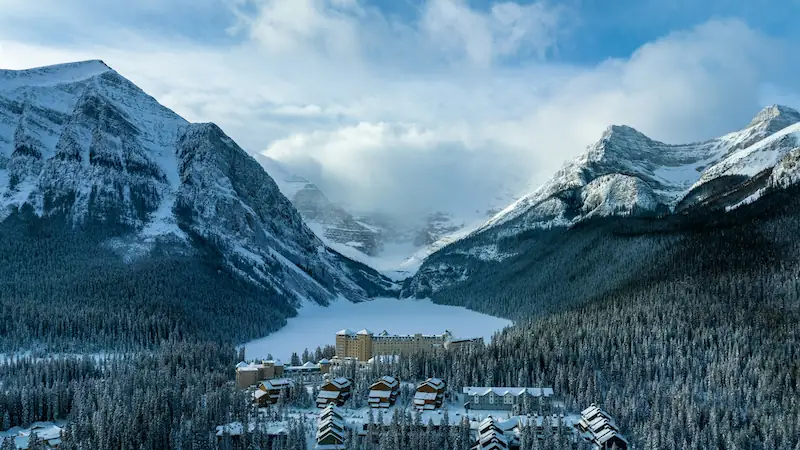
Where to stay in Banff
Find the best neighborhoods and hotels in Banff.
Open page →
Plan a smarter trip to Banff, from where to stay and how to structure your days to the essential lakes, trails, viewpoints, shuttles, winter experiences and nearby Rockies excursions that actually shape the visit. Banff is compact as a town but expansive as a destination: a walkable alpine base where the best trip is built around access rules, weather windows, seasonal trail conditions, lake logistics and the balance between headline scenery and slower mountain-town recovery.
Find the best neighborhoods and hotels in Banff.
Open page →
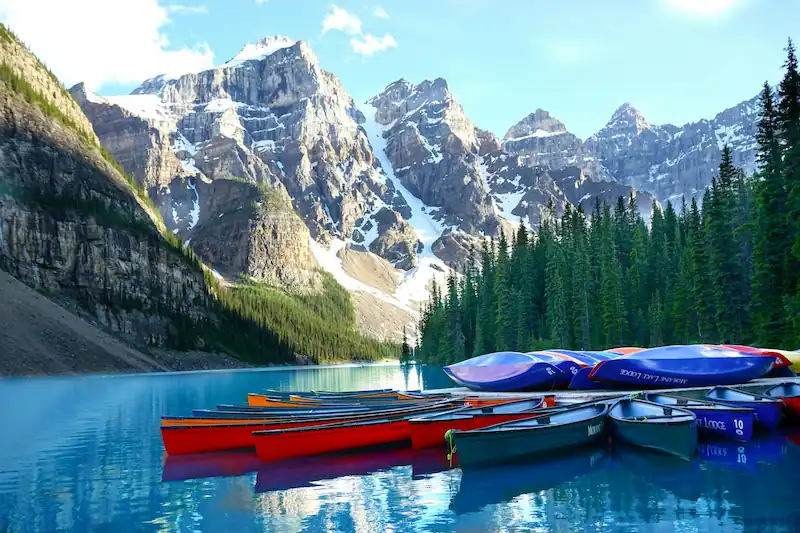
Prioritize the activities that deserve your time in Banff.
Open page →
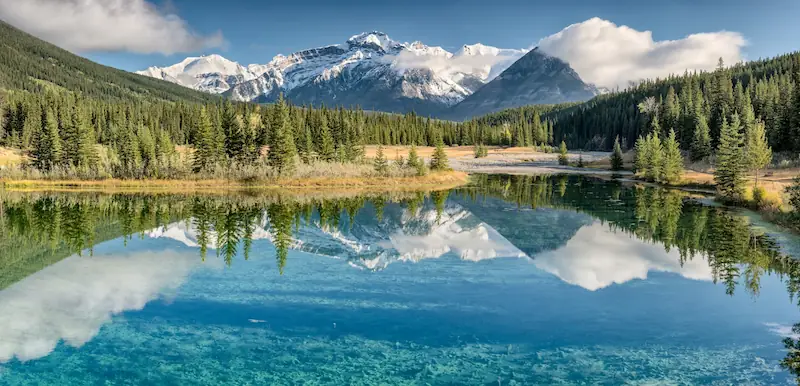
2 Days in Banff: First-Time Itinerary for Lake Louise & Moraine Lake
Open itinerary →
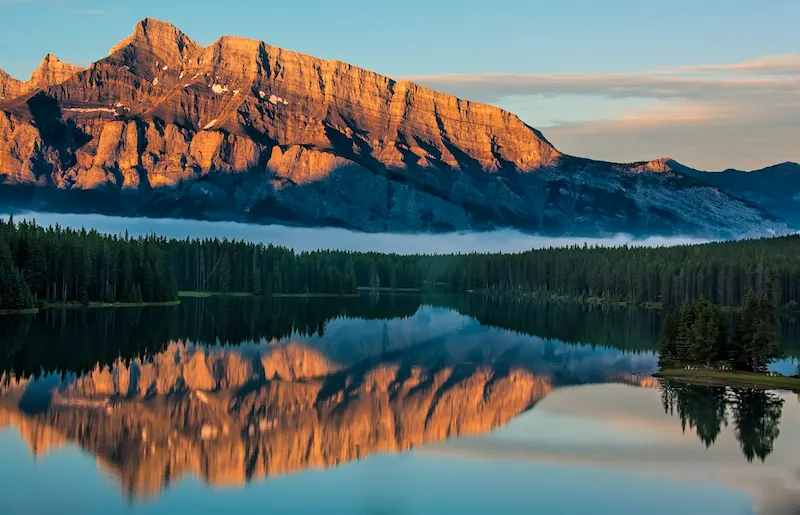
3 Days in Banff: Best First-Time Itinerary for Lakes, Town & Gondola
Open itinerary →
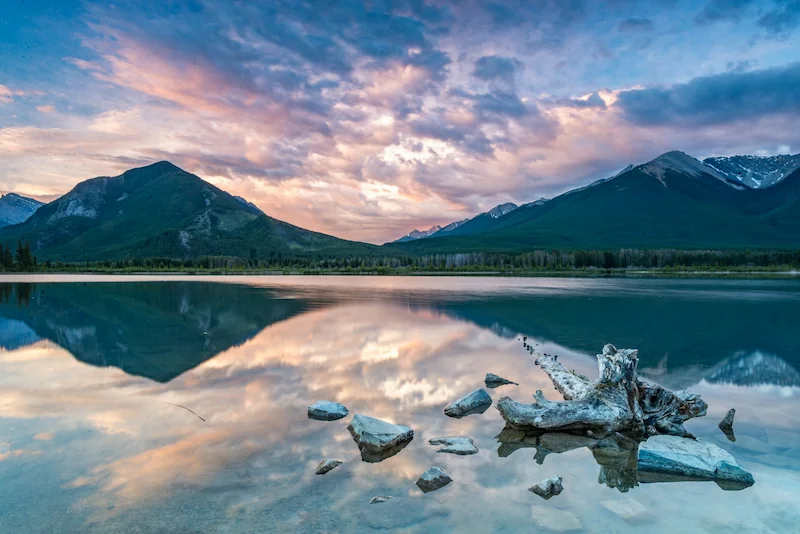
4 Days in Banff: Complete Itinerary for Lakes, Johnston Canyon & Minnewanka
Open itinerary →
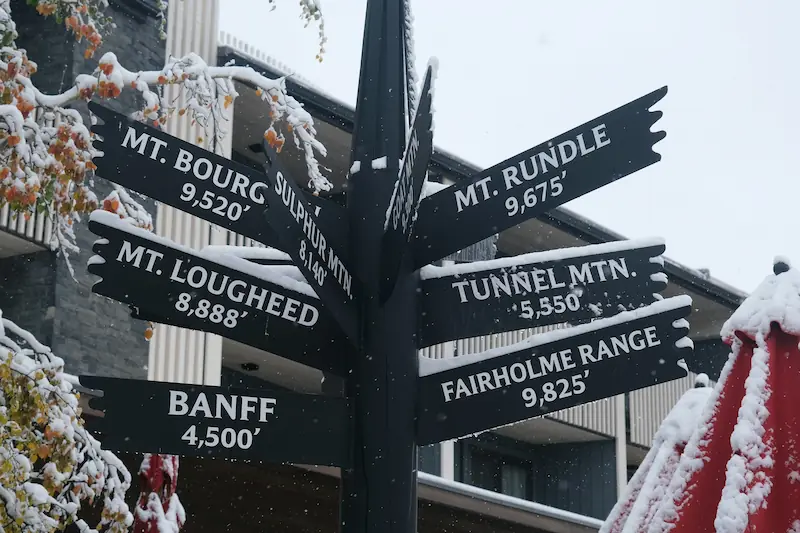
5 Days in Banff: Complete Itinerary for Lakes, Trails & Slower Mountain Days
Open itinerary →
Banff is a small mountain town inside a large national park system. The center is walkable and social, but the destination is really organized around surrounding zones: Lake Louise and Moraine Lake logistics, Sulphur Mountain views, Bow Valley Parkway, Lake Minnewanka, ski areas, trailheads and full-day Rockies drives. The best Banff trips are not improvised hour by hour; they are structured around a few high-payoff experiences with enough flexibility for weather and access changes.
Banff is worth structuring a trip around because it gives unusually easy access to several versions of the Canadian Rockies in one base: a compact downtown, glacial lakes, canyon walks, forested river paths, gondola viewpoints, hot springs, ski terrain and long scenic roads. Its challenge is not finding things to do, but deciding what deserves priority. A strong Banff trip usually protects one major lake experience, one elevation or canyon experience, one town-and-river pause and one slower evening rather than trying to chase every viewpoint.
Best time: June–September for classic lake and hiking access; December–March for skiing and winter scenery; September for cooler air and strong mountain light.
Ideal trip length: 3 days gives a strong first trip; 5 days is the best balanced stay; 7 days lets you add the Icefields Parkway, Yoho or more weather-flexible hiking.
Banff is one of Canada’s more expensive mountain bases, especially from late June through September and around ski holidays. Hotel pricing is driven less by luxury than by limited supply inside the park, high seasonal demand, and the premium of staying close to shuttle routes or trail access. Costs ease in shoulder periods, but car rental, parking, park passes, winter gear, and guided excursions can still add pressure.
Banff works as a compact townsite set inside a much larger park system. Downtown Banff holds most restaurants, hotels, shops, rental services, Roam Transit stops and tour pickups. The actual trip then radiates outward toward Bow River, Tunnel Mountain, Sulphur Mountain, Lake Minnewanka, Bow Valley Parkway, Lake Louise, Moraine Lake and the Icefields Parkway. The useful mental map is not a city of many neighborhoods; it is a small base connected to several high-impact mountain zones.
The Bow River and surrounding ridges define how Banff is read on the ground. The town sits in a valley bowl, with mountains close enough to constantly reset scale, and movement alternates between flat central walks, riverside paths, steep viewpoints, and longer drives toward lakes and passes. On clear days, the ridgelines make direction almost physical, pulling the eye down streets and across open water.
Banff changes most sharply by time of day. Mornings belong to trail departures, lake shuttles, ski buses, and quiet coffee lines; afternoons bring a heavier downtown flow; evenings compress people back into Banff Avenue, hotel lounges, casual restaurants, and river walks. The soundscape shifts from boots on pavement and bus brakes to terrace conversations under cooling mountain air.
Think of Banff as a base camp, not as a normal city break. Stay choice determines evening ease; transport choice determines lake access; season determines which hikes or scenic roads are realistic; weather determines when to pay for viewpoints. A first-time visitor reads Banff best by separating the compact town rhythm from the surrounding park logistics, then linking the two with one clear anchor experience per day.
Open the planner
Anchor each day around one dominant mountain zone rather than stacking several distant highlights. Use Banff town for evenings, meals, errands, Bow River walks and weather recovery; reserve early mornings for lakes, trailheads, shuttles, ski buses or scenic drives. Treat Lake Louise and Moraine Lake as logistics-first experiences, not spontaneous photo stops. Choose one elevation experience — Banff Gondola, a manageable hike, ski terrain or a major scenic road — so the valley structure becomes legible. Keep one flexible half-day for weather, trail conditions, wildlife closures, tired legs or a missed shuttle window. Pair major scenery with lower-friction experiences such as Bow River, Vermilion Lakes, Cave and Basin, hot springs or a booked dinner. Use the Icefields Parkway, Yoho or Kananaskis only when the trip is long enough to absorb a full-day excursion. In winter, build the day around ski resort transfers, ice conditions, short daylight and recovery before adding evening plans.
Vibe: Walkable, social, practical, and highly convenient.
Why go: Downtown Banff is the easiest base for a first trip because it places restaurants, shops, tour pickups, Roam Transit stops, rental services, and evening atmosphere within a short walk. It is the place where the park’s logistical demands soften into a compact town rhythm.
Who it fits: First-time visitors, car-light travelers, short stays, solo travelers, couples who want easy evenings, and anyone relying on shuttles or tours.
Not for: Travelers seeking quiet lodge seclusion, uninterrupted mountain silence, or lower summer prices.
Where to stay: The strongest all-round choice if convenience matters more than space or solitude.
Vibe: Quieter, scenic, and close to downtown without feeling fully urban.
Why go: The Bow River area suits travelers who want access to the center but prefer a softer edge to the stay. Walks toward Bow Falls, riverside benches, and open views create a calmer daily rhythm, especially in the morning when the air is cooler near the water.
Who it fits: Couples, walkers, slower-paced travelers, and visitors who want central access with a more relaxed setting.
Not for: Travelers who want immediate nightlife, maximum restaurant density, or the lowest room rates.
Where to stay: A good compromise between convenience and a more grounded mountain setting.
Vibe: Forest-adjacent, quieter, and more spread out than the town center.
Why go: Tunnel Mountain gives Banff a more residential and lodge-like feel while staying linked to the center by road, transit, and short drives. The area works well for travelers who want space, parking, and morning access to low-effort trails before the downtown core fills.
Who it fits: Families, road-trippers, longer stays, travelers with a car, and visitors who prefer a quieter sleep base.
Not for: Visitors who want to walk to every dinner, bar, shop, or tour pickup without checking transit.
Where to stay: A practical base when room size, parking, and calm matter more than immediate downtown access.
Vibe: Grand, scenic, resort-oriented, and slightly removed from the downtown grid.
Why go: This area suits travelers who want Banff to feel like a mountain retreat rather than a purely practical base. Bow Falls, the Spray River, hotel terraces, golf-course edges, and forested paths give the stay a slower, more contained shape.
Who it fits: Premium stays, couples, resort travelers, heritage-hotel fans, and visitors who want strong scenery close to the room.
Not for: Travelers prioritizing budget, downtown spontaneity, or the simplest transit connections.
Where to stay: Best for a more polished mountain stay with scenic walking nearby.
Vibe: View-led, uphill, quieter after day visitors leave.
Why go: Staying near Sulphur Mountain places the trip close to gondola views, hot springs, and trail access rather than downtown density. It works best when the stay is built around scenery, recovery, and a little distance from the busiest evening streets.
Who it fits: View seekers, couples, spa-focused stays, hikers, and travelers who do not need to be in the center every night.
Not for: Visitors who dislike uphill logistics or want effortless walking access to the full restaurant core.
Where to stay: A strong option for scenery and hot springs access, with less downtown immediacy.
Check the best hotels in Banff Upper Hot Springs and Sulphur Mountain
Vibe: Scenic, quieter at night, and more lake-focused than town-focused.
Why go: Lake Louise is not a Banff town neighborhood, but it is a legitimate stay decision for travelers who want immediate access to major lake scenery and nearby trailheads. The trade-off is less evening variety and more distance from Banff’s restaurants, services, and town energy.
Who it fits: Hikers, photographers, lake-focused travelers, premium stays, and visitors splitting a longer Rockies itinerary.
Not for: Travelers who want Banff’s downtown evenings, broad dining choice, or easy flexibility across multiple park zones.
Where to stay: Best as a scenery-first base or a split stay, not as a default substitute for Banff town.
Vibe: Lower-key, more residential, roomier and usually better value than Banff town.
Why go: Canmore is not inside Banff National Park, but it is a major strategic base for travelers who want mountain access with more space, more everyday services and often better accommodation value. It works especially well when Banff hotel prices are too high or when the trip includes Kananaskis, Calgary transfers or a rental car.
Who it fits: Budget-conscious travelers, families needing space, road-trippers, longer stays, visitors with a car, and travelers who do not need every evening to be in Banff.
Not for: Visitors who want the easiest Banff shuttle access, national-park immersion from the hotel door, or a fully walkable Banff Avenue evening rhythm.
Where to stay: The key near-Banff alternative when value and space matter more than staying inside the park.
The best things to do in Banff are not just attractions; they are shifts in altitude, weather, water, forest, and valley scale. The strongest trips sequence the obvious icons with quieter intervals where the mountain setting has room to register.
Planning tip: Protect early mornings for high-demand lakes, trailheads, or ski access, then use afternoons for lower-friction town, river, hot spring, museum, or viewpoint experiences.
Lake Louise is Banff’s most recognized alpine scene, but its value depends heavily on timing and access. The lake is strongest when the shoreline is still calm, the first shuttle waves have not fully arrived, and the scale of water, rock, forest, and ice is not drowned by movement.
Tip: Treat Lake Louise as a timed experience, not a casual stop between other plans.
Moraine Lake is one of the park’s most access-sensitive experiences because private vehicle access is closed year-round. The reward is a concentrated mountain amphitheater where water, rock, forest, and the Ten Peaks form a single compressed scene.
Tip: Check official access rules before building the rest of your Lake Louise day.
The gondola gives first-time visitors a fast way to understand Banff’s valley geography from above. It is less about the ride itself than the way the town, river, roads, and surrounding peaks become legible in one elevated sweep.
Tip: Late afternoon can work well when visibility is clear and the town starts to settle below.
Johnston Canyon is the most useful structured walk in the Banff area: scenic enough to feel memorable, accessible enough for many first-time visitors, and geographically convenient on the Bow Valley Parkway. It gives the guide an essential canyon layer between town strolls and more demanding hikes.
Tip: Go early or late if you want the canyon to feel like a place rather than a procession.
Lake Minnewanka is the key lake experience near Banff town when Lake Louise or Moraine Lake logistics are too tight, the weather window is shorter, or the trip needs a lower-friction half day. It adds a different scale from the smaller, more famous glacial lakes.
Tip: Use it as a flexible lake-and-loop day rather than as a substitute for every headline lake.
The Icefields Parkway changes the trip from Banff-based sightseeing into a broader Rockies journey. Even a partial drive north reveals a more elongated mountain rhythm: lakes, road curves, forest corridors, avalanche slopes, and sudden openings of ice and rock.
Tip: This works best as a deliberate day, not as an improvised late start.
Cave and Basin gives Banff historical depth beyond scenery, connecting the town’s tourism identity to hot springs, rail access, conservation politics, and national park creation. The space is compact, but the stone, water, and interpretive layers help explain why Banff exists as more than a resort stop.
Tip: Check seasonal opening days before treating it as a guaranteed bad-weather fallback.
Check guided tours →
The Whyte Museum adds art, exploration history, photography, and regional memory to a trip that can otherwise become purely scenic. It is especially valuable when weather compresses outdoor plans or when the park’s human history needs more presence.
Tip: Use it to slow the trip down rather than as a quick box-check.
Check guided tours →
Banff’s visitor story is often reduced to scenery, railways and hotels, but the wider cultural landscape long predates the park. Indigenous-led interpretation, when available, adds important context around land, stewardship and how national parks are experienced beyond a postcard view.
Tip: Treat this as a quality-over-quantity layer: choose credible local programming rather than generic performance.
Check guided tours →
The Banff Park Museum is a small but revealing stop for understanding older ways of displaying mountain nature. Its timber building and preserved collections show a different chapter of park interpretation, with the quiet creak of floorboards grounding the experience.
Tip: It fits best with a downtown or Bow River day rather than a major lake day.
Check guided tours →
Banff Avenue is where the town reassembles after outdoor days. It can feel busy, but it also reveals the social rhythm of the place: hikers, skiers, families, staff, tour groups, and road-trippers moving through the same narrow mountain corridor.
Tip: Even a short post-dinner walk helps connect the town to the wider park day.
Check guided tours →
The Bow River Trail is Banff at its easiest: flat, scenic, close to the center, and useful when the body needs movement without a mountain objective. Morning footsteps along the water give the town a quieter scale before the main visitor flow thickens.
Tip: Use it for arrival day, recovery time, or a gentle start before breakfast.
Check guided tours →
Bow Falls is one of the easiest ways to feel Banff’s terrain without committing to a full hike. The short movement from downtown or the Banff Springs area shifts the experience from streets to water, stone, trees, and the steady sound of the river.
Tip: Use it as a lower-effort scenic reset between more demanding mountain plans.
Check guided tours →
Vermilion Lakes offer a gentler counterpoint to Banff’s headline lake experiences. The setting is closer to town and less monumental, but the open water, reeds, and mountain line create one of the easiest places to let the day decelerate.
Tip: Keep the visit calm and brief; it is strongest as a pause, not a full plan.
Check guided tours →
The hot springs are not Banff’s most dramatic experience, but they make sense in the rhythm of a mountain trip. After cold air, trail miles, ski legs, or a long drive, the warm water gives the body a clear pause before the evening returns to town.
Tip: Go for recovery and mountain context, not for exclusivity.
Check guided tours →
Banff hiking works best when you choose one route that matches the season, conditions, and your ability rather than chasing a long list of trails. Tunnel Mountain suits a short town-accessible climb, Lake Agnes or Plain of Six Glaciers works for a Lake Louise hiking day, and Sunshine Meadows is strong for alpine scenery when access and conditions fit.
Tip: Use current trail conditions to decide the hike; do not pick from a static list weeks in advance.
In winter, Banff becomes a different destination rather than a reduced summer trip. Build at least one proper snow day around skiing at Sunshine Village, Lake Louise or Mt. Norquay, a guided ice walk, snowshoeing, skating conditions, or a hot-springs recovery rhythm.
Tip: Let daylight, road conditions and resort transfers structure the day before adding evening plans.
Banff’s food scene works best as recovery infrastructure: warm, easy to reach, and aligned with the day you just had. The important strategic choice is not to drift hungry into peak dinner hours after a lake, ski or hiking day.
Tip: Book one or two key dinners in advance, then keep casual meals flexible.
Check food options →
Banff is a good place for mountain comfort food: stews, game, bison, poutine, pies, and lodge-style dishes appear across different levels of polish. The best fit is food that feels grounded after outdoor exposure rather than an overly elaborate tasting-menu detour.
Tip: Choose the room as much as the menu; atmosphere matters after a long day outside.
Check food options →
One slower dinner gives Banff’s evenings a different texture from quick refueling. A room with wood, low light, and a sense of the mountain setting can make the trip feel less like a chain of logistics.
Tip: This is most valuable on the night after your hardest outdoor day.
Check food options →
Check food options
Banff is easy to overfill because almost every lake, viewpoint, drive and short walk looks defensible on paper. The smarter approach is to separate what truly structures the trip from what simply adds another stop: one major lake, one elevation or canyon experience, one town-and-river layer, one seasonal choice and one realistic base decision.
Banff can work very well with kids when the day has clear anchors, short rewards and realistic transitions. The mistake is not bringing children to major scenery; it is combining early shuttles, long transfers, cold wind, lunch delays and ambitious hikes into one fragile plan.
Banff itineraries should be built around energy, access, and weather rather than a simple checklist. Three days gives a compact first experience; five days adds balance; seven days lets the Rockies breathe between high-demand sights and quieter valley time.
Open the planner →
Banff is straightforward once the trip is treated as a national-park stay rather than a normal city break. The practical decisions that matter most are where to sleep, how to handle lake access, how much weather flexibility to keep, and how to move without losing the best hours of the day.
June to September is best for classic lakes, shuttles and hiking; September is often strongest for cooler air and mountain color; December to March is best for skiing, snow scenery and hot-springs recovery.
Three days is the minimum for a meaningful first visit; five days is the best balanced stay; seven days allows Lake Louise, Moraine Lake, Johnston Canyon, Banff town, a signature hike or winter activity, and one bigger excursion such as Icefields Parkway or Yoho.
Stay in Downtown Banff for maximum convenience, Bow River for quieter central access, Tunnel Mountain for space and parking, Banff Springs or Sulphur Mountain for a more scenic retreat, Lake Louise for lake-and-trail priority, and Canmore when space, value or a road-trip base matters more than being inside the park.
Most visitors arrive through Calgary International Airport, then continue by rental car, shuttle, or coach transfer to Banff. Driving gives flexibility, but shuttles and Roam Transit can work well for travelers focused on town, guided excursions, and key park routes.
Downtown Banff is walkable, Roam Transit connects Banff, Canmore, Lake Louise and several key visitor areas, and seasonal shuttles are central to high-demand lake access. A car helps for wider exploration, but parking pressure and vehicle restrictions mean it is not automatically the easiest option.
Banff is generally safe, but mountain conditions are real: weather changes quickly, wildlife needs distance, trails can close, and winter travel requires attention to ice, avalanche information, and road conditions. Altitude, sun exposure, cold water, and fatigue can affect even moderate plans.
The best time to visit Banff depends on whether the trip is built around lakes, hiking, skiing, shoulder-season value or lower crowd pressure. Summer gives the broadest access and highest demand. September can be the best strategic compromise when conditions hold. Winter is a true alternate version of Banff, shaped by ski areas, snow walks, hot springs, shorter daylight and lodge-style evenings. Spring and late autumn can be rewarding for value and quiet, but they require more flexibility around lakes, trails and services.
April and May bring lower town pressure, mixed snowlines, changing road access and lakes transitioning from winter. It is good for quieter streets and value, but not for travelers expecting the full turquoise-lake and high-hiking version of Banff.
June to August is the main season for Lake Louise, Moraine Lake shuttles, long daylight, hiking and the widest range of activities. It is also the period with the strongest hotel, parking, restaurant and shuttle pressure.
September and early October bring cooler air, clearer light and seasonal color, including larch interest when conditions align. It can feel more mature and less overheated than peak summer, but key weekends and trail windows remain busy.
December to March shifts Banff toward skiing, snowshoeing, ice walks, hot springs, winter scenery and a compact town rhythm. Road conditions, cold, daylight and equipment matter, but the season has a strong identity rather than feeling like off-season.
Not seeing your next stop yet? Build a fully personalized itinerary anywhere in Canada.
Banff is easy to reach but more nuanced to plan than it first appears. The questions that matter most are about where to base yourself, how long to stay, whether to rent a car, how to handle lake access, and which experiences deserve priority in each season.
Three days is enough for a strong first visit if you focus on Banff town, one major lake or viewpoint day, and one lower-effort scenic layer. Five days is the better balance for Lake Louise, Moraine Lake, Johnston Canyon, Banff town, a short hike and weather flexibility. Seven days makes sense if you want the Icefields Parkway, Yoho, skiing or a slower Rockies road-trip rhythm.
Downtown Banff is the best base for most first-time visitors because restaurants, shops, transit, tour pickups and evening walks are close together. Bow River is a quieter central alternative, Tunnel Mountain works well for space and parking, and Lake Louise is best only when lake access and trailheads are the main priority.
Stay in Banff if you want the easiest national-park atmosphere, walkable evenings and simpler access to Banff-based shuttles or tours. Stay in Canmore if you want more space, better value, everyday services or a road-trip base, and you are comfortable adding travel time into Banff.
A car helps for wider park exploration, but it is not essential for every trip. Downtown Banff is walkable, Roam Transit connects several important areas, and high-demand lake access often depends on shuttles or licensed operators rather than private vehicles. A car is most useful for Icefields Parkway, Yoho, Kananaskis, flexible trailheads and split stays.
Private vehicles are not permitted on Moraine Lake Road. Visitors need Parks Canada shuttles, transit options where available, licensed commercial transport, cycling when conditions allow, or eligible lodge access. This is one of the first logistics to solve for a summer or early autumn trip.
Lake Louise is easier to understand as a broad first-time experience because it has a village, hotel, lakeshore walks and several hiking options. Moraine Lake is more dramatic and visually concentrated, but more access-sensitive. The best choice depends less on beauty and more on shuttle availability, timing, season and how much logistical pressure you want.
For a first trip, do not miss one major lake experience, one elevated or canyon experience, one Bow River or Vermilion Lakes pause, and one evening in Banff town. Lake Louise or Moraine Lake, Banff Gondola or Johnston Canyon, and a slower town-based interval explain Banff better than a rushed checklist.
July and August offer the broadest summer access, but they are also the busiest and most expensive. September is often the strongest strategic month for cooler air and mountain light if conditions hold. January to March is best for travelers who want skiing, snow scenery, hot springs and a winter-town atmosphere.
Banff can be expensive, especially for hotels from late June through September and around ski holidays. The main pressure comes from limited accommodation inside the park, high seasonal demand, parking or shuttle logistics, restaurants and paid experiences such as gondolas, guided tours or ski days. Canmore can reduce lodging pressure but adds travel time.
Yes, Banff can be excellent with kids if the itinerary has clear goals and short rewards. Bow River Trail, Bow Falls, Johnston Canyon Lower Falls, the Banff Gondola in clear weather, Cave and Basin, Lake Minnewanka and hot springs-style recovery are strong family choices. Avoid combining too many long transfers and early starts in one day.
Build around one major zone per day. Use one day for Lake Louise or Moraine Lake logistics, one day for Banff town, Bow River, Sulphur Mountain or hot springs, and one day for Johnston Canyon, Lake Minnewanka or a manageable hike. Add Icefields Parkway or Yoho only when you have enough days.
The Banff Gondola is worth it in clear weather, especially for first-time visitors, non-hikers and short stays. It is less compelling when cloud removes the summit view. If the forecast is poor, shift time toward Cave and Basin, Bow River, hot springs, museums or lower-elevation walks.
The Icefields Parkway is worth it when you have at least five days or when Banff is part of a broader Rockies road trip. It should be treated as a full-day scenic commitment, not a quick add-on. Weather, daylight, road conditions and how far north you plan to drive matter.
In winter, structure Banff around skiing at Sunshine Village, Lake Louise or Mt. Norquay, snow walks, guided ice walks, hot springs, cozy dinners and a more compact town rhythm. Winter is not just a quieter version of summer; it requires different daylight, road and gear decisions.
The strongest free or low-cost experiences include Bow River Trail, Bow Falls, Surprise Corner, Vermilion Lakes, Cascade Gardens, Banff Avenue walks and some town-accessible viewpoints. Lake Louise shoreline walks are also free once access is solved.
The biggest mistake is treating Banff like a normal sightseeing city and stacking too many famous names into one day. Lake access, road restrictions, parking, shuttle timing, trail conditions and weather all affect the real experience. A better plan protects fewer high-value anchors and leaves space around them.
The best Banff trip is not the one with the longest list; it is the one that respects mountain timing, access rules, and the rhythm between town, water, forest, and altitude.
Find the best places to stay, how to get there, and move around with ease.
Build a smarter trip base
Once you understand how Banff works and what matters most for your trip, the next step is turning that direction into a real itinerary. Use the planner to organize your days around the right areas, experiences, and rhythm so the trip feels clear before you go.