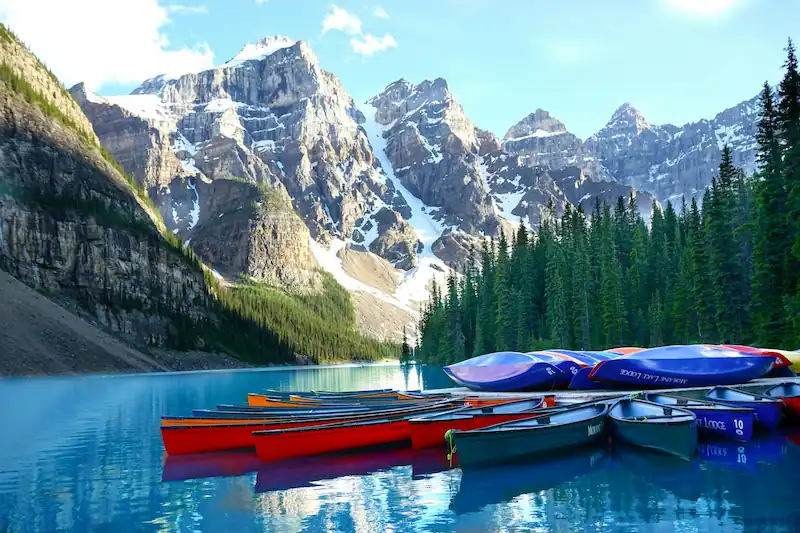
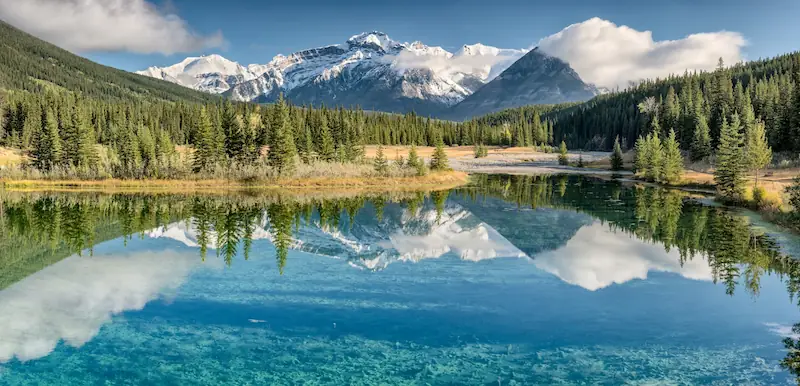
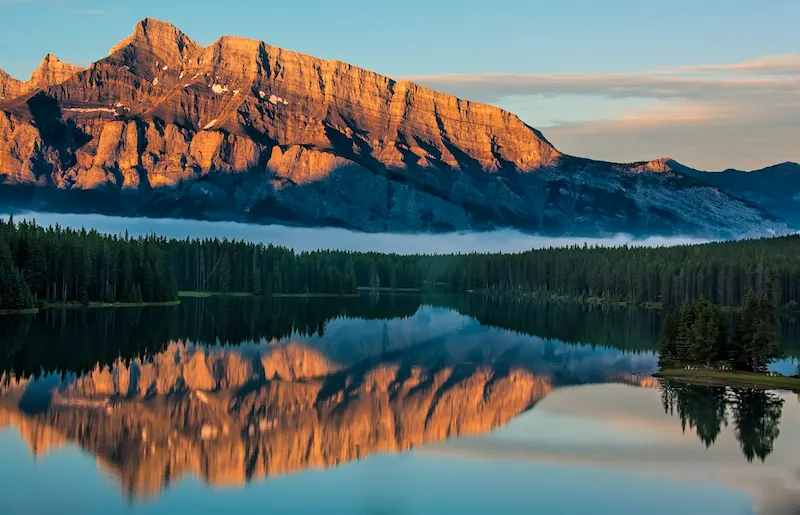
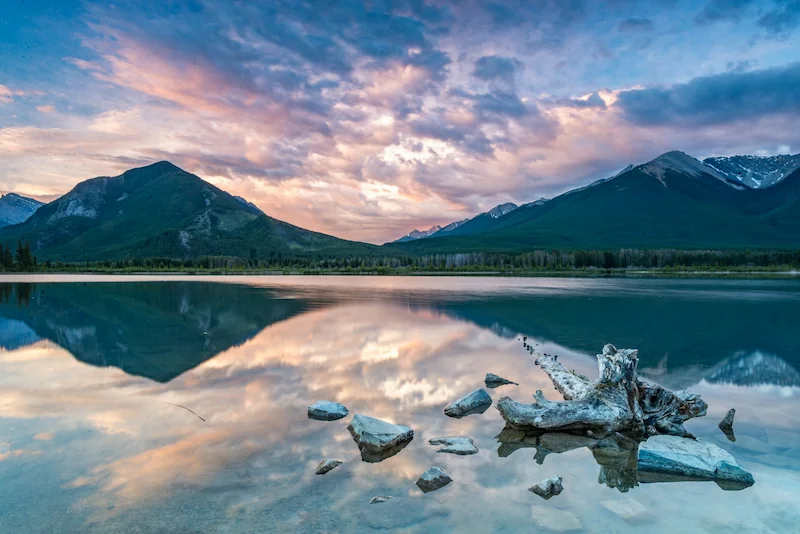
Find the best areas to stay in Banff based on how your trip will actually work: first-time sightseeing, lake access, hiking, skiing, family comfort, car-free movement, budget pressure, or a split Rockies itinerary. Banff is compact on the map, but accommodation choice has an outsized effect on the trip. The right base can simplify shuttles, dinner, parking, early starts, ski transfers, lake logistics, and the quiet recovery hours that matter after a mountain day.
Best areas
Downtown Banff is the easiest first-time base; Bow River is the best quieter central option; Tunnel Mountain suits families and longer stays; Banff Springs and Sulphur Mountain are strongest for scenic resort stays; Lake Louise works best as a lake-focused split stay; Canmore is the key value-and-space alternative outside the park.
Booking timing
Book as early as possible for June to September, ski holidays, Lake Louise stays, family suites, and the best central Banff hotels. In Banff, the most useful rooms usually disappear before the cheapest rooms do.
Best areas to stay in Banff at a glance
Downtown Banff – Best for: First-time visitors, car-free stays and short trips · Vibe: Central, walkable, practical and social. · Stay here if: You want restaurants, transit, tour pickups, shops and evening walks within minutes. · Avoid if: You want the quietest possible mountain lodge feeling or the largest rooms for the money.
Bow River – Best for: Quiet central stays and couples · Vibe: Scenic, calmer and still close to the town core. · Stay here if: You want easy walking access without sleeping directly in the busiest commercial strip. · Avoid if: You want maximum restaurant density immediately outside the hotel door.
Tunnel Mountain – Best for: Families, drivers, groups and longer stays · Vibe: Forest-adjacent, roomier and more residential in feel. · Stay here if: You value space, parking, kitchens, cabins or a quieter sleep base. · Avoid if: You want to walk effortlessly to every dinner, bar or tour pickup.
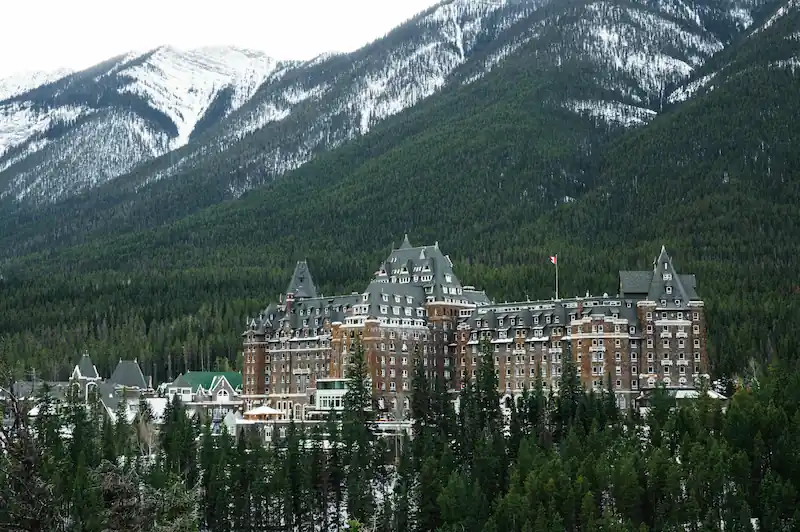
Banff Springs and Spray Valley – Best for: Scenic resort stays and special occasions · Vibe: Grand, slower and more retreat-oriented. · Stay here if: You want heritage-hotel atmosphere, Bow Falls access and a polished mountain stay. · Avoid if: You are prioritizing budget, spontaneity or maximum downtown convenience.
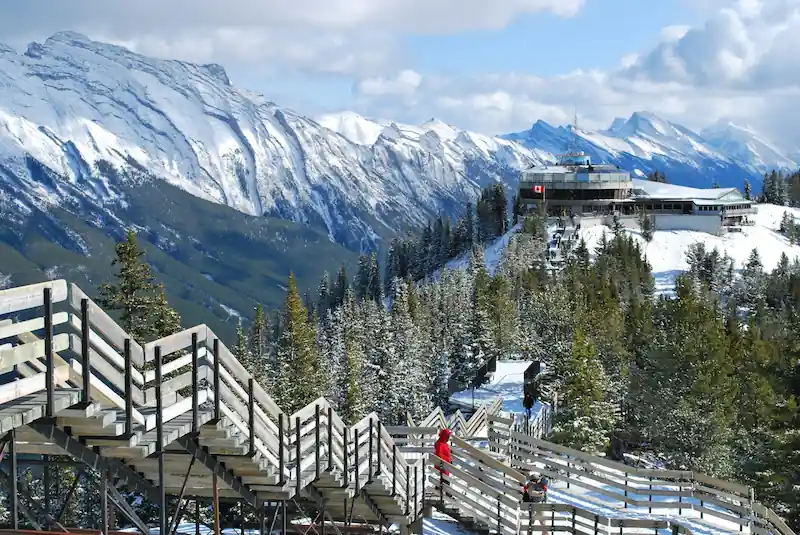
Banff Upper Hot Springs and Sulphur Mountain – Best for: Views, spa access, gondola access and quieter evenings · Vibe: Uphill, view-led and removed from the main town flow. · Stay here if: You want gondola access, hot springs and a more scenic edge to the stay. · Avoid if: You dislike relying on shuttles, taxis or driving for central restaurants.
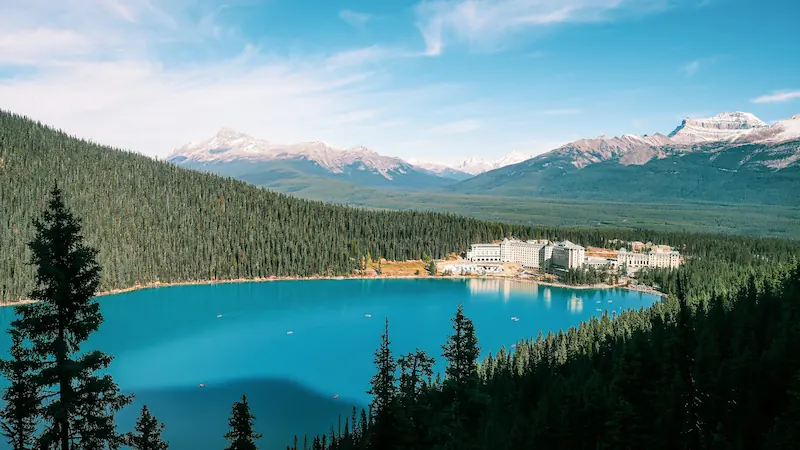
Lake Louise – Best for: Lake-focused stays, hikes and split itineraries · Vibe: Scenery-first, quieter at night and less town-based. · Stay here if: Your priority is Lake Louise, nearby trails, Moraine Lake logistics or a slower alpine lodge rhythm. · Avoid if: You want Banff’s downtown dining, services and evening energy every night.
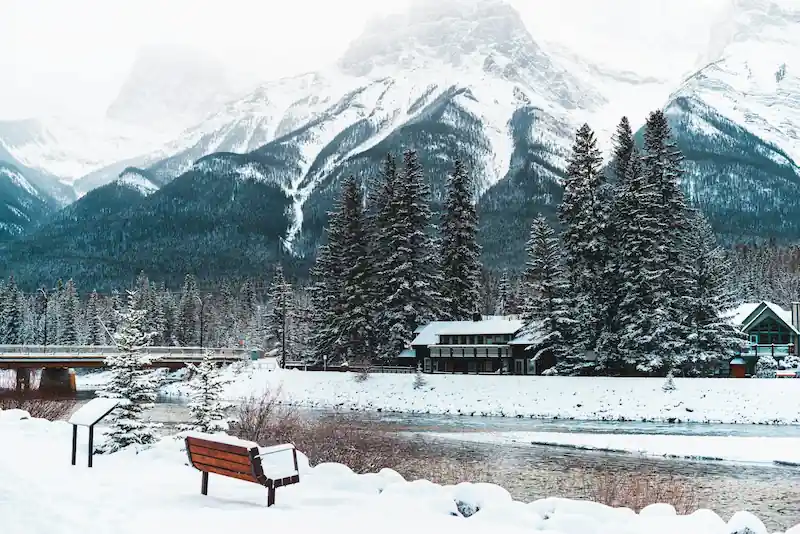
Canmore – Best for: Value, space, longer stays and Banff alternatives · Vibe: More local, more spacious and outside the national park townsite. · Stay here if: Banff is too expensive or you want larger units, kitchens and a broader Bow Valley base. · Avoid if: You want the full Banff evening experience or a car-light stay inside the park.
How to choose where to stay in Banff
Choosing where to stay in Banff is not just a hotel decision. It determines how early starts feel, whether dinner is easy, how much you depend on parking, whether lake access becomes stressful, and whether the stay feels like a national-park base or a mountain-town commute. The smartest approach is to choose the base that solves the main problem of your trip, not the one that sounds prettiest in isolation.
Choose Downtown Banff if this is your first trip and you want the simplest base for food, transit, tours, ski shuttles and short-stay logistics.
Choose Bow River if you want to stay central but prefer a calmer setting for morning walks and quieter evenings.
Choose Tunnel Mountain if room size, parking, kitchens, cabins and family comfort matter more than instant downtown access.
Choose Banff Springs or Sulphur Mountain if the hotel experience, views, hot springs or resort feeling are part of the trip.
Choose Lake Louise only when lake access, nearby hikes or a split Rockies itinerary matter more than Banff town energy.
Choose Canmore when value, space or longer-stay comfort matter, but be honest that it adds daily movement into Banff.
Do not choose by hotel price alone; in Banff, a slightly cheaper location can cost time, parking stress, shuttle friction or evening flexibility.
How Banff’s stay geography works
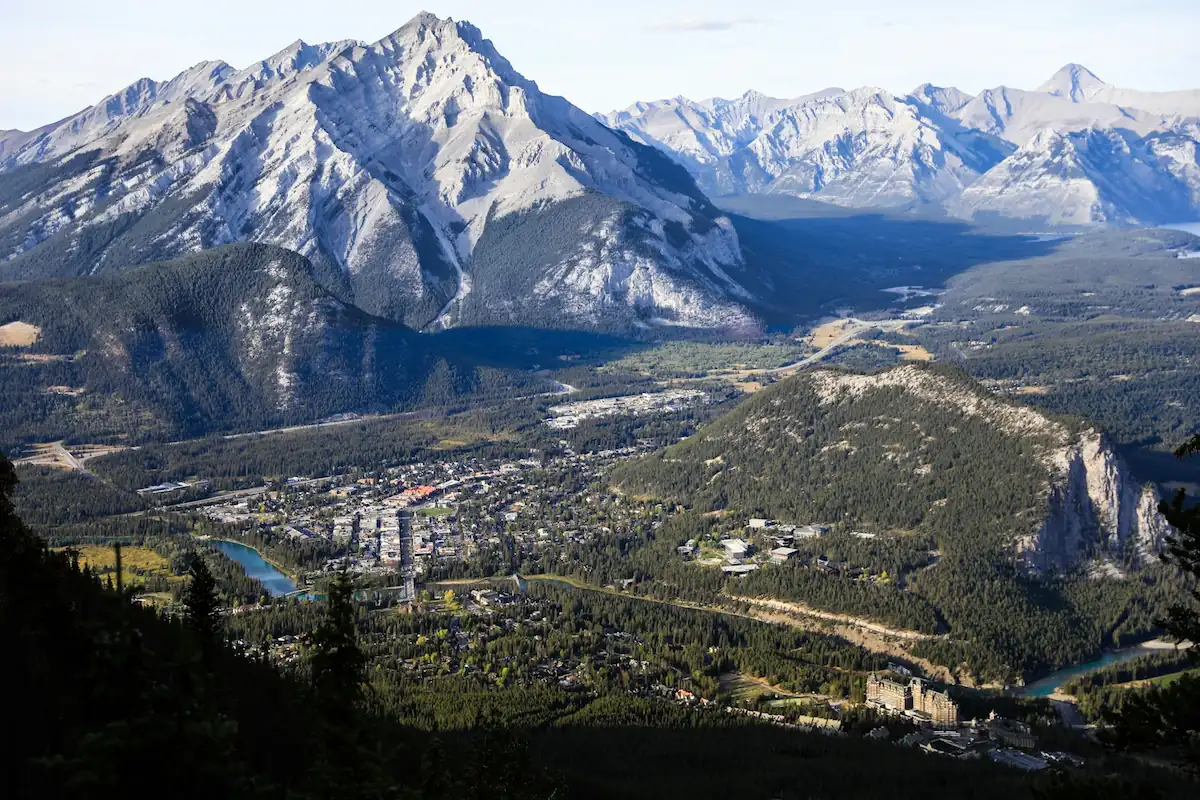
Banff’s accommodation geography is built around a compact townsite inside a much larger national park, with Canmore as the major external alternative and Lake Louise as a separate lake-first base. The mistake is assuming every base behaves the same because the map looks simple. In reality, a few minutes of location difference can affect restaurant access, parking, transit, lake logistics, room size, noise and how tired the trip feels.
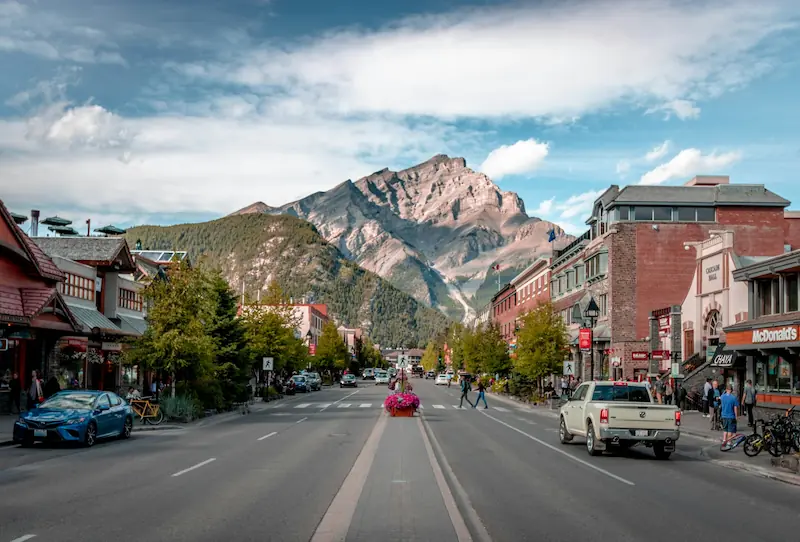
Downtown Banff is the convenience core, where restaurants, shops, transit, tour pickups and evening movement cluster tightly.
The Bow River edge stays close to the center but changes the feel of the stay, especially for walkers and couples.
Tunnel Mountain creates more space and calm, but turns downtown access into a small planning decision.
Banff Springs and Sulphur Mountain are scenic stay zones where the hotel experience matters more than street-level convenience.
Lake Louise follows a different accommodation logic: lake and trail access, not Banff town access.
Canmore can reduce accommodation pressure and increase space, but changes the trip into a broader Bow Valley base rather than a Banff stay.
Central convenience cluster – Downtown Banff and nearby Banff Avenue hotels are best for first-time visitors, short stays, car-light trips and anyone who wants meals and transit close at hand.
Quiet central cluster – The Bow River side suits travelers who want to stay walkable while softening noise, crowds and the commercial feel of the main strip.
Family and space cluster – Tunnel Mountain works well when suites, cabins, parking, kitchens and calmer evenings are more important than instant restaurant access.
Scenic resort cluster – Banff Springs, Spray Valley, Sulphur Mountain and Upper Hot Springs are for travelers who want views, retreat atmosphere, spa access or heritage-hotel scale.
Lake-first cluster – Lake Louise is strategic for lake access, nearby hikes and split Rockies itineraries, but it is not a substitute for Banff town if dining and nightlife matter.
External value cluster – Canmore is the key alternative when space, price or availability matter more than being inside Banff National Park every evening.
Best areas to stay in Banff
Banff’s best areas are not classic city neighborhoods. They are stay zones with different relationships to the town center, the river, the forest, the mountains, Lake Louise, Canmore, and the park’s access rules. The right choice depends on whether you want efficiency, calm, space, scenery, lake access, value, or a two-base Rockies strategy.
Downtown Banff
Downtown Banff is the strongest default base for a first trip because it removes the largest number of daily decisions. Restaurants, cafés, gear shops, Roam Transit stops, tour pickups, museums, and evening walks all sit within a compact grid around Banff Avenue. The trade-off is obvious: this is the busiest and most commercial part of Banff, especially in summer and on ski weekends. But for short stays, car-light travelers, and anyone trying to make Lake Louise, Moraine Lake, gondola, canyon, or ski days work smoothly, the convenience is hard to beat.
Why stay here: Stay here if you want the simplest all-round Banff base. Downtown is best when walkability, restaurants, transit, shuttle access, and evening flexibility matter more than quiet lodge seclusion.
Best for: First-time visitors, short stays, travelers without a car, couples who want easy dinners, solo travelers, weekend trips, ski weekends, and anyone prioritizing low-friction logistics.
Pros
Best overall base for first-time visitors and short stays.
Easiest access to restaurants, cafés, bars, shops, visitor services, gear rental, transit, tour pickups, and ski shuttles.
Strongest choice if you are visiting Banff without a car or want to minimize parking decisions.
Good for winter evenings, when walking to dinner matters more than scenic isolation.
Works well for 2- to 4-night itineraries where every hour matters.
Cons
The busiest and most commercial stay zone in Banff.
Rooms can be expensive for the size and design level offered.
Some Banff Avenue hotels can feel noisy or exposed during peak periods.
Parking may still require attention even when the hotel is central.
Not the best fit if the hotel itself is meant to feel like a mountain retreat.
Nearby highlights
Banff Avenue restaurants, cafés, pubs, shops, and après-ski energy.
Roam Transit stops and tour pickup zones for lake, canyon, gondola, and ski plans.
Whyte Museum, Banff Park Museum, and weather-friendly cultural stops.
Bow River Trail and easy walks toward Bow Falls.
Good base for 3-day Banff itineraries and car-light stays.
Simplest evening return after Lake Louise, Moraine Lake, Johnston Canyon, or ski transfers.
Best access to supermarkets, pharmacies, gear shops, and practical services.
Budget
Red Carpet Inn – A simple Banff Avenue option that keeps you close to the center without moving into the highest price band. Why we recommend: Useful when budget matters but you still want to stay walkable and avoid daily car dependence. Check availability
Banff Inn – A straightforward hotel on Banff Avenue with practical access to central Banff and mountain-town services. Why we recommend: A sensible base when location and function matter more than distinctive design. Check availability
Brewster Mountain Lodge – A central lodge-style hotel with a traditional mountain feel and a highly walkable position. Why we recommend: A good value-conscious choice for travelers who want character as well as centrality. Check availability
Mid
Banff Aspen Lodge – A reliable central hotel with comfortable rooms, hot tubs, and easy Banff Avenue access. Why we recommend: One of the most practical mid-range choices for first-time visitors who want comfort without complicating the stay. Check availability
Banff Park Lodge – A larger central property close to the river, museums, restaurants, and the main town grid. Why we recommend: It balances downtown convenience with a slightly softer edge than the busiest Banff Avenue blocks. Check availability
Mount Royal Hotel – A very central hotel directly on Banff Avenue, best for travelers who want to be in the middle of the town’s evening flow. Why we recommend: Few hotels make Banff more immediately walkable for restaurants, shops, and casual evenings. Check availability
Upscale
Moose Hotel and Suites – A polished central hotel with a spa feel, rooftop hot pools, and strong access to Banff Avenue. Why we recommend: One of the best choices when you want downtown convenience with a more elevated hotel experience. Check availability
Peaks Hotel and Suites – A modern central hotel with fresher design than many older Banff properties. Why we recommend: Good for travelers who want walkability and a cleaner contemporary room style. Check availability
Elk + Avenue Hotel – A highly central hotel with practical rooms and easy restaurant access on the main town axis. Why we recommend: A strong option when the priority is being steps from the action without booking a resort stay. Check availability
Bow River
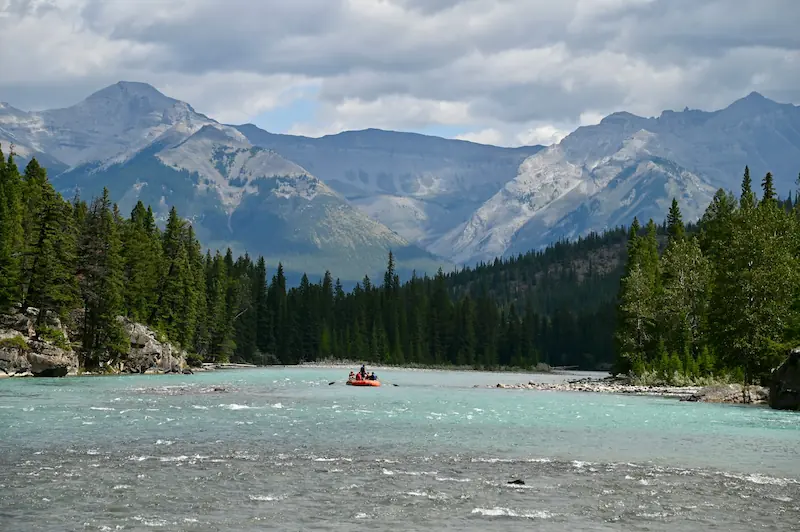
The Bow River area is the best choice if you want to stay central without sleeping directly in Banff’s busiest commercial rhythm. It keeps the restaurants, museums, river paths, and town services within easy reach, but the feel is calmer: more water, trees, morning air, and gentle walks back toward the hotel. For many travelers, this is the best compromise between Downtown Banff convenience and a more grounded mountain setting.
Why stay here: Stay here if you want a quieter central base. Bow River works especially well for couples, walkers, first-time visitors who dislike busy main streets, and travelers who want scenic decompression built into the stay.
Best for: Couples, walkers, quieter central stays, first-time travelers who want calm, short trips with scenic downtime, and visitors who want Banff to feel less transactional.
Pros
Central enough for easy walking but calmer than the busiest Banff Avenue blocks.
Good access to Bow River Trail, Bow Falls, museums, downtown restaurants, and quieter morning walks.
A strong fit for couples and slower-paced stays.
Feels less commercial than the main strip while remaining practical.
Good choice for travelers who want to return to the hotel between activities.
Cons
Hotel choice is more limited than in Downtown Banff.
Prices can still be close to downtown levels.
Not as instantly convenient for late-night dining, bars, or quick shopping errands.
Views and quiet vary significantly by exact street and room position.
Some properties marketed as river-adjacent may still feel central rather than secluded.
Nearby highlights
Bow River Trail for easy scenic walking.
Bow Falls and the Banff Springs side of the valley.
Whyte Museum and Banff Park Museum.
Downtown restaurants without sleeping in the loudest zone.
Morning and evening walks with a calmer mountain-town feel.
Good base for combining cultural stops, river paths, and one major outdoor day.
Useful for travelers who want central Banff but value atmosphere.
Budget
Bow View Lodge – A simple riverside-leaning hotel with a practical position near the Bow River. Why we recommend: One of the few lower-cost choices that gives a softer river setting close to town. Check availability
Holiday Lodge Bed and Breakfast – A small, simple Banff stay with a more personal scale than larger hotels. Why we recommend: Good for travelers who prefer a modest, central sleep base over a full-service property. Check availability
Holiday Lodge Cabins – Compact cabin-style accommodation close to central Banff. Why we recommend: A useful option for budget-minded travelers who want a more independent feel than a standard room. Check availability
Mid
Banff Park Lodge – A central property positioned close to the river, museums, and downtown. Why we recommend: A strong practical choice for combining Bow River access with full-service comfort. Check availability
At Wits End B&B – A small bed-and-breakfast near the Bow River side of Banff with a quieter residential feel. Why we recommend: It stands out for travelers who want intimacy and calm more than hotel facilities. Check availability
Brewster Mountain Lodge – A central lodge-style hotel close enough to use both downtown and the river comfortably. Why we recommend: A good compromise for travelers who want character, walkability, and a less generic stay. Check availability
Upscale
Peaks Hotel and Suites – A modern central hotel that keeps the river, museums, and restaurants within easy walking reach. Why we recommend: Its fresher design makes it a stronger upscale-leaning choice than many older central properties. Check availability
Moose Hotel and Suites – A polished central hotel with spa-style facilities and straightforward access to Banff’s main streets. Why we recommend: Good when you want comfort without losing the town’s walkability. Check availability
Fairmont Banff Springs – A landmark resort above the Bow River valley, with extensive facilities and a strong scenic setting. Why we recommend: Best when the hotel itself should become part of the Banff experience. Check availability
Tunnel Mountain
Tunnel Mountain is Banff’s most useful stay zone for families, road-trippers, longer stays, and travelers who need space. The area feels more spread out than downtown, with lodge-style properties, suites, cabins, parking, kitchens, and a calmer sleep rhythm. It is still part of Banff, but the trade-off is clear: dinners, bars, shops, and some transit connections require a little more planning than they would downtown.
Why stay here: Stay here if your hotel needs to support the trip: room to unpack gear, space for kids, easier parking, kitchens, fireplaces, and quieter evenings. Tunnel Mountain is practical rather than showy, and that practicality can make a Banff stay much better.
Best for: Families, road-trippers, longer stays, self-catering travelers, ski trips with gear, groups, and anyone who wants more room than downtown typically offers.
Pros
Best Banff area for families, longer stays, and roomier accommodation formats.
More options with cabins, suites, kitchens, fireplaces, and practical parking.
Generally calmer at night than Downtown Banff.
Useful for road-trippers and travelers carrying hiking, ski, or winter gear.
Good access to short Tunnel Mountain walks and quieter morning starts.
Cons
Less convenient for spontaneous downtown dinners and drinks.
Not ideal if you want to avoid transit, taxis, or driving.
Some properties feel more functional than atmospheric.
Winter movement can feel less effortless than staying directly downtown.
Exact hotel position matters because the area is more spread out.
Nearby highlights
Suite, cabin, and kitchen-friendly accommodation formats.
Tunnel Mountain trails and easy morning movement.
Practical parking and vehicle access for wider park exploration.
Calmer sleep after busy lake, ski, or hiking days.
Good base for families who need downtime between activities.
Useful for 4- to 7-night stays when comfort matters more.
Better value-per-space potential than the densest downtown blocks.
Budget
The Dorothy Motel – A simple motel-style stay on the quieter edge of Banff. Why we recommend: A useful budget-conscious base away from the busiest downtown blocks. Check availability
Banff Rocky Mountain Resort – A resort-style option with spacious layouts and a practical edge-of-town position. Why we recommend: Useful for families and drivers who want room and facilities over downtown walkability. Check availability
Tunnel Mountain Resort – A suite and cabin-oriented property with space, kitchens, and a quieter mountain setting. Why we recommend: One of the best functional choices for families who need a stay that works beyond sleeping. Check availability
Mid
Buffalo Mountain Lodge – A lodge-style property on Tunnel Mountain with fireplaces, wood textures, and a calmer setting. Why we recommend: It offers a stronger mountain-lodge identity than many mid-range Banff hotels. Check availability
Canalta Lodge – A comfortable lodge on Banff Avenue’s quieter stretch, with practical facilities and a relaxed feel. Why we recommend: A strong family-friendly and mid-range option when centrality is useful but calm matters too. Check availability
Charltons Banff – An Alpine-style hotel on the quieter side of Banff Avenue, with family room options and simple access back into town. Why we recommend: It fits travelers who want to stay near the center without being fully in the downtown rush. Check availability
Upscale
Hotel Canoe and Suites – A newer, more polished hotel on Banff’s quieter eastern side with a contemporary mountain feel. Why we recommend: Good for travelers who want modern comfort and a calmer base outside the densest core. Check availability
Otter Hotel – A modern Banff hotel with polished rooms, easy parking logic, and a quieter edge-of-town setting. Why we recommend: It suits travelers who want newer facilities without paying for a central or heritage resort address. Check availability
Buffalo Mountain Lodge – A characterful mountain lodge with fireplaces and a stronger sense of retreat than most town hotels. Why we recommend: Its atmosphere makes it one of the best non-downtown choices for couples and longer stays. Check availability
Banff Springs and Spray Valley
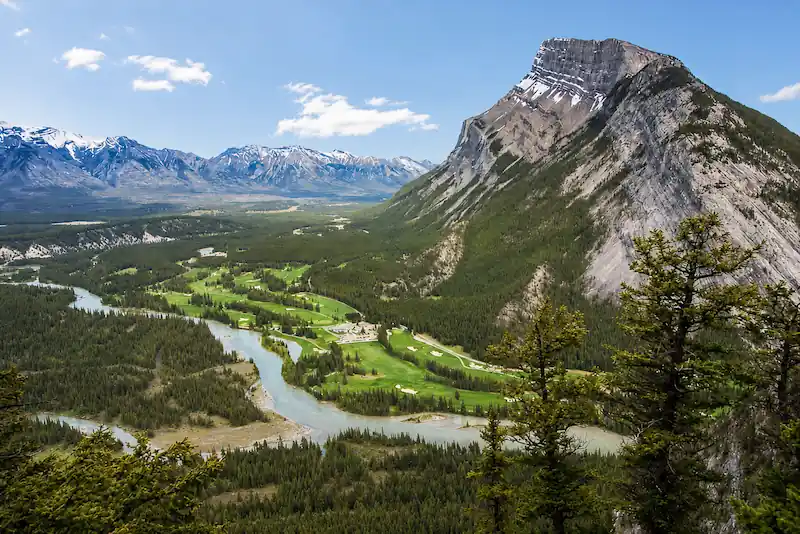
Banff Springs and the Spray Valley are where the stay shifts from practical town base to scenic resort experience. This area is close enough to downtown to remain usable, but the rhythm is more shaped by terraces, stone architecture, Bow Falls, Spray River walks, forest edges, and hotel-led evenings. It is not the most efficient base for every traveler. It is strongest when the accommodation is part of the reason for choosing Banff.
Why stay here: Stay here if you want a scenic, resort-led Banff stay and are comfortable trading maximum downtown convenience for atmosphere, views, heritage scale, and slower evenings.
Best for: Luxury stays, couples, scenic retreat trips, heritage-hotel travelers, special occasions, and visitors who want Banff to feel less like a transit base.
Pros
Best area for a grand mountain-resort feeling.
Easy access to Bow Falls, Spray River walks, and scenic hotel-side paths.
Quieter and more self-contained than Downtown Banff.
Strong fit for couples, special occasions, and premium stays.
Good when the hotel experience should shape the trip.
Cons
Less convenient for casual downtown dining every night.
Premium pricing can be significant in peak periods.
Not the best base for budget travelers or highly mobile short itineraries.
Can feel removed if you want constant access to shops and transit.
You may pay for facilities you barely use if every day starts early.
Nearby highlights
Fairmont Banff Springs heritage setting.
Bow Falls without driving.
Spray River and forest-edge walks.
Scenic terraces, lounges, and resort-led evenings.
Strong base for special occasions.
Good combination of dining, spa time, and slower mornings.
Close enough to downtown for occasional meals without sleeping in the busiest zone.
Budget
At Wits End B&B – A small, modest bed-and-breakfast close to the Bow River and Banff Springs side of town. Why we recommend: A more affordable way to stay near this scenic edge without booking a resort. Check availability
Bow View Lodge – A simple central-river option that keeps the Banff Springs side accessible. Why we recommend: A useful lower-cost compromise for travelers drawn to the river and Bow Falls area. Check availability
Banff Park Lodge – A practical central property between downtown convenience and the Bow River side of Banff. Why we recommend: It can work as a value-conscious alternative to a full Banff Springs resort stay. Check availability
Mid
Royal Canadian Lodge – A comfortable lodge-style hotel on Banff Avenue with a more polished feel than basic town properties. Why we recommend: A good bridge between downtown practicality and a more elevated mountain stay. Check availability
Fox Hotel and Suites – A suite-friendly Banff hotel with useful facilities and a distinctive hot pool setting. Why we recommend: It works well when you want a memorable hotel feature without full luxury pricing. Check availability
Mount Royal Hotel – A central hotel that keeps Banff Springs, Bow River walks, and downtown dining within easy reach. Why we recommend: Useful for travelers who want to visit the resort side without giving up central convenience. Check availability
Upscale
Fairmont Banff Springs – Banff’s grand heritage resort, set above the Bow River with extensive facilities and a strong sense of place. Why we recommend: The defining choice when the hotel is meant to be part of the Banff experience, not just a base. Check availability
Rimrock Banff, Emblems Collection – An upscale mountain hotel near the Upper Hot Springs and Sulphur Mountain, with strong views and a quieter setting. Why we recommend: A better fit than downtown luxury if you want scenery, calm, and resort facilities. Check availability
Moose Hotel and Suites – A polished central hotel with spa-style facilities and a strong comfort-to-convenience balance. Why we recommend: A good upscale alternative if you want comfort but still prefer central walkability. Check availability
Banff Upper Hot Springs and Sulphur Mountain
The Upper Hot Springs and Sulphur Mountain area is a view-led base for travelers who want recovery, altitude, and a quieter edge to the stay. It sits uphill from the main town core, close to the Banff Gondola, hot springs, and mountain-side access. This area is less spontaneous for restaurants, but stronger for couples, scenic hotels, winter recovery, and travelers who want Banff to feel less like a busy street grid.
Why stay here: Stay here if you want gondola access, hot springs proximity, quieter evenings, and a hotel setting that feels more scenic than downtown. It is best when recovery and views are part of the trip’s value.
Best for: Couples, view-focused travelers, spa stays, quieter luxury, gondola access, recovery-focused itineraries, and visitors who prefer scenery over street-level energy.
Pros
Best area for Banff Gondola, Sulphur Mountain, and Upper Hot Springs access.
Quieter and more scenic than the downtown core.
Good fit for couples, spa-focused stays, and view-led hotel choices.
Works well after hiking, skiing, or cold-weather days.
Feels like a retreat while remaining close to Banff town.
Cons
Less convenient for casual downtown dining without driving, transit, or taxis.
Not the best area if you want to walk everywhere.
Hotel choice is narrower than downtown or Tunnel Mountain.
Uphill location can feel less practical in winter or after long days.
Less suitable for travelers focused on nightlife or frequent errands.
Nearby highlights
Banff Gondola and Sulphur Mountain viewpoints.
Banff Upper Hot Springs.
Mountain-side walking routes and scenic outlooks.
Quieter evenings than the main downtown strip.
Good base for a slower stay with recovery time built in.
Easy connection to downtown by car, shuttle, or taxi when needed.
Strong fit for winter trips where hot springs and views matter.
Budget
Charltons Banff – A practical Banff Avenue hotel on the quieter side of town, useful for reaching Sulphur Mountain by car or transit. Why we recommend: A sensible compromise if the hillside resorts are above budget. Check availability
Red Carpet Inn – A simple Banff Avenue base that keeps costs lower while remaining within reach of the gondola route. Why we recommend: Good when you want to spend more on experiences than on the room. Check availability
Banff Inn – A straightforward hotel on Banff Avenue with practical access to town and onward routes. Why we recommend: A functional choice if you want Banff convenience without paying for a view-led property. Check availability
Mid
Royal Canadian Lodge – A comfortable mountain-town hotel with a more polished feel than basic Banff Avenue options. Why we recommend: A useful mid-range bridge between downtown stays and scenic resort hotels. Check availability
Fox Hotel and Suites – A practical suite-friendly hotel with a distinctive hot pool and good access to Banff’s upper routes. Why we recommend: Its facilities make it stronger for recovery-focused stays than many standard mid-range hotels. Check availability
Canalta Lodge – A comfortable lodge on Banff Avenue’s quieter side, with family-friendly facilities and a relaxed base. Why we recommend: Good for travelers who want more comfort and less downtown intensity. Check availability
Upscale
Rimrock Banff, Emblems Collection – An upscale hotel near the Upper Hot Springs and Banff Gondola, with strong mountain views and resort-style facilities. Why we recommend: The best fit for travelers who want this area’s view-led logic to define the stay. Check availability
Fairmont Banff Springs – A grand resort slightly lower in the valley, still well placed for a scenic and retreat-oriented Banff stay. Why we recommend: A strong alternative when you want heritage scale and resort facilities rather than the highest hillside position. Check availability
Hotel Canoe and Suites – A modern hotel on the quieter eastern side of Banff with polished rooms and a calmer mountain-town setting. Why we recommend: Good if you want newer hotel comfort without committing to full luxury pricing. Check availability
Lake Louise
Lake Louise is not a default substitute for Banff town; it is a strategic base for lake-focused stays, serious scenery, nearby hikes, and split Rockies itineraries. Staying here changes the rhythm completely: evenings are quieter, dining choice is narrower, and the stay becomes more about water, trailheads, early starts, and onward movement toward Yoho or the Icefields Parkway. For the right traveler, that is exactly the point.
Why stay here: Stay here if Lake Louise, nearby hikes, Moraine Lake logistics, or a wider Rockies route matter more than Banff’s restaurants and town energy. It is strongest as a split stay or scenery-first base.
Best for: Lake-focused travelers, hikers, photographers, premium alpine stays, road-trippers, and visitors building a 5- to 7-day Rockies itinerary.
Pros
Best base for Lake Louise-focused stays.
Useful for early starts around nearby trails and lake access.
Quieter evenings than Banff town.
Strong fit for premium scenery-led stays and longer Rockies itineraries.
Can reduce backtracking when continuing toward Yoho, the Icefields Parkway, or Jasper.
Cons
Much less dining, nightlife, and service variety than Banff town.
Limited hotel supply makes good options disappear early.
Budget choices are fewer and compromises are more likely.
Not ideal if you want Banff Avenue every evening.
Poor fit if you want maximum flexibility across all Banff zones.
Nearby highlights
Lake Louise shoreline and lake-view stays.
Lake Agnes Tea House and Plain of Six Glaciers access when conditions allow.
Moraine Lake access planning from the Lake Louise area.
Yoho National Park and Emerald Lake as nearby extensions.
Icefields Parkway and Bow Lake / Peyto Lake routing.
Quieter nighttime rhythm than Downtown Banff.
Good split-stay option after two or three nights in Banff town.
Budget
HI Lake Louise Alpine Centre – A hostel-style option in Lake Louise, best for budget travelers who care more about access than hotel polish. Why we recommend: One of the few ways to stay in Lake Louise without paying resort-level prices. Check availability
Mountaineer Lodge – A practical Lake Louise village stay with straightforward rooms and useful access to the wider area. Why we recommend: A sensible choice when location matters but lakeside luxury is not the goal. Check availability
Lake Louise Inn – A large, practical Lake Louise village property with room types that can work for families and road-trippers. Why we recommend: Often the most functional non-luxury base for staying near Lake Louise. Check availability
Mid
Lake Louise Inn – A village-based hotel with practical facilities and easier access to the Lake Louise area than commuting from Banff. Why we recommend: Its flexibility and range of rooms make it useful for families and mid-range travelers. Check availability
Paradise Lodge and Bungalows – A seasonal lodge and bungalow-style stay near Lake Louise with a quieter mountain feel. Why we recommend: It offers more character and independence than a standard village hotel. Check availability
Baker Creek By Basecamp – A cabin-style stay between Banff and Lake Louise, suited to travelers who want a more secluded Rockies base. Why we recommend: A strong alternative when you want quiet, cabin texture, and road-trip flexibility. Check availability
Upscale
Fairmont Château Lake Louise – A major lakeside resort directly at Lake Louise, built around immediate access to the water and glacier view. Why we recommend: The clearest choice when the lake itself is the reason for staying here. Check availability
Post Hotel & Spa – A refined Lake Louise village hotel with a quieter luxury profile and strong dining-and-spa appeal. Why we recommend: Best for travelers who want upscale comfort without sleeping directly on the lakefront. Check availability
Baker Creek By Basecamp – A premium-feeling cabin option with a more secluded mountain-road setting. Why we recommend: It suits travelers who want atmosphere and space rather than a conventional resort hotel. Check availability
Canmore
Canmore is not Banff, but it belongs in a serious where-to-stay guide because many travelers compare the two before booking. It sits outside the national park, with more accommodation supply, more local-town texture, and often better value or larger rooms than central Banff. The trade-off is equally important: staying in Canmore turns part of the trip into a daily approach to Banff National Park, with driving, parking, transit timing, or tour logistics to manage. It is a smart base for the right traveler, but not a like-for-like replacement for sleeping in Banff.
Why stay here: Stay here if Banff prices are too high, you want more space, you are traveling with a car, or you prefer a more lived-in mountain town. Avoid it if your dream is easy Banff evenings, car-light movement, or immediate park-town atmosphere.
Best for: Budget-conscious travelers, families needing more space, road-trippers, longer stays, visitors comparing Banff vs Canmore, and travelers who want a broader Bow Valley base rather than a pure Banff town stay.
Pros
Often more accommodation choice and better value than central Banff.
Good option for families, longer stays, road-trippers, and travelers who need kitchens or larger units.
More local-town feel, with restaurants, cafés, breweries, and services beyond pure tourism.
Useful base for Kananaskis, Bow Valley, and broader Rockies exploration.
Can be more practical when Banff rooms are sold out or prices are extreme.
Cons
Not the same experience as staying inside Banff National Park.
Adds daily movement for Banff, Lake Louise, Moraine Lake, gondola, canyon, or ski plans.
Parking and road timing become more important.
Less convenient for Banff Avenue evenings or car-light travelers.
Can feel like a commute-based stay if every day is focused on Banff.
Nearby highlights
Canmore restaurants, cafés, breweries, and local-town services.
Good access to the broader Bow Valley and Kananaskis Country.
More apartment-style, suite, and self-catering options than Banff town.
Useful fallback when Banff accommodation is sold out or overpriced.
Better base for travelers who want a less tourist-compressed evening scene.
Strong option if you are driving and comfortable managing Banff access each day.
Logical choice for longer stays where space and value matter.
Budget
Pocaterra Inn & Waterslide – A practical Canmore hotel with family-friendly facilities and easier value logic than many Banff stays. Why we recommend: Good for families and road-trippers who want space and do not need to sleep inside Banff. Check availability
Coast Canmore Hotel & Conference Centre – A straightforward Canmore base with practical rooms and access to town services. Why we recommend: Useful when you want a reliable, lower-friction Canmore stay instead of paying Banff premiums. Check availability
Canmore Inn & Suites – A large practical hotel close to Canmore services and road access. Why we recommend: A sensible choice for travelers prioritizing value, family facilities, and easy movement by car. Check availability
Mid
Basecamp Suites Canmore – Apartment-style accommodation in Canmore with more independent-stay logic than most Banff hotels. Why we recommend: Strong for longer stays, groups, and travelers who want kitchens and space. Check availability
Blackstone Mountain Lodge by CLIQUE – A suite-oriented Canmore property with kitchens, space, and mountain-town comfort. Why we recommend: A good fit for families and longer stays where room layout matters. Check availability
Falcon Crest Lodge by CLIQUE – A comfortable suite-style lodge with more room to spread out than many Banff hotels. Why we recommend: Useful for travelers who want Canmore value with a more polished stay format. Check availability
Upscale
The Malcolm Hotel – A polished Canmore hotel with a stronger sense of occasion and mountain-town atmosphere. Why we recommend: One of Canmore’s best options when you want a premium stay but do not need Banff town at the door. Check availability
Stoneridge Mountain Resort – A spacious suite-based resort option in Canmore with kitchens and a more residential comfort profile. Why we recommend: Strong for families, groups, and longer stays where space is the luxury. Check availability
Solara Resort by Bellstar Hotels – A condo-style Canmore property with larger units and a resort-apartment feel. Why we recommend: Best for travelers who want self-catering comfort and more space than a standard Banff hotel room. Check availability
Where to stay in Banff for first-time visitors
For a first trip, the safest choice is usually the base that removes the most friction. Banff is easy to enjoy, but poor location choices can make meals, transit, parking, shuttle reservations and early starts feel more complicated than they need to be.
Choose Downtown Banff if you have 2 to 4 nights and want the easiest all-round base.
Choose Bow River if you want central access with a quieter and more scenic edge.
Choose Tunnel Mountain if you are traveling with family, staying longer or prioritizing room size.
Choose Lake Louise only if your first trip is built around lakes and nearby trails rather than Banff town.
Choose Canmore only if value, space or room availability clearly matter more than staying in Banff itself.
Avoid making your first Banff stay too remote unless you are comfortable driving, parking and planning every evening.
TravelerType
BestArea
Why
First-time short stay
Downtown Banff
It keeps the highest number of decisions simple.
First-time quieter stay
Bow River
It stays central while softening the town’s busiest edges.
First-time family stay
Tunnel Mountain
It offers more space and practical room formats.
First-time value alternative
Canmore
It can reduce price pressure but adds movement into Banff.
Where to stay in Banff with family
Families usually need a base that supports downtime, gear, simple meals, laundry, flexible movement and enough space to recover. In Banff, that often matters more than being on the most central block.
Tunnel Mountain is the strongest family area inside Banff because suites, cabins, kitchens, parking and quieter sleep settings are more common.
Downtown Banff works well for families with older children who want walkability and easy dinner access.
Bow River is good when you want central movement without the busiest street-level energy.
Canmore can be the best value family alternative if you are driving and want larger units or kitchens.
Lake Louise is better for outdoors-focused families than for families who want varied restaurants and easy town services.
Look carefully at room layout, parking, breakfast, laundry and kitchen access before choosing by area name alone.
FamilyNeed
BestArea
TradeOff
More space inside Banff
Tunnel Mountain
Less immediate downtown access.
Easy meals and no-car movement
Downtown Banff
Busier and often more expensive.
Quiet central base
Bow River
Fewer hotel options.
Best value and larger units
Canmore
Daily movement into Banff.
Where to stay in Banff on a budget
Banff is not an easy budget destination, especially in summer and ski periods. The smartest budget strategy is usually to protect enough location quality to avoid hidden transport friction, then compromise on room style, size or design rather than access.
Look first at simple hotels and lodges around Downtown Banff or the quieter Banff Avenue stretch.
Tunnel Mountain can offer better value if you need space, kitchens or parking and do not mind being less central.
Canmore is the main external alternative when Banff prices are too high, but it changes the trip into a commute-based stay.
Bow River budget options are limited, but small lodges and B&Bs can be worth checking early.
Lake Louise is rarely the best budget base unless access savings matter more than hotel pricing.
Avoid choosing a cheaper room that forces expensive taxis, parking stress or daily backtracking.
BudgetGoal
BestArea
TradeOff
Lowest practical central stay
Downtown Banff or Banff Avenue edge
Rooms may be simple and book out early.
More space for the money inside Banff
Tunnel Mountain
Less walkable for evening plans.
Cheaper outside Banff
Canmore
Not the same stay experience and more daily movement.
Lake access on a tighter budget
Lake Louise village
Very limited supply and fewer dining choices.
Where to stay in Banff without a car
A car-free Banff stay can work well if the base is chosen carefully. The key is staying close enough to restaurants, Roam Transit, tour pickups and shuttle-linked experiences that every day does not become a negotiation.
Downtown Banff is the best area without a car because it keeps transit, food and tours close together.
Bow River can work without a car if your hotel is still within easy walking distance of the core.
Tunnel Mountain is possible but requires more attention to transit and winter conditions.
Banff Springs or Sulphur Mountain can feel inconvenient without a car unless the hotel experience is the main point.
Lake Louise without a car only makes sense when transfers, shuttles and onward movement are clearly planned.
Canmore without a car is usually less convenient for a Banff-focused trip.
CarFreePriority
BestArea
Why
Maximum simplicity
Downtown Banff
Restaurants, transit and pickups are closest together.
Calmer central stay
Bow River
Still walkable if the exact hotel is well placed.
Lake-focused stay
Lake Louise
Only if shuttle and transfer logistics are already solved.
Where to stay in Banff for couples
Couples often need a different balance from families or road-trippers: enough convenience for smooth evenings, enough atmosphere to make the stay feel special, and enough quiet to decompress after outdoor days.
Bow River is one of the best couple choices because it combines walkability with a calmer setting.
Downtown Banff works well for couples who want restaurants, bars and easy evenings.
Banff Springs and Spray Valley are strongest for special occasions and scenic resort atmosphere.
Sulphur Mountain and Upper Hot Springs suit view-led, spa-oriented and quieter stays.
Lake Louise is excellent for a scenery-first romantic split stay, but less flexible for dining.
Canmore works for couples who want value and local-town texture rather than classic Banff atmosphere.
CoupleStyle
BestArea
TradeOff
Easy dinners and first trip
Downtown Banff
Busier atmosphere.
Quiet but central
Bow River
Fewer hotel choices.
Special occasion
Banff Springs or Sulphur Mountain
Higher pricing and less spontaneity.
Scenery-first split stay
Lake Louise
Less dining variety.
Where to stay in Banff for luxury and special occasions
Luxury in Banff is less about urban glamour and more about setting, views, heritage, facilities, room comfort and the ability to turn the hotel into part of the mountain experience.
Banff Springs and Spray Valley are the clearest choice for a grand heritage-resort stay.
Sulphur Mountain is stronger if views, hot springs proximity and quieter elevation matter most.
Downtown Banff works for upscale travelers who still want walkability and restaurants.
Lake Louise is the premium scenery-first choice if the lake itself is central to the trip.
Canmore’s upscale options are better for space and value than classic Banff prestige.
Do not pay resort-level rates if every day starts before sunrise and ends with minimal hotel time.
LuxuryGoal
BestArea
Why
Heritage resort atmosphere
Banff Springs and Spray Valley
The hotel setting becomes part of the trip.
Views and quieter recovery
Sulphur Mountain
Better for outlook, hot springs and retreat feel.
Lakefront scenery
Lake Louise
Best when the lake is the point.
Upscale but walkable
Downtown Banff
Comfort without losing town access.
Where to stay in Banff in winter or for skiing
Winter changes the stay logic. Short daylight, cold evenings, ski transfers, gear, road conditions and après-ski rhythm make convenience and room practicality more important than they may seem in summer.
Downtown Banff is the best winter base for most visitors because dinners, pubs, shops and transfers are easy.
Tunnel Mountain works for ski trips with families or gear if parking and shuttle logistics are clear.
Sulphur Mountain and Upper Hot Springs are appealing for recovery and views after cold days.
Canmore can work for ski trips with a car, but it adds daily movement.
Lake Louise is strategic if skiing or lake-area winter scenery is the main focus.
Avoid scenic isolation if it makes every dinner, transfer or gear movement harder.
WinterNeed
BestArea
Why
Après-ski and easy dinners
Downtown Banff
Best evening convenience.
Family ski trip with gear
Tunnel Mountain
More space and practical room formats.
Recovery and hot springs
Sulphur Mountain
Best access to views and hot springs.
Lake Louise ski focus
Lake Louise
Closer to the ski area and lake-zone winter plans.
When to split your stay between Banff, Lake Louise and Canmore
A split stay is not necessary for every trip, but it can make sense on longer itineraries when one base cannot solve every problem. The key is to split for strategy, not novelty.
Split Banff town and Lake Louise if your trip is 5 to 7 days and lake hikes or Icefields Parkway routing matter.
Stay entirely in Downtown Banff or Bow River for a short first trip.
Use Canmore for the full stay only if value, space or availability outweighs Banff evening convenience.
Combine Canmore and Banff only if you want both local-town value and a final easy Banff night.
Do not split a 2- or 3-night trip unless there is a very specific reason.
Avoid changing hotels just to save a small amount if it disrupts early starts and park logistics.
TripType
BestStructure
Why
3 nights first trip
One base in Downtown Banff or Bow River
Too short to spend energy changing hotels.
5 to 7 nights Rockies trip
Banff town plus Lake Louise
Reduces backtracking and improves lake access.
Value-focused longer stay
Canmore with selected Banff days
More space but more daily movement.
Where to stay depending on your Banff trip length
The shorter the trip, the more location should do the work for you. Longer stays can justify quieter, roomier or more specialized bases because there is more time to absorb the trade-offs.
Label
Stay
Avoid
Why
1 to 2 nights
Downtown Banff
Lake Louise, Canmore or remote-feeling bases unless the trip has one very specific purpose.
Short stays need the least friction: easy food, walking, transit and fast orientation.
3 days
Downtown Banff or Bow River
A base that requires driving for every dinner or minor errand.
Three days is enough for one major lake or mountain plan, but not enough to waste energy on avoidable logistics.
4 to 5 days
Downtown Banff, Bow River or Tunnel Mountain
Choosing only for centrality if you need space, parking or family comfort.
With more nights, hotel comfort and recovery time start to matter as much as walkability.
6 to 7 days
Split Banff town with Lake Louise, or choose Tunnel Mountain / Canmore for a roomier long-stay base.
Commuting repeatedly to lake zones if the trip is built around them.
A longer trip can support a two-base strategy and reduces the need to force every outing from one hotel.
Ski-focused trip
Downtown Banff, Tunnel Mountain or Lake Louise depending on resort focus and gear needs.
A scenic base that makes every transfer and evening meal harder.
Winter stays depend on equipment, daylight, road conditions, après-ski energy and simple transfers.
Scenery-first retreat
Banff Springs, Sulphur Mountain or Lake Louise
Downtown if the goal is quiet, views and hotel-led downtime.
When the hotel setting is part of the trip, convenience is no longer the only measure of value.
Budget-pressure trip
Canmore or simpler Banff Avenue / Tunnel Mountain properties
Only comparing nightly rate without adding fuel, parking, time and evening convenience.
Canmore can help with value, but the total trip experience changes.
How to choose the right hotel in Banff
Once you choose the area, the exact hotel still matters. In Banff, two properties in the same zone can produce very different stays because street position, parking, room size, shuttle access, noise exposure, breakfast, gear storage and winter movement all carry real weight.
Topic
WhatToDo
WhatToAvoid
WhyItMatters
Street-level location
Check whether the hotel sits on the main commercial strip, a quieter side street, the river edge, an uphill road or outside Banff in Canmore.
Assuming every central hotel has the same noise level or walking experience.
A central address can be either efficient or tiring depending on its exact position.
Parking
Confirm parking availability, cost and ease before booking if you are driving.
Choosing a hotel by nightly rate without factoring in parking stress.
Banff’s best location can lose value if vehicle logistics become a daily frustration.
Room size and layout
Prioritize suites, cabins, kitchens or apartment-style units for families, groups and longer stays.
Booking the smallest central room for a trip with gear, children or winter clothing.
Mountain trips create more in-room clutter and fatigue than ordinary city breaks.
Transit and shuttle access
Choose a hotel with clear access to Roam Transit, tour pickups, ski transfers or lake-access logistics if you are not driving every day.
Staying in a scenic area without understanding how you will move after dark or in bad weather.
Transport convenience can matter as much as neighborhood choice in peak season.
Hotel atmosphere
Decide whether the hotel should be purely functional or part of the Banff experience.
Paying for resort atmosphere if you will leave before sunrise and return exhausted every night.
Banff hotels vary widely between practical sleep bases and stay-defining properties.
Seasonality
Match the hotel to the season: central for winter evenings, spacious for family summer stays, view-led for slower retreats, Lake Louise for lake or ski focus.
Using one generic best-area rule for every month.
Snow, daylight, lake access and restaurant demand change what makes a hotel convenient.
Banff vs Canmore value
Compare total trip friction, not only nightly rate: commuting, parking, fuel, dinner plans and park access all matter.
Assuming Canmore is automatically better because it is cheaper or Banff is automatically better because it is inside the park.
The right answer depends on trip length, vehicle access, budget pressure and evening priorities.
Booking timing
Book early for summer, ski holidays, Lake Louise, family rooms and central hotels with parking.
Waiting until only expensive rooms or inconvenient bases remain.
In Banff, the useful rooms often disappear before the visibly luxurious rooms do.
FAQ: where to stay in Banff
Most Banff accommodation questions come down to convenience, lake access, car use, budget, families, winter logistics and whether to stay in Banff, Lake Louise or Canmore.
What is the best area to stay in Banff for first-time visitors?
Downtown Banff is the best area for most first-time visitors because it keeps restaurants, shops, transit, tour pickups and evening walks close together. Bow River is the better choice if you want central access with a quieter feel.
Where should I stay in Banff without a car?
Stay in Downtown Banff or very close to Banff Avenue if you do not have a car. This gives you the easiest access to Roam Transit, tour pickups, restaurants, shops and shuttle-linked experiences.
Is it better to stay in Banff or Canmore?
Stay in Banff if you want the easiest park-town experience, car-light movement and simple evenings. Stay in Canmore if you want more space, potentially better value, more apartment-style options or a broader Bow Valley base and you are comfortable adding daily movement into Banff.
Is it better to stay in Banff or Lake Louise?
Stay in Banff if you want restaurants, services, nightlife, transit and a flexible first-time base. Stay in Lake Louise if your priority is lake access, nearby hikes, quiet evenings or a split Rockies itinerary.
Where is the best place to stay in Banff with family?
Tunnel Mountain is often the best family base inside Banff because it has more suite, cabin, kitchen and parking-friendly options. Canmore can also work very well for families who want more space and are comfortable driving into Banff.
What is the most convenient area to stay in Banff?
Downtown Banff is the most convenient area overall. It reduces friction for dining, shopping, transit, tour pickups, museums, river walks, winter evenings and short stays where every hour matters.
Where should I stay in Banff on a budget?
Look at simpler hotels around Downtown Banff, the quieter Banff Avenue stretch and Tunnel Mountain. If Banff prices are too high, compare Canmore, but include driving time, parking and the loss of Banff evening convenience in the decision.
Is Downtown Banff noisy?
Some parts of Downtown Banff can feel busy, especially around Banff Avenue in summer and ski season. A side-street hotel or Bow River location can keep you walkable while reducing the busiest evening energy.
Is Lake Louise a good place to stay?
Lake Louise is excellent if the trip is built around lake scenery, nearby hikes, winter lake atmosphere or an onward Rockies route. It is not the best default base if you want varied restaurants, nightlife and flexible Banff town access every night.
Should I split my stay between Banff and Lake Louise?
A split stay can make sense on a 5- to 7-day Rockies trip, especially if you want Lake Louise hikes, Moraine Lake logistics or Icefields Parkway routing. For a 2- or 3-night first trip, one Banff town base is usually simpler.
Where should couples stay in Banff?
Bow River is one of the best couple choices because it is central but calmer. Downtown Banff works for easy dinners, Banff Springs and Sulphur Mountain work for special occasions, and Lake Louise works for a scenery-first split stay.
Where should I stay in Banff for skiing?
Downtown Banff is the easiest ski base for restaurants, après-ski and transfers. Tunnel Mountain works if you need space for family or gear, while Lake Louise is better if the trip is focused on Lake Louise Ski Resort or lake-zone winter scenery.
Where should I stay in Banff for luxury?
Banff Springs and Spray Valley are best for a grand heritage-resort stay. Sulphur Mountain is stronger for views and retreat feeling, Lake Louise is best for lakefront scenery, and Downtown Banff is best if you want upscale comfort with walkability.
How early should I book hotels in Banff?
Book as early as possible for summer, ski holidays, Lake Louise stays, family suites and the best central Banff hotels. The best-located and most practical room types often disappear before travelers notice only price increases.
Is it worth staying outside Banff National Park?
It can be worth staying outside the park in Canmore if Banff is too expensive, sold out or too cramped for your needs. It is less worthwhile if your priority is car-free movement, easy Banff evenings and the full national-park town atmosphere.
Which area has the best hotels in Banff?
Downtown Banff has the widest range of practical hotels, Banff Springs and Sulphur Mountain have the strongest scenic and upscale feel, Tunnel Mountain has the best roomier formats, and Lake Louise has the most scenery-led stays.
Where should I stay for Lake Louise and Moraine Lake?
Banff town is still a flexible base if you are using shuttles, tours or planned transport. Lake Louise is better if those lake areas are the core of the trip, while Canmore is less convenient unless value or space is the priority.
What area should I avoid staying in Banff?
There is no single area to avoid, but avoid mismatches. Do not choose Lake Louise for nightlife, Canmore for a car-free Banff trip, Downtown Banff for silence, or Sulphur Mountain if you want every dinner and errand to be walkable.
The best area to stay in Banff is the one that makes your days simpler without flattening the mountain experience into logistics.
Continue planning your Banff trip
Once you have chosen where to stay, use the Banff city guide, best things to do and itinerary pages to shape the rest of the trip around your base.
Turn the right neighborhood into the right itinerary
Once you know where to stay in Banff, the next step is structuring the rest of your trip around that base. Use the planner to build a route that fits your pace, priorities, and how you actually want your days to unfold.