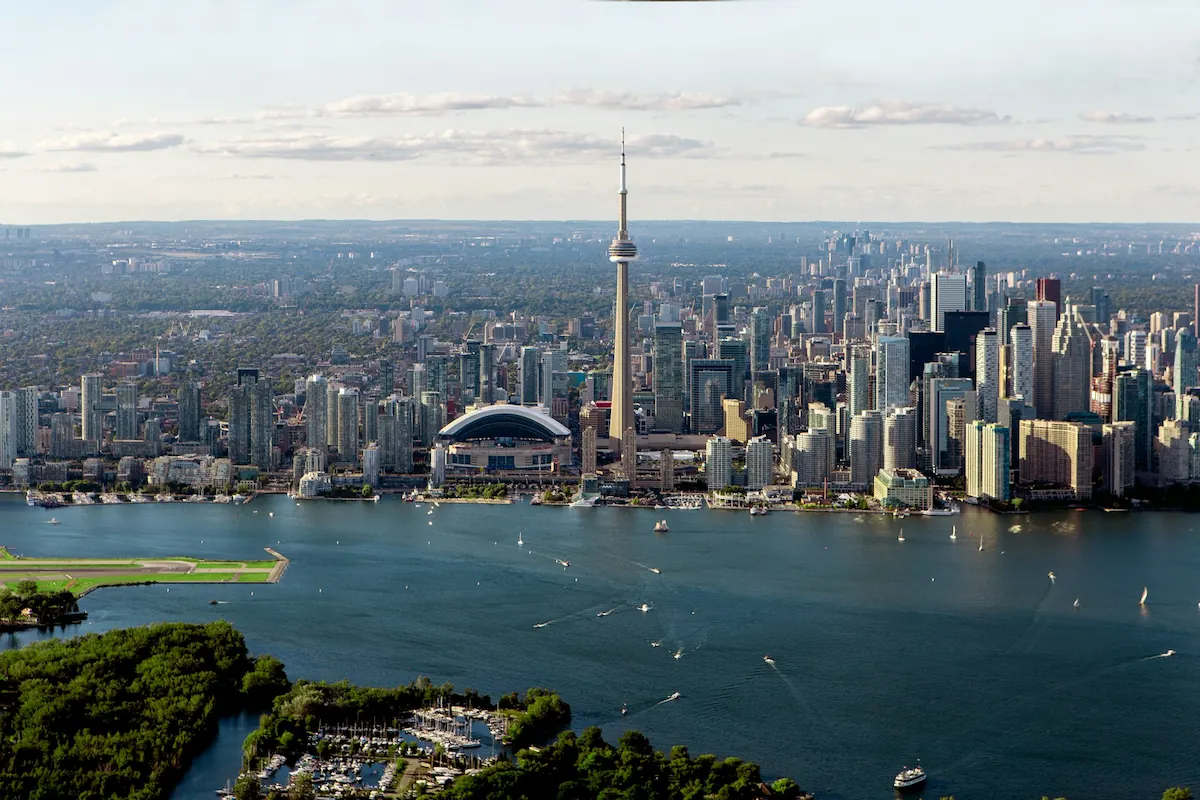
Toronto travel guide
Understand how to structure your trip to Toronto.
Open page →
Find the best areas to stay in Toronto based on your travel style, trip length, evening plans, budget, transport needs and how you want the city to feel day to day. Toronto is not a one-base-fits-all city: Downtown Core makes a short first trip efficient, King West makes restaurants and nightlife easy, Queen West gives a more local west-end rhythm, Yorkville adds comfort and museum access, Old Town keeps St. Lawrence Market and historic streets close, Kensington Market & Chinatown suit food-led value, and The Beaches trade centrality for lakefront calm. The right Toronto base is less about being generically central and more about reducing daily friction across a wide city where attractions, food corridors, sports venues, museums and waterfront spaces sit in different clusters.
Choosing where to stay in Toronto is mostly a question of friction: how often you want to cross the city, how late your evenings will run, how much neighborhood texture you want, and whether your hotel should make the trip easier every day. Convenience and atmosphere are not always in the same district, so the smartest base is the one that matches your real daily rhythm.
Toronto looks simple on a map because it is broad, gridded, and largely flat, but hotel choice changes the trip more than the map suggests. The city stretches east and west along long corridors, while the lake, rail lines, highways, and transit patterns shape how easy each day feels. A good base should match the clusters you will actually use, not just sit near the word “downtown.”
The best neighborhoods to stay in Toronto differ sharply by trip style. Some bases reduce time waste, others improve evening life, and others make the city feel more residential, food-led, luxurious, creative or family-friendly. The right hotel zone depends on whether the trip is short, event-led, food-led, museum-led, family-led or built around lakefront downtime.
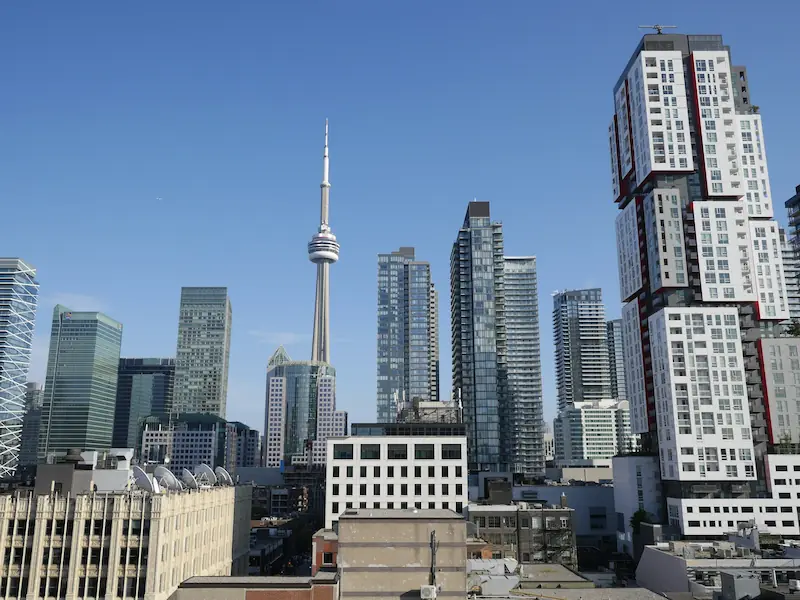
Downtown Core is the most practical answer for where to stay in Toronto for the first time. It places you close to Union Station, the CN Tower, Rogers Centre, Scotiabank Arena, the waterfront, theaters, shopping, and major transit. The feel is vertical and efficient rather than intimate, with morning commuters moving under glass towers and visitors gathering around the same landmark axis. Stay here when the priority is not atmosphere, but making a short trip work cleanly.
Why stay here: Downtown Core is the strongest choice when time is limited and you want the most convenient area to stay in Toronto. It reduces transfer friction and keeps many first-time sights within a simple walking or transit radius.
Best for: First-time visitors, 2- or 3-night stays, business travelers, sports fans, theatergoers, and anyone who wants to avoid wasting time.
Pros
Cons
Nearby highlights
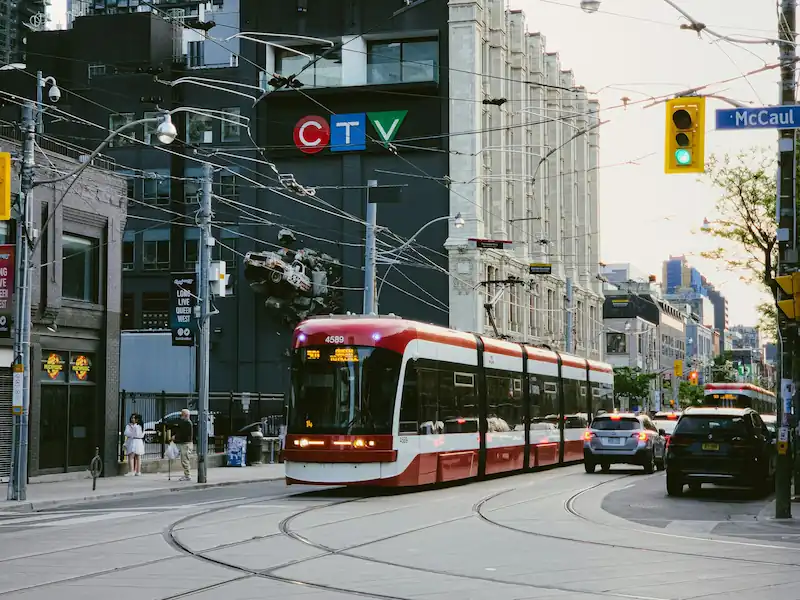
King West is the best area to stay in Toronto if you want the city to work after dark. Restaurants, bars, theaters, sports venues, and hotel lobbies sit close together, so evenings can unfold on foot instead of through taxis and transit transfers. The district feels polished and social, with streetcars moving along rails while dinner crowds build under old warehouse facades and newer towers. It is central enough for sightseeing but more evening-oriented than the strict Downtown Core.
Why stay here: Stay in King West when restaurants, nightlife, performance, and short walking distances matter as much as daytime attractions. It is especially strong for weekends, couples, and first-time visitors who want a lively base.
Best for: Nightlife, restaurants, couples, friends, theater weekends, sports trips, and socially focused first visits.
Pros
Cons
Nearby highlights
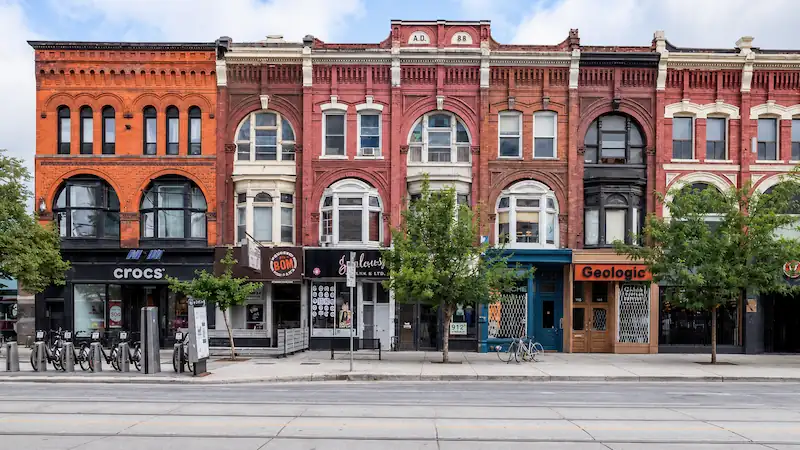
Queen West is the better choice when you want Toronto to feel less like a downtown transaction and more like a neighborhood stay. The area is lined with independent shops, galleries, cafés, bars, and streetcar movement, with Trinity Bellwoods and Ossington close enough to shape the day naturally. It is lively without being as concentrated as King West, and the mood changes block by block: storefront light, low brick facades, cyclists, and evening restaurant windows. Stay here if you want local texture without giving up central access entirely.
Why stay here: Queen West works best for visitors who care about walking, eating, shopping and reading the city at street level. It is less efficient for landmark sightseeing than downtown, but more rewarding for a local-feeling base.
Best for: Boutique stays, local texture, cafés, design-minded travelers, repeat visitors, and food-focused west-end trips.
Pros
Cons
Nearby highlights
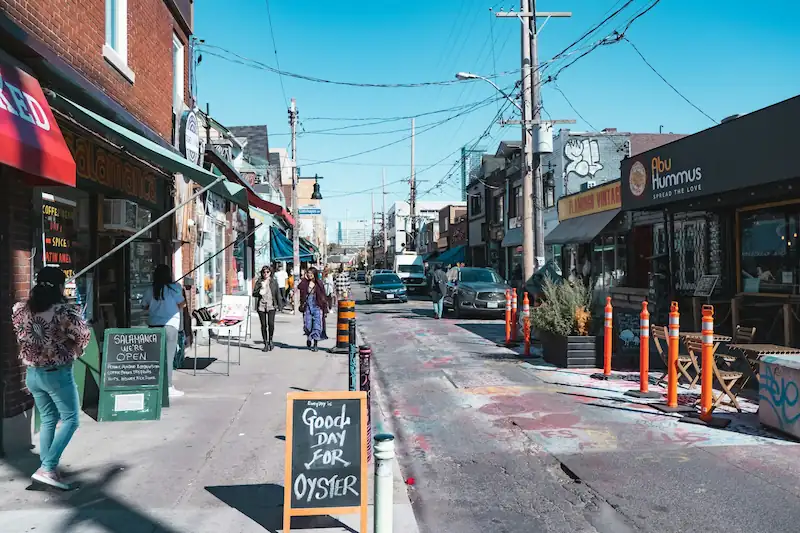
Kensington Market and Chinatown suit travelers who want Toronto to start at street level. This is one of the best areas to stay in Toronto for food, casual exploring, and budget-conscious access to several neighborhoods at once, though the hotel selection is less polished than downtown or Yorkville. The streets feel dense and improvised: produce stands, signs, bicycles, students, cafés, groceries, and late lunch crowds all overlap within a short walking radius. Stay nearby if you value texture and food more than a conventional hotel district.
Why stay here: This area works best when you want Kensington Market, Chinatown, Queen West, the AGO and the University of Toronto orbit close together. It is especially useful for food travelers who prefer short walks to formal plans.
Best for: Food travelers, budget-conscious visitors, students, solo travelers, repeat visitors, and anyone who prefers informal neighborhoods over hotel districts.
Pros
Cons
Nearby highlights
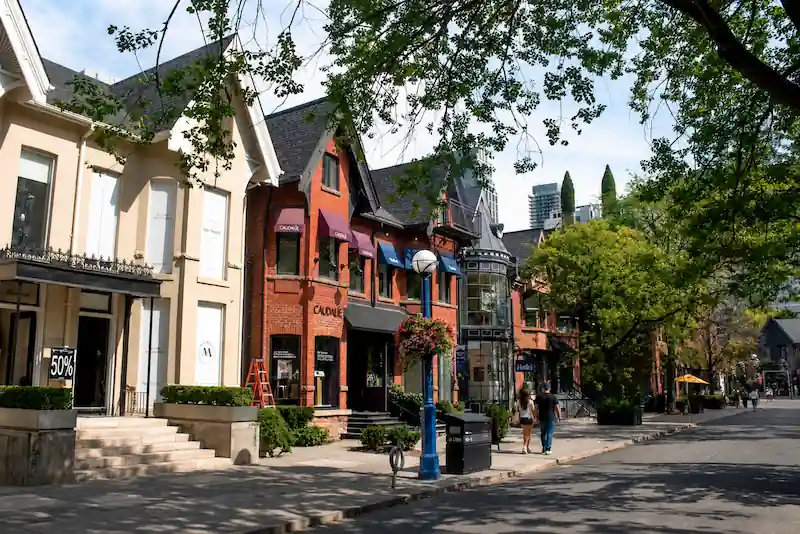
Yorkville is the best area to stay in Toronto if you want comfort, polish, museums, shopping, and a calmer central rhythm. It is not the most nightlife-driven district, and it does not place you beside the CN Tower, but it makes the city feel easier and more composed. Streets are lower, greener, and more residential in texture than downtown, with boutiques, galleries, restaurant terraces, and the Royal Ontario Museum close by. Morning here feels less rushed, with quieter sidewalks before the district’s retail and dining energy builds.
Why stay here: Yorkville works best for travelers who want a safe, upscale, central base without the pressure of the Entertainment District. It is especially strong for luxury stays, museum-focused trips and couples who value calm evenings.
Best for: Luxury travelers, couples, museum visitors, shopping trips, quieter central stays, and travelers prioritizing comfort.
Pros
Cons
Nearby highlights
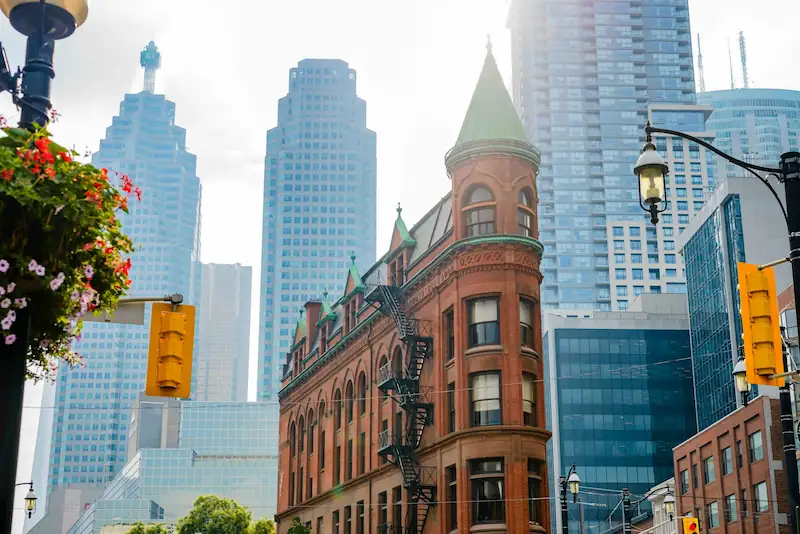
Old Town and the Distillery District are the best Toronto base for travelers who want a calmer east-downtown stay without giving up central access. The area links St. Lawrence Market, the Flatiron Building, historic streets, Corktown edges, the waterfront and the brick lanes of the Distillery District into one of the city’s easiest walking clusters. It feels less corporate than the Financial District and less nightlife-driven than King West, making it especially useful for couples, first-time visitors who like market mornings, and travelers who want a soft landing close to the core.
Why stay here: Stay in Old Town & Distillery District if you want a compact, atmospheric base near St. Lawrence Market, heritage streets and east-downtown waterfront access. It is not the biggest hotel zone, but it adds more character than many central addresses while keeping the trip practical.
Best for: Couples, first-time visitors wanting a calmer central base, food-market travelers, architecture and history-minded visitors, and short stays that need easy downtown access without heavy nightlife.
Pros
Cons
Nearby highlights

The Beaches is not the obvious answer for a first Toronto stay, and that is exactly the point. This east-end lakefront neighborhood suits travelers who want a slower base, more space, and a residential rhythm rather than immediate access to every landmark. The boardwalk, Queen Street East, low houses, cafés, and lake air make the city feel wider and softer, especially in the morning when walkers and cyclists move along the water. Stay here when Toronto is part city break, part neighborhood pause.
Why stay here: The Beaches works best for families, longer stays, summer trips and visitors who value calm more than centrality. It makes sense when you are willing to trade transfer time for space and local rhythm.
Best for: Families, extended stays, summer travelers, calm residential trips, runners, lakefront walkers, and return visitors.
Pros
Cons
Nearby highlights
For a first trip, the best area to stay in Toronto is usually the one that reduces friction fastest. You need easy orientation, transit clarity, and a base that does not make every evening feel like a transfer problem.
| TripStyle | BestArea | Reason |
|---|---|---|
| First visit, 2–3 nights | Downtown Core | Maximum convenience and fastest access to major sights |
| First visit with nightlife | King West | Central sightseeing by day, easy dinners and bars by night |
| First visit with comfort | Yorkville | Calmer central base with museums, shopping, and strong hotels |
Families should choose Toronto accommodation by room size, transit simplicity, and evening calm before chasing the most fashionable district. The best family base is the one that makes the day recoverable when weather, fatigue, or late meals intervene.
| FamilyPriority | BestArea | TradeOff |
|---|---|---|
| Short stay with attractions | Downtown Core | Busy streets but very efficient logistics |
| Comfort and museums | Yorkville | Higher rates but calmer central rhythm |
| Space and lakefront | The Beaches | Longer transfers into central Toronto |
Toronto nightlife is not contained in one strip, but King West is the easiest base if you want dinners, bars, venues, and late returns to work without effort. Queen West is better for a less polished, more local evening rhythm.
| NightlifeStyle | BestArea | Caution |
|---|---|---|
| Polished restaurants and bars | King West | Higher noise and higher event-driven rates |
| Local bars and casual dining | Queen West | Less efficient for classic downtown sights |
| Theater, sports, concerts | Downtown Core | Less neighborhood texture |
Budget stays in Toronto are less about finding one cheap neighborhood and more about avoiding false savings. A modest central or well-connected base often beats a cheaper room that adds daily transfers, taxis and fatigue.
| BudgetApproach | BestArea | TradeOff |
|---|---|---|
| Lowest friction | Downtown Core | Basic rooms may still cost more than expected |
| Food and value | Kensington Market & Chinatown | Less polished hotel inventory |
| Longer stay | The Beaches or west-end apartments | More transfer time but better space |
The shorter the stay, the more central your base should be. Toronto rewards local neighborhoods, but only once you have enough time for distance to become a choice rather than a daily penalty.
| Label | Stay | Avoid | Why |
|---|---|---|---|
| 2 nights | Downtown Core | The Beaches or far outer-value hotels | With only two nights, location efficiency matters more than neighborhood personality. |
| 3 days | Downtown Core, King West or Old Town & Distillery District | A beautiful but disconnected base | You need easy access to first-time sights plus one or two strong evenings; Old Town works if market access and calmer streets matter. |
| 4 to 5 days | Queen West, King West, Yorkville or Old Town & Distillery District | Choosing solely by proximity to the CN Tower | A slightly more characterful or comfortable base becomes worthwhile once sightseeing pressure eases. |
| 1 week | Queen West, Yorkville, The Beaches or a well-located apartment near Kensington / Chinatown | Staying in the busiest downtown blocks for the entire trip by default | Longer stays benefit from calmer mornings, better local routines and more livable surroundings. |
| Return trip | Queen West, Kensington Market & Chinatown, Old Town & Distillery District or The Beaches | Repeating a purely downtown stay unless events require it | Once the major sights are no longer the main focus, Toronto becomes more rewarding through neighborhood rhythm. |
| Event-focused stay | Downtown Core or King West | Saving money far from the venue | Late returns, crowds and transit pressure make location worth paying for. |
| Family or longer summer stay | Yorkville, Downtown Core or The Beaches depending on pace | Nightlife-heavy blocks or a lakefront base on a rushed first trip | Families need recovery time, room practicality and predictable movement more than the trendiest location. |
Once you have chosen the area, the hotel decision should become more precise. In Toronto, the wrong block, transit gap, event week or room setup can matter as much as the neighborhood name.
| Topic | WhatToDo | WhatToAvoid | WhyItMatters |
|---|---|---|---|
| Exact street and noise | Check whether the hotel sits on a loud nightlife block, a calmer side street or a major traffic corridor. | Assuming every hotel in King West, Queen West or Downtown Core has the same sleep quality. | One block can change the evening feel and restfulness of the stay. |
| Transit access | Prioritize subway, Union Station, UP Express or reliable streetcar access if you are not staying in the most central zone. | Booking a cheaper room that requires multiple transfers every day. | False savings become expensive when every outing costs time or ride-hailing money. |
| Event calendar | Check major concerts, sports games, conferences, TIFF, Pride and Caribana before judging hotel value. | Assuming a sudden price spike means the neighborhood is always poor value. | Toronto hotel rates can change dramatically when demand compresses around events. |
| Room type and trip length | Use apartment-style stays, larger rooms or kitchenettes for longer visits, family trips or food-market bases. | Paying for a tiny central room on a stay where space and recovery matter. | A compact room can work for two nights but feel limiting on a longer Toronto trip. |
| Family practicality | Check room layout, breakfast ease, elevators, nearby casual meals and simple returns after attractions. | Choosing a nightlife location because it looks central on the map. | Families need recovery time and predictable movement more than trendy blocks. |
| Arrival and departure logic | Use Downtown Core or Union Station access for airport rail, train arrivals and regional departures. | Choosing a characterful area that complicates the first or last travel day. | Pearson, Billy Bishop, Union Station and event-day movement can reshape the real convenience of a hotel. |
| Waterfront and view premium | Pay for waterfront or skyline positioning only when it improves the actual stay, not just the listing photos. | Overpaying for a lakefront label if your route is mostly museums, food corridors or nightlife. | Toronto’s lakefront can be excellent, but daily geography matters more than a partial view. |
| Review recency | Prioritize recent reviews on noise, air conditioning, elevators, bathrooms, bedding, security and staff responsiveness. | Relying only on star rating, old reviews or polished photos. | Hotel quality varies sharply even inside the same area and price category. |
| Booking timing | Book early for summer weekends, TIFF, major events, family rooms, apartment-style stays and the best central or boutique hotels. | Waiting too long if exact area, room type or event proximity matters. | The best-located Toronto hotels often disappear before the whole city feels sold out. |
The best area to stay in Toronto depends on trip length, budget, evening plans, transport needs and how much local texture you want. These answers cover the main accommodation decisions travelers make before booking.
Downtown Core is the best area for most first-time visitors because it keeps Union Station, the CN Tower, waterfront, arenas, theaters and major transit close. King West is the stronger choice if restaurants and nightlife are central to the trip, while Old Town is a calmer central alternative.
Downtown Core is the most convenient area to stay in Toronto, especially near Union Station, the waterfront or the Entertainment District edge. It is not always the most atmospheric base, but it reduces wasted time on a short trip.
King West is the best area to stay for nightlife because restaurants, bars, theaters and venues are close together. Queen West is better if you want a more local, independent evening scene rather than a polished downtown nightlife strip.
Families should consider Downtown Core for short attraction-led stays, Yorkville for comfort and museums, and The Beaches for longer summer trips with more space. The right choice depends on whether convenience or calm matters more.
Budget travelers should look around Kensington Market, Chinatown, Queen West edges and simpler downtown hotels. The key is not just room rate: staying too far out can create daily transport friction that weakens the savings.
Yes. Yorkville is one of the best areas to stay in Toronto for luxury, comfort, museums, shopping and calmer central evenings. It is less convenient for the waterfront and CN Tower than Downtown Core, but hotel quality is strong.
Yes. Old Town & Distillery District is a good choice if you want a calmer central base near St. Lawrence Market, historic streets, the waterfront and brick-lane evening walks. It has less hotel inventory and nightlife than King West, but can be excellent for couples and market-led stays.
The Beaches is good for families, longer stays, summer trips and travelers who want lakefront calm. It is not ideal for a short first visit because transfers to downtown sights take more time.
Stay near the airport only for a very early flight, late arrival, conference or car-led trip. For a city break, airport hotels usually create too much distance from Toronto’s main neighborhoods and evening life.
For a short trip, yes. Central location is often worth paying for because Toronto is broad and event traffic can slow movement. For longer stays, a more local base such as Queen West, Yorkville or The Beaches can be more rewarding if logistics still work.
For 2 nights, stay in Downtown Core unless your trip is specifically nightlife-led, in which case King West can work better. With only two nights, the priority should be minimizing transfers, not maximizing neighborhood originality.
For 3 days, Downtown Core, King West, Old Town & Distillery District or Yorkville are the safest choices. They keep major sights, restaurants and transit manageable while still allowing one or two neighborhood-led blocks.
For 5 days, Queen West, Yorkville, King West or Old Town become more attractive because the trip can support a more characterful or comfortable base. The Beaches can work for families or summer travelers if downtown access is not needed every day.
For one week, prioritize livability: Queen West, Yorkville, The Beaches or apartment-style stays near Kensington/Chinatown can make more sense than the busiest downtown blocks. Groceries, parks, transit and room comfort matter more after the first few nights.
Yes, Downtown Toronto is the easiest stay zone for first-time sightseeing, events and transit. The drawback is that it can feel corporate and expensive, especially around major events.
King West is better if restaurants, bars, theater, sports and late nights matter. Downtown Core is better if you need Union Station, airport rail, the simplest sightseeing logistics or a more practical first-time base.
Yes, Queen West is a strong choice for travelers who want cafés, boutiques, galleries, bars, restaurants and local street life. It is less convenient than Downtown Core for classic sights but more characterful as a neighborhood base.
Kensington Market is great for food and atmosphere, but the immediate hotel inventory is limited and often less polished. Staying nearby on the Chinatown, Queen West or AGO edge can give the best balance.
Chinatown can be useful for budget-conscious travelers and food-led trips, especially if you want Kensington Market, AGO and Queen West nearby. It is not the best fit for luxury hotels or a quiet refined base.
Yorkville is the strongest luxury area, followed by the Financial District and selected King West or west-downtown design hotels. Choose Yorkville for calm and service; choose King West or west downtown for restaurants and nightlife.
King West is best for dinner-led weekends, Yorkville for comfort and polished hotels, Old Town for market mornings and brick-lane atmosphere, and Queen West for a more local boutique feel.
For a short family trip, Downtown Core is practical because the aquarium, waterfront, arenas and transit are close. Yorkville works for museums and calmer hotels. The Beaches is best for longer summer family stays with lakefront routines.
Downtown Core, King West, Queen West, Yorkville and Old Town are the best areas without a car. The Beaches can work without a car on longer stays, but it is slower for daily downtown sightseeing.
No for a normal city break. Transit, walking and occasional ride-hailing usually work better than driving. A car becomes more useful for regional excursions, outer food corridors or specific suburban plans.
Downtown Core is best for overall transit because of Union Station and subway access. Yorkville is strong for subway access, while Queen West and King West rely more on streetcars and walking.
Stay in the Downtown Core, Financial District or Old Town edge if Union Station matters. This is ideal for airport rail, train arrivals, regional travel and short business-leisure trips.
Stay in Downtown Core or King West if the CN Tower, Rogers Centre, Ripley’s Aquarium and waterfront are priorities. King West adds stronger evening life, while Downtown Core is more transit-oriented.
Downtown Core near Union Station is the most convenient base for Scotiabank Arena. King West also works if you want restaurants and nightlife after the event.
King West and Downtown Core are the best areas for Rogers Centre. King West is better for restaurants and bars, while Downtown Core is better for transit and first-time sightseeing.
King West, Downtown Core and Yorkville are the strongest TIFF bases depending on venue focus and hotel budget. Book early because TIFF can distort hotel pricing sharply.
Downtown Core is the safest logistical base, while King West or Yorkville can work depending on events and comfort preferences. Book early because large festivals compress central hotel availability.
Downtown Core is the easiest base for all major venues. King West is better if the game is part of a larger restaurant or nightlife weekend.
Toronto is generally safe for visitors, but comfort varies by block and time of night. Yorkville, Downtown Core, Old Town and The Beaches can feel easier for many travelers; nightlife areas require standard big-city awareness.
Yorkville often feels the calmest and most polished central area, while Downtown Core and Old Town are practical and well used by visitors. The Beaches is calm and residential but farther from central attractions.
In winter, choose Downtown Core, Yorkville or Old Town because museums, restaurants, transit, shopping and indoor backup are easier. Avoid choosing The Beaches mainly for lakefront walking unless you want a quiet residential stay.
In summer, Downtown Core, King West and Queen West remain strong, while The Beaches becomes more attractive for families or longer stays. Book early for weekends and major events.
For a real city layover, stay near Union Station or Downtown Core if time allows; otherwise stay near Pearson. The UP Express makes downtown more practical than many travelers expect.
Downtown is better for almost every city break. Airport hotels are only better for early flights, late arrivals, airport meetings, conferences or car-led regional travel.
Yorkville and Bloor are best for upscale shopping, Downtown Core for Eaton Centre and major retail, and Queen West for independent boutiques and design-led browsing.
Yorkville is best for the ROM, Bata Shoe Museum and Bloor culture corridor. Downtown Core and Queen West also work if you plan to visit the AGO, City Hall area or broader downtown sights.
Kensington Market & Chinatown are strongest for casual food and value, Queen West for cafés and restaurants, King West for polished dinners, and Old Town for St. Lawrence Market.
Old Town & Distillery District is the best stay zone for St. Lawrence Market. Downtown Core and the Financial District edge also work well if you want broader transit and hotel choice.
Old Town & Distillery District or King East are best if the Distillery District is important. Downtown Core is more practical if you want the Distillery as one stop rather than your main stay logic.
Downtown Core near Harbourfront or Union Station is best for Toronto Islands access because the ferry terminal is close. The Islands are not a place most visitors stay; they are a half-day or day outing.
The Beaches is the best true lakefront neighborhood for calm, while Downtown Core gives central waterfront access. Choose The Beaches for lifestyle and downtime; choose Downtown for sightseeing.
For a short first trip, yes, it is usually too far. For a longer summer stay, family trip or repeat visit, the added distance can be worth the lakefront rhythm.
King West is the most practical base for restaurants, bars and events. Queen West works better for a more local, casual, boutique-style weekend.
Yorkville is often the best fit because it feels calmer, polished and museum-adjacent, with strong hotel standards. Downtown Core is better if arrival and transit simplicity matter most.
Yorkville, Old Town side streets and The Beaches are better quiet choices than King West or the busiest Queen West blocks. In any area, exact street and soundproofing matter.
Avoid remote hotels without clear transit, airport hotels for normal city breaks, and the loudest nightlife blocks if sleep matters. The issue is usually not safety but friction and poor fit.
Queen West, King West and west-downtown edges have some of the strongest boutique and design-led hotel options. Yorkville has more polished luxury, while Downtown Core has more standard business hotels.
Toronto hotels can be expensive, especially downtown, in Yorkville and around major events. Rates vary sharply by season, weekday demand, TIFF, concerts, sports and conventions.
Book early for summer weekends, TIFF, major concerts, sports playoffs, Pride, Caribana and conferences. In winter or quieter periods, you can sometimes book later, but central value still disappears first.
Hotels are better for short stays, service and central convenience. Apartments can be better for families, longer stays, The Beaches, Queen West edges or travelers who want kitchens and more space.
Downtown Core near Union Station is the most practical base if using train, bus or organized transport. If driving, airport or outer hotels can work, but they weaken the Toronto city experience.
You can, but it often weakens a short city break. Staying outside the core only makes sense if savings are substantial, transit is direct, or the trip is car-led.
For a weekend, choose Downtown Core for efficiency, King West for restaurants and nightlife, Old Town for a calmer central stay, or Yorkville for comfort and museums.
King West is the strongest fit because restaurants, bars, clubs, sports venues and hotels are close together. Check hotel rules and noise expectations before booking.
Yorkville or Old Town & Distillery District are best for a calmer couples weekend. Queen West works if you prefer local cafés, boutiques and restaurants over polished comfort.
Kensington Market & Chinatown and Queen West edges can offer useful value, while Downtown Core can be good value on short trips because it saves time. The best value depends on event timing and transport needs.
Old Town is better for market access, historic streets and a calmer central feel. King West is better for nightlife, restaurants and events. Choose by evening style.
Yorkville is better for comfort, museums, shopping and calm. Downtown is better for short-stay logistics, Union Station, CN Tower, sports and waterfront access.
Queen West is better for local texture, independent shops, cafés and a less corporate feel. King West is better for polished nightlife, theaters, venues and central hotel choice.
Kensington Market is better for casual food and budget value, but Queen West is usually easier as a hotel base because the stay options and evening rhythm are more balanced.
The waterfront can be useful for first-time visitors, families and island access, but do not choose it only for branding. Make sure it also works for your evening plans and transit needs.
Yorkville is the safest luxury honeymoon choice, King West is better for restaurants and nightlife, and Old Town works for a quieter atmospheric central stay.
Queen West, Old Town, Kensington Market & Chinatown or The Beaches will feel less corporate than the Downtown Core. Choose Queen West for local energy, Old Town for central calm, and The Beaches for residential lakefront space.
Queen West is the strongest local-feeling base that still works for visitors. Kensington Market & Chinatown are more informal and food-led, while The Beaches gives a residential lakefront version of local Toronto.
Downtown Core near Union Station is usually best because it keeps city attractions and regional transport simple. The Beaches is better only if the Toronto portion is longer and calmer.
Couples should choose Toronto hotels around evening rhythm as much as daytime sightseeing. The best areas make dinner, drinks, walks and late returns feel natural rather than logistical. Choose King West if you want restaurants, bars, theaters and a lively weekend feel within walking distance. Choose Yorkville if comfort, polished hotels, shopping and calmer evenings matter more than nightlife density. Choose Old Town & Distillery District if you want market mornings, brick lanes and a quieter central atmosphere. Choose Queen West if you prefer boutique energy, cafés, galleries and a more local west-end rhythm.
Toronto luxury stays are strongest in Yorkville, the Financial District and selected west-downtown addresses. The right choice depends on whether you want polished calm, classic service, design energy or restaurant access. Choose Yorkville for the strongest concentration of luxury hotels, shopping, museums and composed streets. Choose Downtown Core or Financial District addresses for classic service, Union Station access and business-leisure convenience. Choose King West or west-downtown design hotels if restaurants and nightlife matter more than a quiet luxury bubble. Choose Old Town only if a historic or boutique east-downtown stay is more important than having many luxury options.
Longer Toronto stays should be chosen less like a hotel weekend and more like a temporary neighborhood routine. Space, groceries, transit, laundry, parks and reliable food nearby matter more after the first few nights. Choose Queen West or nearby west-end apartments if cafés, restaurants, parks and local streets matter every day. Choose Yorkville or the Annex edge if you want comfort, subway access, museums and a calmer residential feel. Choose The Beaches for summer family stays or travelers who want lakefront routines and more space. Choose Kensington Market & Chinatown if food access and self-catering value matter more than hotel polish.
Airport hotels solve a specific problem in Toronto, but they rarely improve a city break. Use them for flight logistics, meetings or car-led regional travel, not because they seem cheaper on a map. Stay near Pearson only for a very early flight, late arrival, airport meeting, conference or car-led trip. Use the UP Express logic if you want airport access but still plan to sleep downtown. Do not choose an airport hotel for a normal Toronto city break unless the savings are substantial and the itinerary is light. Check whether the hotel has a reliable shuttle if airport proximity is the reason for booking.
Solo travelers should prioritize easy evening returns, transit clarity and neighborhoods where eating alone or wandering casually feels natural. Toronto is a good solo city, but the right base depends on whether you want convenience, food, culture or nightlife. Downtown Core is best for solo travelers who want simple logistics, transit access and major sights close by. Queen West works well if you want cafés, shops, galleries and a more independent local rhythm. Kensington Market & Chinatown are useful if food, affordability and casual daytime exploring matter more than full-service hotel polish. Yorkville is best if comfort, perceived safety, museums and calm evenings matter more than nightlife.
Toronto’s food scene is too spread out for one perfect food base, so the best strategy is to choose the corridor that matches your appetite. For most visitors, the west-downtown and west-end orbit gives the best mix of variety, walkability and useful hotel options. Kensington Market & Chinatown are best for casual food, low-cost eating, markets and grazing. Queen West is better if you want cafés, bakeries, restaurants, bars and access toward Ossington and Dundas West. King West is best for polished restaurants, weekend dinners and social evenings. Old Town works well if St. Lawrence Market and easier first-day food planning matter.
For business travel, Toronto hotel choice should focus on meeting location, airport rail, late arrivals, weekday pricing and whether you want useful evenings nearby. Downtown Core and the Financial District are the most efficient choices for offices, Union Station, airport rail and conference access. King West is better when business days turn into client dinners, events or social evenings. Yorkville works for more premium business stays, museum-side dinners and calmer hotel environments. Airport hotels only make sense for airport meetings, very early departures or car-led regional work.
For event-focused stays, location is worth paying for. Toronto’s major venues concentrate downtown, and late-night exits are easier when the hotel is walkable or close to Union Station. Downtown Core is best for Scotiabank Arena, Rogers Centre, Union Station and large downtown events. King West is best if the event weekend also includes restaurants, bars or theater. Yorkville works for a premium stay if you are comfortable using subway or ride-hailing to venues. Avoid The Beaches, airport hotels or distant value stays for single-night event trips unless price is the overriding factor.
Lakefront access in Toronto means different things depending on the trip: central waterfront convenience, island ferry access, or a true residential beach rhythm. Not every waterfront hotel improves the stay. Downtown Core is best if you want Harbourfront, ferry access, CN Tower, Aquarium and Union Station close together. Old Town & Distillery District works for east-downtown waterfront access with market and heritage streets nearby. The Beaches is the best true lakefront neighborhood, but it is weaker for fast sightseeing. Do not overpay for a waterfront label unless the exact view, room category and walking routes make sense.
Choose Downtown Core for arrival logistics, Union Station, CN Tower, arenas and the simplest first trip. Choose King West if evenings, restaurants, nightlife and theater matter more. Downtown is easier; King West is more social.
Choose King West for polished nightlife, venues and central hotel inventory. Choose Queen West for boutiques, cafés, galleries and local texture. King West is more convenient at night; Queen West feels more local.
Choose Downtown Core for short-stay efficiency and waterfront access. Choose Yorkville for luxury, museums, shopping and calmer evenings. Downtown saves time; Yorkville improves comfort.
Choose Queen West for boutique hotels, bars and a smoother west-end base. Choose Kensington/Chinatown for food, value and informal street life. Queen West is easier as a base; Kensington/Chinatown is more food-led.
Choose Old Town for St. Lawrence Market, historic streets and calmer east-downtown mood. Choose Downtown Core for the broadest transit and hotel convenience. Old Town has more atmosphere; Downtown has more logistical power.
Choose The Beaches for a longer, calmer, lakefront family stay. Choose central Toronto for a first trip, events and fast sightseeing. The Beaches is a lifestyle choice, not a short-stay efficiency base.
Toronto value is not only about a low nightly rate. The best value often comes from avoiding daily transfers, picking a base with affordable food nearby and booking before event demand distorts the market.
Choose your Toronto base by daily rhythm, not by a generic idea of centrality.
Once your base is clear, refine the rest of the trip with the Toronto city guide, the best things to do in Toronto, and day-by-day itinerary ideas. The right neighborhood makes every other planning choice easier, especially in a city where food, lakefront time, museums, sports, airport access and evening plans often sit in different clusters.
Understand how to structure your trip to Toronto.
Open page →
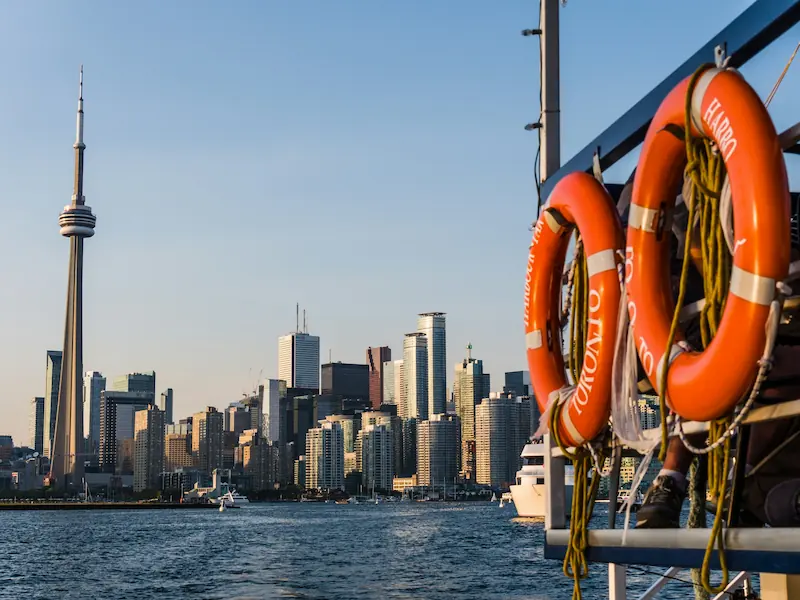
Prioritize the activities that deserve your time in Toronto.
Open page →

2 Days in Toronto Itinerary: What to See, Do & Where to Stay
Open itinerary →
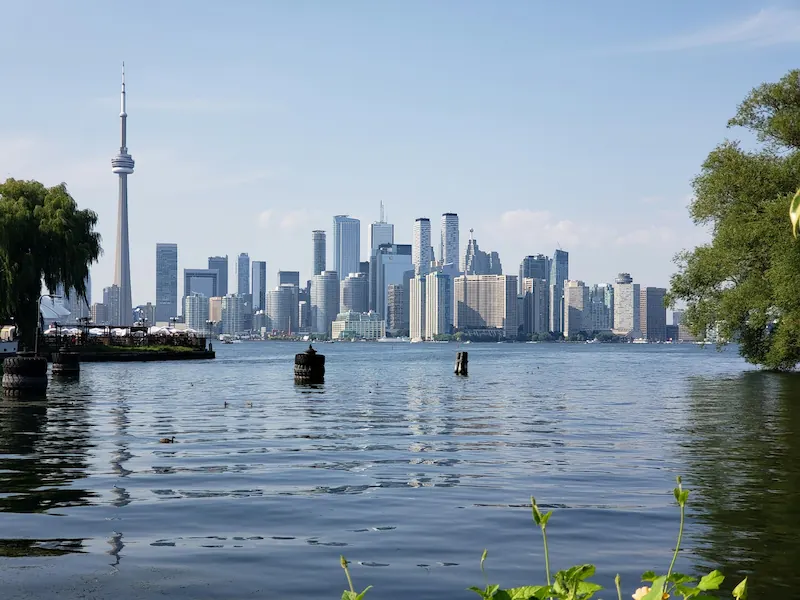
3 Days in Toronto Itinerary: Best Things to See, Do & Visit
Open itinerary →
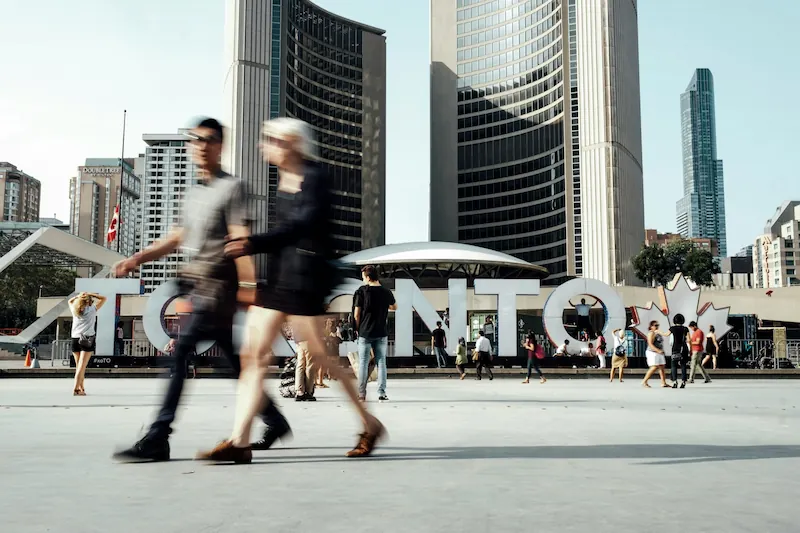
4 Days in Toronto Itinerary: Culture, Neighborhoods, Islands & Food
Open itinerary →
Find the best places to stay, how to get there, and move around with ease.
Build a smarter trip base
Once you know where to stay in Toronto, the next step is structuring the rest of your trip around that base. Use the planner to build a route that fits your pace, priorities, and how you actually want your days to unfold.