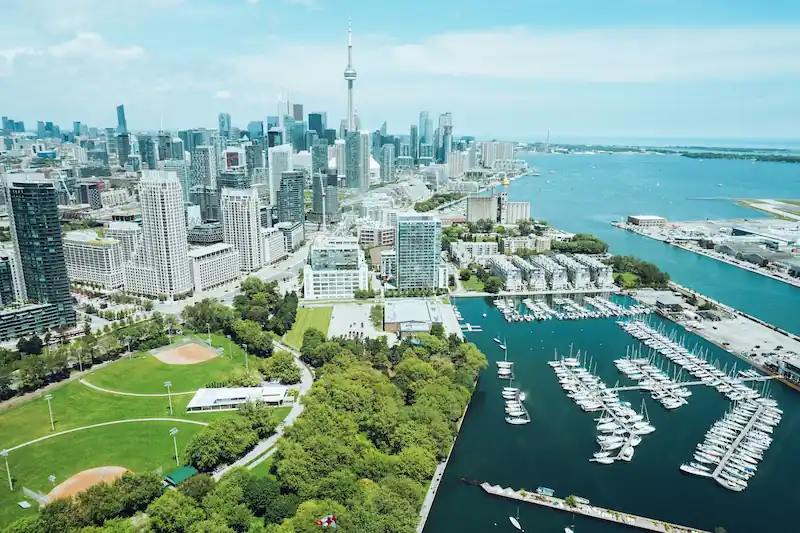
Where to stay in Toronto
Find the best neighborhoods and hotels in Toronto.
Open page →
Plan your trip to Toronto with a strategic guide to the city’s best areas, essential attractions, food neighborhoods, waterfront experiences, museums, parks, sports, events and practical travel rhythm. Canada’s largest city works best as a chain of distinct urban moods: skyline and Lake Ontario first, then markets, museums, ravines, beaches, streetcar corridors and late-evening neighborhoods where the city feels most local.
Find the best neighborhoods and hotels in Toronto.
Open page →
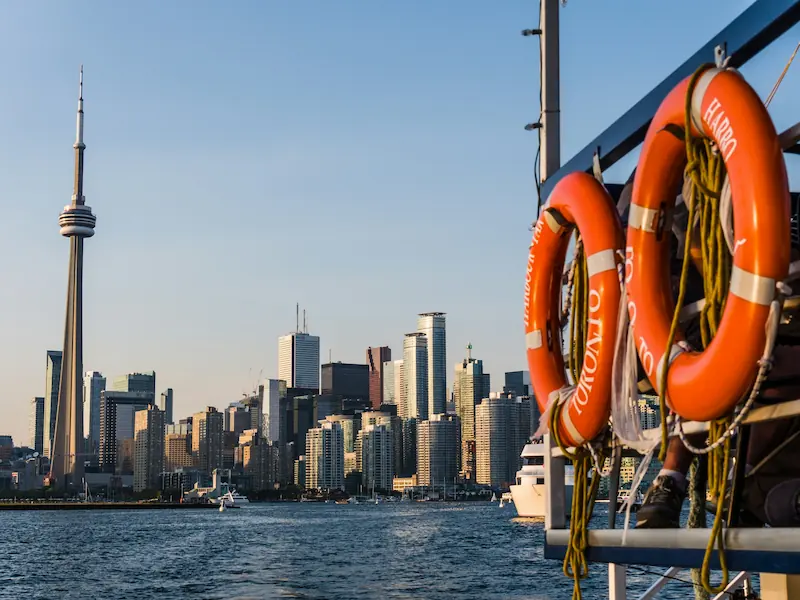
Prioritize the activities that deserve your time in Toronto.
Open page →
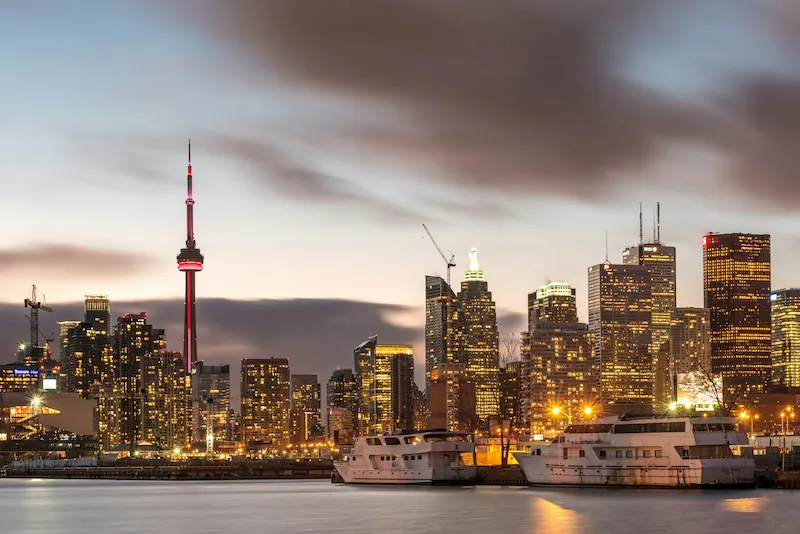
2 Days in Toronto Itinerary: What to See, Do & Where to Stay
Open itinerary →
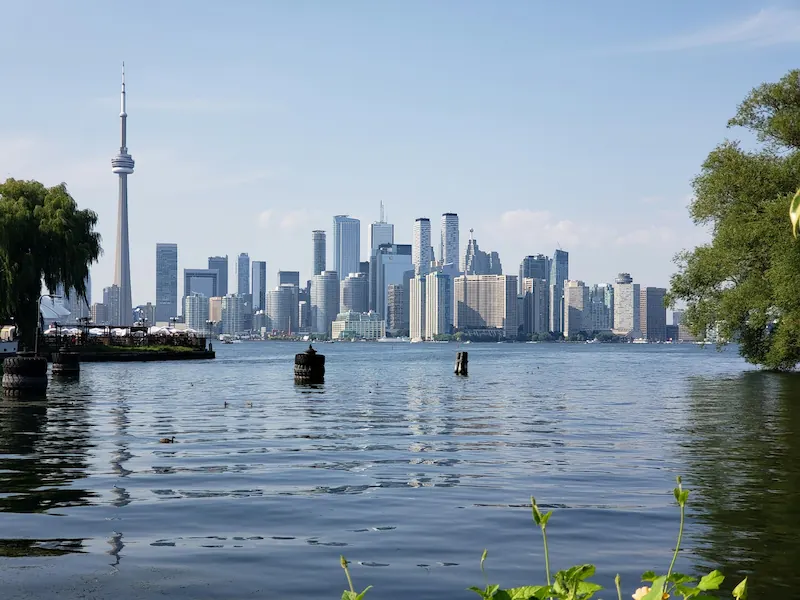
3 Days in Toronto Itinerary: Best Things to See, Do & Visit
Open itinerary →
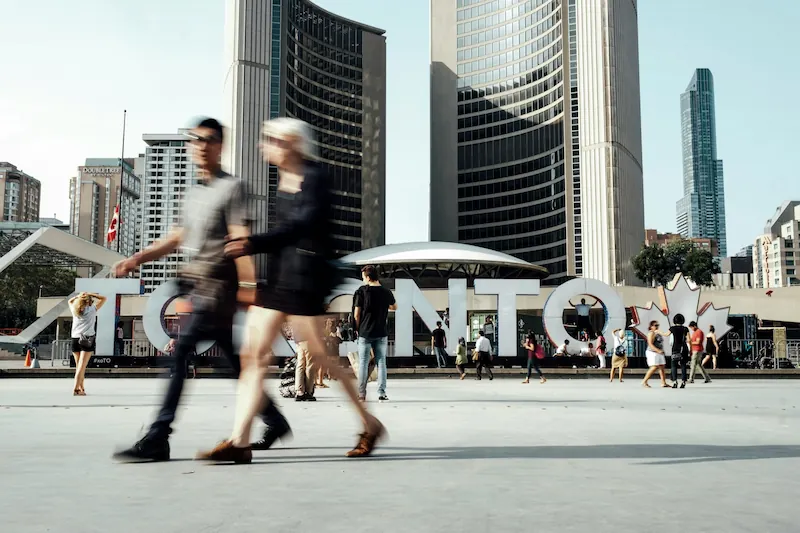
4 Days in Toronto Itinerary: Culture, Neighborhoods, Islands & Food
Open itinerary →
Toronto is a large, layered city rather than a single theatrical center. Downtown gives the trip its skyline, major institutions, arenas, transit spine and hotel logic, but the city’s real character is spread through neighborhood corridors, ravine edges, market streets, waterfront spaces, sports crowds and food districts that change sharply within a few blocks.
Toronto is worth planning around because it combines big-city logistics with unusually accessible local texture: museums, sports, waterfront parks, markets, beaches, ravines, architecture, performance venues and one of North America’s most varied food scenes sit within a city that remains easy to enter. Its strength is not one monument but accumulation — streetcars passing under glass towers, old brick houses behind commercial avenues, market halls, island ferries, lake wind, sports crowds and warm evening light settling across restaurant streets. A good Toronto trip should protect time for both recognized landmarks and the ordinary neighborhoods where the city becomes legible.
Best time: May–October; September is often the best balance of weather, cultural programming, patio life and lower pressure than peak summer, though TIFF can sharply affect hotel pricing.
Ideal trip length: 3 days for the essentials; 5 days for neighborhoods, islands and food corridors; 7 days if adding Niagara Falls, Scarborough Bluffs, ravines, beaches, regional excursions or deeper cultural time.
Toronto is not a cheap city, but costs vary sharply by season, hotel location and event calendar. Accommodation is the main pressure point, especially around summer weekends, major concerts, sports fixtures, TIFF and business-heavy weekdays downtown. Food can be either expensive or excellent value depending on whether the trip stays in core dining districts or follows neighborhood corridors. The smartest planning decision is often not “cheap versus expensive” but “central convenience versus neighborhood value.”
Toronto is organized around a dense downtown core, a long waterfront edge and a series of east-west neighborhood corridors that carry much of daily life. The central grid gives visitors a useful base, but the city becomes more meaningful as you move along Queen, College, Bloor, Dundas, King, Spadina, Danforth and Ossington into smaller social worlds. Streetcars, towers, storefronts, low-rise residential streets and green ravine cuts overlap in a way that makes Toronto feel less like a showpiece and more like a working city in layers.
Lake Ontario defines the southern edge and gives the skyline its clearest orientation point, while ravines cut green corridors through otherwise urban neighborhoods. The city is broad rather than steep, so movement is shaped less by hills than by distance, transit lines, rail barriers, construction, event crowds and the pull between downtown, west-end neighborhoods, east-end beaches and northern cultural institutions.
Toronto changes most noticeably between business-hour downtown, late-afternoon neighborhood movement and evening restaurant or patio energy. Mornings can feel practical and commuter-led, while late day brings people into parks, terraces, markets and side streets. The city is rarely theatrical, but its rhythm accumulates through sound: streetcar bells, café doors, ballpark crowds, lake wind and people moving between dinner and drinks.
The best mental model is a city of clusters rather than a city of one center. Downtown explains scale, the waterfront explains orientation, the Islands explain distance from the skyline, the west end explains food and street life, the east end explains lakeside residential rhythm, and the ravines explain why Toronto is greener than it first appears.
Open the planner
Anchor the first day in the downtown-waterfront axis so the skyline, Lake Ontario, CN Tower, Union Station, arenas and central grid become immediately readable. Build one west-end block around Kensington Market, Chinatown, Queen West, Graffiti Alley, Trinity Bellwoods, Ossington and Little Portugal instead of treating them as separate errands. Give Old Town, St. Lawrence Market and the Distillery District their own compact east-downtown sequence; it is one of Toronto’s easiest food-history-walking combinations. Keep the Toronto Islands as a half-day or long afternoon experience, because the ferry rhythm changes the pace of the day. Pair one major indoor cultural institution with a neighborhood walk rather than stacking several large museums back to back. Use evenings for food corridors, patios, sports, theater, film or live music rather than adding more daytime sightseeing. If adding Niagara Falls, separate it clearly from core Toronto time; it is a full regional excursion, not a light city detour. Leave room for weather pivots: lakefront, Islands, Scarborough Bluffs and beaches are weather-sensitive, while museums, markets, restaurants, sports and performance absorb colder or rainy days. For longer stays, push beyond the central visitor map with ravines, Evergreen Brick Works, The Danforth, Leslieville, The Beaches, Scarborough food or the Aga Khan Museum.
Vibe: Vertical, practical, central, and efficient, with the strongest access to major sights and transit.
Why go: This is the easiest base for a first Toronto trip because it places Union Station, the waterfront, CN Tower, Rogers Centre, Scotiabank Arena, major theatres, shopping, the PATH and many hotels within a compact operating zone. It is not Toronto at its most intimate, but it is the best operational base when the trip is short, event-led, business-adjacent or built around classic sights.
Who it fits: First-time visitors, short stays, sports fans, theatre-goers, business-leisure combinations and travelers who want maximum convenience.
Not for: Travelers seeking quiet residential texture, lower prices or a more local-feeling evening base.
Where to stay: Stay here when efficiency matters most; then deliberately leave downtown for food, parks and neighborhood texture.
Vibe: Social, polished, restaurant-heavy, and late-moving.
Why go: King West is one of Toronto’s most useful neighborhoods for travelers who want hotels, restaurants, theatres, bars, sports venues and downtown access in the same orbit. It is more evening-driven than purely cultural, and it works especially well when the trip needs a strong dinner-and-night plan without long transfers.
Who it fits: Couples, friends, first-timers who want nightlife, restaurant-led stays and visitors with shows or games.
Not for: Light sleepers, budget travelers and families needing quieter evenings.
Where to stay: Use King West as the base when evenings matter almost as much as sightseeing.
Vibe: Creative, walkable, independent, and casually urban.
Why go: Queen West gives Toronto a more lived-in scale through shops, galleries, cafés, murals, side streets, Trinity Bellwoods and easy links into Ossington and Dundas West. It is not the shortest route to every headline sight, but it is one of the best areas for understanding the city beyond towers and museums.
Who it fits: Design-minded travelers, repeat visitors, couples, solo travelers and people who like walking between shops, coffee, restaurants and park life.
Not for: Travelers who want the quickest walk to CN Tower, Union Station or the major downtown event venues.
Where to stay: Stay nearby if you want a more local-feeling trip and are comfortable trading raw convenience for neighborhood texture.
Vibe: Dense, informal, food-led, and culturally layered.
Why go: This area compresses Toronto’s food, migration, student life, vintage shops, street art and everyday commerce into a small, highly walkable zone. It is better as an exploration district than a polished hotel base, but it is central to understanding why Toronto’s identity is more street-level and multicultural than its skyline first suggests.
Who it fits: Food travelers, photographers, budget-conscious visitors, culture seekers and anyone wanting Toronto at street level.
Not for: Travelers looking for sleek hotels, quiet streets or a refined luxury base.
Where to stay: Stay nearby rather than directly inside the market if you want atmosphere without sacrificing comfort.
Vibe: Upscale, calm, museum-adjacent, and comfortable.
Why go: Yorkville works well for travelers who want comfort, ROM access, high-end dining, galleries, Bloor Street shopping and a more composed stay than downtown. It is less raw and less obviously local than the west end, but it is very effective for museum-led trips, luxury stays and travelers who want central access without constant downtown intensity.
Who it fits: Luxury travelers, museum-focused visitors, couples, older travelers and anyone wanting comfort with central access.
Not for: Budget travelers and visitors looking for Toronto’s rawer neighborhood texture.
Where to stay: Stay here for comfort and culture; leave for the west end when you want more everyday food and street energy.
Vibe: Historic, walkable, market-led and atmospheric.
Why go: Old Town and the Distillery District fill the gap between Toronto’s glass-tower image and its older urban fabric. St. Lawrence Market, the Flatiron Building, Corktown edges, heritage streets and brick lanes create one of the most coherent visitor clusters in the city, especially for a first afternoon or low-friction evening.
Who it fits: First-time visitors, food travelers, couples, families, photographers and anyone wanting a compact area close to downtown.
Not for: Travelers who want the deepest local nightlife or the broadest hotel choice.
Where to stay: Use this area as a smart first-day cluster even if you choose to sleep elsewhere.
Vibe: Residential, lakeside, slower, and family-friendly.
Why go: The Beaches show a softer Toronto: low-rise, residential, boardwalk-led and shaped by Lake Ontario at walking pace. It is not the smartest base for a short first trip, but it is valuable for longer stays, families, summer travelers and anyone who wants the city to feel less vertical.
Who it fits: Families, longer stays, summer visitors, runners, lakefront walkers and travelers who prefer a calmer base.
Not for: Short-stay visitors who need fast access to downtown sights every day.
Where to stay: Stay here only when lakefront rhythm matters more than central convenience.
The best Toronto experiences work as layers: skyline first, then museums and markets, then neighborhood life, then lake, ravines and regional excursions. The city becomes more convincing when experiences are sequenced by texture and geography, not only by fame.
Planning tip: Keep one flexible outdoor block for the islands, waterfront, ravines or beaches. Toronto’s strongest open-air experiences depend heavily on weather, ferry timing and the amount of time you can give them.
The CN Tower is the fastest way to understand Toronto’s scale: lake, islands, rail lines, arenas and tower clusters become legible from above. It is worth doing once on a first trip if visibility is strong, especially before moving into neighborhood-led parts of the city.
Tip: Go when visibility is strong; the view matters more than the time slot itself.
The islands reset Toronto’s tempo. In a few minutes the towers fall back across the water and the city becomes a skyline seen from grass, beaches, paths and ferry docks. This is one of the best ways to make the lake feel like part of the trip rather than background scenery.
Tip: Choose Ward’s Island for a quieter arrival or Centre Island for easier family facilities.
Check guided tours →
Toronto’s waterfront is uneven, but the right stretch reveals how the city meets Lake Ontario through promenades, cultural spaces, piers, beaches, public art and towers set back from the water. It works best as a slow connector, not as a single destination.
Tip: Use this as a late-afternoon decompression route after downtown sightseeing.
Check guided tours →
The ROM is Toronto’s strongest all-purpose museum, useful for families, culture-focused travelers and rainy-day planning. It also anchors the shift from downtown into Yorkville, the University of Toronto and the Bloor museum corridor.
Tip: Pair it with Yorkville, the Bata Shoe Museum or the Annex rather than returning immediately downtown.
Check guided tours →
St. Lawrence Market gives structure to Toronto’s food history without requiring a formal restaurant plan. It is central, easy to understand and ideal for a first-day lunch before Old Town, the Flatiron Building or the Distillery District.
Tip: Go before peak lunch if you want the market to feel navigable.
This is where Toronto’s lived mix becomes easiest to feel in a short visit: food counters, produce signs, vintage stores, bakeries, student life and several languages across a few compact blocks. It is not polished, which is part of the value.
Tip: Arrive hungry and keep the plan loose enough to follow what looks active.
This is one of Toronto’s most efficient sightseeing walks because it combines market eating, older street fabric, the Flatiron area, Corktown edges and the polished brick lanes of the Distillery District without requiring much transit.
Tip: Start hungry at St. Lawrence Market, then walk east when the Distillery District begins to feel more atmospheric.
Scarborough Bluffs show a different Toronto: cliffs, lake scale and east-end space rather than downtown density. They are not as convenient as the waterfront or islands, but they add real outdoor depth for longer stays and summer trips.
Tip: Treat the Bluffs as a deliberate half-day outdoor plan, not a quick central stop.
Check guided tours →
The AGO connects Toronto to Canadian visual culture, Indigenous work, design, photography, contemporary art and global collections. Its location also makes it ideal before or after Chinatown, Kensington Market and Queen West.
Tip: Use it as the cultural anchor of a west-end day.
Check guided tours →
Casa Loma is theatrical by Toronto standards, but it also explains a specific layer of the city’s early twentieth-century ambition. It is best for families, architecture curiosity and visitors who want a break from the glass-and-lake version of Toronto.
Tip: Treat it as a focused visit rather than the center of a full day.
The Aga Khan Museum is farther from the core, but it rewards travelers interested in Islamic art, architecture and a quieter cultural pace. It also helps broaden Toronto beyond the obvious downtown museum pair.
Tip: Combine it with a deliberate north or east-side plan rather than forcing it between downtown stops.
Check guided tours →
Toronto’s theatre and performance scene gives the downtown core a more human evening rhythm. After dark, the district shifts from office movement to showtime energy under marquees, restaurant windows and event crowds.
Tip: Check what is playing before finalizing dinner plans nearby.
Check guided tours →
Toronto’s film identity matters beyond festival season. TIFF Lightbox gives the city a year-round cinema anchor and can turn an ordinary evening into a distinctive cultural night.
Tip: Check the programme before arrival; the calendar determines the payoff.
Check guided tours →
Ossington and Dundas West show Toronto’s contemporary neighborhood life better than many formal attractions: coffee, shops, small galleries, restaurants, corner bars and residential side streets all sit close together.
Tip: Come late afternoon and let the walk naturally become dinner.
Check guided tours →
Trinity Bellwoods is less a sight than a social pause in the west end. On warm days, it shows how locals use the city between work, errands, food and friends.
Tip: Pair it with Queen West or Ossington rather than making a separate trip.
Check guided tours →
Toronto’s ravines are essential to understanding the city beyond its grid. They create sudden pockets of green depth where traffic noise drops and the ground level feels far removed from the avenues above.
Tip: Choose an accessible section rather than trying to cover the ravine system broadly.
Check guided tours →
Sports are one of the easiest ways to feel Toronto’s collective energy. Around game time, the downtown core changes pitch as jerseys, transit crowds, vendors and bar noise move in the same direction.
Tip: Even without a ticket, the area around the venues can shape a strong evening plan.
Check guided tours →
High Park is often reduced to cherry blossoms, but it is more useful than that: wooded paths, gardens, lawns, playgrounds and a calmer west-end rhythm.
Tip: Go early during blossom season; outside that window, use it as a relaxed half-day with Roncesvalles.
Check guided tours →
Kensington Market is Toronto’s most useful food area for grazing rather than booking. Tacos, Jamaican patties, empanadas, bakeries, coffee, noodles and small counters all sit inside the same tight street fabric.
Tip: Share smaller portions so the walk stays flexible.
Check food options →
The peameal bacon sandwich is a simple Toronto classic and works best in its market setting. It is less about refinement than context: counter service, paper wrapping and the noise of the hall.
Tip: Eat early or off-peak to avoid the densest lunch flow.
Check food options →
Toronto’s food identity is strongest when you follow specific cuisines into neighborhoods where they have depth: Caribbean, Korean, South Asian, Chinese, Middle Eastern, Portuguese, Italian, Filipino and more.
Tip: Choose one corridor per evening rather than trying to sample the whole city at once.
Check food options →
Toronto’s dining scene can be casual and spontaneous, but one planned dinner helps reveal the city’s more ambitious side, often blending global references with Canadian produce and a relaxed room.
Tip: Look beyond the most visible downtown names if food is a priority.
Check food options →
Toronto rewards travelers who protect contrast: one skyline moment, one market or food corridor, one major cultural stop, one neighborhood walk and one encounter with the lake or ravines. The city’s value comes from the shift between glass, brick, water and street-level food energy.
Toronto is strong with kids because it offers clear anchors: aquarium, Islands, parks, markets, museums, sports, waterfront space, playgrounds, indoor backups and a large zoo. The main challenge is not finding things to do, but managing distance and energy across a broad city. A successful family day alternates one structured attraction with one open-air reset.
Toronto itineraries should be built around contrast, not speed. The best plans let downtown, neighborhoods, culture, food and the lake each occupy a clear place in the trip.
Open the planner →
Toronto is straightforward to visit, but it behaves like a large city: distances, weather, event pricing, neighborhood selection, ferry timing and food geography shape the trip more than formal complexity. The best decisions preserve walking time, reduce unnecessary transfers and group each day around one clear area. Use the city by clusters and keep regional excursions separate from core Toronto days.
The best time to visit Toronto is from May to October, with September offering one of the strongest balances of warm weather, cultural programming and slightly less summer pressure. Winter works when the trip becomes indoor, event-led and food-led.
Three days is the minimum for a satisfying first visit; five days lets Toronto feel like a city of neighborhoods rather than a short downtown stop.
Choose Downtown Core for first-time convenience, King West for dining and nightlife, Queen West for neighborhood texture, Old Town/Distillery for market-and-heritage atmosphere, Yorkville for comfort and museums, and The Beaches only if a slower lakeside rhythm matters more than central access.
Toronto Pearson is the main international airport, connected to Union Station by the UP Express train. Billy Bishop Airport is closer to downtown and useful for certain regional or North American routes.
The TTC combines subway, streetcars and buses, while walking works well inside defined clusters. Ride-hailing is useful late at night or for cross-town trips, but traffic can make it slower than expected in the core. Use UP Express from Pearson to Union Station for most downtown stays, Billy Bishop when the route fits, subway for bigger moves and streetcars for neighborhood corridors. Toronto works best without a car in the core; consider one only for Scarborough Bluffs, the Zoo, Hamilton waterfalls, Prince Edward County or other regional excursions.
Toronto is generally safe for visitors, with standard big-city awareness around late-night entertainment areas, transit platforms, bike lanes and winter conditions. In cold months, ice, wind and short daylight matter more than security concerns for most travelers.
Toronto is at its best when the city can spill outdoors, making late spring, summer and early autumn the strongest travel window. Summer brings maximum energy, festivals, patios, baseball, lakefront activity, island time, beaches and late evenings, but also the highest pressure on hotels and outdoor spaces. September is often the smartest month for a balanced trip, while winter shifts the trip inward toward museums, food, sports, theatre, skating and markets.
Spring gradually reopens Toronto’s outdoor life, with May usually more reliable than March or April. Parks, markets, patios and neighborhood walks become more appealing, though evenings can remain cool near the lake. Weather remains variable near the lake, so keep indoor museums and markets as backup.
Summer is Toronto at its most social: patios are full, beaches and Islands matter, festivals multiply and evenings stay active. It is also the most expensive and compressed season. This is best for Islands, beaches, waterfront, patios and festivals, but hotel rates, ferry lines and outdoor crowds peak.
Autumn is one of the best times to visit, particularly September and early October. The city keeps much of its outdoor rhythm while parks and ravines gain seasonal color. September can be excellent but event calendars, especially TIFF, can push hotel prices sharply upward.
Winter shifts Toronto inward toward museums, restaurants, markets, sports, galleries and performance. Cold wind near the lake can be sharp, so the strongest winter trips use shorter outdoor walks and warm indoor anchors. Build the trip around museums, sports, theatre, concerts, skating, PATH, food halls and restaurants; cold wind and short daylight reduce lakefront appeal.
Not seeing your next stop yet? Build a fully personalized itinerary anywhere in Canada.
Toronto is easy to enter but harder to read quickly because its appeal is spread across downtown, neighborhoods, waterfront, food corridors and green spaces. These answers cover the most common Toronto planning decisions, from trip length, neighborhoods and where to stay to Niagara Falls, winter visits, museums, family travel, food and transport.
Three days is enough for a strong first visit covering downtown, the waterfront, a major museum, Kensington Market and one neighborhood evening. Five days is better if you want the Islands, west-end neighborhoods, food corridors, ravines, the Beaches or a calmer rhythm. Seven days works if you add Niagara Falls or regional excursions without flattening Toronto itself.
Yes, if you approach it as a city of neighborhoods, lakefront space, food, museums, sports and urban texture rather than a single monument-led destination. Toronto is not as instantly theatrical as some cities, but it rewards travelers who give time to its clusters and contrasts.
Toronto is best known for the CN Tower, Lake Ontario skyline, multicultural food scene, Toronto Islands, major museums, sports teams, film culture and neighborhood corridors such as Kensington Market, Queen West, Yorkville and the Distillery District.
Do not miss one skyline or lake-facing experience, St. Lawrence Market, Kensington Market and Chinatown, either the ROM or AGO, and one neighborhood-led evening in the west end or King West. Add the Toronto Islands if the weather supports it.
Downtown Core is the most convenient area for a first visit because it keeps Union Station, the waterfront, CN Tower, theaters, sports venues and major transit close. King West is better if restaurants and nightlife matter more, while Yorkville works for comfort and museums.
Yes for first-time convenience, short stays, sports events, theatre, transit and classic sightseeing. The trade-off is that Downtown can feel commercial, expensive and less neighborhood-rich than Queen West, The Beaches or Kensington-adjacent areas.
Yes if you want restaurants, bars, theatres, event venues and a lively evening base. It is less ideal for light sleepers or families who want quieter nights.
Yes for travelers who prefer independent shops, cafés, galleries, restaurants and local texture over pure landmark convenience. It works best when you are comfortable using transit or rideshare for classic downtown sights.
Yes for luxury travelers, museum-focused visitors, couples and those who want comfort near the ROM, Bloor Street and polished dining. It is not the strongest area for budget stays or raw street-level Toronto.
The Beaches is good for longer stays, families and travelers who want a slower lakeside base. It is not ideal for short first visits because transfers to downtown attractions take more time.
The strongest visitor neighborhoods are Queen West, Kensington Market and Chinatown, Yorkville, King West, Old Town and the Distillery District, and The Beaches. For longer stays, add Ossington and Dundas West, Leslieville, Riverside, The Danforth, Koreatown or Gerrard India Bazaar.
Toronto is walkable within clusters but not across the whole city. Downtown, Queen West, Kensington Market, Yorkville, Old Town and the waterfront each work on foot, while moving between them often requires transit, streetcar, subway or ride-hailing.
Yes. Most central Toronto trips work well without a car if you plan by area and use subway, streetcar, walking, UP Express and occasional rideshares. A car becomes more useful for Scarborough Bluffs, Toronto Zoo, suburban food corridors, Hamilton waterfalls or Prince Edward County.
May to October is the best overall period. September is often the strongest single month because the weather remains good, cultural programming is strong and peak summer crowding begins to ease, though TIFF can raise hotel prices.
Yes. September is one of Toronto’s best months for warm weather, cultural programming, patios, events and a more adult rhythm after peak summer. The main caveat is hotel pricing during TIFF and major events.
Toronto can work in winter if the trip is built around museums, markets, restaurants, sports, skating, theatre, concerts, the PATH and shorter outdoor walks. It is not the best season for Islands, beaches or lakefront-heavy plans.
Prioritize the ROM, AGO, Ripley’s Aquarium, St. Lawrence Market, Little Canada, sports games, theatre, concerts, skating, the PATH, Yorkville dining and food-led neighborhoods. Keep outdoor segments short and intentional.
Yes, especially in good weather. The Islands offer the clearest skyline perspective and a slower lakefront rhythm, but ferry timing, wind and weekend crowds should be factored into the day.
Niagara Falls can be visited as a day trip from Toronto, but it should be treated as a full regional excursion. It is not a light add-on to an already packed city day.
Yes if you have at least three days in the region or if the Falls are a high personal priority. If you only have two days in Toronto, staying in the city usually gives a better travel return.
Niagara-on-the-Lake, Hamilton waterfalls, Stratford, Elora, Blue Mountain and Prince Edward County can make sense for longer stays or specific interests. Many work better by car and some are better as overnight trips than rushed day trips.
Ripley’s Aquarium, the Toronto Islands, the ROM, High Park, the Beaches, Casa Loma, Little Canada, sports games and the Toronto Zoo are strong family choices. The key is to avoid long cross-city days and mix structured attractions with open space.
Yes. Toronto is good with kids because it combines aquarium, museums, Islands, parks, waterfront, food markets, sports and a large zoo. It works best when each day has one main anchor and one flexible reset.
Strong free options include Harbourfront, Kensington Market, Chinatown, Queen West, Graffiti Alley, High Park, The Beaches boardwalk, Riverdale Park East, Nathan Phillips Square, Distillery District browsing and selected ravine walks.
Use rainy days for the ROM, AGO, Ripley’s Aquarium, St. Lawrence Market, Little Canada, Casa Loma, Bata Shoe Museum, the PATH, TIFF Lightbox, theatre, comedy, concerts or a strong restaurant plan.
The ROM is best for broad appeal and families, the AGO for art and culture, the Bata Shoe Museum for a distinctive specialist visit, the Aga Khan Museum for architecture and Islamic art, and MOCA or smaller galleries for contemporary art.
Choose the ROM for natural history, world cultures, architecture and families. Choose the AGO for Canadian, Indigenous, contemporary and visual-art depth. On a short first trip, one major museum is usually enough.
Yes for most first-time visitors, especially in clear weather or near sunset. It gives the fastest visual understanding of downtown, Lake Ontario and the Islands. If visibility is poor, prioritize a museum, market or neighborhood walk instead.
EdgeWalk is worth it only if the adrenaline experience itself appeals to you. It is not necessary for seeing Toronto well; the standard observation deck gives the city-reading value.
The CN Tower gives the classic paid view, Toronto Islands offer the best skyline perspective from across the water, and Riverdale Park East gives a strong free local view.
For first-time visitors, Kensington Market and Chinatown are the easiest food-walk pairing, while St. Lawrence Market is the easiest central food stop. For deeper food, look at the West End, Koreatown, the Danforth, Gerrard India Bazaar and Scarborough.
Toronto is known less for one dish than for range: market food, peameal bacon sandwiches, global restaurants, Caribbean, Korean, South Asian, Chinese, Middle Eastern, Portuguese, Italian, Filipino and contemporary Canadian dining.
Yes. It is central, food-led, historic and easy to combine with Old Town, the Flatiron Building, the waterfront or the Distillery District. It is especially useful on a first day.
Yes. Kensington Market is one of the best areas for seeing Toronto at street level through food, shops, murals, vintage stores and everyday multicultural texture.
Yes when paired with Old Town, St. Lawrence Market or an evening plan. It is polished and compact, so it works best as a pleasant cluster rather than as the whole story of Toronto.
Yes in good weather if you have enough time. The Bluffs offer dramatic Lake Ontario scenery and a different east-end perspective, but they are not a quick downtown add-on.
Yes from late spring to early fall. The strongest outdoor choices include the Islands, Harbourfront, High Park, The Beaches, Riverdale Park East, Evergreen Brick Works, Tommy Thompson Park, ravine trails and Scarborough Bluffs.
For low effort use Harbourfront or High Park; for skyline and water use the Islands; for local lakefront use The Beaches; for nature-meets-city use ravines or Evergreen Brick Works; for dramatic lake scenery use Scarborough Bluffs.
Start with downtown and the waterfront for orientation, then add St. Lawrence Market or Old Town, one major museum, Kensington/Chinatown or Queen West, and one evening built around food, sports, theatre or live music.
With one day, choose CN Tower or waterfront orientation, St. Lawrence Market, Kensington/Chinatown or AGO, then a strong dinner or sports/theatre night. Skip Niagara Falls, the Zoo, Scarborough Bluffs and distant food corridors.
Use one day for downtown, CN Tower, St. Lawrence Market and waterfront or Islands if weather is strong. Use the second for ROM or AGO plus Kensington, Chinatown, Queen West or a west-end dinner.
Three days can cover downtown, Old Town, St. Lawrence Market, one major museum, Kensington/Chinatown, Queen West or Ossington, Islands or High Park, and one strong evening plan.
Add The Beaches, ravines, Evergreen Brick Works, deeper food corridors, Yorkville, sports or performance, and a slower Islands or park day. You can also consider Niagara Falls if you do not want to sacrifice city depth.
Yes, especially if you combine a skyline or lake moment, a museum or neighborhood walk, a strong dinner and a booked show, game, film or music night. The best couple trips avoid aimless multi-neighborhood nightlife.
Good couple plans include CN Tower at sunset, Toronto Islands in warm weather, AGO plus Queen West, Yorkville dinner, Distillery District evening, a theatre night, or a west-end dinner around Ossington or Dundas West.
Yes. Toronto is straightforward for solo travelers because museums, markets, cafés, parks, bookstores, food halls, cinema, theatre and transit all work well alone. Plan by cluster and avoid late-night cross-city wandering without a clear route.
King West is the most convenient for first-time nightlife, Ossington and Dundas West are better for food-led local evenings, Queen West works for bars and music, and the Entertainment District works when the night has a show or game anchor.
A Blue Jays, Raptors, Maple Leafs, Toronto FC or major concert night can be one of the easiest ways to feel the city’s energy. Choose based on season, ticket availability and where you are staying.
Yes. Toronto has strong theatre, comedy, live music, film and concert programming. A booked night often makes the city feel more coherent after dark than a generic bar plan.
Use the PATH as useful downtown infrastructure in bad weather or winter, not as a main tourist attraction. It helps with practical movement but does not replace neighborhood exploration.
The UP Express train links Pearson Airport to Union Station and is usually the cleanest route for downtown stays. Taxis and ride-hailing can work but are more exposed to traffic and cost.
Yes for certain regional or North American routes because it is very close to downtown. It can be more convenient than Pearson if your flight network fits.
Use subway for longer north-south/east-west moves, streetcars for neighborhood corridors, and walking inside clusters. Leave margin for streetcar delays, diversions and traffic.
King West, Queen West, Kensington-adjacent areas, Yorkville and Downtown Core all work depending on style. For deeper food exploration, prioritize access to west-end corridors, Koreatown, Danforth, Gerrard India Bazaar or Scarborough.
Downtown Core is easiest for short family trips because Aquarium, waterfront, transit and major sights are close. Yorkville is calmer for museums and comfort. The Beaches works for longer family stays when lake rhythm matters more than sightseeing speed.
Yorkville is the strongest luxury answer for polished hotels, dining and shopping. Downtown or waterfront hotels work better for event access, skyline views and short stays.
Budget travelers should compare rates around transit-accessible neighborhoods rather than defaulting to the cheapest distant hotel. The right location can save money on rideshares, transfers and wasted time.
Common mistakes include treating Toronto as only downtown, underestimating distances, overloading museum days, forcing outdoor plans in bad weather, adding Niagara casually, and staying far from the areas where evenings will happen.
Skip distant single-purpose detours, multiple large museums in one day, Scarborough or the Zoo unless they are priorities, generic harbor cruises if the ferry gives the view, and Niagara Falls if it consumes your only chance to see Toronto itself.
Underrated choices include Evergreen Brick Works, Riverdale Park East, Tommy Thompson Park, the ravines, the Bata Shoe Museum, the Danforth, Leslieville, Koreatown, Allan Gardens and Scarborough food corridors.
Toronto is less instantly scenic than Vancouver and less old-world atmospheric than Montreal, but it has the strongest big-city scale, food diversity, sports and event infrastructure, multicultural neighborhoods and urban layering.
Yes, but the Falls should be treated as a full-day regional excursion. The cleanest structure is several Toronto days plus one dedicated Niagara day, ideally with transport, boat access or Niagara-on-the-Lake planned clearly.
Toronto works for a weekend if you stay central and focus on downtown, market, museum, waterfront and one evening. It becomes more convincing in 4–5 days when neighborhoods, food corridors, Islands, parks and regional options can breathe.
Group Toronto by clusters: Downtown and Harbourfront for skyline orientation, Old Town and the Distillery District for market-and-heritage walking, Kensington/Chinatown/Queen West for food and street texture, Yorkville/ROM/Annex for museums, and The Beaches or Scarborough only when the trip has enough time.
Niagara Falls is the classic full-day trip from Toronto. Niagara-on-the-Lake, Hamilton waterfalls, Stratford and Prince Edward County can also work, but they are better for longer stays, repeat visitors or trips where regional Ontario is part of the purpose.
You do not need a car for central Toronto. Use walking, TTC subway and streetcars, UP Express from Pearson, and occasional ride-hailing. A car is useful mainly for Scarborough Bluffs, Toronto Zoo, Hamilton waterfalls, Prince Edward County or other regional excursions.
In one day, stay central with skyline, market and one neighborhood dinner. In two days, add a west-end or museum-led block. In three days, cover the essential downtown, Old Town, Kensington/Chinatown, one major museum and the lake if weather works. In five days, add ravines, Beaches, deeper food corridors or sports. In a week, add Niagara Falls or a regional excursion.
Plan Toronto as a city of connected layers, and the trip becomes far more rewarding than a simple list of attractions.
Find the best places to stay, how to get there, and move around with ease.
Build a smarter trip base
Once you understand how Toronto works and what matters most for your trip, the next step is turning that direction into a real itinerary. Use the planner to organize your days around the right areas, experiences, and rhythm so the trip feels clear before you go.