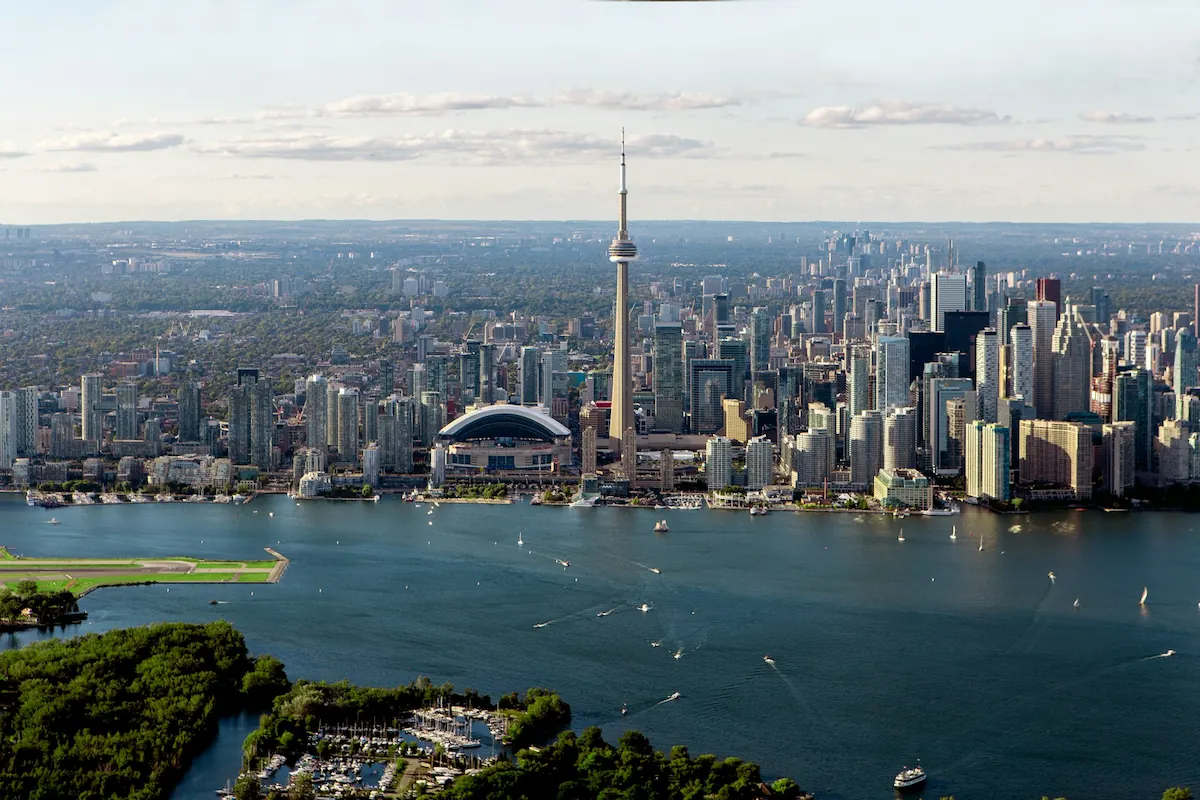
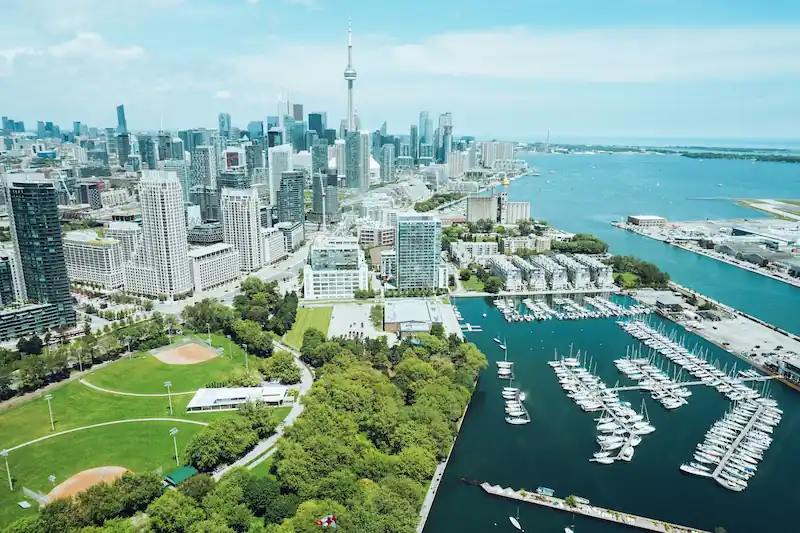
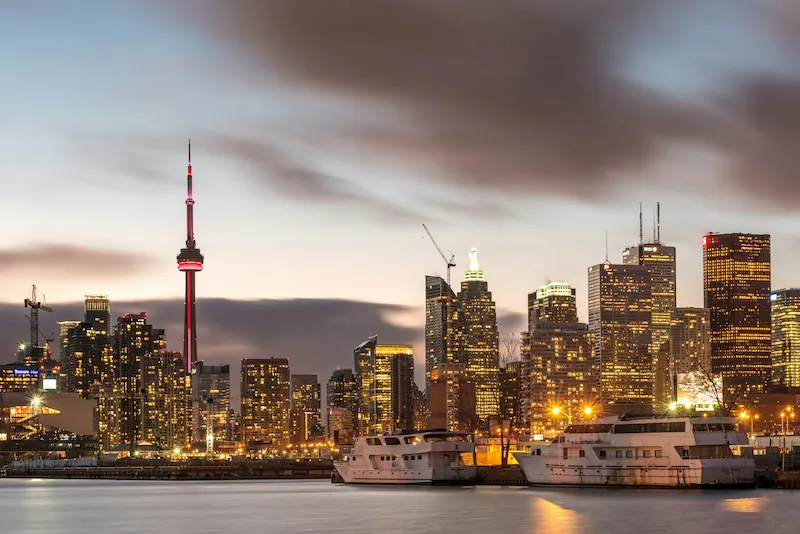
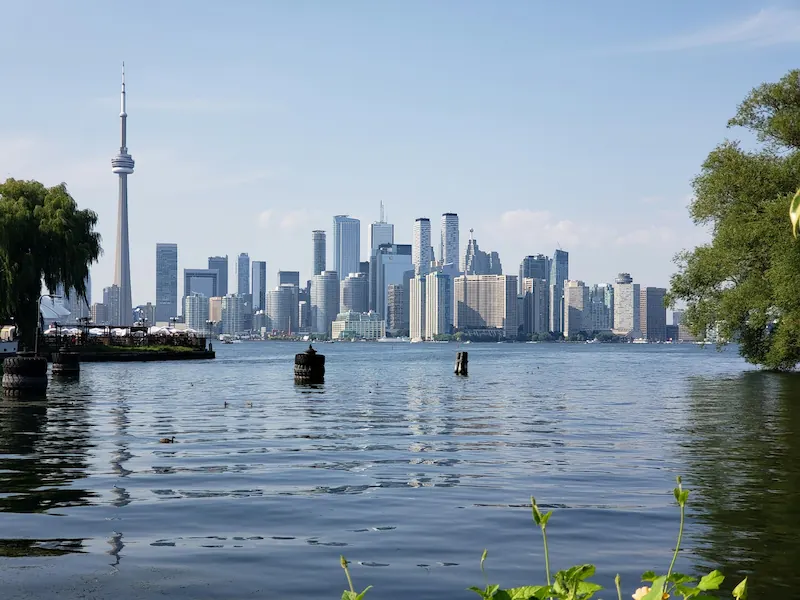
Discover the best things to do in Toronto, from skyline views and lakefront escapes to museums, markets, food neighbourhoods, ravines, sports nights, festivals and day trips. Toronto is not a compact postcard city; it is a broad, layered, neighbourhood-driven metropolis where the best trip usually combines one or two headline sights with market eating, cultural depth, streetcar corridors, waterfront pauses, parks, performance and a selective approach to side trips. This guide is designed to help travelers choose the activities that actually explain the city rather than chase every attraction across a wide urban map.
Best time
Late spring to early fall is best for Toronto Islands, waterfront time, patios, festivals, parks and long outdoor days; winter works well for museums, food halls, sports, theatre, the PATH and indoor culture.
Ideal trip length
Two to three days covers the strongest Toronto activities; add a fourth day for the Islands, deeper neighbourhoods, Scarborough Bluffs, the Zoo or Niagara Falls.
Continue planning your Toronto trip
Use this activity guide to choose what deserves your time, then connect it with the main Toronto city guide, where-to-stay advice and itinerary pages to shape the rest of your stay by neighbourhood, trip length and travel style.
What to do in Toronto first
Go up the CN Tower – Area: Entertainment District · Best for: A first visual read of the city, lake and islands · Time needed: 1–2 hours · Worth it: Worth doing once, especially in clear weather or around sunset · Book ahead: Yes for peak times, weekends, holidays and EdgeWalk
Eat through St. Lawrence Market – Area: Old Town · Best for: Food, local texture and a low-effort first stop · Time needed: 1–2 hours · Worth it: High payoff because it combines history, eating and central location · Book ahead: No, unless joining a food tour
Take the ferry to Toronto Islands – Area: Harbourfront / Islands · Best for: Skyline views, cycling, picnics and a slower city rhythm · Time needed: Half day · Worth it: One of Toronto’s best breaks from downtown density · Book ahead: Buy ferry tickets ahead in warm months if possible
Visit the Royal Ontario Museum – Area: Bloor-Yorkville · Best for: Culture, families and a strong rainy-day anchor · Time needed: 2–3 hours · Worth it: Best if you like natural history, world cultures or architecture · Book ahead: Useful for special exhibitions
Spend time at the Art Gallery of Ontario – Area: Grange Park / Chinatown · Best for: Canadian art, contemporary collections and indoor depth · Time needed: 2–3 hours · Worth it: Excellent for culture-first travelers, less essential for a rushed first visit · Book ahead: Usually not critical, but helpful for exhibitions
Walk Kensington Market and Chinatown – Area: Kensington / Chinatown · Best for: Street life, casual food and independent shops · Time needed: 2–3 hours · Worth it: Best for travelers who want Toronto beyond its landmark circuit · Book ahead: No
Explore the Distillery District – Area: East Downtown · Best for: Brick lanes, galleries, cafés and evening atmosphere · Time needed: 1–2 hours · Worth it: Worth it when paired with Old Town, Corktown or the waterfront · Book ahead: No, except for seasonal events or performances
See Ripley’s Aquarium of Canada – Area: Entertainment District · Best for: Kids, wet-weather plans and easy pairing with CN Tower · Time needed: 1.5–2 hours · Worth it: Very useful with children; optional for adults without a strong interest · Book ahead: Yes during weekends, school holidays and rainy days
Use Graffiti Alley and Queen West for street-level Toronto – Area: Queen West · Best for: Murals, independent shops, cafés and a local-feeling walk · Time needed: 1–2 hours · Worth it: Strong if you want a less formal, more urban side of the city · Book ahead: No
Choose a theatre, concert, comedy or sports night – Area: Downtown / Entertainment District / Exhibition Place · Best for: Night plans and local energy · Time needed: 2–4 hours · Worth it: One of the most immediate ways to feel the city’s scale and mood · Book ahead: Yes for popular fixtures and weekend performances
See the Scarborough Bluffs if you want dramatic lake scenery – Area: Scarborough · Best for: Cliffs, beaches, photography and a non-downtown lake escape · Time needed: Half day · Worth it: Worth it in good weather, especially if you have a car or enough time · Book ahead: No, but check access, parking and weather
Take a day trip to Niagara Falls – Area: Niagara Region · Best for: A major natural spectacle within reach of Toronto · Time needed: Full day · Worth it: Worth it if you have at least three days in the region · Book ahead: Yes if you want transport, boat access or winery stops bundled
How to choose the right Toronto activities
Toronto is broad, multi-centred and more rewarding when planned by geography, weather and evening energy rather than by checklist. Choose one major anchor per day, then build around nearby neighbourhoods, food stops, waterfront time, parks or an evening event.
Start with one skyline, lake-facing or central landmark experience; it gives Toronto spatial context before you move into neighbourhoods.
Pair attractions by area rather than fame: CN Tower and Ripley’s work together, while AGO, Chinatown, Kensington and Queen West make a stronger cultural-food route.
Do not overpack museum days; the ROM, AGO, Casa Loma, Bata Shoe Museum and Aga Khan Museum each work best with focused time.
Use weather as a real filter: Islands, waterfront, beaches and Bluffs need good conditions, while museums, markets, theatre and food corridors absorb rain or winter cold.
Treat Niagara Falls as a separate full-day decision, not a casual add-on to a short Toronto stay.
Leave room for food-led wandering, because Toronto’s immigrant neighbourhoods often reveal more than another formal attraction.
Use sports, theatre, comedy, film or live music to structure the night; Toronto is easier after dark when the evening has a clear anchor.
Save far-flung places such as the Zoo, Scarborough Bluffs, Aga Khan Museum, suburban food corridors or Canada’s Wonderland for longer stays or specific interests.
Iconic Toronto experiences that are actually worth your time
Toronto’s headline attractions are strongest when they help you understand the city’s scale, lake edge or cultural weight. Some are essential on a first trip; others make more sense when paired with the right area, weather or evening plan. The goal is not to collect landmarks, but to choose the experiences that sharpen your sense of place.
See Toronto from the CN Tower – The CN Tower is the clearest way to understand Toronto’s downtown grid, lakefront and outward sprawl in a single view. Go in clear weather, ideally near sunset, when the glass towers, islands and lake begin to separate visually. EdgeWalk is a very different experience: less about sightseeing, more about controlled exposure to height. (First-time essential · Best for: First-time visitors, skyline views and orientation)Find tours & experiences
Cross to the Toronto Islands for the skyline – The ferry ride is short, but the change in rhythm is immediate: water, low paths, bikes, trees and a full view back to the skyline. Centre Island is easiest for families, Ward’s Island feels quieter, and Hanlan’s Point suits longer wandering. This is one of the best things to do in Toronto when the weather is generous. (High payoff · Best for: Skyline views, cycling and a break from downtown)
Use St. Lawrence Market as a food-and-history anchor – St. Lawrence Market works because it is central, edible and easy to understand without overplanning. Come hungry, browse slowly, and use it as a bridge into Old Town rather than a standalone photo stop. It is especially useful on a first day when you want local texture without committing to a long museum visit. (Worth it · Best for: Food, casual browsing and first-day orientation)Find tours & experiences
Visit the Royal Ontario Museum with a clear focus – The ROM is large enough to reward planning and vague enough to drain time if you wander without intent. Choose your angle first: dinosaurs and natural history, world cultures, architecture, or a temporary exhibition. It is one of Toronto’s strongest rainy-day options and a reliable family choice. (Best for: Museums, families and rainy days)Find tours & experiences
Spend an evening around the Distillery District – The Distillery District is compact, polished and atmospheric, with brick warehouses, galleries, design shops and restaurants clustered in a walkable pedestrian zone. It is not the whole story of Toronto, but it is an easy evening move when you want low-friction dining and wandering. It works best when paired with Old Town or Corktown. (Best in the evening · Best for: Evening walks, design shops and easy dining)Find tours & experiences
Tour Casa Loma if you want theatrical Toronto – Casa Loma is more spectacle than essential urban insight, but that is part of its appeal. The rooms, towers, tunnels and hillside position make it a good choice for families, architecture curiosity and visitors who enjoy built drama. It is less important than the ROM or AGO for a short culture-first stay. (Only if you have time · Best for: Families, architecture and a castle-like detour)Find tours & experiences
Walk Harbourfront when the lake matters – Harbourfront is most rewarding when you treat it as a pause between downtown intensity and lake space. It is good for an unhurried walk, public art, casual cafés and access to boats or the ferry terminal. In poor weather, it loses some force, so keep it flexible rather than making it a fixed centerpiece. (Best for: Lake views, low-effort walks and ferry access)
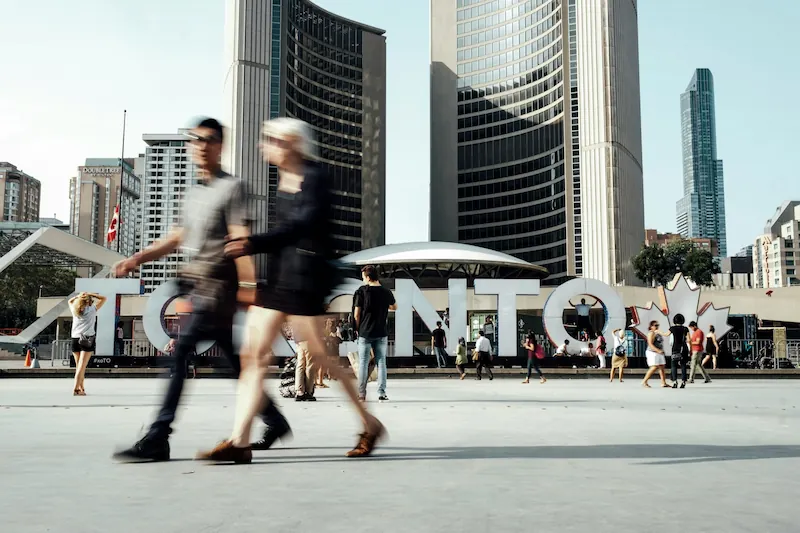
Pause at Nathan Phillips Square and the Toronto Sign – Nathan Phillips Square is not a deep attraction, but it is a useful central marker: City Hall, the Toronto Sign, skating in winter, public events and an easy connection between the Eaton Centre, Financial District and nearby theatres. Treat it as a quick downtown orientation stop rather than a destination that needs a full plan. (Quick free stop · Best for: First-timers, photos and central orientation)
See Little Canada for a compact indoor version of the country – Little Canada is a useful central indoor attraction when weather, children or limited time make a full museum feel too heavy. Its miniature city and landscape scenes are more playful than essential, but they work well as a rainy-day backup or a light family stop near Yonge-Dundas Square. (Rainy-day backup · Best for: Families, model worlds and central indoor time)Find tours & experiences
Use the Scarborough Bluffs for Toronto’s most dramatic lake edge – The Scarborough Bluffs show a very different Toronto: high pale cliffs, beaches, parks and open Lake Ontario views far from the downtown postcard. They are best in good weather and with enough time, because the logistics are less frictionless than Harbourfront or the Islands. Go for scenery, not for dense sightseeing. (Best lake scenery · Best for: Photography, cliffs, beaches and longer stays)
Visit the Hockey Hall of Fame for a compact Canadian sports layer – The Hockey Hall of Fame is one of the easiest downtown attractions to add when you want a more Canadian-specific stop without committing to a full museum day. It works best for hockey fans, families and visitors staying near the Financial District or St. Lawrence area. (Sports classic · Best for: Hockey fans, families and indoor planning)Find tours & experiences
Use Rogers Centre, Scotiabank Arena or BMO Field for a real Toronto night – A live sports event can explain Toronto faster than another observation stop: baseball, basketball, hockey, soccer, concerts and crowd movement all reveal how the city gathers. Choose the venue by season and keep dinner nearby so the night stays tight. (Best at night · Best for: Sports fans, groups and local energy)
Cultural things to do in Toronto
Toronto’s cultural depth is not concentrated in one ceremonial center. It sits in major institutions, film culture, independent galleries, performance venues, sports nights and neighbourhoods shaped by communities over decades. Choose culture here by appetite: big museum, contemporary art, live event, film, design or lived urban texture.
Read Canadian and global art at the AGO – The Art Gallery of Ontario is the strongest choice for visitors who want Toronto’s cultural side without defaulting to natural history. The building itself has a strong spatial presence, and the collections move from Canadian work to European, Indigenous, contemporary and photographic material. It pairs well with Chinatown or Kensington Market afterward. (High payoff · Best for: Art, architecture and culture-first travelers)Find tours & experiences
Use the ROM as a world-culture and natural-history deep dive – The ROM can be approached as a family museum, a design landmark or a serious cultural institution. Its range is its strength, but also the reason to enter with a plan. Prioritize two or three galleries rather than trying to absorb the whole building. (Best for: Broad collections and mixed-interest groups)Find tours & experiences
Look for film culture around TIFF Lightbox – Toronto’s film identity is not limited to festival season. TIFF Lightbox gives the city a year-round cinema anchor, with screenings, retrospectives and a more serious cultural atmosphere than the surrounding entertainment strip suggests. It is best for visitors who like cities through screens, not just monuments. (Best for: Film lovers and evening culture)
See public art and galleries in the West End – Queen West, Ossington and Dundas West offer a looser cultural rhythm: small galleries, murals, independent shops and design-led cafés. It is not a single attraction, but a good way to feel Toronto’s creative everyday layer. Go when you are ready to walk, browse and let the area unfold. (Best for: Contemporary local texture and independent culture)
Catch live music or a performance instead of another bar – Toronto’s evening scene is stronger when you anchor it around a venue: a concert hall, small club, comedy room or theatre. The choice depends on the calendar, but the principle is consistent: book a specific cultural night rather than drifting through generic nightlife. It gives the city more shape after dark. (Best in the evening · Best for: Night culture and repeat visitors)
Visit the Bata Shoe Museum for a specialist museum with personality – The Bata Shoe Museum is one of Toronto’s best smaller museums because it has a clear point of view: culture, design, status, craft and everyday life told through footwear. It is not as essential as the ROM or AGO, but it is ideal when you want something distinctive, manageable and close to Bloor-Yorkville. (Unique museum · Best for: Design, fashion, culture and rainy afternoons)Find tours & experiences
Go east to the Aga Khan Museum for architecture and Islamic art – The Aga Khan Museum is farther from the visitor core, but its architecture, gardens and collections give Toronto a cultural angle many short guides miss. It is best for travelers who can justify the detour and want a calmer, more focused museum experience beyond the downtown circuit. (Worth the detour · Best for: Architecture, Islamic art and quieter culture)
Add the Museum of Contemporary Art if your trip leans creative – MOCA adds contemporary art depth outside the most obvious downtown museum pair. The Junction Triangle location also nudges you toward a more local west-side day rather than another central attraction run. Check the exhibition program first, because the value depends on what is showing. (Check exhibitions · Best for: Contemporary art and repeat visitors)
Use Harbourfront Centre for lake-facing culture – Harbourfront Centre works best when culture and waterfront time overlap: outdoor events, exhibitions, performances, festivals, public art and lake air in one manageable zone. It is not always a fixed attraction, so check what is on and use it as a flexible layer beside the ferry terminal or central waterfront walk. (Seasonal culture · Best for: Waterfront events, public art and summer evenings)
Plan a proper theatre or concert night – Toronto’s cultural strength becomes clearer at night if you book something specific: a Mirvish theatre production, a concert, comedy room, jazz set, symphony performance or indie venue. This is often a stronger use of an evening than another restaurant-only plan, especially in the Entertainment District or West End. (Best at night · Best for: Evenings, couples and culture-first travelers)
Visit the Gardiner Museum for ceramics and design depth – The Gardiner Museum is a compact specialist museum across from the ROM, making it easy to add when you want a smaller cultural stop with a clear identity. It is especially useful for design, craft and decorative-arts travellers who want depth without the fatigue of a huge institution. (Specialist museum · Best for: Design, ceramics, rainy days and Bloor culture)
Use the Bloor Street Culture Corridor as a museum-day spine – The Bloor corridor connects the ROM, Gardiner Museum, Bata Shoe Museum, University of Toronto, Koerner Hall, Japanese Canadian Cultural Centre programming and smaller cultural stops into one logical day. It is a strong way to avoid scattering museums across the city. (Culture corridor · Best for: Museum clustering and efficient rainy-day planning)
Watch a Blue Jays game at Rogers Centre – A Blue Jays game is one of the easiest sports experiences for visitors because Rogers Centre sits downtown near the CN Tower, Aquarium and waterfront. It works for families, groups and summer evenings when you want local energy without complicated logistics. (Summer classic · Best for: Baseball, families and downtown evenings)
See the Raptors or Maple Leafs at Scotiabank Arena – Scotiabank Arena is Toronto’s highest-energy indoor sports venue, especially for Raptors and Maple Leafs games. Tickets can be expensive, but the payoff is strong if you want to feel the city through crowd intensity rather than formal sightseeing. (Big-city energy · Best for: Basketball, hockey, concerts and night plans)
Plan around TIFF, Hot Docs or a festival if dates align – Toronto’s festival calendar is a major part of its identity, from film and documentary programming to food, music, Pride and summer cultural events. Check what is on before finalizing nights, because a strong event can reshape the trip for the better. (Calendar-dependent · Best for: Film, festivals and repeat visitors)
Local experiences and neighborhood-led things to do
Toronto becomes more interesting when you stop moving only between attractions. Its neighbourhoods carry different tempos: market bustle, residential calm, streetcar corridors, lake paths, immigrant food streets and park edges. These activities are for travelers who want the city to feel lived-in rather than simply visited.
Wander Kensington Market without over-scheduling it – Kensington Market is best treated as a slow circuit of vintage shops, cafés, murals, bakeries and side streets. It does not need a rigid plan, but it benefits from arriving hungry and giving yourself enough time to drift. Pair it with Chinatown, the AGO or Queen West rather than crossing the city afterward. (Worth it · Best for: Independent shops, casual food and street-level Toronto)Find tours & experiences
Follow Queen West into Trinity Bellwoods – This is one of Toronto’s easiest local-feeling walks: shops, galleries, cafés, side streets and then the open green of Trinity Bellwoods Park. It works especially well in late afternoon when the area begins to loosen. The point is not one landmark, but the gradual shift from retail corridor to neighborhood park. (Best for: Shopping, cafés and everyday city rhythm)
Spend a slow morning in High Park – High Park gives Toronto a different scale: wooded paths, ponds, open lawns and a residential west-end setting. It is most useful when you want a break from downtown or are traveling with children. In cherry blossom season, go early or avoid expecting calm. (Best for: Parks, families and a quieter half day)
Explore the Beaches for lakefront neighborhood time – The Beaches show a softer side of Toronto, with boardwalk walking, low-rise streets and Lake Ontario acting more like a local backdrop than a skyline view. It is not essential on a first short stay, but it is rewarding if you have more time. Go for walking and atmosphere rather than major sights. (Best for: Longer stays, lake walks and low-key afternoons)
Use the streetcar city instead of only the subway city – A ride along Queen, King or College can reveal more of Toronto’s horizontal spread than a direct subway hop. This is not sightseeing in the formal sense, but it helps you understand how neighborhoods connect. Build it into a day when moving between the West End, downtown and east-side stops. (Best for: Urban texture and slow city reading)
Walk Graffiti Alley before Queen West gets busy – Graffiti Alley is a compact way to see Toronto’s street-art side, especially when paired with Queen West, Spadina, Chinatown or a West End afternoon. It is quick, visual and free, but it works best as part of a broader walk rather than as a standalone destination. (Free and visual · Best for: Street art, photos and Queen West wandering)
Use Evergreen Brick Works as a nature-meets-city reset – Evergreen Brick Works gives Toronto a greener rhythm: restored industrial space, trails, markets, valley edges and a useful break from downtown density. It is strongest on weekends or when you want outdoor time without fully leaving the city. Pair it with the Don Valley, Cabbagetown or a slower east-side day. (Local favourite · Best for: Markets, trails, families and outdoor contrast)
Cycle or walk Tommy Thompson Park for skyline and birdlife – Tommy Thompson Park feels surprisingly wild for a city so associated with towers. The long spit, lake views, skyline angles and birdlife make it a strong outdoor choice for active travelers. It requires time and weather, but it gives a different sense of Toronto’s waterfront than Harbourfront or the Islands. (Outdoor depth · Best for: Cycling, walking, birding and skyline views)
Explore Leslieville and Riverside for east-side local life – Leslieville and Riverside are useful when you want Toronto to feel less like a visitor circuit: brunch spots, cafés, independent shops, Queen East, residential streets and easy access toward the Don or the Beaches. It is not a must-do for a rushed first trip, but it adds local texture fast. (Neighbourhood texture · Best for: Cafés, shops and repeat visitors)
Walk the Danforth when food and neighbourhood rhythm matter – The Danforth is Toronto’s best-known Greek corridor, but it works more broadly as a lived-in east-end avenue with restaurants, bakeries, transit access and a different pace from downtown. It is useful for a relaxed dinner or a neighbourhood walk when you want food without the pressure of a landmark. (Food neighbourhood · Best for: Greek food, families and easy evening walks)
Watch the skyline from Riverdale Park East – Riverdale Park East gives one of the easiest free skyline views without going up a tower. It works especially well around sunset, paired with the Danforth, Cabbagetown or an east-side food plan. The view is simple, local and high-value for travelers who like cities from everyday public spaces. (Free skyline view · Best for: Sunset, photography and low-cost plans)
Use the ravines for Toronto’s hidden green network – Toronto’s ravines are one of the city’s underused visitor assets. The Don Valley, Cedarvale, Rosedale and related trails show how much green space cuts through the urban fabric. They require more route planning than a downtown walk, but they reward visitors who want the city beyond landmarks. (Hidden green layer · Best for: Walkers, runners and longer stays)
Food experiences in Toronto worth planning around
Food is one of the clearest ways to understand Toronto because the city’s diversity is cooked into markets, bakeries, regional restaurants, suburban food corridors and neighbourhood counters. The best food experiences are not always formal meals: often they are a market lunch, a dumpling stop, a Caribbean bakery, a late ramen bowl or a carefully chosen dinner.
Build a lunch around St. Lawrence Market – St. Lawrence Market is the easiest food experience for first-time visitors because it is central, compact and historically grounded. Go before or after Old Town, and treat it as a tasting stop rather than a full restaurant plan. It is especially useful when different travelers want different foods without splitting up. (First-time essential · Best for: Market eating and low-friction food variety)Find tours & experiences
Eat through Kensington Market and Chinatown – This is Toronto’s most obvious food-walk pairing, but it still works because the distances are easy and the options are dense. Keep the plan casual: snacks, bakeries, dumplings, tacos, coffee and small stops rather than one heavy meal. It is one of the best areas for travelers who prefer grazing to reservations. (High payoff · Best for: Food walks, casual eating and mixed groups)Find tours & experiences
Choose one serious dinner that reflects the city – Toronto has enough range for a strong restaurant night, but the smart move is to book by cuisine and neighborhood rather than chasing generic best-of lists. Consider contemporary Canadian, Japanese, Korean, Caribbean, Middle Eastern, Italian or tasting-menu formats depending on your budget. Reservations matter more from Thursday to Saturday. (Best for: Couples, food-led travelers and weekend evenings)
Use the West End for cafés, bakeries and relaxed eating – Ossington, Dundas West, Queen West and Roncesvalles offer a more local food rhythm than the central attraction zone. This is where a coffee stop, bakery, wine bar or casual dinner can become the structure of an afternoon. It works best when you are not trying to squeeze in another major sight afterward. (Best for: Slow afternoons and neighborhood dining)
Eat on the Danforth for Greek and east-end comfort – The Danforth is useful when you want a food plan that feels like a neighbourhood evening rather than a central reservation. Greek restaurants are the obvious anchor, but bakeries, cafés and family-friendly dining make the area easy for groups. It pairs well with an east-side day, Riverdale views or a slower night. (Neighbourhood dinner · Best for: Greek food, families and relaxed evenings)
Use Koreatown for casual, late and student-friendly eating – Bloor’s Koreatown is one of the easiest food corridors to add to a museum or Annex day. It works for Korean barbecue, soups, fried chicken, bakeries, cafés and lower-friction dinners when you do not want a formal restaurant plan. It is especially useful after the ROM, Bata Shoe Museum or University of Toronto. (Casual food corridor · Best for: Korean food, students and affordable dinners)
Try Gerrard India Bazaar for Little India flavour – Gerrard India Bazaar adds South Asian food and shopfront energy to the east side of the city. It is not central enough for every first trip, but it is a strong addition for food-led travelers, repeat visitors or anyone staying near Leslieville, the Beaches or the east end. (Food-led detour · Best for: South Asian food and repeat visits)
Go to Scarborough for deeper food specialization – Scarborough is where Toronto’s food diversity becomes broader, more suburban and often more rewarding for serious eaters. The challenge is logistics, so do not treat it as a quick downtown add-on. Choose a specific cuisine, plaza or food corridor and build the outing around that decision. (Serious food depth · Best for: Extended stays, repeat visitors and food travelers)
Use breweries and taprooms for a low-pressure evening – Toronto’s brewery and taproom scene can be a better casual night than a generic bar crawl, especially around the Junction, Liberty Village, Riverside or the east end. Choose one area and keep the plan walkable, with food nearby or a transit route back to your base. (Casual night · Best for: Groups, craft beer and relaxed evenings)
Use Little Jamaica and Eglinton West for Caribbean food culture – Little Jamaica adds an important Caribbean layer to Toronto’s food map, with jerk, patties, bakeries, music history and community identity along Eglinton West. It is best for food-led repeat visitors or travellers willing to move beyond the downtown core. (Caribbean food · Best for: Food travellers, repeat visitors and cultural neighbourhoods)
Try Parkdale for Tibetan, Filipino and creative west-end eating – Parkdale is one of Toronto’s strongest food-and-neighbourhood contrasts: Tibetan momos, Filipino food, bars, bakeries, vintage shops and a more textured west-end mood. It works best when paired with Queen West, Roncesvalles or a lakefront-west day. (Food neighbourhood · Best for: Tibetan food, Filipino food and West End texture)
Best things to do in Toronto for first-time visitors
A first Toronto visit should balance one skyline or lake-facing experience, one major cultural stop, one food-led neighbourhood and one flexible evening anchor.
Start with the CN Tower if the weather is clear; save it for another day if the skyline is hidden.
Choose either the ROM or the AGO as your main museum anchor, not both on the same short day.
Use St. Lawrence Market for an easy food stop that also keeps you close to Old Town and the waterfront.
Add Kensington Market and Chinatown when you want street-level Toronto rather than another formal attraction.
Go to the Toronto Islands if you have a half day and the weather supports being outside.
Consider a sports game or live performance for a stronger night plan than a generic bar crawl.
Add Nathan Phillips Square and the Toronto Sign only if you are already downtown; it is a useful photo stop, not a major attraction.
Use Graffiti Alley, Queen West or the Distillery District to make the trip feel less like a museum-and-tower checklist.
Priority
BestChoices
Why
Essential for most first trips
CN Tower, St. Lawrence Market, one major museum, Kensington/Chinatown
They give skyline, food, culture and neighborhood texture without overcomplication.
Add if weather is good
Toronto Islands, Harbourfront, High Park
Toronto’s outdoor appeal depends heavily on lake light, walking comfort and time.
Add if staying longer
Casa Loma, The Beaches, West End food wandering
These are worthwhile but less urgent than the core city experiences.
They balance the central attraction circuit with everyday neighbourhood texture.
Free things to do in Toronto
Toronto’s best free activities are walks, parks, waterfront views, neighbourhoods, murals and public spaces rather than free versions of the major museums.
Walk the Harbourfront and pause by the lake when the weather is clear.
Explore Kensington Market, Chinatown and Queen West without treating shopping as the main activity.
Cross parts of the PATH downtown if the weather is harsh, using it as urban infrastructure rather than a destination.
Spend time in High Park, especially outside peak cherry blossom crowds.
Walk the Beaches boardwalk for a low-cost lakefront afternoon.
Browse public art, murals and independent storefronts along Queen West and Ossington.
Use the Distillery District for a short pedestrian wander outside paid events.
See Nathan Phillips Square, City Hall and the Toronto Sign while moving through downtown.
Walk Graffiti Alley and Queen West for murals, storefronts and street-level photography.
Use Riverdale Park East for one of the easiest free skyline views.
Explore Evergreen Brick Works trails even if you skip paid programs.
Walk Tommy Thompson Park when you want a longer car-free lakefront route.
FreeActivity
Where
BestUse
Best free view
Toronto Islands shoreline or ferry approach
Skyline photography and a slower half day
Best free neighborhood walk
Kensington Market and Chinatown
Street life, food browsing and independent shops
Best free outdoor reset
High Park or the Beaches
Families, longer stays and low-cost downtime
Best free skyline angle
Riverdale Park East
Sunset views without paying for an observation deck
Best free street-art stop
Graffiti Alley and Queen West
Photos, murals and a short urban walk
Unique and unusual things to do in Toronto
Toronto’s more unusual experiences reveal the city’s immigrant layers, film culture, lake geography, specialist museums and eccentric small-scale collections.
Visit the Monkey’s Paw if you enjoy unusual books and offbeat literary browsing.
Look for a film screening, retrospective or special program at TIFF Lightbox.
Use Kensington Market as a food-and-shop circuit rather than a single destination.
Take the ferry to Ward’s Island for a quieter skyline perspective than Centre Island.
Explore the West End through cafés, small galleries, vintage shops and side streets.
Consider EdgeWalk at the CN Tower if you want a controlled adrenaline experience rather than a standard observation deck.
Find a neighborhood-specific food crawl instead of booking a generic city tour.
Visit the Bata Shoe Museum for a specialist collection that feels more distinctive than another general museum.
Go to Evergreen Brick Works for a restored industrial site, trails and weekend market energy.
Use Tommy Thompson Park for birdlife, lake views and a surprisingly wild urban edge.
Add the Aga Khan Museum if you want architecture and Islamic art beyond the downtown museum circuit.
Use Riverdale Park East for a local skyline view instead of another paid viewpoint.
UniqueChoice
Where
WhyItWorks
Best specialist museum
Bata Shoe Museum
Compact, memorable and easier to fit than a large museum
Best nature-meets-city experience
Evergreen Brick Works
Restored industrial setting, trails, markets and local rhythm
Best unexpected lake escape
Tommy Thompson Park
Car-free peninsula, birdlife and skyline views away from crowds
Things to do in Toronto at night
Toronto nights work best with an anchor: a game, show, concert, comedy room, film screening, serious dinner or sunset view.
Book the CN Tower around sunset or early evening if visibility is good.
See a Raptors, Maple Leafs, Blue Jays or Toronto FC game depending on season.
Choose a live music, comedy, theatre or film night rather than drifting between bars.
Have dinner around Ossington, Dundas West, Queen West or Yorkville depending on budget and mood.
Walk the Distillery District in the evening, especially when lights and restaurant terraces are active.
Use the waterfront for a short evening walk in warm weather, but do not make it your only night plan.
Check Mirvish theatre listings, comedy rooms, Massey Hall, Roy Thomson Hall or smaller live music venues before defaulting to bars.
Use Riverdale Park East or the waterfront for a short sunset view, then move to Danforth, Ossington, Queen West or downtown for dinner.
Keep late-night plans geographically tight; Toronto is too spread out for a casual multi-neighbourhood bar crawl.
NightPlan
GoodFor
BestChoice
Best first-night option
Visitors wanting a clear city moment
CN Tower sunset plus dinner nearby
Best local-energy option
Sports fans and groups
Major league game or concert
Best food-led option
Couples and repeat visitors
West End dinner and drinks
Best culture-first option
Couples and theatre/music fans
Booked show, concert, comedy or film night plus dinner nearby
Things to do in Toronto with kids
Toronto works well with kids when each day has one clear attraction, one easy meal and one flexible park, market or indoor backup.
Ripley’s Aquarium is the easiest central choice, especially when paired with the CN Tower area.
The ROM is strong for dinosaurs, natural history and mixed-age museum time.
Toronto Islands work well in good weather, especially with bikes, beaches, open space and skyline views.
High Park offers green space, playground time and a less crowded pace than downtown.
Casa Loma is useful for children who enjoy towers, tunnels and castle-like interiors.
The Toronto Zoo is substantial but far from the downtown core, so treat it as a dedicated outing rather than a quick stop.
Little Canada is useful for a central indoor family stop that is lighter than a major museum.
Evergreen Brick Works works well with children who need outdoor space without leaving the city.
Scarborough Bluffs are beautiful with kids in good weather, but only if you have enough time and a simple transport plan.
Ontario Science Centre alternatives should be checked against current openings and temporary programming before planning around them.
Activity
BestAgeFit
WeatherFit
TimeFit
Ripley’s Aquarium
Younger children to early teens
Excellent rainy-day option
1.5–2 hours
Toronto Islands
All ages in good weather
Poor choice in cold rain or strong wind
Half day
ROM
Curious children and mixed families
Excellent indoor option
2–3 hours
Little Canada
Children who like models, cities and interactive displays
Strong rainy-day backup
1.5–2 hours
Toronto Zoo
Animal-focused families and children with stamina
Best in mild dry weather
Half to full day
Evergreen Brick Works
Active kids and families needing outdoor space
Best in good weather, still useful for markets/events
2–4 hours
Things to do in Toronto when it rains
On rainy days, shift toward museums, markets, indoor attractions, food halls, performance plans and compact neighbourhood routes instead of forcing lakefront time.
Choose the ROM for the most complete museum option in bad weather.
Use the AGO for a calmer, culture-first rainy afternoon.
Go to Ripley’s Aquarium if traveling with children or staying near the CN Tower.
Eat through St. Lawrence Market and pair it with nearby indoor stops.
Consider Casa Loma if you want an indoor attraction with theatrical architecture.
Use the PATH selectively downtown, especially in winter or heavy rain.
Book a film, theatre, comedy or live music event for the evening.
Use Little Canada for a lighter, central indoor stop when a full museum feels too much.
Choose the Bata Shoe Museum if you want a smaller specialist museum near the ROM and Bloor.
Move through the PATH only as useful infrastructure, not as a full sightseeing replacement.
Book a matinee, film screening, comedy show or concert if the rain is forecast all day.
RainyChoice
Where
WhyItWorks
Best all-rounder
Royal Ontario Museum
Large, varied and reliable for mixed interests
Best with kids
Ripley’s Aquarium
Central, visual and easy to combine with the CN Tower area
Best food-led option
St. Lawrence Market
Indoor browsing, casual eating and central location
Best quieter option
Art Gallery of Ontario
Strong collections and a slower pace
Best light indoor stop
Little Canada
Central, visual and easier than a long museum visit
Best specialist museum
Bata Shoe Museum
Compact, distinctive and close to Bloor-Yorkville
Things to do in Toronto by area
Entertainment District and Harbourfront
This is the easiest area for classic Toronto sightseeing because major attractions sit close to the lake and central hotels. It is best used for views, sports, aquarium time and ferry access rather than all-day wandering.
Go up the CN Tower in clear weather
Pair Ripley’s Aquarium with family or rainy-day plans
Walk toward Harbourfront for lake air and ferry access
Use Rogers Centre or Scotiabank Arena for sports and concert nights
Take the ferry to the Islands when you have a half day
Old Town and St. Lawrence
Old Town is a compact, high-yield area for market eating, brick streets and a softer historic layer. It works well early in a trip because it is easy to understand and easy to combine with nearby stops.
Eat through St. Lawrence Market
Walk toward the Flatiron Building and nearby historic streets
Continue to the Distillery District if you want a polished pedestrian zone
Use the area as a low-stress first-day anchor
Kensington Market and Chinatown
This is one of Toronto’s best areas for casual food, independent shops and street-level energy. It is not polished, and that is exactly why it adds balance to the city’s official attractions.
Graze rather than book one long meal
Browse vintage shops, bakeries and cafés
Pair with the AGO for a culture-and-food half day
Use the area for unique and low-cost Toronto experiences
Bloor-Yorkville and the University area
This zone is strongest for museum time, architecture and a more formal city rhythm. It suits visitors who want the ROM, design, galleries, shopping or a polished dinner nearby.
Visit the Royal Ontario Museum
Walk parts of the University of Toronto campus
Use Yorkville for upscale dining or shopping
Consider Bata Shoe Museum if you want a smaller specialist museum
Queen West, Ossington and Dundas West
The West End is where Toronto feels more local, creative and food-led. It is better for slow afternoons and evenings than for quick landmark collecting.
Walk Queen West into Trinity Bellwoods
Look for galleries, murals and independent shops
Choose a café, bakery or wine bar as an anchor
Stay for dinner if you want a neighborhood-led night
Toronto Islands
The Islands change the city’s pace completely, replacing traffic and towers with ferry movement, paths, beaches and skyline views. They need enough time and good enough weather to justify the crossing.
Take the ferry for skyline views
Rent bikes or walk between quieter island pockets
Use Centre Island for families
Choose Ward’s Island for a calmer atmosphere
Avoid squeezing the Islands into a rushed two-hour gap
High Park and the west lakefront
This area is best for travelers who want green space, family time or a break from downtown. It is not the highest priority on a very short first visit, but it adds depth to longer stays.
Spend a slow morning in High Park
Use the park for kids, walking and seasonal color
Continue toward Roncesvalles for food and cafés
Avoid peak cherry blossom crowds unless that is your goal
Queen West, Graffiti Alley and Trinity Bellwoods
This corridor is one of the best ways to make Toronto feel contemporary and lived-in. It is ideal for street art, independent shops, cafés, galleries, park time and a transition into Ossington or Dundas West for dinner.
Walk Graffiti Alley for murals and photos
Browse Queen West without over-scheduling it
Pause in Trinity Bellwoods in good weather
Continue to Ossington or Dundas West for dinner or drinks
Use this area when you want local texture rather than formal attractions
The Danforth and east-end neighbourhoods
The Danforth, Leslieville and Riverside offer a less tourist-centered version of Toronto. They work best for food, cafés, family-friendly walks and evenings that feel neighbourhood-led instead of downtown-driven.
Eat Greek food or casual dinners on the Danforth
Use Leslieville and Riverside for cafés, shops and brunch
Pair the east end with Riverdale Park East skyline views
Continue toward the Beaches when the weather is strong
Don Valley, Evergreen Brick Works and ravine Toronto
This is the city’s nature-meets-infrastructure layer: valleys, trails, restored industrial space, markets and green corridors close to the urban core. It is a strong addition for active travelers and repeat visitors.
Visit Evergreen Brick Works for trails, events or markets
Walk or cycle parts of the Don Valley network
Use ravines for a greener version of Toronto
Avoid this area if you only have a rushed first half day
Scarborough and the eastern lake edge
Scarborough is not a simple downtown add-on, but it adds major value for lake scenery, food depth and family attractions. It is best for longer stays, car-based plans or visitors who want Toronto beyond the central core.
See the Scarborough Bluffs in good weather
Treat the Toronto Zoo as a dedicated family outing
Explore Scarborough food corridors if food is a priority
Plan transport carefully rather than improvising from downtown
Bloor, the Annex and Koreatown
This area sits between major museums, student life, smaller cultural stops and casual food. It works well after the ROM, Bata Shoe Museum, University of Toronto or a Bloor-Yorkville morning.
Visit the ROM or Bata Shoe Museum
Walk parts of the Annex and University of Toronto
Eat casually in Koreatown
Use the area as a rainy-day or museum-day corridor
Financial District, PATH and Hockey Hall of Fame
This area is less atmospheric than the neighbourhoods, but very useful for winter movement, compact sports history, business-district architecture and indoor links. It works best as part of a downtown day rather than a standalone neighbourhood plan.
Visit the Hockey Hall of Fame if hockey matters to you
Use the PATH in bad weather or winter
Pair with St. Lawrence Market, City Hall or Scotiabank Arena
Treat the area as practical infrastructure plus selective attractions
Yorkville, Bloor and Museum Corridor
This corridor is Toronto’s best cluster for museums, university architecture, shopping and polished dining. It works especially well in rain, winter or culture-first trips where you want several options without long transfers.
Visit the ROM, Gardiner Museum or Bata Shoe Museum
Walk the University of Toronto campus
Use Yorkville for upscale shopping or dinner
Add Koreatown or the Annex for a more casual food finish
Junction, Roncesvalles and Parkdale
This west-end layer is best for repeat visitors, food-led afternoons and neighbourhood browsing. It is less about landmarks than about bakeries, cafés, vintage shops, Tibetan food, bars, breweries and slower residential texture.
Browse the Junction for shops, bakeries and breweries
Use Roncesvalles with High Park or the west lakefront
Eat Tibetan or Filipino food around Parkdale
Keep the plan slow rather than attraction-heavy
Vaughan and Greater Toronto attractions
Some family and theme-park experiences sit outside the city core and should be treated as separate outings. They can be excellent, but they compete with central Toronto rather than fitting casually into it.
Use Canada’s Wonderland as a full theme-park day
Consider it only if rides or seasonal events are a priority
Plan transport carefully from downtown
Do not add it to a short first-time city itinerary unless it is the main goal
What to prioritize with limited time
Toronto rewards selective planning. The best short stay is not the one with the most attractions, but the one that balances skyline, lake, culture, food and neighbourhood texture without forcing long cross-city moves every few hours.
Profile
Prioritize
Skip
Structure
Half day
CN Tower plus St. Lawrence Market, or AGO plus Kensington Market
Toronto Islands, Niagara Falls, the Zoo and any far-flung neighbourhood detour
Choose one compact pair and avoid crossing the city more than once.
1 day
CN Tower, St. Lawrence Market, Kensington / Chinatown and one evening plan
Multiple museums, Casa Loma, Scarborough Bluffs and Niagara Falls
Start with skyline or market, move into food and street life, then finish with dinner, sports or culture.
2 days
One major museum, the waterfront or Islands, and a West End neighbourhood afternoon
Niagara unless seeing the Falls matters more than deepening Toronto itself
Keep one day central and one day slower, with less attraction-counting and more area logic.
3 days
Core sights, Islands or High Park, deeper food neighbourhoods and one strong night activity
Trying to fit every museum, distant park and regional excursion into the same trip
Use the third day to add contrast: lake, park, food corridor or performance.
4 days or more
Scarborough Bluffs, Evergreen Brick Works, the Beaches, Danforth, Koreatown, AGO/ROM depth or a regional excursion
Adding several full-day trips before Toronto itself has enough space
Use extra time for one outdoor escape, one food corridor and one cultural or regional layer.
Rainy day or winter
ROM, AGO, Ripley’s Aquarium, St. Lawrence Market, Little Canada, Bata Shoe Museum, the PATH, theatre, film or food corridors
Fixed Islands, beach, Bluffs or long waterfront plans unless conditions improve
Choose one large indoor anchor, one food stop and one evening booking.
Food or neighbourhood-led trip
Kensington / Chinatown, West End, Danforth, Koreatown, Scarborough food, Parkdale or Little Jamaica depending on time
Generic downtown restaurants chosen only for proximity to attractions
Choose one food geography per day and let the meal shape the route.
Best day trips and excursions from Toronto
Day trips from Toronto make sense when you have already protected enough time for the city itself. Niagara Falls is the classic choice, while Niagara-on-the-Lake, Hamilton waterfalls, Stratford, Prince Edward County and Elora are better for longer stays or specific interests.
Excursion
Best for
Time needed
First trip?
Transport
Book ahead
Niagara Falls
A major natural spectacle and the most classic day trip from Toronto
Full day
Yes, if you have three or more days in the region
Guided tour, car or train/bus combination
Yes for tours, boat access and peak summer dates Check options
Niagara-on-the-Lake
Wine, heritage streets and a softer complement to the Falls
Full day with Niagara Falls or a longer standalone day
Yes only if bundled efficiently with Niagara Falls
Best by car or organized day tour
Yes for winery visits and guided packages Check options
Hamilton waterfalls and Dundas Valley
Nature, hiking and a less obvious outdoor escape
Half to full day
Usually no, unless you prefer nature to city sights
Car is easiest
Check parking and conservation area rules in advance
Stratford
Theatre, slower streets and a culture-led day outside Toronto
Full day or overnight
No, better for repeat visitors or theatre-focused travelers
Car or rail when schedules align
Yes for performances
Prince Edward County
Wine, food, beaches and a rural Ontario contrast
Long day or better as an overnight
No, unless you are extending beyond Toronto
Car strongly recommended
Yes for restaurants, wineries and summer weekends
Elora Gorge and Elora
Small-town atmosphere, river scenery and a more outdoorsy Ontario day
Full day
Usually no, better for longer stays or repeat visitors
Car strongly recommended
Check seasonal activities, conservation area rules and parking
Smart Toronto activity combinations
These are not full itineraries, but practical pairings that reduce transit time and make the day feel coherent.
CN Tower, Ripley’s Aquarium and Harbourfront – This is the easiest central combination for first-time visitors, families or rainy-day flexibility. Do the tower when visibility is strongest, then use the aquarium or lakefront depending on weather and energy.
St. Lawrence Market, Old Town and the Distillery District – This pairing works because it keeps you in the east side of downtown and shifts naturally from food to brick streets to a pedestrian evening zone. It is especially good for a first afternoon or a low-friction arrival day.
AGO, Chinatown and Kensington Market – This is one of Toronto’s best culture-and-food combinations. Start with the AGO while your attention is fresh, then move into Chinatown and Kensington for a looser, more textured afternoon.
Toronto Islands and a waterfront dinner – Use this on a warm, clear day when the lake deserves time. The Islands provide the slower half-day rhythm, while dinner back near the waterfront or downtown keeps the evening practical.
Queen West, Trinity Bellwoods and Ossington dinner – This combination is strongest for travelers who want local texture rather than another attraction. Walk, browse, pause in the park, then turn the evening around a reservation or casual food stop on Ossington or Dundas West.
Toronto Sign, Eaton Centre, PATH and theatre night – This works when weather is poor or you need a compact central day. Use Nathan Phillips Square and the Toronto Sign for a quick photo, the Eaton Centre or PATH as practical cover, then give the evening shape with a booked show.
ROM, Bata Shoe Museum, Annex and Koreatown – This is a strong rainy-day or culture-food corridor. Start with the ROM or Bata Shoe Museum, walk the Annex if weather allows, then keep dinner casual in Koreatown or nearby Bloor restaurants.
Evergreen Brick Works, Riverdale Park and Danforth dinner – This pairing reveals a greener and more local east-side Toronto. Use Brick Works or the Don Valley in the afternoon, catch skyline views from Riverdale Park East, then eat on the Danforth.
Graffiti Alley, Queen West, Trinity Bellwoods and Ossington – This is the strongest street-level West End combination. It works best in late afternoon, moving from murals and shops to park time and then a dinner or drinks plan nearby.
Scarborough Bluffs and Scarborough food – Use this only when you have a half day or more. The Bluffs provide the lake scenery; a targeted Scarborough food stop gives the trip a deeper Toronto angle beyond downtown.
CN Tower + Roundhouse Park + Blue Jays or Aquarium – This is the most efficient downtown visitor cluster: skyline, a compact family or rail-history stop, and either Aquarium time or a game. It works especially well when you want one classic Toronto day without crossing the city.
ROM + Gardiner Museum + Koreatown dinner – This gives a strong Bloor-area cultural day without forcing a jump across town. Use the ROM for breadth, Gardiner for specialist depth if wanted, then move west for a casual food corridor finish.
AGO + Chinatown + Kensington + Queen West – One of Toronto’s best culture-and-food corridors. It links a major gallery with casual eating, street texture, murals and independent shops, making the day feel less formal.
Riverdale Park East + Danforth dinner – Use the skyline view as a free sunset anchor, then move into the Danforth for an easy neighbourhood dinner. This is a simple way to make an east-side evening feel coherent.
High Park + Roncesvalles + west waterfront – This pairing works when you want a softer Toronto day: green space, cafés, bakeries, residential streets and optional lake movement without downtown density.
Trillium Park + Exhibition Place event – Use the west waterfront for a pre-event walk, then anchor the night around BMO Field, a concert, fair or seasonal program. It keeps the area from feeling isolated.
What to book ahead in Toronto
Toronto does not require advance booking for every activity, but the best time slots, event tickets, ferry days, restaurants and regional excursions can tighten quickly around weekends, summer, holidays and major events.
Yes if you want transport, boat access, winery stops or a guided package.
Treat it as a full day, not a light add-on.
Often worth it if you do not want to manage transport, timing and add-ons yourself.
Food tours and restaurant reservations Check options
Yes for guided food tours, tasting menus, weekend dinners and popular neighbourhood restaurants.
Thursday to Saturday evenings need the most planning.
Food tours help with St. Lawrence Market, Kensington, Chinatown or first-time food exploration.
Family attractions and seasonal events Check options
Useful for Little Canada, Toronto Zoo, holiday markets, festivals and school-break periods.
Avoid peak midday when attractions are most compressed.
Usually no tour needed; the value is in timing and ticket planning.
Toronto things to do FAQ
These questions cover the main activity, itinerary, seasonal, family, food, nightlife, outdoor and day-trip decisions travelers need before building a Toronto plan.
What are the best things to do in Toronto for a first visit?
For most first-time visitors, the best mix is CN Tower or Harbourfront for orientation, St. Lawrence Market for food and history, one major museum such as the ROM or AGO, Kensington Market and Chinatown for street-level texture, and one evening anchor such as a sports game, theatre, concert or West End dinner.
How many days do you need in Toronto?
Two full days can cover the strongest downtown and neighbourhood highlights, but three days is better if you want the Islands, a major museum, Kensington/Chinatown, St. Lawrence Market and one strong evening plan. Four days lets you add Scarborough Bluffs, the Zoo, deeper food corridors or Niagara Falls.
Is Toronto worth visiting as a tourist?
Yes, if you approach it as a neighbourhood, food, culture and lake city rather than expecting one compact historic postcard core. Toronto is strongest when you combine skyline views, markets, immigrant food corridors, museums, waterfront time and event-led evenings.
What should I do in Toronto in one day?
For one day, choose a compact route: CN Tower or Harbourfront, St. Lawrence Market, Old Town or Distillery District, then Kensington/Chinatown or a booked evening event. Avoid Niagara Falls, the Zoo, Scarborough Bluffs and too many distant neighbourhoods on a one-day visit.
What should I do in Toronto in two days?
Use one day for CN Tower, St. Lawrence Market, Harbourfront or Distillery District and a sports or theatre night. Use the second for either ROM or AGO, then Kensington, Chinatown, Queen West or the Islands if the weather is strong.
What should I do in Toronto in three days?
Three days lets you build a balanced trip: one downtown skyline-and-market day, one culture-and-neighbourhood day around ROM or AGO plus Kensington/Chinatown, and one outdoor or event-led day with the Islands, High Park, the Beaches, Scarborough Bluffs or a sports night.
What are the top attractions in Toronto?
The top attractions for most visitors are CN Tower, Toronto Islands, St. Lawrence Market, Royal Ontario Museum, Art Gallery of Ontario, Ripley’s Aquarium, Distillery District, Kensington Market, Harbourfront, Casa Loma, and a sports or performance night.
Is the CN Tower worth it?
The CN Tower is worth doing once in clear weather, especially for first-time visitors who want to understand the city’s skyline, lakefront and islands. It is less worthwhile if visibility is poor or if you already have several skyline viewpoints planned.
Are the Toronto Islands worth visiting?
Yes, the Toronto Islands are one of the city’s best warm-weather experiences because they change the rhythm of the trip completely. They are best with a half day, good weather and enough time for the ferry, skyline views, cycling, beaches or a picnic.
What is the best free thing to do in Toronto?
The best free experiences are neighbourhood and outdoor based: Kensington Market and Chinatown, Graffiti Alley and Queen West, Harbourfront, Riverdale Park East skyline views, High Park, the Beaches boardwalk, Nathan Phillips Square and Tommy Thompson Park.
What are the best rainy-day things to do in Toronto?
The best rainy-day options are the ROM, AGO, Ripley’s Aquarium, St. Lawrence Market, Little Canada, Bata Shoe Museum, Gardiner Museum, Casa Loma, the PATH, films, theatre, comedy and a food-led plan in Kensington, Koreatown or the Danforth.
What are the best things to do in Toronto with kids?
Families usually do best with Ripley’s Aquarium, the ROM, Toronto Islands, High Park, Little Canada, Casa Loma, the Toronto Zoo, Riverdale Farm and Evergreen Brick Works. Keep days compact and avoid pairing multiple far-apart family attractions.
Is Ripley’s Aquarium worth it?
Ripley’s Aquarium is very useful with children, on rainy days or when staying near the CN Tower. Adults without a strong aquarium interest may prefer the ROM, AGO, Islands or food neighbourhoods unless the location fits perfectly.
What are the best museums in Toronto?
The ROM is best for broad collections and families, the AGO for art, Bata Shoe Museum for a distinctive smaller stop, Gardiner Museum for ceramics and design, MOCA for contemporary art, and Aga Khan Museum for architecture and Islamic art.
Should I choose the ROM or AGO?
Choose the ROM if you want natural history, world cultures, dinosaurs or a mixed-interest family museum. Choose the AGO if you want art, architecture and a calmer culture-first visit near Chinatown and Kensington Market.
What are the best neighbourhoods to explore in Toronto?
The strongest visitor neighbourhoods are Kensington Market, Chinatown, Queen West, Ossington, Trinity Bellwoods, Distillery District, Leslieville, the Danforth, the Beaches, Yorkville, the Junction and Roncesvalles, depending on whether you want food, shopping, nightlife, lake time or culture.
Is Kensington Market worth visiting?
Yes, Kensington Market is one of Toronto’s best neighbourhood experiences because it combines food, vintage shops, murals, cafés and street life. It is best paired with Chinatown, AGO, Queen West or Graffiti Alley.
Is the Distillery District worth visiting?
The Distillery District is worth visiting when paired with Old Town, St. Lawrence Market, Corktown or an evening plan. It is polished and compact rather than deeply local, so it works best as a short walk, dinner stop or seasonal event area.
What are the best things to do in Toronto at night?
The best nights usually have an anchor: a Blue Jays, Raptors, Maple Leafs or Toronto FC game, theatre, comedy, concert, film screening, CN Tower sunset, Distillery District evening, Ossington dinner or West End food-and-drinks plan.
What are the best sports experiences in Toronto?
The easiest sports experience is a Blue Jays game at Rogers Centre. Raptors and Maple Leafs games at Scotiabank Arena have higher intensity, Toronto FC works well at BMO Field, and the Hockey Hall of Fame is the best compact sports-history stop.
Is the Hockey Hall of Fame worth it?
The Hockey Hall of Fame is worth it for hockey fans, families and visitors who want a compact Canadian-specific attraction downtown. It is less essential if sports are not part of your trip.
What are the best food experiences in Toronto?
Start with St. Lawrence Market and Kensington/Chinatown, then choose a food corridor such as Ossington, Danforth, Koreatown, Leslieville, Parkdale, Little India, Little Jamaica, Scarborough or Markham/Richmond Hill depending on how serious you are about food logistics.
Where should food lovers go in Toronto?
Food lovers should use St. Lawrence Market for a central first stop, Kensington and Chinatown for casual grazing, Koreatown and Danforth for easy corridors, Parkdale and Little India for specific cuisines, and Scarborough or Markham/Richmond Hill for deeper suburban food specialization.
What are the best outdoor things to do in Toronto?
The best outdoor choices are Toronto Islands, Harbourfront, High Park, the Beaches, Tommy Thompson Park, Evergreen Brick Works, Scarborough Bluffs, Riverdale Park East, the ravines, Martin Goodman Trail, Humber Bay and Rouge National Urban Park.
Are Scarborough Bluffs worth it?
Scarborough Bluffs are worth it in good weather if you have enough time and a simple transport plan. They are not ideal as a quick downtown add-on because the logistics can be heavier than the map suggests.
Is Niagara Falls a good day trip from Toronto?
Niagara Falls is a worthwhile full-day trip if you have at least three days in the region or if the falls are a priority. It should not be treated as a casual add-on to a short Toronto city break.
Should I do Niagara Falls or spend more time in Toronto?
On a short two-day stay, spend more time in Toronto unless Niagara Falls is a must-see. With three or four days, Niagara becomes easier to justify as a full-day excursion.
What are the best day trips from Toronto?
The best day trips are Niagara Falls, Niagara-on-the-Lake, Canada’s Wonderland, Hamilton waterfalls, Royal Botanical Gardens, Stratford, Prince Edward County, Rouge National Urban Park and selected Lake Ontario or conservation-area outings depending on season and interests.
What are unique things to do in Toronto?
Unique options include the Monkey’s Paw, TIFF Lightbox, Bata Shoe Museum, Evergreen Brick Works, Tommy Thompson Park, Aga Khan Museum, Riverdale Park East, Scarborough food corridors, Little Jamaica, and a specialist food crawl rather than a generic tour.
What are hidden gems in Toronto?
Toronto’s best hidden-gem-style stops are usually local rather than secret: Tommy Thompson Park, Cabbagetown, Riverdale Farm, Guild Park, the Junction, Roncesvalles, Allan Gardens, Evergreen Brick Works, Little Jamaica and smaller specialist museums.
What should I skip in Toronto?
Skip far-flung attractions when time is short, forcing Niagara into a one-day Toronto visit, crossing the city repeatedly, treating the PATH as a full attraction, and visiting outdoor lake spots in poor weather when museums or markets would work better.
What is the best area for a first Toronto day?
A strong first day usually sits between the CN Tower/Harbourfront, St. Lawrence Market, Old Town, Distillery District and the Entertainment District. That gives skyline, lake, market, history and evening options with limited transit friction.
What can I do near the CN Tower?
Near the CN Tower, combine Ripley’s Aquarium, Roundhouse Park, Rogers Centre, Harbourfront, the ferry terminal, Scotiabank Arena, Union Station and a sports or theatre night. It is one of the easiest areas for a compact visitor day.
What can I do near St. Lawrence Market?
Pair St. Lawrence Market with Old Town, the Flatiron Building, Distillery District, Harbourfront, Financial District, Hockey Hall of Fame or a walk toward King East. It works best as part of a first-day food-and-history route.
What can I do near the ROM?
Near the ROM, use Gardiner Museum, Bata Shoe Museum, University of Toronto, Yorkville, the Annex, Bloor shopping and Koreatown. This area is excellent for a culture-and-food day.
What can I do near the AGO?
Pair the AGO with Chinatown, Kensington Market, Grange Park, Queen West, Graffiti Alley and Ossington. It is one of the best cultural-food corridors in the city.
What are the best things to do in Toronto in summer?
Summer is best for Toronto Islands, Harbourfront, the Beaches, patios, festivals, baseball, outdoor concerts, cycling the waterfront, Tommy Thompson Park, Scarborough Bluffs and evening neighbourhood walks.
What are the best things to do in Toronto in winter?
Winter is best for the ROM, AGO, Aquarium, Little Canada, St. Lawrence Market, Bata Shoe Museum, Gardiner Museum, sports, theatre, comedy, skating, the PATH and food corridors such as Koreatown or Danforth.
What are the best things to do in Toronto for couples?
Couples should combine a view or museum with a strong food-and-evening plan: CN Tower sunset, AGO plus Queen West, Islands or Harbourfront in warm weather, Distillery District evening, Ossington dinner, theatre, comedy, live music or a sports night.
What are the best things to do in Toronto for solo travelers?
Solo travelers can build strong days around museums, Kensington and Chinatown, Queen West, St. Lawrence Market, the Islands, film screenings, café corridors, bookstores, streetcars and casual food stops that do not require group logistics.
Is Toronto walkable?
Toronto is walkable by area, not as one continuous tourist core. Downtown clusters work well on foot, but the city is too broad to cross repeatedly without using transit, streetcars, subway, bikes, taxis or ride-hailing.
How do tourists get around Toronto?
Use walking for compact districts, subway for north-south or east-west jumps, streetcars for neighbourhood corridors, ferries for the Islands, and ride-hailing or car-based planning for harder trips such as the Bluffs, Zoo, Aga Khan Museum or suburban food corridors.
Is the PATH worth visiting?
The PATH is useful in winter, rain or downtown office hours, but it is better understood as infrastructure than sightseeing. Use it to move through the Financial District, not as the main attraction of a Toronto trip.
What is the best skyline view in Toronto?
The CN Tower is the best paid skyline view. The Toronto Islands ferry or shoreline gives the best classic skyline view back to downtown, and Riverdale Park East is one of the best free local skyline angles.
Where can I see Toronto skyline for free?
Use the Toronto Islands shoreline, Riverdale Park East, Trillium Park, Humber Bay, Tommy Thompson Park or selected waterfront viewpoints. The best choice depends on time, weather and whether you want a close downtown view or broader skyline angle.
What are the best low-cost things to do in Toronto?
Build around Kensington Market, Chinatown, Queen West, Graffiti Alley, St. Lawrence Market food, Harbourfront, High Park, Riverdale Park East, the Beaches, Nathan Phillips Square, streetcars and one paid anchor if budget allows.
Is Casa Loma worth visiting?
Casa Loma is worth it if you enjoy theatrical architecture, towers, tunnels, family-friendly interiors or unusual city attractions. It is less essential than the ROM, AGO, Islands or St. Lawrence Market for a short first trip.
Is the Toronto Zoo worth it?
The Toronto Zoo is worthwhile for animal-focused families but should be treated as a dedicated half-day or full-day outing. It is far from downtown and not a casual add-on to a central sightseeing day.
Is Little Canada worth it?
Little Canada is worthwhile as a compact indoor attraction, especially with kids, bad weather or limited time near Yonge-Dundas/Sankofa Square. It is lighter than a major museum and works well as a backup.
What are the best Toronto activities for rainy days with kids?
Use Ripley’s Aquarium, ROM, Little Canada, Casa Loma, St. Lawrence Market, indoor performances, family-friendly theatre or carefully chosen mall/food plans. Avoid building the day around Islands, beaches or Bluffs in heavy rain.
What are the best neighbourhoods for Toronto nightlife?
Use Ossington, Queen West, Dundas West, King West, Entertainment District, Distillery District, Danforth or parts of Leslieville depending on whether you want restaurants, bars, clubs, theatre, comedy, live music or a quieter dinner-led night.
What are the best shopping areas in Toronto?
Queen West and Ossington are best for independent browsing, Kensington for vintage and casual shops, Yorkville/Bloor for luxury, the Junction and Roncesvalles for quieter local shopping, and Eaton Centre for practical downtown retail.
Can you visit Toronto without a car?
Yes, most first-time Toronto activities do not require a car. A car becomes more useful for Scarborough Bluffs, the Zoo, Rouge, some suburban food corridors, Canada’s Wonderland, Niagara or multi-stop outdoor days.
Is Toronto good for families?
Toronto is strong for families because it has central indoor attractions, parks, islands, museums, food halls and sports. The key is avoiding too many cross-city moves and treating distant attractions like the Zoo or Bluffs as dedicated outings.
What is the best Toronto itinerary structure?
A strong structure is one downtown skyline/market day, one museum-plus-neighbourhood day, and one outdoor or event-led day. Add Niagara, Zoo, Bluffs or suburban food only when you have enough time.
What are the best things to do around Toronto Pearson Airport?
Pearson is not close to the main visitor attractions, so most travelers should go into the city unless they have a long layover. If time is limited, focus on airport-area hotels, transit timing or a single easy destination rather than trying to sample Toronto.
What are the best things to do on a Toronto layover?
For a long layover, use UP Express to reach Union Station, then choose a compact plan such as CN Tower and Harbourfront, St. Lawrence Market and Old Town, or a short downtown walk. Leave generous airport return time.
Is Toronto better in summer or winter?
Summer shows Toronto’s lake, islands, festivals, patios and outdoor life at their best. Winter can still work well for museums, food, sports, theatre, skating and indoor culture, but it requires a different plan.
What is the most overrated thing to do in Toronto?
Nothing is universally overrated, but the most common mistake is treating quick photo stops or far-flung attractions as must-dos. Nathan Phillips Square, PATH, Casa Loma, or distant lake spots are best when they fit the day rather than when forced into every itinerary.
What is the most underrated thing to do in Toronto?
Neighbourhood-led food and evening plans are often underrated: Kensington/Chinatown, Danforth, Koreatown, Parkdale, Leslieville, Junction, Little Jamaica and Scarborough food corridors can explain Toronto better than another formal attraction.
How many days do you need for Toronto activities?
Two full days are enough for the main Toronto highlights if you plan by area. Three days is better because it allows the Islands, a deeper neighborhood afternoon or a stronger museum visit. Add a fourth day if you want Niagara Falls without sacrificing the city itself.
What should I book ahead in Toronto?
Book the CN Tower for peak times, Ripley’s Aquarium on weekends or rainy days, special exhibitions at major museums, sports games, performances and Niagara Falls tours. Restaurants should also be reserved for popular weekend dinners. Many neighborhood walks, markets and parks can stay spontaneous.
What are the best free things to do in Toronto?
The best free activities include walking Harbourfront, exploring Kensington Market and Chinatown, browsing Queen West, spending time in High Park, and walking the Beaches boardwalk. The Toronto Islands are not fully free because of the ferry, but they remain one of the best low-cost experiences.
What are good things to do in Toronto at night?
Good night options include the CN Tower at sunset, a Raptors, Maple Leafs, Blue Jays or TFC game, live music, comedy, theatre, film screenings and a planned dinner in the West End or Yorkville. The Distillery District also works well in the evening when you want a simple walk-and-dinner plan.
What can you do in Toronto when it rains?
Use rainy days for the ROM, AGO, Ripley’s Aquarium, St. Lawrence Market, Casa Loma, indoor food plans, films or performances. Avoid making the Islands, Beaches or long waterfront walks central unless the weather improves. Toronto has enough indoor depth to keep a rainy day useful.
Is Niagara Falls worth a day trip from Toronto?
Yes, if you have at least three days in the region or if seeing the Falls is a priority. It is a full-day excursion, not a quick side stop. A guided tour is often worth it if you do not have a car or want boat access and Niagara-on-the-Lake included efficiently.
What is the most unique thing to do in Toronto?
For most visitors, the most distinctive Toronto experiences are not single landmarks but combinations: the ferry to Ward’s Island for skyline views, Kensington Market and Chinatown for street-level food, Evergreen Brick Works for nature-meets-city, or the Bata Shoe Museum for a specialist museum. EdgeWalk is the most unusual paid adrenaline experience.
What should you not miss in Toronto?
Do not miss one skyline or lake-facing experience, one food-led neighbourhood, and one major cultural stop. For a first trip, that usually means CN Tower or the Islands, St. Lawrence Market or Kensington/Chinatown, and the ROM or AGO. Add a sports game, theatre night or West End dinner if you have an evening.
Are the Toronto Islands worth it?
Yes, when the weather is good and you can give them at least a half day. The ferry, skyline views, cycling, beaches and slower pace make the Islands one of Toronto’s highest-payoff experiences. They are less compelling in cold rain, strong wind or when squeezed into a rushed two-hour gap.
Is Toronto good for outdoor activities?
Yes, especially from late spring to early fall. The best outdoor choices include the Toronto Islands, Harbourfront, High Park, the Beaches, Riverdale Park East, Evergreen Brick Works, Tommy Thompson Park, ravine trails and the Scarborough Bluffs. Choose by time and weather rather than trying to fit them all into one trip.
What are underrated things to do in Toronto?
Underrated choices include the Bata Shoe Museum, Evergreen Brick Works, Riverdale Park East, Tommy Thompson Park, the Danforth, Leslieville, Koreatown, Allan Gardens and Scarborough food corridors. They are not always first-trip essentials, but they help Toronto feel more specific and less like a generic big-city checklist.
What is the best area for food in Toronto?
For first-time visitors, Kensington Market and Chinatown are the easiest food-walk pairing, while St. Lawrence Market is the easiest central food stop. For deeper food, look at the West End, Koreatown, the Danforth, Gerrard India Bazaar and Scarborough, choosing one cuisine or corridor rather than trying to sample everything.
What is the best day trip from Toronto besides Niagara Falls?
Niagara Falls is the classic first choice, but Niagara-on-the-Lake, Hamilton waterfalls, Stratford, Elora, Blue Mountain and Prince Edward County can make sense for longer stays or specific interests. Many of these work better by car and some are better as overnight trips than rushed day trips.
What are the best food things to do in Toronto?
The best food things to do in Toronto are St. Lawrence Market, Kensington Market and Chinatown, the Danforth, Koreatown, Little Jamaica, Parkdale, Scarborough food corridors, serious West End dining, brunch or bakery mornings, and selected suburban food missions in Markham or Richmond Hill when food is a major priority.
What are the best sports and entertainment things to do in Toronto?
Sports and entertainment are major parts of Toronto’s visitor experience. A Blue Jays game at Rogers Centre, Raptors or Maple Leafs at Scotiabank Arena, Toronto FC at BMO Field, a Mirvish theatre night, comedy, concerts, TIFF Lightbox, Hot Docs or a seasonal festival can be stronger than another loose nightlife plan.
What should you do in Toronto in winter?
In winter, prioritize the ROM, AGO, Ripley’s Aquarium, St. Lawrence Market, Casa Loma, Little Canada, the Bata Shoe Museum, the PATH, skating at Nathan Phillips Square, sports, theatre, film, food halls and shorter outdoor walks. Do not force a summer-style lakefront or Islands itinerary unless the weather genuinely supports it.
What are the best shopping and browsing areas in Toronto?
Queen West, Ossington, Kensington Market, Yorkville, the Junction, Roncesvalles, Leslieville and local markets are the best areas for browsing with neighbourhood texture. Eaton Centre is useful in bad weather or for mainstream shopping, but the city feels more distinctive when shopping is tied to street life, cafés and food.
What seasonal activities are worth planning around in Toronto?
In spring, use High Park, markets and neighbourhood walks; in summer, prioritize the Islands, waterfront, patios, festivals, baseball and beaches; in fall, choose ravines, museums, food walks, sports and theatre; in winter, use indoor culture, skating, markets, sports, theatre, the PATH and food-led evenings.
Toronto rewards travelers who choose by geography, weather and neighbourhood energy rather than by checklist alone.
Turn the right experiences into the right itinerary
Once you know what you want to do in Toronto, the next step is turning those ideas into a trip that actually works day by day. Use the planner to organize the right mix of highlights, neighborhoods, and pace into a route that feels coherent, not crowded.