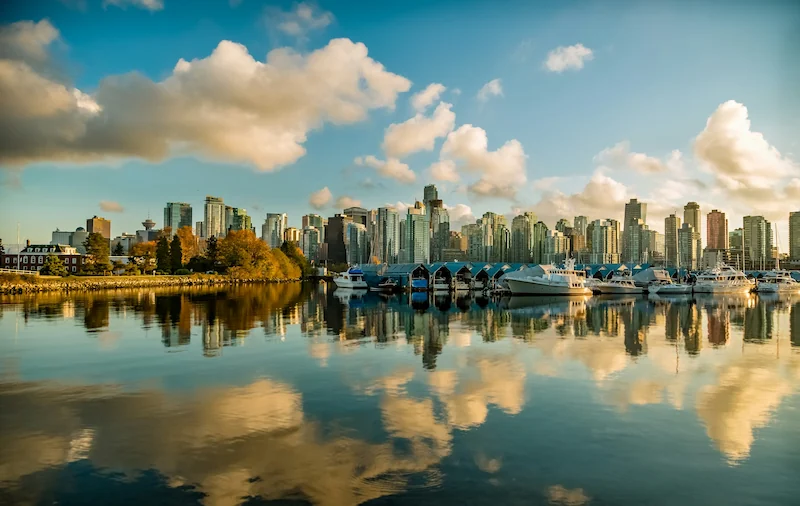
Where to stay in Vancouver
Find the best neighborhoods and hotels in Vancouver.
Open page →
Plan your trip to Vancouver with a strategic guide to the city’s best areas, stay logic, essential experiences, food neighborhoods, waterfront routes, rainy-day pivots and day-trip choices. Vancouver is best understood as a coastal gateway rather than a classic monument city: a compact downtown peninsula, Stanley Park, seawall movement, False Creek ferries, North Shore mountains, beach neighborhoods, Asian food corridors and rain-aware cultural stops sit close together, but they only work well when sequenced by geography, weather and trip length. The strongest Vancouver trip balances water, forest, food, neighborhoods and visibility instead of chasing every scenic attraction at once.
Find the best neighborhoods and hotels in Vancouver.
Open page →
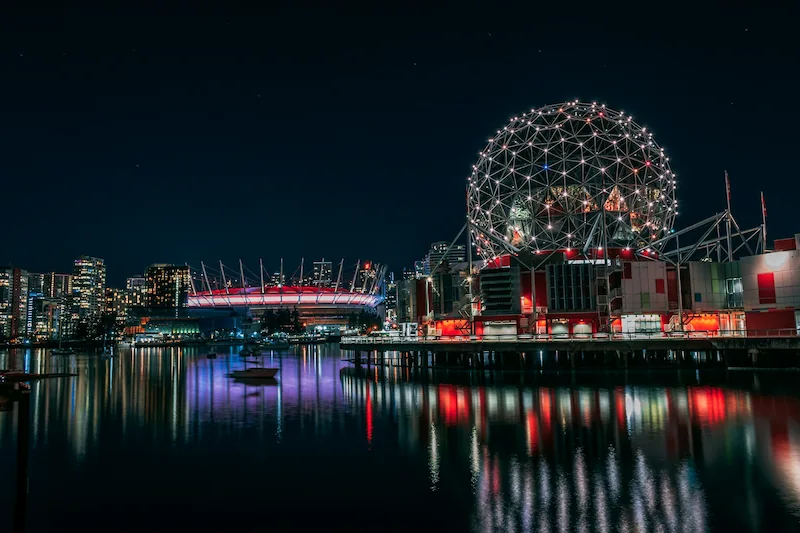
Prioritize the activities that deserve your time in Vancouver.
Open page →
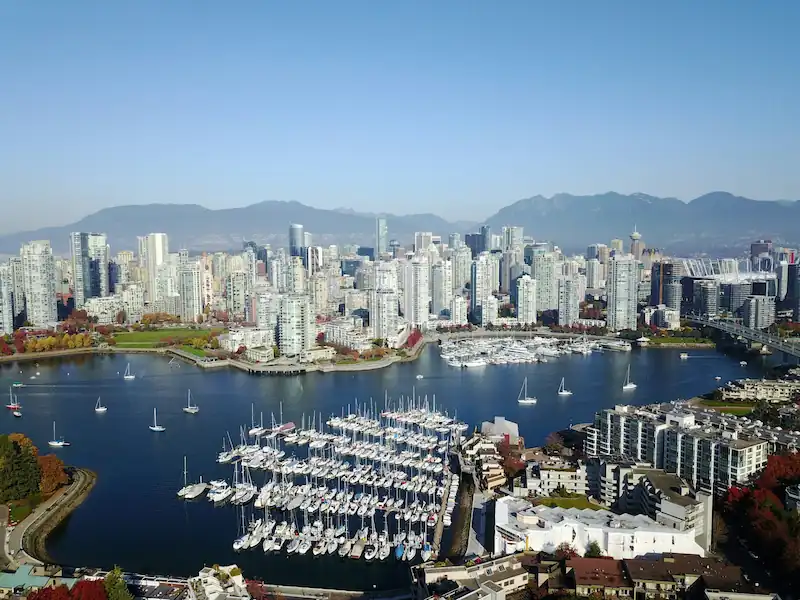
2 Days in Vancouver Itinerary: First-Time Waterfront, Stanley Park & Granville Island
Open itinerary →
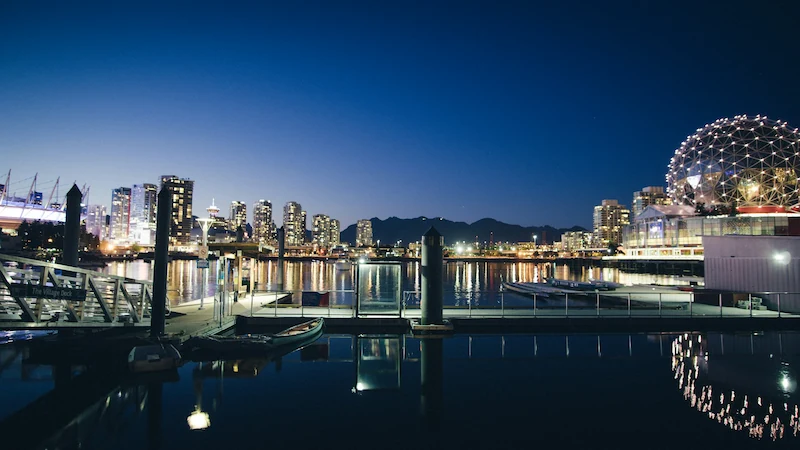
3 Days in Vancouver Itinerary: Stanley Park, Granville Island, UBC & North Shore
Open itinerary →
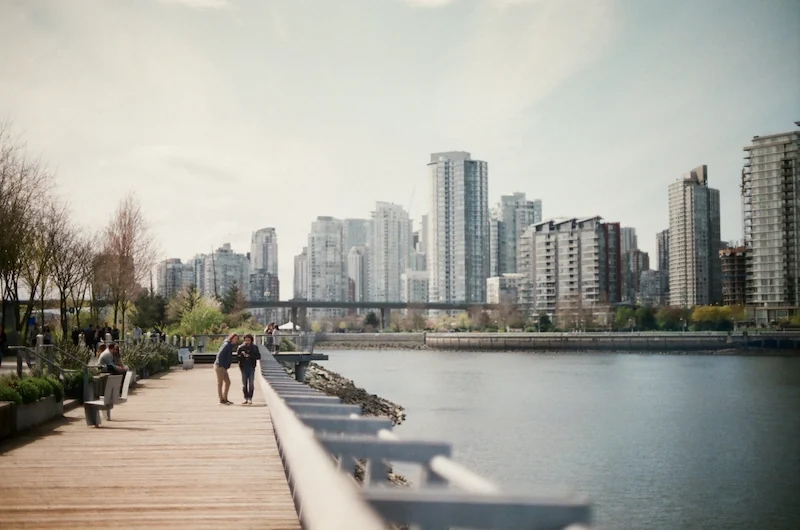
4 Days in Vancouver Itinerary: Walkable City, Coast, UBC & North Shore
Open itinerary →
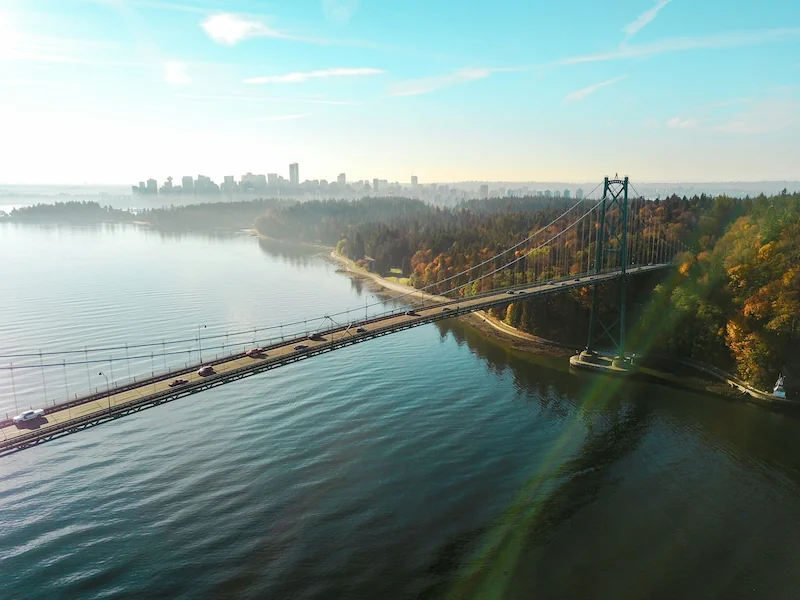
5 Days in Vancouver Itinerary: Complete City, Seawall, UBC & Neighborhood Route
Open itinerary →
Vancouver is a compact, water-framed city where the best travel decisions depend on edges: harbour, seawall, beach, forest, mountain, creek, garden and food corridor. Downtown makes the trip efficient, but the city becomes memorable when you move toward Stanley Park, Coal Harbour, English Bay, False Creek, Kitsilano, North Vancouver, Richmond and Mount Pleasant. It is not a monument-heavy destination; it is a city of transitions between urban comfort and outdoor access.
Vancouver is worth structuring carefully because it compresses several Pacific Northwest travel experiences into one base: glassy downtown streets, seawall cycling, cedar forest trails, beach sunsets, harbour movement, North Shore mountain views, Indigenous cultural depth and some of Canada’s strongest Asian dining. Its value comes from contrast rather than attraction-counting, so a good itinerary protects time for landscapes, neighborhoods and meals rather than reducing the city to Stanley Park plus a viewpoint.
Best time: May–September for the easiest outdoor trip; September is often the best balance of dry weather, visibility, lower crowd pressure and still-active waterfront life.
Ideal trip length: 3 days for a strong first-time Vancouver trip; 5 days for North Shore, Richmond food, gardens and neighborhood depth; 7 days if adding Whistler, Victoria, Squamish, whale watching, Bowen Island or slower beach time.
Vancouver is one of Canada’s more expensive city breaks, with accommodation as the main pressure point. Prices rise in summer, cruise season, long weekends and event periods, while food costs vary sharply between waterfront dining, destination restaurants, casual Japanese meals, Richmond food courts and neighborhood bakeries. Transit can keep daily costs controlled, but last-minute hotels, taxis, car rental, seaplanes, whale watching and North Shore packages can push the trip into premium territory quickly.
Vancouver’s visitor logic starts with the downtown peninsula, then radiates to water, forest, food and mountain edges. Downtown, Coal Harbour, the West End, Yaletown and Gastown are close on the map, but each faces a different travel use: arrival logistics, waterfront calm, beach rhythm, polished dining or historic texture. Beyond the peninsula, False Creek links Granville Island and Olympic Village, Kitsilano opens the west-side beach layer, Richmond reshapes the food map, and North Vancouver gives the city its mountain-facing dimension.
Water defines Vancouver more than roads do: Burrard Inlet to the north, False Creek through the centre, English Bay to the west and bridges connecting the peninsula to wider neighbourhoods. Stanley Park acts as a natural hinge between downtown and open coast, while the North Shore mountains are close enough to shape ordinary decisions about views, rain, hikes, gondolas and day trips.
Vancouver starts quietly compared with larger North American cities, then gathers pace around cafés, offices, seawall paths, and transit lines through the morning. Afternoons often drift toward outdoor edges: park loops, beach walks, markets, and neighborhood streets. In the evening, the city softens along the water while food districts and terrace lights take over from office traffic.
Think of Vancouver as a compact base camp with a city attached. A first-time trip works best when each day has a clear edge: Stanley Park or seawall, False Creek or Granville Island, North Shore or forest, Richmond or food, Kitsilano or beach, Downtown or harbour. Trying to treat the city like a dense checklist usually creates unnecessary transfers.
Start with Downtown, Coal Harbour, Stanley Park or the West End so the harbour, skyline, seawall and North Shore mountain orientation become clear early. Build each day around one geographic logic rather than scattered pins: downtown-and-waterfront, False Creek-and-Granville Island, North Shore, west-side beaches-and-UBC, or Richmond-and-food. Use Stanley Park as a real experience, not a photo stop; pair it with Coal Harbour, the West End, English Bay or the Aquarium depending on time, weather and energy. Use False Creek ferries to connect Yaletown, Granville Island, Olympic Village, Vanier Park and Kitsilano; these water transfers make Vancouver easier to read. Keep North Shore time as a dedicated block because bridges, buses, parking, gondola timing and rain can stretch the outing. Let food shape at least one evening outside the hotel zone, especially around Richmond, Mount Pleasant, Commercial Drive, Kitsilano or Main Street. Treat museums, markets, galleries, Science World, the Aquarium, Bloedel Conservatory and food corridors as real rainy-day tools, not weak backups. For five to seven days, alternate urban-water days with nature-facing days so Vancouver does not become a sequence of transfers. Protect one flexible weather window for mountain views, whale watching, seaplane plans, Vancouver Lookout, Grouse Mountain or longer outdoor movement. For cruise extensions, keep the first or last day close to Canada Place, Coal Harbour, Stanley Park, Gastown, the Canada Line or luggage storage rather than overreaching.
Vibe: central, practical, vertical, hotel-heavy
Why go: Downtown is the easiest base for first-time Vancouver because it keeps transit, waterfront walks, shopping streets, restaurants, and day-trip pickups close. It is not the city’s most atmospheric stay, but it reduces friction. Use Downtown as the efficient operating base: best for first-time visitors, short stays, cruise logistics, transit, tours, shopping and quick access to Coal Harbour, Yaletown, Gastown and the waterfront.
Who it fits: First-time visitors, short stays, business-plus-leisure trips, travelers relying on transit or organized excursions.
Not for: Travelers who want a village-like neighborhood feel or immediate beach atmosphere outside the door.
Where to stay: Best for convenience, especially on a 3-day trip or when mixing city time with North Shore or ferry logistics. Strategically, this area is strongest for First-time logistics, transit, shopping, tours, cruise access and short stays. Watch out: It can feel practical rather than atmospheric. Best use: 2–3 day trips, arrival/departure days, cruise extensions and travelers relying on transit or guided tours.
Vibe: polished, quiet, waterfront, view-led
Why go: Coal Harbour gives Vancouver its cleanest hotel-to-water experience, with Stanley Park, the convention centre, and harbour views within easy walking distance. The soundscape is often soft: bikes, marina ropes, floatplanes, and low foot traffic. Use Coal Harbour when the stay should feel polished, scenic and calm, with Stanley Park, Canada Place and harbour walks close but nightlife intentionally secondary.
Who it fits: Couples, premium stays, early walkers, cruise-linked travelers, visitors who want water views without nightlife intensity.
Not for: Travelers looking for late-night energy, independent boutiques, or a dense dining neighborhood.
Where to stay: Best for a calm waterfront base with easy access to Stanley Park and the downtown core. Strategically, this area is strongest for Calm waterfront stays, Stanley Park access, cruise extensions and premium hotels. Watch out: Limited nightlife and independent neighborhood texture. Best use: Couples, premium stays, cruise-linked trips and travelers who want water views plus easy Stanley Park access.
Vibe: social, polished, restaurant-focused, walkable
Why go: Yaletown works well for travelers who want restaurants, False Creek access, and an evening atmosphere within a compact area. It has a more social rhythm than Coal Harbour but remains easy to manage. Use Yaletown as the social, restaurant-led downtown base, especially when False Creek, polished evenings and walkable dining matter more than residential quiet.
Who it fits: Couples, food-focused travelers, urban walkers, travelers who like a polished neighborhood base.
Not for: Visitors seeking the lowest prices or a more independent, local-feeling district.
Where to stay: Best for a stylish base with strong dining access and easy False Creek movement. Strategically, this area is strongest for Restaurants, False Creek, stylish stays and polished evening plans. Watch out: Less local and usually not the cheapest base. Best use: Couples, food-led stays, stylish weekends and visitors who want a polished but walkable evening district.
Vibe: residential, leafy, relaxed, beach-adjacent
Why go: The West End gives Vancouver a slower lived-in texture between Stanley Park and English Bay. It is close to central sights but feels less like a hotel district, with quiet blocks leading toward beach light and park paths. Use the West End for a softer central stay: Stanley Park, English Bay, residential streets and everyday routines without losing access to downtown.
Who it fits: Longer stays, walkers, families, repeat visitors, travelers who want proximity without constant downtown intensity.
Not for: Travelers who want the newest hotels, nightlife, or direct airport-transfer simplicity.
Where to stay: Best for a softer Vancouver stay with park and beach access built into everyday movement. Strategically, this area is strongest for Stanley Park, English Bay, family comfort and longer central stays. Watch out: Hotel inventory can be older and less design-led. Best use: Longer stays, families, beach walkers, repeat visitors and travelers who want park and beach access built into the base.
Vibe: historic, textured, design-led, uneven
Why go: Gastown offers Vancouver’s strongest old-street atmosphere, with brick façades, design shops, bars, and restaurants layered into a compact grid. It is visually distinct but more uneven at night than its visitor image suggests. Use Gastown for texture, dining and old-street atmosphere, but choose exact blocks carefully because the area is more uneven than its postcard image.
Who it fits: Design-minded travelers, restaurant seekers, photographers, visitors who prefer texture over polish.
Not for: Travelers who want the easiest family base, the calmest evenings, or a purely upscale hotel environment.
Where to stay: Best for atmosphere and dining access, but better chosen with a clear sense of the immediate street location. Strategically, this area is strongest for Architecture, restaurants, design shops and short historic walks. Watch out: The area is uneven; exact street choice matters. Best use: Design-minded travelers, short atmospheric walks, restaurant-led evenings and visitors comfortable with a more uneven urban edge.
Vibe: beachy, residential, active, local
Why go: Kitsilano sits outside the downtown peninsula and changes the whole feel of a stay: beaches, cafés, yoga studios, side streets, and wider skies. It is especially rewarding when the city is not only a sightseeing stop. Use Kitsilano when Vancouver should feel slower, residential and beach-led rather than hotel-district efficient.
Who it fits: Longer stays, beach walkers, families, slower travelers, visitors who want a local residential base.
Not for: Short first-time trips where daily movement back to Downtown and the North Shore must stay simple.
Where to stay: Best for a relaxed west-side stay when beach access and neighborhood rhythm matter more than central convenience. Strategically, this area is strongest for Beach rhythm, longer stays, family space and west-side culture. Watch out: Less efficient for short first-time sightseeing. Best use: Families, longer stays, beach-focused trips, west-side culture and travelers who value neighborhood rhythm over fast sightseeing.
Vibe: waterfront, practical, mountain-facing, calmer than downtown
Why go: North Vancouver, especially around Lonsdale Quay and the Shipyards, is the main stay-area gap if your trip is built around the North Shore. It gives direct SeaBus access to Downtown plus easier access to Grouse Mountain, Capilano, Lynn Canyon, Deep Cove, and mountain-facing days. Use North Vancouver/Lonsdale when the trip is built around mountains, North Shore nature, family space or calmer harbour evenings rather than constant downtown walking.
Who it fits: Families, repeat visitors, nature-focused travelers, longer stays, and travelers who prefer a quieter waterfront base with skyline views back toward the city.
Not for: Very short first-time stays, nightlife-focused trips, or travelers who want to walk out directly into Downtown, Yaletown, or the West End.
Where to stay: Best as a strategic North Shore base when mountain access, family space, or calmer waterfront evenings matter more than central convenience. Strategically, this area is strongest for North Shore nature, family space, skyline views and calmer waterfront evenings. Watch out: Not ideal for nightlife or very short first visits. Best use: Nature-focused stays, repeat visits, families, North Shore access and travelers who prefer skyline views back toward the city.
The best things to do in Vancouver are not just attractions; they are transitions between water, forest, neighborhoods, and food corridors. The city reveals itself most clearly when experiences are sequenced by edge and atmosphere rather than by checklist density.
Planning tip: Treat weather and visibility as part of the plan, because mountain, harbour, and forest experiences change sharply with rain, cloud, and light.
This is Vancouver’s clearest spatial experience: city towers, forest, harbour, beaches, and mountain views stitched into one continuous route. The cadence of wheels and footsteps along the water makes the city’s geography immediately legible. The non-negotiable orientation experience for first-time Vancouver trips.
Tip: Cycling gives the full loop more flow; walking works best if you focus on one side rather than the entire circuit.
Granville Island is less an island than a working waterfront pocket of markets, studios, food stalls, and boats. It is most rewarding when approached by water, with False Creek adding scale before the market density begins. The key food-and-water connector, strongest when approached by ferry.
Tip: Arrive before the lunch peak if the market itself matters; go later for a softer waterfront wander.
The North Shore turns Vancouver into a full landscape, not just a city view. From across the inlet, the downtown peninsula reads as a thin band between water and mountains. The clearest way to understand Vancouver as a city between harbour and mountains.
Tip: Choose between structured attractions, hikes, or viewpoints rather than trying to combine every North Shore stop in one rushed block.
False Creek ferries make Vancouver’s inner geography easy to feel: short crossings, low water views, and quick shifts between Yaletown, Granville Island, and the south shore. The water level changes the scale of the city. A low-cost transit experience that turns geography into part of the itinerary.
Tip: Use the ferry as a connector, not just a ride; it works best when folded into a walk.
Check guided tours →
English Bay gives the city its simplest evening ritual: people drifting toward the water as the downtown pace loosens. The scene is easy, social, and spatially open after a day among towers and trails. The easiest evening ritual and one of the best free things to do in Vancouver.
Tip: Arrive with time to walk the shoreline before the light drops behind the bay.
Check guided tours →
Both experiences translate Vancouver’s forest proximity into a half-day outing, though they feel very different: Capilano is controlled and attraction-led, Lynn Canyon is rougher and more local. Under the trees, sound drops quickly into water, boards, and footfall. The core rainforest decision: polished paid attraction versus freer local-feeling forest.
Tip: Choose Capilano for infrastructure and ease; choose Lynn Canyon for a less commercial forest atmosphere.
Vancouver has several ways to see the city from above: Vancouver Lookout, Grouse Mountain, Queen Elizabeth Park, seaplane windows, and North Shore viewpoints. The strategic move is to choose one based on weather rather than paying for multiple views in poor visibility. The strategic viewpoint filter that prevents overpaying for duplicated skyline views.
Tip: If mountains are hidden by cloud, save paid viewpoints for another window and use neighbourhoods, markets, or museums instead.
Queen Elizabeth Park gives Vancouver a useful inland counterpoint to the seawall: gardens, skyline views, Bloedel Conservatory, and a sense of how the city rises away from the water. It is especially useful when you want a major view without committing to the North Shore. The most useful inland viewpoint and garden pairing for visitors who do not want another North Shore transfer.
Tip: Pair it with Main Street, Riley Park, or a slower food stop rather than treating it as an isolated transfer.
Check guided tours →
The harbour is more than a view: cruise ships, floatplanes, ferries, promenades, and mountain backdrops explain Vancouver’s gateway role. A short Coal Harbour and Canada Place walk is most useful as orientation, especially before Stanley Park or after arriving by cruise. The harbour-orientation layer for cruise travelers, short stays and scenic splurge planning.
Tip: Do not let Canada Place replace richer waterfront time; use it to understand the harbour, then move toward Coal Harbour or the Seawall.
Whale watching is one of Vancouver’s highest-impact paid experiences, but it is also time-consuming, weather-aware, and best treated as a major half-day or longer commitment. It belongs in the guide because it changes the trip from urban-coastal to genuinely marine. A high-impact marine experience best treated as a major weather-aware commitment.
Tip: Do it only if you can protect the time and accept that wildlife experiences are never guaranteed like a museum or viewpoint.
The Museum of Anthropology is essential for understanding the region beyond Vancouver’s modern surface, especially through Indigenous art, architecture, and material culture. Its setting at UBC also pulls the visitor toward the city’s western edge. The strongest cultural anchor for Indigenous art and regional context.
Tip: Give it enough time to justify the journey out to UBC; it is not a quick downtown museum stop.
Check guided tours →
Chinatown carries an important but uneven layer of Vancouver’s urban history, and the garden offers a quieter, more deliberate counterpoint to the surrounding streets. The shift from traffic noise to still water is immediate. A culturally important but uneven urban layer that works best with context and daytime pacing.
Tip: Read the area with context; it is culturally significant but not polished in the way many visitors expect.
The Vancouver Art Gallery adds a useful cultural pause in the downtown core, especially in poor weather or on a slower afternoon. Its value depends on the exhibition program, so it works best as a flexible cultural layer rather than an automatic centerpiece. A central rainy-day and exhibition-led cultural option.
Tip: Check the current exhibitions before assigning it prime itinerary time.
Check guided tours →
This smaller gallery gives a more focused encounter with Northwest Coast art in the center of the city. It is especially useful when a trip is too short to include UBC. A compact downtown alternative when UBC is too far.
Tip: Use it as a compact cultural anchor on a downtown day.
Check guided tours →
Science World is one of Vancouver’s most useful family and rainy-day anchors because it sits directly on False Creek rather than feeling detached from the city. It turns a wet or low-energy day into a structured stop while keeping the waterfront logic intact. The most useful indoor family pivot on False Creek.
Tip: Pair it with Olympic Village, the False Creek ferry, or a short seawall walk instead of making it a standalone taxi trip.
Check guided tours →
Vanier Park helps connect the Museum of Vancouver, H.R. MacMillan Space Centre, Kitsilano, and shoreline views into one coherent west-side block. It is especially useful when you want a cultural stop that does not require going all the way to UBC. Think of it as a west-side culture-and-waterfront bridge between Kitsilano and False Creek.
Tip: Use it as a bridge between Kitsilano and False Creek, especially with children or mixed weather.
Check guided tours →
Vancouver’s landscape cannot be fully understood through scenery alone. Indigenous-led walks, storytelling, and cultural interpretation add context to the land, forest, shoreline, and art that shape the city’s identity. The interpretive layer that turns scenery into place understanding.
Tip: Choose experiences carefully and treat them as interpretive depth, not as a quick add-on between photo stops.
VanDusen is not a first-hour Vancouver essential, but it is a strong strategic addition for repeat visitors, garden-focused travelers, families, or shoulder-season trips that need something calmer than another waterfront walk. A calmer garden choice for repeat visitors, families and shoulder-season planning.
Tip: It pairs better with Queen Elizabeth Park or South Granville than with a packed downtown day.
Check guided tours →
Commercial Drive shows a more independent Vancouver: cafés, produce shops, casual restaurants, old apartments, and a looser street rhythm than the downtown core. It gives the city social texture beyond the waterfront. The easiest local-feeling food-and-street-life corridor east of downtown.
Tip: Come for a walk and a meal rather than a single landmark.
Check guided tours →
Main Street and Mount Pleasant carry much of Vancouver’s contemporary local energy: breweries, coffee, design shops, casual restaurants, and a younger residential pace. The area feels more lived than presented. The contemporary local layer for breweries, cafes, murals and independent food.
Tip: It works best in late afternoon leading into dinner or drinks.
Check guided tours →
Kitsilano is not only a beach stop; its quieter streets explain the city’s everyday west-side rhythm. The movement from cafés to shoreline is short and unforced. The west-side lifestyle layer that turns beach time into neighborhood time.
Tip: Combine a neighborhood walk with Kits Beach or Vanier Park rather than treating the area as a single viewpoint.
Check guided tours →
Richmond changes the Vancouver food map completely, especially for Chinese regional cooking, Hong Kong-style cafés, dumplings, hot pot, and food-court culture. The shift from downtown glass to mall corridors and busy tables is part of the experience. The food corridor that makes Vancouver a serious Asian dining city.
Tip: Go with appetite and a short list of places; wandering without context can become indecisive fast.
Check guided tours →
The SeaBus to Lonsdale Quay is one of the easiest ways to make Vancouver feel wider without committing to a full North Shore attraction. The Shipyards add market energy, skyline views, food, and a more local waterfront rhythm. The low-effort North Shore experience with skyline views and market energy.
Tip: Use it before or after a North Shore forest stop, or as a low-effort evening when downtown feels too enclosed.
Check guided tours →
Deep Cove gives Vancouver a gentler North Shore mood: inlet water, forested slopes, cafés, kayaking, and a village-like edge. It is less of a headline than Capilano or Grouse, but often more memorable for travelers who want the city to slow down. A slower inlet-and-village option for longer stays or soft adventure.
Tip: Best with a car, rideshare, or a clear transit plan; weekend parking and crowds can weaken the experience.
English Bay and Kitsilano are the obvious beaches, but Jericho and Spanish Banks show a broader, quieter version of Vancouver’s coastal life. They are strongest on clear warm days when space matters more than convenience. The calmer west-side beach layer beyond English Bay and Kitsilano.
Tip: Use them for a slower west-side afternoon, not for a rushed first-day checklist.
Check guided tours →
Olympic Village is not a major landmark, but it is one of Vancouver’s best connectors. It links Science World, False Creek, breweries, Mount Pleasant, and Granville Island into a low-pressure urban-waterfront sequence. A connector district that links Science World, False Creek, breweries and seawall movement.
Tip: Use it when you want movement without committing to the full Stanley Park Seawall.
Check guided tours →
Vancouver’s Japanese dining scene is one of the city’s most reliable pleasures, ranging from casual sushi to ramen, izakaya, and more refined counters. Quality is high enough that it deserves its own meal slot rather than a fallback choice. A dedicated meal priority rather than a fallback cuisine.
Tip: Look beyond the most central tourist streets for better value and atmosphere.
Check food options →
Richmond is essential for understanding why Vancouver is a serious food city, particularly for Chinese regional cooking and dim sum. The scale of choice is the point: malls, food courts, banquet rooms, bakeries, and late-night spots. The most important food excursion for serious eaters.
Tip: Dim sum rewards planning more than improvisation, especially on weekends.
Seafood matters in Vancouver, but the strongest meals are not always the most obvious waterfront ones. The better approach is to look for kitchens that handle local fish, shellfish, and seasonal produce with restraint. A Vancouver food filter: prioritize quality over generic waterfront views.
Tip: Water views can be pleasant, but they are not a guarantee of the best meal.
Check food options →
Mount Pleasant’s breweries and casual restaurants give Vancouver an easy evening alternative to polished downtown dining. It is a good area for travelers who want food, conversation, and local energy without dressing up the night. The easiest casual nightlife alternative to polished downtown dining.
Tip: Make it a loose evening route rather than a single venue stop.
Check food options →
Granville Island is already a major Vancouver stop, but the food strategy matters: go before peak lunch, choose a few counters, and then take the food back toward the water if the weather allows. Done well, it becomes a compact Vancouver experience rather than a crowded market errand. A first-time food anchor that works best before peak crowds.
Tip: Pair it with a False Creek ferry so the approach and exit are part of the experience.
Richmond Night Market is not an all-year Vancouver essential, but in season it can be one of the most distinctive food-led evenings near the city. It belongs in the strategic guide because it changes the night plan from restaurant booking to grazing and atmosphere. A seasonal evening outing for travelers who want atmosphere and grazing.
Tip: Check seasonality, opening nights, and transit timing before building an evening around it.
Check food options →
Some of Vancouver’s best food moments are not formal dinners. Coffee, bakeries, casual sushi, dumplings, ramen, and neighborhood counters often explain the city better than a single polished meal. The everyday food layer for pacing and local texture.
Tip: Use these stops to anchor Kitsilano, Mount Pleasant, Commercial Drive, or the West End when the itinerary needs a reset.
Check food options →
Vancouver expands quickly when every scenic option, food corridor, beach, market, forest, ferry and day trip is treated as equally urgent. A strong plan protects the experiences that explain the city first, then widens toward extra neighborhoods, gardens, viewpoints and excursions only when the core has room to breathe.
Vancouver is one of Canada’s stronger city destinations with children because many experiences are active, visual and easy to understand: ferries, beaches, seawalls, forests, aquarium tanks, Science World, playgrounds and mountain views. The key is not to over-plan. A strong family day usually combines one structured attraction with one open-air reset and one easy meal nearby. Rain, nap windows, stroller logistics and bridge traffic should shape the plan as much as the attraction list.
Vancouver itineraries work best when they are built around transitions: downtown to seawall, water to market, forest to food, garden to viewpoint, beach to evening. Even a short stay should leave space for weather, visibility, cruise timing, and the slower movement that makes the city feel coherent.
Open the planner →
Vancouver is easy to enjoy but easy to mis-sequence. The practical challenge is not complexity; it is matching the city’s geography, weather, hotel base and day-trip ambitions. Water, bridges, cruise traffic, low cloud, rain and restaurant demand can change the value of a plan quickly. Vancouver rewards flexibility, but several experiences and hotel periods need advance planning, especially in summer, cruise season and good-weather windows.
May to September is the easiest period for first-time visitors. September is often the best balance of weather, visibility and slightly lower pressure; winter works best when the trip is built around food, museums, galleries, markets and selective mountain windows.
Three days is the minimum for a satisfying first Vancouver trip. Five days is the better length if you want North Shore nature, Richmond food, Kitsilano or Mount Pleasant, and enough flexibility for weather.
Stay Downtown for first-time efficiency, Coal Harbour for calm waterfront access, Yaletown for restaurants and False Creek, the West End for Stanley Park and English Bay, Gastown for atmosphere with caution, Kitsilano for longer beach-led stays, and North Vancouver/Lonsdale if North Shore access matters more than downtown convenience.
Vancouver International Airport is connected to the city by the Canada Line, making Downtown, Yaletown and Richmond relatively easy without a car. Cruise travelers should plan luggage and Canada Place logistics before adding distant activities.
Vancouver works well with a mix of walking, SkyTrain, SeaBus, buses, small False Creek ferries and occasional ride-hailing. A car is useful for some North Shore, Sea-to-Sky, Deep Cove or regional plans, but it is not necessary for a standard city stay. The best Vancouver plans combine transport mode and weather reality. A short ferry, SeaBus or SkyTrain ride can improve the experience; a badly timed bridge crossing or low-cloud viewpoint can weaken it.
Vancouver is generally manageable for visitors, but street conditions vary by block in parts of the Downtown Eastside and around some edges of Gastown and Chinatown. Weatherproof layers, shoes with grip, and realistic rain planning matter for comfort, especially outside summer.
Vancouver is highly seasonal, but not in a simple good-versus-bad way. Late spring through early autumn is the easiest time for a classic Vancouver trip because the seawall, beaches, gardens, whale watching, ferries and mountain views are more reliable. Winter is rainier and darker, but it can still be rewarding for food, museums, galleries, markets, winter sports and lower hotel pressure. The best planning approach is to choose the season honestly: outdoor-first in summer, flexible and food-culture-led in winter, and visibility-aware in every month.
Spring brings improving daylight, blossoms, and a gradual return to outdoor life, though rain remains part of the trip. It is a strong shoulder season for travelers who want lower pressure than summer while still having enough clear spells for seawall walks and neighborhoods.
Summer is Vancouver at its most open: beaches, parks, ferries, patios, bike rides, gardens, whale watching, and mountain access all work more easily. It is also the most expensive and compressed season, with hotel demand, cruise traffic, beach crowds, and popular outdoor sites carrying real pressure.
Early autumn can be excellent, especially September, when daylight remains useful and the city feels less hurried after peak summer. Later autumn becomes wetter and more introspective, shifting the emphasis toward food, museums, cafés, and shorter outdoor windows.
Winter is mild by Canadian standards but wet, grey, and visibility-dependent. It can work for food-led travel, museums, lower hotel rates, holiday lights, and occasional mountain-snow contrasts, but it is not the best season for a first Vancouver trip built around views and outdoor movement.
Not seeing your next stop yet? Build a fully personalized itinerary anywhere in Canada.
Vancouver is easy to enjoy but harder to plan well because its appeal is spread across water, forest, mountains, food corridors, neighborhoods and weather-sensitive views. These answers cover the main planning questions for first-time visitors, families, food travelers, cruise extensions and outdoor-focused trips.
Three days is enough for a strong first visit covering Stanley Park, the waterfront, Granville Island, one food-led evening and either North Shore nature or a major cultural stop. Five days is better if you want Richmond, Kitsilano, gardens, beaches and weather flexibility.
Yes, Vancouver is worth visiting if you value scenery, waterfront walks, outdoor access, food, beaches and Pacific Northwest atmosphere. It is less compelling if you expect a monument-heavy city with dense historic sightseeing.
Vancouver is best known for Stanley Park, the Seawall, mountain and harbour views, Granville Island, nearby North Shore nature, beaches, cruise access and a strong Asian food scene.
Downtown Vancouver is the most efficient base for most first-time visitors because it keeps transit, waterfront walks, shopping, tours and day-trip pickups close. Coal Harbour is better for a calmer waterfront feel, while Yaletown is better for restaurants.
Yes. Downtown Vancouver is practical for short stays, cruise extensions, transit and first-time sightseeing. It is not always the most atmospheric neighborhood, but it reduces friction.
Yes, Coal Harbour is one of Vancouver’s best areas for a calm waterfront stay, especially for couples, premium hotels, cruise travelers and visitors who want Stanley Park close.
Yaletown is strong for restaurants, False Creek, polished hotels and evening atmosphere. It works well for couples and food-focused travelers but is usually less budget-friendly.
Yes. The West End is a good choice for Stanley Park, English Bay, families, longer stays and a softer residential rhythm close to downtown.
Gastown has atmosphere, restaurants and design shops, but it is more uneven than its postcard image. It can work for travelers who value texture, but exact street location matters.
Kitsilano is good for longer stays, beach time, families and travelers who want a local west-side rhythm. It is less efficient for a very short first-time trip.
North Vancouver/Lonsdale can be smart if the trip is nature-focused or family-oriented, especially with plans for Grouse, Capilano, Lynn Canyon or Deep Cove. For a short first visit, downtown is usually easier.
For most first-time visitors, the must-dos are Stanley Park or the Seawall, Granville Island or False Creek, one waterfront or beach sunset, a food experience outside the hotel zone and either North Shore nature or a strong cultural stop.
Yes. Stanley Park is the clearest way to understand Vancouver’s water, forest, skyline and mountain setting. Even a short seawall segment is worthwhile.
Cycling is best for the full loop because it gives the route flow. Walking is better if you want a shorter, slower section from Coal Harbour, Brockton Point, Second Beach or English Bay.
Yes, Granville Island is worth visiting for the Public Market, food counters, studios, waterfront and False Creek ferry access. It works best before peak lunch crowds or as part of a water-linked route.
Capilano is worth it if you want a polished, easy, ticketed rainforest attraction with strong infrastructure. Lynn Canyon is better if you prefer a simpler and less commercial forest experience.
Capilano is easier, more polished and more expensive; Lynn Canyon is more local-feeling and budget-friendly. Most visitors should choose one, not both.
Grouse Mountain is worth visiting when visibility is good or when seasonal mountain activities matter. In low cloud, its value drops and a museum, market or food neighborhood may be smarter.
The best views include Stanley Park Seawall, Coal Harbour, Queen Elizabeth Park, North Shore viewpoints, Grouse Mountain, Vancouver Lookout, English Bay and seaplane or harbour perspectives in clear weather.
Vancouver Lookout can be useful for a fast downtown orientation, especially on a short stay or cruise extension. It is less essential if you already plan Grouse Mountain, Queen Elizabeth Park or a seaplane.
Use Granville Island, Vancouver Aquarium, Science World, Bill Reid Gallery, Vancouver Art Gallery, Museum of Anthropology, cafés, bakeries, Richmond food or Mount Pleasant breweries. Avoid paying for major views in low cloud.
Yes. Stanley Park, the Aquarium, Science World, False Creek ferries, beaches, Queen Elizabeth Park, Granville Island and selected North Shore forest stops work well with kids.
The best free things include walking the Seawall, English Bay sunset, Stanley Park, Queen Elizabeth Park, beaches, Commercial Drive, Main Street, Olympic Village waterfront and Lynn Canyon.
The best outdoor activities are the Seawall, Stanley Park, beaches, Lynn Canyon, Capilano, Grouse Mountain, Deep Cove, Queen Elizabeth Park, North Shore trails, kayaking and whale watching in season.
Top food experiences include sushi or izakaya, Richmond Chinese food or dim sum, Granville Island grazing, seafood chosen carefully, Mount Pleasant breweries, Commercial Drive and neighborhood cafés or bakeries.
Richmond is worth visiting for food-focused travelers, especially for Chinese cuisine, dim sum, food courts and the seasonal night market. It is not necessary on a rushed first day.
Yes. Vancouver is very workable without a car for downtown, Stanley Park, Granville Island, False Creek, Richmond, Lonsdale, many museums and several beaches. A car helps for some North Shore, Deep Cove or regional trips.
You do not need a car for a standard city trip. Consider one only for a wider outdoor itinerary, Sea-to-Sky plans, Deep Cove, multiple North Shore stops or regional exploration.
May to September is best for outdoor activities, beaches, seawall cycling and mountain views. September often gives the best balance of weather and lower pressure.
Vancouver can be good in winter if you build the trip around food, museums, markets, galleries, rain walks and North Shore winter activities. It is not the best season for a classic beach-and-view trip.
In summer, prioritize Stanley Park, beaches, False Creek ferries, Granville Island, North Shore nature, whale watching, kayaking, Richmond Night Market and long evening walks.
In winter, prioritize food neighborhoods, Granville Island, museums, galleries, Aquarium, Science World, cafés, breweries and selective mountain activities when conditions are good.
Vancouver can be expensive, especially for hotels, waterfront stays, summer dates and paid outdoor experiences. Costs can be controlled with transit, free parks, beaches, casual food and fewer viewpoint splurges.
Skip duplicate paid viewpoints, overpacked North Shore days, generic downtown shopping and distant day trips on short stays unless they match your actual priorities.
Nothing is automatically overrated, but paid viewpoints in poor visibility, rushed Gastown-only sightseeing, overplanned Capilano-plus-Grouse-plus-Whistler schedules and generic waterfront restaurants can disappoint.
Underrated choices include the West End, False Creek ferries, Lonsdale Quay, Queen Elizabeth Park, Vanier Park, Commercial Drive, Main Street, Richmond food and Jericho or Spanish Banks.
Yes. Couples can build strong days around the Seawall, English Bay sunset, Granville Island, Yaletown, Kitsilano, Richmond dining, harbour views, gardens and scenic splurges.
Yes. Vancouver works well solo because it is walkable in clusters, scenic, transit-friendly and full of casual food stops. Solo travelers should prioritize safe central bases and avoid overextending at night without a plan.
Vancouver is generally manageable for tourists, but some central areas can feel uneven, especially around parts of Gastown and the Downtown Eastside. Use normal big-city awareness and choose accommodation by exact street, not just neighborhood name.
With one day, focus on Stanley Park or the Seawall, Granville Island or False Creek, and English Bay or a strong food evening. Do not try to add Whistler or Victoria.
Use one day for Stanley Park, Coal Harbour, West End and English Bay, and the second for Granville Island, False Creek and either North Shore nature, UBC culture or Richmond food.
A strong three-day plan covers Stanley Park, Granville Island, False Creek, one North Shore or UBC cultural block, one food-led evening and one beach or garden viewpoint.
With five days, add North Shore depth, Richmond food, Kitsilano, Queen Elizabeth Park, VanDusen, Commercial Drive or Mount Pleasant, plus one possible day trip if weather and energy fit.
Whistler is worth a day trip if you have at least four days or the Sea-to-Sky corridor is a priority. It is too much for a rushed two-day city stay.
Victoria and Butchart Gardens can be worthwhile, but the day is long because of ferry logistics. It is best for travelers with enough time or a strong garden/ferry interest.
Squamish is a strong choice for mountain views and outdoor energy without going all the way to Whistler. The Sea to Sky Gondola is best in good visibility.
Bowen Island is good for slower or repeat visitors who want a ferry escape, cafés and light walks. It is less urgent on a short first-time trip.
For many visitors, the best day trip is Squamish/Sea-to-Sky or Whistler for mountain scenery. Victoria is best for gardens and ferry atmosphere, while Bowen Island is best for a softer coastal escape.
Cruise travelers should prioritize Canada Place, Coal Harbour, Stanley Park, Gastown, Granville Island or a compact North Shore outing depending on luggage and timing.
On a layover, use the Canada Line for a compact downtown, waterfront or Richmond food plan only if timing is safe. Do not attempt North Shore or distant attractions unless the layover is very long.
English Bay is easiest, Kitsilano is the classic local beach, Jericho and Spanish Banks offer more space, and Third Beach or Second Beach work well with Stanley Park.
Yes, Kitsilano is worth visiting for beach atmosphere, cafés, local rhythm and views back toward downtown and the mountains.
Commercial Drive is worth visiting if you want independent restaurants, cafés, produce shops and a less polished local street scene beyond the waterfront.
Yes. Main Street and Mount Pleasant are good for breweries, bakeries, shops, casual dining and a more contemporary local feel.
Lonsdale Quay and the Shipyards are worth visiting for skyline views, the SeaBus crossing, market-style food and a low-effort North Shore experience.
Deep Cove is worth visiting for a slower North Shore mood, kayaking, water views and village atmosphere, but parking and weekend crowds require planning.
The Museum of Anthropology is the strongest cultural experience for many visitors. Bill Reid Gallery, Chinatown, Indigenous-led tours and Vancouver Art Gallery add useful cultural depth.
The Museum of Anthropology is the most important museum for regional context, while Science World is best with children and Vancouver Art Gallery depends more on current exhibitions.
Keep outdoor movement short, use markets and museums as anchors, build food-led afternoons, and save paid viewpoints or mountain plans for better visibility.
You can combine Vancouver and Banff on a longer Western Canada trip, but they are far apart. Treat the connection as a major travel segment rather than a simple side trip.
Yes, but Vancouver Island works best with at least an overnight unless you are doing a focused Victoria day trip. The ferry logistics need planning.
Start with Coal Harbour, Stanley Park or a seawall segment. It explains the relationship between downtown, forest, water and mountains faster than almost any other activity.
The biggest mistake is overloading the itinerary with scenic names without respecting weather, visibility, bridges, ferries and geography. Vancouver is best when each day has one clear spatial logic.
Spend time in the West End, Kitsilano, Main Street, Mount Pleasant, Commercial Drive, Richmond or Lonsdale after covering the classic waterfront and Stanley Park experiences.
A strong evening plan is English Bay sunset plus West End dinner, Yaletown and False Creek, Mount Pleasant breweries, Commercial Drive food, or Richmond dining depending on your style.
Book hotels, whale watching, seaplanes, some guided tours, peak-season Capilano/Grouse packages and major day trips ahead. Keep weather-dependent viewpoints flexible when possible.
Whistler / Sea-to-Sky makes sense when you have 4+ days or the mountains are central to the trip. It becomes a full-day commitment.
Victoria / Butchart Gardens makes sense when you want ferry scenery and a formal day out. The logistics are long for a rushed Vancouver stay.
Squamish / Sea to Sky Gondola makes sense when you want mountain views without going all the way to Whistler. Visibility drives value.
Bowen Island makes sense when you want a softer ferry escape and slower rhythm. Better for repeat or longer visits.
Deep Cove / North Shore makes sense when you want a close nature escape. Parking and weekend crowding need planning.
Richmond / Steveston makes sense when you want food plus a lower-effort regional contrast. Restaurant targeting matters.
Plan Vancouver by geography, weather and daily rhythm, and the city becomes far more rewarding than a simple checklist of scenic attractions.
Find the best places to stay, how to get there, and move around with ease.
Build a smarter trip base
Once you understand how Vancouver works and what matters most for your trip, the next step is turning that direction into a real itinerary. Use the planner to organize your days around the right areas, experiences, and rhythm so the trip feels clear before you go.