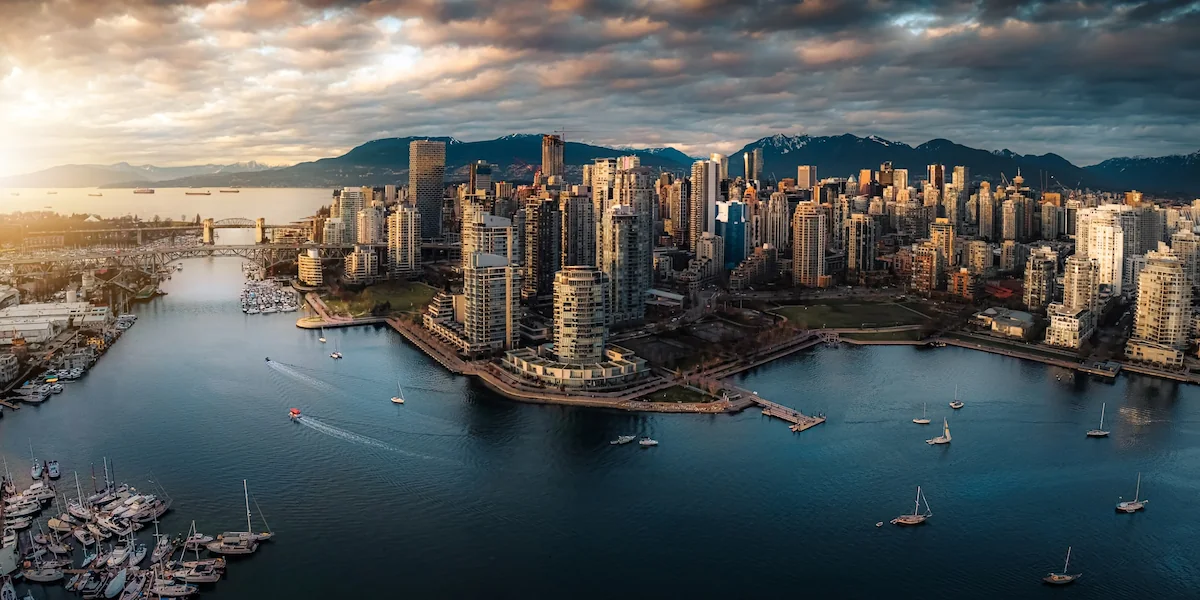
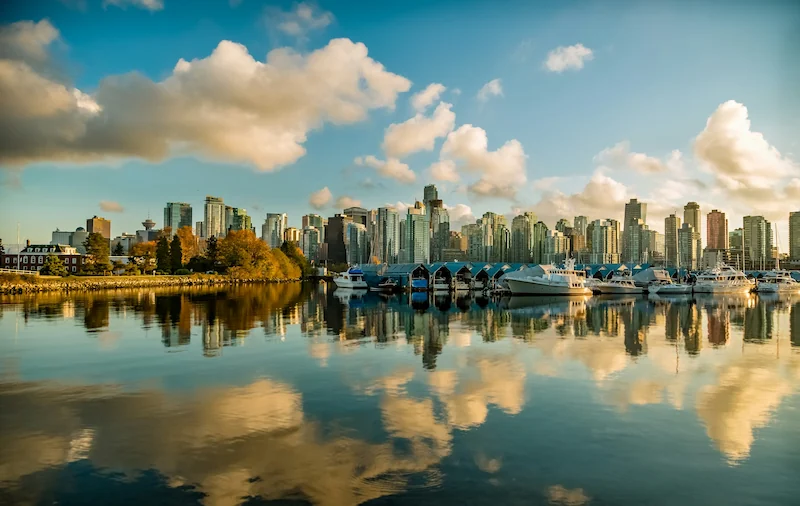
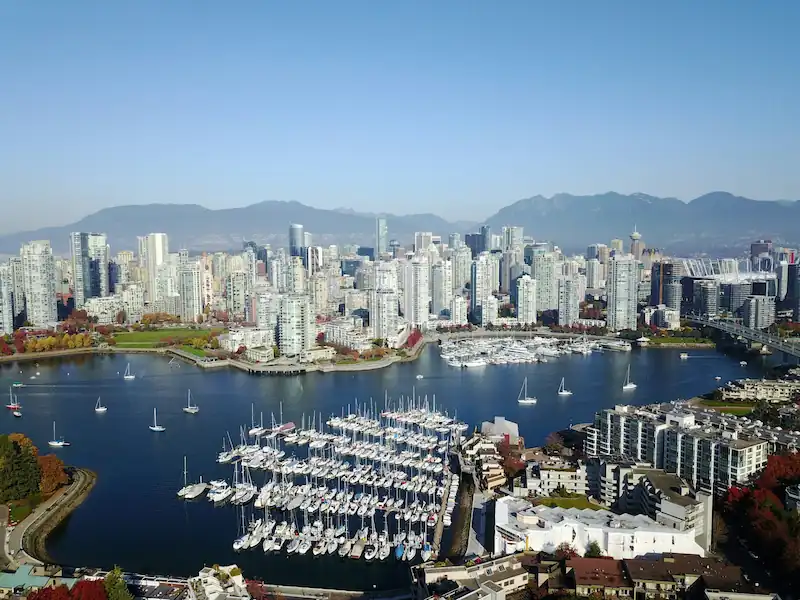
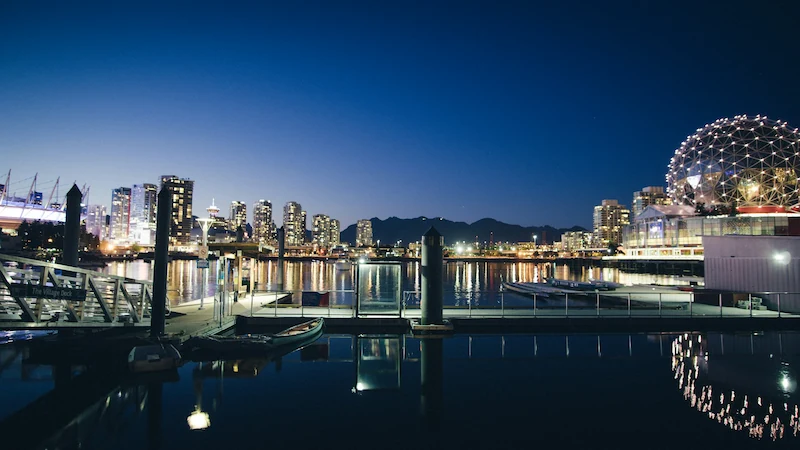
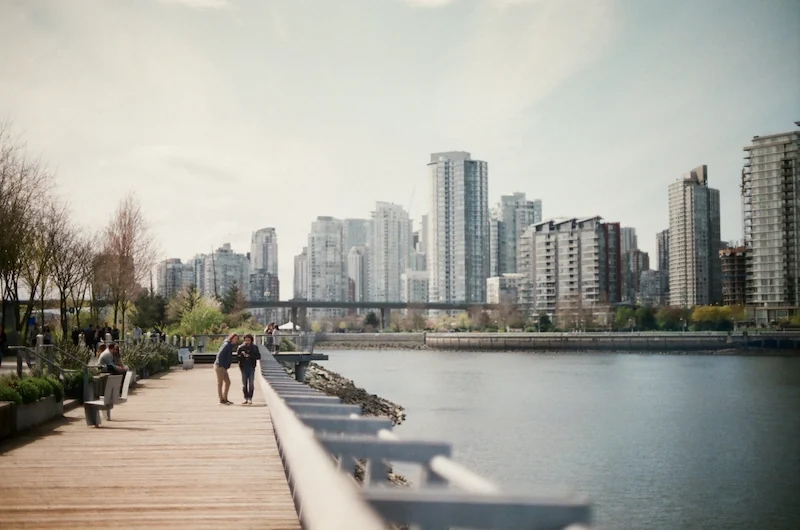
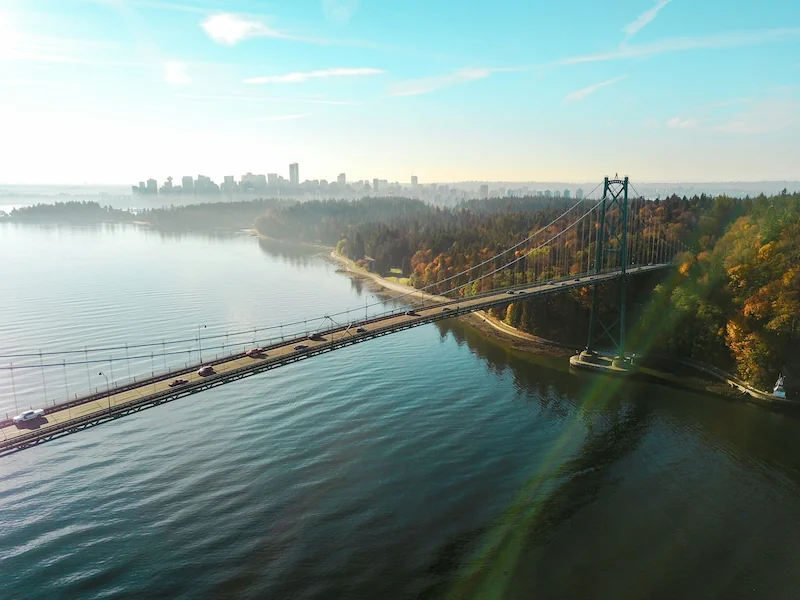
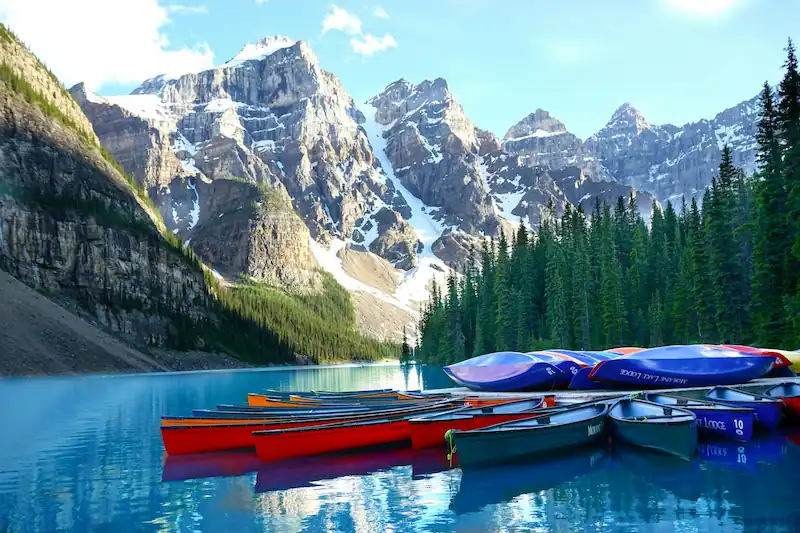
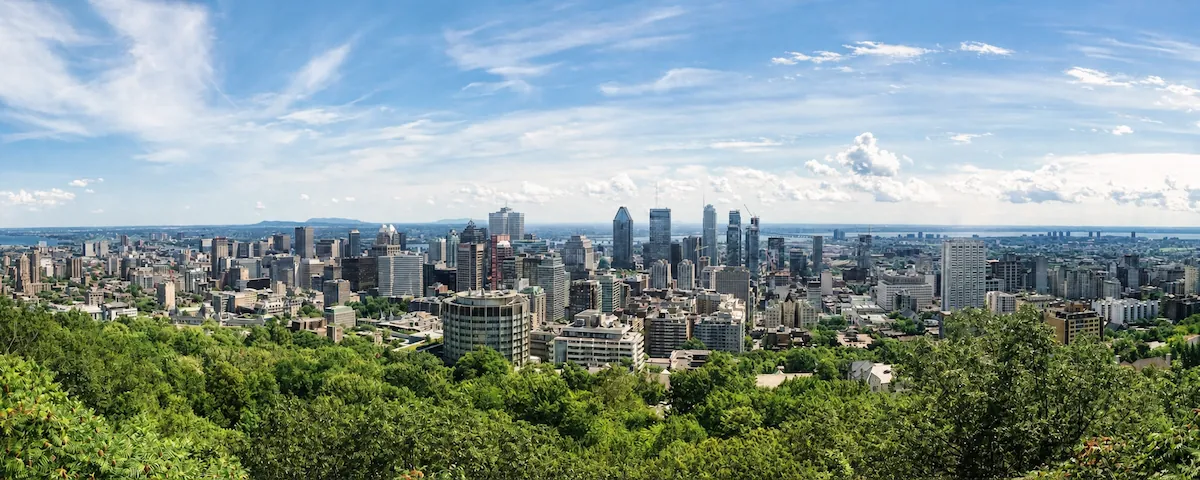
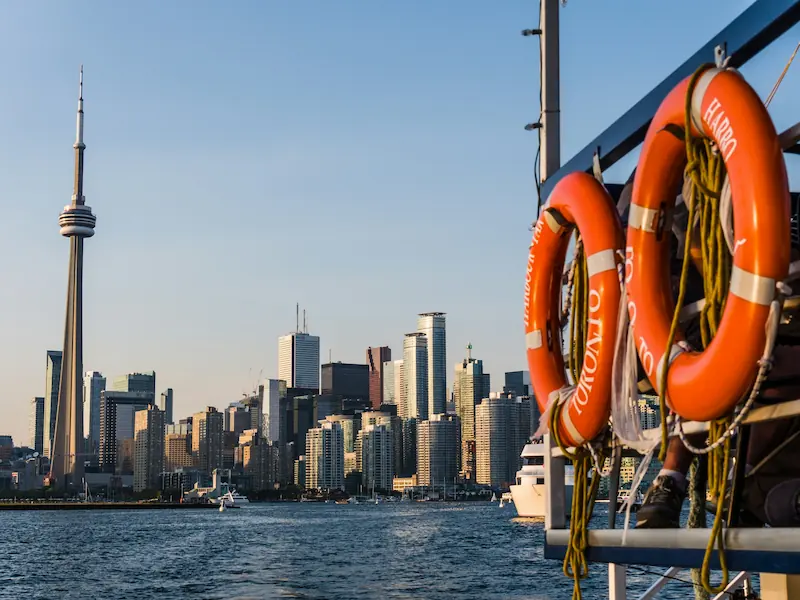
Discover the best things to do in Vancouver with a complete, decision-led guide to the city’s essential activities: Stanley Park, the Seawall, Granville Island, the North Shore, Indigenous culture, beaches, rainforest walks, food neighborhoods, markets, viewpoints, family stops, rainy-day ideas and day trips. Vancouver is not a monument city; its strongest experiences come from the tension between ocean, forest, mountains and neighborhoods. The smartest plan balances iconic waterfront time, one serious cultural stop, one food-led neighborhood, one forest or mountain experience, and enough weather flexibility to avoid wasting money on low-visibility viewpoints or overloading the same nature theme several times.
Best time
May to October is the easiest window for seawall cycling, beaches, mountain views, whale watching, patios and day trips; November to March still works well for museums, markets, food neighborhoods, galleries, winter sports and rainy-day planning.
Ideal trip length
Three days is the strongest first-time length for Vancouver activities; two days covers the core city-and-nature mix, while four or more lets you add Richmond, North Shore depth, Whistler, Victoria, Bowen Island or the Sea-to-Sky corridor.
Continue planning your Vancouver trip
Once you know what to do in Vancouver, refine the stay with the full city guide, the where-to-stay guide and day-by-day itineraries. The best Vancouver planning connects activities to neighborhoods, weather and transport rather than treating each attraction as an isolated pin.
What to do in Vancouver first
Cycle or walk the Stanley Park Seawall – Area: Stanley Park / Coal Harbour · Best for: The clearest first impression of the city · Time needed: 2–4 hours · Worth it: Essential; it explains Vancouver’s ocean-and-forest setting better than any viewpoint. · Book ahead: No for walking; reserve bikes in busy summer periods.
Eat and browse through Granville Island Public Market – Area: False Creek · Best for: Food, small producers and low-effort atmosphere · Time needed: 2–3 hours · Worth it: High payoff if you go before peak lunch pressure. · Book ahead: No, unless adding a guided food walk.
Visit the Museum of Anthropology – Area: UBC / Point Grey · Best for: Culture-first travelers and Indigenous art · Time needed: 2–3 hours · Worth it: One of Vancouver’s strongest cultural stops; make the journey intentional. · Book ahead: Usually not essential, but check timed or special exhibition rules.
Choose Capilano Suspension Bridge or Lynn Canyon – Area: North Shore · Best for: Rainforest, suspension bridges and a greener city edge · Time needed: Half day · Worth it: Worth it if you want nature without leaving the metro area, but choose one rather than duplicating the same forest theme. · Book ahead: Yes for Capilano in high season; Lynn Canyon is more spontaneous.
Ride up Grouse Mountain when visibility is good – Area: North Vancouver · Best for: Views, easy mountain access and family-friendly nature · Time needed: Half day · Worth it: Strong when the sky is clear; weaker in low cloud or if you already have another North Shore nature plan. · Book ahead: Recommended for gondola and seasonal packages.
Take the Aquabus across False Creek – Area: False Creek · Best for: A cheap, scenic way to connect activities · Time needed: 15–45 minutes · Worth it: A small move that makes the city feel more legible by linking Granville Island, Yaletown, Olympic Village and the waterfront. · Book ahead: No.
Spend sunset at English Bay or Kitsilano – Area: West End / Kitsilano · Best for: Soft evening light and low-cost downtime · Time needed: 1–2 hours · Worth it: Very worth it when the weather is clear, especially after Stanley Park, the West End or a west-side day. · Book ahead: No.
Explore Commercial Drive or Mount Pleasant – Area: East Vancouver · Best for: Independent food, cafés, breweries and local rhythm · Time needed: 2–4 hours · Worth it: Best after the main waterfront and nature anchors, or if you want Vancouver to feel more local and less scenic-only. · Book ahead: Only for specific restaurants.
Visit the Vancouver Aquarium – Area: Stanley Park · Best for: Families, rain and wildlife-focused learning · Time needed: 2–3 hours · Worth it: Useful with kids or bad weather; less essential for short adult-only stays. · Book ahead: Recommended during weekends, holidays and rainy days.
Plan one food-focused evening in Richmond – Area: Richmond · Best for: Chinese cuisine, Asian food clusters and night-market energy in season · Time needed: Evening to half day · Worth it: Excellent for food-first travelers and repeat visitors; less necessary on a rushed first day. · Book ahead: Restaurant reservations help on weekends; seasonal night-market tickets may require planning.
Add a Sea-to-Sky or Victoria day trip – Area: Whistler / Squamish / Victoria · Best for: Travelers with four or more days · Time needed: Full day · Worth it: Excellent, but only after you have given Vancouver itself enough time. · Book ahead: Yes for ferries, guided tours or peak-season transport.
How to choose what is actually worth doing
Vancouver is easy to misunderstand because many of its best activities are not single sights. The city works through pairings: seawall plus market, rainforest plus skyline, beach plus neighborhood dinner, museum plus slow coastal movement. The strongest plan keeps geography tight and avoids turning every day into a cross-town transfer.
Start with one landscape-defining experience: Stanley Park, the Seawall, the North Shore or the UBC coast.
Do not stack too many outdoor highlights on the same day; weather, visibility and energy matter more here than in denser museum cities.
Use Granville Island, False Creek ferries and waterfront walks as connectors, not just standalone stops.
Treat Capilano, Lynn Canyon, Grouse Mountain and Whistler as different levels of nature commitment; they should not all be forced into a short trip.
Add one cultural anchor if you want Vancouver to feel more than scenic: Museum of Anthropology, Bill Reid Gallery, Chinatown, Vancouver Art Gallery or an Indigenous-led experience.
Save East Vancouver, Kitsilano, Richmond and Mount Pleasant for food, cafés, breweries and local texture after the first-time essentials are covered.
In rain, switch to markets, museums, galleries, the Aquarium, Science World and food-led exploring rather than trying to replicate a sunny outdoor plan.
Check visibility before booking paid viewpoints, gondolas, seaplanes, whale watching or mountain-heavy excursions.
Iconic Vancouver experiences
Vancouver’s top attractions work best when they clarify the city’s physical setting: water in front, forest behind, mountains close enough to shape the day. These are the activities most first-time visitors should consider before chasing smaller discoveries. The trick is not to do all of them, but to choose the ones that match your weather, time and appetite for movement.
Cycle the full Stanley Park Seawall – This is the most efficient way to understand Vancouver’s scale, from Coal Harbour towers to forested edges, beaches and open water. Go early for easier cycling and fewer bottlenecks on narrow sections. Walking a shorter stretch is still worthwhile if you are short on time. (First-time essential · Best for: First-time orientation and coastal views)Find tours & experiences
Use Granville Island as a food-and-waterfront stop – Granville Island is at its best when you combine the Public Market with a False Creek ferry ride, a short waterfront walk and a few focused food stops. Avoid treating it as a full-day attraction. The market is livelier than polished, which is part of the point. (High payoff · Best for: Food, browsing and easy atmosphere)Find tours & experiences
Choose between Capilano Suspension Bridge and Lynn Canyon – Both give you forest, water and suspension-bridge drama, but they serve different travelers. Capilano is polished, ticketed and easy to package with North Shore sights; Lynn Canyon is simpler, cheaper and more local-feeling. Choose one rather than losing half a day duplicating the same theme. (Worth it · Best for: Rainforest without a full wilderness trip)Find tours & experiences
Ride the Skyride to Grouse Mountain – Grouse Mountain gives Vancouver an accessible alpine edge, especially when the sky is clear and the city sits below the mountains in layers. It works well for families and travelers who want mountain views without a demanding hike. Check visibility before committing. (Best for: Views, families and easy mountain access)Find tours & experiences
Watch sunset from English Bay – English Bay is a simple, low-cost way to end a Vancouver day, especially after Stanley Park or the West End. The experience is not complex: sea wall, beach logs, soft light and a slower city pace. It is most rewarding when you leave room for it rather than squeezing it between bigger plans. (Best in the evening · Best for: Sunset and relaxed pacing)
Take the False Creek ferry instead of another taxi – The small ferries across False Creek turn a transfer into a compact Vancouver experience. They link Granville Island, Yaletown, Olympic Village and downtown with views that make the city’s water geography obvious. It is quick, inexpensive and especially useful with kids. (Best for: Scenic movement between activities)
Walk Canada Place and Coal Harbour with restraint – This area is not Vancouver’s deepest experience, but it gives a clean downtown waterfront read: cruise ships, seaplanes, glass towers and mountain views. Use it as a short orientation walk before Stanley Park. Do not let it replace the richer coastal sections farther west. (Best for: Easy downtown orientation)
Use Queen Elizabeth Park for skyline views without the North Shore commitment – Queen Elizabeth Park is one of the easiest ways to get a city-and-mountain view without booking a gondola or crossing to North Vancouver. It works well when visibility is good but your day needs to stay central. Pair it with Bloedel Conservatory, Main Street or a Cambie Corridor food stop. (Smart viewpoint · Best for: Views, gardens and flexible planning)
Visit the Vancouver Aquarium inside Stanley Park – The Aquarium is one of Vancouver’s most useful paid attractions because it works for families, wildlife interest and rainy days without pulling you away from Stanley Park. It is not essential for every adult-only short trip, but it becomes high value when weather turns or children need a strong indoor anchor. (Rainy-day anchor · Best for: Families, wildlife and bad weather)
Add Science World when kids need an indoor reset – Science World is a practical Vancouver activity because it sits on False Creek and can be paired with Olympic Village, the seawall or a ferry ride. It is especially useful with children when rain, jet lag or low energy make another outdoor plan unrealistic. (Family backup · Best for: Kids and interactive indoor time)
Use Vancouver Lookout only when you need a quick downtown overview – The Vancouver Lookout can help first-time visitors understand the downtown grid, harbor, Stanley Park and North Shore in a compact visit. It is useful before a cruise, during mixed weather or when time is tight. It is less essential than the Seawall or mountain views when visibility and outdoor time are strong. (Quick overview · Best for: Cruise travelers, short stays and downtown orientation)Find tours & experiences
Try FlyOver Canada if you want a short indoor scenic hit – FlyOver Canada is not a substitute for actually seeing British Columbia, but it can work as a compact, weatherproof activity near Canada Place. It is strongest for families, cruise passengers, short layovers and visitors who want a quick scenic experience without committing to a day trip. (Indoor option · Best for: Families, rain, cruise days and short schedules)Find tours & experiences
Use the Shipyards and Lonsdale Quay for skyline-facing North Vancouver – The Shipyards and Lonsdale Quay are an easy North Shore experience when you want harbor views, food, market-style wandering and a strong SeaBus approach without booking Capilano or Grouse. It is especially useful in mixed weather or as an evening add-on after a forest walk. (Easy North Shore · Best for: Harbor views, casual food and low-friction North Shore access)
Cultural things to do in Vancouver
Vancouver’s cultural strengths are quieter than its landscapes, but they are essential if you want the city to feel more than scenic. Indigenous art, Pacific Rim connections, migration histories and contemporary design give the trip depth. Build these stops around weather and geography rather than treating them as afterthoughts.
Make time for the Museum of Anthropology – The Museum of Anthropology at UBC is one of the most important cultural experiences in Vancouver, particularly for visitors interested in Indigenous art and Northwest Coast cultures. Its setting also makes the journey part of the experience, with forest and shoreline nearby. Give it enough time rather than rushing it between downtown stops. (High payoff · Best for: Indigenous art and culture-first travel)
Visit the Bill Reid Gallery – Downtown and compact, the Bill Reid Gallery is a strong cultural stop when you want substance without committing half a day. It pairs well with a waterfront walk or a rain-adjusted downtown plan. The scale is manageable, but the artistic importance is high. (Best for: Focused culture in central Vancouver)
Use Chinatown as a focused cultural walk – Chinatown is best approached with attention rather than speed: architecture, gardens, food traditions and visible urban change sit close together. The Dr. Sun Yat-Sen Classical Chinese Garden gives the area a calm anchor. Go during the day and combine it with nearby Gastown or a food stop. (Best for: Urban history and layered streets)
Add the Vancouver Art Gallery on a rainy day – The Vancouver Art Gallery works best as a weather-smart cultural pivot rather than a mandatory first stop. It gives downtown depth when outdoor plans are weakened by heavy rain. Check exhibitions before deciding how much time to give it. (Best for: Rainy-day culture and central convenience)
Look for Indigenous-led walking or storytelling experiences – A guided Indigenous-led experience can change how you read the land, forest and shoreline around Vancouver. This is especially valuable if you want context beyond museums. Choose operators carefully and avoid treating cultural interpretation as a quick add-on. (Worth it · Best for: Deeper place understanding)Find tours & experiences
See the Museum of Vancouver and H.R. MacMillan Space Centre if you are already in Kitsilano – Vanier Park can turn a Kitsilano beach plan into a culture-and-waterfront block. The Museum of Vancouver adds city context, while the Space Centre helps families or science-minded travelers build a more varied rainy-day plan. It is strongest when paired with Kits Beach rather than used as a standalone cross-town transfer. (Best for: City history, families and Kitsilano pairing)
Use the Orpheum, Commodore Ballroom or downtown venues for a night out – Vancouver’s evening culture is often event-led rather than district-led. Checking concerts, theatre, comedy or arena schedules can produce a better night than simply wandering for nightlife. This is especially useful in rain or outside peak patio season. (Good at night · Best for: Live music, theatre and event-led evenings)
Visit the Beaty Biodiversity Museum if UBC already fits your route – The Beaty Biodiversity Museum is a specialist stop best used when you are already heading to UBC for the Museum of Anthropology, Pacific Spirit or Point Grey beaches. It adds natural-history depth without becoming a standalone reason to cross the city. (Specialist museum · Best for: Families, natural history and UBC pairings)
Add Roedde House Museum for West End heritage texture – Roedde House is a small heritage-house museum that gives the West End a more historical, domestic layer beyond beaches and apartment towers. It is not a must-see on a first short trip, but it is a useful rainy-day or repeat-visit stop near Stanley Park and English Bay. (Small museum · Best for: Heritage, rainy days and repeat visitors)
Use the Polygon Gallery as a North Shore culture add-on – The Polygon Gallery makes Lonsdale Quay and the Shipyards more than a food-and-view stop. It works well when you cross by SeaBus and want photography, contemporary art or a calmer cultural layer before returning downtown or continuing to a North Shore activity. (North Shore culture · Best for: Photography, contemporary art and SeaBus-based days)
Local-feeling experiences and slower city texture
The more local side of Vancouver appears in neighborhood errands, beach edges, small ferries, coffee stops and brewery streets rather than in a single landmark. These activities are especially useful once you have covered the obvious sights. They make the trip feel less like a tour route and more like time spent inside the city’s daily rhythm.
Spend an afternoon between Kitsilano and Kits Beach – Kitsilano gives you cafés, outdoor shops, beach time and open views back toward downtown and the mountains. It is not about one attraction, but about letting the city loosen. It works especially well after a museum visit at UBC or before sunset. (Best for: Beach time and neighborhood pacing)
Explore Commercial Drive for cafés, casual food and street life – Commercial Drive is a good antidote to waterfront-only Vancouver. The appeal is in independent restaurants, coffee, small shops and a less polished neighborhood rhythm. Go for a meal and a wander rather than a strict sightseeing list. (Best for: Local food and everyday city texture)
Use Mount Pleasant for breweries, murals and low-pressure evenings – Mount Pleasant works well when you want Vancouver after the main attractions: breweries, casual restaurants, murals and a younger local feel. It is a strong evening alternative to staying only downtown. Keep it loose and choose a few stops within walking distance. (Best in the evening · Best for: Craft beer and relaxed nightlife)
Walk Pacific Spirit Regional Park – Near UBC, Pacific Spirit gives you forest walking without the spectacle or crowds of the North Shore. It pairs naturally with the Museum of Anthropology or beaches around Point Grey, especially if you want green space without another engineered viewpoint. (Best for: Low-key forest time)
Take a short waterfront loop through Olympic Village – Olympic Village is useful for a lighter Vancouver session: seawall walking, False Creek views, cafés and easy connections by ferry. It is not a headline attraction, but it helps connect Granville Island, Yaletown and Mount Pleasant when you want movement without committing to Stanley Park. (Best for: Short walks and easy transitions)
Spend time around Main Street for shops, murals and casual food – Main Street is one of the best corridors for visitors who want Vancouver to feel less like a scenic postcard and more like a lived-in city. Use it for independent shops, bakeries, cafés, murals and relaxed meals, especially with Mount Pleasant or Queen Elizabeth Park. (Best for: Independent shops and everyday city texture)
Use Lonsdale Quay and the SeaBus as a low-effort North Shore experience – The SeaBus crossing to Lonsdale Quay gives harbor views and North Shore atmosphere without committing to Capilano, Grouse or a long hike. It is a useful food-and-view break and a smart add-on after a forest stop. (Easy add-on · Best for: Harbor views and market-style breaks)
Visit VanDusen Botanical Garden when you want calm rather than spectacle – VanDusen is one of Vancouver’s strongest garden experiences, especially for travelers who want a quieter, greener activity away from the waterfront. It works well with Queen Elizabeth Park, Bloedel Conservatory or Main Street, and seasonal displays can make it more than a simple garden stop. (Calm choice · Best for: Gardens, couples and slower pacing)
Food-led things to do in Vancouver
Food is one of the best ways to read Vancouver because the city’s identity is shaped by Pacific seafood, Asian food cultures, neighborhood cafés and produce-driven markets. The strongest food experiences are not always formal meals. Markets, casual counters, bakeries and neighborhood dinner choices often tell you more than a polished tasting menu.
Build a meal from Granville Island market stalls – Granville Island works best when you graze selectively rather than sitting down too early. Pick a few market counters, take something outside if the weather allows, and use the stop as part of a False Creek loop. Arrive before lunch crowds if food is the priority. (High payoff · Best for: Market grazing and first-time food browsing)Find tours & experiences
Plan one serious Asian food evening – Vancouver’s Chinese, Japanese, Korean, Vietnamese and South Asian food scenes are a major part of the city’s appeal. You do not need to chase every cuisine in one trip. Choose one neighborhood or restaurant cluster and make it a deliberate evening. (Worth it · Best for: Food-focused travelers)Find tours & experiences
Try seafood without defaulting to the most obvious waterfront table – Seafood belongs in a Vancouver trip, but the best experience is not automatically the restaurant with the clearest harbor view. Look for quality, seasonality and neighborhood fit. A good seafood meal after a seawall or beach day usually feels more natural than a standalone splurge. (Best for: A more grounded Vancouver dinner)
Use Richmond as a food excursion – Richmond is one of the strongest food-led extensions from Vancouver, especially for Chinese cuisine and night-market energy in season. It requires more intent than a downtown meal, so treat it as a planned outing. This is a better choice for repeat visitors or food-first travelers with extra time. (Best for: Serious casual dining and repeat visits)
Pair breweries with a Mount Pleasant evening – Mount Pleasant’s breweries are most useful as part of a relaxed night rather than a drinking checklist. Combine one or two stops with dinner, murals and a short walk along Main Street. It is one of the easiest ways to shift away from tourist Vancouver. (Best in the evening · Best for: Casual nightlife and local texture)Find tours & experiences
Use the Richmond Night Market as a seasonal food-and-atmosphere outing – When operating, the Richmond Night Market is one of the most distinctive food-led evenings near Vancouver. Go for energy, snacks and variety rather than a quiet dinner. It is best for travelers with extra time, clear transport plans and appetite for crowds. (Seasonal · Best for: Street food, groups and lively evenings)
Plan a dim sum or Chinese dining trip to Richmond – Richmond deserves more than a passing mention for food-focused visitors. A dim sum meal, casual Chinese restaurant cluster or dessert stop can be one of the strongest culinary experiences of the trip. It is most efficient as an evening or half-day plan rather than a quick detour. (Food-first · Best for: Chinese cuisine and serious casual dining)
Look beyond downtown for Vancouver’s café and bakery culture – Vancouver’s food identity is not only seafood and destination restaurants. Bakeries, coffee shops and casual counters in Mount Pleasant, Kitsilano, Commercial Drive and Main Street are often better for reading local rhythm. Use them as breaks between larger activities. (Best for: Cafés, bakeries and low-pressure food stops)
Make sushi or izakaya part of the Vancouver food plan – Sushi and Japanese dining are central to Vancouver’s food identity, but the best approach is selective rather than automatic. Choose a strong neighborhood or reservation and pair it with an evening walk in the West End, Yaletown, Mount Pleasant or Kitsilano. (Essential food layer · Best for: Japanese food, couples and food-focused evenings)
Use Punjabi Market or South Vancouver for South Asian food depth – Punjabi Market and South Vancouver add an important food layer that many short Vancouver guides miss. It is not the most convenient choice for every first trip, but it is valuable for food travelers who want the city’s culinary diversity beyond downtown, Richmond and Mount Pleasant. (Food depth · Best for: South Asian food and repeat visits)
Plan one casual ramen, dumpling or noodle stop – Vancouver is excellent for low-pressure Asian casual food, from ramen and dumplings to noodles and late informal meals. This is often a better fit for the city than over-planning every dinner. Use it as a practical break after a beach, gallery or rainy-day block. (Casual food win · Best for: Affordable meals, rainy days and flexible evenings)
Best things to do in Vancouver for first-time visitors
First-time visitors should prioritize the activities that explain Vancouver’s geography before adding smaller neighborhood discoveries. The best first trip usually combines one major waterfront experience, one market or food stop, one cultural anchor and one North Shore or mountain edge.
Start with Stanley Park and the Seawall for the clearest sense of city, forest and water.
Use Granville Island and False Creek ferries for food and movement in one compact block.
Choose either Capilano or Lynn Canyon if rainforest is a priority; do not try to do both on a short stay.
Add the Museum of Anthropology if culture matters more than another viewpoint.
Keep one evening open for English Bay, Kitsilano or Mount Pleasant rather than over-scheduling.
Use Queen Elizabeth Park or Bloedel Conservatory when you want views and greenery without committing to the North Shore.
Do not schedule Whistler, Victoria and Richmond before the city’s core water-forest-food logic is clear.
Choice
BestOptions
Essential
Stanley Park Seawall, Granville Island, North Shore forest
Many of Vancouver’s best activities are free because the city’s strongest assets are public: seawalls, beaches, parks, viewpoints and neighborhood walks. Spend money where access changes the experience, not where walking would be better.
Walk part of the Stanley Park Seawall, especially between Coal Harbour, Brockton Point and English Bay.
Watch sunset from English Bay, Sunset Beach or Kitsilano Beach.
Explore Queen Elizabeth Park for skyline views and gardens.
Walk Commercial Drive or Main Street for independent shops, cafés and street-level texture.
Use Lynn Canyon for a free suspension bridge and forest walk, allowing for transit or parking time.
Follow the False Creek waterfront between Olympic Village, Yaletown and Granville Island.
Visit public library spaces, galleries with free hours, or seasonal outdoor events when weather turns.
Use Lonsdale Quay and the SeaBus only if you are willing to pay for transit but not a major attraction.
Explore public waterfront spaces around Coal Harbour, Olympic Village and Yaletown without booking a cruise.
FreeIdea
Where
Best free view
Queen Elizabeth Park or the Seawall
Best free nature
Stanley Park or Lynn Canyon
Best free evening
English Bay sunset
Unique and unusual things to do in Vancouver
The most distinctive Vancouver experiences usually combine urban life with water, forest or cultural context. They are not necessarily obscure; they are the activities that feel specific to this city rather than transferable to any major destination.
Take a tiny ferry across False Creek instead of treating the waterfront as scenery only.
Join an Indigenous-led walk or storytelling experience to understand land and culture beyond the skyline.
Pair the Museum of Anthropology with Pacific Spirit trails and a Point Grey beach.
Use Richmond as a serious food excursion rather than a generic suburb visit.
Walk from a downtown tower-and-harbor setting into Stanley Park’s forested edge in a single outing.
Choose Lynn Canyon for a less commercial rainforest experience if you are comfortable with simpler logistics.
Things to do in Vancouver at night
Vancouver nights are less about late spectacle than about light, food, waterfront walks and neighborhood evenings. The best plan depends on weather: clear nights belong near the water, rainy nights work better around restaurants, breweries and indoor culture.
Watch the sky change over English Bay, then stay in the West End for dinner.
Spend an evening in Mount Pleasant with breweries, murals and casual food.
Use Yaletown or Coal Harbour for a polished waterfront dinner and short walk.
Plan a food-focused night in Richmond if you have extra time and transport clarity.
Check performance listings for theatre, live music or arena events downtown.
Walk the False Creek waterfront early in the evening rather than late at night if you want a calm urban route.
NightMood
BestChoice
Low-cost
English Bay sunset and West End walk
Food-led
Richmond, Commercial Drive or Mount Pleasant
Polished
Yaletown, Coal Harbour or downtown performance
Things to do in Vancouver with kids
Vancouver is strong with children because activities can be active without feeling like forced entertainment. Keep distances realistic, build in weather backup, and use ferries, beaches and parks as part of the experience.
Ride bikes or scooters on manageable sections of the Stanley Park Seawall.
Visit the Vancouver Aquarium, especially on rainy days or with younger children.
Take the Aquabus across False Creek to make a transfer feel like an activity.
Use Granville Island for food, browsing and a short waterfront break.
Choose Grouse Mountain for easy mountain access, views and seasonal family activities.
Pick Science World when weather is poor or attention spans need an indoor reset.
Use beaches and playgrounds around Kitsilano, English Bay and Olympic Village for low-pressure downtime.
Use Granville Island Kids Market selectively if children need a lighter break near the Public Market.
Choose Queen Elizabeth Park and Bloedel Conservatory when you need a family-friendly plan that works in mixed weather.
AgeFit
BestOptions
Younger kids
Aquabus, Aquarium, Science World, short beach stops
Older kids
Stanley Park cycling, Grouse Mountain, Lynn Canyon
Rainy day
Aquarium, Science World, market lunch, galleries
Things to do in Vancouver when it rains
Rain should change the structure of a Vancouver day, not ruin it. Keep outdoor movement shorter, choose indoor anchors, and use markets, museums and food neighborhoods to avoid spending the day in transit.
Use Granville Island Public Market as a sheltered food-and-browsing anchor.
Visit the Museum of Anthropology if you are willing to make the UBC journey.
Choose the Vancouver Aquarium with children or wildlife interest.
Spend time at the Vancouver Art Gallery or Bill Reid Gallery downtown.
Build a food-led afternoon around Commercial Drive, Mount Pleasant or Richmond.
Walk a short seawall section in proper rain gear instead of canceling outdoor time completely.
Avoid paying for major viewpoints when cloud cover is low.
Use Bloedel Conservatory, VanDusen or covered market time when you want greenery without a full outdoor commitment.
Move restaurant and café neighborhoods earlier in the day instead of saving all food plans for dinner.
RainScenario
BestMove
Light rain
Seawall segment, market stop, café break
Heavy rain
Museum, Aquarium, gallery or food neighborhood
Low cloud
Skip paid viewpoints and save mountains for clearer weather
Things to do in Vancouver by area
Stanley Park, Coal Harbour and the West End
This is the strongest first-time zone because it compresses waterfront, forest, beaches and skyline views. It can fill half a day or become the backbone of a full relaxed day.
Cycle or walk the Stanley Park Seawall
See Coal Harbour and Canada Place as a short orientation
Add the Vancouver Aquarium with kids or in rain
End at English Bay for sunset
Use the West End for casual dinner after outdoor time
Granville Island and False Creek
This area works best as a compact mix of food, water movement and short walks. It is especially useful when you want a high-reward activity without committing to a long transfer.
Browse Granville Island Public Market before peak lunch crowds
Take the Aquabus or False Creek ferry
Walk toward Olympic Village or Yaletown
Use the area as a family-friendly, low-pressure block
Add a food tour if you want structure
Gastown, Chinatown and downtown culture
This is a short, selective activity zone rather than an all-day plan. It is best for architecture, galleries, history, gardens and food stops when approached with clear boundaries.
Walk Gastown for older brick streets and a compact urban feel
Visit the Bill Reid Gallery or Vancouver Art Gallery
Pair Chinatown with Dr. Sun Yat-Sen Classical Chinese Garden
Use daytime hours for the most comfortable walk
Avoid overextending the area if your time is short
Kitsilano, Point Grey and UBC
This western side rewards travelers who want beaches, culture and quieter coastal edges. It is less efficient for a rushed visit but excellent for a more considered day.
Visit the Museum of Anthropology
Walk Pacific Spirit Regional Park
Spend time at Kitsilano Beach
Use Point Grey beaches for a slower coastal mood
Build a culture-plus-nature half day
North Vancouver and the North Shore
The North Shore is where Vancouver’s mountain and rainforest identity becomes immediate. Choose your activity based on weather and energy level, not simply name recognition.
Book Capilano Suspension Bridge if you want a polished, ticketed experience
Choose Lynn Canyon for a simpler forest walk
Ride up Grouse Mountain when visibility is good
Use Lonsdale Quay as a water-accessible food or market stop
Avoid stacking too many North Shore stops into one short afternoon
Mount Pleasant and Commercial Drive
These neighborhoods are best for travelers who want food, cafés, breweries, murals and less scripted city texture. They work especially well after the first-time waterfront highlights.
Spend an evening around Mount Pleasant breweries
Walk Main Street for shops, food and murals
Use Commercial Drive for casual restaurants and cafés
Choose this zone for a less tourist-facing dinner
Keep the plan loose rather than attraction-driven
Queen Elizabeth Park, Riley Park and Cambie Corridor
This central-south area is useful for views, gardens, casual food and a different perspective on Vancouver beyond the waterfront. It works especially well when you want a flexible half day without crossing to the North Shore.
Use Queen Elizabeth Park for skyline and mountain views
Pair with Bloedel Conservatory for an indoor garden fallback
Add VanDusen Botanical Garden if gardens are a priority
Use Main Street or Cambie Village for food before or after
Choose this area when visibility is decent but time is limited
Richmond and Steveston
Richmond is one of the strongest food-led extensions from Vancouver, while Steveston adds fishing-village atmosphere and waterfront pacing. This zone is not necessary for a rushed first visit, but it can be one of the best additions for food-first travelers.
Plan a serious Chinese dining or dim sum meal in Richmond
Use the Richmond Night Market when operating and crowds are acceptable
Visit Steveston for a slower waterfront and fishing-village feel
Make transport clear before committing to an evening plan
Treat Richmond as a deliberate food excursion, not a random add-on
False Creek, Yaletown and Olympic Village
False Creek is one of Vancouver’s best low-effort activity corridors because water transport, seawall walking, food stops and family attractions sit close together. It is ideal for mixed weather and flexible planning.
Take the Aquabus or False Creek ferry between activity zones
Use Olympic Village for a short waterfront walk and casual food
Add Science World with kids or on rainy days
Use Yaletown for a polished dinner or evening walk
Connect Granville Island without relying on another taxi
Beaches west of Kitsilano
Jericho, Spanish Banks and the Point Grey shoreline create a wider, calmer beach mood than downtown beaches. They are best in clear weather and work naturally with UBC, Pacific Spirit or Kitsilano.
Choose Spanish Banks for space and mountain views
Use Jericho for a softer beach-and-walk rhythm
Pair the area with UBC, Museum of Anthropology or Pacific Spirit
Bring picnic logic rather than expecting a dense attraction zone
Avoid this area if your schedule is tight and downtown-based
Yaletown and downtown waterfront evenings
Yaletown is one of Vancouver’s easiest polished evening zones, especially when paired with False Creek, marina walks, restaurants and downtown hotels. It is not the city’s most local-feeling district, but it works well for couples, first-timers and travelers who want dinner logistics to stay simple.
Walk the False Creek edge before dinner
Use Yaletown for polished restaurants and easy late returns
Pair with Aquabus, Olympic Village or Granville Island earlier in the day
Choose this area when weather supports a short waterfront walk
Avoid treating it as a full-day sightseeing district
West Vancouver coastal parks
West Vancouver’s parks add a wilder coastal layer to the trip, with Lighthouse Park, Whytecliff Park and Horseshoe Bay offering forest, rocks, water and ferry atmosphere. This is best for longer stays, car-based days or visitors who want nature beyond the core North Shore attractions.
Walk Lighthouse Park for coastal forest and ocean viewpoints
Use Whytecliff for a rugged shoreline feel
Pair Horseshoe Bay with ferry logic or Bowen Island
Check transit and parking before committing
Avoid this area on a rushed first day
South Vancouver, Fraser Street and Punjabi Market
South Vancouver and Fraser Street are useful for food-led visitors who want a broader version of the city beyond downtown, Richmond and Mount Pleasant. This area is not a classic sightseeing zone, but it adds culinary and residential depth on longer stays.
Use Fraser Street for casual restaurants and bakeries
Consider Punjabi Market for South Asian food history and dining
Pair with Queen Elizabeth Park or VanDusen when geography works
Best for repeat visitors and food-led travelers
Avoid if you only have a short first-time stay
What to prioritize with limited time
Vancouver rewards selective planning. The best short stay is not the one with the most pins, but the one that balances water, forest, food and culture without forcing long transfers every few hours.
Profile
Prioritize
Skip
Structure
Half day
Stanley Park Seawall segment or Granville Island plus False Creek ferry
North Shore, UBC, Richmond and day trips
Choose one compact area and make movement part of the experience.
1 day
Stanley Park, Granville Island and one evening beach or neighborhood food stop
Whistler, Victoria, multiple museums and Richmond unless food is the whole point
Use the morning for the Seawall, midday for food, and evening near the water.
2 days
Add either North Shore nature, the Museum of Anthropology or Queen Elizabeth Park plus gardens
Trying to do Capilano, Grouse, UBC, Richmond and beaches all at once
Keep one day city-and-water focused and one day forest-or-culture focused.
3 days
Layer in Kitsilano, Mount Pleasant, Commercial Drive, Richmond or a stronger food plan
Overpaying for viewpoints in poor visibility
Use the third day to make the trip feel local rather than simply adding another landmark.
4 days or more
Add Whistler, Victoria, Bowen Island, Squamish, whale watching or a deeper North Shore plan selectively
Adding several full-day excursions before Vancouver itself has room to breathe
Alternate urban-water days with nature or excursion days so the trip does not become transfer-heavy.
Rainy day or poor visibility
Granville Island, Vancouver Aquarium, Science World, Bill Reid Gallery, Vancouver Art Gallery, Bloedel Conservatory, food corridors and short waterfront walks
Paid viewpoints, seaplanes, mountain gondolas and long exposed plans unless the weather improves
Use rain as a cue to tighten the geography and shift toward indoor anchors, markets and meals.
Best day trips and excursions from Vancouver
Day trips from Vancouver make sense once you have at least three full days, or if mountains, ferries or coastal villages are the reason you came. Choose carefully: several excursions are excellent, but they can consume the day and reduce the time you have for Vancouver itself.
Excursion
Best for
Time needed
First trip?
Transport
Book ahead
Whistler via the Sea-to-Sky corridor
Mountain scenery, gondolas and a full-scale alpine day
Full day
Yes, if you have four days or more
Car, coach or guided tour
Yes in peak seasons or for packaged tours Check options
Victoria and Butchart Gardens
Ferry scenery, gardens and a more formal day out
Very full day
Only if you have enough time and accept the long logistics
Views and outdoor energy without going all the way to Whistler
Full or long half day
Yes for nature-focused visitors
Car or guided tour
Recommended for gondola and high-season tours Check options
Bowen Island
A softer ferry escape with walks, cafés and coastal quiet
Half to full day
Better for slower or repeat visits
Transit or car to Horseshoe Bay, then ferry
Check ferry timing; book vehicle space if driving when needed
Deep Cove
A close North Shore village, water views and easy outdoor time
Half day
Yes, if you want a lighter nature outing
Car, rideshare or transit
No for a simple visit; plan ahead for kayaking in season
Steveston and Richmond food
Fishing-village atmosphere followed by a strong food evening
Half to full day
Best for food-led or repeat visitors
Transit, car or rideshare
Restaurant reservations may help on weekends
Lighthouse Park or West Vancouver coast
Coastal forest, ocean views and a wilder local nature feel
Half day
Best for outdoor-focused visitors with extra time
Car or rideshare easiest; transit is possible but slower
No
Smart activity combinations that work well together
These are not full itineraries. They are compact pairings that reduce backtracking and make Vancouver’s activity logic easier to handle.
Stanley Park Seawall + English Bay sunset – This combination works because it lets the day loosen naturally from active movement into a slower evening. Start earlier on the Seawall, leave time for beaches and viewpoints, then finish at English Bay rather than rushing back downtown. It is one of the cleanest first-day structures in Vancouver.
Granville Island + False Creek ferry + Olympic Village – Use Granville Island for food and browsing, then make the ferry crossing part of the experience. Olympic Village adds a gentler waterfront walk and easy cafés or breweries nearby. This is a strong low-pressure block for mixed weather.
Museum of Anthropology + Pacific Spirit + Kitsilano – This pairing turns the UBC trip into a richer west-side day instead of a single museum transfer. Culture comes first, forest or beach adds air afterward, and Kitsilano gives the day an easier food or sunset finish. It suits travelers who want depth over sightseeing volume.
Capilano or Lynn Canyon + Lonsdale Quay – A North Shore forest stop pairs well with a market or waterfront break at Lonsdale Quay. The combination gives you rainforest, skyline views and a SeaBus connection without stretching all the way to Whistler. Choose Capilano for polish, Lynn Canyon for a simpler feel.
Commercial Drive dinner + Mount Pleasant drinks – This is a good way to make an evening feel local without needing a formal nightlife plan. Start with food on Commercial Drive or Main Street, then keep the rest of the evening loose around cafés, bars or breweries. It works best after a day of classic Vancouver sights.
Queen Elizabeth Park + Bloedel Conservatory + Main Street – This pairing gives you a view, a weather-flexible garden stop and a stronger local food corridor without crossing the water or going to the North Shore. It works especially well on a second or third day when you want something calmer than the major icons.
Lynn Canyon + Lonsdale Quay + SeaBus – Use Lynn Canyon for forest and then return through Lonsdale Quay so the transfer becomes part of the experience. The SeaBus adds harbor views, and the market-style stop prevents the outing from feeling like a single bridge photo.
Kitsilano Beach + Museum of Vancouver + Granville Island – This is a strong west-side-to-False-Creek structure when you want beach atmosphere, light culture and food without pushing out to UBC. It is more compact than Museum of Anthropology plus Pacific Spirit, and works better on mixed-weather days.
Richmond dinner + Night Market or Steveston – Richmond works best when treated as a deliberate food excursion. In season, the Night Market gives energy and variety; at other times, Steveston can add a slower waterfront layer before dinner. Keep transport clear before committing.
Queen Elizabeth Park + Bloedel Conservatory + Main Street dinner – This combination works when you want a view, a weather-flexible indoor garden and a local food corridor without crossing to the North Shore. It is especially useful on a second or third day when you want greenery but not another major outdoor production.
Vancouver Aquarium + Stanley Park Seawall + West End dinner – This is one of the cleanest family or rainy-day structures in Vancouver. The Aquarium gives a strong indoor anchor, Stanley Park gives outdoor flexibility, and the West End keeps the evening easy without a long transfer.
Lonsdale Quay + Polygon Gallery + Shipyards evening – Use the SeaBus to turn North Vancouver into a low-effort harbor experience. This combination gives water views, market-style eating, a culture stop and skyline angles without needing a full Capilano or Grouse plan.
Lighthouse Park + Horseshoe Bay + Bowen Island planning – This pairing works for travelers with more time who want coastal forest, ferry atmosphere and a quieter West Vancouver edge. It is not for a rushed first day, but it can be one of the most memorable longer-stay structures.
What to book ahead in Vancouver
Vancouver does not require heavy advance booking for every activity, but weather, weekends, ferries and peak summer demand can make the best experiences harder to improvise. Book the limited-capacity or weather-sensitive experiences first, then keep enough flexibility for visibility and rain.
Yes for specific time slots and clear-weather windows
Best when visibility is good
Worth it as a splurge, not as a mandatory first-time activity
Whistler, Victoria or Sea-to-Sky day trips Check options
Yes, especially in peak travel periods
Start early; these are full-day commitments
Often worth it if you do not have a car or want simplified ferry and transfer logistics
Restaurants, food tours and Richmond Night Market Check options
Yes for specific dinner targets, guided food tours, weekends and seasonal night-market plans
Book earlier for summer evenings, weekends and popular neighborhoods
Food tours help if you want range; not needed for a single restaurant meal
FAQ: what to do in Vancouver
Vancouver’s activity choices depend heavily on weather, visibility, distance and trip style. These answers cover the practical questions travelers face most often: what to do, what to skip, when to book, how to handle rain, and how to balance city, nature, food and day trips.
What are the best things to do in Vancouver for a first visit?
Start with Stanley Park and the Seawall, add Granville Island and False Creek, then choose one deeper anchor such as the Museum of Anthropology, Capilano, Lynn Canyon or Grouse Mountain. Finish at English Bay or Kitsilano if the weather is clear.
How many days do you need for Vancouver activities?
Two days covers the core highlights, but three days is better for a balanced mix of waterfront, market, culture and North Shore nature. Four days or more lets you add Whistler, Victoria, Bowen Island or a slower food-led day.
Is Stanley Park worth it?
Yes. Stanley Park is the single most useful first-time activity because it shows how Vancouver fits between ocean, forest and skyline. Cycle the Seawall if you have time and energy; walk a shorter section if your schedule is tight.
What should you book ahead in Vancouver?
Book Capilano Suspension Bridge, Grouse Mountain packages, popular food tours, bike tours in peak season and major day trips such as Whistler or Victoria. Most beaches, seawall walks, neighborhood exploring and casual market visits can stay flexible.
What are the best free things to do in Vancouver?
The best free options are walking the Seawall, exploring Stanley Park, watching sunset at English Bay, visiting Queen Elizabeth Park, walking Lynn Canyon and exploring neighborhoods such as Commercial Drive or Mount Pleasant.
What can you do in Vancouver at night?
Clear evenings are best for English Bay, Kitsilano, Coal Harbour or a short False Creek walk. For food and drinks, use Mount Pleasant, Commercial Drive, Yaletown or Richmond depending on how much effort you want to spend on transport.
What are good rainy-day activities in Vancouver?
Use rainy days for Granville Island Public Market, the Museum of Anthropology, Vancouver Aquarium, Vancouver Art Gallery, Bill Reid Gallery, cafés and food neighborhoods. Avoid paying for major viewpoints if clouds are low.
What are the best things to do in Vancouver with kids?
Strong family choices include Stanley Park cycling, the Vancouver Aquarium, Science World, Aquabus rides, Granville Island, Grouse Mountain and beach or playground breaks around Kitsilano, English Bay and Olympic Village.
What are the best day trips from Vancouver?
Whistler is best for mountain scale, Victoria for ferries and gardens, Squamish for Sea-to-Sky views, Bowen Island for a softer ferry escape, and Deep Cove for a closer North Shore outing. Choose one only after allowing enough time for Vancouver itself.
What are the most unique things to do in Vancouver?
The most distinctive Vancouver experiences combine city life with water, forest or culture: taking a tiny False Creek ferry, pairing the Museum of Anthropology with Pacific Spirit, joining an Indigenous-led experience, eating in Richmond, or moving from downtown towers into Stanley Park forest in one outing.
Is Capilano Suspension Bridge or Lynn Canyon better?
Capilano is better if you want a polished, ticketed attraction with easy packaging and dramatic structures. Lynn Canyon is better if you want a simpler, cheaper, more local-feeling forest walk. Most short trips should choose one rather than doing both.
Is Grouse Mountain worth it?
Grouse Mountain is worth it when visibility is good, when you want easy mountain access, or when seasonal activities fit your trip. In low cloud or heavy rain, it is usually better to choose museums, markets, food neighborhoods or lower-elevation forest walks.
What are the best beaches in Vancouver?
English Bay is easiest for downtown sunsets, Kitsilano is best for a beach-and-neighborhood mix, and Jericho or Spanish Banks are better for wider views and a calmer west-side feel. Choose based on where your day already takes you.
What food experiences should you prioritize in Vancouver?
Prioritize Granville Island for market grazing, one serious Asian food evening, seafood chosen for quality rather than view alone, and Richmond if food is a major reason for the trip. Mount Pleasant, Commercial Drive, Kitsilano and Main Street are useful for cafés, bakeries and casual meals.
Can you visit Vancouver without a car?
Yes. Many core activities work well without a car: Stanley Park, Granville Island, False Creek ferries, downtown culture, Kitsilano, Commercial Drive, Mount Pleasant and the SeaBus to North Vancouver. A car becomes more useful for some day trips, beaches, mountain areas and multi-stop nature days.
What should you avoid doing in Vancouver?
Avoid booking paid viewpoints in low cloud, forcing Capilano and Lynn Canyon into the same short trip, treating Granville Island as an all-day attraction, and planning Whistler or Victoria before giving Vancouver itself enough time. The city works best when weather and geography shape the plan.
What are the absolute best things to do in Vancouver for a first trip?
For most first trips, prioritize the Stanley Park Seawall, Granville Island, one North Shore forest or mountain experience, one beach or sunset moment, and one cultural or food-led neighborhood. Add the Museum of Anthropology, Richmond food or a day trip only if you have enough time.
Is Stanley Park worth visiting in Vancouver?
Yes. Stanley Park is the clearest way to understand Vancouver’s setting because forest, water, skyline, beaches and mountain views sit in one route. Walking a section is enough for short stays; cycling the full Seawall is best when you have more time.
Is Granville Island worth visiting?
Yes, Granville Island is worth visiting when you use it as a food, market and False Creek stop rather than a full-day attraction. Go before peak lunch, graze selectively, and connect it with an Aquabus ride or waterfront walk.
Should I choose Capilano Suspension Bridge or Lynn Canyon?
Choose Capilano if you want a polished, ticketed, easy-to-package attraction with dramatic bridges and facilities. Choose Lynn Canyon if you want a simpler, cheaper, more local-feeling forest walk. On a short trip, choose one rather than doing both.
What are the best things to do in Vancouver when it rains?
Use Granville Island, the Vancouver Aquarium, Science World, Vancouver Art Gallery, Bill Reid Gallery, Bloedel Conservatory, Museum of Anthropology, cafés, breweries and food neighborhoods. Keep outdoor walks shorter and avoid paid viewpoints in low cloud.
What are the best outdoor things to do in Vancouver?
Top outdoor activities include the Stanley Park Seawall, Lynn Canyon, Capilano, Grouse Mountain, Pacific Spirit, Kitsilano Beach, English Bay, Deep Cove kayaking, Lighthouse Park, Queen Elizabeth Park and seasonal whale watching.
What are the best cultural things to do in Vancouver?
The strongest cultural stops are the Museum of Anthropology, Bill Reid Gallery, Vancouver Art Gallery, Chinatown with Dr. Sun Yat-Sen Classical Chinese Garden, Indigenous-led experiences and selected smaller museums such as Roedde House or the Museum of Vancouver.
Is the Museum of Anthropology worth it?
Yes, the Museum of Anthropology is one of Vancouver’s most important cultural attractions, especially for Indigenous art and Northwest Coast cultural context. Because it is at UBC, pair it with Pacific Spirit, Point Grey beaches or Kitsilano rather than rushing back downtown.
What are the best food experiences in Vancouver?
Prioritize Granville Island for market grazing, Richmond for Chinese dining and night-market energy, Mount Pleasant or Main Street for cafés and breweries, Commercial Drive for casual food, sushi or izakaya for Japanese dining, and seafood chosen for quality rather than view alone.
Is Richmond worth visiting from Vancouver?
Richmond is worth visiting if food is a major priority, especially for Chinese cuisine, dim sum and the seasonal night market. It is less necessary for a rushed first trip unless you are specifically food-focused.
What should I do in Vancouver at night?
Good Vancouver night plans include English Bay sunset, Mount Pleasant breweries, Commercial Drive dinner, Yaletown or Coal Harbour restaurants, Richmond food, downtown concerts, theatre, comedy, arena events or a short False Creek waterfront walk.
What are unique things to do in Vancouver?
Unique Vancouver experiences include tiny False Creek ferries, Indigenous-led storytelling, Museum of Anthropology plus Pacific Spirit, Richmond food, Lynn Canyon instead of Capilano, seaplane flights, Deep Cove kayaking and a SeaBus trip to Lonsdale Quay.
What are underrated things to do in Vancouver?
Underrated options include Lonsdale Quay and the Shipyards, Queen Elizabeth Park, Bloedel Conservatory, VanDusen Botanical Garden, Pacific Spirit, Lighthouse Park, Main Street, Commercial Drive, Polygon Gallery and Steveston.
What should I do with one day in Vancouver?
With one day, focus on Stanley Park or the Seawall, Granville Island or False Creek, and an evening at English Bay, Yaletown, Mount Pleasant or Commercial Drive. Do not try to add Whistler, Victoria, UBC and the North Shore in the same day.
What should I do with two days in Vancouver?
Use one day for Stanley Park, Coal Harbour, Granville Island and English Bay, then one day for either North Shore nature, UBC and the Museum of Anthropology, or a food-and-neighborhood route through Mount Pleasant, Commercial Drive and Richmond.
What should I do with three days in Vancouver?
A strong three-day plan covers Stanley Park and the waterfront, Granville Island and False Creek, North Shore nature, one cultural anchor such as the Museum of Anthropology, and one local food evening in Richmond, Mount Pleasant, Commercial Drive or Kitsilano.
Is Vancouver good for couples?
Yes. Vancouver works well for couples when you combine light outdoor movement, beach sunsets, food neighborhoods, gardens, scenic splurges and relaxed evenings rather than stacking too many attractions.
Is Vancouver good for solo travelers?
Yes. Solo travelers can easily use the Seawall, ferries, markets, galleries, cafés, food neighborhoods, beaches and transit. The best approach is to group days geographically and keep weather-flexible backups.
Do you need to book Vancouver activities ahead?
Book ahead for Capilano, Grouse, whale watching, seaplane flights, popular bike rentals, Richmond Night Market, Victoria or Whistler day trips and summer ferries. Most neighborhood walks, beaches and markets do not need advance booking.
What should you skip in Vancouver?
Skip paid viewpoints in low cloud, duplicate rainforest stops on short trips, rushed Whistler or Victoria excursions on a two-day visit, generic harbor cruises if the ferry already gives you enough water perspective, and restaurant choices based only on views.
Is Vancouver expensive for activities?
Vancouver can be expensive if you stack Capilano, Grouse, whale watching, seaplanes and day trips. Balance paid activities with free Seawall walks, beaches, Queen Elizabeth Park, Lynn Canyon, neighborhood walks and markets.
What is the best viewpoint in Vancouver?
For free views, use Queen Elizabeth Park, the Seawall, Lonsdale Quay, English Bay or selected beaches. For paid or bigger views, choose Grouse Mountain, Vancouver Lookout, seaplane flights or Sea-to-Sky viewpoints depending on visibility.
Is Vancouver Aquarium worth it?
The Vancouver Aquarium is worth it with kids, wildlife interest or rainy weather, especially because it sits inside Stanley Park. Adult-only short trips may prioritize the Seawall, Granville Island or cultural stops instead.
Is Science World worth it?
Science World is strongest with kids or on rainy days. Its False Creek location makes it easy to combine with Olympic Village, the Aquabus, Granville Island or a short waterfront walk.
Is Queen Elizabeth Park worth visiting?
Yes, Queen Elizabeth Park is worth visiting for skyline and mountain views without crossing to the North Shore. It is especially useful with Bloedel Conservatory, Main Street, Cambie Village or VanDusen.
Is VanDusen Botanical Garden worth it?
VanDusen is worth it for gardens, couples, calmer pacing and seasonal displays. It is not essential on a short first trip, but it is a strong addition when you want greenery without repeating Stanley Park or the North Shore.
Is Deep Cove worth visiting?
Deep Cove is worth visiting for kayaking, water views and a softer North Shore village feel. It needs more logistics than central activities, so it works best on longer stays or outdoor-focused trips.
Is Lighthouse Park worth visiting?
Lighthouse Park is worth visiting if you want coastal forest and rugged ocean views beyond Stanley Park. It is best for visitors with a car or enough time to handle West Vancouver logistics.
Is Whistler worth a day trip from Vancouver?
Whistler is worth a day trip if you have at least four days or a strong mountain focus. It is a full-day commitment and should not replace Vancouver’s own core experiences on a short trip.
Is Victoria worth a day trip from Vancouver?
Victoria is possible but long as a day trip because ferry logistics consume time. It is best when gardens, ferry scenery and a formal day out are worth the full-day commitment.
What are the best Vancouver activities before or after a cruise?
Cruise travelers should prioritize Canada Place, Coal Harbour, a short Stanley Park or Seawall segment, Gastown, Vancouver Lookout, FlyOver Canada, Granville Island with enough time, or the Aquarium with kids.
What are the best Vancouver activities in summer?
Summer is best for the Seawall, beaches, Granville Island, whale watching, kayaking, Richmond Night Market, patios, Capilano, Grouse, Whistler, Sea-to-Sky and long sunset evenings.
What are the best Vancouver activities in winter?
Winter is best for museums, markets, galleries, Aquarium, Science World, cafés, restaurants, breweries, holiday lights and North Shore skiing or snowshoeing when conditions are right.
How do you plan Vancouver around weather?
Keep outdoor plans flexible, check visibility before paid viewpoints, use museums and markets when rain is heavy, and keep short outdoor walks even in light rain. Vancouver is best when weather changes the order rather than cancels the day.
Where should food lovers go in Vancouver?
Food lovers should use Granville Island, Richmond, Mount Pleasant, Main Street, Commercial Drive, Kitsilano, South Vancouver and selected sushi, izakaya, seafood, dim sum or bakery stops.
What are the best low-cost things to do in Vancouver?
Walk the Seawall, use beaches, visit Queen Elizabeth Park, explore Commercial Drive and Main Street, use Lynn Canyon, browse Granville Island without over-spending, and choose False Creek or SeaBus rides as low-cost scenic transport.
What is the best Vancouver activity for a layover?
For a short layover, stay near downtown or the waterfront: Canada Place, Coal Harbour, Vancouver Lookout, FlyOver Canada, Gastown by day or a short Seawall segment. Avoid North Shore, UBC or Richmond unless the layover is long.
Is Gastown worth visiting?
Gastown is worth a short daytime walk for brick streets, design shops, cafés and architecture, but it should be bounded and paired with downtown culture, the waterfront or Chinatown rather than treated as a whole-day plan.
Is Chinatown worth visiting in Vancouver?
Chinatown is worth visiting with a focused route, especially around Dr. Sun Yat-Sen Classical Chinese Garden, architecture, food and nearby cultural context. Go during the day and keep the route intentional.
What is the best way to experience Vancouver’s waterfront?
The best waterfront experience combines the Stanley Park Seawall, False Creek ferry or Aquabus, Granville Island, English Bay and possibly Coal Harbour. Choose sections rather than trying to walk the entire waterfront in one day.
Are Vancouver paid attractions worth it?
Some are worth it in the right context: Capilano for polished rainforest, Grouse for visibility and mountain access, Aquarium for kids or rain, whale watching for wildlife, and seaplane flights for a splurge. They are poor value if weather or timing is wrong.
What are the best Vancouver activities for repeat visitors?
Repeat visitors should look at Richmond food, Steveston, Lighthouse Park, Whytecliff, VanDusen, Beaty Biodiversity Museum, Polygon Gallery, Main Street, Fraser Street, Deep Cove, Bowen Island and winter mountain activities.
What are the most overrated things to do in Vancouver?
Overrated choices are usually context-dependent: paid viewpoints in low cloud, Granville Island at peak crowd if you dislike markets, Capilano if you prefer free forest walks, and harbor cruises if you already use ferries or the Seawall.
How should I combine activities in Vancouver?
Group activities by clusters: Stanley Park with English Bay, Granville Island with False Creek, North Shore forest with Lonsdale Quay, UBC with Pacific Spirit and beaches, and Mount Pleasant or Commercial Drive with food and evening drinks.
What is the best area for a first activity in Vancouver?
Stanley Park, Coal Harbour or Granville Island are the best first activity areas because they immediately explain water, skyline and city geography. Choose Stanley Park for landscape and Granville Island for food and easy atmosphere.
Is Vancouver more about nature or city activities?
Vancouver is about the overlap. The best trip uses both: Stanley Park, beaches and mountains for setting, and museums, markets, food neighborhoods, galleries and evening districts for city texture.
Best outdoor things to do in Vancouver?
Outdoor Vancouver is not one activity type. It includes easy seawall movement, beaches, forest walks, mountain viewpoints, paddling, whale watching and winter sports. The best choice depends on weather, visibility and how much effort you want to spend getting there. Cycle or walk the Stanley Park Seawall for the classic city-water-forest experience. Choose Lynn Canyon or Capilano for rainforest without a full wilderness trip. Ride Grouse Mountain only when visibility makes the views worthwhile. Use Kitsilano, English Bay, Jericho or Spanish Banks for beach downtime in clear weather. Try kayaking, paddleboarding or whale watching when season and conditions fit. Use Mount Seymour, Cypress or the Sea-to-Sky corridor for more active nature if you have extra time.
Things to do in Vancouver for couples?
Vancouver works well for couples when the plan is scenic but not over-scheduled. The strongest days combine light movement, water views, one high-quality meal and a neighborhood or beach finish rather than back-to-back attractions. Cycle an easy Stanley Park section, then end around English Bay or the West End. Pair Granville Island with a False Creek ferry and a relaxed dinner. Use Kitsilano, VanDusen or Queen Elizabeth Park for a calmer afternoon. Book a harbor cruise, seaplane or whale watching tour only when weather and budget make it feel special. Choose Mount Pleasant, Commercial Drive, Yaletown or Richmond for a food-led evening. Save Whistler, Bowen Island or Victoria for a full-day shared experience if the trip is long enough.
Things to do in Vancouver in summer?
Summer is when Vancouver’s outdoor logic is easiest: long evenings, beaches, markets, mountain visibility and water activities all become easier to combine. It is also when booking pressure and crowds increase, so mornings and neighborhood choices matter. Start outdoor days early on the Stanley Park Seawall or North Shore. Use beaches such as English Bay, Kitsilano, Jericho and Spanish Banks for late afternoon or sunset. Book popular bike rentals, Capilano, whale watching and major day trips ahead where needed. Add kayaking, paddleboarding, harbor cruises or Deep Cove if water conditions are good. Use Richmond Night Market and patio-heavy neighborhoods for evening energy. Avoid overloading midday with exposed walks during hot periods.
Things to do in Vancouver in winter?
Winter Vancouver is rainier, but it can still be rewarding if you stop trying to force a summer plan. Use museums, galleries, markets, food neighborhoods and winter mountain options, then take outdoor windows when visibility opens. Use Granville Island, Vancouver Art Gallery, Bill Reid Gallery, Science World and the Aquarium as reliable indoor anchors. Watch mountain visibility before booking paid viewpoints or gondolas. Add skiing, snowshoeing, tubing or winter activities at Grouse, Cypress or Mount Seymour if conditions fit. Use cafés, bakeries, breweries and Richmond dining to make rain feel like part of the trip. Take shorter seawall or beach walks with proper rain gear instead of canceling outdoor time entirely. Choose VanDusen, holiday markets or seasonal light events when timing aligns.
Things to do in Vancouver before or after a cruise?
Cruise travelers should prioritize compact, low-risk activities near the waterfront, especially if luggage, timing or embarkation pressure matters. Vancouver is excellent for a pre- or post-cruise stay because the harbor sits close to several high-payoff experiences. Walk Canada Place, Coal Harbour and part of the Stanley Park Seawall for a fast first impression. Use Gastown or the Vancouver Lookout if you need something central and short. Take a taxi or ferry-linked plan to Granville Island if you have a half day. Choose the Aquarium or Science World with children if the weather is poor. Stay flexible on North Shore plans unless you have a full extra day. Book airport, ferry or luggage logistics before adding ambitious activities.
Best things to do in Vancouver for food lovers?
Food-focused visitors should treat Vancouver as a city of corridors rather than one restaurant district. Granville Island gives first-time market access, Richmond gives deeper Chinese dining, Mount Pleasant and Commercial Drive give casual local rhythm, and South Vancouver or Main Street can add a less obvious layer. Use Granville Island for an easy first market meal, but do not let it become the whole food story. Plan one Richmond meal if Chinese cuisine, dim sum or Asian food depth is a real priority. Use Mount Pleasant, Main Street or Commercial Drive for cafés, bakeries, breweries and casual dinners. Include seafood selectively, focusing on quality and seasonality rather than waterfront views alone. Add sushi, izakaya, ramen or dumplings as a flexible evening layer rather than overbooking every dinner. Consider Punjabi Market or South Vancouver for repeat visits and broader food coverage.
Adventure and active things to do in Vancouver?
Vancouver’s active side ranges from easy cycling to serious mountain and water activities. The key is choosing the right level of effort: Stanley Park and False Creek are easy, Deep Cove and Lynn Canyon require more planning, and Whistler, Cypress, Seymour or longer hikes should only be added when weather, transport and fitness align. Cycle the Stanley Park Seawall for the easiest active first-day experience. Kayak or paddleboard in False Creek or Deep Cove in calm conditions. Use Lynn Canyon, Lighthouse Park or Pacific Spirit for forest time without a full mountain day. Choose Grouse, Cypress or Seymour for mountain views, hiking, snowshoeing or skiing depending on season. Add whale watching or a seaplane only when the budget and weather make it a high-value splurge. Do not confuse city-accessible nature with risk-free nature; footwear, weather and daylight still matter.
What to do in Vancouver on a layover or very short stop?
A short Vancouver stop should stay close to downtown, the waterfront or transit links. The best layover activities are compact, weather-flexible and easy to abandon if timing tightens. Use Canada Place, Coal Harbour and a short Seawall segment for a fast scenic read. Choose Granville Island only if you have enough time for the transfer and return. Use Vancouver Lookout or FlyOver Canada for a short indoor activity near downtown. Choose Gastown cautiously as a short daytime walk rather than a late-night plan. Avoid North Shore, UBC, Richmond and major day trips unless the stop is genuinely long. Build airport and luggage logistics before adding sightseeing.
Shopping, markets and browsing in Vancouver?
Shopping in Vancouver is most useful when it supports a neighborhood walk. Granville Island, Main Street, Commercial Drive, Gastown, Robson Street and seasonal markets each serve different travel needs, from practical retail to maker-led browsing. Use Granville Island for food, makers, studios and easy mixed-interest browsing. Use Main Street for independent shops, bakeries, cafés and a more local feel. Use Robson Street only when central retail convenience is the point. Use Gastown during the day for design shops, architecture and short browsing. Check farmers markets, holiday markets and summer events if you are staying longer. Pair shopping with food or a walk so it does not become detached from the rest of the trip.
What are the best Vancouver activities in spring?
Cherry blossoms, gardens, early patios, lighter crowds and flexible city walks Rain and cool evenings can still reshape outdoor plans.
What are the best Vancouver activities in autumn?
Clear-view days, forest color, food neighborhoods, museums, fewer crowds and moody waterfront walks Weather becomes less predictable, so keep indoor anchors ready.
What mistakes should I avoid when planning Vancouver activities?
Avoid booking paid viewpoints before checking cloud and visibility, duplicating similar forest or mountain activities, treating Richmond or Deep Cove as casual add-ons without transport planning, and overloading a short trip with Whistler, Victoria or too many North Shore stops.
Plan Vancouver by water, forest, food, culture and weather windows, and the city becomes much more rewarding than a simple list of attractions.
Turn the right experiences into the right itinerary
Once you know what you want to do in Vancouver, the next step is turning those ideas into a trip that actually works day by day. Use the planner to organize the right mix of highlights, neighborhoods, and pace into a route that feels coherent, not crowded.