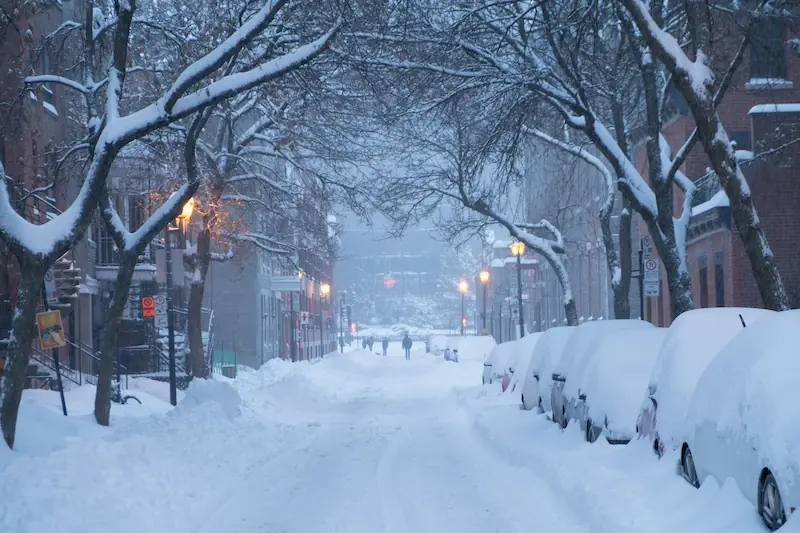
Where to stay in Montreal
Find the best neighborhoods and hotels in Montreal.
Open page →
Plan your trip to Montreal with a clearer sense of how the city actually works: where to stay, which neighborhoods matter, what to do first, and how to balance Old Montreal, Mount Royal, markets, museums, food, festivals, and slower local streets. Montreal is not a one-core sightseeing city. Its best trip shape moves between the river-facing old city, the downtown cultural spine, the Plateau and Mile End, Little Italy, the Lachine Canal, and the mountain that quietly organizes the whole map.
Find the best neighborhoods and hotels in Montreal.
Open page →
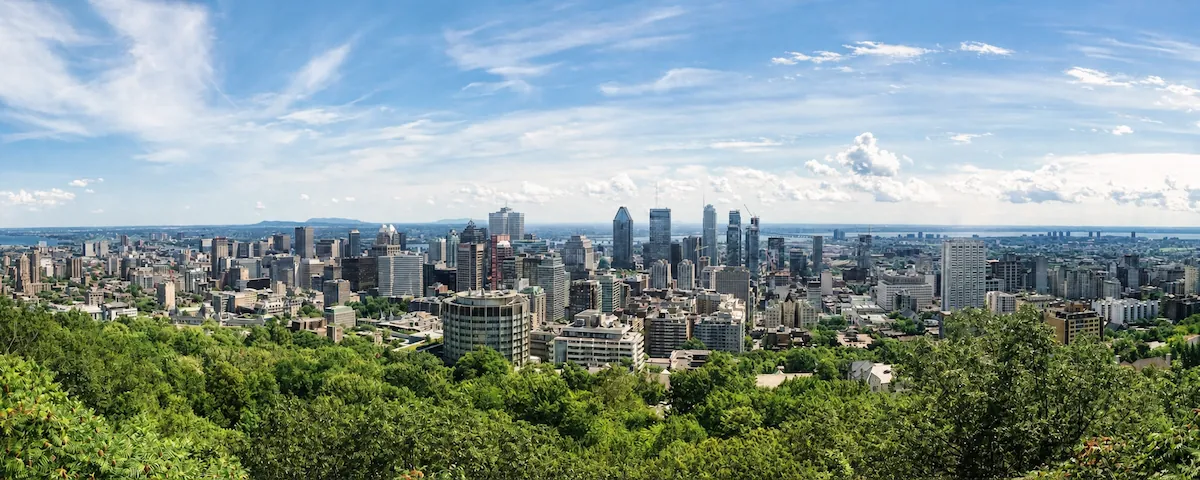
Prioritize the activities that deserve your time in Montreal.
Open page →
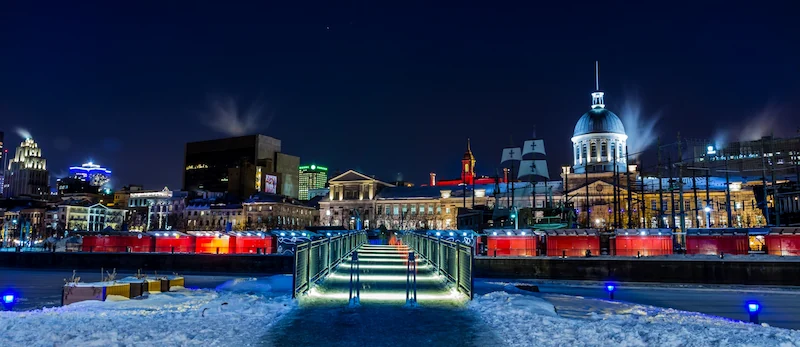
2 Days in Montreal Itinerary: Old Montreal, Mount Royal & Mile End
Open itinerary →
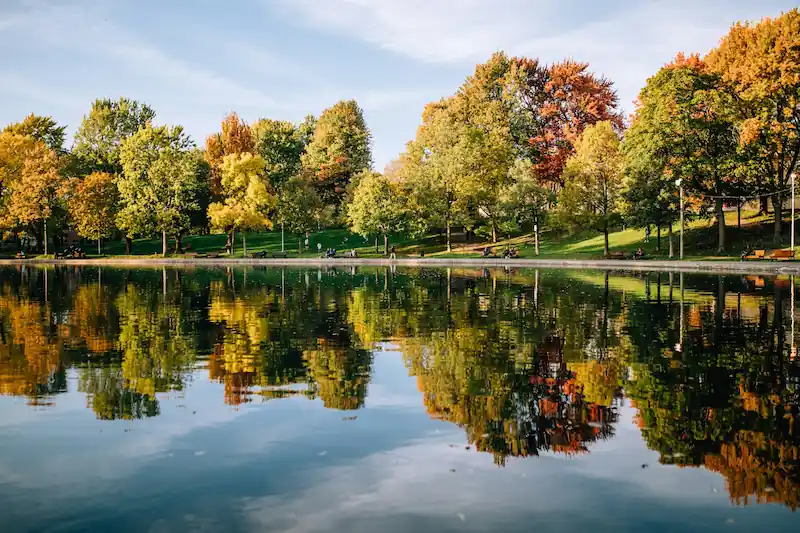
3 Days in Montreal Itinerary: Old Montreal, Mile End & Mount Royal
Open itinerary →
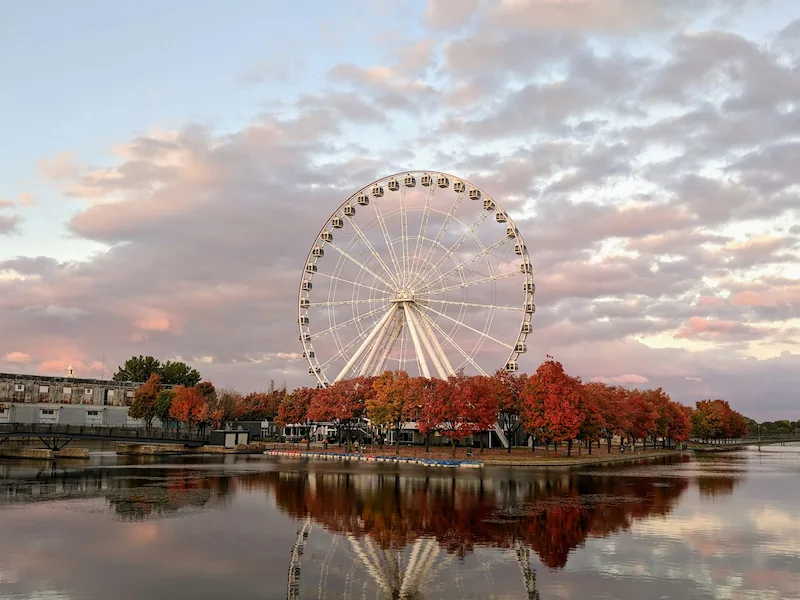
4 Days in Montreal Itinerary: Neighborhoods, Markets, Mount Royal & Museums
Open itinerary →
Montreal is a bilingual North American city with a European street rhythm, a strong food identity, and a district-based travel logic. It is easy to visit casually, but much better when planned by layers: Old Montreal for history, Mount Royal for orientation, downtown for access and culture, the Plateau and Mile End for lived-in texture, Little Italy for markets, and the canal for slower urban space.
Montreal is worth structuring a trip around because it combines a visible historic core, a serious restaurant and market culture, strong public festivals, bilingual identity, and neighborhoods that feel distinct without becoming difficult to navigate. The city works at several speeds: a quick weekend can cover Old Montreal, Mount Royal, and Mile End, while a longer stay opens up markets, museums, the canal, parks, contemporary culture, and day trips deeper into Quebec.
Best time: May–October; September is the best overall balance, while summer is strongest for festivals and winter works best for museums, restaurants, skating, and indoor planning.
Ideal trip length: 3 days for a strong first trip; 4–5 days for neighborhoods, markets, museums, and food; 7 days if adding slower local days or Quebec-side excursions.
Montreal is usually better value than Toronto or Vancouver, but it is not uniformly cheap. Prices rise sharply around summer weekends, festival periods, Formula 1 weekend, major conferences, and peak autumn dates. Old Montreal and central boutique hotels carry the strongest premium, while food remains unusually flexible: bagels, markets, delis, cafés, and casual counters can balance one or two destination dinners.
Montreal is best understood as a set of connected districts rather than a single sightseeing core. Old Montreal sits by the river and gives the historic frame. Downtown runs behind it as the practical hotel, shopping, museum, and performance spine. The Plateau and Mile End extend north into residential-cultural streets, cafés, murals, and food rituals. Little Italy and Jean-Talon Market create a north-side food anchor, while the Lachine Canal and Griffintown open the city into water, cycling paths, and a more contemporary west-side rhythm.
Mount Royal is the city’s soft compass. It gives Montreal its most useful view, separates downtown from the northern neighborhoods, and makes the city feel layered rather than flat. The St. Lawrence River defines the old edge of settlement and the Old Port, while the canal adds a second waterside logic to the southwest. The slope is not dramatic, but over a full day it changes how walking feels, especially around the Plateau, Mile End, and the mountain.
Montreal changes by hour and season. Mornings work well for markets, bakeries, Old Montreal, and Mount Royal. Afternoons suit museums, shopping streets, parks, and neighborhood wandering. Evenings are where restaurants, terraces, bars, festivals, and performance become central. Summer pushes the city outside; winter pulls it into museums, cafés, the Underground City, skating, restaurants, and shorter outdoor moves.
For a first trip, think in five anchors: Old Montreal for history, Mount Royal for the city view, the Plateau or Mile End for local texture, one food-led block such as Jean-Talon Market or bagels, and one cultural or evening anchor. Once those are in place, everything else should support the route rather than compete with it.
Open the planner
Build each day around one primary district and one nearby secondary layer, rather than chasing scattered highlights. Use Old Montreal as a half-day anchor, then decide whether the day should bend toward Pointe-à-Callière, the Old Port, downtown culture, or dinner nearby. Give the Plateau and Mile End their own walking window; they reveal more through side streets, cafés, bakeries, murals, bookshops, and restaurants than through single attractions. Treat Mount Royal as a mood-setting block and orientation tool, not a quick viewpoint squeezed between unrelated plans. Pair Jean-Talon Market, Little Italy, or Mile End together rather than forcing them into an Old Montreal day. Use the Lachine Canal, Atwater Market, Little Burgundy, or Parc Jean-Drapeau when the trip needs space and a slower outdoor counterpoint. Keep one evening flexible for food or public culture, because Montreal’s strongest memories often come from where the day naturally ends. In winter or rain, swap long outdoor sequences for museums, markets, the Underground City, restaurants, and shorter neighborhood walks.
Vibe: Historic, atmospheric, polished, and visitor-facing without losing its architectural weight.
Why go: Old Montreal is the city’s clearest historic layer and the most useful first-trip opener: stone streets, Notre-Dame Basilica, Pointe-à-Callière, converted warehouses, galleries, boutique hotels, and direct Old Port access. It is atmospheric and efficient, but it should be treated as the beginning of Montreal rather than the whole city.
Who it fits: First-time visitors, short stays, couples, design-hotel travelers, history-focused trips, and anyone who wants the most atmospheric base immediately.
Not for: Travelers prioritizing local residential rhythm, cheaper rooms, or the easiest access to Mile End, Little Italy, and the Plateau.
Where to stay: Best for a first Montreal stay if atmosphere and walkable historic impact matter most.
Vibe: Practical, connected, commercial, museum-rich, and strongest for logistics rather than romance.
Why go: Downtown is Montreal’s easiest base for transport, museums, shopping, business hotels, festivals, performances, the Underground City, and quick access to both Old Montreal and Mount Royal. It is less charming at street level than the Plateau or Old Montreal, but it makes a complex trip much easier to run.
Who it fits: Business travelers, families, first-timers prioritizing convenience, museum-focused visitors, winter trips, and anyone planning multiple cross-city moves.
Not for: Travelers who want the strongest neighborhood atmosphere outside the hotel door.
Where to stay: Best for efficient routing, transport access, and a lower-friction base.
Vibe: Residential, creative, walkable, café-led, and deeply connected to Montreal’s everyday texture.
Why go: The Plateau is where Montreal’s lived rhythm becomes most legible: exterior staircases, corner cafés, bakeries, bookshops, murals, BYOB restaurants, parks, and streets that feel more residential than tourist-facing. It is one of the best areas for understanding the city beyond monuments.
Who it fits: Return visitors, food-focused travelers, walkers, café people, couples, and first-timers who prefer local texture over hotel convenience.
Not for: Visitors who want full-service hotel density, immediate Old Montreal access, or the lowest-friction stay with luggage.
Where to stay: Best for a lived-in Montreal stay with strong dining and walking texture.
Vibe: Independent, food-driven, creative, compact, and quietly social.
Why go: Mile End concentrates several defining Montreal pleasures in a compact area: bagels, cafés, bakeries, Jewish food traditions, bookstores, small galleries, music culture, and creative side streets. It is not a monument district; it works when the point is atmosphere, food, and local movement.
Who it fits: Food lovers, independent-shop browsers, slow travelers, creative-city travelers, and repeat visitors who want Montreal to feel intimate.
Not for: Travelers expecting major hotels, landmark views, or a base that works perfectly for every first-time sight.
Where to stay: Best for travelers who want Montreal to feel intimate, local, and food-led.
Vibe: Market-centered, food-oriented, neighborhood-scale, and calmer than the central visitor districts.
Why go: Little Italy works through food routines rather than spectacle: Jean-Talon Market, cafés, bakeries, produce stalls, casual counters, and neighborhood streets. It gives the trip a grounded north-side anchor and works especially well when paired with Mile End or a market-led lunch.
Who it fits: Market lovers, food travelers, repeat visitors, longer stays, and travelers who want a less central but very rewarding food base.
Not for: Short first trips that need immediate access to Old Montreal, Mount Royal, and downtown museums.
Where to stay: Best for food access and neighborhood calm if central positioning is not essential.
Vibe: Newer, canal-side, design-conscious, and quieter at street level than Old Montreal or the Plateau.
Why go: Griffintown and the Lachine Canal offer a more contemporary, waterside version of Montreal: converted industrial edges, bike paths, cafés, Atwater Market access, Little Burgundy restaurants, and more open space than the dense central neighborhoods. It is not the most historic base, but it is useful for slower second or third days.
Who it fits: Design-hotel travelers, canal walkers, cyclists, longer stays, food-focused visitors using Little Burgundy, and travelers who want a calmer modern base.
Not for: Travelers who want old-city atmosphere or classic Montreal street texture immediately outside the door.
Where to stay: Best for a modern stay near the canal with good access to food and walking routes.
The best things to do in Montreal should be read as strategic trip layers, not a checklist. Old Montreal, Mount Royal, markets, museums, food, festivals, the canal, and one or two neighborhood walks each explain a different part of the city. The city guide should help travelers choose the right layers for their time, weather, and travel style.
Planning tip: Use experiences to shape rhythm: historic streets or markets in the morning, Mount Royal or museums in the afternoon, neighborhoods and restaurants later, and festival or performance energy after dark. Avoid stacking too many distant layers in the same day.
Old Montreal gives the city its most immediate historic frame, and Notre-Dame Basilica anchors that first reading with scale, ornament, and a strong sense of arrival. The surrounding streets are just as important: warehouses, courtyards, museums, galleries, restaurants, and glimpses toward the river turn the district into a layered first-day walk rather than a single landmark stop.
Tip: Arrive early for quieter streets, or return in the evening when the stone façades and restaurant lights change the mood.
Mount Royal explains Montreal’s geography better than any map. From the lookout, the downtown grid, river edge, and northern neighborhoods become easier to read, while the wooded paths give the city a sudden change in sound and density. It is both a view and a reset.
Tip: Protect a clear-weather window; the experience loses value if forced into rain, fog, or an over-packed day.
Check guided tours →
Jean-Talon Market is one of the easiest ways to feel Montreal through food without turning the day into formal restaurant planning. Produce stalls, cheese shops, bakeries, seasonal counters, Little Italy streets, and casual lunch options make the city’s everyday appetite visible.
Tip: Go before lunch and use it as the start of a Little Italy or Mile End day.
The Lachine Canal gives Montreal a slower horizontal rhythm that contrasts with Old Montreal’s stone streets and the Plateau’s denser residential grid. It works as a walking, cycling, market, and food corridor, especially when paired with Atwater Market or Little Burgundy.
Tip: Use the canal when the trip needs space rather than another dense urban block.
Check guided tours →
The Montreal Museum of Fine Arts gives the city cultural depth beyond street life and food. It is the strongest single art anchor in the city guide, and its Sherbrooke Street location makes it easy to combine with downtown, Golden Square Mile, Mount Royal access, or a weather-proof afternoon.
Tip: Use it as a weather-proof cultural anchor rather than an afterthought.
Check guided tours →
Space for Life and Olympic Park solve several trip needs at once: families, rain, gardens, science, architecture, and a reason to explore beyond the central core. The Biodôme, Botanical Garden, Insectarium, Planetarium, and Olympic Park work best as a dedicated half-day rather than a casual add-on.
Tip: Choose two venues rather than trying to complete the whole cluster in one visit.
Saint Joseph’s Oratory is not as central as Notre-Dame, but it adds a different kind of Montreal scale: monumental, elevated, quieter, and connected to Mount Royal’s wider geography. It is especially useful for travelers interested in religious architecture, viewpoints, or a second major landmark beyond Old Montreal.
Tip: Do it deliberately, not as filler; it sits outside the tight first-time walking circuit.
Check guided tours →
The Old Port stretches Old Montreal outward toward the river and gives the historic district air, water, seasonal activities, and family-friendly movement. It is useful as a continuation of Old Montreal, not as a full-day destination unless you build in a cruise, skating, cycling, or kid-focused activity.
Tip: Treat it as a continuation of Old Montreal, not a separate cross-city destination.
Check guided tours →
The Plateau is one of Montreal’s best cultural documents because it shows how architecture, street art, housing, food, and daily life overlap. The district is strongest when read slowly, with attention to corners rather than headline sights.
Tip: Walk side streets as well as main avenues; the district’s detail is often one block off the obvious route.
Montreal’s contemporary cultural scene sits comfortably inside older urban fabric, especially around Old Montreal. Spaces like the Phi Centre add a present-tense layer to the city’s historic core without turning the experience into formal museum-going.
Tip: Check programming before building the day around it; the value depends on the current exhibition or event.
Check guided tours →
The Quartier des Spectacles is where Montreal’s festival identity becomes spatial. Even outside major events, it explains how performance venues, public squares, light installations, downtown hotels, and evening movement fit together.
Tip: It is most interesting when something is programmed; otherwise treat it as part of a downtown cultural walk.
Check guided tours →
Mile End’s food traditions are not just snack stops; they are part of the neighborhood’s cultural memory. Bagel shops, delis, bakeries, and side streets make the area one of Montreal’s clearest examples of lived heritage.
Tip: Keep the walk small and focused; this is a neighborhood of short distances and repeated details.
Pointe-à-Callière is the most useful history museum for understanding why Old Montreal looks and feels the way it does. It turns the old city from a pretty walking district into a more legible settlement story, which is exactly the kind of context a city guide should surface.
Tip: Pair it with Old Montreal before or after Notre-Dame rather than treating it as a separate museum day.
Check guided tours →
The Underground City is not a classic sightseeing attraction, but it is an important Montreal planning layer. In winter, heavy rain, or a downtown museum day, it helps connect shopping, hotels, metro stations, food courts, offices, and cultural stops without forcing every move outdoors.
Tip: Use it functionally, not as a full attraction; it is most valuable when weather changes the day.
Check guided tours →
Montreal’s museum value is strongest when you choose by purpose: the Museum of Fine Arts for art and design, Pointe-à-Callière for city origins, McCord Stewart for social and cultural history, and Space for Life for nature and science. The strategic move is not to collect museums, but to choose the one that explains the version of Montreal you care about.
Tip: In a three-day trip, one major museum is usually enough unless weather is poor.
Check guided tours →
Montreal’s parks are part of the city’s social infrastructure. La Fontaine and Laurier show how residents use public space between errands, meals, and evening plans, with the cadence of bikes, dogs, and conversations replacing formal sightseeing.
Tip: Use a park break between Plateau streets and dinner rather than treating it as a standalone attraction.
Check guided tours →
Independent shops, cafés, bakeries, and small galleries give Montreal its most approachable everyday scale. Saint-Laurent and nearby Mile End streets are less about shopping as a task than about following local movement from one corner to the next.
Tip: Let the route bend; the side streets often carry the better texture.
Check guided tours →
Atwater Market works best as part of a canal day, adding food, structure, and neighborhood life to a lower-density route. It is more compact than Jean-Talon but easier to pair with waterside walking.
Tip: Use it for lunch or provisions before continuing along the canal.
Check guided tours →
Festivals are not an add-on in Montreal; in summer they reshape the city’s public life. Jazz, comedy, music, circus, outdoor performances, and programmed squares can make an evening feel more local and more memorable than another conventional attraction.
Tip: Check what is on before travel dates, because the experience varies dramatically by week.
Check guided tours →
Parc Jean-Drapeau gives Montreal a different scale: more open, more river-facing, and less tied to the dense neighborhood grid. The Biosphere adds a recognizable visual anchor, but the deeper value is the shift in atmosphere, with islands, paths, water, and wide views creating a useful counterpoint to the city’s tighter streets.
Tip: Use it when the trip needs air, open space, or a change of pace rather than another dense urban district.
Check guided tours →
Little Burgundy is not necessary as a separate neighborhood card in the city guide, but it matters as a food and evening layer along the canal corridor. It helps connect Atwater Market, Griffintown, the Lachine Canal, and a more restaurant-led version of Montreal after dark.
Tip: Use it for dinner after a canal or Atwater Market afternoon rather than crossing town just to tick it off.
Check guided tours →
Smoked meat is one of Montreal’s most direct food signatures, but the best approach is casual. The point is the deli rhythm: quick ordering, dense tables, mustard, rye bread, and a meal that feels connected to the city’s Jewish food history without needing ceremony.
Tip: Go outside peak lunch if you want the experience without the longest queue.
Poutine deserves a place in a Montreal food trip, but it should be treated as a Quebec classic rather than the whole story of the city’s cuisine. The best version is simple, hot, and casual, eaten in a diner, casse-croûte, or late-night counter where comfort matters more than presentation.
Tip: Try it once in a straightforward local spot, ideally at lunch or late in the evening rather than as a staged food stop.
Markets are one of the easiest ways to eat well without turning every meal into a reservation. Jean-Talon and Atwater give visitors seasonal produce, casual counters, and a clearer sense of how Montreal eats outside formal dining rooms.
Tip: Plan a market meal earlier in the day; evening energy belongs elsewhere.
Montreal’s restaurant scene is one of its strongest arguments for staying longer than a weekend. A single well-chosen dinner can reveal the city’s mix of French technique, North American informality, immigrant influence, seasonal confidence, and neighborhood personality.
Tip: Choose the restaurant by neighborhood as much as by reputation, so the evening has a natural after-dinner setting.
Check food options →
Montreal rewards protected time more than exhaustive coverage. The right trip keeps the historic core, neighborhood life, food culture, one open-air perspective, and one cultural layer in balance, with enough looseness for the city’s late-day social rhythm to surface.
Montreal can work very well with kids because distances are manageable, food can be informal, the metro is useful, and parks break up the urban rhythm. The best family plan does not chase every landmark; it alternates one clear anchor with one flexible release point. The Old Port, Mount Royal, markets, Space for Life, La Fontaine Park, and short metro-linked walks usually work better than long adult-style sightseeing days.
Montreal itineraries should not simply add more stops as the trip gets longer. Three days gives the essential structure; five days lets neighborhoods, markets, food, and museums settle; seven days creates room for the canal, Space for Life, Parc Jean-Drapeau, day trips, and slower local movement.
Open the planner →
Montreal is easy to enjoy but slightly harder to optimize than it first appears. Its practical challenge is aligning season, neighborhood choice, restaurant timing, metro access, weather, and walking distance so the city feels fluid rather than scattered.
September is the strongest overall month for weather, food, and manageable visitor pressure. June to August is best for festivals and terrace life. Winter is worthwhile for museums, food, skating, the Underground City, and a more local rhythm, but it requires realistic outdoor planning.
Three days is the minimum for a satisfying first trip. Four to five days is better if food, markets, neighborhoods, museums, and slower evenings matter. Seven days only makes sense if you want a deeper city rhythm, family pacing, or day trips.
Stay in Old Montreal for atmosphere, downtown for convenience, the Plateau or Mile End for local rhythm, Little Italy for market-led calm, and Griffintown or the canal area for a calmer modern base. Do not choose only by hotel style; choose by the kind of evening and morning you want.
Montréal-Trudeau International Airport is the main gateway, with airport buses, taxis, rideshares, and car rentals connecting to the city. Rail and bus links also make Montreal a practical stop between Quebec City, Ottawa, and Toronto.
The metro is the easiest backbone for most visitors, supported by buses, walking, taxis, rideshares, and seasonal cycling. Many rewarding areas require walking after transit, so footwear matters more than the city’s size suggests. A car is usually unnecessary inside the city and more useful for regional excursions.
Montreal is generally comfortable for visitors in central areas, with normal big-city awareness around nightlife, valuables, and late transit. Winter requires practical clothing, serious footwear, and realistic outdoor exposure because cold, snow, and ice change how the city feels underfoot.
The best time to visit Montreal depends on whether you want the city outdoors, cultural, food-led, festival-heavy, or quieter. Late spring through early autumn gives the most complete version of the city, with terraces, parks, festivals, markets, Mount Royal, and long walking days. Summer has the strongest energy but also the highest compression around events and hotels. Winter can be rewarding for museums, restaurants, skating, cafés, and a sharper local atmosphere, but it changes the physical experience of every day.
April and May reopen the city gradually, with improving walking conditions, lighter streets, and fewer crowds than summer. Early spring can still feel uneven, but late May brings the first real sense of terrace life, market color, and park movement.
June to August is Montreal at its most social, festival-heavy, and outdoor. Streets feel alive late into the evening, but hotel prices, restaurant demand, Old Montreal crowds, and central compression are at their highest.
September and October are often the most balanced months, with comfortable walking weather, strong food momentum, lower heat, and less intense festival pressure. The light is lower, the parks shift color, and the city becomes easier to structure calmly.
November to March is colder, quieter, and more interior-focused, with snow and ice shaping movement. It suits travelers who want museums, restaurants, cafés, the Underground City, skating, and a more local city rhythm rather than long continuous outdoor roaming.
Not seeing your next stop yet? Build a fully personalized itinerary anywhere in Canada.
Montreal is straightforward once you understand its district logic, seasonal rhythm, food culture, and weather shifts. These answers cover the decisions that most shape a first trip and help match the city to different travel styles.
Three days is enough for Old Montreal, Mount Royal, one neighborhood walk, and a strong food experience. Four to five days is better if you want Mile End, Jean-Talon Market, the canal, museums, Space for Life, and less rushed evenings.
Old Montreal is the most atmospheric choice for a first visit, while downtown is the most practical. Choose the Plateau or Mile End if you prefer local rhythm, restaurants, cafés, and neighborhood walking over immediate landmark access.
Stay in Old Montreal for atmosphere, boutique hotels, historic streets, and the Old Port. Stay downtown for easier metro access, museums, shopping, business hotels, the Underground City, and simpler logistics in winter or with kids.
Yes, if you want cafés, restaurants, murals, stair-lined residential streets, and a more local rhythm. It is less convenient for classic first-time sightseeing than Old Montreal or downtown, but often more rewarding for travelers who enjoy neighborhood texture.
Yes. Mile End is one of Montreal’s most useful local districts for a visitor because it combines bagels, cafés, bakeries, independent shops, Jewish food traditions, and creative street life in a compact area.
Yes. The metro, buses, walking, taxis, rideshares, and seasonal cycling cover most visitor needs. A car is usually unnecessary inside the city and more useful for regional day trips.
Montreal is known for its bilingual French-English culture, Old Montreal, Mount Royal, food scene, summer festivals, markets, the Plateau and Mile End, and a city rhythm that feels more neighborhood-led than many North American destinations.
May to October is the best overall window. Summer is best for festivals and terraces, while September is often the best balance of weather, food, crowds, and prices. Winter is colder but good for museums, restaurants, skating, and indoor planning.
Montreal is often better value than Toronto or Vancouver, but hotels can become expensive during summer weekends, festivals, Formula 1 weekend, and autumn peaks. Food can be managed well because the city has strong casual counters, markets, bakeries, delis, and cafés.
You do not need fluent French for a visitor trip, especially in central areas, hotels, restaurants, and major attractions. French is the dominant public language, and simple greetings such as bonjour are appreciated in shops and cafés.
Yes, especially if you build days around the Old Port, Mount Royal, markets, parks, Space for Life, and metro-friendly movement. The main challenge is pacing, particularly in winter, on cobbled streets, or with long adult-style restaurant evenings.
First-time visitors should prioritize Old Montreal, Notre-Dame Basilica, Mount Royal, the Plateau or Mile End, one market or food route, and one evening plan. Add a museum, Space for Life, or the canal if you have more time.
Yes. Mount Royal is the best way to understand Montreal’s geography and gives the city its strongest free viewpoint. It is most worthwhile in clear weather and should be treated as a real walking block, not a rushed photo stop.
Old Montreal is touristy, but still essential. The key is to go early or late, use it for history and atmosphere, and then balance it with the Plateau, Mile End, a market, or the canal so the trip does not become limited to visitor-facing streets.
There is no single best food experience. Bagels in Mile End, smoked meat, poutine, Jean-Talon Market, Atwater Market, bakeries, and one serious dinner each reveal a different part of the city’s food culture.
Choose Jean-Talon for a larger market and stronger Little Italy pairing. Choose Atwater if your day already includes the Lachine Canal, Griffintown, Saint-Henri, or Little Burgundy. Both are useful, but you do not need both on a short first trip.
The Underground City is useful rather than beautiful. It is worth using in winter, rain, or on a downtown museum and shopping day, but it should not replace the city’s street-level neighborhoods.
Use Notre-Dame Basilica or AURA, the Montreal Museum of Fine Arts, Pointe-à-Callière, McCord Stewart Museum, the Biodôme, the Planetarium, markets, cafés, restaurants, and the Underground City. Save Mount Royal and long neighborhood walks for clearer weather.
In winter, focus on museums, restaurants, cafés, the Underground City, skating, the Old Port, shorter Mount Royal or park visits, and well-planned warm stops. The city remains rewarding, but the walking rhythm is very different from summer.
Yes for families, science and nature interests, rainy days, or longer stays. The Biodôme, Botanical Garden, Insectarium, Planetarium, and Olympic Park are best treated as a dedicated east-side half-day rather than a small add-on.
Only after giving Montreal enough time. Quebec City is the strongest historic contrast, the Laurentians are better for scenery, and the Eastern Townships suit slower rural travel. On a two- or three-day first trip, stay focused on Montreal.
Montreal is walkable within districts, but not all major areas sit in one compact cluster. Old Montreal, downtown, the Plateau, Mile End, Little Italy, the canal, and Olympic Park are best connected by a mix of metro and focused walking.
The biggest mistake is treating Montreal as either only Old Montreal or only a food city. The best trip balances history, Mount Royal, local neighborhoods, markets, one cultural stop, and at least one flexible evening.
Plan Montreal by neighborhoods, rhythm, food, and season, not by attractions alone, and the city becomes far easier to read.
Find the best places to stay, how to get there, and move around with ease.
Build a smarter trip base
Once you understand how Montreal works and what matters most for your trip, the next step is turning that direction into a real itinerary. Use the planner to organize your days around the right areas, experiences, and rhythm so the trip feels clear before you go.