Discover the best things to do in Montreal, from iconic first-time landmarks and neighborhood walks to food rituals, festivals, museums, family activities, rainy-day plans, and day trips. Montreal rewards visitors who combine the obvious with the lived-in: Old Montreal for history, Mount Royal for orientation, Jean-Talon or Atwater for food, the Plateau and Mile End for street texture, Space for Life for families, and one strong evening shaped by music, performance, restaurants, or public events.
Best time
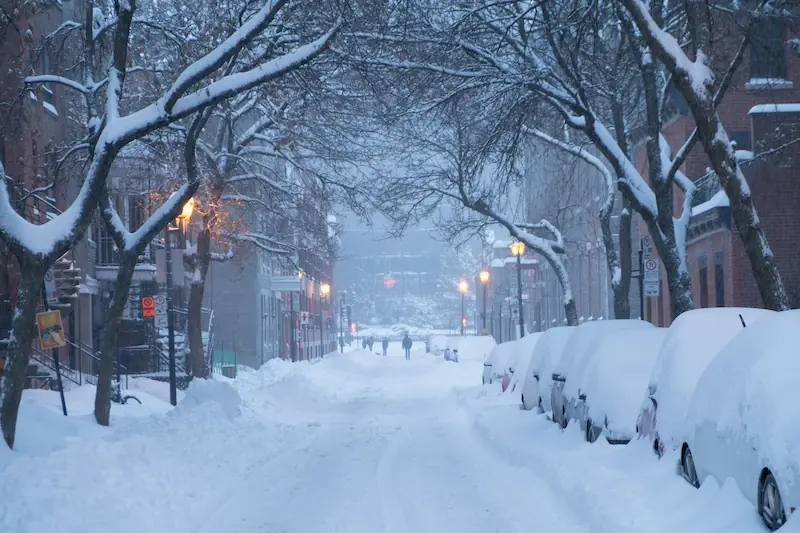
Late spring to early fall is the easiest period for walking, cycling, terraces, festivals, markets, the Old Port, and Mount Royal. Winter is colder but still rewarding for museums, food, skating, underground links, indoor landmarks, and a more local version of the city.
Ideal trip length
Two full days cover the essentials; three days let you add neighborhoods, markets, museums, and one evening plan; four days or more make Space for Life, the canal, Parc Jean-Drapeau, or a day trip easier to justify.
Continue planning your Montreal trip
Use the full Montreal city guide for broader trip structure, then refine your stay with neighborhood, itinerary, and accommodation planning. This page is for deciding what deserves your time once the basic shape of the trip is clear.
What to do in Montreal first
Walk Old Montreal and the Old Port – Area: Old Montreal / Old Port · Best for: First-time orientation, historic atmosphere, riverfront walking, and easy add-ons · Time needed: 2–4 hours · Worth it: Essential, especially early morning, late afternoon, or evening · Book ahead: No for walking; yes for cruises, guided tours, or special experiences
See Notre-Dame Basilica or the AURA experience – Area: Old Montreal · Best for: Architecture, atmosphere, rainy days, and a high-impact indoor stop · Time needed: 45–90 minutes · Worth it: Very high payoff for most first trips · Book ahead: Yes for AURA, weekends, evenings, and peak travel periods
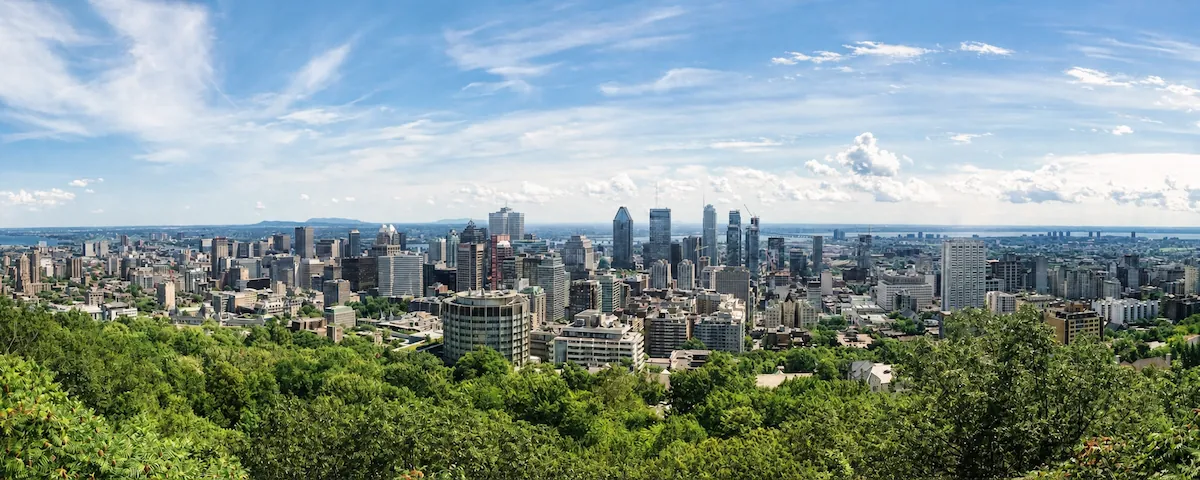
Climb or loop through Mount Royal Park – Area: Mount Royal / Plateau edge · Best for: Views, fresh air, skyline photos, and understanding the city’s shape · Time needed: 1.5–3 hours · Worth it: Essential if the weather is clear · Book ahead: No
Eat through Jean-Talon Market – Area: Little Italy · Best for: Produce, bakeries, casual lunch, local rhythm, and low-pressure food discovery · Time needed: 1.5–2.5 hours · Worth it: One of Montreal’s best free-to-enter experiences · Book ahead: No
Spend time in the Plateau and Mile End – Area: Plateau-Mont-Royal / Mile End · Best for: Murals, cafés, shops, bagels, staircases, parks, and everyday street life · Time needed: 2–4 hours · Worth it: Best for visitors who want Montreal beyond monuments · Book ahead: No, unless joining a food or street-art tour
Visit the Montreal Museum of Fine Arts – Area: Golden Square Mile / Downtown · Best for: Rainy days, culture-first trips, design, art, and a polished museum block · Time needed: 2–3 hours · Worth it: The strongest art stop in the city · Book ahead: Useful for major exhibitions or rainy weekends
Explore Space for Life and the Olympic Park district – Area: Olympic Park / Hochelaga-Maisonneuve · Best for: Families, science, gardens, animals, architecture, and indoor-outdoor variety · Time needed: Half day to full day · Worth it: Excellent with kids or in poor weather · Book ahead: Recommended for Biodôme, timed slots, school holidays, and weekends
Eat a classic Montreal food route – Area: Mile End / Plateau / Downtown / Little Italy · Best for: Bagels, smoked meat, poutine, bakeries, markets, cafés, and casual institutions · Time needed: 2–4 hours · Worth it: Worth doing, but better spaced out than rushed · Book ahead: Only for guided food tours or popular restaurants
Experience Quartier des Spectacles after dark – Area: Downtown / Quartier des Spectacles · Best for: Festivals, light installations, performance, free outdoor programming, and evening energy · Time needed: 1–3 hours · Worth it: Best when an event, show, or festival is active · Book ahead: Yes for shows; no for public spaces and free events
Add the Lachine Canal or Parc Jean-Drapeau for a slower outdoor block – Area: Canal / Little Burgundy / Parc Jean-Drapeau · Best for: Cycling, waterside walking, picnics, family breathing room, and repeat visitors · Time needed: 2–4 hours · Worth it: Strong with good weather or a third day · Book ahead: No for walking; yes for bike rentals, specific activities, or event tickets
Take a day trip to Quebec City, the Laurentians, or the Eastern Townships – Area: Beyond Montreal · Best for: Extra time, scenery, a second historic city, or a rural contrast · Time needed: Full day · Worth it: Only after you have given Montreal enough time · Book ahead: Yes for guided excursions, peak weekends, fall color, and winter travel
How to choose what is actually worth doing
Montreal is not a city where the best experiences all sit in one monument-heavy core. The strongest trip mixes a historic district, a city-view park, a market or food route, one cultural anchor, one lived-in neighborhood, and an evening plan. The mistake is not missing one famous attraction; it is spending the whole trip in the same kind of place.
Prioritize contrast: old stone streets, a summit view, a market, one museum or cultural stop, and one residential neighborhood will tell you more than five similar downtown stops.
Treat Old Montreal as a high-impact opener, not the whole city. It is essential for a first visit, but Montreal’s everyday rhythm is stronger in the Plateau, Mile End, Little Italy, the canal corridor, and market neighborhoods.
Use weather intelligently: save Mount Royal, the Old Port, Parc Jean-Drapeau, the canal, and neighborhood wandering for clear windows; keep museums, markets, the Biodôme, the Underground City, and Notre-Dame for rain, cold, or heat.
Do not over-schedule food. Bagels, smoked meat, poutine, bakeries, cafés, markets, and terraces are better woven through the day than treated as one forced checklist.
Book timed or ticketed experiences where scarcity matters: AURA, major shows, food tours, cruises, Space for Life timed entries, and summer festival performances. Leave room for walking, parks, markets, murals, and spontaneous cafés.
For a first trip, choose one excursion at most. Quebec City, the Laurentians, and the Eastern Townships can be excellent, but Montreal itself has enough depth for three strong days.
Think by traveler profile. Families should bias toward Space for Life, the Old Port, Science Centre, markets, and short outdoor blocks; culture-first travelers should add MMFA, Pointe-à-Callière, murals, performance, and Notre-Dame; repeat visitors should go deeper into canal, Little Italy, ruelles vertes, Parc Jean-Drapeau, and food neighborhoods.
Let festivals change the plan. In Montreal, public events are not minor extras: summer music, comedy, circus, street art, dance, winter programming, and Quartier des Spectacles can become the best evening of the trip.
Iconic things to do in Montreal
These are the activities that give first-time visitors the clearest sense of Montreal’s identity: old streets near the river, a mountain in the middle of the city, major landmarks, festival spaces, and a few signature activity zones. They are not all mandatory for every trip, but they form the strongest base for deciding what deserves time.
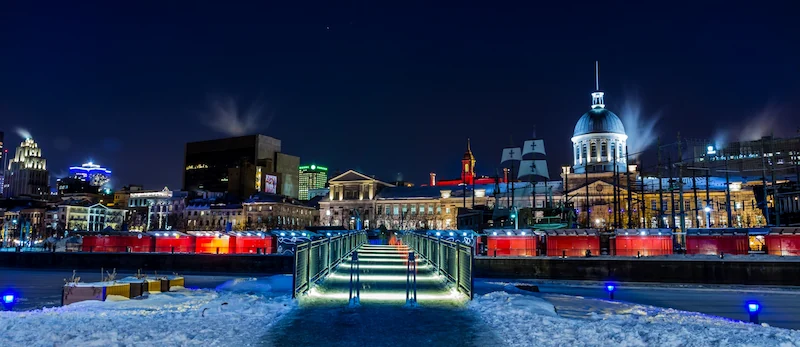
Walk Old Montreal before it gets crowded – Old Montreal is the natural starting point, but timing changes the experience. Go early for quieter cobblestone streets, late afternoon for warmer light, or evening for restaurants and Old Port atmosphere. Keep the walk compact: Rue Saint-Paul, Place Jacques-Cartier, Place d’Armes, Notre-Dame, Bonsecours Market, and the waterfront create a strong half-day without pretending Old Montreal is the whole city. (First-time essential · Best for: Historic atmosphere, first orientation, architecture, and easy walking)Find tours & experiences
Visit Notre-Dame Basilica with purpose – Notre-Dame Basilica is one of the few indoor landmarks in Montreal that genuinely justifies a fixed slot. A daytime visit works for architecture, woodwork, stained glass, and atmosphere; the AURA experience turns the space into a polished light-and-sound event. Choose one format rather than reducing it to a quick photo stop. (High payoff · Best for: Architecture, atmosphere, rainy-day planning, and a memorable evening anchor)Find tours & experiences
Climb to the Mount Royal lookout – Mount Royal is the cleanest way to understand Montreal’s geography: downtown below, the river beyond, neighborhoods spreading around the mountain. The walk is not difficult, but it deserves unhurried time. Go in clear weather, consider sunrise or late afternoon, and avoid squeezing it between two distant indoor stops. (Worth it · Best for: Views, walking, skyline photos, and spatial orientation)
Use the Old Port as an activity zone, not just a promenade – The Old Port works best when you choose a specific angle: a riverfront walk, a boat cruise, the Ferris wheel, seasonal skating, the Science Centre, zipline-style activities, or a family-friendly waterfront block. It can feel commercial if you drift without a plan, so pair it with Old Montreal and then move on. (Best for: Families, river views, cruises, winter skating, and easy add-ons)Find tours & experiences
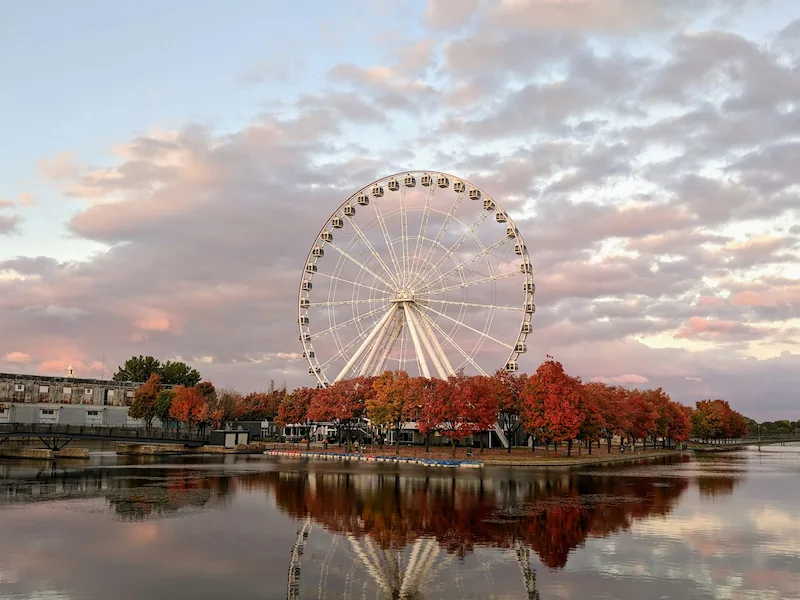
See the city from La Grande Roue – La Grande Roue is not essential for everyone, but it is useful if you want an easy view without the Mount Royal walk. It works particularly well with children, in winter, at sunset, or at night when the waterfront feels more atmospheric. Active travelers should still prioritize Mount Royal first. (Only if you have time · Best for: Easy views, families, winter downtime, and night atmosphere)Find tours & experiences
Explore the Botanical Garden and Space for Life cluster – Space for Life is one of Montreal’s most efficient activity zones when you want more than a downtown loop. The Botanical Garden, Biodôme, Planetarium, and Insectarium can be combined depending on weather, season, age, and interest. It is especially strong for families because several major stops sit close together. (Best with kids · Best for: Families, gardens, science, animals, and rainy-day flexibility)Find tours & experiences
Add Olympic Park for architecture and east-side context – Olympic Park gives Montreal a different kind of landmark: 1970s architecture, big public space, and proximity to the Space for Life attractions. It is not the first thing to do on a short visit, but it helps when you are already in the east end or want a family-friendly, architecture-led half day beyond the historic core. (Good add-on · Best for: Architecture, families, east-side planning, and repeat visitors)Find tours & experiences
Catch the city through a festival or public event – Montreal changes sharply when a festival is active, especially around Quartier des Spectacles, Place des Arts, downtown streets, and summer public spaces. Rather than treating events as extras, check what is happening and let one evening be shaped by it. This is often the difference between seeing Montreal and feeling its public rhythm. (Best in the evening · Best for: Seasonal energy, music, comedy, circus, dance, street art, and public space)
Use the Underground City selectively – The Underground City is useful when Montreal is very cold, rainy, or you need downtown logistics, but it should not be treated like a normal sightseeing district. Use it to connect shopping, metro stations, food courts, hotels, and cultural stops, then return above ground for the real texture of the city. (Rain and winter useful · Best for: Bad weather, downtown movement, shopping, and practical breaks)Find tours & experiences
Best cultural things to do in Montreal
Montreal’s cultural value is not limited to museums. It sits in language, architecture, public art, religious spaces, design, music, performance, Indigenous and local history, and neighborhoods where different identities overlap. Choose one or two focused cultural stops, then let the streets, food, and festivals do part of the work.
Spend a serious block at the Montreal Museum of Fine Arts – The Montreal Museum of Fine Arts is the city’s strongest art institution and the most reliable anchor when the weather turns. Its scale justifies a dedicated visit, but it does not need to consume the whole day. Pair it with the Golden Square Mile, downtown culture, or an evening around Place des Arts rather than Old Montreal. (Worth it · Best for: Art, design, rainy days, and culture-first trips)
Use Pointe-à-Callière to understand the city’s origins – Pointe-à-Callière is the right museum when you want Montreal history without turning the day into a textbook. Its archaeological setting gives Old Montreal more meaning before or after walking the surrounding streets. It is especially useful on a first visit because it links the old port, settlement history, and the physical layers of the city. (First-time useful · Best for: History, archaeology, Old Montreal context, and rainy days)
Follow murals through the Plateau and Saint-Laurent – Murals are one of the easiest ways to read Montreal at street level. Around Boulevard Saint-Laurent, Saint-Denis, the Plateau, and festival zones, public art connects nightlife, design, cafés, and residential streets. It works best as a wandering route rather than a rigid mural hunt. (Best for: Street art, photography, local texture, and repeat visitors)Find tours & experiences
See Saint Joseph’s Oratory for scale and city views – Saint Joseph’s Oratory sits outside the usual Old Montreal circuit, which makes it feel more deliberate. The building’s scale, steps, dome, gardens, and elevated position give it a different weight from Notre-Dame. It is best for travelers interested in religious architecture, viewpoints, or a quieter cultural stop. (Best for: Architecture, viewpoints, religious heritage, and calmer cultural depth)
Look for performance rather than only museums – Montreal is a strong live-culture city, especially for comedy, music, circus, dance, theatre, and festival programming. A ticketed evening can be more memorable than adding another daytime attraction. Check programming early if culture is a priority, especially around Place des Arts and Quartier des Spectacles. (Evening anchor · Best for: Shows, music, comedy, circus, dance, and repeat visitors)
Add the McCord Stewart Museum for city, fashion, and social history – The McCord Stewart Museum is a useful downtown cultural stop when you want Montreal and Canadian social history, photography, fashion, design, and Indigenous collections in a more compact format than a major art museum. It pairs well with McGill, the Golden Square Mile, shopping streets, or a rainy downtown afternoon. (Compact culture · Best for: History, design, photography, rainy days, and shorter museum blocks)
Use the PHI Centre or contemporary art spaces for a sharper urban angle – If you have already done the classic museum circuit, Old Montreal’s contemporary art and immersive spaces can give the city a more current edge. The PHI Centre and nearby cultural venues work best when there is a specific exhibition, film, performance, or immersive project that matches your dates. (Check programming · Best for: Contemporary culture, digital art, immersive exhibitions, and repeat visitors)
Visit Bonsecours Market as a heritage-and-design stop – Bonsecours Market is easy to pass as part of an Old Montreal walk, but it works better when you treat it as a small heritage and local-design stop. The building anchors the eastern side of Old Montreal and can add a light shopping or shelter break without pulling you away from the historic route. (Easy add-on · Best for: Architecture, local design, shopping, and Old Montreal pacing)
Local experiences and neighborhood texture
The local side of Montreal is best found in ordinary movement: staircases, cafés, alleys, markets, parks, bike paths, terraces, and streets where people still live rather than just visit. This is where the city becomes less monumental and more human. Choose neighborhoods that reward slow attention instead of trying to turn them into checklists.
Walk the Plateau without over-planning it – The Plateau is best experienced as a loose walk through staircases, colorful residential streets, independent shops, parks, cafés, murals, and corner bakeries. Do not reduce it to one attraction. Let it function as the city’s everyday counterpoint to Old Montreal and downtown. (Local texture · Best for: Street life, cafés, murals, parks, and slow wandering)
Spend a food-and-street block in Mile End – Mile End concentrates many of Montreal’s most approachable local pleasures: bakeries, bagels, cafés, bookshops, small galleries, low-rise streets, and creative businesses. It is not about ticking off sites; it is about moving slowly enough to understand why the neighborhood has become shorthand for a certain Montreal rhythm. (Worth it · Best for: Cafés, bagels, shops, creative atmosphere, and food-led wandering)
Browse Jean-Talon Market like a meal plan – Jean-Talon Market works best when you arrive hungry and let the visit shape lunch, snacks, or a picnic. It gives you produce, cheese, bakeries, seasonal stalls, Québec specialties, and Little Italy nearby. This is one of the best free-to-enter things to do in Montreal, even if you end up buying half your lunch. (High payoff · Best for: Food browsing, Little Italy, seasonal produce, and local rhythm)
Use the Lachine Canal for a slower west-side route – The Lachine Canal gives Montreal a different tempo: water, bike paths, converted industrial edges, bridges, and more open movement. It pairs well with Atwater Market, Little Burgundy, Griffintown, or a relaxed second or third day. Cycling or walking here is best in good weather. (Best for: Cycling, walking, waterside space, Atwater Market, and calmer urban rhythm)Find tours & experiences
Look for green alleys in residential neighborhoods – Montreal’s ruelles vertes are small, lived-in passages where plants, murals, children’s toys, cats, balconies, and neighborhood improvisation reshape the back side of the city. They are not formal attractions, so treat them quietly and respectfully. The reward is a glimpse of local life that no monument can provide. (Unique · Best for: Repeat visitors, photographers, slow walkers, and neighborhood texture)
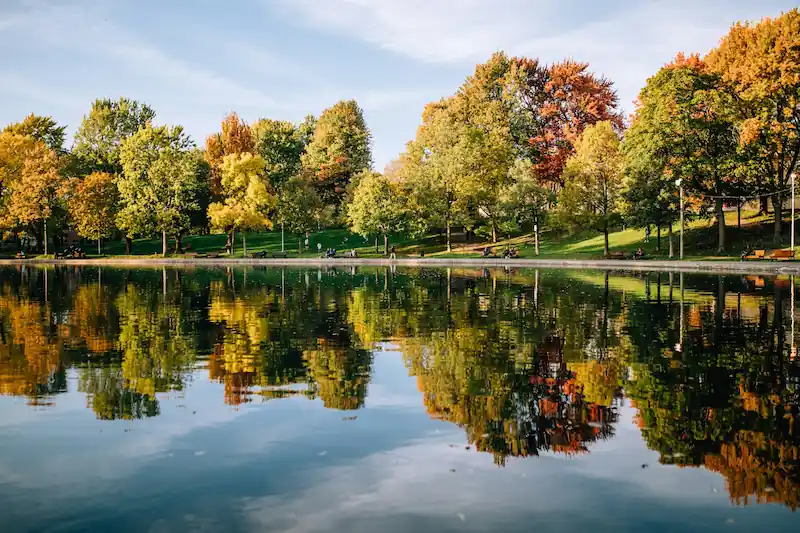
Cycle or picnic in Parc Jean-Drapeau – Parc Jean-Drapeau gives you a river-island version of Montreal with skyline views, green space, event venues, family activities, and traces of Expo 67. It is not a first-hour essential, but it is useful for cycling, picnics, summer events, or a more open outdoor break close to downtown. (Good weather · Best for: Cycling, picnics, families, skyline views, and summer events)
Walk Mont-Royal Avenue or Saint-Denis for everyday city life – For a simple local street walk, Avenue du Mont-Royal and Rue Saint-Denis can be more rewarding than another landmark. They give cafés, terraces, shops, residential side streets, and the rhythm of daily Montreal. Use them as connectors between Mount Royal, the Plateau, Mile End, and evening plans. (Low-pressure · Best for: Cafés, terraces, shopping, and everyday street life)
Pair Atwater Market with Little Burgundy – Atwater Market is more compact than Jean-Talon but easier to combine with the Lachine Canal, Saint-Henri, and Little Burgundy. It works well for a food stop, picnic supplies, a coffee break, or a slower west-side walk when you want a different Montreal from Old Montreal and the Plateau. (Canal pairing · Best for: Market food, canal walks, Little Burgundy, and relaxed second-day planning)
Food experiences worth building time around
Food in Montreal is not just a restaurant question. It is bagels from wood-fired ovens, markets that still function as markets, Jewish deli culture, poutine, bakeries, Portuguese chicken, cafés, terraces, casual counters, and restaurants shaped by bilingual, migrant, and neighborhood layers. The best approach is selective and spaced out.
Compare Montreal bagels in Mile End – A Montreal bagel stop is simple, fast, and genuinely place-specific. The classic St-Viateur and Fairmount comparison is less about declaring a winner than placing yourself in the neighborhood’s daily rhythm. Go early or off-peak if you want the experience without the longest lines. (First-time essential · Best for: Quick food ritual, Mile End context, bakeries, and casual snacking)
Try smoked meat without making it your whole plan – Smoked meat is part of Montreal’s food identity, but it works best as one deliberate meal rather than a pilgrimage that dominates the day. Schwartz’s is the famous reference point; alternatives can be easier if queues are long. Pair it with Plateau, Saint-Laurent, or a mural walk. (Worth it · Best for: Classic Montreal food culture, Jewish deli heritage, and casual lunch)
Build a market lunch at Jean-Talon or Atwater – Markets are among the easiest ways to eat well without committing to a formal restaurant. Jean-Talon is larger and stronger for produce, Little Italy, and browsing; Atwater pairs naturally with the canal, Saint-Henri, and Little Burgundy. Choose based on your route rather than trying to do both in a short stay. (Best for: Flexible lunch, local products, picnic planning, and low-pressure food browsing)
Add poutine as a snack or late meal, not a full strategy – Poutine is worth trying in Montreal, but it is better as one well-timed comfort-food stop than the center of the itinerary. It works after a long walk, late at night, or as a casual lunch when the weather is cold. Balance it with markets, bakeries, and lighter neighborhood stops. (Classic comfort food · Best for: Casual eating, late-night plans, winter trips, and first-time food rituals)
Use a guided food tour if you want context, not just snacks – A food tour can be worth it in Montreal if it connects neighborhoods, immigrant histories, markets, bagels, delis, bakeries, and local institutions rather than simply feeding you samples. It is most useful on a first visit when you want structure in Mile End, the Plateau, Old Montreal, or Little Italy. (Best for: First-timers who want food plus neighborhood context)Find tours & experiences
Leave room for bakeries, cafés, and casual counters – Montreal’s food pleasure often sits between meals: pastries, espresso, small counters, ice cream in summer, Portuguese chicken, sandwiches, or a late lunch after a long walk. This is where rigid restaurant planning becomes counterproductive. Build gaps into the day so these stops can happen naturally. (Best for: Low-pressure eating, cafés, bakeries, snacks, and local texture)
Use Little Italy for more than Jean-Talon Market – Little Italy works as a food neighborhood, not just a market label. After Jean-Talon, add cafés, grocery stores, bakeries, casual restaurants, and side streets if you have time. It is especially useful for travelers who want a local food block without committing to a formal restaurant reservation. (Food neighborhood · Best for: Cafés, Italian food culture, market add-ons, and relaxed lunch planning)
Choose one stronger restaurant evening instead of chasing every classic – Montreal has enough restaurants to overwhelm a short trip. Rather than stacking every famous food item, choose one stronger dinner in the Plateau, Mile End, Little Burgundy, Old Montreal, or downtown, then let casual food carry the rest of the trip. Book ahead for popular small dining rooms and weekend evenings. (Dinner strategy · Best for: Couples, food-focused travelers, and evenings with a clear anchor)
Best things to do in Montreal for first-time visitors
A first Montreal trip should balance the obvious with the lived-in. The goal is not to see every district, but to understand why the city feels different from other North American city breaks: French and English street life, old stone, mountain views, markets, festivals, food rituals, and neighborhoods that reward slow movement.
Start with Old Montreal, Place d’Armes, Rue Saint-Paul, the Old Port, and Notre-Dame Basilica for the clearest historic frame.
Add Mount Royal early in the trip so downtown, the river, and the neighborhoods make more sense.
Choose either Jean-Talon Market or a Mile End food walk for local food texture; do not force both into a short first day.
Use the Plateau as your slow neighborhood experience rather than rushing through it as a transit corridor.
Pick one serious cultural stop: Montreal Museum of Fine Arts, Pointe-à-Callière, Saint Joseph’s Oratory, or a performance around Place des Arts.
Add Space for Life or the Science Centre if traveling with kids or if the weather pushes you indoors.
Save at least one evening for Quartier des Spectacles, Old Montreal after dark, a live show, a festival zone, or a strong dinner neighborhood.
Skip day trips on a one- or two-day visit unless Montreal is only one stop in a longer Quebec itinerary.
Priority
BestChoice
Why
Essential
Old Montreal, Notre-Dame Basilica, Mount Royal
These give the strongest first understanding of setting, history, atmosphere, and scale.
Highly recommended
Jean-Talon Market, Mile End, Plateau walk, Quartier des Spectacles
These reveal the city’s food, neighborhood texture, public culture, and evening rhythm.
Choose based on profile
MMFA, Pointe-à-Callière, Space for Life, Science Centre, Saint Joseph’s Oratory
These are excellent, but the right choice depends on weather, kids, cultural appetite, and trip length.
Optional with limited time
La Grande Roue, Underground City, Parc Jean-Drapeau, distant excursions, multiple museums
Useful only if they match your weather, energy, season, or specific interests.
Free things to do in Montreal
Montreal is unusually good for free activity planning because many of its best experiences are walks, viewpoints, markets, public art, parks, festival spaces, and neighborhood streets. The city can be very rewarding even if you spend mainly on food and transport.
Walk Old Montreal and the Old Port waterfront without booking anything.
Climb Mount Royal for the city’s best free viewpoint and one of the clearest orientation moments.
Browse Jean-Talon Market or Atwater Market, then turn the visit into a low-cost snack, picnic, or casual lunch.
Follow murals around Boulevard Saint-Laurent, the Plateau, and MURAL-related streets.
Explore the Lachine Canal on foot, especially around Atwater, Saint-Henri, and Little Burgundy.
Check Quartier des Spectacles for free outdoor programming, projections, installations, concerts, or festival activity.
Walk Avenue du Mont-Royal, Rue Saint-Denis, Mile End, or Little Italy for street life without a ticketed attraction.
Use Parc Jean-Drapeau for green space, skyline views, and a river-island break when the weather is good.
Look for respectful green-alley wandering in residential parts of the Plateau, Rosemont, or nearby neighborhoods.
In winter or rain, use the Underground City practically rather than as a full attraction.
Type
Option
BestTime
Best free view
Mount Royal lookout
Clear morning, golden hour, or after fresh snow in winter
Best free atmosphere
Old Montreal and Old Port
Early morning, late afternoon, or evening
Best free local texture
Plateau, Mile End, Little Italy, Jean-Talon Market
Late morning to afternoon
Best free outdoor route
Lachine Canal or Parc Jean-Drapeau
Dry weather, spring through fall, or a bright winter day
Best free evening option
Quartier des Spectacles
When public events, projections, or festivals are active
Unique and unusual things to do in Montreal
The most distinctive Montreal experiences are rarely bizarre for their own sake. They come from the city’s bilingual street life, residential details, food rituals, winter adaptations, festival culture, and strong public-space habits.
Watch the Notre-Dame Basilica AURA experience if you want a landmark presented in a more contemporary way.
Seek out ruelles vertes in residential neighborhoods, while remembering they are local living spaces rather than tourist sets.
Build a self-guided bagel comparison in Mile End instead of treating food as one formal restaurant meal.
Use the Underground City selectively in winter or rain, more as a functional urban layer than a conventional attraction.
Explore the Olympic Park and Space for Life district for a different, east-side version of Montreal beyond Old Montreal.
Follow street art around the Plateau and Saint-Laurent, especially if your dates overlap with mural or public art programming.
Cycle the Lachine Canal or Parc Jean-Drapeau to see a greener, waterside version of the city.
Time your visit around a festival evening if dates allow; Montreal’s public-event culture is one of its real signatures.
Use local food as a cultural route: bagels, smoked meat, poutine, markets, bakeries, Portuguese chicken, and cafés tell different parts of the city.
UniqueAngle
BestOption
WhoItSuits
Most atmospheric
Notre-Dame AURA or Old Montreal after dark
Couples, first-timers, and rainy-day planners
Most local
Ruelles vertes, Plateau side streets, Mile End cafés
Repeat visitors and slow walkers
Most seasonal
Festivals, MURAL, summer public events, winter skating
Travelers who can adapt plans to dates
Most practical in bad weather
Underground City plus museums or markets
Winter trips, rainy days, and downtown stays
Things to do in Montreal at night
Montreal after dark is strongest when you choose a format: light, performance, food, festival space, neighborhood bars, or an atmospheric old-city walk. Wandering without a plan can work, but one anchor helps.
Book the AURA experience at Notre-Dame Basilica for a controlled, high-impact evening activity.
Check Quartier des Spectacles for festivals, projections, concerts, circus, comedy, dance, and outdoor events.
Plan dinner and drinks in the Plateau, Mile End, Little Burgundy, Old Montreal, or downtown depending on your mood.
Take an evening walk through Old Montreal after the day crowds thin, especially around Rue Saint-Paul and the waterfront.
Use the Old Port for La Grande Roue, skating in winter, waterfront atmosphere, or seasonal events.
Choose a live show, comedy night, jazz venue, theatre performance, or Place des Arts event rather than adding another daytime-style attraction.
Use poutine, smoked meat, bagels, late cafés, or casual counters as part of a relaxed food-led night.
Stay realistic with late-night movement: cluster dinner, drinks, and the walk in one area rather than crossing the city repeatedly.
NightPlan
BestOption
BookAhead
Atmospheric
Old Montreal walk + Notre-Dame AURA or Old Port waterfront
Yes for AURA; no for the walk
Social
Plateau, Mile End, Little Burgundy, or Old Montreal dinner and bars
Useful for popular restaurants and weekends
Cultural
Place des Arts, Quartier des Spectacles, comedy, jazz, circus, or festival programming
Yes for ticketed shows
Low-pressure
La Grande Roue, poutine, late café, or a short waterfront walk
Usually no, unless it is a special event
Things to do in Montreal with kids
Montreal works well with children because many activities are physical, visual, and easy to break into shorter blocks. The best family plan avoids too many long historic walks and uses clusters: Old Port, Space for Life, Mount Royal, markets, and practical indoor stops.
Use Space for Life as the main family activity cluster: Biodôme, Planetarium, Insectarium, and Botanical Garden can be combined selectively.
Choose the Old Port for easy wins such as La Grande Roue, waterfront walking, seasonal skating, family attractions, cruises, and the Science Centre.
Climb part of Mount Royal or focus on the lookout rather than making the full park the goal.
Use Jean-Talon Market or Atwater Market for snacks, color, flexible lunch, and a break from formal restaurants.
Save the Montreal Science Centre for rain, cold, or a high-energy indoor block near Old Montreal.
Keep neighborhood walks short and reward-based: bagels in Mile End, a park stop in the Plateau, ice cream in summer, or murals as a visual route.
Use Parc Jean-Drapeau for space, cycling, picnics, skyline views, and summer events when the weather is good.
Avoid combining Old Montreal, Mount Royal, Space for Life, and a market in one day with children; the distances and energy shifts are too much.
AgeFit
BestOptions
WatchOut
Younger children
Old Port, La Grande Roue, Biodôme, short market visits, playground-style park breaks
Avoid long historic walks without food, bathrooms, or breaks
Older children
Mount Royal, Science Centre, Planetarium, bike paths, street art, cruises
Book timed indoor activities in busy periods
Mixed ages
Space for Life cluster, Old Port, Jean-Talon Market, Parc Jean-Drapeau
Do not combine too many distant zones in one day
Rain or winter
Biodôme, Planetarium, Science Centre, Notre-Dame, Underground City, MMFA family-friendly exhibits
Keep outdoor transfers short and plan food stops
Things to do in Montreal when it rains
Rain does not damage a Montreal trip if you switch from viewpoints and long outdoor walks to museums, markets, indoor landmarks, food-led planning, and downtown logistics. Keep one clear-weather block available for Mount Royal rather than forcing it.
Visit Notre-Dame Basilica or book the AURA experience for a strong indoor landmark.
Spend two to three hours at the Montreal Museum of Fine Arts.
Use Pointe-à-Callière to add historical context before or after Old Montreal.
Head to the Biodôme, Planetarium, Insectarium, or Botanical Garden greenhouses if you are traveling with kids or want science-led indoor activity.
Use the Montreal Science Centre if you want a family-friendly indoor option near the Old Port.
Browse Jean-Talon Market or Atwater Market for a sheltered, food-focused break.
Use the Underground City functionally for downtown movement, shopping, food, metro connections, or a bad-weather pause.
Plan a long lunch, café stop, bakery route, food tour, or restaurant reservation instead of forcing outdoor sightseeing.
Save Mount Royal, the canal, Parc Jean-Drapeau, and long Plateau walks for a clearer window.
RainyDayNeed
Option
TimeNeeded
Best cultural stop
Montreal Museum of Fine Arts
2–3 hours
Best landmark
Notre-Dame Basilica / AURA
45–90 minutes
Best family option
Biodôme, Planetarium, or Science Centre
2–4 hours
Best casual option
Market + café + bakery route
2–3 hours
Best logistical fallback
Underground City plus downtown shopping or museum time
1–3 hours
Things to do in Montreal by area
Old Montreal and Old Port
This is the best area for first-time impact: old streets, Notre-Dame Basilica, riverfront walking, Pointe-à-Callière, Bonsecours Market, cruises, La Grande Roue, Science Centre, and family-friendly waterfront activities. It deserves a strong half day, not your entire trip.
Walk Rue Saint-Paul, Place d’Armes, Place Jacques-Cartier, and nearby historic streets
Visit Notre-Dame Basilica or book AURA
Add Pointe-à-Callière for history with context
Use the Old Port for river views, cruises, La Grande Roue, Science Centre, skating, or seasonal events
Come early for quieter streets or evening for atmosphere
Mount Royal and the Plateau edge
This zone gives the city its physical anchor. The park provides views, fresh air, and orientation; the nearby Plateau adds residential streets, cafés, parks, staircases, murals, and a slower everyday rhythm.
Walk to the Mount Royal lookout
Use Parc Jeanne-Mance as an easy transition point
Continue into the Plateau for staircases, cafés, murals, and Avenue du Mont-Royal
Avoid this area as a rushed midday transfer if the weather is poor
Use sunrise, late afternoon, or clear winter light for the best view
Mile End
Mile End is best for food, cafés, small shops, bagels, and creative street texture. It is not a monument district, so give it loose time rather than a strict checklist.
Compare classic Montreal bagel stops
Browse independent shops, bookshops, bakeries, and cafés
Use cafés and bakeries as part of the experience, not just a break
Pair with Plateau murals, Saint-Laurent, or a food tour
Keep the pace slow enough for the neighborhood to make sense
Little Italy and Jean-Talon Market
This is one of the strongest food-focused areas in the city. It works as a late-morning or lunchtime block and gives visitors a more local alternative to downtown dining.
Browse Jean-Talon Market
Build a casual lunch from market stalls and nearby shops
Add Little Italy streets for cafés, groceries, bakeries, and food stores
Use this area when you want a low-pressure, high-reward break
Pair with Saint-Laurent murals or a Plateau/Mile End afternoon
Downtown, Golden Square Mile, and Quartier des Spectacles
Downtown is most useful for museums, shopping, performances, festivals, transit, and bad-weather logistics. It is less atmospheric than the Plateau or Old Montreal, but it becomes important when culture, events, or rain are part of the plan.
Visit the Montreal Museum of Fine Arts or McCord Stewart Museum
Check Place des Arts and Quartier des Spectacles programming
Use the Underground City selectively in winter or rain
Plan evening culture rather than treating downtown only as a transit zone
Combine daytime museum time with an evening show or festival block
Olympic Park and Hochelaga-Maisonneuve
This eastern area is ideal for families, science, gardens, indoor-outdoor flexibility, and architecture. It is farther from the classic visitor core, so it works best as a dedicated half day rather than a casual add-on.
Visit the Biodôme, Planetarium, Insectarium, or Botanical Garden
Combine activities within the Space for Life cluster
Add Olympic Park if architecture or east-side context interests you
Use this area for rainy days, kid-friendly planning, or a longer stay
Do not add it casually to an already crowded Old Montreal day
Lachine Canal, Atwater Market, Saint-Henri, and Little Burgundy
This west-side corridor gives Montreal a more open, waterside rhythm. It works well for cycling, walking, casual food, market browsing, restaurants, and a softer day after dense sightseeing.
Walk or cycle along the Lachine Canal
Stop at Atwater Market for food, picnic supplies, and browsing
Use Little Burgundy for restaurants and evening plans
Explore Saint-Henri or Griffintown if you want a less classic visitor route
Choose this area in good weather or for a slower second or third day
Parc Jean-Drapeau and the river islands
Parc Jean-Drapeau is useful when you want outdoor space close to downtown but outside the dense city grid. It suits cycling, picnics, family breaks, skyline views, summer events, and travelers interested in Expo 67 traces.
Cycle or walk with skyline and river views
Use the park as a family-friendly outdoor break
Check seasonal events before going
Pair with Old Port or downtown only if the day is not already too full
Best in good weather or when an event gives the area a clear purpose
Saint-Laurent, Saint-Denis, and the mural corridor
These streets work as connectors between downtown, the Plateau, Mile End, nightlife, food, and street art. They are not one neat attraction, but they are useful for travelers who want Montreal’s public, bilingual, creative street life.
Follow murals and public art around Boulevard Saint-Laurent
Use Saint-Denis or Mont-Royal Avenue for cafés, terraces, shops, and evening energy
Pair smoked meat, bagels, murals, and Plateau walking in one loose route
Best in dry weather and with time to wander
Avoid trying to see every mural; choose a corridor and let the walk unfold
What to prioritize with limited time
Montreal is easy to overfill because many of its best activities sound small on paper. The sharper move is to choose one strong experience per type: historic, view, neighborhood, food, culture, and evening. Do not try to make every district equally important.
Profile
Prioritize
Skip
Structure
Half day
Old Montreal, Notre-Dame exterior or interior, Place d’Armes, Rue Saint-Paul, and a compact Old Port walk
Distant museums, markets, Mount Royal if the weather is poor, Olympic Park, Parc Jean-Drapeau, and day trips
Stay in one area and avoid cross-city movement.
One full day
Old Montreal, Mount Royal, and either Mile End or Jean-Talon Market; add one simple evening plan if energy allows
A day trip, multiple museums, Space for Life, and over-planned food stops
Historic morning, view or park midday, neighborhood and food later.
Two days
Old Montreal, Notre-Dame, Mount Royal, Plateau/Mile End, one museum, one market, and one evening plan
Trying to cover every neighborhood, both main markets, and a full-day excursion
Use day one for essentials and day two for texture, culture, and food.
Three days or more
Add Space for Life, the Lachine Canal, Little Italy, Atwater, deeper food stops, Parc Jean-Drapeau, or a performance
Repeating similar walking districts without a reason
Alternate dense urban blocks with slower market, park, museum, or canal time.
Culture-first stay
Museum of Fine Arts, Pointe-à-Callière, Notre-Dame, McCord Stewart, murals, PHI-style exhibitions, and evening performance
Viewpoints or family attractions if the weather is poor or time is short
Combine one major institution with one street-level cultural zone per day.
Food-first stay
Mile End bagels, Jean-Talon Market, smoked meat, poutine, bakeries, cafés, Little Italy, Atwater, and one stronger dinner
Trying to eat every classic in one day
Make food stops punctuate neighborhoods rather than replace the itinerary.
Family trip
Old Port, La Grande Roue, Science Centre, Space for Life, Mount Royal lookout, markets, and short reward-based neighborhood walks
Long unbroken historic walks, too many museums, and distant transfers in one day
Cluster activities geographically and keep food, bathrooms, and bad-weather backups close.
Repeat visit
Mile End, Little Italy, Lachine Canal, Atwater, green alleys, Parc Jean-Drapeau, murals, food routes, and live events
A full repeat of Old Montreal unless traveling with first-timers
Let neighborhoods, meals, and seasonal events shape the day rather than monuments.
Best day trips and excursions from Montreal
Montreal supports strong day trips, but they are best saved for a longer stay. On a first two-day visit, the city itself deserves priority; from three or four days onward, an excursion can add a useful contrast. Choose the trip based on what Montreal itself does not give you: old-world scale, mountain scenery, rural villages, national institutions, or close nature.
Excursion
Best for
Time needed
First trip?
Transport
Book ahead
Quebec City
A second historic city with stronger old-world scale, fortified streets, and a very different urban atmosphere
Full day, long but possible
Yes, if you have at least four days total or if Quebec City is a major priority
Train, bus, car, or guided day tour
Yes for tours, train seats, peak travel dates, and winter logistics Check options
Mont-Tremblant and the Laurentians
Mountain scenery, seasonal color, winter sport atmosphere, lakes, and resort-town contrast
Full day
Better with three days or more, especially if you want nature more than another urban neighborhood
Car or guided excursion is easiest
Useful in peak fall, winter, summer weekends, and holiday periods Check options
Eastern Townships
Villages, lakes, vineyards, food stops, and a softer rural day outside the city
Full day
Best for repeat visitors, longer stays, or travelers with a car
Car strongly recommended
Yes for wineries, restaurants, inns, or guided tours Check options
Ottawa
National museums, Parliament area, galleries, and a different Canadian urban frame
Full day
Only if politics, museums, or national institutions interest you
Train, bus, or car
Useful for museum-heavy plans, timed visits, and train travel Check options
Îles-de-Boucherville National Park
Nature close to the city, cycling, kayaking, walking, wildlife, and a low-effort escape
Half day to full day
Good only if you want nature more than another neighborhood
Car, seasonal access, or local transport planning
Check seasonal activities, rentals, and park access
Maple sugar shack or countryside food excursion
Québec food culture, families, spring travel, and a seasonal rural experience
Half day to full day
Best as a seasonal add-on, not a first priority on a short city break
Smart activity combinations that work well together
These are not full itineraries. They are practical pairings that reduce wasted movement and give each part of the day a clear role.
Old Montreal, Notre-Dame Basilica, and the Old Port – This is the cleanest first-time combination because all three sit close together and share the same historic-riverfront logic. Start with the streets, anchor the block with the basilica, then finish by the water. It works in a half day and can stretch into evening if you add dinner, AURA, La Grande Roue, or a cruise.
Mount Royal, Plateau streets, and Mile End food – This combination moves from view to neighborhood texture to food without feeling like a checklist. It is best in clear weather and rewards a slower pace. Use it when you want Montreal’s local side to balance the old-city core.
Jean-Talon Market, Little Italy, and Saint-Laurent murals – This is a strong food-and-street block for late morning through afternoon. The market gives structure, Little Italy adds cafés and food shops, and Saint-Laurent brings the walk back toward Montreal’s mural and nightlife axis. It is flexible and low-pressure.
Museum of Fine Arts, downtown culture, and Quartier des Spectacles – This pairing works well on a rainy day or culture-first stay. Use the museum as the daytime anchor, then shift toward performance, public art, shopping, or festival activity in the evening. It keeps downtown purposeful rather than generic.
Space for Life, Olympic Park, and a relaxed food stop – This is the best family-smart combination because the main activities are clustered and can be adjusted for energy and weather. Choose two major venues rather than trying to do everything. Add food before or after rather than breaking the block with a cross-city transfer.
Lachine Canal, Atwater Market, and Little Burgundy – This is the easiest slower west-side combination. Walk or cycle the canal, use Atwater for snacks or a casual lunch, then keep Little Burgundy for cafés, restaurants, or a softer evening. It works best on a second or third day in good weather.
Parc Jean-Drapeau, Old Port, and skyline views – This combination works when you want open air without going far from the visitor core. Use Parc Jean-Drapeau for cycling, picnics, or events, then return toward the Old Port for waterfront atmosphere. It is strongest in summer or when a specific event is active.
Rainy-day Notre-Dame, Pointe-à-Callière, and market food – When the weather is poor, keep the day compact and indoor-forward. Combine Notre-Dame or AURA with Pointe-à-Callière for history, then use a market, café, or long lunch instead of forcing Mount Royal or the canal.
What to book ahead in Montreal
Most of Montreal can be done spontaneously, but a few activities benefit from timed entry, popular slots, limited capacity, or guided context. Book where scarcity or logistics matter; stay flexible for markets, neighborhoods, parks, murals, and casual food.
Reserve on summer weekends, during festivals, or if you want a specific guided route.
Worth it if you want to connect Old Port, Plateau, Mile End, canal, or Parc Jean-Drapeau efficiently.
Mount Royal, markets, murals, and neighborhood walks
No
Keep these flexible and match them to weather, appetite, season, and energy.
A tour can help for murals or food, but self-guiding is easy.
Quebec City, Laurentians, Eastern Townships, or sugar shack day trips Check options
Yes
Book ahead if using a guided excursion, train, car rental, fall color weekend, winter weekend, or maple-season experience.
Often worth it when transport is the main friction.
Things to do in Montreal: practical questions
These answers help narrow the choices when time, weather, budget, season, or travel style changes the plan.
What are the best things to do in Montreal for a first visit?
Start with Old Montreal, Notre-Dame Basilica, Mount Royal, Jean-Talon Market, and either the Plateau or Mile End. Add one museum or Space for Life stop, one evening in Quartier des Spectacles or Old Montreal, and a food stop built around bagels, smoked meat, poutine, or market browsing.
How many days do you need to see Montreal properly?
Two full days are enough for the core highlights, but three days is much better. With three days, you can add neighborhoods, markets, museums, food stops, and an evening plan without turning the trip into a rush. Four days let you add Space for Life, the canal, Parc Jean-Drapeau, or a day trip.
Is Notre-Dame Basilica in Montreal worth it?
Yes, especially for first-time visitors. The architecture is strong by day, and the AURA experience is one of the city’s most polished ticketed evening activities. Book ahead if you want a specific time, especially in peak periods or on weekends.
Is Mount Royal worth it if I only have one day?
Yes if the weather is clear. Mount Royal gives the best simple view of Montreal and helps the rest of the city make sense. If it is raining heavily or visibility is poor, use the time for Notre-Dame, Pointe-à-Callière, a museum, or a market instead.
What should I book in advance in Montreal?
Book the AURA experience, popular food tours, boat cruises, major performances, selected Space for Life attractions, and any guided day trip. Most walks, markets, parks, murals, the Plateau, Mile End, and casual food stops do not need advance booking.
What are the best free things to do in Montreal?
The best free options are Mount Royal, Old Montreal, the Old Port waterfront, Jean-Talon Market browsing, Atwater Market browsing, Plateau and Mile End walks, Saint-Laurent murals, the Lachine Canal, Parc Jean-Drapeau, and free public programming around Quartier des Spectacles.
What can you do in Montreal at night?
Good evening choices include Notre-Dame’s AURA experience, dinner and bars in the Plateau, Mile End, Little Burgundy, downtown, or Old Montreal, festival activity in Quartier des Spectacles, an Old Montreal walk, a live show, comedy, jazz, La Grande Roue, or seasonal Old Port activities.
What are the best things to do in Montreal with kids?
Families should look at the Biodôme, Planetarium, Botanical Garden, Insectarium, Montreal Science Centre, Old Port, La Grande Roue, Mount Royal, Jean-Talon Market, Atwater Market, Parc Jean-Drapeau, and short mural or bagel walks. Keep the plan flexible and avoid stacking too many distant venues in one day.
What should I do in Montreal when it rains?
Prioritize Notre-Dame Basilica, the AURA experience, the Montreal Museum of Fine Arts, Pointe-à-Callière, the Biodôme, the Planetarium, the Science Centre, markets, cafés, food tours, and the Underground City for practical movement. Save Mount Royal, the canal, Parc Jean-Drapeau, and long neighborhood walks for clearer weather.
What are the best things to do in Montreal in winter?
In winter, focus on museums, Notre-Dame or AURA, food stops, markets, cafés, the Underground City, skating or winter activities around the Old Port, snowy Mount Royal if conditions are good, and warm neighborhood blocks in the Plateau or Mile End. Do not plan the day around long outdoor walks unless the weather is manageable.
What are the best things to do in Montreal in summer?
Summer is ideal for Mount Royal, the Old Port, terraces, festivals, Quartier des Spectacles, Jean-Talon Market, Atwater Market, the Lachine Canal, bike routes, Parc Jean-Drapeau, murals, food tours, and evening outdoor programming. It is also when booking helps most for cruises, shows, and popular guided experiences.
Where should I go in Montreal for food?
Use Mile End for bagels, cafés, and bakeries; the Plateau and Saint-Laurent for smoked meat and casual stops; Jean-Talon and Little Italy for market food; Atwater and the canal for a west-side food block; and Little Burgundy, Old Montreal, or downtown for a more deliberate restaurant evening.
Is Jean-Talon Market worth visiting?
Yes, especially if you like food browsing, markets, produce, bakeries, cheese, seasonal stalls, and casual lunches. It is strongest when paired with Little Italy or Mile End, and it works well as a low-pressure break from monuments and museums.
Is the Underground City worth visiting?
It is useful, but not essential as a standalone attraction. The Underground City is best in rain, winter, or extreme cold, when it helps with downtown movement, shopping, food courts, metro links, and access between hotels and cultural stops. Use it practically, then return above ground for the city’s real atmosphere.
Is La Grande Roue worth it?
La Grande Roue is worth it if you want an easy view, are traveling with children, are in the Old Port anyway, or want a simple night activity. If you enjoy walking and the weather is clear, Mount Royal is the stronger and more meaningful view.
What is the best area in Montreal for street art?
The Plateau and Boulevard Saint-Laurent are the easiest areas for street art and murals. Do not treat it as a strict checklist; combine murals with cafés, food stops, Saint-Denis, Avenue du Mont-Royal, or Mile End for a better neighborhood route.
What are the best museums in Montreal?
The Montreal Museum of Fine Arts is the strongest art stop, Pointe-à-Callière is best for understanding the city’s origins, McCord Stewart is useful for social history and design, and the Biodôme, Planetarium, and Science Centre are better for families or science-led visits.
What should I do in Old Montreal?
Walk Rue Saint-Paul, Place d’Armes, Place Jacques-Cartier, and the Old Port; visit Notre-Dame Basilica or AURA; add Pointe-à-Callière if you want history; use Bonsecours Market for a light shopping or architecture stop; and consider La Grande Roue, a cruise, or the Science Centre depending on your profile.
What should I do in the Plateau and Mile End?
Use the Plateau for staircases, murals, cafés, parks, residential streets, and everyday Montreal texture. Use Mile End for bagels, bakeries, bookshops, cafés, creative atmosphere, and low-pressure food stops. These areas work best when you leave time to wander.
Can you visit Montreal without a car?
Yes. Most first-time activities work well by walking, metro, bus, taxi, rideshare, or bike. A car is more useful for the Laurentians, Eastern Townships, sugar shacks, or rural day trips. For Old Montreal, downtown, the Plateau, Mile End, markets, and Mount Royal, a car can be more trouble than help.
Are day trips from Montreal worth it?
They are worth it if you have at least three or four days. Quebec City gives the strongest historic contrast, the Laurentians are best for scenery and mountains, the Eastern Townships suit slower rural travel, and Îles-de-Boucherville is useful for nearby nature. On a short first trip, stay focused on Montreal.
What should I skip in Montreal if I have limited time?
Skip trying to do every district, both major markets, multiple museums, Olympic Park, and a day trip on a one- or two-day first visit. Prioritize Old Montreal, Notre-Dame, Mount Royal, one market or food route, one neighborhood walk, and one evening anchor.
What is the best Montreal itinerary for one day?
A strong one-day plan is Old Montreal and Notre-Dame in the morning, Mount Royal around midday or late afternoon, then Mile End, the Plateau, or Jean-Talon Market for food and neighborhood texture. Finish with Quartier des Spectacles, Old Montreal after dark, or a dinner area that fits your hotel location.
What is the best Montreal itinerary for two days?
Use day one for Old Montreal, Notre-Dame, Old Port, Mount Royal, and one evening plan. Use day two for the Plateau, Mile End, Jean-Talon or Atwater Market, one museum or Space for Life stop, and a food-led evening. Adjust the order based on weather.
What is the best Montreal itinerary for three days?
With three days, keep the core first-day structure, then add a deeper neighborhood and food day, plus a culture or family day. Good additions include the Montreal Museum of Fine Arts, Pointe-à-Callière, Space for Life, the Lachine Canal, Atwater Market, Little Italy, Parc Jean-Drapeau, or a live performance.
Is Montreal better for culture, food, or nightlife?
Montreal is strongest when you combine all three. Food gives the easiest everyday rhythm, culture adds museums, performance, public art, and festivals, and nightlife works through restaurants, bars, comedy, music, and Quartier des Spectacles rather than one single party district.
The best Montreal trip is selective: choose a few strong anchors, then leave enough space for the city’s local rhythm, food culture, and public-event energy to do their work.
Turn the right experiences into the right itinerary
Once you know what you want to do in Montreal, the next step is turning those ideas into a trip that actually works day by day. Use the planner to organize the right mix of highlights, neighborhoods, and pace into a route that feels coherent, not crowded.