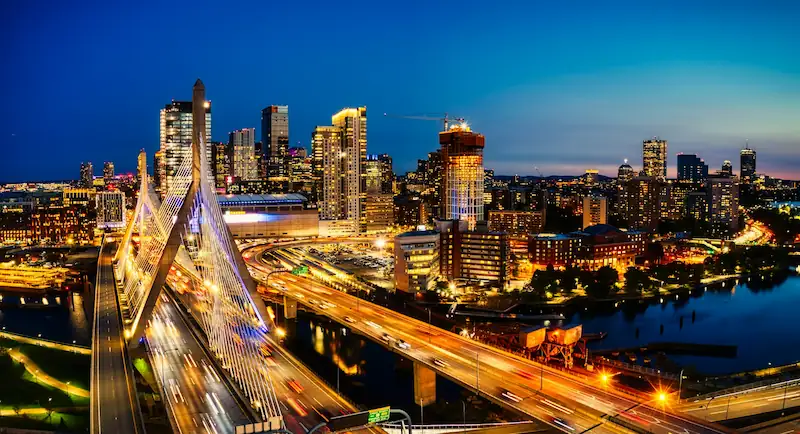
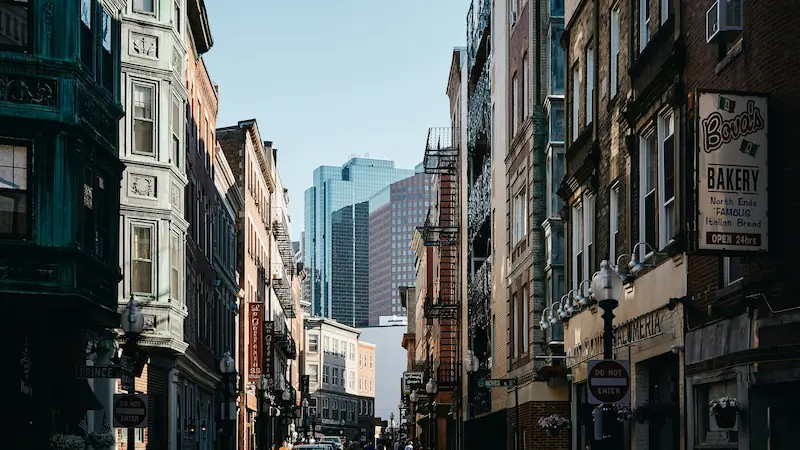
Discover the best things to do in Boston, from major historic sites and museum anchors to waterfront outings, Cambridge, food-led neighborhoods, family-friendly attractions, and the experiences that genuinely deserve a place in your trip. This guide is built to help you choose well: what to prioritize first, what to leave flexible, what to book ahead, and how to build a Boston stay that feels complete rather than overstuffed.
Best time
May to October is the easiest stretch for Boston activity planning, with walkable days, baseball season, harbor outings, Swan Boats, outdoor neighborhoods, and fewer weather constraints; winter works best for museums, food, libraries, performance, and shorter indoor-focused plans.
Ideal trip length
Two to three days cover Boston’s strongest first-time activity mix; four days let you add Cambridge, deeper museums, food neighborhoods, waterfront time, and one day trip without rushing.
Continue planning your Boston trip
Use the main Boston city guide for the broader city logic, then move into where to stay, itineraries, and nearby planning pages to shape the rest of your stay. This page helps decide what deserves time; the companion guides help place those choices into the right neighborhoods, days, and routes.
Top things to do in Boston first
Walk the Freedom Trail selectively – Area: Downtown / North End / Charlestown · Best for: First-time visitors and history-led orientation · Time needed: 2.5 to 4 hours · Worth it: Boston’s clearest high-payoff experience; it gives the city structure fast if you avoid rushing every marker. · Book ahead: No for self-guided walking; yes for a guided tour.
See Beacon Hill, Boston Common, and the Public Garden together – Area: Beacon Hill / Downtown · Best for: Classic Boston atmosphere and easy free sightseeing · Time needed: 1.5 to 3 hours · Worth it: Very worth it if you want Boston at its most legible and photogenic without over-planning. · Book ahead: No.
Tour Fenway Park or catch a Red Sox game – Area: Fenway-Kenmore · Best for: Sports fans, city identity, and local ritual · Time needed: 1 to 3.5 hours · Worth it: Worth it even for many non-baseball fans if you care about place and atmosphere. · Book ahead: Yes for games; recommended for tours.
Visit the Isabella Stewart Gardner Museum – Area: Fenway · Best for: Beautiful interiors and a distinctive museum stop · Time needed: 1.5 to 2.5 hours · Worth it: One of Boston’s most memorable cultural experiences, especially if you want personality over scale. · Book ahead: Yes, especially on busy weekends.
Choose one major museum: MFA, ICA, Museum of Science, or Aquarium – Area: Fenway / Seaport / West End / Waterfront · Best for: Indoor depth, art, science, or family planning · Time needed: 2 to 3.5 hours · Worth it: Very worth it, but choose by taste rather than forcing every major institution into one short stay. · Book ahead: Recommended for busy dates and timed-entry attractions.
Cross to Cambridge for Harvard Yard and Harvard Art Museums – Area: Cambridge · Best for: Beyond-the-core variety and academic atmosphere · Time needed: 2 to 4 hours · Worth it: A strong extension if you want Boston to feel broader than Revolutionary history and downtown landmarks. · Book ahead: No for Harvard Yard; usually no for Harvard Art Museums.
Walk the Black Heritage Trail – Area: Beacon Hill · Best for: A deeper, less generic historical read on Boston · Time needed: 1.5 to 2.5 hours · Worth it: Highly worthwhile if you want Boston history beyond the standard Revolutionary frame. · Book ahead: No for self-guided; check ahead for ranger-led options.
Do the waterfront properly: Harborwalk, Aquarium, Tea Party, or a cruise – Area: Waterfront / Central Wharf / Fort Point / Seaport · Best for: Outdoor air, family variety, and a lighter city rhythm · Time needed: 2 to 4 hours · Worth it: Worth it when the weather is good and you want the city to breathe a little. · Book ahead: Yes for whale watches and some boat outings; recommended for Aquarium and Tea Party Museum on busy dates.
Visit the Boston Tea Party Ships & Museum – Area: Fort Point · Best for: Interactive history and families · Time needed: 1 to 1.5 hours · Worth it: More theatrical than scholarly, but a smart pick for families or travelers who want history to feel active. · Book ahead: Yes.
Eat your way through the North End – Area: North End · Best for: Food-first exploration and evening atmosphere · Time needed: 1.5 to 3 hours · Worth it: Absolutely worth it if you treat it as a neighborhood experience, not just a pastry stop. · Book ahead: Only for sit-down dinner spots or guided food tours.
See Copley Square and the Boston Public Library – Area: Back Bay · Best for: Architecture, quieter culture, and easy high-value city time · Time needed: 45 minutes to 1.5 hours · Worth it: Very worth it as a Back Bay anchor, especially if you want a refined stop between bigger attractions. · Book ahead: No.
Go up to View Boston – Area: Back Bay / Prudential Center · Best for: Orientation and skyline views · Time needed: 45 minutes to 1.5 hours · Worth it: Worth it if you like observation decks; less essential if you already have a packed first trip. · Book ahead: Recommended for sunset and weekends.
Take a Duck Tour or short harbor cruise if you want easier sightseeing – Area: Downtown / Charles River / Harbor · Best for: Families, mixed groups, and less walking-heavy sightseeing · Time needed: 1 to 1.5 hours · Worth it: Useful when you want city overview without turning the day into a long walk. · Book ahead: Yes in high season and school-break periods.
Use Arnold Arboretum, Jamaica Plain, or Castle Island for a local outdoor reset – Area: Jamaica Plain / South Boston · Best for: Repeat visitors, families, and good-weather breathing room · Time needed: 2 to 4 hours · Worth it: Worth it once you have covered the core or want Boston to feel less tourist-shaped. · Book ahead: No.
How to choose well in Boston
Boston rewards selection more than volume. The city is compact enough to tempt overpacking, but the strongest version of a Boston trip comes from combining one historical spine, one atmospheric neighborhood, one museum or cultural anchor, one waterfront or river layer, and one food experience that fits your taste. The goal is not to complete every famous stop; it is to make the city feel layered rather than dutiful.
Use the Freedom Trail as a framework, not as your entire day unless history is your main reason for coming.
Balance the standard Revolutionary story with at least one broader history layer, such as the Black Heritage Trail, the Boston Athenaeum, the USS Constitution, or a Cambridge institution.
Do not stack too many museum stops back-to-back; Boston is better when you alternate indoor depth with neighborhood walking.
Choose between classic art, atmospheric art, contemporary art, science, or aquarium time instead of forcing every major institution into a short stay.
Keep the North End for late afternoon or evening, when the neighborhood actually feels lived-in rather than transitional.
Fenway, Cambridge, the harbor, and Seaport are all worthwhile, but rarely all on the same day without the city starting to feel rushed.
Do not overrate Quincy Market as a food destination; it works better as a high-energy stop within a broader downtown day.
Some of Boston’s best value is free or low-cost: parks, Beacon Hill streets, the Harborwalk, Harvard Yard, the Boston Public Library, Arnold Arboretum, Castle Island, and selected museums or trails.
In winter or heavy rain, shift the plan toward museums, libraries, food, performances, and shorter neighborhood transfers rather than forcing the same outdoor-first itinerary.
Boston essentials that justify their reputation
Boston’s iconic experiences work because they are not just landmarks; they explain the city’s shape. You move from brick-lined historic streets to ballpark ritual to harbor air in short stretches, which makes the city unusually easy to read through activity. For a first trip, this is the bucket that deserves the most disciplined prioritization: Freedom Trail, Beacon Hill, Fenway, waterfront, and one indoor anchor, not every famous name at once.
Walk the Freedom Trail in sections, not as a blur – This is the clearest answer to what to do in Boston first. The full route links downtown, the North End, and Charlestown, but it works best when you pause selectively rather than rushing every site. If you only want the strongest portion, focus on Boston Common through the North End, then continue to Charlestown only if you still have energy. (First-time essential · Best for: understanding Boston fast)Find tours & experiences
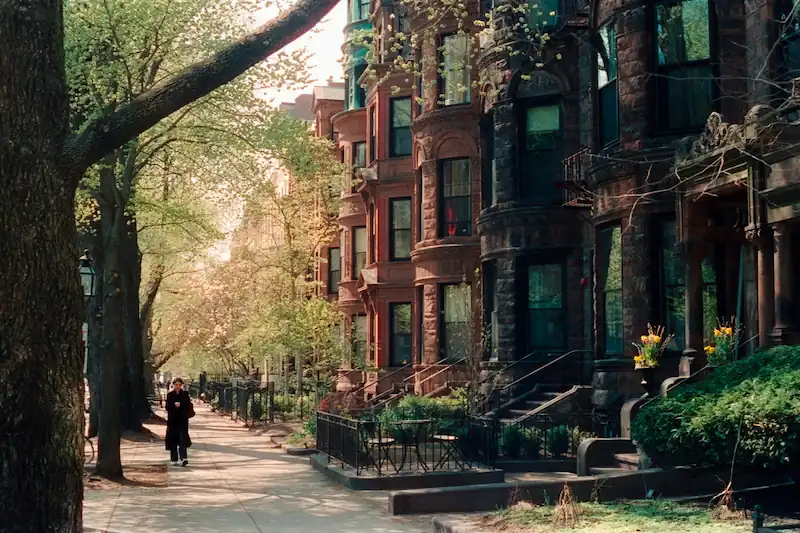
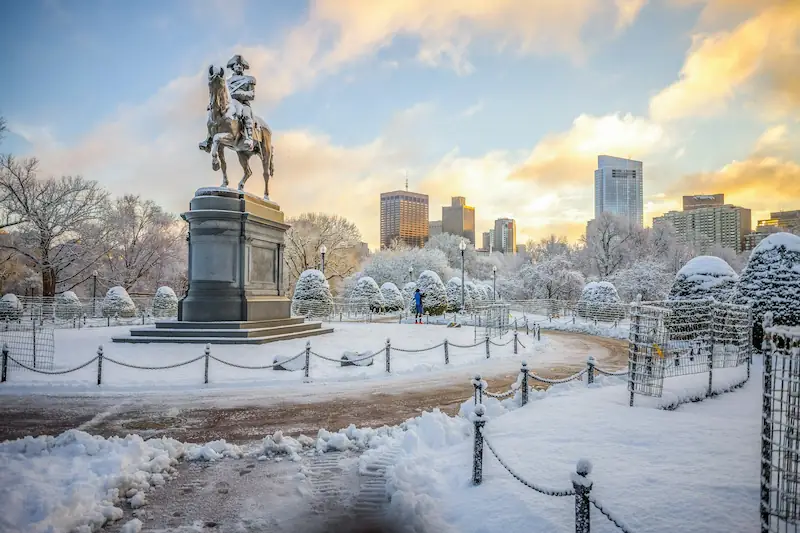
Boston Common, Public Garden, and Beacon Hill as one continuous walk – This is one of the easiest high-reward combinations in the city. You get open green space, the edge of old Boston, and some of the city’s most recognizable residential streets without needing tickets or much planning. Go in the morning or at golden hour for the best pacing. (High payoff · Best for: classic city atmosphere)
Fenway Park tour or game day – Fenway is not just for baseball loyalists. The place carries enough history and texture to feel distinctly Boston, especially if you want something more visceral than museum-based sightseeing. Tours are the easiest way in; games are better for energy and ritual. (Best for: sports and city identity)Find tours & experiences
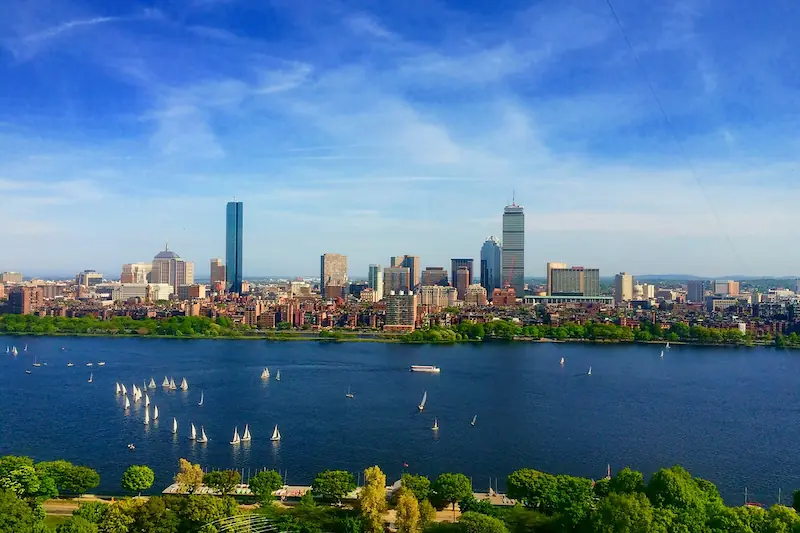
View Boston for city orientation and skyline context – This works best early in a stay, when the aerial view helps you connect Back Bay, the Charles, downtown, Cambridge, and the harbor. It is polished and modern rather than historic, so it complements Boston’s older layers rather than duplicating them. Sunset is the obvious premium slot. (Best for: views and first-day orientation)Find tours & experiences
Boston Tea Party Ships & Museum – This is one of the better interactive history experiences in Boston, especially if you want something more kinetic than plaques and facades. It leans immersive and theatrical, which makes it a smart choice for families and for travelers who want a defined indoor activity. (Best for: interactive history)Find tours & experiences
USS Constitution and Charlestown Navy Yard – This is the part of the historic core that many short-stay visitors skip too quickly. It adds scale, water, and a different physical feel after downtown and the North End. Go if you want the Freedom Trail to end with substance rather than just completion. (Only if you have time · Best for: history-focused stays)
Faneuil Hall and Quincy Market as a downtown energy stop – This is not Boston’s deepest food or culture experience, but it is still one of the city’s most recognizable downtown stops. It works best as a short high-energy break for people-watching, snacking, or resetting during a Freedom Trail day rather than as a destination meal. (Best for: classic downtown buzz)
Ride the Swan Boats in season if you want classic Boston without much effort – This is a seasonal, lightweight Boston ritual rather than a must-do for every traveler, but it is genuinely local-feeling and especially smart for families, spring visits, and travelers building a softer-paced Common and Public Garden day. (Seasonal classic · Best for: spring and family trips)
Use a Duck Tour when the group needs easy sightseeing – A Duck Tour is not the deepest way to understand Boston, but it is useful when you want a low-effort overview with less walking, especially with children, older relatives, or mixed-interest groups. It works best early in the trip or on a day when energy is lower. (Family-friendly · Best for: overview sightseeing and kids)Find tours & experiences
Pair Bunker Hill Monument with Charlestown, not just a checklist finish – Bunker Hill can feel like a distant endpoint if you rush there purely to complete the Freedom Trail. It becomes more worthwhile when combined with Charlestown streets, the Navy Yard, harbor views, or a meal nearby. (History add-on · Best for: Freedom Trail completists and longer stays)
Use the Rose Kennedy Greenway as a soft connector through downtown – The Greenway is not a major attraction on its own, but it makes downtown Boston easier and more pleasant to move through. It helps connect the North End, waterfront, markets, public art, and family-friendly pauses without adding another ticketed stop. (Easy add-on · Best for: low-friction downtown movement)
Boston cultural stops worth more than a quick pass
Boston’s cultural strength is not only about having good museums; it is about contrast. You can go from the Gardner’s intimate, almost theatrical rooms to the MFA’s breadth, then shift toward contemporary work by the harbor, civic calm at the Boston Public Library, Black history on Beacon Hill, or campus culture in Cambridge. This is where Boston starts to feel more layered than its Revolutionary branding.
Isabella Stewart Gardner Museum for the most atmospheric museum visit – If you only choose one museum in Boston, this is often the most distinctive pick. The building, courtyard, and collection create a mood that feels personal rather than encyclopedic. It is especially strong on a slower afternoon or rainy day. (Worth it · Best for: distinctive cultural depth)
Museum of Fine Arts for range and scale – The MFA is the stronger choice if you want breadth, major collections, and the feeling of a substantial museum half-day. It is not the most intimate museum in the city, but it is the easiest answer for travelers who want one serious art anchor in the trip. (Best for: big-museum travelers)
ICA Boston paired with the Seaport waterfront – The ICA works well when you want contemporary art without losing the sense of being by the water. It is one of the best examples of a Boston activity that feels current rather than heritage-driven. Pair it with a harbor walk or evening drink nearby. (Best in the evening · Best for: modern art and Seaport time)
Harvard Art Museums as a high-value Cambridge add-on – This is one of the smartest free things to do in the Boston area if you are already crossing into Cambridge. The museum is strong enough to stand on its own, but it is even better as part of a Harvard-area half-day. It adds cultural depth without requiring much budget or ceremony. (High payoff · Best for: free cultural time)
Boston Public Library and Copley Square for architecture, civic culture, and quiet beauty – The central library is one of Boston’s best underused cultural stops. It works beautifully as a short architectural detour, a rainy-day pause, or a refined Back Bay anchor that adds depth without requiring the time commitment of a major museum. (Underrated · Best for: architecture and quieter culture)
Black Heritage Trail for a broader historical read – This is one of the most important ways to keep Boston history from becoming too narrow. The trail adds abolition, Black community history, Beacon Hill context, and a different moral frame to a city often reduced to Revolutionary landmarks. (Important context · Best for: history beyond the standard Freedom Trail)
Boston Athenaeum if literary culture matters – This is a more specialized cultural stop, but it gives Boston a bookish, intellectual layer that fits the city well. It works best for travelers who like libraries, historic interiors, and quieter cultural depth rather than high-volume sightseeing. (Special interest · Best for: literary travelers and repeat visitors)
Mapparium and Mary Baker Eddy Library for an unusual indoor stop – The Mapparium is one of Boston’s most distinctive short indoor experiences: unusual, architectural, and memorable without demanding half a day. It is best used as a rain-friendly or repeat-visitor add-on near Back Bay and Fenway. (Unique · Best for: rainy days and repeat visitors)
JFK Presidential Library and Museum for modern American history – This is not the most efficient first-trip stop, but it is a strong choice if twentieth-century history, politics, or waterfront views interest you. It works better as a focused half-day than as an afterthought. (With extra time · Best for: modern history and politics)
MIT, Kendall Square, and Central Square for a different Cambridge layer – Harvard gets most visitor attention, but MIT and Kendall add a more science-and-innovation-oriented version of the Boston area. This works best for repeat visitors, students, and travelers interested in technology, architecture, or a less postcard-like Cambridge walk. (Repeat visit · Best for: science, campuses, and innovation districts)
Local-feeling Boston experiences that keep the city from turning into a checklist
Boston gets better when you stop treating it as a sequence of monuments. The local layer is in the river paths, neighborhood streets, bookstores, cafés, seafood counters, green spaces, ferry views, and the way the city changes once downtown pressure lifts. This is the bucket that makes the trip feel lived rather than merely completed.
Walk the Charles River Esplanade and Back Bay edge – This is one of the easiest ways to reset the rhythm of a Boston trip. The river, rowing traffic, and long pedestrian views give the city breathing room after the denser historic core. It works especially well in late afternoon. (Best for: slower scenic time)
Explore Cambridge beyond the postcard version of Harvard – Cambridge adds intellectual texture, better browsing, and a slightly looser rhythm than central Boston. Go for Harvard Yard, independent bookstores, cafés, and a more layered half-day rather than just a campus photo stop. (Best for: repeat visitors and mixed-interest groups)
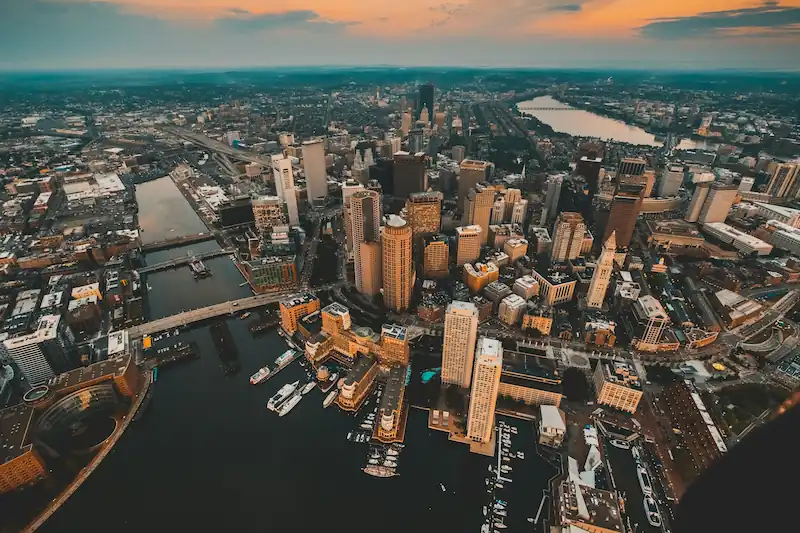
Use the Harborwalk for an outdoor Boston that feels less historic and more open – The waterfront is not a single attraction; it is a way to connect the aquarium area, Fort Point, and the Seaport with more air and less stop-start sightseeing. It is best in fair weather and especially good when you want a lighter day. (Best for: good-weather flexibility)
Browse Newbury Street without pretending it is a major attraction – Newbury Street is useful when you want café time, retail browsing, and a polished Back Bay walk between larger activities. It is not a top-tier reason to come to Boston, but it fits naturally into a slower city day. (Only if you have time · Best for: lighter urban wandering)
Take a harbor cruise or seasonal whale watch for a different read on the city – On the right day, getting out on the water gives Boston scale and a cleaner visual logic than street-level sightseeing. Whale watches are more time-intensive and seasonal; shorter harbor cruises are easier to fold into a city break. (Best for: water-based perspective)Find tours & experiences
Go to Arnold Arboretum if you want Boston at its calmest and most local – This is one of the smartest choices for repeat visitors, spring trips, or anyone who wants green space with real substance rather than just a quick park loop. It feels meaningfully different from downtown Boston and gives the city a broader, less touristic profile. (Best for repeat visits · Best for: green space and slower pacing)
Use the Boston Harbor Islands as a real contrast day, not just a generic boat ride – The harbor islands are most useful when you want actual separation from the city rather than just a harbor glance. This works best in warmer months and for travelers staying long enough to want one outdoor experience that feels genuinely different from central Boston. (Only with time · Best for: summer and longer stays)
Go to Castle Island for a South Boston waterfront reset – Castle Island is one of the best local-feeling outdoor add-ons when you want harbor air, skyline context, a casual walk, and a less tourist-shaped rhythm. It is not a core first-day activity, but it works extremely well for families or repeat visitors in good weather. (Local favorite · Best for: waterfront walking and families)
Use East Boston or Piers Park for a skyline view with a different feel – East Boston gives a more local, across-the-water view back toward downtown. It is especially useful if you like skyline perspectives, ferry movement, or a lower-key waterfront scene that does not feel like the main visitor track. (Skyline angle · Best for: repeat visitors and photographers)
Spend time in the South End if restaurants, streets, and brownstones matter – The South End is not a checklist neighborhood, but it can be one of the most satisfying areas for food, streets, galleries, and slower local texture. It is best used as a lunch, dinner, or Sunday market layer rather than a sightseeing mission. (Local texture · Best for: food, design, and brownstone streets)
Use SoWa or a seasonal market when dates line up – Markets and design events can add a more contemporary neighborhood layer to Boston. They are date-dependent, so this is not a universal must-do, but it can make a weekend feel more local and less museum-driven. (Seasonal · Best for: weekend markets and design browsing)
Food-led things to do in Boston that actually add to the trip
Boston is rarely a pure food pilgrimage city, but food matters more here than many first-time visitors expect. The best approach is neighborhood-led: Italian classics in the North End, seafood and market logic around the waterfront, bakeries and cafés in Back Bay or Cambridge, and stronger restaurant neighborhoods such as the South End or Seaport when you want the evening to carry the day.
Treat the North End as an evening neighborhood, not just a cannoli errand – The North End works best when you arrive hungry and stay long enough for the streets to take over. Pasta, pastry, espresso, and a slow walk after dinner make more sense here than a rushed midday stop between landmarks. (Worth it · Best for: food-first evenings)Find tours & experiences
Do a seafood-focused waterfront meal instead of defaulting to Quincy Market – Quincy Market is useful for foot traffic and convenience, but it is rarely the strongest food memory of a Boston trip. For a more satisfying version of Boston eating, aim for oysters, chowder, lobster roll, or other seafood in the waterfront orbit with a clearer sense of place. (High payoff · Best for: Boston-specific food choices)
Use Boston Public Market for a compact taste of regional producers – This is one of the easiest ways to build a casual food stop into a sightseeing day. It works well for lunch, snacking, or breaking up downtown walking without committing to a full restaurant sit-down. (Best for: casual lunch and local products)
Use Quincy Market for convenience, people-watching, and easy downtown snacking – Quincy Market is worth understanding correctly. It is not where you go for Boston’s most distinctive meal, but it is useful when you want a central, high-energy, low-friction food break in the middle of a downtown sightseeing day. (Best for: easy downtown food logistics)
Build a café-and-bakery pause into Beacon Hill, Back Bay, or Cambridge – Boston is better when you allow for pause points. Instead of treating coffee as a utility stop, use it to reset between walking districts, especially on colder days or when the city starts to feel too programmatic. (Best for: slower urban rhythm)
Take a focused food tour only if you want neighborhood storytelling with the meal – A guided food experience can be worthwhile in Boston, especially in the North End, but only when you want context as much as eating. If your main goal is simply to have a strong dinner, you are usually better off booking a restaurant directly. (Only if you have time · Best for: guided neighborhood food context)Find tours & experiences
Use the South End for a more restaurant-led Boston evening – The South End can be a stronger dinner area than many visitors expect, especially if you want brownstone streets, smaller restaurants, and a less tourist-heavy atmosphere than the North End. It is best for travelers who want a more local-feeling food night. (Smart choice · Best for: restaurant-led evenings)
Let Seaport work when you want modern dining and waterfront energy – Seaport is not old Boston, but that is part of its value. It works well for a contemporary dinner, drinks, ICA pairing, or waterfront evening when you want the trip to feel less heritage-heavy. (Modern Boston · Best for: waterfront dining and drinks)
Build one lobster roll, chowder, or oyster stop into the plan rather than chasing every classic – Boston food clichés are useful only when they fit the day. Pick one seafood moment that actually works with your route instead of turning chowder, lobster rolls, oysters, cannoli, and market snacks into a forced checklist. (Classic food · Best for: seafood-first visitors)
Best things to do in Boston for first-time visitors
For a first trip, Boston is strongest when you combine history, one neighborhood with real character, and one experience that feels specific to the city rather than generic sightseeing. The core mistake is trying to make every historic stop, museum, food stop, and waterfront idea equally important.
Start with the Freedom Trail, but do not force every stop if your energy drops.
Pair Beacon Hill, Boston Common, and the Public Garden on the same walk.
Choose one major indoor anchor: Gardner Museum, MFA, Aquarium, Museum of Science, Boston Tea Party Ships & Museum, or Fenway tour depending on your taste.
Keep one waterfront or harbor component if the weather is good.
Reserve one evening for the North End rather than ending every day near your hotel.
Add Cambridge only if you have at least a solid second day.
Use View Boston only if a skyline orientation point matters to you; it is useful but not mandatory.
Do not try to fit Fenway, Cambridge, the Seaport, the MFA, and Charlestown into a single day.
Priority
Best choices
Why it works
Essential first picks
Freedom Trail, Beacon Hill, Public Garden, North End
They explain the city quickly and keep movement compact.
Strong add-on
Fenway, Gardner Museum, Aquarium, View Boston, Boston Tea Party Ships & Museum
Each adds a different layer without scattering the trip too much.
Only with more time
Cambridge, harbor cruise, Black Heritage Trail, USS Constitution, Arnold Arboretum
They widen the trip after the core has landed.
Free things to do in Boston that are genuinely worth doing
Boston has better free options than many travelers expect. The key is to choose experiences that still feel substantial, not just budget fillers.
Walk Boston Common and the Public Garden.
Explore Beacon Hill’s streets and Louisburg Square area from the outside.
Follow all or part of the Freedom Trail on your own.
Walk Harvard Yard and pair it with free admission at Harvard Art Museums.
Use the Harborwalk for waterfront time without buying a ticket.
Visit the Boston Public Library and Copley Square.
Walk the Black Heritage Trail on a self-guided basis.
Go to Arnold Arboretum if you want a stronger green-space option.
Use Castle Island or the Charles River Esplanade for a local-feeling outdoor reset.
Check free museum windows, seasonal concerts, and public programming if your dates are flexible.
Free type
Best choices
Best for
Outdoor free option
Public Garden, Beacon Hill, Harborwalk, Arnold Arboretum, Esplanade, Castle Island
Walking, views, and low-friction atmosphere
History free option
Self-guided Freedom Trail, Black Heritage Trail, Harvard Yard
Context without ticket pressure
Cultural free option
Harvard Art Museums, Boston Public Library, selected free museum windows
Rain, budget travel, and quieter cultural time
Unique things to do in Boston beyond the obvious checklist
Boston is not a city of novelty for novelty’s sake. Its more unusual experiences tend to come from format, atmosphere, and layers of history rather than spectacle alone.
Choose the Gardner Museum over a standard big-museum visit if you want something more singular.
Walk the Black Heritage Trail for a deeper and less generic historical read on Boston.
Use the Boston Public Library as an architecture-and-civic-culture stop, not just a building you pass.
End the Freedom Trail in Charlestown instead of abandoning it in the North End.
Take a harbor-based outing or harbor islands day to see the city from the water rather than only from street level.
Ride the Swan Boats in season if you want a classic Boston ritual that still feels distinctively local.
Pair contemporary art at the ICA with the Seaport instead of staying entirely in old Boston.
Visit the Mapparium if you want a short, unusual indoor experience.
Use Castle Island or East Boston for a more local waterfront angle.
Add the Boston Athenaeum or JFK Library if your interests lean literary, civic, or political.
Things to do in Boston at night
Boston is not a late-night city in the same way as New York or Chicago, so the evening strategy matters. Focus on neighborhoods and experiences with atmosphere rather than expecting endless nightlife spread across the whole city.
Have dinner and dessert in the North End.
Catch a Red Sox game or evening event around Fenway when in season.
Do an evening harbor or waterfront walk in good weather.
Use the Seaport for drinks and a more contemporary waterfront feel.
Time the ICA or View Boston for later-day hours when available.
Book a concert, comedy show, theatre night, or performance if culture matters more to you than bar-hopping.
Use Back Bay for a polished dinner-and-walk evening rather than high-energy nightlife.
Choose the South End for a more local restaurant evening.
Keep late-night expectations realistic: Boston evenings are best with one strong anchor, not open-ended drifting.
Night style
Best area
Best for
Dinner atmosphere
North End or South End
Food-led evenings
Modern waterfront
Seaport
Drinks, ICA pairing, harbor views
Classic event
Fenway
Baseball, concerts, game-night energy
Refined walk
Back Bay and Copley
Couples and lower-key evenings
Things to do in Boston with kids
Boston works well with children when you keep movement varied and avoid overloading on static history. Interactive stops and open-air resets matter more than trying to teach the whole American Revolution in one day.
Choose the Boston Tea Party Ships & Museum for active, story-led history.
Use the New England Aquarium for a reliable family indoor anchor.
Choose the Museum of Science if your family wants a more hands-on indoor option.
Take the Swan Boats in season or spend easy time in the Public Garden.
Do a shorter Freedom Trail segment rather than the full route.
Pick a Fenway tour if sports interest is present.
Use a harbor cruise or Duck Tour if you want sightseeing with easier pacing.
Add Castle Island or the Esplanade when children need open-air movement.
Choose one major indoor attraction per day rather than stacking Aquarium, Museum of Science, and Tea Party together.
Family need
Best pick
Watch out
Active history
Boston Tea Party Ships & Museum
Can feel theatrical for travelers wanting deeper history
Weather-proof family time
New England Aquarium or Museum of Science
Book busy dates and avoid combining both on one short day
Outdoor reset
Public Garden, Swan Boats, Common, Esplanade, Castle Island
Weather and walking tolerance matter
Sightseeing with less walking
Harbor cruise or Duck Tour
Book ahead in high season
Things to do in Boston when it rains
Boston is easy to rescue on a rainy day because many of its best indoor experiences are genuinely strong, not fallback options. The smartest move is to choose one major indoor anchor and build the rest of the day around food, libraries, markets, or shorter transfers.
Go to the Gardner Museum if you want atmosphere and beauty.
Choose the MFA if you want a substantial half-day indoors.
Use the ICA if you prefer contemporary art and a shorter visit.
Visit the New England Aquarium for a family-friendly indoor block.
Choose the Museum of Science for hands-on exhibits and stronger family appeal.
Take a Fenway Park tour if you want something structured and weather-proof.
Use the Boston Public Library as a quieter rainy-day culture stop.
Add Boston Public Market, a North End meal, or a South End dinner to keep the day from feeling entirely museum-based.
Use the Mapparium for a short, unusual indoor add-on.
Do not force the full Freedom Trail in heavy rain; choose a compact historic segment and one indoor anchor instead.
Rainy Day need
Best pick
Time needed
Art and atmosphere
Gardner Museum or MFA
2 to 3.5 hours
Family indoor anchor
Aquarium or Museum of Science
2 to 4 hours
Short indoor history
Boston Tea Party Ships & Museum or Fenway tour
1 to 1.5 hours
Calm architecture stop
Boston Public Library or Mapparium
45 to 90 minutes
Things to do in Boston in winter
Winter Boston works best when you accept that the city becomes more compact, indoor, and food-led. The historical core is still walkable in short bursts, but the strongest winter plans rely on museums, libraries, performances, markets, and warm neighborhood meals.
Use the Gardner Museum, MFA, ICA, Aquarium, or Museum of Science as the day’s anchor.
Walk a shorter Freedom Trail section instead of the full route.
Use Boston Public Library, Copley Square, and Back Bay as a lower-friction winter cluster.
Build one proper North End or South End meal into the day.
Use View Boston if skies are clear and you want an indoor viewpoint.
Save long harbor, island, and arboretum plans for better weather unless you actively want a cold-weather walk.
Check performance calendars because winter evenings are often stronger indoors than outdoors.
Winter style
Best choices
Why it works
Culture-first
Gardner, MFA, ICA, BPL
High-value indoor time
Family day
Aquarium, Museum of Science, Tea Party Museum
Structured and weather-proof
Food-led
North End, South End, Boston Public Market
Warm stops and short transfers
Things to do in Boston for couples
Boston works well for couples when the day avoids checklist pressure and leans into atmosphere: Beacon Hill streets, museum interiors, waterfront light, North End evenings, and selective culture.
Pair Beacon Hill, the Public Garden, and a Back Bay walk for a romantic low-pressure sequence.
Choose the Gardner Museum over a larger museum if atmosphere matters most.
Use the North End, South End, or Seaport for a dinner-led evening.
Take a harbor cruise or waterfront walk in good weather.
Use View Boston at sunset if you want a polished skyline moment.
Build in a café, bakery, or library pause instead of filling every hour with attractions.
Mood
Best plan
Best season
Classic and atmospheric
Beacon Hill + Public Garden + North End dinner
Spring, summer, autumn
Cultural
Gardner Museum + Back Bay or Fenway dinner
Any season
Waterfront
ICA + Harborwalk + Seaport drinks
Good-weather months
Things to do in Boston for students, campus visitors, and academic trips
Boston’s university layer is one of the main reasons the city feels different from other U.S. short-break destinations. Use it intentionally rather than treating Harvard as the only campus photo stop.
Walk Harvard Yard and Harvard Square for the easiest campus-led half-day.
Add Harvard Art Museums for a free, high-value cultural stop.
Use MIT and Kendall Square if science, technology, or innovation districts interest you.
Combine Cambridge with bookstores, cafés, and river time rather than rushing back downtown.
Keep campus visits separate from the densest Freedom Trail day if you want them to register.
Use Boston Public Library and the Boston Athenaeum for a broader literary/intellectual layer.
Campus angle
Best choice
Best for
Classic
Harvard Yard and Harvard Square
First-time Cambridge visitors
Art and culture
Harvard Art Museums
Free museum value
Science and innovation
MIT and Kendall Square
Students and repeat visitors
Things to do in Boston by area
Downtown and the Freedom Trail core
This is the highest-density sightseeing zone and the obvious starting point for a first visit. It works best for history, orientation, and classic Boston images, but can feel over-programmed if you stay here all day.
Freedom Trail starting section
Boston Common and Public Garden edge
Old State House and historic sites
Faneuil Hall and Quincy Market access
Boston Public Market nearby
Best for first-day structure
Beacon Hill and Back Bay
This is where Boston feels elegant, walkable, and residential in the best sense. Come here for street-level atmosphere, architecture, shopping, café pauses, libraries, and one of the city’s strongest non-museum walks.
Beacon Hill streets and brownstones
Black Heritage Trail
Public Garden and Commonwealth Avenue links
Boston Public Library and Copley Square
Newbury Street browsing
Charles River Esplanade access
View Boston nearby
North End and Charlestown
This is the strongest food-and-history combination in Boston. It works especially well when you let the area shift from daytime sightseeing into an evening neighborhood rather than treating it as two separate errands.
North End dining and pastry stops
Old North Church area
Freedom Trail continuation
USS Constitution and Navy Yard
Bunker Hill Monument
Best for a history-to-dinner sequence
Fenway and the museums
Fenway is much more than the ballpark. It is one of Boston’s best multi-purpose zones if you want sports, serious museum time, and a slightly less touristic feel than the historic core.
Fenway Park tours and games
Isabella Stewart Gardner Museum
Museum of Fine Arts
Mapparium nearby
Good option in mixed weather
Best for second-day planning
Waterfront, Fort Point, and Seaport
This part of Boston gives you more sky, more water, and a more contemporary urban read. It is useful when you want to loosen the trip’s rhythm after a historic first day.
Harborwalk segments
New England Aquarium area
Boston Tea Party Ships & Museum
ICA and Seaport dining
Boat trips and harbor views
Boston Harbor Islands departures in season
Cambridge
Cambridge is the easiest and most rewarding way to widen a Boston trip. It feels adjacent rather than secondary, and it adds campus atmosphere, better browsing, strong cultural value, and a looser neighborhood rhythm.
Harvard Yard
Harvard Art Museums
Bookstores and cafés
MIT and Kendall Square if interests fit
Charles River access
Best with at least 2 days in the city
South End
The South End is best for food, brownstone streets, galleries, and a more local evening. It is not where you go for headline Boston sightseeing, but it is one of the better areas for making the trip feel less tourist-shaped.
Restaurant-led evenings
Brownstone streets
SoWa market and design events when active
Cafés and neighborhood walking
Good for repeat visitors and food-focused travelers
Jamaica Plain and the Emerald Necklace
This is the green-space layer of Boston that most first-timers skip. It works best for repeat visitors, longer stays, spring or autumn trips, and travelers who want the city to feel calmer and more residential.
Arnold Arboretum
Jamaica Pond
Emerald Necklace walking logic
Local cafés and slower rhythm
Best for green-space resets
South Boston and East Boston waterfronts
These areas help Boston feel less centered on the old core. They are most useful for skyline views, harbor air, casual walking, and a more local waterfront angle.
Castle Island
Piers Park skyline views
Harbor ferries when useful
Good-weather family walks
Best for repeat visitors or longer stays
What to prioritize based on your time
Boston becomes much better when you accept trade-offs early. The city is compact, but trying to do every cluster in one trip usually flattens the experience.
Profile
Prioritize
Skip
Structure
Half day
Freedom Trail core, Beacon Hill, Public Garden
Cambridge, big museums, long harbor outings, Fenway, Seaport detours
Use one compact historic walk and one atmospheric neighborhood layer.
1 day
Freedom Trail, Beacon Hill, North End, one add-on like Fenway, Gardner, Aquarium, Tea Party Museum, or View Boston
Trying to fit MFA, Cambridge, Seaport, Charlestown, and a harbor cruise all together
History in the morning, neighborhood food in late afternoon or evening, one strong indoor or iconic add-on.
2 days
Historic core plus one major museum or Fenway, then Cambridge or waterfront
Overloading on every museum or pushing day trips too early
Dedicate day one to classic Boston, day two to either culture and Fenway or Cambridge and the harbor.
3 days
Historic Boston, one art track, one harbor or Cambridge track, plus stronger food time
Museum stacking and treating every famous attraction as mandatory
Spread the city by mood: historic, cultural, local, then water or Cambridge.
4 days+
Add Black Heritage Trail, South End, Arnold Arboretum, Castle Island, JFK Library, or a carefully chosen day trip
Repeating the same downtown loops or adding day trips before Boston has depth
Use extra time for contrast: neighborhoods, green space, water, and broader history.
First trip
Freedom Trail, Beacon Hill, North End, one signature indoor stop, and one waterfront or Cambridge layer
Too many optional neighborhoods and specialized institutions
Build around Boston’s clearest identity before moving toward specialized interests.
Family trip
Tea Party Museum, Aquarium, Museum of Science, Public Garden, Duck Tour, short Freedom Trail segments
Long static historical walks and more than one major indoor attraction per day
Alternate interactive indoor stops with outdoor resets.
Culture-first trip
Gardner Museum, MFA, BPL, Harvard Art Museums, ICA, Black Heritage Trail
Treating Fenway, markets, or viewpoints as mandatory if culture is the point
Choose one major culture anchor per day and pair it with a walkable neighborhood.
Food-focused trip
North End, seafood, Boston Public Market, South End, Cambridge cafés, Seaport if you want modern waterfront dining
Quincy Market as your main food experience
Use food as neighborhood structure, not just scattered bites.
Repeat visit
Cambridge, ICA, Black Heritage Trail, Arnold Arboretum, Castle Island, South End, East Boston, JFK Library
Re-doing every landmark out of habit
Let the city become looser, more local, and more taste-driven.
Best day trips from Boston
Day trips make sense from Boston because New England variety arrives fast. They should remain an extension of the city stay, though, not a replacement for Boston’s core experiences on a short first visit.
Excursion
Best for
Time needed
First trip?
Transport
Book ahead
Salem
history with a darker narrative and an easy first extension
5 to 8 hours
Yes, if you have at least 3 days total
Train or ferry in season
Recommended in October and on weekends Check options
Concord and Lexington
Revolutionary and literary history without a heavy logistics day
coastal villages, seafood, beaches, and a gentler North Shore contrast
Full day
Better with 4 days or repeat visits
Commuter rail or car depending on stops
Useful for summer weekends and restaurant plans
Plymouth
early colonial history and a simpler heritage day outside Boston
Full day
Only if the historical theme is central to the trip
Car is easiest; limited public transport options require planning
Useful for museums or guided experiences Check options
Blue Hills Reservation
nearby nature, easy hikes, and skyline views when you want a low-effort escape
Half day to full day
Usually no on a short first trip
Car or ride-hailing is easiest
No
Smart activity combinations that work well together
These are not itineraries; they are pairings and clusters that make sense in real time.
Freedom Trail + North End dinner – This is the most natural Boston combination for first-timers. The history gives the day a backbone, and the North End lets the city shift from educational to pleasurable without a forced transition.
Beacon Hill + Public Garden + Black Heritage Trail – This keeps the walk compact but makes the historical frame broader than the standard red-brick trail. It is one of the best ways to make central Boston feel atmospheric and substantial at the same time.
Beacon Hill + Public Garden + Newbury Street + Charles River – This combination works when you want Boston to feel elegant and walkable rather than purely historical. It suits a lighter day, especially in good weather, and leaves room for a proper dinner afterward.
Fenway Park + Gardner Museum – This is one of Boston’s best mixed-interest pairings. You get one iconic city symbol and one deeply atmospheric cultural stop, which keeps the day varied without scattering across the city.
MFA + Gardner Museum only if art is the whole point – The two museums sit close enough to combine, but it is a heavy cultural day. It works for art-focused travelers; most first-timers should pick one and leave space for a different city layer.
Cambridge + Harvard Art Museums + café time – This is a smart second- or third-day combination for travelers who want Boston to open up beyond downtown. It works particularly well if you enjoy books, architecture, campuses, and slower neighborhood pacing.
ICA + Harborwalk + Seaport dinner – This combination gives you a more contemporary Boston. It is especially effective in late afternoon and evening, when the water, skyline, and dining scene start to carry the experience.
Copley Square + Boston Public Library + Newbury Street – This is one of the cleanest Back Bay combinations when you want architecture, a calmer cultural stop, and polished city wandering without committing to a major museum block.
Aquarium + Harborwalk + waterfront seafood – This works well for families, mixed-interest groups, or travelers trying to build a lighter waterfront day with less dense historical content.
Tea Party Museum + Fort Point + Seaport – This is the best way to make interactive history flow into a more modern waterfront afternoon. It keeps transfers short and gives the day a clear change in mood.
Arnold Arboretum + Jamaica Plain lunch – This works best on a longer stay or repeat visit when you want a calmer, greener Boston that is not shaped by museums or historic plaques.
Castle Island + South Boston waterfront – This is a simple good-weather local layer for families, repeat visitors, or travelers who want harbor air without committing to a cruise.
What to book ahead in Boston, and what you can leave flexible
Boston does not require extreme pre-booking across the board, but a few experiences are much better with timed planning. The rest can stay flexible, which is one of the city’s advantages.
Book transport, tours, and restaurants much earlier than you would for normal day trips
Often yes in peak season because logistics and crowds are the main friction
Boston Harbor Islands or Provincetown ferry Check options
Yes in season
Reserve ahead for summer weekends and limited departures
Tour or ferry depends on how independent you want the day to be
Popular restaurants in North End, South End, Seaport, or Cambridge
Recommended
Reserve several days ahead for weekend dinners; earlier for high-demand rooms
Not relevant unless you want a guided food tour
Boston activity FAQ
These answers are designed to resolve the most common Boston activity questions cleanly and quickly, from first-trip priorities to rainy-day planning, free attractions, museums, food, kids, seasons, and day trips.
What are the best things to do in Boston on a first trip?
Start with the Freedom Trail, Beacon Hill, Boston Common and the Public Garden, then add either Fenway Park, the Gardner Museum, the Aquarium, View Boston, or a North End evening. That gives you history, atmosphere, and one more personal layer without overloading the schedule.
How many days do you need for the best things to do in Boston?
Two days is enough for the strongest first-time version of Boston. Three days is better if you want to add Cambridge, a museum track, more food time, or a harbor component without rushing. Four days let you add a day trip or a more local layer such as Arnold Arboretum, Castle Island, or the South End.
Is the Freedom Trail worth doing?
Yes. It is still the most efficient way to understand Boston and one of the clearest answers to what is actually worth doing in the city. The mistake is trying to make every stop equally important; the best approach is to slow down around the sections that interest you most.
Should I do the full Freedom Trail?
Do the full trail if history is central to your trip or if you have enough time to continue into Charlestown. On a short stay, the downtown-to-North End section often gives the best return, while USS Constitution and Bunker Hill are better when you want a deeper ending rather than just completion.
What should I book ahead in Boston?
Book ahead for Red Sox games, Fenway tours, Boston Tea Party Ships & Museum, the New England Aquarium on busy dates, whale watches, Duck Tours, popular sunset slots at View Boston, and North End dinner reservations on weekends. Museums are easier, but advance timing still helps on peak dates.
What are the best free things to do in Boston?
The strongest free picks are the Public Garden and Common, Beacon Hill walking, a self-guided Freedom Trail, Harvard Yard, the Harborwalk, the Boston Public Library, Arnold Arboretum, Castle Island, the Black Heritage Trail, and Harvard Art Museums. These feel like real experiences, not just backup options.
What are the best things to do in Boston at night?
Boston works best at night through neighborhoods and event-based plans: dinner in the North End or South End, a game or concert around Fenway, Seaport drinks, Back Bay evenings, or a waterfront walk in good weather. It is less about all-night city energy and more about choosing the right evening zone.
What are the best things to do in Boston with kids?
The most reliable choices are the Boston Tea Party Ships & Museum, the New England Aquarium, the Museum of Science, the Public Garden and Swan Boats, shorter Freedom Trail segments, Duck Tours, harbor cruises, and Castle Island. Keep the day varied and avoid too much static history in one stretch.
What should I do in Boston when it rains?
Choose one strong indoor anchor such as the Gardner Museum, the MFA, the ICA, the Aquarium, the Museum of Science, the Boston Public Library, the Mapparium, or a Fenway tour. Then add a food stop or a short neighborhood segment instead of trying to force a normal outdoor sightseeing day.
Are day trips from Boston worth it?
Yes, but mainly once you have already given Boston enough time. Salem is the easiest first extension, Concord and Lexington work for history, Newport is better with a longer stay, and Provincetown or Cape Ann make more sense in good weather or summer.
What are the most unique things to do in Boston?
The most distinctive picks are the Gardner Museum, the Black Heritage Trail, the Boston Public Library, the Mapparium, the Swan Boats in season, a harbor-based outing, Castle Island, and a more contemporary waterfront pairing like the ICA plus Seaport.
Is Fenway Park worth visiting if I am not a baseball fan?
Often yes. Fenway is one of Boston’s strongest place-specific experiences because it carries history, architecture, ritual, and neighborhood atmosphere. A tour is easiest if you do not want to commit to a full game.
Which Boston museum should I choose?
Choose the Gardner Museum for atmosphere and personality, the MFA for range and scale, the ICA for contemporary art and waterfront context, the Museum of Science for hands-on family value, and the Aquarium for marine life and waterfront logistics. Most short trips need one or two, not all of them.
Is the Isabella Stewart Gardner Museum worth it?
Yes, especially if you want a museum that feels personal, atmospheric, and different from a standard large institution. It is one of Boston’s best cultural stops for travelers who care about interiors, mood, and distinctive collections.
Is the Museum of Fine Arts Boston worth it?
Yes if you want one serious art museum with breadth. It is a better choice than the Gardner if scale and range matter more than atmosphere, but it needs enough time to avoid feeling rushed.
Is the Boston Tea Party Ships & Museum worth it?
Yes for families, first-timers who want active history, and travelers who prefer immersive experiences to static plaques. It is more theatrical than scholarly, so it works best when that format appeals.
Is the New England Aquarium worth it?
Yes for families and rainy days, and it pairs naturally with the waterfront and Harborwalk. For adult-only short trips, it depends on whether you want a family-style indoor anchor or would rather spend the time on museums, neighborhoods, or food.
Is View Boston worth it?
View Boston is worth it if you like observation decks or want a quick visual orientation to Back Bay, the Charles, downtown, Cambridge, and the harbor. It is less essential if you already have a packed first-time itinerary.
What is better: North End or Seaport at night?
Choose the North End for classic Boston atmosphere, Italian food, pastries, and walkable historic streets. Choose Seaport for modern waterfront dining, drinks, contemporary design, and a less heritage-heavy evening.
Is Quincy Market worth visiting?
Yes as a short downtown energy stop, but not as your main food experience. It works well during a Freedom Trail day for convenience, people-watching, and snacking, while better food memories usually come from the North End, seafood spots, Boston Public Market, South End, or Cambridge.
What are the best food experiences in Boston?
The strongest food-led experiences are a North End evening, a seafood meal near the waterfront, Boston Public Market for a casual regional stop, a South End dinner, Cambridge cafés and bakeries, and one carefully chosen lobster roll, chowder, or oyster moment.
What are the best outdoor things to do in Boston?
Walk the Public Garden, Beacon Hill, the Charles River Esplanade, the Harborwalk, Castle Island, Arnold Arboretum, or Harvard Yard. In season, add Swan Boats, a harbor cruise, whale watch, Boston Harbor Islands, or a ferry-based outing.
What are the best things to do in Cambridge from Boston?
Start with Harvard Yard and Harvard Square, then add Harvard Art Museums, bookstores, cafés, and possibly MIT or Kendall Square if science, technology, or campus culture matters to you. Cambridge is best as a half-day, not a rushed photo stop.
What can I skip in Boston on a short trip?
Skip far-flung green spaces, long day trips, full museum stacking, and the full Freedom Trail to Charlestown if time is tight. Quincy Market, View Boston, and Duck Tours are useful but not mandatory for every traveler.
What are the best things to do in Boston in winter?
In winter, prioritize the Gardner Museum, MFA, ICA, Aquarium, Museum of Science, Boston Public Library, Mapparium, Fenway tour, North End dinner, South End restaurants, and short historic walks. Save long harbor or island plans for warmer weather unless you actively want a cold-weather walk.
What are the best things to do in Boston in summer?
Summer is best for the Harborwalk, Swan Boats, Fenway games, harbor cruises, whale watches, Boston Harbor Islands, Castle Island, patios, Seaport evenings, and longer park time. Book high-demand water and family activities ahead.
What are the best things to do in Boston in fall?
Fall is excellent for the Freedom Trail, Beacon Hill, the Public Garden, Arnold Arboretum, Cambridge, museum days, and Salem day trips. October Salem planning needs extra care because demand and crowds rise sharply.
Can you visit Boston without a car?
Yes. Most core activities are easier without a car, especially if you stay central and cluster your days by area. Use walking, transit, ferries, and occasional rideshares; rent a car only for specific day trips where it genuinely reduces friction.
What is the best Boston activity for couples?
For couples, the strongest plans are Beacon Hill plus the Public Garden, the Gardner Museum, a North End or South End dinner, a harbor walk, View Boston at sunset, or ICA plus Seaport drinks. Boston works best romantically when the day leaves space to wander.
What is the best Boston activity for repeat visitors?
Repeat visitors should look at the Black Heritage Trail, Boston Athenaeum, Mapparium, JFK Library, Arnold Arboretum, Castle Island, East Boston skyline views, South End dining, Cambridge beyond Harvard, and a more specialized day trip.
Boston is best when you choose a few strong layers well rather than trying to complete the city all at once.
Turn the right experiences into the right itinerary
Once you know what you want to do in Boston, the next step is turning those ideas into a trip that actually works day by day. Use the planner to organize the right mix of highlights, neighborhoods, and pace into a route that feels coherent, not crowded.