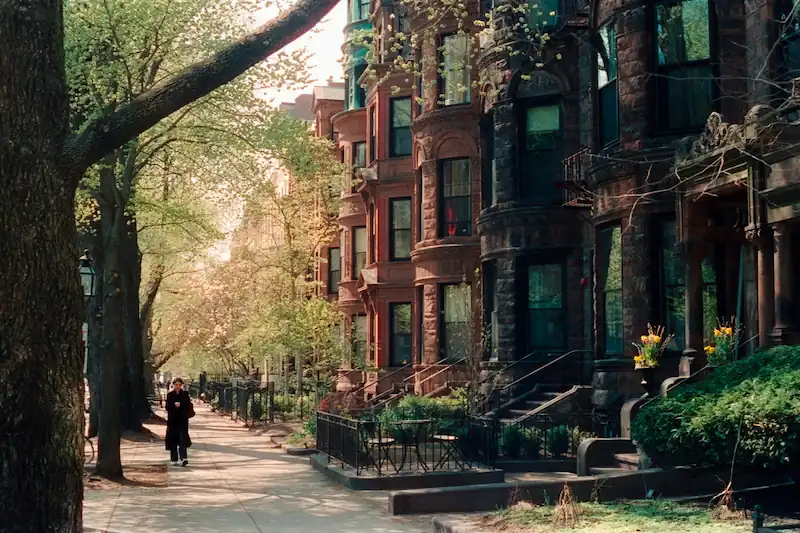
Where to stay in Boston
Find the best neighborhoods and hotels in Boston.
Open page →
Plan your trip to Boston, find the best areas to stay, and understand what is actually worth doing. Boston is compact, but not simple: old Revolutionary streets, Beacon Hill and Back Bay brownstones, the Charles River, the harbor, Fenway, museum districts, Cambridge, and newer waterfront development all sit close enough to tempt overpacking. The smartest trip is not a race through every marker; it is a structured city break that balances one historical spine, one elegant walking district, one serious cultural or family anchor, and one evening neighborhood with enough room for the city’s quieter texture.
Find the best neighborhoods and hotels in Boston.
Open page →

Prioritize the activities that deserve your time in Boston.
Open page →
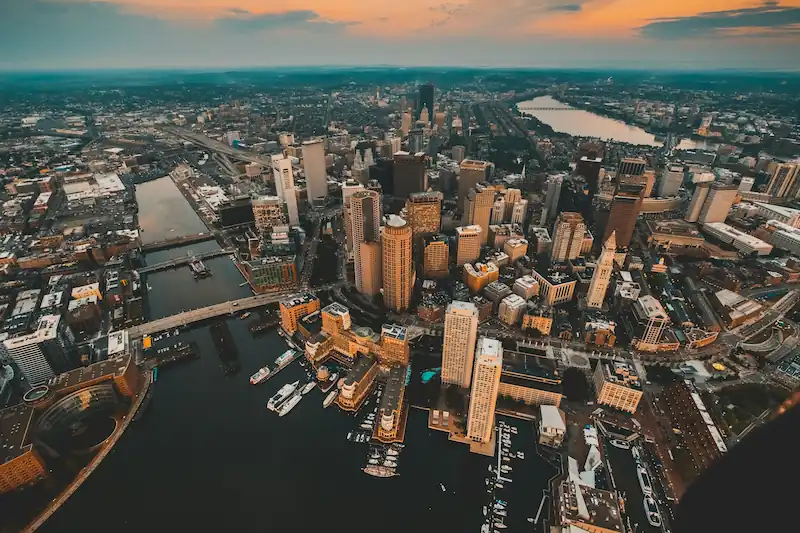
2 Days in Boston Itinerary: Best First-Time Weekend Plan
Open itinerary →

3 Days in Boston Itinerary: History, Museums & Cambridge
Open itinerary →
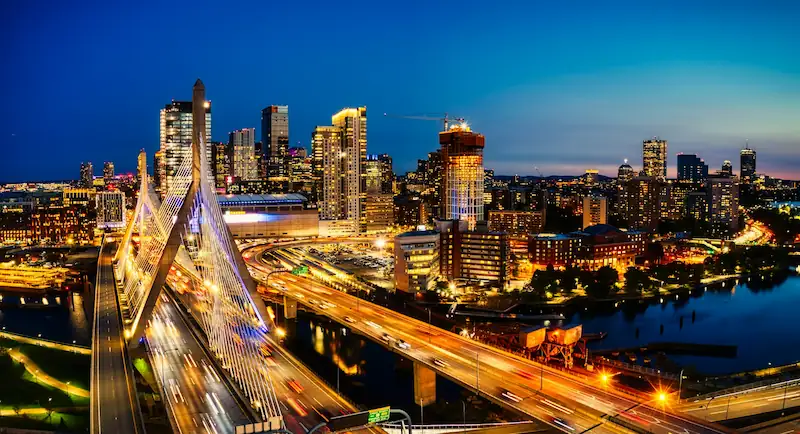
4 Days in Boston Itinerary: Culture, History & Cambridge
Open itinerary →
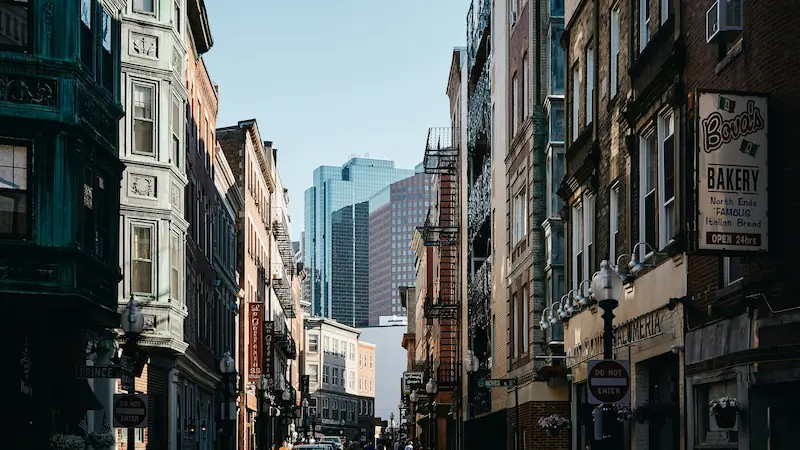
5 Days in Boston Itinerary: Deeper Neighborhoods & Museums
Open itinerary →
Boston is a compact major city where the map looks easier than the trip can feel. Its strength is density: the Freedom Trail, Beacon Hill, Back Bay, the North End, Seaport, Fenway, and Cambridge all offer different versions of the city within short distances, but each has its own rhythm. The best Boston trip is built by district logic and time of day rather than by attraction accumulation.
Boston is worth visiting because it compresses American history, walkable neighborhoods, major museums, university atmosphere, waterfront movement, family-friendly anchors, and strong food moments into a city that can be read in a few days. It is especially satisfying when you let contrasts do the work: brick lanes after glassy harbor edges, civic interiors after parks, a museum afternoon after a historic morning, or a North End or South End dinner after a structured day.
Best time: May to June and September to October for the strongest balance of walkability, daylight, parks, river or harbor time, and manageable city rhythm
Ideal trip length: 3 days for a strong first visit; 5 days if museums, Cambridge, family attractions, waterfront time, or a side trip matter
Boston is one of the more expensive U.S. city breaks, especially for hotels in Back Bay, Beacon Hill, Seaport, and high-demand central locations. Rates can move sharply around university calendars, fall weekends, conventions, graduation periods, sports dates, and major events. The best value is rarely the cheapest room; it is a base that prevents avoidable crossings and keeps your strongest days walkable.
Boston works as a set of adjoining but distinct urban chapters rather than a single continuous center. The colonial core around Downtown, the North End, and Beacon Hill carries the tightest historical texture; Back Bay and the South End open into broader residential and commercial streets; Seaport feels newer, more vertical, and more self-contained. The city makes more sense once you stop expecting one downtown and start reading it as several linked districts with different tempos.
Water shapes Boston as much as history does. The harbor edge, the Charles River, and land reclaimed over time all help explain why the street pattern shifts so abruptly from older, tighter sections to broader avenues and planned blocks. Even when distances seem short, bridges, shoreline edges, and indirect street lines subtly stretch movement, especially once daylight begins to flatten across the river and waterfront.
Boston opens well in the morning, particularly in the historic core before tour traffic thickens and in Back Bay before shopping and office flow fill the streets. Midday tends to concentrate pressure around Freedom Trail sites, Quincy Market, the Aquarium area, and key museum windows. Evenings split cleanly: some areas quiet early, while the North End, Seaport, Fenway, and parts of the South End hold more social energy after dark.
Think of Boston as five overlapping readings of the same city: the historic spine, the elegant residential-and-civic west, the museum-and-sports corridor, the harbor and Seaport layer, and the academic extension across the Charles. A first visit becomes clearer when you group places by urban texture and timing, not by trying to complete every famous name. Once that clicks, Boston feels less like scattered highlights and more like a compact sequence of districts.
Open the planner
Build at least one full day around the historic core, linking Downtown, the Freedom Trail spine, Beacon Hill, and the North End rather than dipping in and out of them. Keep Back Bay, the Public Garden, Newbury Street, Copley Square, the Boston Public Library, and nearby cultural stops in the same day because they share a cleaner walking rhythm than the older center. Treat museum time as its own planning layer: Boston improves when one major museum, civic interior, or family anchor structures a day instead of competing with too many historic sites. Use Seaport selectively, either as a waterfront counterpoint to the old city or as an evening zone, not as something to force into every first-time itinerary. If Fenway matters, pair it with the Museum of Fine Arts, Isabella Stewart Gardner Museum, or the Back Bay edge rather than with the waterfront. For family stays, let the New England Aquarium, Boston Children’s Museum, or Museum of Science become genuine day anchors rather than quick fillers around the Freedom Trail. For stays of four nights or more, expand beyond the core into Cambridge, Arnold Arboretum, Castle Island, or a day trip instead of padding the same central streets. Use food strategically: North End for historic evening atmosphere, South End for a more local dinner rhythm, Seaport for contemporary waterfront polish, and Boston Public Market for practical daytime food. Leave room for neighborhood drift in at least one afternoon, because Boston explains itself as much through transitions between districts as through headline monuments.
Vibe: polished classic Boston
Why go: This is the most balanced first-time base if you want elegant streets, strong hotel stock, easy walking, Back Bay architecture, and quick reach to both historic and cultural Boston.
Who it fits: first-time visitors, couples, shoppers, short-stay travelers, museum-and-library planners, travelers who want the least friction
Not for: travelers seeking late-night local texture or lower hotel costs
Where to stay: Back Bay is the easiest all-rounder because it combines recognizability with real practicality. You are not sleeping inside the oldest part of the city, but you gain smoother movement, better hotel choice, Copley Square and Newbury Street access, and a more comfortable day-to-day rhythm.
Vibe: historic residential intimacy
Why go: Stay here if you want Boston’s most atmospheric historic setting, easy access to the Common, Charles Street, the State House, and a natural link into both the Freedom Trail and Black Heritage Trail logic.
Who it fits: repeat visitors, couples, slow walkers, travelers prioritizing historic atmosphere
Not for: travelers needing modern hotel choice, larger rooms, or easiest ride-hailing access
Where to stay: Beacon Hill feels like the most distilled version of old Boston. It is less practical than Back Bay for hotel variety and mobility, but far stronger if the point of the trip is to wake up inside the city’s historic fabric rather than commute into it.
Vibe: dense historic food quarter
Why go: The North End suits travelers who want dinner energy, old-street texture, quick access to the Freedom Trail zone, and a historic-food neighborhood that still works after daytime sightseeing ends.
Who it fits: food-led travelers, short-break visitors, walkers who want evening life outside the hotel door
Not for: light sleepers, drivers, or travelers wanting broad hotel inventory
Where to stay: This is one of Boston’s most enjoyable evening bases, especially if meals and old-city atmosphere matter more than room size or hotel breadth. It works best for travelers happy to trade some calm and modern convenience for density, food, and character.
Vibe: modern waterfront convenience
Why go: Choose Seaport for newer hotels, harbor views, Fort Point access, ICA and waterfront dining, and a cleaner contemporary base than the older core offers.
Who it fits: business-leisure travelers, modern hotel seekers, travelers who like polished waterfront districts
Not for: those wanting classic historic Boston, brownstone streets, or the easiest walking access to the Freedom Trail outside the hotel door
Where to stay: Seaport is comfortable, efficient, and strong for evenings, but it is not the best base if your trip is primarily about Boston’s older texture. It works best when hotel quality, waterfront dining, convention access, and contemporary Boston matter as much as proximity to colonial-era streets.
Vibe: residential, design-conscious, food-led
Why go: The South End is a strong choice if you want a more local-feeling base with excellent dining, Victorian brownstones, galleries, and handsome streets rather than heavy tourist density.
Who it fits: return visitors, longer stays, couples, restaurant-led travelers, visitors prioritizing neighborhood texture
Not for: travelers who want to be closest to the main historic sights
Where to stay: This is one of Boston’s smartest bases for travelers who do not need to sleep inside the most obvious center. It feels more lived-in than Back Bay and often more rewarding at street level, especially once evening tables begin to fill along the main restaurant corridors.
Vibe: sports-and-culture corridor
Why go: Fenway-Kenmore works well if baseball, concerts, student energy, Longwood museums, the MFA, and the Gardner Museum matter more than classic postcard Boston.
Who it fits: Red Sox travelers, concert-led stays, younger visitors, museum add-on planners, students and university visitors
Not for: travelers seeking the quietest nights or the strongest historic setting
Where to stay: Fenway-Kenmore is more specialized than the other recommended bases, but it can be very effective if your trip already revolves around Fenway Park or the nearby museum cluster. It feels less quintessentially Boston than Back Bay or Beacon Hill, yet can structure a very efficient niche stay.
Boston reveals itself best through layers rather than volume: foundational history first, then neighborhood texture, then the museums, civic interiors, family attractions, waterfront, and food scenes that stop the city from becoming a purely heritage trip. The most rewarding stays alternate old-core density with places where the air opens up and the pace loosens.
Planning tip: Anchor each day around one district spine or one major museum, and reserve guided experiences mainly for the history-heavy sites where interpretation genuinely changes the visit. If you are traveling with children, treat the Aquarium, Children’s Museum, or Museum of Science as full anchors rather than quick add-ons.
The Freedom Trail is still the clearest first read of Boston, but it only works well when treated as a sequence of neighborhoods and interiors rather than a box-ticking route. The value comes from seeing how civic squares, burial grounds, churches, and narrow streets connect into one historical landscape.
Tip: Start early and choose a shorter segment with selected interiors rather than forcing all sites in one push.
This is where Boston’s civic, residential, and visual identity comes together most clearly. The transition from open green space into tighter historic streets shows how compact the city is while also revealing how quickly its texture changes underfoot.
Tip: Do this in the morning or late afternoon, when the parks and brick streets read more clearly than at midday.
Check guided tours →
The North End is one of the best places to feel Boston after dark because it links old-street intimacy with genuine restaurant energy. It works best when approached as a neighborhood evening rather than a dessert stop appended to a rushed day.
Tip: Book dinner on busy weekends and walk a few side streets before choosing where to linger.
Check guided tours →
Boston improves when you let the harbor reset the city between denser historical zones. The waterfront is less about headline monument value than about giving the trip air, wider sightlines, and a different urban tempo.
Tip: Use this after a history-heavy morning rather than trying to pair it with too many indoor stops.
Check guided tours →
Fenway matters even for many non-fans because it expresses a different side of Boston: loyal, local, compressed, and socially charged. The district is most convincing when folded into a broader museum or Back Bay day rather than treated as a standalone trophy stop.
Tip: A tour adds more value outside game-day pressure than on the busiest event windows.
Cambridge is one of the most useful extensions of a Boston trip because it changes the tone without requiring real travel effort. The academic setting, river relationship, and different street culture widen the city story rather than distracting from it.
Tip: Save Cambridge for day four or later, once central Boston has already been properly read.
Check guided tours →
The Boston Tea Party Ships & Museum and Fort Point corridor are useful when the trip needs history to become more active, especially for families or travelers who struggle with static sites. It also helps connect old Boston to the contemporary waterfront without turning Seaport into a random add-on.
Tip: Use this as a bridge between a historic morning and a Seaport or Harborwalk afternoon, not as a rushed extra after the full Freedom Trail.
The Aquarium zone is one of the easiest ways to widen a Boston trip beyond old-street history without losing centrality. It works especially well for families, mixed-age groups, and travelers who want a harbor day that still feels urban rather than detached from the city.
Tip: Pair it with the Harborwalk or a short boat component rather than with a full historic-core overload.
Check tickets & experiences →
The MFA is one of Boston’s strongest cultural anchors and deserves focused time rather than being squeezed between other major stops. It gives the trip breadth and depth, especially if you want the city to feel more than historic and gastronomic.
Tip: Pick one or two collection strengths before arriving so the visit does not flatten into museum fatigue.
Check guided tours →
This museum adds a different kind of cultural intelligence to Boston: more intimate, more atmospheric, and less encyclopedic than the MFA. It works especially well when the trip needs a quieter register and a little more stillness in the middle of the day.
Tip: Do not overschedule before or after it; the museum lands best when you leave some mental space around it.
Check guided tours →
Boston becomes more accurate and more interesting when its Black history is read alongside its Revolutionary narrative. The Black Heritage Trail gives the city moral and civic complexity that many first-time itineraries otherwise miss.
Tip: A guided visit adds real interpretive value here in a way it does not for every historic stop.
The library is one of Boston’s best civic interiors and helps explain the city’s cultural self-image far better than a rushed photo stop suggests. It belongs naturally inside a Back Bay day where architecture, institutions, and street life reinforce each other.
Tip: Go mid-morning or late afternoon, when the building feels calmer and easier to absorb.
Check guided tours →
The ICA gives Boston one of its clearest breaks from brick-and-foundation identity. It works especially well when paired with Seaport or the Harborwalk and helps a longer stay feel broader than a sequence of historic and traditional cultural stops.
Tip: Do it on the same day as Seaport or waterfront time rather than crossing in and out from the historic core.
Check tickets & experiences →
The Museum of Science is not only for children. It is one of Boston’s most useful indoor anchors for mixed-interest groups, families, and rainy-day structure, especially when the trip needs a more interactive counterweight to static historic sites and fine-art museums.
Tip: Treat it as a real half-day rather than a stop you can casually tack onto another major district.
Check tickets & experiences →
Harvard gives Cambridge its classic academic image, but MIT and Kendall Square explain the modern innovation side of the Boston area. This is not essential on a short first trip, but it is a smart layer for travelers interested in universities, science, biotech, design, or the city’s current economic identity.
Tip: Add it only when Cambridge already has its own half-day; do not squeeze it between the Freedom Trail and a museum.
Check guided tours →
Newbury Street matters less for shopping itself than for reading Back Bay’s social rhythm at street level. It shows Boston at its most polished and sociable without losing the architectural continuity that makes the district coherent.
Tip: Walk it in the late morning or early evening rather than at the busiest midday retail peak.
Check guided tours →
The Esplanade is one of the best ways to let Boston breathe between denser districts. It adds horizon, water, and a slower cadence of movement that makes the rest of the city feel better balanced.
Tip: Use it at the end of a Back Bay day or before dinner rather than as a separate destination.
Check guided tours →
The South End shows Boston beyond its most photographed core. It is one of the city’s most useful neighborhoods for understanding everyday elegance, local dining culture, and how residential streets can still hold real urban energy once tables start filling outside.
Tip: Pair it with dinner rather than trying to turn it into a checklist of sights.
Check guided tours →
This area is unavoidable for many first-timers and does have urban-historical value, but it is best treated as a transit point or brief stop inside a larger downtown reading. Boston becomes flatter when too much time is spent here instead of in its stronger neighborhoods.
Tip: Pass through efficiently and protect time for Beacon Hill, the North End, or a museum instead.
Check guided tours →
Arnold Arboretum is one of the best ways to widen a Boston stay without turning it into a heavy excursion. It is especially useful on longer stays, in spring and early fall, or whenever the trip needs a more spacious, local-feeling layer beyond the usual center-city sequence.
Tip: Use it on day four or later, or as a weather-friendly alternative to forcing another dense sightseeing loop.
Check guided tours →
Seafood is an obvious Boston move, but the best meals land when they are anchored in a coherent part of the day and city rather than chased as obligation. Harbor-adjacent areas and strong central institutions both work, depending on whether you want view, tradition, or precision.
Tip: Book the stronger seafood tables early on weekends and avoid defaulting to the busiest tourist corridors.
Check food options →
The North End remains one of Boston’s strongest food neighborhoods when approached with enough time and selectivity. The point is the full evening rhythm of the area, not simply joining the most photographed line for dessert.
Tip: Reserve a table, then leave time to walk the surrounding streets before or after dinner.
Check food options →
Boston’s brunch culture can be useful in neighborhoods like the South End or Back Bay because it extends the feel of the district into the day. But it should support the city rhythm, not delay every morning start until the strongest walking hours are gone.
Tip: Use brunch on one slower day, not as the default structure for a short first-time stay.
Check food options →
Boston Public Market works well because it is both a practical lunch stop and a compact read on regional products. It fits naturally into a downtown or North End-adjacent day without demanding a full restaurant commitment.
Tip: Use it to break up a central day rather than replacing a stronger destination dinner neighborhood.
Check food options →
A strong Boston food trip should include at least one meal that reflects the city’s contemporary confidence rather than only its heritage image. Seaport and selected central dining rooms do this well when the itinerary needs a cleaner, more current register.
Tip: Use this on a harbor or museum day when the city already feels less tied to the Revolutionary core.
Boston expands quickly when every historic marker, museum, neighborhood, waterfront stop, and Cambridge extension is treated as equally important. A strong trip protects the experiences that explain the city first, then adds cultural, family, waterfront, or food depth according to the traveler profile.
Boston works well with children if the trip stays compact, varied, and anchored by the right indoor or outdoor reset. The city’s family strength is that parks, harbor edges, hands-on museums, sports atmosphere, and short landmark walks can be combined without turning every day into transport logistics. The main mistake is forcing too much static history before giving children something tactile, open, or playful.
Boston can be read quickly, but it rewards a little extra time because the city’s strongest version is not just historical highlights: it is the layering of neighborhoods, museums, civic interiors, and river or harbor pauses that make the whole trip feel coherent.
Open the planner →
Boston is easier to enjoy than to improvise. The city’s compact scale helps, but hotel pricing, older street patterns, district contrasts, event calendars, family anchors, museum timing, and weather all reward advance structure.
For most travelers, late spring and early fall are the sweet spots because Boston is fully walkable, visually strong, and balanced between parks, river, waterfront, museums, and neighborhood evenings. Summer works if you accept heavier midday fatigue and more tourist density around the historic core and waterfront. Winter can still be worthwhile for a museum-led, restaurant-led, or lower-pressure trip, but only if cold, wind, and shorter days are part of the plan.
Two full days is the minimum threshold at which Boston starts to make sense, but it will still feel selective. Three full days is where the city stops being a rush of historical markers and begins to feel like a place with neighborhoods and rhythm.
For a first trip, staying slightly west of the oldest core often works better than sleeping inside it. Back Bay is the safest all-round base, Beacon Hill is the strongest historic-atmosphere choice, North End is best for food-and-old-street evenings, Seaport suits newer hotels and waterfront polish, South End fits restaurant-led repeat visitors, and Fenway-Kenmore works when sports, concerts, or museums shape the stay. The best base is not the neighborhood with the most famous name; it is the one that makes your likely evenings and day anchors easier.
Boston Logan is the main entry point and unusually close to the city for a major U.S. airport. It connects easily to central Boston, and the airport-to-downtown transfer is one of the least burdensome among large American cities. If you are combining Boston with New York or Washington, rail can also make sense, especially once total airport overhead is factored in.
Boston is one of the more walkable U.S. major cities, but walkability should not be confused with straight-line efficiency. The old street pattern slows movement in the historic core, waterfront edges create indirect routes, and a poor hotel base can create repetitive crossings. Public transport and ride-hailing both work, but many itineraries improve simply by clustering adjacent districts and protecting one major anchor per day.
Boston is a generally safe and well-functioning city for visitors, with strong healthcare infrastructure and little need for alarmist planning. As in any major city, stay attentive around transport hubs, late-night nightlife spillover, and distracted-phone walking in busy central zones. In winter, the more practical safety issue is weather exposure and footing on older streets rather than conventional urban risk.
Boston changes meaningfully across the year because so much of the trip depends on walking comfort, daylight, university calendars, foliage, waterfront usability, and how much you want the city to open outward versus fold inward. Late spring is the safest first-time answer; early fall is visually sharp but often expensive and in demand; summer suits families and waterfront time; winter works better for repeat visitors, indoor-led itineraries, and lower-pressure city breaks than for a classic first reading.
Spring is one of the smartest times for a first Boston trip because the city becomes comfortably walkable again without feeling fully overextended. Parks, brownstone districts, library courtyards, river edges, Swan Boats, and greener extensions like Arnold Arboretum come back into the itinerary naturally. It suits travelers who want a balanced city break with history, outdoor movement, family-friendly flexibility, and one or two deeper cultural stops.
Summer gives Boston long days and its strongest harbor-and-river logic, which can make the city feel more open than usual. It is good for families, boat outings, baseball, Seaport evenings, Harborwalk sections, and relaxed restaurant nights, but less ideal for those chasing the calmest museum and historic-center experience. The best summer trips start early, protect shade or indoor time, and avoid forcing the full historic core at midday.
Autumn is arguably Boston’s most visually coherent season, when brick, stone, trees, campuses, and civic architecture read particularly well. It suits first-timers and repeat visitors alike, but hotel demand can be intense around fall weekends, university events, and peak color periods. The strongest autumn trips book hotels early and use crisp walking weather for Beacon Hill, Back Bay, Cambridge, and the river.
Winter changes Boston from a layered walking city into a more selective, interior-focused destination. It works best for travelers happy to prioritize museums, civic interiors, bookshops, good restaurants, hotels with stronger comfort, and shorter neighborhood outings over open-ended roaming. Boston can feel atmospheric in cold weather, but the daily plan should be tighter, warmer, and less ambitious outdoors.
These are the decisions that most affect how efficient, enjoyable, and well-paced a Boston trip feels on the ground.
Three full days is the strongest first-time format for Boston. It gives you enough time for the historic core, one major museum or cultural layer, and at least one neighborhood evening without turning the trip into a rush. Two days can work, but only if you stay disciplined; five days is better if you want Cambridge, family attractions, waterfront time, and a day trip.
Back Bay is usually the safest first-time base because it balances hotel choice, comfort, walkability, and access. Beacon Hill is stronger for historic atmosphere, North End is better for food-led evenings, Seaport works for newer hotels and waterfront polish, and South End or Fenway-Kenmore are better for more specific repeat-visitor or event-led stays.
A first trip should usually protect the Freedom Trail area, Beacon Hill, Boston Common and the Public Garden, one major museum or civic interior, and one neighborhood evening with real dining time. Fenway, Seaport, Cambridge, and the waterfront are strong additions once the core has shape.
Yes, Boston is highly walkable by U.S. major-city standards. The catch is that old streets, waterfront edges, and crowd pressure make some routes slower than the map suggests. It works best when each day is built around adjacent districts rather than scattered stops.
Late spring and early fall are the most broadly useful times because Boston is comfortable to walk, visually strong, and easier to structure well. Summer is good for long days, baseball, harbor time, and family trips. Winter suits museum-led, restaurant-led, or lower-pressure stays more than classic first visits.
Yes, but it is best treated as a framework rather than a duty march. The strongest version links the historic core, selected interiors, the North End, and possibly Charlestown, while leaving space for food, parks, or a museum instead of forcing every site equally.
You do not need to prebook everything, but it is wise to secure any museum, tour, family attraction, Fenway experience, harbor outing, or restaurant that matters strongly to your itinerary during busy periods. Boston rewards flexibility, but peak windows can narrow the best options quickly.
The most common mistakes are overloading one day, underestimating walking time, overcommitting to Quincy Market, booking a poorly positioned hotel, and treating Boston as a pure history stop. The city becomes better once you give space to neighborhoods, one serious cultural or family layer, and at least one slower evening.
Yes, especially for centrally located hotels and peak dates around fall, graduations, university events, and conventions. Food can be managed across different budgets, and transport costs stay relatively contained if you choose your base well. Accommodation is where most travelers feel the price pressure.
Yes. Boston works especially well for families because it combines walkable districts with high-value anchors like the Aquarium, Boston Children’s Museum, Museum of Science, parks, harbor components, Swan Boats, and short landmark-based days. The key is alternating history with interactive or outdoor time.
Beacon Hill gives the strongest old-Boston atmosphere, especially around its brick sidewalks, narrow streets, Charles Street, and connection to the Common. Back Bay is more practical and polished, while the North End adds historic density with stronger evening food energy.
Back Bay is better for most first-time visitors because it has stronger hotel choice, easier movement, and a smoother connection to multiple parts of the city. Beacon Hill is more atmospheric but less practical. Choose Beacon Hill only if historic texture matters more than room choice and logistical ease.
Seaport is worth including if you want contemporary Boston, waterfront dining, the ICA, Fort Point, or a break from older historic streets. It is not mandatory on a short first trip, but it is useful when the itinerary needs air, modern hotels, or a more polished evening zone.
Yes if you have at least three days or if universities, Harvard, MIT, bookstores, museums, and academic atmosphere matter to you. Cambridge should usually get its own half-day rather than being squeezed between central Boston attractions.
Choose the MFA if you want breadth and a serious art half-day, the Isabella Stewart Gardner Museum if you want atmosphere and singularity, the ICA if you want contemporary waterfront culture, and the Museum of Science if you are traveling with children or want an interactive indoor anchor.
Often yes, because Fenway is part of Boston’s urban identity as much as a sports venue. A tour or game makes most sense when paired with the museum corridor, Back Bay, or an evening around Fenway rather than forced into a tightly packed historic day.
Use rain as a reason to prioritize the MFA, Gardner Museum, Boston Public Library, Museum of Science, Aquarium, ICA, Boston Tea Party experience, or a strong restaurant plan. Avoid forcing the full Freedom Trail or open harbor time in bad weather.
Skip trying to complete every Freedom Trail stop in full detail, spending too much prime time in Quincy Market, adding Seaport or Cambridge without a clear reason, and stacking too many museums in one trip. Boston improves when each layer has room to register.
No for most city stays. Boston is easier by walking, public transport, short rides, and careful clustering. A car is more useful for certain day trips, but it is usually a burden for central sightseeing because parking, traffic, and old street patterns add friction.
The North End is the classic food neighborhood for Italian dinners and old-street atmosphere, South End is strong for a more local restaurant-led evening, Seaport works for contemporary waterfront dining, and Boston Public Market is useful for a casual central food stop.
Yes, but only if you build the trip differently. Winter Boston works best with museums, libraries, restaurants, shorter historic walks, and a comfortable hotel base. It is less ideal for a first trip built around long walking days, waterfront wandering, or open-ended outdoor exploration.
Salem is the easiest first extension, especially if you want history and a simple train or seasonal ferry option. Lexington and Concord are better for Revolutionary history, Newport suits mansion-and-coast scenery, and Cape Ann or Provincetown make more sense in good weather and on longer stays.
Boston is excellent for a weekend if you stay central and choose sharply, but it becomes much richer with four or five days. A longer stay lets you add Cambridge, a museum track, a waterfront layer, a family anchor, and one day trip without flattening the pace.
Use one compact route: historic core and Freedom Trail highlights in the morning, Beacon Hill and the Public Garden around midday, then North End dinner or a Back Bay evening. Do not try to include Cambridge, Seaport, Fenway, and a major museum in the same single day.
Use day one for the historic core, Beacon Hill, and the North End; day two for Back Bay, the Public Garden, Copley Square, and one major museum; day three for Cambridge, Fenway, Seaport, or the waterfront depending on your interests.
Boston is at its best when the trip is built by district logic, not by attraction accumulation.
Find the best places to stay, how to get there, and move around with ease.
Build a smarter trip base
Once you understand how Boston works and what matters most for your trip, the next step is turning that direction into a real itinerary. Use the planner to organize your days around the right areas, experiences, and rhythm so the trip feels clear before you go.