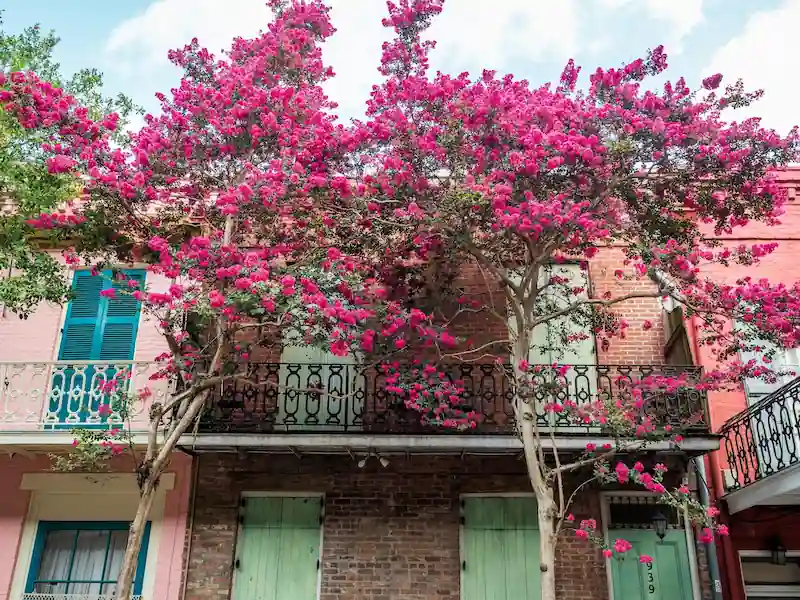
Where to stay in New Orleans
Find the best neighborhoods and hotels in New Orleans.
Open page →
Plan your trip to New Orleans with a clear structure: where to stay, which neighborhoods to prioritize, how to balance the French Quarter with live music, food, museums, streetcar corridors, riverfront time and slower local districts. New Orleans is not a checklist city. It is best understood through rhythm, sound, food, architecture, processions and neighborhood shifts: the Quarter gives the first frame, the CBD and Warehouse District give practical balance, Marigny and Bywater carry evening and creative energy, the Garden District and Uptown stretch the city into shaded residential beauty, and Mid-City opens the trip toward parks, museums and everyday local texture.
Find the best neighborhoods and hotels in New Orleans.
Open page →
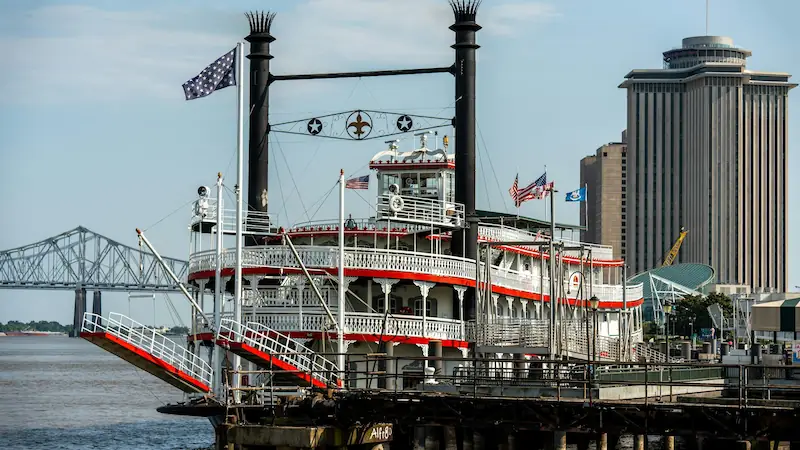
Prioritize the activities that deserve your time in New Orleans.
Open page →
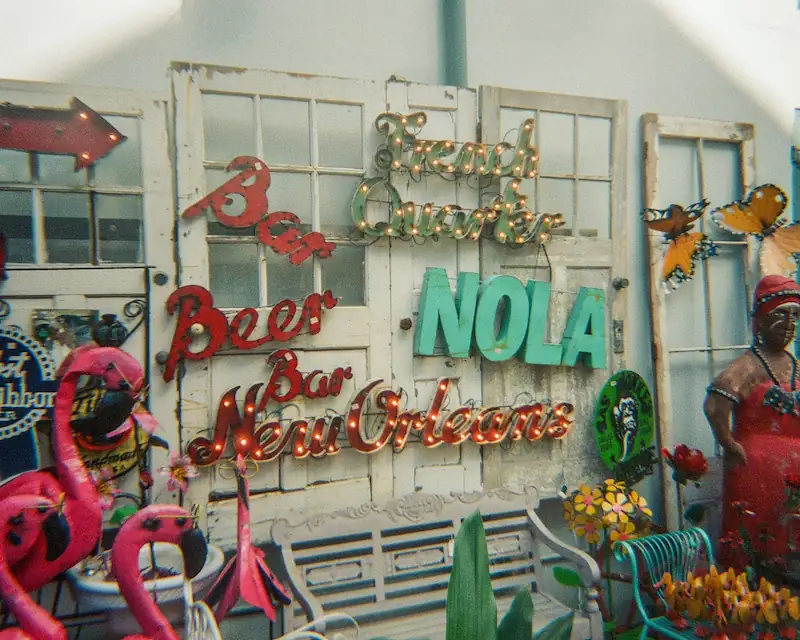
2 Days in New Orleans Itinerary: French Quarter, Food & Garden District
Open itinerary →
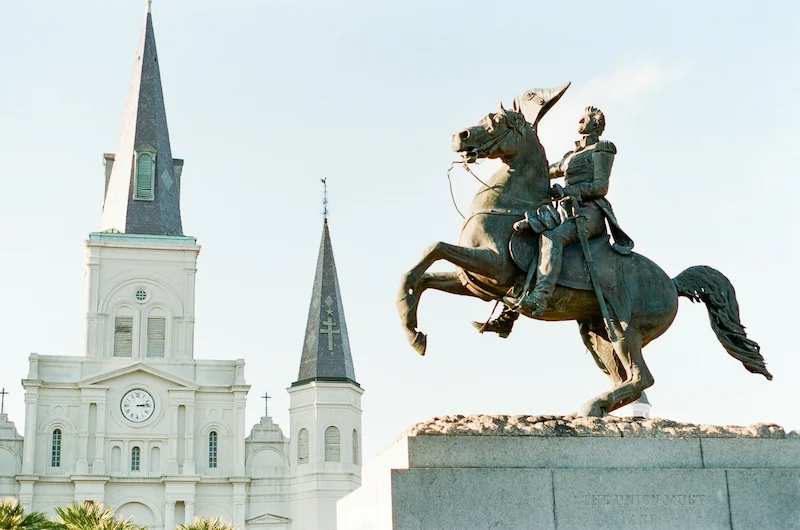
3 Days in New Orleans Itinerary: French Quarter, Garden District & Music
Open itinerary →
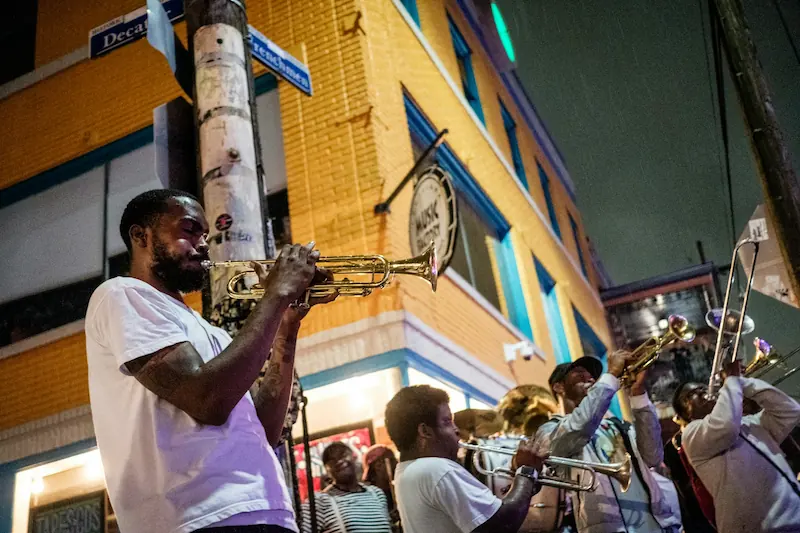
4 Days in New Orleans Itinerary: History, Food, Music & Neighborhoods
Open itinerary →
New Orleans is a layered river city where the best trips are built around rhythm rather than coverage. The French Quarter is the obvious starting point, but the city becomes stronger when it is connected to the CBD and Warehouse District, Marigny and Frenchmen Street, the Garden District and Uptown, Tremé, Mid-City, City Park, Magazine Street and the riverfront. It is compact enough for a first-time visitor to understand quickly, yet culturally dense enough that a rushed itinerary can miss the point. The goal is not to see every famous street, but to choose the right combination of historic core, music, food, residential architecture, cultural depth and regional context.
New Orleans is worth visiting because it delivers a sense of place that is unusually immediate: balconies, brass, streetcars, live oaks, gumbo, cocktails, cemeteries, processions, river light and old masonry all sit close together. It is one of the rare American cities where food, music and street life are not add-ons but core trip architecture. A strong stay gives you historic atmosphere in the French Quarter, live music in Marigny or the Quarter, residential beauty along the St. Charles corridor, cultural depth through museums and Tremé, and enough food-led planning to make meals feel like part of the city’s story.
Best time: October–April for the best balance of weather, walkability and evenings out; February–May for peak atmosphere if you accept higher prices and event pressure; summer for value-led travelers who can plan around heat.
Ideal trip length: 3 days for a strong first New Orleans trip; 4–5 days for music, museums, Garden District, City Park, Tremé and a food-led rhythm; 6–7 days if adding a swamp tour, plantation history, slower neighborhoods and festival recovery time.
New Orleans can be moderate or expensive depending heavily on dates. Hotel rates, not daily sightseeing, are usually the biggest swing factor. Mardi Gras, Jazz Fest, major conventions, sports events and spring weekends can push central hotel prices sharply higher, especially in the French Quarter, CBD and Warehouse District. Food is flexible across budgets, but the best trip usually leaves space for live music covers, cocktails, reservation meals, rideshares after dark and one or two paid cultural experiences.
New Orleans should be planned as a set of connected layers rather than one conventional downtown. The French Quarter is the historic and symbolic core; the CBD and Warehouse District are the practical hotel and museum base; Marigny and Bywater extend the trip into music, nightlife and creative local texture; the Garden District and Uptown follow streetcar logic into oak-lined residential beauty; Mid-City and City Park open the map toward museums, parks and everyday food; Tremé adds essential Black cultural and musical context. A good itinerary groups these layers instead of zigzagging between them.
The Mississippi River curve, the old grid, the streetcar corridors and the low, flat landscape shape the city more than distances alone. The Quarter, CBD, Warehouse District and Marigny can feel close, but heat, humidity, late nights and uneven street-level transitions make pacing important. Uptown and Mid-City are not difficult to reach, but they need dedicated blocks. The riverfront gives orientation; the St. Charles line gives the residential spine; Canal Street often acts as a practical divider; and the best food and music sometimes sit just outside the visitor’s default map.
New Orleans works in waves. Mornings are best for French Quarter walks, architecture, cemeteries, markets and major museums. Afternoons should slow down around lunch, indoor stops, shaded streets, City Park or hotel breaks, especially in warm months. Evenings are not just a final add-on: they are when music, cocktails, dinner, balconies, clubs and neighborhood sound make the city most legible. A strong trip protects at least one unhurried night and avoids forcing early-morning obligations after the latest music evening.
Think of New Orleans through five decisions: where to base yourself, how much French Quarter exposure you actually want, where your live-music night belongs, which food experiences deserve prime slots, and whether you have enough time for outer neighborhoods or regional excursions. First-timers do not need to master every district. They need a clear core, one residential contrast, one cultural anchor, one music night and enough flexibility for the city to breathe.
Open the planner
Anchor the first day in the French Quarter, riverfront and nearby CBD so the old city becomes legible before you chase more distant neighborhoods. Do not treat Bourbon Street as the city’s center of gravity unless nightlife excess is the actual purpose of the trip. Use the CBD and Warehouse District as the practical hinge between hotels, the National WWII Museum, galleries, restaurants and the French Quarter. Give live music its own protected evening: Frenchmen Street, Preservation Hall, a neighborhood club or a ticketed show should not be a tired afterthought. Pair the St. Charles streetcar with the Garden District, Lower Garden District, Magazine Street or Uptown so the ride becomes structure rather than novelty. Use food as routing logic: po'boys, Creole dinners, seafood, cocktails and neighborhood restaurants can pull the trip into better districts when chosen intentionally. Add Tremé, Mid-City, City Park, Bayou St. John, Marigny or Bywater only when they have time to be understood, not as quick decoration around the Quarter. Save swamp tours, plantation history or regional excursions for stays of at least three full days, and avoid letting them consume the first real city day. In hot or rainy weather, design the day around one strong indoor anchor, shaded movement, meal timing and a lighter evening. Leave one flexible slot for music, weather, appetite or a local event; New Orleans punishes over-scripting more than most city breaks.
Vibe: historic, dense, performative
Why go: Stay here for immediate access to the city’s oldest fabric, Jackson Square, Royal Street, Bourbon Street, riverfront walks, classic restaurants, ghost and history tours, cocktail bars and the easiest first-time immersion.
Who it fits: first-timers who want historic immersion, short-stay travelers, nightlife-first visitors and anyone who wants to walk out directly into the city’s most famous streets
Not for: light sleepers, families needing calm evenings, travelers with cars, or visitors who want a residential base
Where to stay: The French Quarter is unbeatable for instant atmosphere, but block choice matters more here than anywhere else in the city. It works best on quieter edges near Royal Street or the river, and less well on loud Bourbon-adjacent nightlife blocks. Use it for first-day orientation, short stays, classic walks, cocktail history and selective nightlife, but do not let it become the whole trip.
Vibe: practical, polished, better-balanced
Why go: This is the most efficient base for travelers who want stronger hotel choice, better sleep, museum access, convention and event logistics, quick walks to the Quarter and a cleaner day-to-night split.
Who it fits: first-timers who want balance, families, business-plus-leisure travelers, museum-focused visitors, pre-cruise or event travelers, and anyone who wants convenience without Quarter noise
Not for: travelers who want old-city romance immediately outside the hotel door or a fully residential neighborhood feel
Where to stay: For many first visits, the CBD and Warehouse District are the most reliable base. You trade a little instant old-city charm for stronger hotel choice, better sleep, museum access and easier movement toward the French Quarter, Marigny, the Garden District and the riverfront. It is the safest balance for first-timers who want comfort without Quarter noise.
Vibe: music-adjacent, character-rich, looser
Why go: Marigny and nearby Bywater work for travelers who want live music, Frenchmen Street, creative local texture, neighborhood bars and a looser alternative to the French Quarter. Marigny is more practical and music-adjacent; Bywater is more residential, colorful and slower.
Who it fits: music-led travelers, repeat visitors, couples who want character, and visitors who value local texture over hotel density
Not for: travelers who want the highest concentration of major sights, the broadest hotel choice or the easiest family base
Where to stay: Marigny and Bywater are strongest when evenings matter as much as daytime sights. Frenchmen Street gives music access, while Bywater adds a more creative, residential edge. This area works best for music-led travelers, repeat visitors and couples who want texture, but it requires more street-by-street judgment than the CBD or French Quarter.
Vibe: architectural, leafy, composed
Why go: Choose this area for oak-lined streets, historic homes, quieter evenings, streetcar access, Magazine Street and a more elegant residential counterpoint to the French Quarter.
Who it fits: couples, architecture-focused travelers, quieter stays, repeat visitors, longer weekends and travelers who want charm without sleeping in the nightlife core
Not for: travelers who want to walk to every late-night music plan or avoid streetcar/rideshare logistics
Where to stay: The Garden District and Lower Garden District give the trip a calmer residential counterpoint to the French Quarter. They work especially well with Magazine Street, St. Charles Avenue, architecture walks and slower mornings. Choose this area for charm, quieter nights and streetcar-shaped days rather than maximum late-night convenience.
Check the best hotels in Garden District & Lower Garden District
Vibe: residential, spacious, slow-moving
Why go: Uptown suits travelers who want a more spacious, leafy and residential New Orleans, with streetcar texture, universities, Audubon Park, neighborhood restaurants and a stronger sense of daily life.
Who it fits: longer stays, repeat visitors, families on slower trips, travelers visiting Tulane or Loyola, and anyone who wants distance from the tourist core
Not for: short first visits built around maximum central convenience, late-night Quarter access or packed sightseeing
Where to stay: Uptown is less efficient but more breathable. It should not replace the core on a short first stay, but it becomes valuable when the trip prioritizes residential rhythm, Audubon Park, universities, local dining and a slower streetcar-shaped version of New Orleans.
Vibe: local, mixed, less staged
Why go: Mid-City works for travelers who want access to City Park, Bayou St. John, local restaurants, neighborhood bars and a more everyday version of New Orleans connected by streetcar and rideshare.
Who it fits: repeat visitors, food-led travelers, families who want City Park, longer stays and visitors comfortable trading polish for range
Not for: first-timers who want postcard New Orleans immediately outside the hotel
Where to stay: Mid-City is an alternative base rather than a default choice. It adds value when City Park, Bayou St. John, NOMA, local food and quieter evenings matter, but it requires more transport awareness than the CBD or French Quarter. It works best for repeat visitors, families with park plans and longer stays.
New Orleans reveals itself best when you do not treat every experience the same way. Some places explain the city’s historical frame, some explain its living traditions, and some only make sense once the light softens and the sidewalks start carrying music.
Planning tip: Reserve the most capacity-limited music or dining experiences early, then keep at least one evening slot loose for whatever district feels alive that night.
The essential move is not simply to enter the Quarter but to read its different registers: civic edges, residential pockets, commercial streets, and tourist corridors. Once you move beyond the loudest strip, the area becomes more legible as an urban form and less as a caricature.
Tip: See it early in the day first, then return after dark to understand how sharply the same streets change.
This is more than a transport novelty. The St. Charles line shows how New Orleans stretches from dense historic center into a slower, greener residential city, and it gives spatial continuity to districts that otherwise feel disconnected in a short stay.
Tip: Use it as a shaping experience inside a district-focused day rather than as a substitute for all transport.
Check guided tours →
Even travelers who are not usually museum-first often rate this as one of the city’s most substantial experiences. It adds national historical weight to a trip that might otherwise lean too heavily on atmosphere, and it deserves enough energy to avoid museum fatigue.
Tip: Do not squeeze this into a leftover afternoon unless you are comfortable seeing only a fraction of it.
Check guided tours →
Frenchmen remains one of the best ways to understand the city’s social soundscape in a concentrated zone. The point is less to chase a single perfect set than to absorb the neighborhood drift between rooms, corners, and short walks where rhythm spills into the street.
Tip: Arrive early enough to move around before the district narrows into one long late-night stream.
Check guided tours →
This is where the city’s symbolic center becomes spatially understandable. The square, cathedral composition, and nearby river edge explain the historic core’s proportions and why the Quarter feels both ceremonial and lived-in.
Tip: See it once in the morning for clarity and again later when the edges carry more performers and street movement.
Check guided tours →
City Park broadens the trip beyond old-city density and nightlife. It gives breathing room, landscape scale, and a different reading of New Orleans—one built around water, oaks, and institutions rather than only compact historic blocks.
Tip: Pair it with Mid-City or the sculpture garden instead of treating it as a stand-alone detour.
Check guided tours →
Treme matters because it places music, social aid traditions, and Black cultural history within a real neighborhood context. It is most rewarding when approached with enough attention to hear the city as a lived civic culture rather than as entertainment branding.
Tip: Go with clear context or a strong guided framework so the visit adds understanding rather than surface recognition.
This is one of the clearest ways to move beyond surface Mardi Gras imagery into the city’s deeper ceremonial and community traditions. It gives scale and meaning to practices that visitors often encounter only as spectacle.
Tip: Pair it with Treme rather than isolating it as a quick standalone stop.
Check guided tours →
Preservation Hall is not the whole music story, but it is a precise and disciplined entry point into one of the city’s defining traditions. In a short trip, it can give shape to the broader listening you do elsewhere.
Tip: Treat it as one focused music moment inside a wider evening rather than the only live set of the trip.
Cemeteries matter here not only for symbolism but for how they reflect climate, land conditions, and the city’s relationship to memory and family lineage. Done well, the visit adds urban meaning rather than morbid color.
Tip: Choose one well-contextualized cemetery experience instead of trying to collect several.
Magazine Street is useful because it shows New Orleans in a more everyday register: shopping, neighborhood eating, low-rise commercial continuity, and a city that is not performing mainly for visitors. It helps rebalance a trip after the symbolic density of the Quarter.
Tip: Choose a defined stretch and combine it with nearby districts rather than attempting the whole corridor at once.
Check guided tours →
Crescent Park gives one of the clearest readings of how the city sits against the river and how different the outer edge feels from the compact historic core. It is less about ticking a sight than about restoring urban scale to the trip.
Tip: Go when light softens and the heat eases so the walk feels like part of the day rather than extra effort.
Check guided tours →
When timing aligns, seeing processional culture in context can explain the city more efficiently than several static attractions. It reveals how music, street use, and community presence are woven into public space rather than confined to venues.
Tip: Check local calendars and treat this as a bonus layer, not as the backbone of a short first itinerary.
Check guided tours →
This works because it shifts the trip from dense built heritage into an open, designed landscape without losing cultural seriousness. It is especially valuable for longer stays or for travelers who need variation in pace after the central districts.
Tip: Fold it into a City Park or Mid-City block rather than crossing town only for this alone.
Check guided tours →
Classic dishes matter here, but they make the most sense when tied to context: old-line dining rooms, neighborhood institutions, or places that carry the city’s culinary continuity. The value is in choosing the right setting as much as the right bowl.
Tip: Do not burn a prime meal slot on the most convenient option near your last attraction.
Check food options →
Po'boys fit New Orleans well because they can be folded into a moving day without reducing the food experience to convenience. They are often one of the easiest ways to connect strong eating with a less overproduced neighborhood rhythm.
Tip: Build one lunch around a respected local shop instead of treating the sandwich as an emergency backup plan.
Check food options →
A more formal Creole meal is not only about cuisine but about tempo, ritual, and the city’s dining memory. It adds a different register to the trip than spontaneous bar stops or grab-and-go classics.
Tip: Place this on a night without a fixed performance start so the meal can unfold at its own pace.
Check food options →
Food tours are not mandatory in New Orleans, but they can reduce friction on a short stay when you want cultural framing and multiple tastings without spending energy on research. They are most useful for travelers trying to compress culinary understanding into one controlled block.
Tip: Choose this only if your trip is short or you want context fast; independent eating works very well here too.
New Orleans expands quickly once you start adding music, food, museums, and outer neighborhoods. The strongest first trip protects a few defining layers and lets the rest stay selective while trumpet lines and long meals claim more of the clock than expected.
New Orleans can work with kids when the trip is designed around daytime rhythm, shade, movement, parks and shorter cultural blocks. It becomes difficult when families try to copy an adult nightlife itinerary or pack too many late dinners and long walks into hot days. The best family version uses the CBD/Warehouse District, Garden District or quieter French Quarter edges as a practical base, then alternates streetcars, City Park, riverfront time, family-friendly museums, food rituals and early music.
New Orleans itineraries work best when they protect rhythm: a first day for the historic core, an evening for music, a day for museum or residential contrast, and enough food-led time to avoid treating meals as filler. Longer stays should not simply add more attractions; they should add neighborhoods, cultural context, regional excursions and slower mornings after late nights.
Open the planner →
New Orleans is easy to enjoy and easy to misread. The practical difference between a scattered trip and a strong one usually comes from base choice, heat management, music timing, meal routing, hotel block selection and not overloading daytime plans after late nights. Fix only the scarce, high-impact pieces in advance, then leave enough space for the city’s rhythm to take over.
October through April is the best overall window for first-time visitors because walking is easier, live music nights are more comfortable and the city can hold longer days. Spring has the strongest event energy, including Mardi Gras season and Jazz Fest, but prices and booking pressure rise sharply. Summer can be good value, but the itinerary must be slower, more shaded and more indoor-aware.
Two nights is enough for atmosphere but not range. Three full days is the practical threshold for a strong first visit. Four to five days allow Garden District, City Park, Tremé, food-led neighborhoods and a swamp or plantation-history excursion without weakening the core. A week is best for travelers who want music, food and cultural depth rather than only first-time highlights.
Base choice should follow noise tolerance, trip length, evening plans and transport style. The French Quarter gives instant immersion but requires careful block selection. The CBD and Warehouse District are the safest strategic base for many visitors because hotel quality, sleep, museums and access balance well. Marigny and Bywater suit music and local texture. Garden District and Uptown suit quieter residential trips. Mid-City works best for repeat visitors, park access and local food.
Most visitors arrive through Louis Armstrong New Orleans International Airport, west of the city in Kenner. For a normal city break, a rental car is usually unnecessary and often inconvenient because parking and nightlife logistics weaken the value. Taxis, ride-hailing, airport shuttles and public transit options connect to the city; choose based on arrival time, luggage and hotel location. Amtrak and intercity buses can work for regional trips, but most short leisure visitors will fly.
The French Quarter, CBD, Warehouse District and parts of Marigny are highly walkable, but New Orleans should not be planned as an all-walking city. Streetcars are atmospheric and useful, especially on St. Charles and Canal, but they are not always fast. Use ride-hailing after late music nights, in heavy rain, in summer heat or when districts do not naturally connect. A car is useful mainly for regional excursions or very specific longer-stay plans.
The main practical issues are heat, hydration, alcohol pace, late-night judgment, noise and block-level awareness. Central visitor areas are used to tourism, but street conditions can shift quickly, especially near entertainment edges and less visitor-focused transition zones. Choose accommodation carefully, avoid isolated late-night walks when unsure, use rideshares after music nights, and treat summer heat as an itinerary constraint rather than a minor inconvenience. Check exact hotel blocks in the French Quarter, Marigny, CBD edges and nightlife corridors before booking. Do not leave valuables visible in cars, and avoid making rental cars part of a short central New Orleans stay unless you are adding regional travel. For families and light sleepers, prioritize the CBD/Warehouse District, Garden District or quieter Quarter edges over nightlife-heavy blocks.
New Orleans is highly seasonal because weather, festivals, pricing and street energy change the structure of a trip. Cooler months make the city easier to walk and allow fuller days. Spring brings the most famous atmosphere but also the highest pressure around Mardi Gras, Jazz Fest, conventions and major weekends. Summer can be valuable for lower hotel rates, but it requires early starts, indoor anchors, shaded routes and lighter afternoons. Fall is often the best strategic compromise for travelers who want strong energy, better comfort and fewer peak-season distortions.
Spring is New Orleans at high volume: Mardi Gras season, Jazz Fest periods, full restaurants, busy music venues, warm evenings and strong street energy. It is excellent for atmosphere but demands earlier hotel booking, smarter reservations and more budget tolerance.
Summer is slower, cheaper and more tactical. It can work well for value-led travelers, but heat and humidity mean fewer outdoor stops, longer indoor pauses, earlier walks, lighter meals and more evening-first planning.
Autumn is one of the best planning windows. Weather becomes more manageable, evenings remain lively, food and music stay central, and the city is easier to experience without the same spring compression.
Winter outside major holidays and Mardi Gras build-up is often excellent for first-timers: cooler walks, easier hotel demand, calmer streets and enough energy for music and food without peak-season friction.
Mardi Gras, Jazz Fest and major event windows are not normal travel periods. They can be extraordinary, but the trip must be planned around routes, hotel location, crowds, reservation pressure and recovery time.
These answers cover the planning decisions that most affect whether a New Orleans trip feels coherent: where to stay, how long to go, what to prioritize, how to handle music and food, and when to add regional excursions.
Three days is enough for a strong first visit built around the French Quarter, one major cultural block, the Garden District or streetcar corridor, and at least one real music evening. Four or five days is better if you want Tremé, City Park, Mid-City, food-led neighborhoods or a swamp tour without rushing. A week works well for music, food and cultural depth.
Two days is enough to feel the city but not enough to understand its full range. Prioritize the French Quarter beyond Bourbon Street, one music night, one strong meal, and either the Garden District or the National WWII Museum. Do not spend half of a 2-day trip on a distant excursion.
Yes. Three days is the best minimum for a satisfying first trip. It allows the historic core, one major museum or cultural anchor, one residential contrast, one food-led experience and one or two music-focused evenings if the days are not overbuilt.
The CBD and Warehouse District are often the best balanced first-time base because they offer strong hotels, better sleep, museum access and quick walks to the French Quarter. The French Quarter is best for immediate immersion, while Marigny works if live music is the main priority.
Stay in the French Quarter if historic immersion and walk-out atmosphere matter more than quiet. Choose quieter edges or streets away from the loudest Bourbon Street blocks. For families, light sleepers or comfort-first travelers, the CBD, Warehouse District or Garden District may work better.
Choose the French Quarter for atmosphere and immediate historic texture. Choose the CBD or Warehouse District for hotel quality, sleep, easier logistics and a better base for museums, families and first-time balance. Many travelers are happiest near the edge between the two.
Marigny is a strong choice for music-led travelers and repeat visitors who want Frenchmen Street, neighborhood texture and a looser feel than the Quarter. It is less ideal for travelers who want the largest hotel supply, the easiest family base or the most polished surroundings.
Bywater is worth including if you want creative local texture, colorful streets, casual food, bars and a slower neighborhood edge beyond the French Quarter. It is better for repeat visitors or longer stays than for a rushed first day.
Yes. The Garden District is one of the best ways to understand residential New Orleans through live oaks, historic homes, porches, fences and shaded streets. It works best with the St. Charles streetcar and a Magazine Street food or shopping segment.
Uptown is better for longer stays, repeat visitors, university-linked trips and travelers who want a more residential New Orleans. It is not the most efficient base for a short first visit, but it adds space, streetcar texture, Audubon Park and local dining.
Mid-City is good for repeat visitors, families who want City Park, food-led travelers and people who want a less staged version of New Orleans. It requires more transport planning than the French Quarter or CBD, so it is not the easiest default first-time base.
Start with the French Quarter early, including Jackson Square, Royal Street and quieter blocks. Add a classic lunch or food stop, then use the late afternoon for the riverfront, CBD/Warehouse District or a short rest. Save the evening for live music or a relaxed dinner rather than another heavy attraction.
Do not miss the French Quarter beyond Bourbon Street, one live music night, the Garden District or St. Charles streetcar, one serious food experience, and one cultural anchor such as the National WWII Museum, Tremé context, NOMA or Mardi Gras history.
Bourbon Street is often overrated if treated as the heart of the whole city. Generic ghost tours, repetitive pub crawls and poorly framed plantation visits can also disappoint. The issue is not that they are always bad, but that they can crowd out richer experiences.
Tremé, City Park, Bayou St. John, Magazine Street, Crescent Park, the Warehouse District galleries, Mid-City food and the quieter French Quarter blocks are often underrated because they are less instantly iconic than Bourbon Street or Jackson Square.
Yes, briefly, especially on a first trip. It explains part of the city’s global image. But most travelers should see it, understand it, and then spend more time on Royal Street, Frenchmen Street, the riverfront, the Garden District and food or music experiences.
Frenchmen Street is the easiest live-music zone for visitors because several venues sit close together. Preservation Hall is best for a concentrated iconic set. Neighborhood clubs, festival stages and ticketed performances can be better for repeat visitors or music-first trips.
Book Preservation Hall if you want a compact, iconic music experience and your dates are fixed. It is not the entire New Orleans music scene, but it gives first-timers a strong reference point before or alongside more spontaneous nights.
For most travelers interested in music, yes. Frenchmen Street is more rewarding for live performance and a rooted nightlife feel. Bourbon Street is more famous and party-focused. Both can be seen, but they should not play the same role in the trip.
Marigny, especially around Frenchmen Street, is the easiest visitor-friendly music area. The French Quarter has important venues, Tremé adds cultural depth, and festival periods can spread music across the city.
New Orleans is known for gumbo, jambalaya, red beans and rice, po'boys, beignets, crawfish, oysters, seafood, Creole classics, Cajun influences and cocktails such as the Sazerac. The best approach is to balance classics with neighborhood eating rather than chasing only famous names.
A food tour is useful on a short first trip if you want quick context on dishes, neighborhoods and culinary history. It is less necessary if you enjoy planning restaurants independently. The best timing is early in the stay so it improves later meals.
Yes for travelers who want technique and cultural context, not just tasting. A cooking class works well on a rainy or hot afternoon and can be a better structured experience than another generic walking tour.
Food lovers can stay in the CBD/Warehouse District for all-round access, the French Quarter for classic rooms and cocktails, Garden District/Lower Garden District for Magazine Street and Uptown access, or Marigny/Bywater for more local evening texture.
Couples usually do best in the Garden District, CBD/Warehouse District, quieter French Quarter edges or Marigny. The right choice depends on whether the trip is about quiet charm, hotel comfort, immediate atmosphere or music-led nights.
Yes, if the trip avoids adult nightlife patterns. City Park, streetcars, the Aquarium/Insectarium, Mardi Gras World, riverfront walks, beignets and short music experiences can work very well. Choose accommodation for sleep quality and daytime convenience.
The CBD/Warehouse District is often the easiest family base because it balances hotels, museums, walking access and quieter sleep. The Garden District can work for calmer stays. French Quarter hotels should be chosen carefully by exact block.
New Orleans is manageable for tourists who use normal urban awareness, choose accommodation carefully and avoid uncertain late-night walks. Visitor areas vary by block, especially around nightlife and transition zones. Use rideshare after late music if unsure.
No for most city stays. Walking, streetcars and rideshares cover the main visitor needs. A car is more useful for swamp tours, plantation-history trips or wider Louisiana travel, but central parking can be expensive and inconvenient.
The historic core is walkable, especially the French Quarter, CBD, Warehouse District and parts of Marigny. The wider city requires streetcars, buses or rideshares. Heat, humidity and late nights matter as much as distance.
Streetcars are best used as scenic structure, especially along St. Charles toward the Garden District and Uptown. They are not always fast, so do not rely on them for every fixed-time transfer.
October to April is best for comfortable walking and fuller days. Spring is high-energy but expensive and busy. Fall is a strong balance. Summer offers value but requires slower pacing and heat-aware planning.
Visit during Mardi Gras if the festival itself is the purpose. It can be extraordinary, but it changes everything: hotel rates, street access, crowds, reservations and daily rhythm. For a normal first visit, dates outside Mardi Gras are easier.
Jazz Fest can be excellent for music and atmosphere, but it creates higher hotel pressure and requires more planning. It suits travelers who want the event itself, not those seeking the easiest possible first-time city break.
Yes, but the trip must be designed differently. Start early, take indoor breaks, avoid overlong outdoor afternoons, hydrate seriously and shift more activity into evenings. Summer is often better for value than for maximal sightseeing.
Use the National WWII Museum, NOMA, Historic New Orleans Collection, Aquarium/Insectarium, cooking classes, cocktail history, cafés and shorter French Quarter or Warehouse District transitions. Rain is a cue to anchor the day indoors rather than force long walks.
Use early walks, shaded streetcar corridors, indoor museums, long lunches, hotel breaks, rideshares and evening music. Do not plan a hot summer day like a mild spring day.
Yes, it is one of the strongest major museums in the city and one of the best indoor anchors for a New Orleans trip. It needs real time, so do not treat it as a quick filler stop.
Yes, especially for families, art lovers, repeat visitors or anyone needing a break from the dense core. Pair it with NOMA, Besthoff Sculpture Garden, Bayou St. John or Mid-City food.
Yes if approached with context. Tremé adds essential Black cultural history, music heritage and processional tradition. It is best experienced through a focused museum, cultural stop or guided walk rather than a superficial pass-through.
A cemetery tour can be worth it if it explains burial practices, land, climate, history and urban design. Avoid tours that reduce cemeteries only to spooky entertainment.
Yes if you have at least three full days and want Louisiana landscape contrast. Skip it on very short stays because it can consume time better spent in the city core.
Only if you want serious regional history and choose the visit thoughtfully. Whitney Plantation is often the strongest choice for slavery-history interpretation. Avoid treating plantations mainly as scenic photo stops.
Choose Whitney Plantation if serious slavery-history interpretation is the priority. Choose Oak Alley if architecture and the plantation corridor interest you, but make sure the visit is framed with historical context rather than imagery alone.
For many first-timers, a swamp or bayou tour is the easiest regional contrast. For history-focused travelers, Whitney Plantation is stronger. For longer stays with a car, Jean Lafitte/Barataria or Northshore options can work.
Marigny/Frenchmen Street is best for live music. The French Quarter is best for classic cocktail history and party access. CBD and Warehouse District are better for sleeping close to nightlife without being fully inside it.
The Garden District, Lower Garden District, Uptown and parts of the CBD/Warehouse District are better for quieter stays. Within the French Quarter, choose quieter edges and check reviews carefully for noise.
For a first weekend, choose the CBD/Warehouse District for balance, the French Quarter for instant immersion, or Marigny if live music is the main reason for the trip. Avoid distant bases unless you know the city already.
Use day one for French Quarter and music, day two for Garden District plus food or cocktails, and day three for the National WWII Museum, City Park, Tremé or a swamp tour depending on interests.
Repeat visitors should reduce French Quarter time and add Tremé, Bywater, Mid-City, Bayou St. John, Uptown, Magazine Street, deeper food planning, local music calendars and regional history.
Yes. Solo travelers usually do well in the CBD, Warehouse District, French Quarter edge or Marigny, with live music, food counters, walking tours and museums providing easy structure. Use standard late-night caution and rideshares when needed.
Yes. Couples can build a strong trip around a character hotel, Garden District walks, cocktails, live music, long dinners and one atmospheric neighborhood evening. Noise control and hotel location matter more than pure centrality.
Stay near the parade logic you want to follow, and book very early. French Quarter access is not the same as parade convenience. The CBD, Warehouse District, Garden District and Uptown can all make sense depending on your Mardi Gras plan.
Parts of it are very touristy, especially Bourbon Street and some souvenir-heavy corridors. But the Quarter also contains architecture, history, courtyards, music, museums and quieter blocks that are essential to understanding New Orleans.
Do not spend the entire trip on Bourbon Street, choose food deliberately, check exact hotel blocks, use music as more than background, and add at least one neighborhood or cultural layer outside the French Quarter.
Walk the French Quarter early, browse Royal Street, ride or watch streetcars, explore City Park, walk Crescent Park, listen around Frenchmen Street before choosing a venue, and use Magazine Street or the riverfront for low-cost atmosphere.
Book hotels for peak dates, top restaurants, Preservation Hall or key performances, cooking classes, food tours, swamp tours and plantation-history excursions. Leave casual neighborhood walks and some music time flexible.
The biggest mistake is planning New Orleans like a standard attraction checklist. The city works through rhythm, evenings, food, music, heat, neighborhood grouping and flexible time. The fullest itinerary is rarely the best one.
The strongest New Orleans trips are not the fullest ones; they are the ones that group the city well, protect music and food, and choose the right base for the traveler’s rhythm.
Find the best places to stay, how to get there, and move around with ease.
Build a smarter trip base
Once you understand how New Orleans works and what matters most for your trip, the next step is turning that direction into a real itinerary. Use the planner to organize your days around the right areas, experiences, and rhythm so the trip feels clear before you go.