Best things to do in New Orleans beyond the obvious
Discover the best things to do in New Orleans with a decision-led guide to the city’s music, food, historic streets, neighborhood rituals, museums, riverfront, festivals and Louisiana day trips. New Orleans is not a city that works as a simple attraction checklist: its strongest experiences depend on timing, sound, meals, street life, heat, rain, and the difference between tourist spectacle and living culture. Use this guide to choose the high-payoff essentials, avoid Bourbon Street overexposure, and build a trip that balances the French Quarter, live music, Garden District architecture, Tremé depth, City Park breathing room, food traditions and one wider Louisiana landscape if time allows.
Best time
October to April is the easiest window for walking, live music nights, and longer days of exploring without heavy summer heat.
Ideal trip length
3 days is the sweet spot for core New Orleans; 4 to 5 days gives you room for museums, slower neighborhood time, and one day trip.
Continue planning your New Orleans trip
Use this page to choose what deserves your time, then connect it with the broader city guide, accommodation guide and itinerary pages so the trip balances the French Quarter, live music, food, museums, neighborhoods and day trips without overloading the schedule.
What to do in New Orleans first
Walk the French Quarter beyond Bourbon Street – Area: French Quarter · Best for: first-time context and atmosphere · Time needed: 2 to 4 hours · Worth it: Yes — it is the city’s essential starting point, but the side streets matter more than the party strip. · Book ahead: No
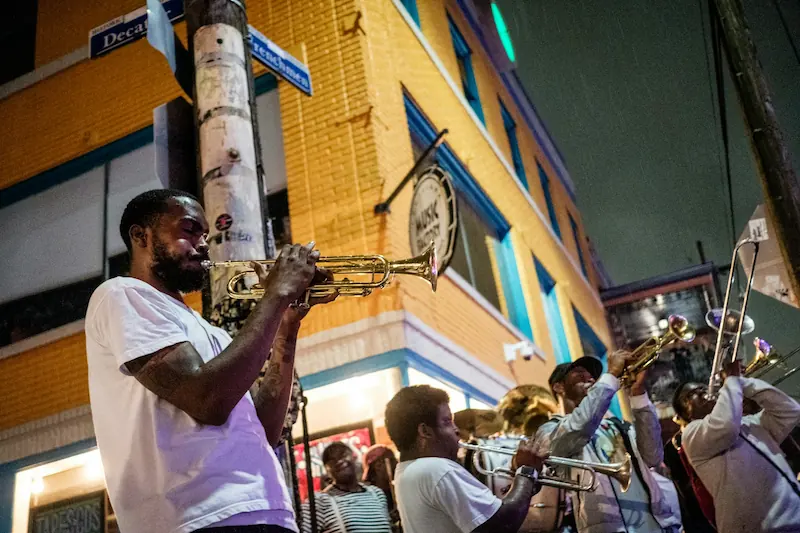
Hear live music on Frenchmen Street – Area: Marigny · Best for: nightlife that feels rooted in the city · Time needed: 2 to 5 hours · Worth it: Yes — one of the clearest ways to feel what makes New Orleans different after dark. · Book ahead: No for most clubs; yes for major ticketed shows
Visit the National WWII Museum – Area: Warehouse District · Best for: one major museum with real depth · Time needed: 3 to 5 hours · Worth it: Yes — one of the strongest big-ticket cultural visits in the city. · Book ahead: Recommended, especially on weekends and holidays
Ride the St. Charles streetcar and walk the Garden District – Area: Garden District · Best for: architecture, pace and classic New Orleans texture · Time needed: 2 to 3 hours · Worth it: Yes — this is one of the city’s best low-effort, high-reward combinations. · Book ahead: No
Spend time in City Park, NOMA and the sculpture garden – Area: Mid-City · Best for: families, art lovers and a break from dense tourist areas · Time needed: 2 to 4 hours · Worth it: Yes — especially if you want a broader version of the city than the Quarter alone. · Book ahead: Only for timed exhibits or peak family periods
Do one food-led experience properly – Area: Various · Best for: travelers who want more than restaurant hopping · Time needed: 2 to 3 hours · Worth it: Yes — New Orleans is one of the few U.S. cities where food is a core cultural activity, not just a meal plan. · Book ahead: Recommended for top cooking classes and popular food tours
Take a swamp or bayou tour – Area: Outside the city · Best for: nature contrast and first-time breadth · Time needed: 4 to 6 hours · Worth it: Yes if you have at least 3 full days; no if your city time is very short. · Book ahead: Recommended
Visit one Mardi Gras culture stop – Area: Warehouse District / French Quarter / Tremé · Best for: understanding carnival beyond the stereotype · Time needed: 1 to 2 hours · Worth it: Yes — especially outside Mardi Gras season. · Book ahead: Usually no; yes for popular guided experiences
Browse Royal Street, the French Market and quieter Quarter blocks – Area: French Quarter · Best for: architecture, galleries, shopping and first-time atmosphere · Time needed: 1.5 to 3 hours · Worth it: Yes — this is often the better daytime French Quarter experience than Bourbon Street. · Book ahead: No
Visit Sazerac House or take a cocktail-history walk – Area: CBD / French Quarter · Best for: cocktail culture and rainy-day adults-only structure · Time needed: 1 to 2 hours · Worth it: Yes if you want New Orleans drinking culture to feel historical rather than purely nightlife-led. · Book ahead: Recommended for timed tastings or guided walks
Use one plantation visit carefully and choose interpretation over imagery – Area: River Road / outside New Orleans · Best for: serious regional history · Time needed: 5 to 7 hours · Worth it: Yes if approached through historical context, especially at Whitney Plantation. · Book ahead: Recommended
How to choose well in New Orleans
New Orleans rewards selection more than accumulation. The city is strongest when you combine atmosphere, music, food, neighborhood history, ritual culture and one or two high-substance cultural visits, rather than trying to tick off every attraction. A good trip here is built around timing: mornings for walking and museums, afternoons for slower neighborhood stretches, and evenings for music, cocktails or riverfront mood.
Treat Bourbon Street as a quick look, not the center of your trip unless you specifically want the party strip.
Protect one live-music evening early in the plan; music is part of the city’s core payoff, not an optional extra.
Pair one major attraction with one neighborhood-based experience so each day feels like New Orleans rather than a checklist.
Do not stack too many museums or tours in one day; the city works better when there is room for drifting, eating and listening.
Use food as cultural structure: one classic meal, one casual local dish, one contemporary or neighborhood table, and one snack ritual usually beats a long restaurant checklist.
Save swamp tours and plantation-history excursions until the core city experience is protected.
Plan around heat, humidity and rain: walk early, use museums or food experiences midday, and save music for the evening.
Choose serious interpretation for voodoo, cemetery or plantation history rather than gimmicks or photo-only versions.
Iconic New Orleans
These are the experiences most travelers come for, but not all of them deserve equal weight. In New Orleans, the strongest icons are the ones that still feel connected to the city’s sound, streets and ritual life once the photos are over. Late afternoon light on old facades and the low hum of brass and footsteps do more here than any monument plaque.
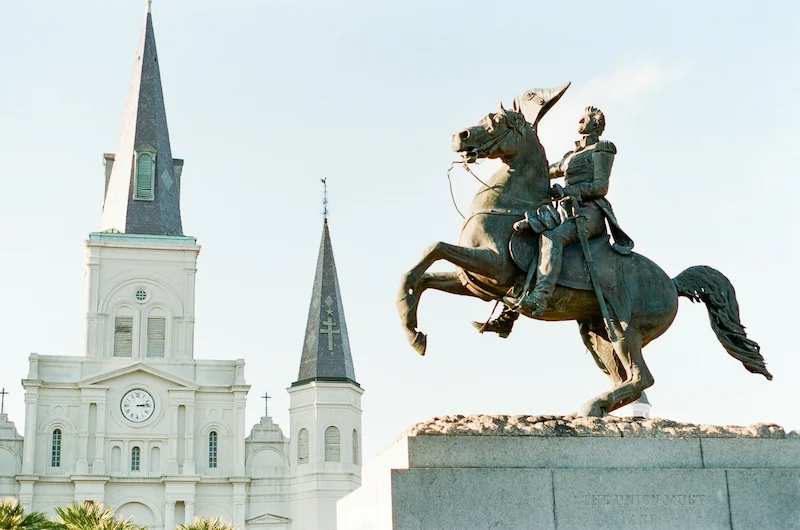
Walk Jackson Square, St. Louis Cathedral and the old Quarter streets – This is the clearest first read of historic New Orleans, but the payoff is in the details around the square, not just the postcard angle. Come early or late, then keep walking toward quieter blocks rather than stopping after the cathedral photo. (First-time essential · Best for: understanding the city fast)
See Bourbon Street briefly, then pivot – Bourbon Street is worth seeing because it explains part of the city’s public image, but it should not dominate your plan. A short pass is usually enough before shifting toward Royal Street, Jackson Square, or Frenchmen for something more rewarding. (Worth it · Best for: first-time orientation)
Take an evening steamboat jazz cruise on the Mississippi – This works best as an atmospheric experience rather than a major sightseeing tool. The river, live jazz and skyline give you a clean reset after a walking-heavy day, especially if you want one classic New Orleans night without committing to a late club schedule. (Best in the evening · Best for: classic first trip evenings)Find tours & experiences
Ride the St. Charles streetcar and walk the Garden District – This is one of the simplest ways to feel the city’s spatial shift from the old core to oak-lined residential grandeur. The value is in the combination: ride, get off, walk slowly, then continue toward Magazine Street for a more lived-in stretch. (High payoff · Best for: architecture and slower pacing)
Visit the National WWII Museum – If you want one heavyweight museum, make it this one. It is expansive, well produced and easy to justify even for travelers who are not usually museum-first, but it needs real time and should not be squeezed into a rushed afternoon. (High payoff · Best for: one major indoor anchor)Find tours & experiences
See how Mardi Gras is made at Mardi Gras World – This is more useful than it sounds if you want carnival context outside parade season. It is less subtle than neighborhood culture stops, but it gives fast visual access to float-making and spectacle that many first-time visitors appreciate. (Best for: families and first-timers)Find tours & experiences
Take one swamp or bayou tour outside the city – This adds a strong Louisiana contrast to the urban experience: water, wetlands, cypress and wildlife instead of courtyards and brass bands. It is most worth it on trips of three days or more, especially if you want one excursion that feels region-specific rather than generic. (Only if you have time · Best for: broadening a first trip)Find tours & experiences
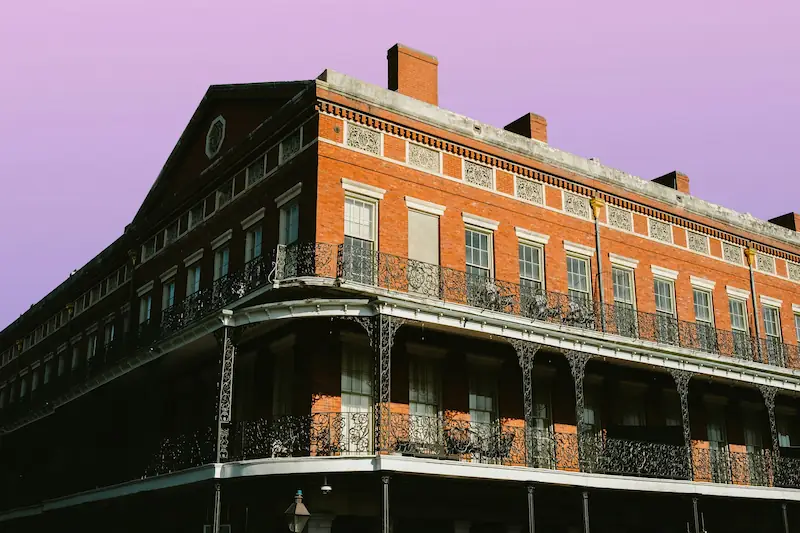
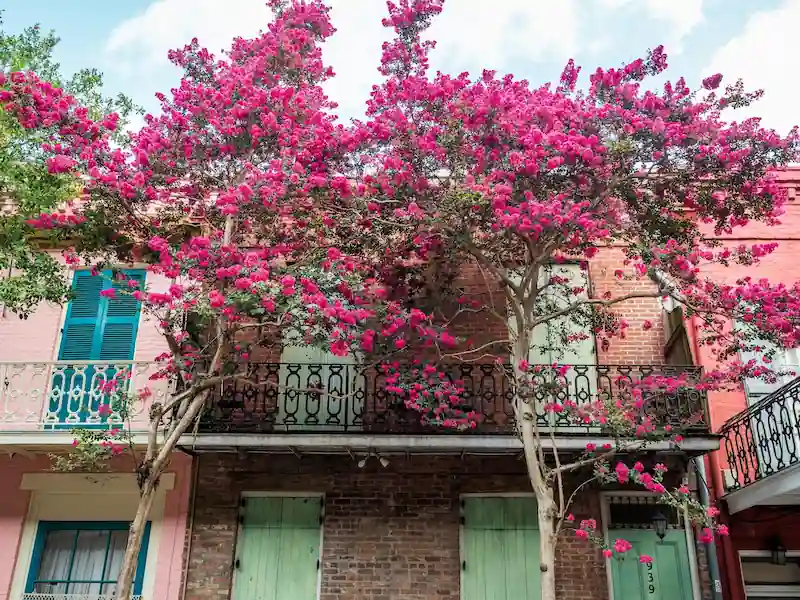
Browse Royal Street for galleries, balconies and quieter Quarter atmosphere – Royal Street gives the French Quarter a better daytime rhythm than Bourbon Street: wrought-iron balconies, antiques, galleries, street music and shaded blocks. It is one of the easiest ways to turn a first Quarter walk from cliché into texture. (High payoff · Best for: first-time visitors who want the Quarter beyond nightlife)
Walk the French Market and riverfront as a short connector – The French Market is best used as part of a larger Quarter-and-riverfront loop rather than as a destination shopping trip. It gives casual food, browsing, tourist energy and Mississippi access in one easy stretch. (Easy add-on · Best for: low-friction browsing and riverfront movement)
Take the Algiers Point ferry for a quick Mississippi River perspective – The Algiers Point ferry is one of the simplest underrated things to do in New Orleans. The short crossing reframes the skyline, slows the pace and gives you a small neighborhood landing without committing to a full day trip. (Underrated · Best for: views, low-cost movement and repeat visitors)
Cultural things to do in New Orleans
New Orleans is not a city where culture sits behind glass and waits politely for you. The strongest cultural stops here help you understand how music, carnival, neighborhood identity and memory move through the city in everyday life. Even indoors, you are never far from the sense that the street is still part of the story.
Trace jazz history at Preservation Hall or the New Orleans Jazz Museum – Choose based on your style: Preservation Hall for a concentrated live-performance experience, the Jazz Museum for context and collections. The best version of either is pairing it with live music later that night so the history does not stay abstract. (Worth it · Best for: music-first travelers)Find tours & experiences
Learn Carnival properly at the Presbytère or Backstreet Cultural Museum – These stops are useful because they move Mardi Gras beyond beads and balcony clichés. They give shape to costume traditions, neighborhood practices and social meaning that many visitors otherwise miss completely. (Best for: context beyond the party image)
Spend a few hours with New Orleans art at NOMA and the Besthoff Sculpture Garden – This is one of the city’s best mixed indoor-outdoor cultural combinations. It works especially well when you want serious art without losing the ease of a park setting, and the sculpture garden keeps the experience from feeling boxed in. (High payoff · Best for: art without museum fatigue)
Take a Tremé-focused history detour – Tremé matters because it links music, Black history, community life and cultural continuity in a way few quick tourist routes can. It is best experienced through one focused museum or guided walk rather than a superficial pass-through. (Worth it · Best for: travelers who want deeper city meaning)Find tours & experiences
Gallery-hop in the Warehouse District – This is a good cultural counterweight to the older historic core. Julia Street galleries, the Ogden Museum and the CAC give you a more contemporary read of the city, especially if you like art spaces, adaptive reuse architecture and a less tour-driven afternoon. (Best for: repeat visitors and art-minded travelers)
Visit the Historic New Orleans Collection for serious Quarter context – The Historic New Orleans Collection is one of the most efficient cultural stops in the French Quarter. It adds context on the city’s layered history without pulling you into a half-day museum commitment. (High payoff · Best for: history in the French Quarter)
Use the New Orleans Pharmacy Museum as a compact oddball stop – The Pharmacy Museum works because it is specific, atmospheric and manageable. It adds a strange but useful layer of medical, commercial and domestic history to a French Quarter walk. (Short stop · Best for: unusual history and rainy-day planning)
Visit Studio Be for a contemporary Black New Orleans perspective – Studio Be is one of the strongest additions for travelers who want New Orleans to feel current rather than only nostalgic. The large-scale works and Bywater setting add a powerful contemporary layer. (Worth it · Best for: street art, Black culture and repeat visitors)
Approach voodoo history with context rather than gimmicks – Voodoo-related stops and tours can be meaningful when they explain religion, community, migration and misunderstanding. Choose sober interpretation over sensational ghost-tour framing. (Context-dependent · Best for: travelers interested in religion and cultural history)Find tours & experiences
Learn Black history through Tremé, Congo Square and cultural institutions – Congo Square, Tremé and community-focused museums are essential for understanding New Orleans music and identity. This is where the city’s public culture begins to feel anchored rather than decorative. (Essential depth · Best for: Black history, music and cultural continuity)
Local-feeling experiences
The most satisfying New Orleans moments are often not the biggest attractions. They happen when you follow the city’s tempo instead of forcing your own: a neighborhood walk, a corner bar with music already in progress, a park detour that changes the pace of the day. The air shifts here block by block, from bright riverfront openness to shaded residential quiet.
Spend an evening on Frenchmen Street, not just Bourbon Street – Frenchmen Street gives you live music density without reducing the city to a single party corridor. The best approach is to stay flexible: listen outside, go into one room that sounds right, then move again rather than overplanning the night. (Best in the evening · Best for: music-led nights)
Walk Magazine Street in segments, with breaks – Magazine Street is not a single attraction but a useful way to feel a more everyday version of New Orleans through shops, cafés, bars and restaurant stops. Do not try to 'complete' it; pick one stretch and let it frame a half-day. (Best for: slow neighborhood browsing)
Use City Park as more than a family add-on – City Park works for families, but it is also one of the easiest ways to reset after the density of the Quarter. Walking paths, water, art and open space make it a good answer when your trip needs breathing room rather than one more indoor site. (High payoff · Best for: slower afternoons)
Explore Marigny and Bywater for a looser creative edge – These neighborhoods make sense when you want street life, local bars, independent spaces and a less staged feeling than the historic core. They are best visited with time to wander rather than with a strict checklist. (Best for: repeat visitors and local texture)
Walk Crescent Park for river views beyond the Quarter – Crescent Park gives you a cleaner, more local-feeling riverfront perspective than the central tourist stretch. It works well with Marigny, Bywater or a slower afternoon when the Quarter feels too dense. (Underrated · Best for: river views and local texture)
Use Bayou St. John for a softer neighborhood afternoon – Bayou St. John is one of the best ways to feel a greener, slower New Orleans. It pairs naturally with Mid-City, City Park or a casual food stop and helps the trip breathe. (Calm choice · Best for: repeat visitors, picnics and slow pacing)
Cycle or walk the Lafitte Greenway – The Lafitte Greenway is useful if you want to connect neighborhoods and see a more everyday side of the city. It is not a headline attraction, but it adds movement and local rhythm to a longer stay. (Active option · Best for: cycling, walking and repeat visits)
Spend a morning or afternoon around Audubon Park and Uptown – Audubon Park and Uptown are useful when you want oak shade, quieter residential streets and an easier family or walking reset. The area pairs well with Magazine Street or the St. Charles streetcar. (Family-friendly · Best for: parks, walking and Uptown context)
Look for second lines and festivals respectfully when timing aligns – Second lines, neighborhood parades and festivals can be unforgettable, but they are not tourist props. Check schedules, understand etiquette and participate as a respectful observer rather than blocking the route. (Seasonal / ritual · Best for: music, community and street culture)
Food experiences worth your time
Food in New Orleans is not a side benefit of travel; it is one of the main ways the city explains itself. The strongest food experiences are the ones that connect flavor, ritual and place rather than chasing a long list of famous names. Coffee, frying oil, spice and buttered heat sit in the air here long before you read a menu.
Do one focused Creole or Cajun food tour – A good food tour helps first-time visitors decode dishes, neighborhoods and local references quickly. It is most useful early in a trip, when it can sharpen the rest of your eating rather than repeat it after you already know the basics. (Worth it · Best for: first visits with limited time)Find tours & experiences
Take a cooking class if you want technique, not just tasting – This is one of the better paid experiences in New Orleans because it gives you both a meal and a practical frame for local dishes. It works especially well on rainy afternoons or for travelers who like cultural experiences with a clear structure. (High payoff · Best for: hands-on food travelers)Find tours & experiences
Use beignets strategically, not as a full food plan – Yes, you should try them, but they are a short stop rather than a major culinary objective. Go early or off-peak, enjoy the ritual, then move on before the line becomes the memory. (Best for: classic snack stops)
Build one meal around old-line classics and one around newer kitchens – New Orleans food makes more sense when you see both continuity and evolution. Balancing a historic room with a more contemporary table gives you a fuller picture than repeating the same canon all trip. (Best for: travelers who care about range)
Treat cocktails as a cultural category, not just nightlife – New Orleans is one of the rare American cities where a cocktail walk can genuinely count as a cultural activity. Go for the stories, the rooms and the bartending lineage, not just the strength of the pour. (Best in the evening · Best for: adults who want food and nightlife overlap)Find tours & experiences
Eat a po’ boy where the stop fits your route – A po’ boy is one of the easiest casual food wins in New Orleans, but it works best when tied to a neighborhood walk rather than treated as a cross-town pilgrimage. Choose roast beef, fried shrimp or oyster depending on the place and season. (Classic · Best for: casual food and first-timers)
Try gumbo, jambalaya, red beans and rice with context – These dishes make more sense when you understand them as weekday, family, restaurant and regional traditions rather than just menu keywords. A good food tour or old-line restaurant can help decode the differences. (Food basics · Best for: first-time food orientation)
Plan one neighborhood food night outside the French Quarter – Some of the best New Orleans meals happen in the Marigny, Bywater, Uptown, Mid-City, Freret or the Warehouse District. Leaving the Quarter for dinner often gives the trip more range. (High payoff · Best for: food-focused travelers)
Make room for seafood, oysters or crawfish when season fits – Seafood is central to New Orleans eating, but timing matters. Oysters, crawfish, shrimp and Gulf fish work best when chosen with season, restaurant quality and appetite rather than as a generic checklist. (Seasonal · Best for: seafood and Gulf flavors)
Use Sazerac House as a structured cocktail stop – Sazerac House is useful because it turns cocktail culture into an accessible, weather-proof stop near the French Quarter and CBD. It is especially good for adults who want a polished indoor break without losing local relevance. (Rainy-day adults · Best for: cocktail history)
Best things to do in New Orleans for first-timers
For a first trip, focus on the city’s strongest signatures: historic streets, live music, one major museum, one neighborhood walk and one food-led experience. That gives you New Orleans as a lived place, not just a list of attractions.
Start in the French Quarter, but do not spend your entire trip on Bourbon Street.
Prioritize one live music night on Frenchmen Street or at Preservation Hall.
Pair the Garden District with a St. Charles streetcar ride for easy architectural context.
Choose the National WWII Museum if you want one major indoor anchor.
Add either a river cruise or a swamp tour, not both, on a short stay.
Leave room for one meal or tour that explains local food rather than treating it as background.
Trip length
What to focus on
1 day
French Quarter, live music, one classic food stop
2 days
Add Garden District and one major museum
3 days
Add City Park or a swamp tour plus more neighborhood time
4 days+
Add Tremé, Warehouse District and one day trip
Free things to do in New Orleans
New Orleans is unusually good for low-cost wandering because some of its best payoffs are atmospheric rather than ticketed. The key is choosing places where the city gives you sound, architecture and street life without needing a formal entry.
Walk the French Quarter early in the morning before the crowds build.
Browse Royal Street and Jackson Square for architecture, performers and street texture.
Ride the St. Charles streetcar for a low-cost city experience, then get off and walk.
Spend time in City Park and the Besthoff Sculpture Garden’s outdoor setting.
Listen outside clubs on Frenchmen Street before deciding whether to go in.
Walk Crescent Park for river views and a different read on the city.
Explore Magazine Street in one chosen segment rather than chasing the whole corridor.
Free activity
Best for
Time needed
French Quarter walk
first-time atmosphere
1 to 2 hours
City Park
families and slow afternoons
1 to 3 hours
Frenchmen Street listening walk
night energy without a full spend
1 to 2 hours
Crescent Park
river views and local texture
45 to 90 minutes
Unique things to do in New Orleans
The city is strongest when an activity could only really happen here, or would feel much flatter somewhere else. Look for experiences where music, ritual, river culture, carnival or neighborhood identity are central to the point.
Hear live jazz in a room small enough that the performance feels immediate, not packaged.
Learn Mardi Gras through a museum or float workshop instead of only through nightlife clichés.
Take a cemetery tour that explains burial practice and urban history, not just ghost stories.
Do a swamp excursion if you want the broader Louisiana landscape, not just city heritage.
Choose a cooking class or cocktail walk if you want culture you can actually decode.
Spend time in Tremé to understand how music and community history sit inside the city, not outside it.
Things to do in New Orleans at night
Night is when New Orleans becomes most itself, but not every evening needs to revolve around the same party axis. The best nights combine one clear musical or atmospheric choice with enough flexibility to follow what feels good in the moment.
Frenchmen Street for club-hopping and live music density.
Preservation Hall for a more concentrated, iconic performance.
A steamboat jazz cruise if you want something classic and low-friction.
A cocktail-focused walk in the French Quarter for adults who like stories with their drinks.
A quieter dinner-plus-music night in the Marigny or Bywater rather than Bourbon Street overload.
Seasonal festival evenings if your dates align, especially in spring and fall.
Night option
Best for
Book ahead
Frenchmen Street
music-first travelers
No, usually
Preservation Hall
iconic short performance
Yes
Steamboat cruise
classic first night mood
Recommended
Cocktail tour
adults who want structure
Recommended
Things to do in New Orleans with kids
New Orleans can work well with children if you avoid forcing the trip into adult nightlife patterns. Focus on parks, riverfront movement, interactive wildlife or museum stops, and keep music as an early-evening experience rather than a late one.
City Park for open space, playgrounds, mini golf and easier pacing.
Audubon Aquarium and Insectarium for reliable indoor family time.
Mardi Gras World for visual payoff and lower historical barrier to entry.
A daytime streetcar ride for novelty without much logistics.
A gentle swamp or wildlife-oriented excursion for older kids.
Beignet and riverfront time as short, low-commitment breaks between bigger activities.
Activity
Age fit
Weather fit
City Park
all ages
best in good weather
Aquarium and Insectarium
young kids to tweens
excellent for rain or heat
Mardi Gras World
school-age and up
good indoors
Streetcar + Garden District
best with patient walkers
good outside peak heat
Things to do in New Orleans when it rains
Rain does not ruin a New Orleans day, but it does change what is worth attempting. On wet days, shift from open-ended wandering toward museums, food experiences and shorter covered transitions between neighborhoods.
Use the National WWII Museum as your main rainy-day anchor.
Choose the Aquarium and Insectarium for families or mixed-age groups.
Book a cooking class if you want the day to stay distinctly local.
Visit NOMA if you want an indoor cultural reset away from the Quarter.
Keep the French Quarter to shorter covered stretches rather than long scenic walks.
Use cocktail bars, coffee stops and lunch as part of the structure instead of dead time.
Rainy Day pick
Best for
Need to book
National WWII Museum
serious indoor half-day
Recommended
Aquarium and Insectarium
families
Helpful on busy dates
Cooking class
hands-on culture
Yes
NOMA
art-focused travelers
Usually no
Things to do in New Orleans by area
French Quarter
This is where first-time visitors should start, but not where they should do everything. Use it for historic orientation, cathedral-and-square landmarks, street detail, classic cafés and selective nightlife rather than all-day overexposure.
Walk Jackson Square and the cathedral zone early
Browse Royal Street and quieter Quarter blocks
See Bourbon Street briefly, then move on
Add the Presbytère, Jazz Museum or a guided walking tour
Use the riverfront for a cruise or short scenic break
Marigny and Bywater
Come here for music, creative energy and a looser, more local-feeling rhythm than the central tourist core. This area works best at night or in the late afternoon when you want to let the city lead the pace.
Hear live music on Frenchmen Street
Bar-hop selectively rather than committing to one place too early
Walk Crescent Park for river views
Dip into small galleries or creative spaces
Use it as your answer to 'where tonight?' if Bourbon Street is not your scene
Garden District and Uptown
This is where New Orleans slows down and opens out. The district is ideal for architecture, streetcar rides, shaded walks and pairing classic residential beauty with a more everyday shopping-and-food corridor.
Ride the St. Charles streetcar
Walk the oak-lined residential streets
Add Magazine Street browsing and cafés
Visit Lafayette Cemetery area if accessible via surrounding walk context
Stretch the visit into a relaxed half-day rather than a fast photo stop
Warehouse District
This is the city’s strongest zone for major museums, galleries, cocktail history and a more contemporary urban feel. It suits travelers who want one dense cultural block without the sensory overload of the Quarter.
Visit the National WWII Museum
Gallery-hop around Julia Street, the Ogden Museum or the CAC
Use Sazerac House for cocktail history
Add Mardi Gras World if it fits your trip logic
Use the area for dinner after a museum-heavy or rainy day
Mid-City and City Park
This area is where you go when your trip needs more space, greenery and flexible pacing. It is especially useful for families, art lovers and anyone who wants a break from the dense core without wasting time.
Spend time in City Park
Visit NOMA and the sculpture garden
Add family activities if traveling with kids
Use it for a slower afternoon after intense sightseeing
Pair with beignets or an easy dinner rather than stacking more attractions
Tremé
Tremé is not about box-ticking; it is about depth. Come here if you want a stronger sense of Black cultural history, music heritage and community context than the main tourist circuits can provide.
Visit a focused museum or cultural institution
Take a history-led guided walk
Pair the visit with nearby music or food rather than isolating it
Avoid a superficial drive-through approach
Use it to deepen, not decorate, your trip
Bayou St. John and Lafitte Greenway
This area adds a softer, greener local rhythm to a New Orleans trip. It is strongest for repeat visitors, cyclists, families and travelers who want to see the city beyond the historic core.
Walk or bike the Lafitte Greenway
Spend time around Bayou St. John
Pair with City Park or Mid-City food
Use it as a slower afternoon reset
Avoid treating it like a checklist attraction
Algiers Point and the riverfront
Algiers Point is an easy way to cross the Mississippi without turning the day into a major excursion. It gives skyline views, quiet streets and a different scale of New Orleans.
Take the ferry from the French Quarter riverfront
Walk a short Algiers Point loop
Use the crossing for skyline and river perspective
Pair with a Quarter morning or sunset plan
Keep it simple rather than overplanning the area
Uptown, Audubon and Freret
This is a useful second-layer zone for architecture, parks, food, families and repeat visitors. It pairs well with the St. Charles streetcar and Garden District but has its own rhythm beyond mansions.
Use Audubon Park for shade and open space
Add the Audubon Zoo with kids
Explore Freret Street for food and bars
Extend a Magazine Street day if pacing allows
Choose this zone when you want local texture over icons
What to prioritize based on your trip
New Orleans changes shape depending on how much time you have. The smartest approach is to protect the city’s strongest categories first, then add range only when you have enough time for it.
Profile
Prioritize
Skip
Structure
Half day
French Quarter essentials, one classic food stop and a short live-music plan if you stay into the evening
Major museums, swamp tours, plantation visits and distant neighborhoods
Keep it tight: historic core first, one meal, one atmospheric finish.
1 day
French Quarter, Frenchmen Street or Preservation Hall, and either the Garden District or one museum
Swamp tours, plantation visits and too many neighborhoods
Build one historic block, one cultural or residential block, and one music-led night.
2 days
French Quarter, live music, Garden District, one major museum and one food-led experience
Trying to do every famous attraction
Use day one for the core and day two for depth, food and neighborhood contrast.
3 days
Add City Park, Tremé, Marigny/Bywater, a swamp tour or deeper food planning
Overcommitting to packaged tours
Keep one day lighter so the city still has room to happen.
4 to 5 days
French Quarter, live music, Garden District, WWII Museum, City Park, Tremé, food depth and one serious excursion
Repeating Bourbon Street-heavy nights or overloading every day
Use the extra time for neighborhood culture, food range and one regional layer.
Food or music-first trip
Food tour or cooking class, one old-line classic, neighborhood dinner, cocktails, Frenchmen Street and one planned performance
Treating food and music as last-minute add-ons
Let food and music shape the itinerary without losing neighborhood context.
Hot, rainy or summer weather
WWII Museum, Sazerac House, Historic New Orleans Collection, Aquarium, NOMA, cooking class and shorter shaded walks
Long exposed routes, weak viewpoints and outdoor-only days
Walk early, go indoors midday, and return to music or food at night.
Best day trips from New Orleans
Day trips make sense from New Orleans when they add wetlands, plantation history or small-town Louisiana context. Keep them secondary: the city itself still deserves the prime slots, especially on a first short stay.
Excursion
Best for
Time needed
First trip?
Transport
Book ahead
Swamp or bayou tour
first-time visitors who want a Louisiana landscape contrast
small-town Louisiana, breweries and a softer repeat-visitor outing
Half to full day
Better for repeat visits or longer stays
Car required for most visitors
Usually no; check brewery or trail timing
Smart combinations that work well
These pairings are not itineraries. They are simply combinations that make sense together in rhythm, geography or mood.
French Quarter morning + long lunch + Frenchmen at night – This works because you use the historic core when it is easiest to walk, then save music for when the city comes alive after dark. It gives you the classic first-trip arc without trapping the entire day on Bourbon Street.
Garden District + Magazine Street + cocktails – This is a strong choice when you want architecture, browsing and food-or-drink payoff without museum fatigue. The sequence suits travelers who prefer a slower, more social reading of the city.
WWII Museum + Warehouse District dinner – A major museum can make the day feel heavy if you do not give it a clean ending. Staying in the district afterward for dinner keeps the day coherent and prevents unnecessary cross-city zigzagging.
City Park + NOMA + relaxed evening music – This combination is good when the dense historic core starts to feel repetitive or crowded. It gives you greenery, art and then a night that still feels distinctly New Orleans without exhausting the day.
Tremé context stop + Frenchmen performance – This pairing works because it connects cultural history to a living music experience. You understand more in the afternoon, then hear more at night.
Royal Street + Historic New Orleans Collection + cocktail stop – This is a strong rain-or-heat-adjusted Quarter plan. It keeps you in the historic core but adds enough context and indoor relief to avoid a shallow souvenir-and-balcony wander.
Algiers Point ferry + French Quarter riverfront + early dinner – This pairing gives the Mississippi a real role in the day without the cost or time commitment of a full cruise. It works especially well when you need a short reset after the Quarter.
Bayou St. John + City Park + Mid-City food – This combination moves the trip into a greener, slower version of New Orleans. It is particularly useful for families, repeat visitors or anyone needing a break from the French Quarter.
Sazerac House + Warehouse District galleries + dinner – This is a useful adult-focused afternoon or rainy-day structure. It keeps cocktail history, contemporary culture and restaurants in one coherent geography.
Whitney Plantation + quiet evening music – A serious plantation visit can be emotionally heavy. Pair it with a calmer dinner and music night rather than forcing more tourism immediately afterward.
Audubon Park + Magazine Street + Garden District streetcar – This is a softer Uptown day that combines open space, residential streets and food or shopping without making architecture the only point of the afternoon.
What to book ahead in New Orleans
New Orleans does not need every activity booked in advance, but scarce performances, peak festival periods, popular restaurants and regional tours can tighten quickly. Book the fixed pieces first, then leave space for music, food and neighborhood wandering.
Yes if you want a structured food experience; no if you prefer restaurant hopping
High-demand restaurants and jazz brunch
Yes for famous rooms and weekend brunch
Reserve once dates are fixed, especially during festival periods
Not a tour; the value is securing the table
Frequently asked questions about what to do in New Orleans
These answers cover the main planning questions behind New Orleans activities: what is worth doing first, what to book, how to handle music and nightlife, what to do with kids, how to plan around heat and rain, and when to add swamp or plantation excursions.
What are the best things to do in New Orleans on a first trip?
Start with the French Quarter beyond Bourbon Street, one live music night, the Garden District by streetcar, the National WWII Museum or another serious cultural stop, and one food-led experience. Add City Park, Tremé or a swamp tour only if you have enough time.
How many days do you need for New Orleans?
Three days is the practical minimum for a satisfying first trip. Two days can cover the French Quarter, live music and one extra layer, while four or five days let you add museums, neighborhoods, food depth and one regional excursion.
What should I do first in New Orleans?
Start with Jackson Square, St. Louis Cathedral, Royal Street and quieter French Quarter blocks. That gives you the city’s historic frame before you decide how much nightlife, music, food and neighborhood depth to add.
Is Bourbon Street actually worth it?
Yes, but only briefly for most travelers. It is part of the city’s image, yet it rarely deserves to be the main plan unless party nightlife is your specific goal.
Is Frenchmen Street better than Bourbon Street?
For live music and a more rooted evening experience, Frenchmen Street is usually better. Bourbon Street is more about party energy, while Frenchmen gives you easier access to clubs, musicians and neighborhood atmosphere.
What are the absolute must-do things in New Orleans?
The strongest must-dos are the French Quarter beyond Bourbon Street, one live music night, the Garden District by streetcar, one serious food experience and one major cultural anchor such as the National WWII Museum, Tremé or a Mardi Gras culture stop.
Is the French Quarter enough for a New Orleans trip?
No. The French Quarter is essential, but New Orleans becomes much richer when you also include the Garden District, Marigny or Bywater, Tremé, City Park, Mid-City or a food-led neighborhood plan.
What should I book ahead in New Orleans?
Book Preservation Hall or other ticketed music, popular restaurants, cooking classes, food tours, swamp tours, plantation-history tours, steamboat cruises and the National WWII Museum on busy dates. Keep casual music nights and neighborhood wandering flexible.
What are the best things to do in New Orleans at night?
Live music is the clearest answer, especially on Frenchmen Street or at a classic performance venue. Add cocktails, a steamboat jazz cruise, a late dinner in Marigny or Bywater, or a short Bourbon Street look if you want first-time context.
What are the best music experiences in New Orleans?
Protect at least one real music night. Frenchmen Street is the easiest area for club-hopping, Preservation Hall is the most compact iconic option, and Tremé or Congo Square add useful cultural context before an evening performance.
Should I book Preservation Hall?
Book Preservation Hall if you want a compact, iconic jazz experience and a guaranteed performance slot. It is not the only music worth hearing, but it is a strong choice for a short first trip.
What is the best live music area in New Orleans?
Frenchmen Street is the easiest live-music area for most visitors because several venues sit close together. Serious music travelers should also look at ticketed shows, neighborhood venues and festival calendars.
What are the best museums in New Orleans?
The National WWII Museum is the strongest large museum. NOMA, the Historic New Orleans Collection, the New Orleans Jazz Museum, the Presbytère, the Pharmacy Museum and the Backstreet Cultural Museum all add more specific context.
Is the National WWII Museum worth it?
Yes. It is one of the best major museums in the United States and a strong rainy-day or heat-day anchor. Give it several hours rather than treating it as a quick filler stop.
What are the best cultural things to do in New Orleans?
Pair live music with cultural context: Tremé, Congo Square, Backstreet Cultural Museum, the Jazz Museum, the Presbytère, cemetery interpretation and the Historic New Orleans Collection all help New Orleans feel deeper than surface atmosphere.
Are New Orleans food tours worth it?
Yes for first-time visitors, especially early in the trip. A good food tour explains dishes, history and neighborhoods quickly, so the rest of your meals become smarter rather than random.
Are cooking classes worth it in New Orleans?
Yes if you want technique and context rather than only tastings. They are especially useful on rainy or hot afternoons and work well for food-focused travelers.
What are the best food experiences in New Orleans?
Mix one classic dining room, one casual po’ boy or beignet stop, one seafood or gumbo meal, one cocktail experience and one neighborhood dinner outside the French Quarter. That range is stronger than chasing only famous dishes.
Where should I try beignets in New Orleans?
Café du Monde is the classic stop, but beignets should stay a short ritual rather than a full food plan. Go off-peak if possible, enjoy the moment, then keep moving.
Is the Garden District worth visiting?
Yes. The Garden District, especially when paired with the St. Charles streetcar and Magazine Street, is one of the best ways to see a quieter, more residential side of New Orleans.
Should I take the St. Charles streetcar?
Yes. It is a low-cost, atmospheric way to connect the core with the Garden District and Uptown. The best version is to use it as part of a real neighborhood walk, not as a ride with no destination.
Are swamp tours worth it from New Orleans?
Yes, especially on a first trip of at least three days. They add a Louisiana landscape and ecological dimension that the city itself cannot provide, but they should not replace your first core city day.
Which is better, a swamp tour or a plantation tour?
Choose a swamp tour for wetlands, wildlife and landscape. Choose a plantation tour for regional history and interpretation, especially at Whitney Plantation if slavery-history context matters most.
Which plantation is best from New Orleans?
Whitney Plantation is the strongest choice for slavery-history interpretation. Oak Alley is visually famous, while Laura Plantation adds Creole history; choose based on interpretation, not just imagery.
Is Whitney Plantation worth it?
Yes for travelers who want a serious historical extension from New Orleans. It is heavier than a scenic plantation stop, so pair it with a calmer evening rather than another packed tourism block.
What are good things to do in New Orleans with kids?
City Park, the Aquarium and Insectarium, Mardi Gras World, a streetcar ride, riverfront walks, beignets and a gentle swamp tour are the most reliable family choices. Keep late-night adult nightlife out of the family itinerary.
Is New Orleans good for families?
Yes, if you structure the trip around daytime culture, parks, food, indoor breaks and age-appropriate music. It becomes harder when families copy an adult nightlife itinerary or ignore heat.
What should I do in New Orleans when it rains?
Use the National WWII Museum, Aquarium and Insectarium, Sazerac House, Historic New Orleans Collection, NOMA, cooking classes or covered food stops. Rainy days are best when you tighten the geography and avoid long exposed walks.
What should I do in New Orleans when it is hot?
Walk early, go indoors midday and save music or food for evening. The WWII Museum, Sazerac House, Aquarium, Historic New Orleans Collection, NOMA and cooking classes are all useful heat-day anchors.
What can I do in New Orleans in one day?
Focus on the French Quarter, Royal Street, Jackson Square, one classic food stop and one music plan. Add either the Garden District or the National WWII Museum, but not both unless the day is very long.
What can I do in New Orleans in two days?
Use one day for the French Quarter and live music, and one day for the Garden District, a major museum and a food-led experience. Avoid adding a full regional day trip unless the city itself is not the priority.
What can I do in New Orleans in three days?
Add City Park, Tremé, Marigny or Bywater, a swamp tour or deeper food planning to the core mix of French Quarter, live music, Garden District and one major museum.
What should I do in New Orleans for a weekend?
Keep geography tight: French Quarter, Garden District, Frenchmen Street, one food experience and one museum or cultural stop. A weekend is not the moment to chase every outer neighborhood.
What are unique things to do in New Orleans?
Unique choices include live jazz in small rooms, Mardi Gras cultural stops, Tremé history, second lines when timing aligns, cemetery interpretation, cocktail history, swamp tours and carefully chosen plantation-history visits.
Are ghost tours worth it in New Orleans?
They can be fun, but choose carefully. The best tours use ghost stories as a doorway into architecture, crime, religion and history; the weakest ones turn the city into gimmick tourism.
Are cemetery tours worth it?
Yes when the tour explains burial practices, above-ground tombs, urban conditions and social history. Choose interpretation over spooky styling.
Is voodoo tourism respectful in New Orleans?
It depends on the provider. Choose experiences that explain religion, history, migration and misconception respectfully, and avoid tours that treat voodoo only as a scare tactic.
What are the best neighborhoods to explore in New Orleans?
For visitors, the most useful areas are the French Quarter, Marigny, Bywater, Garden District, Uptown, Tremé, Warehouse District, Mid-City, City Park and Bayou St. John. Do fewer areas well rather than skimming all of them.
Is Tremé worth visiting?
Yes if you want deeper context on Black history, music, Mardi Gras traditions and neighborhood culture. It is best approached with a museum, guided walk or clear cultural frame.
Is Bywater worth visiting?
Bywater is worth it for repeat visitors, creative energy, casual food, bars, Crescent Park and a less polished side of the city. It is less essential on a very short first trip.
Is City Park worth visiting?
Yes. City Park adds space, trees, family activities, NOMA, the sculpture garden and a slower rhythm that helps balance the density of the French Quarter.
Is Mardi Gras World worth it?
Mardi Gras World is worth it for families and first-timers who want fast visual context on floats and carnival spectacle outside parade season. It is less important if you already have strong carnival or Tremé context.
What should I do if I do not drink?
Focus on music, architecture, food, museums, streetcar rides, City Park, Tremé, the Garden District and riverfront walks. New Orleans has a drinking culture, but the city is not only about alcohol.
What should I do if I do not like nightlife?
Use New Orleans in the morning and afternoon: French Quarter walks, museums, Garden District, City Park, food tours, cooking classes, riverfront time and early music options can carry the trip.
Can I do New Orleans without a car?
Yes. Most core experiences are easier without a car if you stay near the French Quarter, CBD, Warehouse District or Marigny. Use walking, streetcars and rideshares, then book tours or rent a car only for regional excursions.
What should I skip in New Orleans?
Skip overlong Bourbon Street nights if they do not fit you, duplicate ghost tours, weak tourist-trap food, too many packaged excursions and image-only plantation visits.
What is overrated in New Orleans?
Bourbon Street, generic ghost tours, some famous food lines and photo-only plantation visits can be overrated when they crowd out music, food depth, Tremé, Garden District, City Park or serious history.
What is underrated in New Orleans?
Royal Street, Tremé, the Historic New Orleans Collection, Pharmacy Museum, Crescent Park, Bayou St. John, Algiers Point, City Park and neighborhood dinners are often more rewarding than visitors expect.
What are the best romantic things to do in New Orleans?
A Garden District walk, Royal Street browsing, cocktails, live jazz, a steamboat cruise, a strong dinner and a quieter hotel base make New Orleans especially strong for couples.
What are the best things to do for solo travelers?
Walking tours, food tours, museums, French Quarter daytime routes, cooking classes and Frenchmen Street with clear return logistics all work well solo. Choose a base that makes evenings easy.
What are the best things to do for art lovers?
NOMA, Besthoff Sculpture Garden, Ogden Museum, CAC, Julia Street galleries, Studio Be and Royal Street galleries give art lovers a strong mix of historic, Southern and contemporary context.
What are the best things to do for history lovers?
The National WWII Museum, Historic New Orleans Collection, Tremé, Congo Square, the Presbytère, cemetery tours, Garden District architecture and Whitney Plantation are the strongest history-focused choices.
What are the best things to do near the French Quarter?
Jackson Square, St. Louis Cathedral, Royal Street, the French Market, riverfront walks, the Jazz Museum, Presbytère, Pharmacy Museum, Sazerac House and Frenchmen Street are all easy from the French Quarter.
What are the best things to do near the Garden District?
Ride the St. Charles streetcar, walk the residential streets, browse Magazine Street and use nearby restaurants or cafés to make the area a relaxed half-day instead of a quick photo stop.
Should I take a steamboat cruise?
A steamboat cruise is worth it if you want atmosphere, river movement and a classic first-trip evening. It is less essential if you prefer deeper music venues or already have limited time.
Is the French Market worth it?
The French Market is worth a browse as part of a Quarter and riverfront route, but it is not a full-day attraction. Use it as a connector, not the centerpiece.
Is Royal Street worth visiting?
Yes. Royal Street is one of the best daytime French Quarter streets for architecture, galleries, balconies and atmosphere without the same nightlife intensity as Bourbon Street.
Is Magazine Street worth visiting?
Yes, but choose a segment. Magazine Street is long, so it works best as a food, shopping or neighborhood walk tied to the Garden District, Lower Garden District or Uptown.
What is the best day trip from New Orleans?
For most first-timers, a swamp or bayou tour is the easiest day trip. For serious history, Whitney Plantation is the strongest choice.
Can I combine a swamp tour and plantation in one day?
Yes, but it becomes a long packaged day and is best on trips of four days or more. On a short stay, doing both can take too much time from the city itself.
What should I do during Mardi Gras?
Plan around parade routes, walking distances, costumes, hotel location and restaurant access. Add Mardi Gras cultural stops if you want carnival to feel contextual rather than only crowded.
What should I do during Jazz Fest?
Protect festival time, plan transport and meals, and avoid overbooking every evening after long festival days. Jazz Fest can be the core of the trip rather than just one event.
Is New Orleans walkable?
The core visitor areas are walkable, but heat, humidity, uneven sidewalks and late-night judgment should shape your plan. Streetcars and rideshares are useful complements.
What is the best thing to do on arrival day?
Keep arrival day simple: French Quarter orientation, a short food stop, riverfront walk and one early live music or cocktail plan. Avoid starting with a heavy museum or distant excursion.
What is the best thing to do on the last day?
Choose a compact plan near your hotel: a final French Quarter walk, Sazerac House, Pharmacy Museum, Historic New Orleans Collection, café stop or riverfront loop.
How should seasonality change what you do in New Orleans?
Cooler months support longer walks, Garden District time and fuller days. Summer and stormy periods need early starts, indoor anchors, shaded breaks and more flexible evening planning.
The strongest New Orleans itinerary is not the one with the most activities; it is the one that protects music, food, history, street rhythm and regional context in the right order.
Turn the right experiences into the right itinerary
Once you know what you want to do in New Orleans, the next step is turning those ideas into a trip that actually works day by day. Use the planner to organize the right mix of highlights, neighborhoods, and pace into a route that feels coherent, not crowded.